Storage Buffet Cabinets
Organize your space in style with our selection of storage buffet cabinets. These versatile pieces not only provide ample storage for all your dining and entertaining essentials but also add a touch of sophistication to any room. Whether you're looking to declutter your dining area, living room, or hallway, our range of storage buffet cabinets offers a variety of sizes, styles, and finishes to suit your decor preferences. From sleek modern designs to classic and rustic options, find the perfect storage solution to elevate both the functionality and aesthetics of your home.
Sort

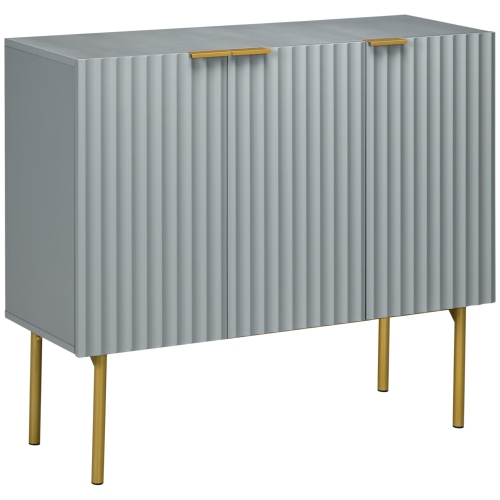
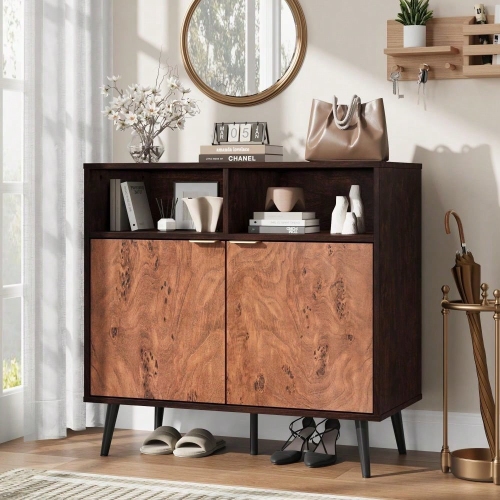
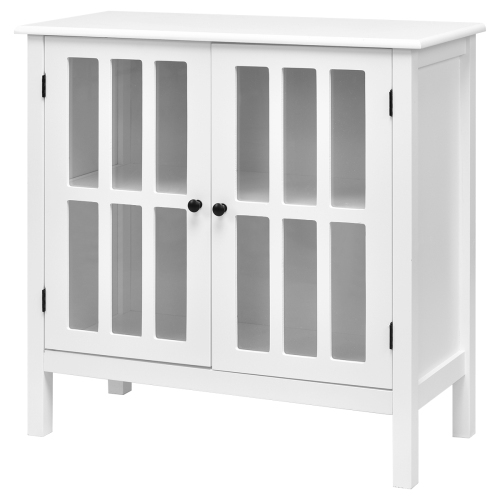
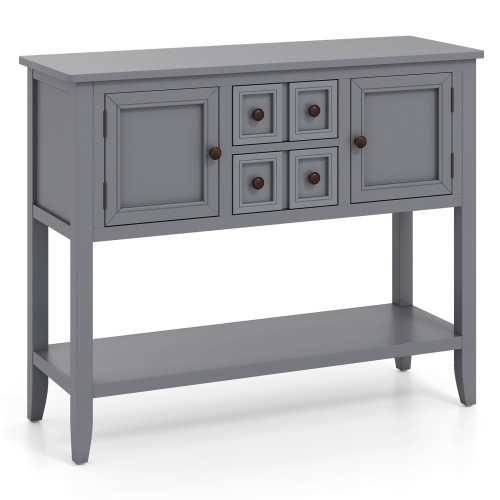
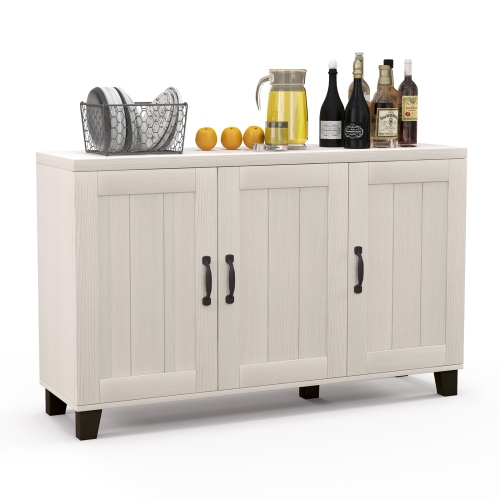
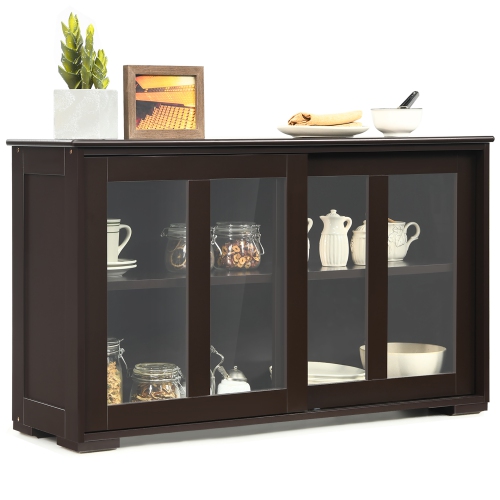
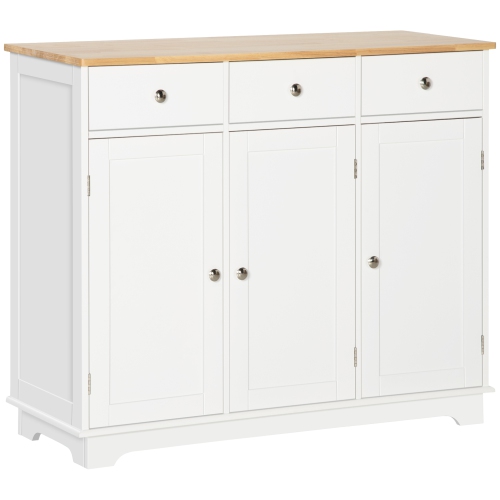
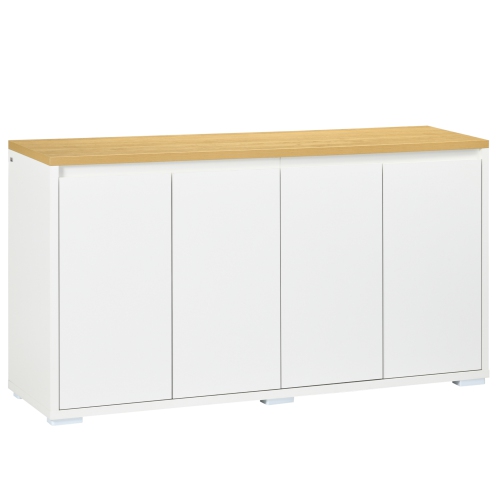
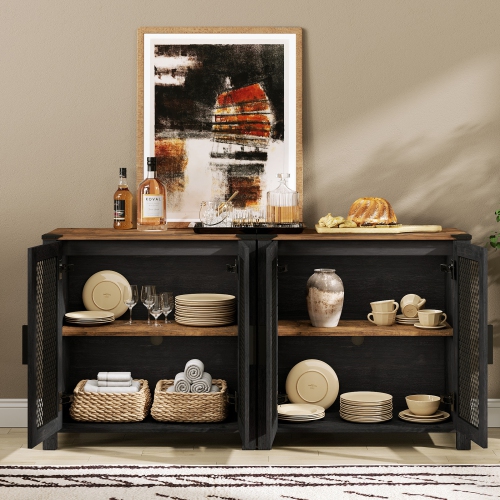
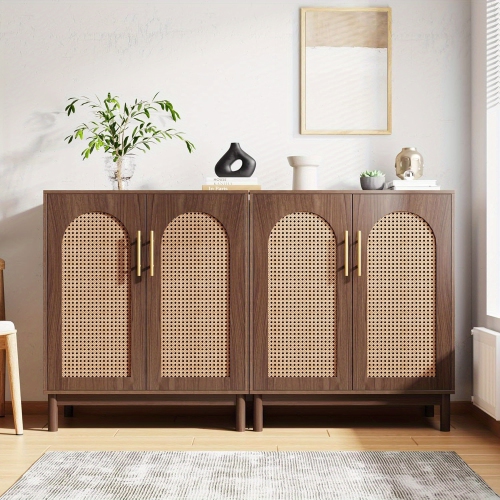
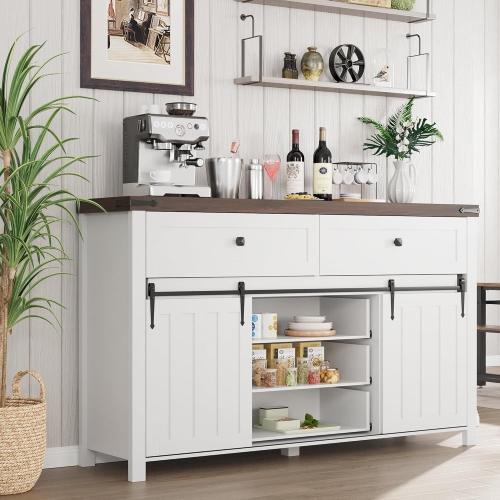

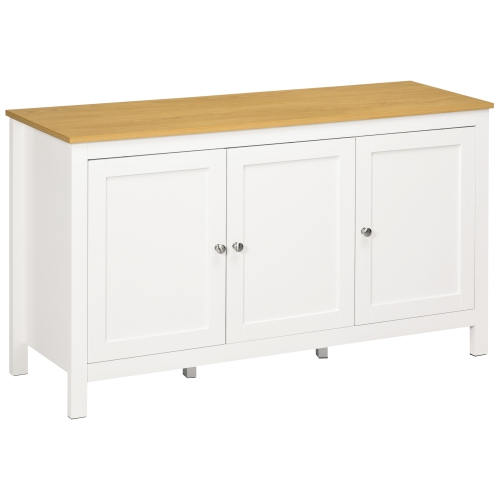

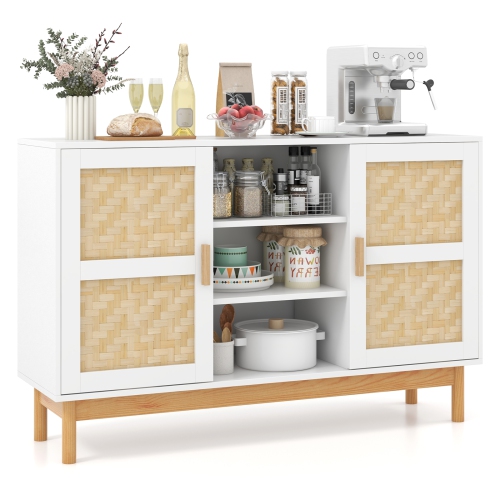
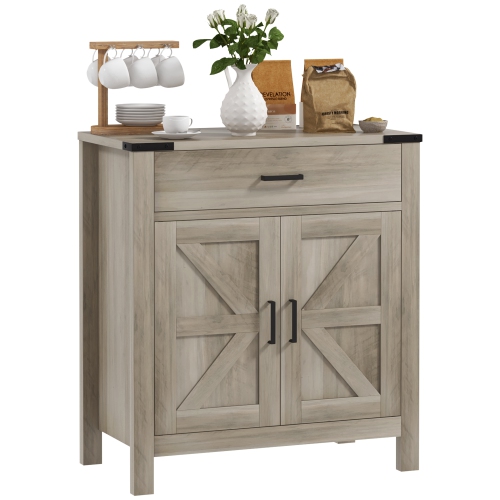
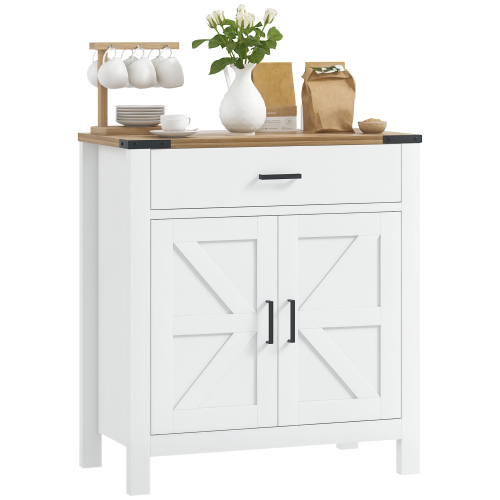
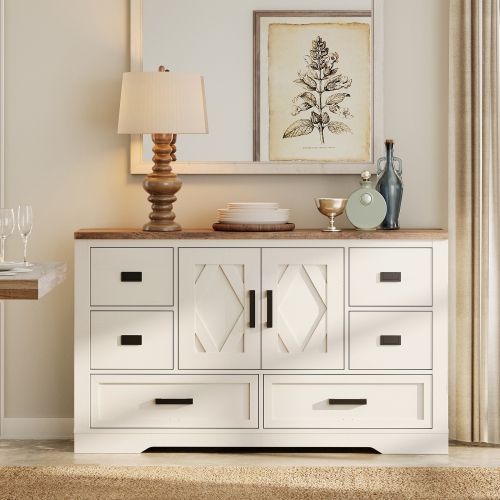
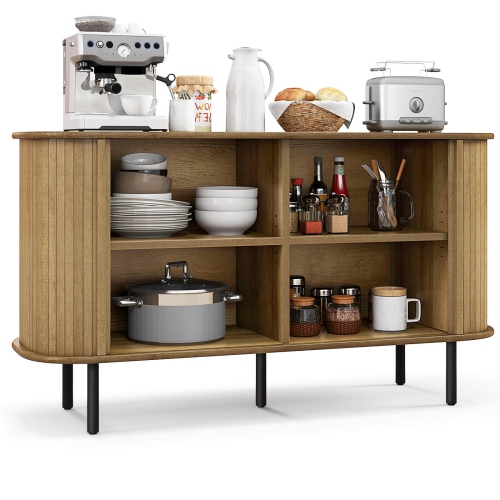
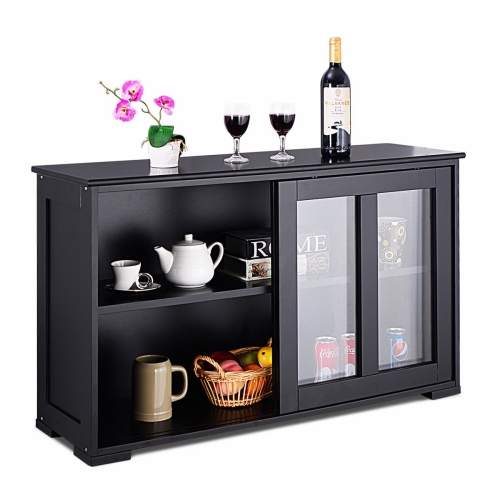
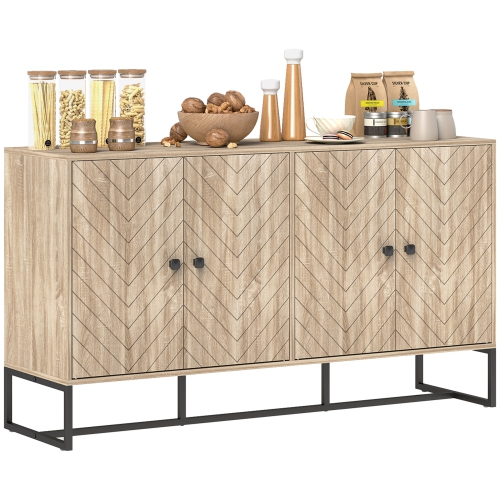
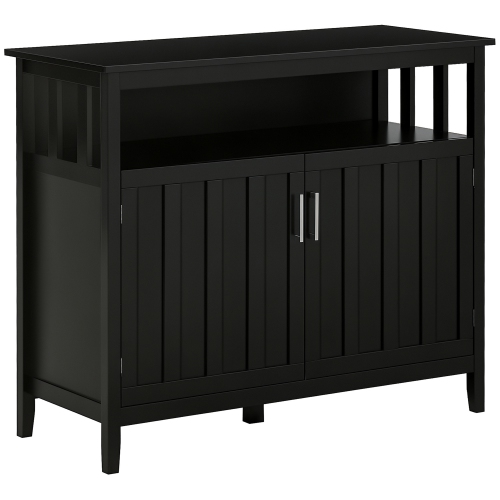
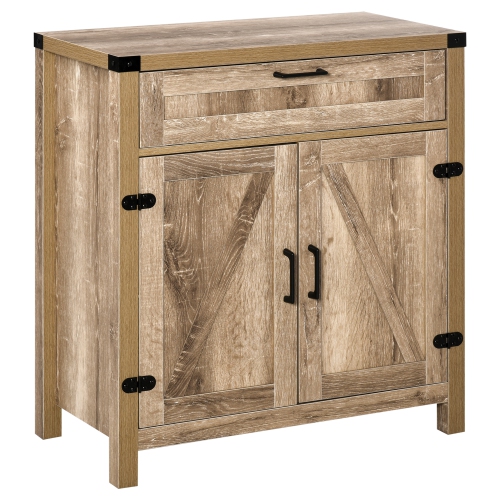
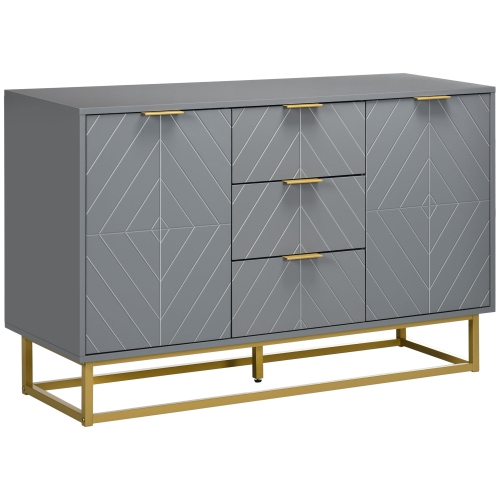
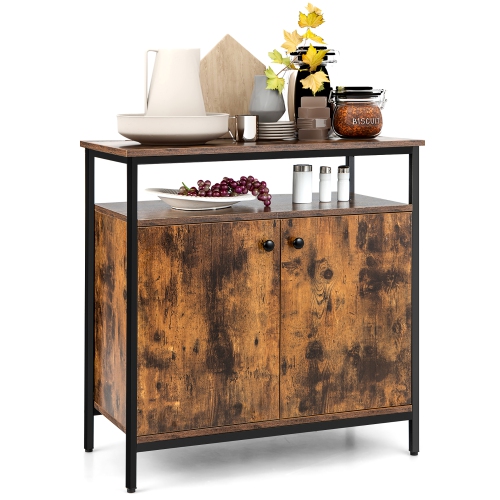
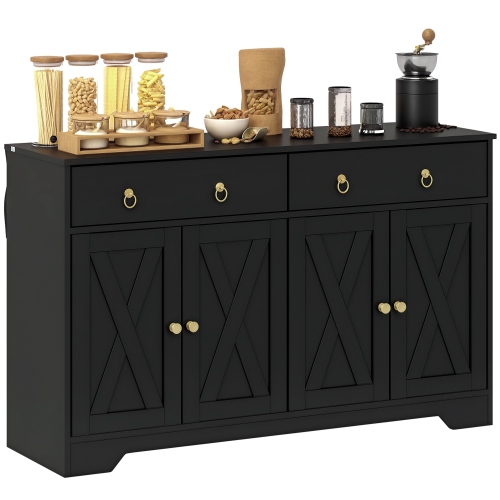


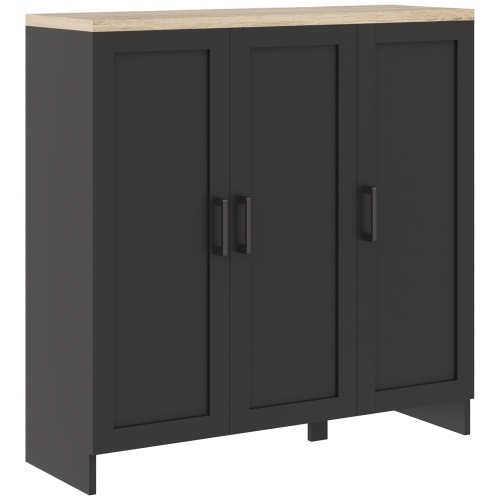

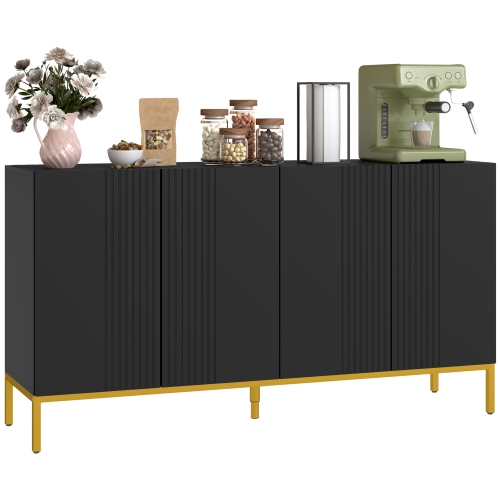
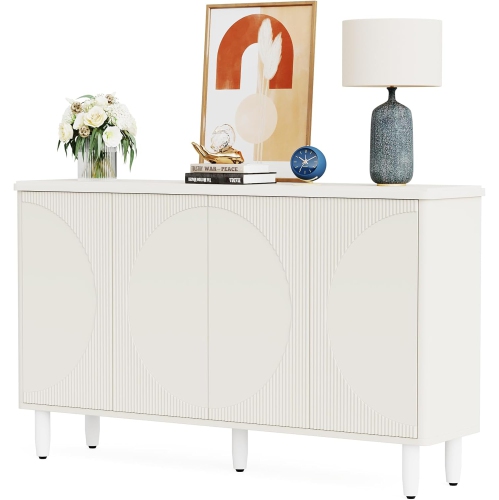
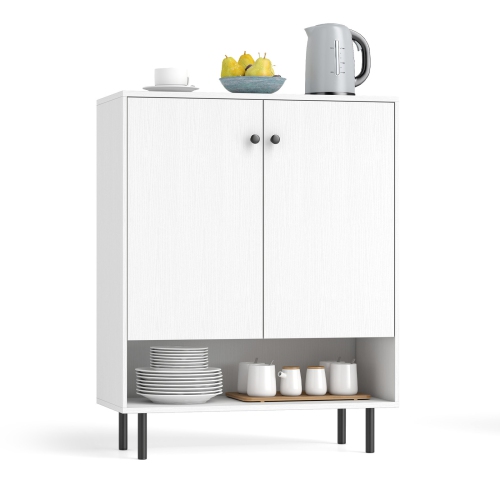
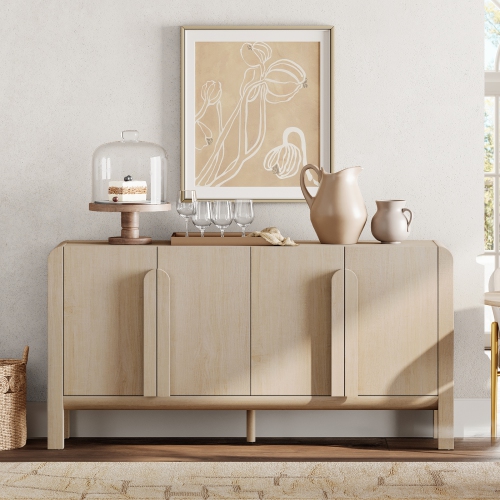
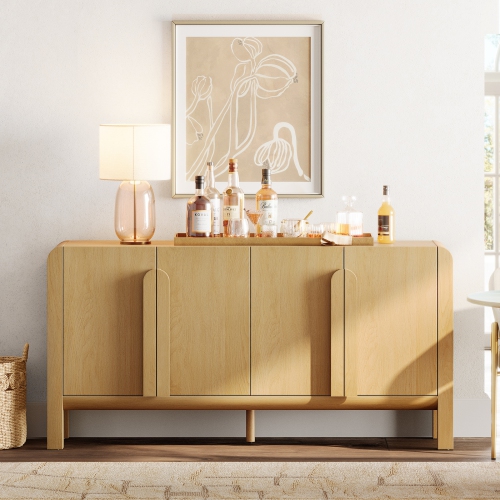
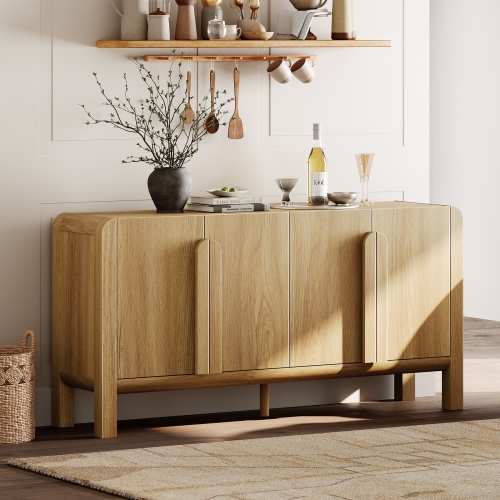
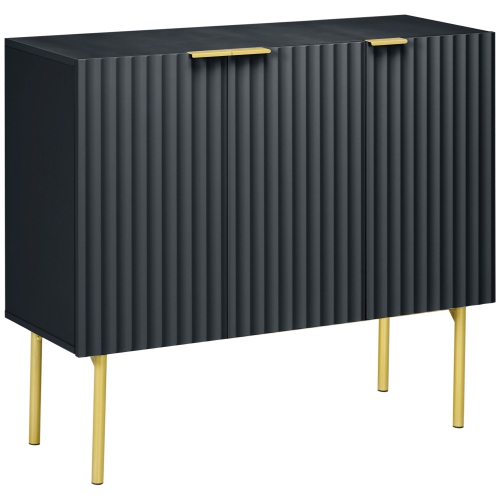
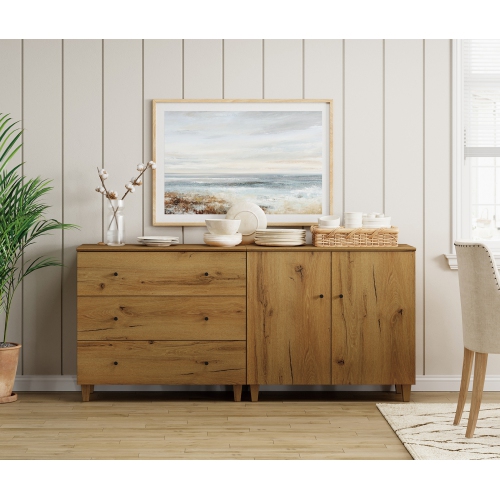
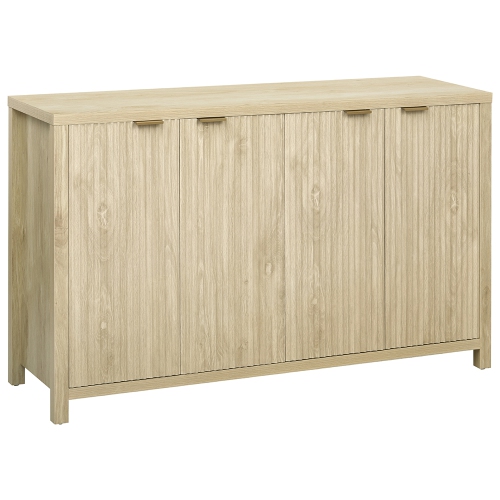
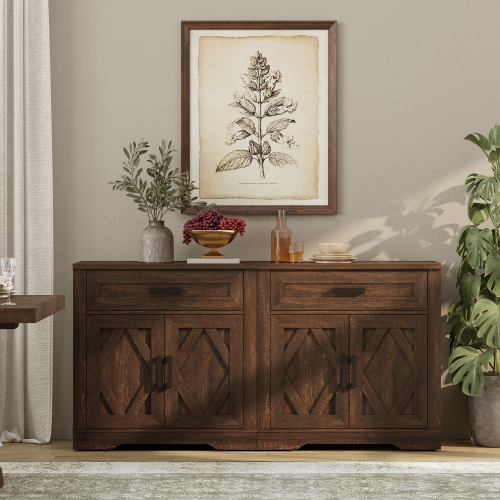
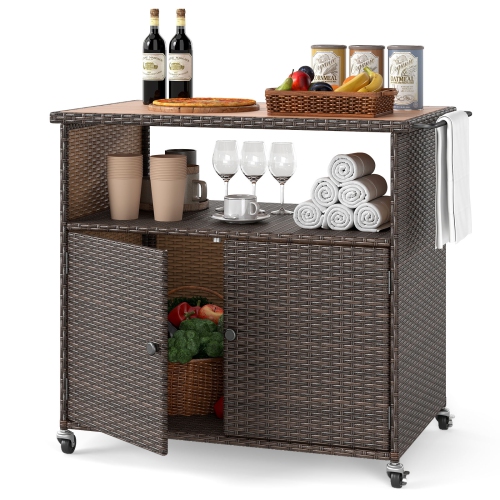
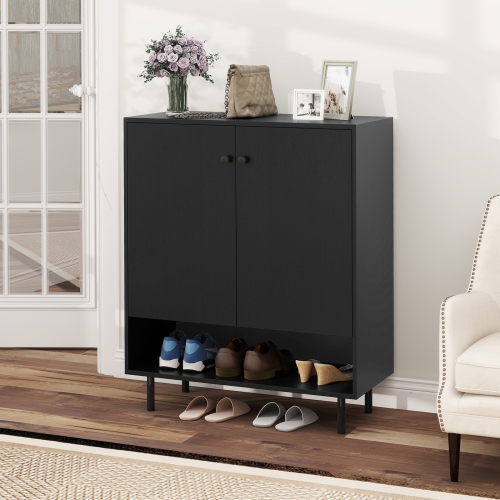
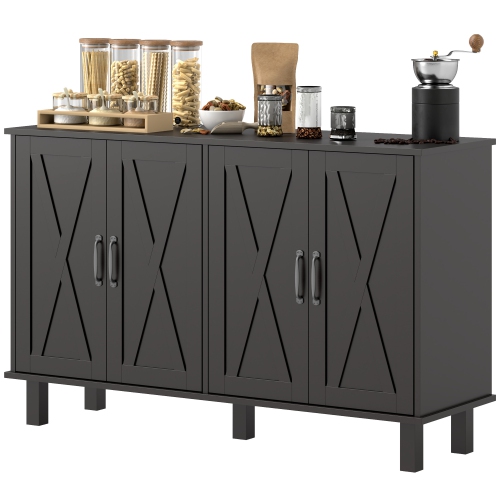
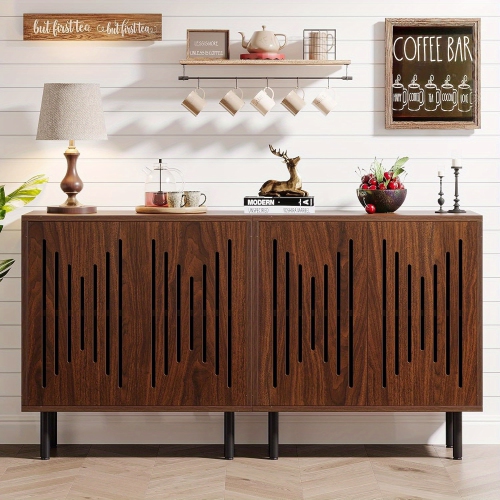
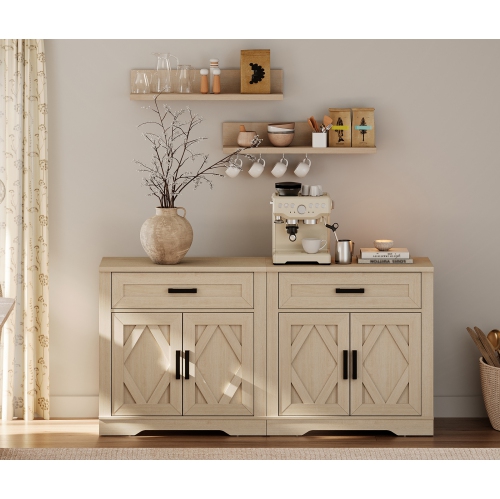
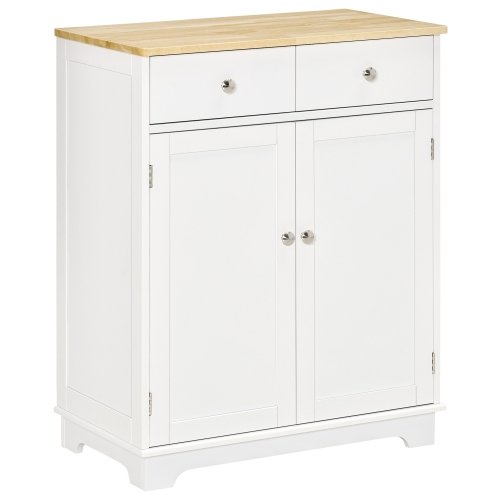
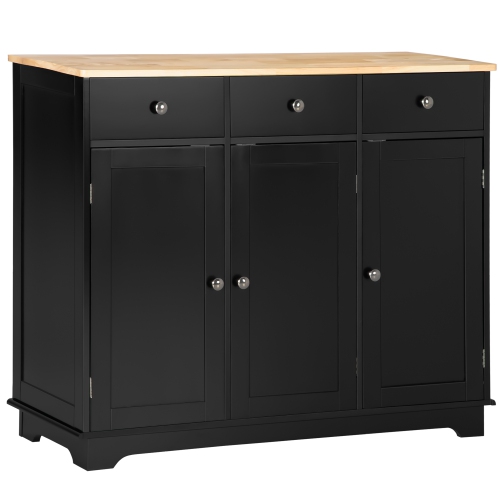
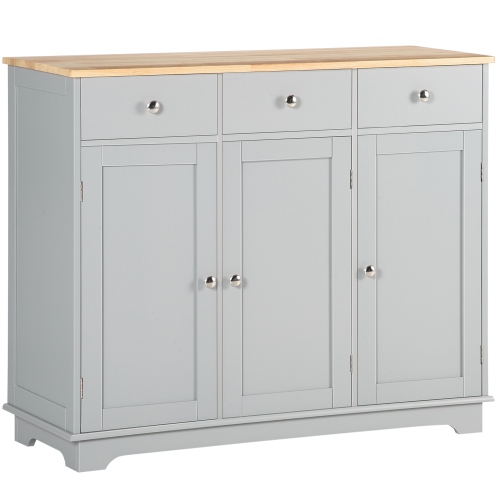

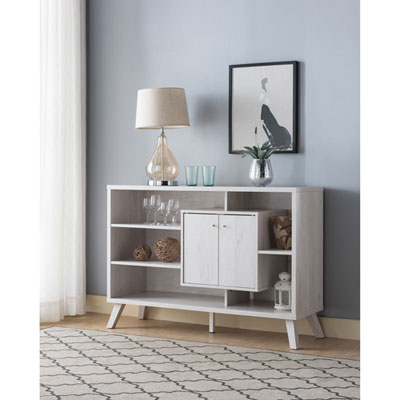

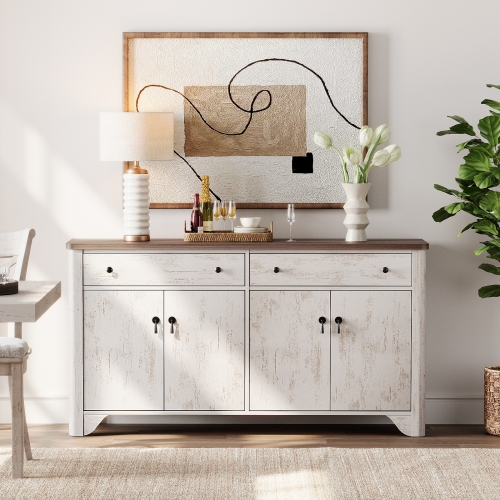

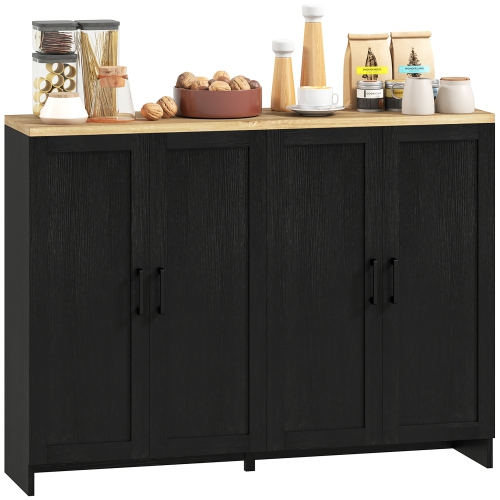
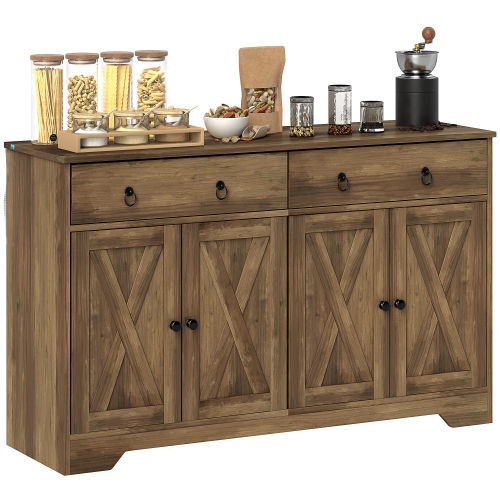
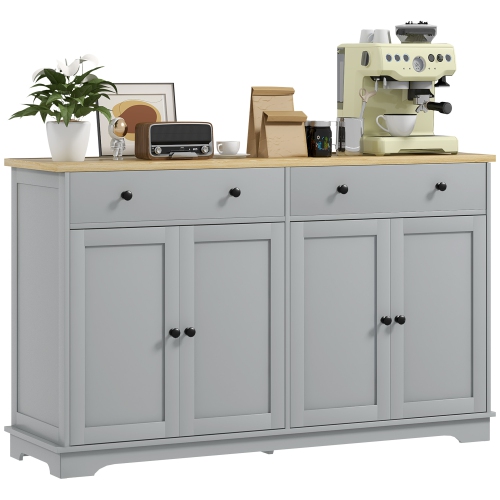
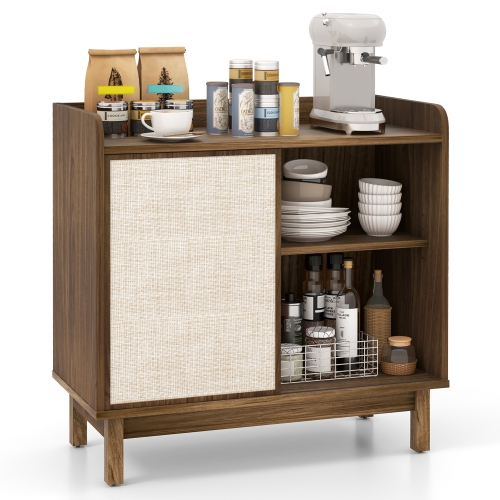
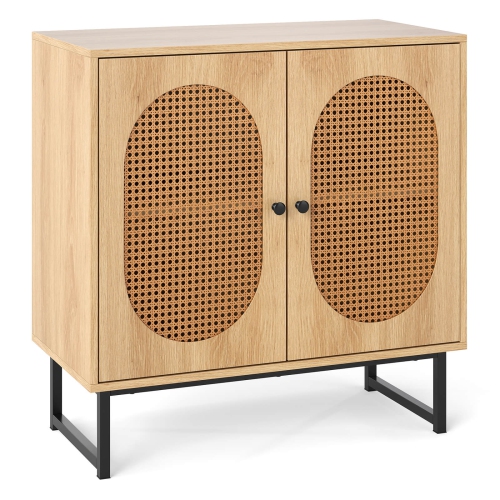
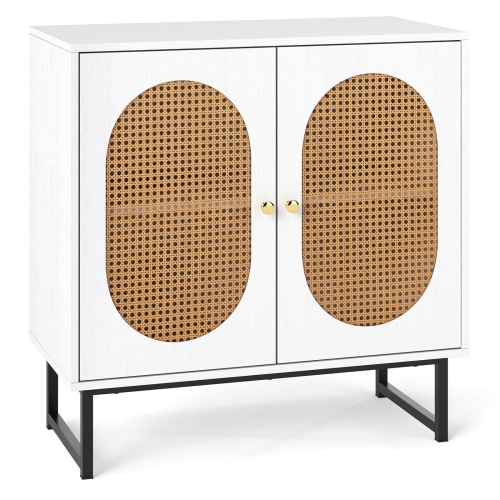
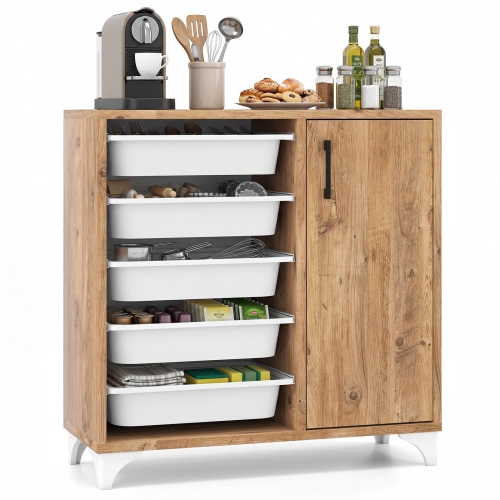
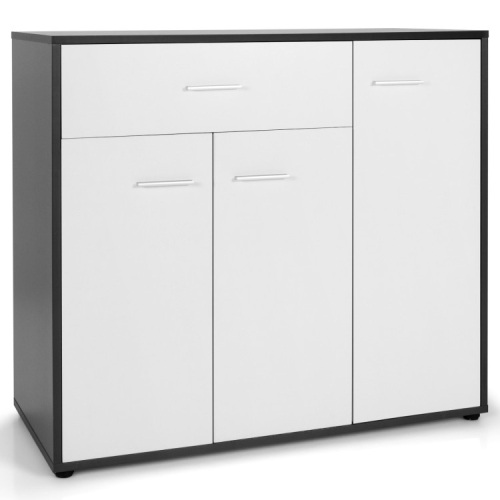
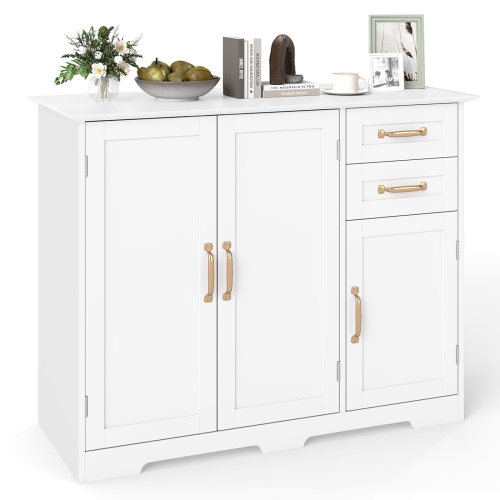
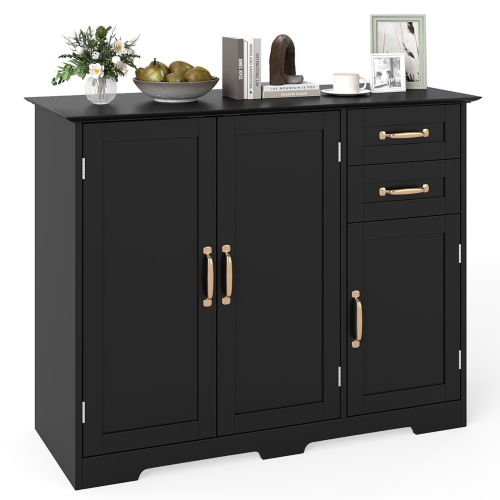
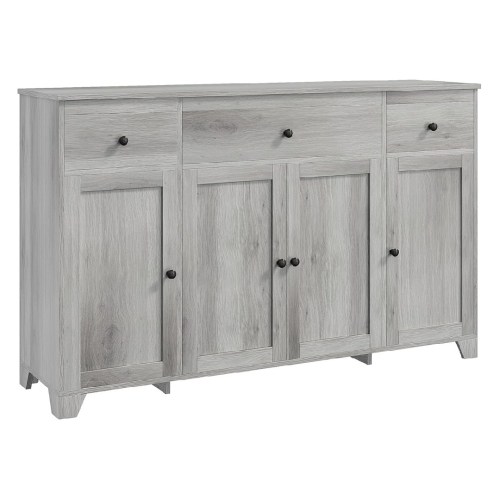
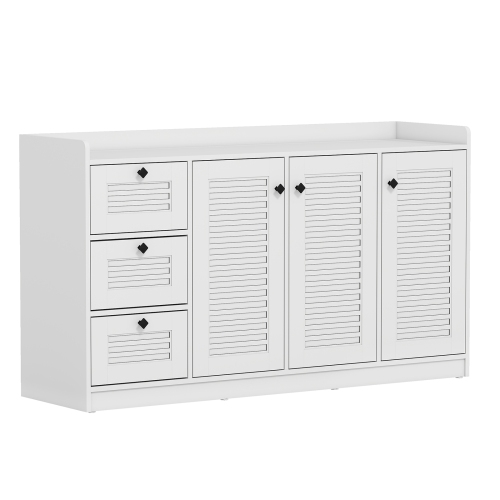
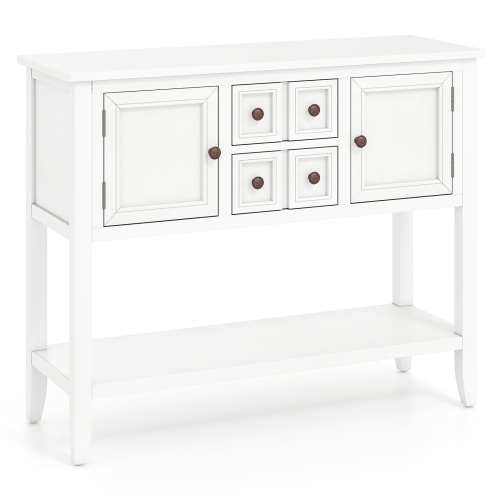
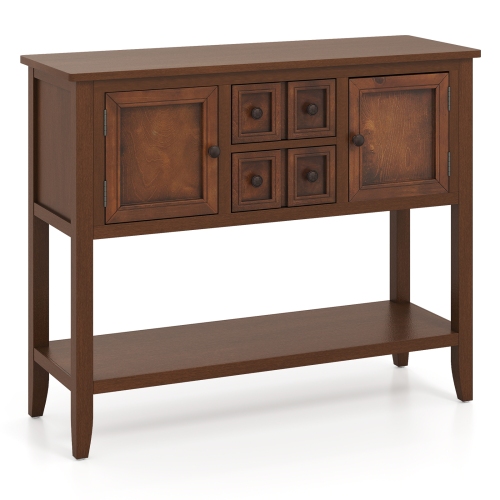
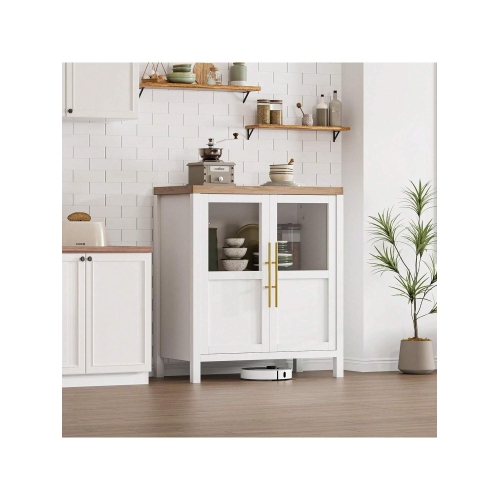
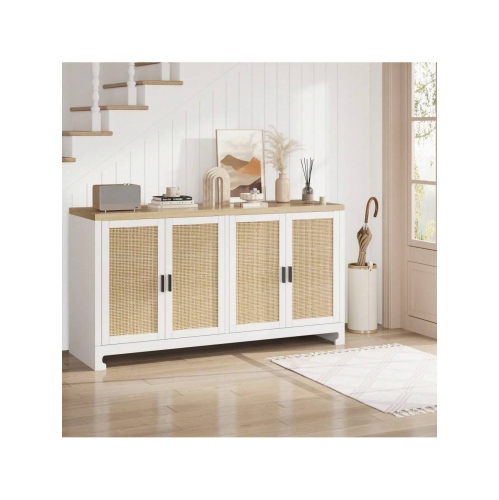
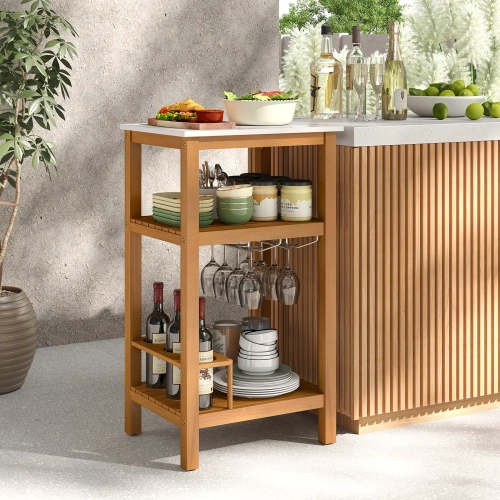
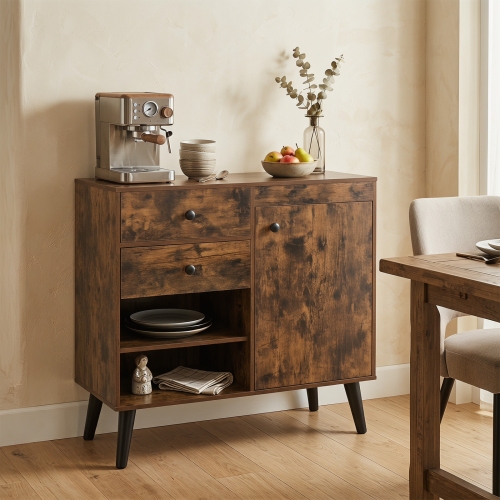
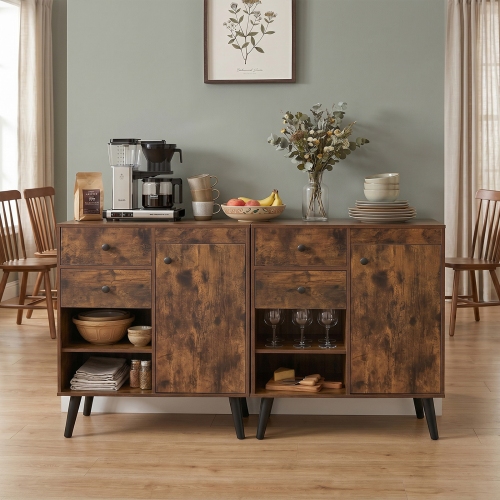
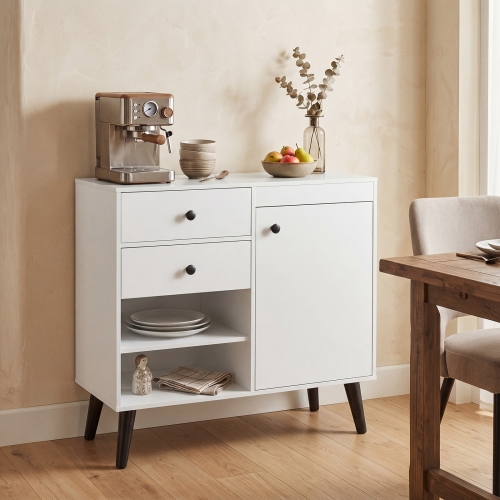
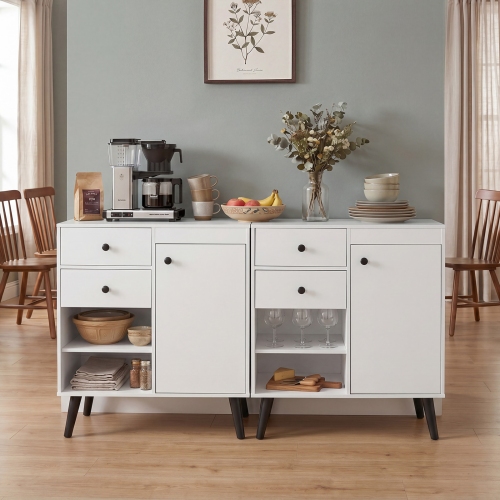
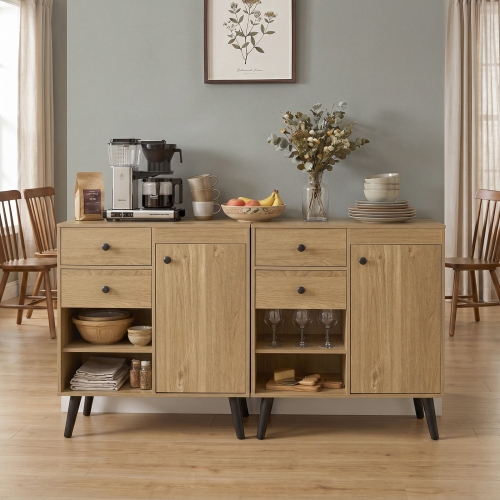
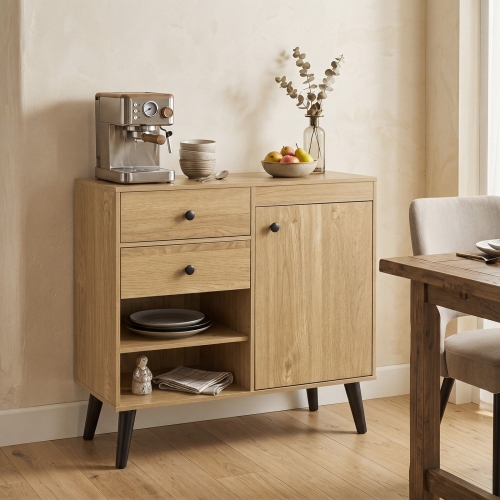
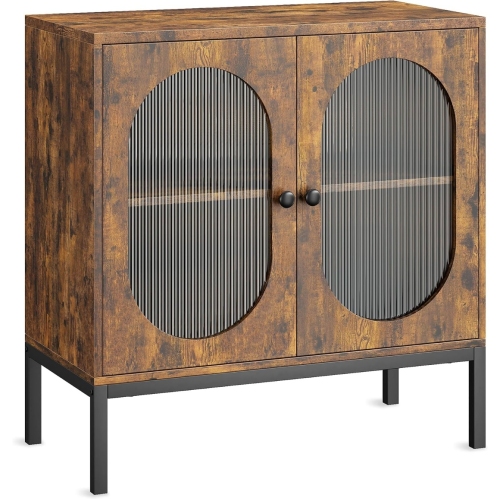
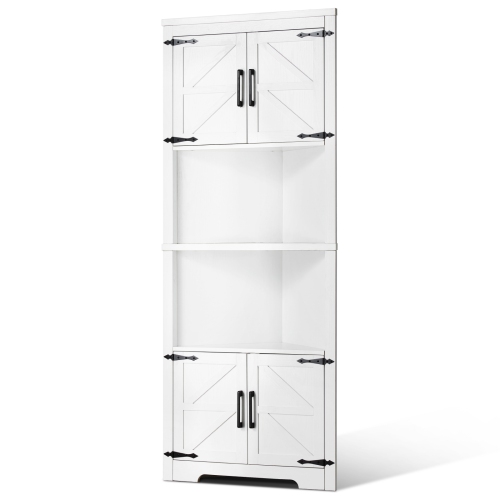
Dinnerware storage that frees up your kitchen cupboards
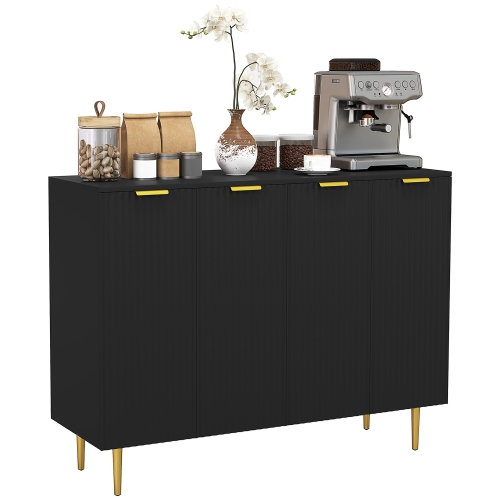
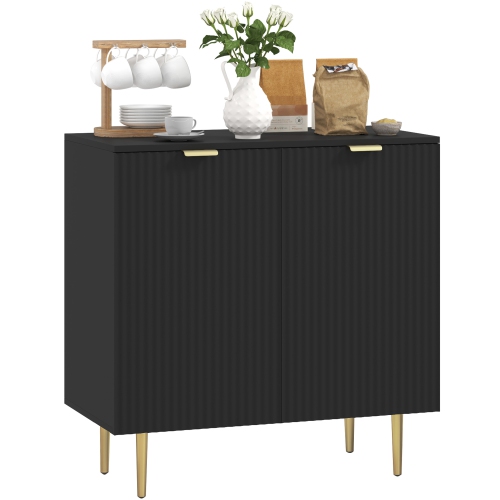
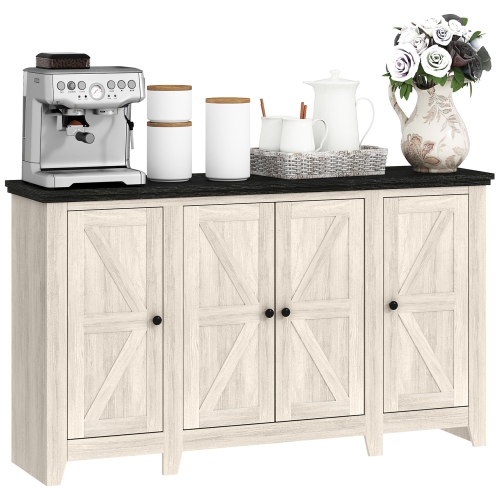
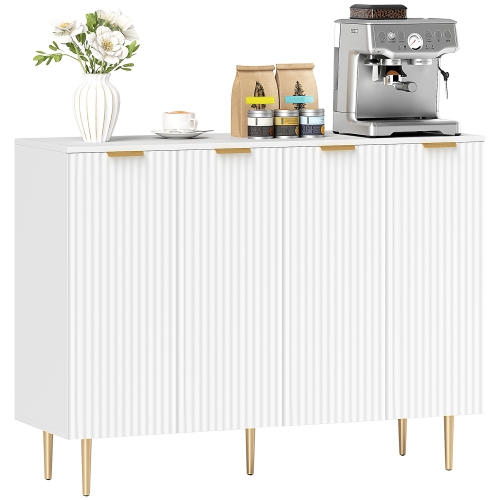
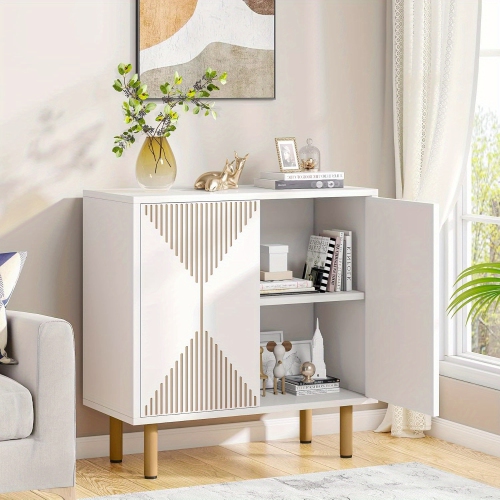
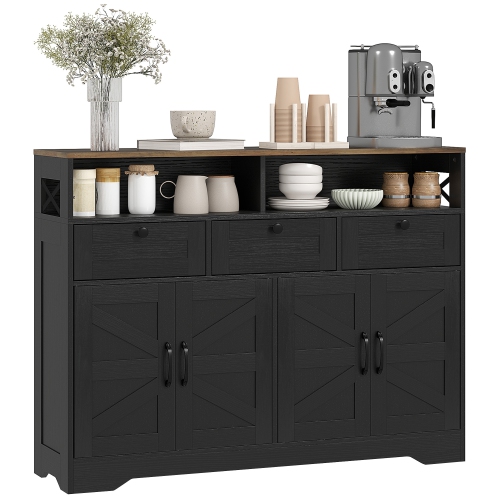
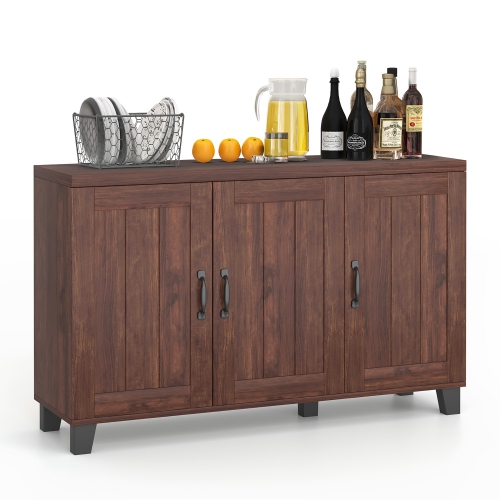
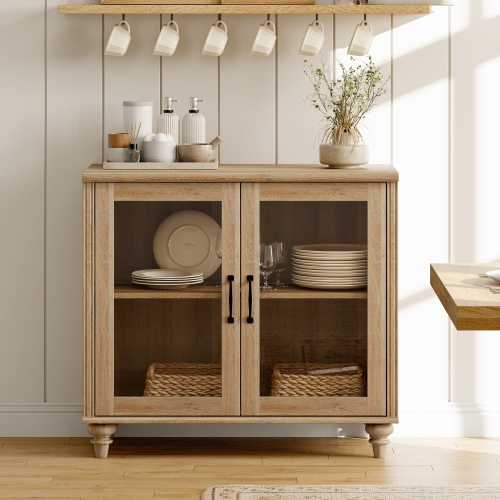
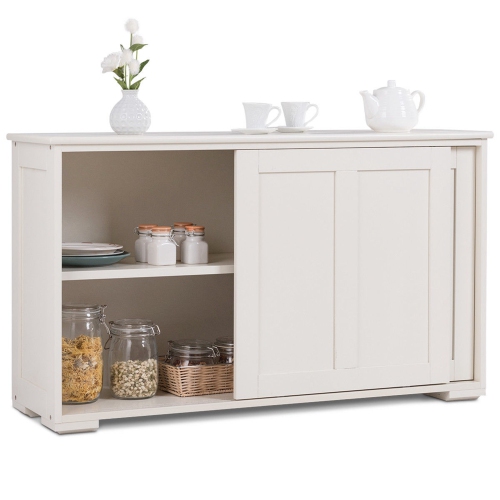
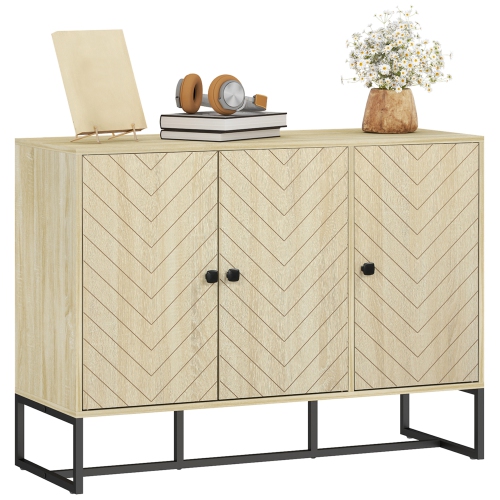
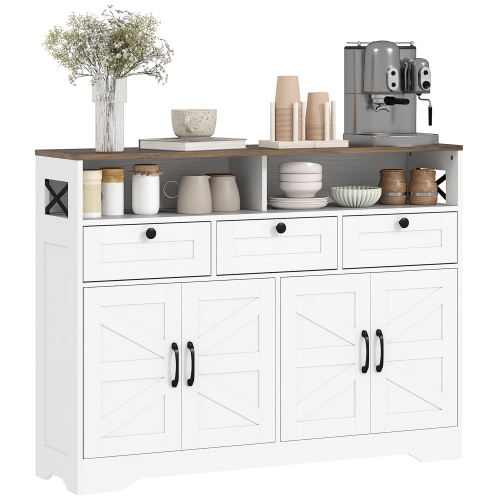
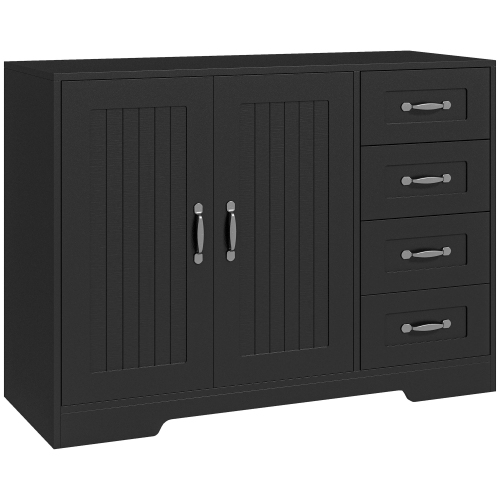
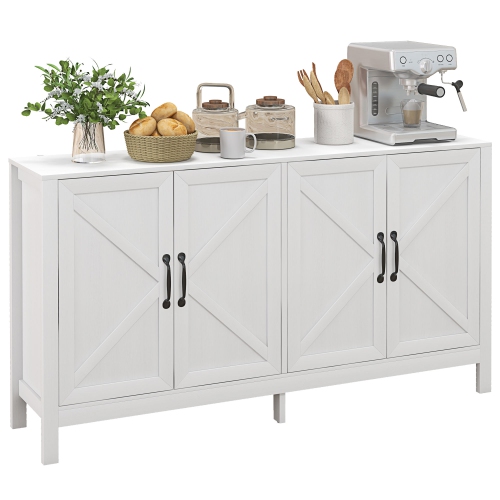
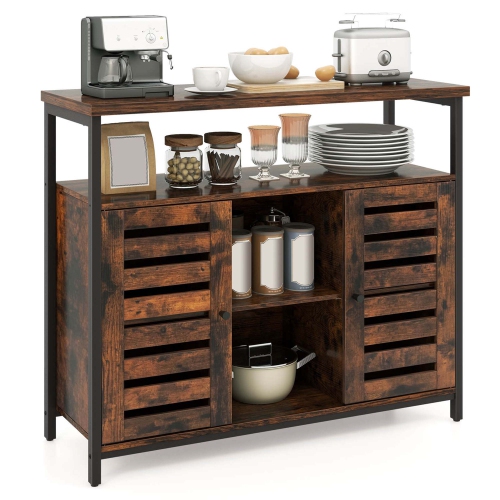
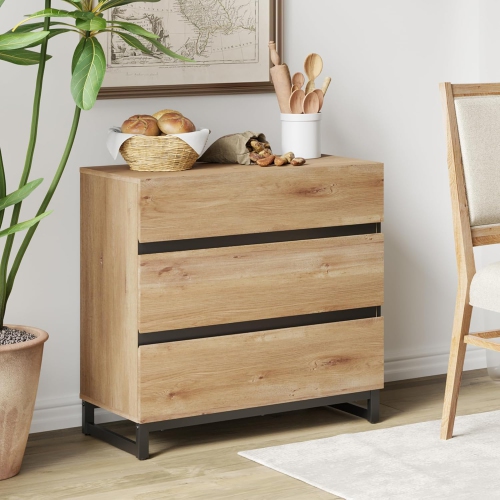
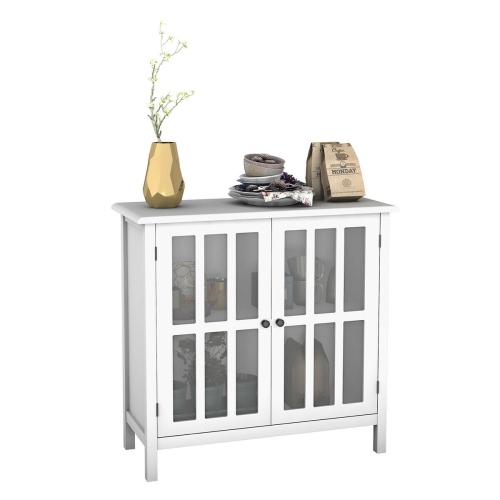
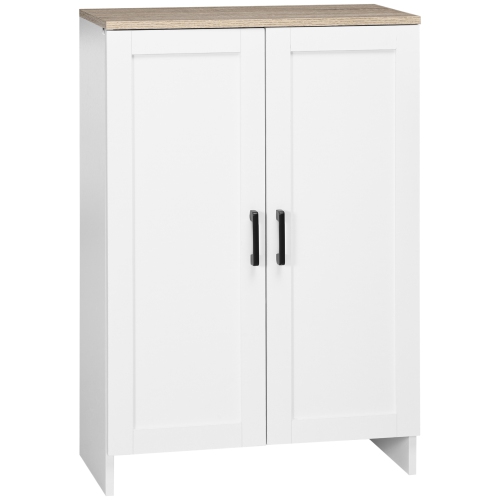
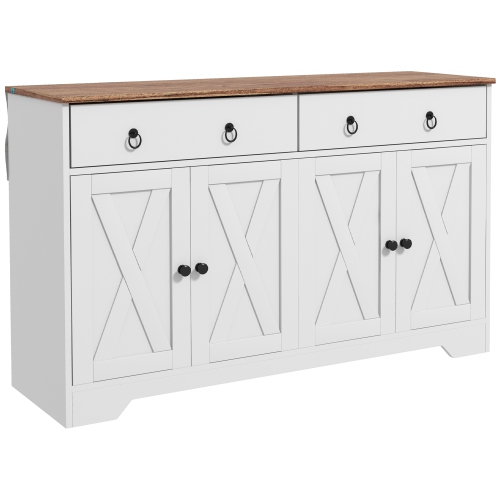
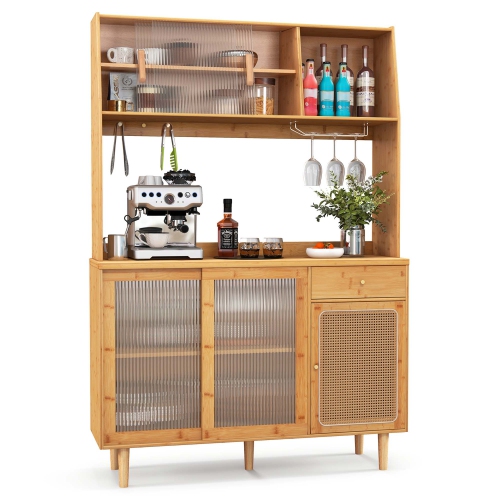
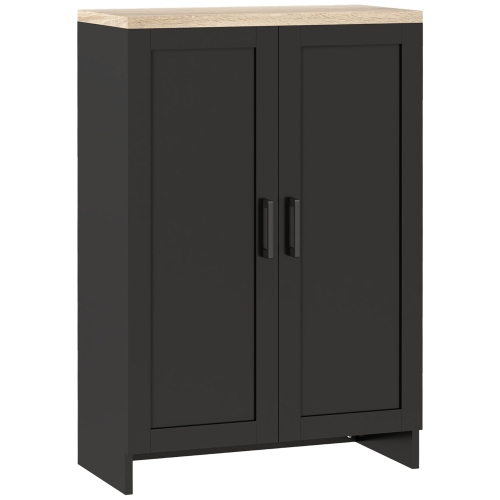
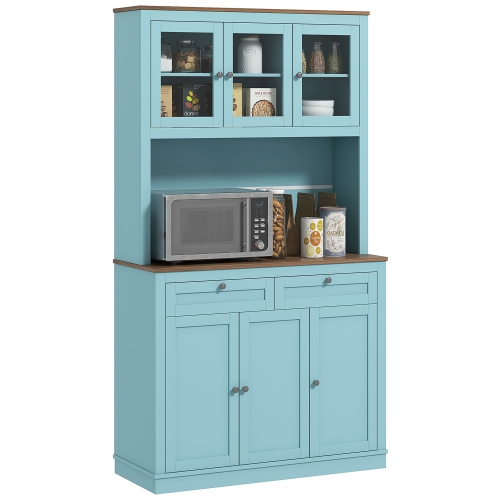
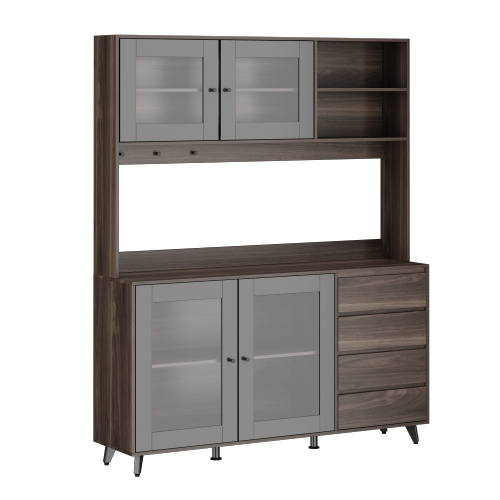
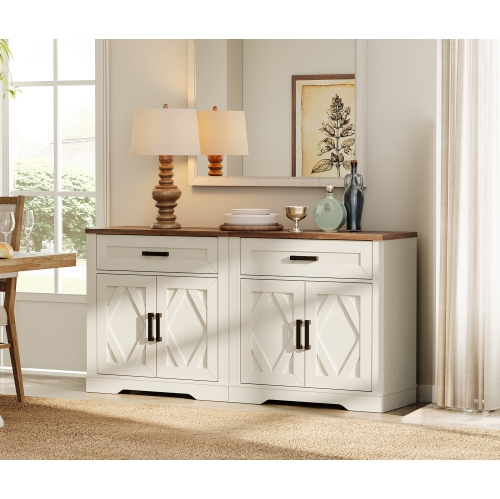
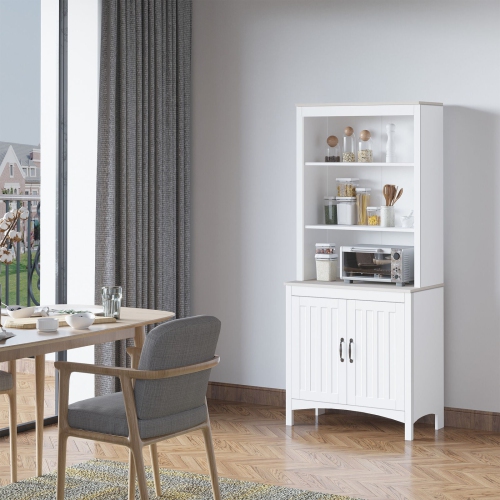
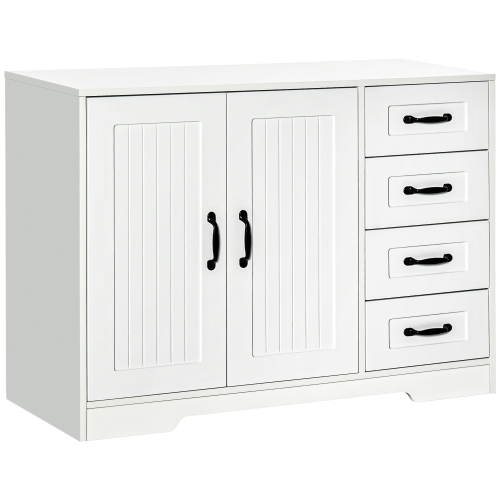
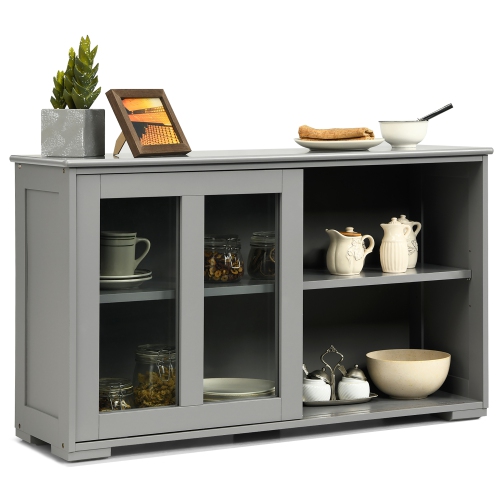
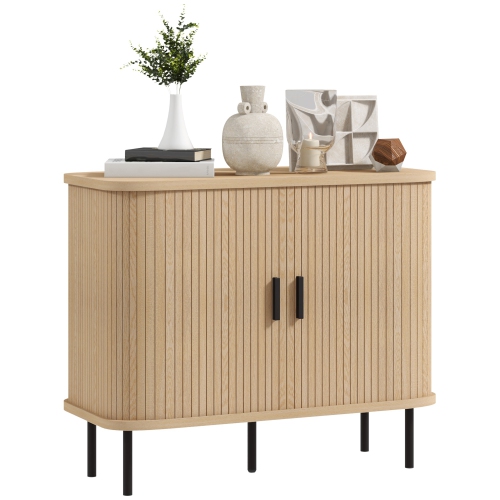
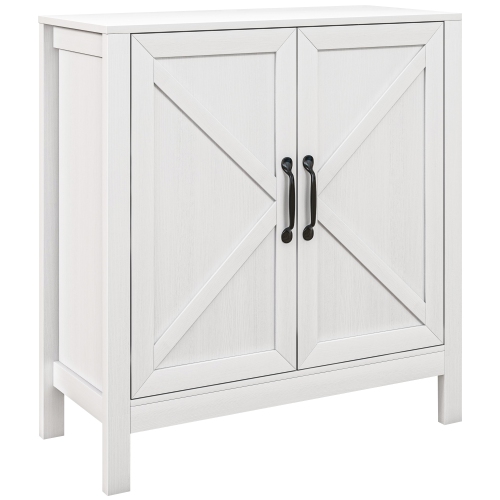
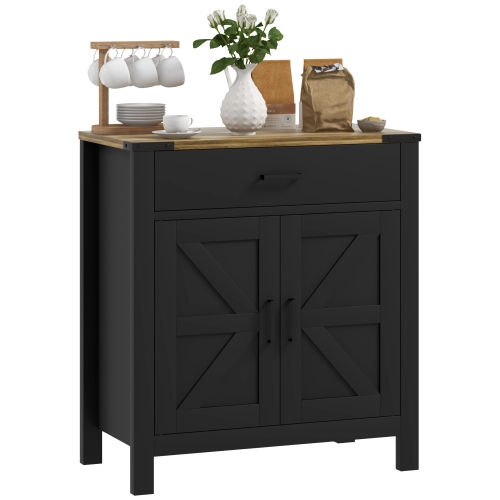
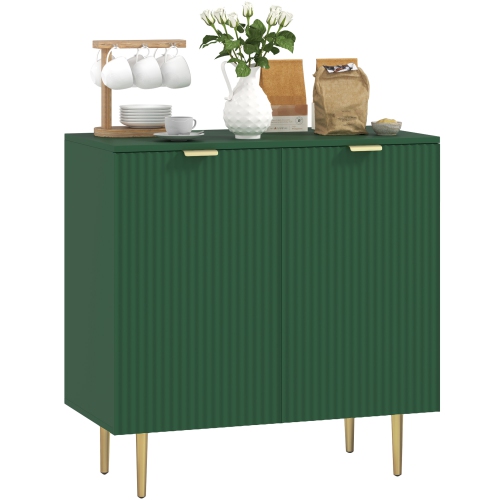
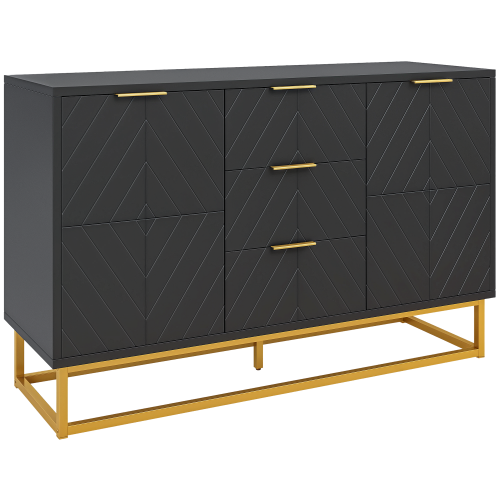
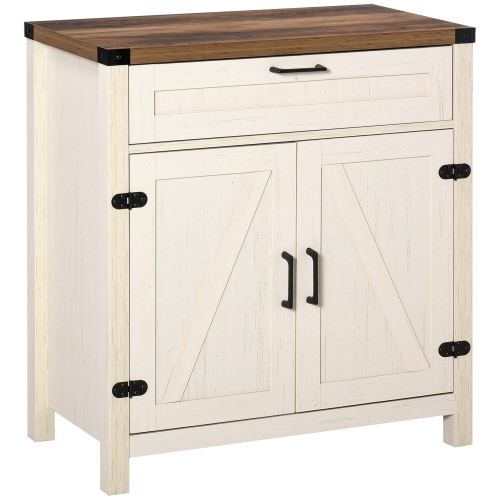
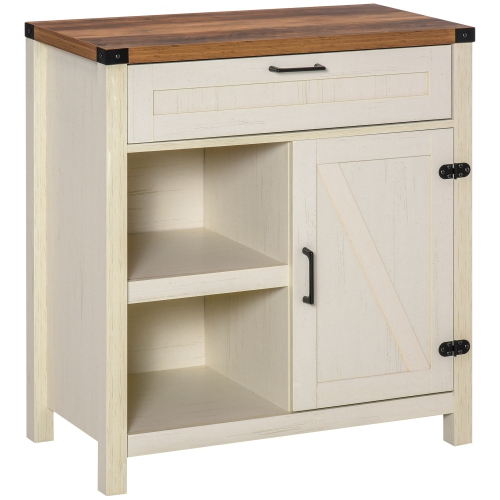
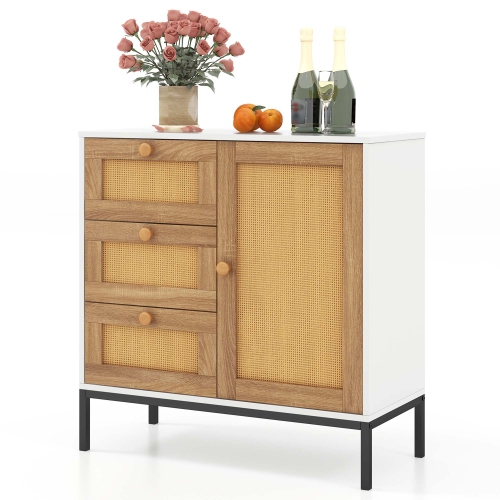
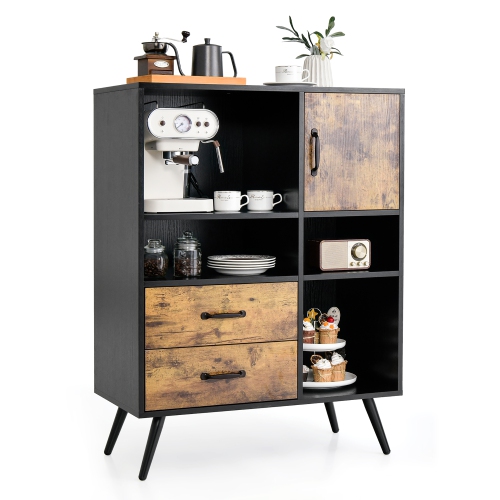
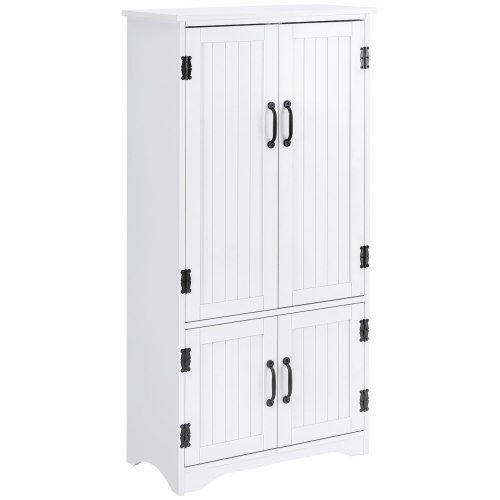
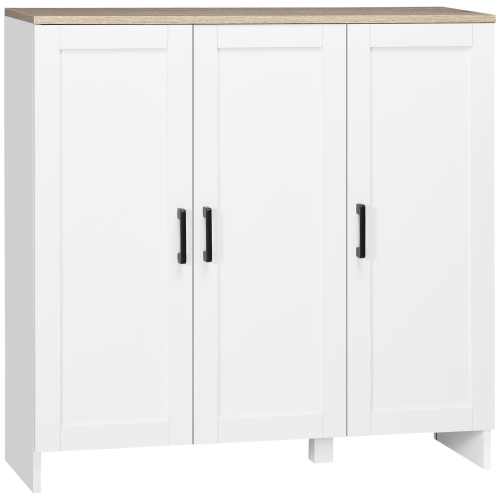
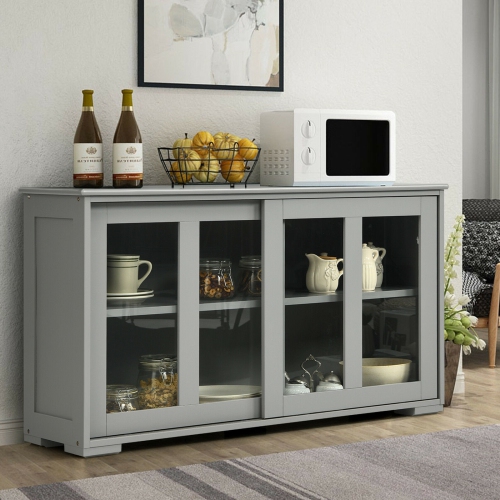
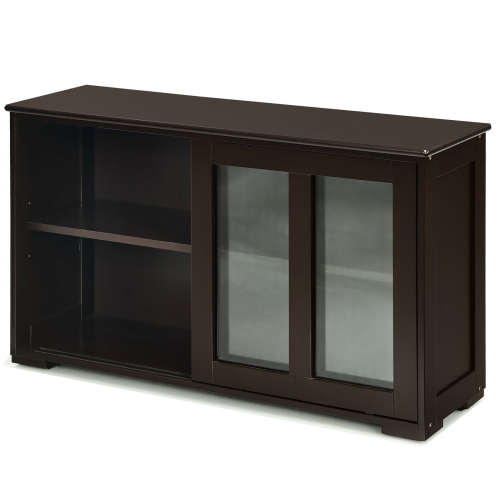
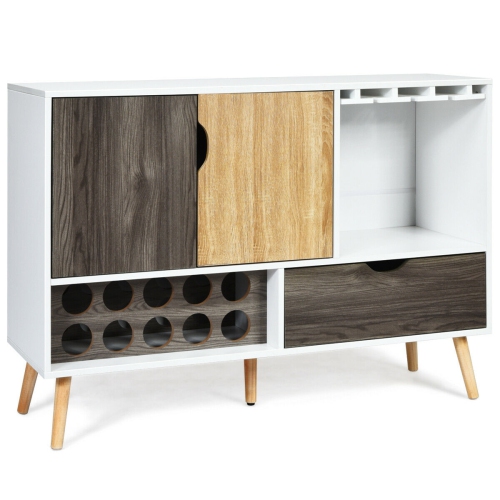
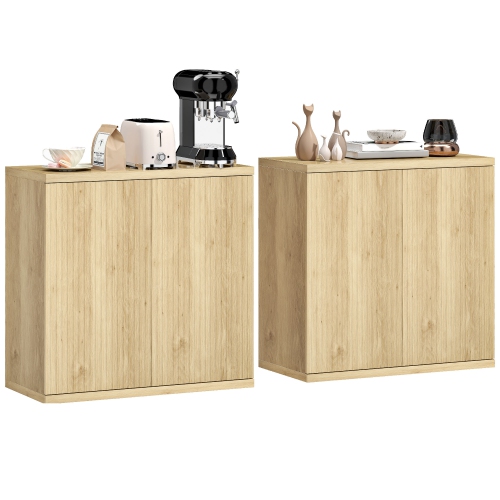
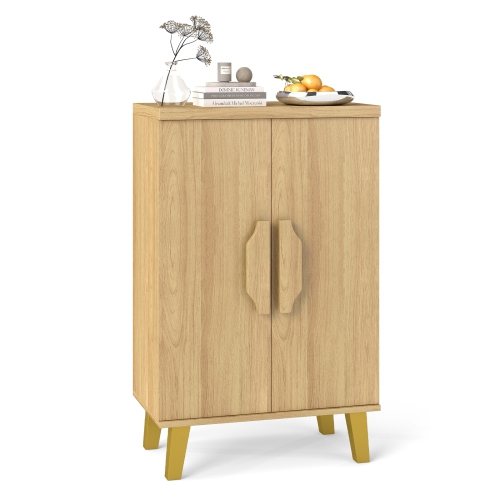
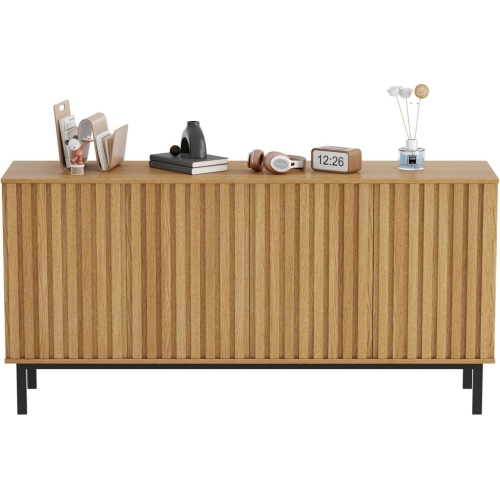
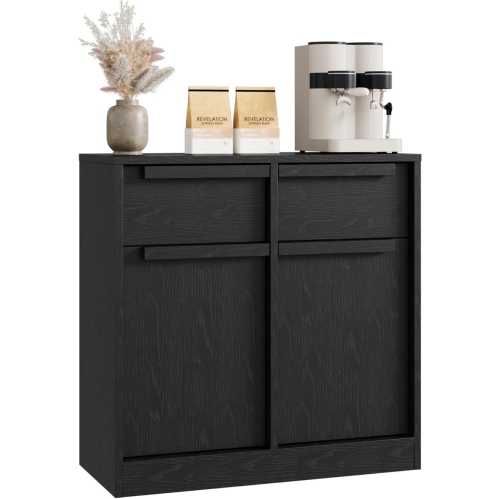
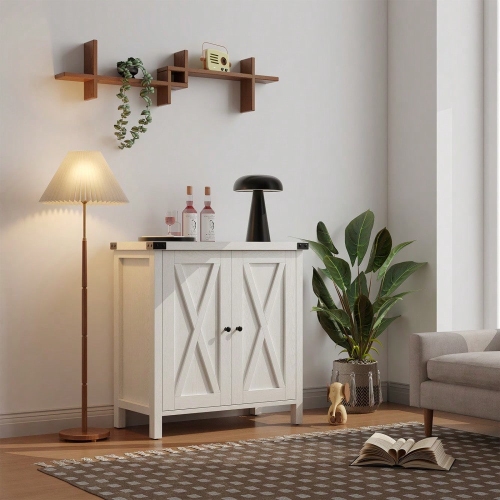
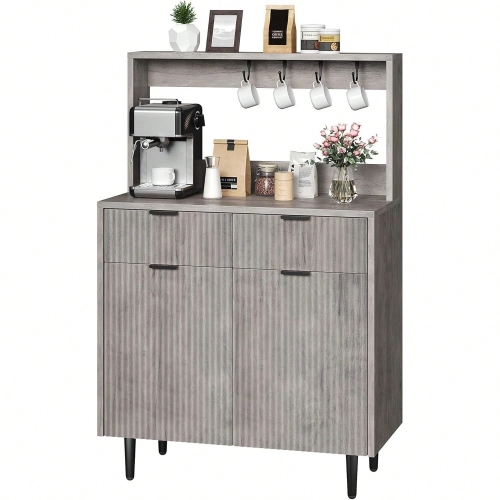
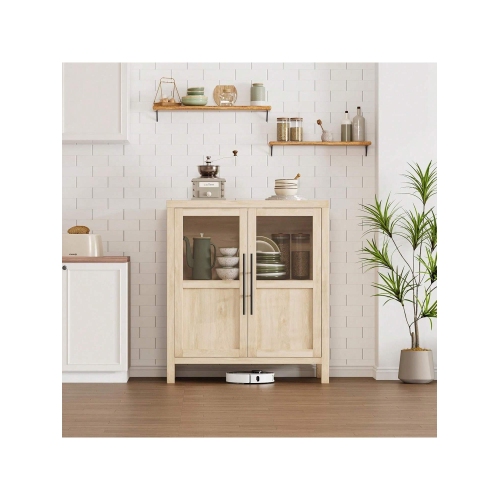
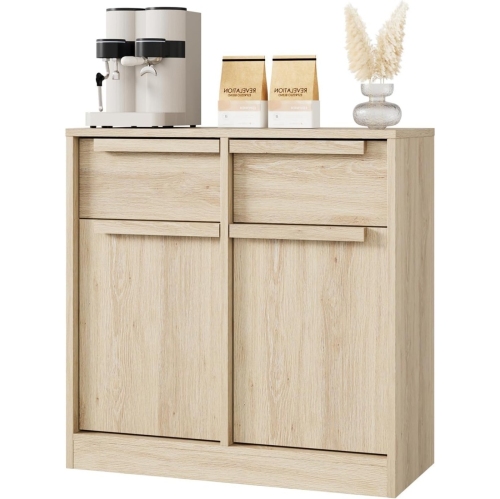
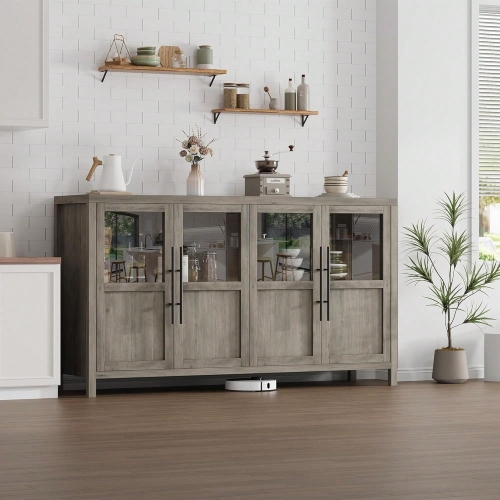
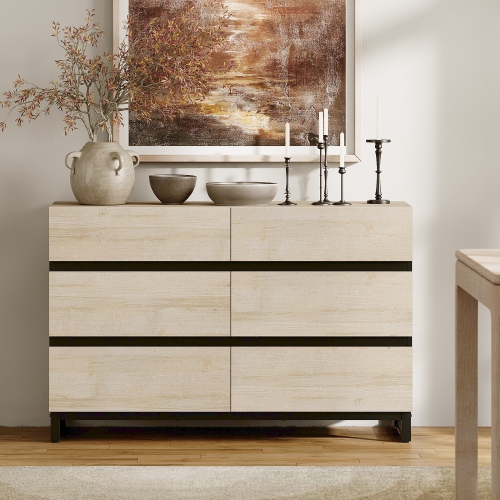
Storage buffet cabinets are typically long, low furniture pieces that combine enclosed storage with a flat top for serving, display, or everyday essentials. Often called sideboards or buffets, they give dinnerware, cutlery, table linens, and serving dishes a home outside the main kitchen cupboards. Their appeal is practical: plates can sit near the dining table, napkins can stay neatly folded in a drawer, and a large platter no longer has to compete with saucepans for shelf space. A cabinet with both drawers and doors can separate smaller pieces from bulky bowls, while adjustable shelves accommodate dishes of different heights. In a dining room, the top offers a useful landing place for serving trays, provided its size and load rating suit the intended use. In an open-plan home, a buffet can define the dining area without the visual weight of a tall hutch. For storage close to food preparation and serving areas, kitchen buffet cabinets serve a similar purpose, keeping frequently used essentials within easy reach. These cabinets also work well in apartments where cupboard space is limited, family homes with plenty of shared meals, and smaller dining areas that need furniture to perform more than one job. A coffee station is another common use, with mugs behind the doors and supplies organized in drawers. Any appliance placed on top needs adequate ventilation, access to a suitable outlet, and protection against heat or spills in accordance with the cabinet and appliance care instructions. Outside the dining area, a buffet can hold board games, craft supplies, or household paperwork, although its layout should still match what will be stored. A cabinet intended for dishes is not automatically suitable as a television stand; that use depends on the top dimensions, weight capacity, stability, and any required cable management. The best fit comes from matching the cabinet’s actual construction and storage layout to a clear everyday purpose rather than relying on its appearance alone.
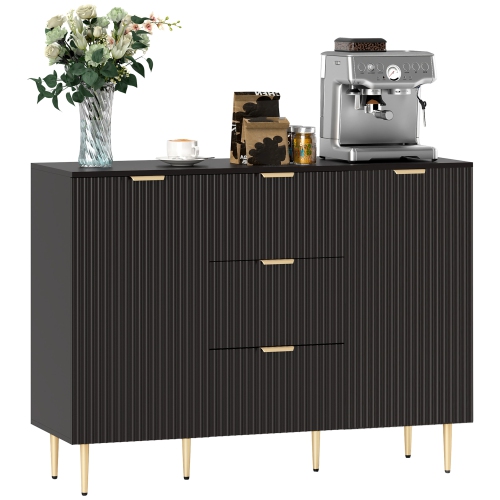
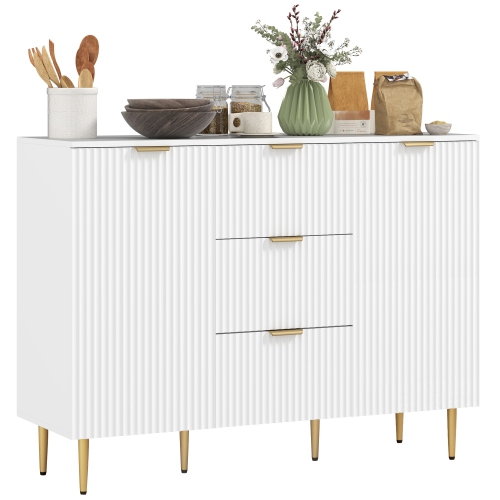
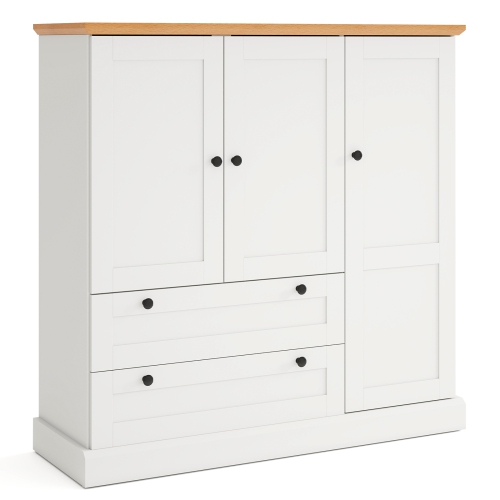
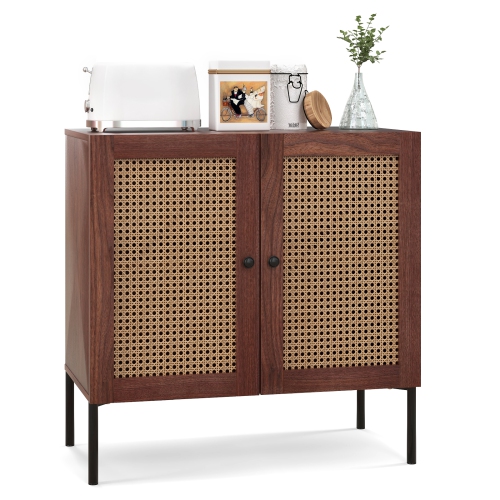
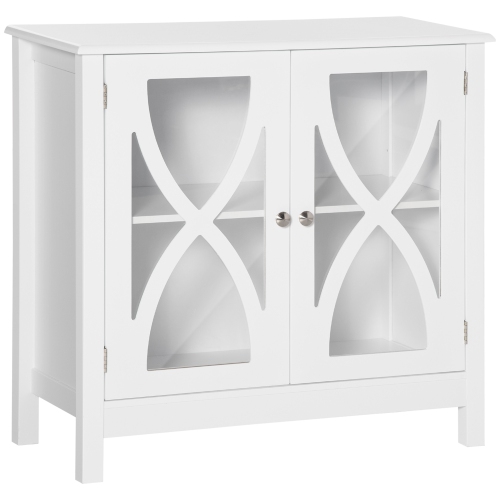
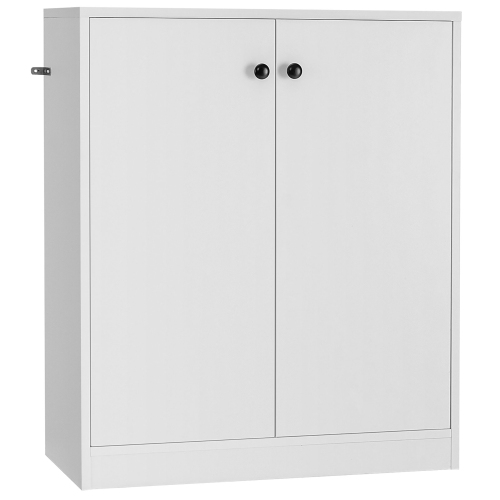
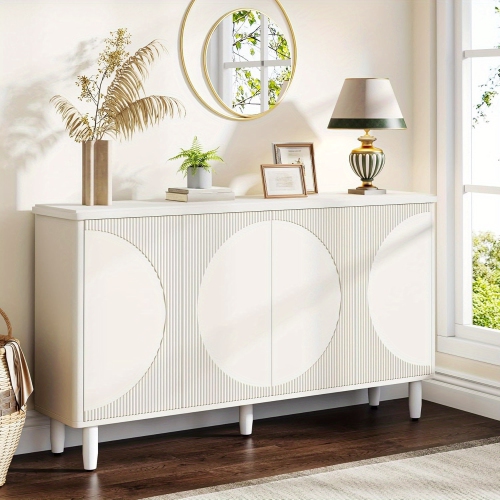
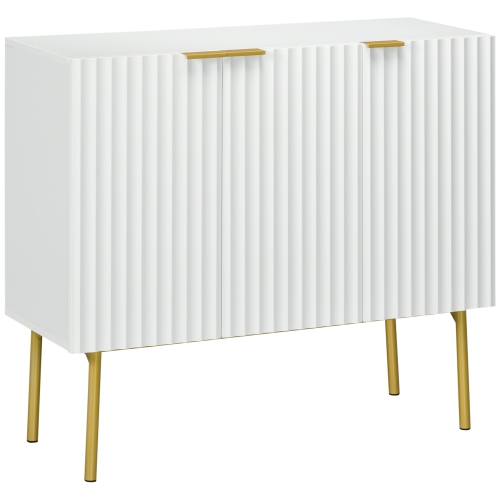
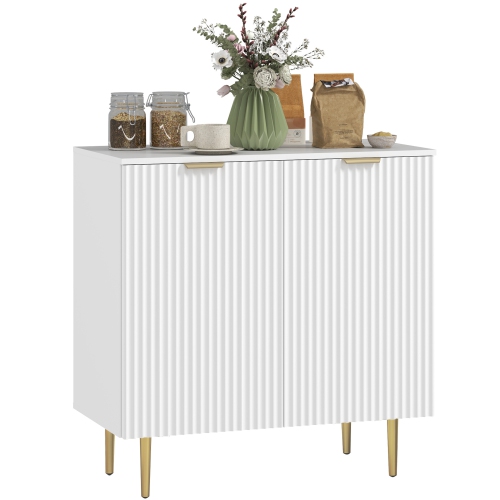
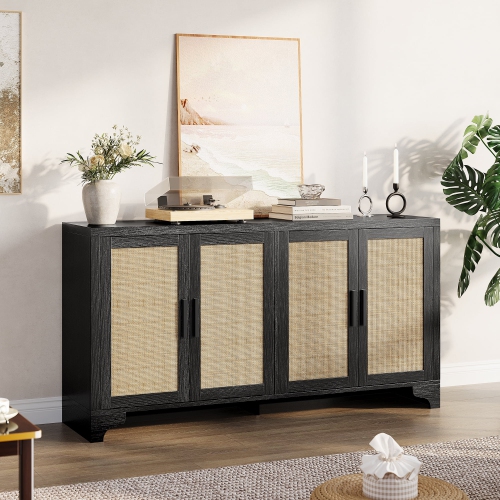
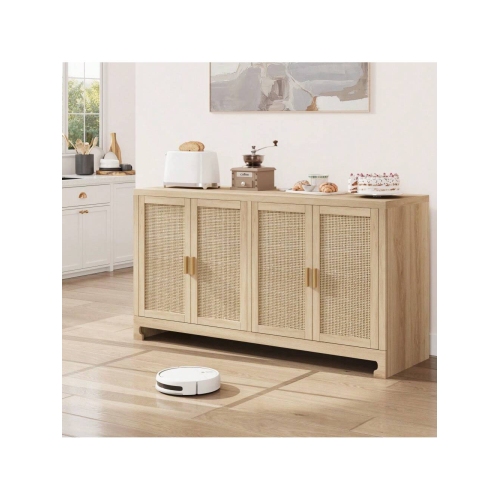
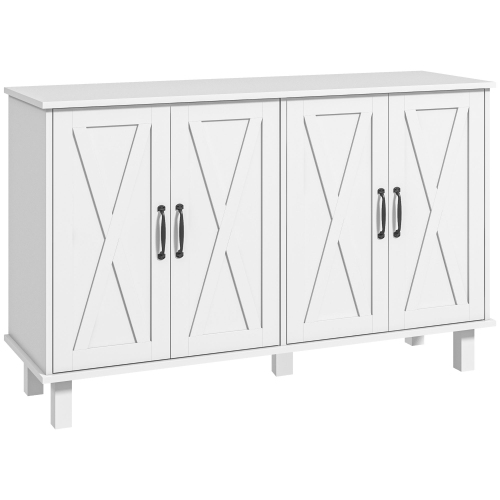
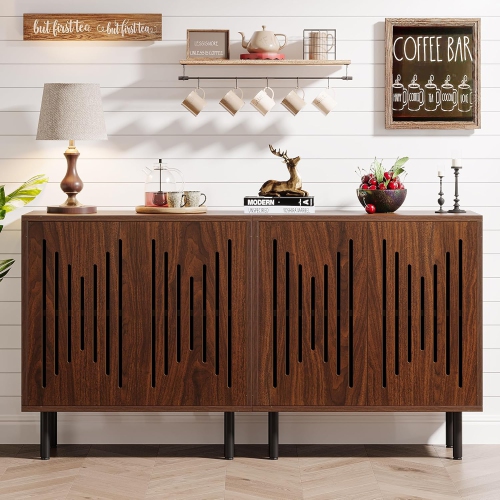
The proportions of a storage buffet cabinet matter as much as its storage capacity. Width determines how comfortably it sits along a wall, depth affects the space left for chairs and foot traffic, and height influences both access and the usefulness of the top. A cabinet may fit a wall perfectly yet feel awkward when a dining chair is pulled out or a cupboard door swings open. Drawer extension, door clearance, nearby baseboards, and the location of outlets all affect how naturally the piece works in the room. Interior measurements are equally important: an adjustable shelf can make room for a tall pitcher, but the cabinet’s internal depth still needs to accommodate a wide serving plate. Raised legs can create a lighter visual profile and leave space beneath for cleaning, while a plinth base gives the cabinet a more grounded appearance. Clearance under raised furniture varies, so access for a robot vacuum depends on the actual gap. Materials bring their own balance of character and care requirements. Solid wood has grain variation and may develop small changes in appearance with use; veneer provides a real-wood surface over a supporting core; and engineered wood with a laminate or other applied finish can offer a consistent look. Durability depends on more than the material name, including panel thickness, joinery, shelf support, hardware, and the quality of the finish. Metal legs or frames can add a crisp contrast, while glass-front doors make contents visible and encourage tidier arrangements. Closed doors are useful when the goal is to keep mismatched dishes or everyday supplies out of sight. Style can follow the room without matching every existing piece: wood tones bring warmth, pale finishes brighten a compact space, and darker colours create contrast against light walls. Farmhouse-inspired designs may feature framed doors or X-shaped accents, while mid-century designs often use tapered legs and restrained profiles. Fluted fronts, flat doors, and simple handles offer other ways to add texture or maintain clean lines.
A well-organized buffet makes everyday routines easier without turning the dining room into an extension of the kitchen counter. Heavy stacks of plates generally belong on lower shelves, within the stated shelf limits, while frequently used mugs, bowls, and table linens benefit from easy-to-reach positions. Drawer dividers can keep cutlery from shifting, and shallow trays help separate napkin rings, coasters, and serving utensils. Open shelves suit pieces used often or arranged for display, but they also expose contents to dust; enclosed compartments are usually better for less frequently used dinnerware. Glass doors offer visibility with some protection from dust, although seals and gaps vary by design. For households with children or pets, stability and secure placement deserve particular attention. Any supplied anti-tip hardware should be installed according to the manufacturer’s instructions, and climbing or hanging on open doors and drawers should be discouraged. Soft-close hinges and drawer slides can reduce abrupt closing, but they do not replace appropriate supervision. Assembly quality also affects daily use: aligned doors, properly fitted hardware, and a level position help drawers operate smoothly and prevent unnecessary strain. Care is usually straightforward when it follows the finish requirements. A soft cloth removes dust, spills should be wiped promptly, and abrasive cleaners can damage many wood, veneer, painted, or laminated surfaces. Coasters, placemats, and suitable protective pads help reduce rings and scratches, while hot cookware should never rest directly on a surface unless that use is expressly supported. Sliding a heavy serving bowl across the top can leave marks even on a sturdy cabinet, so lifting rather than dragging helps preserve the finish. Hinges and handles may need occasional checks, especially in a cabinet opened several times a day. With sensible loading and consistent care, a storage buffet cabinet can remain useful as household needs change, moving from dinnerware storage to a place for games, linens, or shared household essentials. Its lasting value is in bringing those belongings together in a piece that feels comfortable, accessible, and proportionate to the room.
The proportions of a storage buffet cabinet matter as much as its storage capacity. Width determines how comfortably it sits along a wall, depth affects the space left for chairs and foot traffic, and height influences both access and the usefulness of the top. A cabinet may fit a wall perfectly yet feel awkward when a dining chair is pulled out or a cupboard door swings open. Drawer extension, door clearance, nearby baseboards, and the location of outlets all affect how naturally the piece works in the room. Interior measurements are equally important: an adjustable shelf can make room for a tall pitcher, but the cabinet’s internal depth still needs to accommodate a wide serving plate. Raised legs can create a lighter visual profile and leave space beneath for cleaning, while a plinth base gives the cabinet a more grounded appearance. Clearance under raised furniture varies, so access for a robot vacuum depends on the actual gap. Materials bring their own balance of character and care requirements. Solid wood has grain variation and may develop small changes in appearance with use; veneer provides a real-wood surface over a supporting core; and engineered wood with a laminate or other applied finish can offer a consistent look. Durability depends on more than the material name, including panel thickness, joinery, shelf support, hardware, and the quality of the finish. Metal legs or frames can add a crisp contrast, while glass-front doors make contents visible and encourage tidier arrangements. Closed doors are useful when the goal is to keep mismatched dishes or everyday supplies out of sight. Style can follow the room without matching every existing piece: wood tones bring warmth, pale finishes brighten a compact space, and darker colours create contrast against light walls. Farmhouse-inspired designs may feature framed doors or X-shaped accents, while mid-century designs often use tapered legs and restrained profiles. Fluted fronts, flat doors, and simple handles offer other ways to add texture or maintain clean lines.
A well-organized buffet makes everyday routines easier without turning the dining room into an extension of the kitchen counter. Heavy stacks of plates generally belong on lower shelves, within the stated shelf limits, while frequently used mugs, bowls, and table linens benefit from easy-to-reach positions. Drawer dividers can keep cutlery from shifting, and shallow trays help separate napkin rings, coasters, and serving utensils. Open shelves suit pieces used often or arranged for display, but they also expose contents to dust; enclosed compartments are usually better for less frequently used dinnerware. Glass doors offer visibility with some protection from dust, although seals and gaps vary by design. For households with children or pets, stability and secure placement deserve particular attention. Any supplied anti-tip hardware should be installed according to the manufacturer’s instructions, and climbing or hanging on open doors and drawers should be discouraged. Soft-close hinges and drawer slides can reduce abrupt closing, but they do not replace appropriate supervision. Assembly quality also affects daily use: aligned doors, properly fitted hardware, and a level position help drawers operate smoothly and prevent unnecessary strain. Care is usually straightforward when it follows the finish requirements. A soft cloth removes dust, spills should be wiped promptly, and abrasive cleaners can damage many wood, veneer, painted, or laminated surfaces. Coasters, placemats, and suitable protective pads help reduce rings and scratches, while hot cookware should never rest directly on a surface unless that use is expressly supported. Sliding a heavy serving bowl across the top can leave marks even on a sturdy cabinet, so lifting rather than dragging helps preserve the finish. Hinges and handles may need occasional checks, especially in a cabinet opened several times a day. With sensible loading and consistent care, a storage buffet cabinet can remain useful as household needs change, moving from dinnerware storage to a place for games, linens, or shared household essentials. Its lasting value is in bringing those belongings together in a piece that feels comfortable, accessible, and proportionate to the room.
Top selling and popular products
-
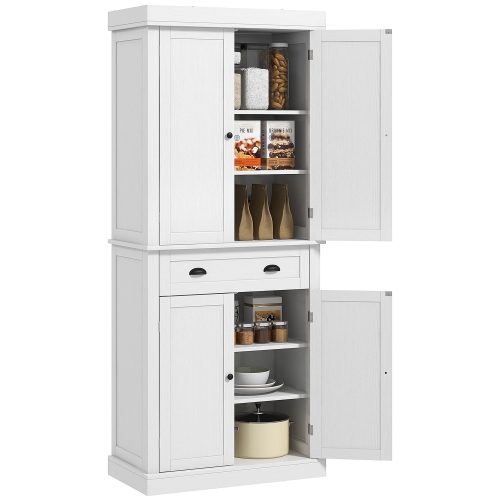 Your price for this item is $269.99
 -
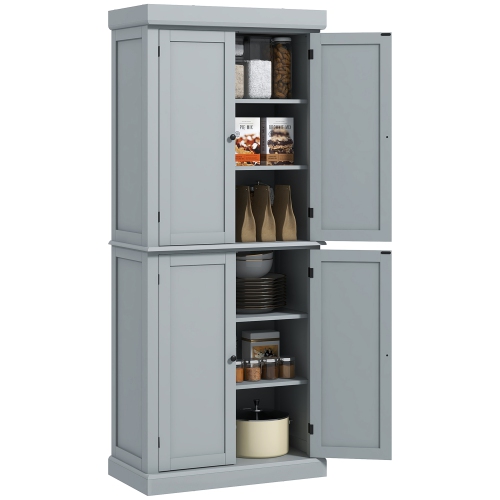 Your price for this item is $299.99
 -
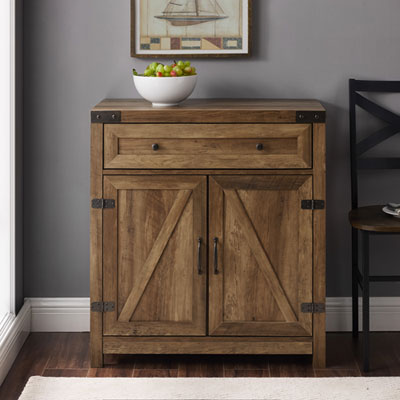 Your price for this item is $401.99
 -
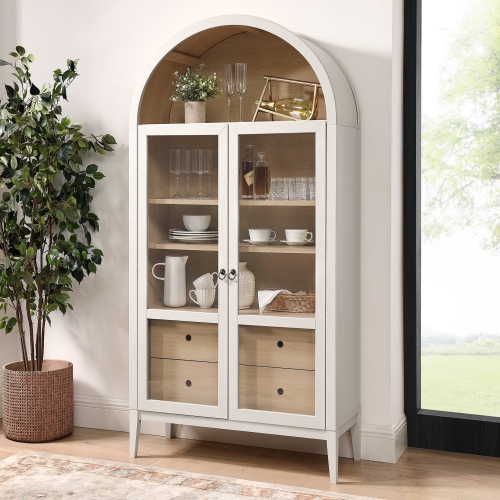 Your price for this item is $1028.59
 -
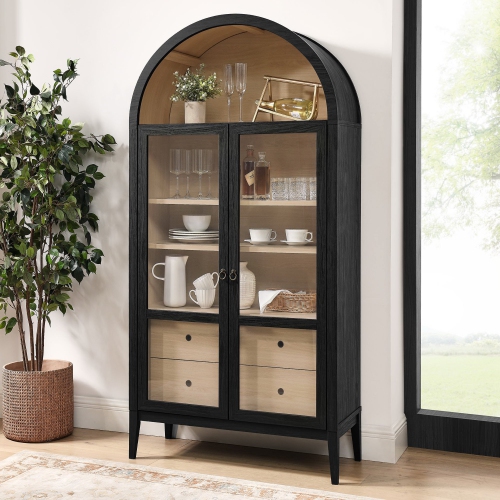 Your price for this item is $1028.59
 -
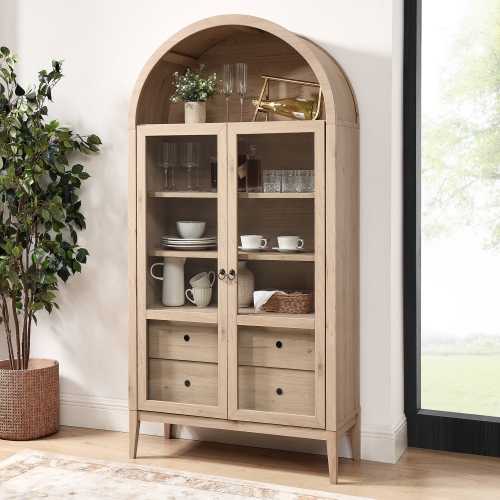 Your price for this item is $1028.59
 -
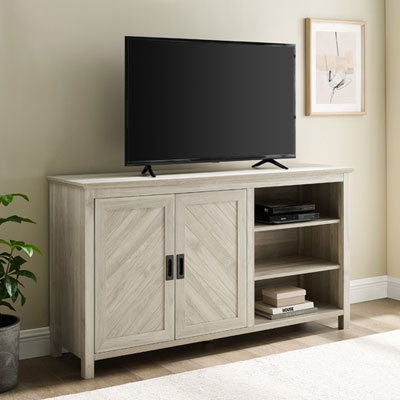 Your price for this item is $593.99
 -
 Your price for this item is $154.99
Discover more categories related to Storage Buffet Cabinets

Top Collections:
Pokemon Centers, Kindle Devices, Best Budget Office Chairs, Apple iPhones 16, Samsung Galaxy Phones, Canon G7X Cameras, iPhone 15 Apple, Flip Phones, Best Laptops for Writers, Alarm Clock
Some products may be subject to Environmental Handling Fees
(EHF) depending on your province.
Learn more about EHFs.