Kitchen Cabinet Drawer Inserts
Maximize your kitchen’s organization and efficiency with kitchen cabinet drawer inserts designed to keep everything in its place. Whether you’re looking to streamline your utensils, arrange cutlery, or create dedicated spaces for gadgets, these practical solutions help transform cluttered drawers into orderly storage. Discover a variety of kitchen cabinet drawer inserts that make it easy to find what you need, when you need it, while enhancing the overall functionality of your space.
Sort
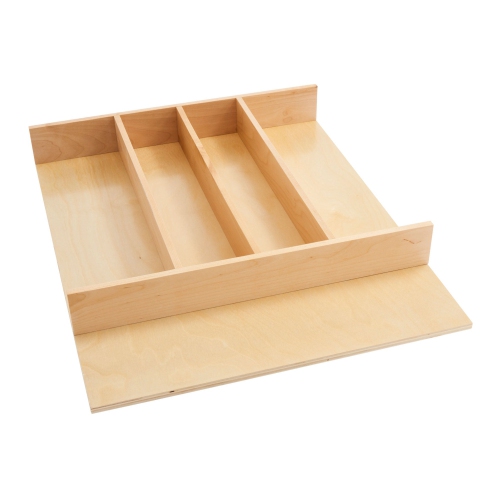
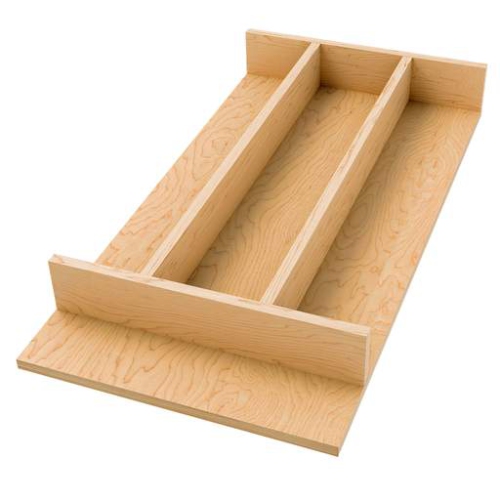
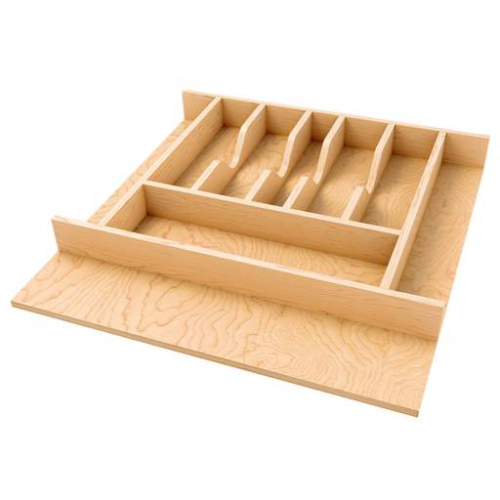
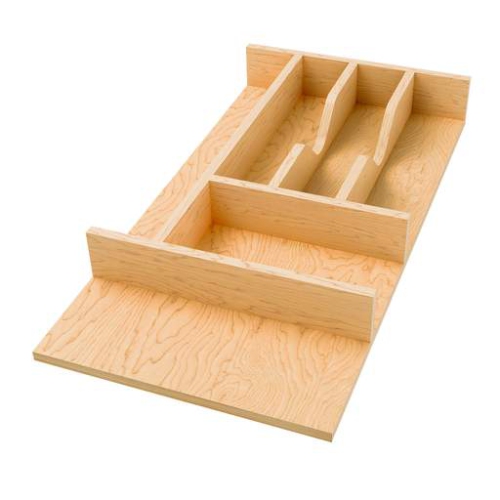
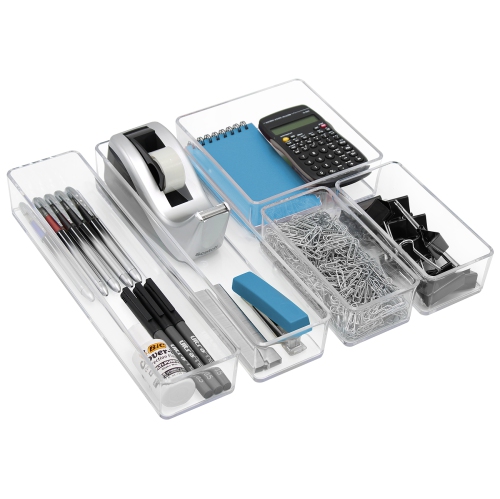
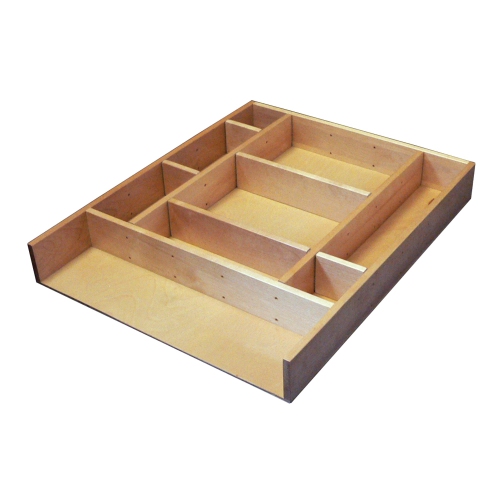
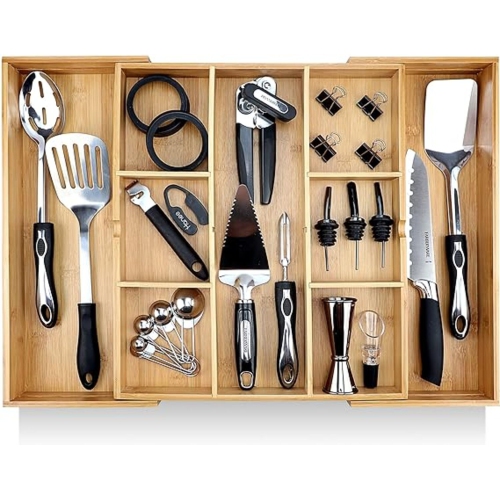
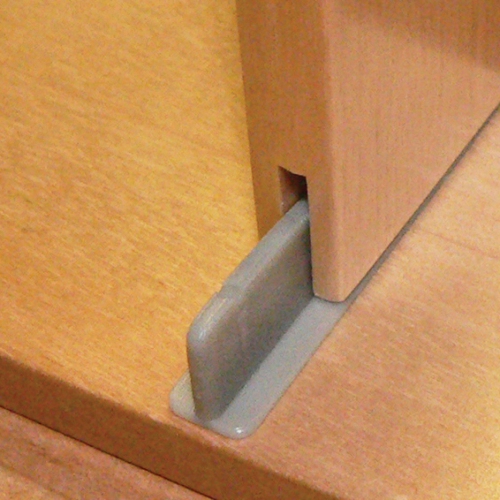
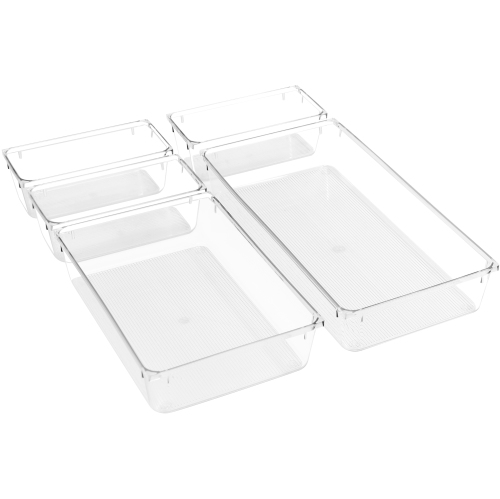
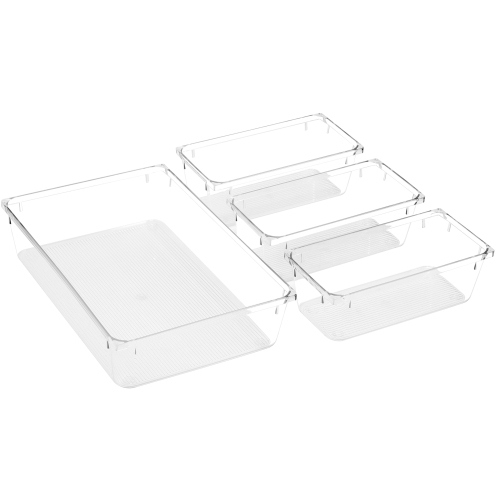
The right compartments put everyday utensils within reach
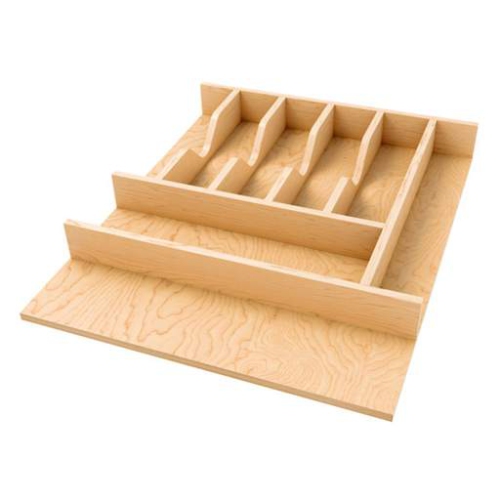
Kitchen cabinet drawer inserts are organizers that divide drawer interiors into practical spaces for cutlery, cooking utensils, spices, knives, and other kitchen essentials. By keeping contents separated, they make it easier to find a teaspoon at breakfast or reach for a spatula without sorting through a tangle of handles. Their usefulness goes beyond making a drawer look tidy: a well-matched layout helps prevent small tools from disappearing beneath larger utensils and gives each piece a consistent place after washing. Cutlery trays typically have narrow compartments for forks, knives, and spoons, sometimes with a wider section for serving utensils. Utensil inserts offer longer or broader compartments for tools such as whisks, ladles, and tongs, while adjustable dividers create separate zones without enclosing every group in a tray. Modular organizers allow several smaller compartments to sit together, making them useful for mixed contents such as measuring spoons, bag clips, and peelers. Specialty designs serve more particular purposes. Angled spice inserts hold jars in rows with labels facing upward, drawer knife holders separate blades, and peg systems help position stacked dishes or food storage containers in deeper drawers. These different layouts suit different kitchen routines, from a compact apartment where one drawer holds most cooking tools to a busy family kitchen with separate areas for food preparation, baking, and table settings. Someone who bakes often may value space for pastry brushes and measuring tools, while someone who prepares packed lunches may prefer compartments for container lids and reusable cutlery. The most useful arrangement reflects what actually goes into the drawer rather than simply filling every centimetre with compartments. Keeping frequently used pieces near the front and reserving longer sections for bulky handles can make everyday tasks feel less cluttered. Kitchen drawer organizers also help shared households maintain a familiar arrangement, so putting clean utensils away does not depend on remembering where they happened to fit last time.
Fit is central to how well kitchen cabinet drawer inserts work, and the usable interior matters more than the dimensions of the cabinet front. Interior width, front-to-back depth, and clearance above the drawer base all affect whether an insert will sit flat and allow the drawer to close smoothly. Sloped sides, rounded corners, screw heads, and hardware can reduce the space available even when the opening looks generous. Drawer height deserves particular attention with angled spice trays, upright knife handles, or stacked dishes, because the stored contents may extend well above the insert itself. A shallow cutlery tray can suit a narrow top drawer, whereas deeper compartments may be more practical for larger cooking tools. Fixed-size trays offer a straightforward drop-in layout when their dimensions closely match the drawer. Expandable inserts have sliding sections that adjust within a stated range, although their depth and height generally remain fixed. Individual modular trays provide flexibility around awkward spaces, while spring-loaded or adjustable dividers depend on secure contact with the drawer walls. Some inserts are designed to be trimmed for a closer fit, but that feature is specific to their construction; an ordinary tray should not be assumed suitable for cutting. In a wide drawer, a small organizer may leave useful room beside it for rolling pins or serving tools, but it may also shift unless its base has enough grip. Layouts designed for broader interiors, including Large Kitchen Drawer Inserts, can help separate several utensil groups without scattering them across multiple drawers. Compartment dimensions matter just as much as overall fit: a tray may fit the cabinet perfectly yet have slots too short for dinner knives or too narrow for thick handles. Leaving a little room around stored contents makes them easier to lift out and return. Removable trays can be convenient for renters or anyone who expects to rearrange a kitchen, while fitted layouts suit spaces where the drawer contents are unlikely to change.
Materials influence appearance, cleaning, grip, and long-term wear. Wood inserts bring a warm, furniture-like finish to a drawer interior and often have a substantial feel, but their finish and care requirements vary. Bamboo offers a similar natural look, with construction details such as joint quality and surface smoothness affecting everyday durability. Both wood and bamboo generally benefit from gentle wiping and prompt drying rather than soaking, subject to the manufacturer's care directions. Plastic inserts are often lightweight and easy to remove for cleaning; rounded internal corners can make crumbs and small spills easier to wipe away. Dishwasher suitability should be confirmed rather than assumed, since heat and detergents can damage materials not designed for that treatment. Metal or wire designs offer another style of organization, though open sections may allow crumbs to collect on the drawer base beneath them. Soft liners and non-slip feet can reduce movement and the rattle of cutlery, but removable liners still need occasional cleaning underneath. Across materials, smooth edges, sturdy compartment walls, secure joints, and stable bases are useful signs of construction suited to repeated use. An insert should stay steady when a utensil is lifted out rather than flexing sharply or catching neighbouring pieces. Intended use also matters for care and safety. Knife inserts need to suit the blade lengths and handle shapes being stored, and they do not replace appropriate precautions where children can reach a drawer. Peg organizers can help separate dishes, but they do not increase the drawer's weight capacity. Spice inserts work best when their channels suit the jar sizes, while lid organizers need enough clearance for the lids to remain upright without catching as the drawer closes. Returning only dry utensils helps keep enclosed compartments clean, and lifting out removable sections occasionally makes it easier to clear crumbs from underneath. For a first home, a shared kitchen, or a thoughtfully planned housewarming gift, drawer inserts can offer practical value when the recipient's measurements and habits are known. Their lasting appeal lies in making ordinary routines simpler: a clear view of the contents, fewer overlapping tools, and an orderly place for the things used every day.
Fit is central to how well kitchen cabinet drawer inserts work, and the usable interior matters more than the dimensions of the cabinet front. Interior width, front-to-back depth, and clearance above the drawer base all affect whether an insert will sit flat and allow the drawer to close smoothly. Sloped sides, rounded corners, screw heads, and hardware can reduce the space available even when the opening looks generous. Drawer height deserves particular attention with angled spice trays, upright knife handles, or stacked dishes, because the stored contents may extend well above the insert itself. A shallow cutlery tray can suit a narrow top drawer, whereas deeper compartments may be more practical for larger cooking tools. Fixed-size trays offer a straightforward drop-in layout when their dimensions closely match the drawer. Expandable inserts have sliding sections that adjust within a stated range, although their depth and height generally remain fixed. Individual modular trays provide flexibility around awkward spaces, while spring-loaded or adjustable dividers depend on secure contact with the drawer walls. Some inserts are designed to be trimmed for a closer fit, but that feature is specific to their construction; an ordinary tray should not be assumed suitable for cutting. In a wide drawer, a small organizer may leave useful room beside it for rolling pins or serving tools, but it may also shift unless its base has enough grip. Layouts designed for broader interiors, including Large Kitchen Drawer Inserts, can help separate several utensil groups without scattering them across multiple drawers. Compartment dimensions matter just as much as overall fit: a tray may fit the cabinet perfectly yet have slots too short for dinner knives or too narrow for thick handles. Leaving a little room around stored contents makes them easier to lift out and return. Removable trays can be convenient for renters or anyone who expects to rearrange a kitchen, while fitted layouts suit spaces where the drawer contents are unlikely to change.
Materials influence appearance, cleaning, grip, and long-term wear. Wood inserts bring a warm, furniture-like finish to a drawer interior and often have a substantial feel, but their finish and care requirements vary. Bamboo offers a similar natural look, with construction details such as joint quality and surface smoothness affecting everyday durability. Both wood and bamboo generally benefit from gentle wiping and prompt drying rather than soaking, subject to the manufacturer's care directions. Plastic inserts are often lightweight and easy to remove for cleaning; rounded internal corners can make crumbs and small spills easier to wipe away. Dishwasher suitability should be confirmed rather than assumed, since heat and detergents can damage materials not designed for that treatment. Metal or wire designs offer another style of organization, though open sections may allow crumbs to collect on the drawer base beneath them. Soft liners and non-slip feet can reduce movement and the rattle of cutlery, but removable liners still need occasional cleaning underneath. Across materials, smooth edges, sturdy compartment walls, secure joints, and stable bases are useful signs of construction suited to repeated use. An insert should stay steady when a utensil is lifted out rather than flexing sharply or catching neighbouring pieces. Intended use also matters for care and safety. Knife inserts need to suit the blade lengths and handle shapes being stored, and they do not replace appropriate precautions where children can reach a drawer. Peg organizers can help separate dishes, but they do not increase the drawer's weight capacity. Spice inserts work best when their channels suit the jar sizes, while lid organizers need enough clearance for the lids to remain upright without catching as the drawer closes. Returning only dry utensils helps keep enclosed compartments clean, and lifting out removable sections occasionally makes it easier to clear crumbs from underneath. For a first home, a shared kitchen, or a thoughtfully planned housewarming gift, drawer inserts can offer practical value when the recipient's measurements and habits are known. Their lasting appeal lies in making ordinary routines simpler: a clear view of the contents, fewer overlapping tools, and an orderly place for the things used every day.
Top selling and popular products
-
 Your price for this item is $69.95
 -
 Your price for this item is $130
 -
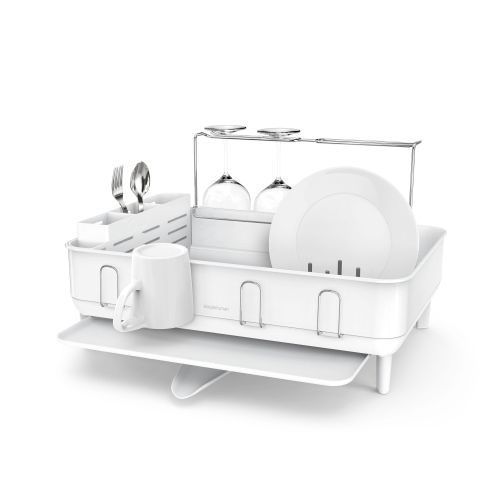 Your price for this item is $150
 -
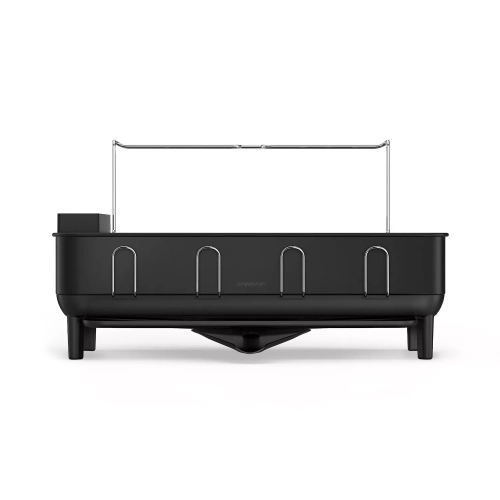 Your price for this item is $150
 -
 Your price for this item is $109.99
 -
 Your price for this item is $79.99
 -
 Your price for this item is $87.99
 -
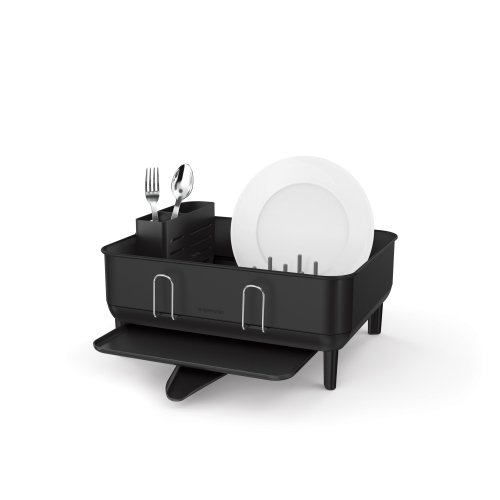 Your price for this item is $120
Discover more categories related to Kitchen Cabinet Drawer Inserts
Top Collections:
Pokemon Centers, Kindle Devices, Best Budget Office Chairs, Apple iPhones 16, Best Laptops for Writers, iPhone 15 Apple, Canon G7X Cameras, Refurbished Apple Laptops, Alarm Clock, Motorola Razr Phones
Some products may be subject to Environmental Handling Fees
(EHF) depending on your province.
Learn more about EHFs.