Kitchen Cutlery Sets
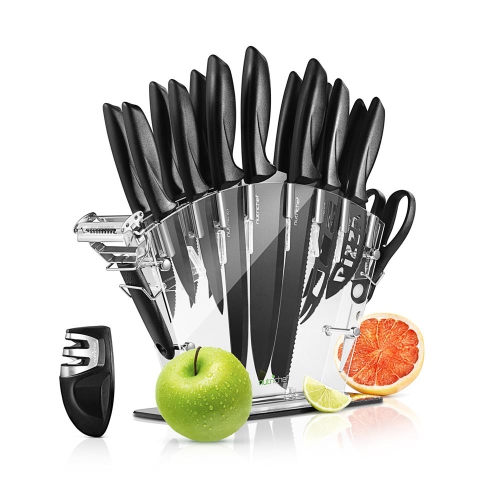
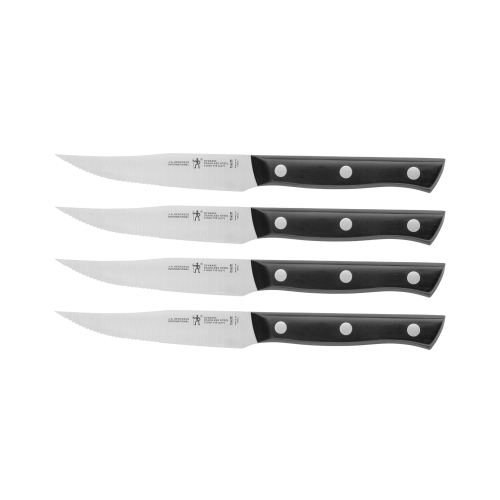
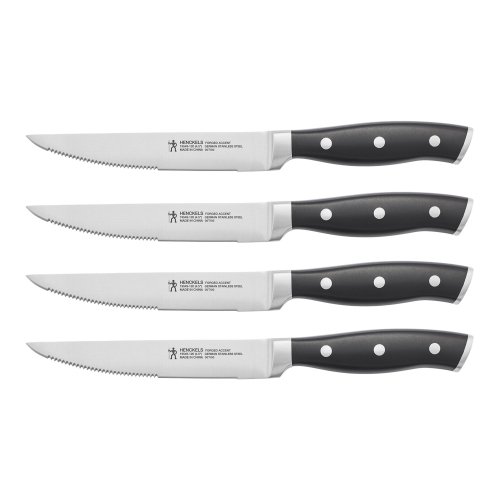
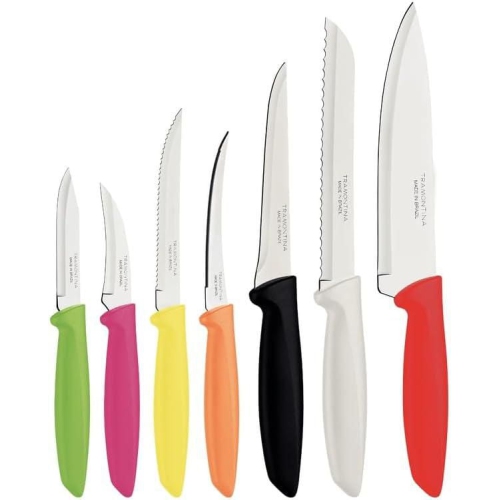
Upgrade your kitchen essentials with this wide selection of kitchen cutlery sets. Whether you're a seasoned chef or just starting out in the culinary world, having the right tools is essential for creating delicious meals. From sleek and modern designs to classic and timeless styles, these sets offer a variety of options to suit every taste and preference. With durable blades, comfortable handles, and precision craftsmanship, our kitchen cutlery sets are designed to enhance your cooking experience.
Sort

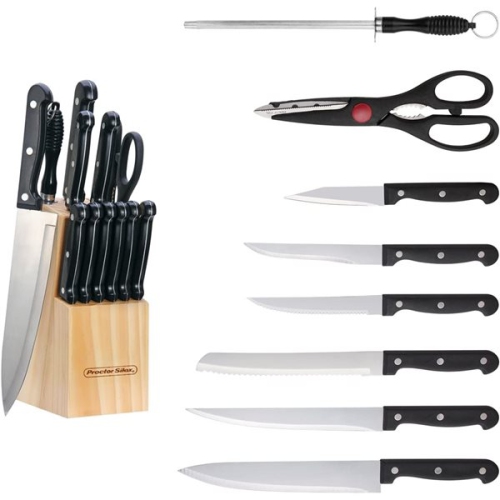
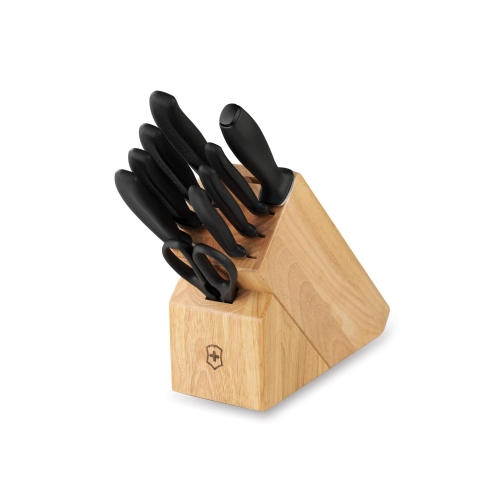

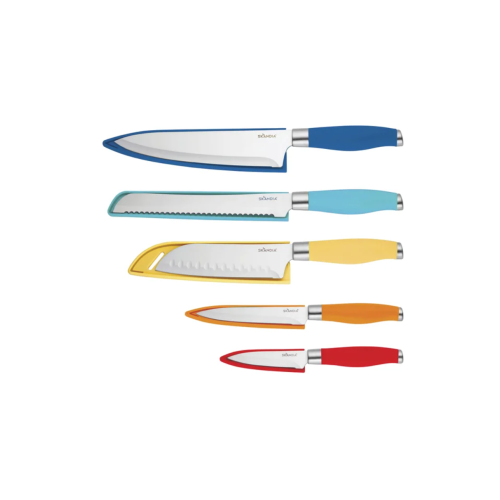
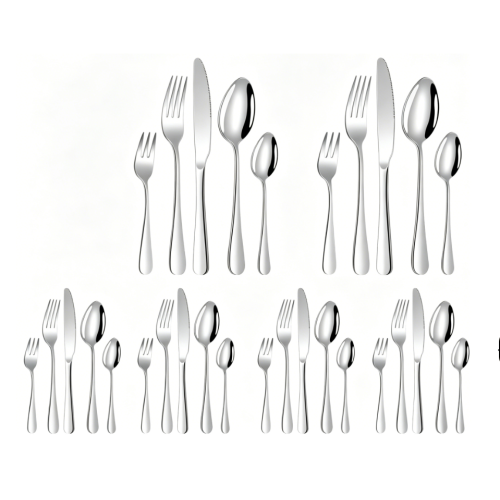

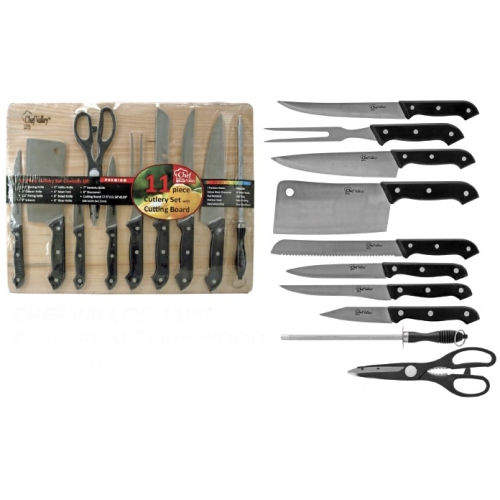


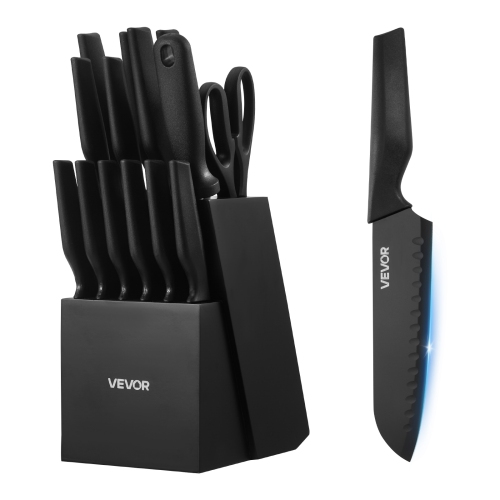
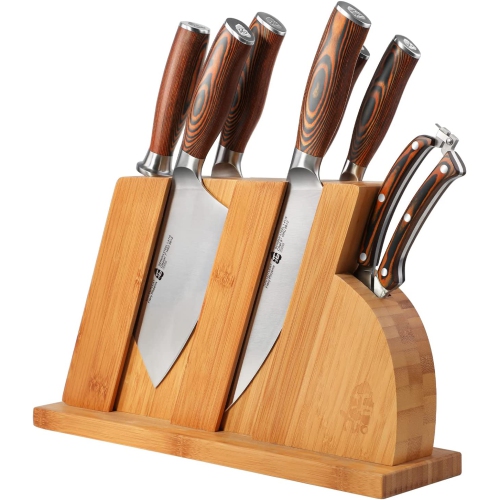
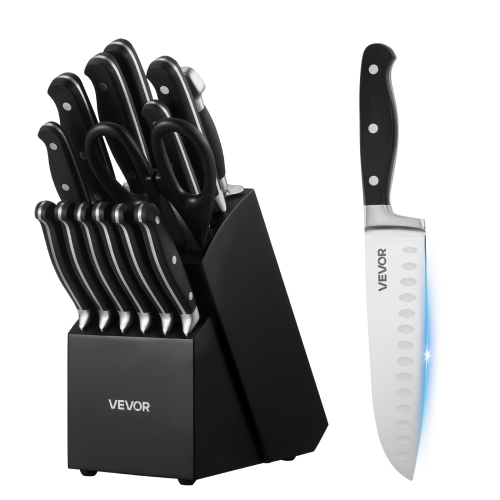
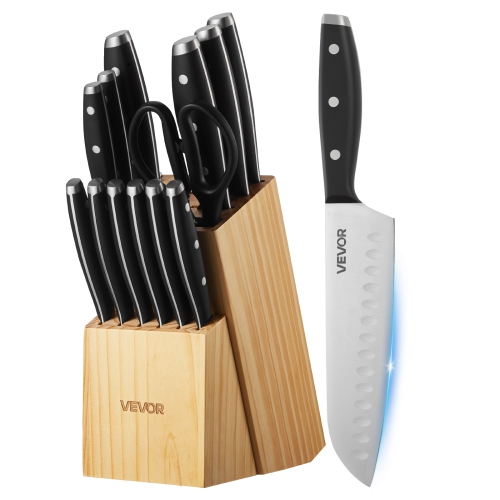
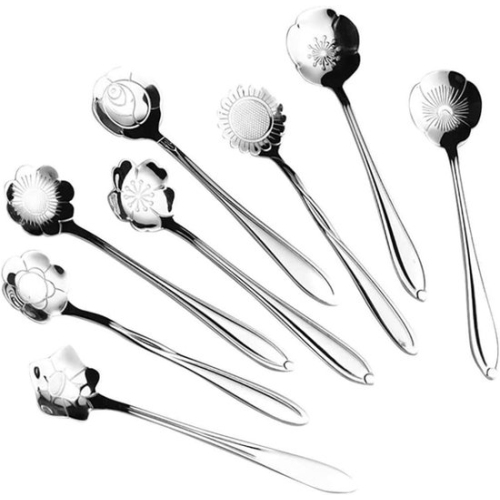
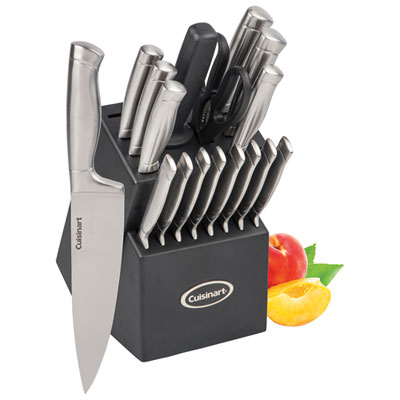
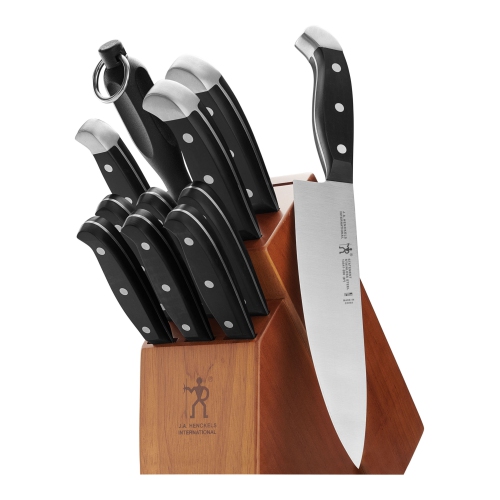

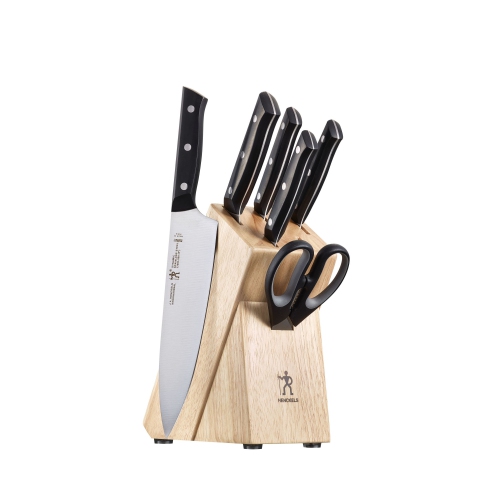
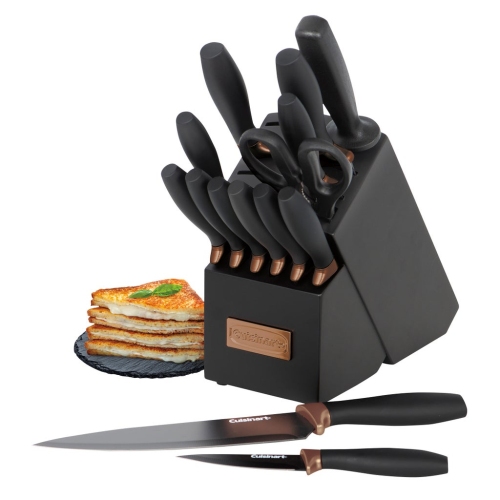
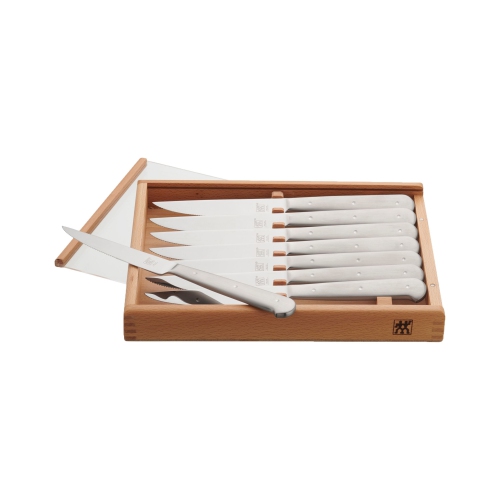
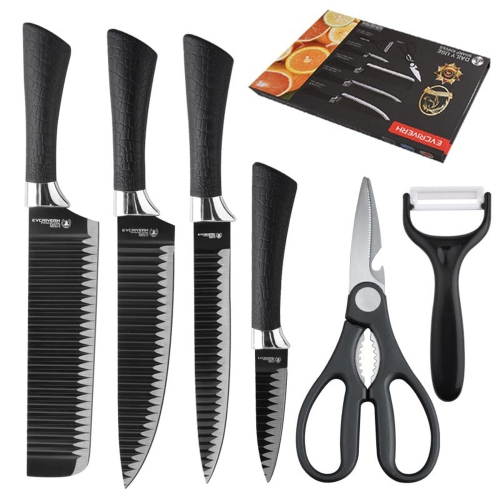

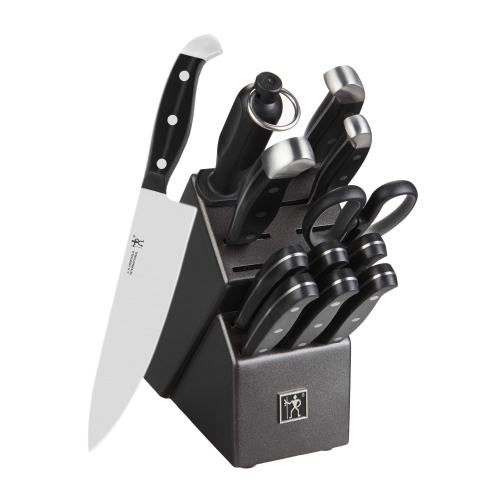
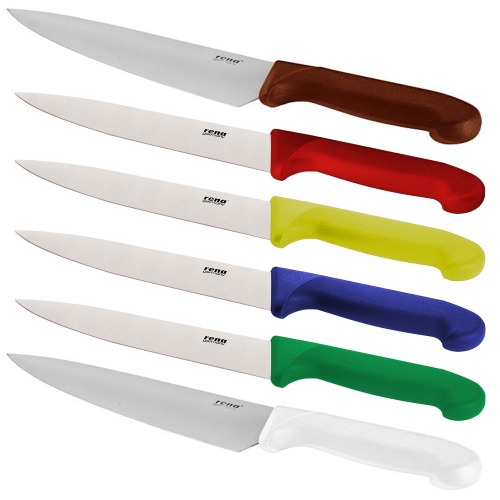
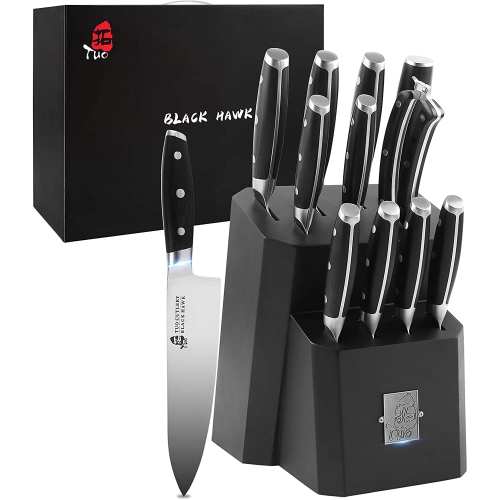

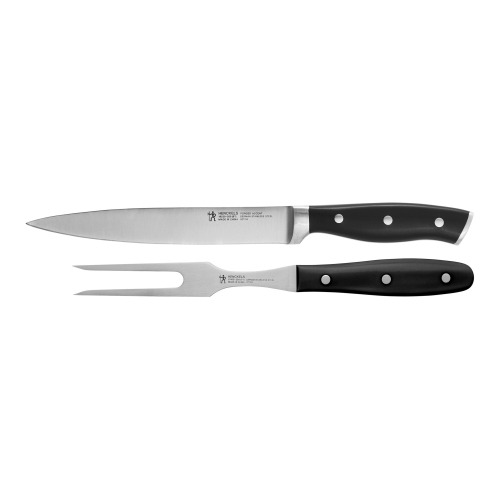
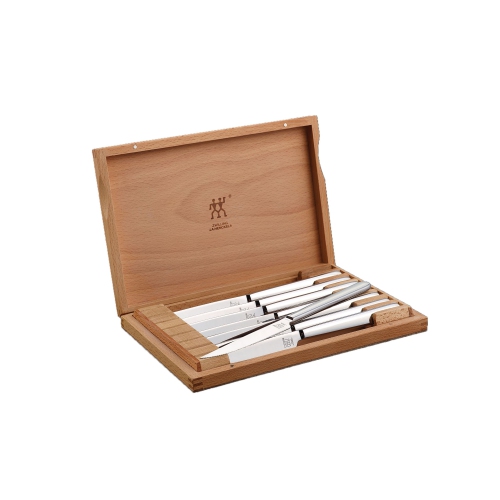
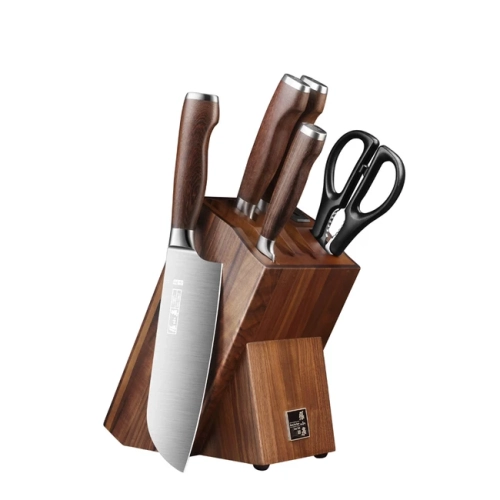
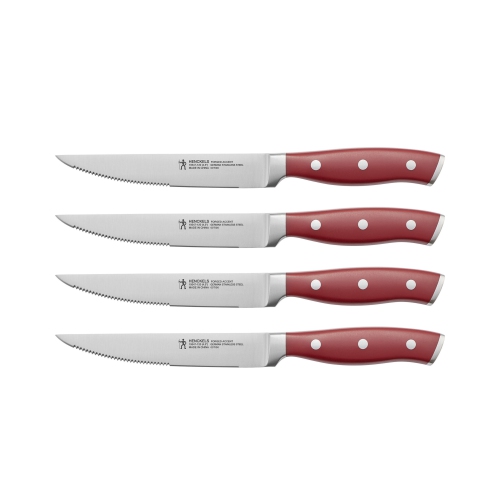
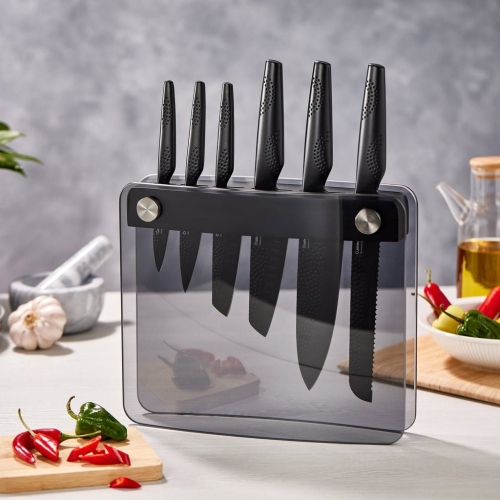




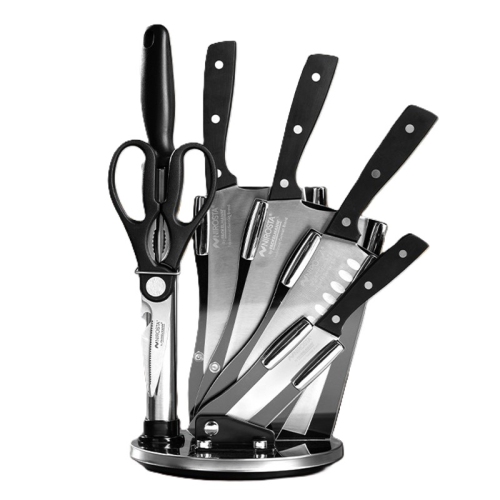
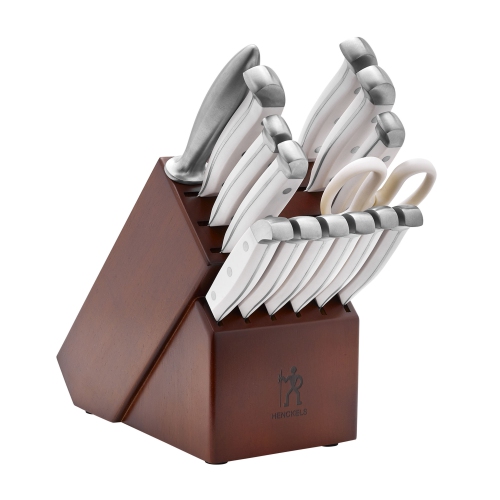
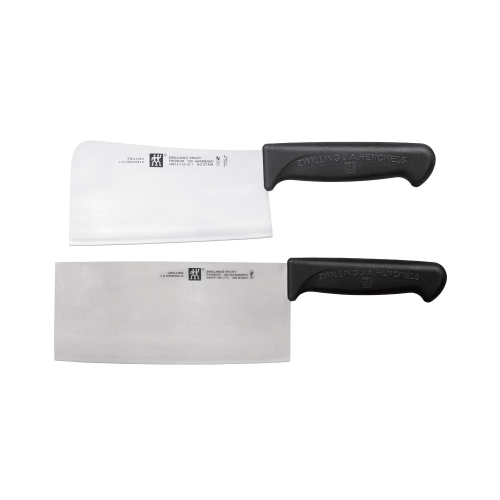
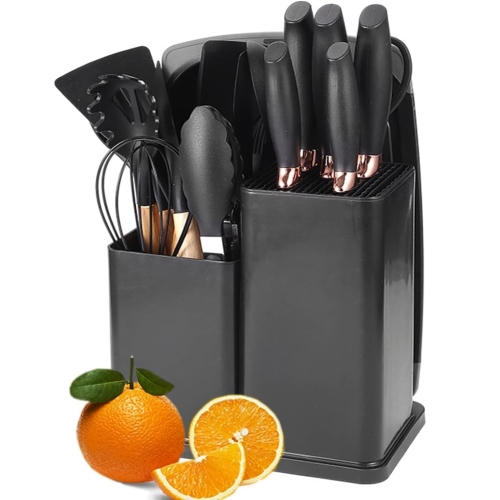
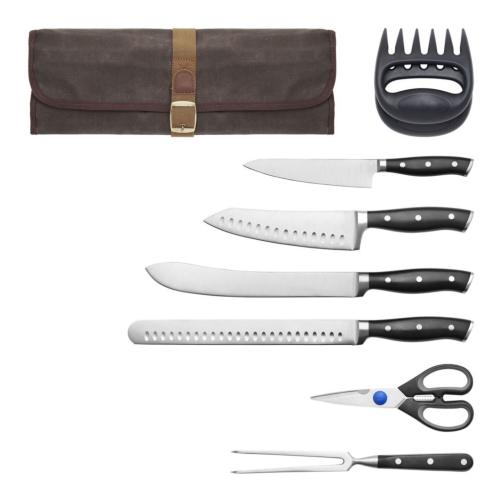
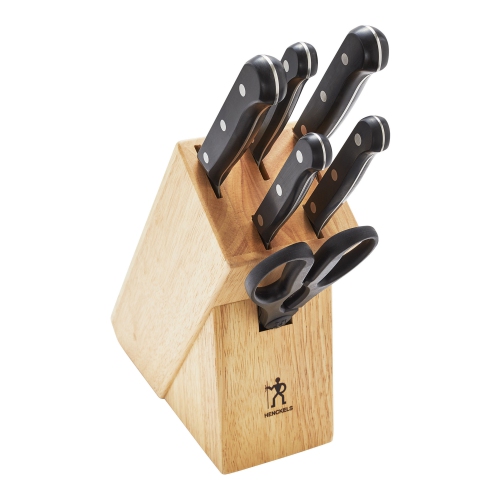
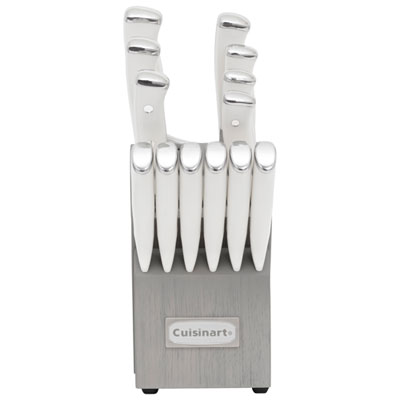
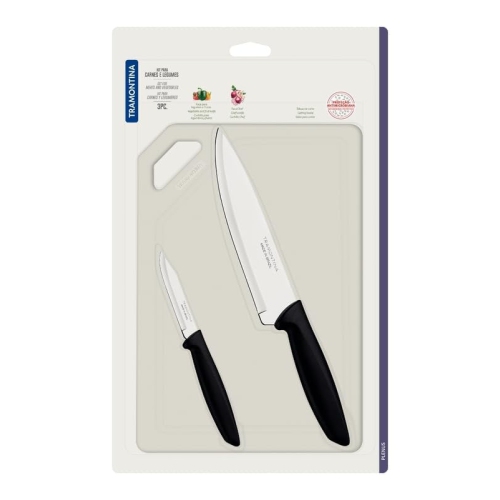


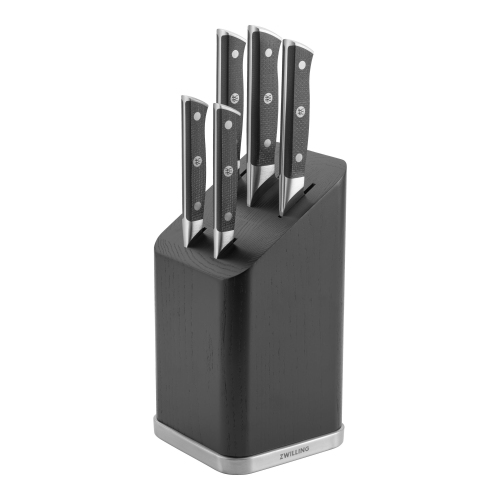
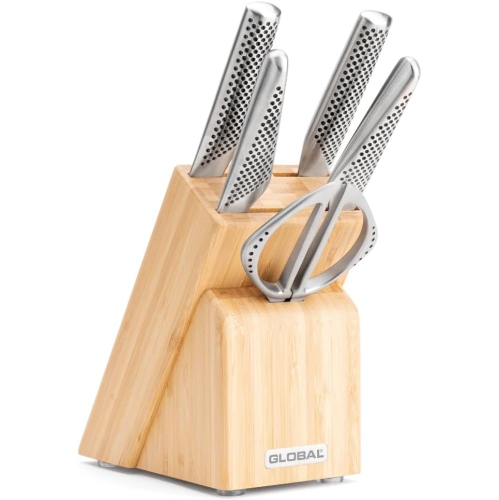
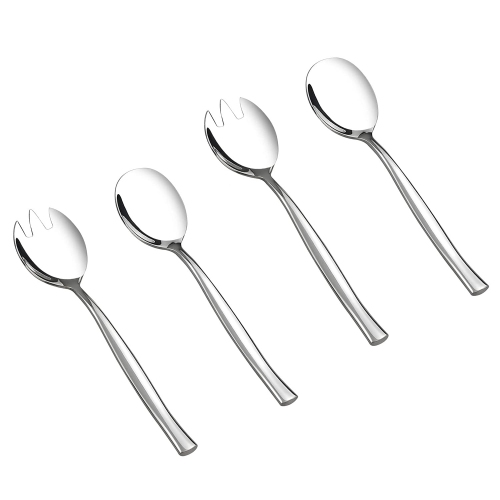
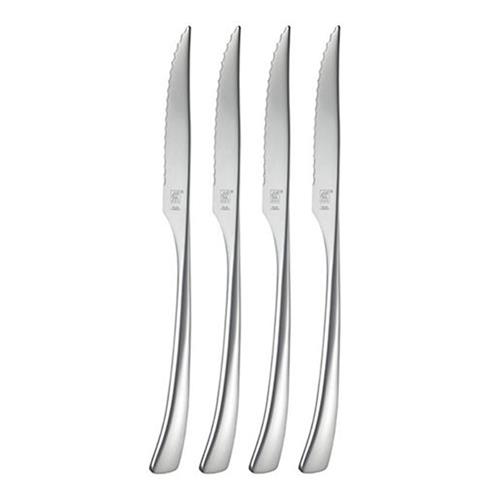
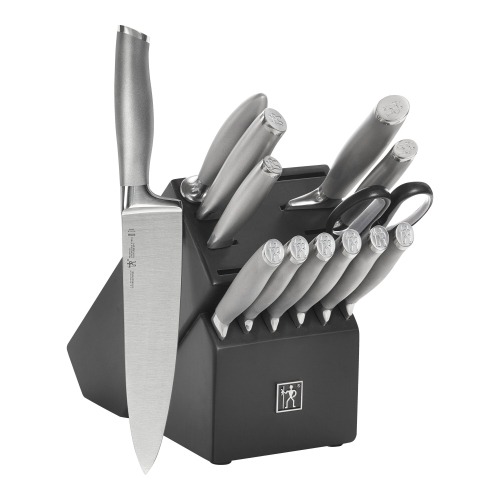
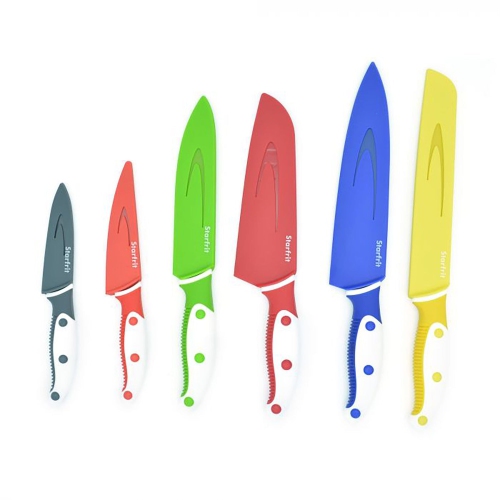
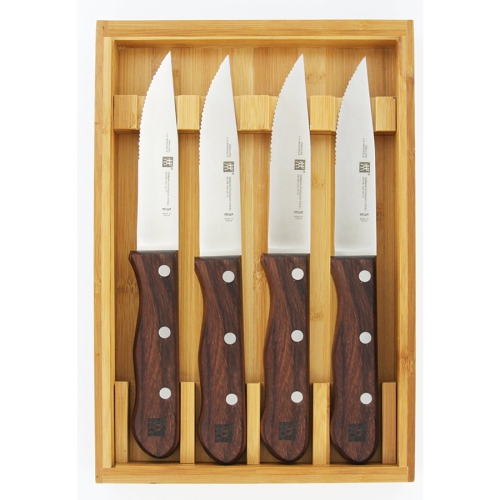
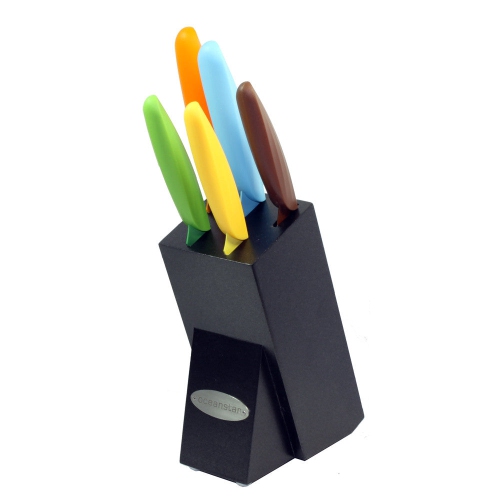
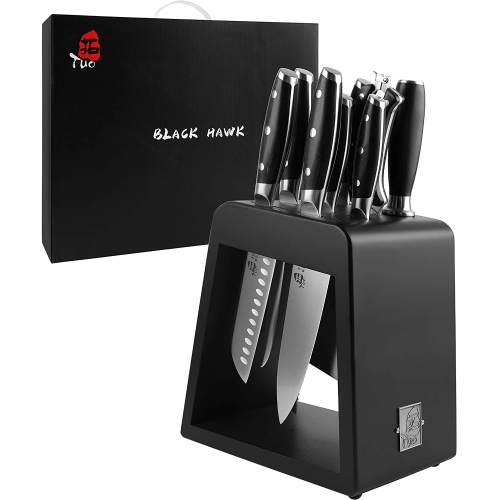
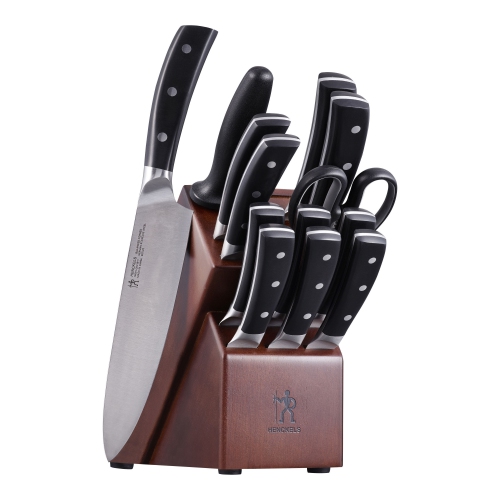

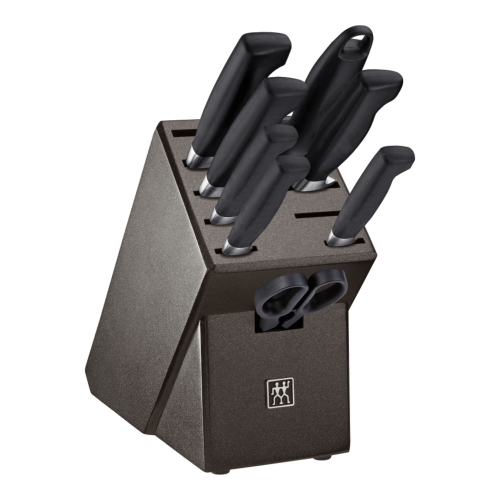

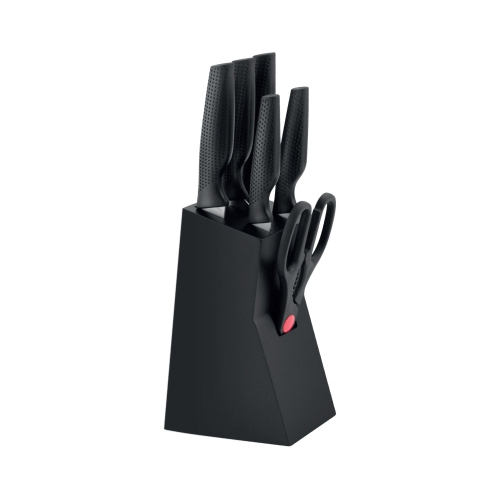
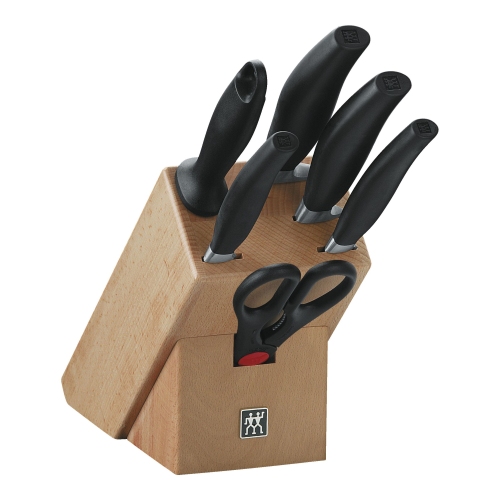
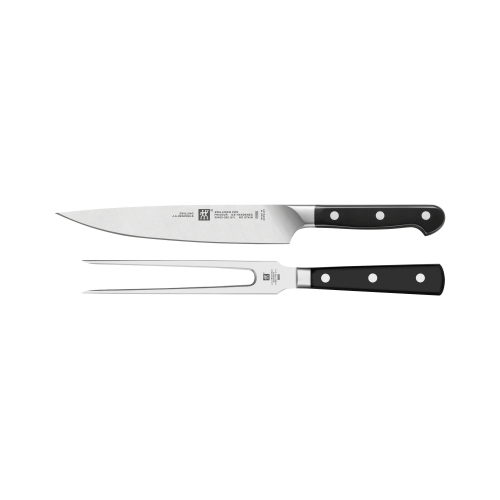
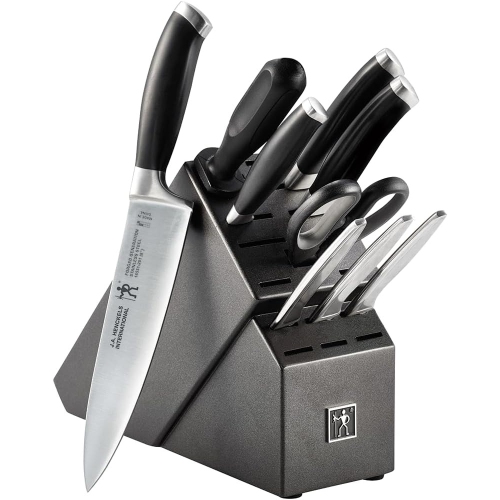
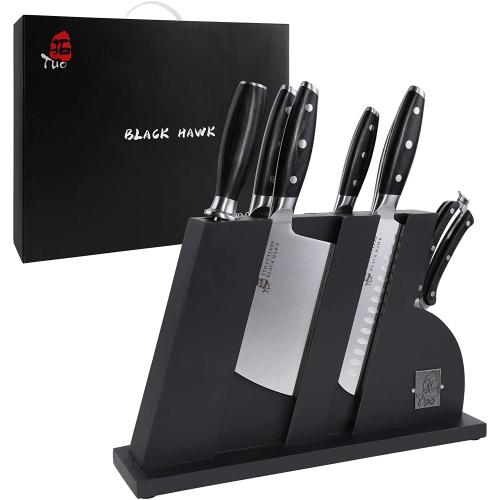

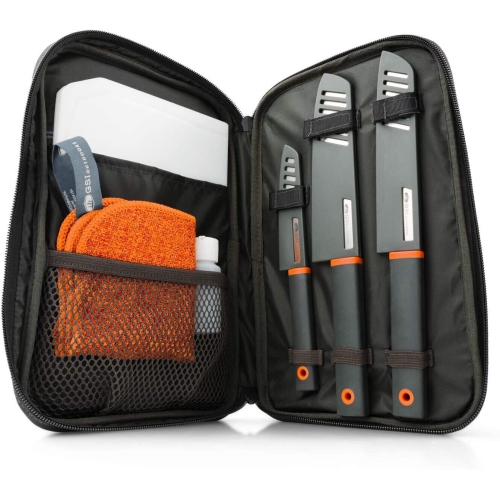
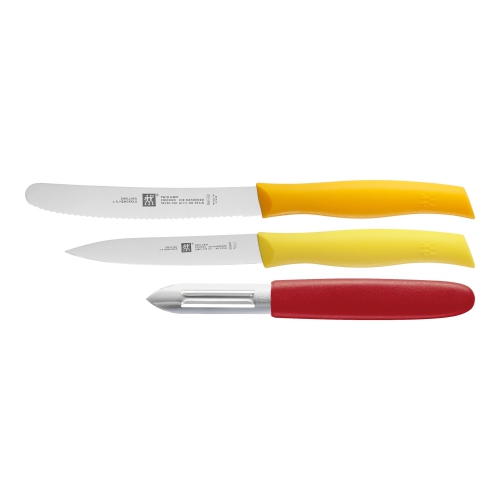
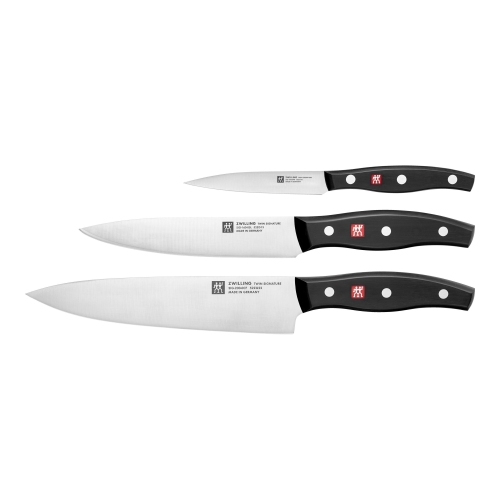
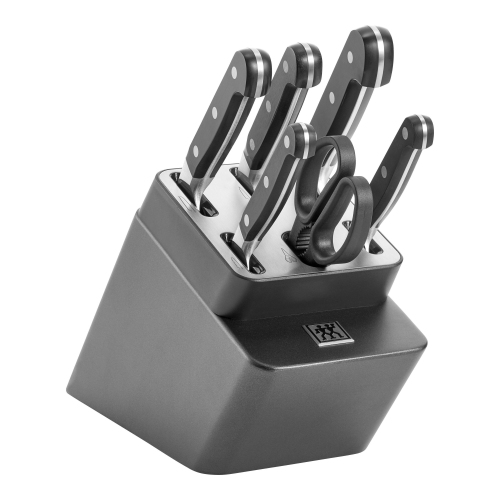
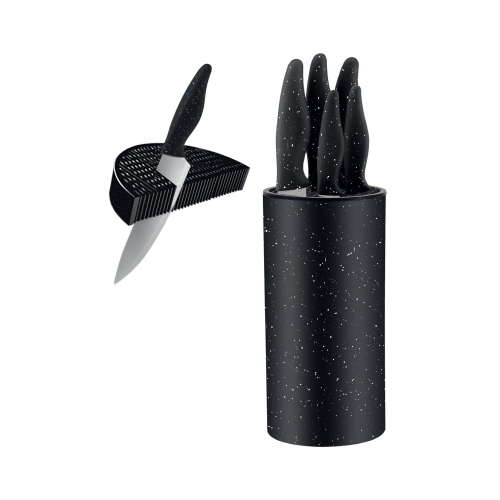
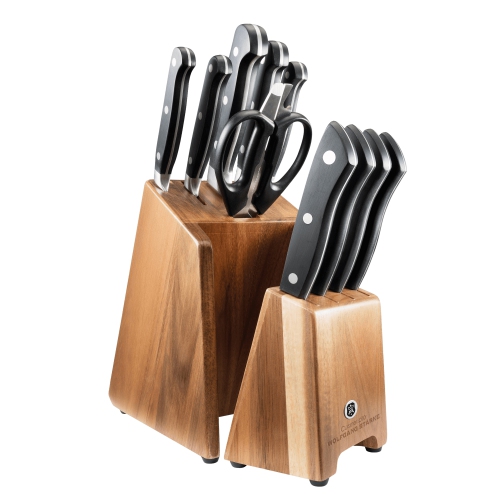
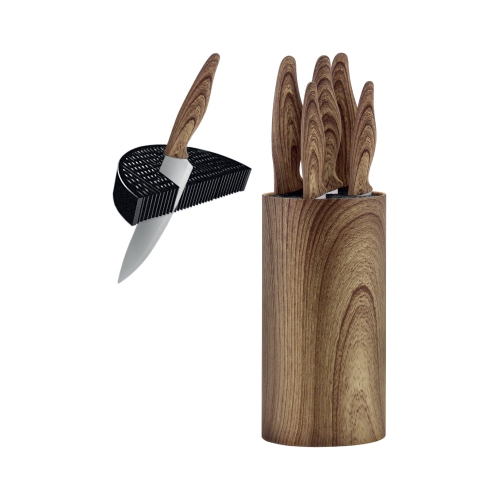
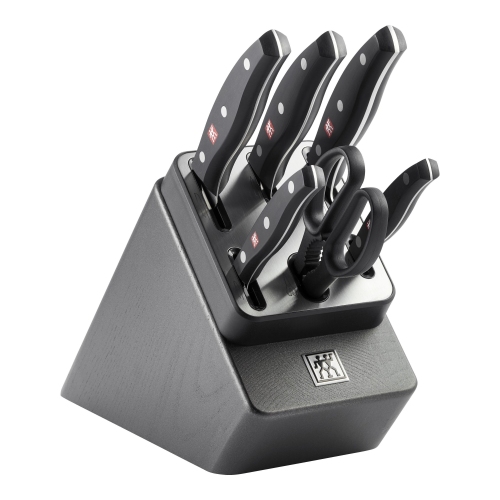


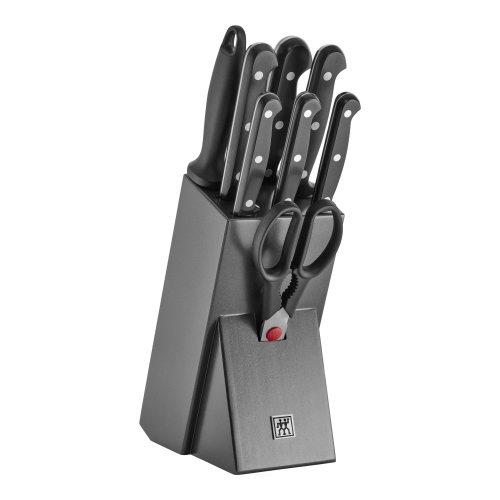
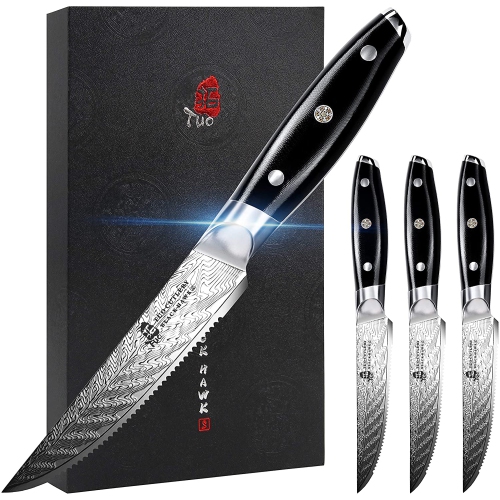
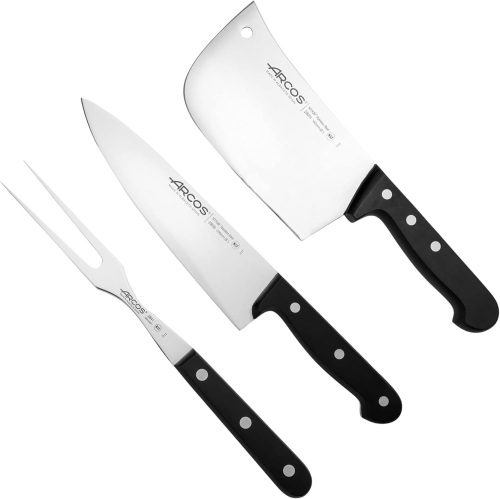
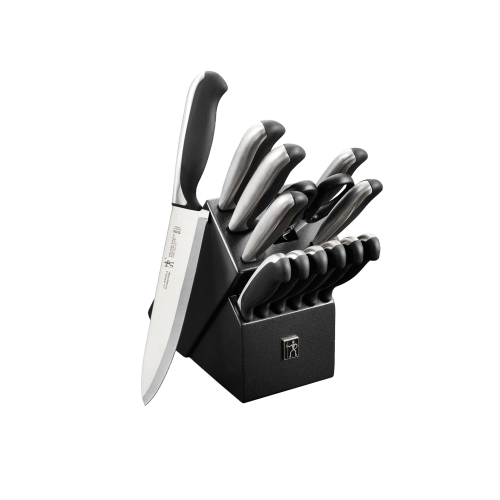
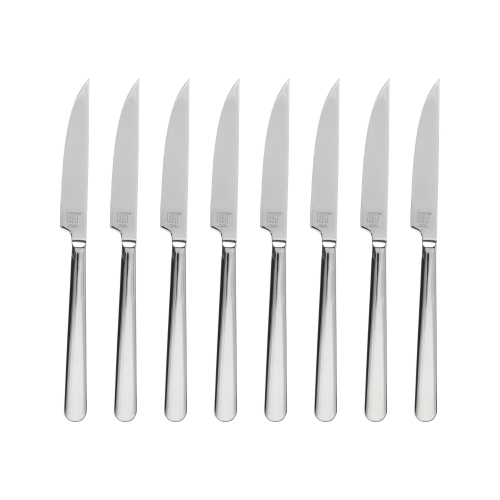
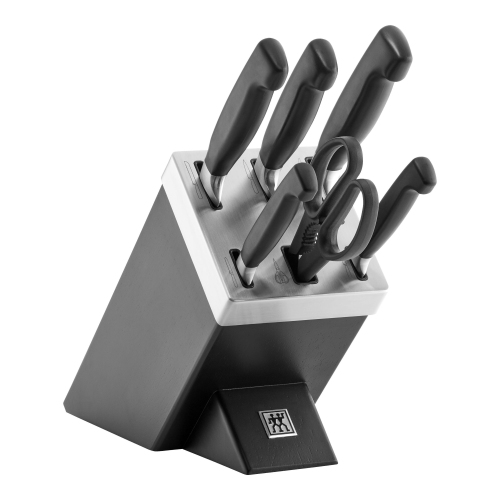


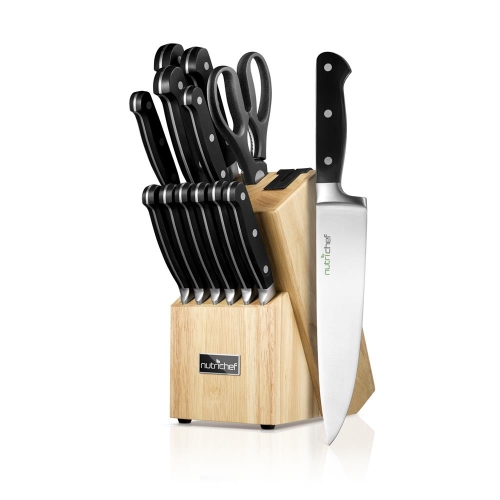
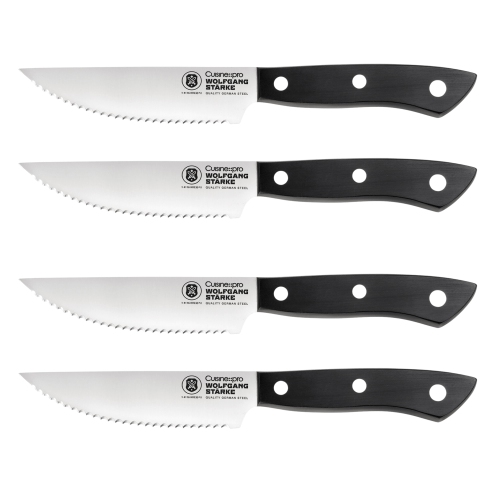
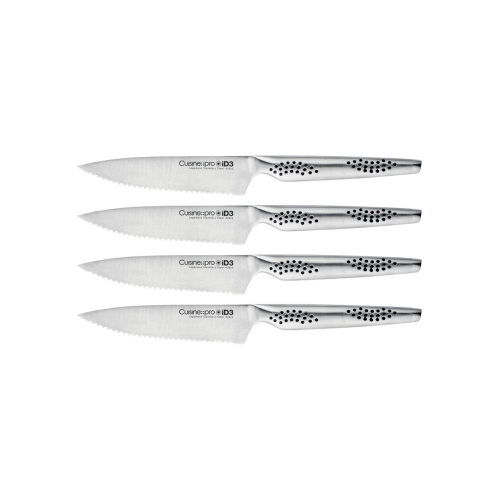

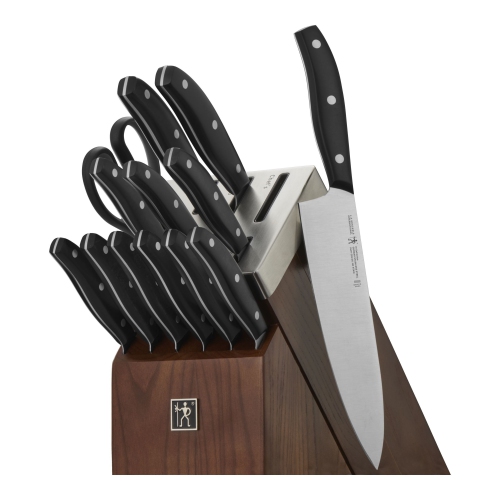

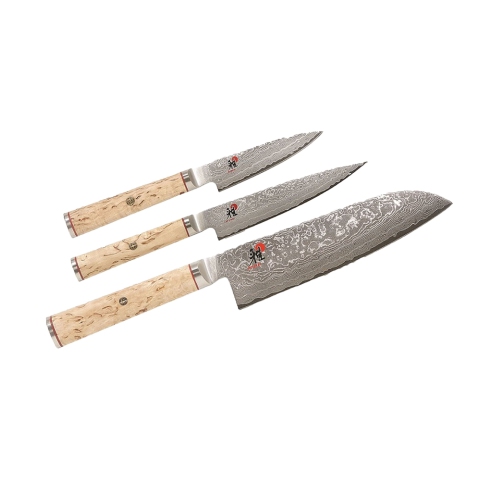
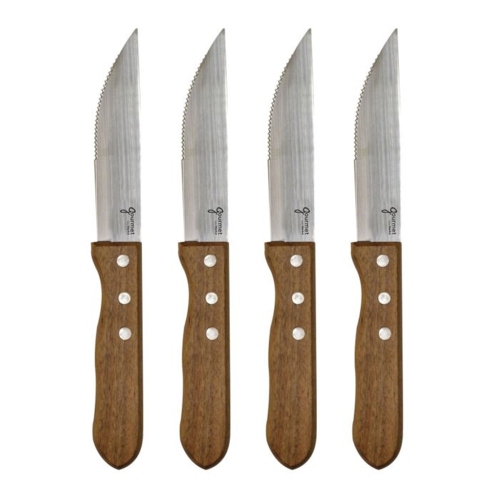



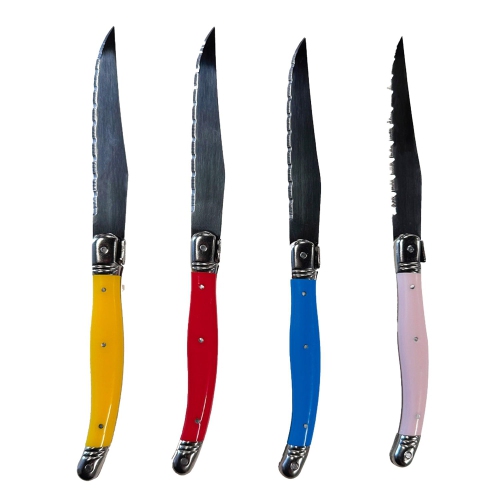
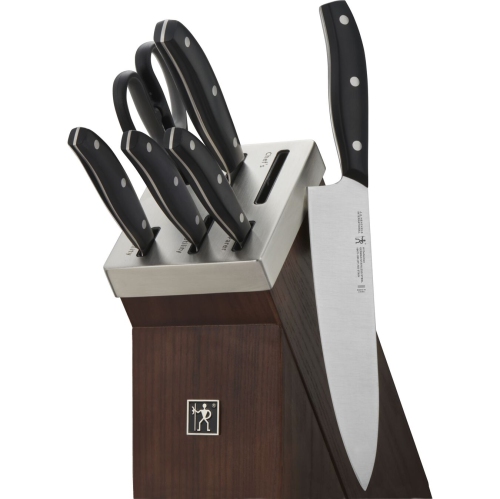

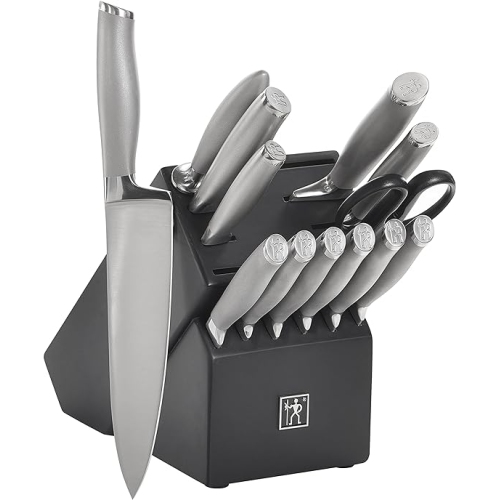

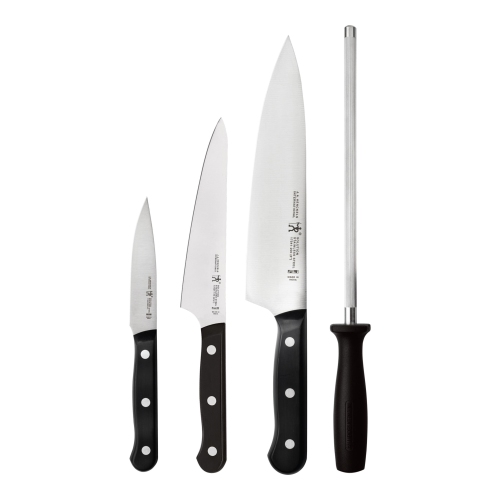
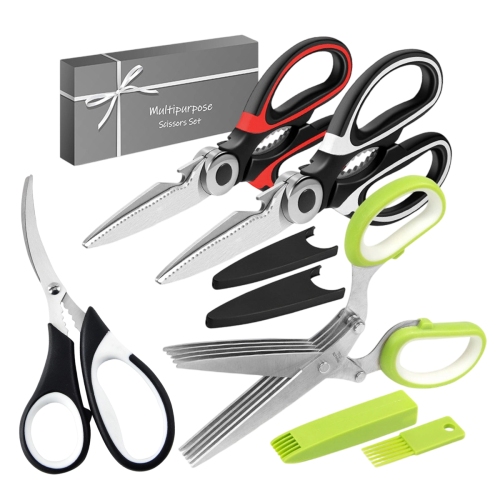
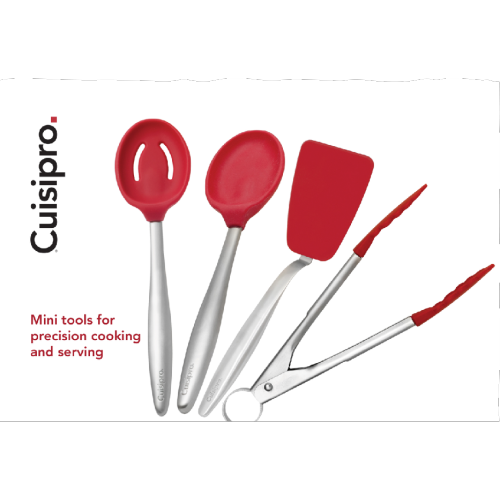
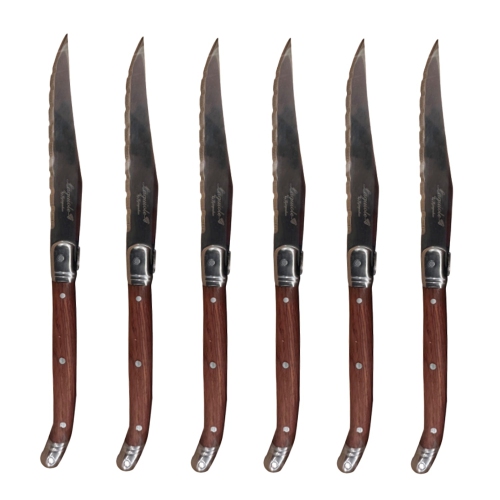

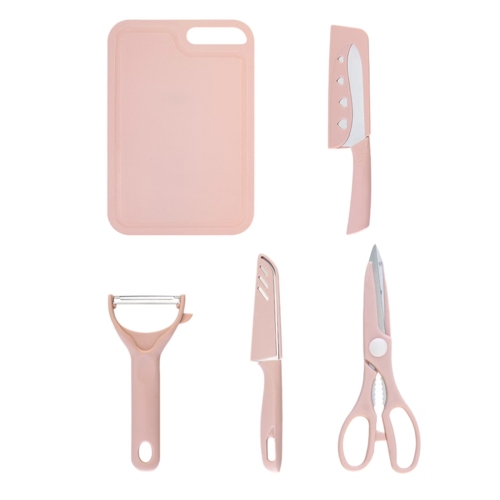
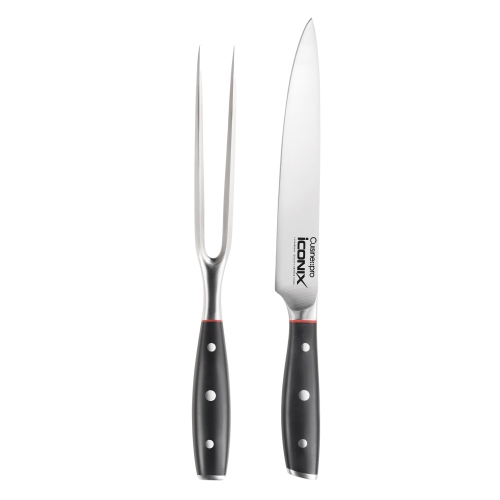

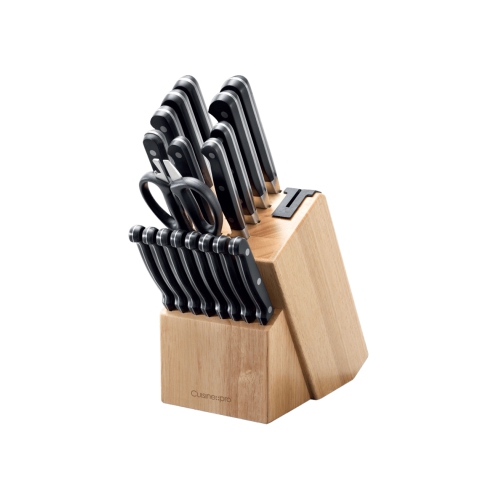
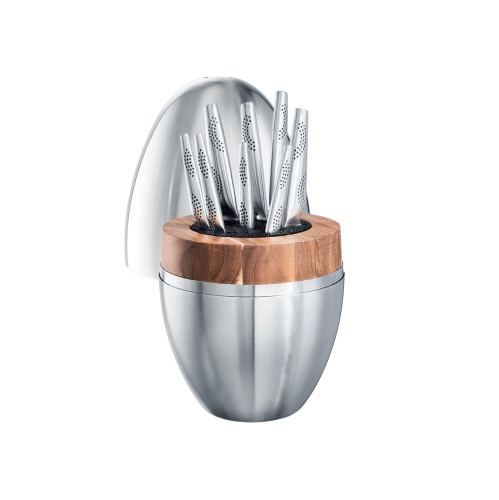
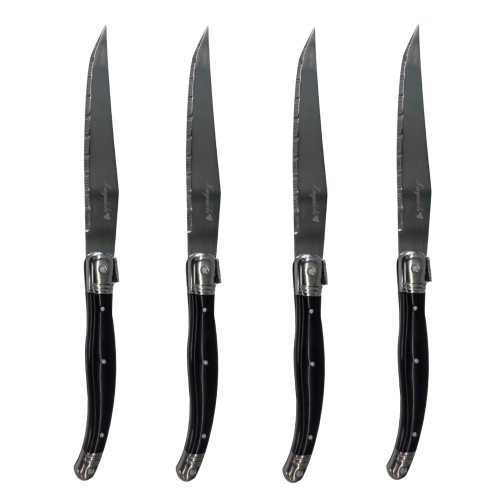
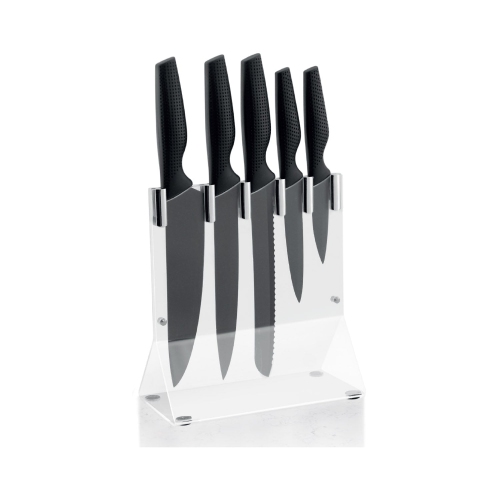
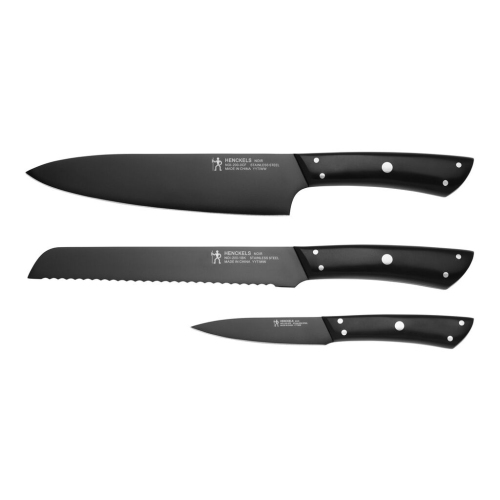
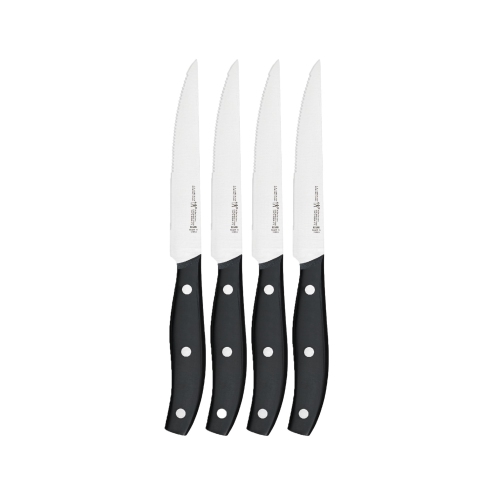
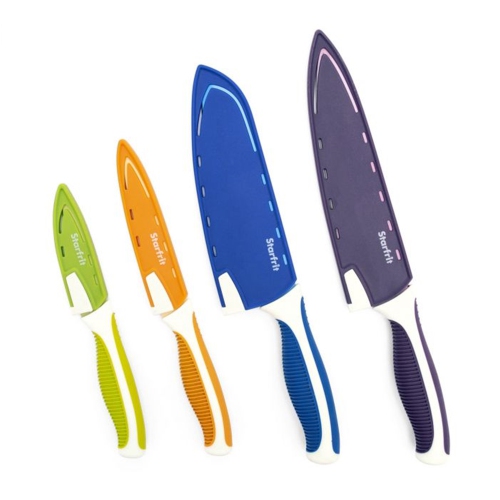







Why more cutlery pieces don’t always mean more settings
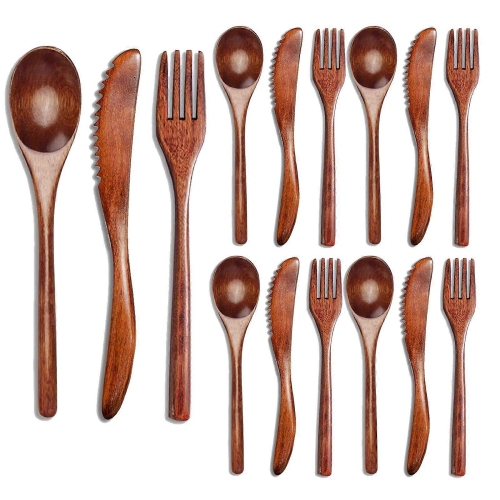
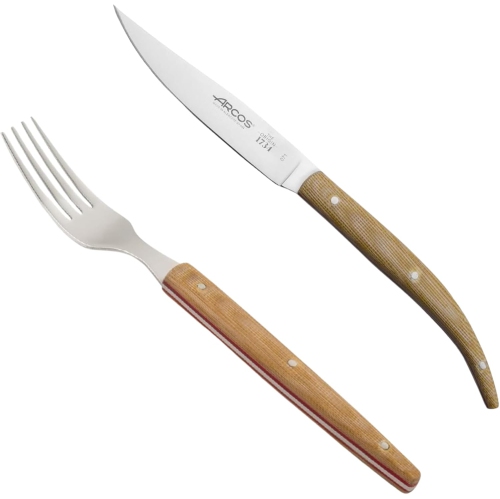
Kitchen cutlery sets bring together the utensils used for everyday meals, shared dishes, and a well-laid table. The term can refer to table flatware or kitchen preparation knives, so the contents matter more than the name alone. For table use, a coordinated set typically includes forks, spoons, and table knives, with some configurations adding smaller utensils or serving pieces. A five-piece place setting commonly contains a dinner fork, salad fork, dinner knife, soup spoon, and teaspoon. A 20-piece set built around that arrangement serves four people, while a 40-piece set serves eight; other configurations divide their pieces differently. Total piece count therefore does not always indicate how many complete settings a set contains, particularly when serving spoons or extra teaspoons are included. The most practical arrangement reflects how meals happen at home. A household that regularly serves soup may make frequent use of deeper spoons, while smaller forks can be useful for salads, fruit, and dessert. Extra teaspoons often earn their space through coffee, tea, yoghurt, and quick breakfasts. For a couple furnishing a first apartment, a compact collection can keep a small drawer organized without filling it with rarely used utensils. A larger household may need enough complete settings to cover dinner while breakfast cutlery is still in the dishwasher. People who enjoy hosting may prefer matching pieces for everyone at the table, along with serving utensils suited to vegetables, rice, and shared salads. Consistent sizing and styling make a place setting feel cohesive without requiring formal dinnerware. A simple fork and spoon can look equally at home beside a ceramic cereal bowl or a neatly folded dinner napkin. Kitchen cutlery sets are also useful housewarming and wedding gifts when the number of settings, care requirements, and handle style suit the recipient’s daily routine. Their appeal lies in repeated use: breakfast toast, a packed lunch, a family supper, and the occasional meal that calls for setting every place at the table.
Materials and construction influence how cutlery feels, wears, and responds to regular washing. Stainless steel is widely used for table flatware because it combines strength with resistance to rust and staining, although it still benefits from proper cleaning and drying. Descriptions such as 18/10 and 18/0 refer to approximate chromium and nickel percentages in the steel. Chromium helps the surface resist corrosion, while nickel contributes to corrosion resistance and lustre. An 18/10 designation generally indicates approximately 18% chromium and 10% nickel; 18/0 contains approximately 18% chromium with no added nickel. These labels describe composition rather than guaranteeing a particular weight, balance, or overall standard of construction. Table knife blades may also use a different steel from the forks and spoons to support a functional cutting edge. Beyond the alloy, the finishing details are noticeable at every meal. Smooth handle edges, evenly formed fork tines, and a comfortable spoon bowl matter when lifting food repeatedly. A substantial handle can feel reassuring, but extra weight is not automatically more comfortable. Some people prefer lighter pieces that are easier to manoeuvre, while others enjoy a heavier setting with a balanced feel. Broad, gently shaped handles can offer a comfortable hold, whereas narrow or sharply angular profiles may feel different depending on hand size and grip. Spoon depth also changes the experience: a deeper bowl holds broth well, while a shallower shape may feel more natural for cereal or dessert. Polished finishes reflect light and give the table a bright appearance; satin or brushed finishes create a softer look and can make fingerprints less noticeable. Coloured finishes introduce another design choice, but their care requirements may differ from those of uncoated stainless steel. Plain handles pair readily with patterned plates, while textured or detailed handles can add interest to simple dinnerware. Durability comes from the combination of suitable materials, sound construction, and a finish that fits the way the utensils will be used.
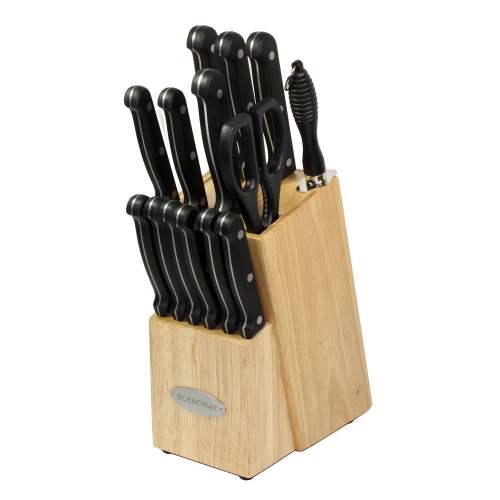
Care and storage help preserve both the appearance and everyday usefulness of kitchen cutlery sets. Dishwasher suitability depends on the manufacturer’s directions, especially for coated pieces, mixed materials, or handles with separate components. Even dishwasher-safe stainless steel can develop water spots or surface marks when food residue remains in place or utensils stay damp for extended periods. Prompt rinsing after contact with salty or acidic foods, followed by appropriate washing and thorough drying, helps keep surfaces looking their best. Gentle cleaning is generally preferable to abrasive pads, which can scratch polished metal or damage a coloured finish. Long soaking and harsh cleaning products may also affect some materials, so care instructions remain important even when two sets look similar. In a drawer, a divided tray keeps forks, knives, and spoons easy to reach and prevents a tangle of handles during a busy meal. Tray depth and compartment length matter, particularly with longer dinner knives or broad serving spoons. A little room between pieces makes the drawer easier to use than tightly packed compartments that catch when it closes. For households with children, the size and weight of adult flatware may differ from what younger diners can comfortably manage; smaller utensils intended for their age and abilities serve a separate purpose. Table knives also differ from food-preparation knives. A dinner knife is intended for use at a place setting, not for chopping vegetables or handling the full range of preparation tasks. Collections such as High End Kitchen Knife Sets address that separate role, with cutting tools designed for tasks such as slicing, trimming, and chopping. Those blades require appropriate storage that protects their edges and keeps them from loose contact with table utensils. Keeping dining cutlery and preparation knives distinct makes a kitchen easier to organize and gives each tool a clear place. For daily table service, the most satisfying set is one whose proportions, useful pieces, finish, and care needs fit naturally into the household’s meals.
Top selling and popular products
-
 Your price for this item is $489.99
-
 Your price for this item is $179.99
-
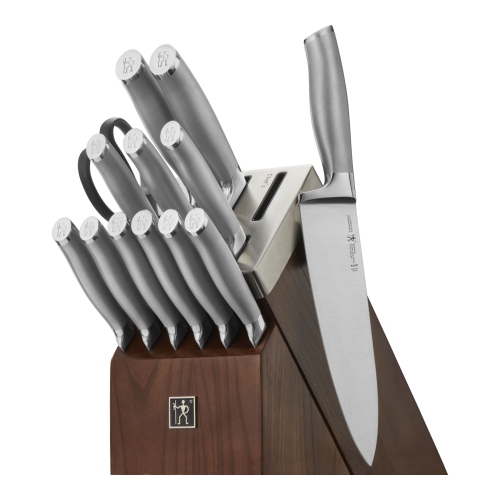 Your price for this item is $299.99
-
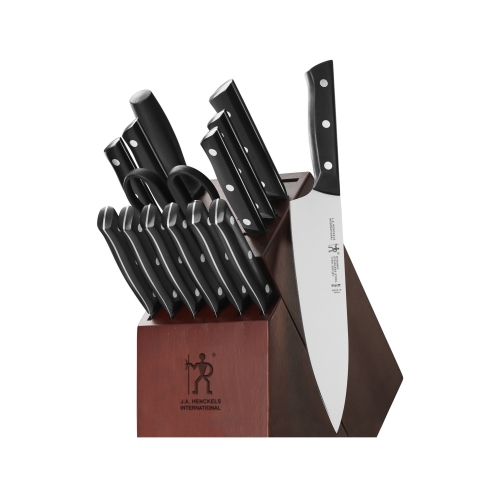 Your price for this item is $214.99
-
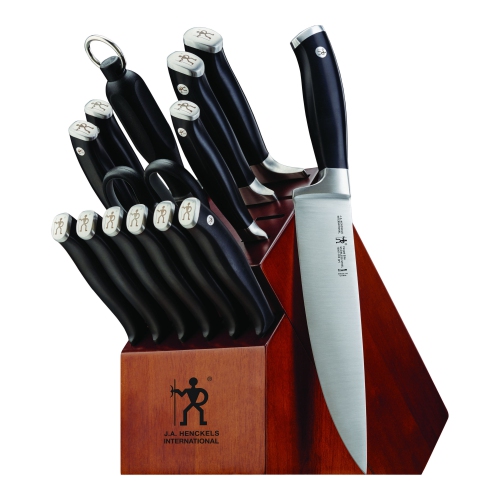 Your price for this item is $219.99
-
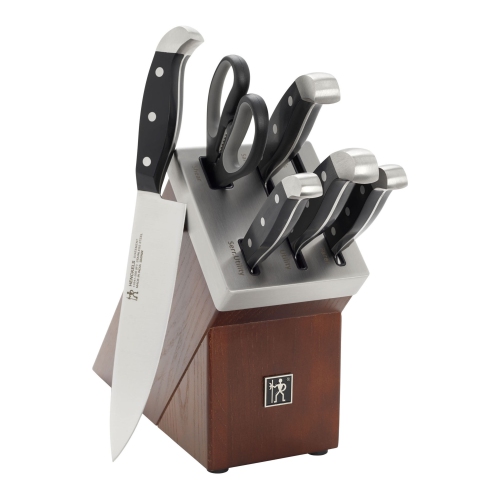 Your price for this item is $179.99
-
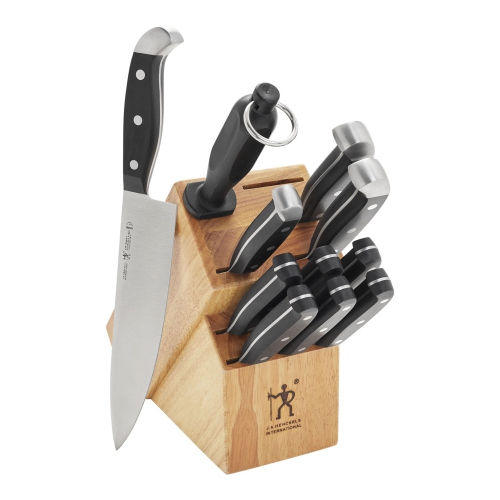 Your price for this item is $179.99
-
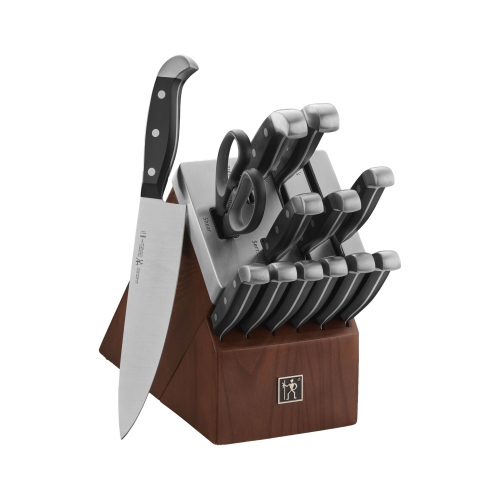 Your price for this item is $279.99
Discover more categories related to Kitchen Cutlery Sets

Top Collections:
Pokemon Centers, Kindle Devices, Best Budget Office Chairs, Canon G7X Cameras, Apple iPhones 16, Samsung Galaxy Phones, Refurbished Apple Laptops, Laptops for Students, iPhone 15 Apple, Budget Smartphones
Some products may be subject to Environmental Handling Fees
(EHF) depending on your province.
Learn more about EHFs.