Kitchen Sink Grids
Upgrade your kitchen sink with the perfect accessory: kitchen sink grids. Designed to protect your sink from scratches and dents, these grids provide a sturdy surface for washing dishes, preparing food, and draining fruits and vegetables. Available in various sizes and materials, these kitchen sink grids offer a range of options to suit any style and sink type. Whether you have a stainless steel, porcelain, or composite sink, these grids are a must-have addition that will prolong the life of your sink while adding functionality to your daily kitchen tasks.
Sort
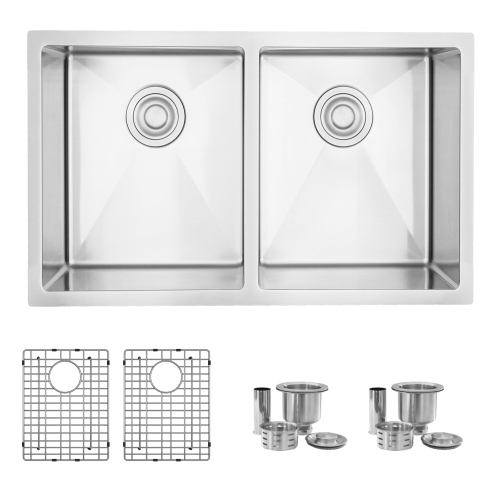

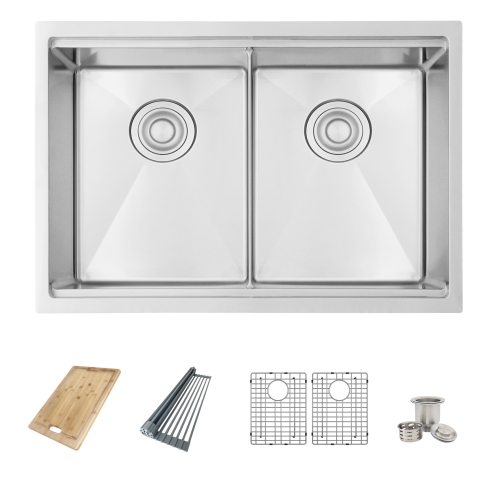
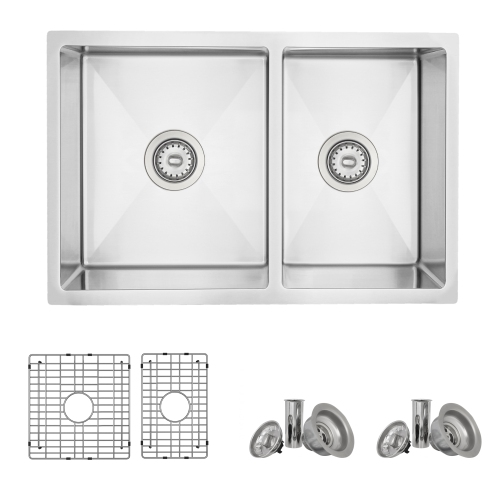
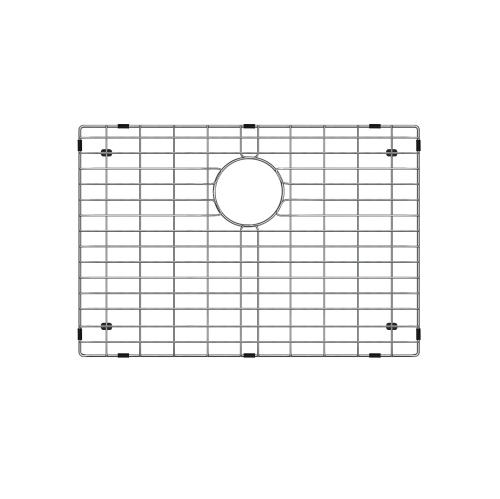
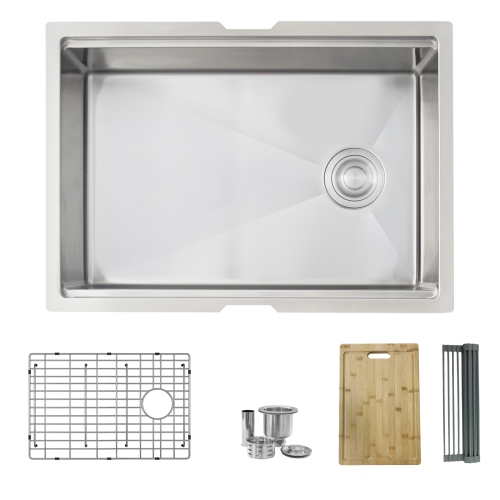
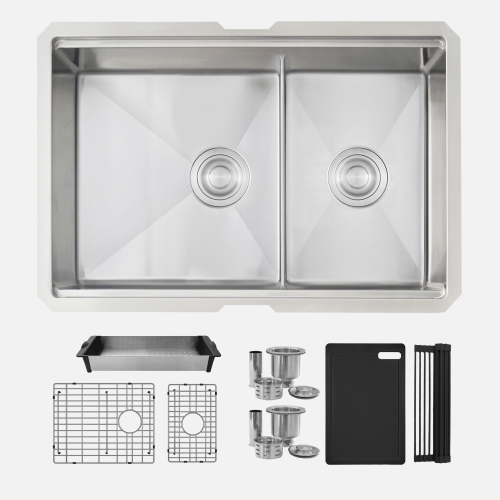
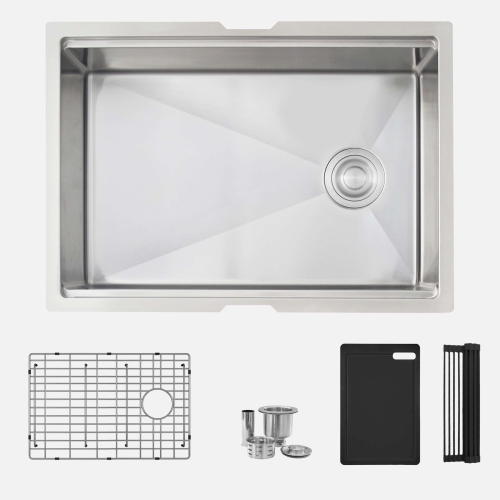
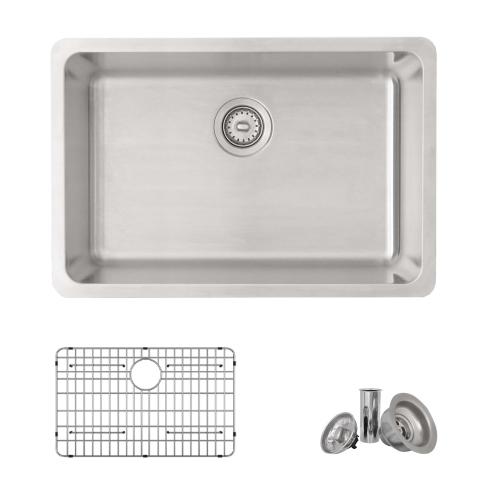
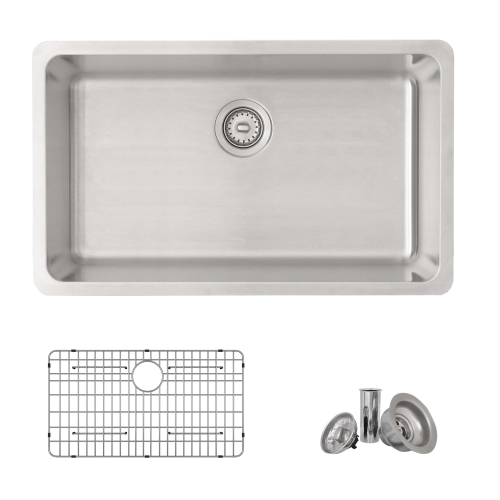
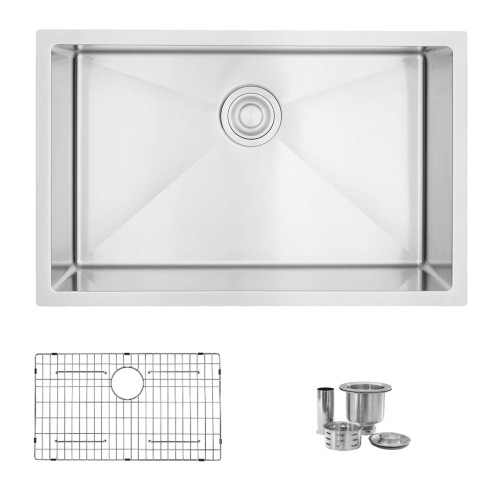
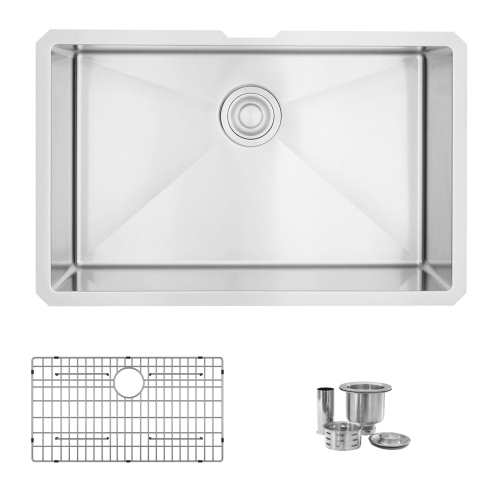
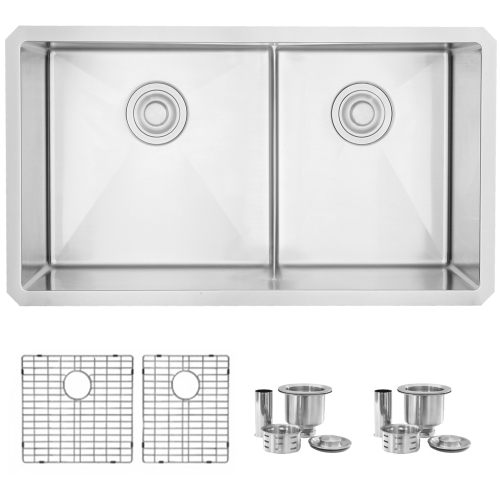
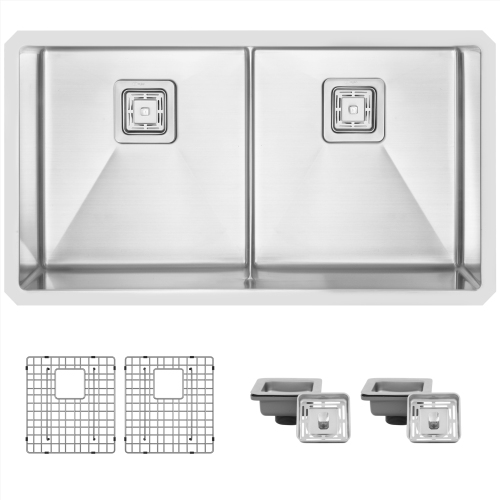
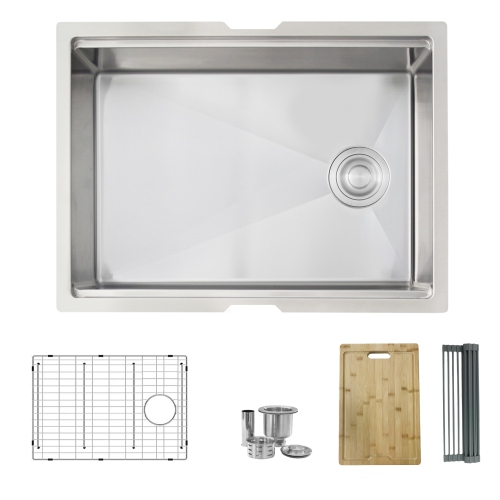
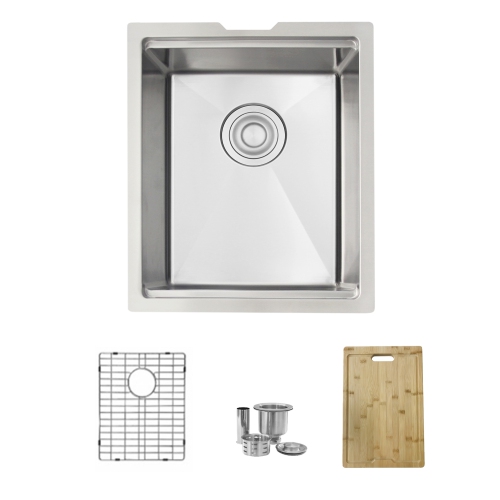
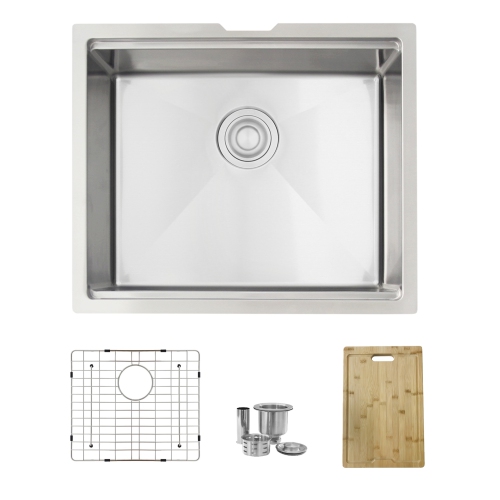
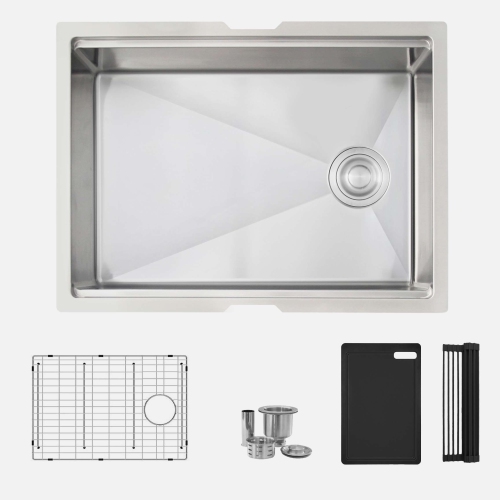
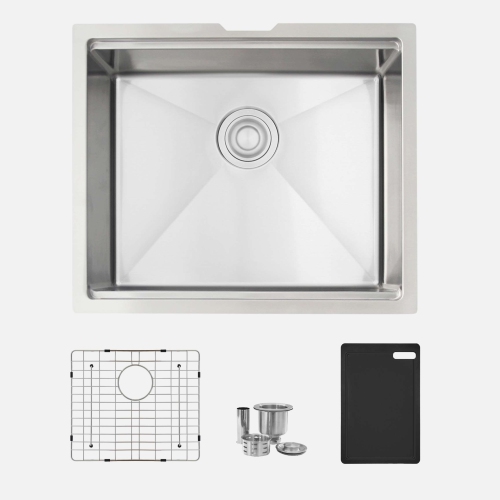
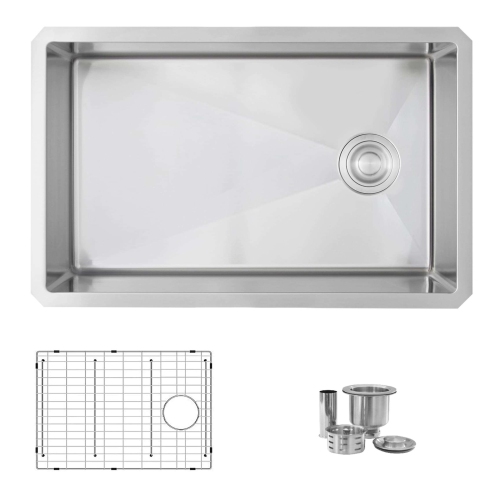
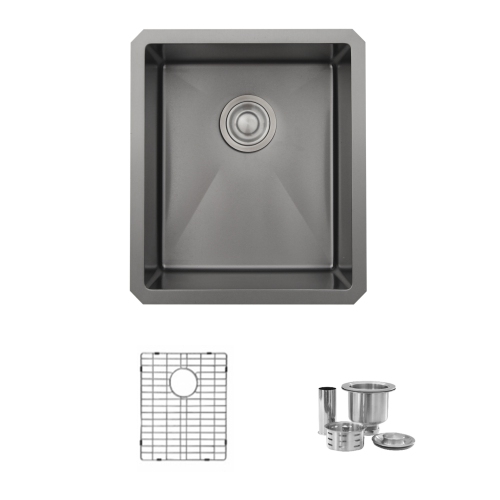
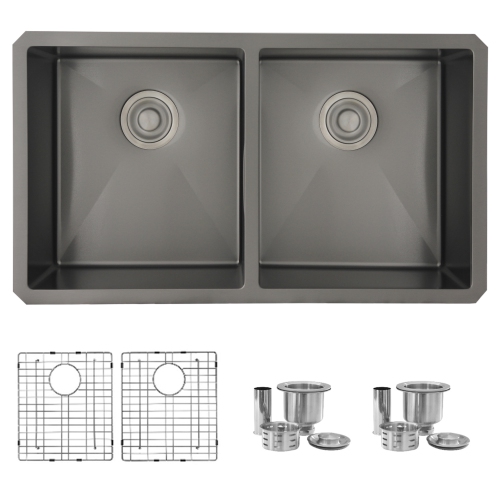
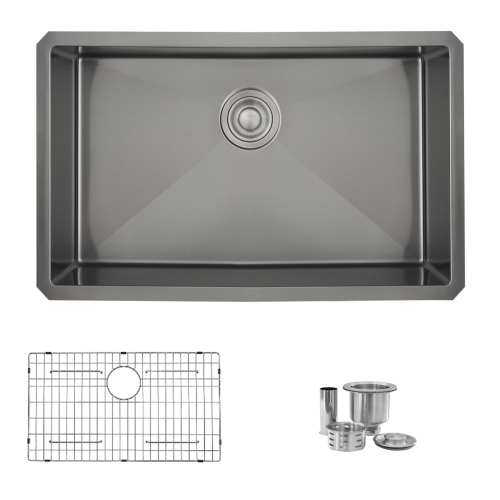
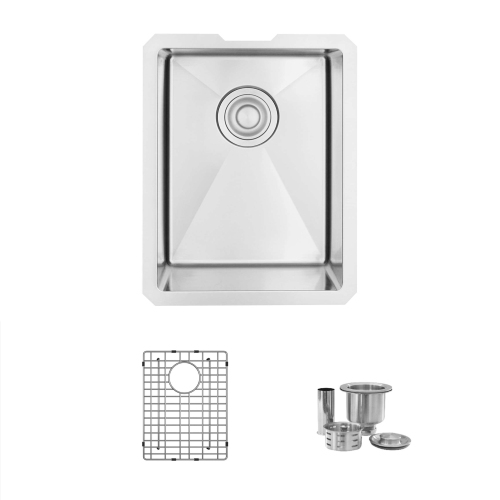
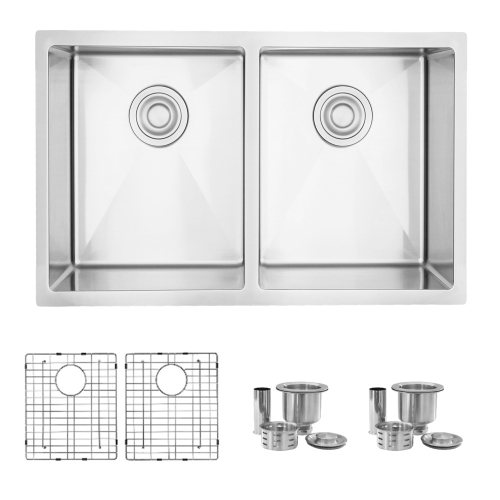
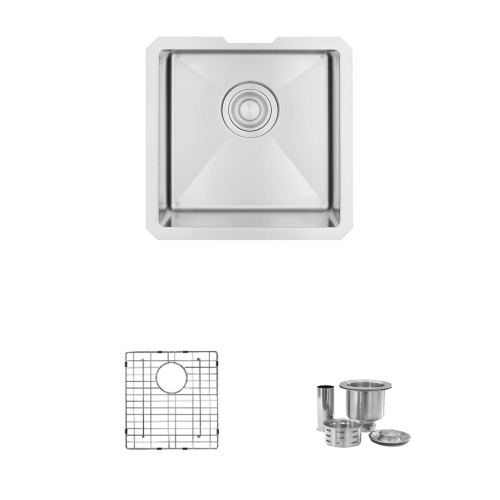
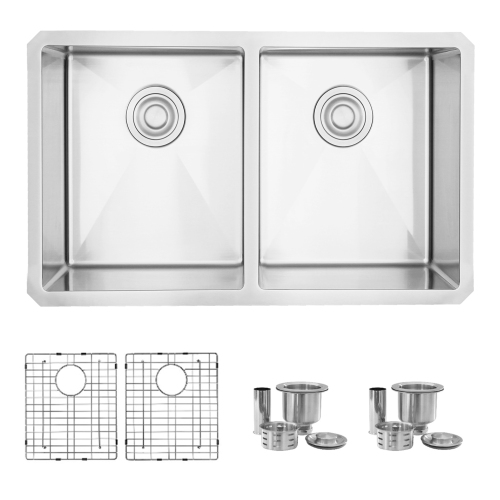
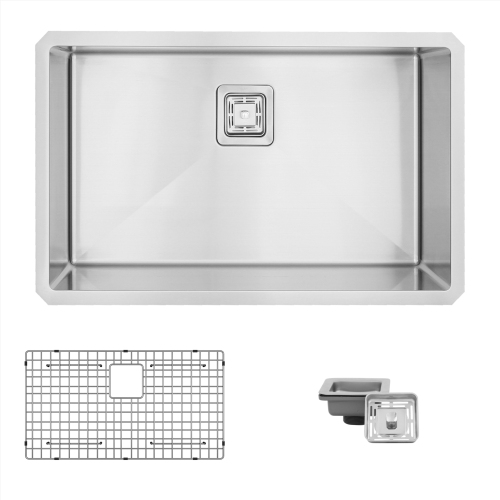
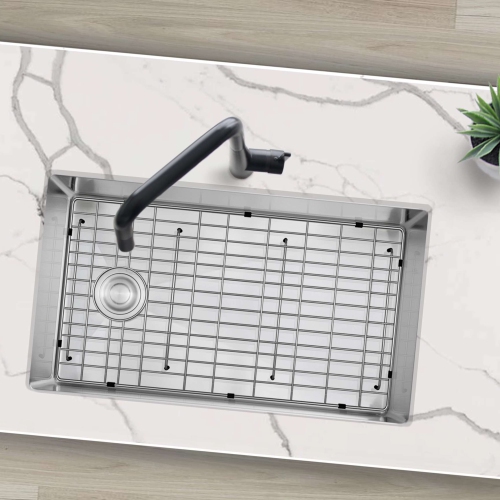
A raised layer of protection for your sink
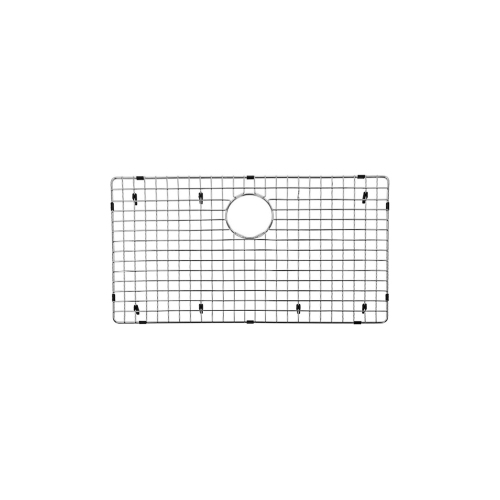
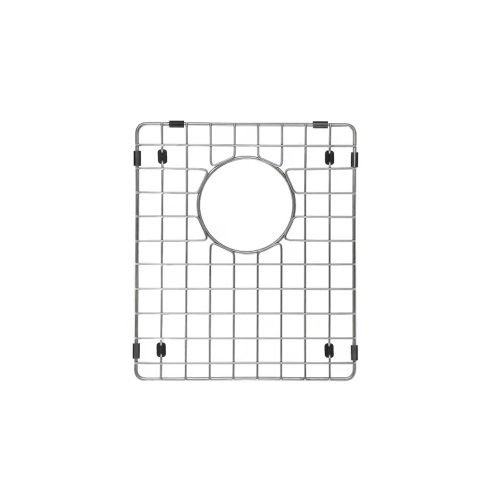
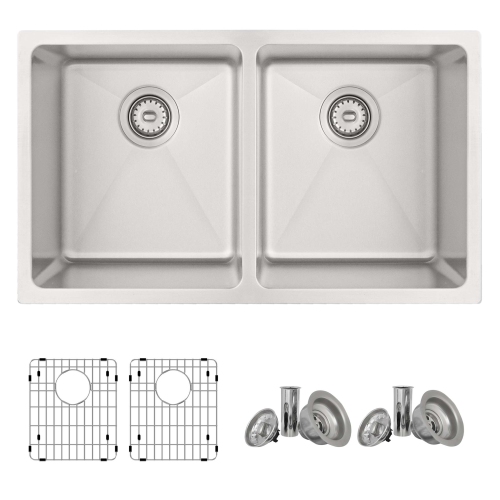
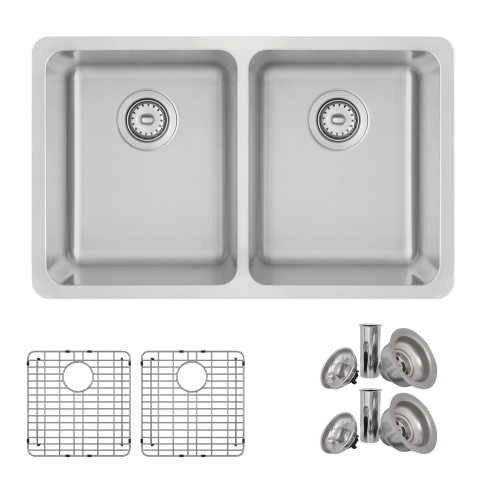
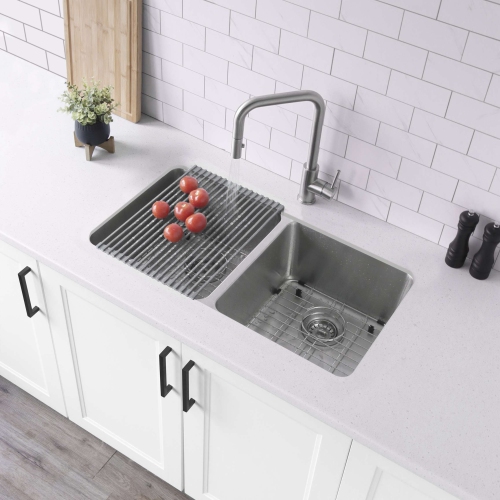
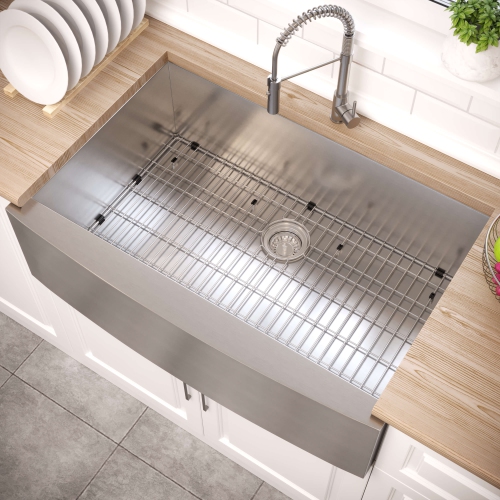
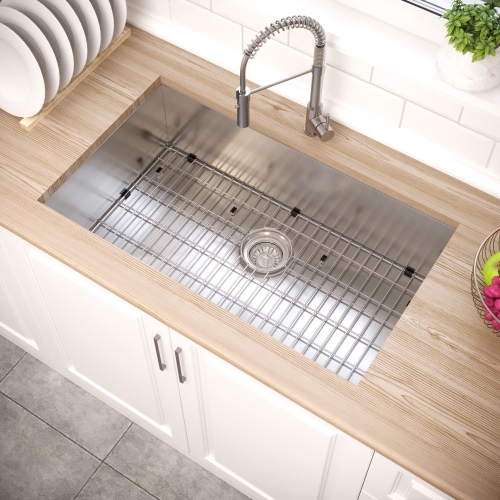
Kitchen sink grids are raised inserts that sit near the bottom of a sink basin, creating a protective layer between the sink surface and dishes, cookware, or utensils. Also called sink bottom grids or sink grates, they typically have an open framework supported by small feet, allowing water to flow underneath while keeping objects slightly above the basin floor. This design can help reduce scratches caused by sliding a saucepan across stainless steel or setting a heavy mixing bowl into a finished sink. It also keeps plates and cups from resting directly against food residue that collects during washing, although a grid does not replace regular cleaning or a drain strainer. For households that cook frequently, the benefit is easy to picture: a stockpot can sit on the raised grid while rinse water moves beneath it towards the drain. The open surface can also provide a place for washed cookware to drip inside the basin, leaving more counter space clear during meal preparation. Kitchen sink grids differ from over-the-sink drying racks, which span the opening rather than resting inside the bowl. They also differ from flat sink mats, whose drainage and cushioning depend on their material and pattern. Shoppers considering other ways to organize the washing area can explore Kitchen Sink Racks for related designs with different placements and uses. A bottom grid is particularly useful when protecting the basin itself is the priority, whether the kitchen has a large single-bowl sink for roasting pans or a double-bowl arrangement that separates washing from rinsing. It is a practical accessory for busy family kitchens, compact condos, and households where dishes are washed by hand. Its usefulness depends less on the size of the kitchen than on how closely the grid fits the sink and supports the everyday routine around it.
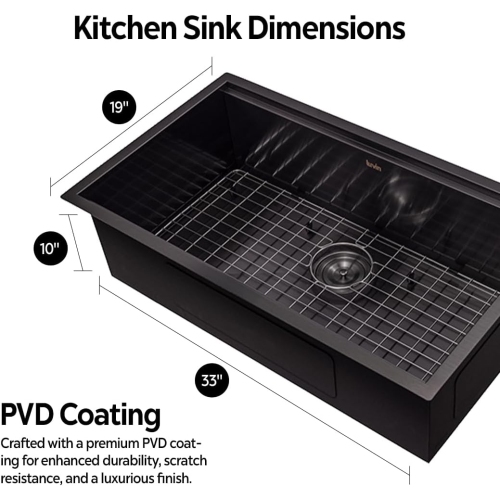
Fit is the most important consideration because kitchen sink grids are shaped for the interior of the basin, not the countertop opening or the sink’s outside dimensions. The relevant measurements are the interior length and width at the height where the grid will rest, along with the shape of the corners and the position of the drain. Many basins taper towards the bottom, so a measurement taken across the top can suggest a grid that is too large to sit properly below. Measuring around 1 inch above the basin floor may be a useful starting point, but the intended grid’s foot height and the manufacturer’s measuring directions should determine the final measurement location. A suitable fit leaves the specified clearance around the edges rather than pressing tightly against the sink walls. Rounded corners matter just as much as overall dimensions: a rectangular grid with gently curved corners may not fit a basin with a much broader corner curve, even when the listed length and width appear close. Drain placement also needs to match. Centre, rear, and offset drain openings require different grid layouts if the opening is to remain accessible for lifting a strainer basket or operating a stopper. Where a food waste disposer is installed, access to its drain opening and compatibility with the sink setup also deserve attention. In a double-bowl sink, each basin may require a different size or shape, particularly when one bowl is smaller or shallower than the other. A grid described as universal still needs these checks; the term does not mean it will fit every sink. Sink model information can help establish compatibility when it is known, but measurements remain valuable for confirming the match. Stable feet, adequate edge clearance, and an accessible drain make the difference between an insert that settles neatly into place and one that rocks, catches against the walls, or needs to be shifted whenever the sink is emptied.
Material and construction influence how a kitchen sink grid feels in daily use and how much attention it needs over time. Stainless steel is common because it offers a rigid support surface and generally stands up well to repeated contact with water when properly cared for. Wire thickness, weld quality, and the arrangement of supporting feet all contribute to stability; a lightweight grid intended for dishes should not automatically be treated as a platform for very heavy cookware. Rubber or silicone feet and side bumpers can soften contact with the basin, helping keep bare metal from rubbing against the sink. These protective parts should stay securely attached and be checked for wear, especially if the grid is lifted out often. Silicone designs offer a softer, more flexible surface, although their support, spacing, and heat tolerance vary. Neither a metal nor a silicone grid should be assumed safe for pans straight from the oven unless the manufacturer expressly permits that use. Grid spacing also affects everyday handling: larger openings let debris pass through readily, while small utensils or narrow glassware bases may need more careful placement. For cleaning, a removable grid makes it easier to reach the basin underneath, where crumbs, coffee grounds, and soap residue can gather around the feet. Mild dish soap, warm water, and a soft brush are generally useful for reaching wire intersections and the underside, subject to the care directions for both the grid and the sink. Dishwasher cleaning is appropriate only when the grid is labelled dishwasher-safe and fits without obstructing the appliance’s moving parts. Harsh cleaners and abrasive pads may damage finishes or protective components, while prolonged contact with salty or acidic residue can affect some metals. Regular rinsing and occasional thorough cleaning help limit buildup, including mineral deposits in homes with hard water. A well-matched grid can make a thoughtful housewarming gift when the recipient’s sink dimensions are known, but it is ultimately a fit-specific kitchen accessory rather than a one-size-fits-all purchase. The most useful choice combines basin protection, straightforward care, and enough support for the dishes and cookware handled every day.
Fit is the most important consideration because kitchen sink grids are shaped for the interior of the basin, not the countertop opening or the sink’s outside dimensions. The relevant measurements are the interior length and width at the height where the grid will rest, along with the shape of the corners and the position of the drain. Many basins taper towards the bottom, so a measurement taken across the top can suggest a grid that is too large to sit properly below. Measuring around 1 inch above the basin floor may be a useful starting point, but the intended grid’s foot height and the manufacturer’s measuring directions should determine the final measurement location. A suitable fit leaves the specified clearance around the edges rather than pressing tightly against the sink walls. Rounded corners matter just as much as overall dimensions: a rectangular grid with gently curved corners may not fit a basin with a much broader corner curve, even when the listed length and width appear close. Drain placement also needs to match. Centre, rear, and offset drain openings require different grid layouts if the opening is to remain accessible for lifting a strainer basket or operating a stopper. Where a food waste disposer is installed, access to its drain opening and compatibility with the sink setup also deserve attention. In a double-bowl sink, each basin may require a different size or shape, particularly when one bowl is smaller or shallower than the other. A grid described as universal still needs these checks; the term does not mean it will fit every sink. Sink model information can help establish compatibility when it is known, but measurements remain valuable for confirming the match. Stable feet, adequate edge clearance, and an accessible drain make the difference between an insert that settles neatly into place and one that rocks, catches against the walls, or needs to be shifted whenever the sink is emptied.
Material and construction influence how a kitchen sink grid feels in daily use and how much attention it needs over time. Stainless steel is common because it offers a rigid support surface and generally stands up well to repeated contact with water when properly cared for. Wire thickness, weld quality, and the arrangement of supporting feet all contribute to stability; a lightweight grid intended for dishes should not automatically be treated as a platform for very heavy cookware. Rubber or silicone feet and side bumpers can soften contact with the basin, helping keep bare metal from rubbing against the sink. These protective parts should stay securely attached and be checked for wear, especially if the grid is lifted out often. Silicone designs offer a softer, more flexible surface, although their support, spacing, and heat tolerance vary. Neither a metal nor a silicone grid should be assumed safe for pans straight from the oven unless the manufacturer expressly permits that use. Grid spacing also affects everyday handling: larger openings let debris pass through readily, while small utensils or narrow glassware bases may need more careful placement. For cleaning, a removable grid makes it easier to reach the basin underneath, where crumbs, coffee grounds, and soap residue can gather around the feet. Mild dish soap, warm water, and a soft brush are generally useful for reaching wire intersections and the underside, subject to the care directions for both the grid and the sink. Dishwasher cleaning is appropriate only when the grid is labelled dishwasher-safe and fits without obstructing the appliance’s moving parts. Harsh cleaners and abrasive pads may damage finishes or protective components, while prolonged contact with salty or acidic residue can affect some metals. Regular rinsing and occasional thorough cleaning help limit buildup, including mineral deposits in homes with hard water. A well-matched grid can make a thoughtful housewarming gift when the recipient’s sink dimensions are known, but it is ultimately a fit-specific kitchen accessory rather than a one-size-fits-all purchase. The most useful choice combines basin protection, straightforward care, and enough support for the dishes and cookware handled every day.
Top selling and popular products
-
 Your price for this item is $69.95
 -
 Your price for this item is $130
 -
 Your price for this item is $150
 -
 Your price for this item is $150
 -
 Your price for this item is $119.89
 -
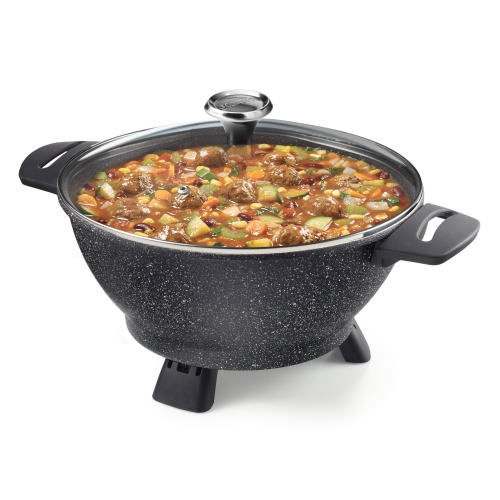 Your price for this item is $79.99
 -
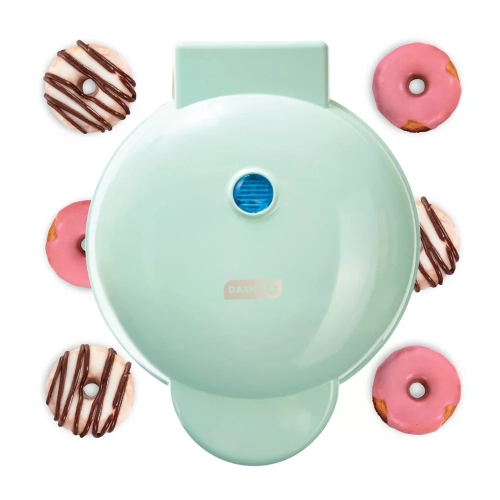 Your price for this item is $95.91
 -
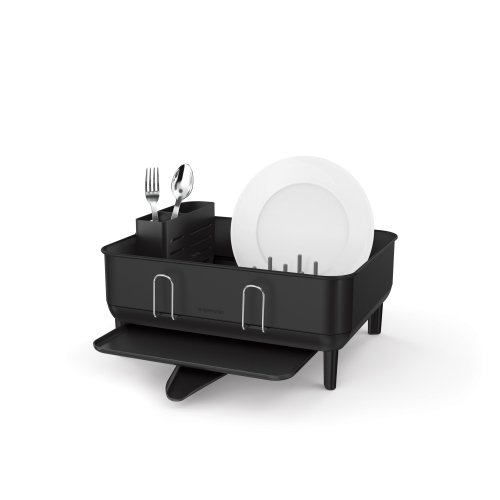 Your price for this item is $120
Discover more categories related to Kitchen Sink Grids
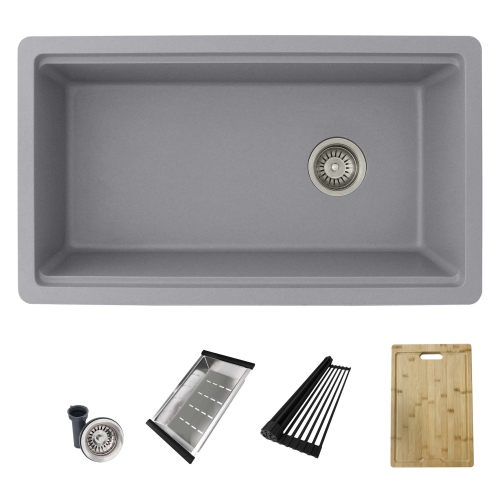
Top Collections:
Pokemon Centers, Kindle Devices, Best Budget Office Chairs, Apple iPhones 16, Canon G7X Cameras, iPhone 15 Apple, Alarm Clock, Refurbished Apple Laptops, Flip Phones, Best Laptops for Writers
Some products may be subject to Environmental Handling Fees
(EHF) depending on your province.
Learn more about EHFs.