Kitchen Wraps
Transform your kitchen organization with versatile and practical kitchen wraps that cater to all your culinary needs. Whether you're storing leftovers, prepping meals for the week, or wrapping up snacks for on-the-go convenience, these wraps offer a reliable solution for keeping food fresh and flavorful. From eco-friendly options to heavy-duty varieties, there's a wrap designed to suit every preference and kitchen style. Explore the range of innovative choices that make meal prep and storage a breeze, ensuring your kitchen remains tidy and efficient while reducing waste.
Sort
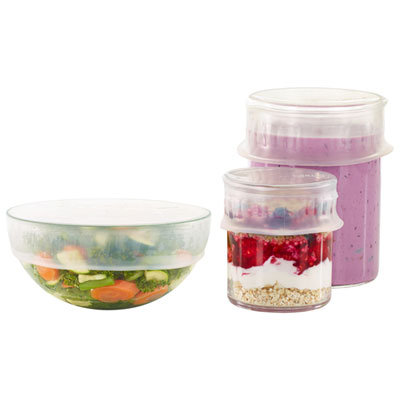
A new look for cabinets without replacing them
Kitchen wraps are decorative films used to change the appearance of suitable cabinet doors, drawer fronts, countertops, and appliance exteriors without replacing the underlying surface. Often made from self-adhesive vinyl, they add a new finish to an existing kitchen while leaving its layout and storage intact. Their role is different from food wrap: these materials are intended for surface refinishing, not covering leftovers or packing lunches. For a kitchen with sound cabinetry but a finish that no longer suits the room, cabinet wraps can create a noticeable visual change without altering the cabinet boxes. Wood-grain patterns bring texture to flat doors, marble-look films introduce veining, and solid colours give mismatched surfaces a more unified appearance. Matte finishes tend to soften reflections, while gloss finishes reflect more light and can make fingerprints or surface imperfections more noticeable. A brushed-metal appearance can complement appliance finishes, provided the film is approved for the particular surface and application. The most convincing result depends on more than the printed pattern: the scale of the grain, the direction of the design, and the placement of joins all affect how a wrapped kitchen looks. A large stone pattern may suit a broad island front, while a finer texture can feel more balanced across narrow drawers. Coordinating a wrap with existing flooring, handles, and a backsplash can also help the update look intentional rather than pieced together. These surface coverings suit hands-on homeowners, people refreshing a small kitchenette, and anyone personalizing a utility area with compatible cabinetry. They can also be useful for updating the outside of a freestanding kitchen cupboard or a breakfast bar base. For renters, suitability depends on permission to alter the surface and the adhesive’s compatibility with the existing finish; a removable label alone does not guarantee damage-free removal. Across these uses, kitchen wraps offer a decorative covering rather than a repair for swollen boards, loose laminate, or damaged cabinetry.
Material quality, dimensions, and surface compatibility shape how well a kitchen wrap fits its intended job. Thin decorative contact paper and heavier architectural vinyl may look similar in a photograph, but their thickness, adhesive strength, flexibility, and approved uses can differ considerably. Some films are designed mainly for flat furniture panels, while others can accommodate selected edges or gently contoured details. Deeply recessed cabinet doors, intricate mouldings, and tight corners are more demanding than smooth slab doors because the covering must follow changes in shape without lifting or stretching out of pattern. Smooth, firm, clean surfaces generally provide a better base than rough, dusty, porous, or flaking finishes, although each film’s application requirements remain important. Fresh paint may need a full curing period, and some coatings are unsuitable for adhesive films altogether. Roll width matters as much as total length: a sheet wide enough to cover a door in one piece can reduce visible joins, while a long countertop may need careful pattern matching. Coverage calculations also need to allow for trimming, wrapped edges, and repeated motifs rather than relying only on the face dimensions of each panel. On a bank of drawers, consistent grain direction can make separate fronts read as a coordinated set. On a cabinet door, the extra thickness around an edge may affect a close clearance or the way the door shuts. Handles and hinges can usually remain part of the finished design, but their mounting points and moving parts need to stay clear. Adhesive descriptions deserve similar attention. Repositionable films may allow adjustments during application, but that does not necessarily mean they will peel away easily after extended use. Removal behaviour depends on the adhesive, the original coating, surface condition, and time in place. Testing a discreet area can reveal compatibility concerns, though it cannot promise the same result across every surface. For a large or highly detailed project, installation skill also influences the finish, particularly where several panels must line up or edges receive frequent handling.
Everyday durability depends on matching the wrap to the demands of the kitchen. Cabinet fronts face fingerprints, splashes, and repeated contact around handles, while countertops encounter heavier wear from dishes, small appliances, and food preparation. A film described as water-resistant should not automatically be treated as waterproof once installed: seams, cut edges, and openings around sinks can allow moisture to reach the material underneath. Wraps also do not make a damaged substrate sound again or prevent existing moisture problems from progressing. Countertop applications call for a film specifically approved for that purpose, with clear information about cleaning, abrasion, and heat exposure. Decorative vinyl is not a substitute for a cutting board or trivet, and direct food contact is appropriate only when expressly permitted by the manufacturer. Appliance wrapping needs equally careful matching. A film suitable for a cupboard may not be suitable for a dishwasher front, refrigerator door, or another appliance exterior, and coverings must not obstruct vents, controls, seals, safety labels, or moving components. Areas near a cooktop, oven, kettle, or toaster can expose adhesive films to conditions beyond their stated limits. Routine care is usually gentlest when it involves a soft cloth and a compatible mild cleaner, rather than abrasive pads, harsh solvents, or vigorous scrubbing. Cleaning requirements vary by finish, so the film’s care directions take priority over general cleaning habits. Keeping absorbent supplies such as kitchen roll towels within reach can help with blotting fresh spills before liquid collects along an edge. Textured finishes may need extra attention where residue settles into the grain, while smooth gloss surfaces can show streaks more readily. The area around a frequently used drawer pull often wears differently from an untouched upper cabinet panel, making intended use an important part of choosing a finish. Well-matched kitchen wraps balance appearance with practical limits: the right colour and texture matter, but so do suitable adhesion, manageable seams, straightforward care, and a surface that can support the covering through daily use.
Material quality, dimensions, and surface compatibility shape how well a kitchen wrap fits its intended job. Thin decorative contact paper and heavier architectural vinyl may look similar in a photograph, but their thickness, adhesive strength, flexibility, and approved uses can differ considerably. Some films are designed mainly for flat furniture panels, while others can accommodate selected edges or gently contoured details. Deeply recessed cabinet doors, intricate mouldings, and tight corners are more demanding than smooth slab doors because the covering must follow changes in shape without lifting or stretching out of pattern. Smooth, firm, clean surfaces generally provide a better base than rough, dusty, porous, or flaking finishes, although each film’s application requirements remain important. Fresh paint may need a full curing period, and some coatings are unsuitable for adhesive films altogether. Roll width matters as much as total length: a sheet wide enough to cover a door in one piece can reduce visible joins, while a long countertop may need careful pattern matching. Coverage calculations also need to allow for trimming, wrapped edges, and repeated motifs rather than relying only on the face dimensions of each panel. On a bank of drawers, consistent grain direction can make separate fronts read as a coordinated set. On a cabinet door, the extra thickness around an edge may affect a close clearance or the way the door shuts. Handles and hinges can usually remain part of the finished design, but their mounting points and moving parts need to stay clear. Adhesive descriptions deserve similar attention. Repositionable films may allow adjustments during application, but that does not necessarily mean they will peel away easily after extended use. Removal behaviour depends on the adhesive, the original coating, surface condition, and time in place. Testing a discreet area can reveal compatibility concerns, though it cannot promise the same result across every surface. For a large or highly detailed project, installation skill also influences the finish, particularly where several panels must line up or edges receive frequent handling.
Everyday durability depends on matching the wrap to the demands of the kitchen. Cabinet fronts face fingerprints, splashes, and repeated contact around handles, while countertops encounter heavier wear from dishes, small appliances, and food preparation. A film described as water-resistant should not automatically be treated as waterproof once installed: seams, cut edges, and openings around sinks can allow moisture to reach the material underneath. Wraps also do not make a damaged substrate sound again or prevent existing moisture problems from progressing. Countertop applications call for a film specifically approved for that purpose, with clear information about cleaning, abrasion, and heat exposure. Decorative vinyl is not a substitute for a cutting board or trivet, and direct food contact is appropriate only when expressly permitted by the manufacturer. Appliance wrapping needs equally careful matching. A film suitable for a cupboard may not be suitable for a dishwasher front, refrigerator door, or another appliance exterior, and coverings must not obstruct vents, controls, seals, safety labels, or moving components. Areas near a cooktop, oven, kettle, or toaster can expose adhesive films to conditions beyond their stated limits. Routine care is usually gentlest when it involves a soft cloth and a compatible mild cleaner, rather than abrasive pads, harsh solvents, or vigorous scrubbing. Cleaning requirements vary by finish, so the film’s care directions take priority over general cleaning habits. Keeping absorbent supplies such as kitchen roll towels within reach can help with blotting fresh spills before liquid collects along an edge. Textured finishes may need extra attention where residue settles into the grain, while smooth gloss surfaces can show streaks more readily. The area around a frequently used drawer pull often wears differently from an untouched upper cabinet panel, making intended use an important part of choosing a finish. Well-matched kitchen wraps balance appearance with practical limits: the right colour and texture matter, but so do suitable adhesion, manageable seams, straightforward care, and a surface that can support the covering through daily use.
Top selling and popular products
-
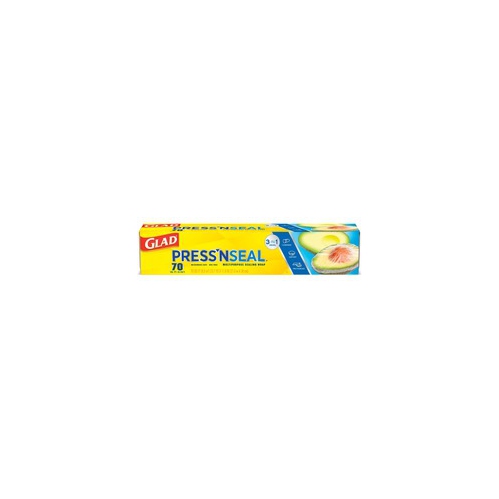 Your price for this item is $5.99
 -
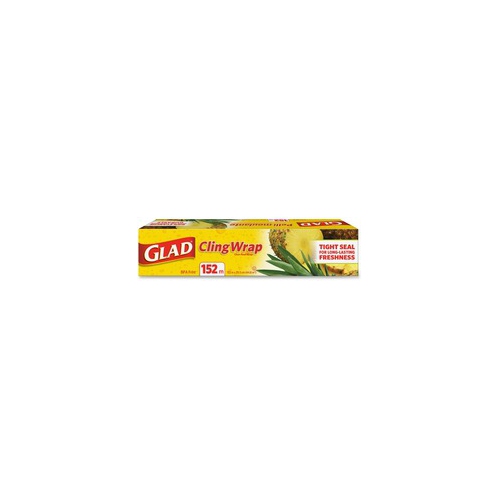 Your price for this item is $9.99
 -
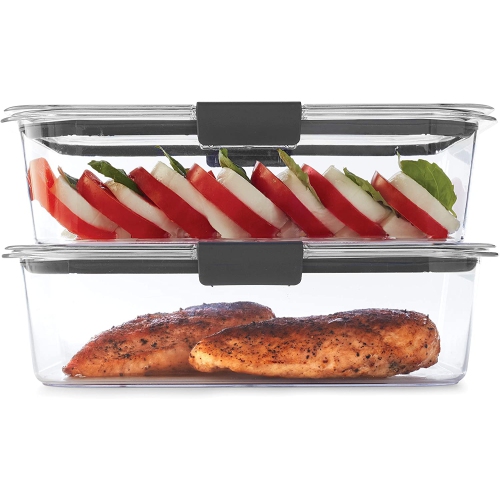 Your price for this item is $108.25
 -
 Your price for this item is $7.99
 -
 Your price for this item is $44.99
 -
 Your price for this item is $44.99
 -
 Your price for this item is $59.99
 -
 Your price for this item is $59.99
Discover more categories related to Kitchen Wraps

Top Collections:
Pokemon Centers, Kindle Devices, Best Budget Office Chairs, Apple iPhones 16, Canon G7X Cameras, iPhone 15 Apple, Alarm Clock, Refurbished Apple Laptops, Flip Phones, Best Laptops for Writers
Some products may be subject to Environmental Handling Fees
(EHF) depending on your province.
Learn more about EHFs.