Lamp Shades Canada
Transform your living space with the perfect lamp shades, adding a touch of elegance and functionality to any room. Whether you're looking to refresh your current decor or seeking a new style statement, the right lamp shade can make all the difference. From sleek modern designs to timeless classics, there's an array of options that cater to every taste and interior aesthetic. Discover how the ideal lamp shade not only enhances your lighting but also complements your home's unique ambiance. Let your creativity shine through and illuminate your home with style and sophistication.
Sort
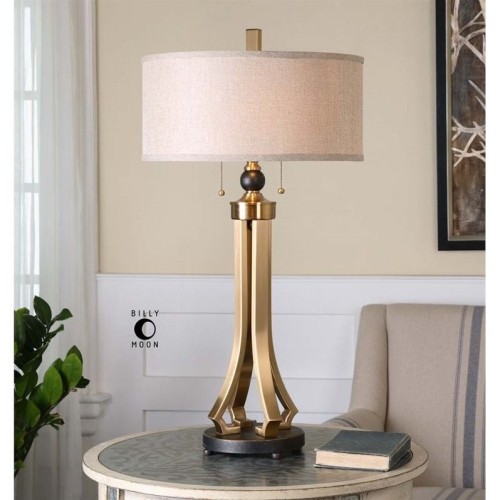
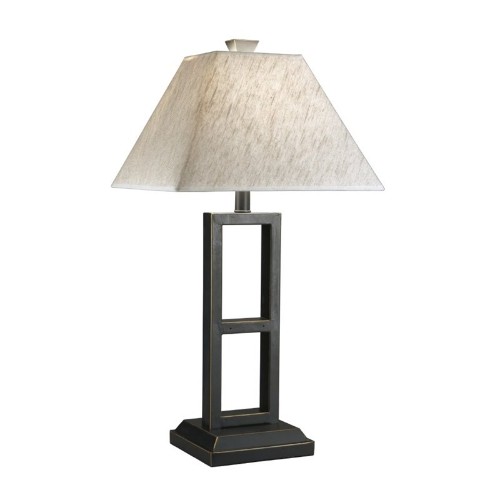
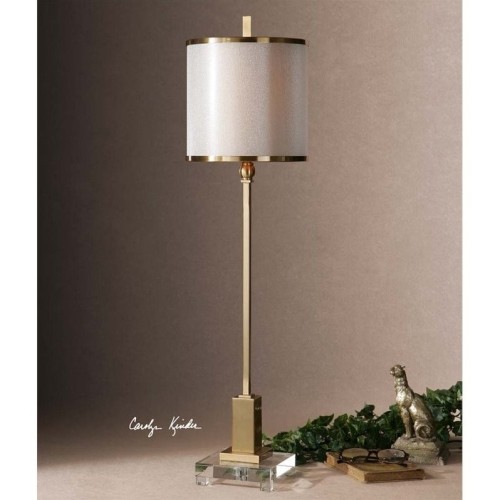
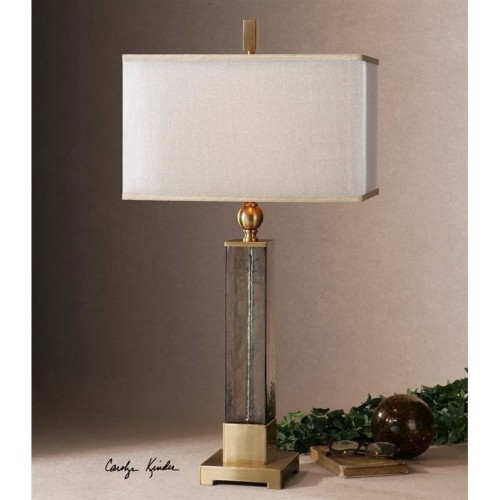
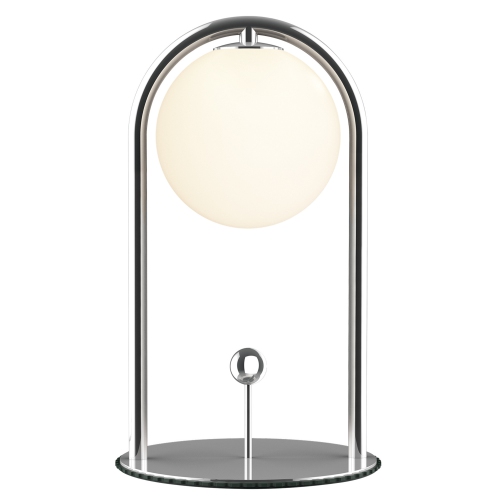
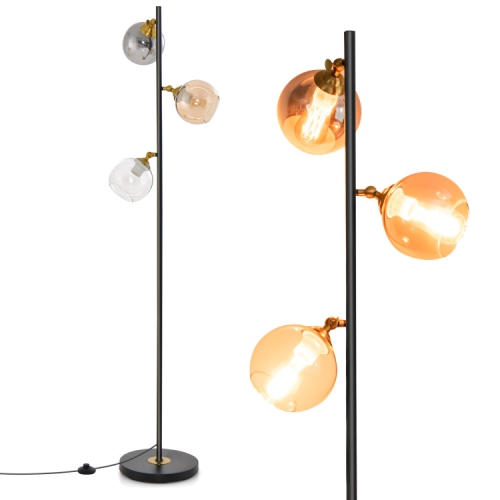
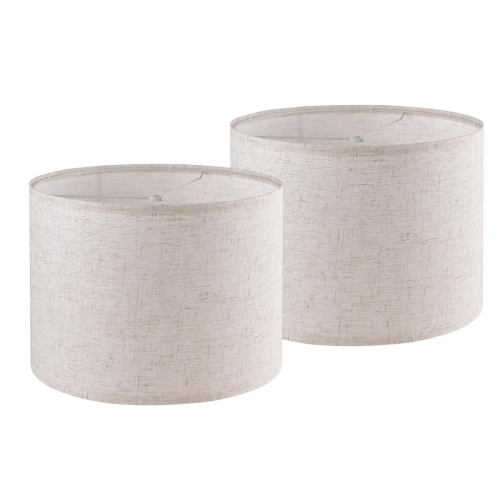
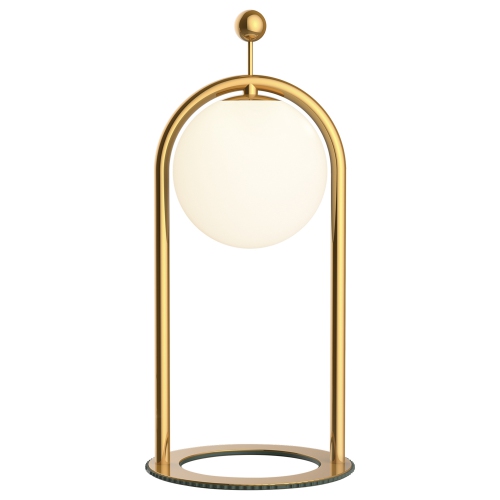
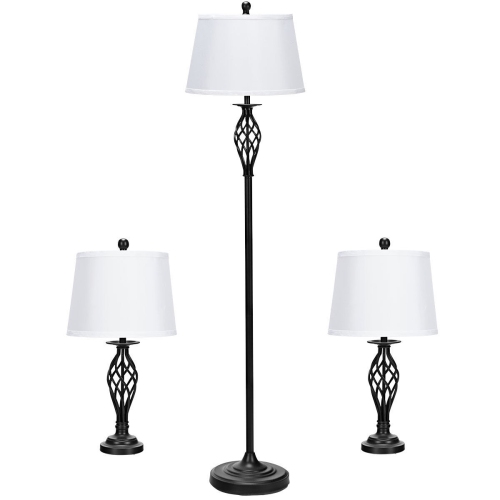
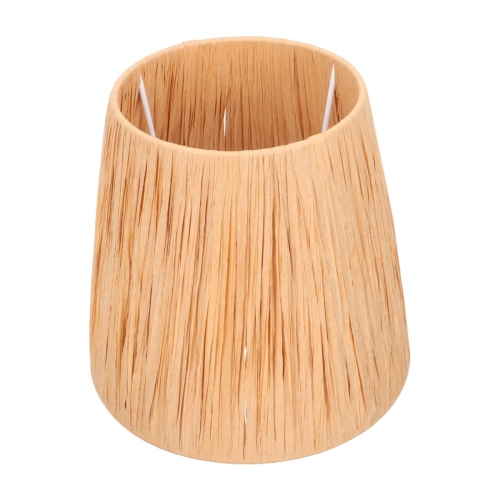
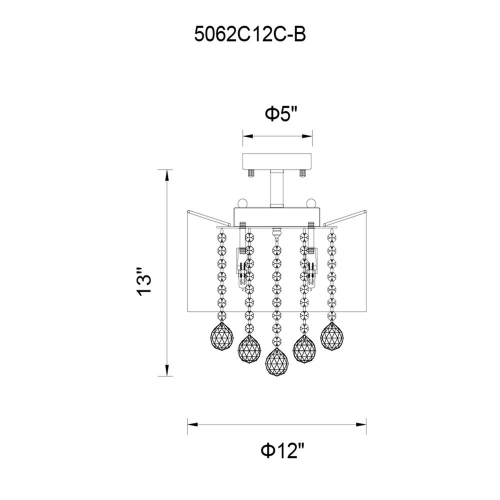
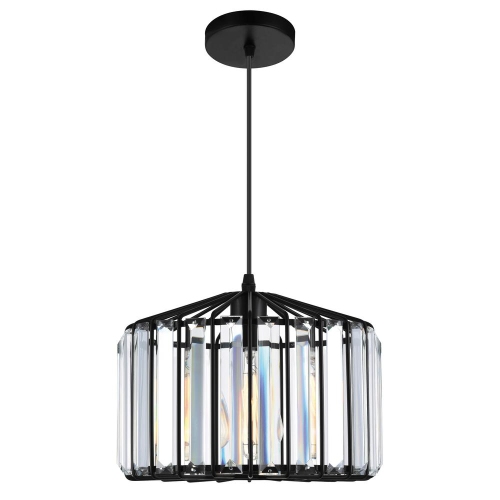
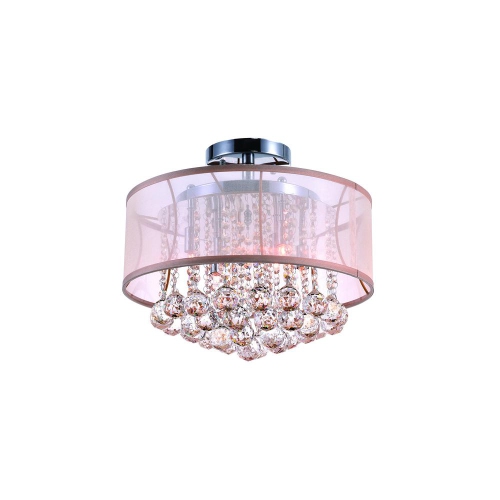
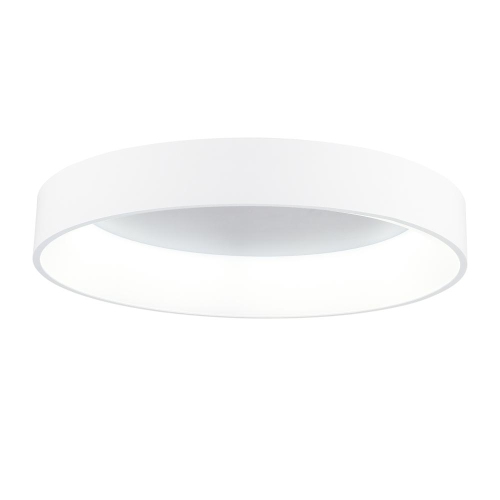
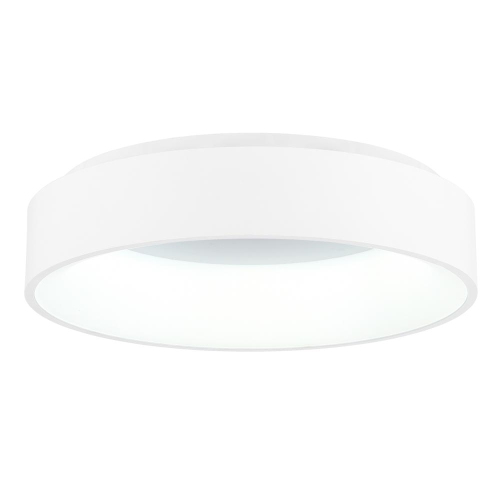
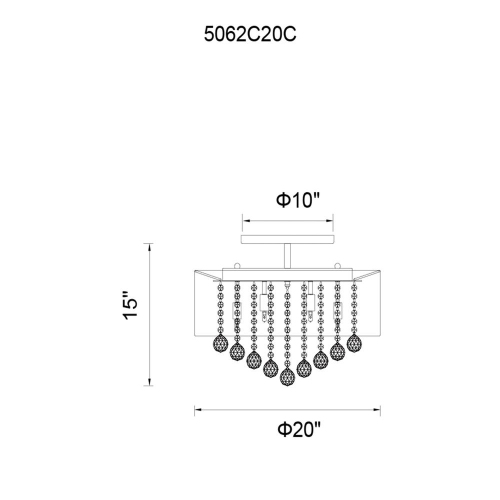
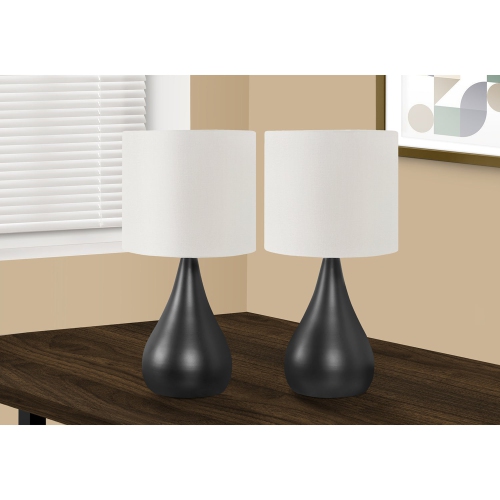
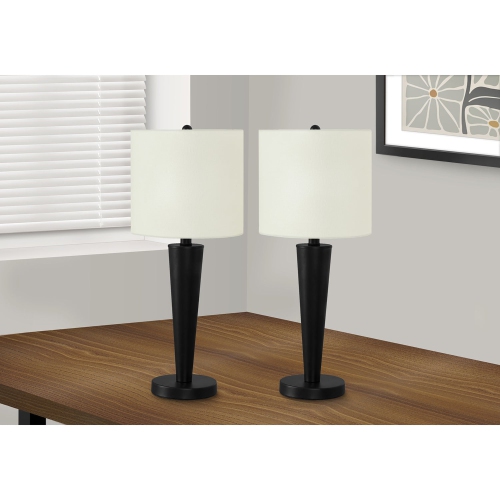
A new shade changes more than your lamp’s look
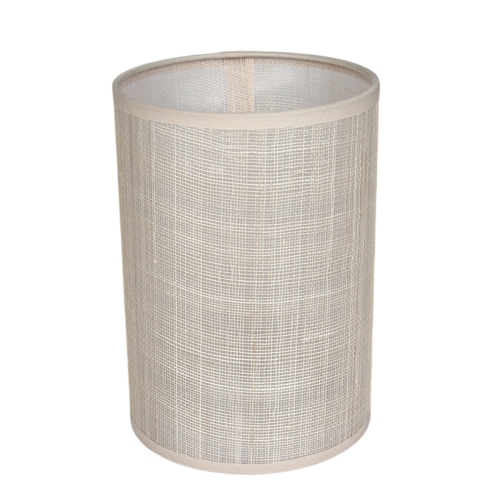
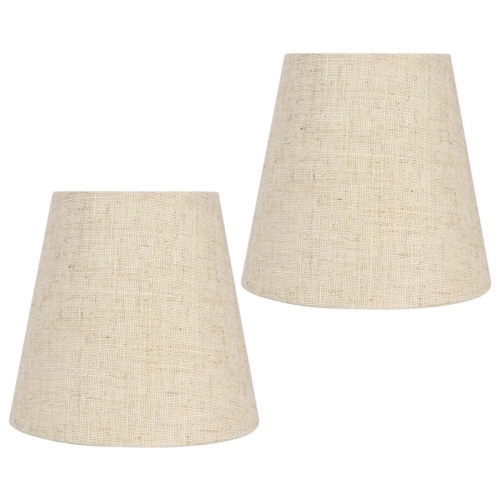
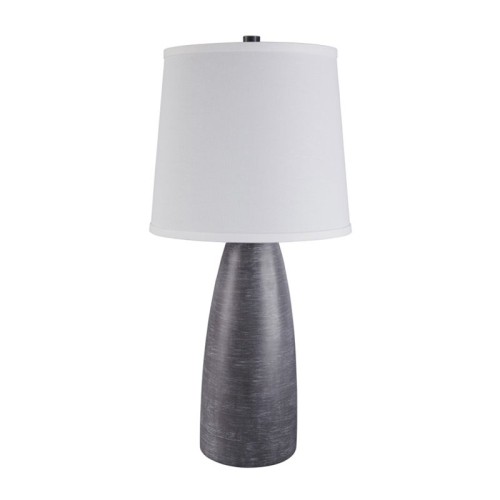
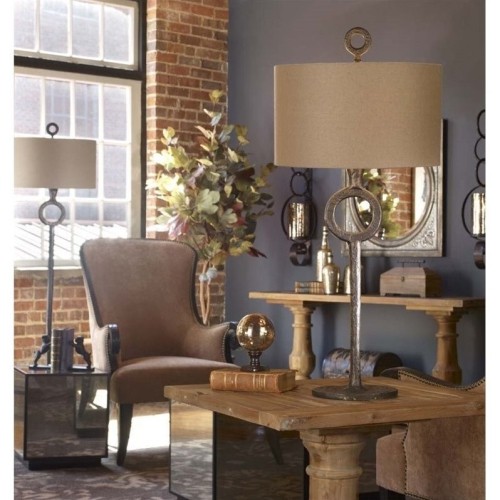
Lamp shades bring together the shape of a light fixture, the character of a room, and the way light falls across everyday spaces. For shoppers furnishing homes in Canada, lamp shades offer a practical way to refresh a familiar table lamp, soften a bedside light, or give a floor lamp a different visual presence without replacing the entire fixture. The main differences lie in shape, material, dimensions, and attachment style, all of which influence how a shade looks and performs. Drum shades have a relatively straight profile that suits many contemporary and transitional rooms, while empire shades widen towards the bottom and lend themselves to traditional bases. Tapered, bell-shaped, rectangular, and oval designs provide other ways to balance the proportions of a lamp with nearby furniture. An oval shade, for example, can offer a broad face while taking up less depth on a narrow console, provided the lamp remains stable and has adequate clearance. A rectangular shade can echo the lines of a desk or sideboard, while a rounded shade can soften an arrangement of angular furniture. Colour matters both when the lamp is switched off and when it is illuminated. White and ivory shades often give a light, understated appearance, while darker fabrics create a stronger outline and may direct more light through the top and bottom openings rather than through the sides. The lining also affects the result, so two shades with similar outer fabrics may cast light differently. A reading corner benefits from comfortable illumination around the seat and page; a hallway console may call for a gentler pool of light that helps define the space. Lamp shades can coordinate with curtains, rugs, and upholstery without matching every finish. For a room update that also includes daylight control, Window Shades Canada offers a related category to consider alongside the fabric textures and colours used around lamps.
Materials give lamp shades much of their personality, but their value goes beyond appearance. Linen and linen-look fabrics introduce visible texture that feels at home beside wood furniture, woven cushions, or a ceramic lamp base. Cotton and cotton-blend coverings can produce a smoother, more tailored finish, while pleated fabrics add repeating lines and a sense of depth. Silk shades have a distinctive sheen and suit spaces where the lamp serves as a visual accent as well as a light source. Paper shades offer a crisp or softly textured surface, depending on their construction, but need careful handling to avoid dents, tears, and moisture damage. Glass shades may be clear, frosted, tinted, or patterned, with each treatment changing how much of the bulb remains visible and how the light spreads. Metal shades generally direct light through their openings rather than transmitting it through the sides, making their shape particularly important for focused illumination. Material alone does not determine brightness: fabric thickness, backing, lining, shade colour, bulb output, and the size of the openings all contribute. A pale fabric shade beside an armchair may allow a broad glow across the seating area, while an opaque shade on a desk can keep more of the light concentrated on the work surface. Bulb colour temperature also changes the appearance of the shade and surrounding finishes. Warm-white light can bring out cream and gold tones, while a more neutral light may keep pale greys and whites looking closer to their unlit appearance. Durability depends on construction and placement as much as fabric choice. A firm frame, secure covering, and neatly finished edges help a shade retain its shape during normal use. In busy family rooms or shared spaces, a shade that tolerates the manufacturer's recommended cleaning method can be more practical than a delicate fabric requiring specialist care. The most suitable material balances the desired glow with how frequently the lamp is used, where it stands, and how easily its surface can be maintained.
Fit is the detail that turns a promising replacement lamp shade into a successful match. Shade dimensions usually include the top width or diameter, bottom width or diameter, and height, although some descriptions use slant height rather than vertical height. Those measurements are not interchangeable, especially on a noticeably tapered design. The attachment needs to suit the lamp as well: a spider fitter typically rests on a harp and is secured with a finial, an uno fitter attaches around the socket, and a clip-on fitter grips a compatible bulb. Variations exist within these styles, so the fitter dimensions and the lamp manufacturer's requirements matter more than a similar appearance. Table lamp shades, floor lamp shades, and pendant shades should not be assumed to share the same mounting arrangement. The shade's position should conceal the intended hardware without interfering with the switch, and its width should leave room for nearby walls, shelves, and everyday movement. On a bedside table, that might mean enough space to reach a drawer or set down a glass without brushing the fabric. Beside a sofa, the shade should help shield the bulb from seated eye level while allowing useful light to reach the area below. The lamp's specified bulb type and maximum wattage, along with the shade manufacturer's clearance requirements, remain important; lower heat output from an LED bulb does not remove the need for a compatible fitting and proper spacing. Care also varies by construction. With the lamp unplugged and the bulb cool, many fabric shades can be gently dusted with a soft brush, while glass or metal may permit wiping according to the care directions. Fabric, paper, adhesives, and trims can be damaged by soaking or harsh cleaners. A replacement shade can also make a thoughtful housewarming gift for someone who enjoys interiors, particularly when the recipient's lamp measurements and fitting are known. Whether intended for a first apartment, a home office, or a well-used reading lamp, a well-matched shade combines comfortable light, balanced proportions, and care requirements that suit daily life.
Materials give lamp shades much of their personality, but their value goes beyond appearance. Linen and linen-look fabrics introduce visible texture that feels at home beside wood furniture, woven cushions, or a ceramic lamp base. Cotton and cotton-blend coverings can produce a smoother, more tailored finish, while pleated fabrics add repeating lines and a sense of depth. Silk shades have a distinctive sheen and suit spaces where the lamp serves as a visual accent as well as a light source. Paper shades offer a crisp or softly textured surface, depending on their construction, but need careful handling to avoid dents, tears, and moisture damage. Glass shades may be clear, frosted, tinted, or patterned, with each treatment changing how much of the bulb remains visible and how the light spreads. Metal shades generally direct light through their openings rather than transmitting it through the sides, making their shape particularly important for focused illumination. Material alone does not determine brightness: fabric thickness, backing, lining, shade colour, bulb output, and the size of the openings all contribute. A pale fabric shade beside an armchair may allow a broad glow across the seating area, while an opaque shade on a desk can keep more of the light concentrated on the work surface. Bulb colour temperature also changes the appearance of the shade and surrounding finishes. Warm-white light can bring out cream and gold tones, while a more neutral light may keep pale greys and whites looking closer to their unlit appearance. Durability depends on construction and placement as much as fabric choice. A firm frame, secure covering, and neatly finished edges help a shade retain its shape during normal use. In busy family rooms or shared spaces, a shade that tolerates the manufacturer's recommended cleaning method can be more practical than a delicate fabric requiring specialist care. The most suitable material balances the desired glow with how frequently the lamp is used, where it stands, and how easily its surface can be maintained.
Fit is the detail that turns a promising replacement lamp shade into a successful match. Shade dimensions usually include the top width or diameter, bottom width or diameter, and height, although some descriptions use slant height rather than vertical height. Those measurements are not interchangeable, especially on a noticeably tapered design. The attachment needs to suit the lamp as well: a spider fitter typically rests on a harp and is secured with a finial, an uno fitter attaches around the socket, and a clip-on fitter grips a compatible bulb. Variations exist within these styles, so the fitter dimensions and the lamp manufacturer's requirements matter more than a similar appearance. Table lamp shades, floor lamp shades, and pendant shades should not be assumed to share the same mounting arrangement. The shade's position should conceal the intended hardware without interfering with the switch, and its width should leave room for nearby walls, shelves, and everyday movement. On a bedside table, that might mean enough space to reach a drawer or set down a glass without brushing the fabric. Beside a sofa, the shade should help shield the bulb from seated eye level while allowing useful light to reach the area below. The lamp's specified bulb type and maximum wattage, along with the shade manufacturer's clearance requirements, remain important; lower heat output from an LED bulb does not remove the need for a compatible fitting and proper spacing. Care also varies by construction. With the lamp unplugged and the bulb cool, many fabric shades can be gently dusted with a soft brush, while glass or metal may permit wiping according to the care directions. Fabric, paper, adhesives, and trims can be damaged by soaking or harsh cleaners. A replacement shade can also make a thoughtful housewarming gift for someone who enjoys interiors, particularly when the recipient's lamp measurements and fitting are known. Whether intended for a first apartment, a home office, or a well-used reading lamp, a well-matched shade combines comfortable light, balanced proportions, and care requirements that suit daily life.
Top selling and popular products
-
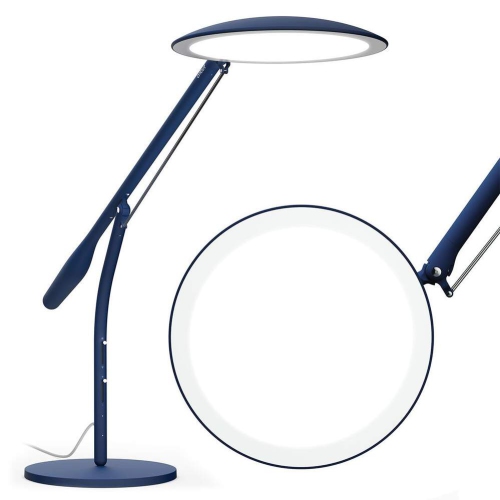 Your price for this item is $198.55
 -
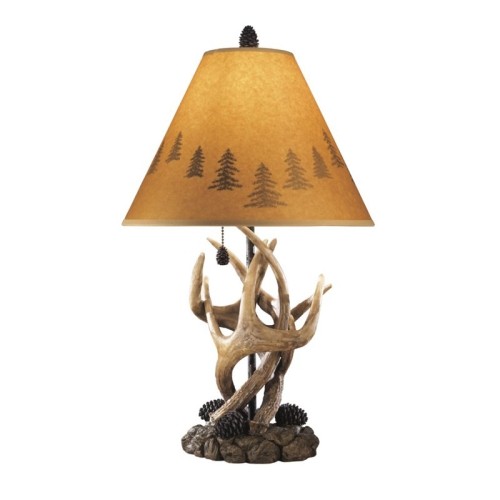 Your price for this item is $411.79
 -
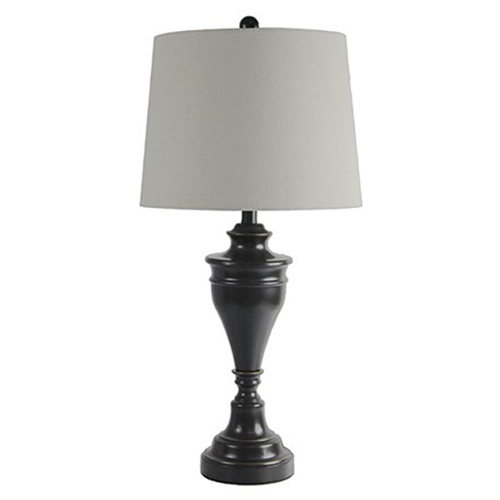 Your price for this item is $301.1
 -
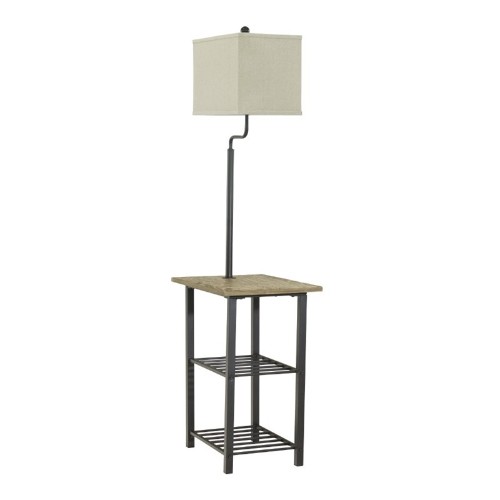 Your price for this item is $429.91
 -
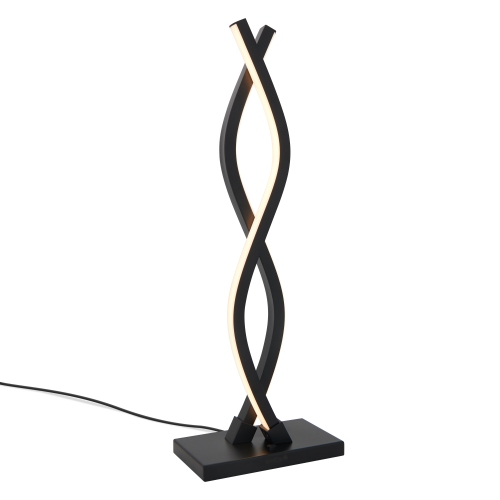 Your price for this item is $79.99
 -
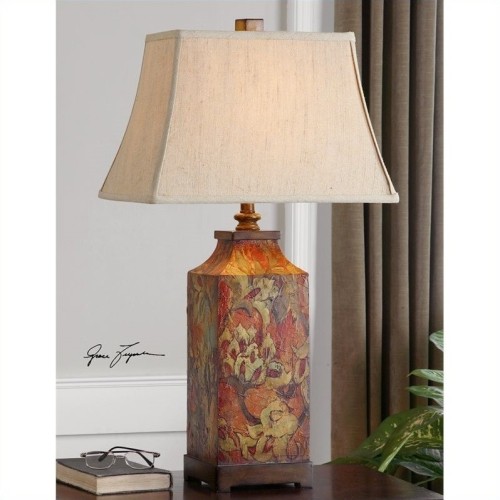 Your price for this item is $700.49
 -
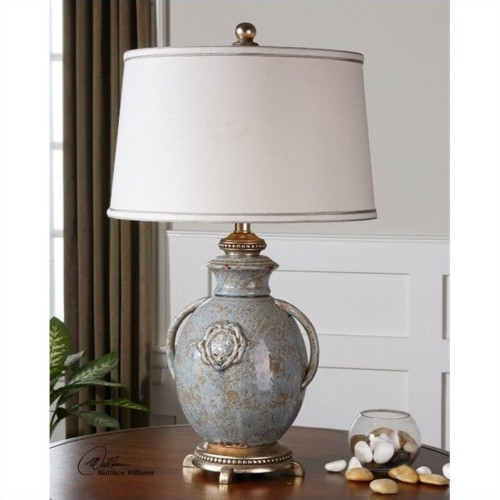 Your price for this item is $786.35
 -
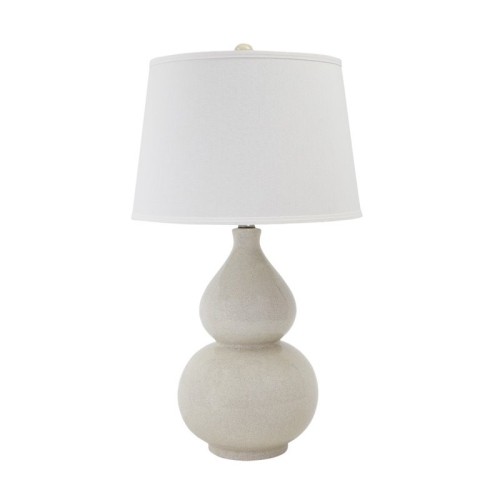 Your price for this item is $487.09
Discover more categories related to Lamp Shades Canada
Top Collections:
Pokemon Centers, Kindle Devices, Best Budget Office Chairs, Apple iPhones 16, Best Laptops for Writers, iPhone 15 Apple, Canon G7X Cameras, Refurbished Apple Laptops, Alarm Clock, Motorola Razr Phones
Some products may be subject to Environmental Handling Fees
(EHF) depending on your province.
Learn more about EHFs.