Large Artificial Trees
Enhance your indoor space with the grandeur of large artificial trees, perfect for adding a touch of nature to any room without the maintenance of real plants. These lifelike artificial trees offer a hassle-free way to bring the beauty of the outdoors inside, creating a serene and inviting atmosphere in your home or office. Whether you're looking to add a statement piece to your living room or bring some greenery to a commercial space, these large artificial trees are an excellent choice for those seeking low-maintenance yet high-impact décor solutions.
Sort
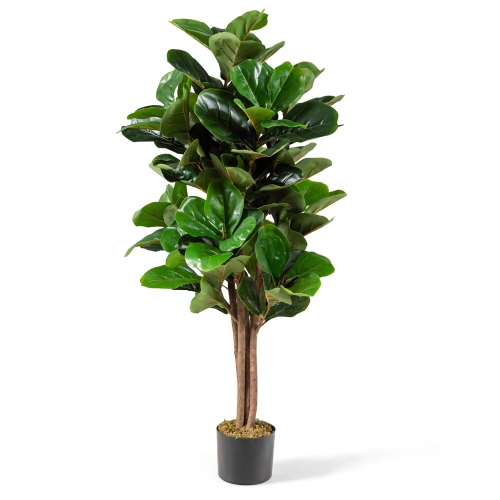
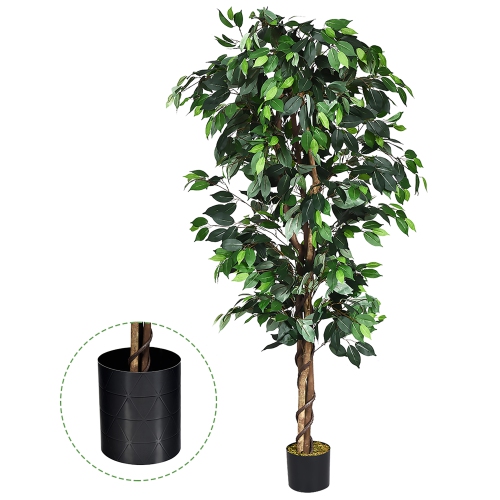
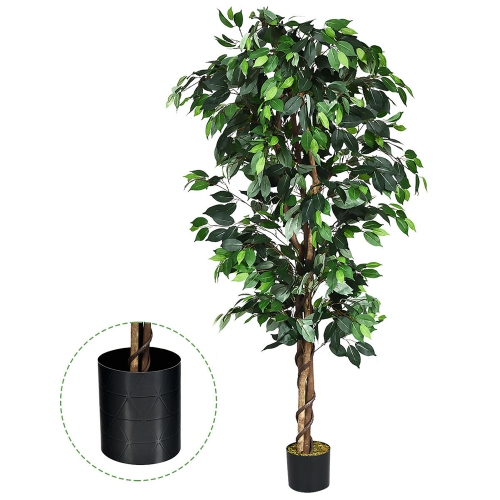
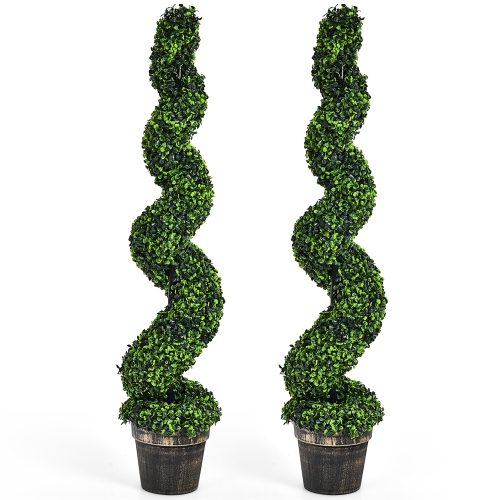
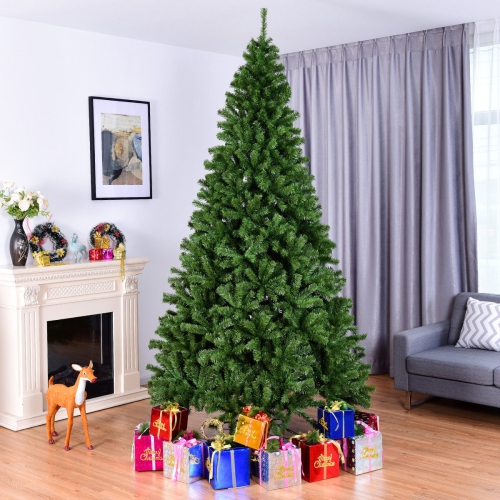
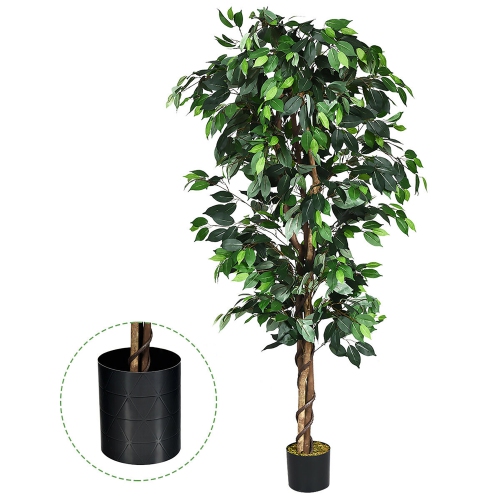
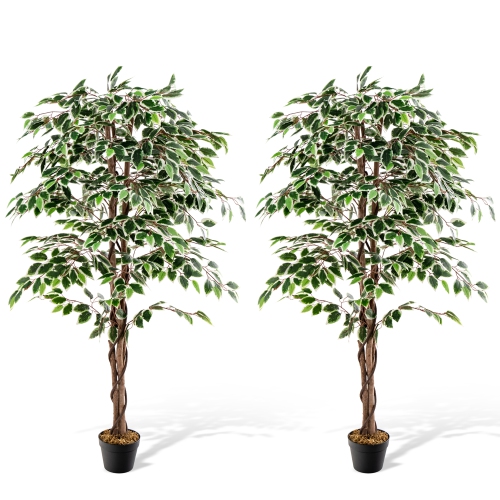
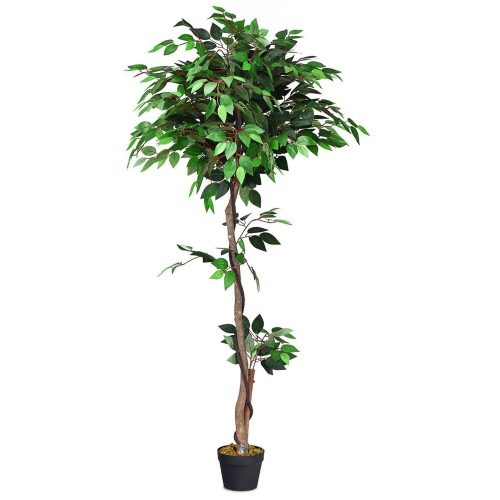

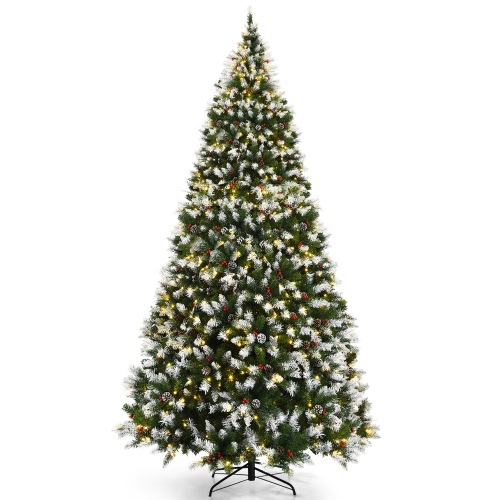
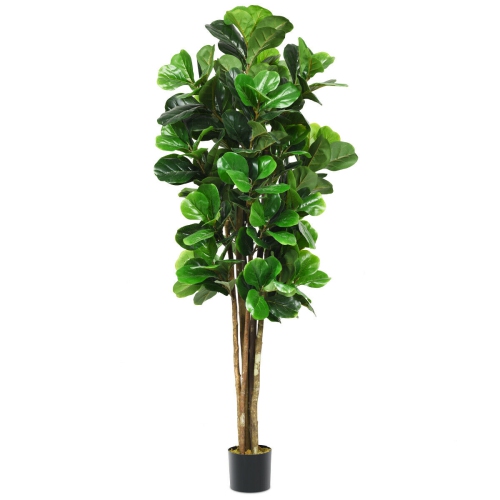
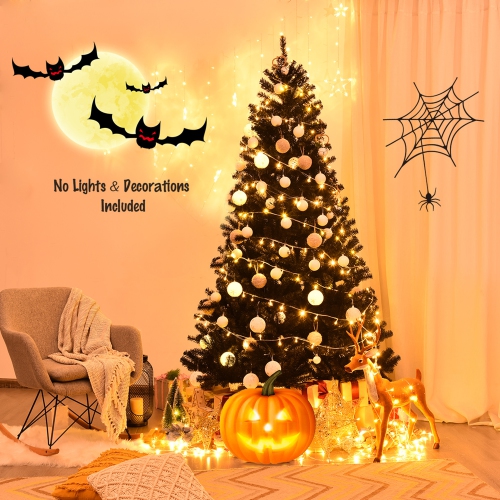
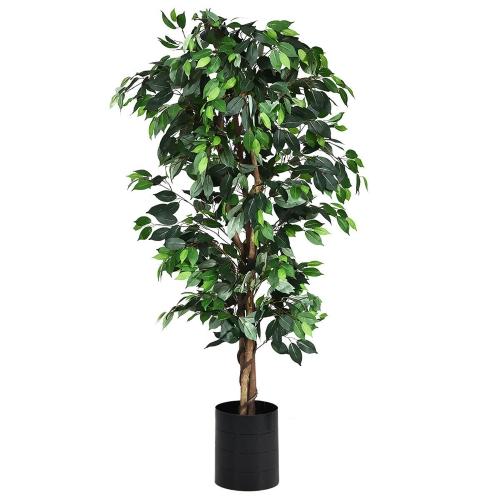
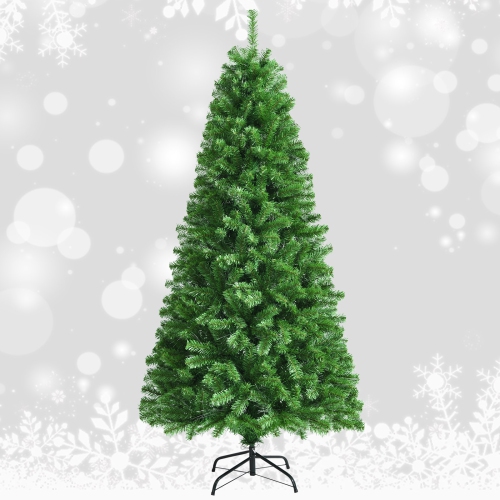
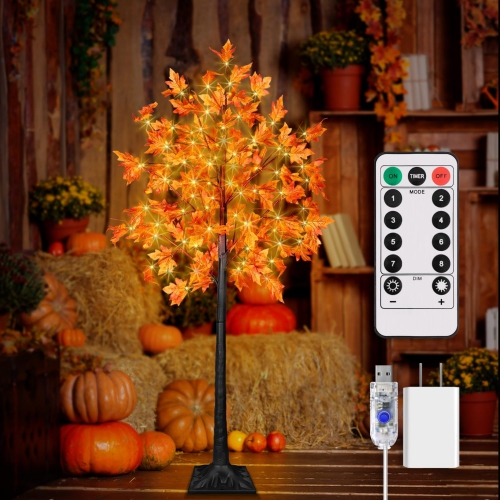
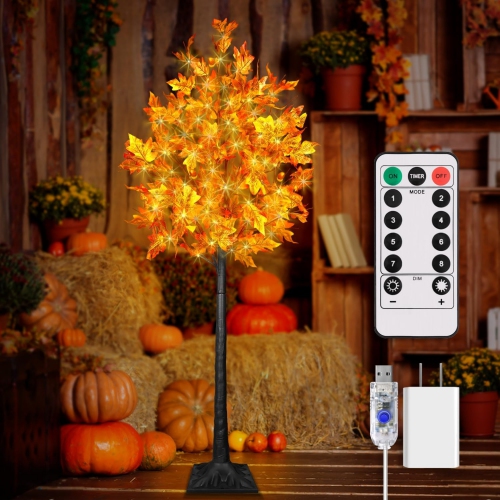
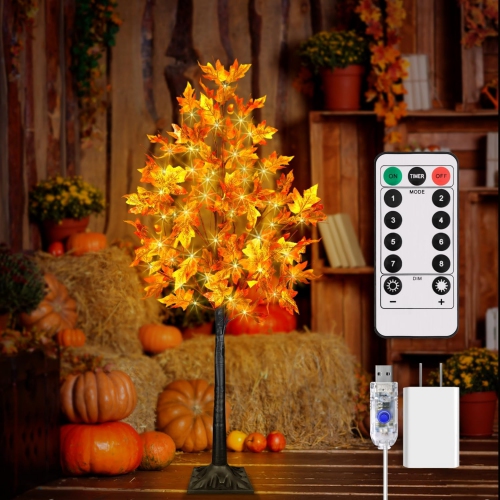
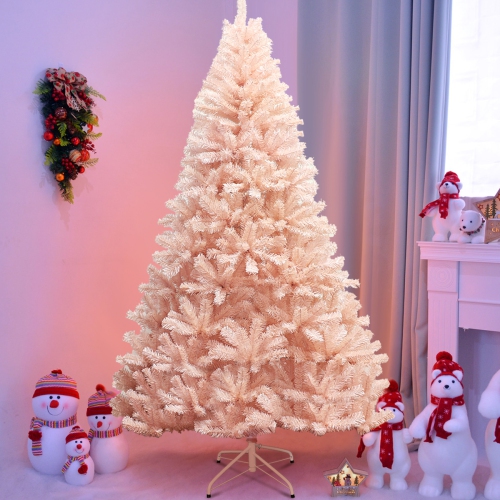
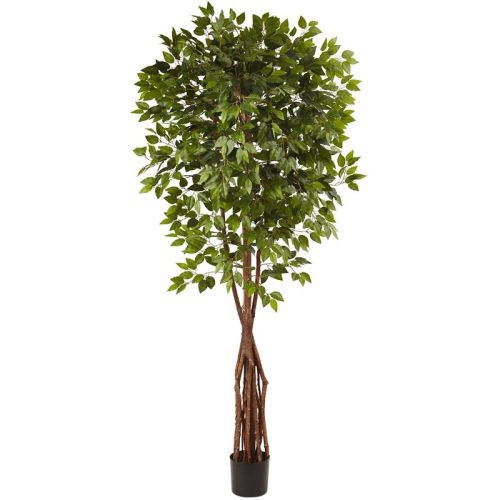
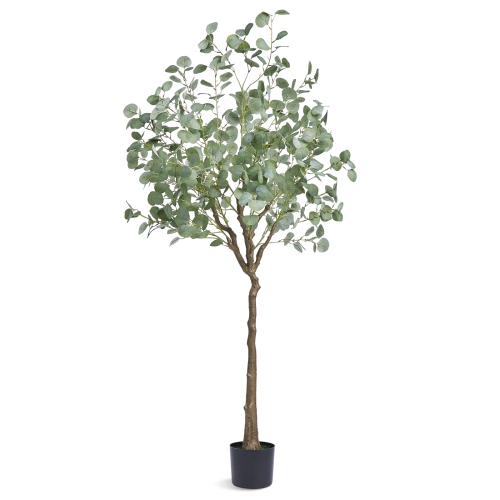
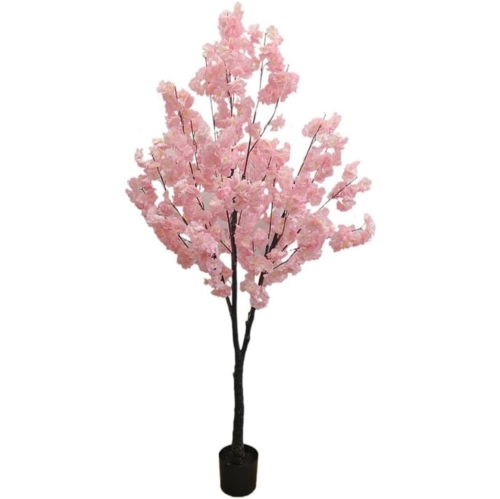
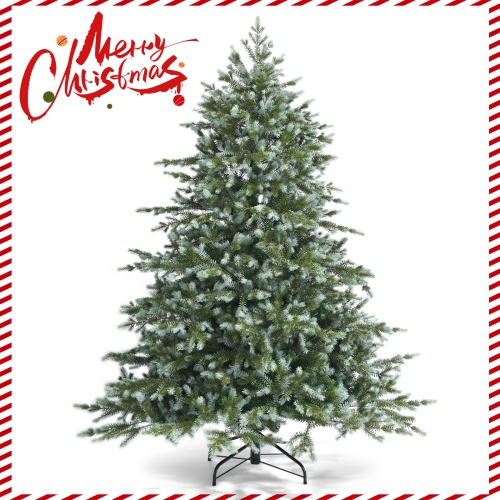
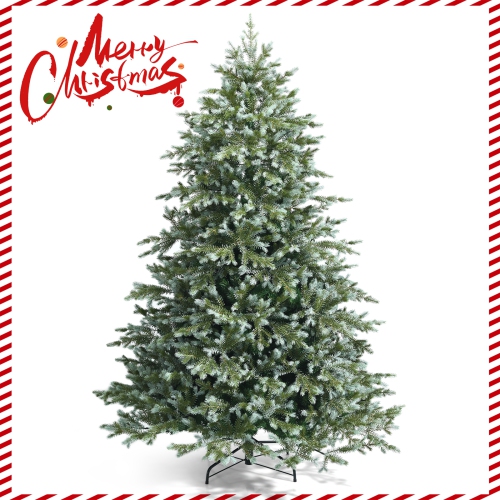
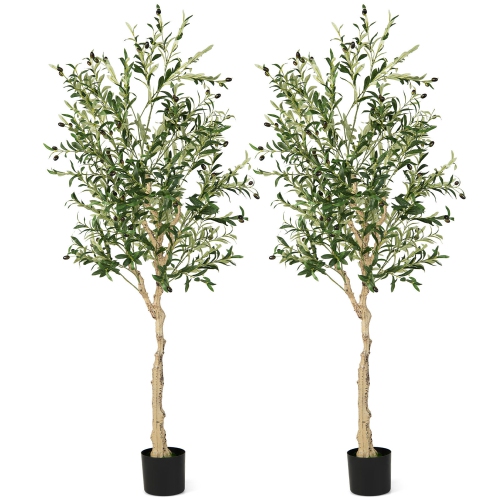
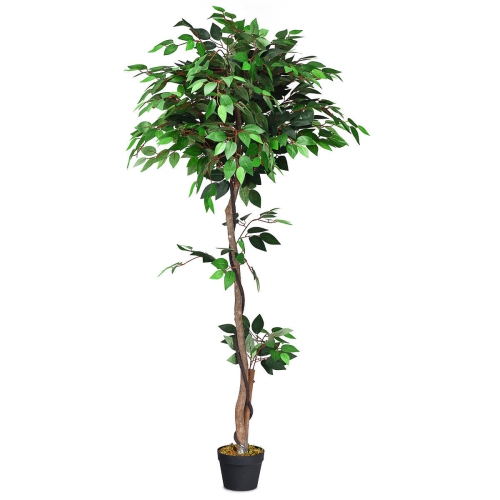
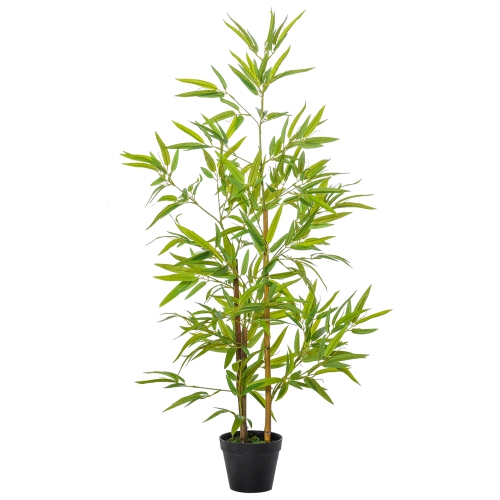
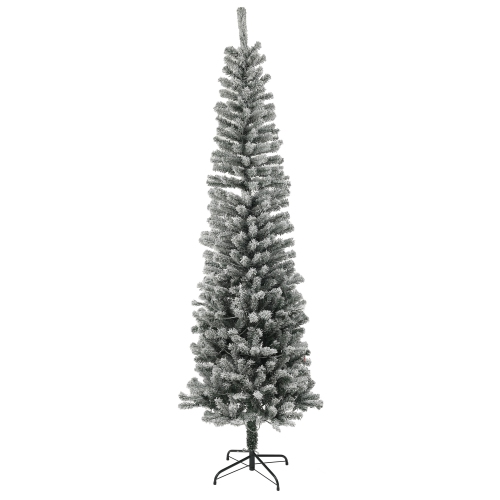
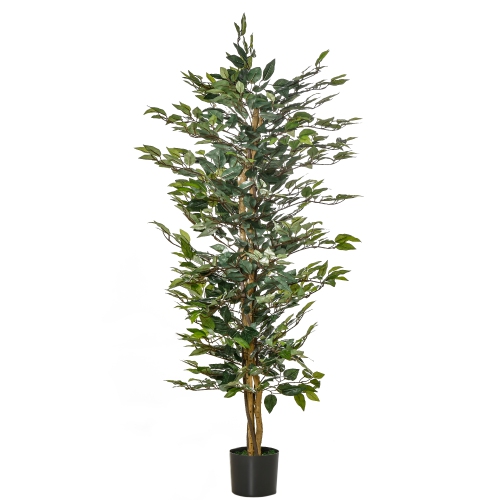
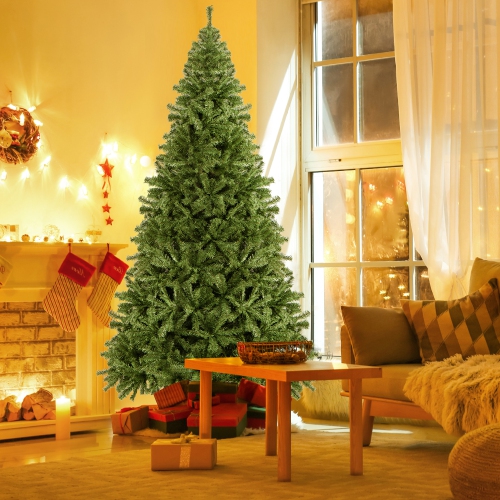
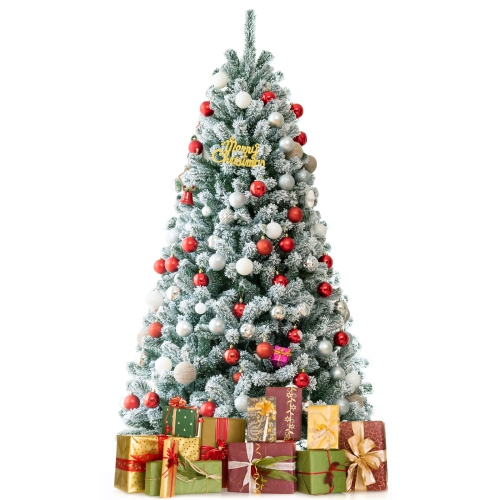
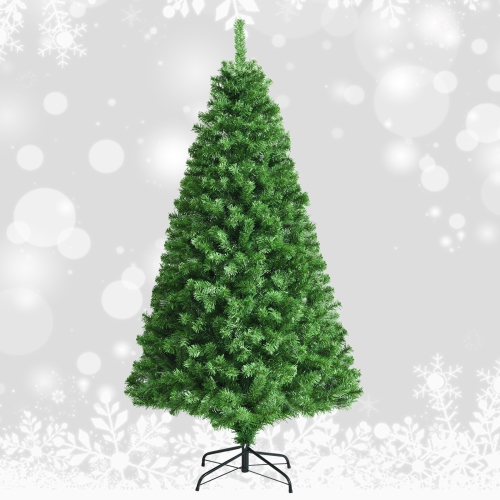
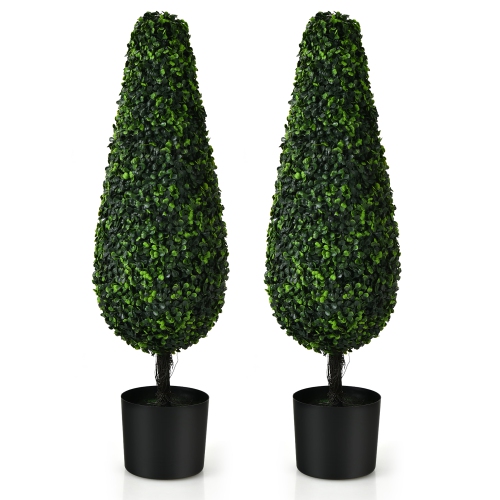
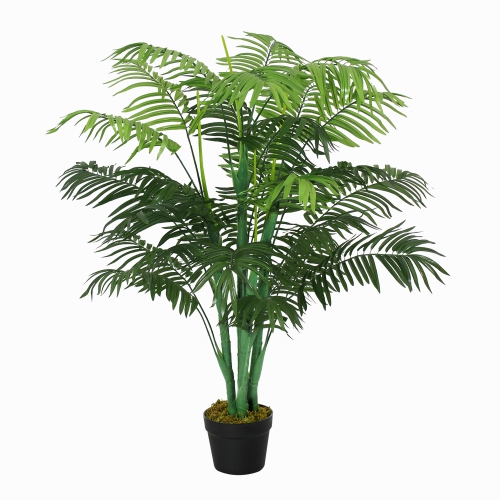
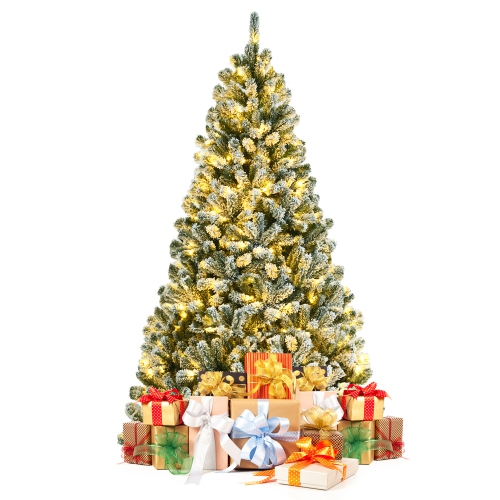
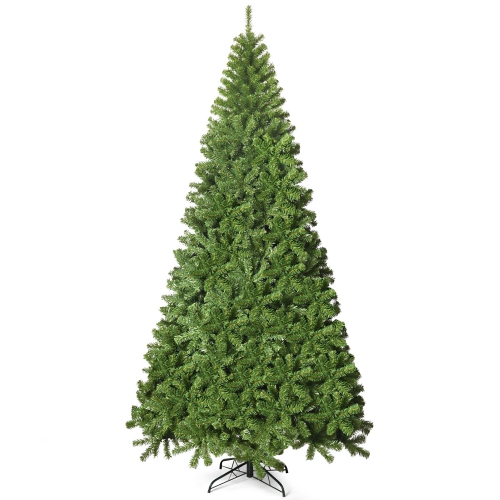
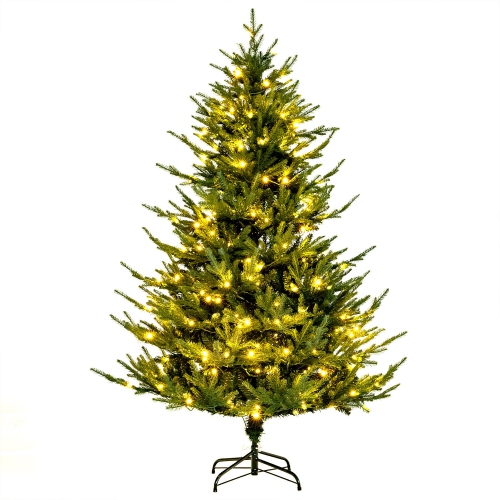
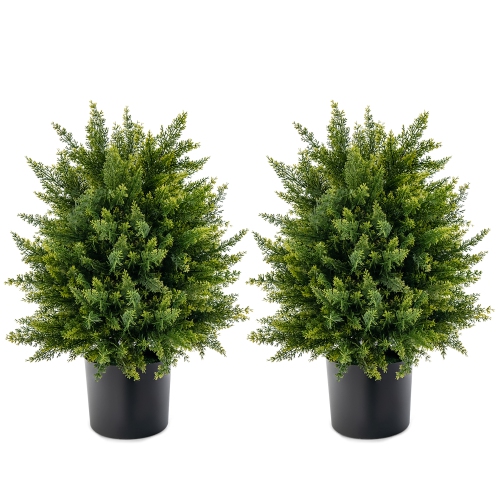
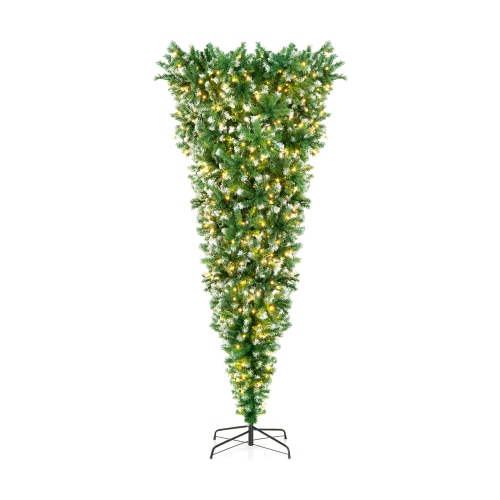
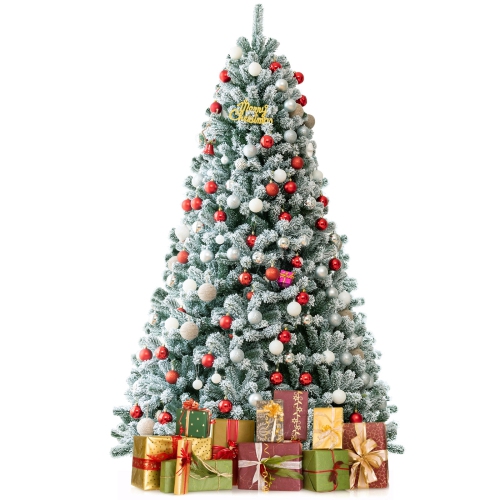
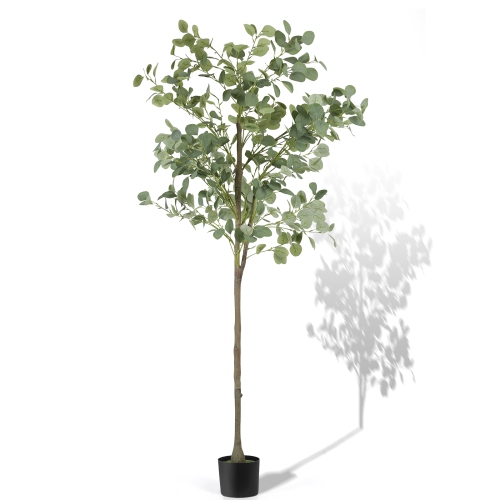

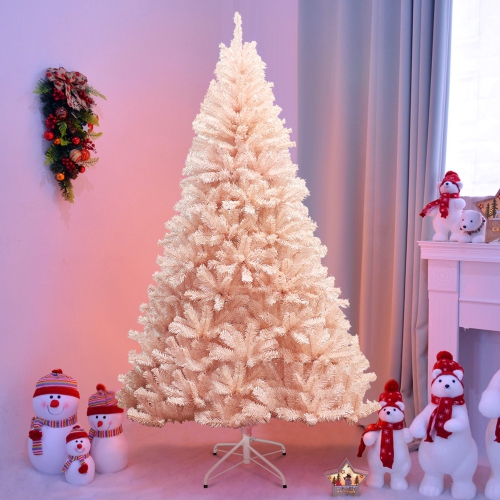
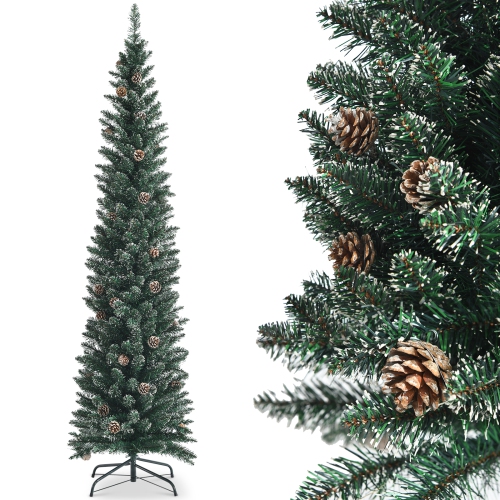
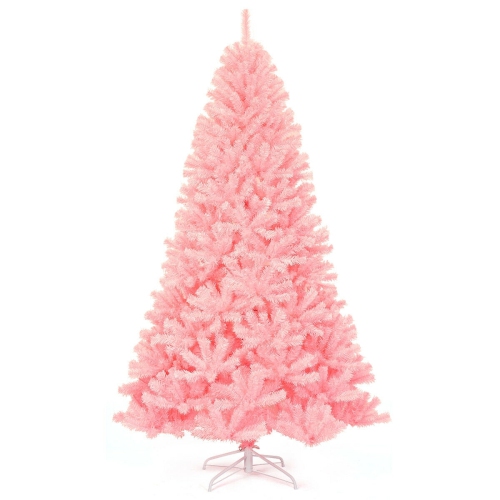
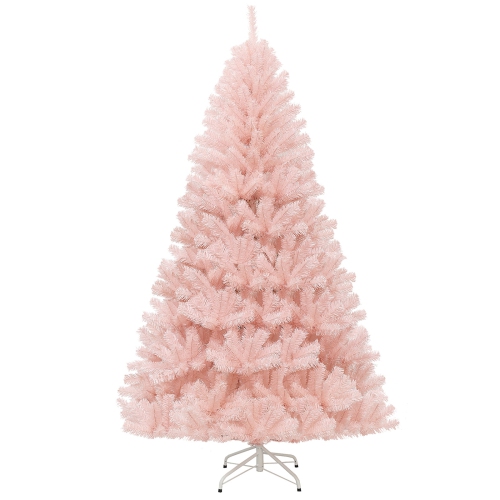
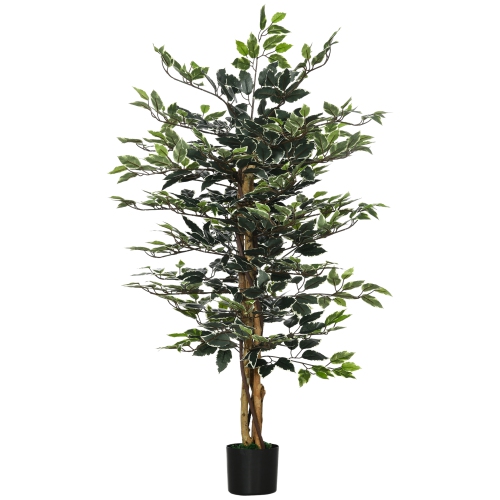
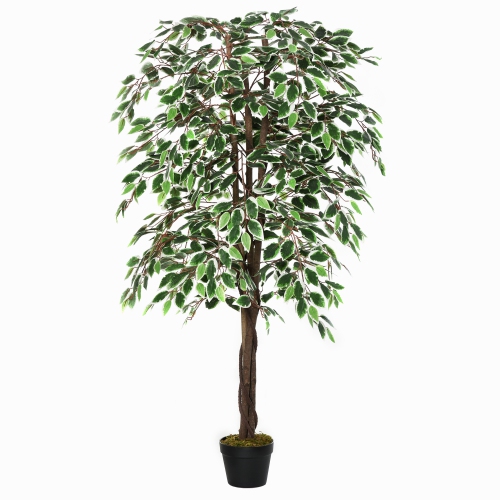
Tall greenery that holds its own in spacious rooms
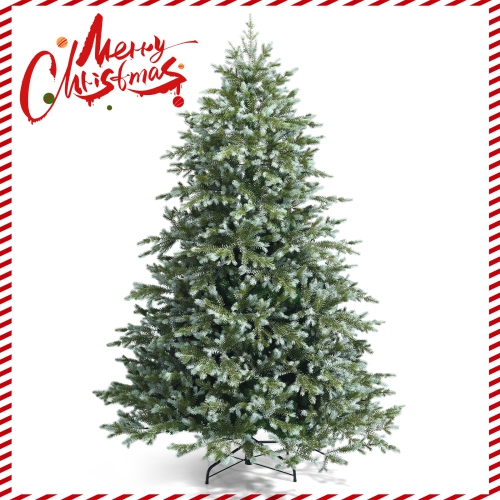
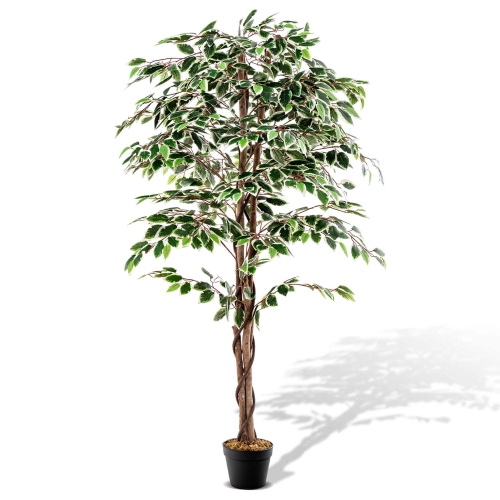
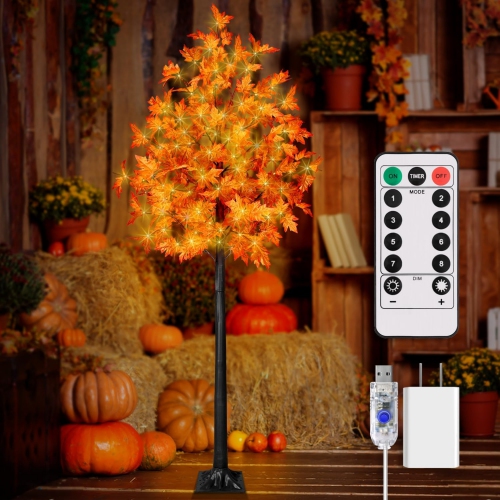
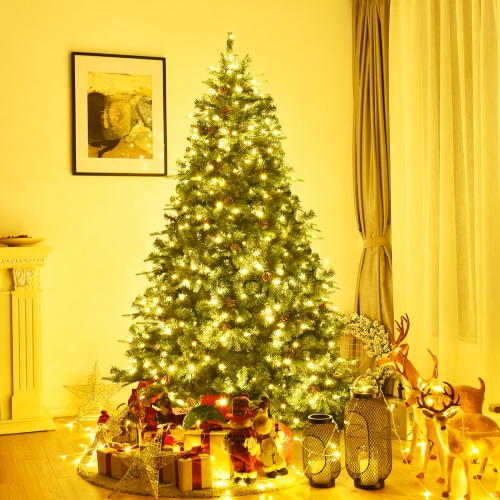
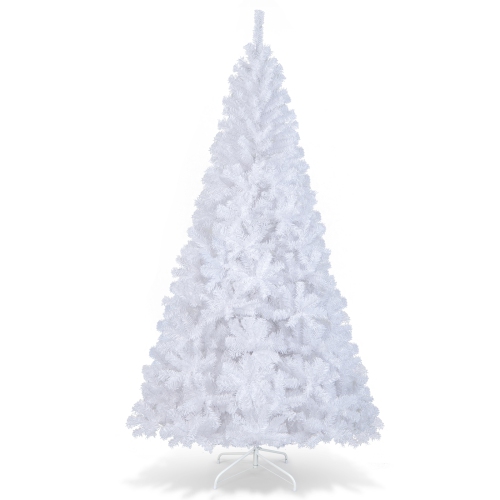
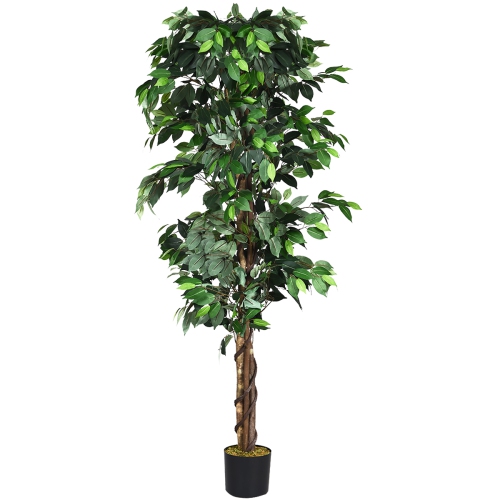
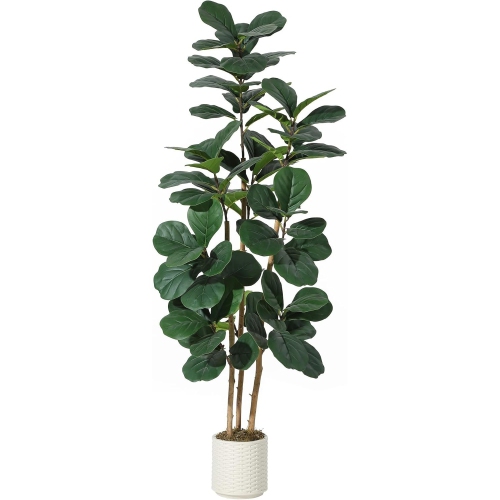
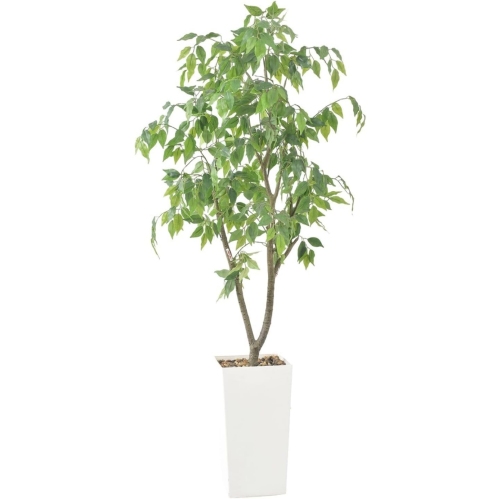
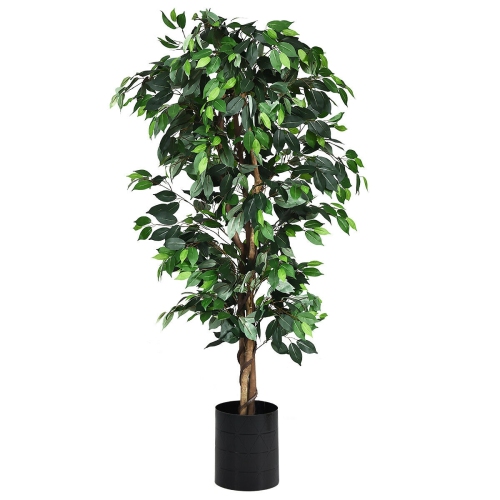
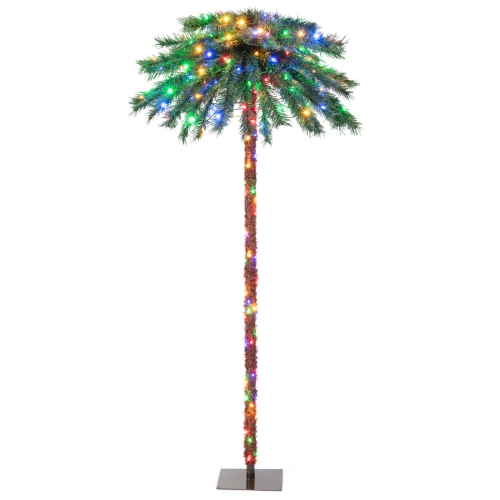
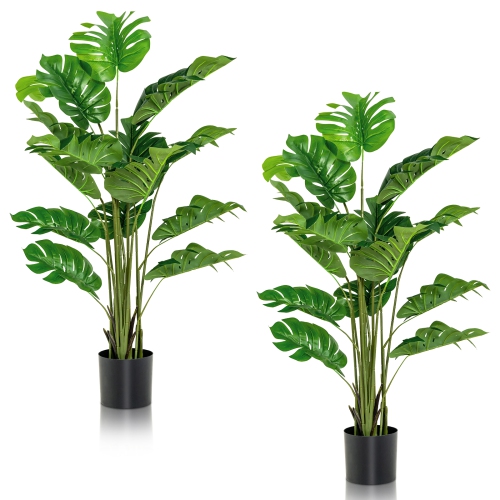
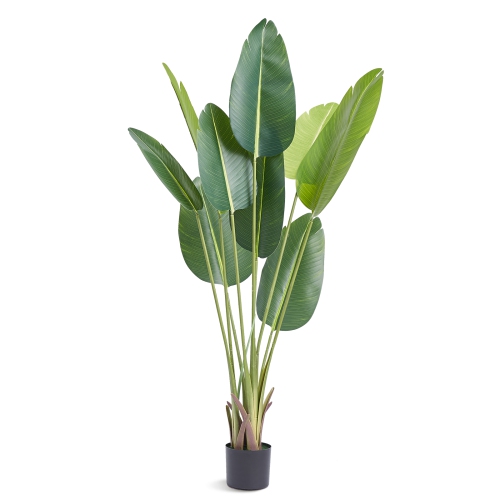
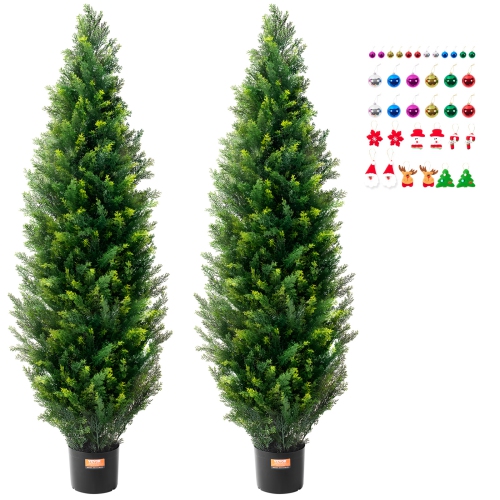
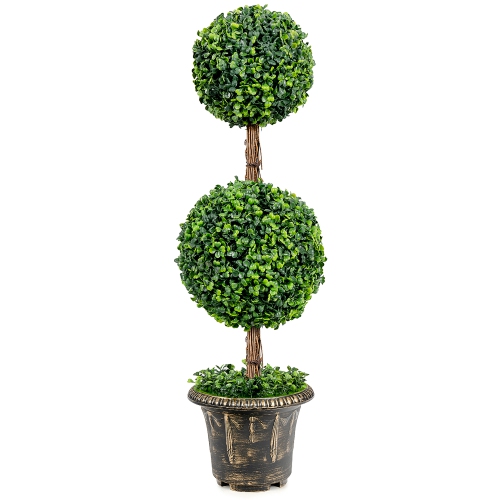
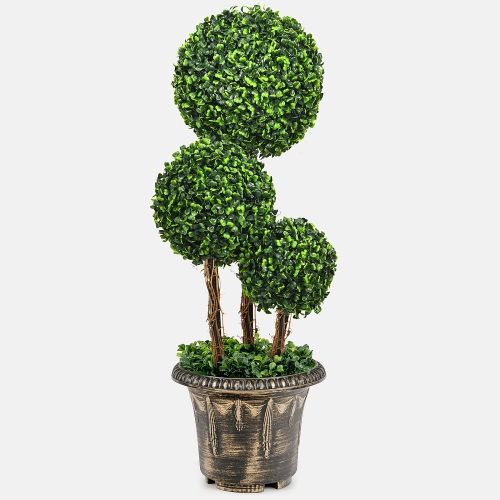
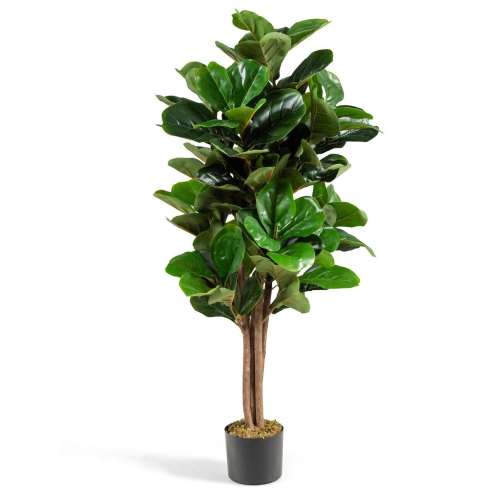
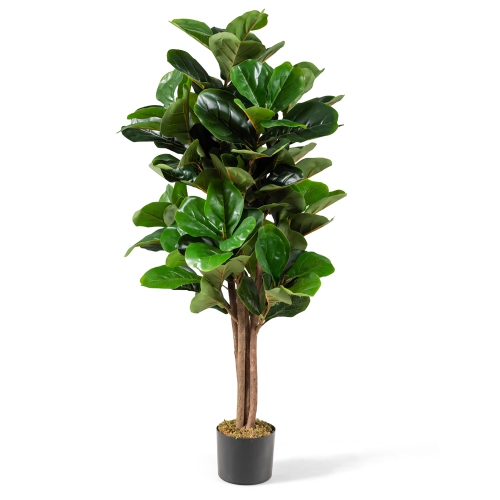
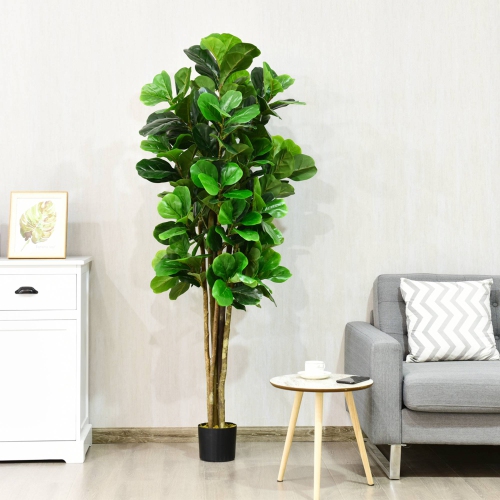
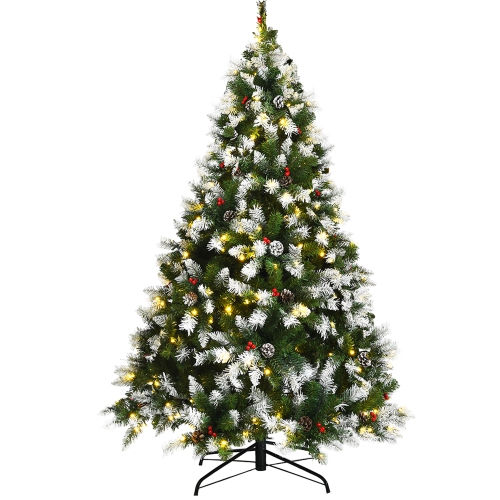
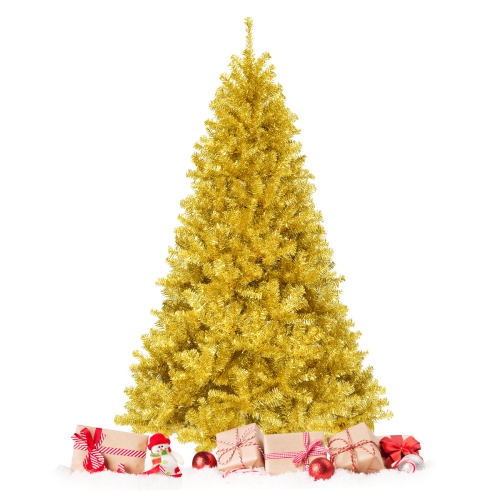
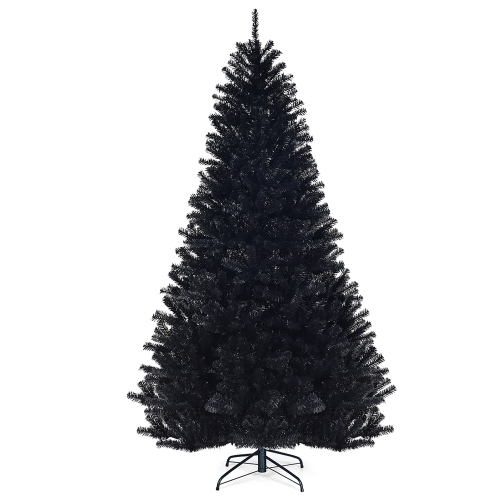
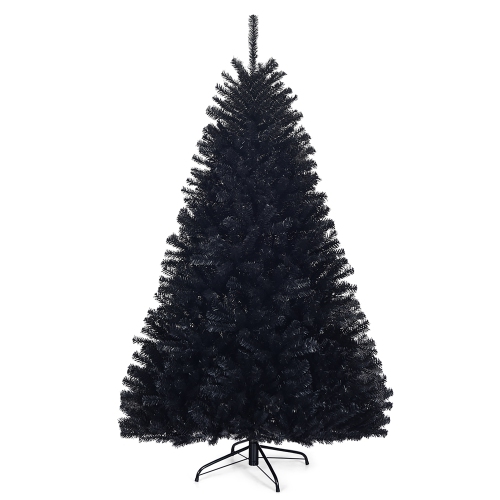
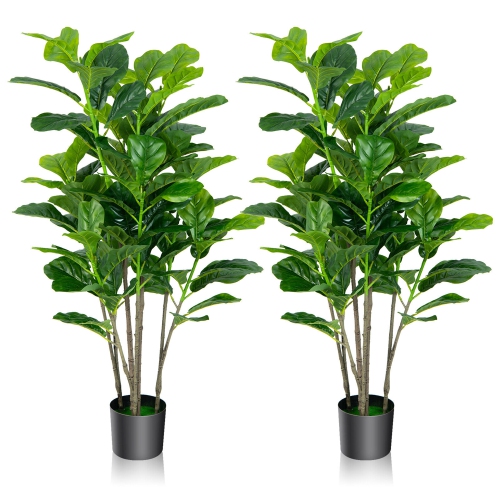
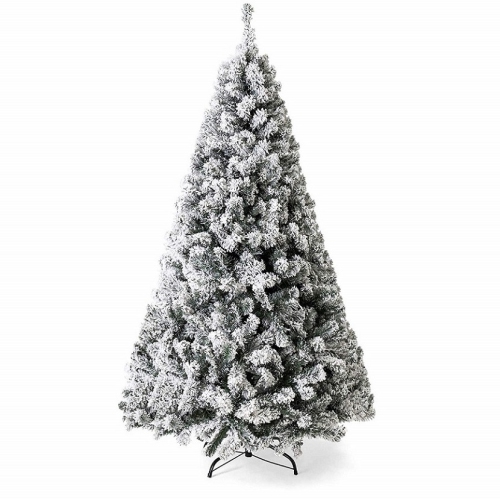
Large artificial trees bring height, texture, and a sense of fullness to rooms where smaller accents can feel lost. A tall canopy beside a sofa can soften the outline of a substantial piece of furniture, while an upright tree in an entryway can give an otherwise bare corner a more finished appearance. Their scale makes them particularly useful in open living areas, reception spaces, and offices, where furnishings need enough presence to hold their own against wide walls and high ceilings. Unlike living trees, artificial versions do not need watering, pruning, or access to daylight, so placement can be based on the layout of the room rather than growing requirements. That flexibility suits busy households, shared workspaces, and anyone who enjoys the appearance of greenery without a plant-care routine. The shape of the tree matters as much as its height. Broad, layered foliage creates a generous silhouette that works well beside low seating, whereas a narrow trunk and upright branches can add interest behind an accent chair without spreading across the surrounding floor space. Fine leaves offer a lighter, more delicate effect; large leaves create stronger shapes that stand out against plain walls. Trunk colour, leaf finish, and the density of the canopy also influence how formal or relaxed the result feels. A slightly irregular outline can look more convincing than a perfectly symmetrical one, especially when the tree is visible from several angles. For rooms where the main goal is a permanent greenery accent, Indoor Artificial Trees offer a related way to explore forms suited to interior spaces. A large tree can serve as a single focal point, balance a tall bookcase, or help define a seating area without introducing another bulky cabinet. The strongest placement usually leaves some open space around the foliage, allowing the shape to read clearly rather than disappearing into a crowded collection of furnishings and accessories.
Getting the proportions right starts with the full dimensions, not just the stated height. Overall height may include the supplied pot, while canopy width can vary depending on how adjustable branches are arranged. Measuring from the floor to the ceiling is useful, but nearby pendant lights, shelves, door swings, and walking routes deserve equal attention. In a compact condo, a tall tree with a modest spread may make better use of a corner than a shorter tree with broad branches. Beside a desk, foliage should stay clear of the monitor and leave enough room to pull out the chair. In a dining area, a canopy that sits comfortably beyond chair backs is less likely to be brushed whenever someone takes a seat. Materials affect both appearance and everyday handling. Leaves may be made from moulded plastic, textile materials such as polyester, or a combination of components, with finishes ranging from matte to softly glossy. Fabric foliage can provide a soft-looking surface, while moulded leaves can carry raised veins and defined edges. Neither construction alone guarantees realism; leaf proportions, subtle colour variation, and the way foliage joins the branches all contribute. Trunks may use natural wood, moulded materials, or a mix, and their texture is especially noticeable on designs with exposed lower stems. Internal wire supports can allow some branches to be shaped, although adjustment should follow the supplied directions rather than forcing fixed joints. The base is another important part of the fit. Some artificial trees come in a simple weighted pot intended to sit inside a separate decorative planter. A wider outer planter can help the tree look proportionate to its canopy, but it does not automatically make the arrangement secure. The supplied base should sit level and remain well supported, without wobbling inside its cover. Raising it on loose filler can reduce stability, so any added support needs to be firm and appropriate for the tree’s weight.
Day-to-day care is straightforward, but a large artificial tree still benefits from regular attention to keep its leaves and branches looking their best. Dust tends to settle on broad upper surfaces and in the points where stems meet, particularly on dense canopies. A soft, dry microfibre cloth or a gentle duster is often a practical starting point, with each branch supported during cleaning to avoid pulling on its attachments. If the care directions permit damp wiping, a lightly moistened cloth can help lift residue from suitable surfaces. Soaking foliage, spraying household cleaners, or using abrasive pads may affect finishes, adhesives, or colour, so the manufacturer’s cleaning instructions remain important. Assembly and initial shaping also make a visible difference. Foliage may arrive compressed for packing, and gradually separating approved adjustable stems can reveal the intended outline without creating sharp bends. Turning the tree while shaping it helps prevent one side from looking full while the other remains flat. For an exposed corner or an open-plan room, that all-around appearance matters more than it would against a wall. Durability depends partly on placement: repeated contact from passing bags, moving chairs, or curious pets can loosen leaves and put stress on branches. A spot away from busy routes, heat sources, and open flames is more suitable than a tight passage beside a doorway. Artificial foliage should not be assumed safe for chewing, and a large tree should be positioned so children cannot easily pull it over. When moving it, support the base and any sections identified in the handling instructions rather than lifting it by the leaves or upper branches. These practical details make large artificial trees useful in homes and shared spaces where a consistent appearance is valued. They can also make a thoughtful housewarming or office-opening gift when the recipient’s floor space and style are known. With room to show its shape, a suitably scaled planter, and occasional cleaning, a tall artificial tree can remain a settled part of the room rather than an accessory that constantly needs rearranging.
Getting the proportions right starts with the full dimensions, not just the stated height. Overall height may include the supplied pot, while canopy width can vary depending on how adjustable branches are arranged. Measuring from the floor to the ceiling is useful, but nearby pendant lights, shelves, door swings, and walking routes deserve equal attention. In a compact condo, a tall tree with a modest spread may make better use of a corner than a shorter tree with broad branches. Beside a desk, foliage should stay clear of the monitor and leave enough room to pull out the chair. In a dining area, a canopy that sits comfortably beyond chair backs is less likely to be brushed whenever someone takes a seat. Materials affect both appearance and everyday handling. Leaves may be made from moulded plastic, textile materials such as polyester, or a combination of components, with finishes ranging from matte to softly glossy. Fabric foliage can provide a soft-looking surface, while moulded leaves can carry raised veins and defined edges. Neither construction alone guarantees realism; leaf proportions, subtle colour variation, and the way foliage joins the branches all contribute. Trunks may use natural wood, moulded materials, or a mix, and their texture is especially noticeable on designs with exposed lower stems. Internal wire supports can allow some branches to be shaped, although adjustment should follow the supplied directions rather than forcing fixed joints. The base is another important part of the fit. Some artificial trees come in a simple weighted pot intended to sit inside a separate decorative planter. A wider outer planter can help the tree look proportionate to its canopy, but it does not automatically make the arrangement secure. The supplied base should sit level and remain well supported, without wobbling inside its cover. Raising it on loose filler can reduce stability, so any added support needs to be firm and appropriate for the tree’s weight.
Day-to-day care is straightforward, but a large artificial tree still benefits from regular attention to keep its leaves and branches looking their best. Dust tends to settle on broad upper surfaces and in the points where stems meet, particularly on dense canopies. A soft, dry microfibre cloth or a gentle duster is often a practical starting point, with each branch supported during cleaning to avoid pulling on its attachments. If the care directions permit damp wiping, a lightly moistened cloth can help lift residue from suitable surfaces. Soaking foliage, spraying household cleaners, or using abrasive pads may affect finishes, adhesives, or colour, so the manufacturer’s cleaning instructions remain important. Assembly and initial shaping also make a visible difference. Foliage may arrive compressed for packing, and gradually separating approved adjustable stems can reveal the intended outline without creating sharp bends. Turning the tree while shaping it helps prevent one side from looking full while the other remains flat. For an exposed corner or an open-plan room, that all-around appearance matters more than it would against a wall. Durability depends partly on placement: repeated contact from passing bags, moving chairs, or curious pets can loosen leaves and put stress on branches. A spot away from busy routes, heat sources, and open flames is more suitable than a tight passage beside a doorway. Artificial foliage should not be assumed safe for chewing, and a large tree should be positioned so children cannot easily pull it over. When moving it, support the base and any sections identified in the handling instructions rather than lifting it by the leaves or upper branches. These practical details make large artificial trees useful in homes and shared spaces where a consistent appearance is valued. They can also make a thoughtful housewarming or office-opening gift when the recipient’s floor space and style are known. With room to show its shape, a suitably scaled planter, and occasional cleaning, a tall artificial tree can remain a settled part of the room rather than an accessory that constantly needs rearranging.
Top selling and popular products
-
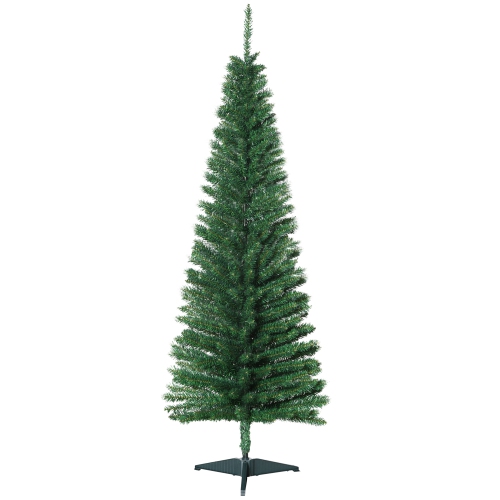 Your price for this item is $49.99
 -
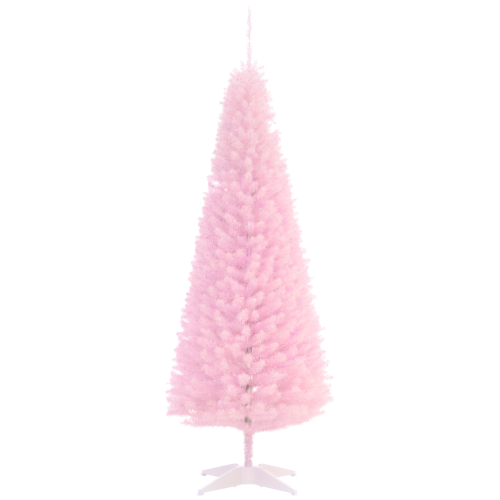 Your price for this item is $44.99
 -
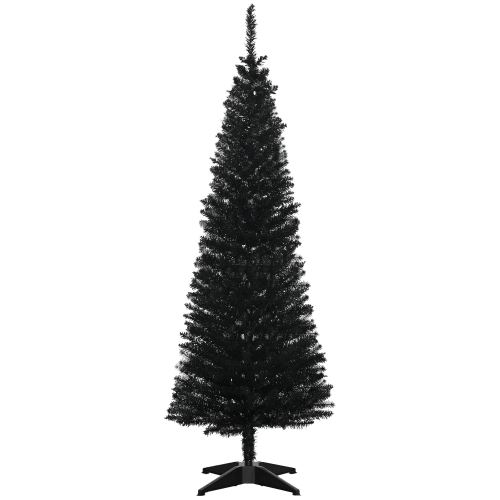 Your price for this item is $54.99
 -
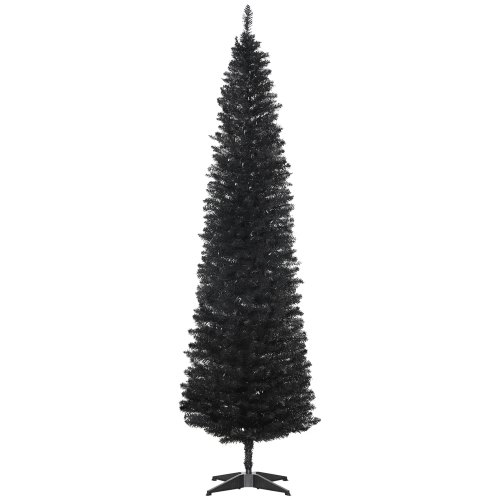 Your price for this item is $79
 -
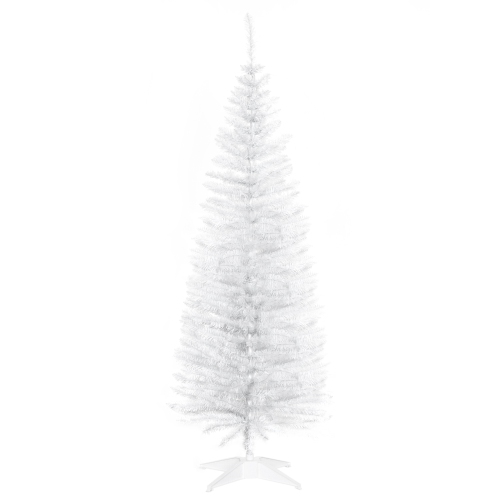 Your price for this item is $49.99
 -
 Your price for this item is $137.99
 -
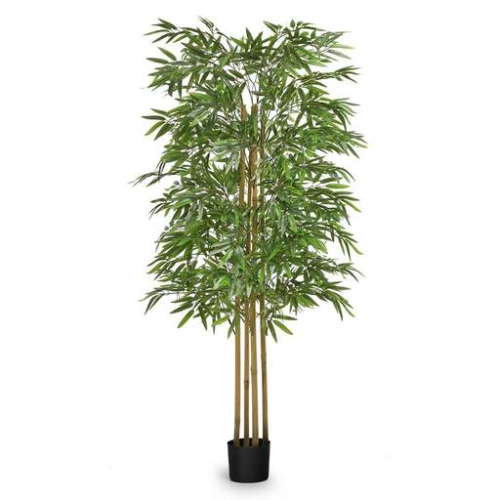 Your price for this item is $135.99
 -
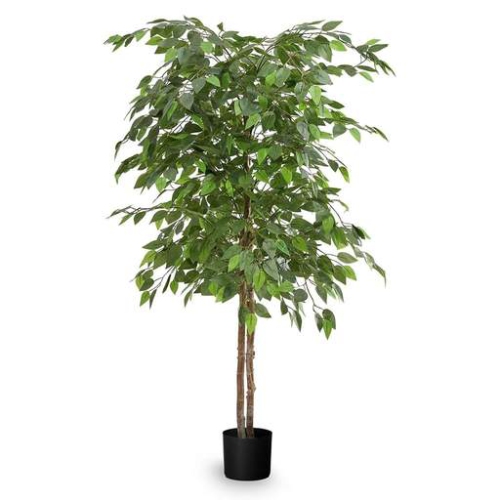 Your price for this item is $114.99
Discover more categories related to Large Artificial Trees
Top Collections:
Pokemon Centers, Kindle Devices, Best Budget Office Chairs, Apple iPhones 16, Best Laptops for Writers, iPhone 15 Apple, Canon G7X Cameras, Refurbished Apple Laptops, Alarm Clock, Motorola Razr Phones
Some products may be subject to Environmental Handling Fees
(EHF) depending on your province.
Learn more about EHFs.