Leather Dining Benches
Looking to add a touch of elegance and sophistication to your dining area? Leather dining benches might be just what you need. With their sleek design and luxurious feel, leather dining benches can effortlessly elevate the style of any space. From modern to traditional styles, there's a wide range of options available to suit your personal taste and complement your existing decor.
Sort
Why upholstery matters as much as bench size
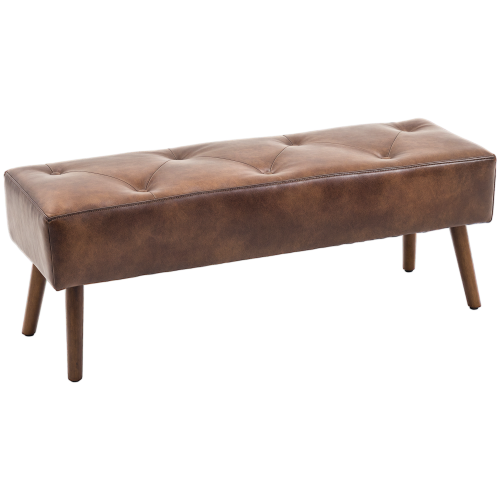
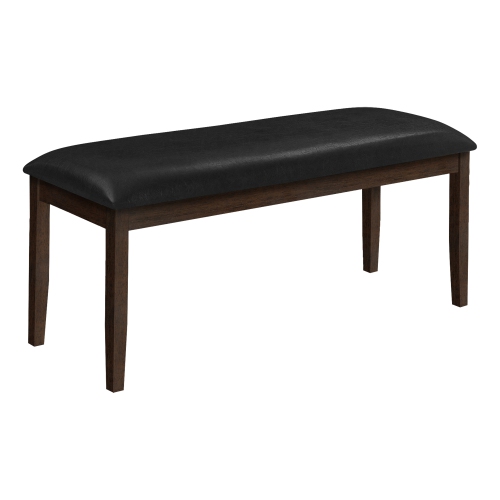
Leather dining benches bring shared seating and an upholstered finish to dining rooms, breakfast nooks, and open-plan eating areas. Rather than separating every place setting with an individual chair, a bench creates a continuous seat that can give a table a more relaxed, gathered feel. A backless design keeps sightlines open and may tuck beneath the tabletop when its dimensions and the table base allow, while a bench with a back offers support for meals that stretch into conversation. Corner configurations can make good use of a nook, although their footprint and access points need careful attention. The upholstery makes a substantial difference to both appearance and everyday use. Genuine leather has natural variations in grain and can develop a patina with use; the degree of variation and the way it ages depend on its grade, finish, and treatment. Full-grain leather retains the original grain surface, while top-grain leather has been lightly corrected for a more uniform appearance. Aniline finishes reveal more of the hide’s natural character but tend to show spills and marks more readily than more heavily protected finishes. Semi-aniline leather offers some surface protection while preserving much of that visible character. Faux leather is a manufactured alternative, commonly made with a coated fabric backing, and should not be confused with genuine leather. Bonded leather is different again, using leather fibres with binders and a surface coating; its wear characteristics are not the same as those of a whole hide. These distinctions matter when a bench will be used for daily breakfasts, homework at the dining table, or frequent family meals. Smooth upholstery can make crumbs easier to remove than deeply tufted surfaces, while stitched channels and button details add texture but create more places for debris to collect. A clearly described upholstery composition and finish are more useful indicators of suitability than appearance alone, particularly in a busy household where the dining area serves several purposes throughout the day.
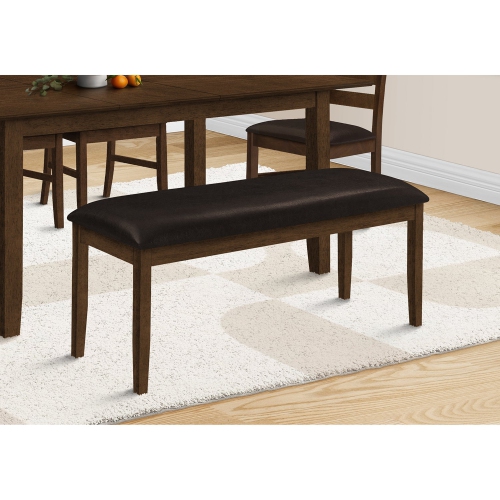
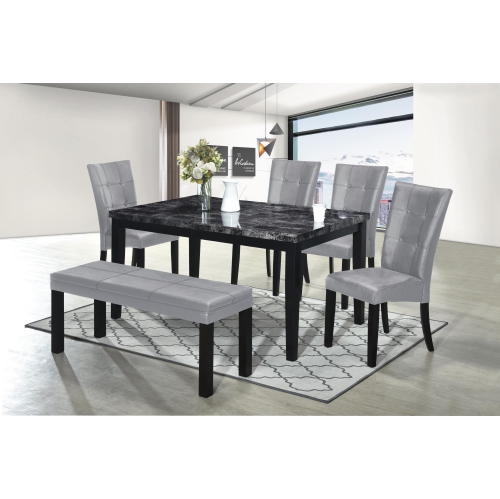
The fit of a leather dining bench depends on more than its overall length. Seat height, cushion depth, back height, and the position of the table legs all affect how comfortably people can sit and move. Many dining tables stand about 28 to 30 inches high, and many dining seats sit about 17 to 19 inches from the floor, but these ranges are starting points rather than a guarantee of compatibility. The space between the seat and the underside of the table matters most, especially when the table has a deep apron. A thick cushion can reduce thigh clearance, and a low, soft seat may leave someone sitting farther below the tabletop than expected. For a bench intended to slide under the table, measure the clear distance between the legs rather than relying on the tabletop length. Pedestal and trestle bases also need attention because their supports can interfere with feet or knees even when the seat itself fits. As a general planning allowance, around 24 inches of bench length per adult provides a useful starting point, though body size, cushion divisions, and the manufacturer’s stated seating capacity should shape the final decision. Leave enough room behind the bench for people to sit down and stand up without pressing against a wall or nearby furniture. A backless seat can be approached from either side when the layout permits, making it practical beside a table in a compact dining area. A backed bench creates a more defined seating position, but people in the middle may need those at the ends to move before they can leave. Families with young children may appreciate rounded corners and a stable base, while anyone who needs help rising may prefer a seat with firmer cushioning and suitable support. Benches can also sit along one side of a rectangular table with individual chairs opposite, keeping some places easy to access independently. Matching seat heights across the arrangement helps everyone sit comfortably at the same surface.
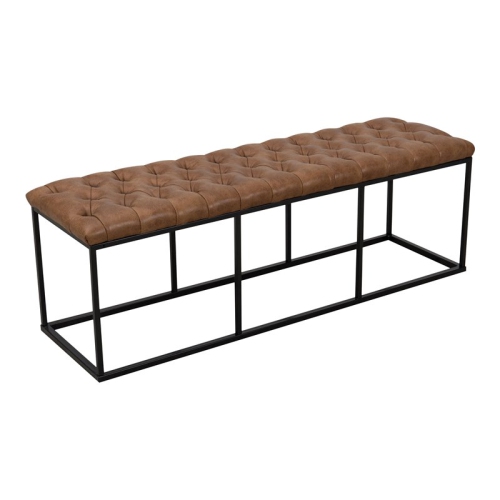
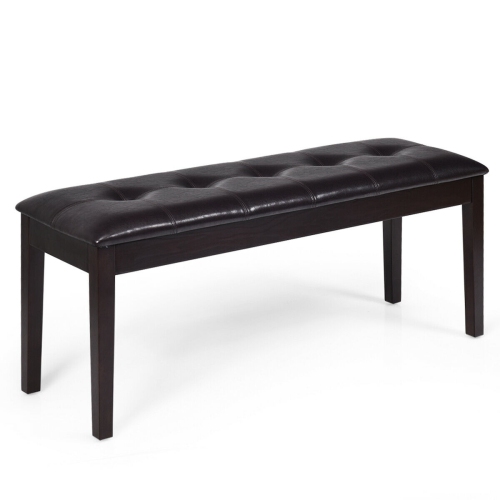
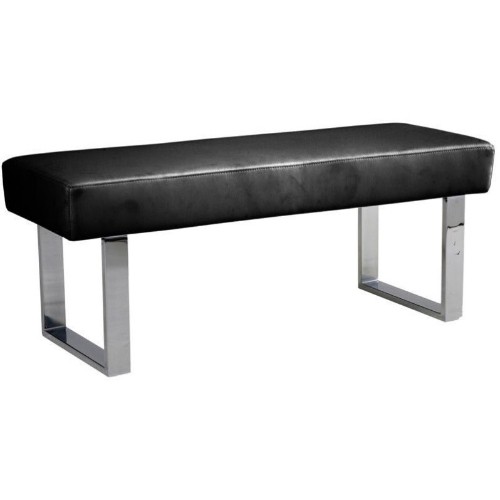
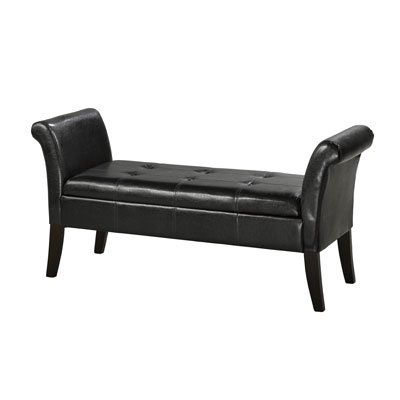
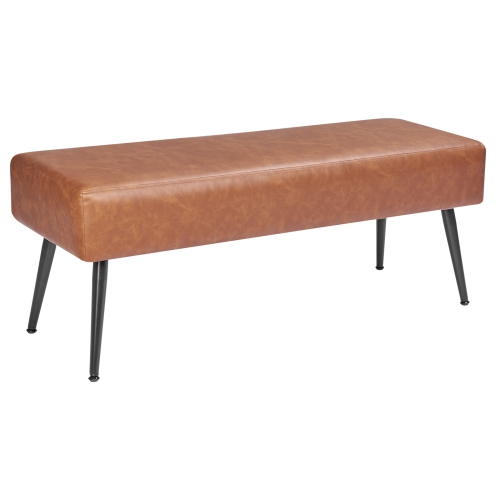
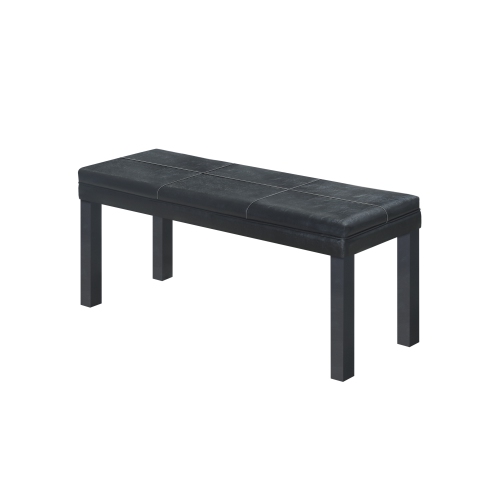
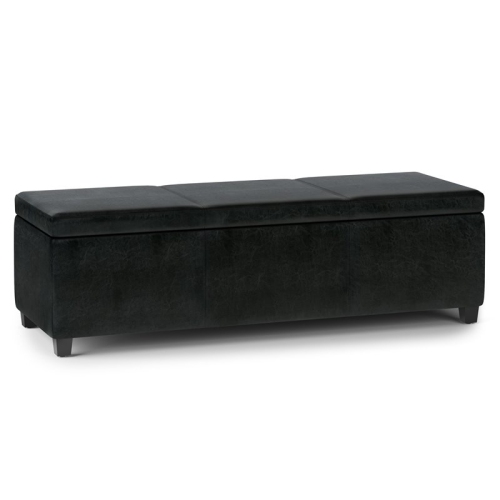
Construction and care influence how well a dining bench handles repeated use. Solid wood frames, engineered wood components, and metal bases can each suit dining furniture, but strength depends on the quality of the joints, bracing, fasteners, and overall design rather than the material name alone. A long seat needs adequate support across its span, and the stated weight capacity should be treated as a limit for the entire bench unless the manufacturer specifies otherwise. Firm, resilient padding can provide a supportive dining position without feeling as rigid as an unpadded seat; very soft cushioning may be less comfortable for eating if it allows the body to sink too far. Tight upholstery, neatly finished seams, and a base that sits level contribute to a tidy appearance and a stable feel. Floor protectors suited to the flooring can help limit scratches when the bench is moved, though lifting rather than dragging remains the gentler approach. For routine care, remove loose crumbs with a soft cloth or a suitable vacuum attachment, and blot spills promptly instead of rubbing them across the surface. Cleaning methods should follow the upholstery manufacturer’s directions: a product intended for genuine leather may be unsuitable for faux leather, and some leather finishes require specialist care. Avoid soaking seams, using abrasive pads, or applying household cleaners without confirming compatibility. Leather conditioner is appropriate only where the manufacturer recommends it, and any permitted cleaner is best tested first in an inconspicuous area. Positioning the bench away from direct sunlight and heating vents can help reduce fading and drying. Visually, leather dining benches can either blend into an existing dining set or introduce contrast. Warm brown upholstery pairs naturally with wood grain, while lighter neutral shades give a softer effect beside pale tables and walls. For a darker focal point, black leather benches can sit comfortably alongside metal details, light wood, or a monochrome palette. Repeating one finish elsewhere, such as black table legs or a similar wood tone, ties mixed seating together without requiring every piece to match. The result is a dining arrangement shaped around everyday comfort, manageable upkeep, and the way people actually gather at the table.
The fit of a leather dining bench depends on more than its overall length. Seat height, cushion depth, back height, and the position of the table legs all affect how comfortably people can sit and move. Many dining tables stand about 28 to 30 inches high, and many dining seats sit about 17 to 19 inches from the floor, but these ranges are starting points rather than a guarantee of compatibility. The space between the seat and the underside of the table matters most, especially when the table has a deep apron. A thick cushion can reduce thigh clearance, and a low, soft seat may leave someone sitting farther below the tabletop than expected. For a bench intended to slide under the table, measure the clear distance between the legs rather than relying on the tabletop length. Pedestal and trestle bases also need attention because their supports can interfere with feet or knees even when the seat itself fits. As a general planning allowance, around 24 inches of bench length per adult provides a useful starting point, though body size, cushion divisions, and the manufacturer’s stated seating capacity should shape the final decision. Leave enough room behind the bench for people to sit down and stand up without pressing against a wall or nearby furniture. A backless seat can be approached from either side when the layout permits, making it practical beside a table in a compact dining area. A backed bench creates a more defined seating position, but people in the middle may need those at the ends to move before they can leave. Families with young children may appreciate rounded corners and a stable base, while anyone who needs help rising may prefer a seat with firmer cushioning and suitable support. Benches can also sit along one side of a rectangular table with individual chairs opposite, keeping some places easy to access independently. Matching seat heights across the arrangement helps everyone sit comfortably at the same surface.
Construction and care influence how well a dining bench handles repeated use. Solid wood frames, engineered wood components, and metal bases can each suit dining furniture, but strength depends on the quality of the joints, bracing, fasteners, and overall design rather than the material name alone. A long seat needs adequate support across its span, and the stated weight capacity should be treated as a limit for the entire bench unless the manufacturer specifies otherwise. Firm, resilient padding can provide a supportive dining position without feeling as rigid as an unpadded seat; very soft cushioning may be less comfortable for eating if it allows the body to sink too far. Tight upholstery, neatly finished seams, and a base that sits level contribute to a tidy appearance and a stable feel. Floor protectors suited to the flooring can help limit scratches when the bench is moved, though lifting rather than dragging remains the gentler approach. For routine care, remove loose crumbs with a soft cloth or a suitable vacuum attachment, and blot spills promptly instead of rubbing them across the surface. Cleaning methods should follow the upholstery manufacturer’s directions: a product intended for genuine leather may be unsuitable for faux leather, and some leather finishes require specialist care. Avoid soaking seams, using abrasive pads, or applying household cleaners without confirming compatibility. Leather conditioner is appropriate only where the manufacturer recommends it, and any permitted cleaner is best tested first in an inconspicuous area. Positioning the bench away from direct sunlight and heating vents can help reduce fading and drying. Visually, leather dining benches can either blend into an existing dining set or introduce contrast. Warm brown upholstery pairs naturally with wood grain, while lighter neutral shades give a softer effect beside pale tables and walls. For a darker focal point, black leather benches can sit comfortably alongside metal details, light wood, or a monochrome palette. Repeating one finish elsewhere, such as black table legs or a similar wood tone, ties mixed seating together without requiring every piece to match. The result is a dining arrangement shaped around everyday comfort, manageable upkeep, and the way people actually gather at the table.
Top selling and popular products
-
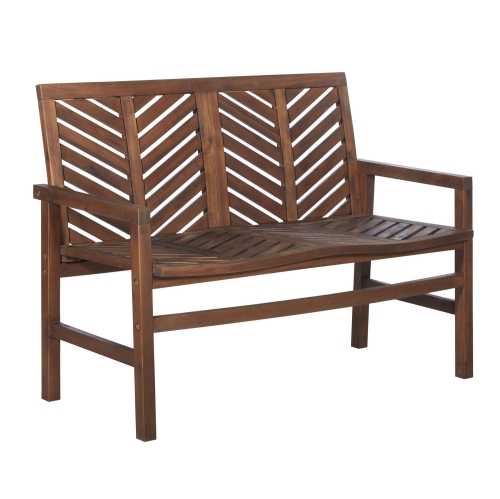 Your price for this item is $404.9
 -
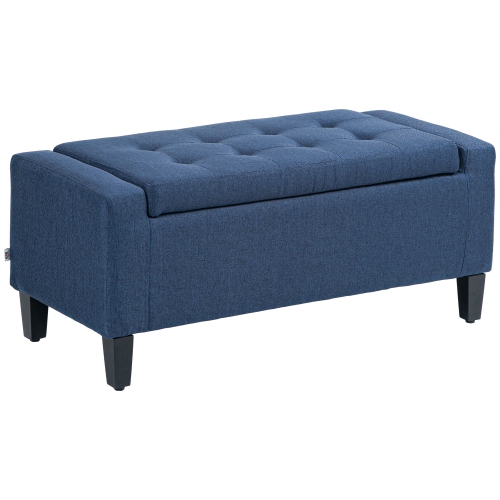 Your price for this item is $139.99
 -
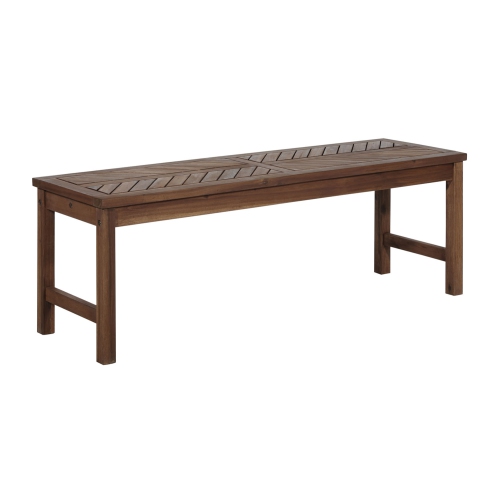 Your price for this item is $365.47
 -
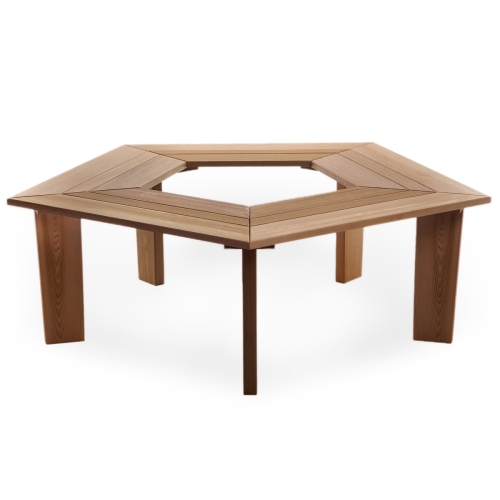 Your price for this item is $893.99
 -
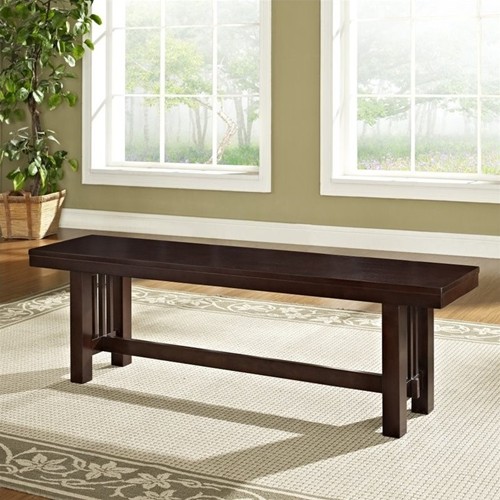 Your price for this item is $292.72
 -
 Your price for this item is $507.08
 -
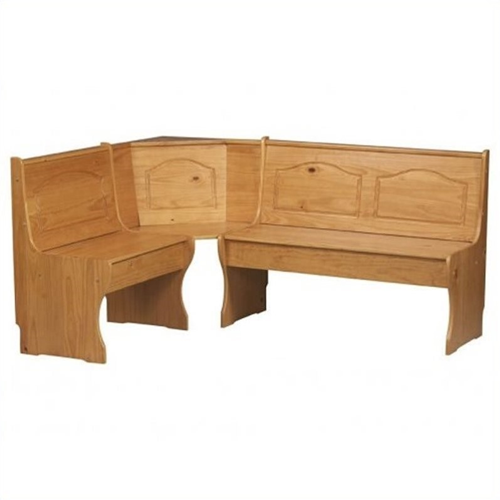 Your price for this item is $908.26
 -
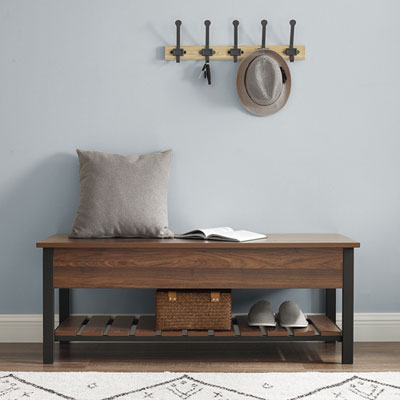 Your price for this item is $339.99
Discover more categories related to Leather Dining Benches

Top Collections:
Pokemon Centers, Kindle Devices, Best Budget Office Chairs, Apple iPhones 16, Best Laptops for Writers, iPhone 15 Apple, Canon G7X Cameras, Refurbished Apple Laptops, Alarm Clock, Motorola Razr Phones
Some products may be subject to Environmental Handling Fees
(EHF) depending on your province.
Learn more about EHFs.