LED Path Lights
Illuminate your outdoor spaces with the perfect blend of style and functionality with LED path lights. These energy-efficient lighting solutions not only enhance the safety and security of your walkways but also add a touch of elegance to your garden or driveway. With a variety of designs and finishes available, you can effortlessly complement any landscape aesthetic. Whether you're looking to create a warm, inviting atmosphere for guests or simply highlight the beauty of your outdoor environment, LED path lights offer a versatile and durable option that meets your needs. Discover how these modern lighting fixtures can transform your outdoor area into a well-lit haven.
Sort
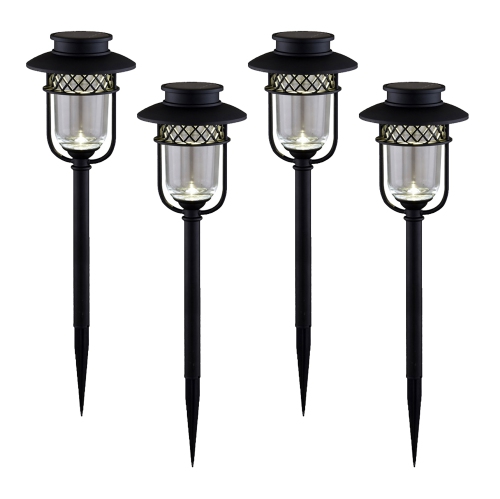
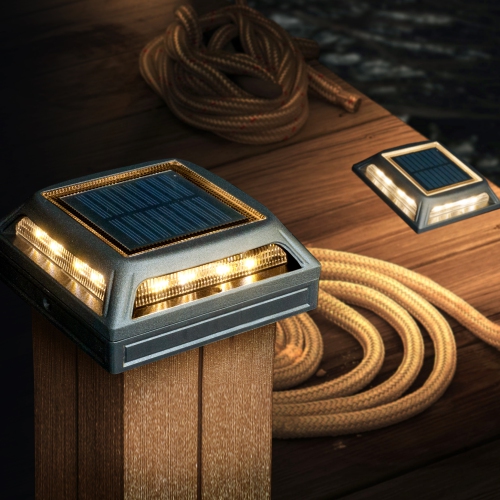
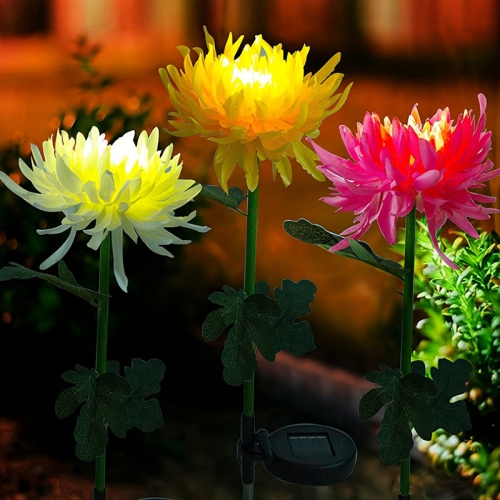

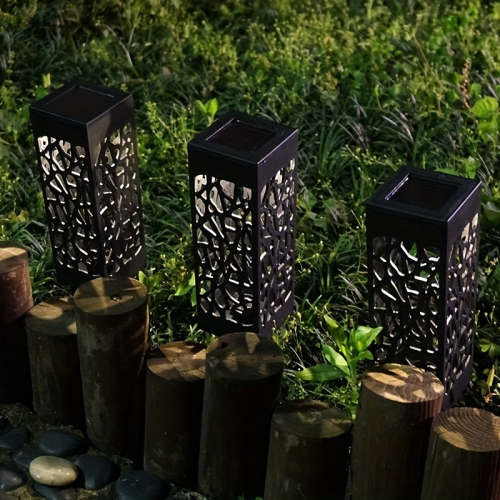
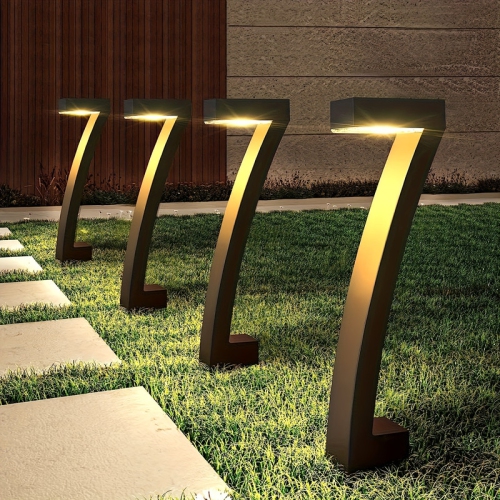
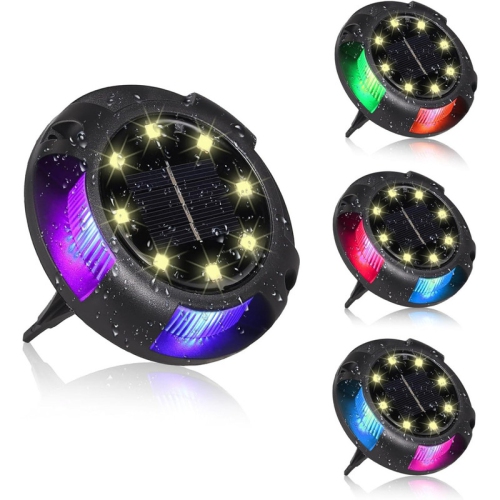
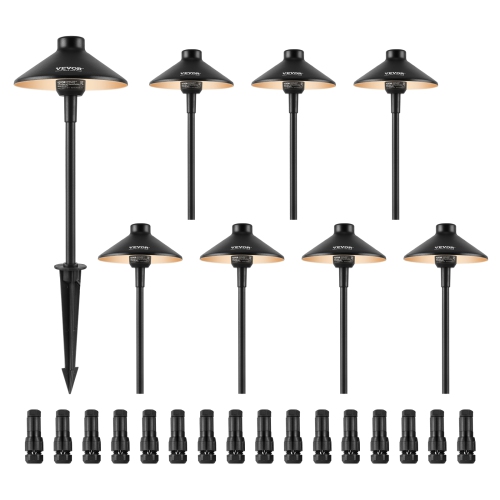
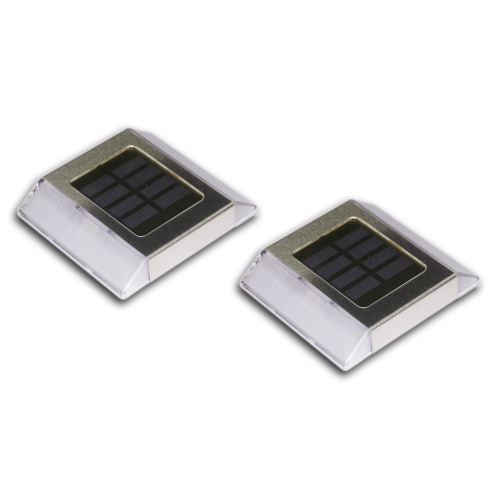
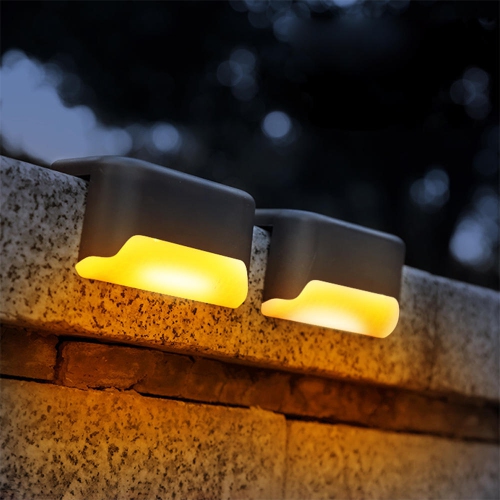
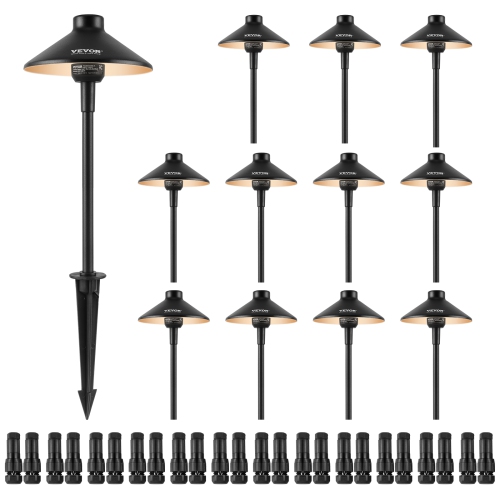
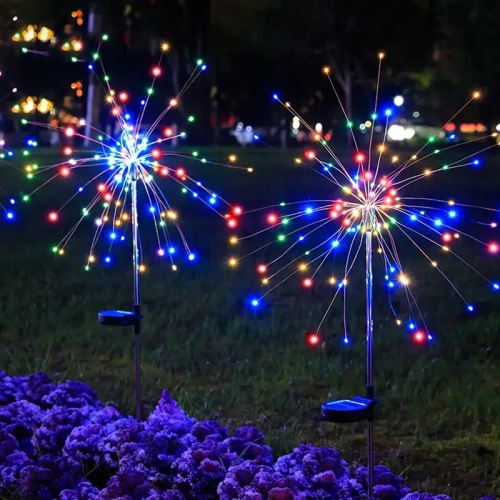
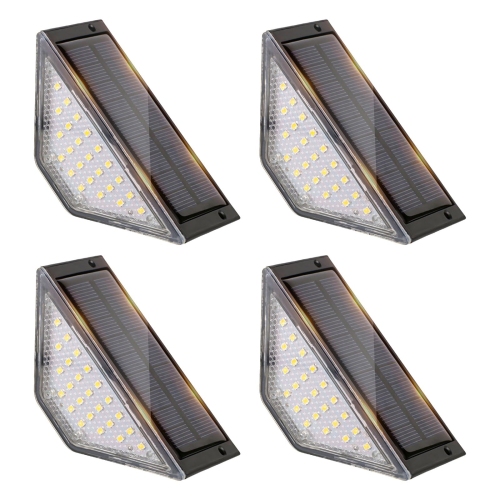
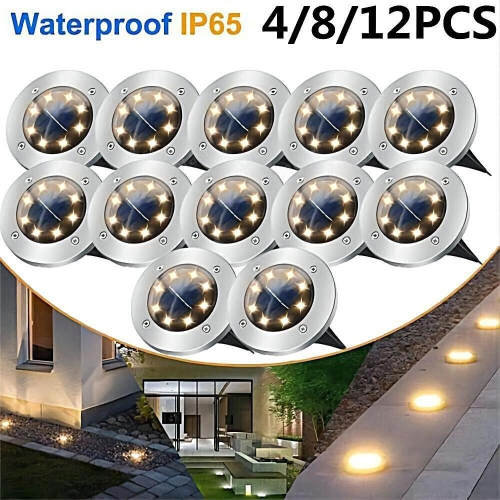
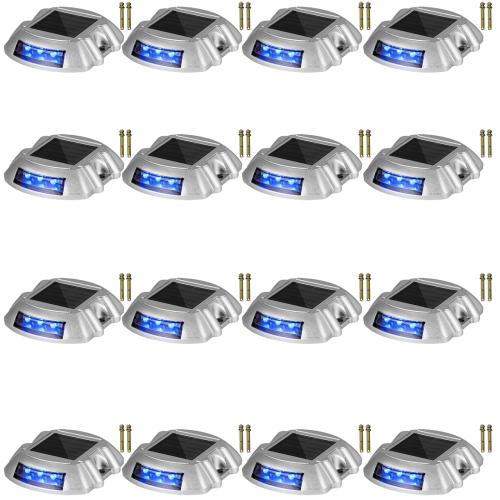
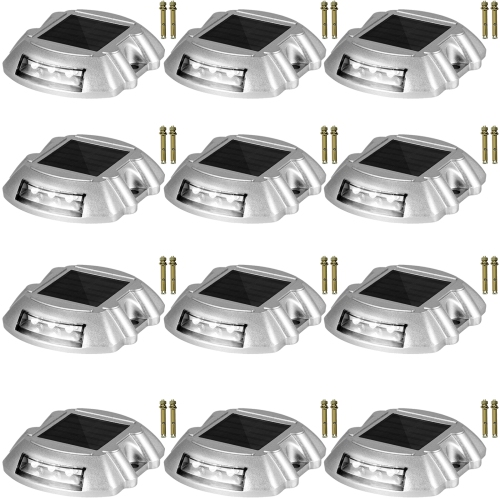
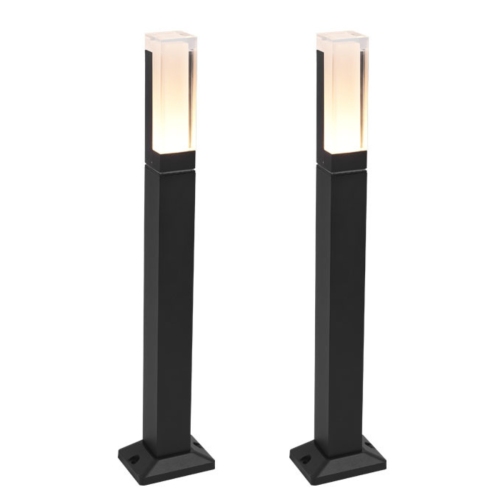
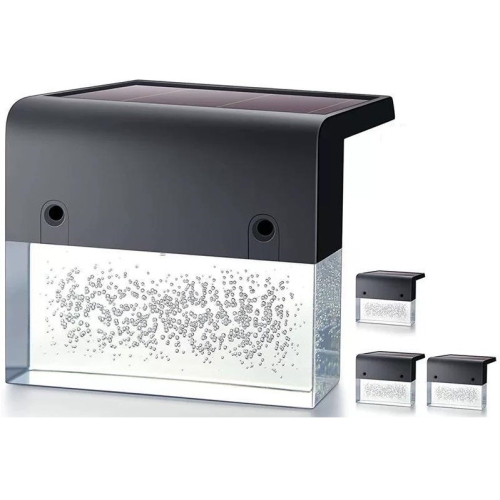
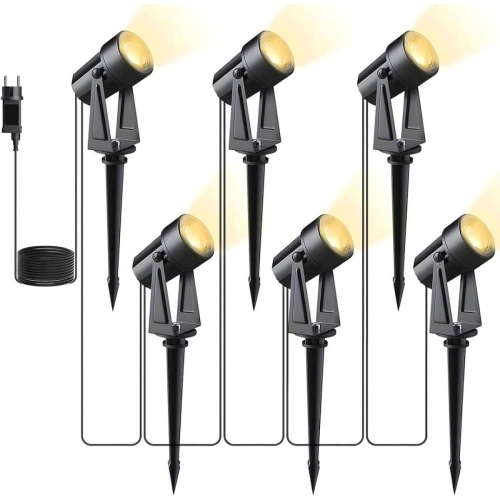
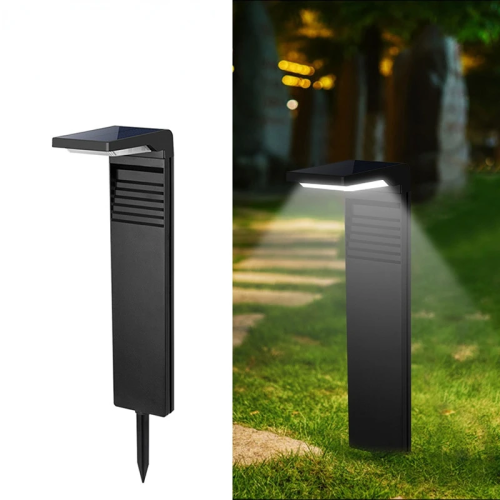
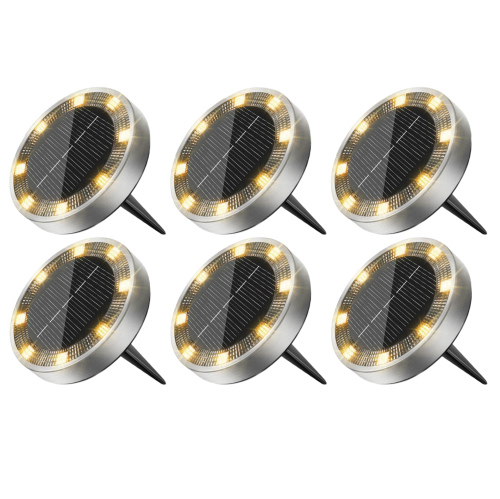
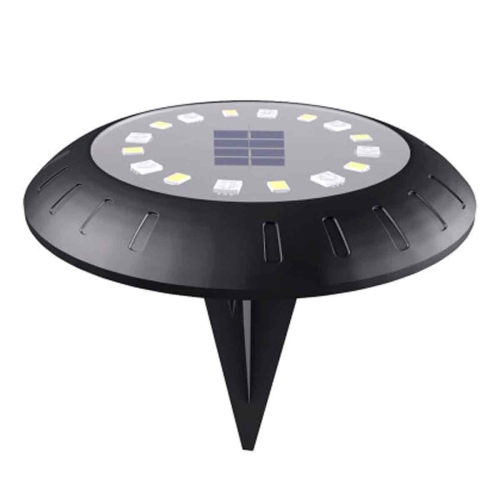
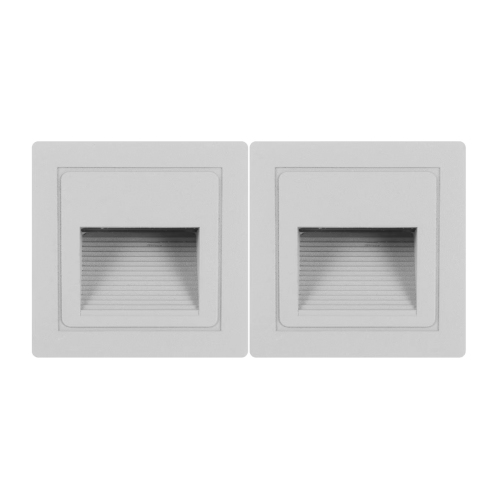
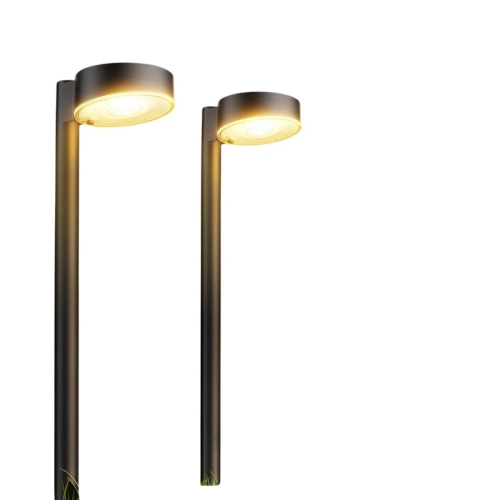
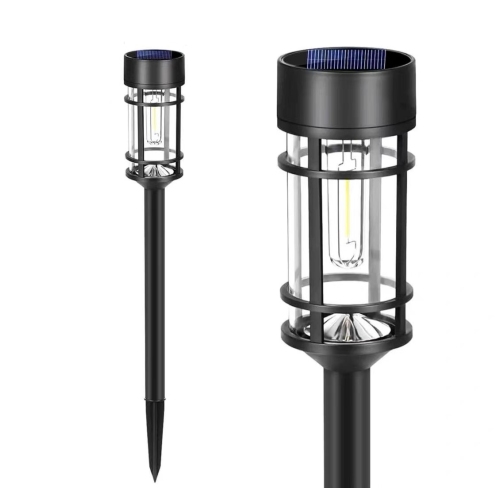
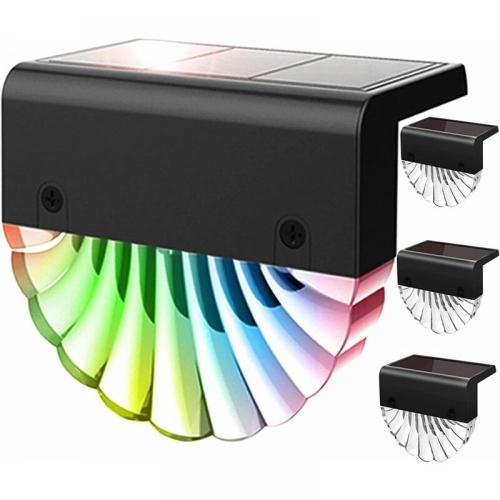
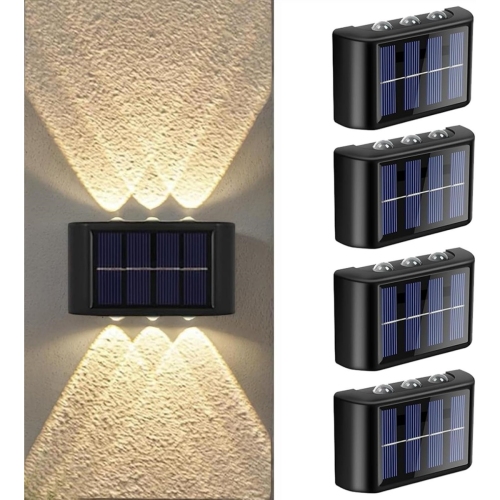
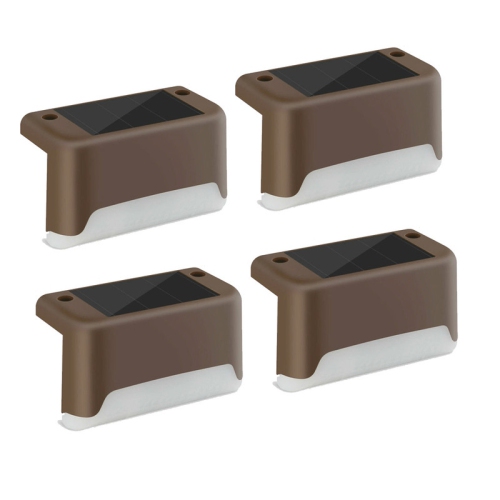
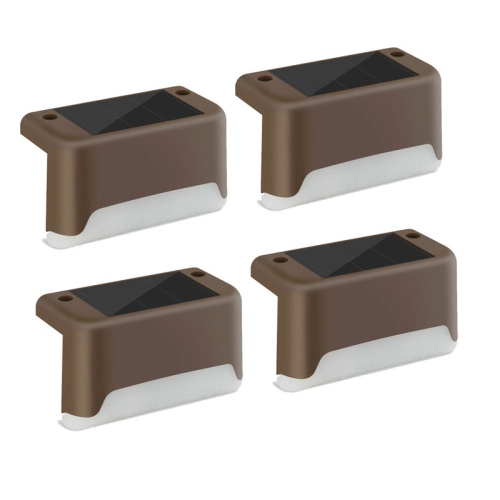
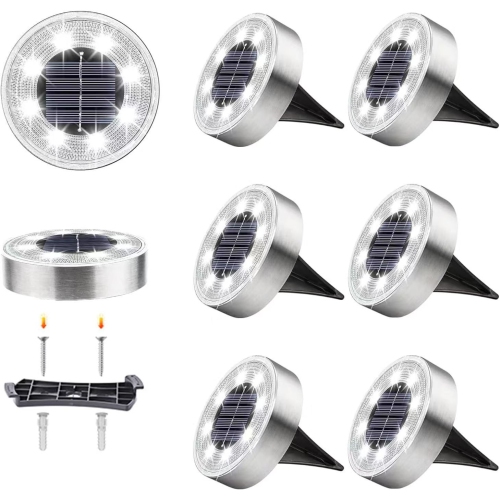
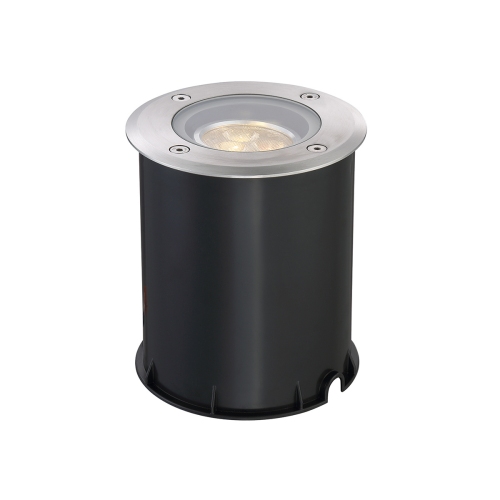
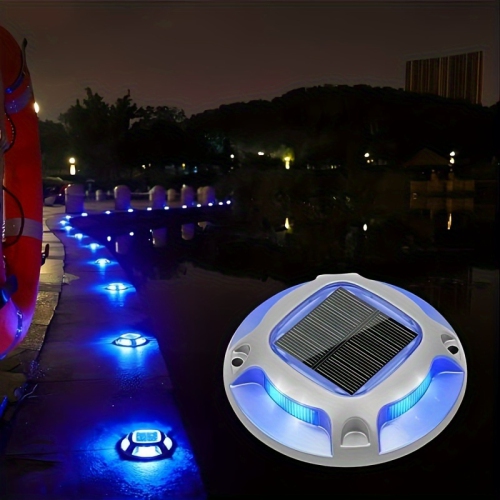

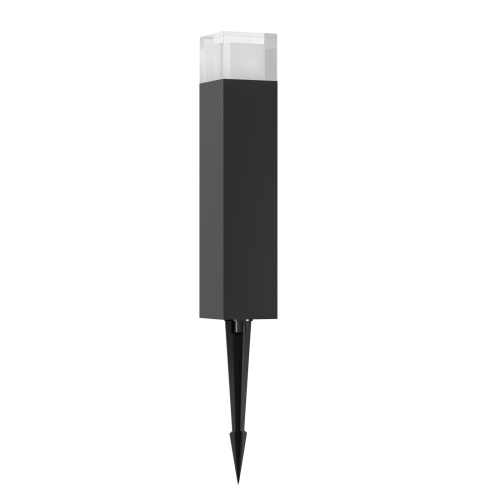
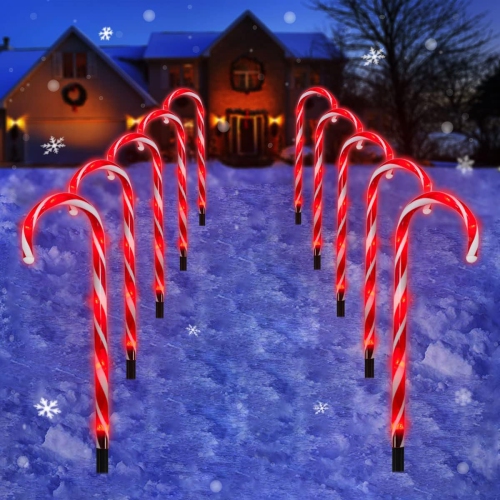
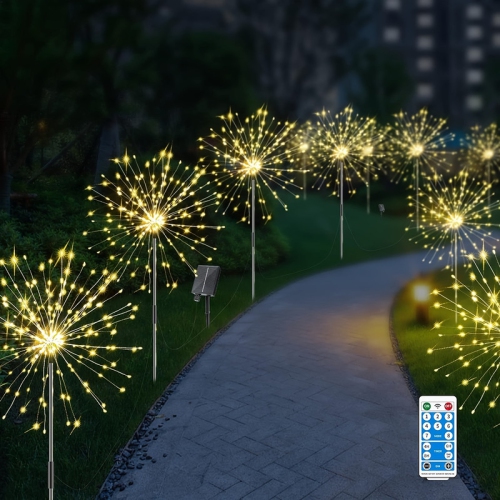
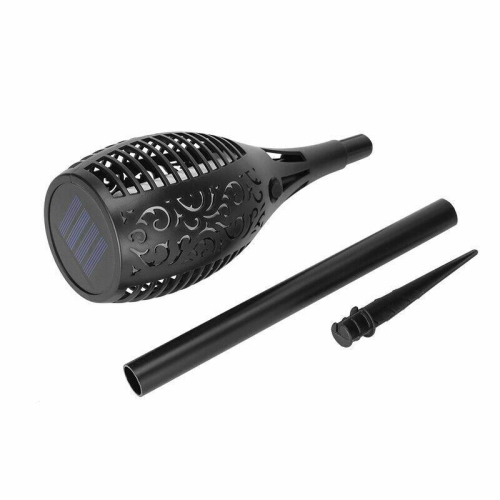
Thoughtful placement balances visibility, style, and dependable outdoor lighting
LED path lights are a practical way to add gentle illumination along walkways, driveways, garden borders, steps, and outdoor entertaining areas. By directing light towards the ground, they can help define the edges of a route and make changes in elevation easier to see after sunset, while also giving a yard a welcoming, finished appearance. They are available in a range of styles, from compact fixtures that blend into planting beds to taller lantern-inspired designs that create a more noticeable decorative accent. LED bulbs are a popular choice because they provide clear, consistent light while using little power and typically last for a long time. When comparing fixtures, consider the brightness, colour temperature, construction, finish, and overall height. A softer warm-white light can complement wood, stone, and mature landscaping, while a cooler white may provide a crisper look around contemporary homes. Look for housings and lenses designed for outdoor use, particularly if the lights will be exposed to rain, snow, soil, or changing temperatures. A sturdy ground stake is useful in loose soil, while a more substantial base can help keep a fixture upright beside a paved walkway. Black, bronze, stainless steel, and other finishes can each create a different visual effect, so it is worth considering how the lights will look during the day as well as at night. For additional ways to brighten outdoor areas, browse these Landscape Lights.
Solar LED path lights are often selected for their straightforward installation. They generally have a small solar panel, an internal battery, and no connection to a household electrical outlet, allowing them to be pushed into suitable ground with minimal setup. Their performance depends on receiving enough direct daylight, so placement matters: shaded areas beneath dense trees, covered porches, and north-facing corners may result in shorter or dimmer operation after dark. Low-voltage wired path lights use a transformer and outdoor-rated cable to provide a dependable connection across a larger layout. They can be a good fit for longer driveways, frequently used walkways, or yards where consistent brightness is more important than quick installation. A line-voltage system connects directly to household power and is generally better suited to larger or more complex installations completed by a qualified professional. Before choosing a setup, measure the approximate length of the area you want to illuminate and identify nearby power sources, planting beds, gates, stairs, and places where cable may need protection. Brightness is measured in lumens, but more light is not always better; excessive output can create glare, wash out garden details, or shine into windows. A balanced arrangement usually feels more natural when fixtures are spaced about 4 to 15 feet apart, with the exact distance adjusted for brightness, beam spread, path width, and the amount of ambient light. Staggering fixtures on alternating sides generally creates a softer effect than placing them in a rigid straight line, and aiming the light downward helps keep the route visible without making the fixtures uncomfortable to look at.
LED path lights can suit homeowners improving everyday access around the property, renters seeking a removable option, and anyone refreshing an outdoor space before gatherings during the warmer season or the cooler months. They can mark a route from the driveway to the front door, outline a side passage leading to a backyard, or bring definition to stepping stones winding through a garden. Around a deck or patio, a few carefully positioned fixtures can help guests move between seating, food preparation, and entry areas without flooding the space with bright overhead light. They may also make a thoughtful housewarming gift for someone who enjoys gardening, entertaining outdoors, or adding small design details to their home. For a gift or personal project, solar fixtures offer a convenient starting point, while a coordinated low-voltage set may be more appropriate for someone planning a permanent landscape layout. Think about maintenance before installation: keep solar panels clear of leaves and debris, check that stakes remain secure after the ground shifts, and trim back plants that block the light or press against the housing. In areas with heavy snowfall or frequent foot traffic, positioning fixtures just outside the path can reduce the chance of accidental knocks, while placing them too close to the edge may leave them vulnerable to lawn equipment. During seasonal changes, inspect connections, clear away fallen leaves, and confirm that each light still points where intended. With thoughtful spacing and placement, LED path lights can create a comfortable line of illumination that makes a property easier to navigate and gives gardens, entrances, and walkways a polished look from dusk onward.
Solar LED path lights are often selected for their straightforward installation. They generally have a small solar panel, an internal battery, and no connection to a household electrical outlet, allowing them to be pushed into suitable ground with minimal setup. Their performance depends on receiving enough direct daylight, so placement matters: shaded areas beneath dense trees, covered porches, and north-facing corners may result in shorter or dimmer operation after dark. Low-voltage wired path lights use a transformer and outdoor-rated cable to provide a dependable connection across a larger layout. They can be a good fit for longer driveways, frequently used walkways, or yards where consistent brightness is more important than quick installation. A line-voltage system connects directly to household power and is generally better suited to larger or more complex installations completed by a qualified professional. Before choosing a setup, measure the approximate length of the area you want to illuminate and identify nearby power sources, planting beds, gates, stairs, and places where cable may need protection. Brightness is measured in lumens, but more light is not always better; excessive output can create glare, wash out garden details, or shine into windows. A balanced arrangement usually feels more natural when fixtures are spaced about 4 to 15 feet apart, with the exact distance adjusted for brightness, beam spread, path width, and the amount of ambient light. Staggering fixtures on alternating sides generally creates a softer effect than placing them in a rigid straight line, and aiming the light downward helps keep the route visible without making the fixtures uncomfortable to look at.
LED path lights can suit homeowners improving everyday access around the property, renters seeking a removable option, and anyone refreshing an outdoor space before gatherings during the warmer season or the cooler months. They can mark a route from the driveway to the front door, outline a side passage leading to a backyard, or bring definition to stepping stones winding through a garden. Around a deck or patio, a few carefully positioned fixtures can help guests move between seating, food preparation, and entry areas without flooding the space with bright overhead light. They may also make a thoughtful housewarming gift for someone who enjoys gardening, entertaining outdoors, or adding small design details to their home. For a gift or personal project, solar fixtures offer a convenient starting point, while a coordinated low-voltage set may be more appropriate for someone planning a permanent landscape layout. Think about maintenance before installation: keep solar panels clear of leaves and debris, check that stakes remain secure after the ground shifts, and trim back plants that block the light or press against the housing. In areas with heavy snowfall or frequent foot traffic, positioning fixtures just outside the path can reduce the chance of accidental knocks, while placing them too close to the edge may leave them vulnerable to lawn equipment. During seasonal changes, inspect connections, clear away fallen leaves, and confirm that each light still points where intended. With thoughtful spacing and placement, LED path lights can create a comfortable line of illumination that makes a property easier to navigate and gives gardens, entrances, and walkways a polished look from dusk onward.
Top selling and popular products
-
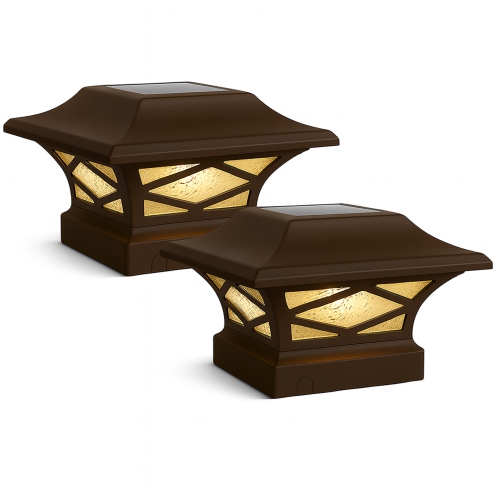 Your price for this item is $99.99
 -
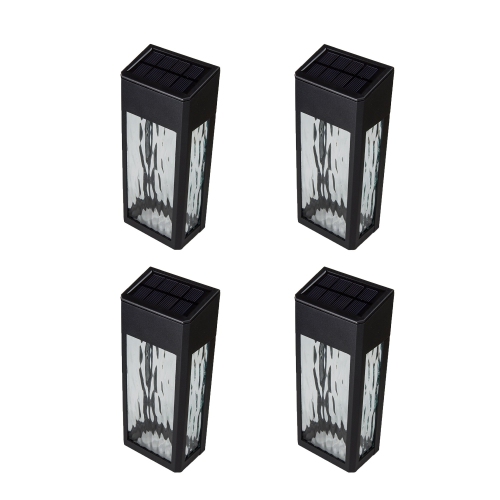 Your price for this item is $73.99
 -
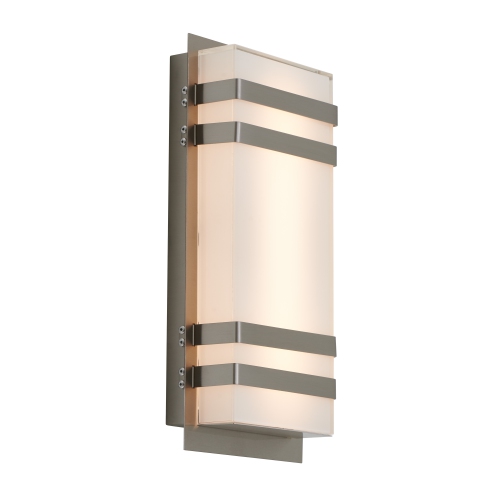 Your price for this item is $69.99
 -
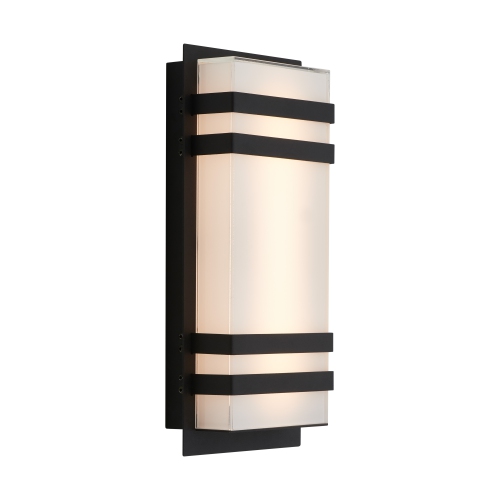 Your price for this item is $59.99
 -
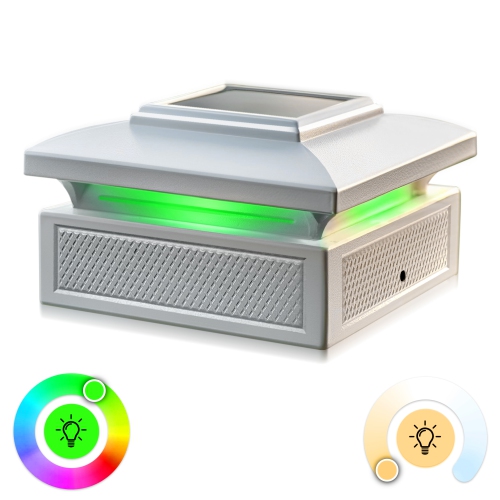 Your price for this item is $99.99
 -
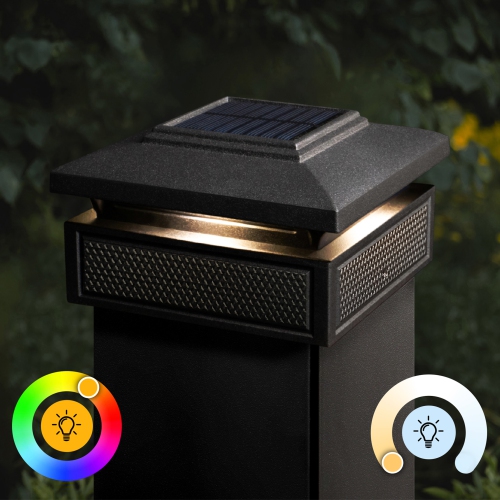 Your price for this item is $99.99
 -
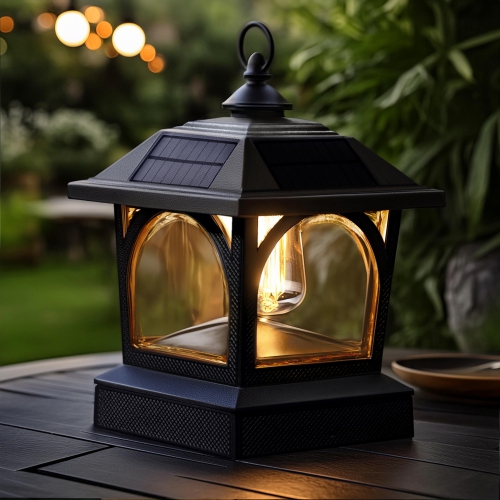 Your price for this item is $99.99
 -
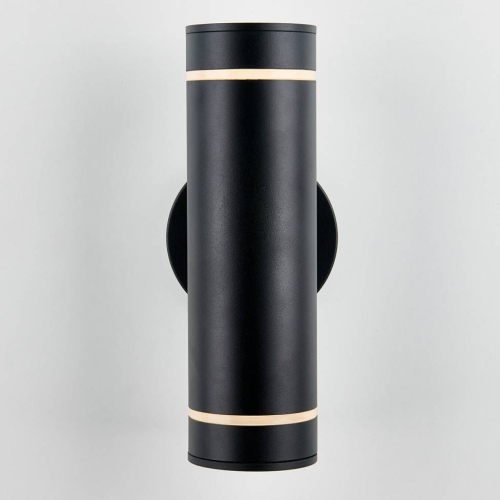 Your price for this item is $99
Discover more categories related to LED Path Lights
Top Collections:
Pokemon Centers, Kindle Devices, Best Budget Office Chairs, Apple iPhones 16, Best Laptops for Writers, iPhone 15 Apple, Canon G7X Cameras, Refurbished Apple Laptops, Alarm Clock, Motorola Razr Phones
Some products may be subject to Environmental Handling Fees
(EHF) depending on your province.
Learn more about EHFs.