Lift Chairs
Looking for the perfect lift chair to enhance your comfort and mobility? Look no further! Our extensive collection of lift chairs offers a wide range of options to suit your individual needs and preferences. Whether you're looking for a stylish addition to your living room or a practical solution to aid in daily activities, our lift chairs provide exceptional support and convenience. With their ergonomic design and advanced features, these chairs are designed to help you relax, recline, and easily transition from sitting to standing with ease. Discover the ultimate blend of comfort and functionality with our selection of lift chairs today!
Sort

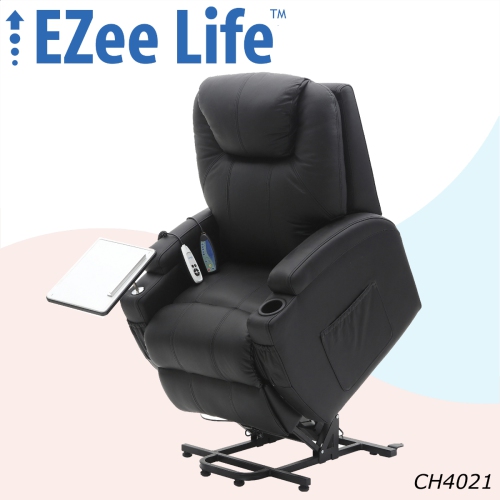
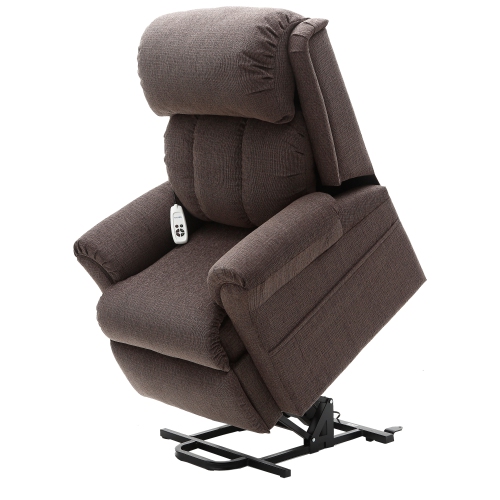
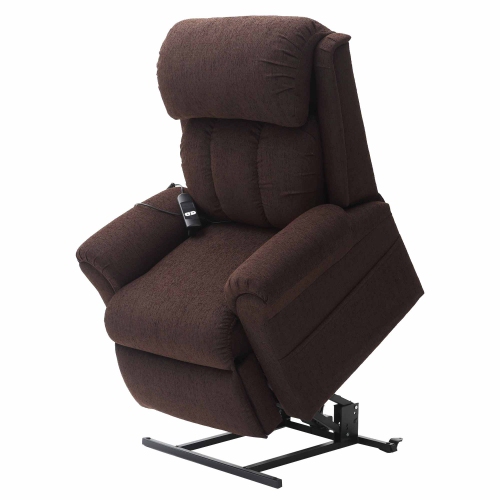


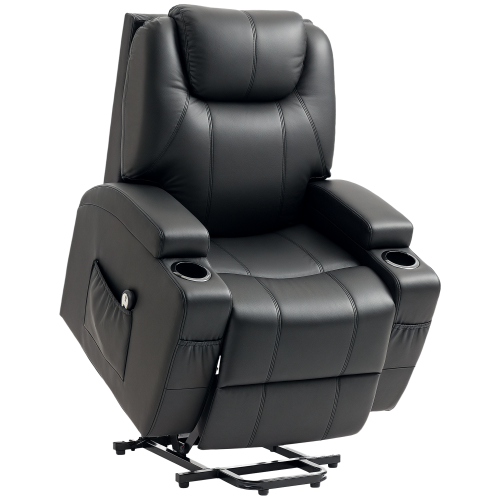
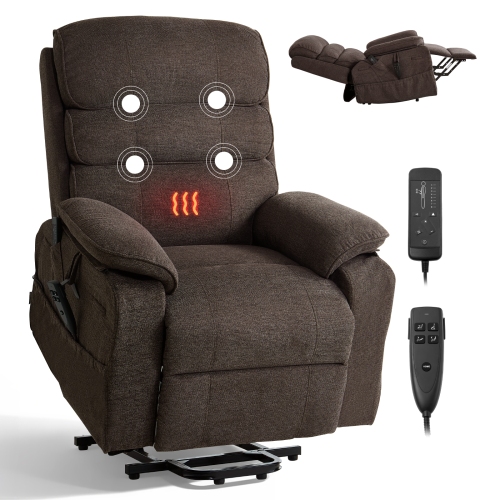
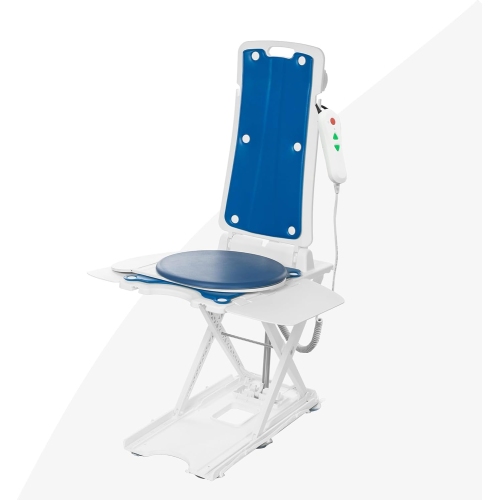
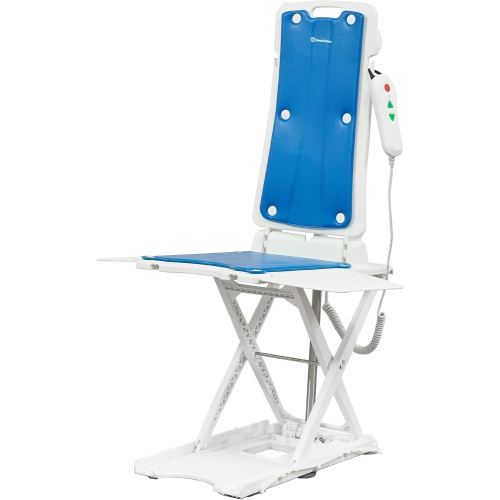
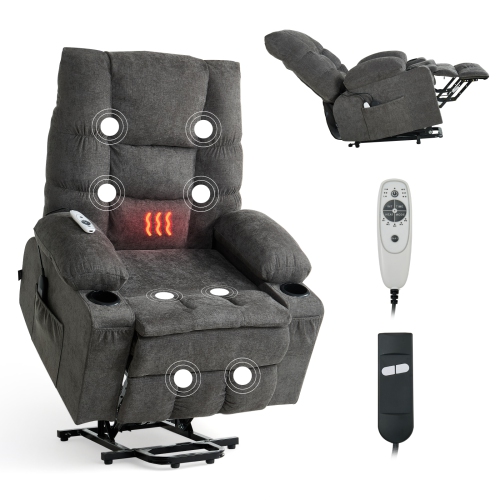
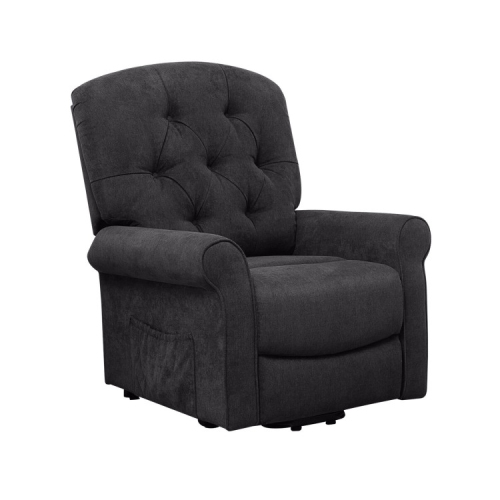
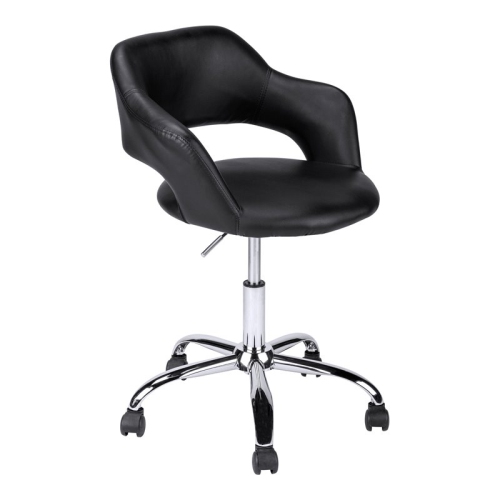
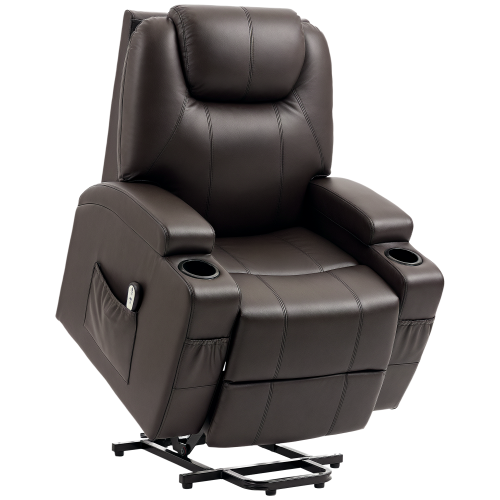
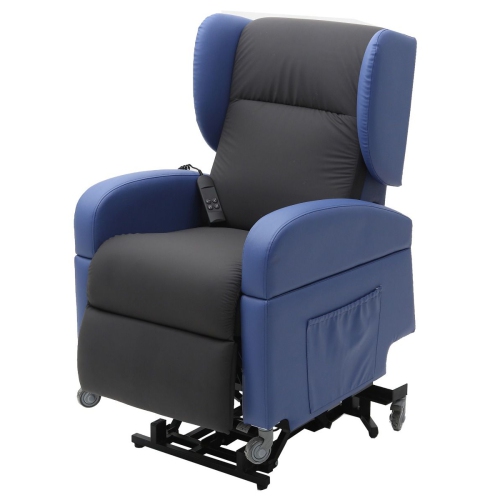
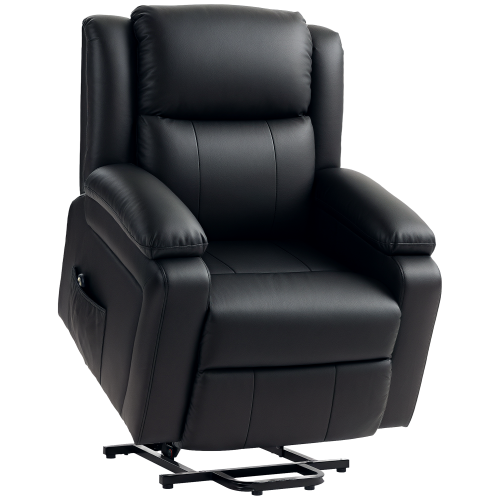
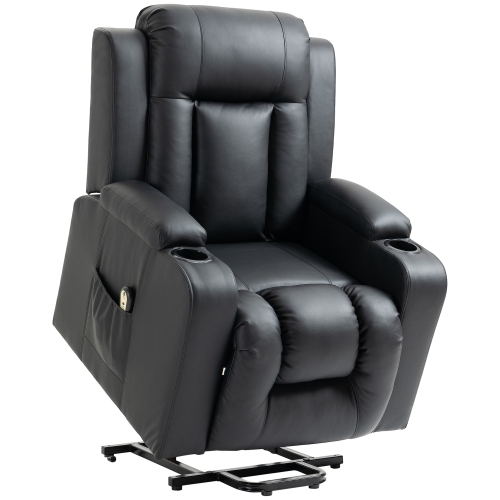
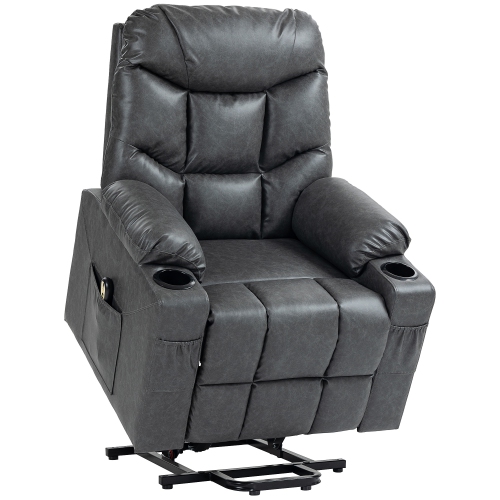
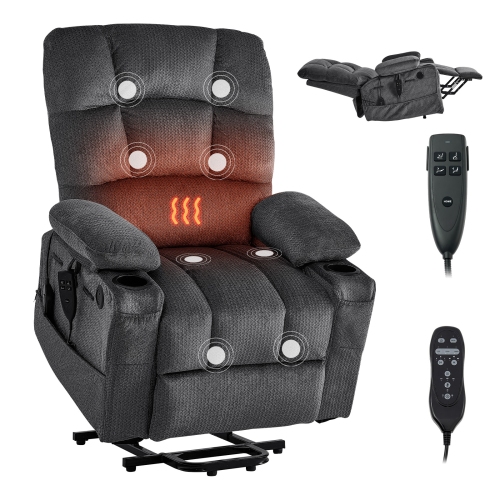


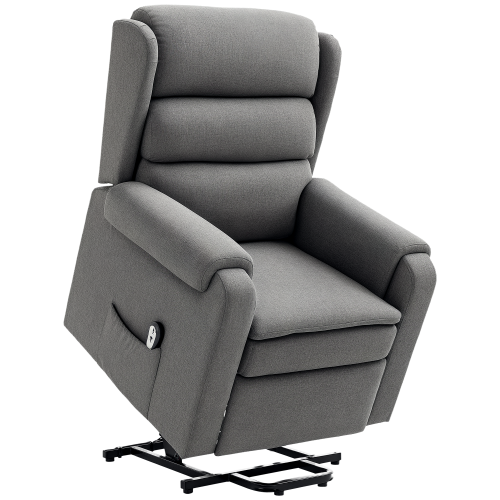
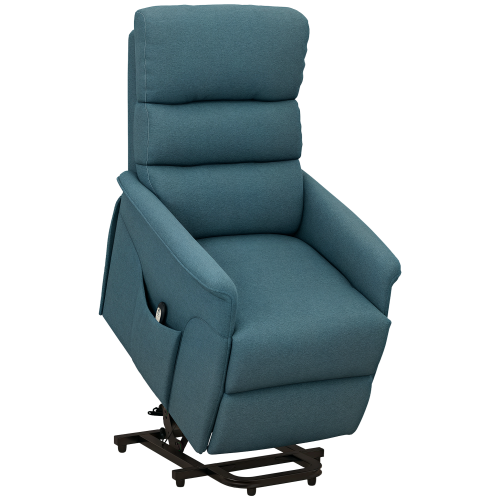
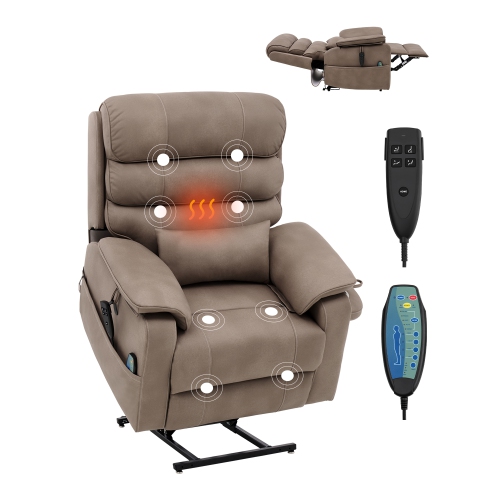
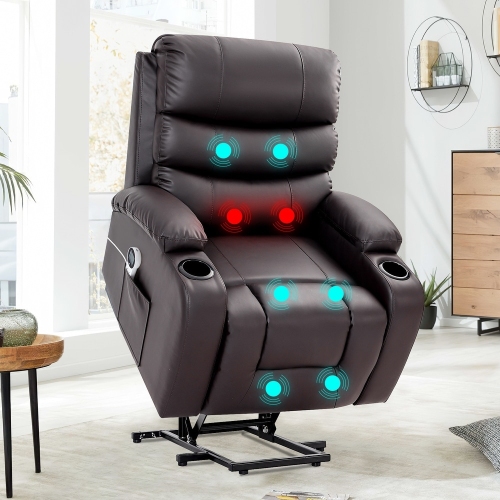
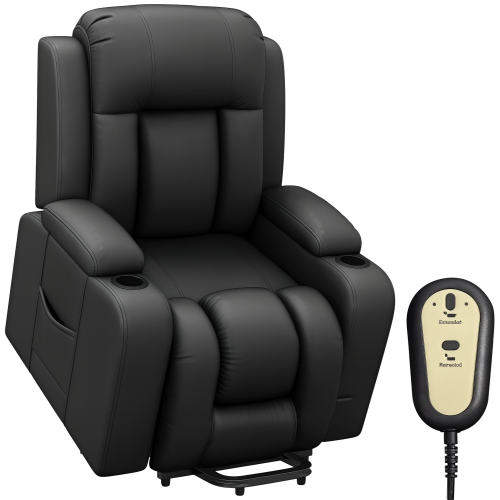

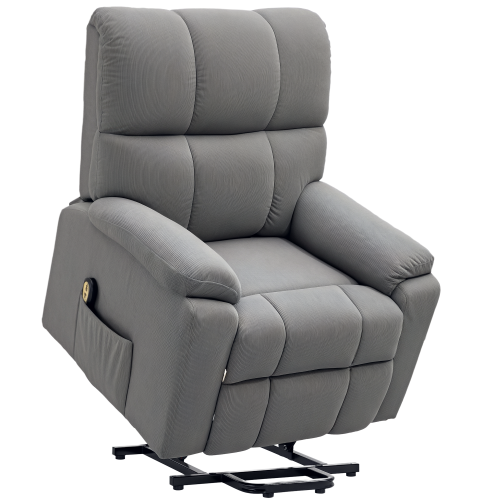
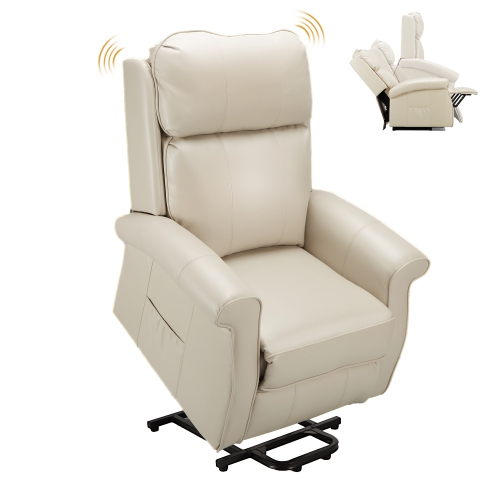
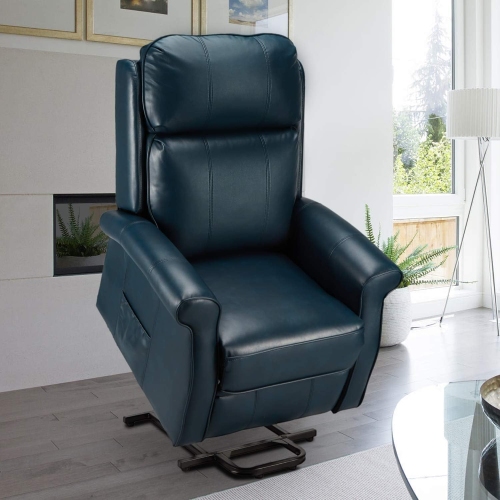


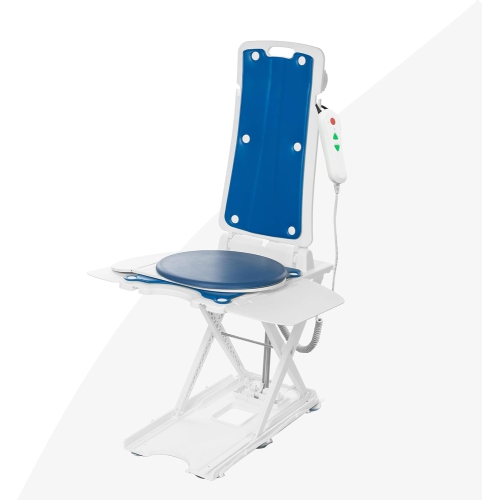

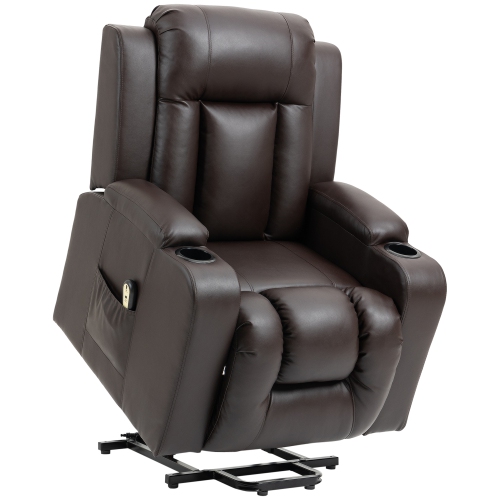

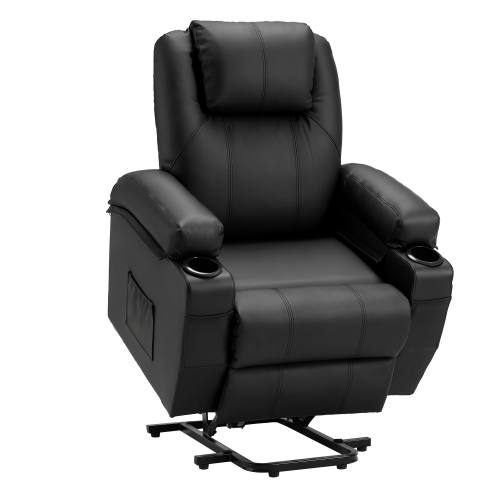




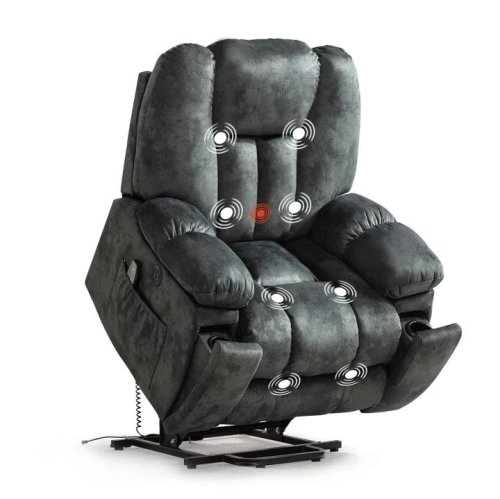


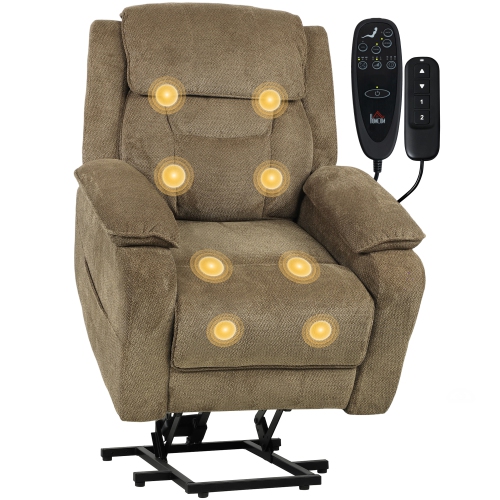
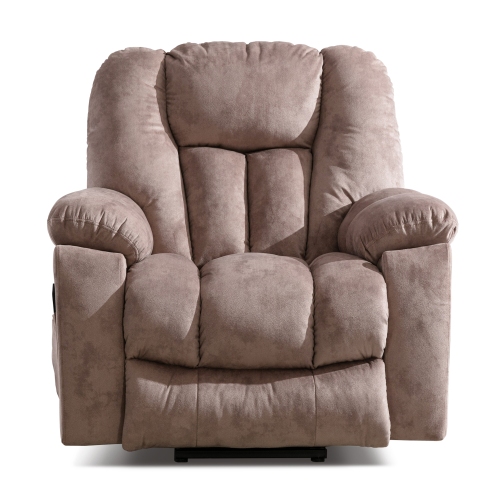



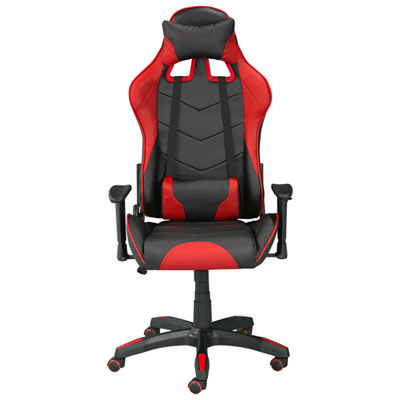
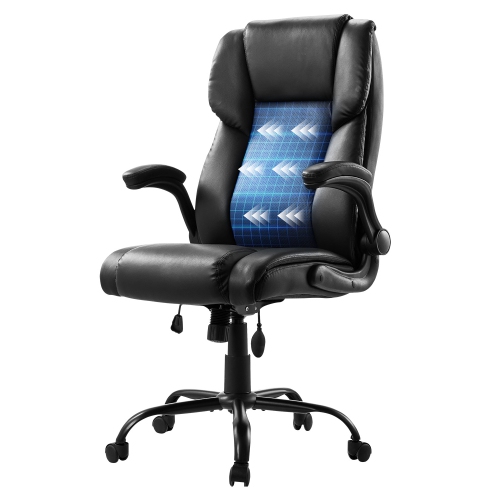

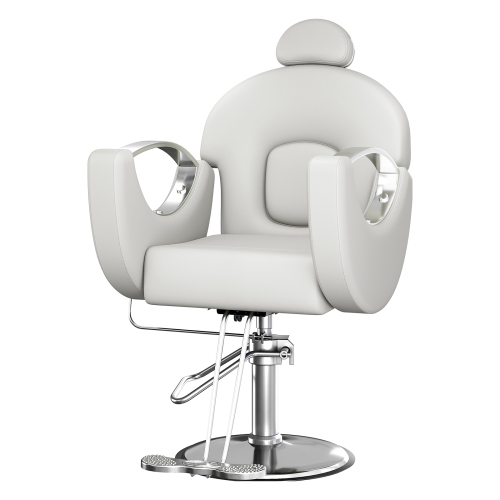


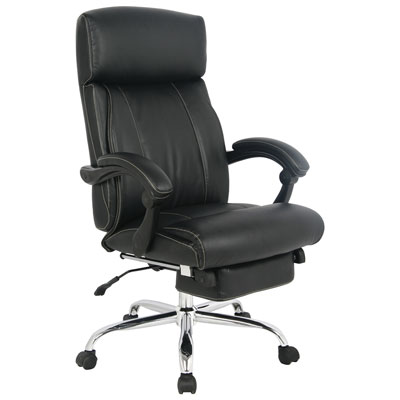
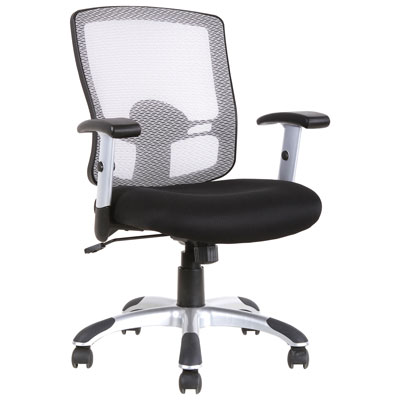
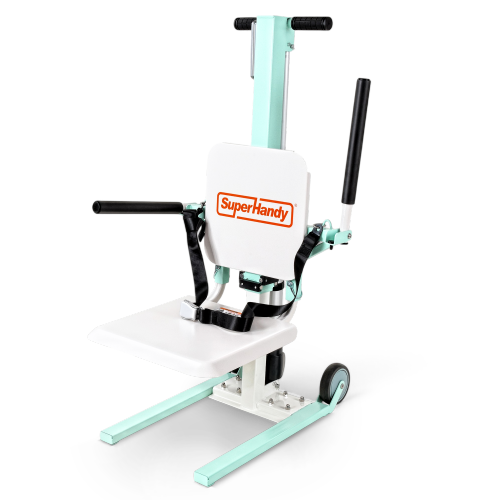
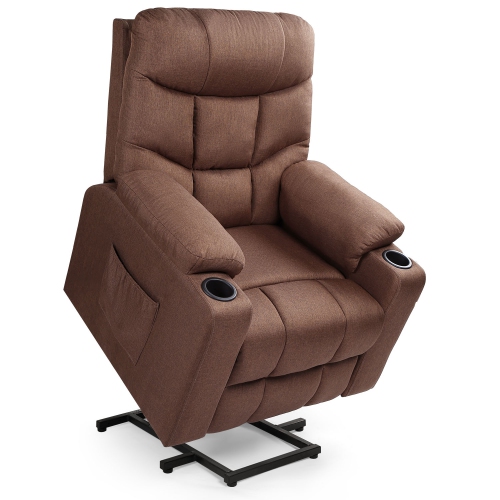
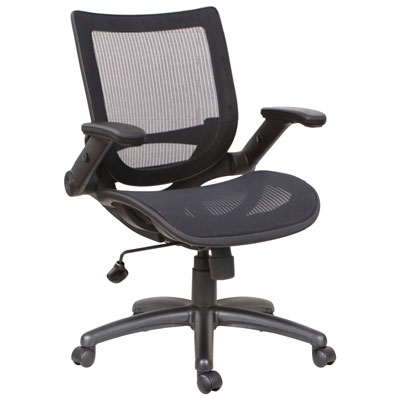
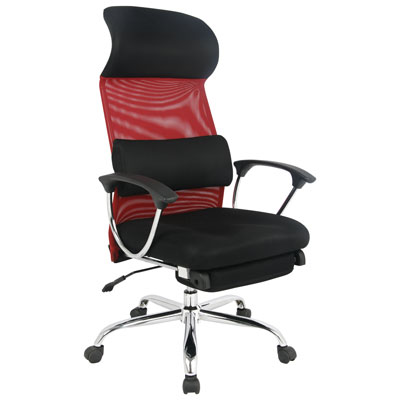
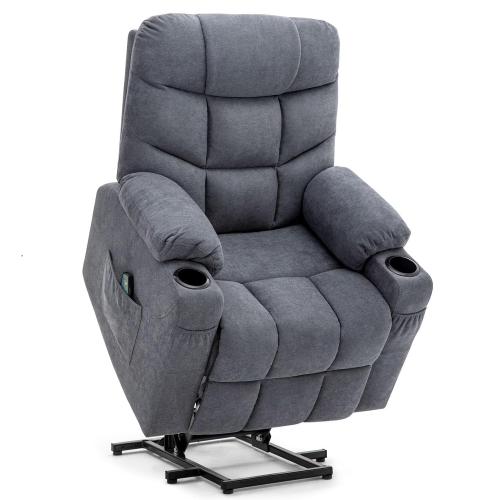
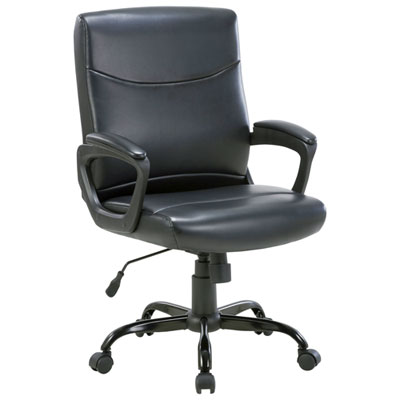


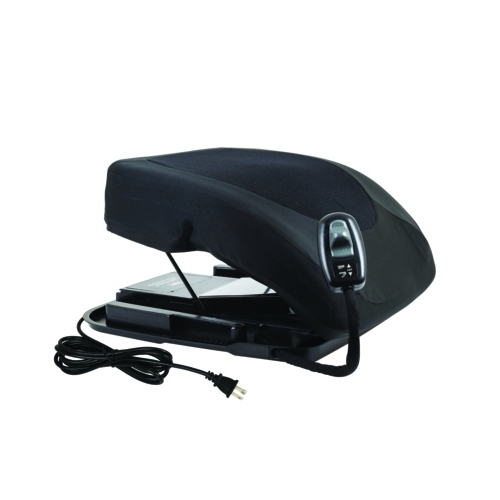
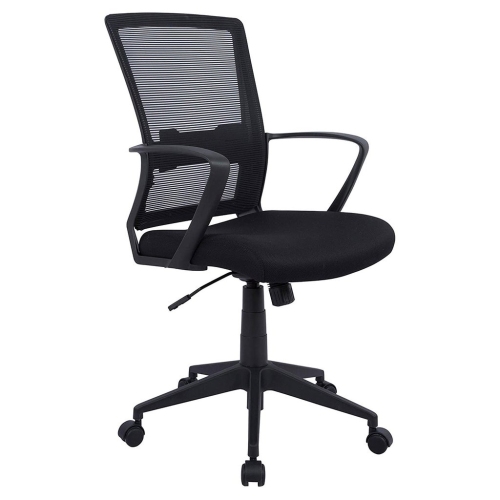
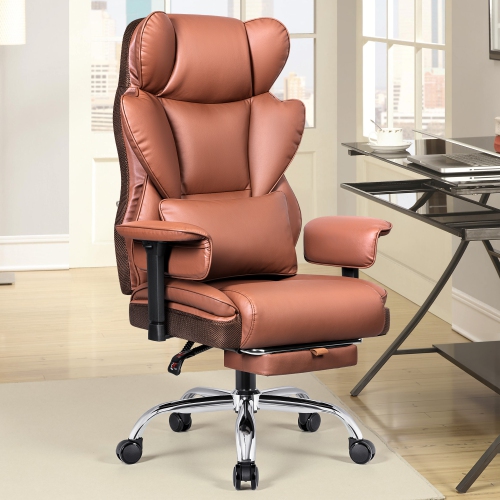
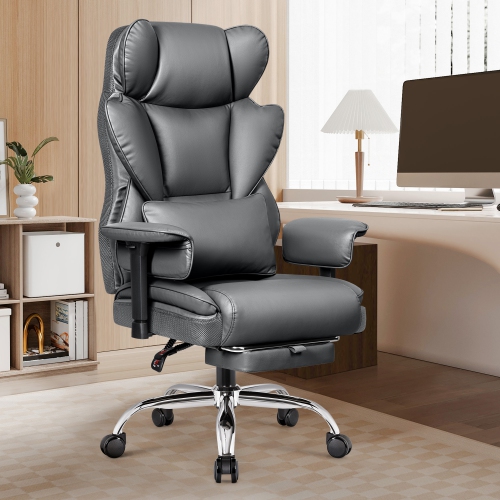


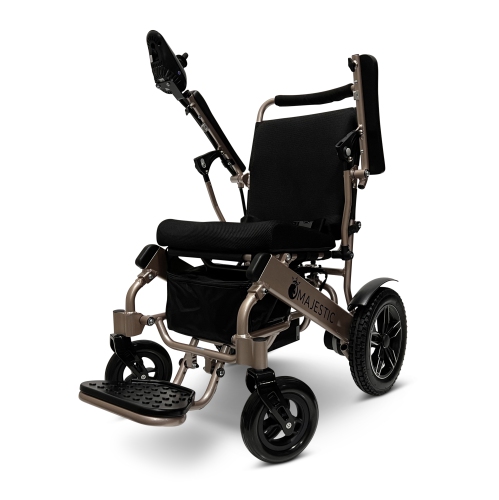


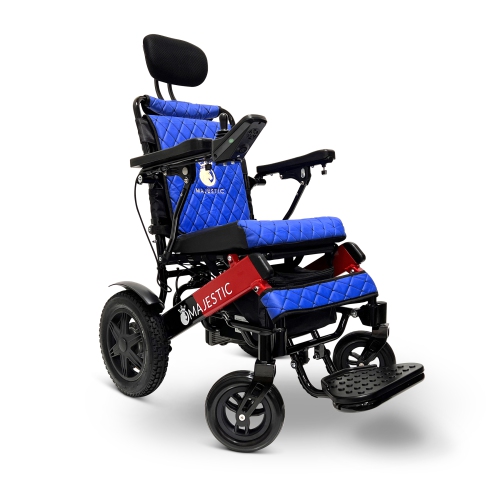
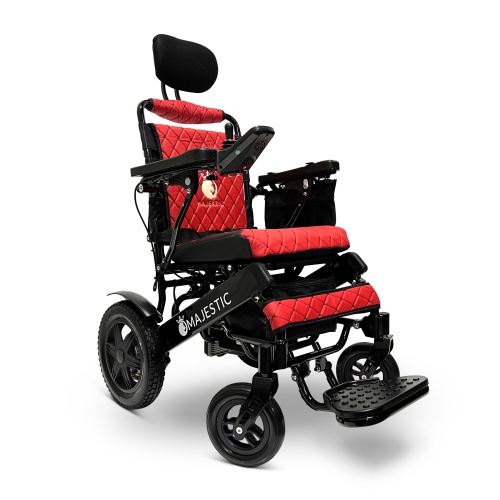
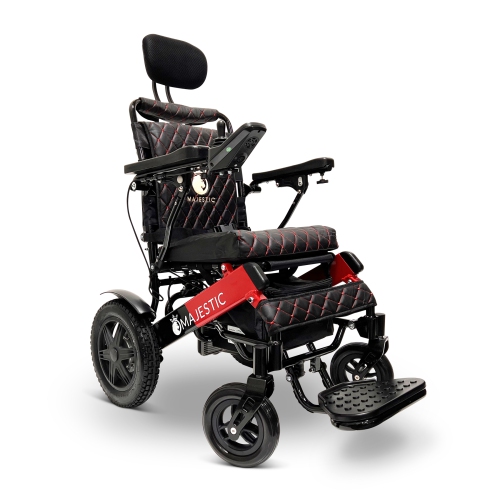
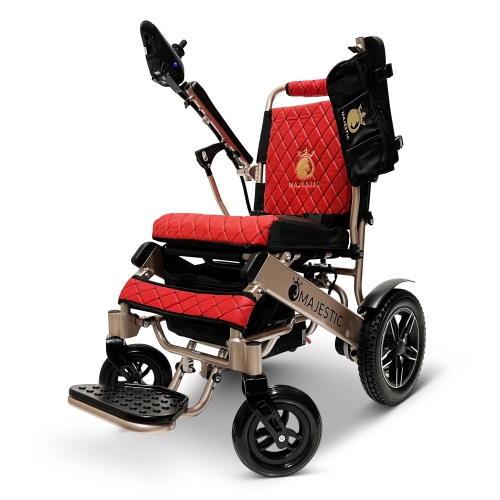
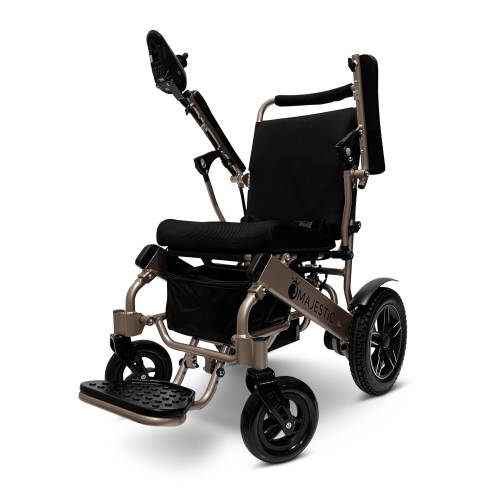
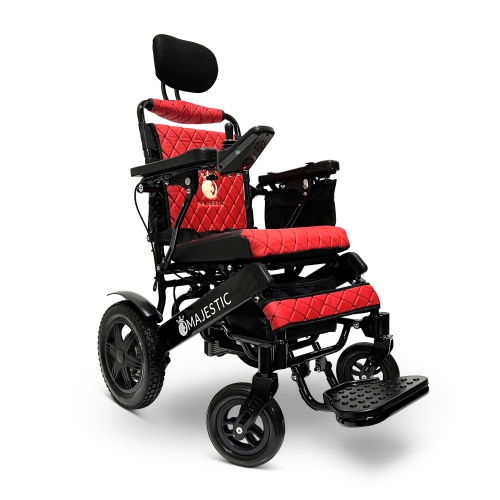
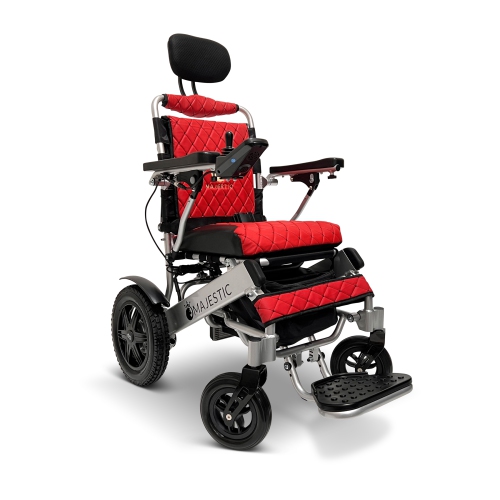
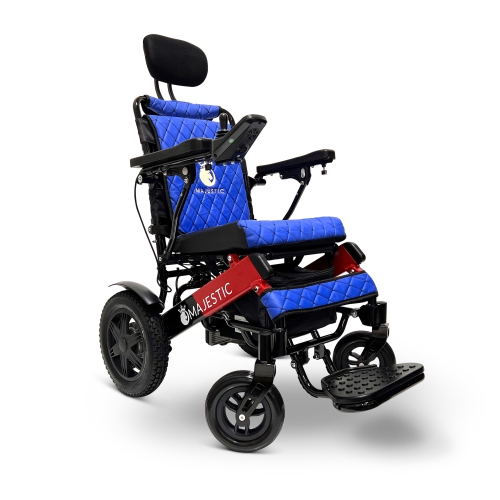
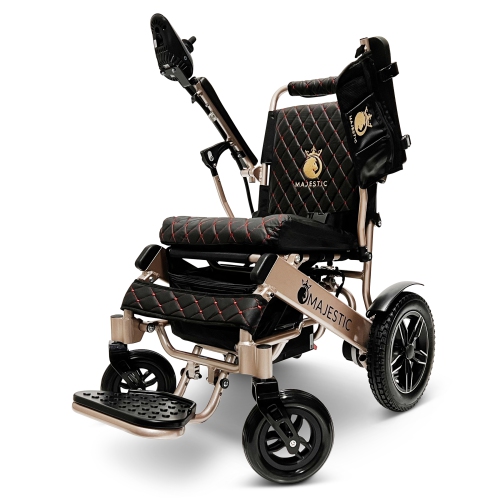
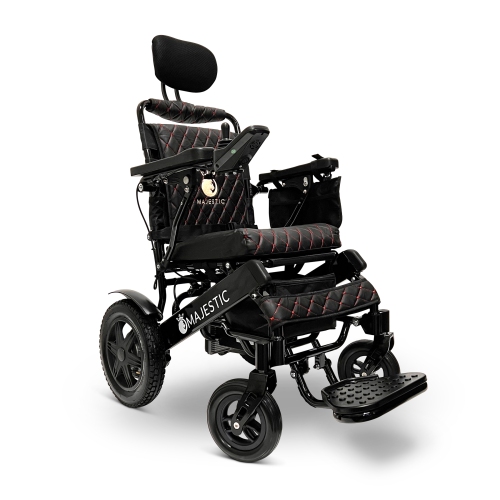
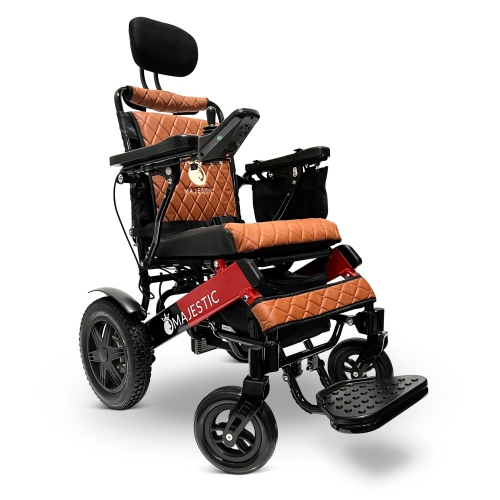
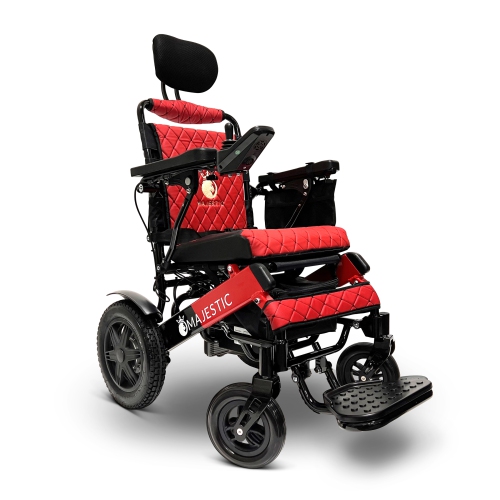

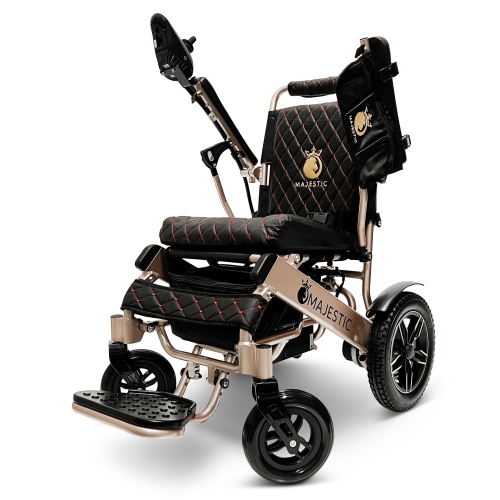
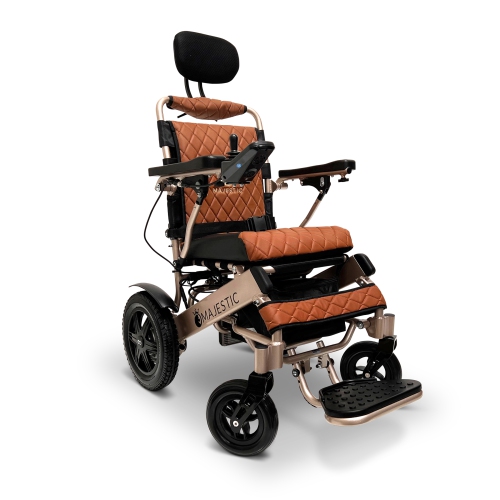
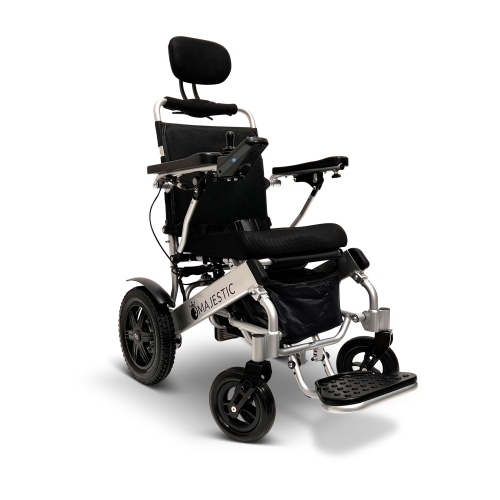
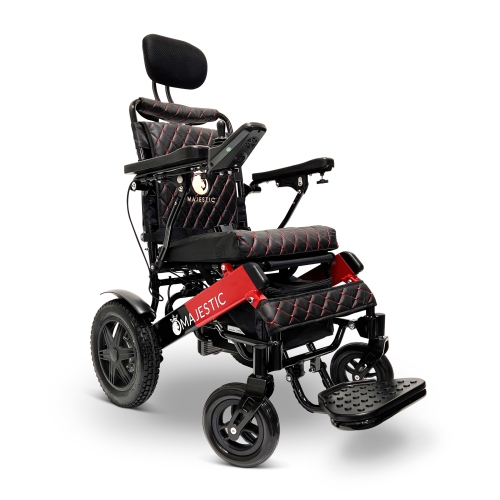
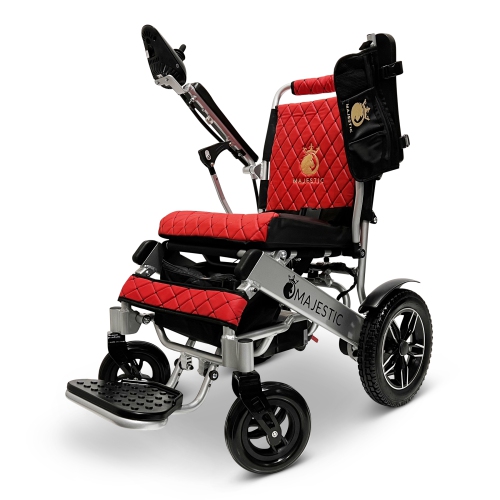

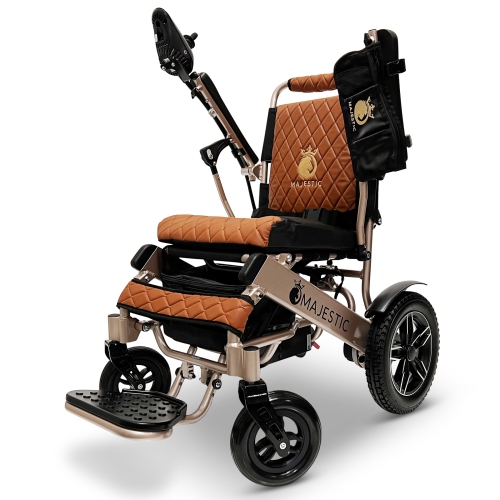
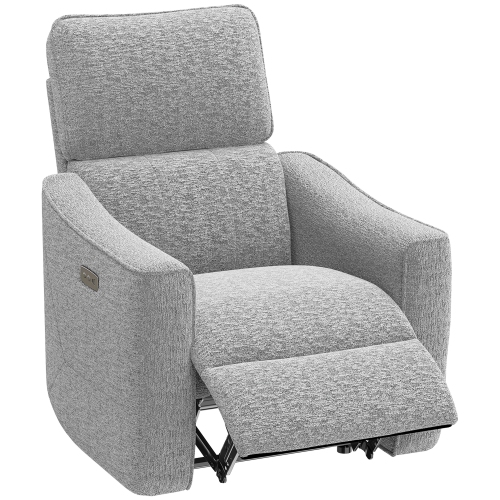
Everyday comfort with powered help to sit and stand
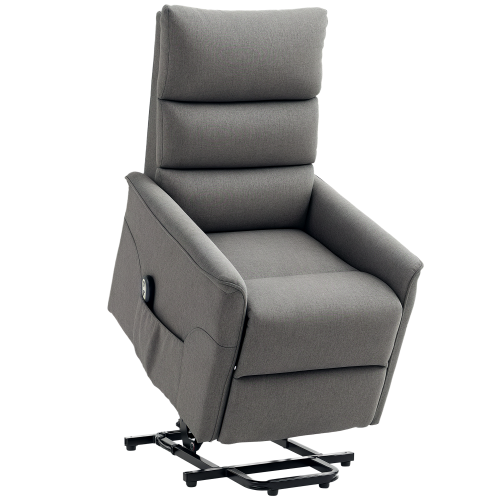
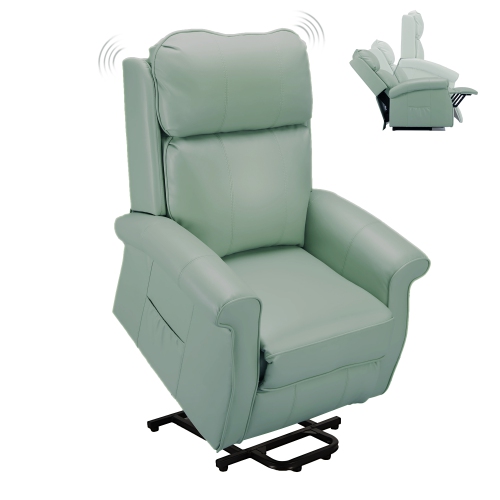
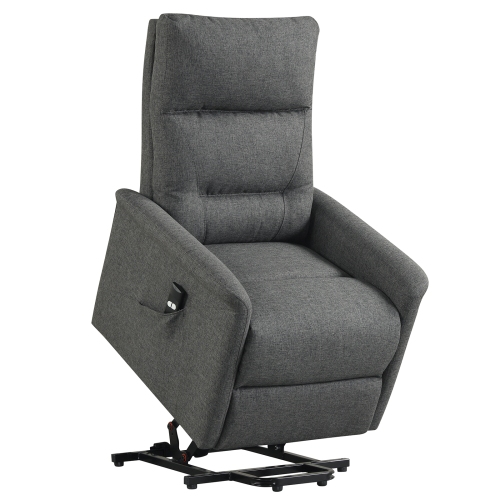
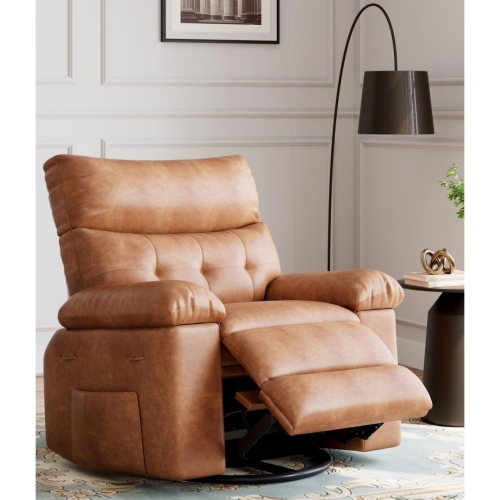
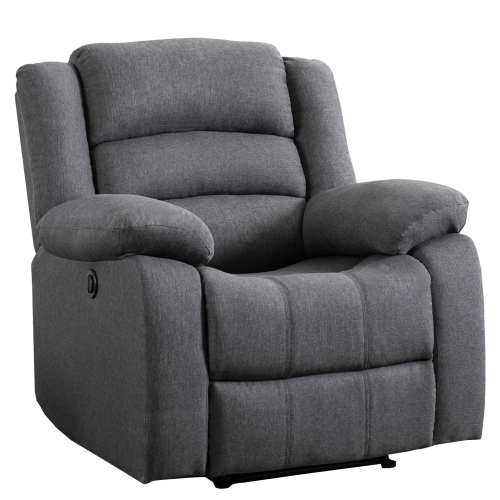
Lift chairs are powered recliners with a motorized base that raises and tilts the seat forward to help a seated person move towards a standing position. They also lower the user into a seated position, making them different from standard recliners that adjust only the backrest and footrest. This lift function can be useful for older adults, people with limited mobility, and anyone who finds getting out of a low sofa difficult. A lift recliner can serve as an everyday living room chair for reading, watching television, chatting with family, or taking a seated rest, while providing assistance during transitions. The way the chair moves matters as much as its appearance. Many single-motor designs adjust the backrest and footrest together, creating a straightforward reclining motion with relatively simple controls. Dual-motor and other multi-motor designs may allow separate adjustment of the backrest and footrest, so someone can raise their legs while keeping their upper body more upright. Additional motors may operate a powered headrest or lumbar support, although the exact functions differ by design. Descriptions such as two-position, three-position, and infinite-position refer to reclining configurations rather than the number of lift settings. Infinite-position chairs generally offer a wider range of adjustments, but that term does not guarantee a completely flat resting surface or every possible seating angle. For someone who reads in the afternoon and watches television in the evening, independent adjustments can make it easier to find a comfortable position for each activity. A clearly labelled handset, reachable buttons, and a predictable lifting motion can be particularly important for users with reduced hand strength or dexterity. Lift chairs provide mechanical assistance rather than replacing balance, weight-bearing ability, or help from a caregiver. When a chair is intended for someone recovering from surgery or managing a mobility condition, an occupational therapist or another qualified healthcare professional can help assess whether its movement and seating support suit that person’s needs.
A comfortable lift chair starts with proportions that suit the person using it. Seat height, width, and depth deserve close attention alongside the chair’s overall dimensions. With the chair in its regular upright position, the user should generally be able to rest their feet flat on the floor, with their knees bent at roughly a right angle and their back supported. A seat that is too deep can leave a shorter person sliding forward to reach the floor, while one that is too shallow may provide insufficient thigh support. There should be comfortable room around the hips without making the armrests difficult to reach. Armrest height also affects how naturally the forearms rest while reading or using the handset. Taller users may need a higher backrest and a longer footrest, while a more compact chair can offer a better fit for someone with a smaller frame. The stated weight capacity is a separate consideration from seat size: a wide chair does not necessarily have a higher load rating. Always check the manufacturer’s capacity and dimensions rather than judging by appearance. Room fit is equally important because a lift recliner needs space to recline, extend its footrest, and complete its lifting movement without contacting furniture. Required wall clearance varies, and designs described as wall-hugging still need the space specified by their manufacturer. Measuring the full reclining footprint helps prevent an extended footrest from blocking a doorway or a frequently used path through the room. Leave enough clear floor space in front for the user to stand and, where applicable, access a mobility aid. A nearby electrical outlet keeps the power cord away from walking routes, while a firm, level floor supports stable operation. Delivery access also deserves attention, including doorways, hallways, stair turns, and lifts in apartment buildings. Removable backrests can simplify moving some chairs, but assembly requirements and component weights vary. The most useful arrangement keeps the handset, a reading light, and everyday essentials within easy reach without crowding the area needed for safe movement.
Upholstery and cushioning influence how a lift chair feels during daily use and how easily it fits into household routines. Woven fabric offers a familiar upholstered feel, with texture and colour choices that can blend into an existing seating area. Some fabrics have removable covers or specified cleaning treatments, but neither feature should be assumed. Leather and leather-look upholstery can provide a smoother surface for wiping away everyday marks, though their care requirements differ and some finishes are vulnerable to scratching or cracking. The manufacturer’s cleaning directions should determine which cloths and cleaning products are suitable. A chair used for several hours each day benefits from supportive cushioning that maintains a comfortable seating position rather than allowing the user to sink so deeply that repositioning becomes difficult. Cushion firmness is personal, and generous padding alone does not indicate lasting support. Frame construction, upholstery seams, motor operation, and access to service information all contribute to long-term practicality. Side pockets can keep a handset or book close by, while charging ports may reduce the need to reach behind nearby furniture. For those interested in additional comfort features, Lift And Massage Chairs bring together powered seating options with functions that may include massage or heat; the combination varies by chair, and a massage recliner does not necessarily include a lift mechanism. These features are intended for comfort and should not be treated as a substitute for medical care. Users with reduced sensation or other relevant health concerns should seek professional advice before using heat or massage settings. Routine care includes removing crumbs from seams, addressing spills as directed, and keeping cords and moving parts clear. Children and pets should remain away from the lifting base and footrest mechanism during operation. Some chairs include battery backup, but its purpose and operating limits vary, so it should not be assumed to provide normal use during a power interruption. If a lift chair is being chosen for a parent, partner, or another family member, involving that person in decisions about fit, controls, and upholstery helps make it a welcome part of their daily routine.
Top selling and popular products
-
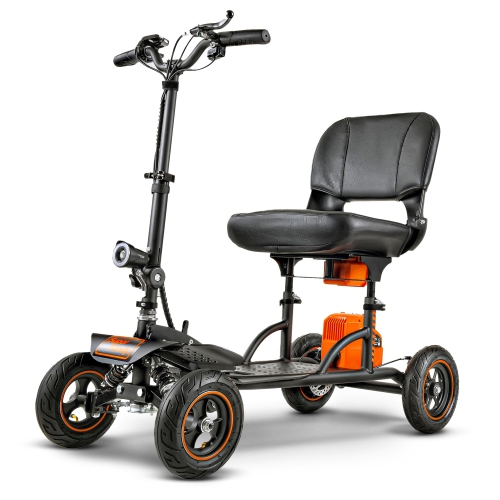 Your price for this item is $1100.99
-
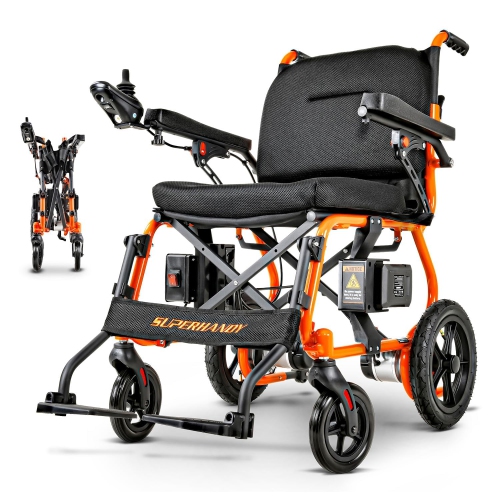 Your price for this item is $950.99
-
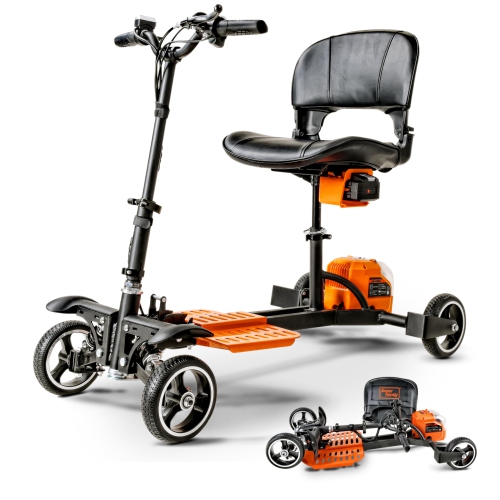 Your price for this item is $999.99
-
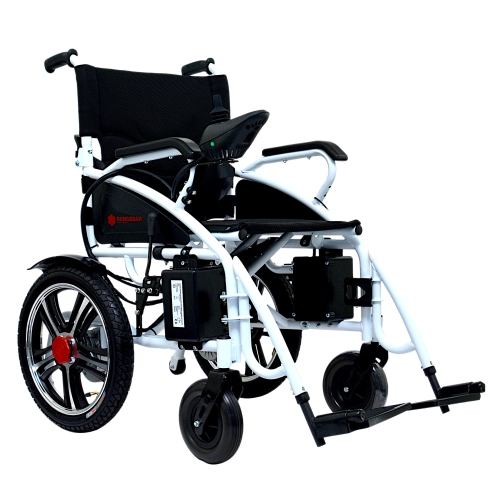 Your price for this item is $1999
-
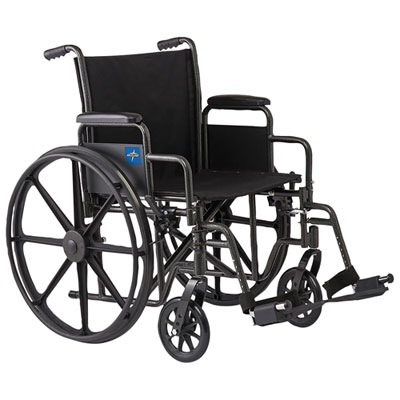 Your price for this item is $314.98
-
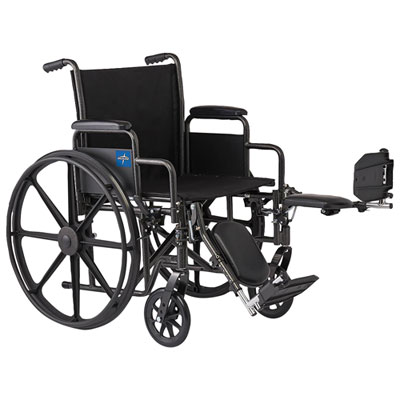 Your price for this item is $458.98
-
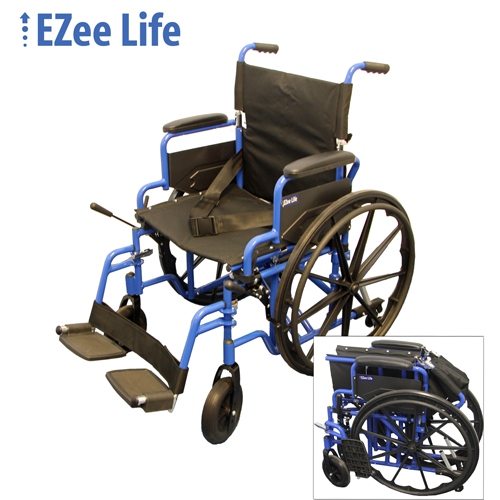 Your price for this item is $349.99
-
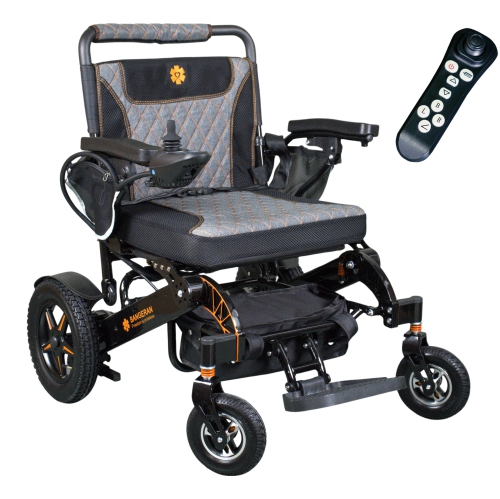 Your price for this item is $2039
Discover more categories related to Lift Chairs
Top Collections:
Pokemon Centers, Kindle Devices, Best Budget Office Chairs, Canon G7X Cameras, Apple iPhones 16, Samsung Galaxy Phones, Refurbished Apple Laptops, Laptops for Students, iPhone 15 Apple, Budget Smartphones
Some products may be subject to Environmental Handling Fees
(EHF) depending on your province.
Learn more about EHFs.