Lighted Patio Umbrellas
Elevate your outdoor space with our collection of lighted patio umbrellas, designed to bring both style and functionality to your backyard retreat. Perfect for creating a cozy ambiance during evening gatherings or providing shade on sunny days, these innovative umbrellas feature built-in LED lights that effortlessly illuminate your outdoor oasis. Whether you're hosting a summer BBQ or simply enjoying a quiet evening under the stars, our selection of lighted patio umbrellas offers the perfect blend of practicality and charm to enhance your outdoor living experience.
Sort
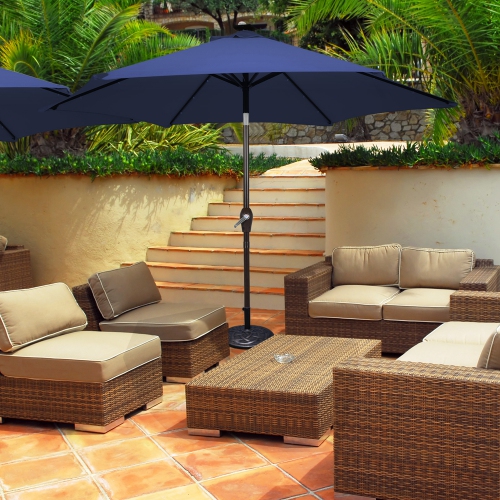
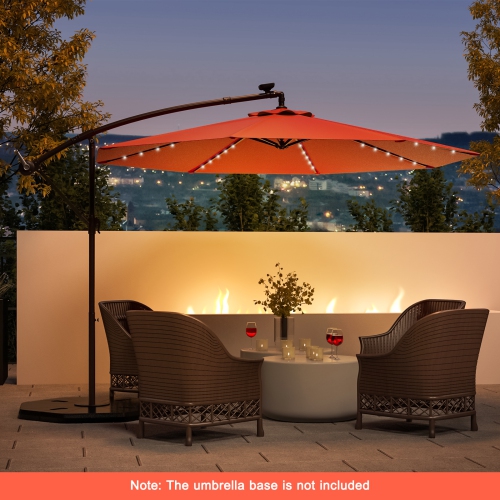
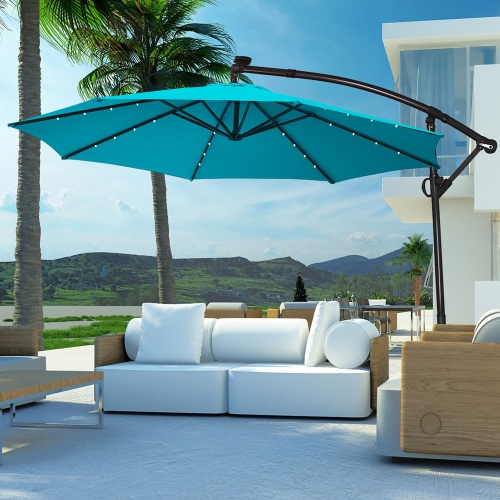
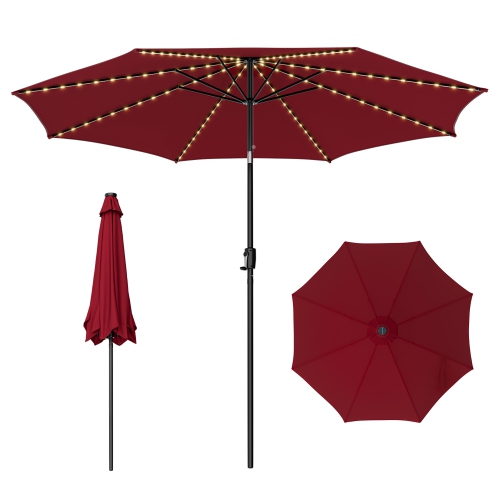
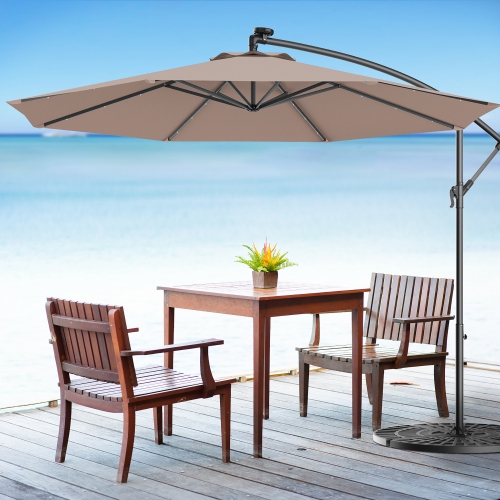
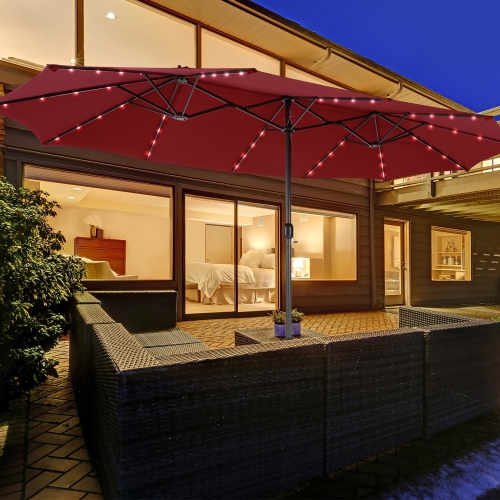
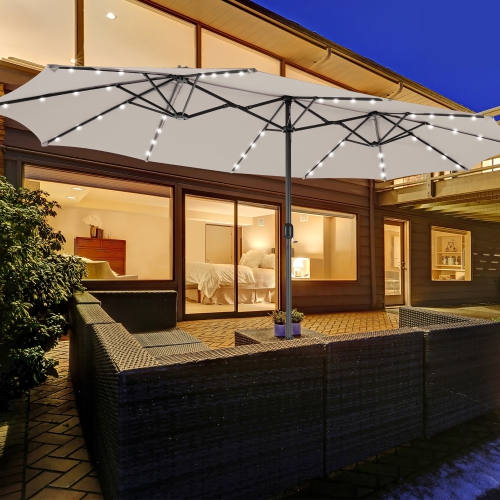
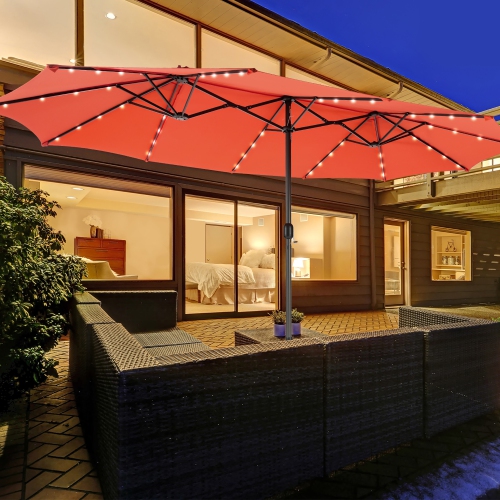
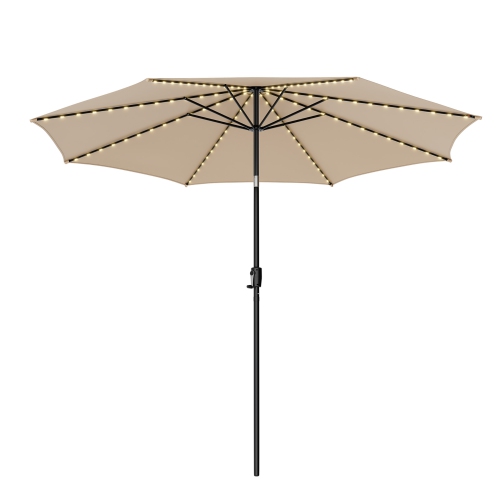
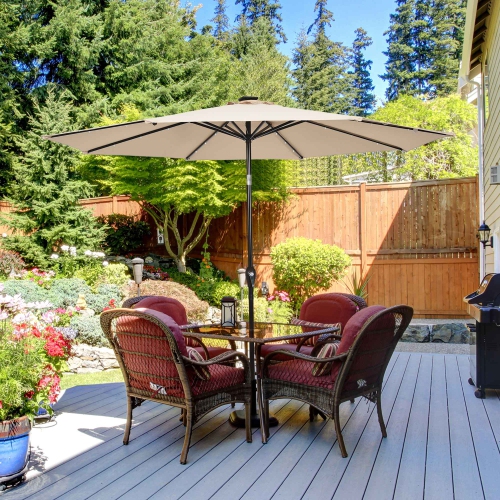
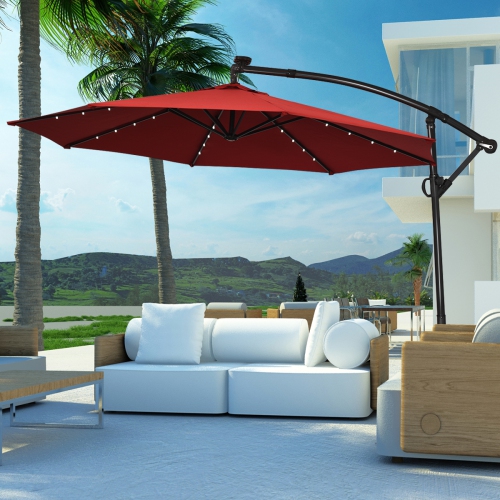
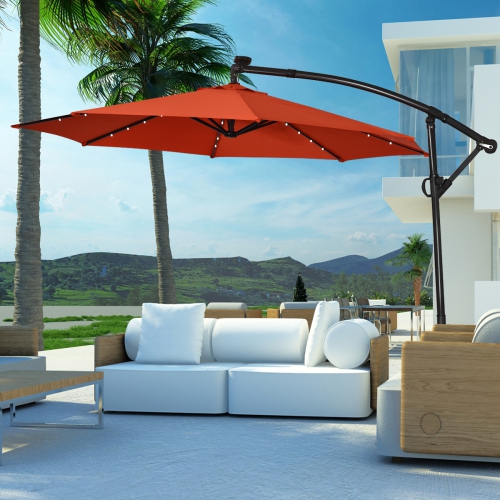
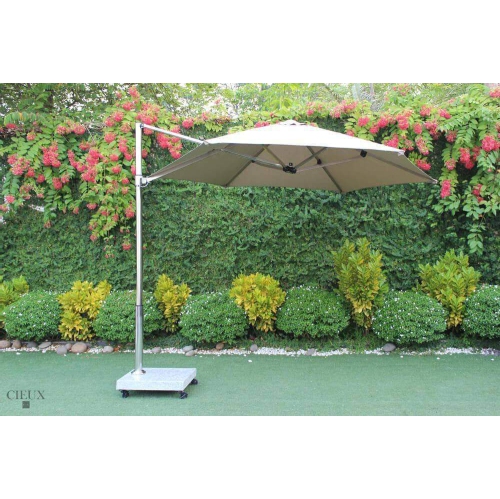
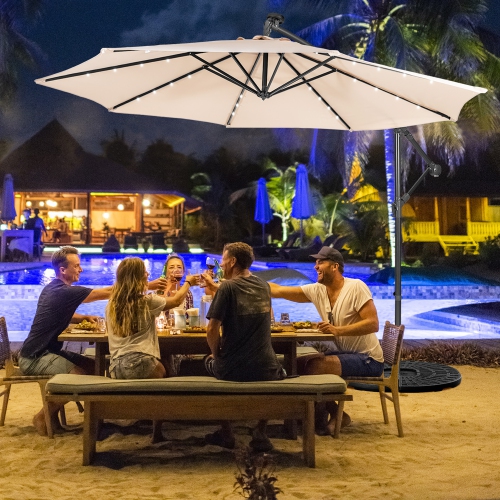
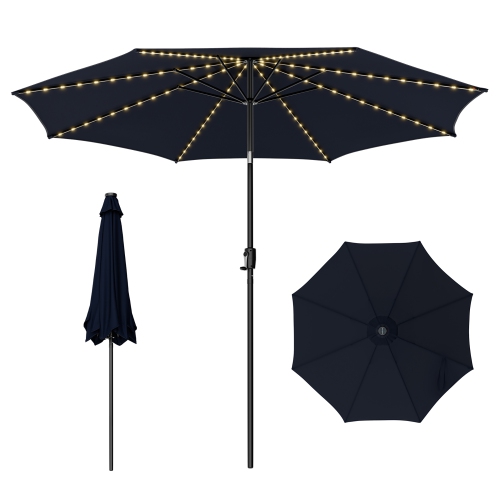
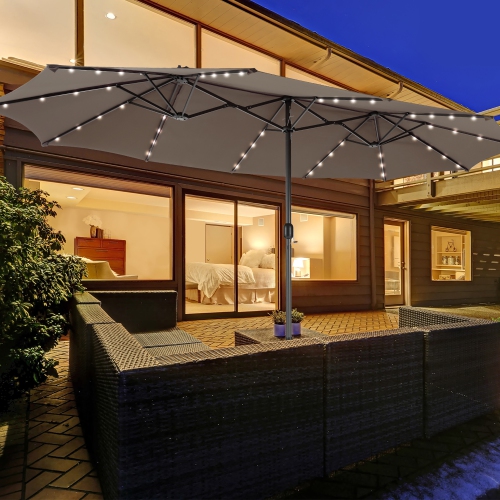
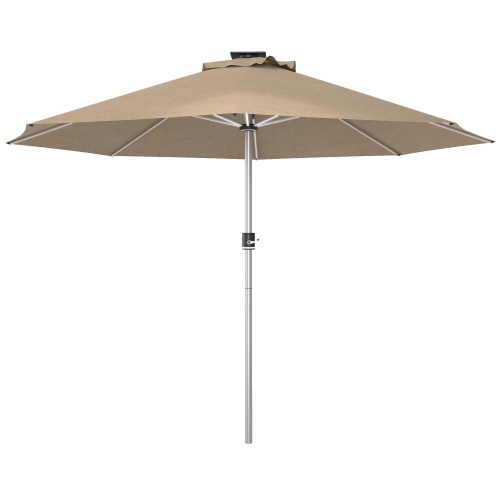
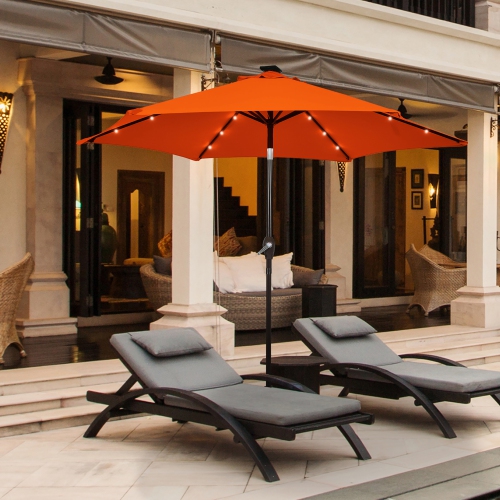
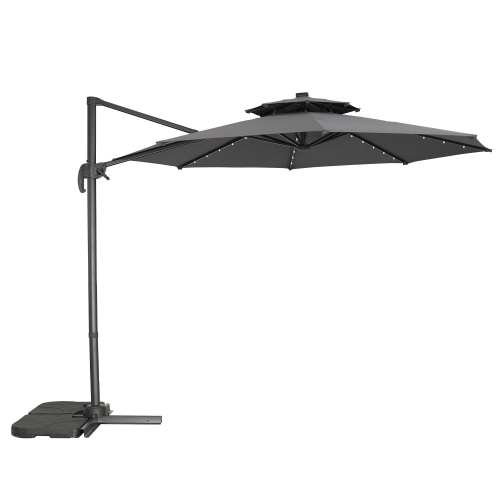
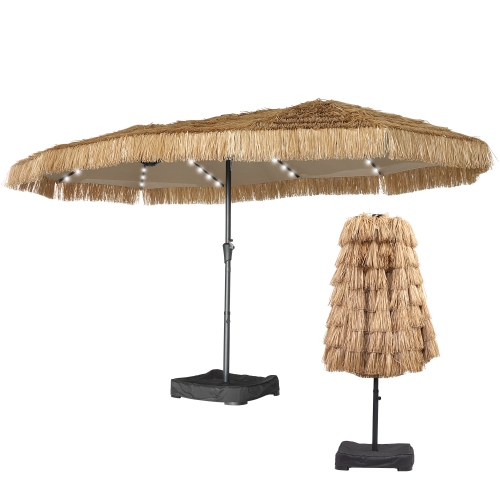
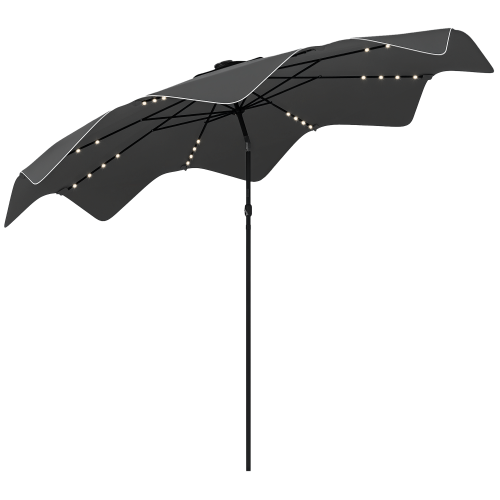
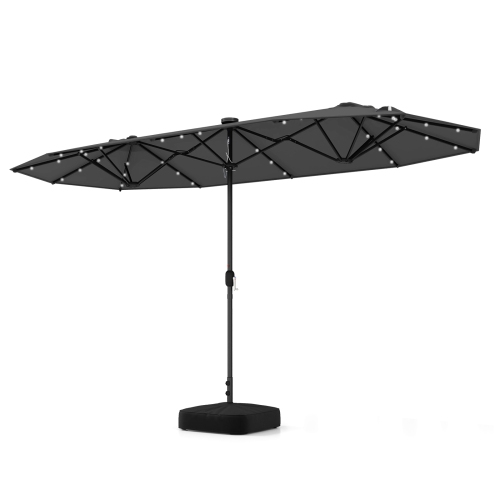
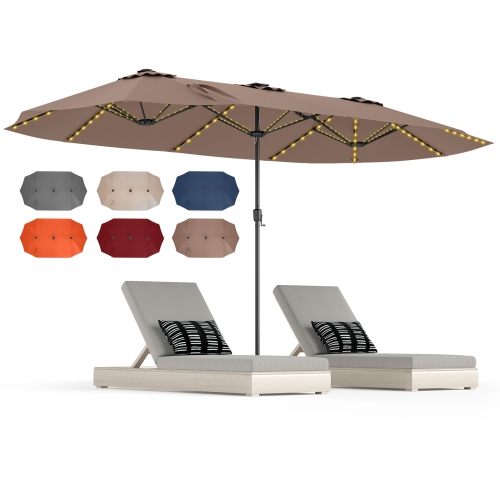
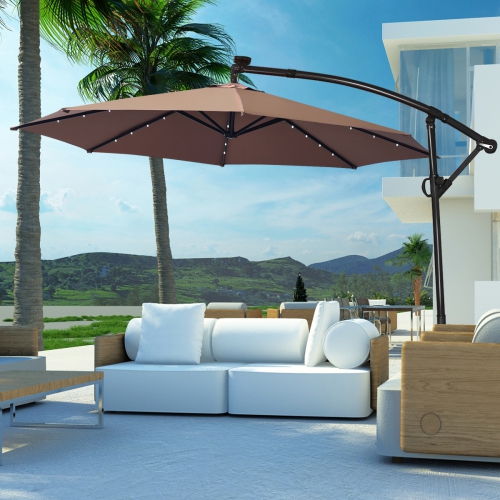
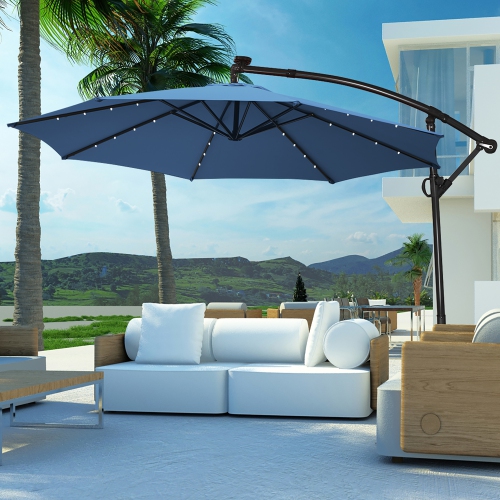
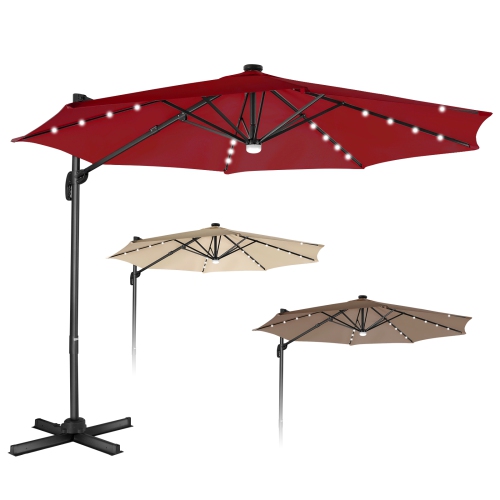
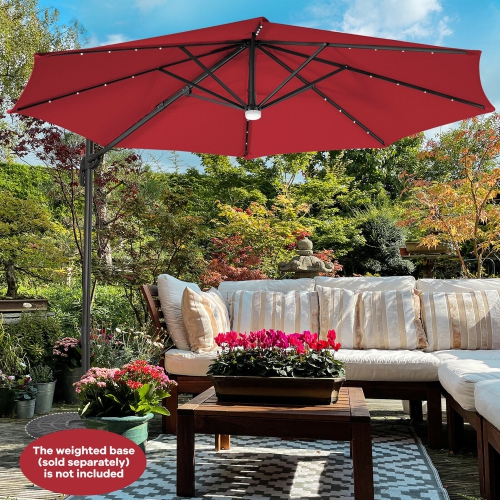
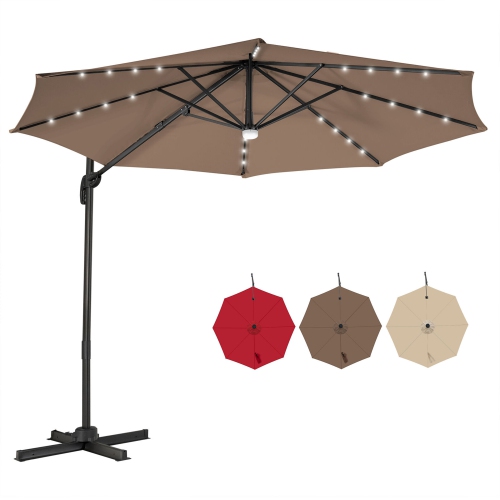
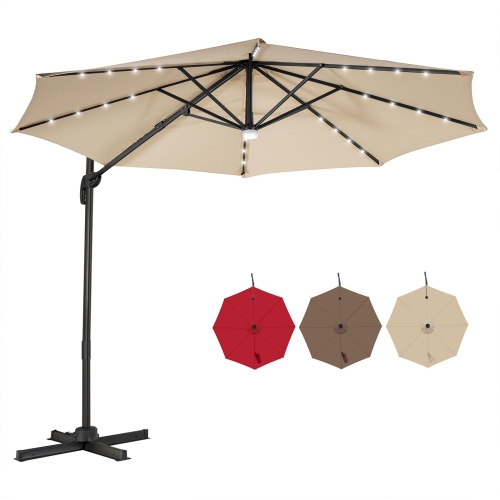
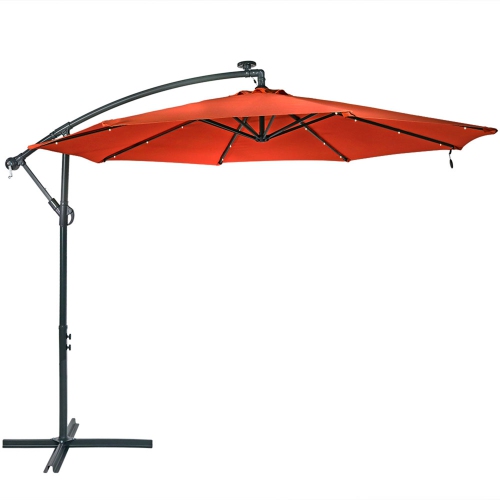
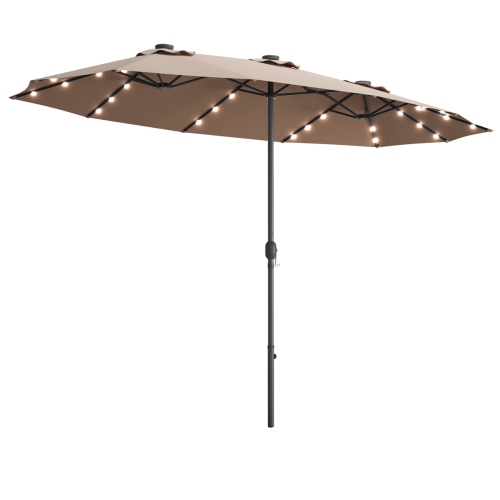
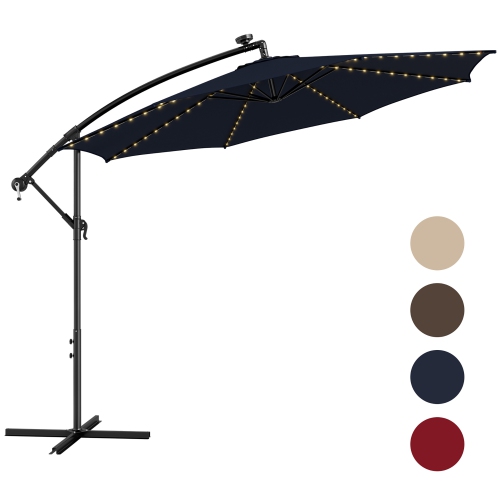
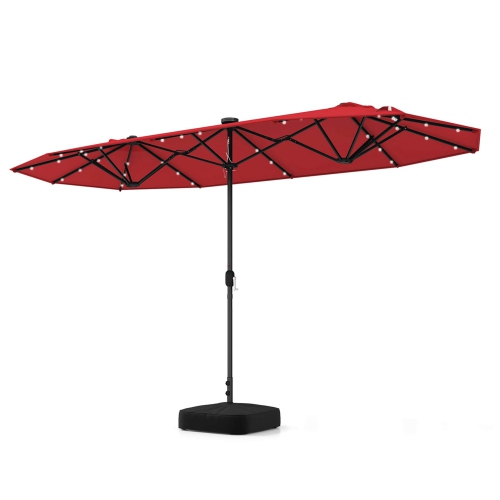
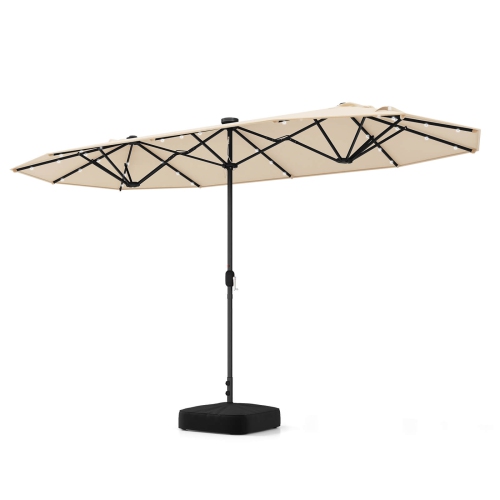
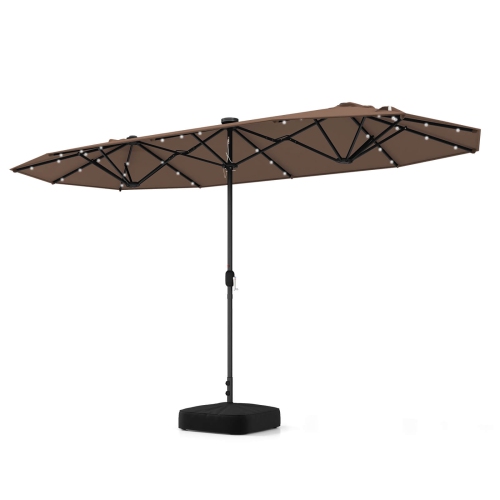
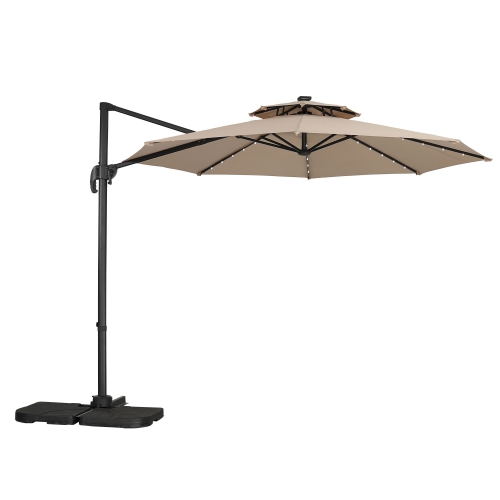
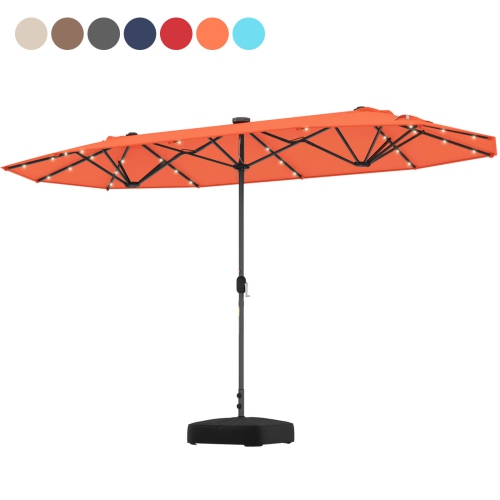
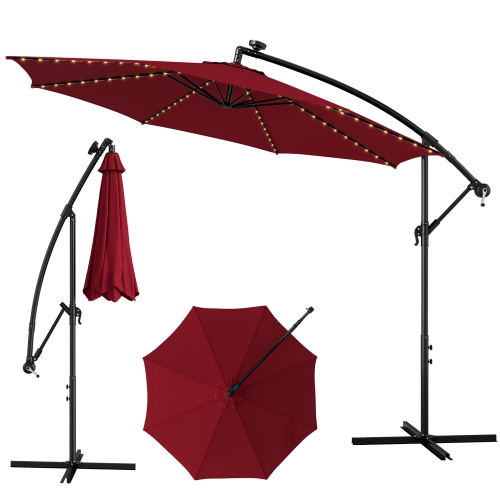
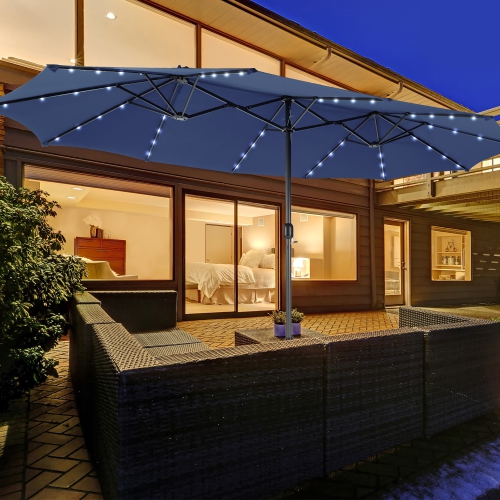
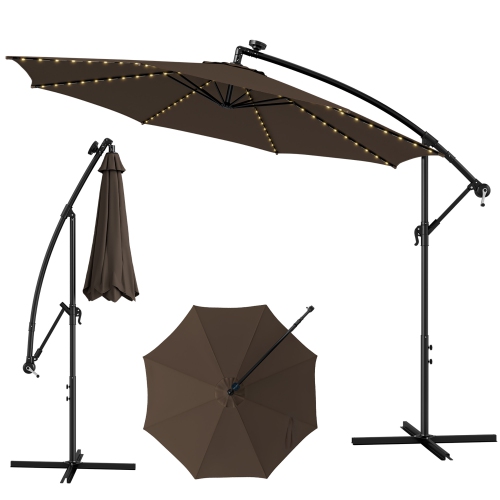
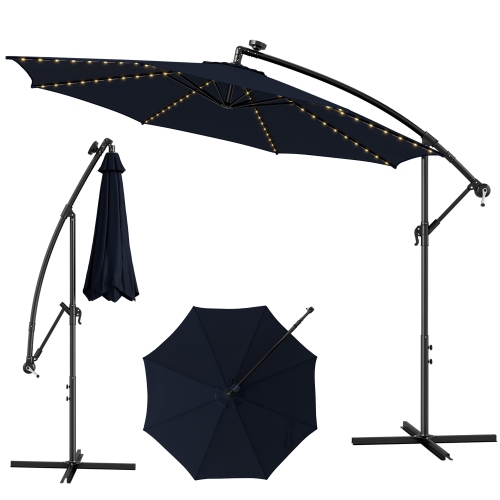
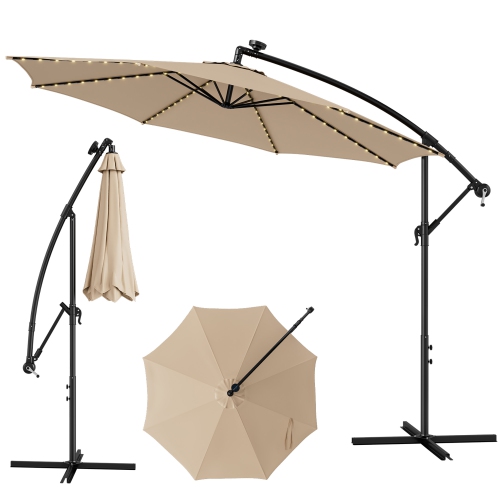
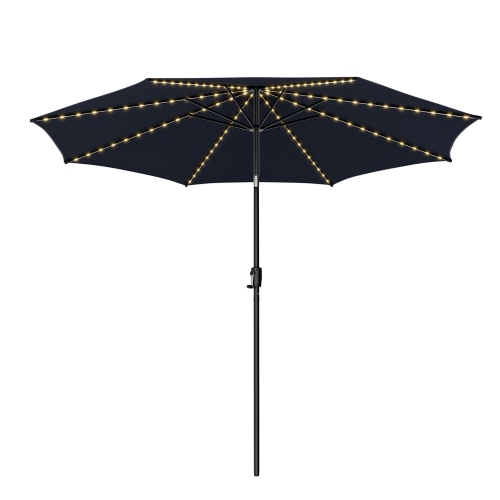
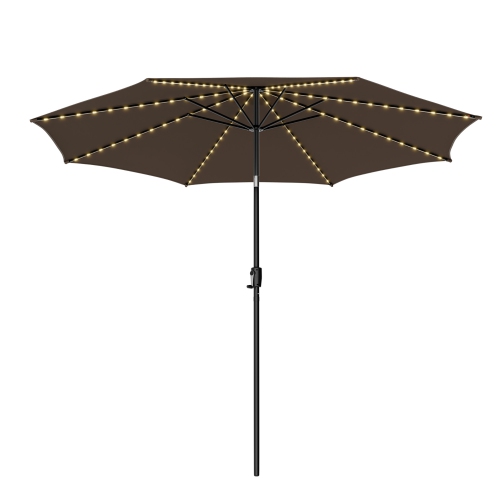
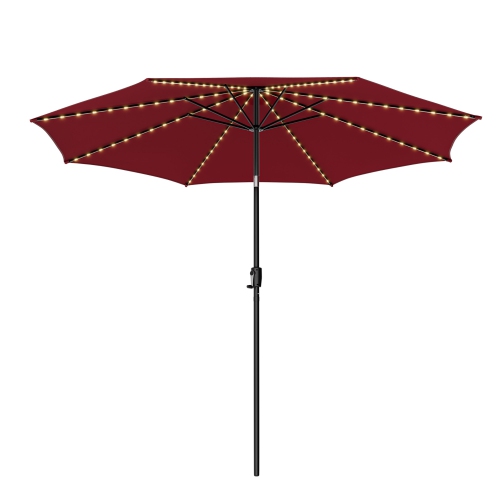
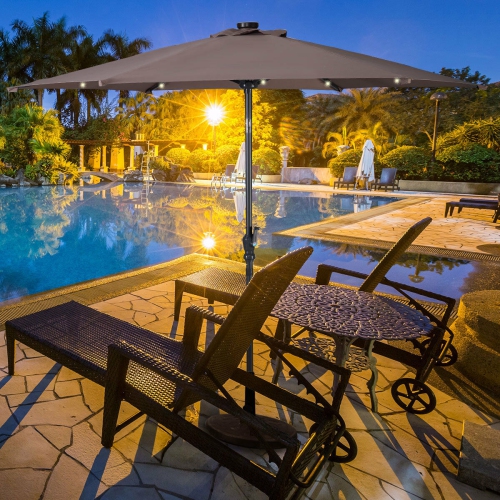

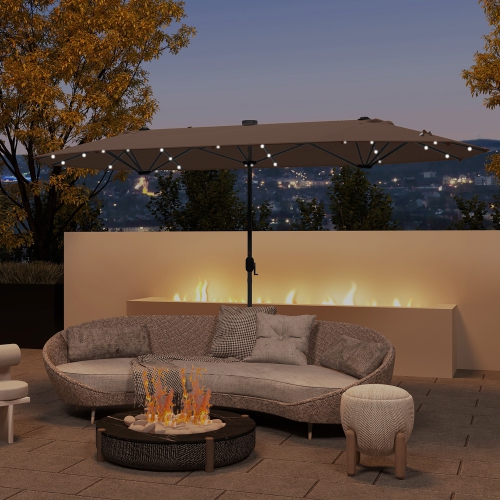
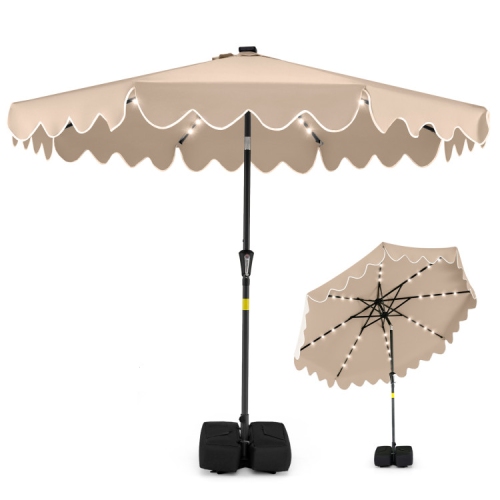
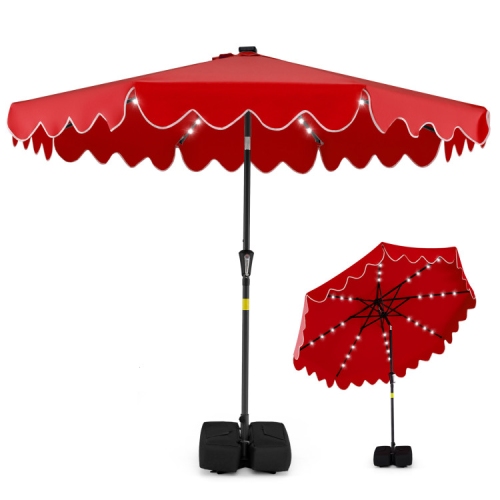
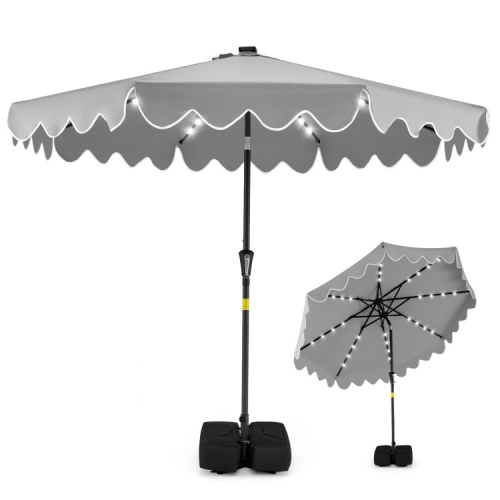
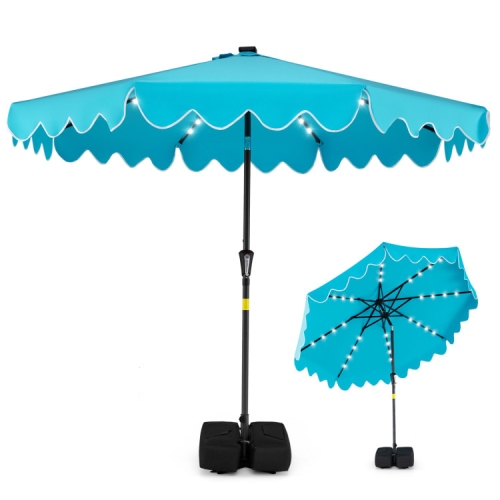
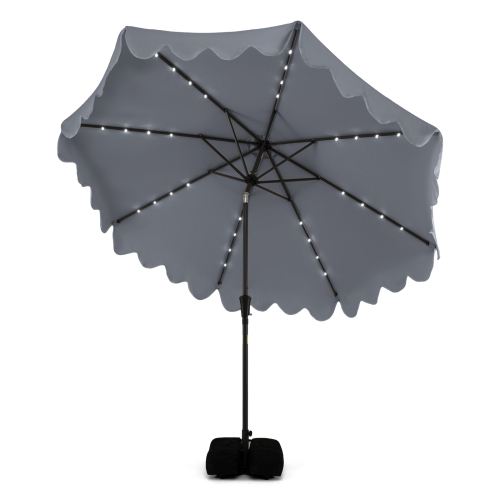
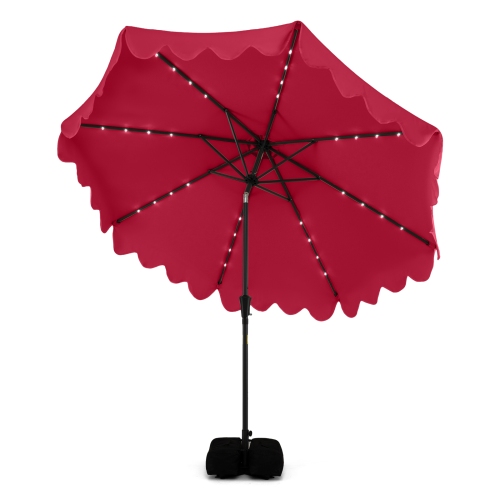
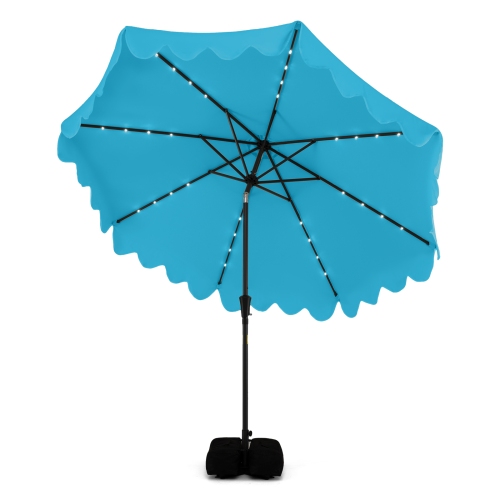
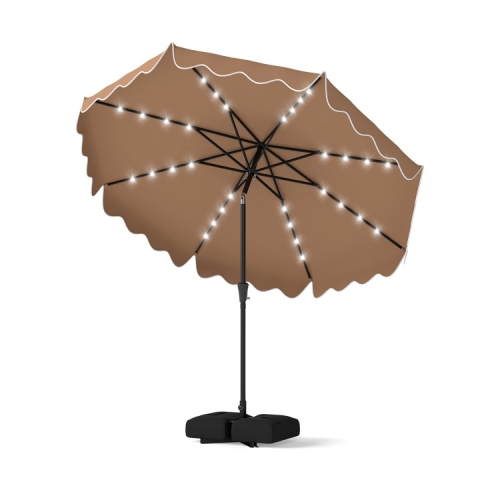
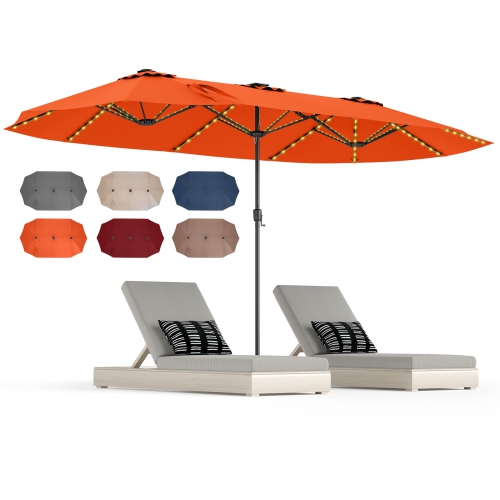
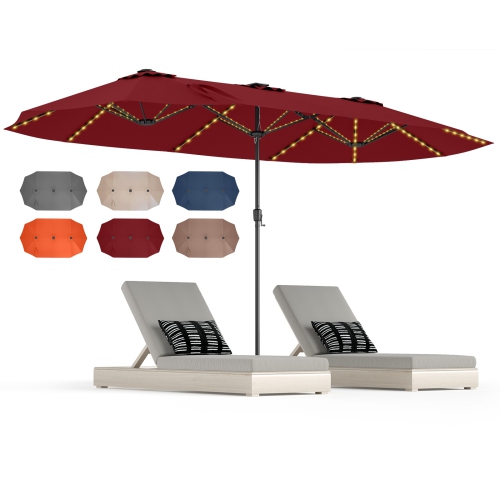
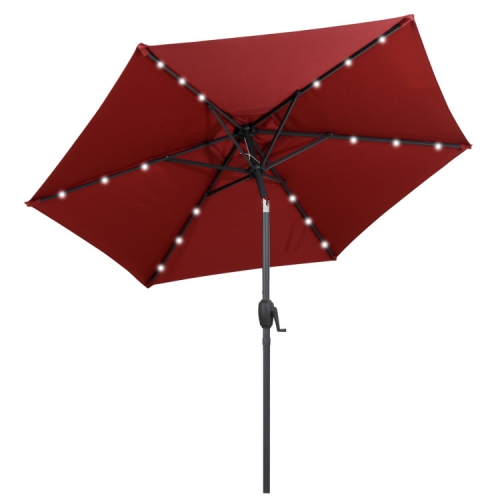
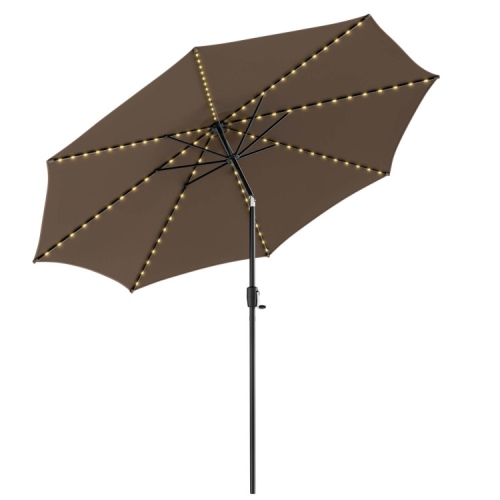
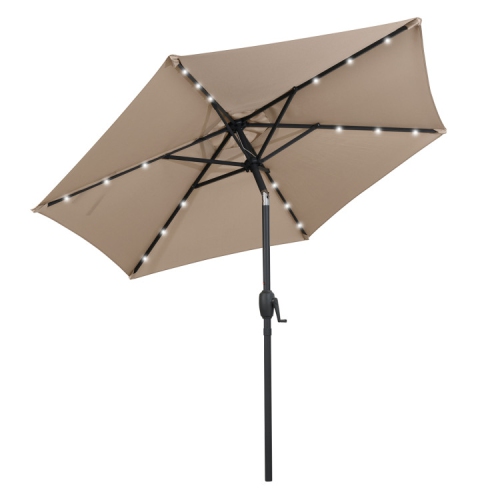
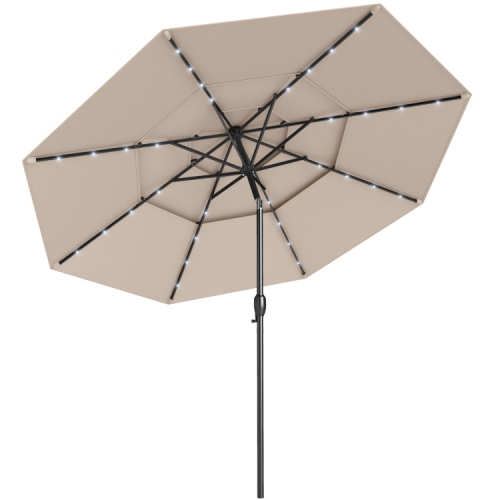
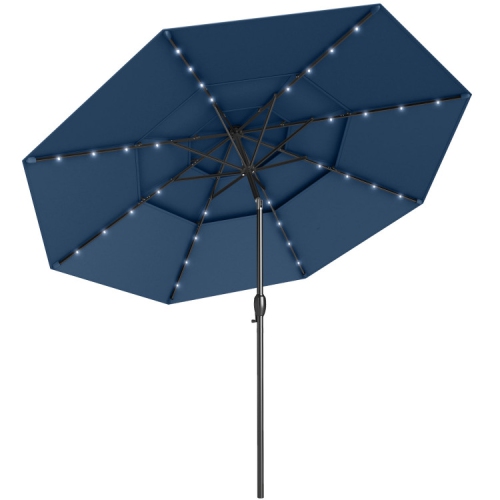
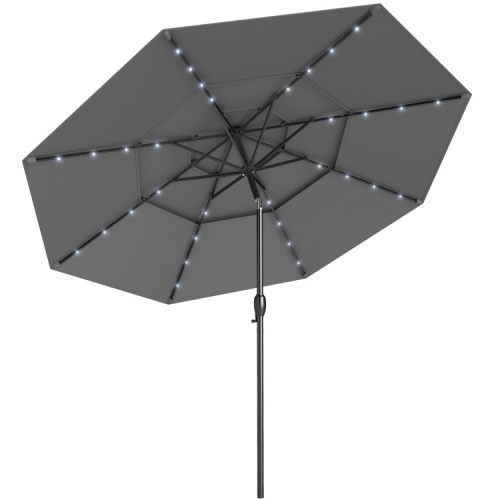
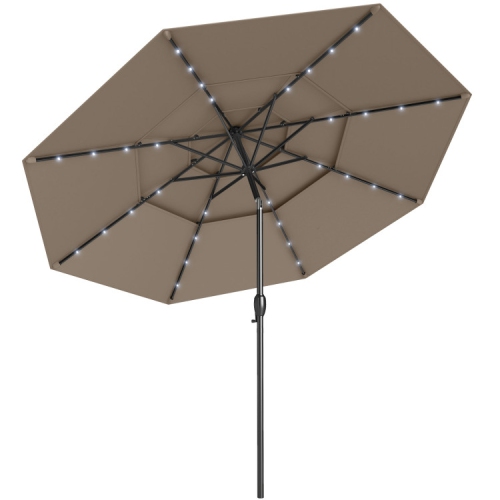
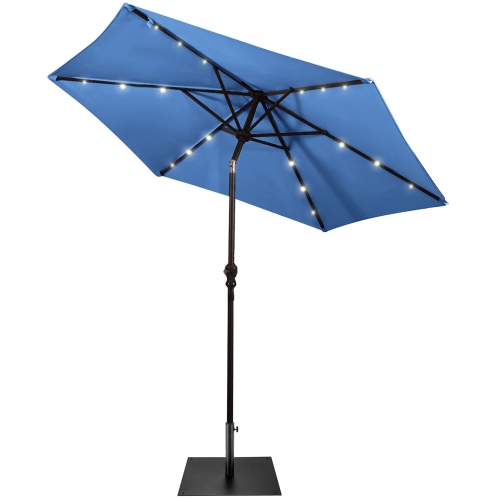
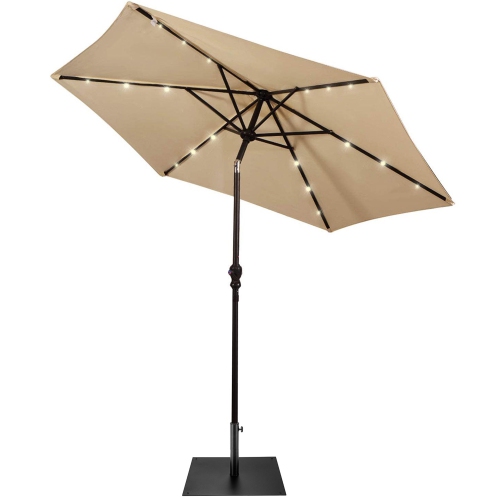
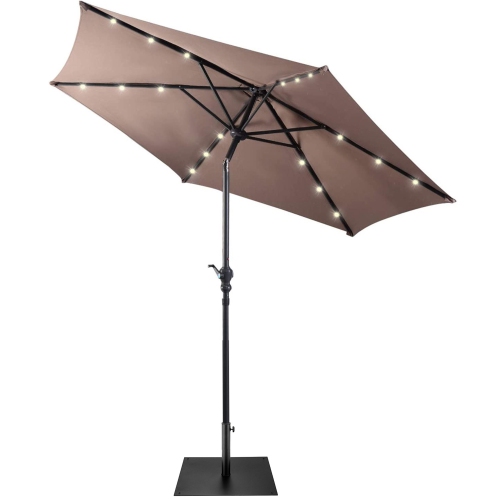
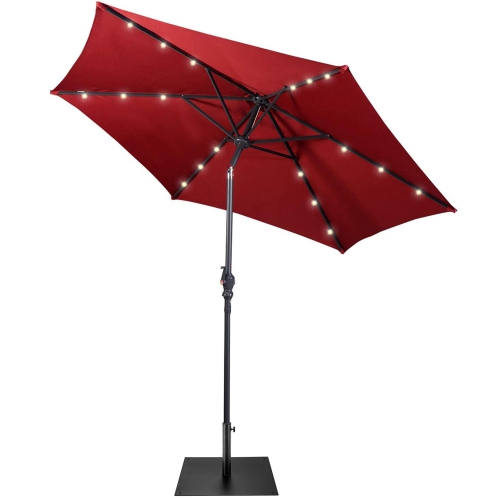
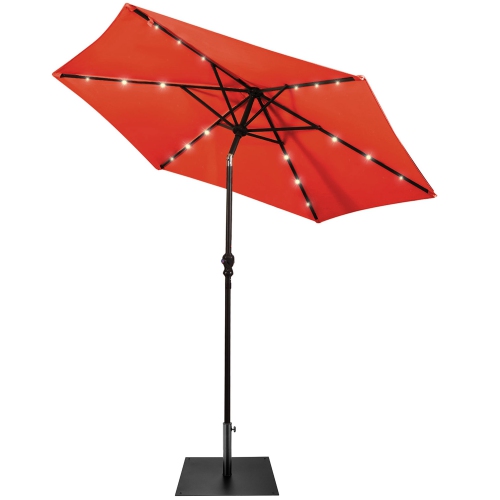
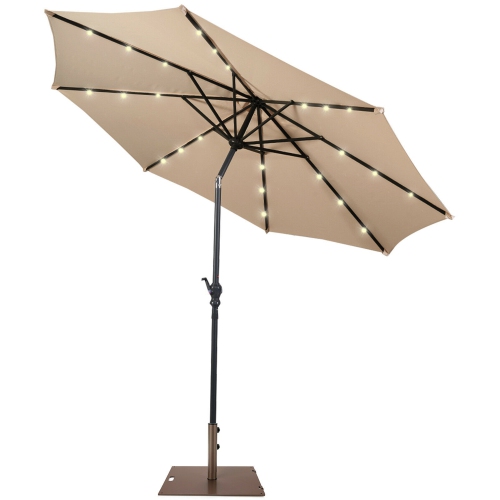

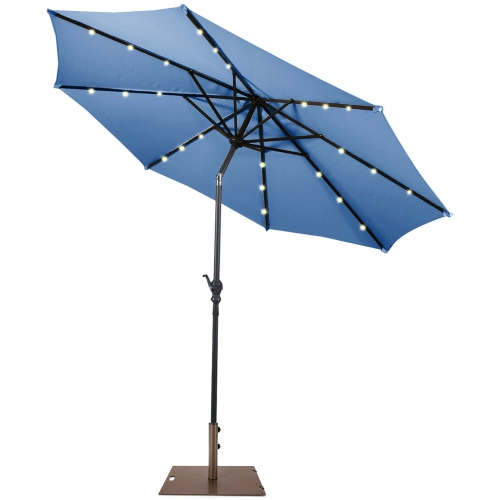
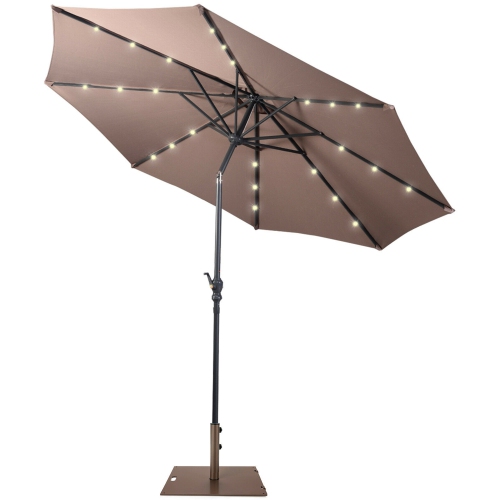
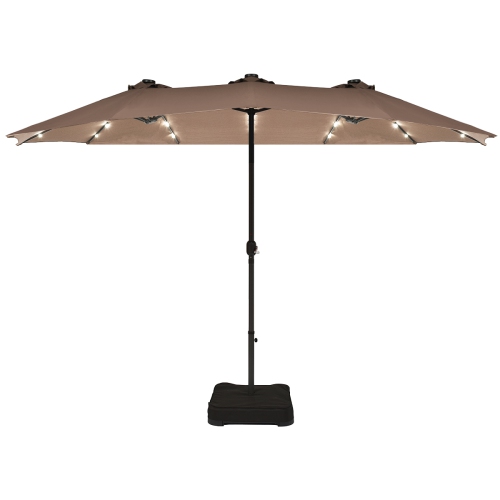
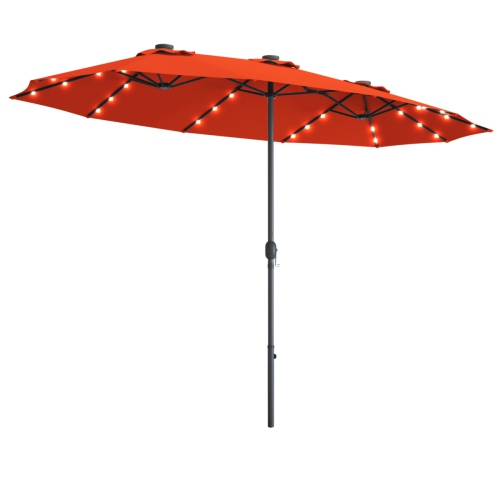
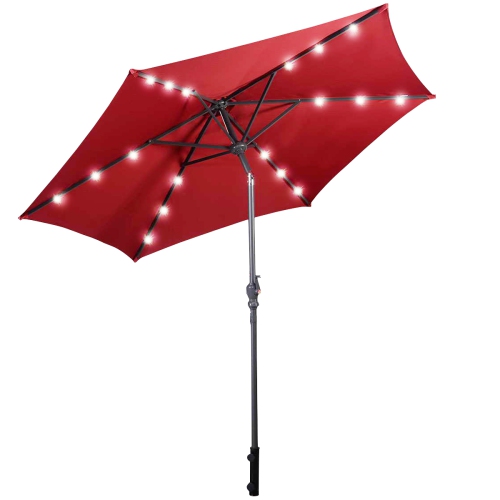
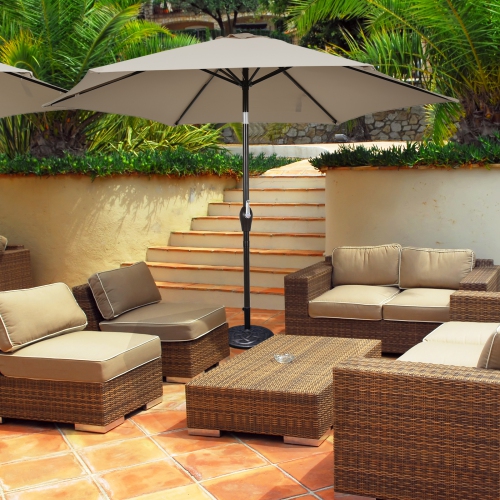
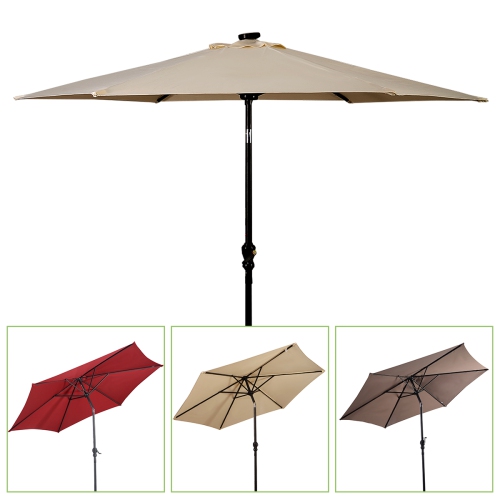
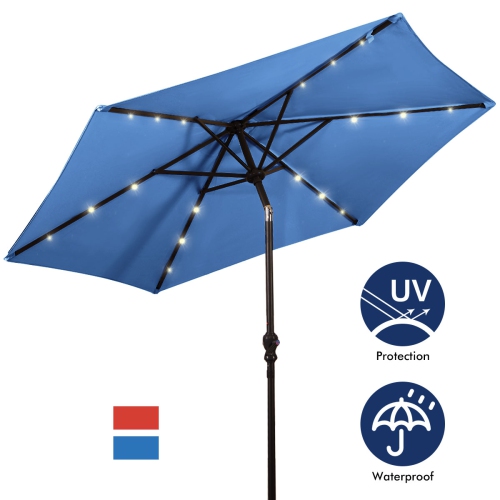
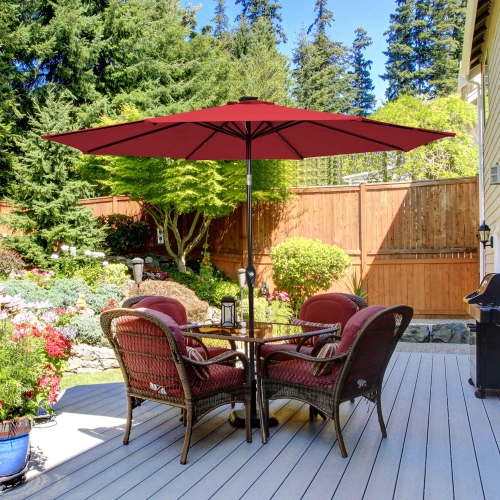
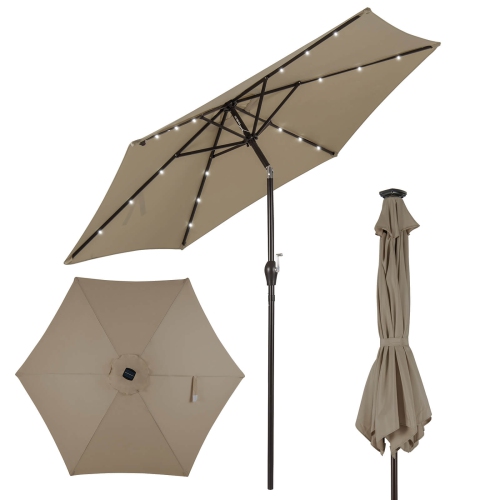
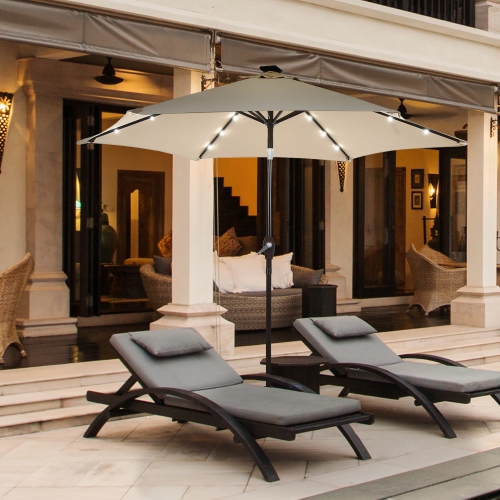
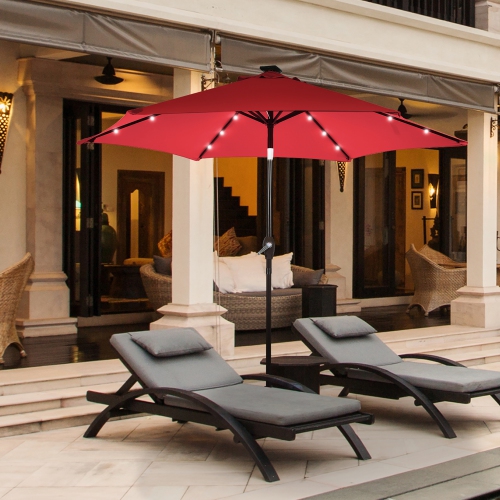
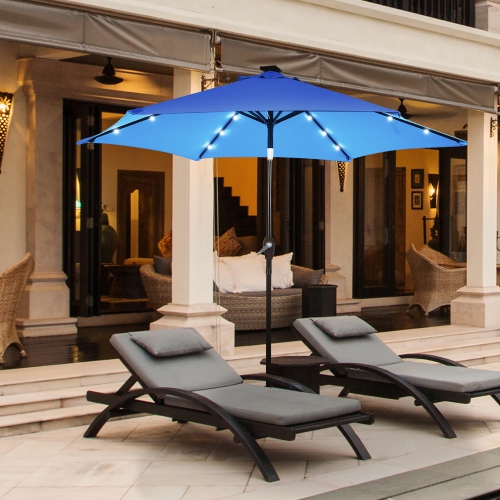

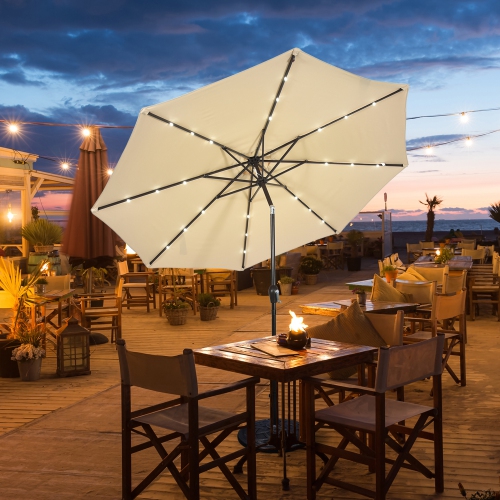
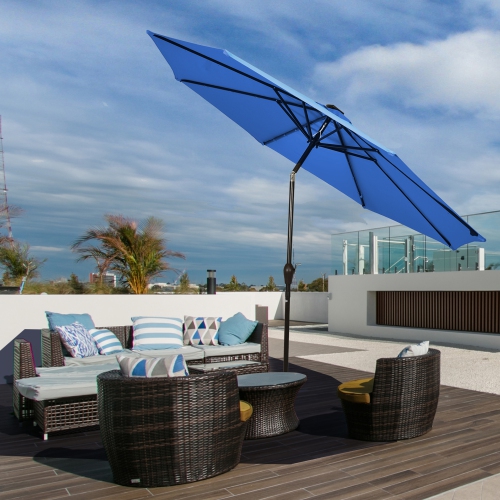
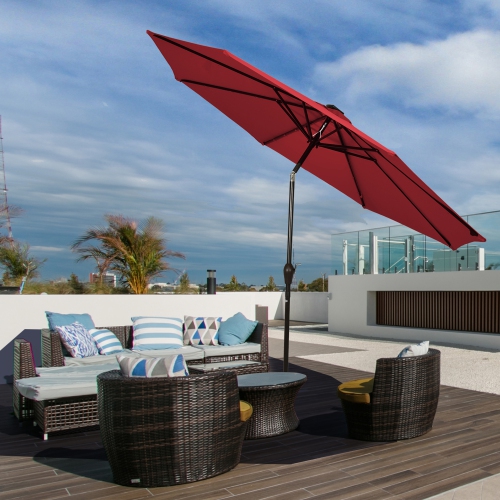
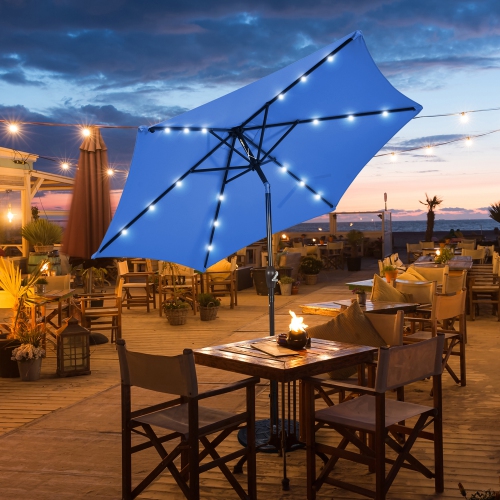
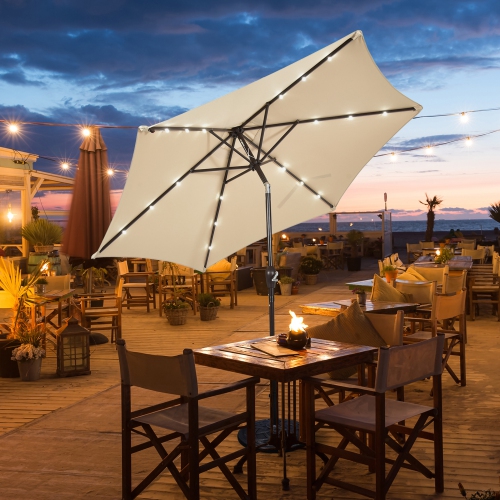
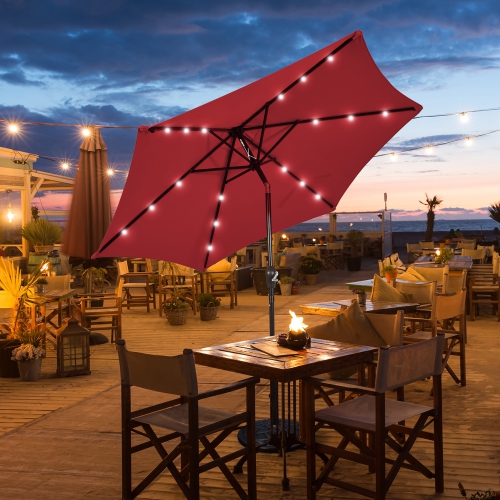
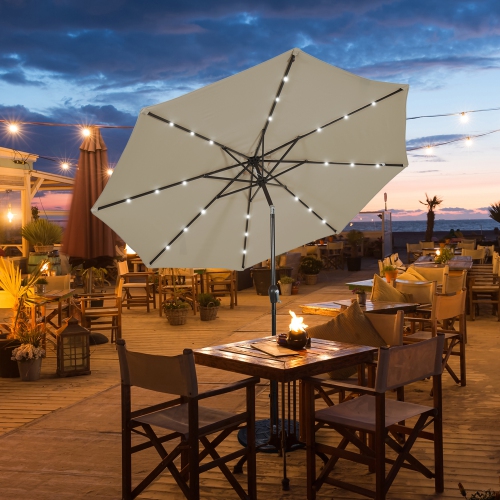
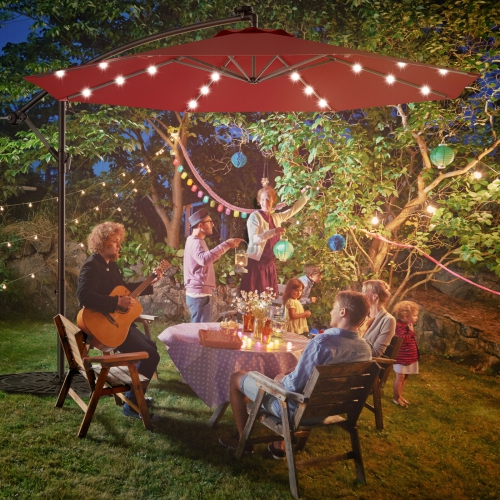
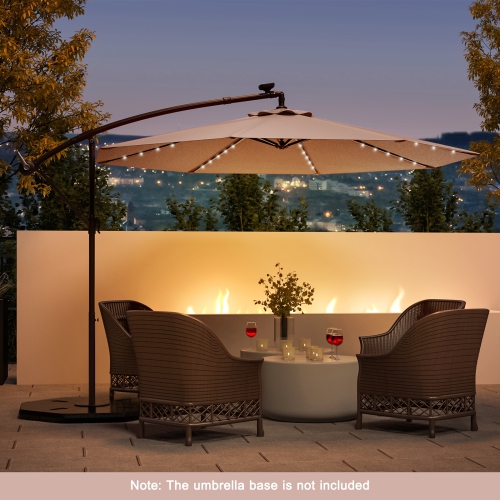
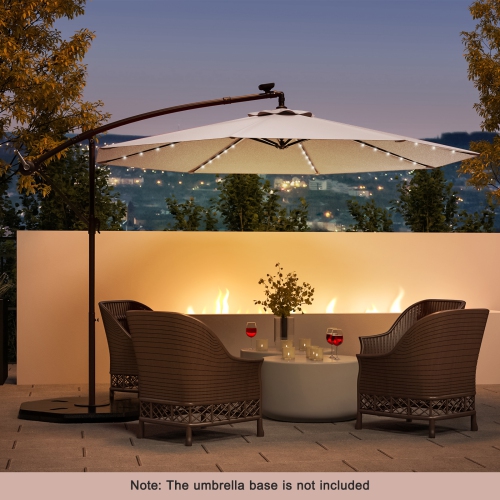
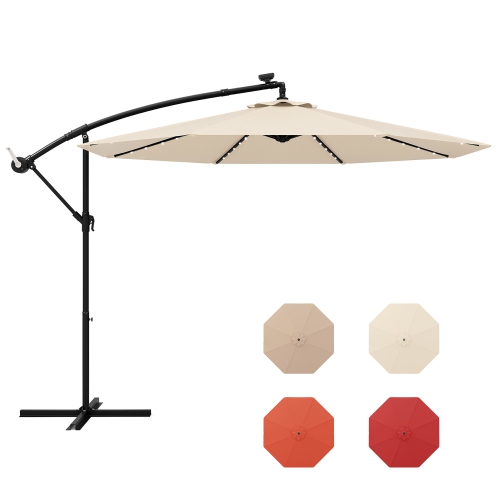
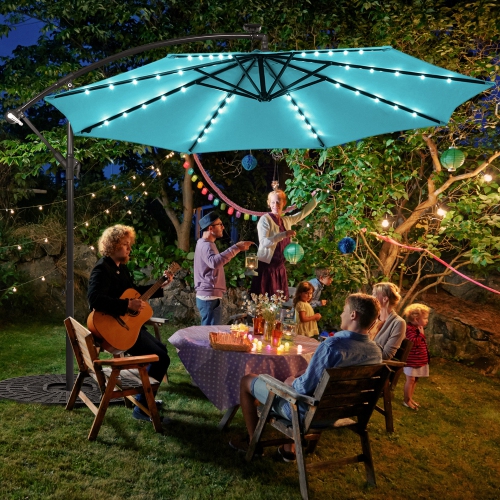

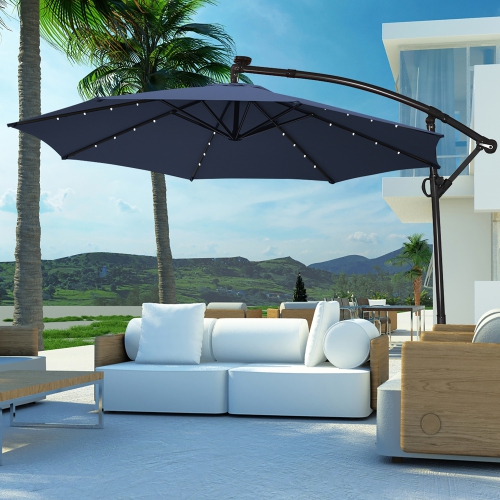
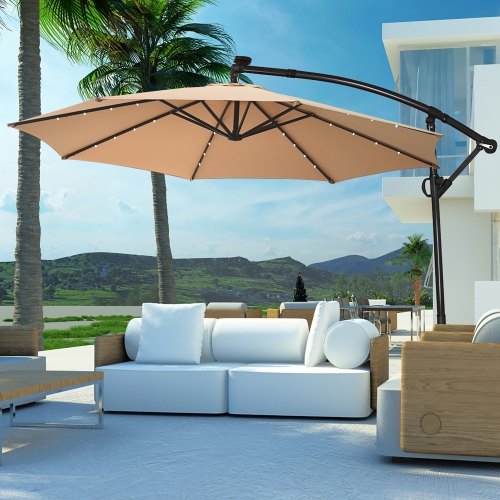
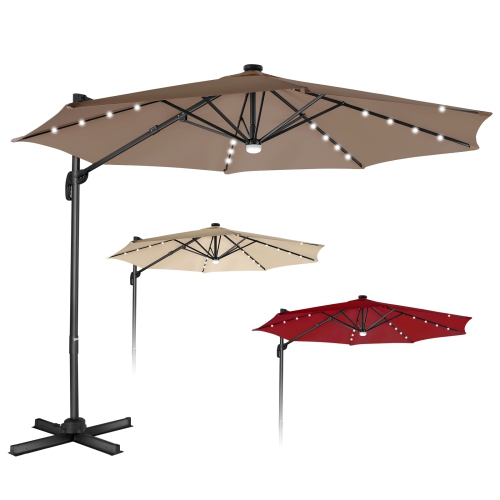
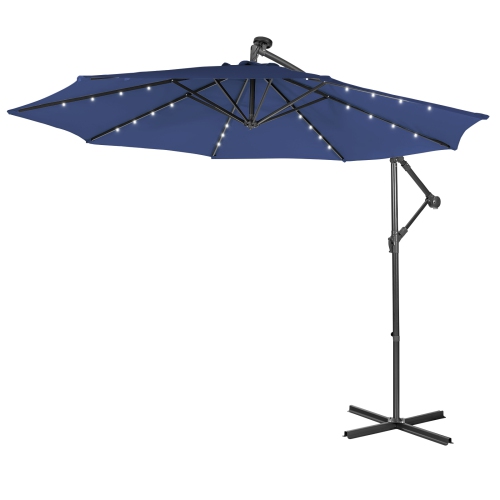
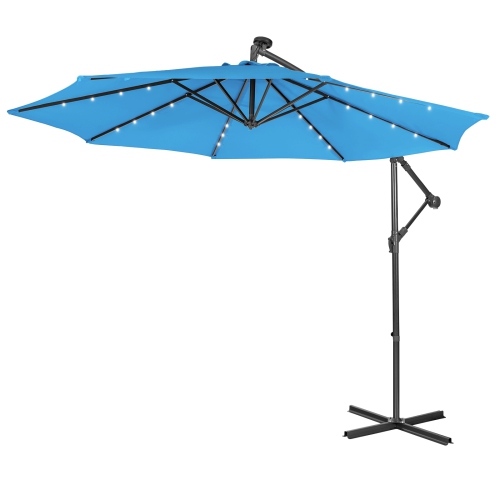
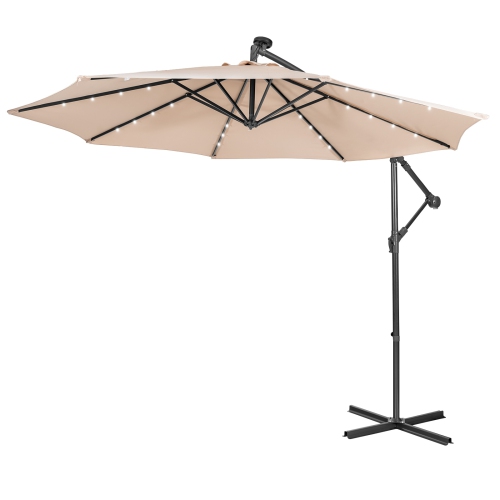
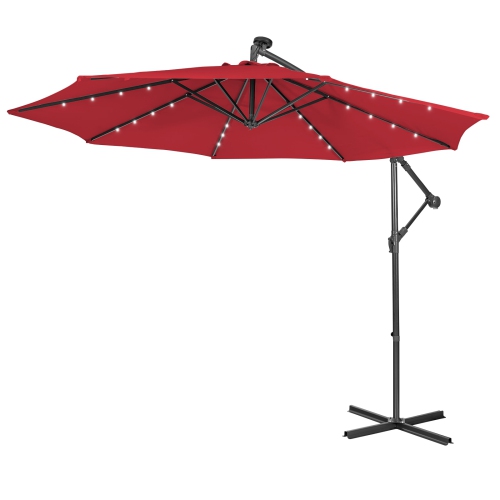
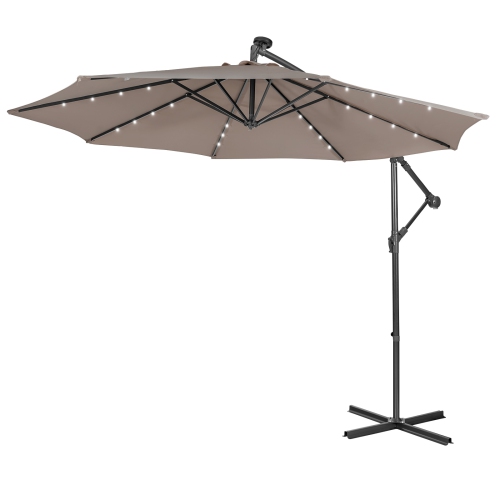
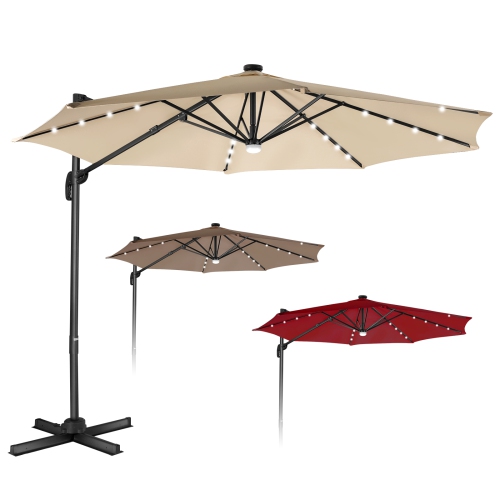

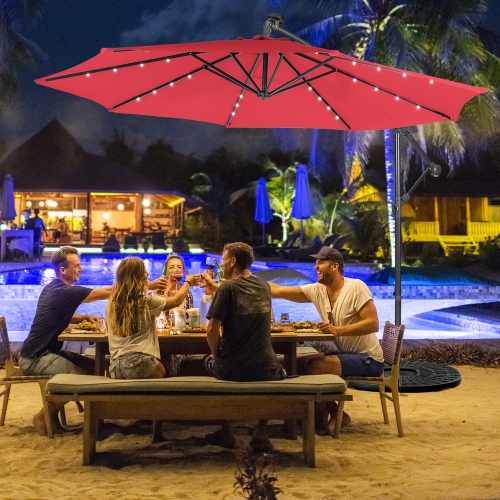
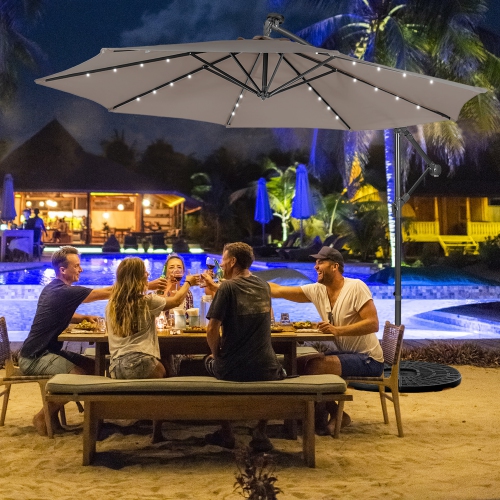
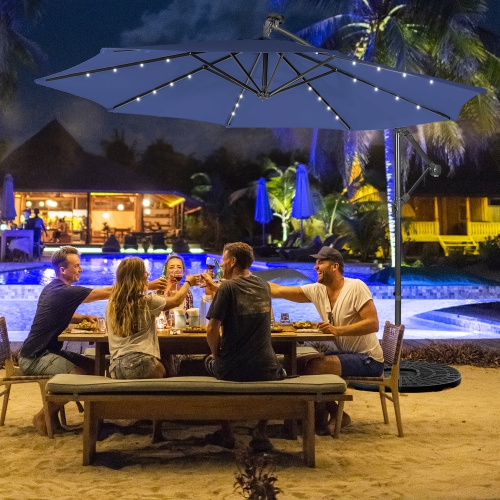
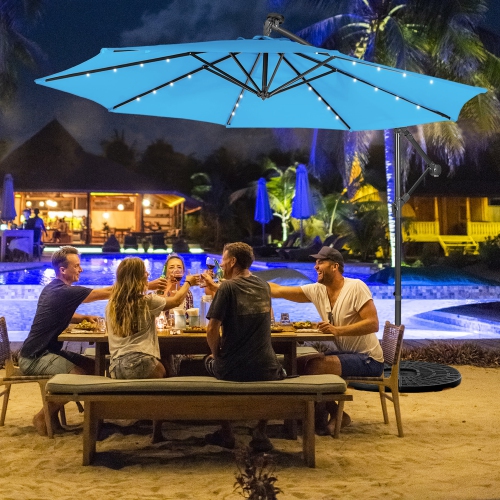
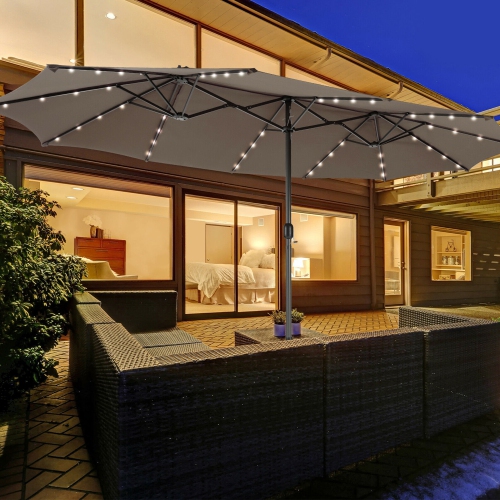
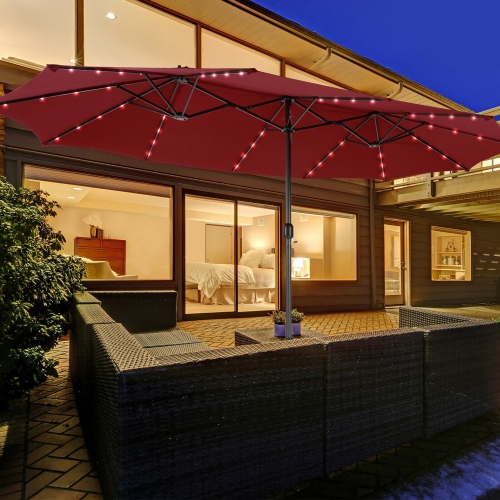
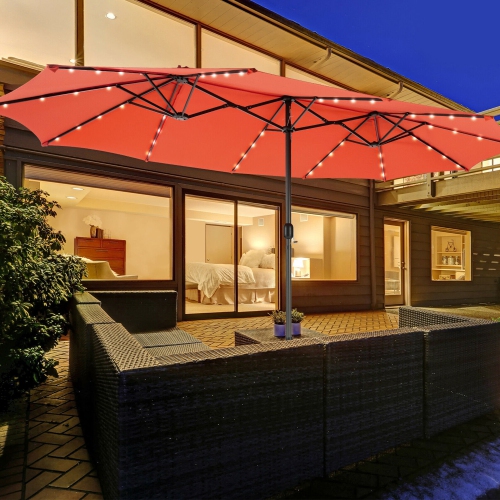
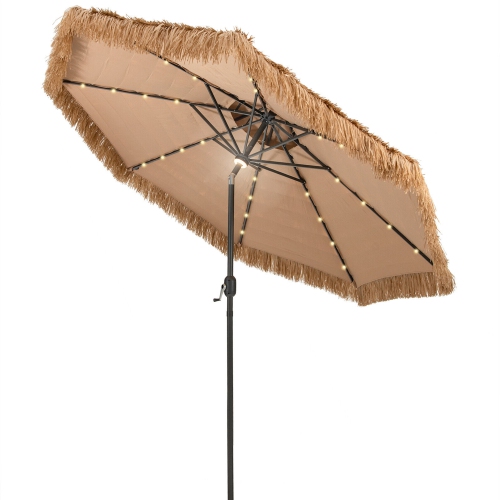
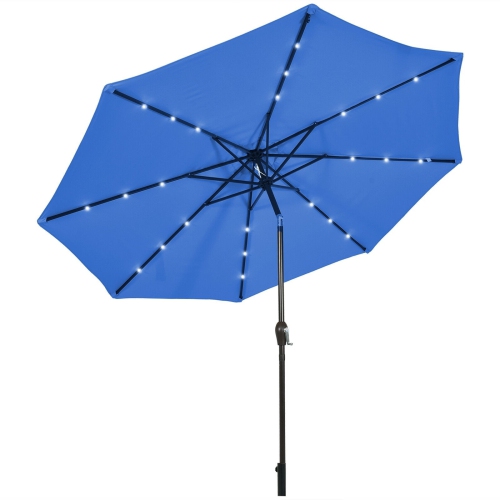
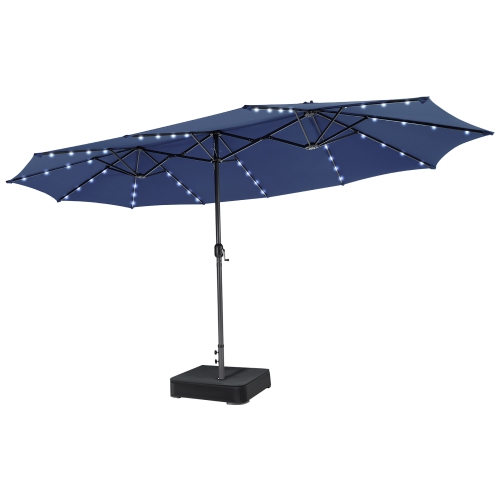
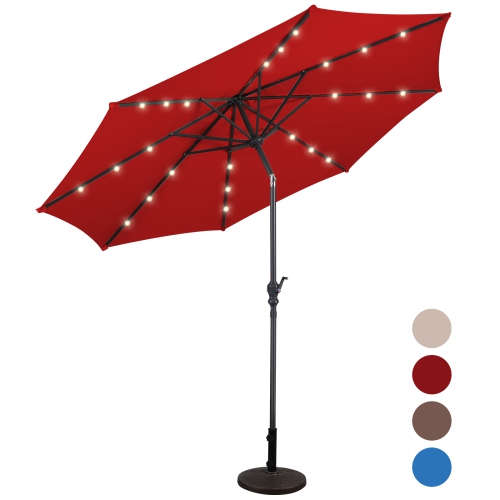
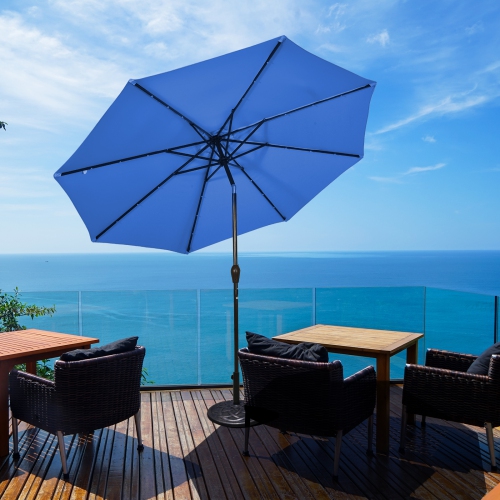

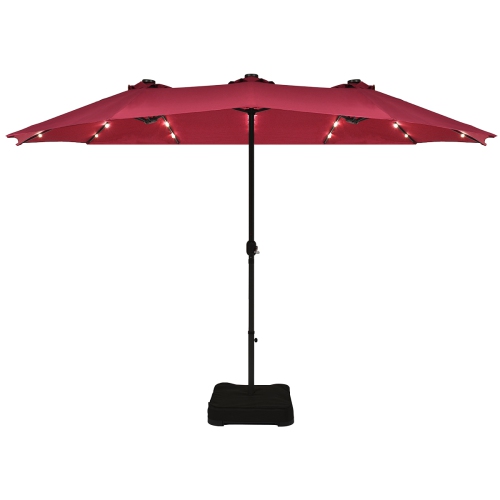
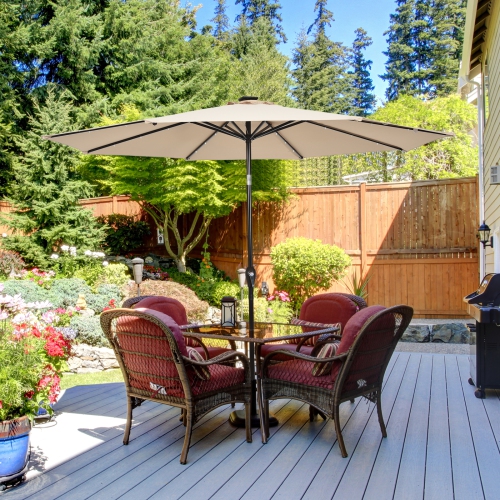
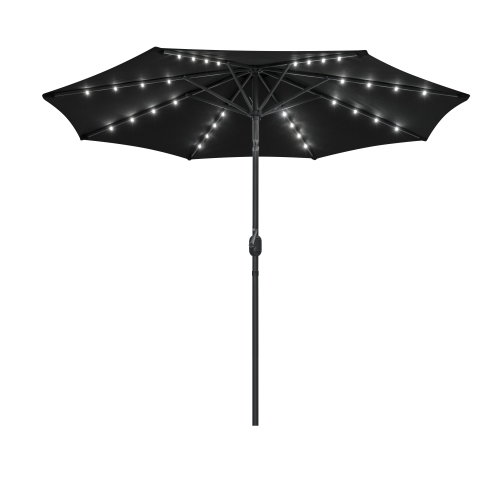

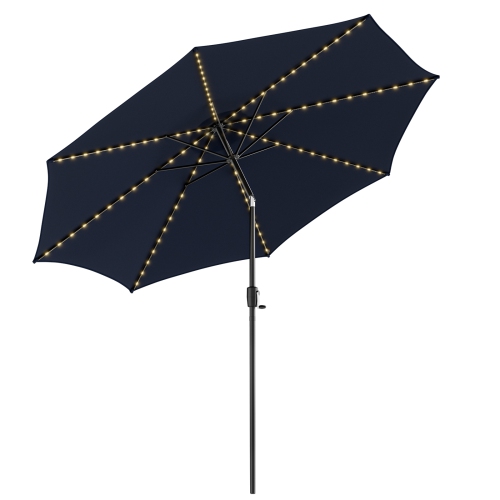
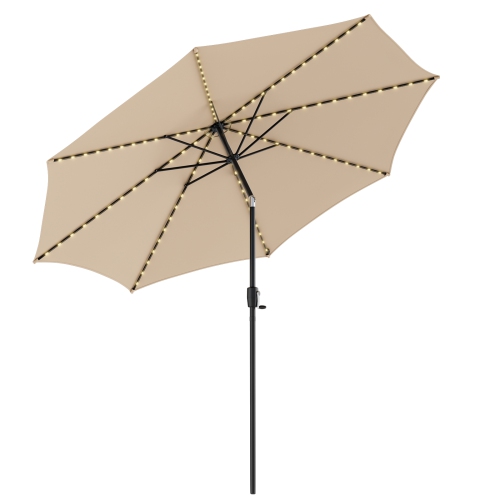
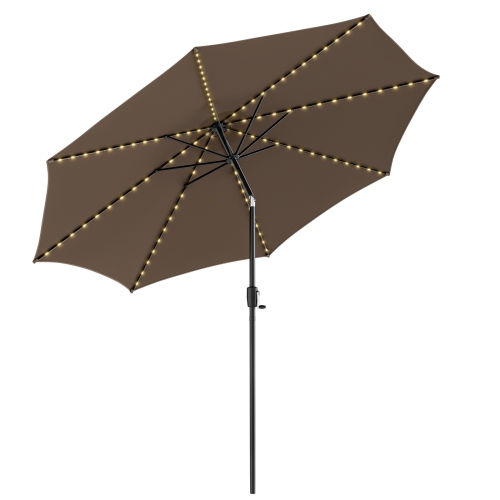
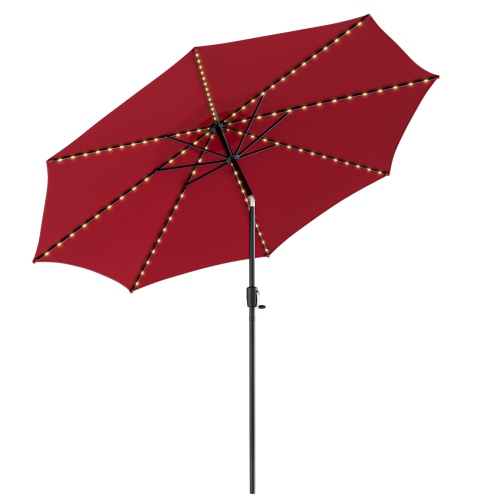
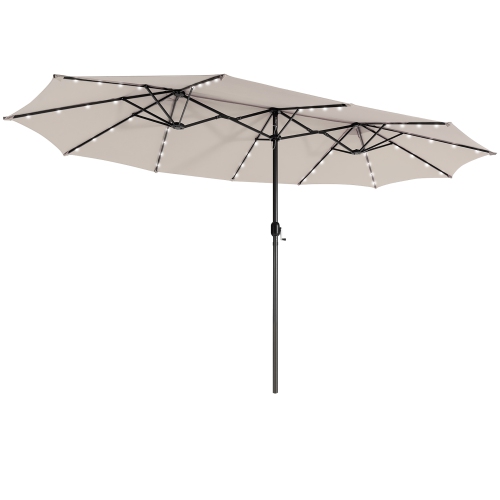
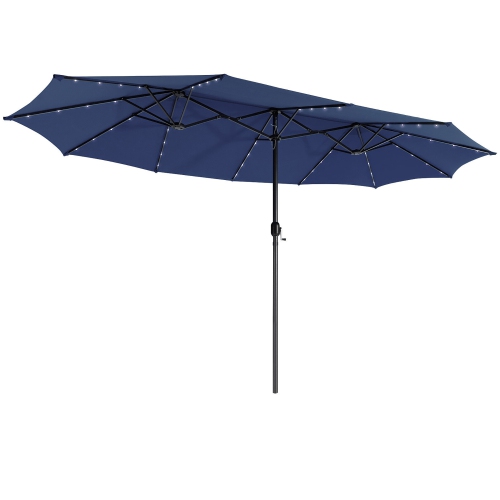
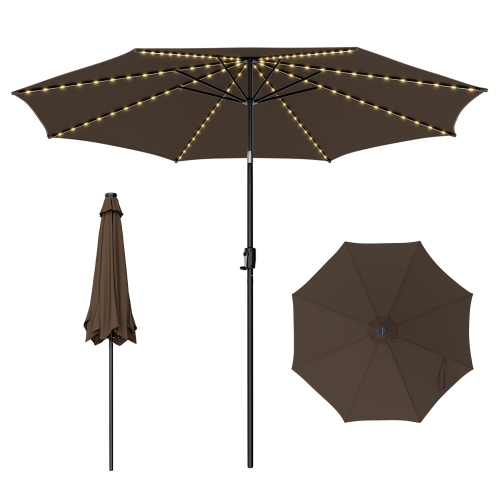
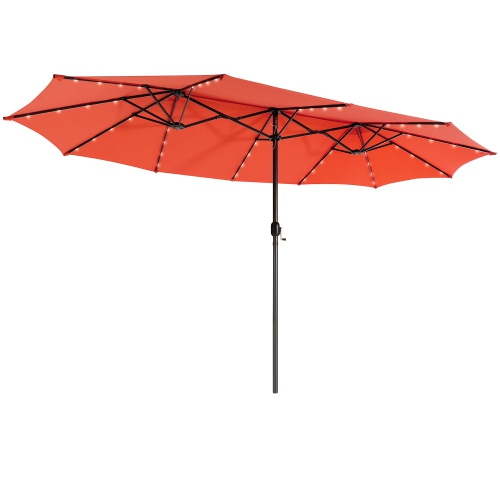
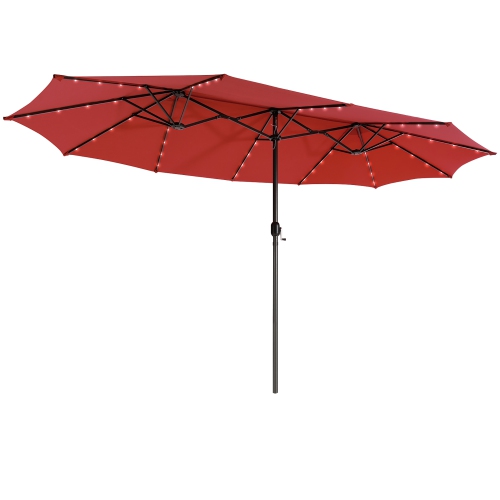
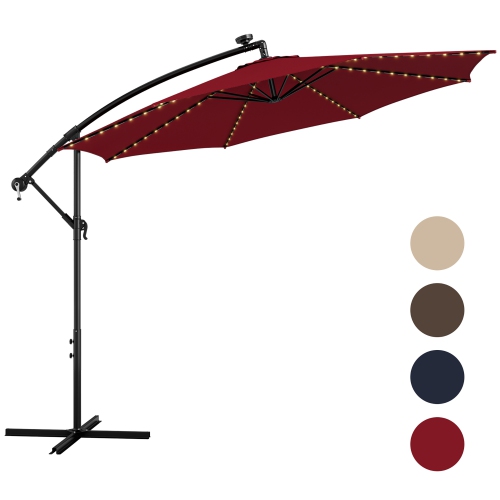
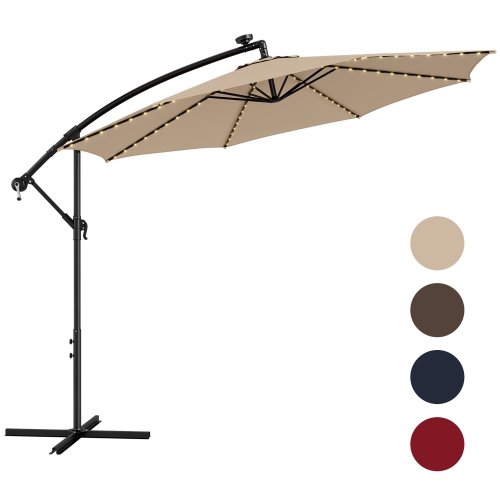
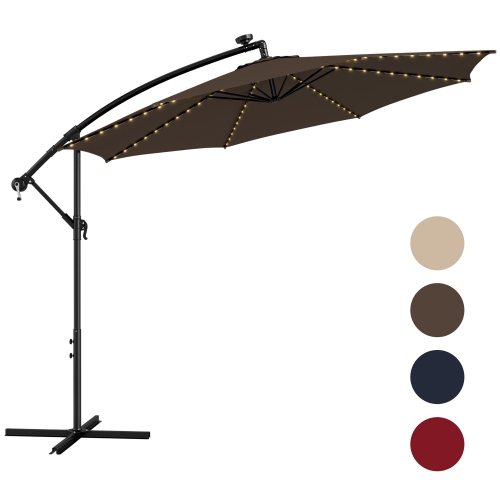
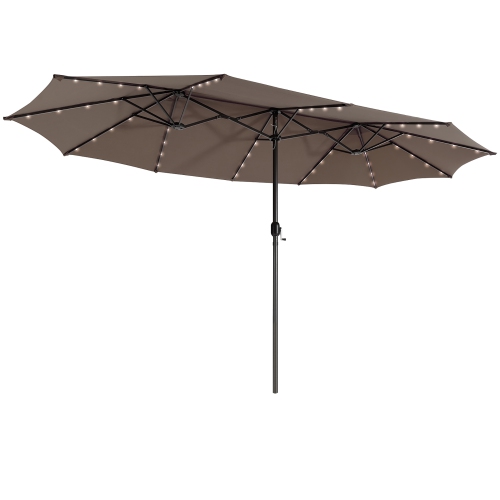
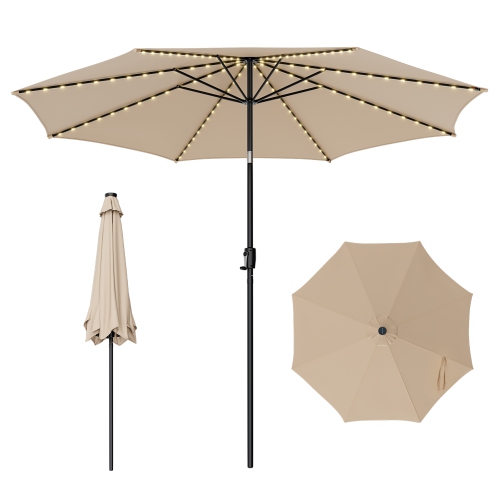

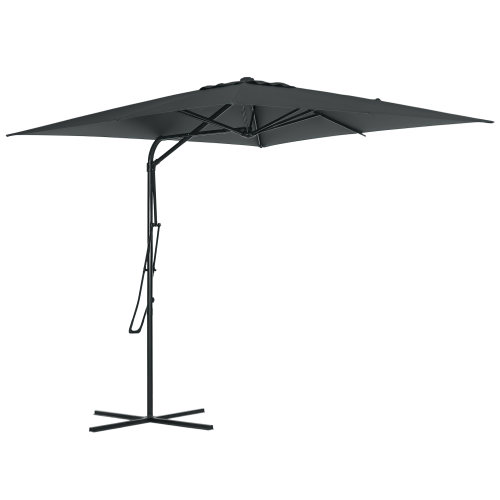
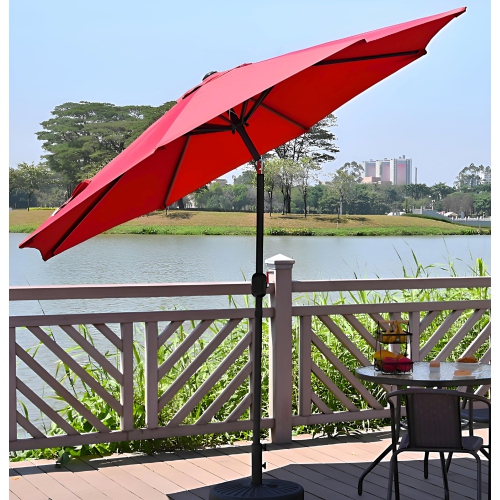
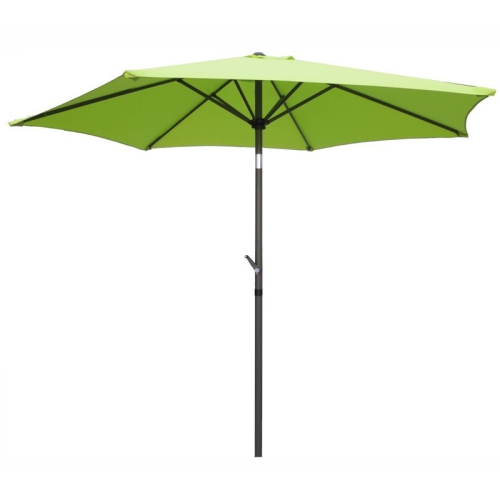
Daytime shade meets an overhead glow after dusk
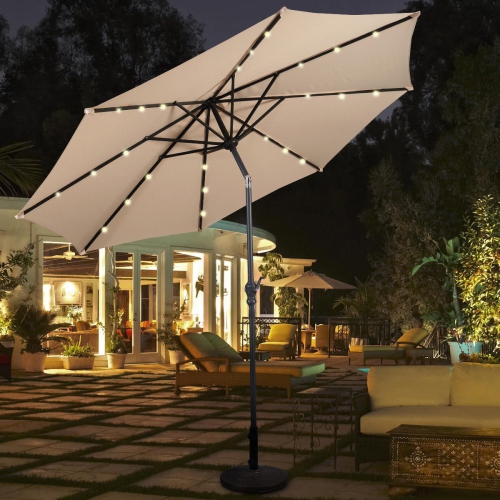
Lighted patio umbrellas bring shade and a gentle layer of illumination to outdoor seating areas, making a patio table, deck lounge, or garden corner feel more inviting as daylight fades. During the day, the canopy helps soften direct sunlight over meals, conversation, or a quiet afternoon with a book. After dusk, lights positioned along the ribs or around the canopy create a pool of light above the seating area without taking up valuable tabletop space. The effect is especially useful over a dining table, where candles and portable lamps might otherwise compete with serving dishes and glasses. These umbrellas suit a range of outdoor spaces, from a modest terrace with two chairs to a larger backyard arranged for family meals and casual entertaining. Their lighting is generally intended to add ambience rather than replace bright task lighting, so a separate light may still be useful for reading small print, preparing food, or illuminating steps. For shoppers interested in integrated LED lighting, LED Patio Umbrellas offer a related way to explore this style of outdoor shade. Light placement and colour temperature can make a noticeable difference to the overall feel: a warmer glow tends to feel relaxed around lounge seating, while a cooler white light may create a crisper appearance above a table. Brightness, light settings, and controls vary by design, and some umbrellas allow the lighting to operate independently of other features. That flexibility can be useful when the canopy is needed for shade during the afternoon but illumination is only wanted later. During the cooler months, an illuminated umbrella can help define a sheltered-looking place to gather on a mild evening, though it does not provide heat or make the space weatherproof. Its appeal lies in combining two everyday patio functions in a single structure, with the canopy framing the seating area and the lights adding a welcoming overhead glow.
The right fit involves more than the width of the canopy. A lighted patio umbrella needs enough coverage for the furniture beneath it, along with room to open, close, tilt, and rotate where those functions are included. Over a dining set, coverage should extend beyond the tabletop to help shade people seated around its edges. On a smaller deck, the clearance between the canopy and nearby walls, railings, doors, or roof overhangs can matter just as much as shade coverage. Centre-pole umbrellas work naturally with compatible tables that have an umbrella opening, but the pole diameter, table opening, and base must fit together correctly. The table should not be treated as a substitute for the support required by the umbrella manufacturer. Cantilever designs place the main support to one side, leaving more open space beneath the canopy for a conversation set or an uninterrupted dining surface. That offset structure also requires careful attention to base dimensions, specified ballast, and the space needed behind or beside the seating area. A large canopy on a base that is too light is not a suitable match, even when it appears steady on a calm day. Round, square, and rectangular canopies each relate differently to the furniture below: a rectangular shape can follow the length of a dining table, while a square canopy may sit neatly above a compact lounge arrangement. Tilt mechanisms help adjust shade as the sun changes position, and crank handles can make opening a larger canopy more manageable. Handle placement is worth considering when the umbrella will sit close to a railing or behind a sofa, where access may be awkward. For households that regularly rearrange their patio furniture, the weight and footprint of the entire assembly deserve attention as well. A substantial base may be essential for the design, but it can also make moving the umbrella a job that requires help rather than a quick adjustment before dinner.
Materials, power requirements, and routine care all influence how a lighted patio umbrella fits into daily use. Polyester and acrylic canopy fabrics are common, with differences in weave, thickness, finish, and resistance to fading. A stated ultraviolet protection rating provides more useful information about sun protection than fabric colour alone, and shade should still be paired with other sun-safety measures. Water-resistant fabric can help shed light moisture, but it should not be assumed to provide dependable rain shelter or tolerate standing water. Frames may use aluminium, steel, wood, or fibreglass components, each with its own balance of weight, finish, flexibility, and maintenance needs. Aluminium is relatively light and resists rust, while steel relies on an intact protective finish to help limit corrosion. Hinges, fasteners, ribs, and electrical connections also deserve attention because the umbrella is an assembly of moving parts, not just a canopy. Solar-powered lights avoid the need for a nearby outlet, but their performance depends on charging conditions, panel placement, battery condition, and the operating settings. Shorter daylight hours and shaded locations can reduce evening run time. Rechargeable or plug-in designs have different requirements, so the power source should suit the patio layout without creating a cable across a walkway. Any electrical connection must be appropriate for outdoor use and installed according to the supplied instructions. For everyday care, brushing away loose debris and cleaning the canopy with a suitable mild solution can help prevent dirt from settling into the fabric; the material should dry fully before the umbrella is covered or stored. Closing and securing the canopy when it is unattended or when wind picks up helps reduce unnecessary strain, but any stated wind limits and storage directions still apply. Snow and ice loads are not suitable for ordinary patio umbrellas. Before prolonged freezing weather, dry storage and any specified battery removal can help protect the fabric, frame, and lighting components for future use.
The right fit involves more than the width of the canopy. A lighted patio umbrella needs enough coverage for the furniture beneath it, along with room to open, close, tilt, and rotate where those functions are included. Over a dining set, coverage should extend beyond the tabletop to help shade people seated around its edges. On a smaller deck, the clearance between the canopy and nearby walls, railings, doors, or roof overhangs can matter just as much as shade coverage. Centre-pole umbrellas work naturally with compatible tables that have an umbrella opening, but the pole diameter, table opening, and base must fit together correctly. The table should not be treated as a substitute for the support required by the umbrella manufacturer. Cantilever designs place the main support to one side, leaving more open space beneath the canopy for a conversation set or an uninterrupted dining surface. That offset structure also requires careful attention to base dimensions, specified ballast, and the space needed behind or beside the seating area. A large canopy on a base that is too light is not a suitable match, even when it appears steady on a calm day. Round, square, and rectangular canopies each relate differently to the furniture below: a rectangular shape can follow the length of a dining table, while a square canopy may sit neatly above a compact lounge arrangement. Tilt mechanisms help adjust shade as the sun changes position, and crank handles can make opening a larger canopy more manageable. Handle placement is worth considering when the umbrella will sit close to a railing or behind a sofa, where access may be awkward. For households that regularly rearrange their patio furniture, the weight and footprint of the entire assembly deserve attention as well. A substantial base may be essential for the design, but it can also make moving the umbrella a job that requires help rather than a quick adjustment before dinner.
Materials, power requirements, and routine care all influence how a lighted patio umbrella fits into daily use. Polyester and acrylic canopy fabrics are common, with differences in weave, thickness, finish, and resistance to fading. A stated ultraviolet protection rating provides more useful information about sun protection than fabric colour alone, and shade should still be paired with other sun-safety measures. Water-resistant fabric can help shed light moisture, but it should not be assumed to provide dependable rain shelter or tolerate standing water. Frames may use aluminium, steel, wood, or fibreglass components, each with its own balance of weight, finish, flexibility, and maintenance needs. Aluminium is relatively light and resists rust, while steel relies on an intact protective finish to help limit corrosion. Hinges, fasteners, ribs, and electrical connections also deserve attention because the umbrella is an assembly of moving parts, not just a canopy. Solar-powered lights avoid the need for a nearby outlet, but their performance depends on charging conditions, panel placement, battery condition, and the operating settings. Shorter daylight hours and shaded locations can reduce evening run time. Rechargeable or plug-in designs have different requirements, so the power source should suit the patio layout without creating a cable across a walkway. Any electrical connection must be appropriate for outdoor use and installed according to the supplied instructions. For everyday care, brushing away loose debris and cleaning the canopy with a suitable mild solution can help prevent dirt from settling into the fabric; the material should dry fully before the umbrella is covered or stored. Closing and securing the canopy when it is unattended or when wind picks up helps reduce unnecessary strain, but any stated wind limits and storage directions still apply. Snow and ice loads are not suitable for ordinary patio umbrellas. Before prolonged freezing weather, dry storage and any specified battery removal can help protect the fabric, frame, and lighting components for future use.
Top selling and popular products
-
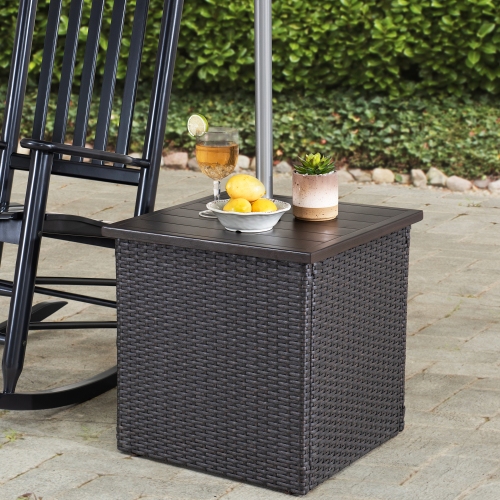 Your price for this item is $160.99
 -
 Your price for this item is $146.95
 -
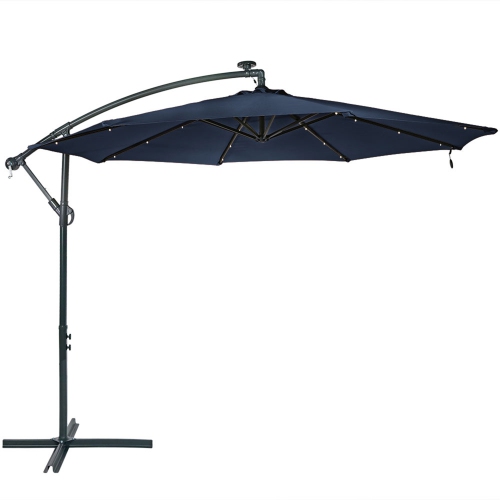 Your price for this item is $248.55
 -
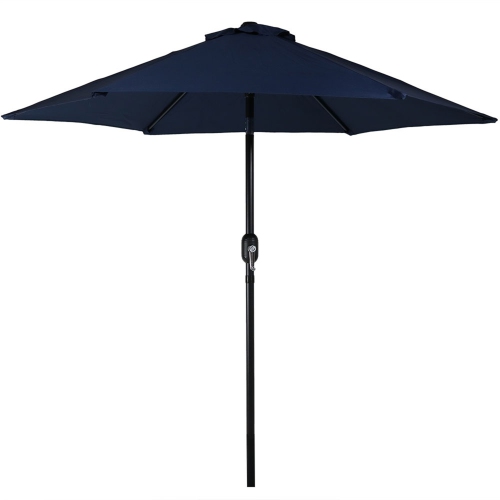 Your price for this item is $146.95
 -
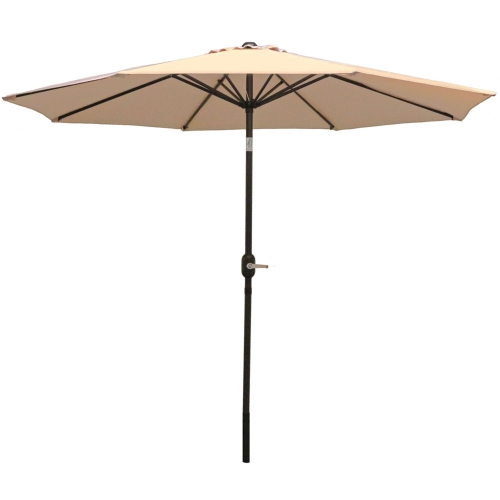 Your price for this item is $146.95
 -
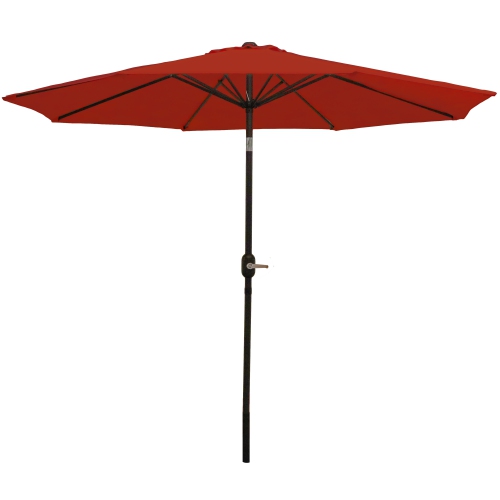 Your price for this item is $146.95
 -
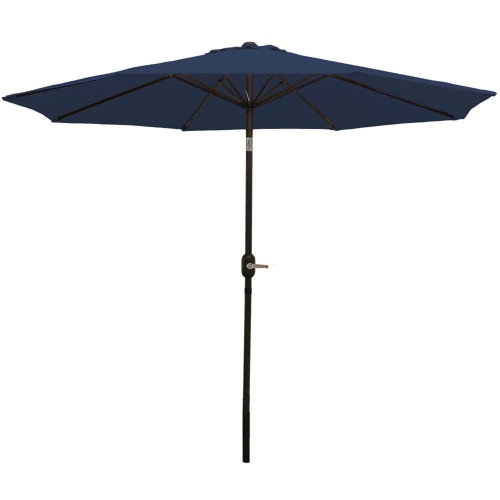 Your price for this item is $146.95
 -
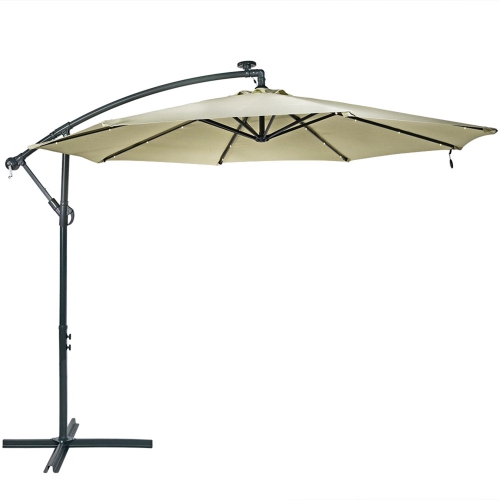 Your price for this item is $248.55
Discover more categories related to Lighted Patio Umbrellas
Top Collections:
Pokemon Centers, Kindle Devices, Best Budget Office Chairs, Apple iPhones 16, Best Laptops for Writers, iPhone 15 Apple, Canon G7X Cameras, Refurbished Apple Laptops, Alarm Clock, Motorola Razr Phones
Some products may be subject to Environmental Handling Fees
(EHF) depending on your province.
Learn more about EHFs.