Lighting for Restaurants
Lighting for restaurants plays a pivotal role in creating the perfect ambiance and enhancing the dining experience. The right lighting solutions can highlight décor, set the mood, and make every meal memorable for guests. Explore a wide range of options designed to suit various restaurant themes and layouts, from cozy bistros to vibrant eateries. Whether you’re updating an existing space or designing a new one, discover lighting for restaurants that complements your vision and elevates your establishment’s atmosphere.
Sort
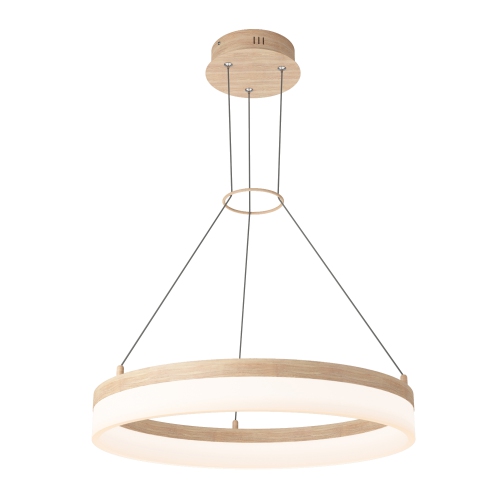
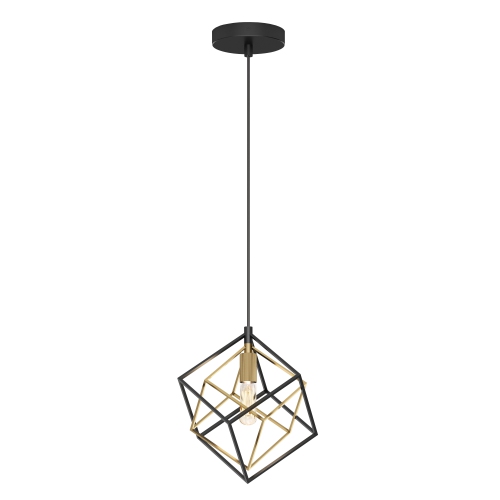
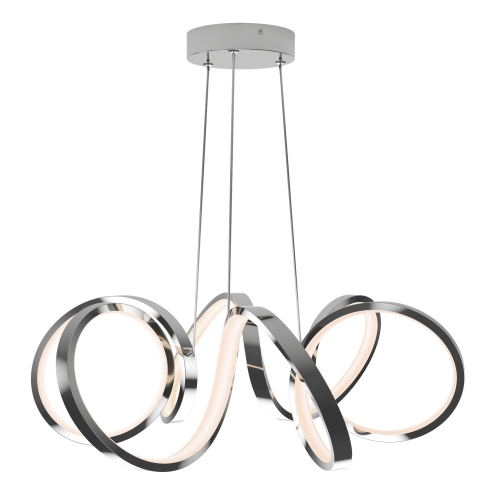
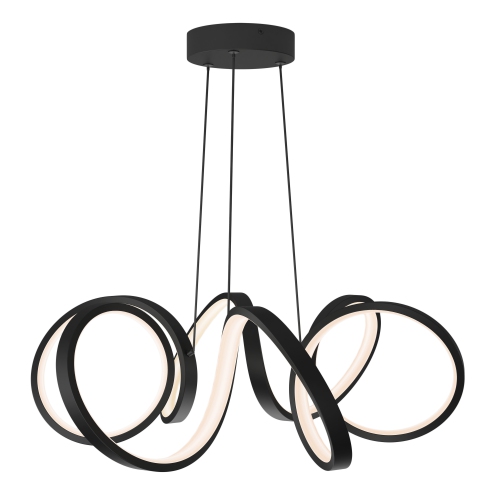


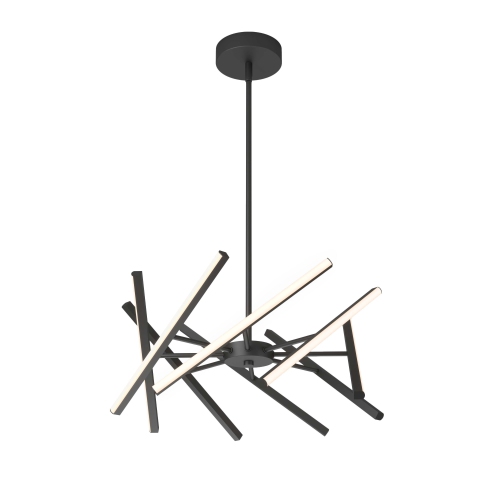
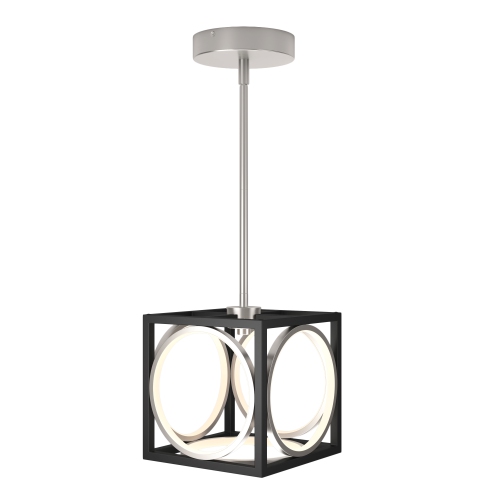
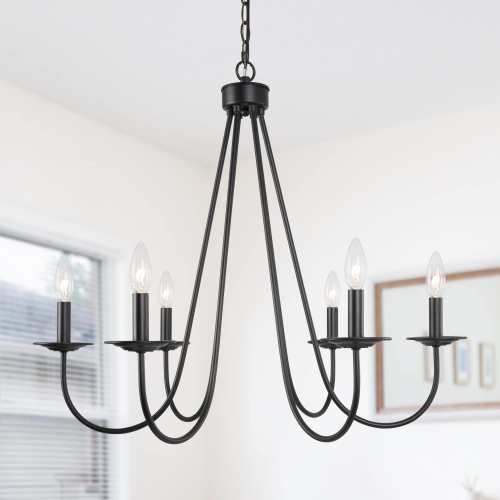
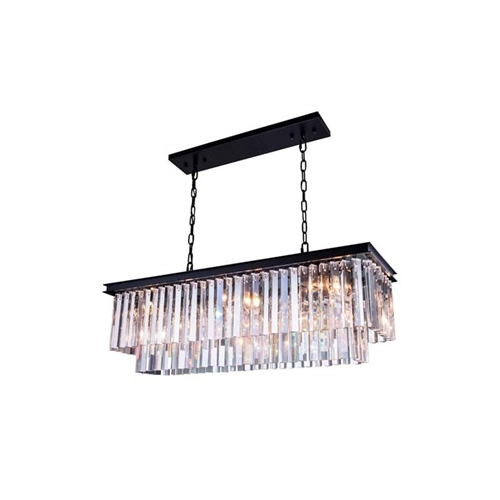

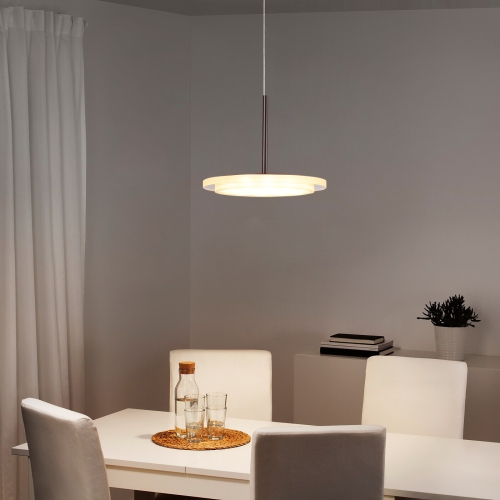

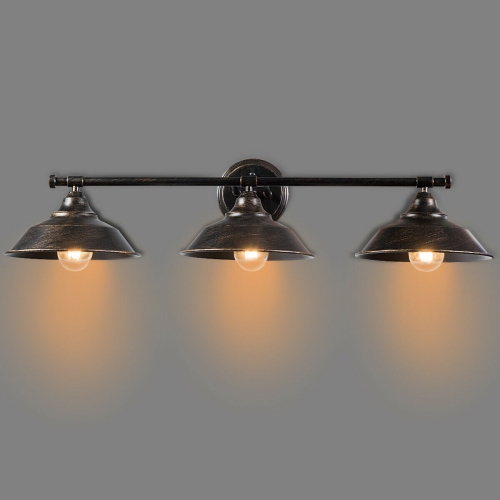
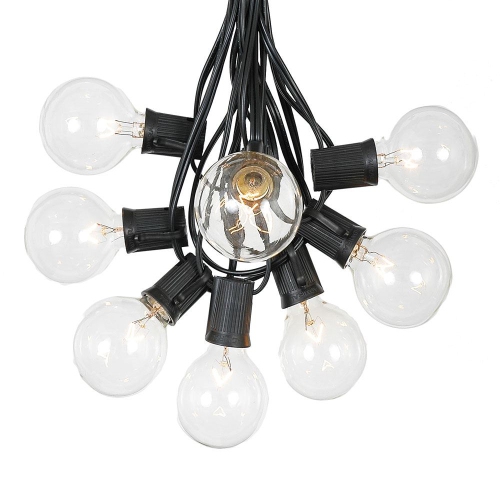
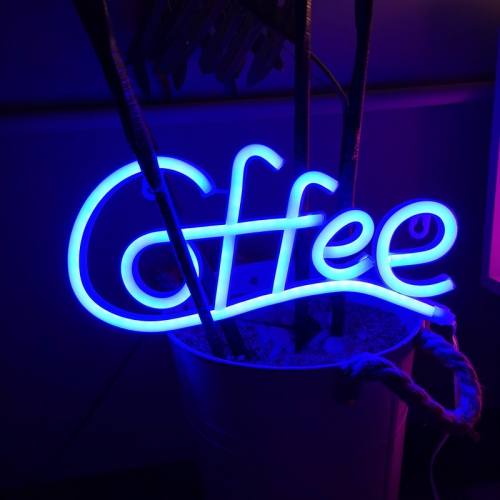
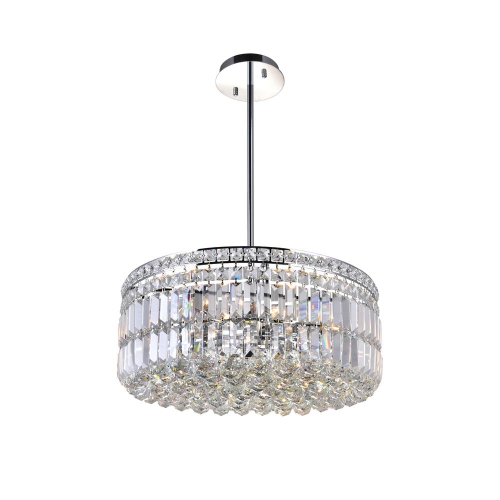
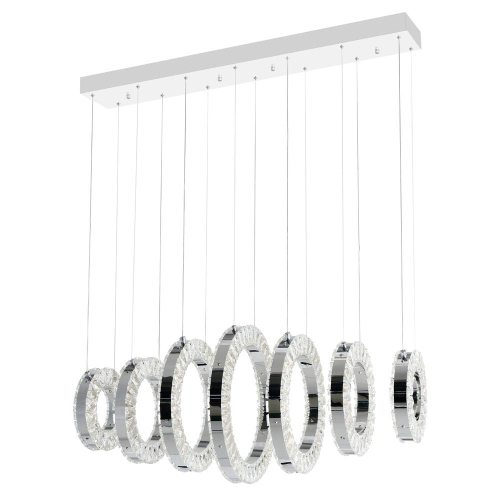
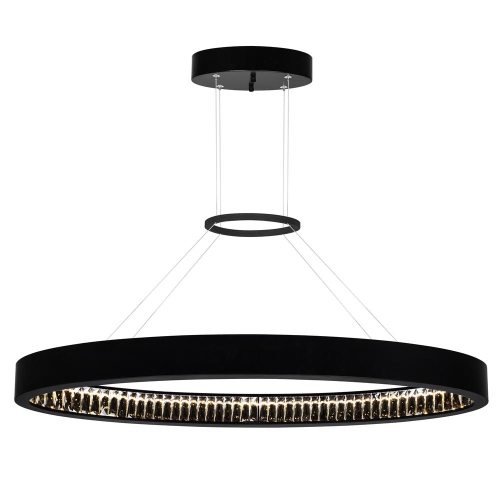
How layered lighting balances atmosphere and guest comfort
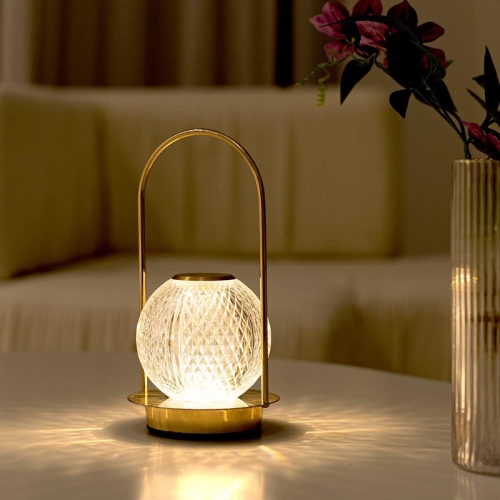
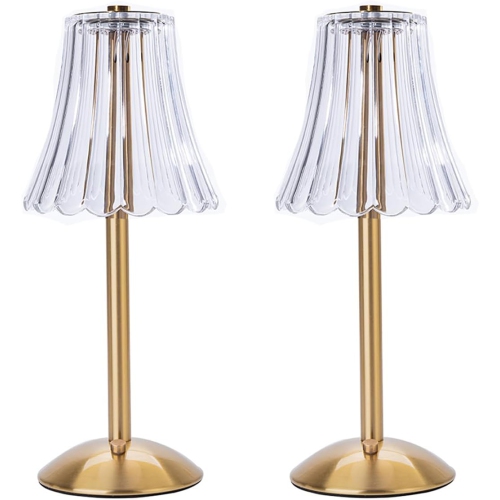
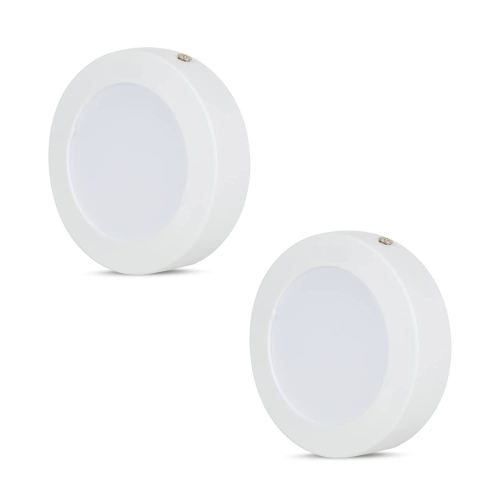
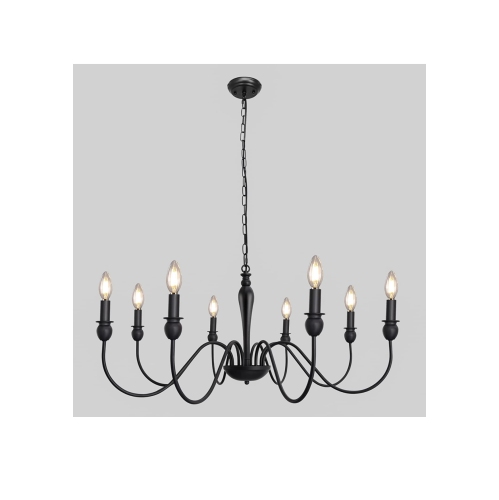
Lighting for restaurants brings together general illumination, focused task lighting, and accents that give a dining room its character. Each layer serves a different purpose: ambient light helps guests take in the room and move comfortably between tables, task lighting supports activities such as reading menus or preparing drinks, and accent lighting draws attention to artwork, textured walls, or a back-bar display. Statement fixtures add visual interest even before they are switched on, whether the setting calls for understated pendants above a counter or a chandelier over a shared dining table. The most comfortable arrangements balance these layers rather than relying on a single bright ceiling source. A softly lit dining room can still have clearly illuminated tabletops, visible changes in floor level, and enough light around entrances for guests arriving from outside. Colour temperature shapes the impression, too. Warm white light around 2700K to 3000K often suits relaxed evening dining, while a more neutral white can support the crisp, open feel of a busy café or lunch counter. Brightness and colour temperature are separate qualities, so warm lighting does not have to mean a dark room. Colour rendering also matters wherever food is the focal point; light sources with a colour rendering index of 90 or higher can help ingredients, sauces, and garnishes appear closer to their natural colours. A plate of roasted vegetables should retain its rich reds and greens rather than looking washed out beneath a harsh overhead beam. Shielded light sources, diffusers, and thoughtfully directed beams can reduce glare on glassware, glossy menus, and polished tabletops. For guests seated opposite one another, comfortable facial illumination is just as important as the light falling on the meal. These details make restaurant lighting relevant to neighbourhood bistros, hotel dining rooms, coffee shops, bars, and other hospitality spaces, with the balance of brightness and atmosphere shaped by how each room is used.
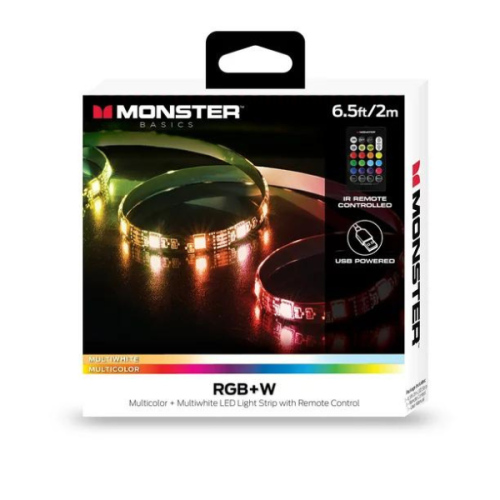
Fixture size, placement, and construction influence how lighting fits into a restaurant’s daily operation. Ceiling height, table dimensions, seating arrangements, and the position of service routes all affect the suitability of a fixture. A pendant that feels proportionate above a large communal table may overwhelm a compact two-person setting, while a narrow beam can leave parts of a long counter in shadow. Suspended fixtures need enough clearance for staff carrying trays and for guests standing up or moving chairs; their appearance from a seated position matters as much as the view from the doorway. Wall-mounted lighting can bring warmth to banquettes and perimeter seating without taking up table space, although projection from the wall needs consideration along narrow passages. Adjustable track lighting offers flexibility where tables move for private bookings or artwork changes, while recessed lighting provides a quieter visual presence in rooms with strong architectural details. For continuous accents beneath counters, along shelving, or within ceiling recesses, LED Strip Lights for Restaurants can provide a discreet line of light that complements the main fixtures. Concealed placement and suitable diffusers help create an even glow rather than exposing individual bright points to seated guests. Materials contribute to both appearance and upkeep. Metal finishes can suit industrial, contemporary, or traditional interiors, depending on their shape and surface treatment. Glass shades allow light to spread through the room, while opaque shades direct more illumination towards the surface below. Fabric shades introduce a softer texture but may be less practical near cooking vapour or frequent splashes. Smooth, accessible surfaces are generally easier to wipe down than intricate forms with deep crevices. Cleaning methods should follow the manufacturer’s directions, particularly for plated finishes, painted surfaces, and diffusers that may be damaged by abrasive products. In a restaurant, durability includes how well a fixture tolerates repeated cleaning, frequent switching, and the conditions around its intended location, not simply how substantial it looks.
Controls and technical compatibility help lighting adapt to the rhythm of service. A dining room may need clear, welcoming illumination for daytime meals, a gentler setting for dinner, and brighter light after closing so staff can see table surfaces and floors properly. Dimmable lighting allows those changes without requiring separate fixtures for every occasion, but the light source, driver, and dimmer must be compatible to avoid flicker, buzzing, or an abrupt drop in brightness. Separate control zones can keep a host station or payment counter well lit while neighbouring tables remain softer. They can also help balance window-side seating with deeper parts of the room as daylight fades during the cooler months. Where smart controls are suitable, scheduling and saved lighting settings can simplify repeat adjustments, provided the system suits the premises and offers practical access for staff. Rated service life, warranty terms, replaceable components, and access for maintenance are worth considering in spaces that keep their lights on for long periods. A fixture mounted high above a stairwell or crowded dining area takes more planning to maintain than one within easy reach. Integrated LED designs and fixtures with replaceable lamps have different maintenance needs, making construction and serviceability useful points of comparison. Location ratings are equally important: indoor dining fixtures are not automatically suitable for a damp patio, an exposed entrance, or a food-preparation area subject to demanding cleaning requirements. Outdoor applications need ratings appropriate to their exposure, and colder locations may require attention to the manufacturer’s operating temperature range. Commercial kitchens, emergency lighting, and exit routes have requirements beyond atmosphere, so decorative dining-room lighting should not be treated as a substitute for suitable task or safety systems. Electrical work and commercial suitability should be confirmed with qualified professionals and applicable local requirements. For restaurant owners, operators, and designers, a well-matched lighting assortment supports the whole visit: an entrance that is easy to find, a menu that is comfortable to read, food that looks appealing, and a room where guests and staff can move with confidence.
Fixture size, placement, and construction influence how lighting fits into a restaurant’s daily operation. Ceiling height, table dimensions, seating arrangements, and the position of service routes all affect the suitability of a fixture. A pendant that feels proportionate above a large communal table may overwhelm a compact two-person setting, while a narrow beam can leave parts of a long counter in shadow. Suspended fixtures need enough clearance for staff carrying trays and for guests standing up or moving chairs; their appearance from a seated position matters as much as the view from the doorway. Wall-mounted lighting can bring warmth to banquettes and perimeter seating without taking up table space, although projection from the wall needs consideration along narrow passages. Adjustable track lighting offers flexibility where tables move for private bookings or artwork changes, while recessed lighting provides a quieter visual presence in rooms with strong architectural details. For continuous accents beneath counters, along shelving, or within ceiling recesses, LED Strip Lights for Restaurants can provide a discreet line of light that complements the main fixtures. Concealed placement and suitable diffusers help create an even glow rather than exposing individual bright points to seated guests. Materials contribute to both appearance and upkeep. Metal finishes can suit industrial, contemporary, or traditional interiors, depending on their shape and surface treatment. Glass shades allow light to spread through the room, while opaque shades direct more illumination towards the surface below. Fabric shades introduce a softer texture but may be less practical near cooking vapour or frequent splashes. Smooth, accessible surfaces are generally easier to wipe down than intricate forms with deep crevices. Cleaning methods should follow the manufacturer’s directions, particularly for plated finishes, painted surfaces, and diffusers that may be damaged by abrasive products. In a restaurant, durability includes how well a fixture tolerates repeated cleaning, frequent switching, and the conditions around its intended location, not simply how substantial it looks.
Controls and technical compatibility help lighting adapt to the rhythm of service. A dining room may need clear, welcoming illumination for daytime meals, a gentler setting for dinner, and brighter light after closing so staff can see table surfaces and floors properly. Dimmable lighting allows those changes without requiring separate fixtures for every occasion, but the light source, driver, and dimmer must be compatible to avoid flicker, buzzing, or an abrupt drop in brightness. Separate control zones can keep a host station or payment counter well lit while neighbouring tables remain softer. They can also help balance window-side seating with deeper parts of the room as daylight fades during the cooler months. Where smart controls are suitable, scheduling and saved lighting settings can simplify repeat adjustments, provided the system suits the premises and offers practical access for staff. Rated service life, warranty terms, replaceable components, and access for maintenance are worth considering in spaces that keep their lights on for long periods. A fixture mounted high above a stairwell or crowded dining area takes more planning to maintain than one within easy reach. Integrated LED designs and fixtures with replaceable lamps have different maintenance needs, making construction and serviceability useful points of comparison. Location ratings are equally important: indoor dining fixtures are not automatically suitable for a damp patio, an exposed entrance, or a food-preparation area subject to demanding cleaning requirements. Outdoor applications need ratings appropriate to their exposure, and colder locations may require attention to the manufacturer’s operating temperature range. Commercial kitchens, emergency lighting, and exit routes have requirements beyond atmosphere, so decorative dining-room lighting should not be treated as a substitute for suitable task or safety systems. Electrical work and commercial suitability should be confirmed with qualified professionals and applicable local requirements. For restaurant owners, operators, and designers, a well-matched lighting assortment supports the whole visit: an entrance that is easy to find, a menu that is comfortable to read, food that looks appealing, and a room where guests and staff can move with confidence.
Top selling and popular products
-
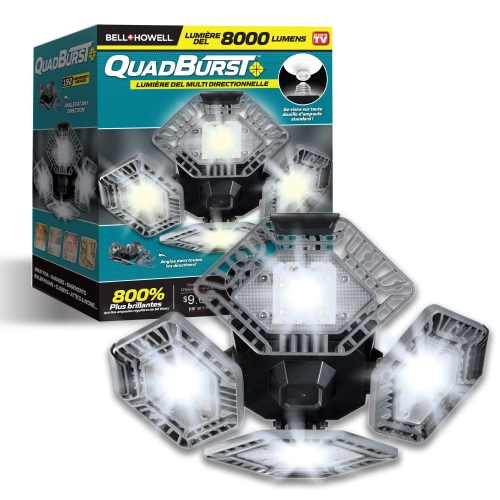 Your price for this item is $49.95
 -
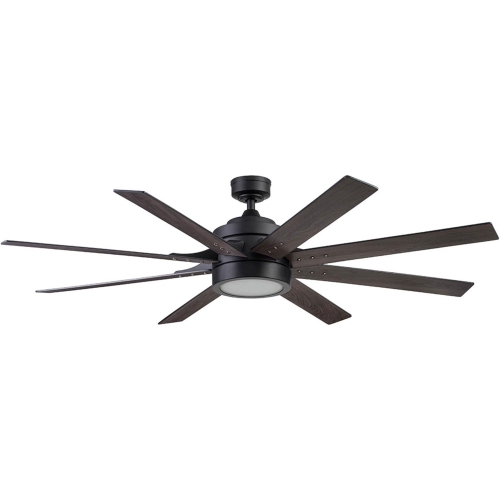 Your price for this item is $424.99
 -
 Your price for this item is $205.99
 -
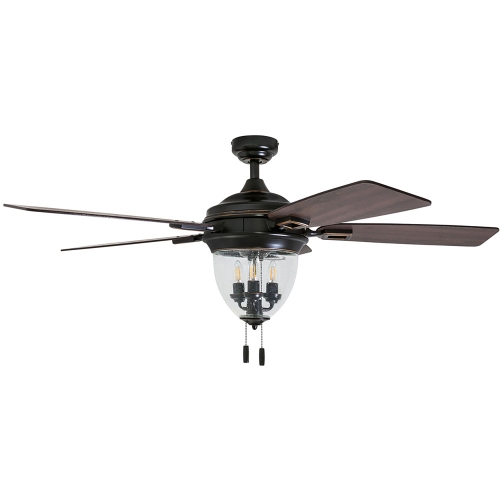 Your price for this item is $287.99
 -
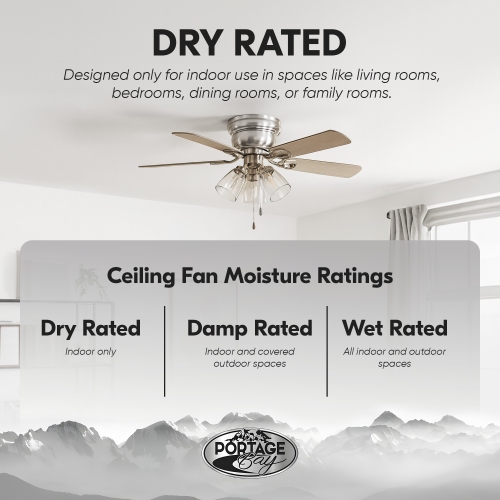 Your price for this item is $184.99
 -
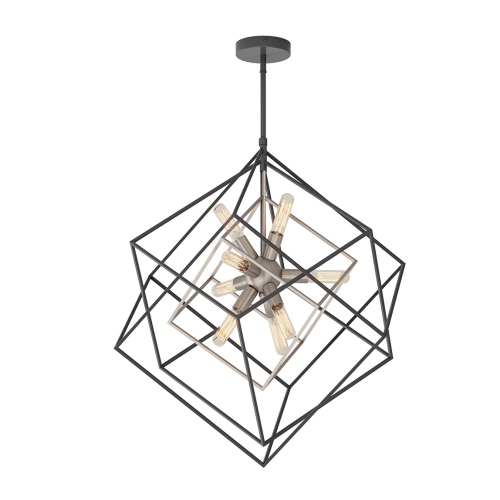 Your price for this item is $299
 -
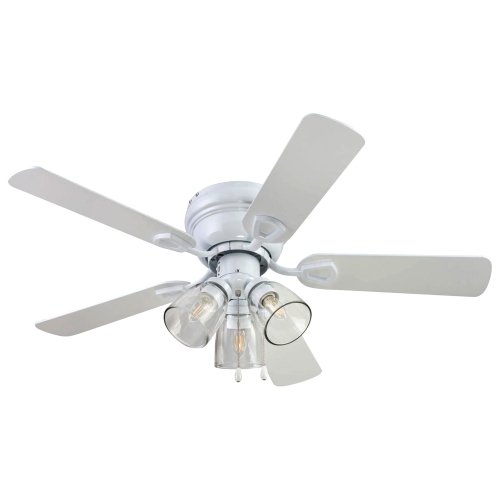 Your price for this item is $193.99
 -
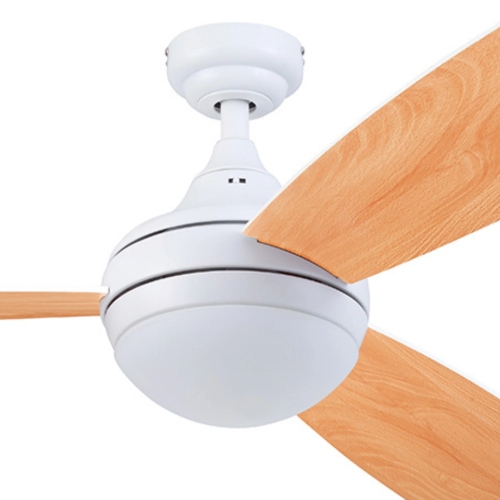 Your price for this item is $176.99
Discover more categories related to Lighting for Restaurants
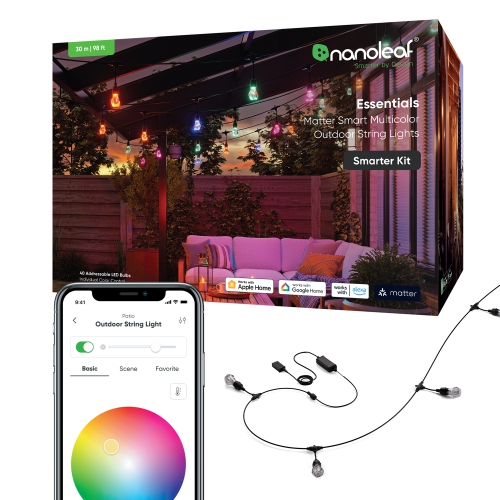
Top Collections:
Pokemon Centers, Kindle Devices, Best Budget Office Chairs, Apple iPhones 16, Best Laptops for Writers, iPhone 15 Apple, Canon G7X Cameras, Refurbished Apple Laptops, Alarm Clock, Motorola Razr Phones
Some products may be subject to Environmental Handling Fees
(EHF) depending on your province.
Learn more about EHFs.