Lightweight Bedding for Summer
Lightweight Bedding for Summer offers a refreshing way to stay comfortable during warmer nights. Explore a variety of options designed to help you create a cool and inviting sleep environment when temperatures rise. Whether you’re updating your bedroom or preparing a guest space, discover lightweight bedding choices that combine style and comfort for the perfect seasonal upgrade. Find the ideal pieces to enhance your summer sleep experience with ease.
Sort



Why weave and layers matter more than thread count
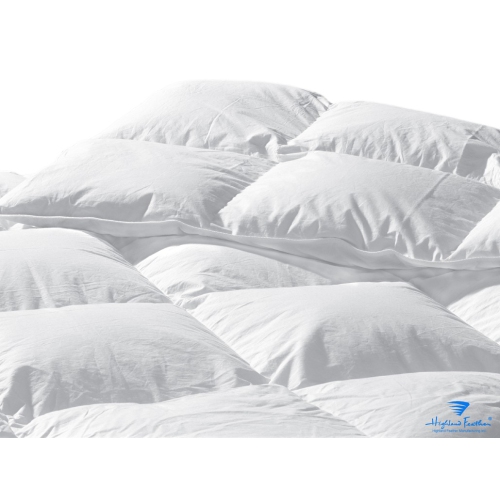
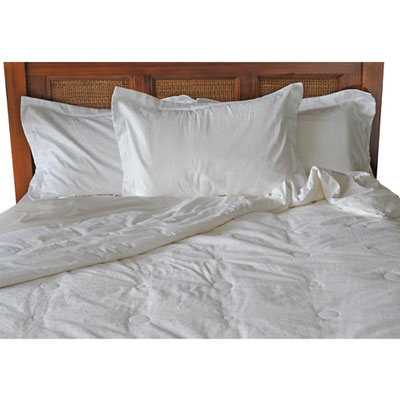
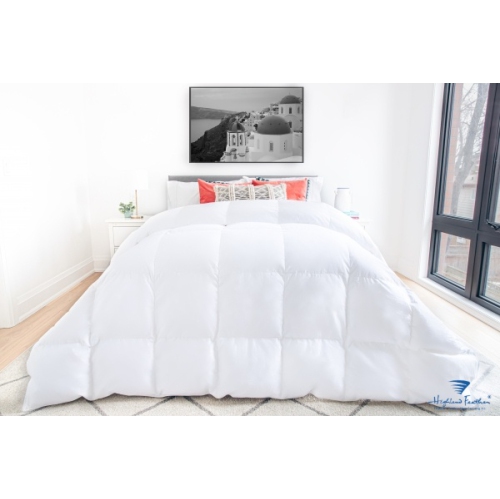
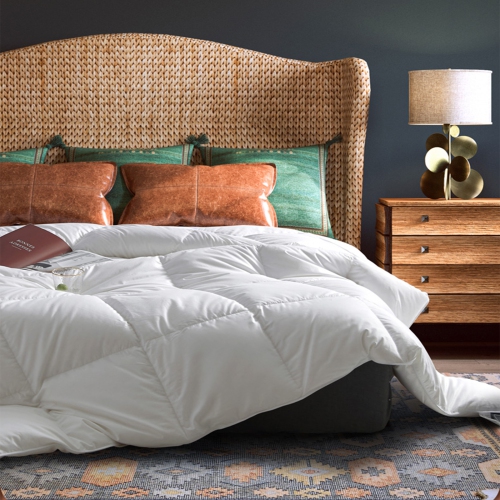
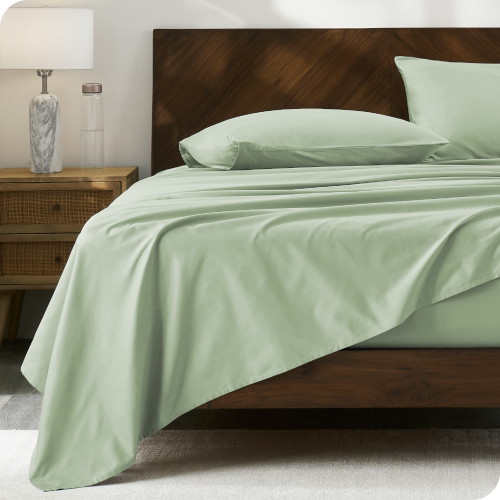
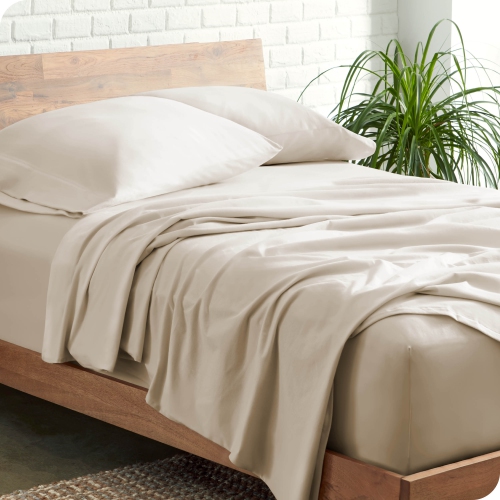
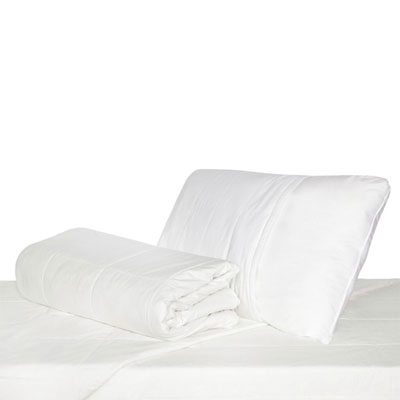
Lightweight bedding for summer combines breathable fabric, a comfortable feel against the skin, and enough coverage to make a bed feel inviting without excessive warmth. Cotton percale sheets, linen bedding, thin coverlets, and lightly filled quilts are common choices because they offer different ways to keep layers light. The best fit depends on sleeping preferences, room temperature, and whether the bed is shared with someone who prefers more coverage. Cotton percale has a plain weave with a crisp, matte finish that often appeals to sleepers who dislike the close, silky feel of denser fabrics. Linen has a more textured surface and a relaxed drape, with natural variations in the yarn that give it an informal look. It can absorb moisture and release it as it dries, although no fabric can guarantee a dry or cool sleep in every room. Cotton sateen feels smoother and usually drapes more closely against the body; its suitability for summer depends on the fabric’s weight and construction. Lyocell and viscose fabrics can also have a soft, fluid feel, but fibre names alone do not establish how breathable a finished sheet will be. Weave, thickness, finishing, and the layers above and below it all matter. A higher thread count is not automatically better for summer, since a tightly constructed sheet may feel heavier than a lighter, more open fabric. Likewise, a cool-to-the-touch finish describes an initial sensation rather than a promise of lasting temperature control. For someone who wakes with a blanket pushed to the foot of the bed, a smooth sheet and a thin top layer may feel more comfortable than a heavily filled comforter. Someone sleeping beneath a ceiling fan might prefer the gentle weight of a lightweight quilt. Breathability and warmth are related but distinct: a fabric may allow air to pass through while still retaining warmth when used in several layers. Considering the complete bed, including the mattress protector, gives a more useful picture of sleeping comfort than focusing on the sheets alone.
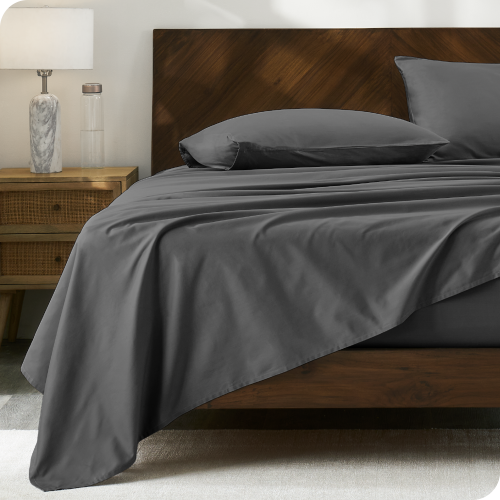
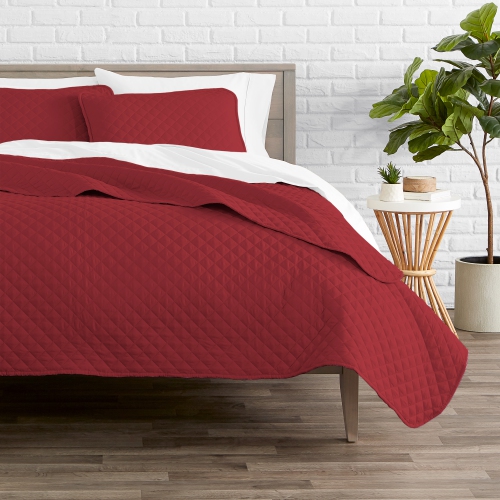
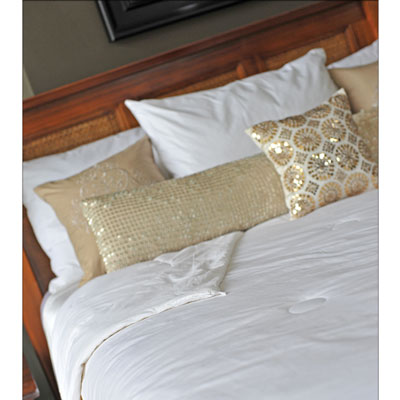
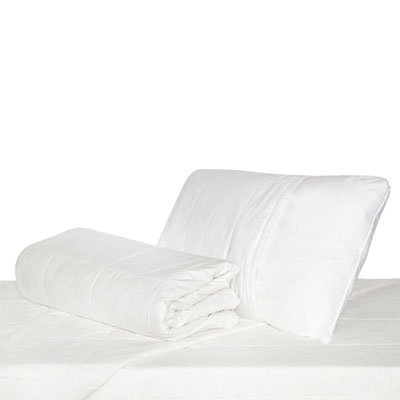
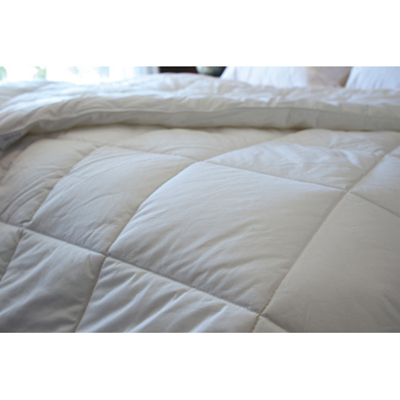
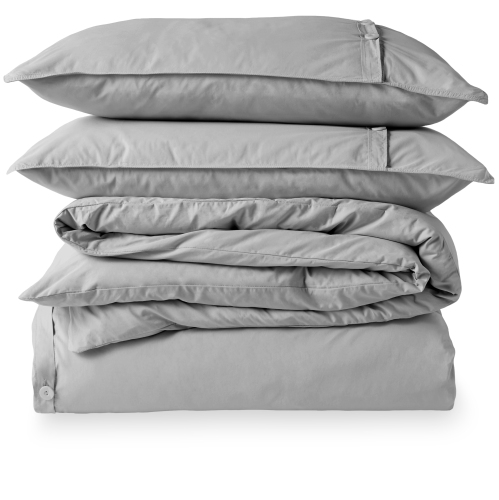
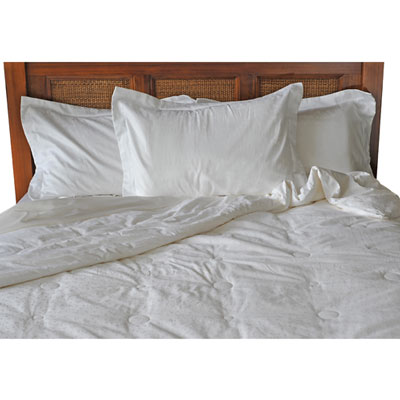
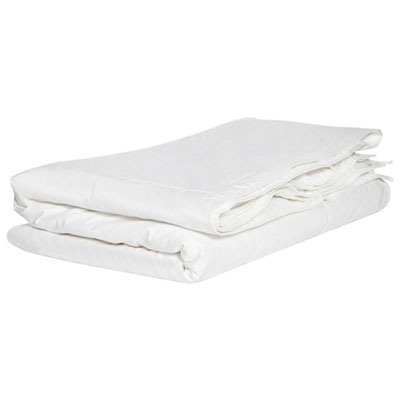
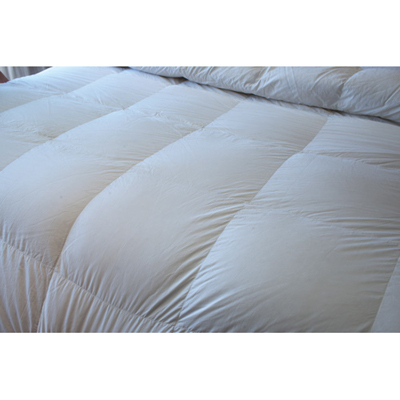
A summer bed can be layered simply without looking unfinished. A fitted sheet, an optional flat sheet, and a light coverlet create a neat foundation, while a folded blanket at the foot keeps extra coverage within reach. For a softly draped finishing layer, lightweight bedspreads offer an alternative to bulkier bedding and can be folded back when less coverage is preferred. A thin quilt provides a slightly different feel, with stitching that holds its layers together and adds texture across the bed. A duvet cover is designed to hold an insert, so its warmth depends largely on what goes inside it; choosing a light insert matters as much as choosing the cover fabric. Some sleepers also enjoy an empty duvet cover as a simple top layer, although its two layers of fabric may feel different from a single flat sheet. Size deserves as much attention as material. Mattress labels such as queen or king are a starting point, but actual bedding dimensions determine how far a top layer hangs over the sides. A deep mattress, pillow-top surface, or added topper requires enough fitted-sheet pocket depth to reach securely around the corners. Too little depth can leave the sheet pulling loose overnight, while an oversized fit may bunch beneath the sleeper. For bedspreads and coverlets, the desired drop will differ between a low platform frame and a tall bed with a box spring. Measuring the mattress width, length, and height helps clarify whether the finished look will be tucked, loosely draped, or close to the floor. Pillowcase dimensions matter too, particularly for deep or contoured pillows that need more room than a standard rectangular shape suggests. Colour and texture can make light layers feel complete: a gently puckered surface, narrow stripe, or subtle stitched pattern adds detail without extra bulk. In a shared bed, separate light blankets allow each person to adjust coverage independently. Guest rooms also benefit from straightforward layers, giving visitors an easy way to settle in without needing a single heavy covering to suit every preference.
Care requirements help determine whether lightweight summer bedding will remain comfortable through frequent use. Sheets and pillowcases have regular contact with skin, so a fabric that fits an established laundry routine is often a more practical choice than one requiring special handling. The care label should set the washing temperature, drying method, and any restrictions on bleach or other treatments. Cotton and linen may shrink, particularly with excessive heat, and generous dimensions before washing do not replace following the recommended care instructions. Lower dryer heat, when permitted, can help limit stress on fibres and elastic, while removing bedding promptly may reduce deep wrinkles. Linen naturally develops a rumpled appearance, which suits a relaxed bed but may not appeal to someone who prefers a sharply pressed finish. Smooth fabrics can still wrinkle, and their appearance after washing depends on construction and finishing as well as fibre content. Durability shows up in practical details such as secure hems, even stitching, well-attached closures, and fitted-sheet elastic that holds its shape. On quilts, sound stitching helps keep the interior distributed rather than allowing it to gather in one area. Pilling can occur when fibres rub together, so a fabric’s softness at first touch does not tell the whole story about how its surface will wear. Washing without overloading the machine gives bedding room to move and rinse, and drying it completely before storage helps prevent musty odours. Lightweight layers are useful for primary bedrooms, guest beds, student residences, and cottages where bulky bedding can be awkward to launder or store. For an adult moving into a first apartment, a washable sheet set or light blanket can make a thoughtful housewarming gift when the mattress size and preferred fabric feel are known. Texture preferences are personal: one sleeper may welcome linen’s dry, slightly nubby hand, while another wants an exceptionally smooth pillowcase. Matching material, dimensions, and care needs to those everyday habits makes summer bedding feel comfortable well beyond its first night on the bed.
A summer bed can be layered simply without looking unfinished. A fitted sheet, an optional flat sheet, and a light coverlet create a neat foundation, while a folded blanket at the foot keeps extra coverage within reach. For a softly draped finishing layer, lightweight bedspreads offer an alternative to bulkier bedding and can be folded back when less coverage is preferred. A thin quilt provides a slightly different feel, with stitching that holds its layers together and adds texture across the bed. A duvet cover is designed to hold an insert, so its warmth depends largely on what goes inside it; choosing a light insert matters as much as choosing the cover fabric. Some sleepers also enjoy an empty duvet cover as a simple top layer, although its two layers of fabric may feel different from a single flat sheet. Size deserves as much attention as material. Mattress labels such as queen or king are a starting point, but actual bedding dimensions determine how far a top layer hangs over the sides. A deep mattress, pillow-top surface, or added topper requires enough fitted-sheet pocket depth to reach securely around the corners. Too little depth can leave the sheet pulling loose overnight, while an oversized fit may bunch beneath the sleeper. For bedspreads and coverlets, the desired drop will differ between a low platform frame and a tall bed with a box spring. Measuring the mattress width, length, and height helps clarify whether the finished look will be tucked, loosely draped, or close to the floor. Pillowcase dimensions matter too, particularly for deep or contoured pillows that need more room than a standard rectangular shape suggests. Colour and texture can make light layers feel complete: a gently puckered surface, narrow stripe, or subtle stitched pattern adds detail without extra bulk. In a shared bed, separate light blankets allow each person to adjust coverage independently. Guest rooms also benefit from straightforward layers, giving visitors an easy way to settle in without needing a single heavy covering to suit every preference.
Care requirements help determine whether lightweight summer bedding will remain comfortable through frequent use. Sheets and pillowcases have regular contact with skin, so a fabric that fits an established laundry routine is often a more practical choice than one requiring special handling. The care label should set the washing temperature, drying method, and any restrictions on bleach or other treatments. Cotton and linen may shrink, particularly with excessive heat, and generous dimensions before washing do not replace following the recommended care instructions. Lower dryer heat, when permitted, can help limit stress on fibres and elastic, while removing bedding promptly may reduce deep wrinkles. Linen naturally develops a rumpled appearance, which suits a relaxed bed but may not appeal to someone who prefers a sharply pressed finish. Smooth fabrics can still wrinkle, and their appearance after washing depends on construction and finishing as well as fibre content. Durability shows up in practical details such as secure hems, even stitching, well-attached closures, and fitted-sheet elastic that holds its shape. On quilts, sound stitching helps keep the interior distributed rather than allowing it to gather in one area. Pilling can occur when fibres rub together, so a fabric’s softness at first touch does not tell the whole story about how its surface will wear. Washing without overloading the machine gives bedding room to move and rinse, and drying it completely before storage helps prevent musty odours. Lightweight layers are useful for primary bedrooms, guest beds, student residences, and cottages where bulky bedding can be awkward to launder or store. For an adult moving into a first apartment, a washable sheet set or light blanket can make a thoughtful housewarming gift when the mattress size and preferred fabric feel are known. Texture preferences are personal: one sleeper may welcome linen’s dry, slightly nubby hand, while another wants an exceptionally smooth pillowcase. Matching material, dimensions, and care needs to those everyday habits makes summer bedding feel comfortable well beyond its first night on the bed.
Top selling and popular products
-
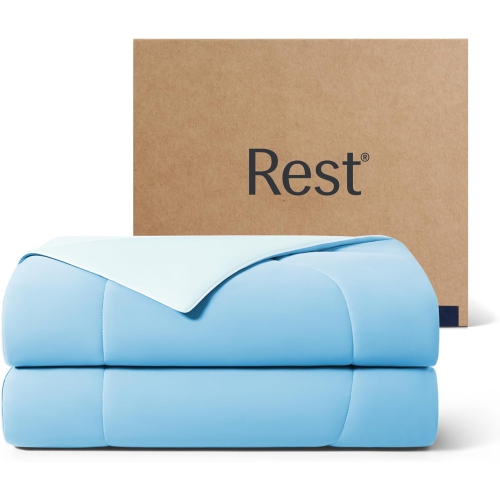 Your price for this item is $129
 -
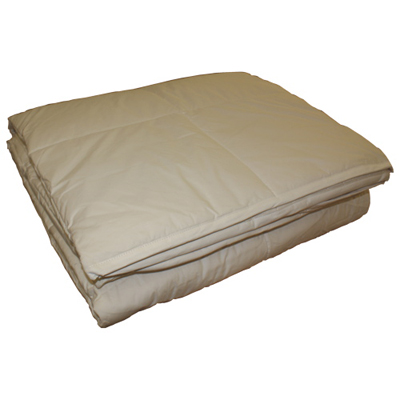 Your price for this item is $169.99
 -
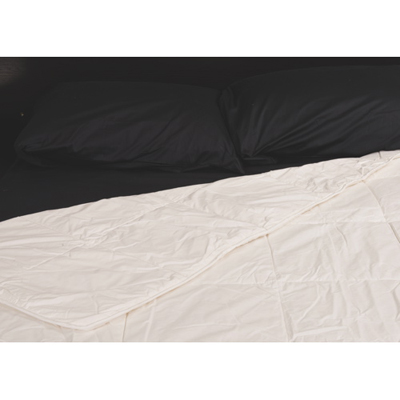 Your price for this item is $229.99
 -
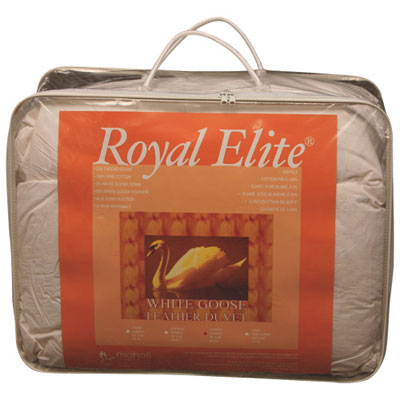 Your price for this item is $149.99
 -
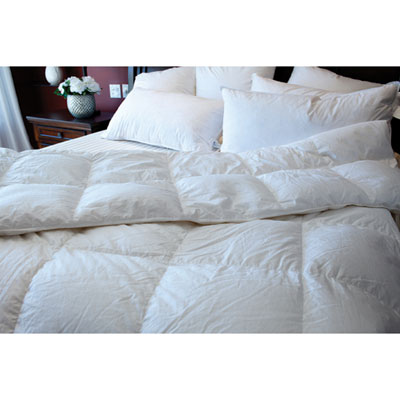 Your price for this item is $549.99
 -
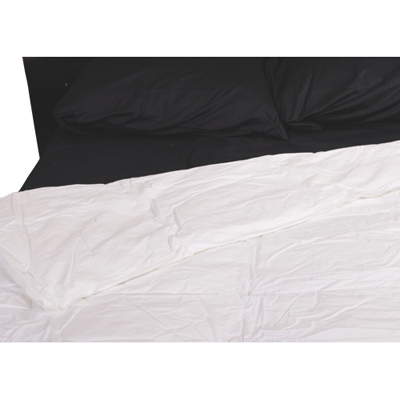 Your price for this item is $159.99
 -
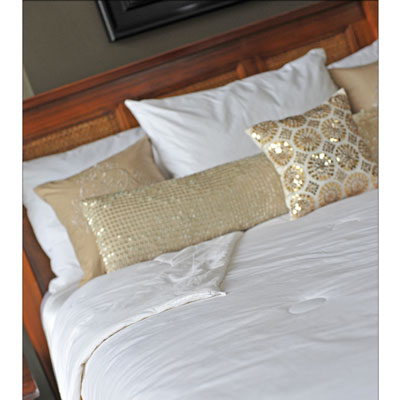 Your price for this item is $219.99
 -
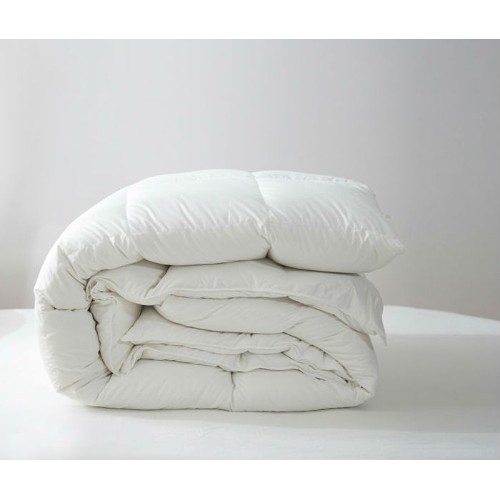 Your price for this item is $219.11
Discover more categories related to Lightweight Bedding for Summer
Top Collections:
Pokemon Centers, Kindle Devices, Best Budget Office Chairs, Apple iPhones 16, Canon G7X Cameras, iPhone 15 Apple, Alarm Clock, Refurbished Apple Laptops, Flip Phones, Best Laptops for Writers
Some products may be subject to Environmental Handling Fees
(EHF) depending on your province.
Learn more about EHFs.