Lightweight Duvet Covers
Upgrade your bedroom decor with these lightweight duvet covers. Designed to provide a fresh and stylish look, these duvet covers are perfect for those who want to add a touch of elegance to their bedding. Made from high-quality materials, they are not only soft and comfortable but also durable, ensuring long-lasting use. With a variety of designs and colors available, you can easily find the perfect lightweight duvet cover to suit your personal style and enhance the overall ambiance of your bedroom.
Sort
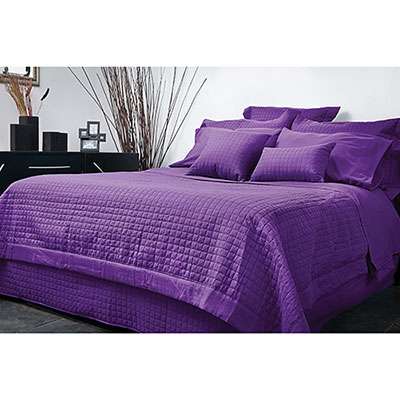
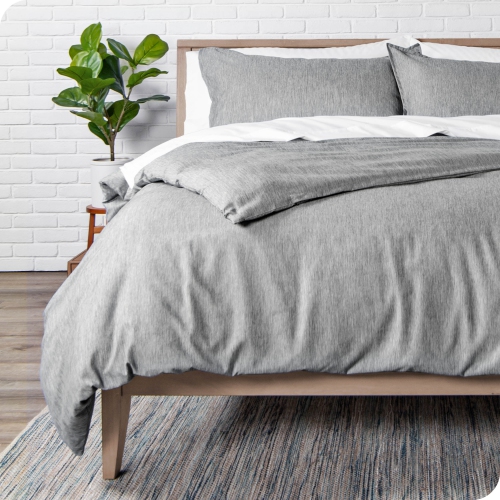
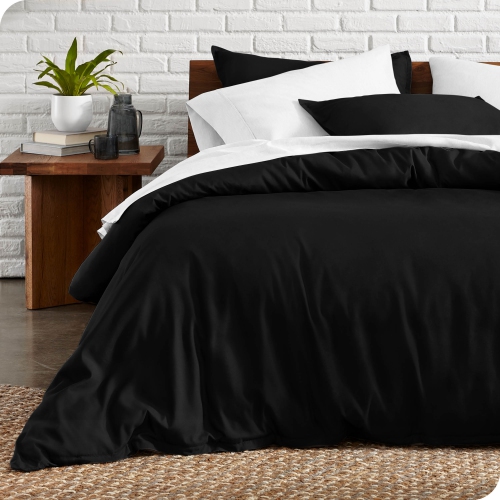
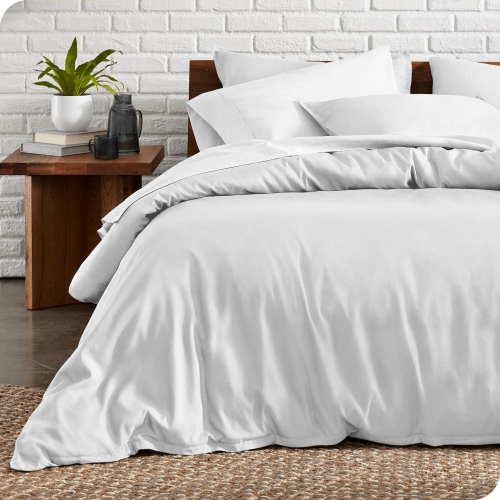
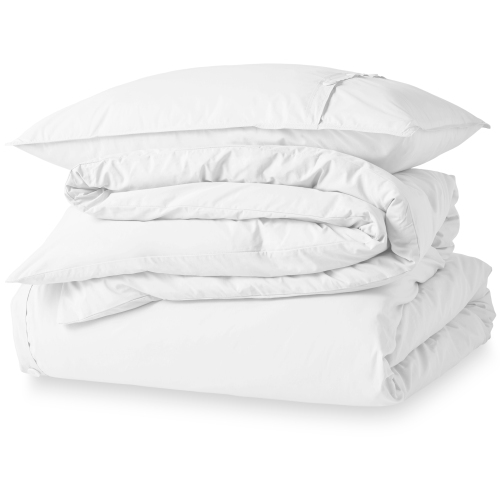
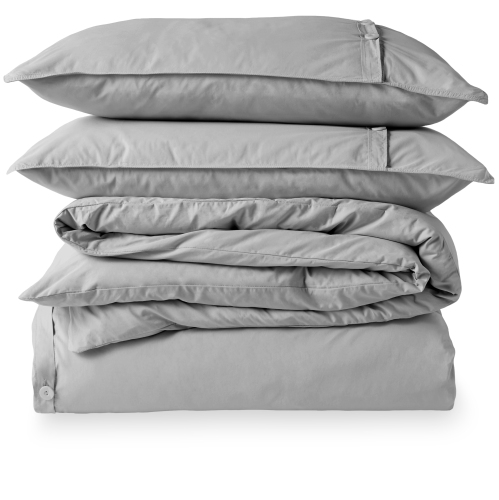
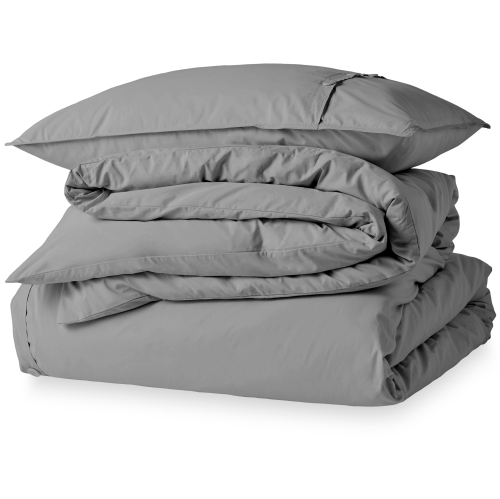
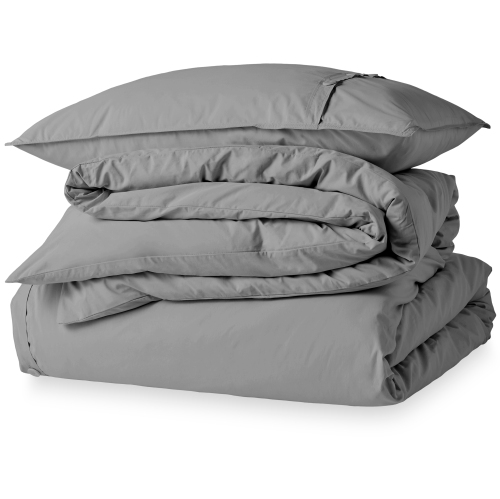
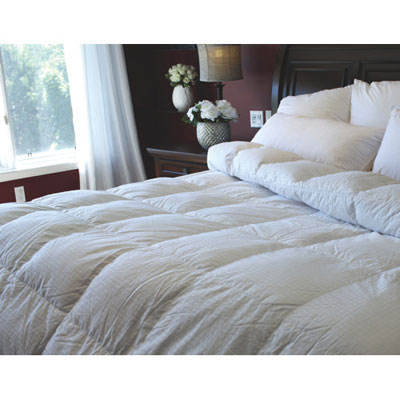
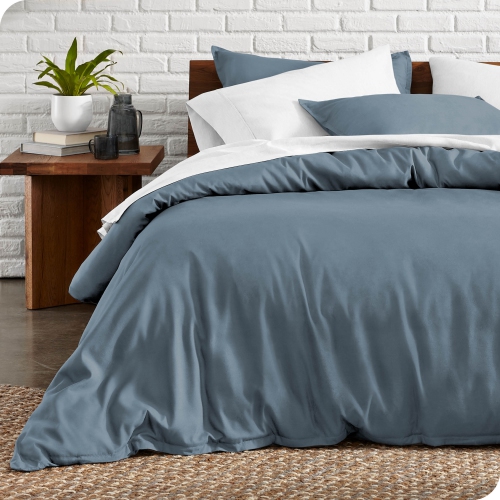
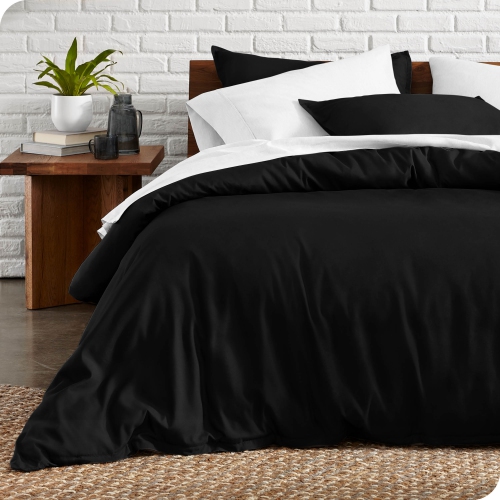
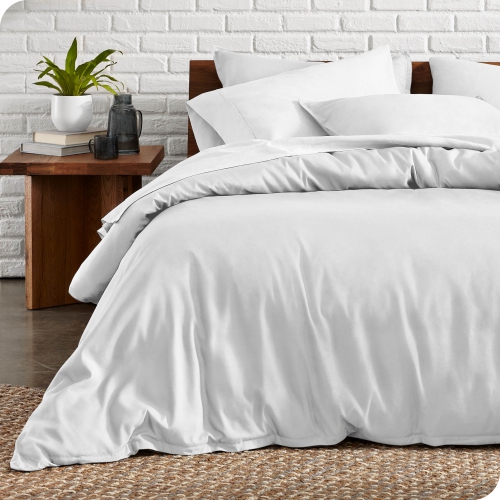
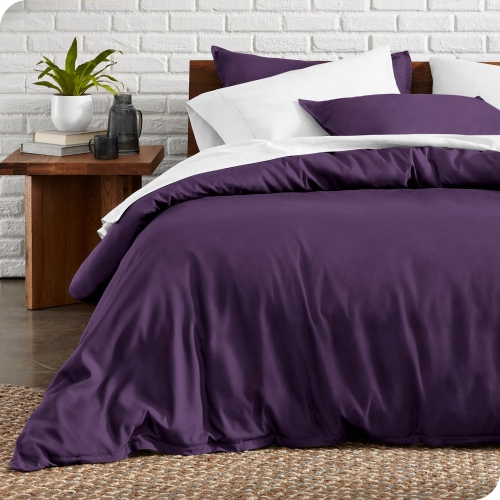
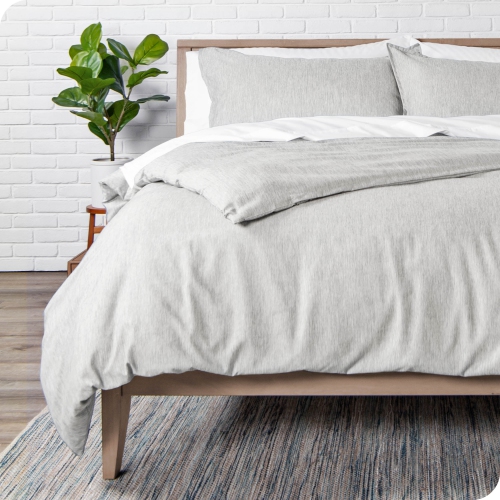
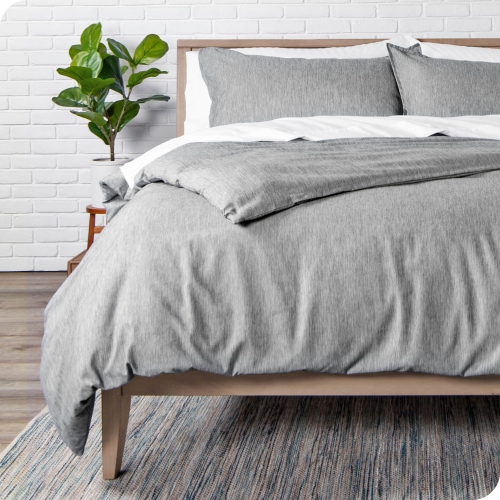
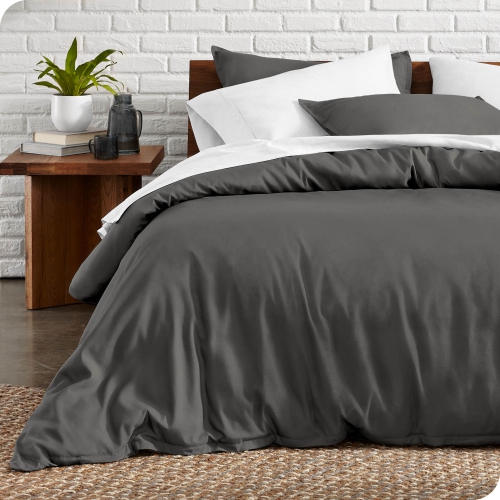
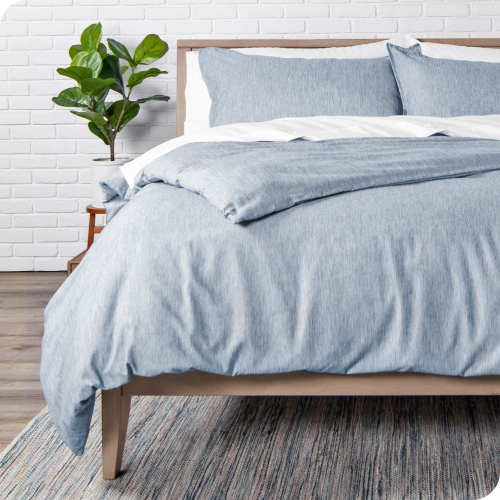


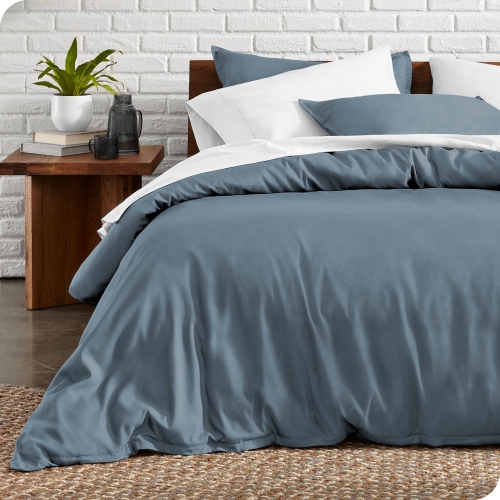
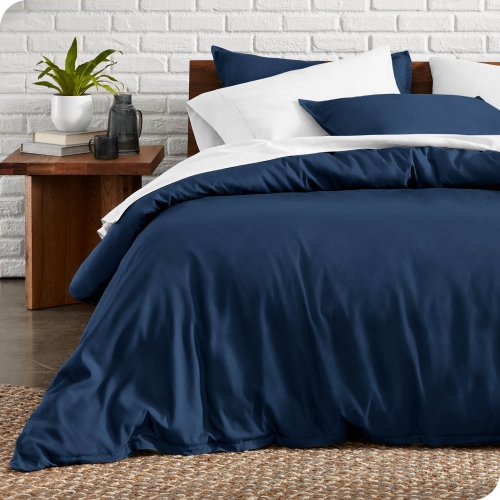

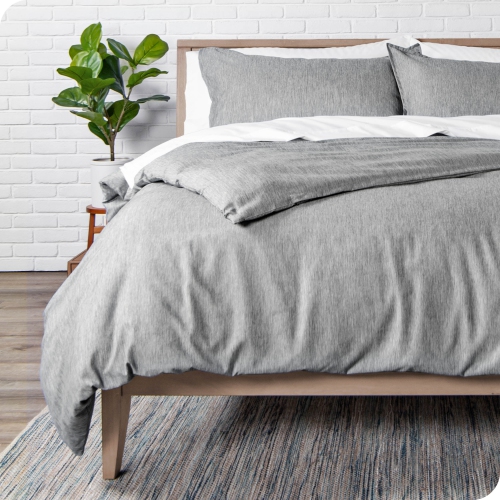
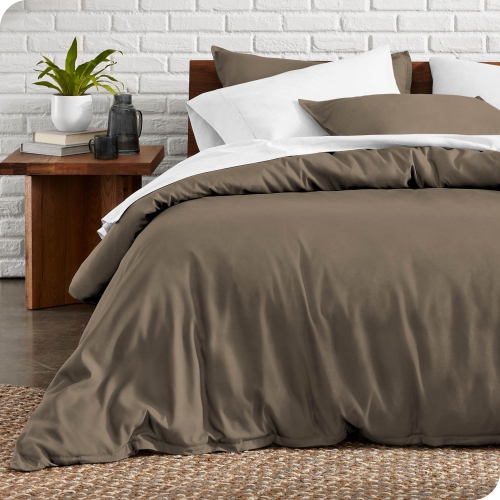
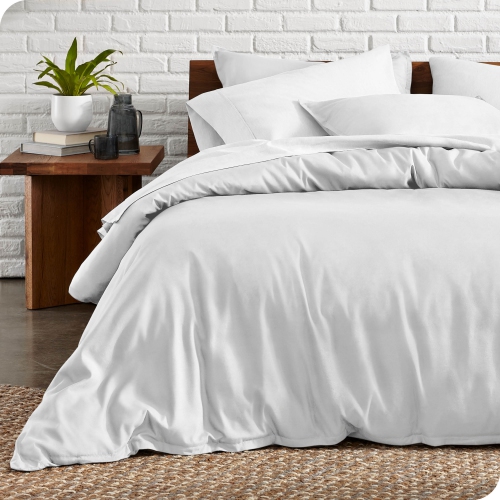
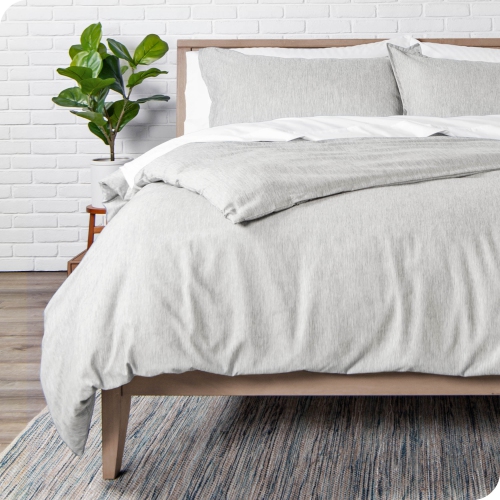

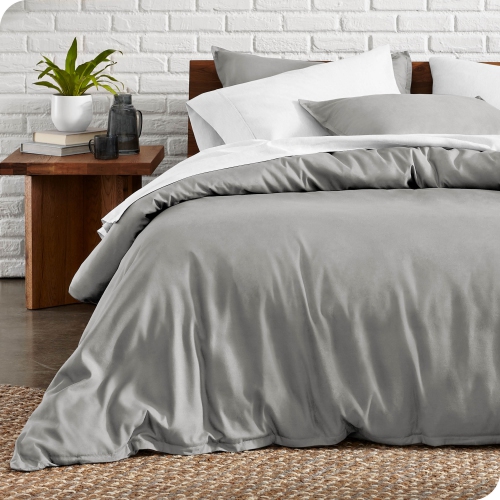
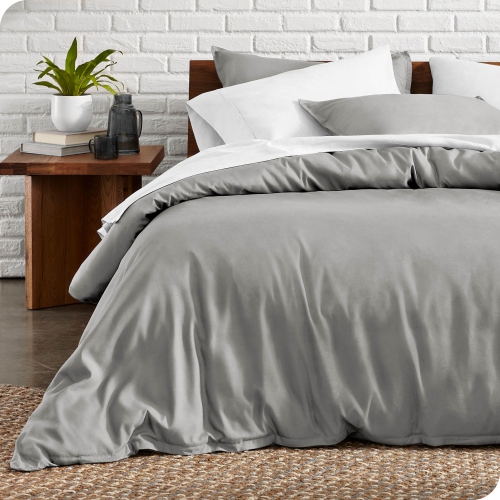
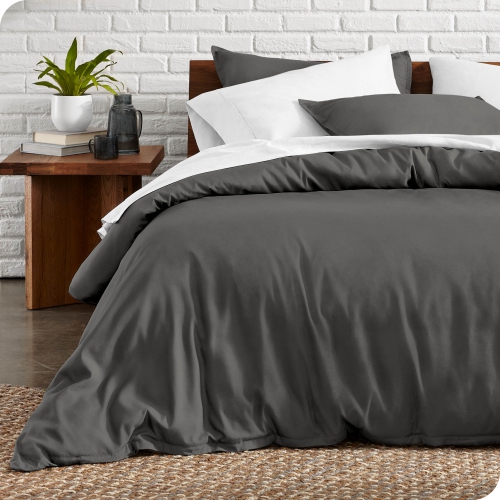
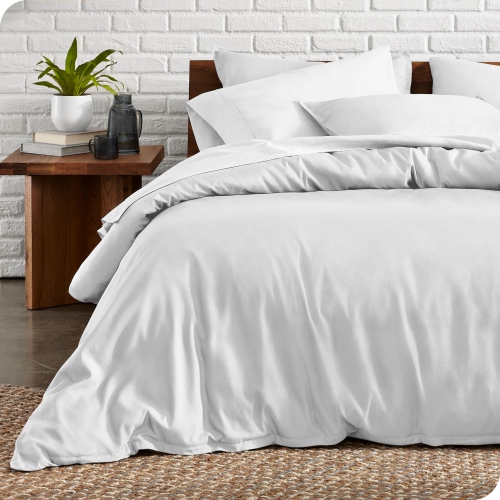
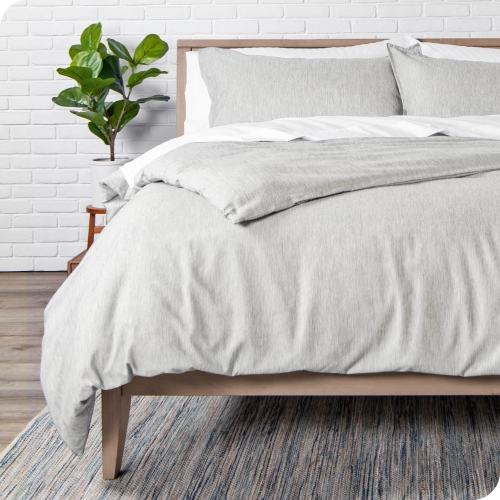
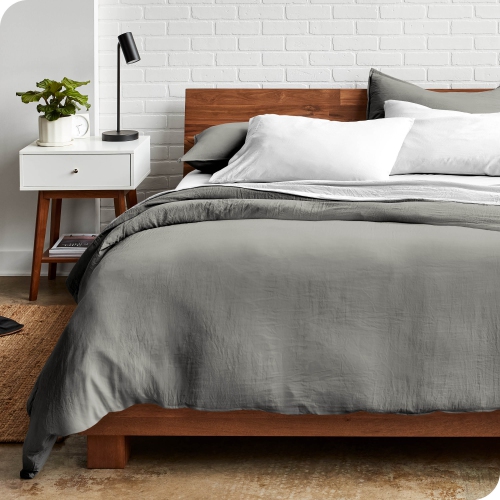
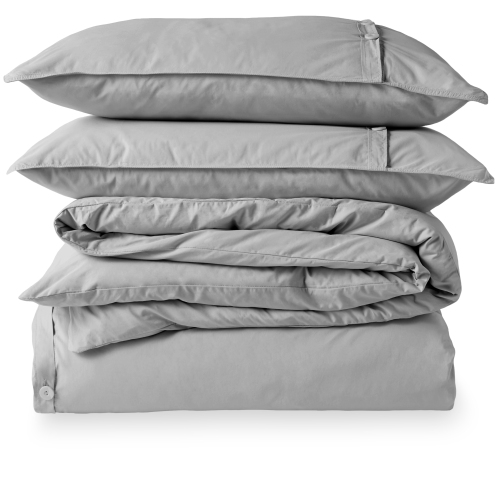
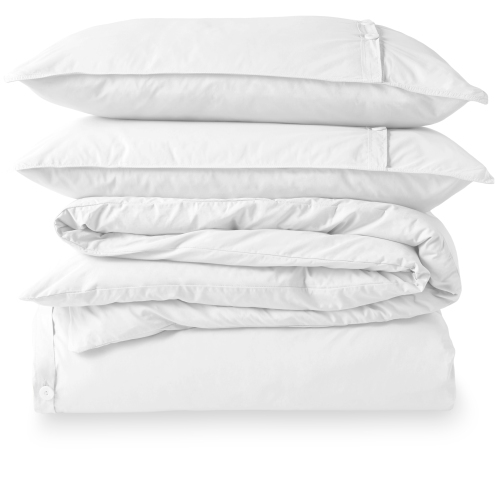
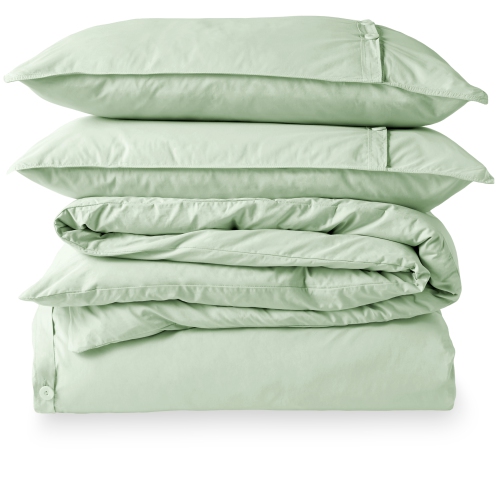
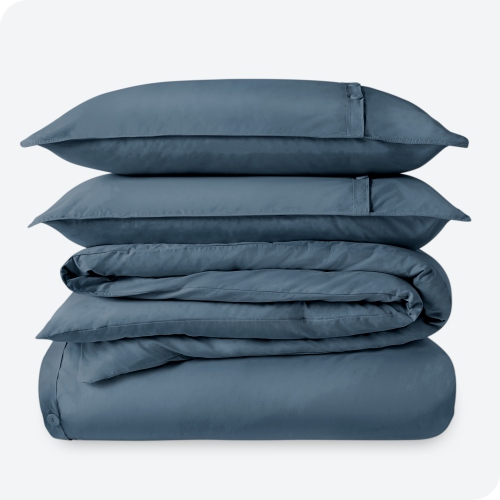
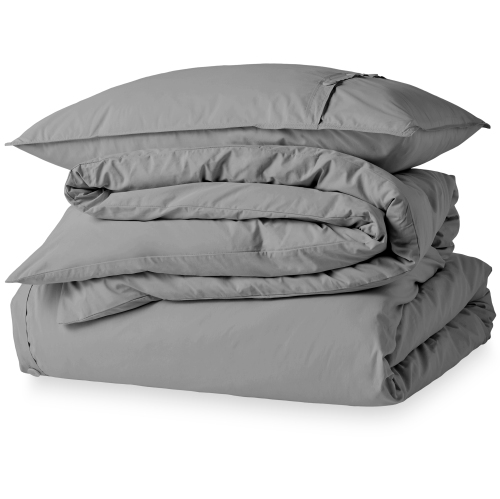
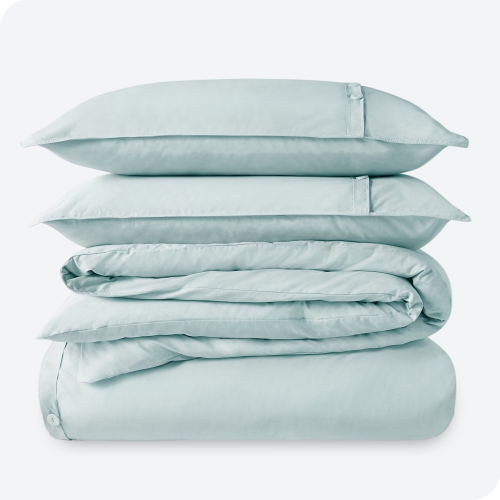
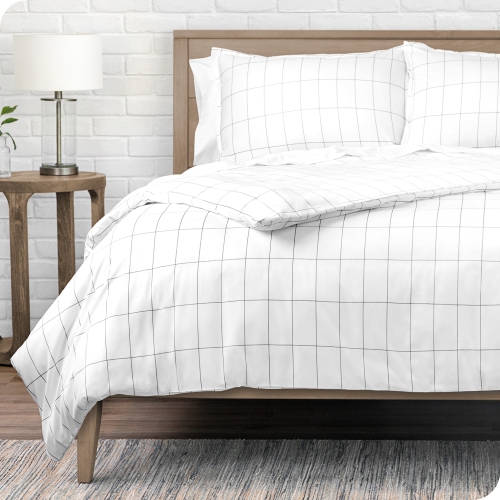

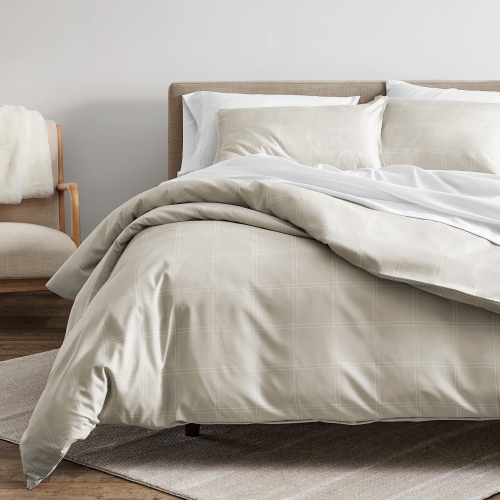
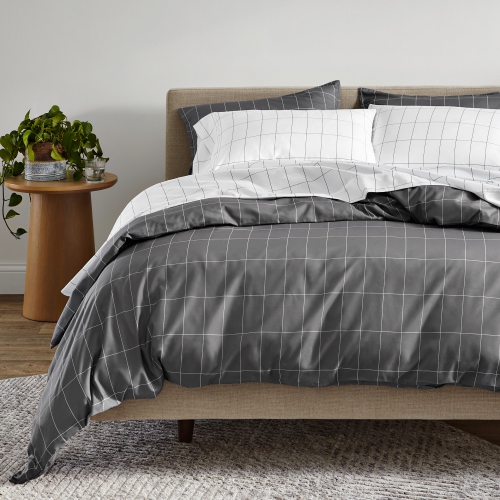
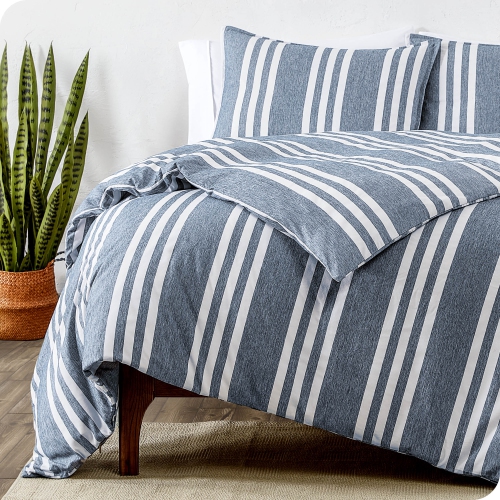
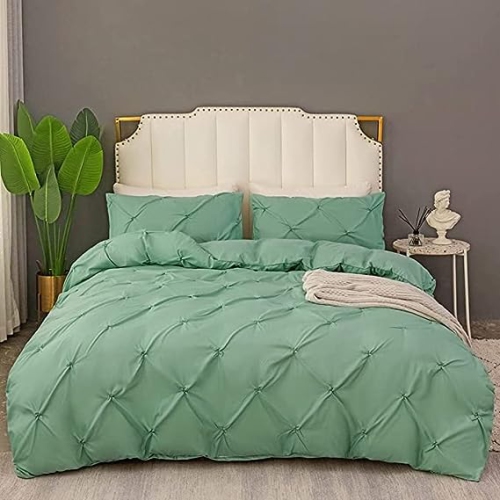
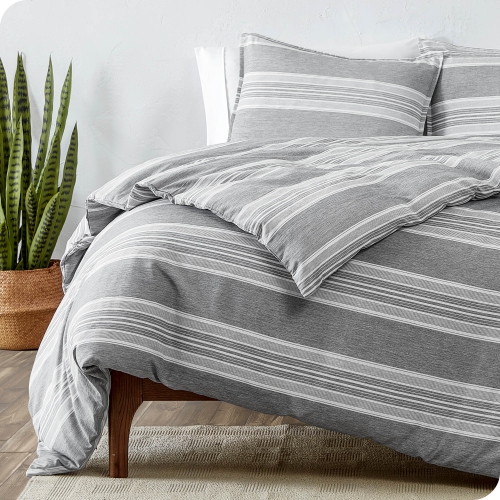

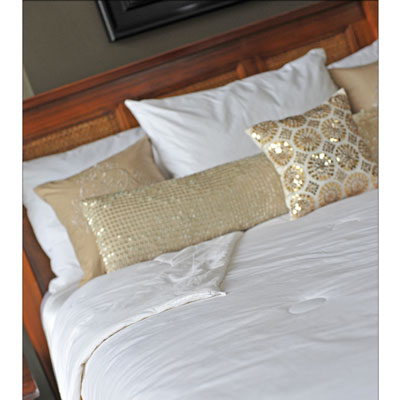
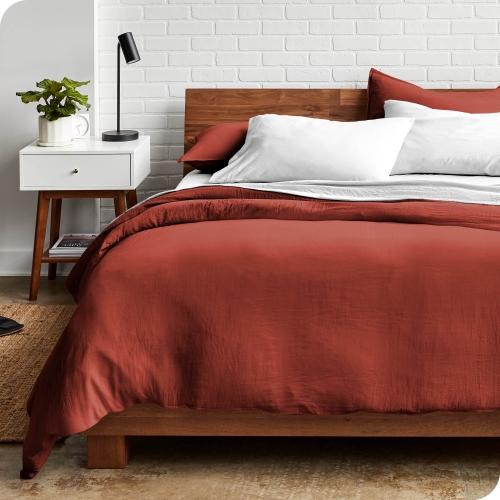
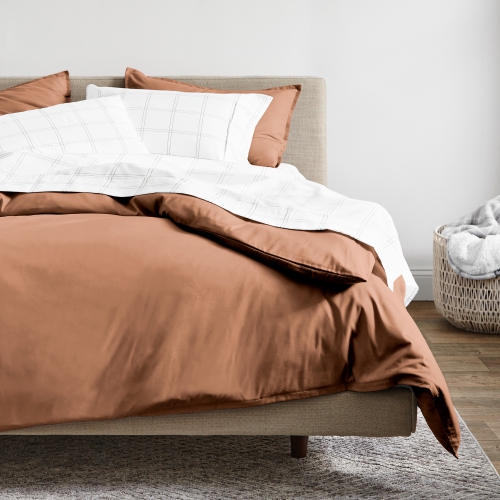
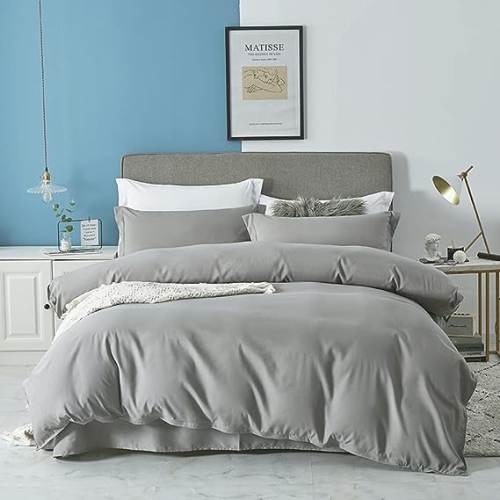

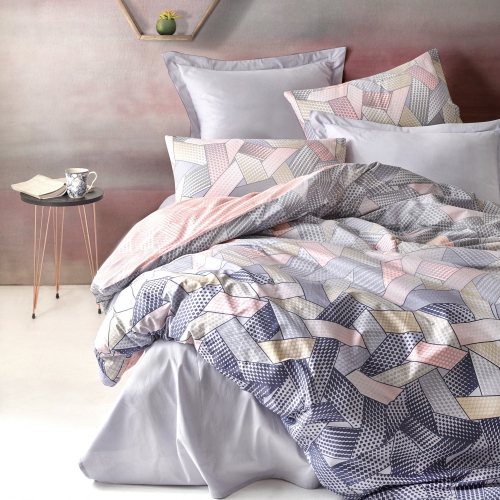
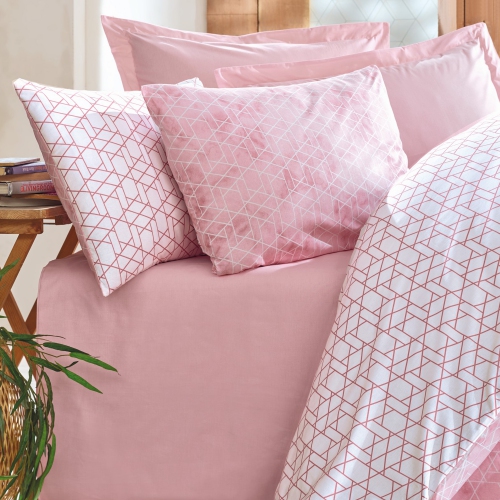
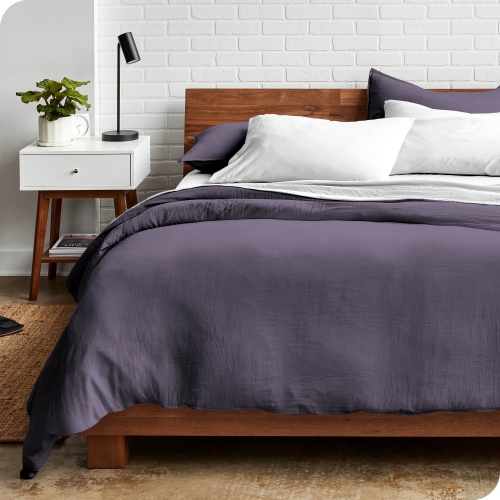
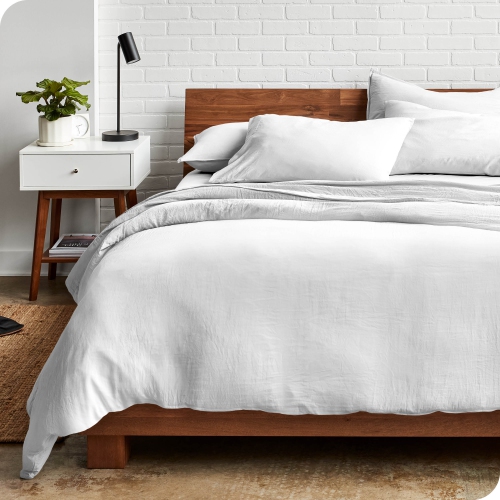
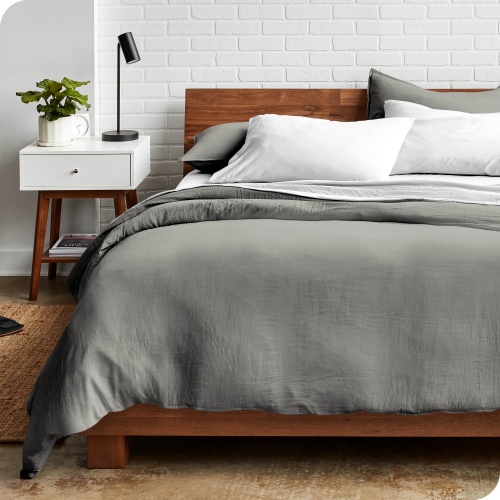



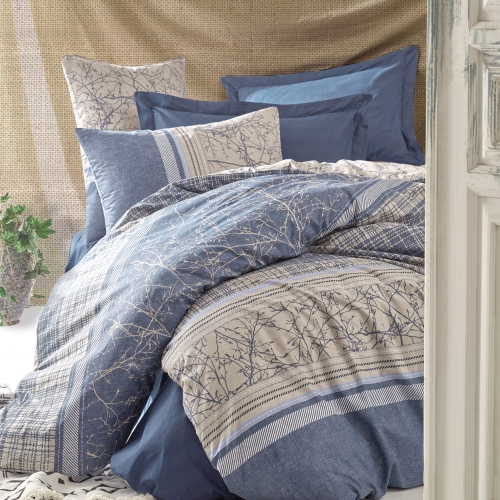
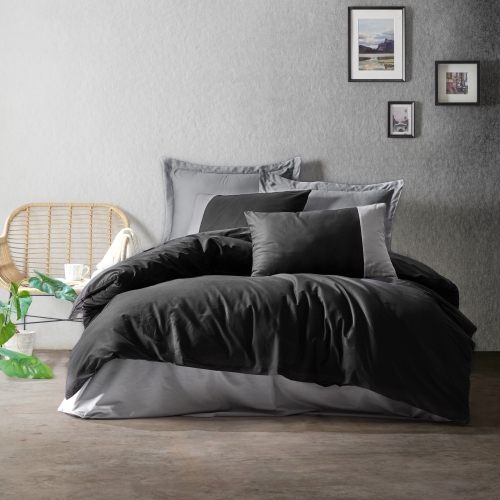
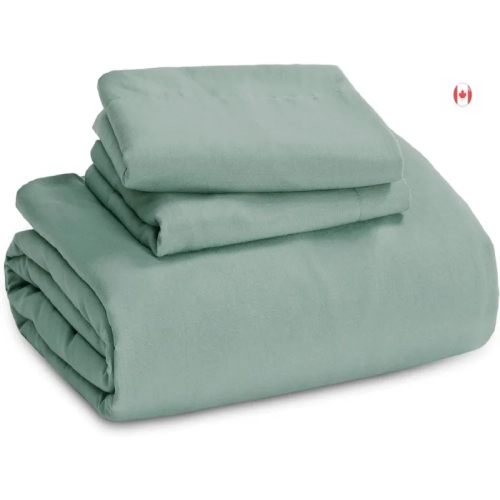
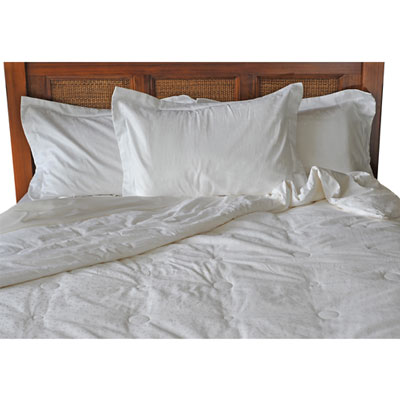
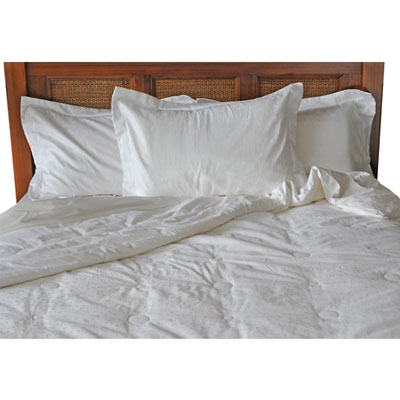
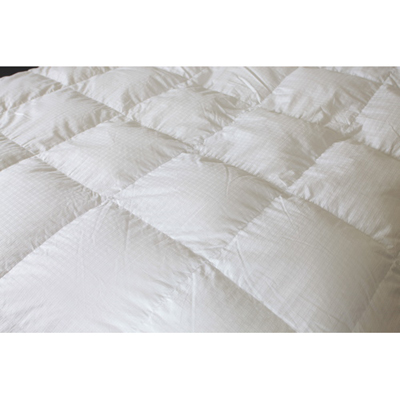
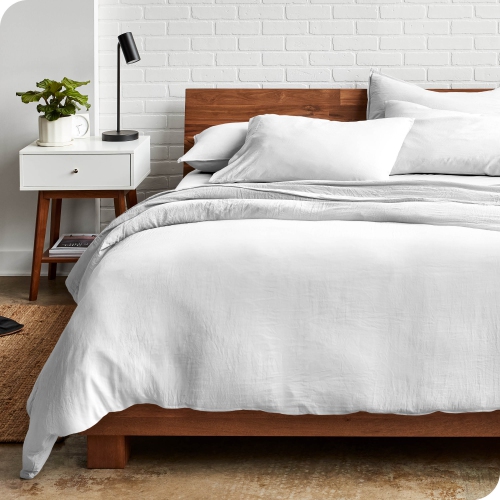
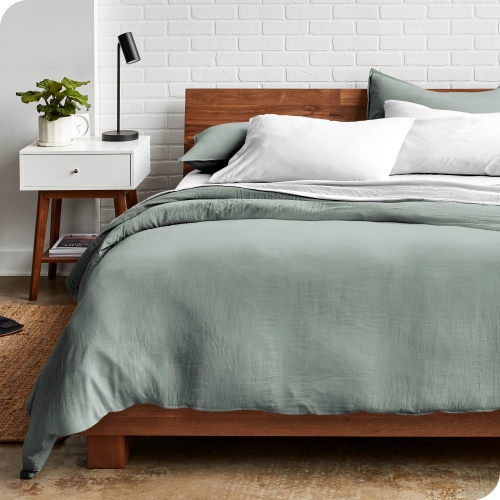
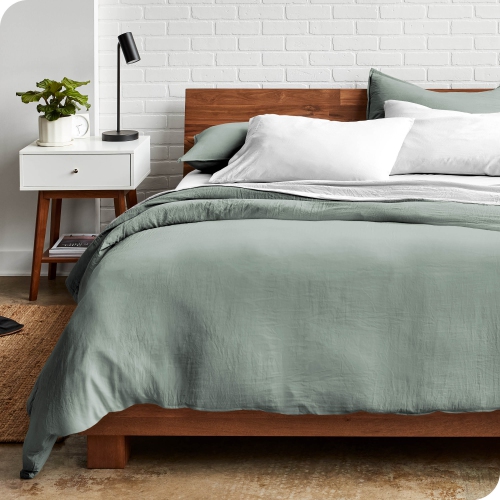
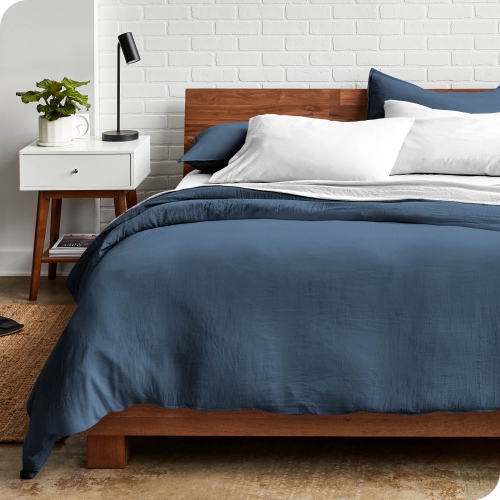
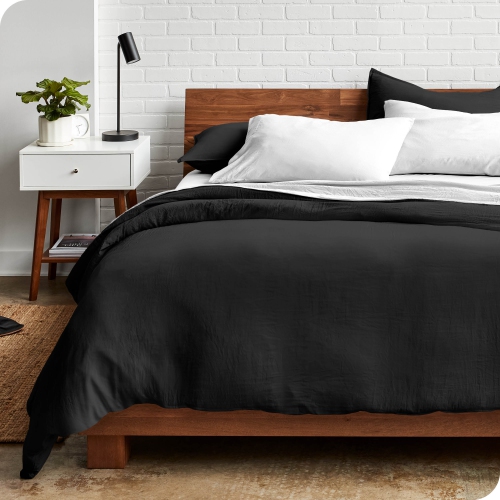
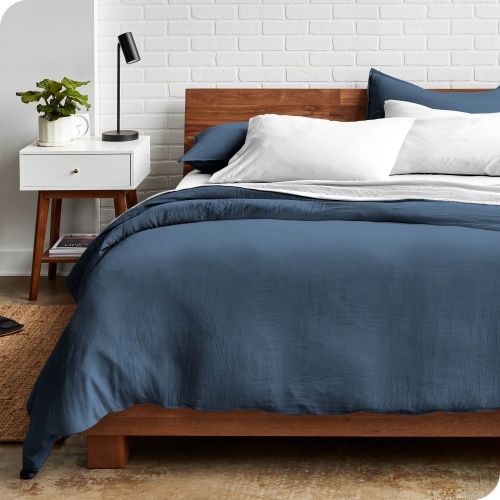
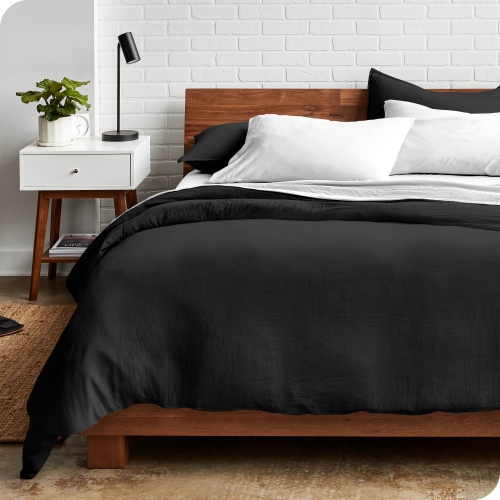
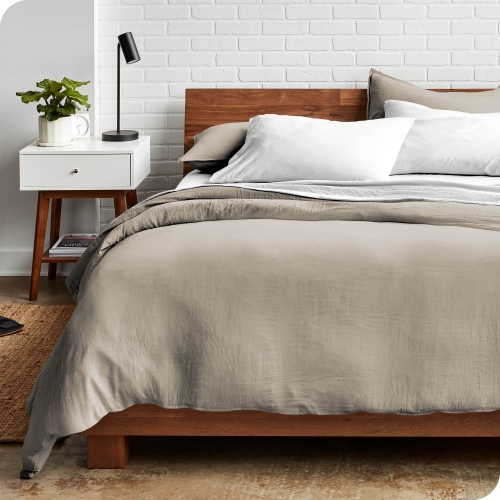
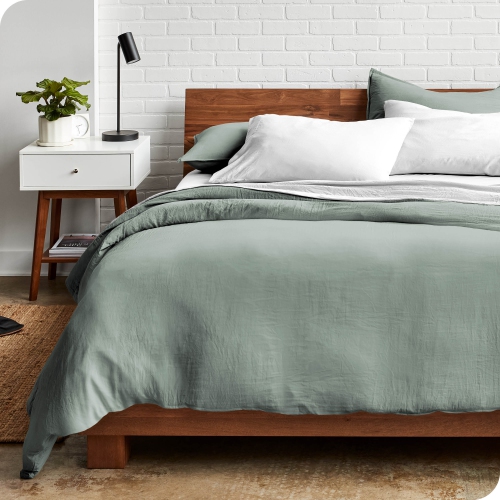
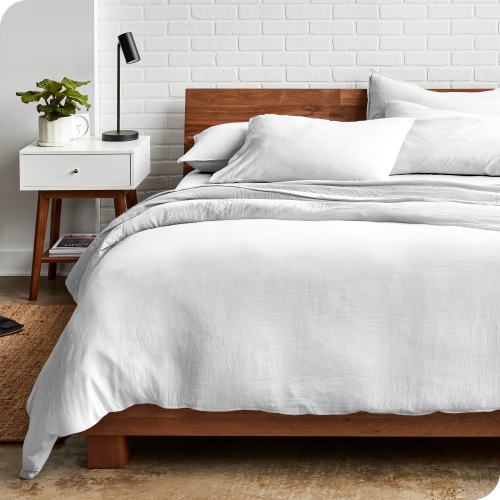


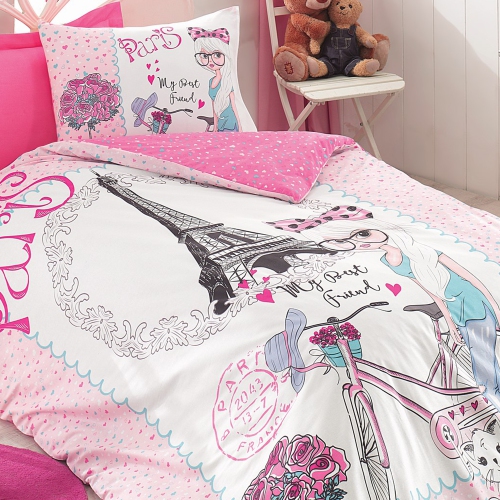
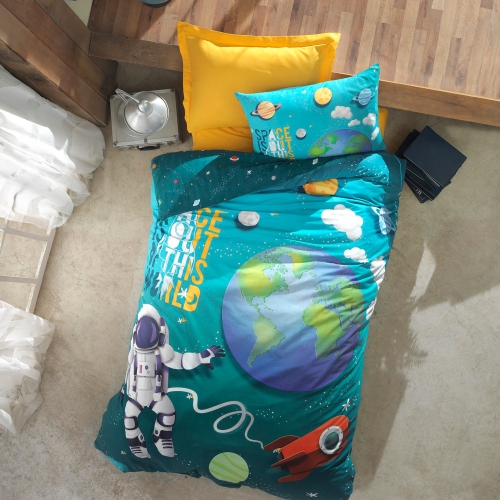



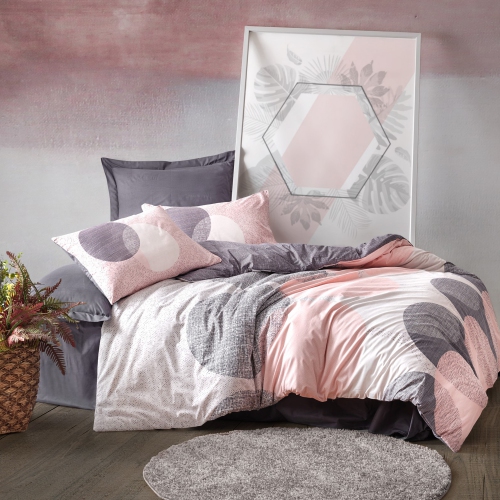

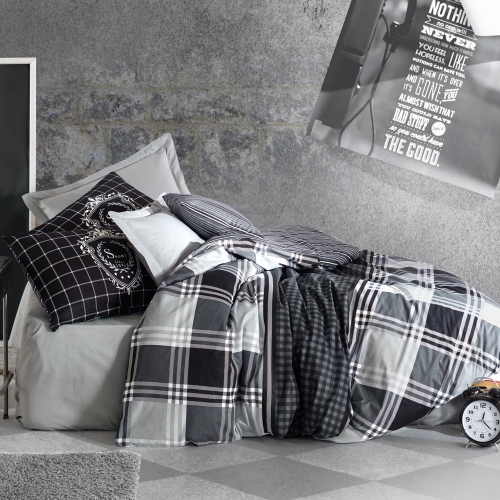

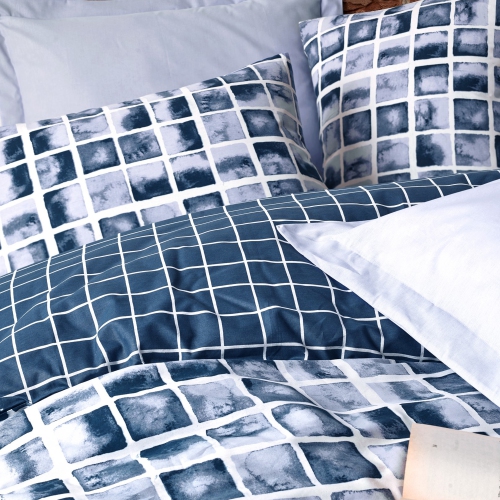
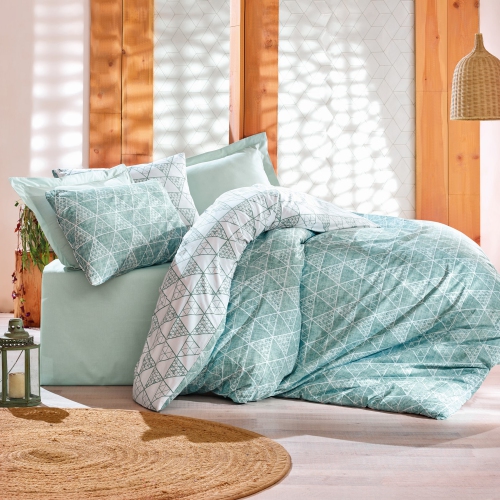
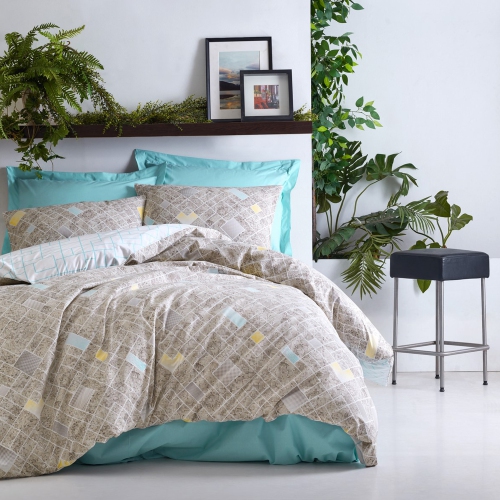
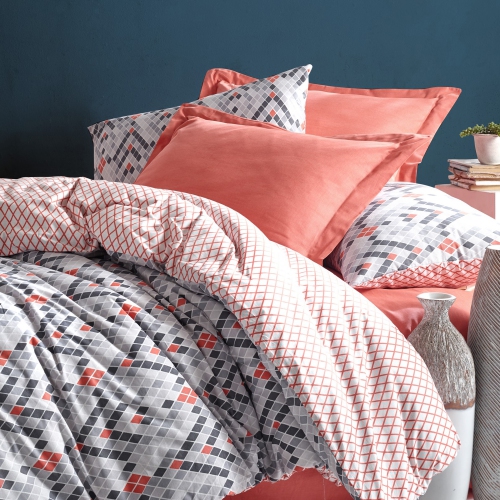
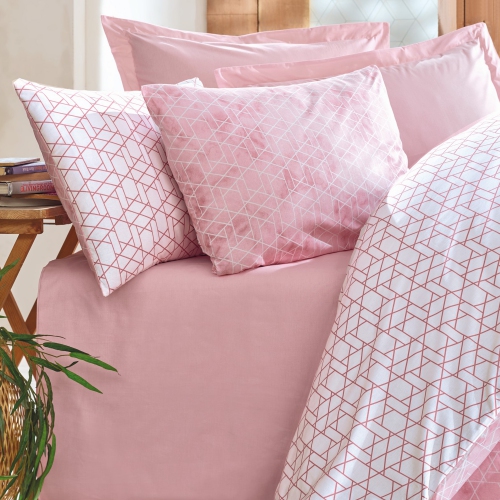

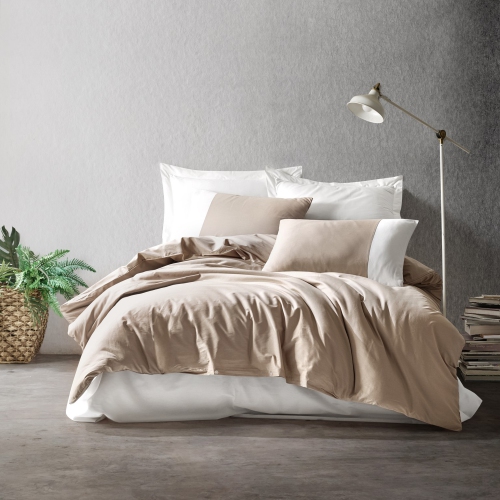

Breathable comfort and adaptable style for warmer nights
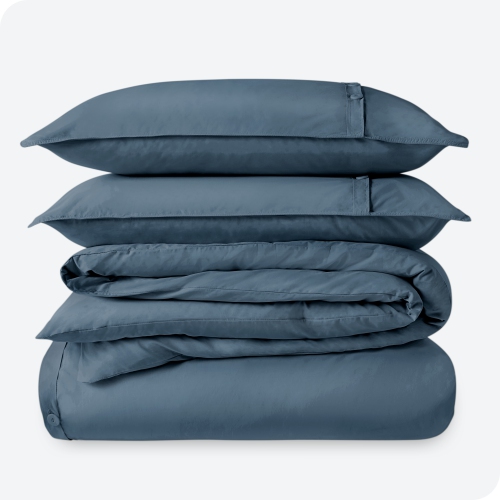
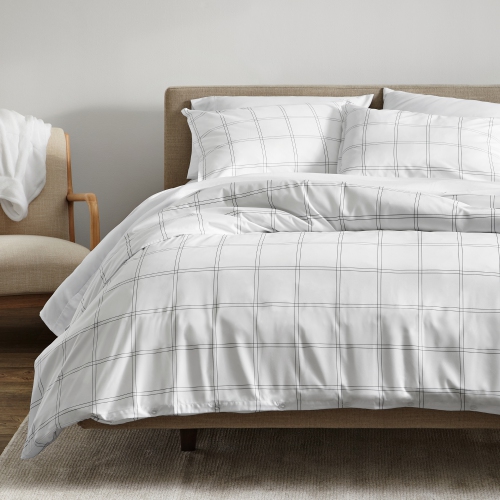
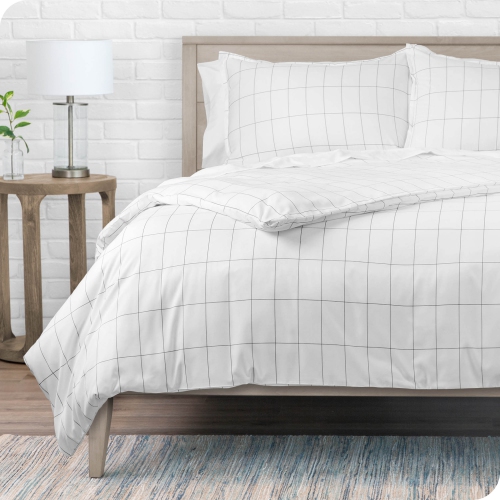
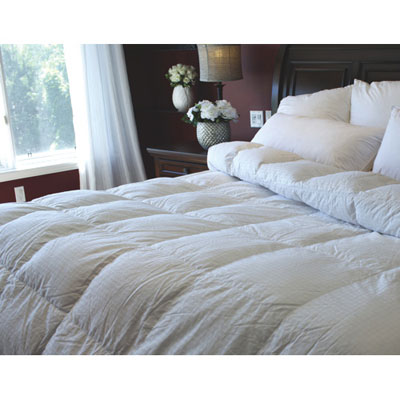
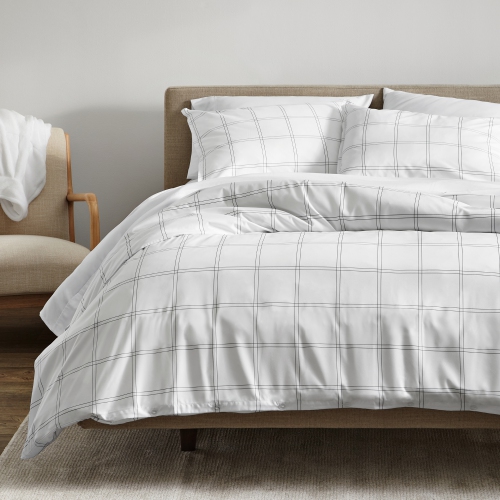
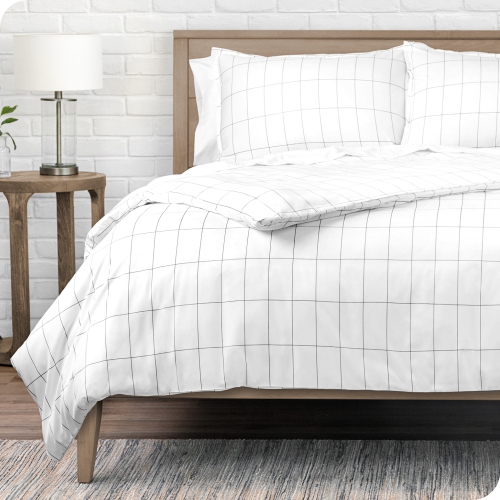
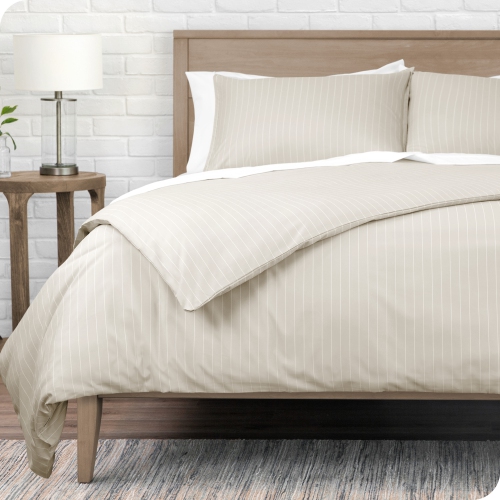
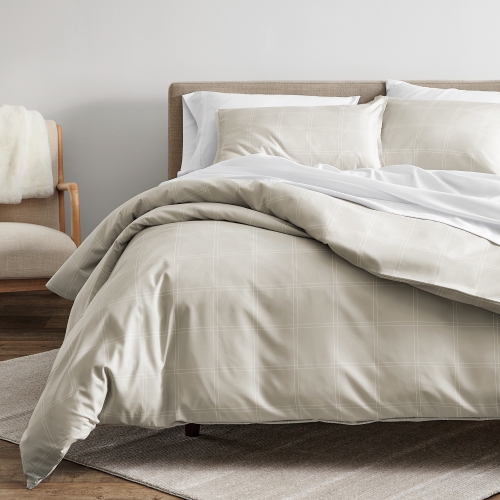
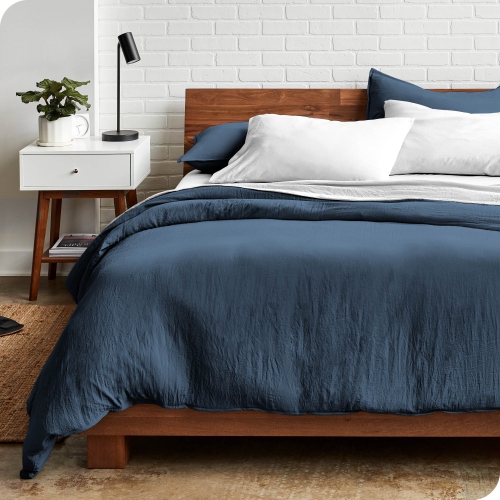
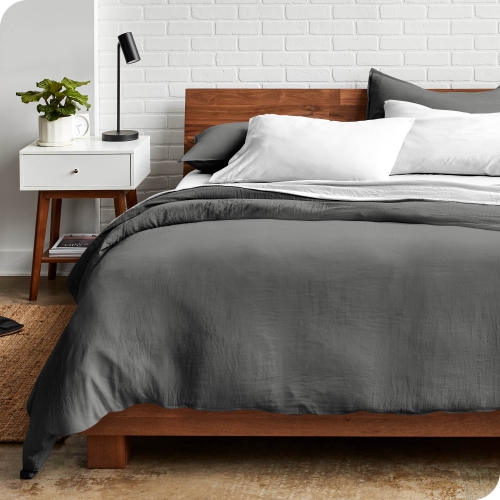
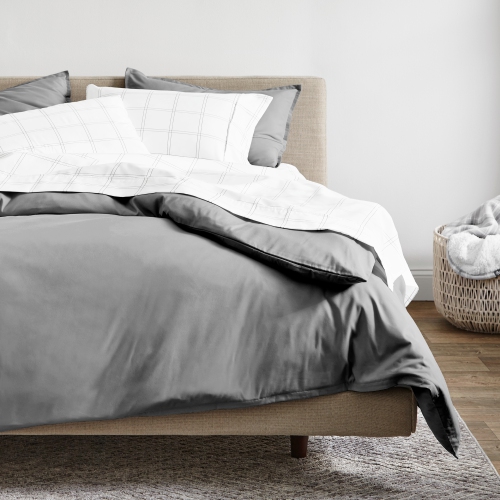
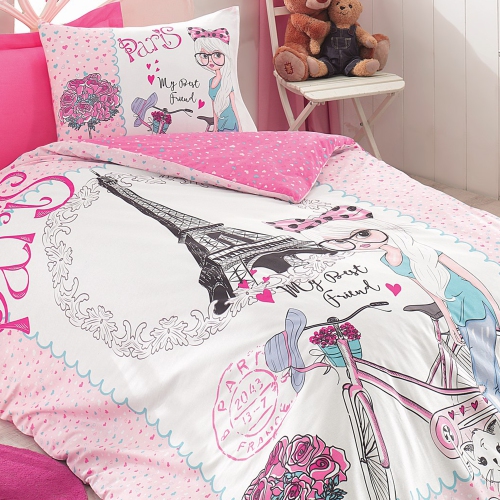
Lightweight duvet covers are an easy way to make a bed feel cooler, softer, and more comfortable without changing the duvet insert underneath. They create a breathable layer between you and the filling, helping the bed feel less heavy during warmer nights while still providing a polished finish when the weather turns cooler. A lightweight cover can suit hot sleepers, people who prefer a less layered bed, children who find bulky bedding uncomfortable, guest rooms that need adaptable linens, and anyone who likes to refresh the look of a bedroom with minimal effort. It can also be a thoughtful housewarming, wedding, graduation, or student-home gift, especially when you choose a versatile colour and a standard size. Shoppers comparing lightweight bedding may also want to browse Lightweight Duvets to find an insert that pairs well with the cover. The two pieces work together, but they serve different purposes: the duvet provides warmth and loft, while the cover protects the insert and adds texture, colour, and softness. For a bed that feels airy rather than weighed down, look for fabrics with a comfortable drape and a weave that allows some airflow. Percale cotton has a crisp, matte hand and a cool, fresh feel that many warm sleepers appreciate, while washed cotton offers a softer, relaxed finish that becomes even more inviting after laundering. Bamboo and eucalyptus-based lyocell fabrics are smooth against the skin and often valued for their moisture-managing feel. Microfiber can be a practical choice for shoppers seeking a thin, wrinkle-resistant cover that is easy to maintain, although it may feel warmer and less airy than many cotton or lyocell options. Texture matters as much as fibre content; a finely woven cover may feel sleek and smooth, while a relaxed or slightly brushed finish can add the cosy character of a well-loved bedroom.
Fit and construction have a noticeable effect on how a lightweight duvet cover feels each night. Start by matching the cover size to the duvet insert, taking measurements rather than relying only on labels, since dimensions can vary between collections. A cover that is too large may allow the insert to bunch at the foot of the bed, while one that is too small can flatten the filling and make the corners difficult to secure. Interior corner ties or loops are especially helpful because they anchor the insert and reduce shifting as you turn over. This small detail can make the difference between a neatly filled cover in the morning and a loose bundle gathered at one end. Some designs use ties at all four corners, while others include additional fasteners along the sides for an even closer fit. Consider the closure as well. A zipper creates a clean edge and keeps the insert enclosed, which can be useful in a busy household, whereas buttons provide a familiar, classic appearance and are often simple to replace if needed. The opening should be wide enough to make inserting the duvet manageable; laying the cover inside out on the bed, placing the insert on top, and then rolling the two together can make the task less awkward. Colour and pattern are also practical decisions. Pale neutrals can brighten a smaller room and coordinate with existing sheets, while deeper shades and subtle patterns add visual warmth without requiring a complete bedding change. If the cover will be used in a guest room, adaptable tones make it easier to pair with different sheet sets. For a child’s room, a washable fabric and a secure closure may be more important than a delicate finish. In a primary bedroom, the best choice may be the one that feels pleasant against bare arms and remains comfortable from the first cool evening of the season through the warmer nights that follow.
Care instructions deserve attention before purchase, particularly for bedding that will be washed frequently. Check the label for recommended water temperature, drying instructions, and whether the fabric should be removed promptly from the dryer to reduce creasing. Cotton covers may soften with regular washing but can shrink if exposed to excessive heat, while microfiber and some lyocell blends may benefit from gentler cycles and lower drying temperatures. Washing the cover separately from bulky towels can help prevent lint transfer and gives the fabric more room to move. Fastening buttons or zippers before laundering can protect the closure and reduce snagging, and ensuring the cover is completely dry before placing it back on the bed helps maintain a fresh, comfortable feel. Many people keep a second lightweight duvet cover on hand so the bed can be remade while the first one is in the wash; this is particularly convenient in a child’s room, a guest space, or a home where bedding is changed often. During the warmer part of the year, a lightweight cover can be paired with a thin insert or used over a duvet on its own when only a little warmth is needed. As the weather cools, the same cover can be layered with a warmer insert, blankets, or a quilt, allowing the bed to adapt without replacing the entire set. The result is bedding that feels easy to live with: cool and breathable when you need less warmth, inviting when the room becomes chilly, and simple to refresh when a bedroom needs a change. Consider the fabric feel, care routine, closure, corner fasteners, dimensions, and intended season together to find a lightweight duvet cover that fits naturally into your sleep routine and complements the way you use your space.
Fit and construction have a noticeable effect on how a lightweight duvet cover feels each night. Start by matching the cover size to the duvet insert, taking measurements rather than relying only on labels, since dimensions can vary between collections. A cover that is too large may allow the insert to bunch at the foot of the bed, while one that is too small can flatten the filling and make the corners difficult to secure. Interior corner ties or loops are especially helpful because they anchor the insert and reduce shifting as you turn over. This small detail can make the difference between a neatly filled cover in the morning and a loose bundle gathered at one end. Some designs use ties at all four corners, while others include additional fasteners along the sides for an even closer fit. Consider the closure as well. A zipper creates a clean edge and keeps the insert enclosed, which can be useful in a busy household, whereas buttons provide a familiar, classic appearance and are often simple to replace if needed. The opening should be wide enough to make inserting the duvet manageable; laying the cover inside out on the bed, placing the insert on top, and then rolling the two together can make the task less awkward. Colour and pattern are also practical decisions. Pale neutrals can brighten a smaller room and coordinate with existing sheets, while deeper shades and subtle patterns add visual warmth without requiring a complete bedding change. If the cover will be used in a guest room, adaptable tones make it easier to pair with different sheet sets. For a child’s room, a washable fabric and a secure closure may be more important than a delicate finish. In a primary bedroom, the best choice may be the one that feels pleasant against bare arms and remains comfortable from the first cool evening of the season through the warmer nights that follow.
Care instructions deserve attention before purchase, particularly for bedding that will be washed frequently. Check the label for recommended water temperature, drying instructions, and whether the fabric should be removed promptly from the dryer to reduce creasing. Cotton covers may soften with regular washing but can shrink if exposed to excessive heat, while microfiber and some lyocell blends may benefit from gentler cycles and lower drying temperatures. Washing the cover separately from bulky towels can help prevent lint transfer and gives the fabric more room to move. Fastening buttons or zippers before laundering can protect the closure and reduce snagging, and ensuring the cover is completely dry before placing it back on the bed helps maintain a fresh, comfortable feel. Many people keep a second lightweight duvet cover on hand so the bed can be remade while the first one is in the wash; this is particularly convenient in a child’s room, a guest space, or a home where bedding is changed often. During the warmer part of the year, a lightweight cover can be paired with a thin insert or used over a duvet on its own when only a little warmth is needed. As the weather cools, the same cover can be layered with a warmer insert, blankets, or a quilt, allowing the bed to adapt without replacing the entire set. The result is bedding that feels easy to live with: cool and breathable when you need less warmth, inviting when the room becomes chilly, and simple to refresh when a bedroom needs a change. Consider the fabric feel, care routine, closure, corner fasteners, dimensions, and intended season together to find a lightweight duvet cover that fits naturally into your sleep routine and complements the way you use your space.
Top selling and popular products
-
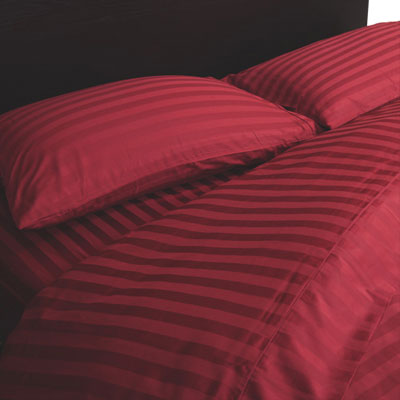 Your price for this item is $134.99
 -
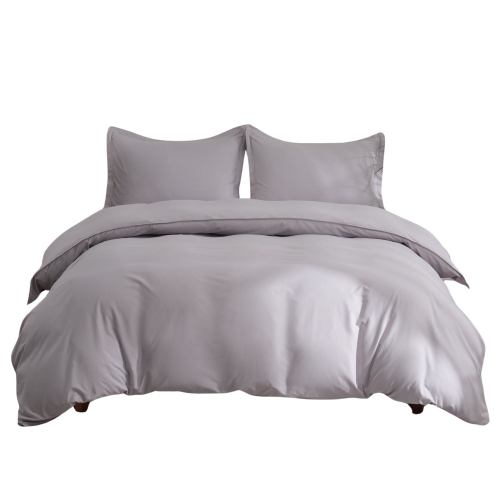 Your price for this item is $270
 -
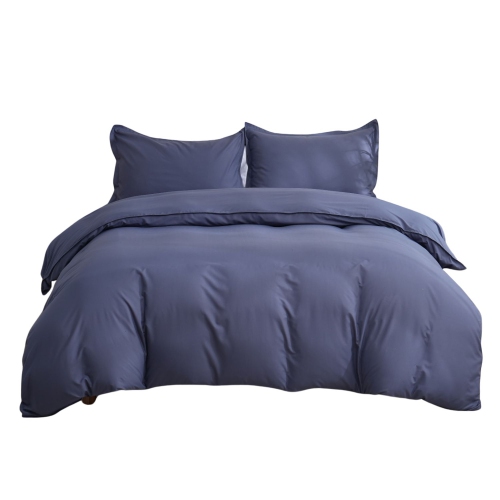 Your price for this item is $240
 -
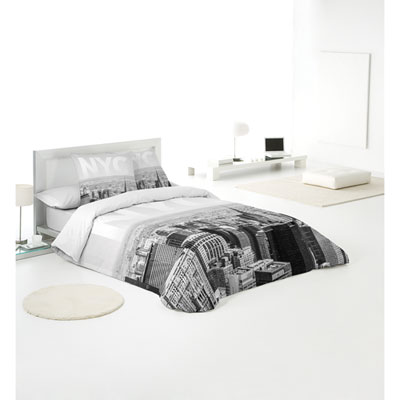 Your price for this item is $135.98
 -
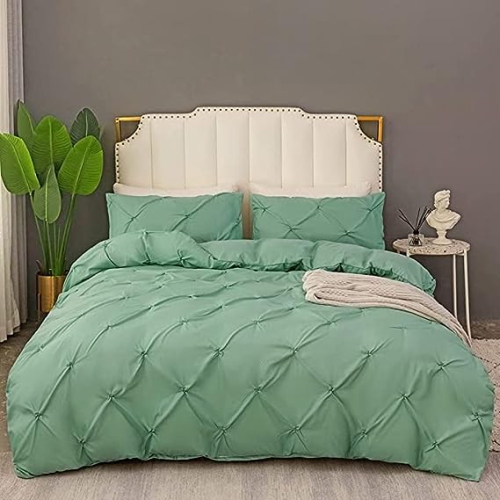 Your price for this item is $39.99
 -
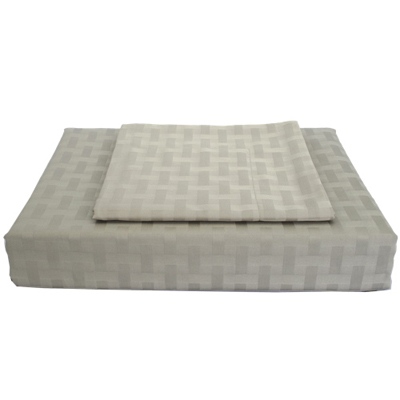 Your price for this item is $189.99
 -
 Your price for this item is $149.99
 -
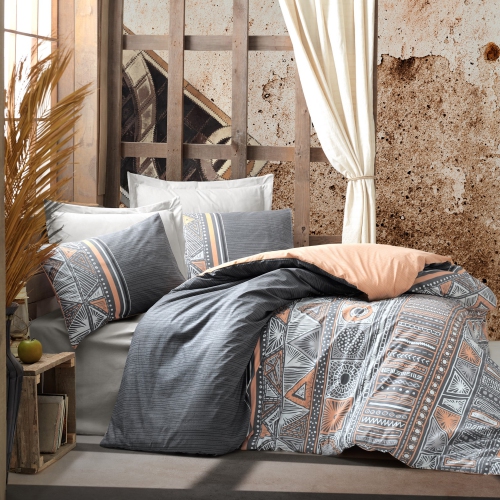 Your price for this item is $139.99
Discover more categories related to Lightweight Duvet Covers
Top Collections:
Pokemon Centers, Kindle Devices, Best Budget Office Chairs, Apple iPhones 16, Best Laptops for Writers, iPhone 15 Apple, Canon G7X Cameras, Refurbished Apple Laptops, Alarm Clock, Motorola Razr Phones
Some products may be subject to Environmental Handling Fees
(EHF) depending on your province.
Learn more about EHFs.