Living Room Mats
Transform your living space into a cozy oasis with our diverse selection of living room mats, designed to complement any decor style. Whether you're looking to add a splash of color, create a comfortable play area for kids, or simply enhance the warmth and texture of your flooring, our collection offers something for every taste and need. Explore an array of patterns, sizes, and materials that seamlessly blend functionality with aesthetics, ensuring that your living room becomes a true reflection of your personal style. Discover how the right mat can elevate your space while providing comfort underfoot and an inviting atmosphere for family gatherings or quiet evenings at home.
Sort



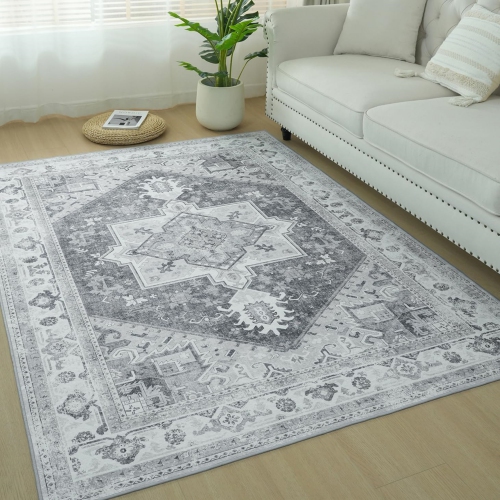
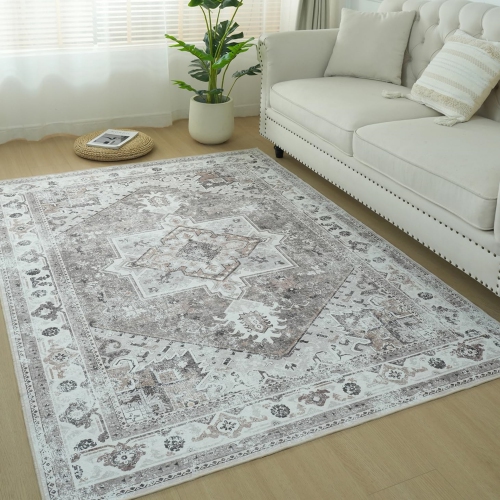
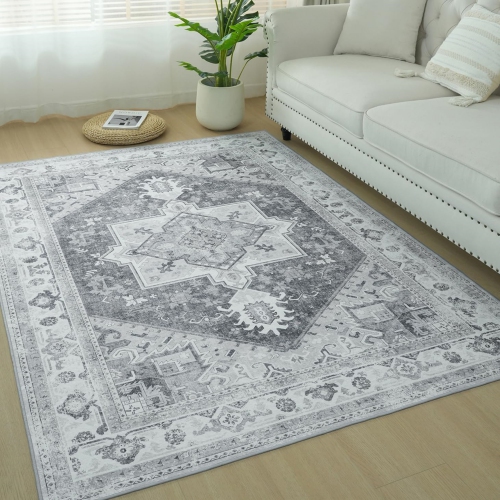

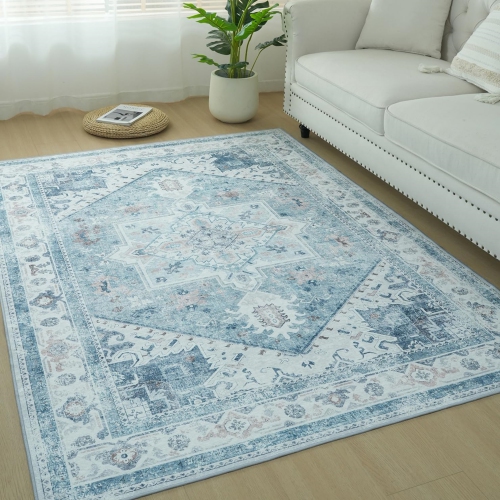
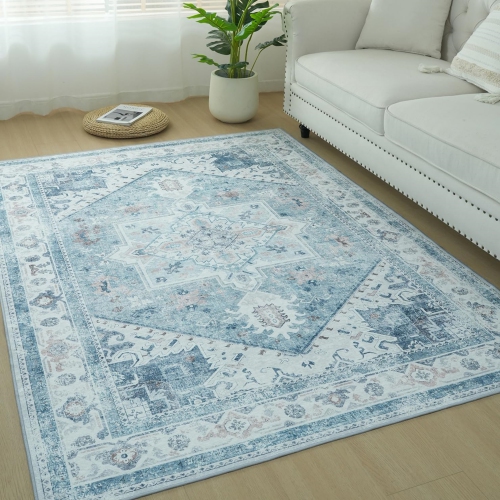
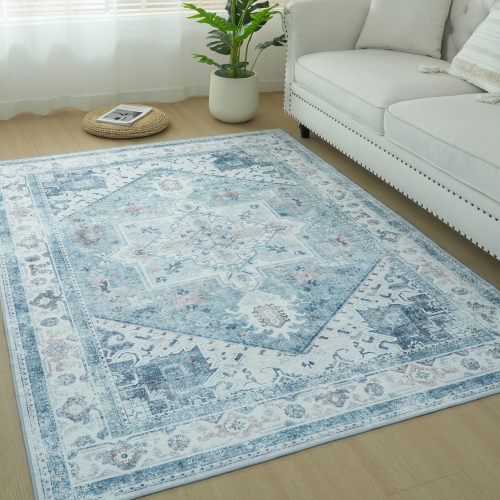
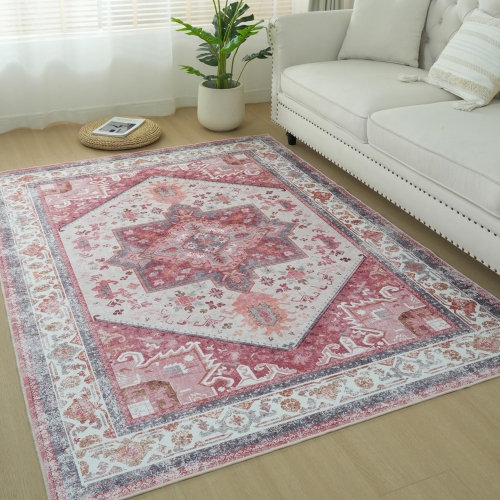

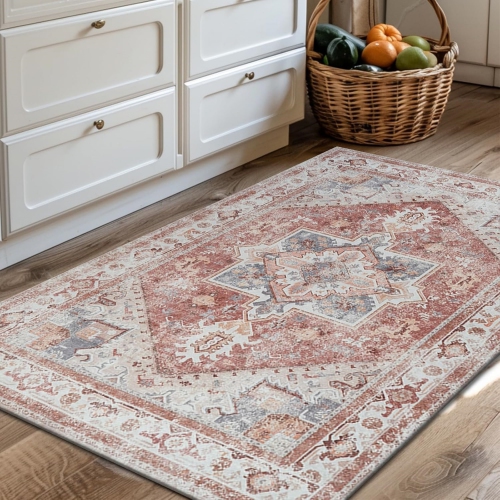



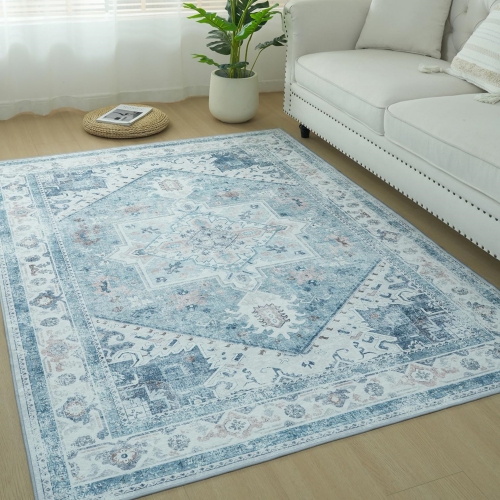
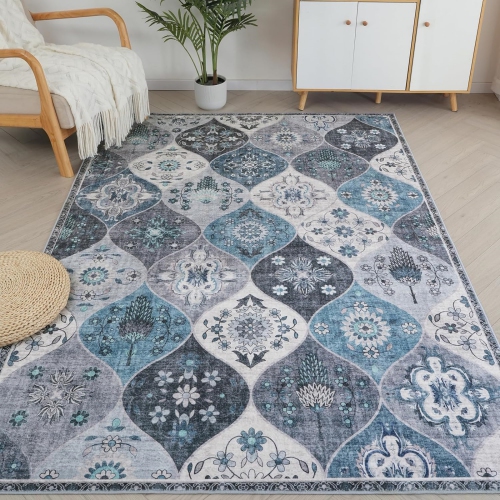

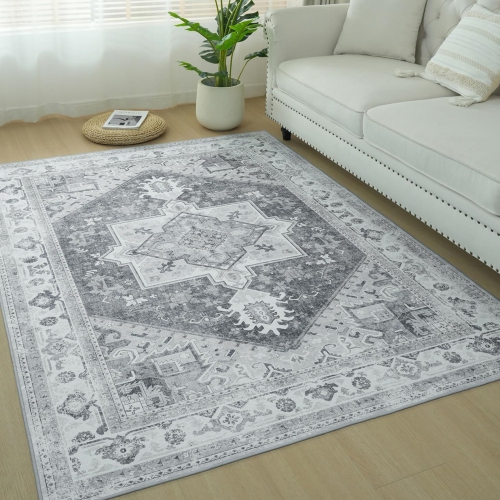
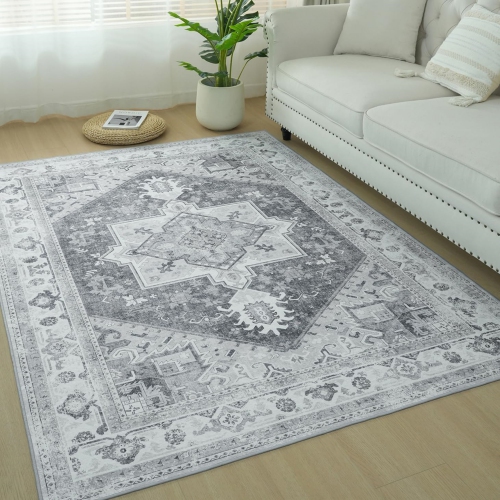
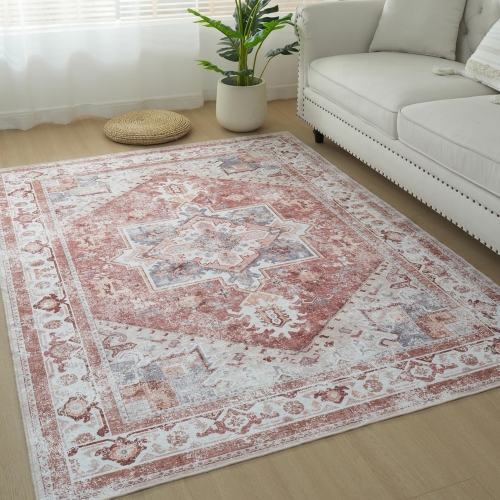
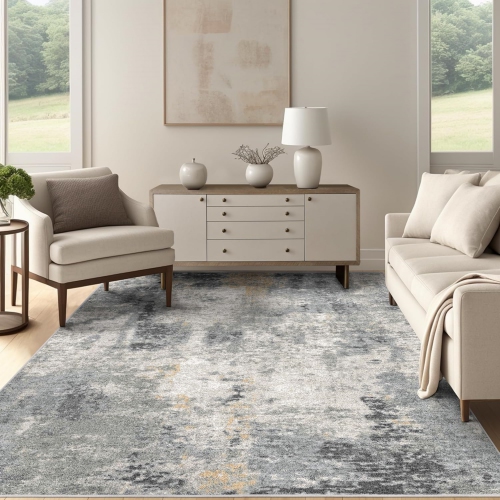
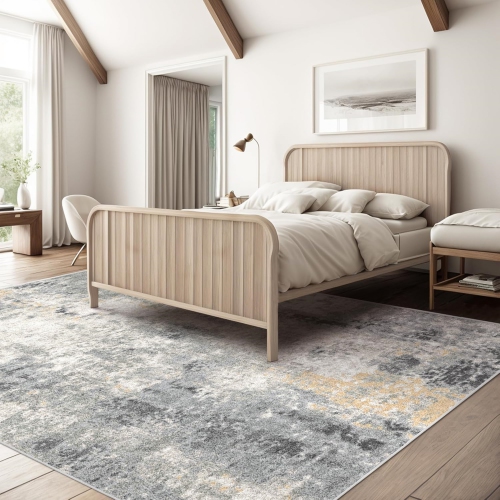
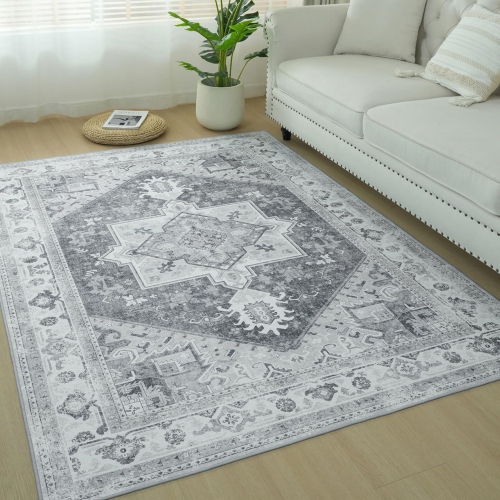
How size, texture, and materials shape everyday comfort
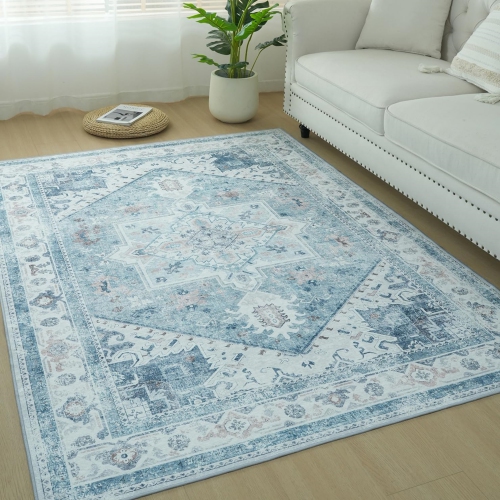
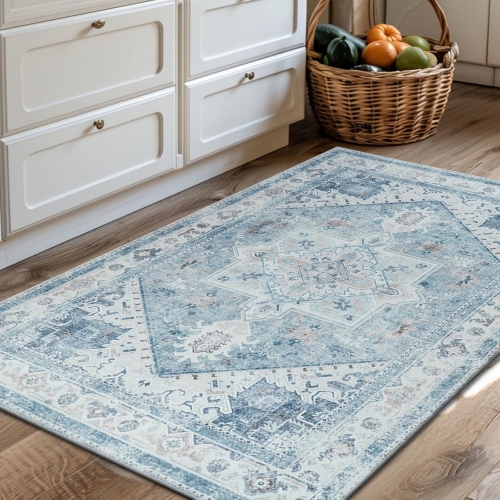
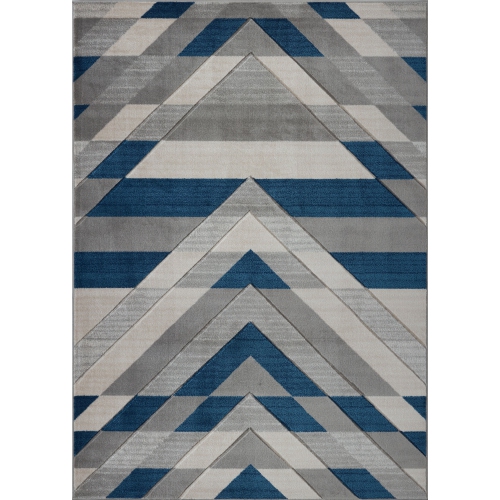
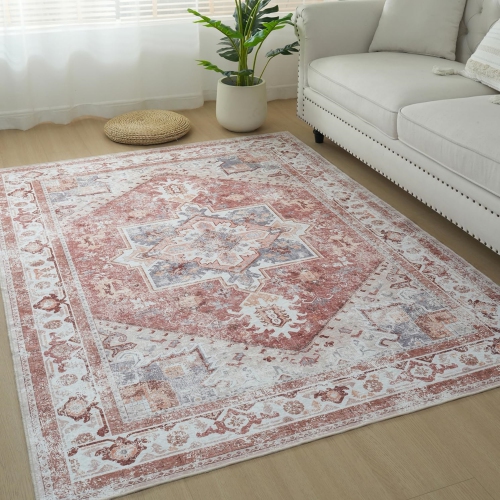
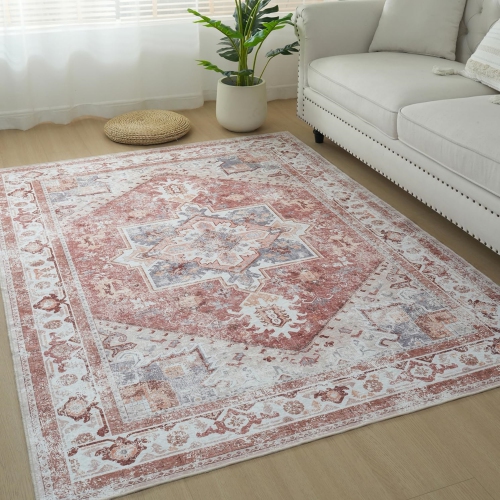
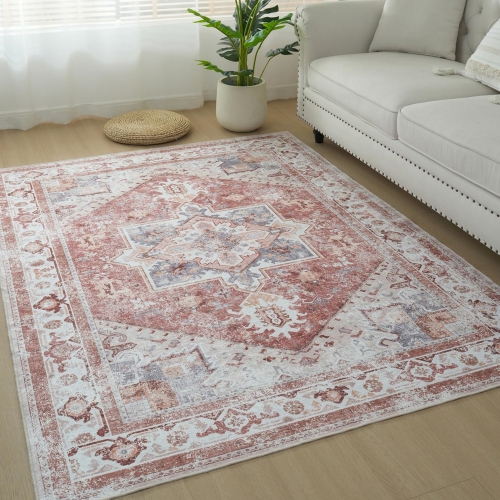
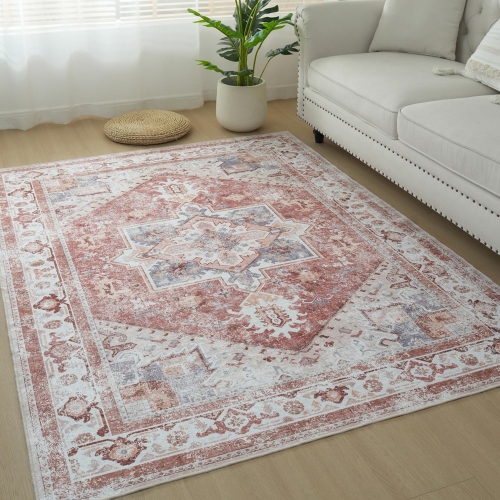
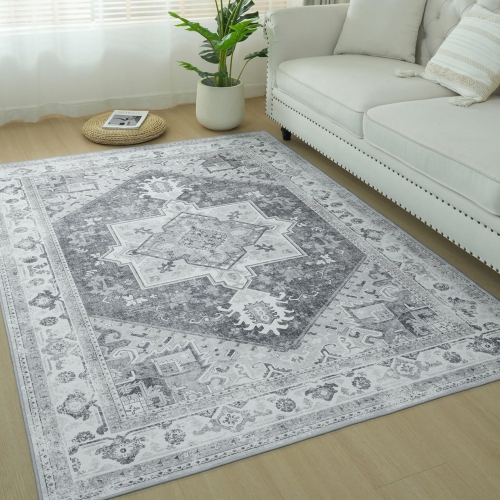
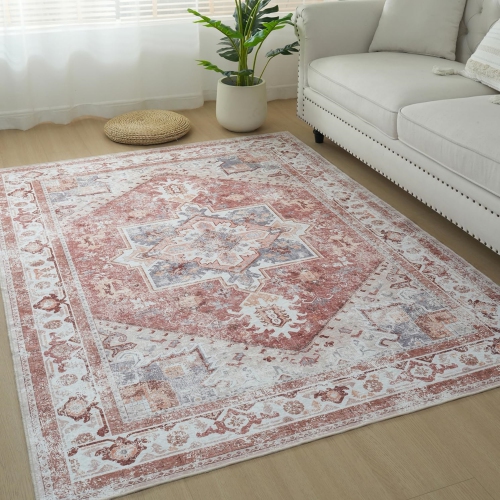
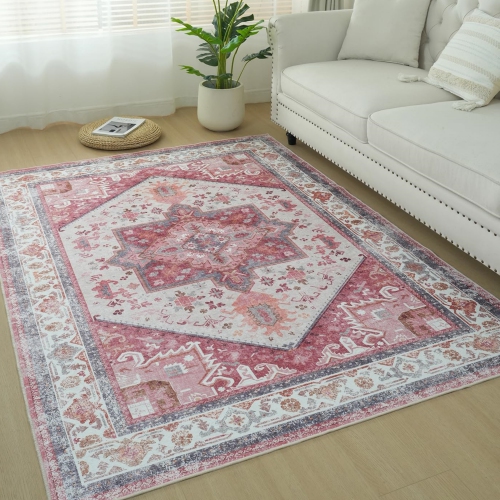
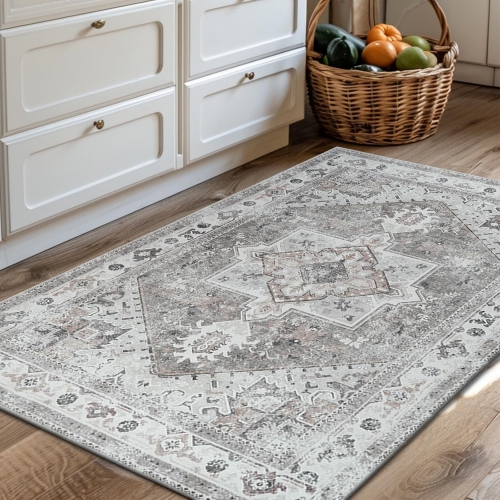
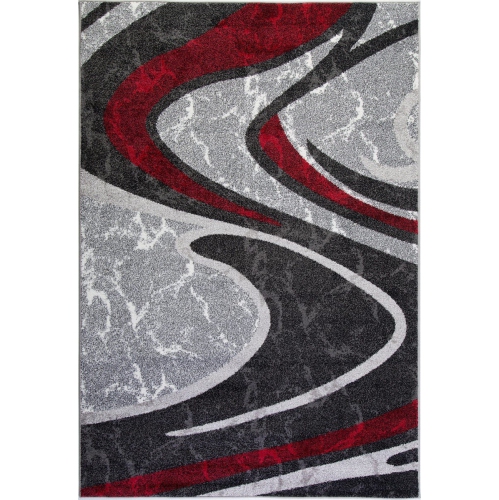
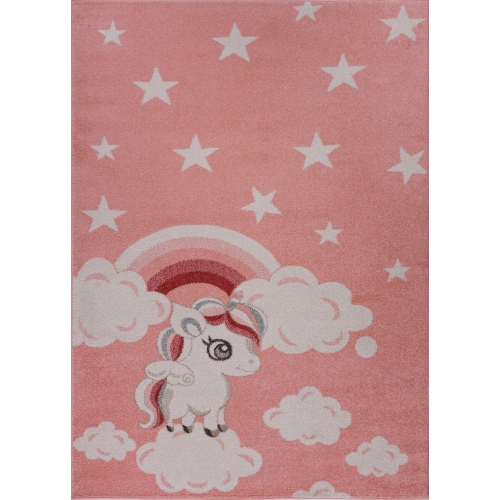
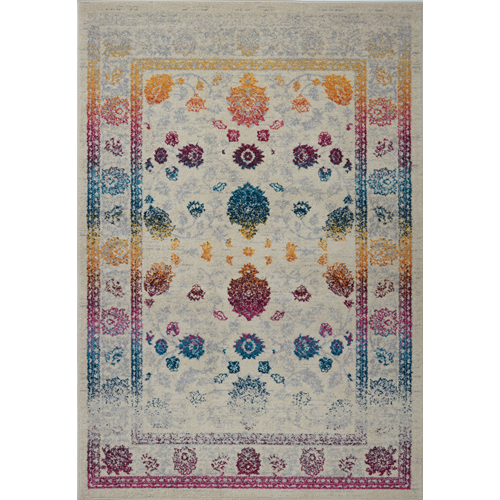
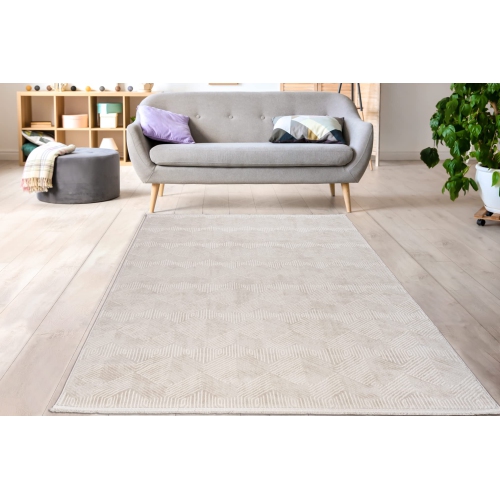
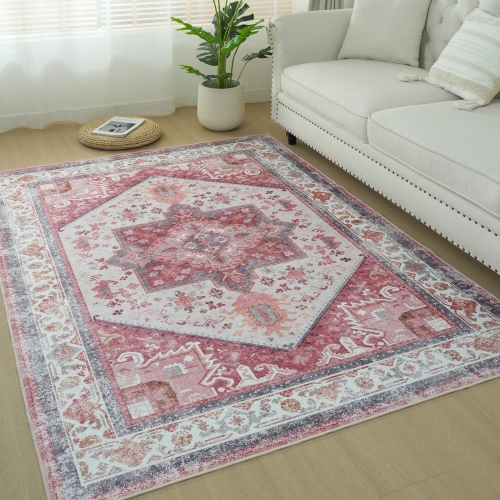
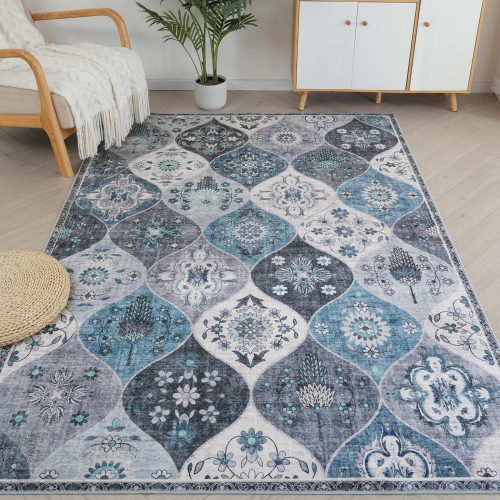
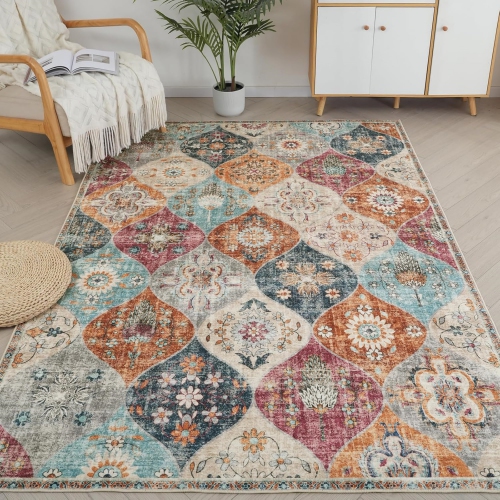
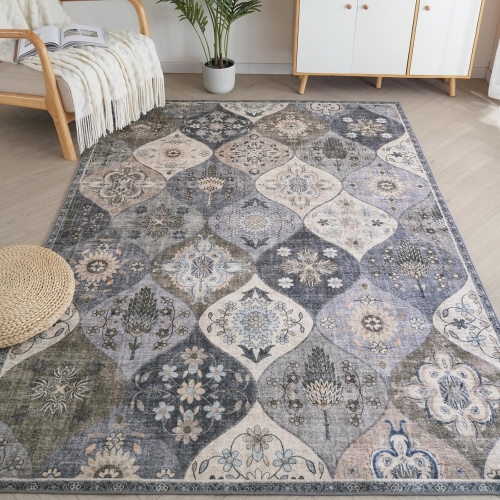
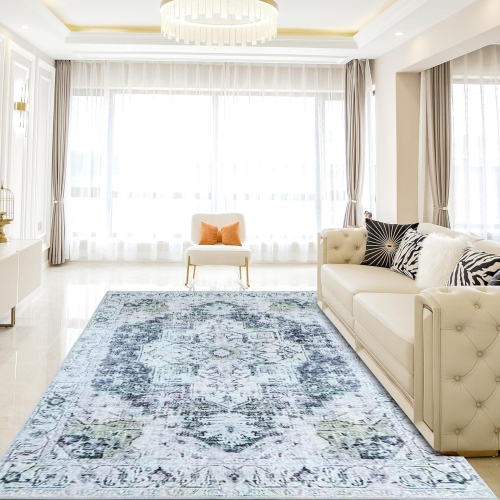
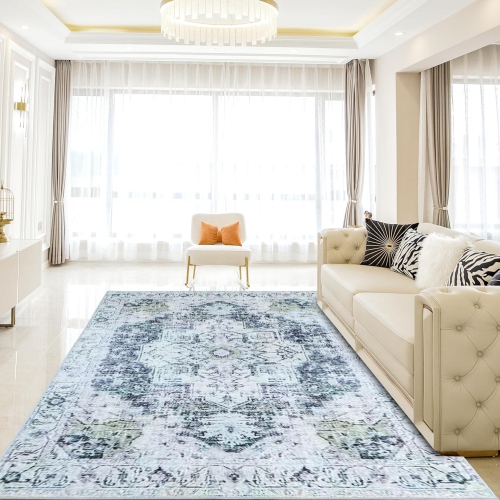
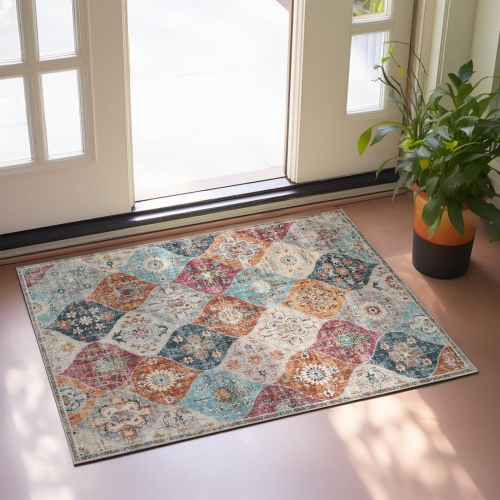
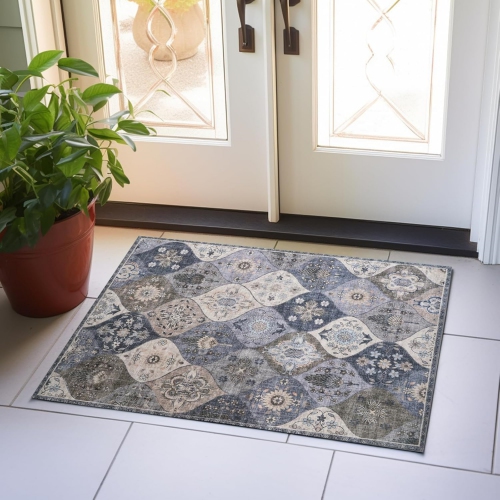
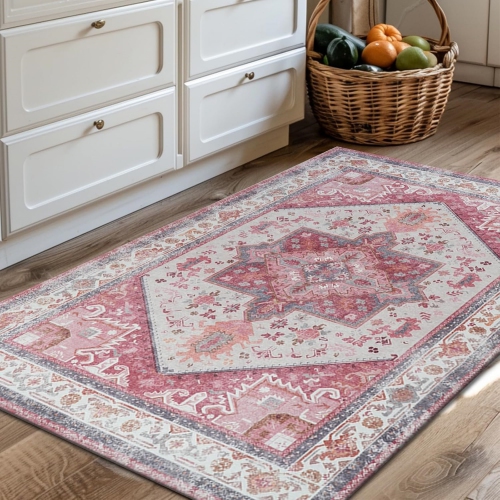
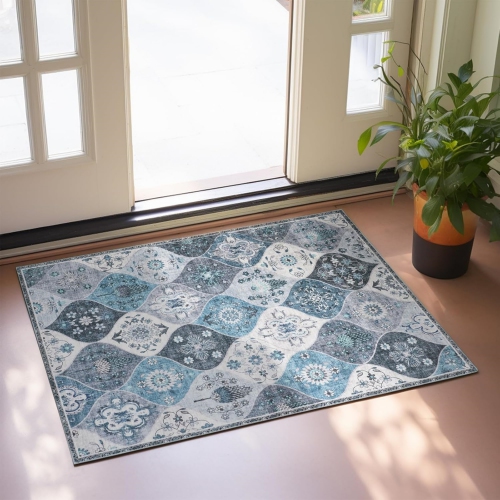
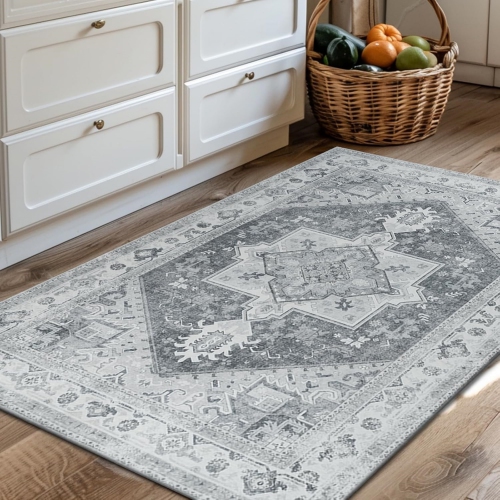
Living room mats can bring warmth, comfort, and definition to one of the most frequently used spaces in a home. Whether your room is arranged for relaxed evenings, weekend entertaining, reading, or family time, the right mat helps connect the seating, coffee table, media console, and surrounding décor into a cohesive setting. A carefully chosen area mat can also soften the feel of hard flooring, add a comfortable layer underfoot, and create a more inviting place to settle in during the cooler months. Living room mats are available in a wide range of colours, textures, shapes, and patterns, from understated neutral designs that let furniture take centre stage to bold geometric, traditional, abstract, and floral styles that act as a focal point. For a softer, cosier atmosphere, consider a plush or shag texture that feels comfortable beneath bare feet and adds visual depth to the room. Low-pile mats offer a cleaner, more streamlined appearance and are often easier to place beneath furniture, while flat-woven designs can suit busy areas where doors, chair legs, or wheeled furniture need to move freely. A patterned mat can help disguise everyday marks between cleanings, whereas a solid colour may make a smaller room feel more open and orderly. If you prefer nature-inspired colour and detail, Living Room Floral Rugs can introduce a decorative touch without requiring a full room redesign. Consider how the mat will work with the existing floor, wall colour, upholstery, lighting, and accent pieces, keeping in mind that colours may look different in daylight and in the warmer glow of evening lamps.
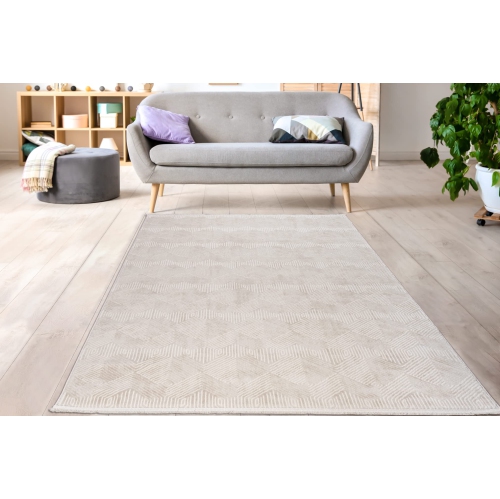
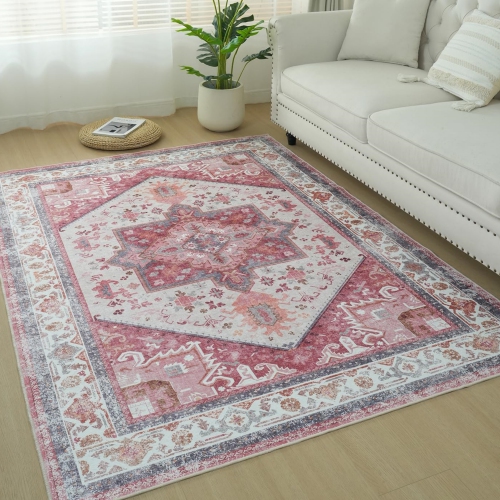
Size and placement are among the most important considerations when choosing living room mats. Begin by measuring the available floor area and noting the position of doorways, vents, built-in shelving, and other features that should remain clear. Common living room sizes include 5 x 7 feet and 8 x 10 feet, with larger rooms often benefiting from a mat that extends farther beneath the furniture. In a seating area, a well-proportioned mat usually reaches under at least the front legs of the sofa and chairs, helping the arrangement feel grounded rather than scattered across the floor. In a compact room, placing the entire seating group on the mat may not be practical, so positioning the front legs on its edges can create a balanced appearance while preserving walking space. Leave enough visible flooring around the perimeter to frame the mat and avoid making the room feel crowded. A rectangular mat is a versatile choice for a standard sofa-and-coffee-table arrangement, while a round design can soften rooms with angular furniture or define a smaller conversation area. Pay attention to thickness as well as length and width. A thick pile can feel luxurious, but it may catch beneath doors or create an uneven transition between rooms. Low-pile and flat designs are often a practical fit for high-traffic living rooms, particularly when the space connects to an entryway, kitchen, or hallway. A non-slip backing or separate rug pad can help keep the mat in place, reduce shifting, add cushioning, and protect the floor beneath it. Always check the care instructions and floor compatibility before placing a backing layer on hardwood, laminate, vinyl, or other finished surfaces.
Material affects the way a living room mat looks, feels, and performs over time. Polypropylene and other synthetic fibres are popular for active households because they can offer stain resistance, colour retention, and straightforward routine care. They are a practical choice for homes with children, pets, frequent guests, or seating areas where snacks and drinks are part of the evening routine. Wool and wool-blend mats provide a naturally textured appearance, a comfortable feel, and a substantial presence that can suit both traditional and contemporary interiors, although they may require more attentive care. Cotton and flat-woven materials can offer a lighter, casual look, while textured fibres bring dimension to rooms built around simple furniture and neutral walls. Think about the amount of traffic the mat will receive, whether it will sit beneath a dining-style coffee table, and how much time you want to spend on maintenance. Regular vacuuming with the appropriate setting helps prevent dust and crumbs from settling into the fibres, while spills should generally be blotted promptly rather than rubbed. Rotating the mat from time to time can help distribute wear, especially where people tend to walk or sit most often. During cooler weather, a comfortable mat can make a living room feel warmer and more settled, creating a pleasant surface for children to play on, for pets to stretch out beside the sofa, or for guests to remove their shoes and relax. These mats can also make thoughtful housewarming, wedding, or home-refresh gifts because they combine everyday usefulness with an opportunity to express personal style. For a gift, neutral colours, versatile rectangular sizing, and easy-care materials are often dependable choices when the recipient’s décor preferences are not fully known. For your own space, choose a design that feels natural with the way you live, whether that means a soft surface for quiet mornings, a durable layer for lively gatherings, or a decorative finish that makes the whole room feel more complete.
Size and placement are among the most important considerations when choosing living room mats. Begin by measuring the available floor area and noting the position of doorways, vents, built-in shelving, and other features that should remain clear. Common living room sizes include 5 x 7 feet and 8 x 10 feet, with larger rooms often benefiting from a mat that extends farther beneath the furniture. In a seating area, a well-proportioned mat usually reaches under at least the front legs of the sofa and chairs, helping the arrangement feel grounded rather than scattered across the floor. In a compact room, placing the entire seating group on the mat may not be practical, so positioning the front legs on its edges can create a balanced appearance while preserving walking space. Leave enough visible flooring around the perimeter to frame the mat and avoid making the room feel crowded. A rectangular mat is a versatile choice for a standard sofa-and-coffee-table arrangement, while a round design can soften rooms with angular furniture or define a smaller conversation area. Pay attention to thickness as well as length and width. A thick pile can feel luxurious, but it may catch beneath doors or create an uneven transition between rooms. Low-pile and flat designs are often a practical fit for high-traffic living rooms, particularly when the space connects to an entryway, kitchen, or hallway. A non-slip backing or separate rug pad can help keep the mat in place, reduce shifting, add cushioning, and protect the floor beneath it. Always check the care instructions and floor compatibility before placing a backing layer on hardwood, laminate, vinyl, or other finished surfaces.
Material affects the way a living room mat looks, feels, and performs over time. Polypropylene and other synthetic fibres are popular for active households because they can offer stain resistance, colour retention, and straightforward routine care. They are a practical choice for homes with children, pets, frequent guests, or seating areas where snacks and drinks are part of the evening routine. Wool and wool-blend mats provide a naturally textured appearance, a comfortable feel, and a substantial presence that can suit both traditional and contemporary interiors, although they may require more attentive care. Cotton and flat-woven materials can offer a lighter, casual look, while textured fibres bring dimension to rooms built around simple furniture and neutral walls. Think about the amount of traffic the mat will receive, whether it will sit beneath a dining-style coffee table, and how much time you want to spend on maintenance. Regular vacuuming with the appropriate setting helps prevent dust and crumbs from settling into the fibres, while spills should generally be blotted promptly rather than rubbed. Rotating the mat from time to time can help distribute wear, especially where people tend to walk or sit most often. During cooler weather, a comfortable mat can make a living room feel warmer and more settled, creating a pleasant surface for children to play on, for pets to stretch out beside the sofa, or for guests to remove their shoes and relax. These mats can also make thoughtful housewarming, wedding, or home-refresh gifts because they combine everyday usefulness with an opportunity to express personal style. For a gift, neutral colours, versatile rectangular sizing, and easy-care materials are often dependable choices when the recipient’s décor preferences are not fully known. For your own space, choose a design that feels natural with the way you live, whether that means a soft surface for quiet mornings, a durable layer for lively gatherings, or a decorative finish that makes the whole room feel more complete.
Top selling and popular products
-
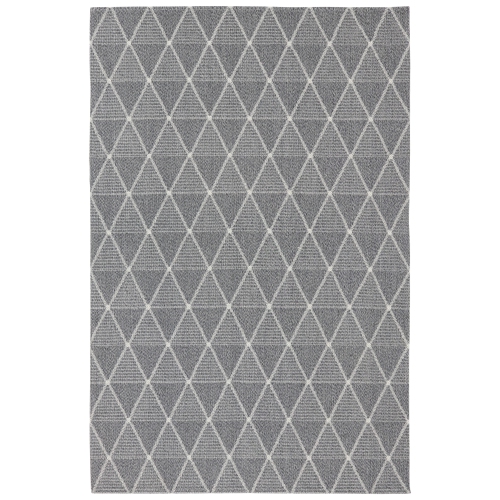 Your price for this item is $130.55
 -
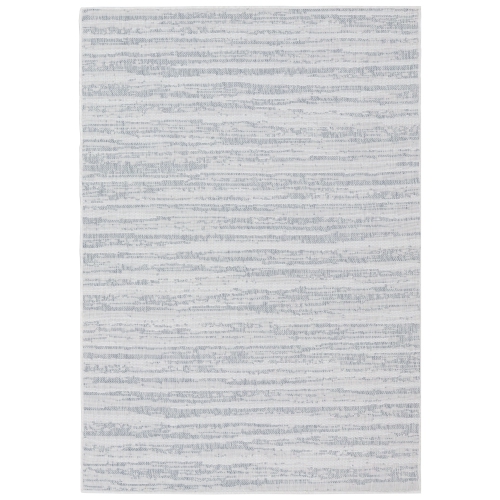 Your price for this item is $129.15
 -
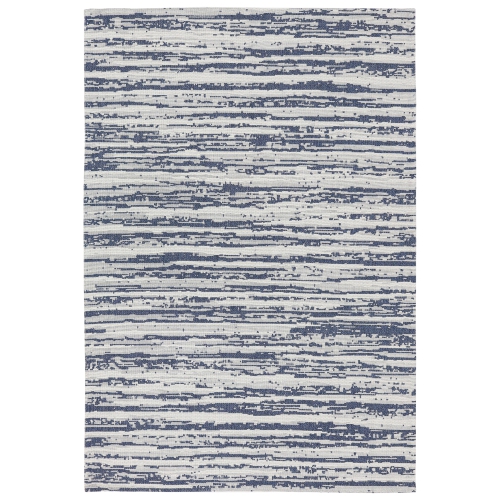 Your price for this item is $130.55
 -
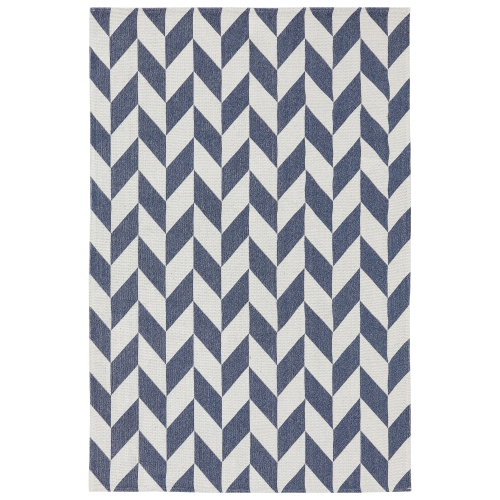 Your price for this item is $130.55
 -
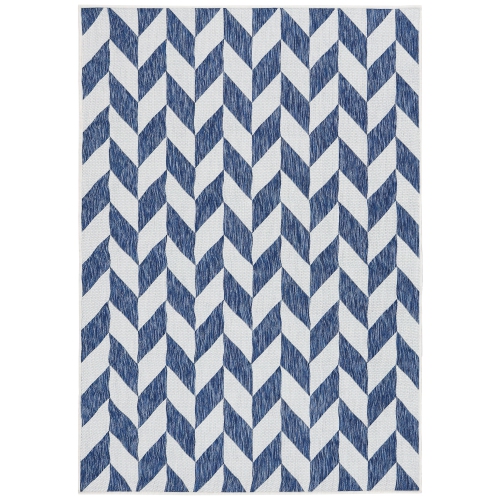 Your price for this item is $129.15
 -
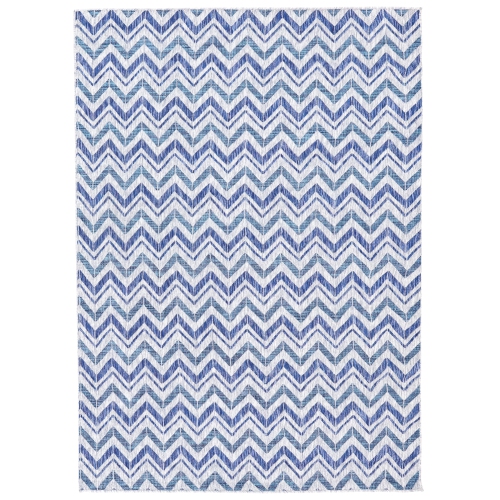 Your price for this item is $129.15
 -
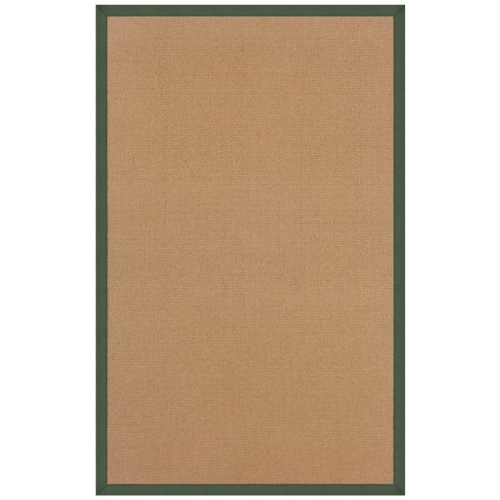 Your price for this item is $124.81
 -
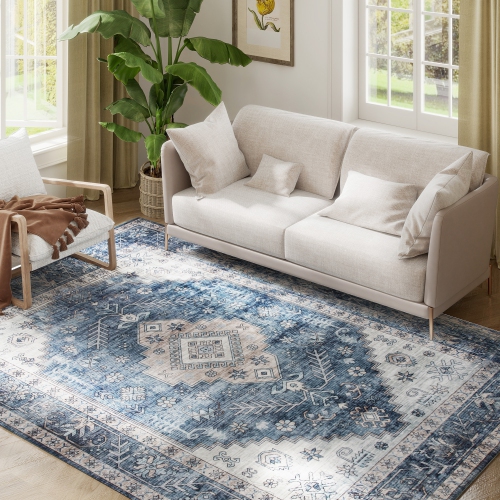 Your price for this item is $74.99
Discover more categories related to Living Room Mats
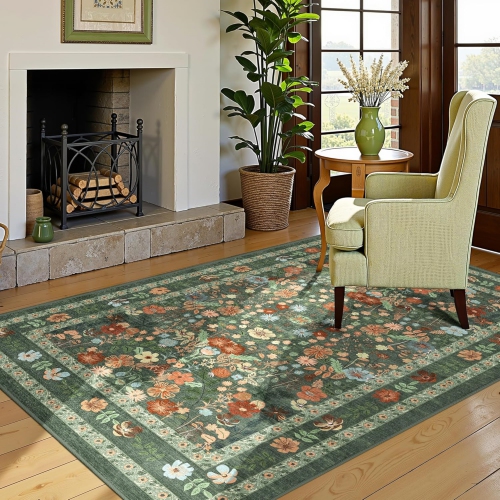
Top Collections:
Best Laptops for Video Editing, Pokemon Centers, Samsung Z Fold, Kindle Devices, Best Cell Phones Under $300, Best Laptops for Writers, Best Budget Office Chairs, Best Cell Phones Under $500, Best Laptop Computers for Students, iPhone 15 Apple
Some products may be subject to Environmental Handling Fees
(EHF) depending on your province.
Learn more about EHFs.