Living Room Sectional Sofas
Create the perfect gathering spot in your living room with this selection of sectional sofas. Whether you're looking to maximize seating space, add a touch of modern style, or create a cozy nook for relaxation, this range of sectional sofas offers versatile options to suit your needs. From sleek and minimalistic designs to plush and inviting configurations, find the ideal sectional sofa that complements your space and enhances your home decor. Explore this collection to discover the perfect blend of comfort, functionality, and style for your living room.
Sort

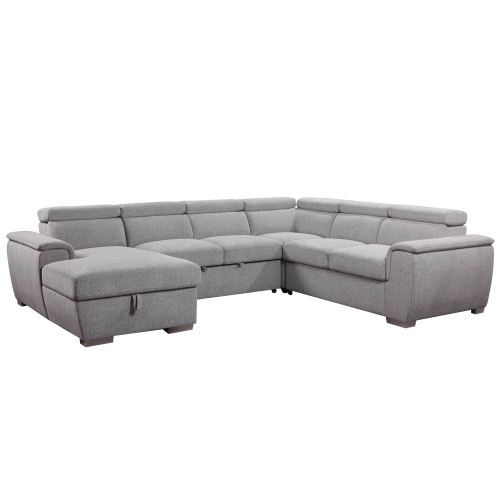
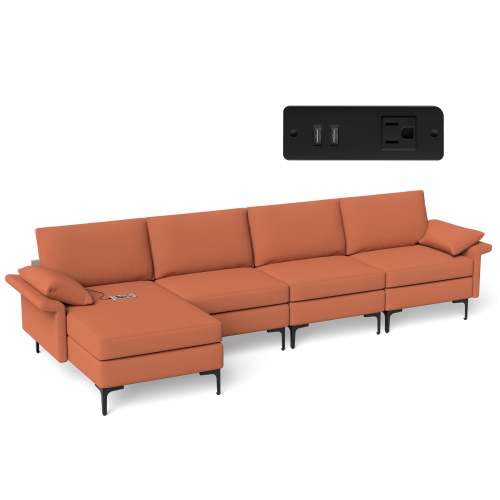
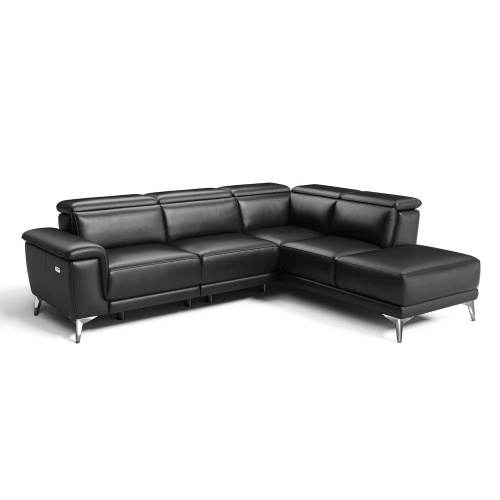
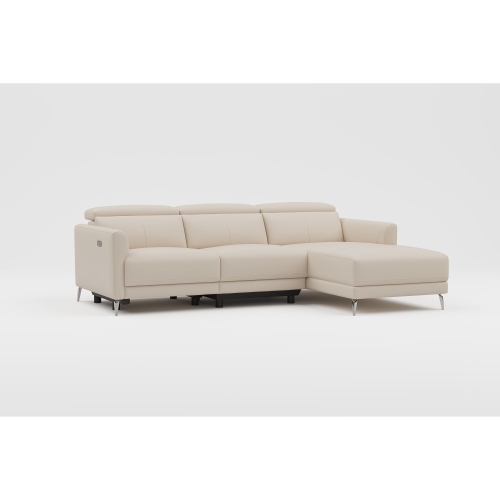

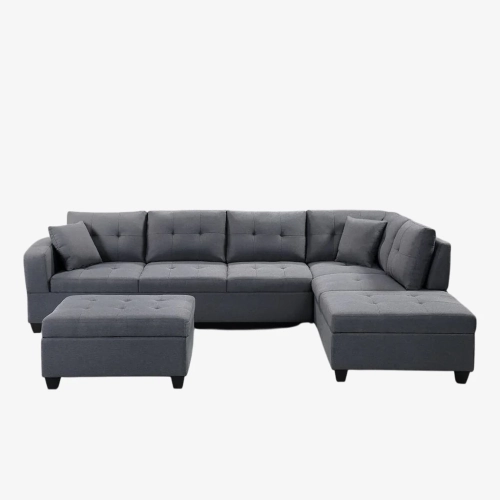
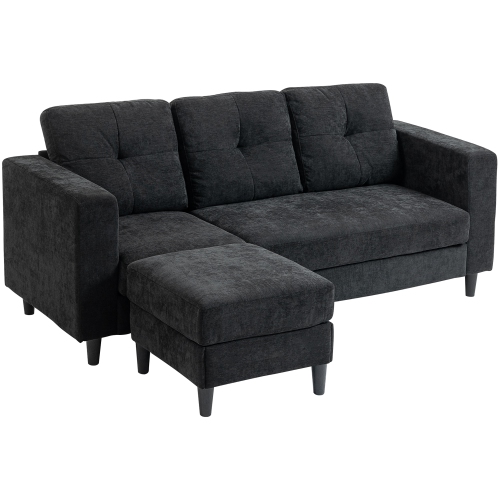

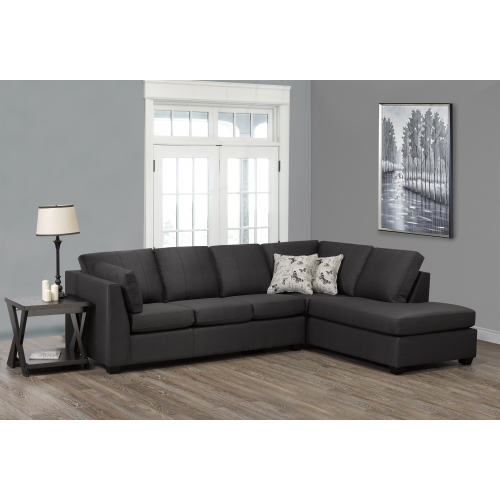
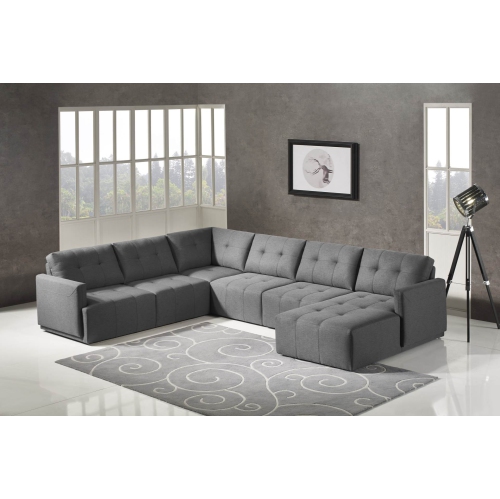
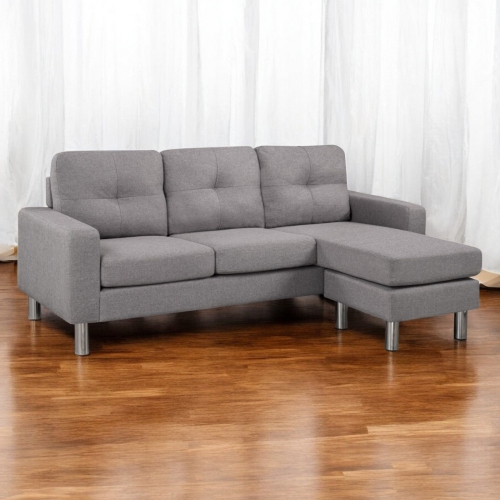
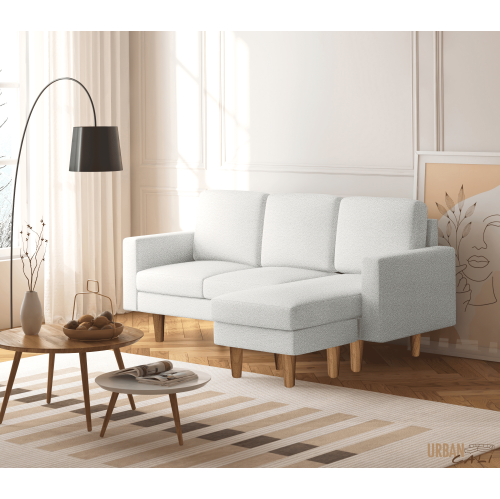
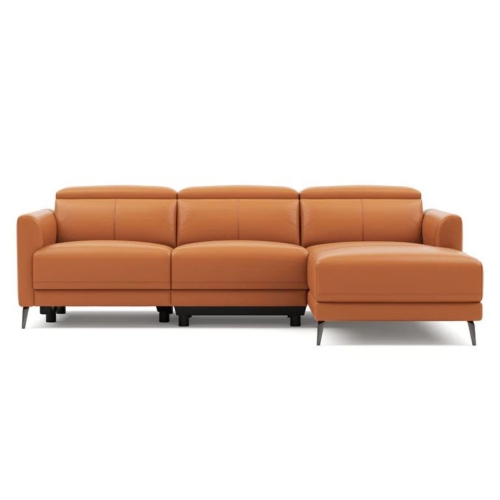
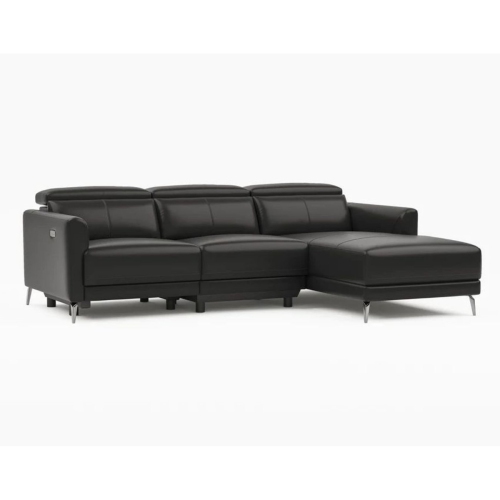
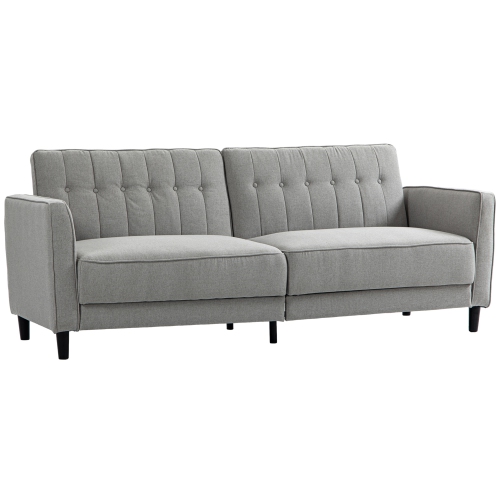
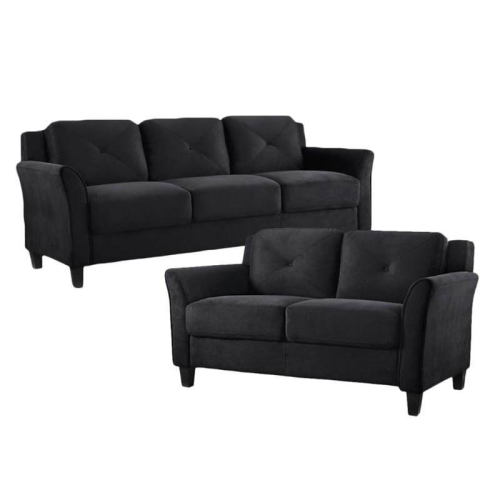

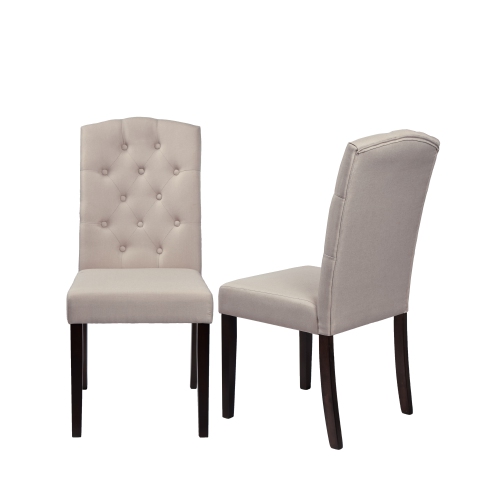
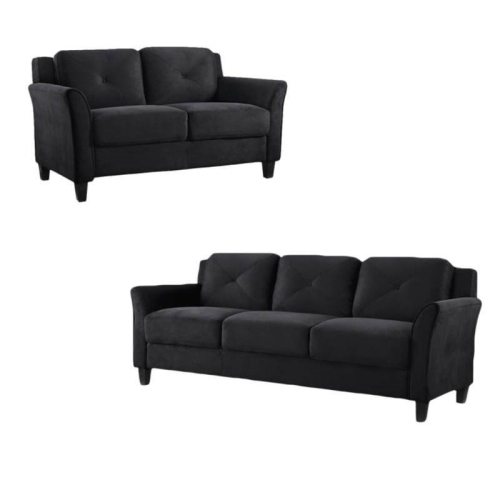
Why sectional shape matters for seating and lounging
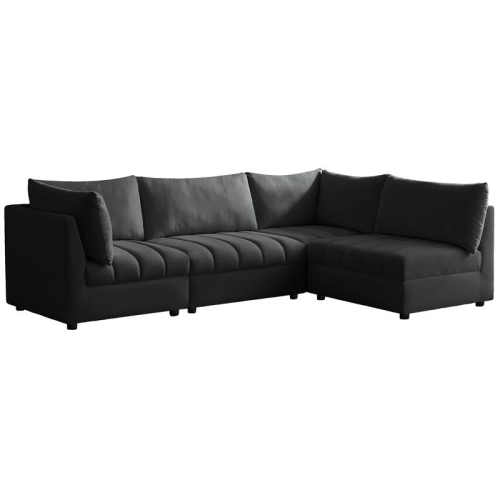
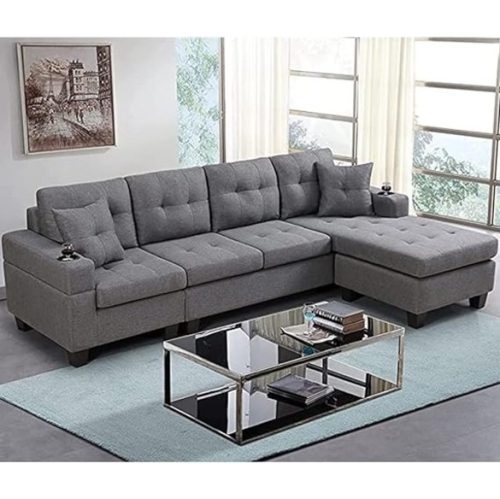
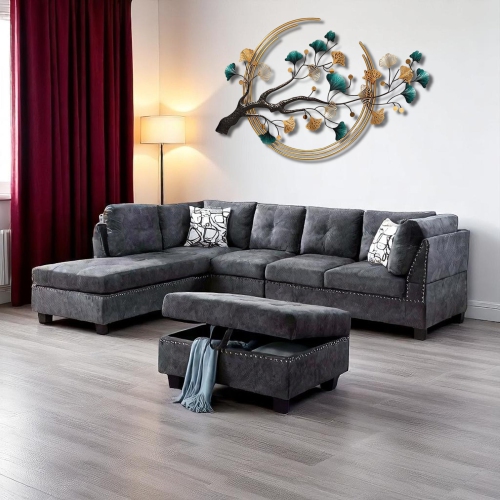
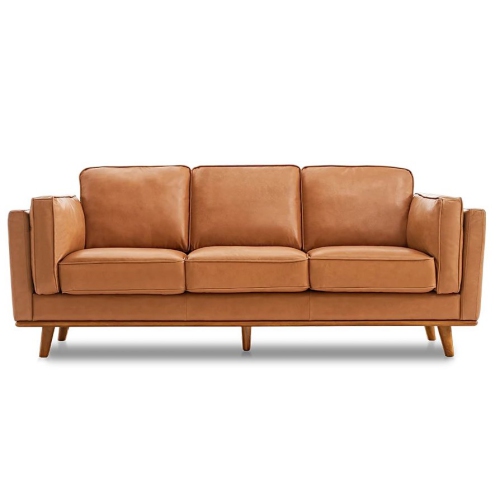
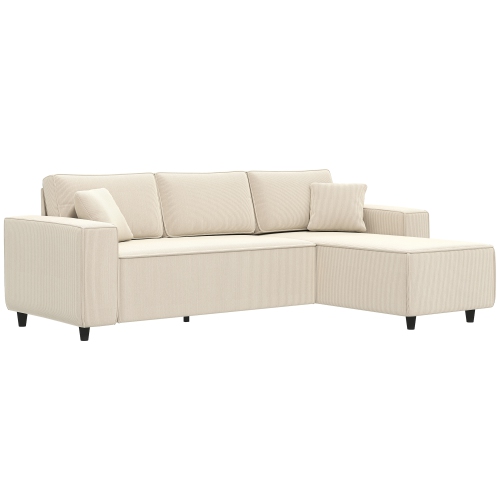
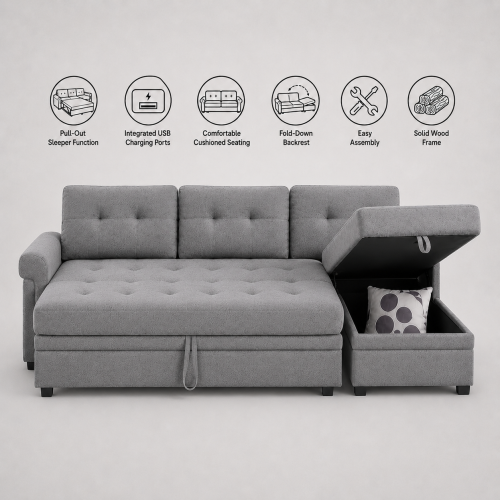
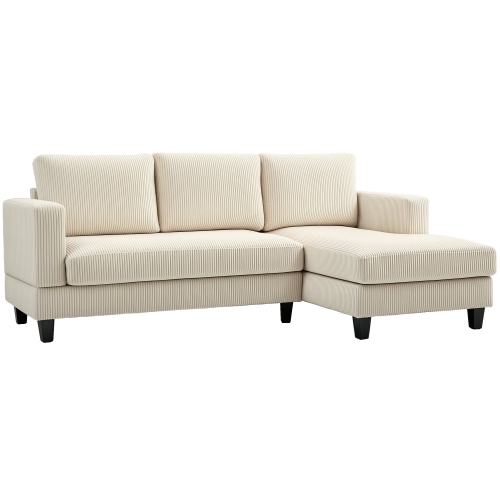
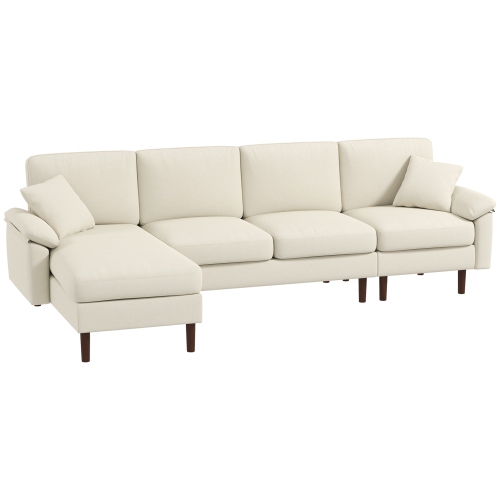
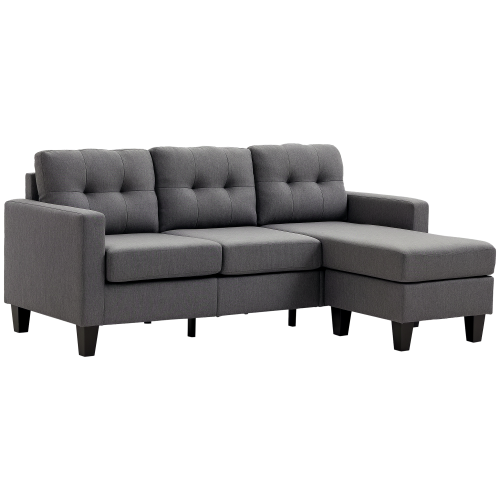
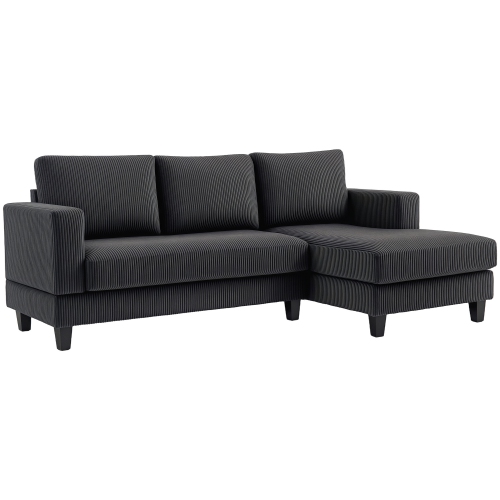
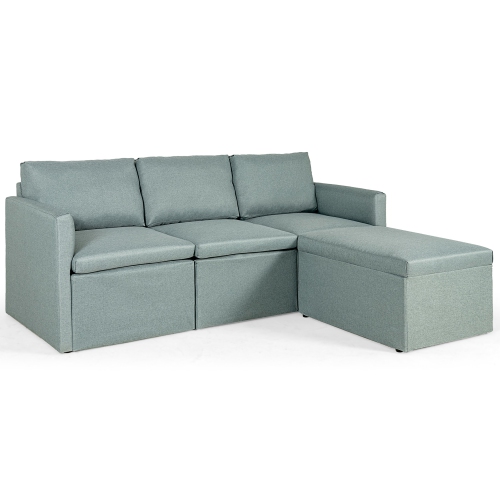
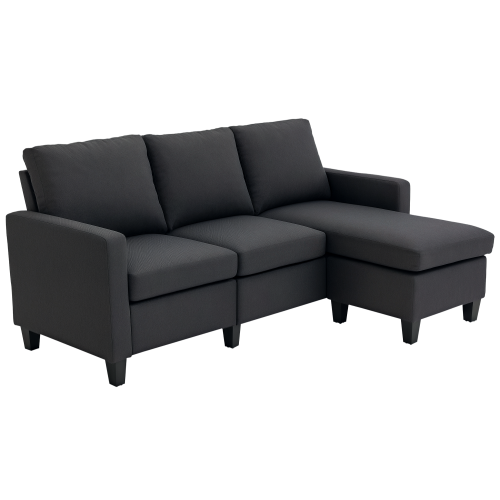
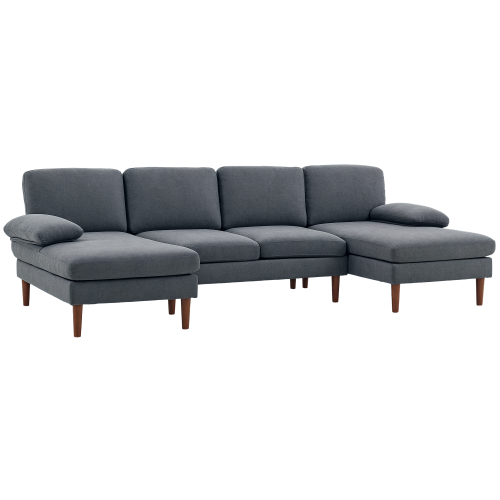
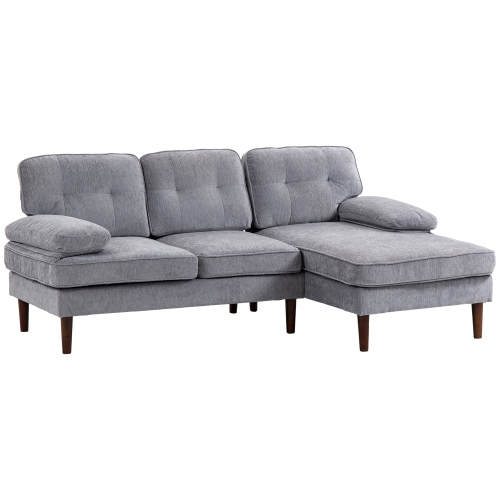
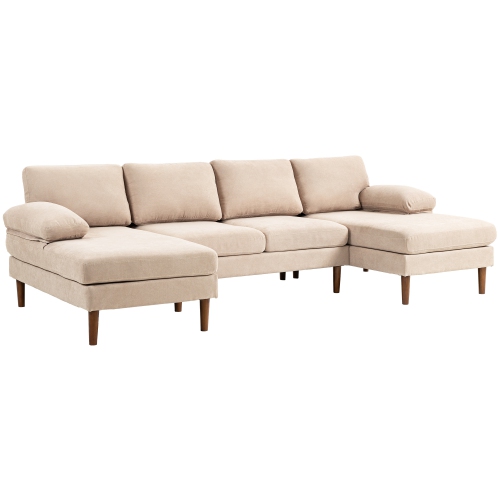
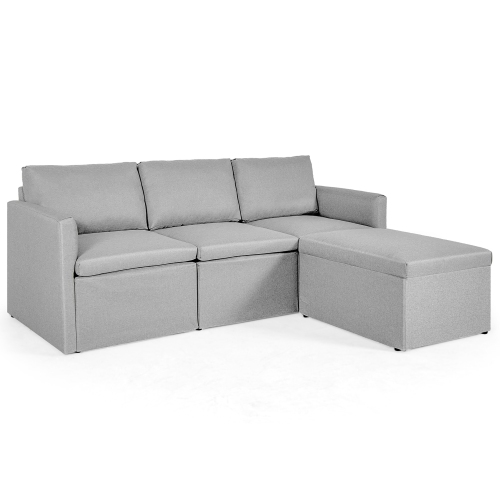
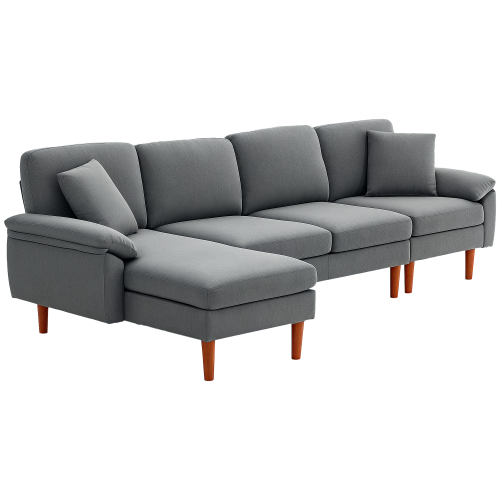
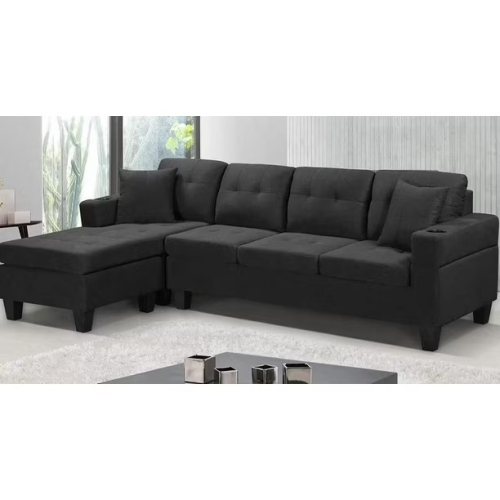
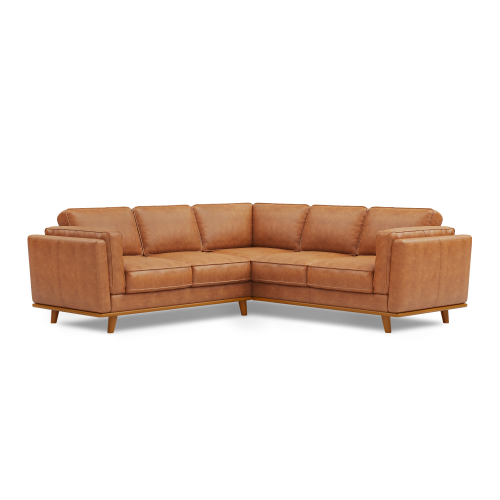
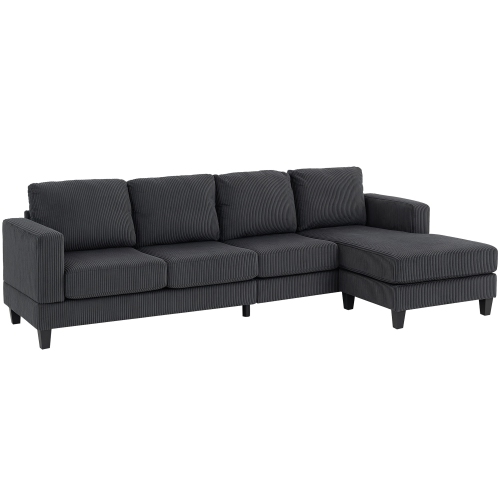
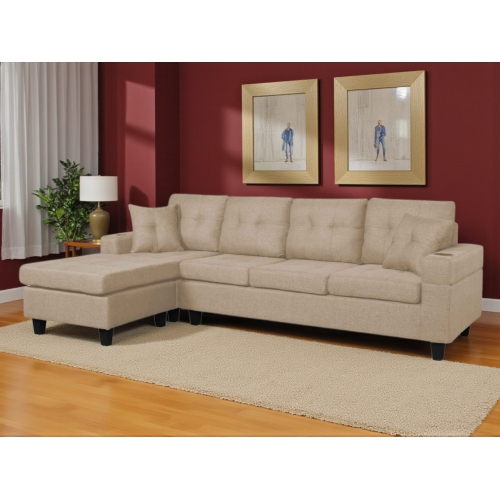
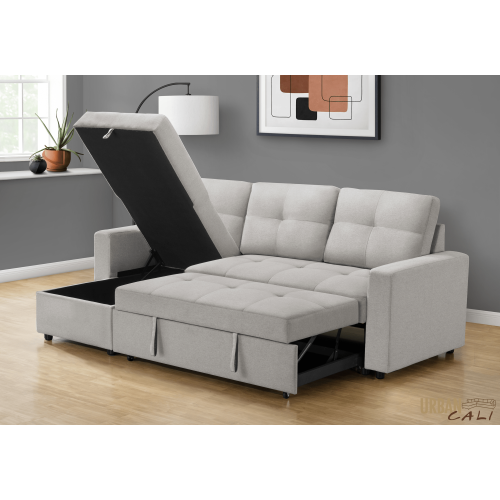
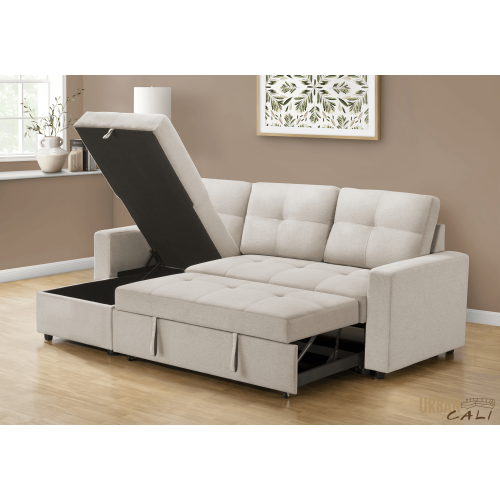
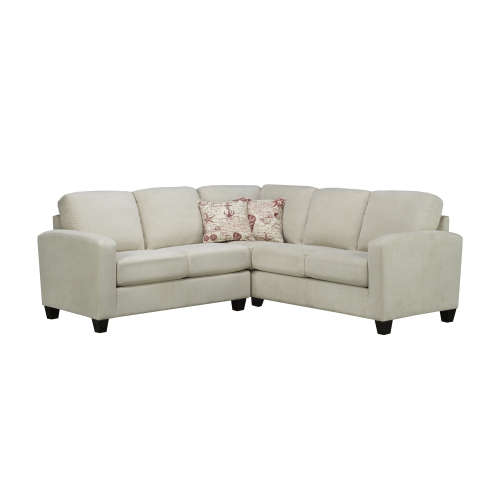
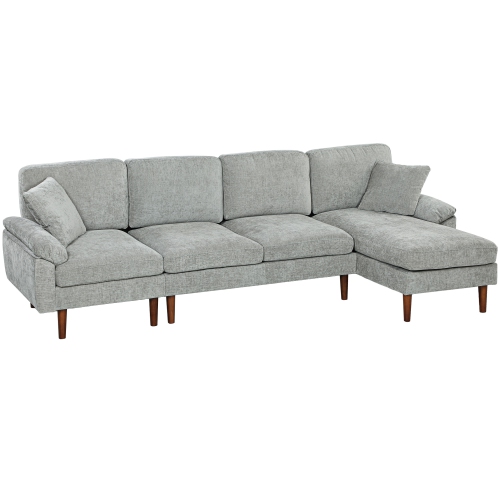
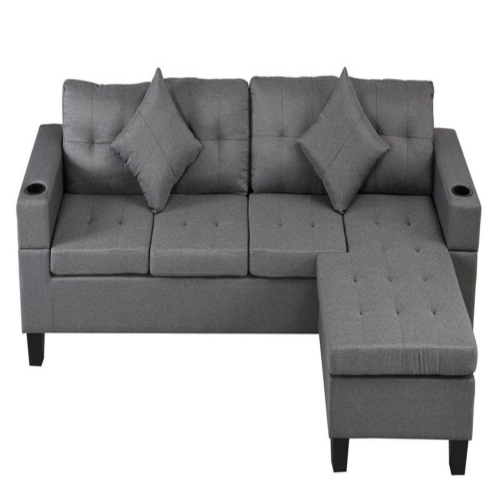
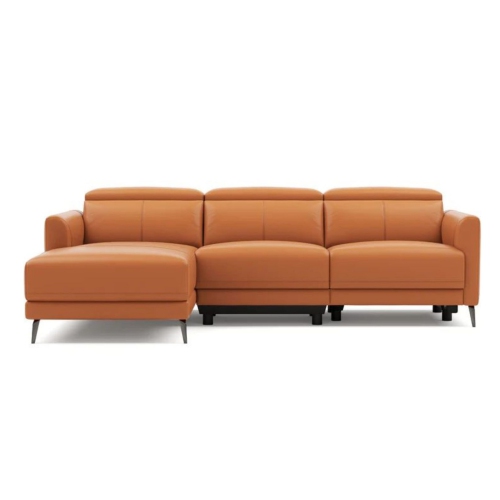
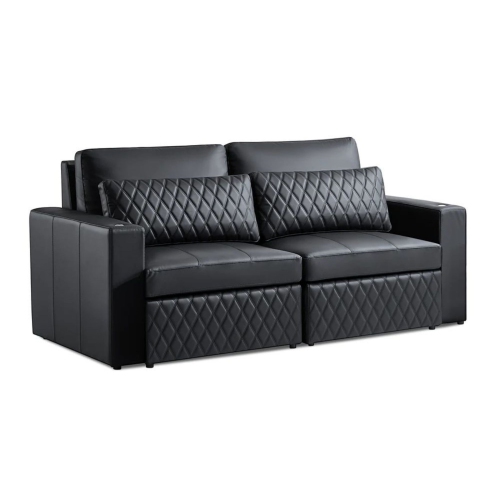
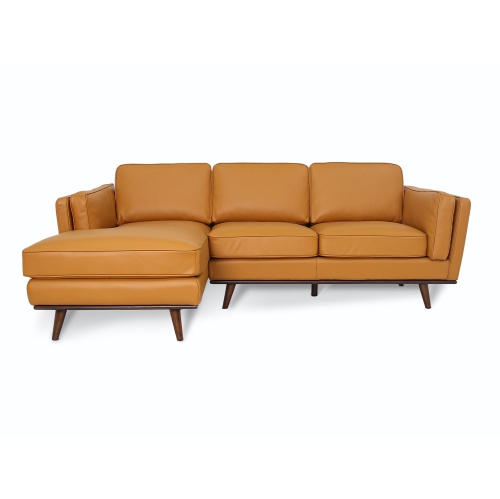
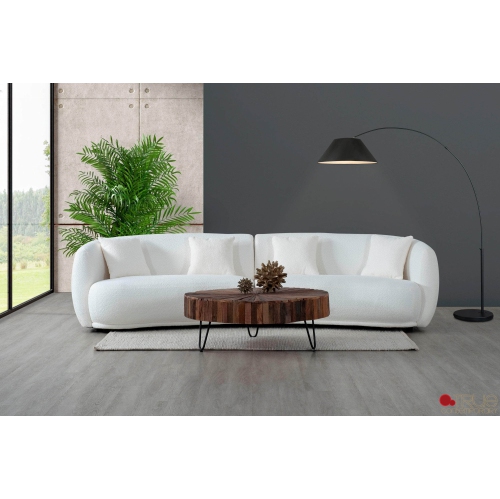
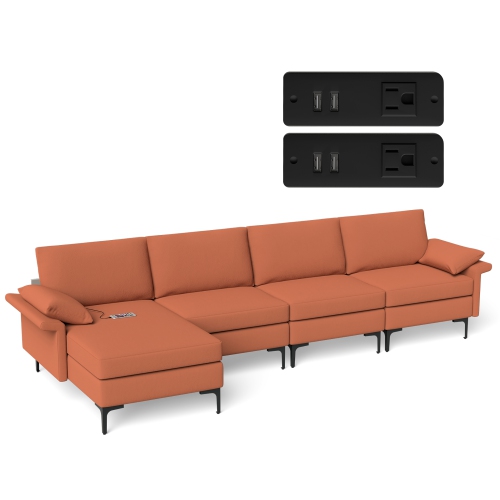
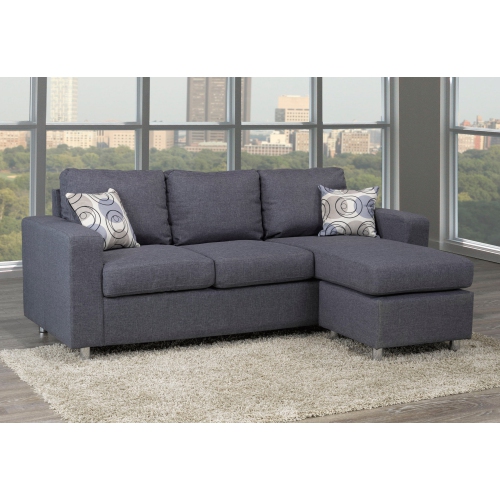
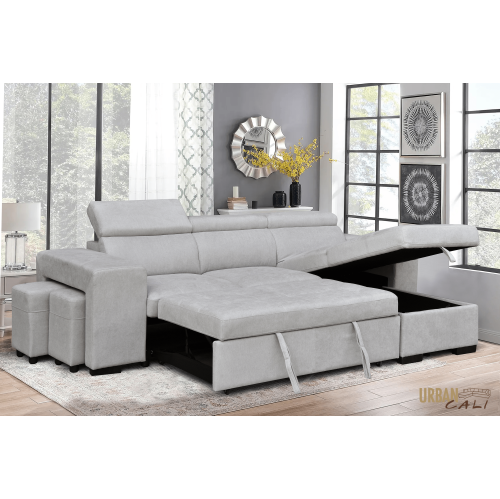
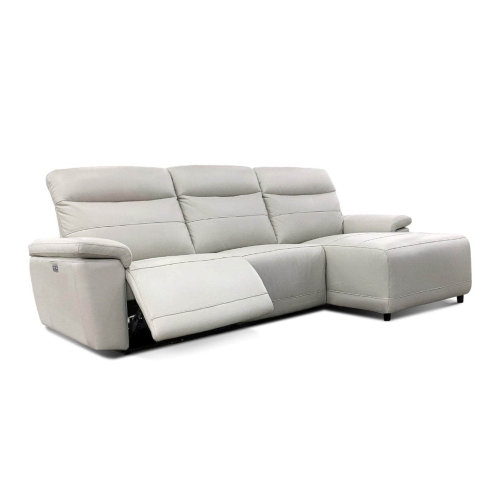
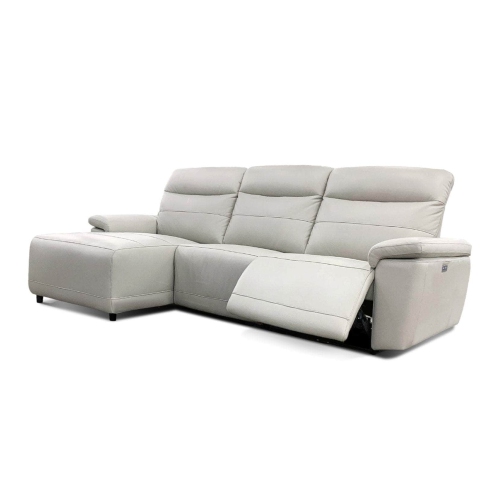
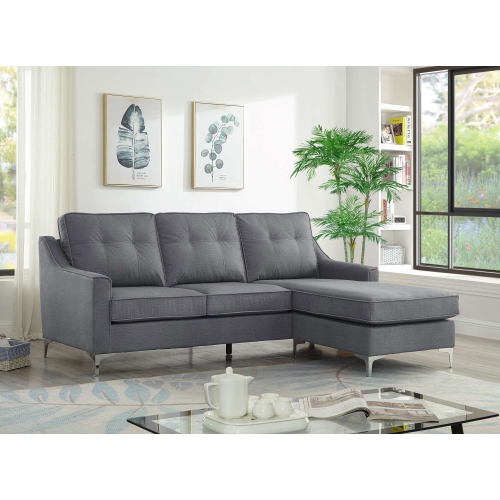
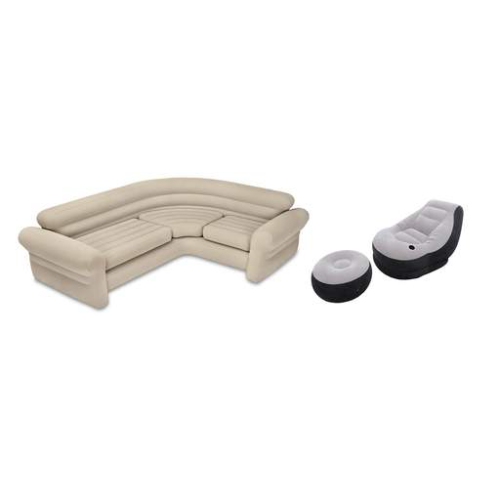
Living room sectional sofas bring several seats together in one connected arrangement, creating a comfortable place for conversation, movie nights, reading, and everyday downtime. Their shape can also give a room a clearer purpose: an L-shaped sectional can frame a seating area in an open-concept home, while a U-shaped sectional brings people around a central coffee table without relying on several separate chairs. A sofa with a chaise offers somewhere to stretch out, although the chaise portion may be more comfortable for one person lounging than for multiple guests sitting upright. That distinction matters when comparing overall dimensions with the number of usable seats. For couples, a compact sectional can provide shared seating with room to relax at either end; for families or frequent hosts, a broader arrangement can keep everyone together. Modular sectionals use separate components that may be rearranged or expanded where the design allows, making them useful for households whose furniture layout changes over time. Fixed configurations offer a more settled arrangement, with fewer decisions about how the sections fit together. In a spacious room, sectional sofas for large living rooms can help establish a generous gathering area, especially when their proportions suit the surrounding furniture rather than simply filling every open space. Smaller living rooms often benefit from slimmer arms, a shorter chaise, or raised legs that leave more of the floor visible. Upholstery colour and silhouette influence the effect, too. A low-profile sectional with clean lines can sit quietly alongside a media unit, while deeper cushions and broad arms give the room a softer, more lounge-focused character. Neutral shades make it easier to change cushions, rugs, and artwork, whereas a richer colour can make the sofa the focal point. The most useful arrangement balances seating capacity with how people actually spend time in the room, whether that means facing a television, talking across the corner seats, or leaving a comfortable spot beside a reading lamp.
A sectional’s fit depends on more than the length of the wall behind it. Overall width, depth, and height establish its footprint, but the chaise direction, arm shape, and space needed around the furniture determine how naturally it works in daily life. A left-facing or right-facing description should be checked against the layout diagram, since retailers and manufacturers may describe orientation differently. A reversible chaise can offer flexibility, though its supported positions and assembly requirements still matter. Measuring the proposed footprint on the floor with removable tape makes it easier to picture where the chaise will end and whether a door, drawer, or cabinet can open freely. The route into the room deserves equal attention, including building entrances, lifts, stair landings, hallway turns, and interior doorways. Packaged dimensions, removable legs, and the size of individual sections can affect delivery access even when the assembled sofa fits comfortably in its final position. Within the living room, roughly 14 to 18 inches between the seating edge and a coffee table often leaves practical reaching space, while main walking routes generally benefit from about 30 to 36 inches of clearance, or more where accessibility needs require it. These are useful starting points rather than substitutes for checking the household’s particular needs. Seat depth and height also shape comfort. Deep seats suit curling up or reclining against cushions, while shallower seats can make it easier to sit upright with feet supported on the floor. A firmer, higher seat may feel easier to rise from than a low, plush one. Reclining sectionals need clearance for extended footrests and any required space behind the back; powered versions also need a suitable outlet without a cord crossing a walkway. Sleeper sectionals require enough floor area for the bed to open, and storage compartments need room for lids or pull-out sections to move. These details help distinguish a sectional that merely fits from one that feels comfortable to use every day.
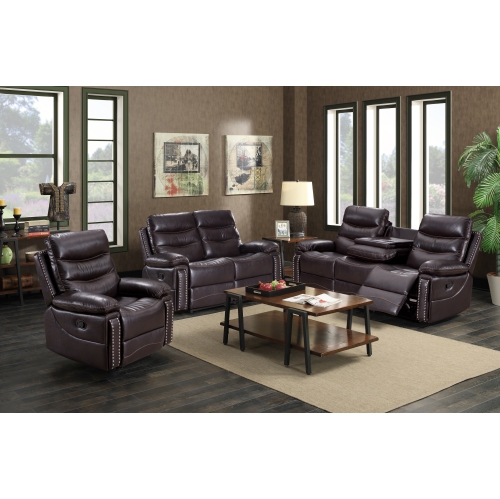
Materials and construction influence how a living room sectional sofa feels, wears, and responds to routine care. Woven upholstery offers a broad range of textures, from smooth, tightly woven surfaces to more pronounced yarns that add visual depth. In a home with children or pets, a close weave may be more practical than an open texture that can catch claws, although no fabric is completely resistant to scratching, staining, or wear. Performance upholstery may have treatments or fibre characteristics intended to improve resistance to particular spills or abrasion; the stated properties and cleaning directions are more informative than the label alone. Leather has a distinct feel and can develop creases and character with use, but its care needs vary by finish, and some types mark or absorb liquids more readily than others. Faux leather offers a similar visual style with different maintenance requirements, so it should not automatically be treated with products intended for genuine leather. Beneath the upholstery, a well-built frame, secure joints, supportive suspension, and firmly attached sectional connectors all contribute to stability. Cushion construction affects comfort as much as the covering: foam can provide a more defined seat, while fibre or feather blends may feel softer and need more regular reshaping. Removable cushions can simplify access for vacuuming, but removable covers are not necessarily machine washable. Manufacturer care instructions should determine whether covers can be washed, professionally cleaned, or spot-treated. For everyday upkeep, vacuuming seams and beneath cushions helps remove crumbs, grit, and pet hair before they accumulate. Spills are best blotted promptly with an appropriate clean cloth rather than rubbed into the surface, with any cleaning solution tested as directed in a discreet area. Direct sunlight can fade upholstery, and proximity to heat sources may affect certain coverings and finishes. Where cushions are designed to be moved or flipped, rotation can help distribute wear across favourite seats. A sectional chosen around these practical details can support busy family routines, relaxed evenings, and visiting guests while remaining a natural part of the room’s layout and style.
A sectional’s fit depends on more than the length of the wall behind it. Overall width, depth, and height establish its footprint, but the chaise direction, arm shape, and space needed around the furniture determine how naturally it works in daily life. A left-facing or right-facing description should be checked against the layout diagram, since retailers and manufacturers may describe orientation differently. A reversible chaise can offer flexibility, though its supported positions and assembly requirements still matter. Measuring the proposed footprint on the floor with removable tape makes it easier to picture where the chaise will end and whether a door, drawer, or cabinet can open freely. The route into the room deserves equal attention, including building entrances, lifts, stair landings, hallway turns, and interior doorways. Packaged dimensions, removable legs, and the size of individual sections can affect delivery access even when the assembled sofa fits comfortably in its final position. Within the living room, roughly 14 to 18 inches between the seating edge and a coffee table often leaves practical reaching space, while main walking routes generally benefit from about 30 to 36 inches of clearance, or more where accessibility needs require it. These are useful starting points rather than substitutes for checking the household’s particular needs. Seat depth and height also shape comfort. Deep seats suit curling up or reclining against cushions, while shallower seats can make it easier to sit upright with feet supported on the floor. A firmer, higher seat may feel easier to rise from than a low, plush one. Reclining sectionals need clearance for extended footrests and any required space behind the back; powered versions also need a suitable outlet without a cord crossing a walkway. Sleeper sectionals require enough floor area for the bed to open, and storage compartments need room for lids or pull-out sections to move. These details help distinguish a sectional that merely fits from one that feels comfortable to use every day.
Materials and construction influence how a living room sectional sofa feels, wears, and responds to routine care. Woven upholstery offers a broad range of textures, from smooth, tightly woven surfaces to more pronounced yarns that add visual depth. In a home with children or pets, a close weave may be more practical than an open texture that can catch claws, although no fabric is completely resistant to scratching, staining, or wear. Performance upholstery may have treatments or fibre characteristics intended to improve resistance to particular spills or abrasion; the stated properties and cleaning directions are more informative than the label alone. Leather has a distinct feel and can develop creases and character with use, but its care needs vary by finish, and some types mark or absorb liquids more readily than others. Faux leather offers a similar visual style with different maintenance requirements, so it should not automatically be treated with products intended for genuine leather. Beneath the upholstery, a well-built frame, secure joints, supportive suspension, and firmly attached sectional connectors all contribute to stability. Cushion construction affects comfort as much as the covering: foam can provide a more defined seat, while fibre or feather blends may feel softer and need more regular reshaping. Removable cushions can simplify access for vacuuming, but removable covers are not necessarily machine washable. Manufacturer care instructions should determine whether covers can be washed, professionally cleaned, or spot-treated. For everyday upkeep, vacuuming seams and beneath cushions helps remove crumbs, grit, and pet hair before they accumulate. Spills are best blotted promptly with an appropriate clean cloth rather than rubbed into the surface, with any cleaning solution tested as directed in a discreet area. Direct sunlight can fade upholstery, and proximity to heat sources may affect certain coverings and finishes. Where cushions are designed to be moved or flipped, rotation can help distribute wear across favourite seats. A sectional chosen around these practical details can support busy family routines, relaxed evenings, and visiting guests while remaining a natural part of the room’s layout and style.
Top selling and popular products
-
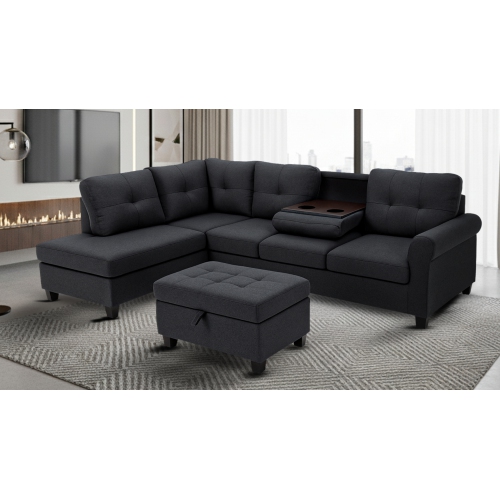 Your price for this item is $1399
 -
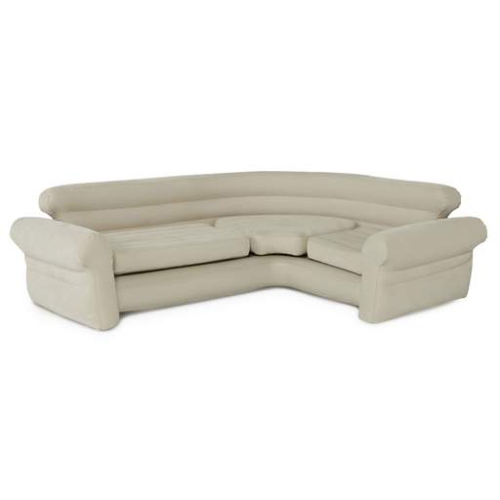 Your price for this item is $363.99
 -
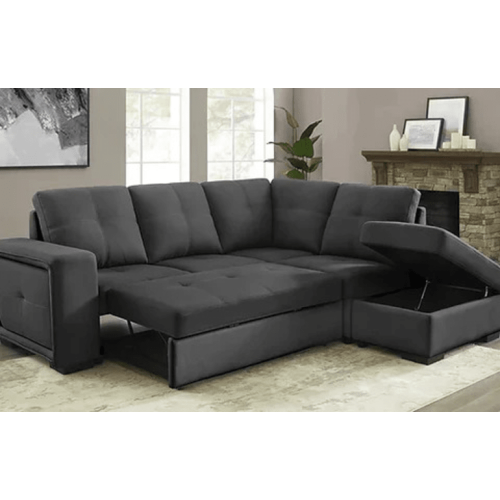 Your price for this item is $1699
 -
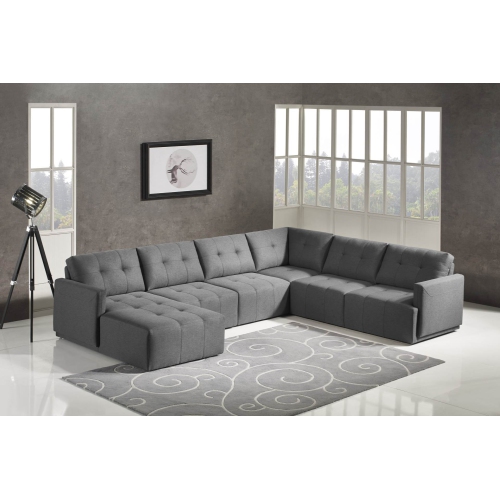 Your price for this item is $3999
 -
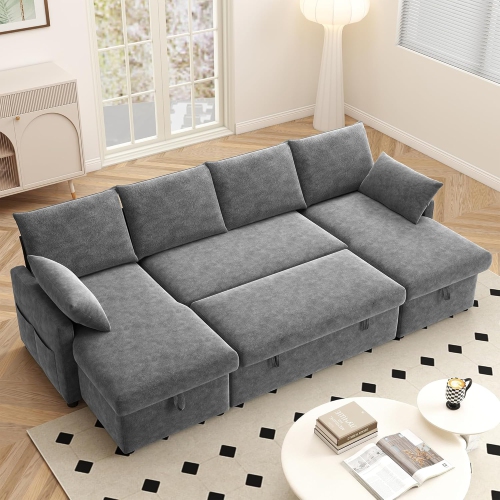 Your price for this item is $849.99
 -
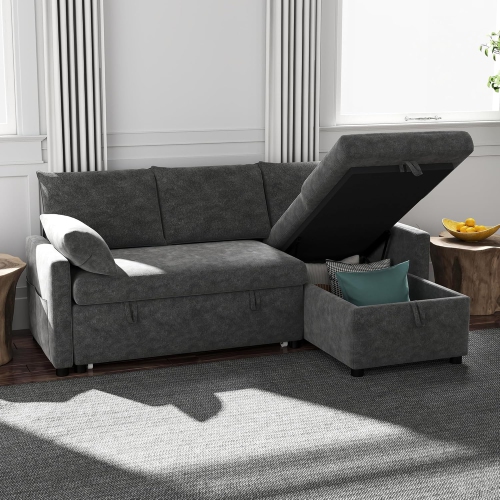 Your price for this item is $649.99
 -
 Your price for this item is $999
 -
 Your price for this item is $74.99
Discover more categories related to Living Room Sectional Sofas
Top Collections:
Pokemon Centers, Kindle Devices, Best Budget Office Chairs, Apple iPhones 16, Best Laptops for Writers, iPhone 15 Apple, Canon G7X Cameras, Refurbished Apple Laptops, Alarm Clock, Motorola Razr Phones
Some products may be subject to Environmental Handling Fees
(EHF) depending on your province.
Learn more about EHFs.