Long Chair Cushions
Transform your long chair into a haven of comfort with our selection of long chair cushions. Whether you're lounging by the pool, enjoying a lazy afternoon on the patio, or simply looking to add an extra layer of coziness to your indoor seating, our range of long chair cushions is designed to elevate your relaxation experience. With a variety of styles, colors, and materials to choose from, you can find the perfect cushion that not only provides exceptional support but also complements your existing decor effortlessly. Discover the ultimate blend of comfort and style with our long chair cushions today.
Sort
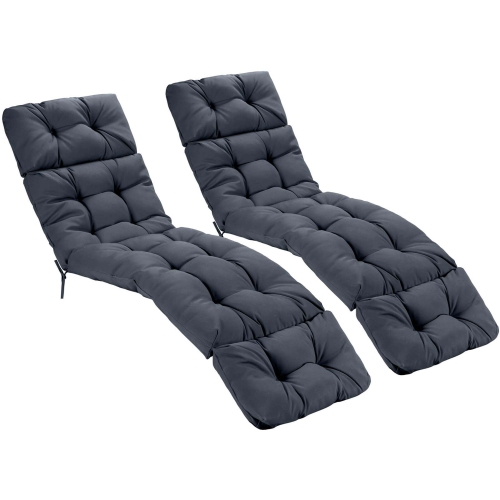
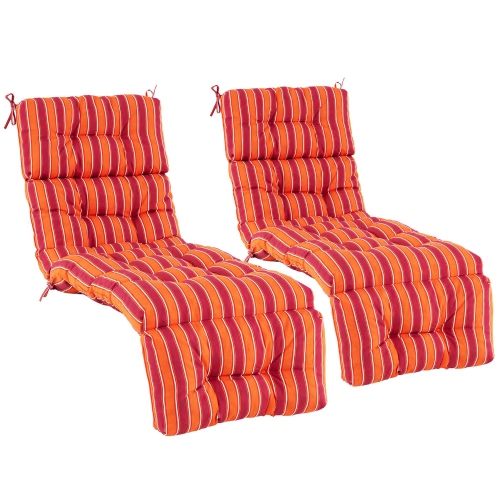
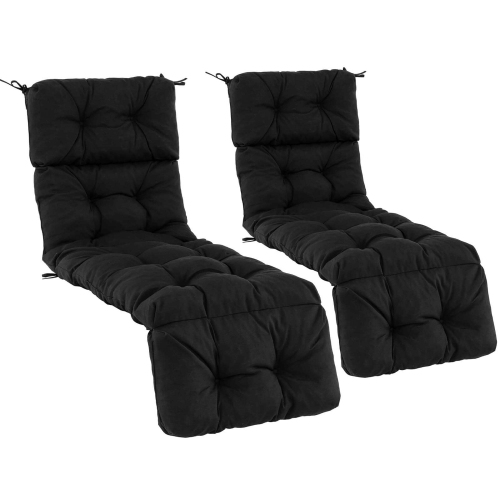
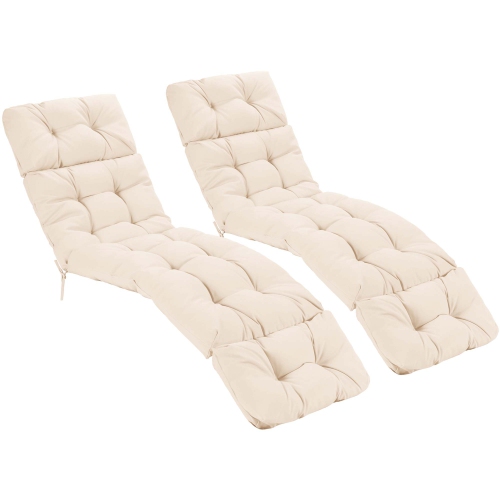
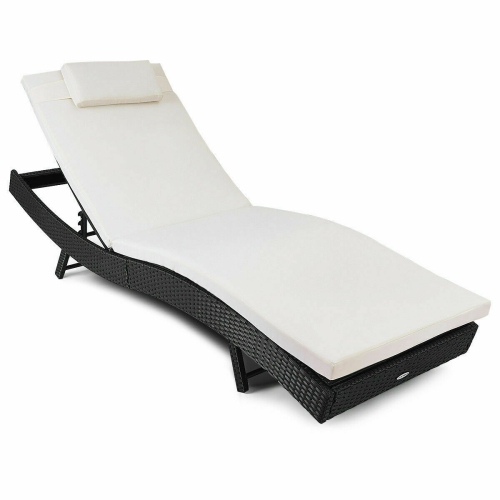
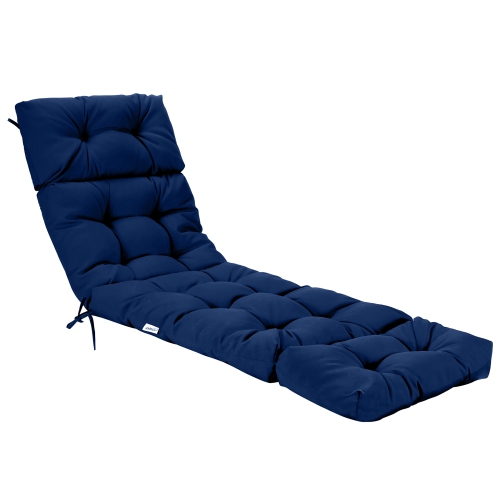
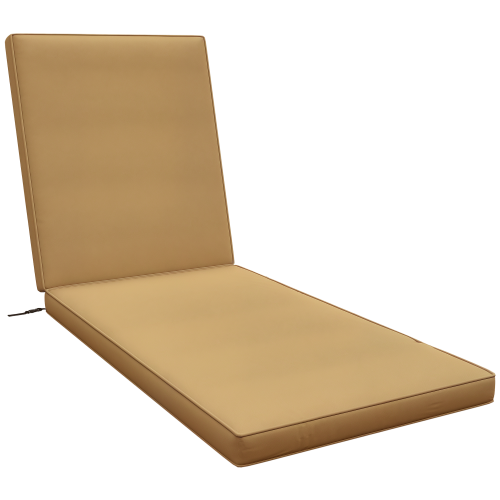
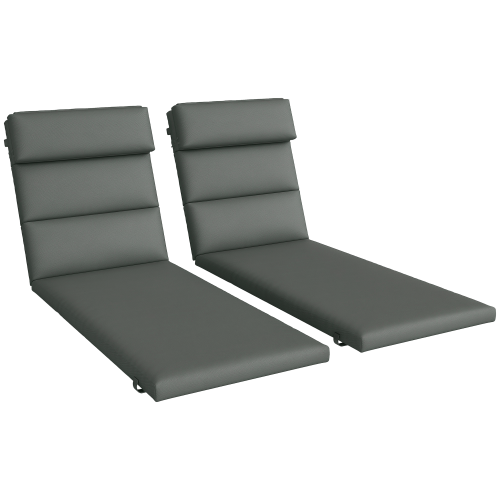
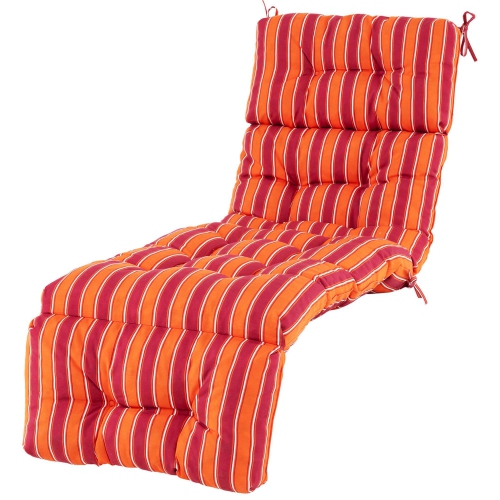
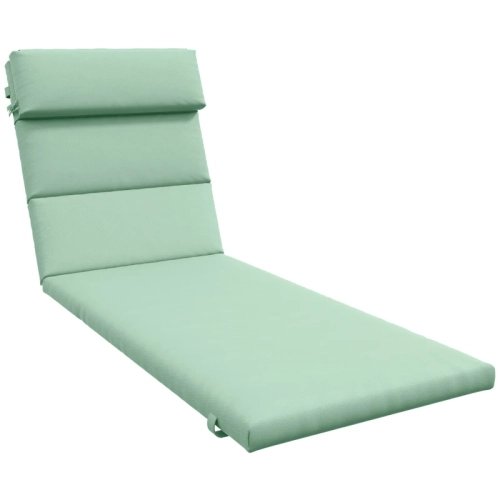
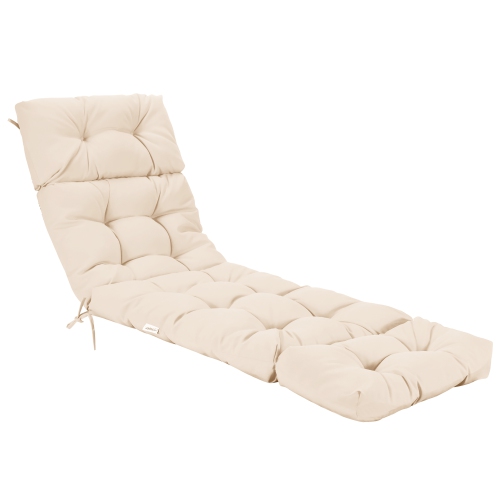
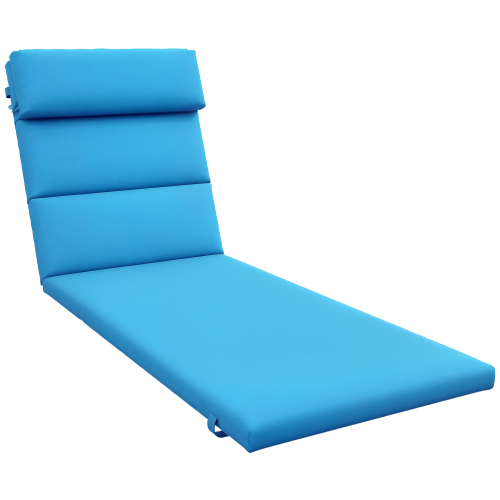
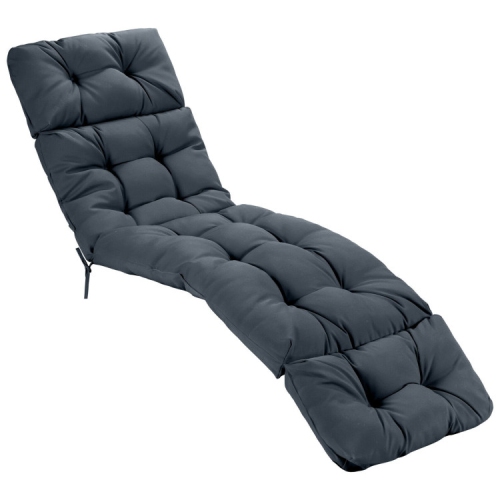
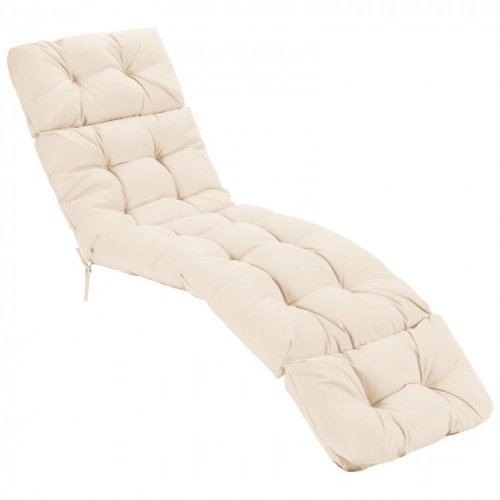
Cushion comfort starts with the shape of your seat
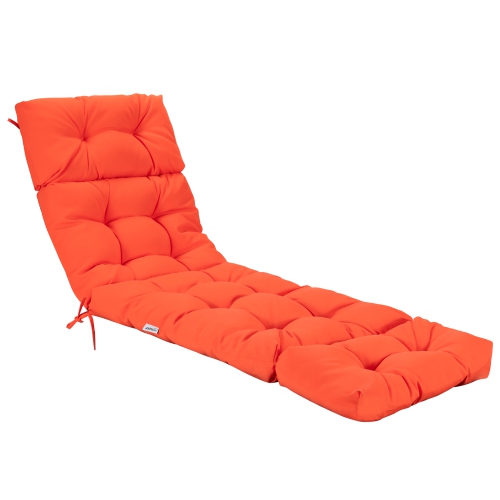
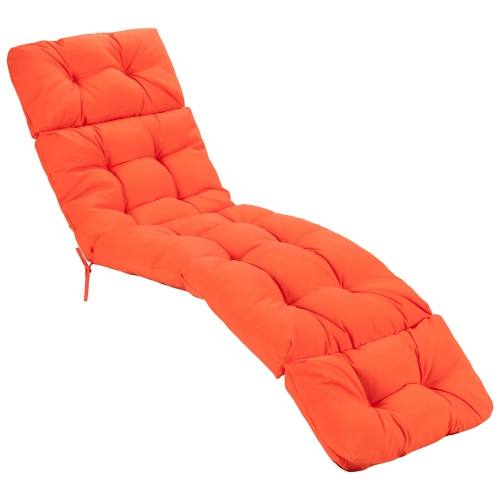
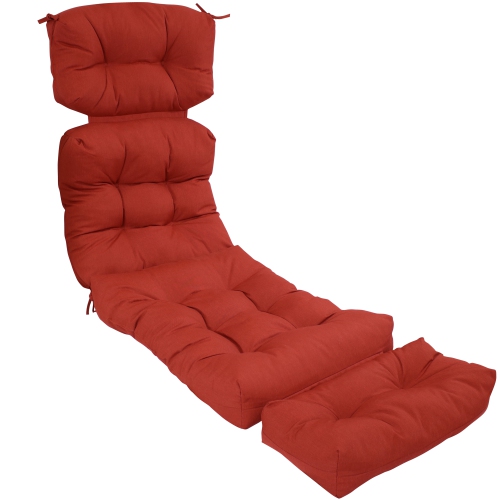
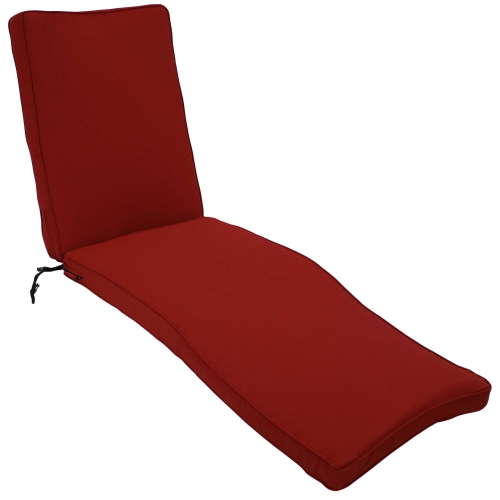
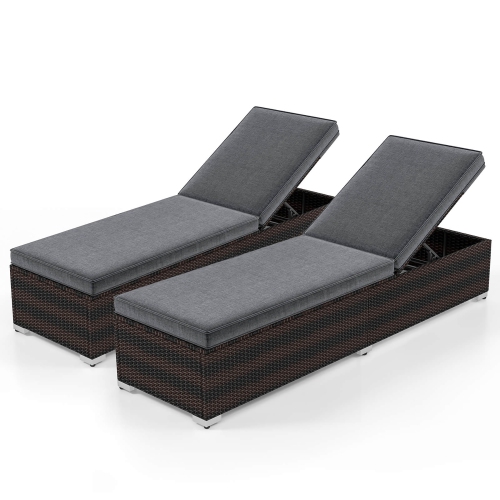
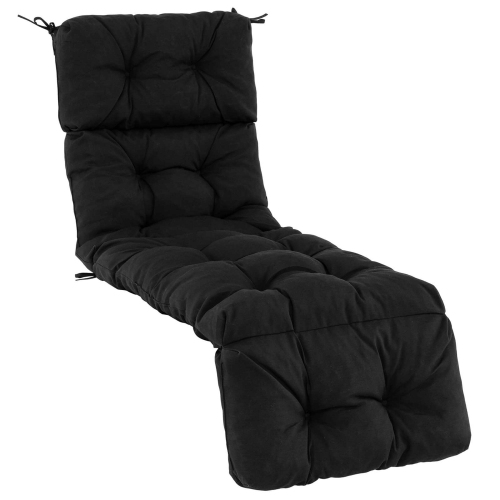
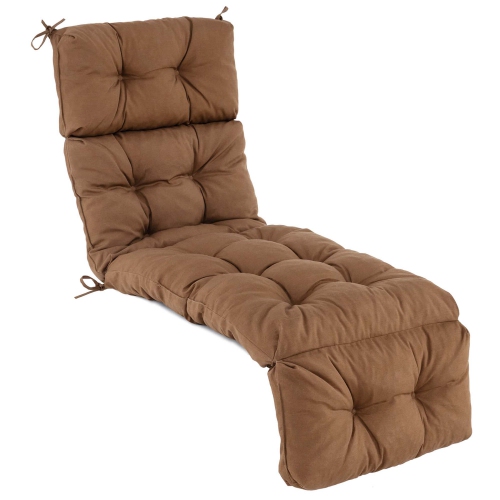
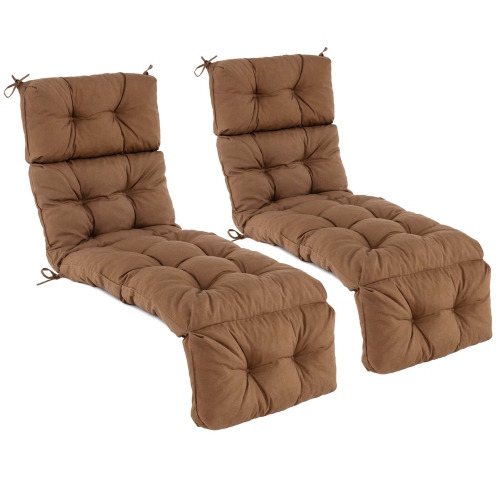
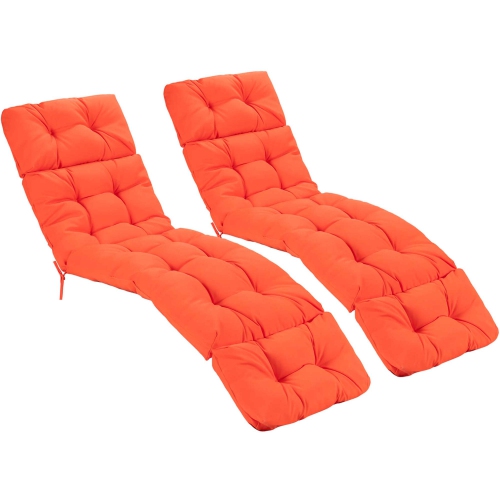
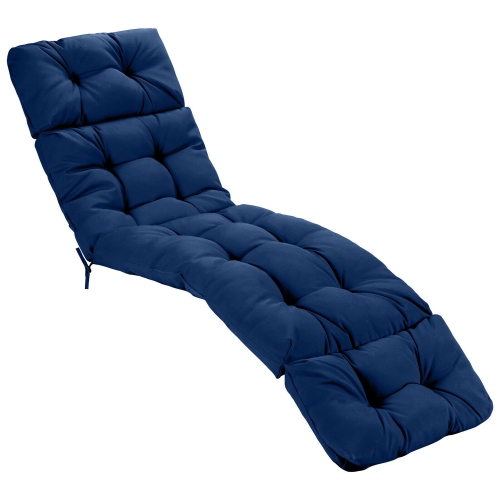
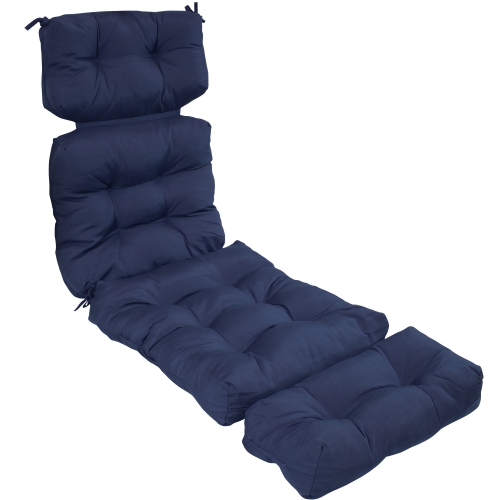
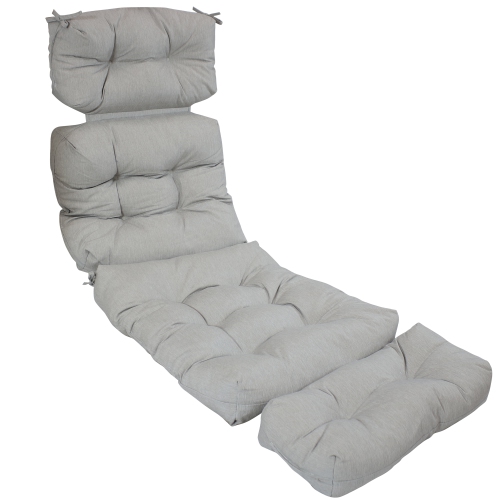
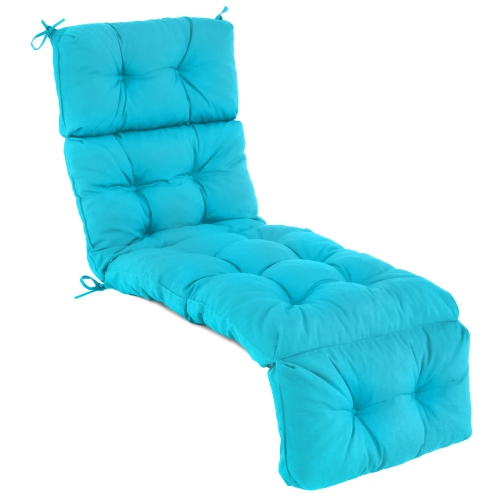
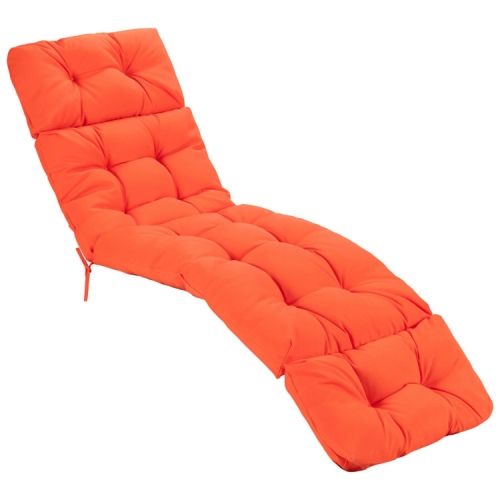
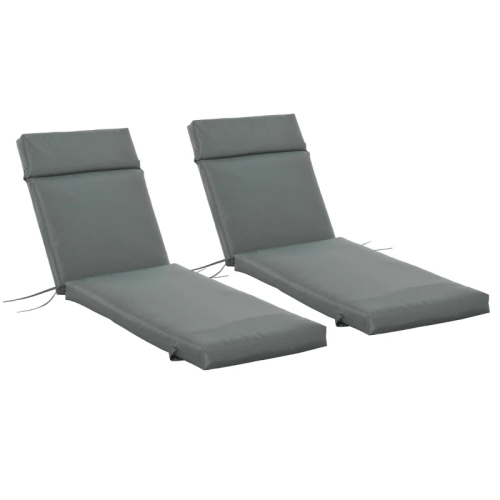
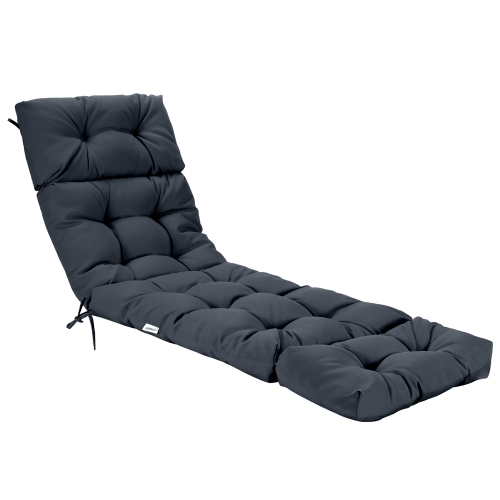
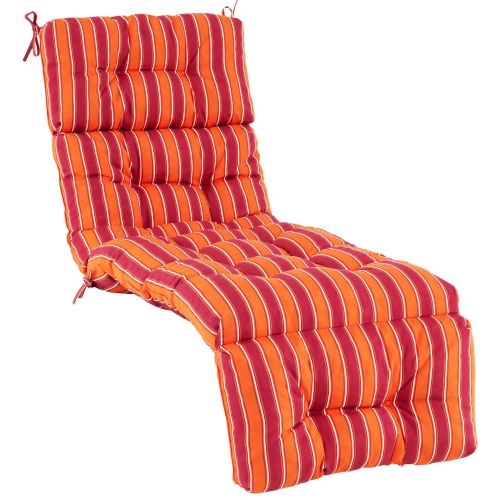
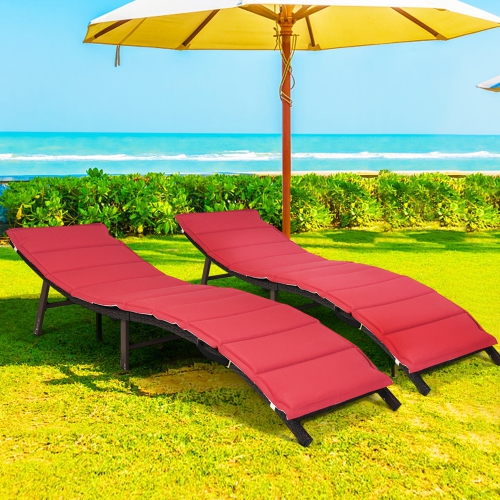
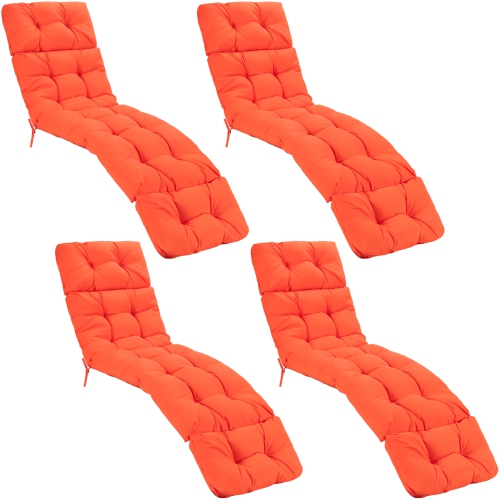
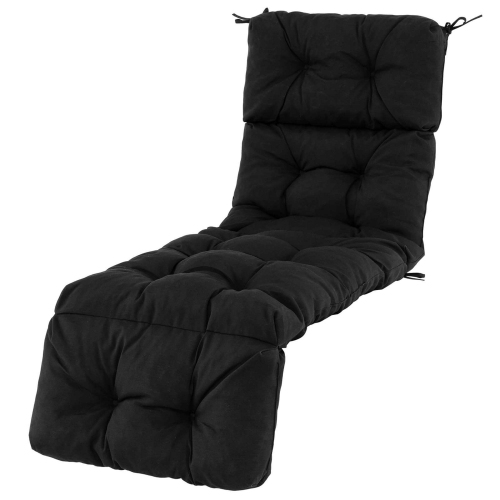
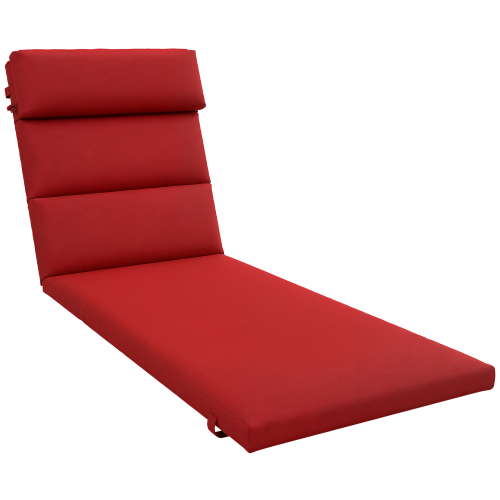
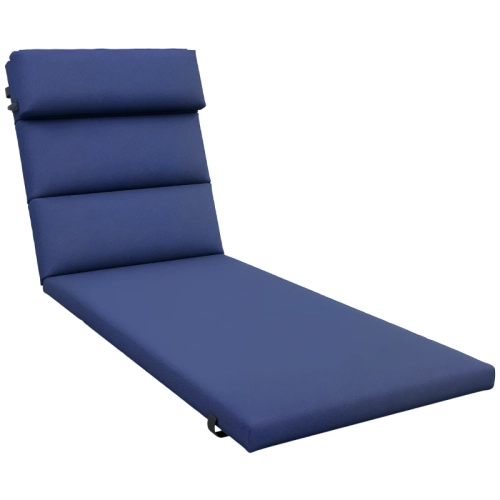
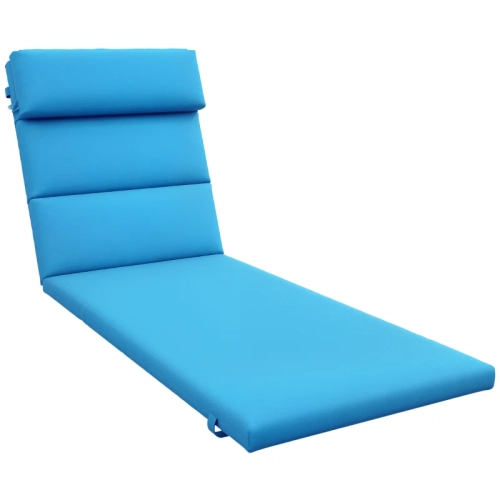
Long chair cushions are elongated seat pads designed to soften benches, window seats, chaise lounges, and other seating with a longer surface than a standard chair. Some cushion the seat alone, while others extend from the backrest to the foot of a reclining lounge chair. That distinction matters: a straight bench pad and a hinged chaise cushion may have similar overall lengths, but they serve different shapes of furniture. On a wooden dining bench, a long cushion adds a padded layer without the gaps that separate individual seat pads. In an entryway, it makes a firm bench more comfortable for putting on shoes. A window seat cushion can turn a shallow ledge into a welcoming reading spot, while a full-length lounge cushion provides continuous padding beneath the back, hips, and legs. The best fit starts with the usable seating surface rather than the furniture’s outside dimensions. Length, width, and thickness all affect how the cushion sits, particularly where armrests narrow the space or a curved frame changes the shape at the ends. A pad that overhangs the front edge may fold beneath the legs, while one that is too narrow can leave a hard strip of the frame exposed. For reclining furniture, the separate lengths of the backrest and seat sections are just as important as the total measurement. A fold or hinge needs to line up with the chair’s bend so the padding can follow its movement without bunching. Thickness also changes the sitting position: a deeper cushion raises the body relative to a dining table, armrest, or footrest. Where a bench lid opens for storage, a flexible, easy-to-lift cushion can be more practical than a bulky pad that is awkward to move. These details make long chair cushions useful across shared family seating, compact apartments, reading corners, and lounge spaces, with comfort shaped as much by the fit as by the softness of the filling.
Materials influence how a long chair cushion feels during everyday use and how well it holds its shape. Foam generally creates a more defined seating surface, while polyester fibre filling tends to feel softer and more pillowy. A combination of foam and fibre can provide a structured centre with a gentler outer layer. Foam density and firmness are different properties: density describes how much material is present in a given volume, while firmness describes resistance to compression. A thick cushion is therefore not necessarily firm, and a soft cushion is not necessarily less dense. For a dining bench used throughout the day, padding that resists flattening can help keep the seat feeling consistent. On a lounge chair used for reading or resting, a softer surface may feel more inviting, provided it does not compress enough to leave the frame noticeable underneath. Cover fabrics make an equally tangible difference. Cotton and cotton blends can have a soft, familiar feel suited to indoor seating, though cleaning requirements vary with the weave and finish. Corduroy adds a ribbed texture, while tightly woven fabrics offer a smoother surface that can be easier to brush free of crumbs. Polyester and acrylic fabrics are also used for seating cushions, including versions designed for outdoor use. For a patio chaise or garden bench, an outdoor-rated cover and suitable filling matter more than appearance alone. Water resistance does not mean waterproof construction, and moisture can still enter through seams or closures. Fade-resistant fabric can help retain colour under light exposure, but it does not prevent every change in appearance over time. Ties, straps, and slip-resistant backing help limit movement when their placement suits the furniture. A smooth wooden bench may benefit from a grippy underside, while an open lounge frame may be better suited to securely positioned ties. Backing should also be compatible with the furniture’s finish, particularly on painted or polished surfaces. When seating needs separate padding behind the body, Back Chair Cushions can complement a long seat pad without requiring a single cushion to cover both areas.
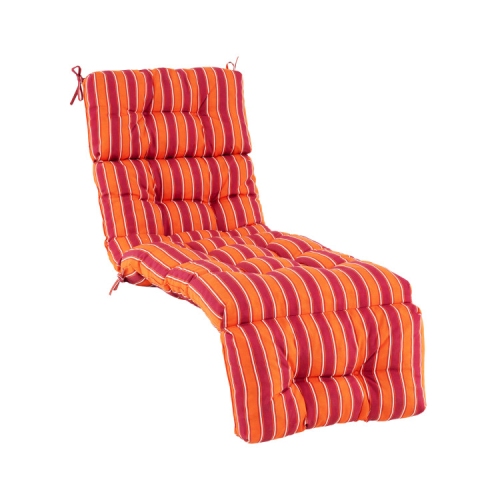
Care and construction help determine how easily long chair cushions fit into a household routine. A removable cover with a zip can simplify cleaning, but removability alone does not mean that the fabric is machine washable. The care label should specify whether the cover needs spot cleaning, hand washing, or a machine cycle, along with any drying restrictions. Washing an unsuitable cover can alter its shape and make it difficult to put back over a long insert. For everyday marks, prompt blotting with a clean cloth is generally gentler than vigorous rubbing; any cleaning solution should be appropriate for the fabric and tested in an inconspicuous area. Covers and inserts need to dry fully before reassembly or storage, especially when dense padding holds moisture beneath a dry-feeling surface. Regularly removing crumbs and grit from seams helps keep the cushion fresh and reduces abrasive debris between the pad and the furniture. Construction details deserve attention because a long cushion is pulled, lifted, and compressed across a broad area. Secure stitching, neatly finished edges, and well-attached ties support repeated handling. Tufting can help keep filling distributed, although its recessed areas may collect crumbs on a dining bench. Piping gives the edges definition, while a plain edge offers a simpler profile. Where the construction allows it, rotating a cushion can spread wear across places that receive the most use; shaped cushions, fixed ties, or one-sided backing may limit that option. Colour and pattern connect these practical details to the room. A closely matched tone gives a built-in bench a quieter appearance, while a stripe or textured weave makes a long seating surface more prominent. For a shared dining nook, a washable cover may matter more than elaborate detailing. For someone who spends hours with a book on a window seat, the right balance of cushioning and seat depth may take priority. Long chair cushions can also make thoughtful gifts for someone furnishing a reading area or refreshing a favourite bench, as long as the seating measurements and preferred care routine are known. A well-matched cushion makes the existing furniture more comfortable while preserving the way it is meant to be used.
Materials influence how a long chair cushion feels during everyday use and how well it holds its shape. Foam generally creates a more defined seating surface, while polyester fibre filling tends to feel softer and more pillowy. A combination of foam and fibre can provide a structured centre with a gentler outer layer. Foam density and firmness are different properties: density describes how much material is present in a given volume, while firmness describes resistance to compression. A thick cushion is therefore not necessarily firm, and a soft cushion is not necessarily less dense. For a dining bench used throughout the day, padding that resists flattening can help keep the seat feeling consistent. On a lounge chair used for reading or resting, a softer surface may feel more inviting, provided it does not compress enough to leave the frame noticeable underneath. Cover fabrics make an equally tangible difference. Cotton and cotton blends can have a soft, familiar feel suited to indoor seating, though cleaning requirements vary with the weave and finish. Corduroy adds a ribbed texture, while tightly woven fabrics offer a smoother surface that can be easier to brush free of crumbs. Polyester and acrylic fabrics are also used for seating cushions, including versions designed for outdoor use. For a patio chaise or garden bench, an outdoor-rated cover and suitable filling matter more than appearance alone. Water resistance does not mean waterproof construction, and moisture can still enter through seams or closures. Fade-resistant fabric can help retain colour under light exposure, but it does not prevent every change in appearance over time. Ties, straps, and slip-resistant backing help limit movement when their placement suits the furniture. A smooth wooden bench may benefit from a grippy underside, while an open lounge frame may be better suited to securely positioned ties. Backing should also be compatible with the furniture’s finish, particularly on painted or polished surfaces. When seating needs separate padding behind the body, Back Chair Cushions can complement a long seat pad without requiring a single cushion to cover both areas.
Care and construction help determine how easily long chair cushions fit into a household routine. A removable cover with a zip can simplify cleaning, but removability alone does not mean that the fabric is machine washable. The care label should specify whether the cover needs spot cleaning, hand washing, or a machine cycle, along with any drying restrictions. Washing an unsuitable cover can alter its shape and make it difficult to put back over a long insert. For everyday marks, prompt blotting with a clean cloth is generally gentler than vigorous rubbing; any cleaning solution should be appropriate for the fabric and tested in an inconspicuous area. Covers and inserts need to dry fully before reassembly or storage, especially when dense padding holds moisture beneath a dry-feeling surface. Regularly removing crumbs and grit from seams helps keep the cushion fresh and reduces abrasive debris between the pad and the furniture. Construction details deserve attention because a long cushion is pulled, lifted, and compressed across a broad area. Secure stitching, neatly finished edges, and well-attached ties support repeated handling. Tufting can help keep filling distributed, although its recessed areas may collect crumbs on a dining bench. Piping gives the edges definition, while a plain edge offers a simpler profile. Where the construction allows it, rotating a cushion can spread wear across places that receive the most use; shaped cushions, fixed ties, or one-sided backing may limit that option. Colour and pattern connect these practical details to the room. A closely matched tone gives a built-in bench a quieter appearance, while a stripe or textured weave makes a long seating surface more prominent. For a shared dining nook, a washable cover may matter more than elaborate detailing. For someone who spends hours with a book on a window seat, the right balance of cushioning and seat depth may take priority. Long chair cushions can also make thoughtful gifts for someone furnishing a reading area or refreshing a favourite bench, as long as the seating measurements and preferred care routine are known. A well-matched cushion makes the existing furniture more comfortable while preserving the way it is meant to be used.
Top selling and popular products
-
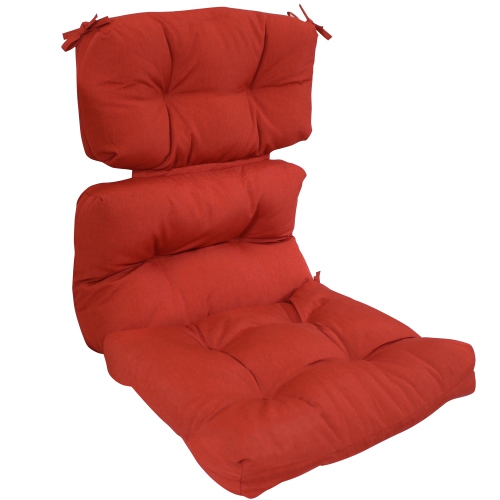 Your price for this item is $88.85
 -
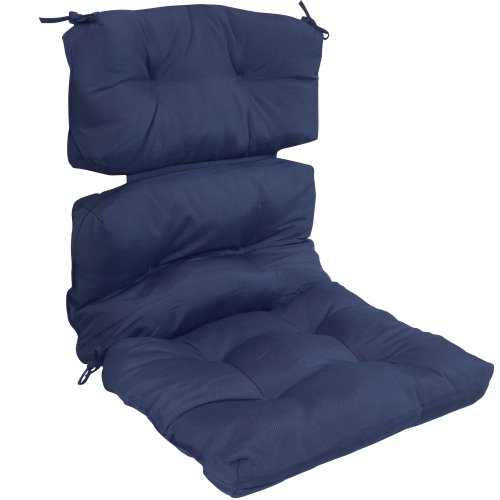 Your price for this item is $88.85
 -
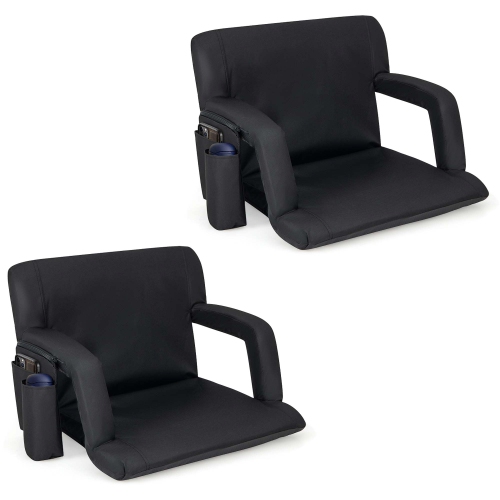 Your price for this item is $167.99
 -
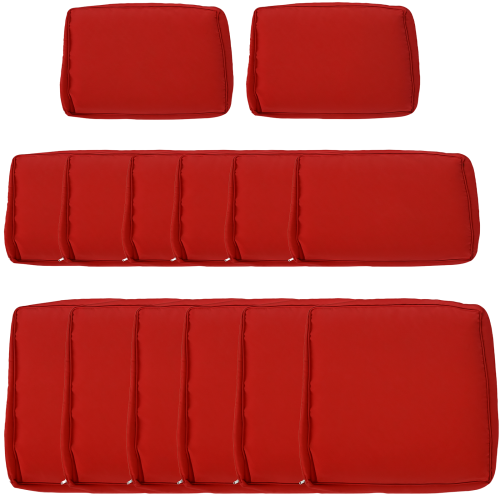 Your price for this item is $94.99
 -
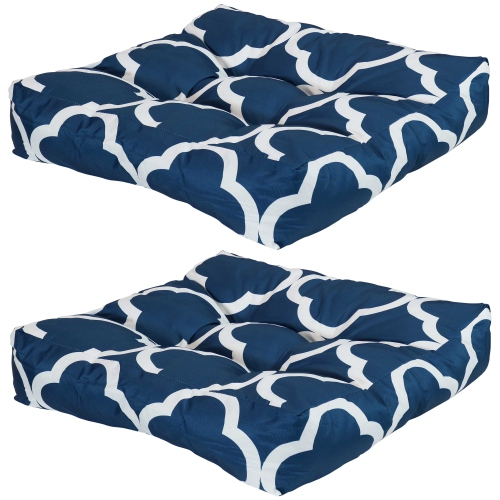 Your price for this item is $64.15
 -
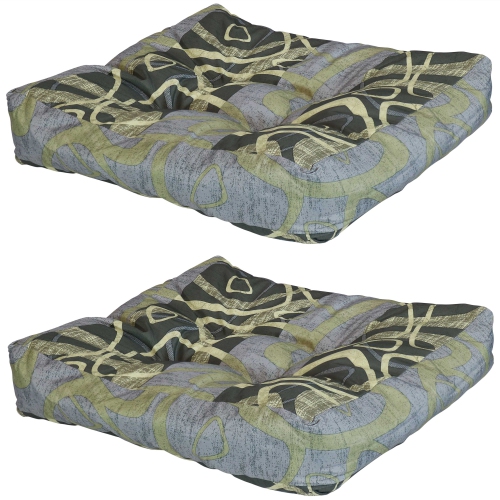 Your price for this item is $77.35
 -
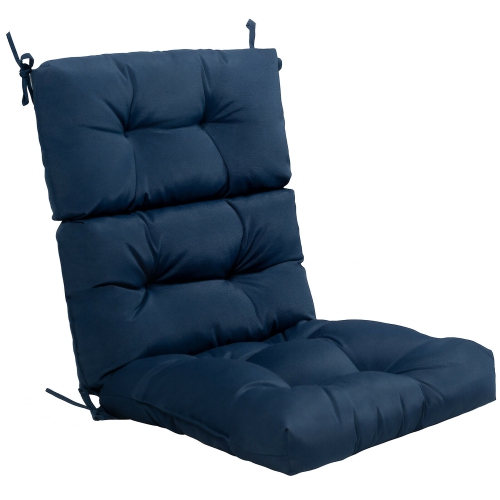 Your price for this item is $59.99
 -
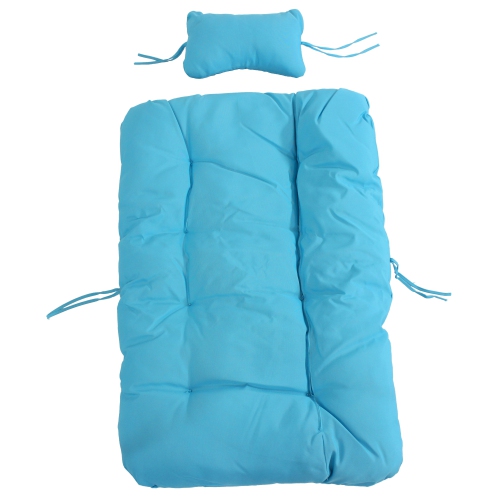 Your price for this item is $154.35
Discover more categories related to Long Chair Cushions

Top Collections:
Pokemon Centers, Kindle Devices, Best Budget Office Chairs, Apple iPhones 16, Best Laptops for Writers, iPhone 15 Apple, Canon G7X Cameras, Refurbished Apple Laptops, Alarm Clock, Motorola Razr Phones
Some products may be subject to Environmental Handling Fees
(EHF) depending on your province.
Learn more about EHFs.