Long Lasting Candles
Light up your space with the warm and inviting glow of long-lasting candles. Whether you're looking to create a cozy ambiance for a relaxing evening at home or add a touch of elegance to your next dinner party, our wide selection of durable candles is sure to meet your needs. From unscented options perfect for those with sensitivities to fragrant varieties that will fill your room with delightful aromas, we have the perfect candle to suit almost any occasion. Explore our collection today and discover the beauty and charm that long-lasting candles can bring to your home.
Sort
![YOULIGHTS Tea Lights, [Long Lasting] [39PCs] Led Tealights Flickering Candles Battery Operated Candles, Flameless Fake Candles In Warm In Yellow](https://multimedia.bbycastatic.ca/multimedia/products/500x500/185/18586/18586711.jpeg)



Why candle burn time depends on more than size
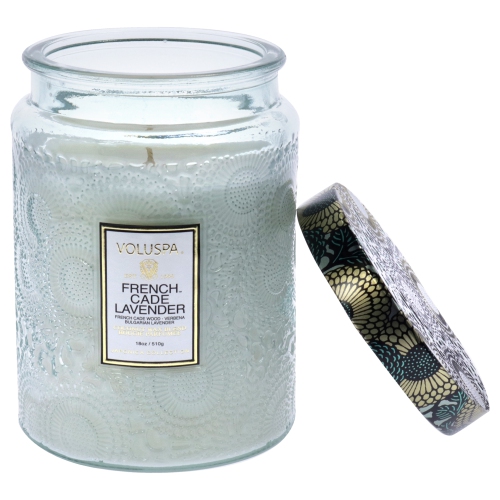
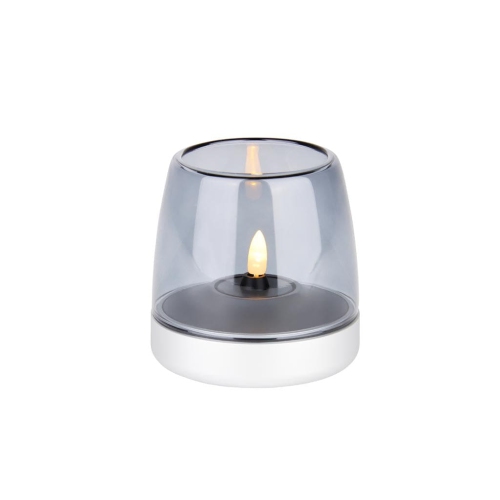
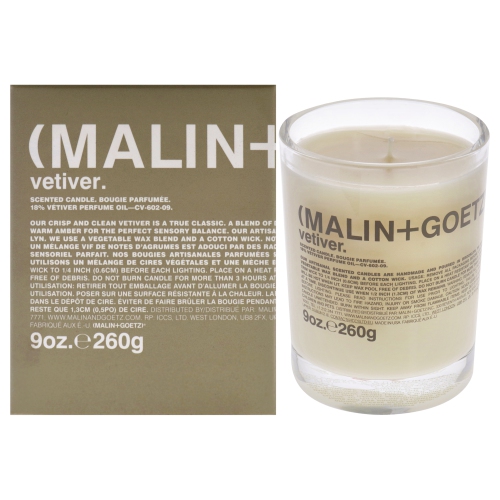
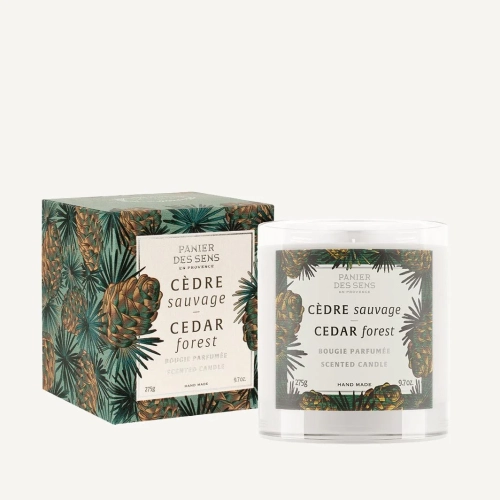
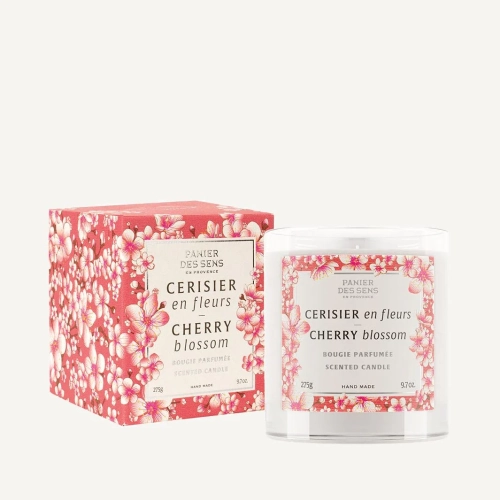
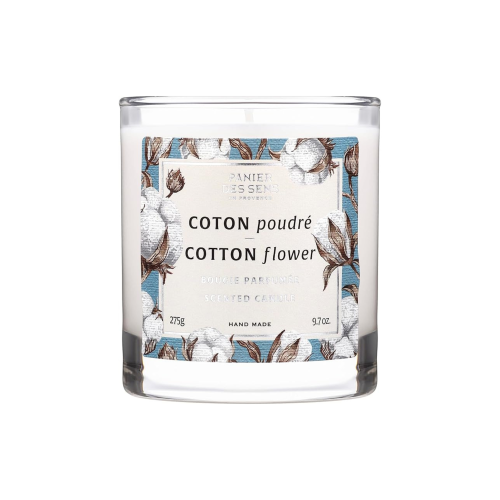
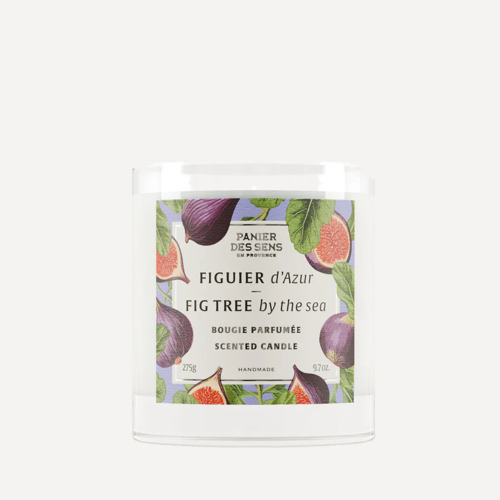
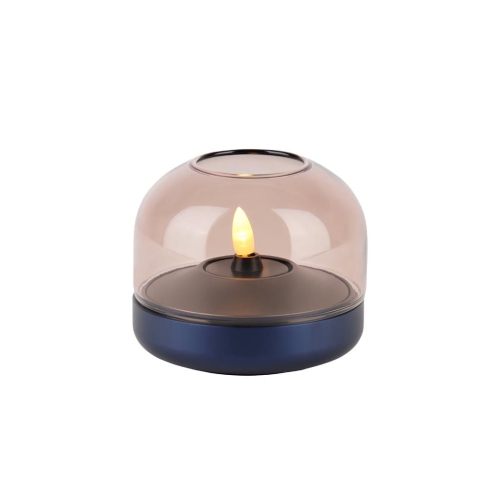
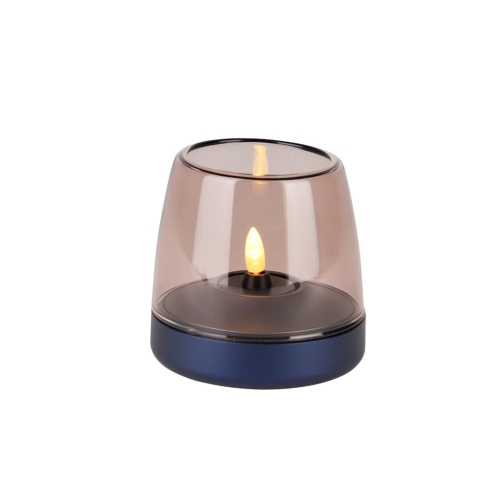
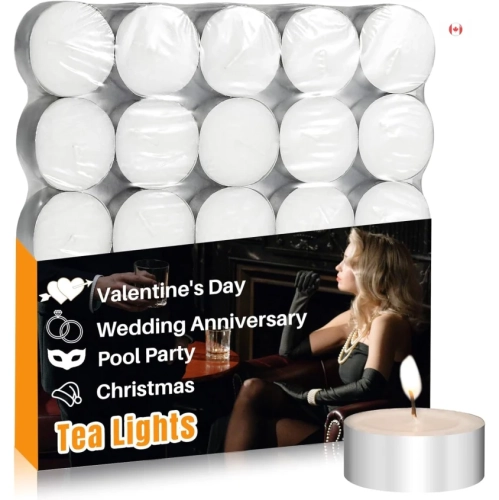
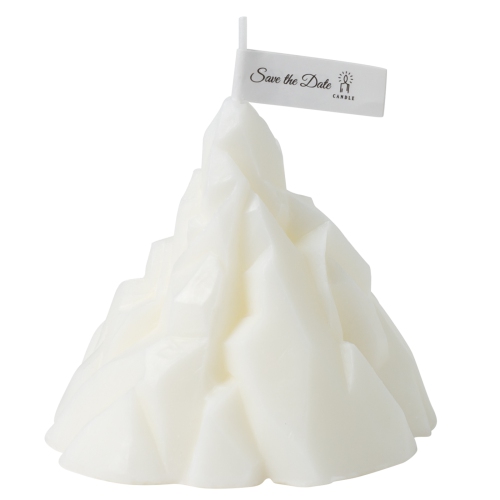
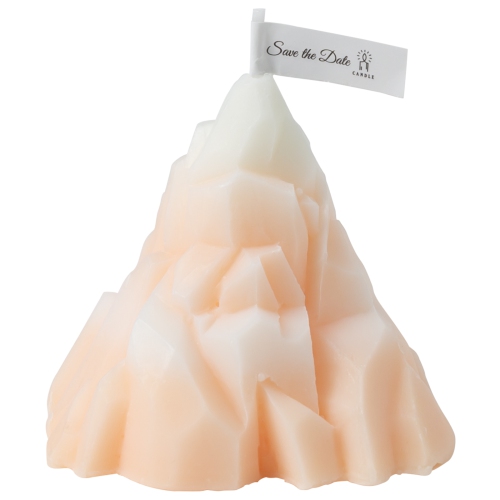
Long-lasting candles bring a steady glow to everyday spaces, with enough burn time to enjoy across many evenings rather than just a few occasions. Their useful life depends on the amount of wax, the wax blend, the wick design, and how they are burned, not simply on the size of the container. A stated burn time generally describes the total hours of use under the maker’s test conditions, rather than the length of one continuous lighting. Actual results vary with draughts, wick maintenance, and the duration of each session. Beeswax, soy wax, paraffin, and blended waxes can all appear in candles designed for extended use, and each behaves differently depending on the formulation. Beeswax is valued for its firm texture and naturally subtle honey-like aroma, while soy wax is often used in container candles with a softer, creamy appearance. Paraffin and blended waxes can also deliver consistent burning and a noticeable fragrance when paired with a suitable wick. Wax type alone does not guarantee a longer-lasting candle; a well-matched combination of wax, wick, and vessel matters more than any single ingredient. For shoppers drawn to the warm colour and understated scent of beeswax, long-lasting beeswax candles offer a focused starting point. Large jar candles and substantial pillars often contain more fuel than smaller formats, but a wide candle with several flames may use that fuel faster. A single-wick candle can suit a smaller pool of light and a quieter scent presence, while multiple wicks help melt wax across a broader surface. Neither arrangement is automatically better: the wick layout needs to suit the candle’s diameter. The most useful comparison brings together the stated burn time, wax weight, dimensions, and intended use. A compact candle that burns evenly during regular evening use may be a better fit than an oversized vessel that needs longer sessions than a household can comfortably supervise.
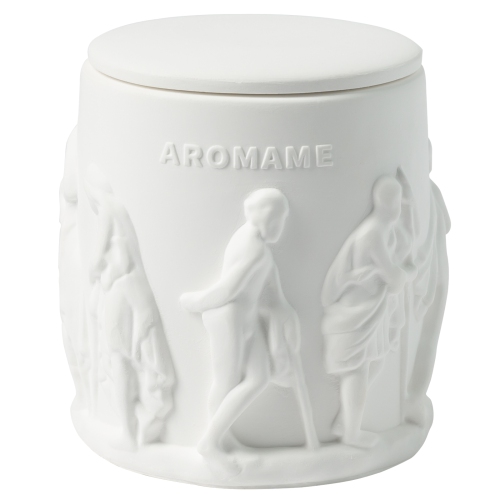
The shape and fragrance of a long-lasting candle influence where it feels at home as much as its burn time does. Jar candles keep melted wax within a vessel, making them a familiar choice for a stable side table or a clear dining surface, provided there is a heat-resistant layer beneath them. Glass lets the flame’s glow show through, while opaque ceramic or metal vessels offer a more contained appearance; any container can become hot during use. Pillar candles have a freestanding shape that works well with appropriately sized candle plates or holders designed to catch wax. Tapers bring height to a table setting but need secure holders with a proper fit, and their narrower shape generally holds less wax than a substantial pillar. Dimensions are worth checking against the actual space, including the clearance above and around the flame. A candle should never sit beneath a low shelf, beside curtains, or where a sleeve might brush it. Scented candles add another layer to the room, from gentle floral notes to wood, spice, or fresh citrus profiles. Fragrance strength depends on the formula, the size of the melt pool, and the room itself, so a strong scent in a small entryway may feel much softer in an open living area. Unscented candles are often a comfortable choice at the dining table, where fragrance could compete with food, or in shared spaces where preferences differ. They still produce combustion emissions and should not be treated as emission-free. During the cooler months, a warm glow can make a supervised evening meal or a conversation after dinner feel more inviting without requiring a pronounced perfume. As gifts, long-lasting candles suit hosts, new homeowners, and people who enjoy setting a thoughtful table. A restrained fragrance or unscented option can be easier to choose when the recipient’s preferences are unfamiliar, while the vessel’s size and style help determine whether it will fit naturally into their home.
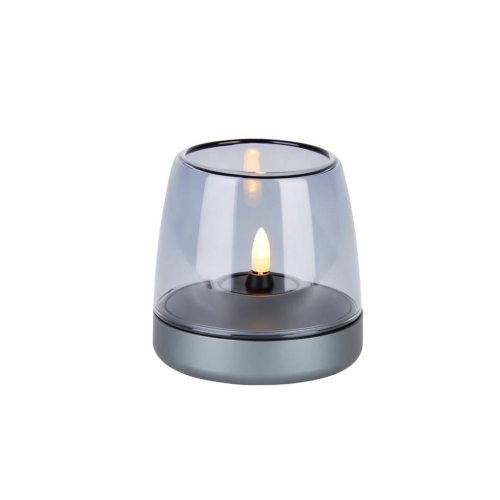
Care and intended use have a direct effect on how much enjoyment a candle provides over its lifetime. An even burn uses the wax more effectively, while a deep tunnel around the wick can leave a thick ring of unused wax along the sides. For many container candles, the first lighting needs enough time to establish a broad melt pool, but the maker’s maximum session length always takes priority over trying to melt every edge. A larger diameter can take longer to warm across, which makes broad vessels better suited to occasions when someone will remain nearby rather than brief, interrupted use. Wick trimming also helps control the flame. Many cotton-wick candles call for a trim to about ¼ inch before lighting, while wooden wicks and other designs may need different care. Following the supplied directions is more reliable than applying one rule to every candle. Loose wick pieces, spent matches, and other debris should be kept out of the wax, and a candle that develops a tall, flickering flame or visible soot should be extinguished and allowed to cool before checking the wick and placement. Draughts from open windows, fans, or heating vents can disturb the flame and contribute to uneven melting, though the room should still have suitable ventilation. Between uses, keeping a cooled candle covered, if a lid is supplied, helps protect its surface from dust. Storage away from direct sunlight and excessive heat helps preserve its shape and appearance, particularly with softer wax blends. Containers should be checked for cracks before use, and candles should stay on a level, heat-resistant surface beyond the reach of children and pets. Never leave a burning candle unattended, move it while the wax is liquid, or use it while sleeping. Stop burning at the remaining wax level specified by the maker rather than trying to consume every last trace. For bedside use, homes where open flames are unsuitable, or lighting during a power outage, flameless candles or battery-powered lights are more appropriate options. A long total burn time is most valuable when it supports repeated, carefully supervised use: a little light over dinner, a quiet conversation, or an evening spent together.
The shape and fragrance of a long-lasting candle influence where it feels at home as much as its burn time does. Jar candles keep melted wax within a vessel, making them a familiar choice for a stable side table or a clear dining surface, provided there is a heat-resistant layer beneath them. Glass lets the flame’s glow show through, while opaque ceramic or metal vessels offer a more contained appearance; any container can become hot during use. Pillar candles have a freestanding shape that works well with appropriately sized candle plates or holders designed to catch wax. Tapers bring height to a table setting but need secure holders with a proper fit, and their narrower shape generally holds less wax than a substantial pillar. Dimensions are worth checking against the actual space, including the clearance above and around the flame. A candle should never sit beneath a low shelf, beside curtains, or where a sleeve might brush it. Scented candles add another layer to the room, from gentle floral notes to wood, spice, or fresh citrus profiles. Fragrance strength depends on the formula, the size of the melt pool, and the room itself, so a strong scent in a small entryway may feel much softer in an open living area. Unscented candles are often a comfortable choice at the dining table, where fragrance could compete with food, or in shared spaces where preferences differ. They still produce combustion emissions and should not be treated as emission-free. During the cooler months, a warm glow can make a supervised evening meal or a conversation after dinner feel more inviting without requiring a pronounced perfume. As gifts, long-lasting candles suit hosts, new homeowners, and people who enjoy setting a thoughtful table. A restrained fragrance or unscented option can be easier to choose when the recipient’s preferences are unfamiliar, while the vessel’s size and style help determine whether it will fit naturally into their home.
Care and intended use have a direct effect on how much enjoyment a candle provides over its lifetime. An even burn uses the wax more effectively, while a deep tunnel around the wick can leave a thick ring of unused wax along the sides. For many container candles, the first lighting needs enough time to establish a broad melt pool, but the maker’s maximum session length always takes priority over trying to melt every edge. A larger diameter can take longer to warm across, which makes broad vessels better suited to occasions when someone will remain nearby rather than brief, interrupted use. Wick trimming also helps control the flame. Many cotton-wick candles call for a trim to about ¼ inch before lighting, while wooden wicks and other designs may need different care. Following the supplied directions is more reliable than applying one rule to every candle. Loose wick pieces, spent matches, and other debris should be kept out of the wax, and a candle that develops a tall, flickering flame or visible soot should be extinguished and allowed to cool before checking the wick and placement. Draughts from open windows, fans, or heating vents can disturb the flame and contribute to uneven melting, though the room should still have suitable ventilation. Between uses, keeping a cooled candle covered, if a lid is supplied, helps protect its surface from dust. Storage away from direct sunlight and excessive heat helps preserve its shape and appearance, particularly with softer wax blends. Containers should be checked for cracks before use, and candles should stay on a level, heat-resistant surface beyond the reach of children and pets. Never leave a burning candle unattended, move it while the wax is liquid, or use it while sleeping. Stop burning at the remaining wax level specified by the maker rather than trying to consume every last trace. For bedside use, homes where open flames are unsuitable, or lighting during a power outage, flameless candles or battery-powered lights are more appropriate options. A long total burn time is most valuable when it supports repeated, carefully supervised use: a little light over dinner, a quiet conversation, or an evening spent together.
Top selling and popular products
-
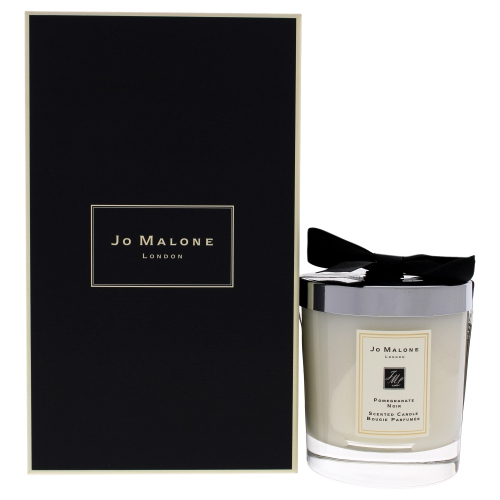 Your price for this item is $414.58
 -
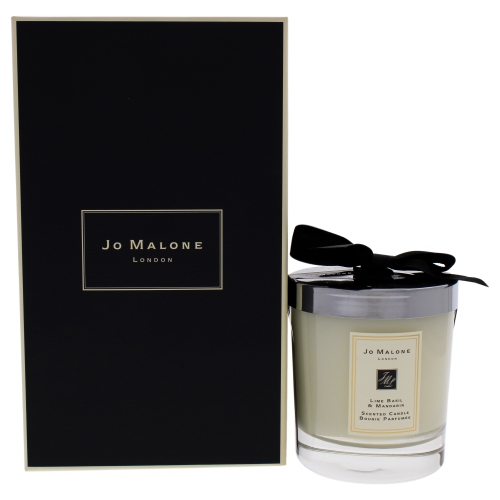 Your price for this item is $414.58
 -
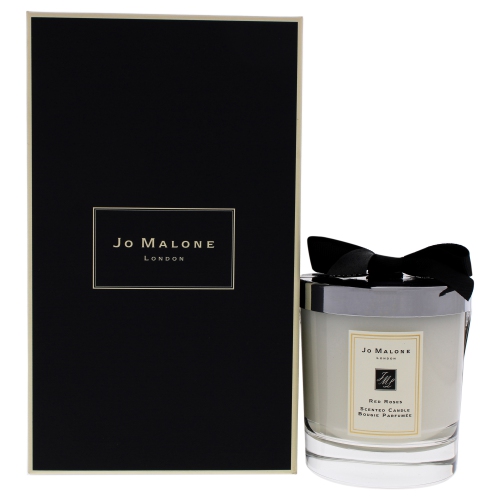 Your price for this item is $414.58
 -
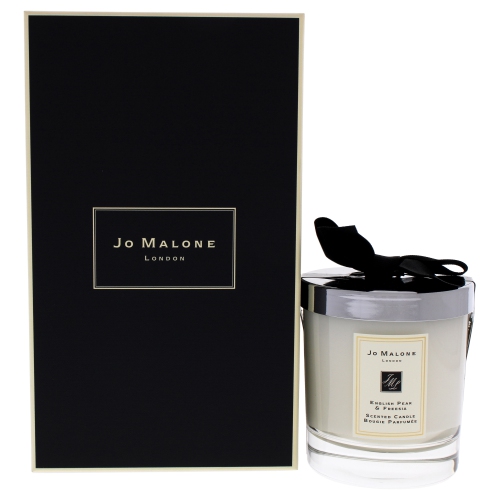 Your price for this item is $414.58
 -
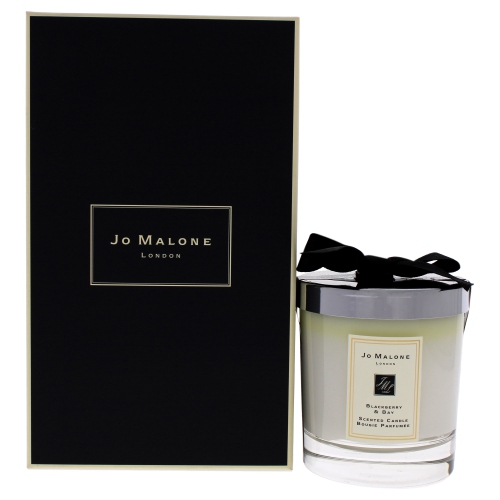 Your price for this item is $414.58
 -
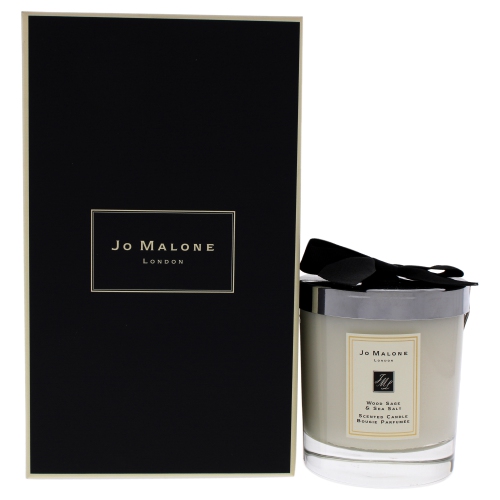 Your price for this item is $414.58
 -
 Your price for this item is $437.99
 -
 Your price for this item is $59.99
Discover more categories related to Long Lasting Candles
Top Collections:
Pokemon Centers, Kindle Devices, Best Budget Office Chairs, Apple iPhones 16, Canon G7X Cameras, iPhone 15 Apple, Alarm Clock, Refurbished Apple Laptops, Flip Phones, Best Laptops for Writers
Some products may be subject to Environmental Handling Fees
(EHF) depending on your province.
Learn more about EHFs.