Machine-Made Rugs
Elevate your living space with the style and versatility of machine-made rugs. Designed to complement a wide range of home décor, these rugs offer an effortless way to add color, texture, and warmth to any room. Whether you're refreshing your entryway or updating your living room, machine-made rugs provide an accessible solution for enhancing comfort and visual appeal throughout your home. Discover options in various sizes, patterns, and materials to suit your unique taste and lifestyle.
Sort
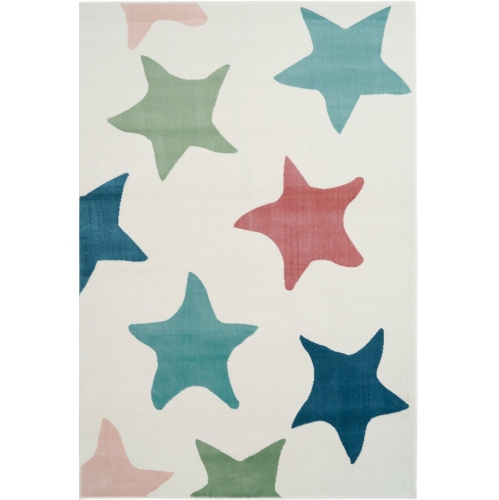
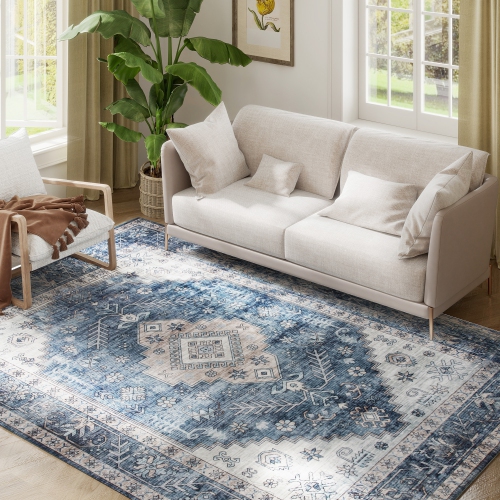
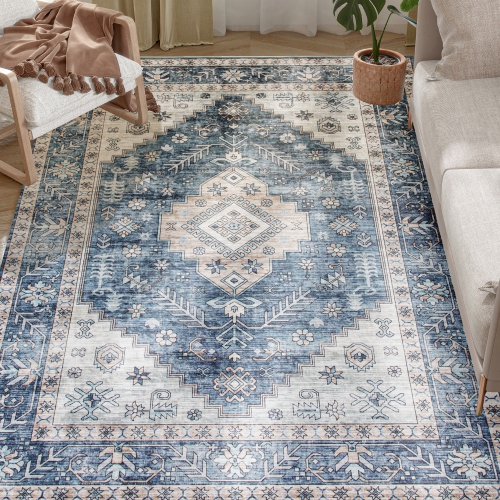
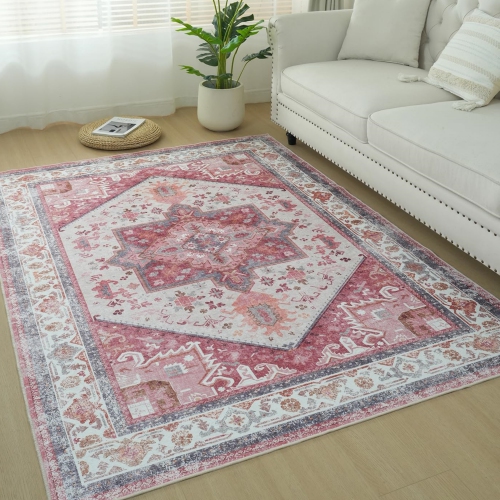
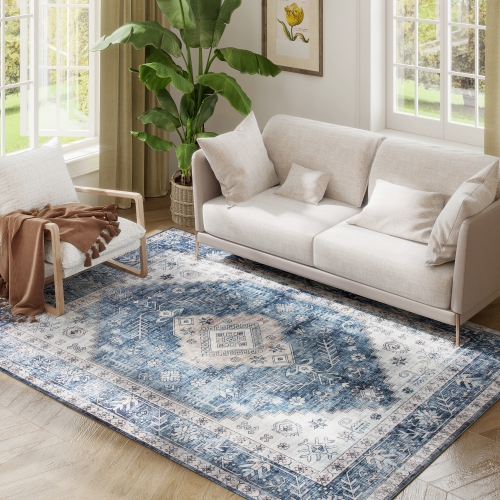
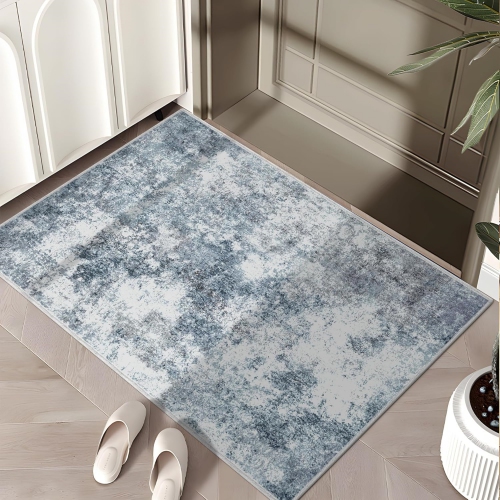

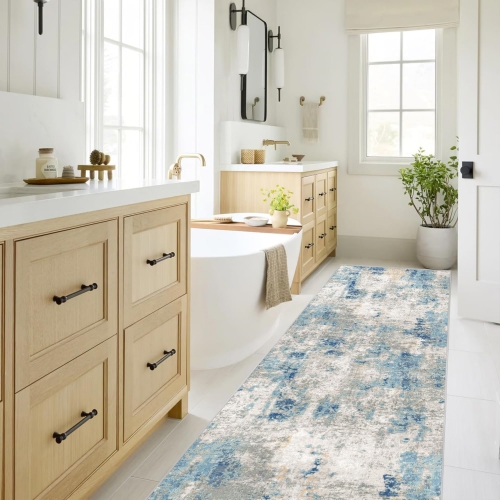
How rug construction shapes comfort and everyday care
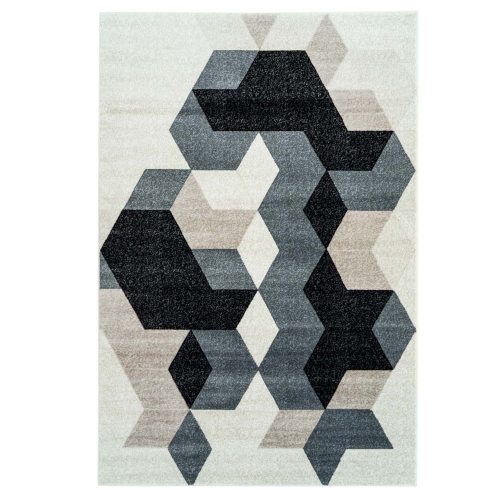
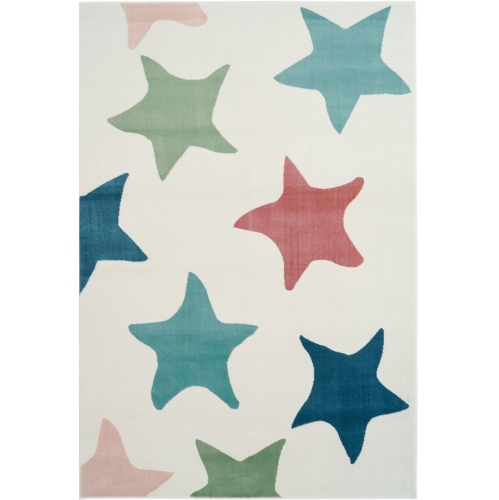
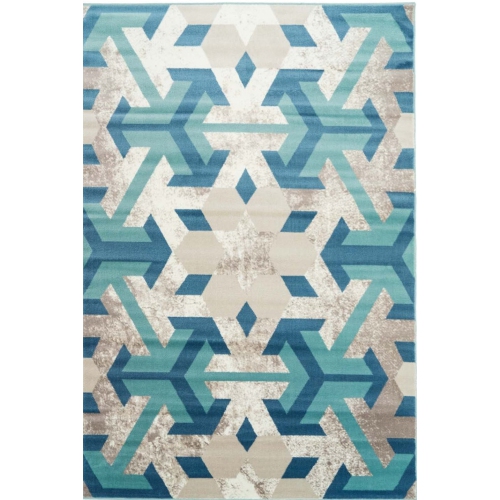
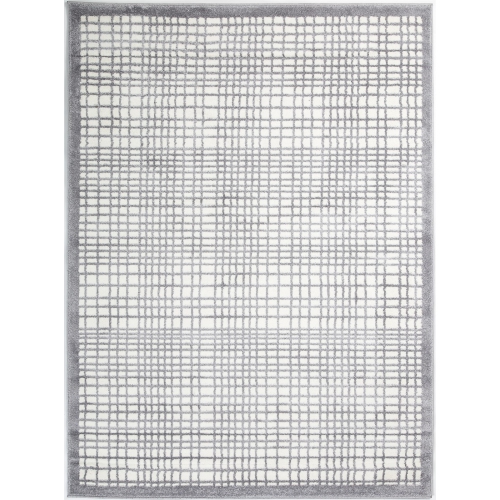
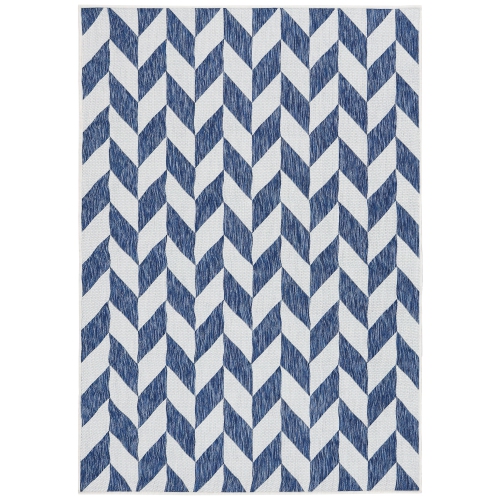
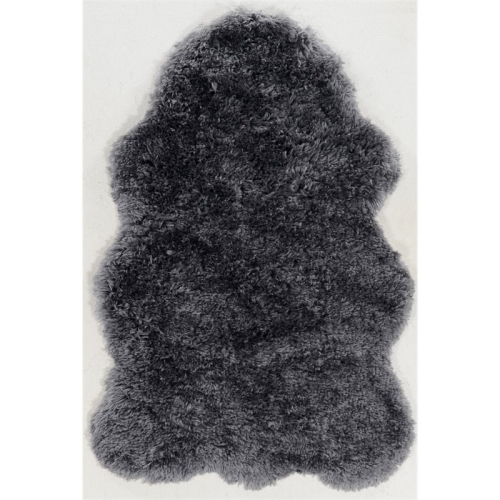
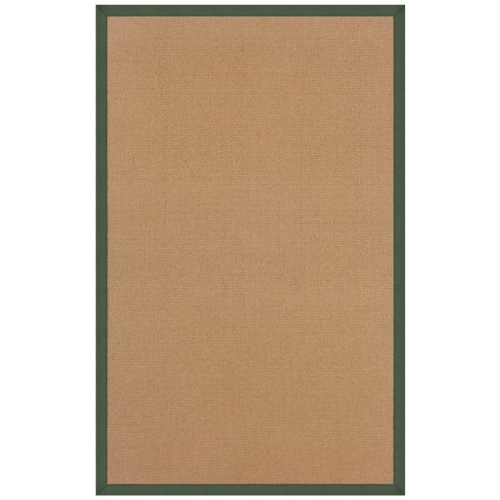
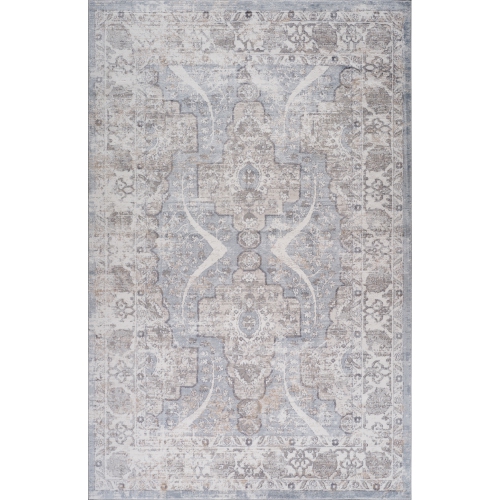
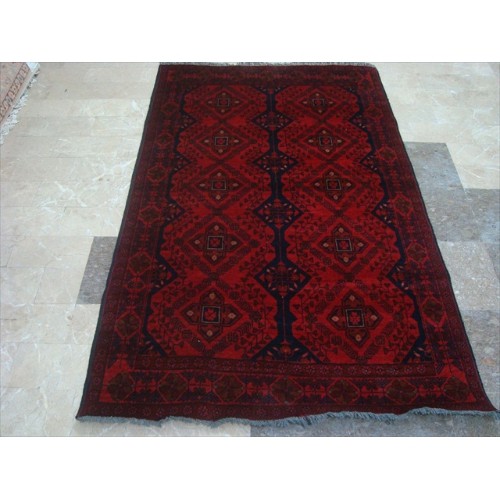
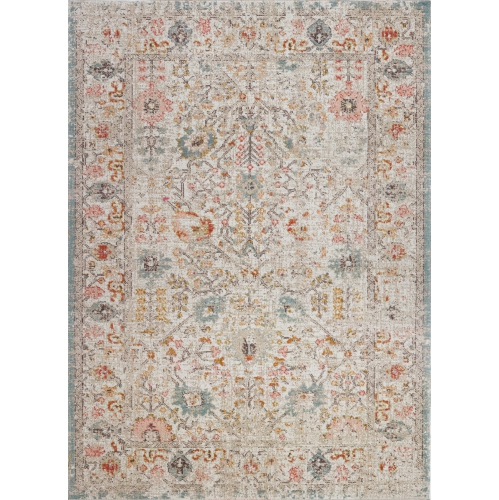
Machine-made rugs are floor coverings produced with automated equipment, often power looms, which create consistent patterns, closely spaced stitches, and an even surface. They bring colour, texture, and definition to living rooms, bedrooms, dining areas, and hallways, with designs ranging from traditional medallions and floral motifs to abstract shapes, geometric lines, and quiet solids. Unlike hand-knotted rugs, which are tied knot by knot, machine-woven rugs are constructed through a mechanized weaving process that repeats a programmed design. This usually results in regular spacing and precise pattern details, although deliberately faded or asymmetrical designs can soften that uniform appearance. Common materials include polypropylene, polyester, and nylon, while some machine-made rugs use wool or blends of natural and synthetic fibres. Polypropylene absorbs little moisture and can resist many everyday water-based stains, making it a practical choice for busy family spaces, though oily spills still need prompt attention. Polyester is often chosen for its softness and clear colour, while nylon is valued for its resilience under repeated foot traffic. Wool offers a naturally springy feel, but its care requirements can differ from those of synthetic fibres. Fibre content alone does not determine quality: pile density, construction, edge finishing, and backing all influence how a rug feels and wears. The reverse side may reveal a regular woven structure, an applied backing, or a combination of layers, depending on how the rug was made. Fringe may be attached separately rather than formed from the rug’s foundation, but neither fringe nor backing is a reliable identifier on its own. For a different construction approach, Handmade Rugs offer a useful point of comparison, with variations that depend on the maker and technique. The appeal of machine-made area rugs lies in their combination of repeatable design, varied textures, and suitability for many everyday spaces, rather than any single material or style.
Size and placement have as much influence on a room as the rug’s pattern. In a living room, a rug that reaches beneath the front legs of the sofa and nearby chairs can connect the seating area, while a smaller rug beneath only the coffee table creates a more compact focal point. Painter’s tape laid out on the floor makes the footprint easier to picture before choosing dimensions, especially where a walkway passes behind a chair or beside a sectional. Dining room rugs need enough space beyond the tabletop for chairs to remain on the rug when pulled out; around 24 to 30 inches on each side is a useful starting point, with more room needed for some larger chairs. A low, dense pile generally makes those chairs easier to move than a deep, plush surface. In bedrooms, a generously sized rug beneath the bed can provide a soft landing along both sides, while smaller bedside rugs suit tighter layouts. Hallway runners help define a passage, but their length and width should leave clearance around doors, stairs, and adjoining rooms. Round rugs can echo a circular dining table or bring a softer outline to a reading corner, while rectangular shapes often follow the lines of sofas and beds. Pile height also affects fit: a thick rug may catch beneath a swinging door or make a rolling desk chair difficult to move. Colour and pattern deserve similar attention. A softly mottled surface can make small crumbs and footprints less noticeable than a flat, single-colour field, although it still needs regular cleaning. Warm cream, charcoal, muted blue, and earthy tones can sit comfortably beside wood furniture and upholstered seating. More detailed patterns give a simple room a focal point, while understated designs allow artwork or patterned cushions to stand out. During the cooler months, a rug beside the bed or beneath a favourite armchair adds a welcoming layer underfoot without requiring a change to the room’s larger furnishings.
Everyday use is the best starting point for choosing pile, backing, and care requirements. A household with children, visiting friends, or pets may benefit from a tightly constructed, low-pile rug that is easier to vacuum and less likely to trap debris than a shaggy surface. Pets with claws can catch certain looped constructions, and loose fringe may attract chewing or interfere with some robot vacuums. A plush rug can be inviting in a quiet bedroom, but the same texture may be harder to maintain beneath a dining table. For a kitchen or entrance, look for care instructions and intended-use details that suit the likelihood of crumbs, splashes, or tracked-in moisture. Synthetic fibre content does not automatically make a rug suitable for outdoor use, and stain resistance does not mean stain proof. Likewise, a machine-made rug is not necessarily machine washable: washing depends on its backing, adhesives, dimensions, and the manufacturer’s instructions. Even a washable rug must fit within the washing machine’s load capacity, and drying directions matter just as much as the wash setting. Regular vacuuming helps remove grit before it works into the pile; use a setting suitable for the rug and avoid rotating brushes where the care label advises against them. Blot spills promptly with a clean, absorbent cloth rather than rubbing them farther into the fibres, and test any permitted cleaner in an inconspicuous spot. Periodic rotation can help distribute wear and light exposure, particularly beside a sunny window or along a frequently used route through the room. A correctly sized rug pad can add cushioning and help reduce movement, provided it is compatible with both the rug backing and the floor finish. Edges should lie flat and remain clear of doorways to reduce catching and curling. For renters, first-time homeowners, or anyone furnishing a shared space, these practical details help make a rug comfortable to live with. A rug can also be a thoughtful housewarming gift when the recipient’s room measurements, preferred colours, and care needs are already known.
Size and placement have as much influence on a room as the rug’s pattern. In a living room, a rug that reaches beneath the front legs of the sofa and nearby chairs can connect the seating area, while a smaller rug beneath only the coffee table creates a more compact focal point. Painter’s tape laid out on the floor makes the footprint easier to picture before choosing dimensions, especially where a walkway passes behind a chair or beside a sectional. Dining room rugs need enough space beyond the tabletop for chairs to remain on the rug when pulled out; around 24 to 30 inches on each side is a useful starting point, with more room needed for some larger chairs. A low, dense pile generally makes those chairs easier to move than a deep, plush surface. In bedrooms, a generously sized rug beneath the bed can provide a soft landing along both sides, while smaller bedside rugs suit tighter layouts. Hallway runners help define a passage, but their length and width should leave clearance around doors, stairs, and adjoining rooms. Round rugs can echo a circular dining table or bring a softer outline to a reading corner, while rectangular shapes often follow the lines of sofas and beds. Pile height also affects fit: a thick rug may catch beneath a swinging door or make a rolling desk chair difficult to move. Colour and pattern deserve similar attention. A softly mottled surface can make small crumbs and footprints less noticeable than a flat, single-colour field, although it still needs regular cleaning. Warm cream, charcoal, muted blue, and earthy tones can sit comfortably beside wood furniture and upholstered seating. More detailed patterns give a simple room a focal point, while understated designs allow artwork or patterned cushions to stand out. During the cooler months, a rug beside the bed or beneath a favourite armchair adds a welcoming layer underfoot without requiring a change to the room’s larger furnishings.
Everyday use is the best starting point for choosing pile, backing, and care requirements. A household with children, visiting friends, or pets may benefit from a tightly constructed, low-pile rug that is easier to vacuum and less likely to trap debris than a shaggy surface. Pets with claws can catch certain looped constructions, and loose fringe may attract chewing or interfere with some robot vacuums. A plush rug can be inviting in a quiet bedroom, but the same texture may be harder to maintain beneath a dining table. For a kitchen or entrance, look for care instructions and intended-use details that suit the likelihood of crumbs, splashes, or tracked-in moisture. Synthetic fibre content does not automatically make a rug suitable for outdoor use, and stain resistance does not mean stain proof. Likewise, a machine-made rug is not necessarily machine washable: washing depends on its backing, adhesives, dimensions, and the manufacturer’s instructions. Even a washable rug must fit within the washing machine’s load capacity, and drying directions matter just as much as the wash setting. Regular vacuuming helps remove grit before it works into the pile; use a setting suitable for the rug and avoid rotating brushes where the care label advises against them. Blot spills promptly with a clean, absorbent cloth rather than rubbing them farther into the fibres, and test any permitted cleaner in an inconspicuous spot. Periodic rotation can help distribute wear and light exposure, particularly beside a sunny window or along a frequently used route through the room. A correctly sized rug pad can add cushioning and help reduce movement, provided it is compatible with both the rug backing and the floor finish. Edges should lie flat and remain clear of doorways to reduce catching and curling. For renters, first-time homeowners, or anyone furnishing a shared space, these practical details help make a rug comfortable to live with. A rug can also be a thoughtful housewarming gift when the recipient’s room measurements, preferred colours, and care needs are already known.
Top selling and popular products
-
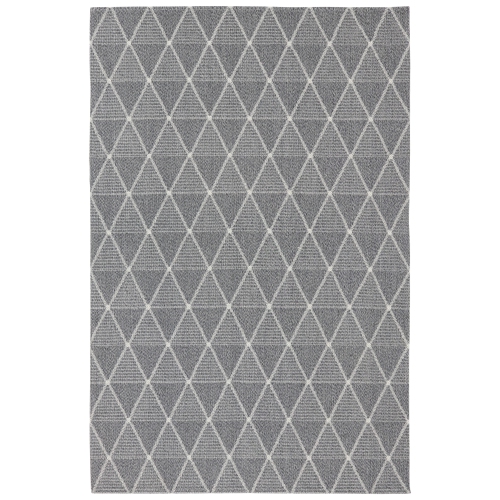 Your price for this item is $130.55
 -
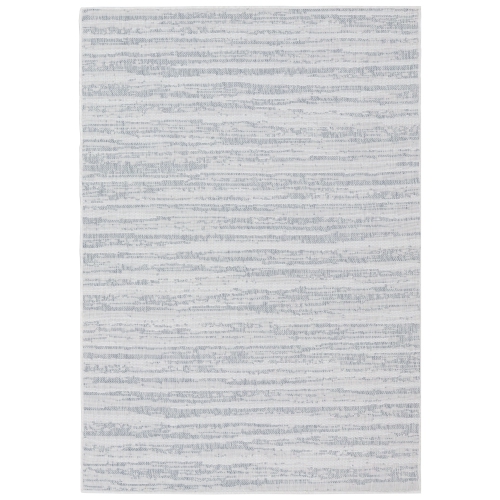 Your price for this item is $129.15
 -
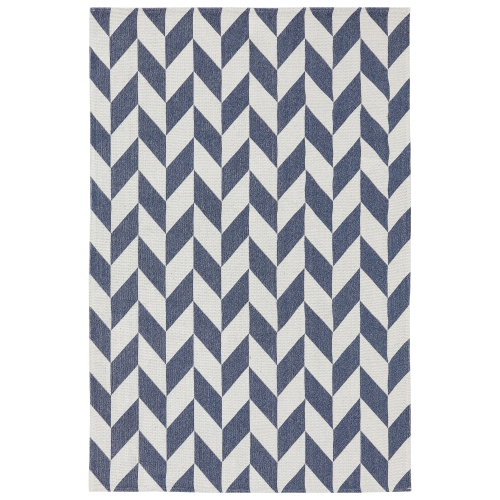 Your price for this item is $130.55
 -
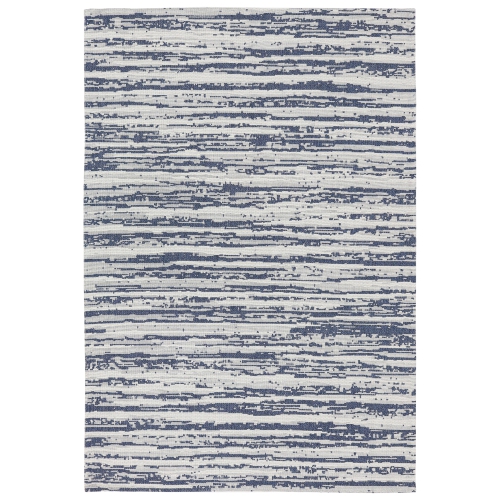 Your price for this item is $130.55
 -
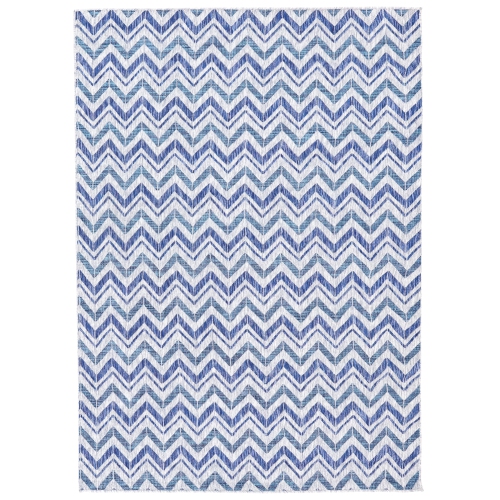 Your price for this item is $129.15
 -
 Your price for this item is $129.15
 -
 Your price for this item is $269.49
 -
 Your price for this item is $124.81
Discover more categories related to Machine-Made Rugs
Top Collections:
Pokemon Centers, Kindle Devices, Best Budget Office Chairs, Apple iPhones 16, Canon G7X Cameras, iPhone 15 Apple, Alarm Clock, Refurbished Apple Laptops, Flip Phones, Best Laptops for Writers
Some products may be subject to Environmental Handling Fees
(EHF) depending on your province.
Learn more about EHFs.