Media Cabinets With Doors
Looking for a stylish and functional addition to your living space? Media cabinets with doors are the perfect solution for organizing and displaying your entertainment essentials. Whether you're looking to store your DVD collection, gaming consoles, or even your sound system, these versatile pieces of furniture offer ample storage space while keeping everything neatly tucked away behind sleek doors. Here are some great options available.
Sort
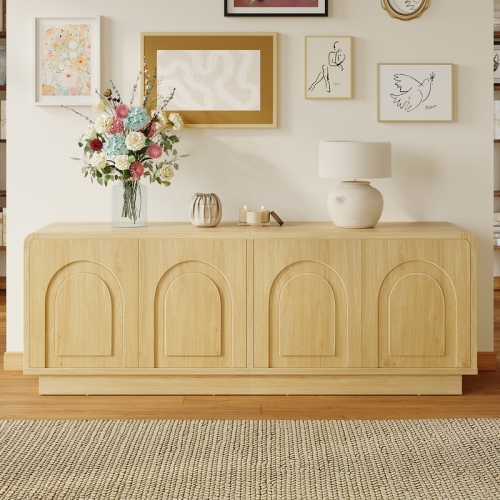
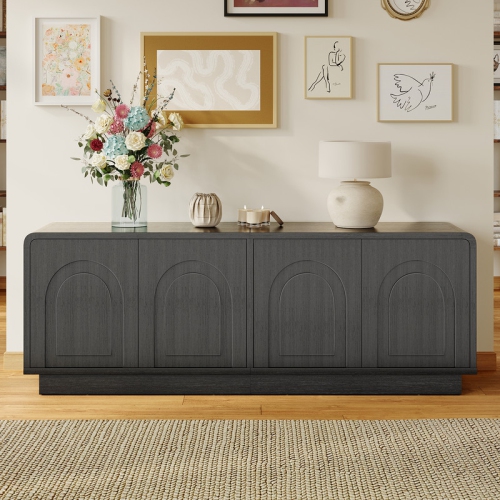
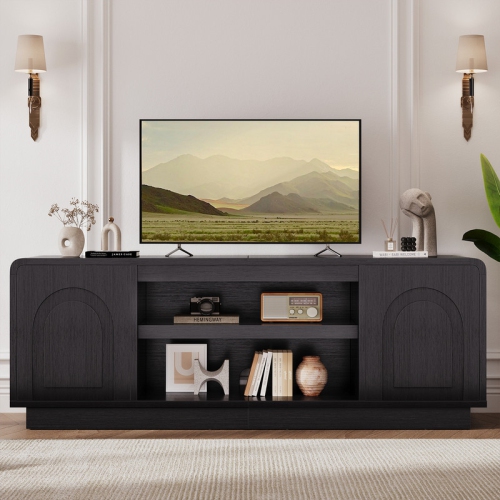

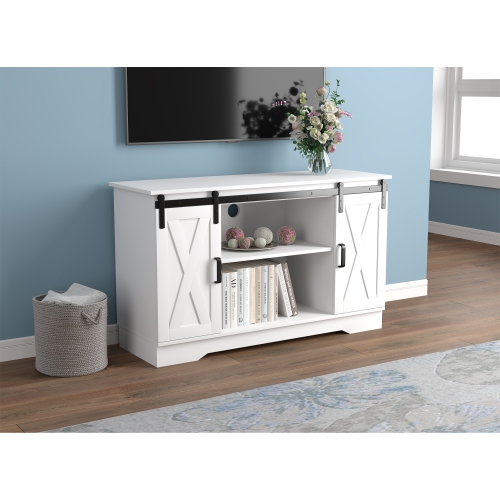
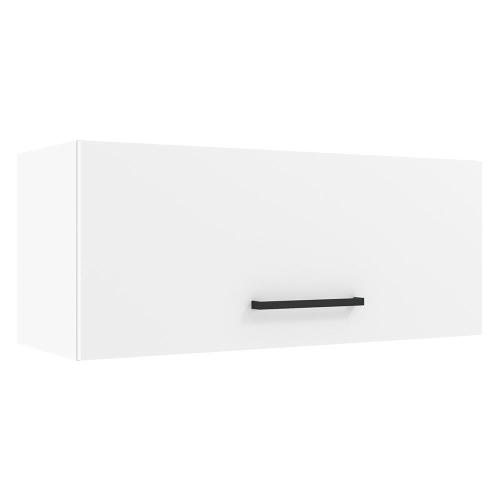
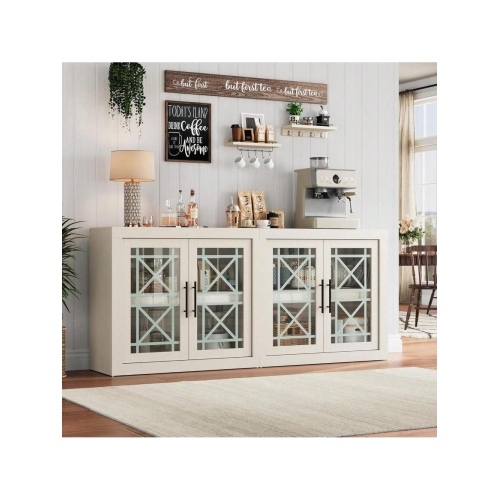
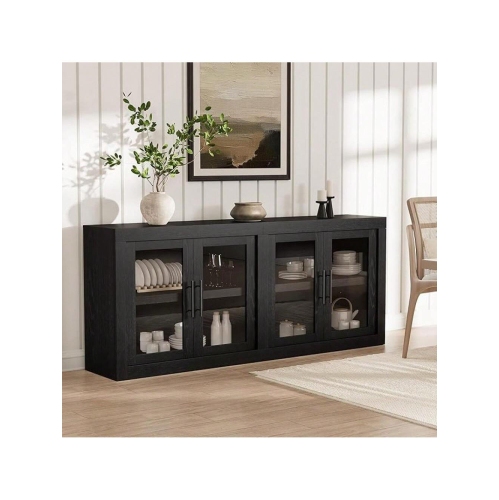
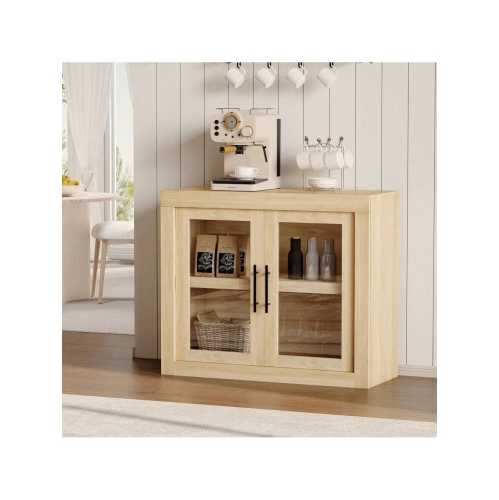
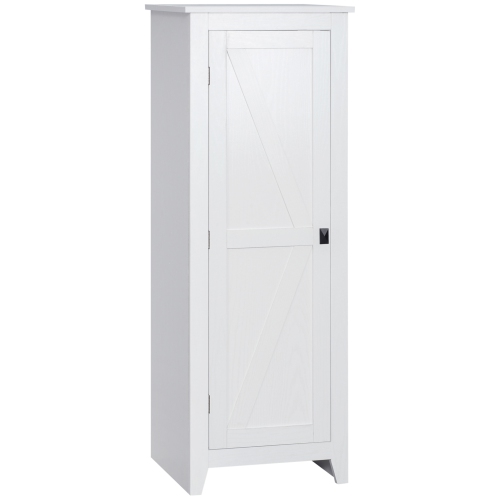
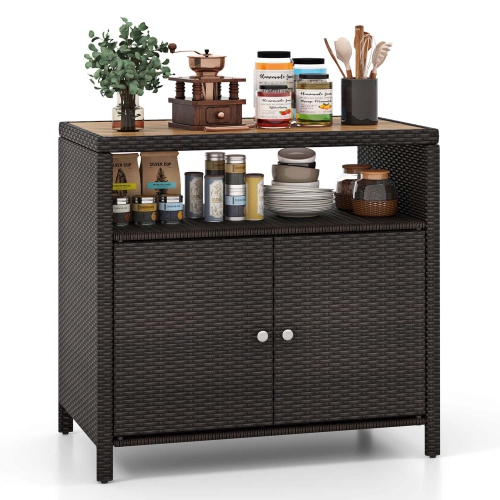
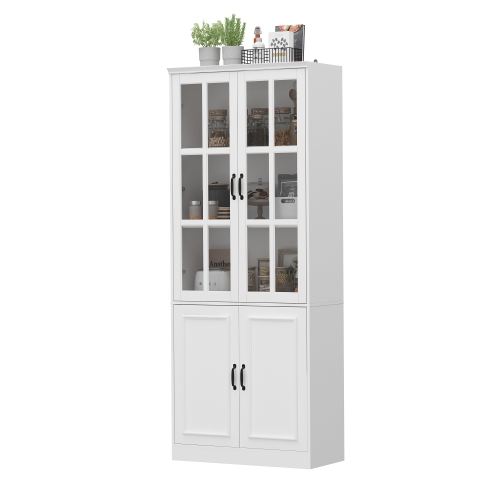
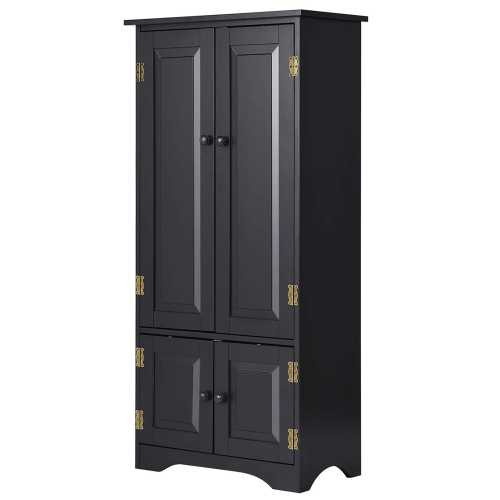

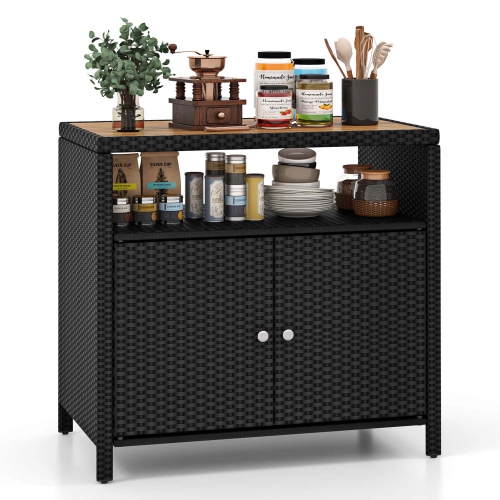
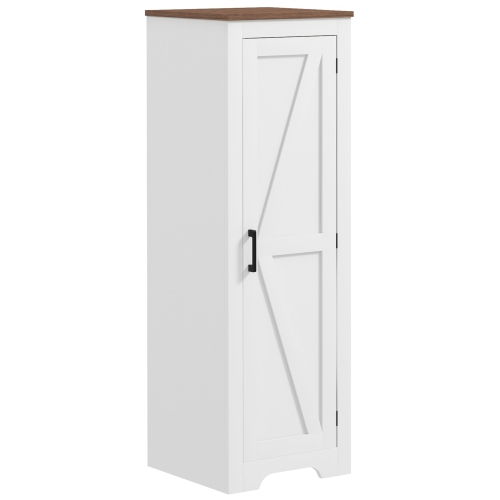
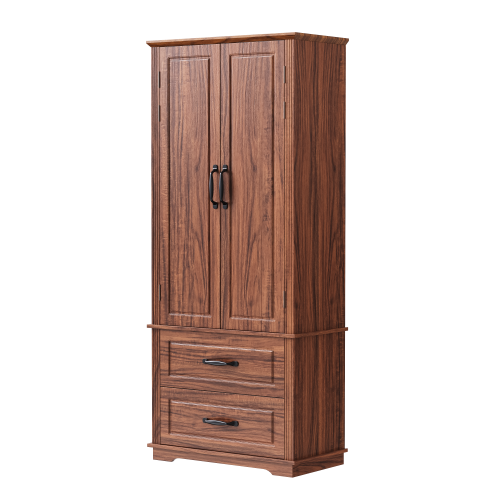
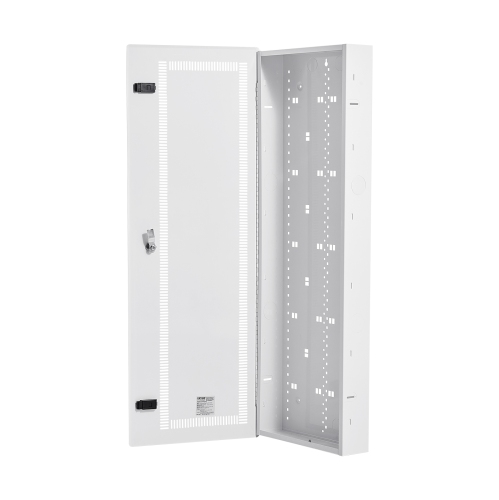

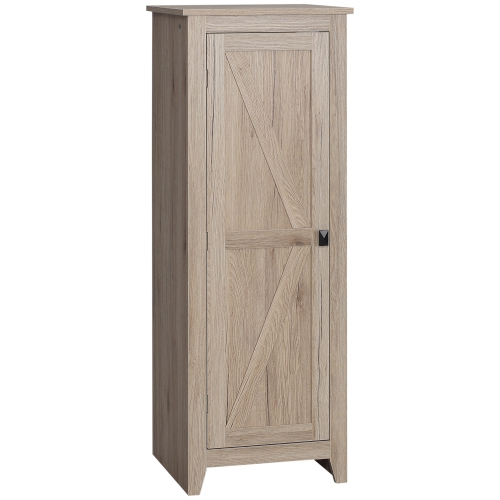
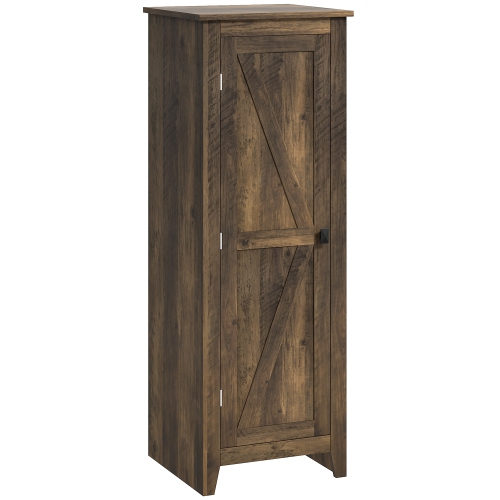
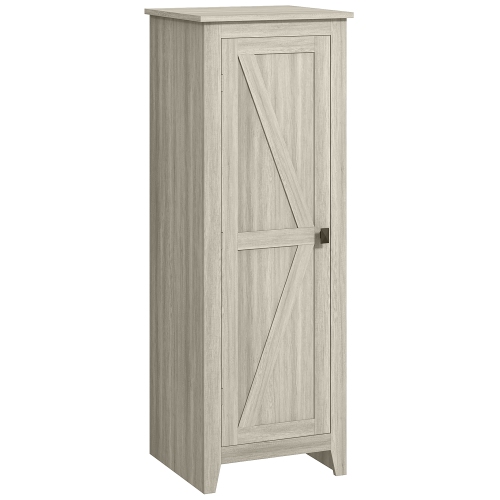
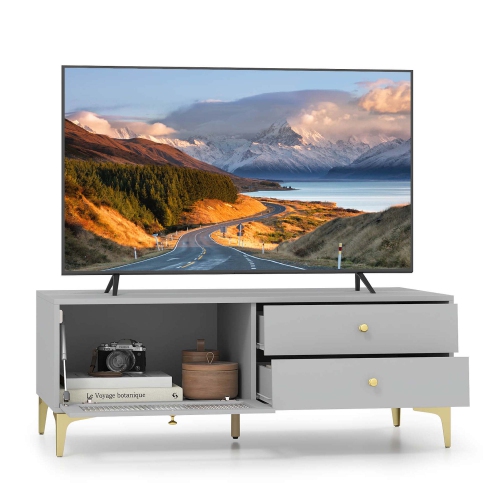
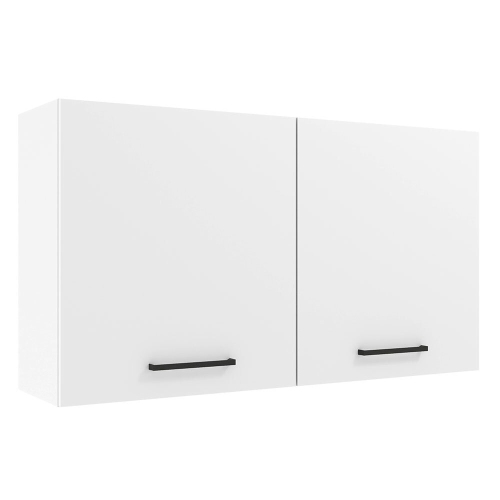
A tidier media setup starts behind the doors
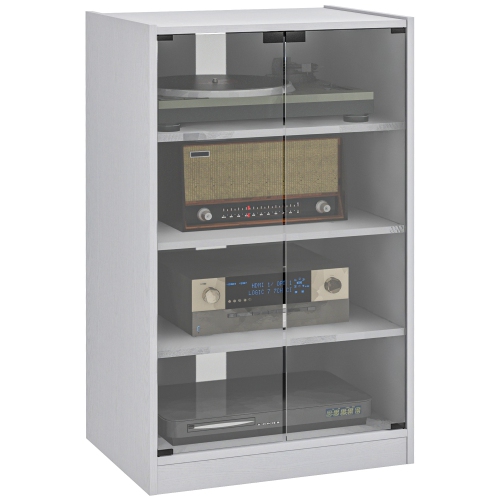
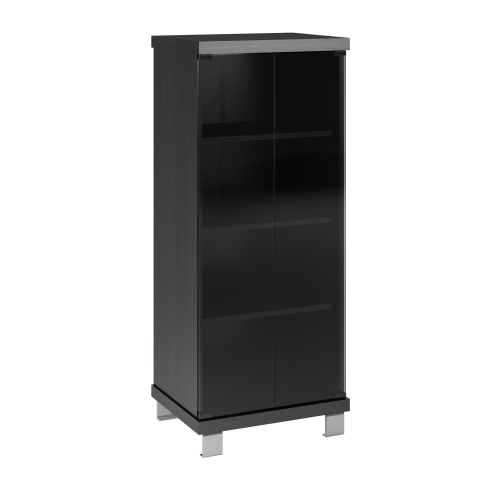
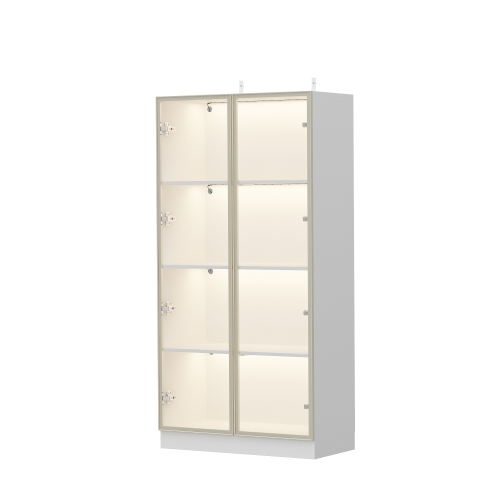
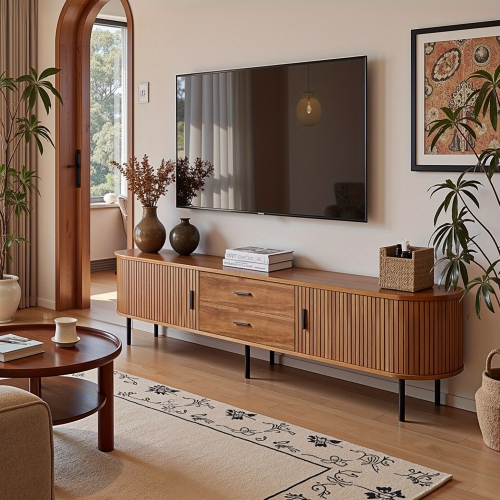
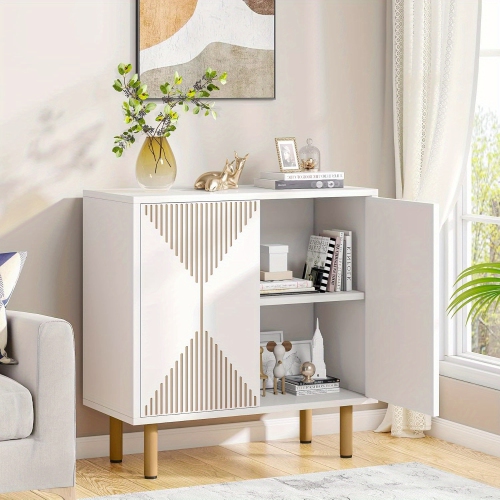
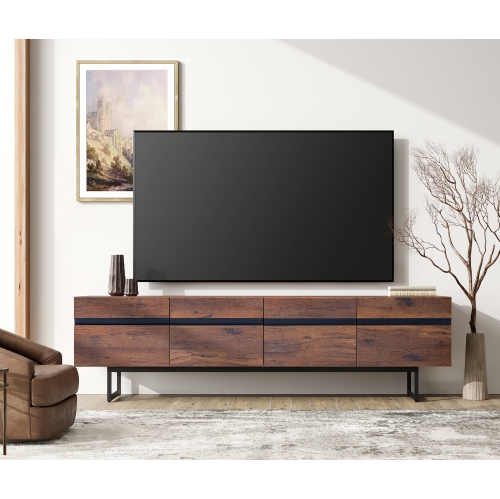
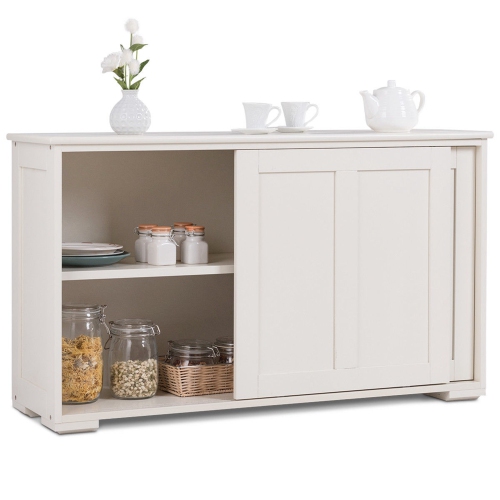
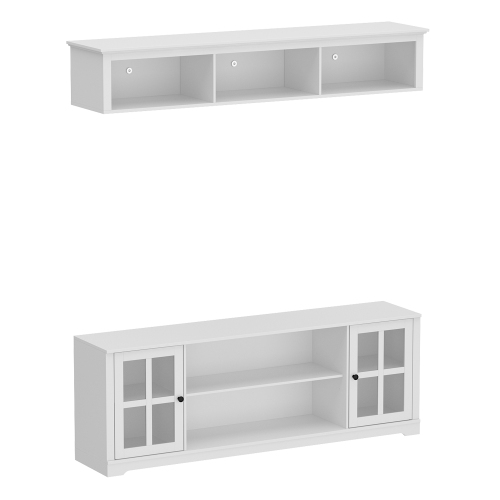
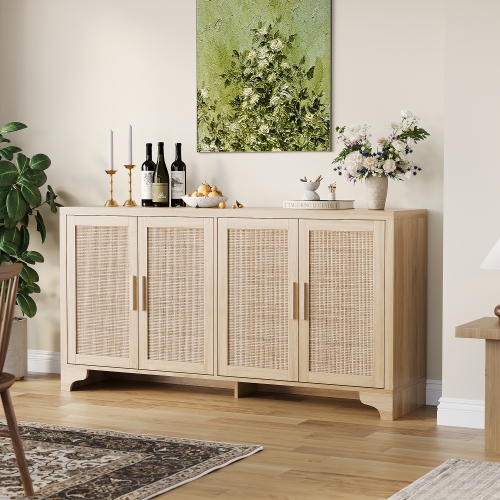
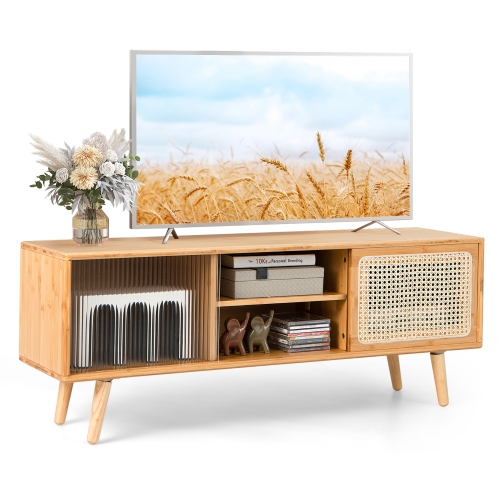
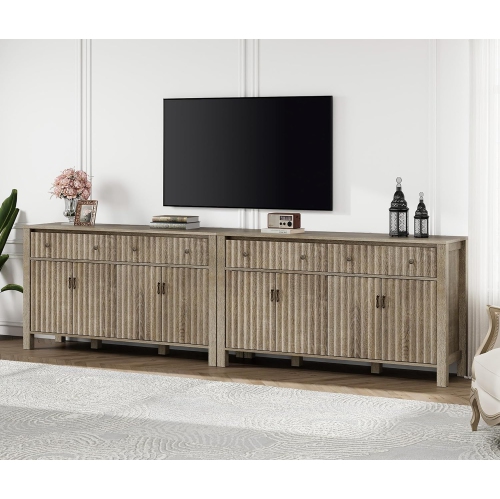
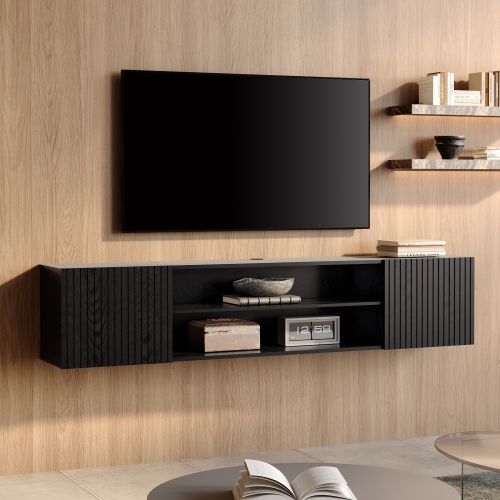
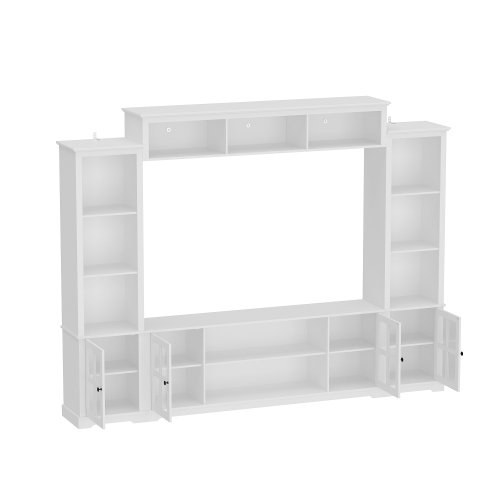
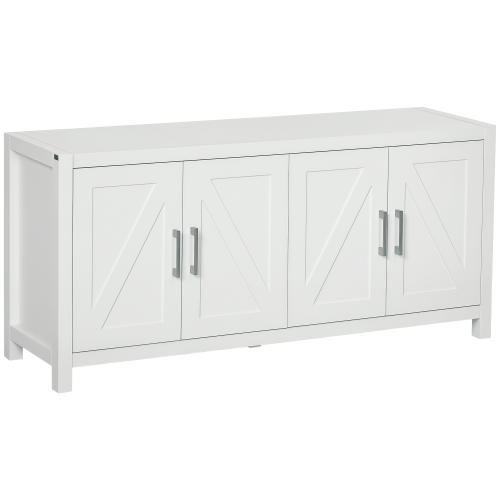
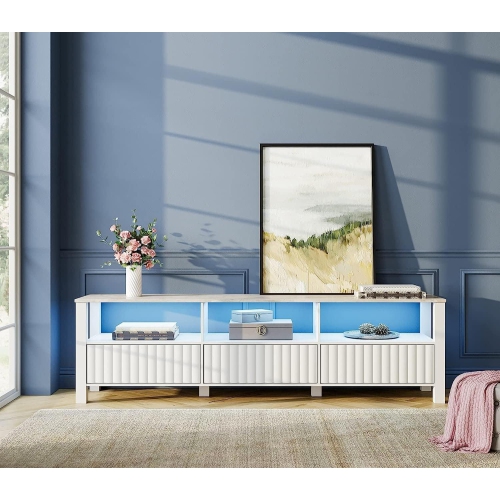
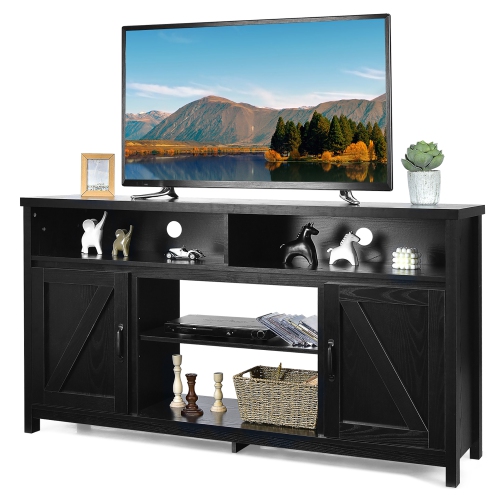
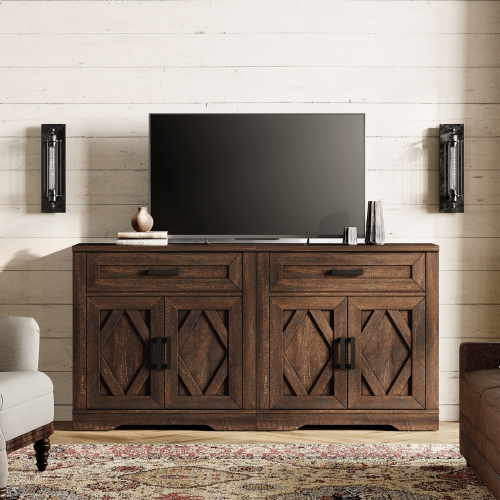
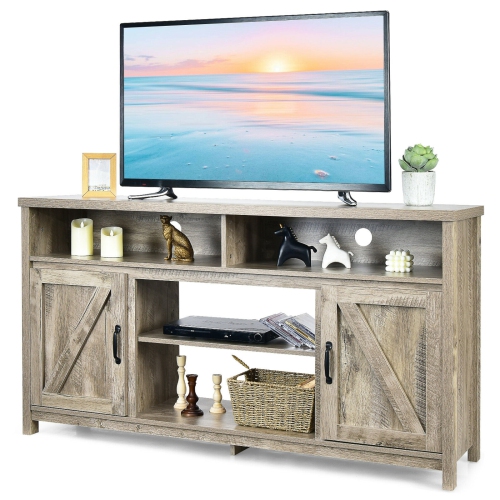
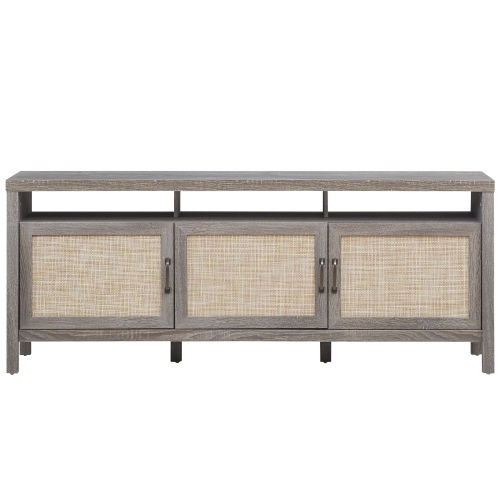
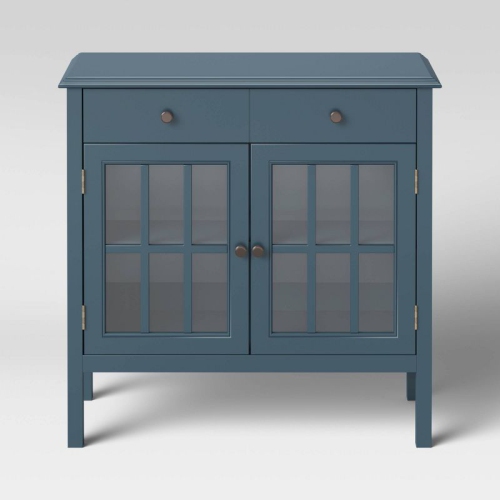
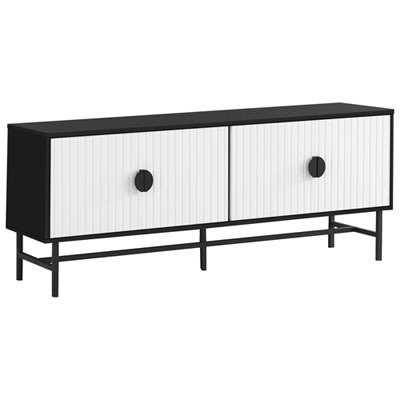
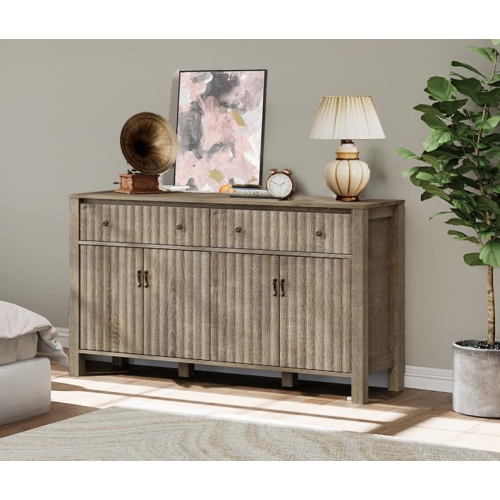
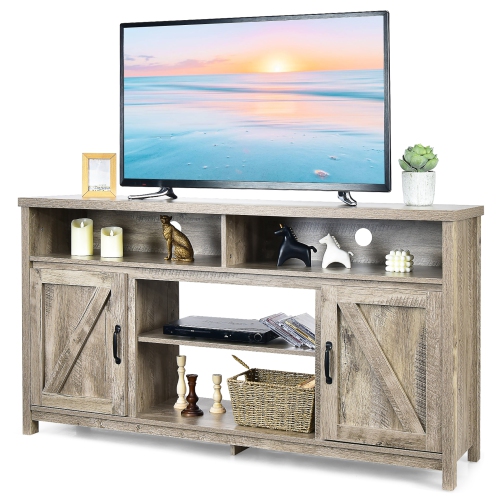
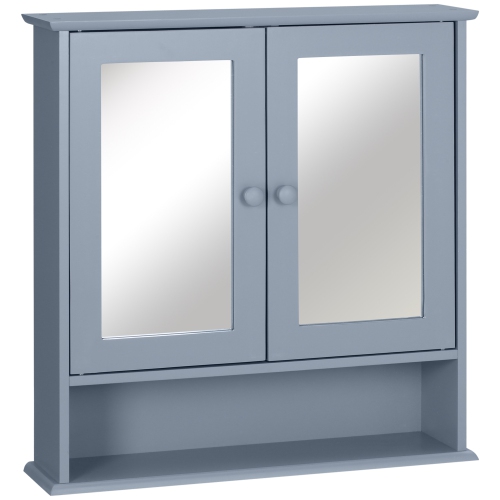
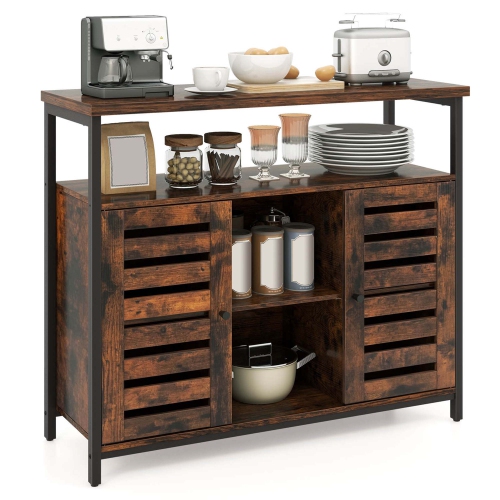
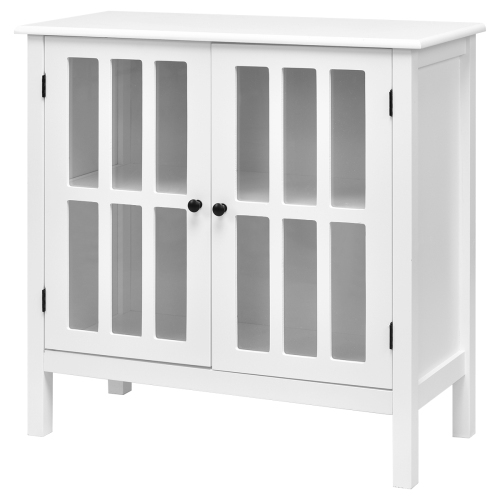
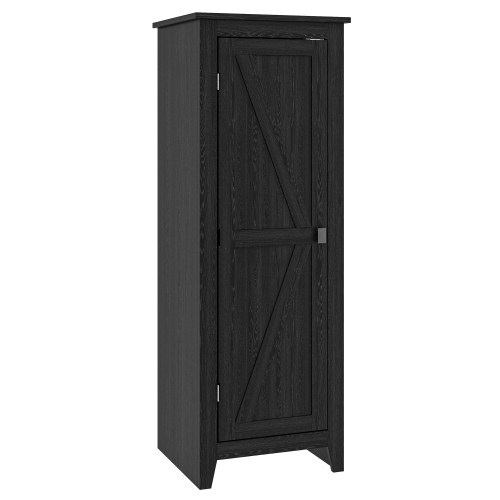
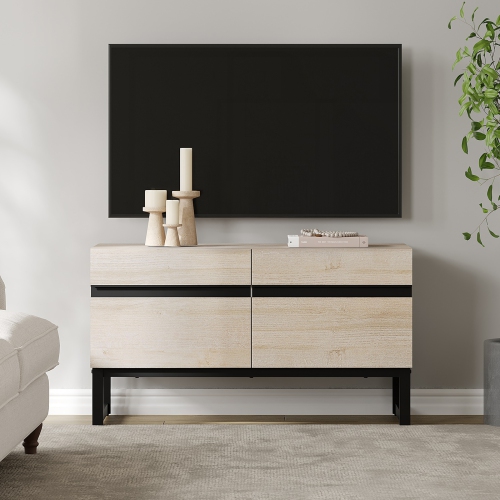
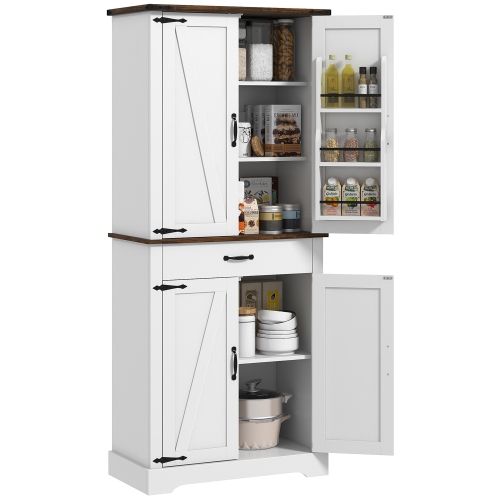
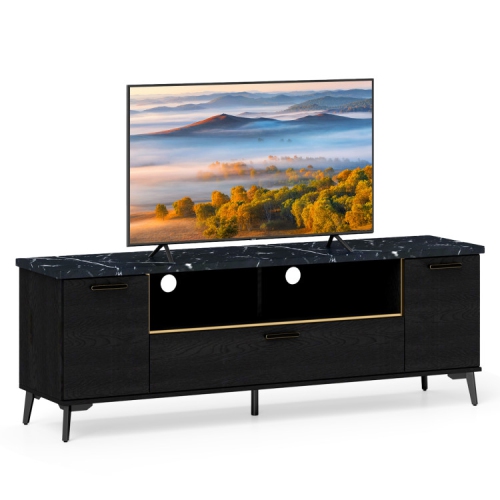
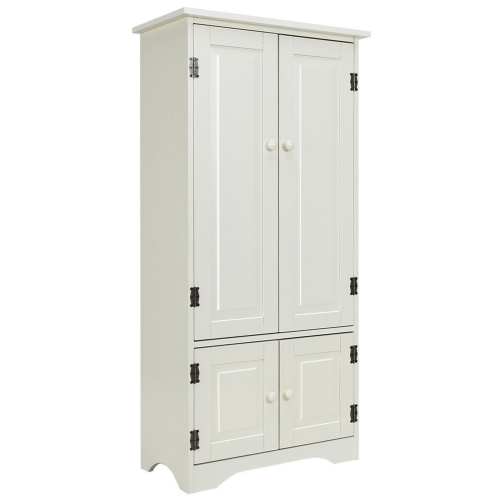
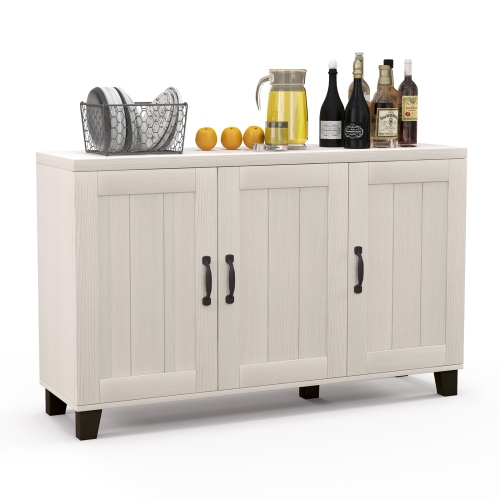
Media cabinets with doors combine a place for entertainment equipment with enclosed storage that helps a living room, family room, or den feel organized. Unlike an open media stand, a cabinet with doors can keep controllers, headphones, spare cables, and movie collections out of sight when they are not in use. The doors also become part of the room’s appearance: solid panels create a quieter, furniture-like look, glass panels keep equipment visible, and slatted or fluted fronts add texture. Some designs pair closed cupboards with an open centre compartment, giving a soundbar or frequently used component a dedicated spot while concealing accessories on either side. Others offer enclosed compartments across the full width, which can suit a multipurpose room where the television shares space with books, board games, and everyday storage. Fit depends on more than the television’s advertised screen size. A screen is measured diagonally, while the cabinet must accommodate the actual width and depth of its supporting feet or pedestal. The top’s stated weight capacity matters as well, particularly when a television sits directly on the furniture rather than on a separate wall mount. A broad console can create a balanced backdrop beneath a large screen, but its depth and door clearance still need to work with nearby seating and walkways. In a compact condo, a shallow cabinet may leave more room between the sofa and television; in a larger family room, a wider design can separate equipment storage from games and accessories. Doors that swing outward need enough space to open without striking a coffee table, while sliding doors can be useful where floor space is tight. Furniture dimensions, equipment dimensions, and the room’s layout together determine whether a cabinet will feel comfortable in daily use. The most practical choice leaves room for the entertainment setup as it is used, including access to connections, space for changing discs, and a clear route through the room.
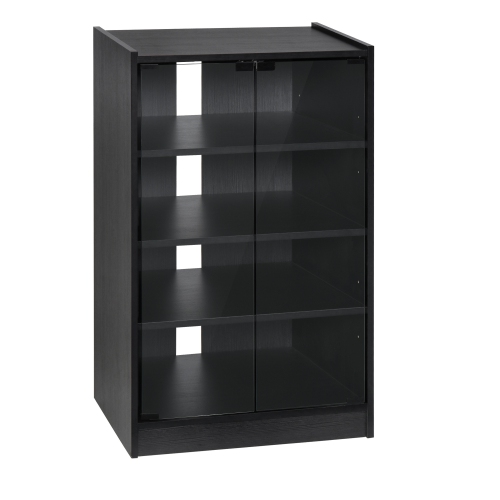
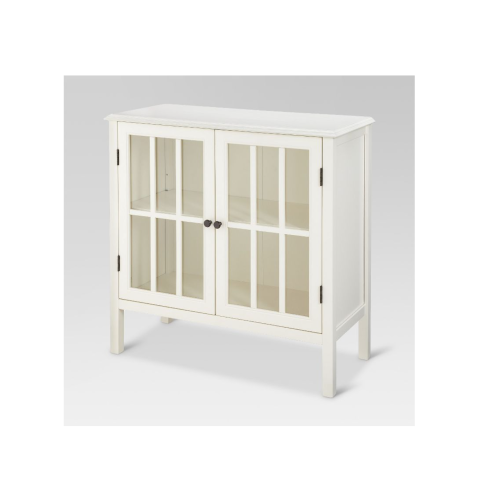
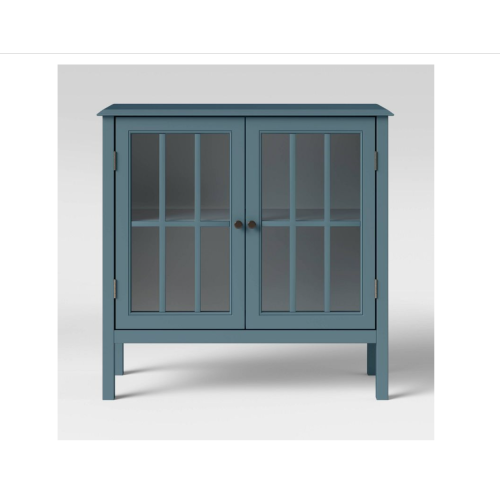
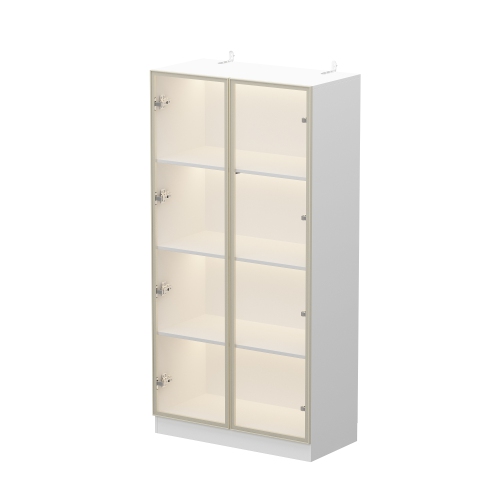
Materials and finishes influence both the cabinet’s character and how it handles everyday wear. Solid wood brings natural grain and variation, with a substantial feel that can complement other wood furniture. Wood veneer provides a real-wood surface over a supporting core, while engineered wood, including medium-density fibreboard and particleboard, can support a wide range of painted, laminated, or wood-look finishes. Construction quality matters alongside the material name: well-supported shelves, securely fitted hinges, finished edges, and a stable base all contribute to how a cabinet performs over time. Glass doors can make a bank of equipment look less visually heavy, especially when paired with a slim frame, although fingerprints and the contents behind the glass remain more noticeable. Tempered glass is a useful feature to look for where glass panels are part of the design. Opaque doors are better suited to hiding a jumble of controllers and cables, while translucent panels offer a middle ground between display and concealment. Slatted fronts bring depth to a plain wall, and recessed handles or push-to-open fittings keep the outline simple. Colour also changes the effect: a pale finish can blend with light walls, a darker finish can frame the television, and a wood tone can connect the media area to a dining table or shelving elsewhere in an open-plan home. Floor-standing cabinets offer different base styles, from raised legs that expose more flooring to plinth bases that give the furniture a grounded appearance. For a floating arrangement, wall-mounted TV cabinets with doors keep the floor beneath the unit clear and can create a streamlined media wall. These designs require suitable wall support, compatible mounting hardware, and installation that follows the manufacturer’s load limits. The cabinet’s weight and its contents both count toward that load. A floating cabinet and a separately mounted television also need coordinated heights so the screen remains comfortable to watch and equipment stays accessible.
Behind the doors, the interior layout determines how easily a media cabinet supports everyday viewing, gaming, and listening. Adjustable shelves can accommodate components of different heights, but usable space includes the cables and connectors projecting from the back, not just the equipment casing. A receiver with thick speaker cables may need more depth than its dimensions initially suggest. Cable openings and accessible rear panels make it easier to route connections neatly and reach them when the setup changes. Ventilation is especially important for devices that generate heat. Closed doors, tightly packed shelves, and blocked rear openings can restrict airflow, so equipment clearances and ventilation requirements should follow the device manufacturer’s recommendations. A slatted door does not automatically provide enough airflow for every component. Remote-control access deserves similar attention: some infrared remotes may work through clear glass, but solid doors usually block the direct signal, and tinted glass can affect performance. Keeping a frequently controlled device in an open compartment, or using a compatible remote-control extension system, can avoid opening a door every time the volume changes. Small interior bins can group charging leads and controllers without allowing loose cables to spill across shelves. For households with children or pets, secure cable routing and manufacturer-recommended furniture anchoring are important; cupboard doors are not a substitute for childproofing. Long-term care is usually straightforward when matched to the finish. A soft cloth helps remove dust, spills should be wiped up promptly, and abrasive cleaners can damage wood finishes, laminates, or glass coatings. Liquids should not collect along panel edges or around hardware, and cleaning products should suit the manufacturer’s care instructions. Hinges and handles may need occasional adjustment or tightening as the furniture is used. With an appropriate footprint, sturdy construction, and storage arranged around the equipment, a media cabinet with doors can make the entertainment area easier to use while keeping the room’s everyday clutter neatly contained.
Materials and finishes influence both the cabinet’s character and how it handles everyday wear. Solid wood brings natural grain and variation, with a substantial feel that can complement other wood furniture. Wood veneer provides a real-wood surface over a supporting core, while engineered wood, including medium-density fibreboard and particleboard, can support a wide range of painted, laminated, or wood-look finishes. Construction quality matters alongside the material name: well-supported shelves, securely fitted hinges, finished edges, and a stable base all contribute to how a cabinet performs over time. Glass doors can make a bank of equipment look less visually heavy, especially when paired with a slim frame, although fingerprints and the contents behind the glass remain more noticeable. Tempered glass is a useful feature to look for where glass panels are part of the design. Opaque doors are better suited to hiding a jumble of controllers and cables, while translucent panels offer a middle ground between display and concealment. Slatted fronts bring depth to a plain wall, and recessed handles or push-to-open fittings keep the outline simple. Colour also changes the effect: a pale finish can blend with light walls, a darker finish can frame the television, and a wood tone can connect the media area to a dining table or shelving elsewhere in an open-plan home. Floor-standing cabinets offer different base styles, from raised legs that expose more flooring to plinth bases that give the furniture a grounded appearance. For a floating arrangement, wall-mounted TV cabinets with doors keep the floor beneath the unit clear and can create a streamlined media wall. These designs require suitable wall support, compatible mounting hardware, and installation that follows the manufacturer’s load limits. The cabinet’s weight and its contents both count toward that load. A floating cabinet and a separately mounted television also need coordinated heights so the screen remains comfortable to watch and equipment stays accessible.
Behind the doors, the interior layout determines how easily a media cabinet supports everyday viewing, gaming, and listening. Adjustable shelves can accommodate components of different heights, but usable space includes the cables and connectors projecting from the back, not just the equipment casing. A receiver with thick speaker cables may need more depth than its dimensions initially suggest. Cable openings and accessible rear panels make it easier to route connections neatly and reach them when the setup changes. Ventilation is especially important for devices that generate heat. Closed doors, tightly packed shelves, and blocked rear openings can restrict airflow, so equipment clearances and ventilation requirements should follow the device manufacturer’s recommendations. A slatted door does not automatically provide enough airflow for every component. Remote-control access deserves similar attention: some infrared remotes may work through clear glass, but solid doors usually block the direct signal, and tinted glass can affect performance. Keeping a frequently controlled device in an open compartment, or using a compatible remote-control extension system, can avoid opening a door every time the volume changes. Small interior bins can group charging leads and controllers without allowing loose cables to spill across shelves. For households with children or pets, secure cable routing and manufacturer-recommended furniture anchoring are important; cupboard doors are not a substitute for childproofing. Long-term care is usually straightforward when matched to the finish. A soft cloth helps remove dust, spills should be wiped up promptly, and abrasive cleaners can damage wood finishes, laminates, or glass coatings. Liquids should not collect along panel edges or around hardware, and cleaning products should suit the manufacturer’s care instructions. Hinges and handles may need occasional adjustment or tightening as the furniture is used. With an appropriate footprint, sturdy construction, and storage arranged around the equipment, a media cabinet with doors can make the entertainment area easier to use while keeping the room’s everyday clutter neatly contained.
Top selling and popular products
-
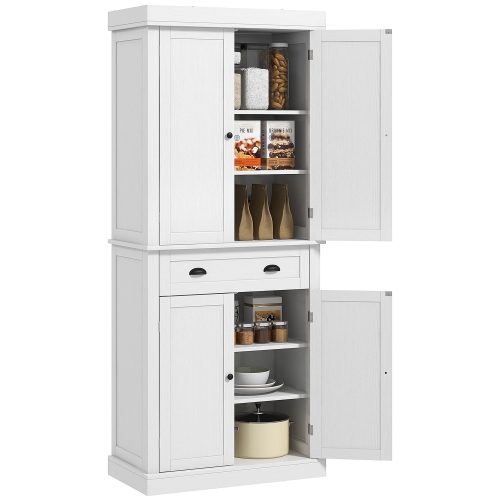 Your price for this item is $269.99
 -
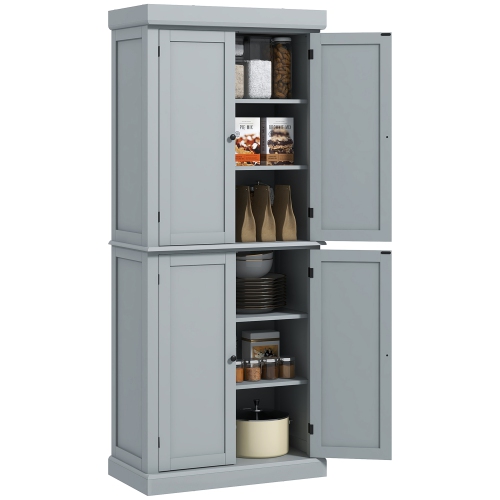 Your price for this item is $299.99
 -
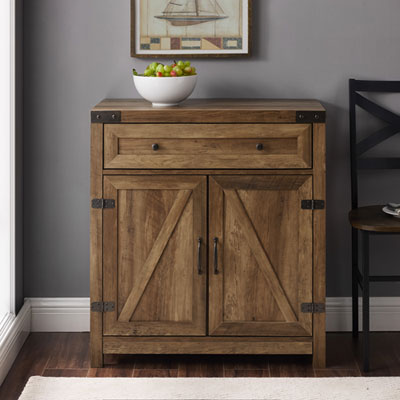 Your price for this item is $401.99
 -
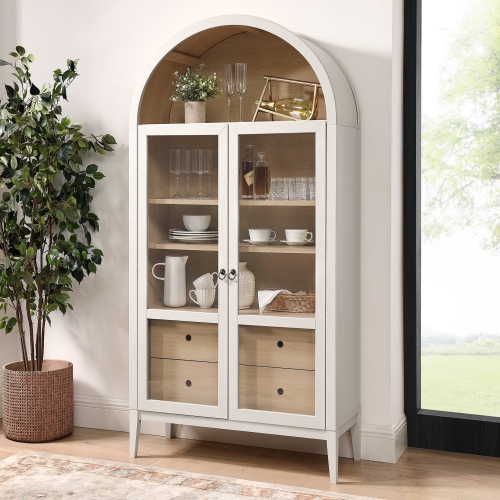 Your price for this item is $1028.59
 -
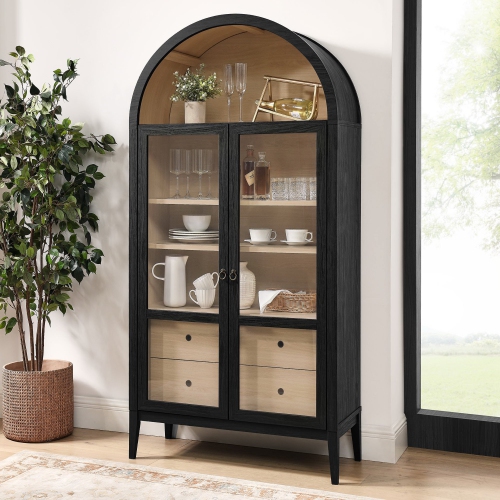 Your price for this item is $1028.59
 -
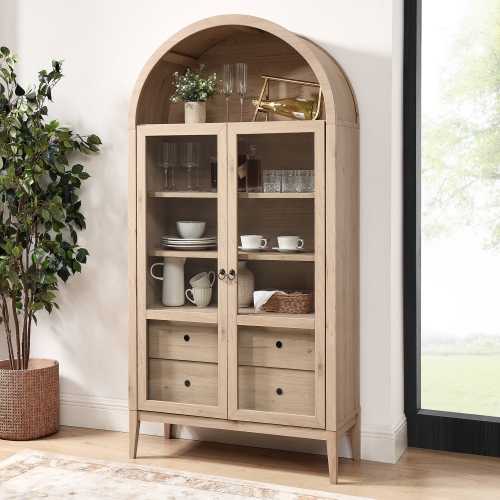 Your price for this item is $1028.59
 -
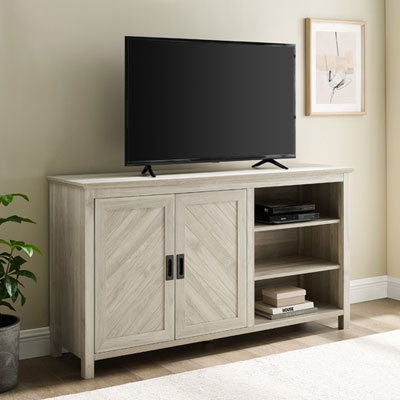 Your price for this item is $593.99
 -
 Your price for this item is $154.99
Discover more categories related to Media Cabinets With Doors

Top Collections:
Pokemon Centers, Kindle Devices, Best Budget Office Chairs, Apple iPhones 16, Samsung Galaxy Phones, Canon G7X Cameras, iPhone 15 Apple, Flip Phones, Best Laptops for Writers, Alarm Clock
Some products may be subject to Environmental Handling Fees
(EHF) depending on your province.
Learn more about EHFs.