White Cabinets With Doors
Looking for a stylish and functional storage solution? Our collection of white cabinets with doors offers the perfect combination of elegance and practicality. Whether you're looking to declutter your living room, organize your office space, or add a touch of sophistication to your bedroom, these versatile cabinets are designed to meet your storage needs. Here are some great options available.
Sort
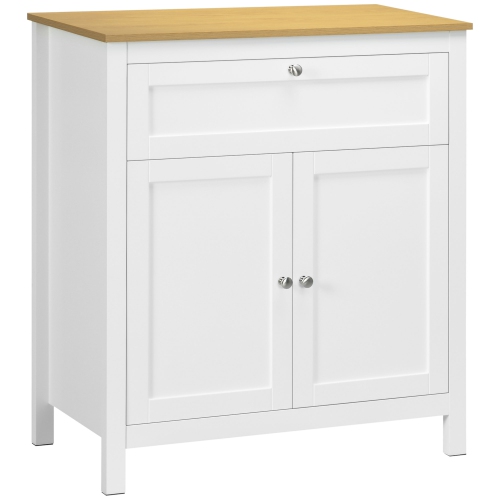

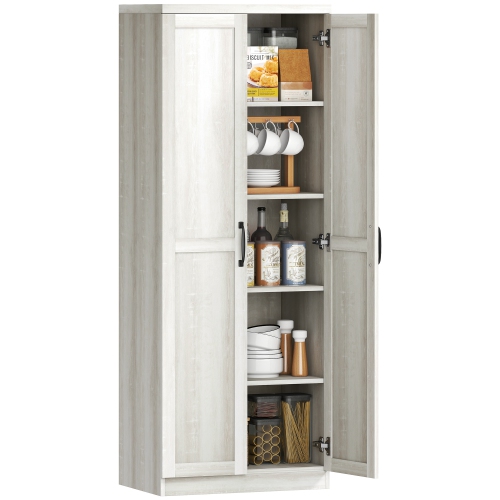
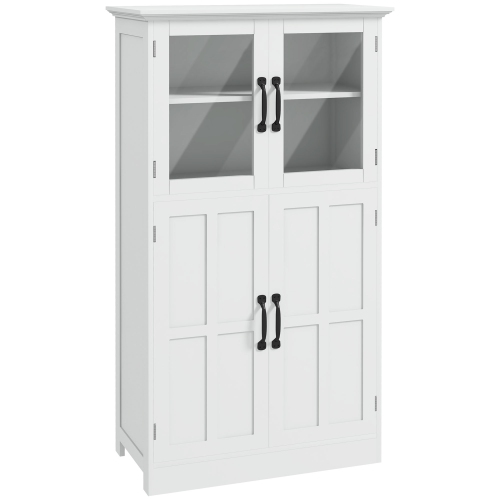
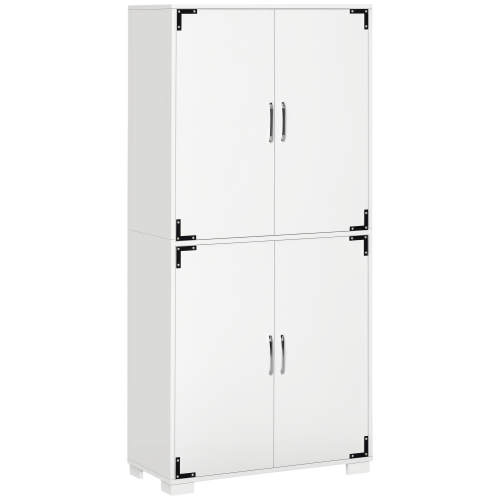
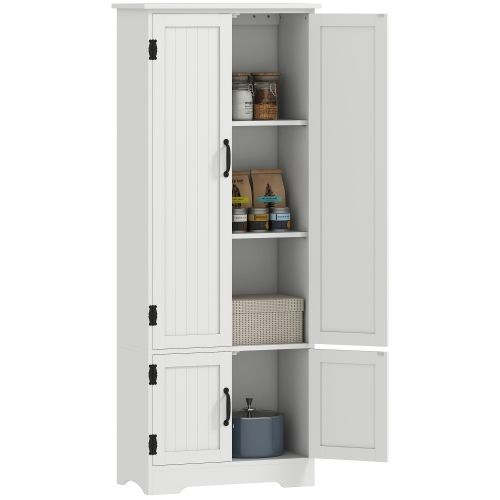
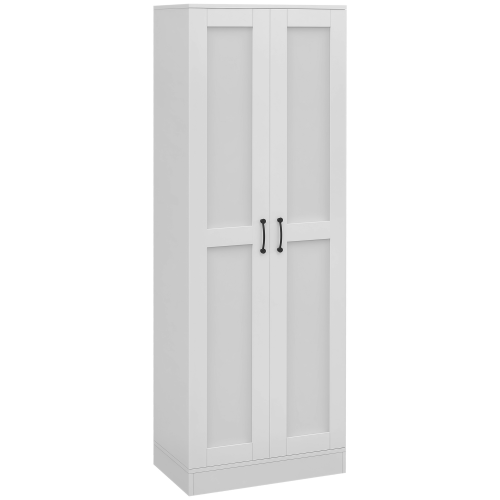
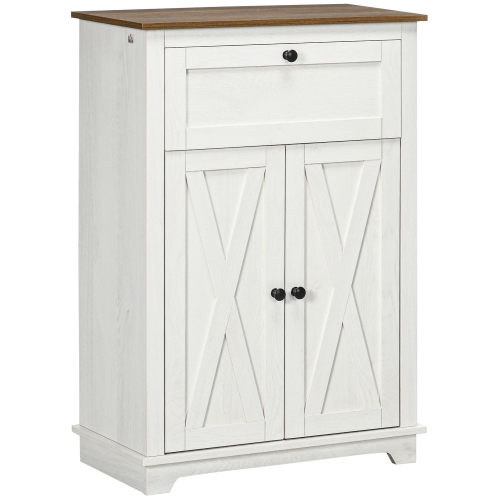
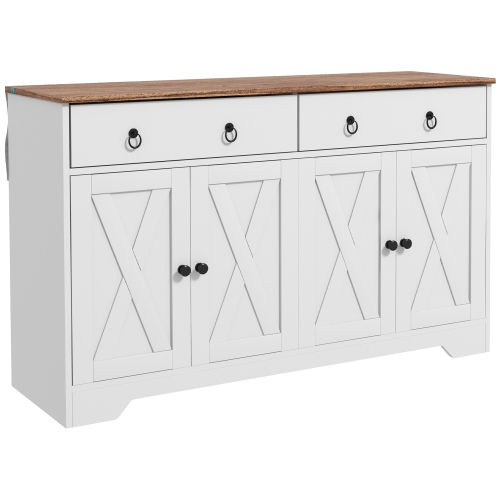
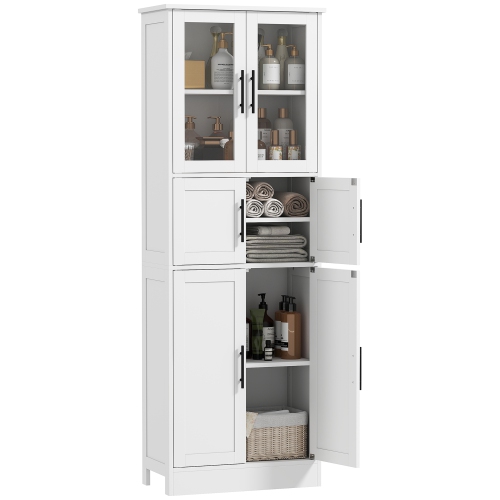
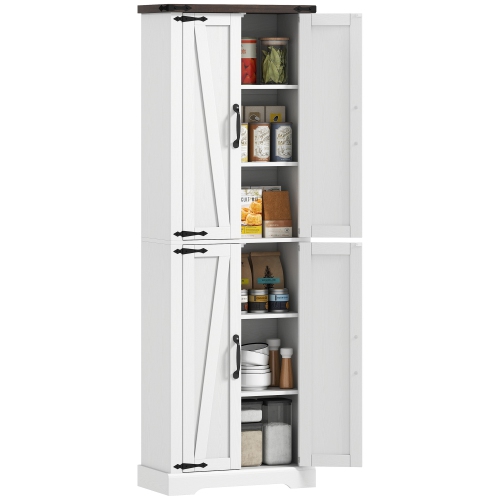
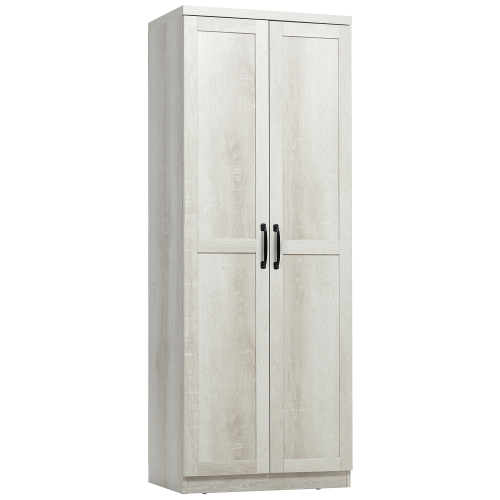
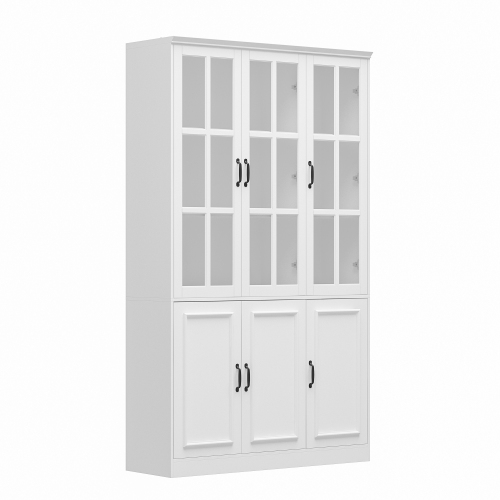
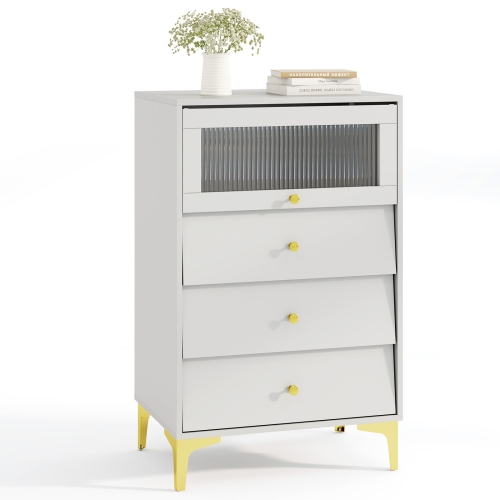
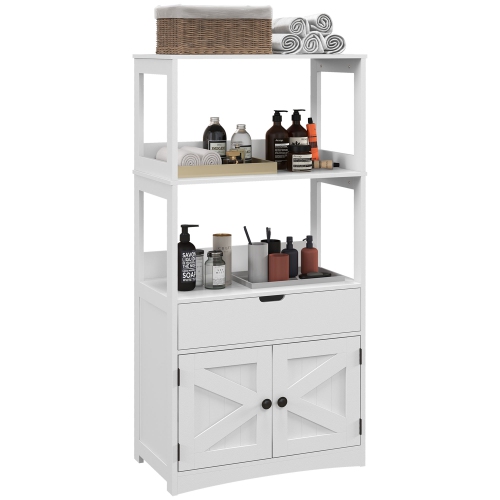
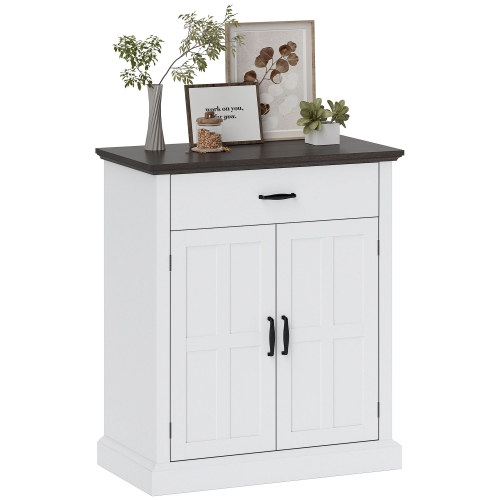
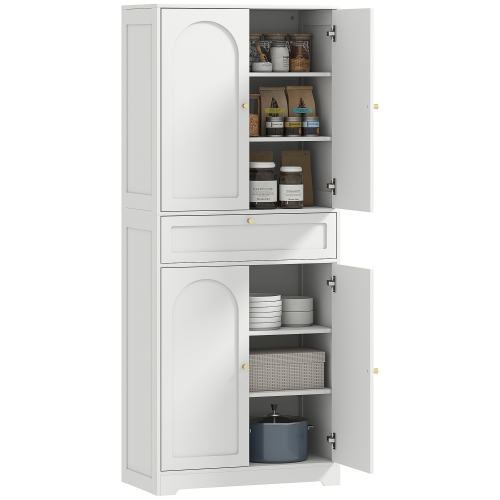
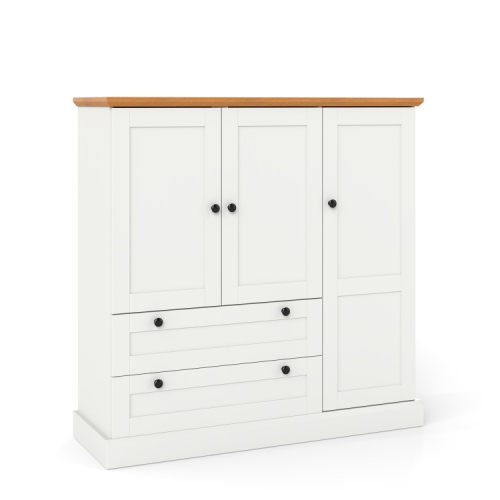
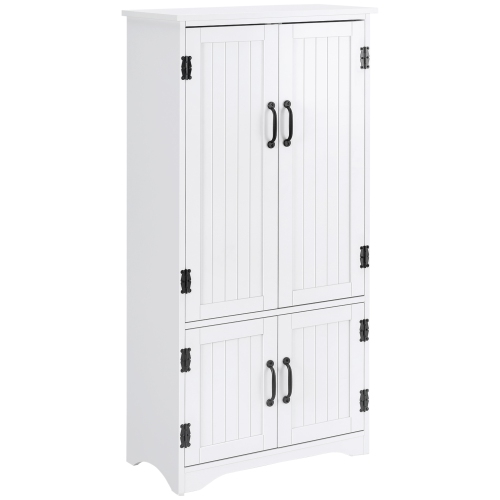
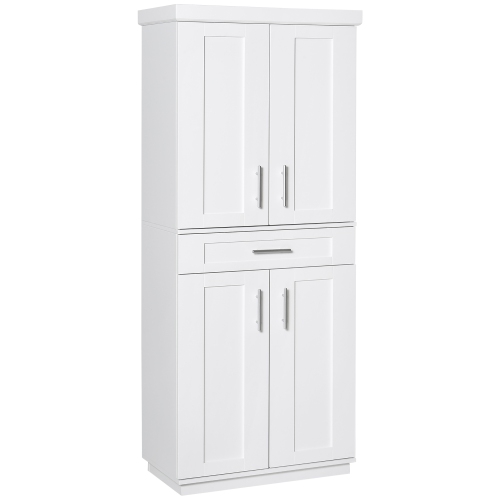
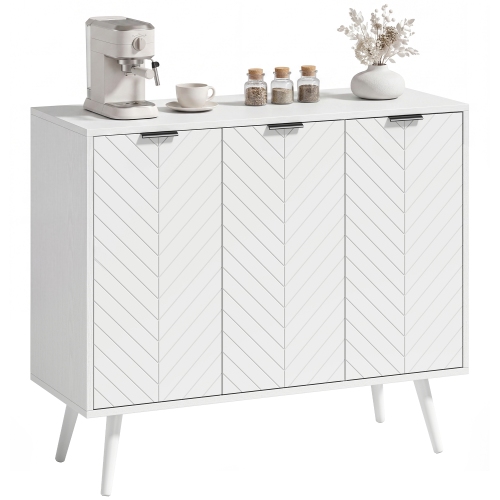

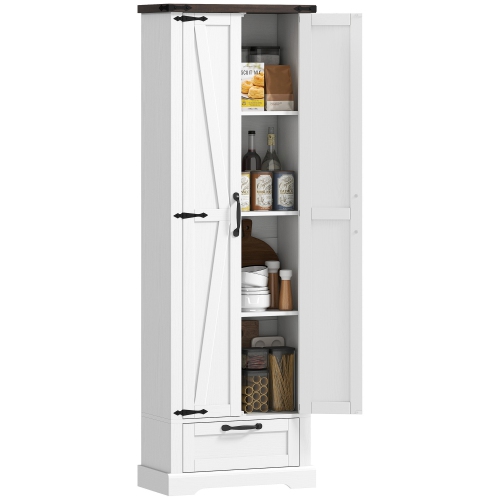
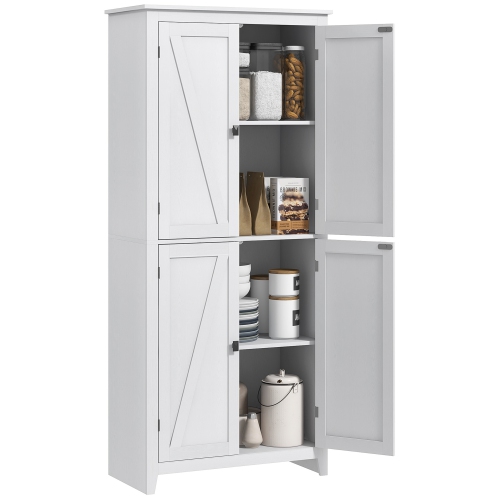
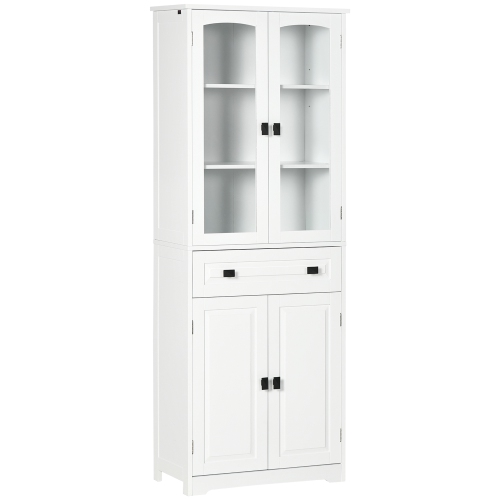
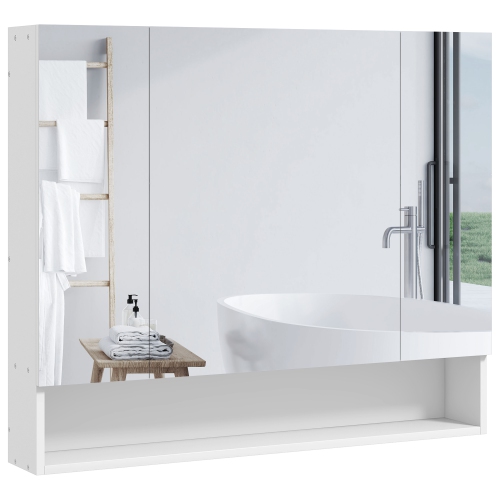
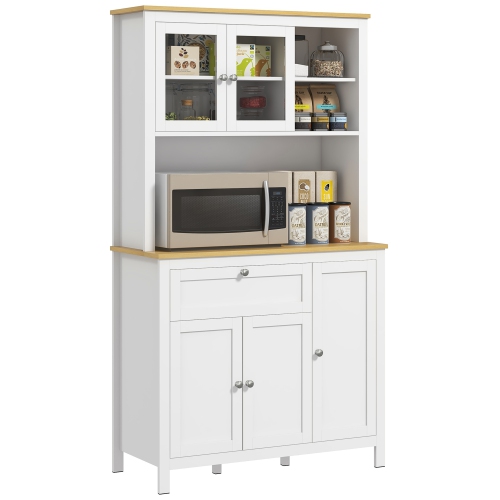
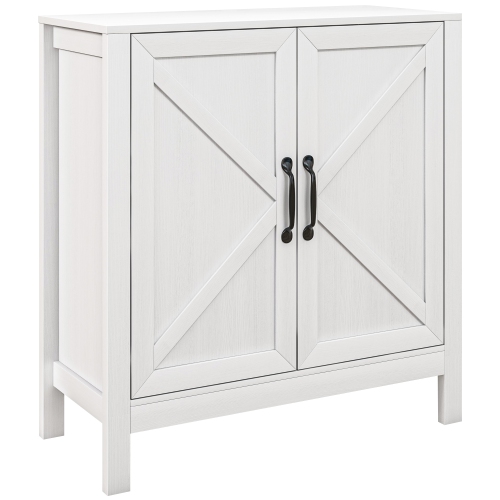
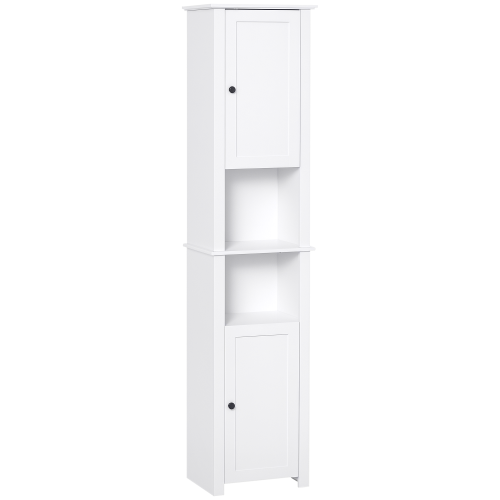
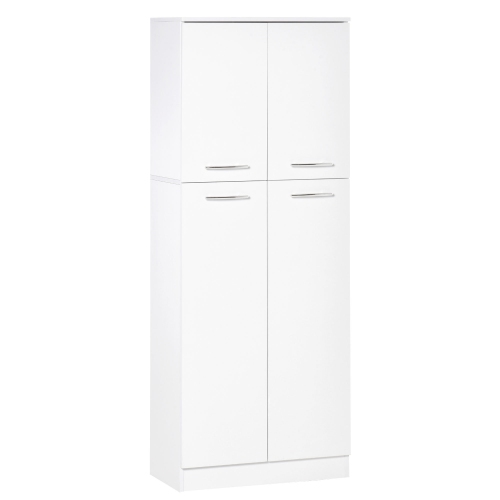

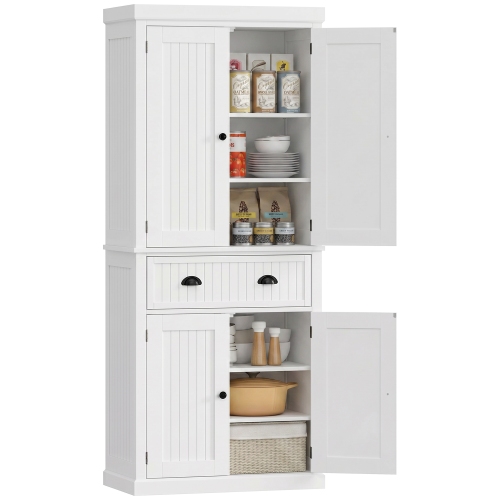
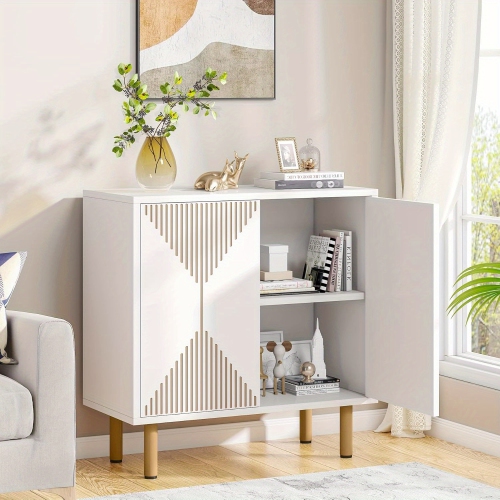
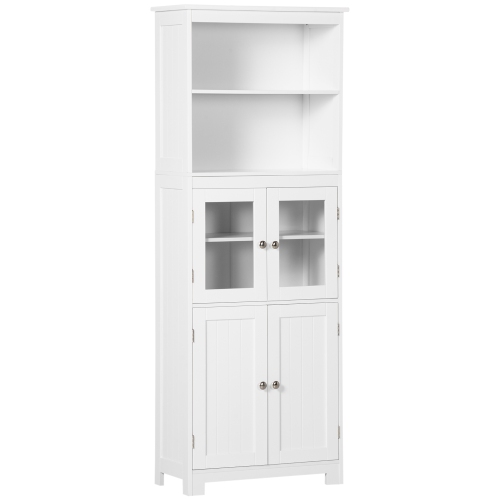
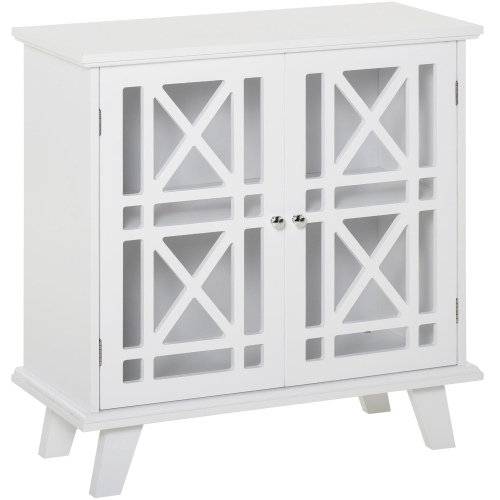
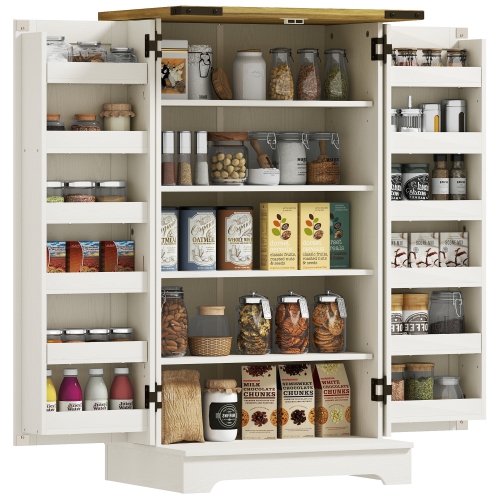

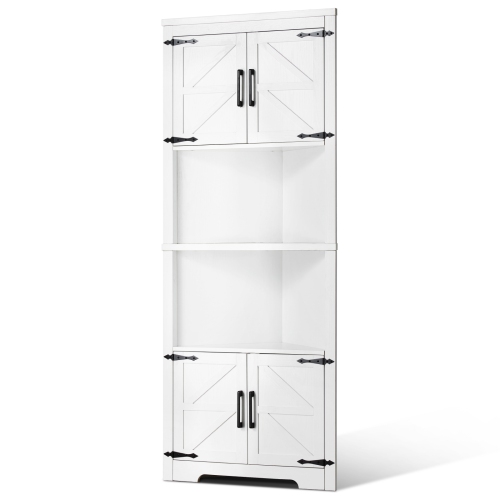
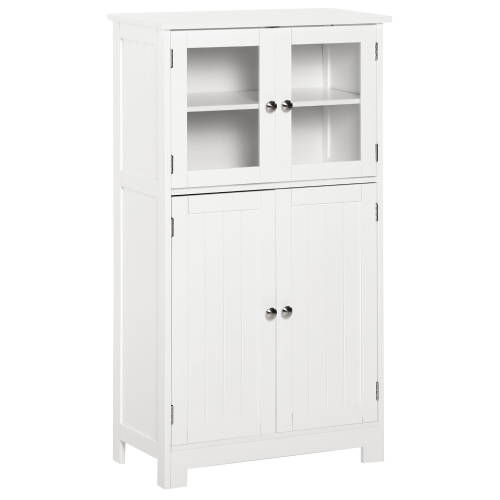
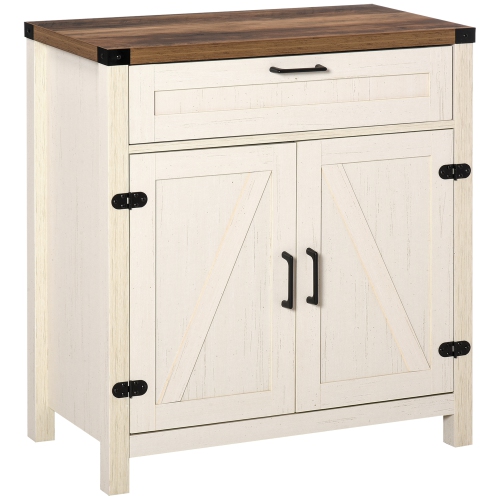


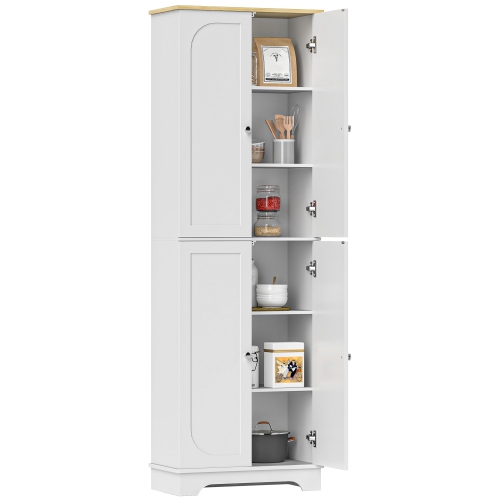
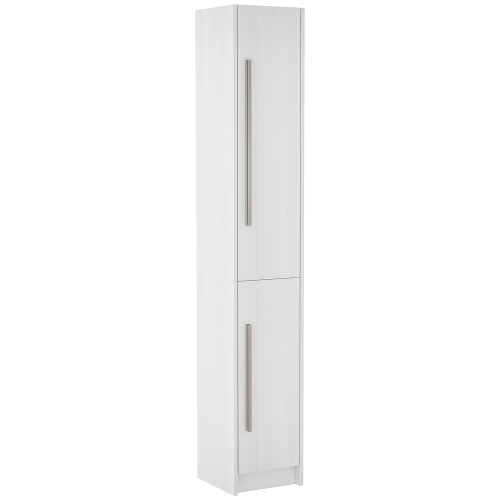
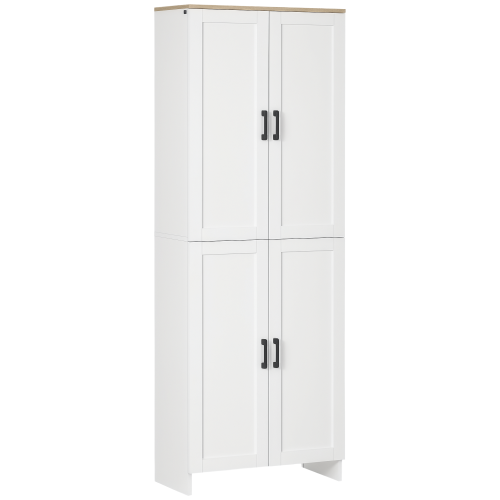
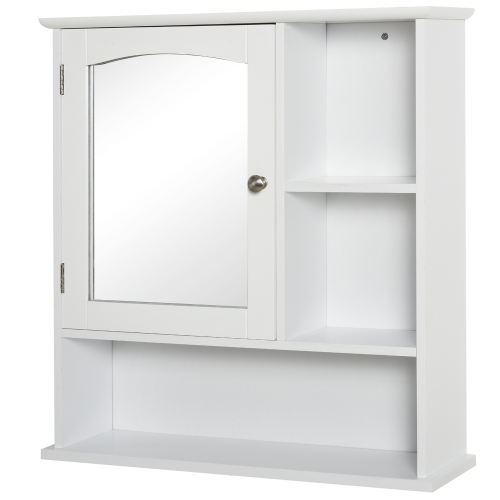

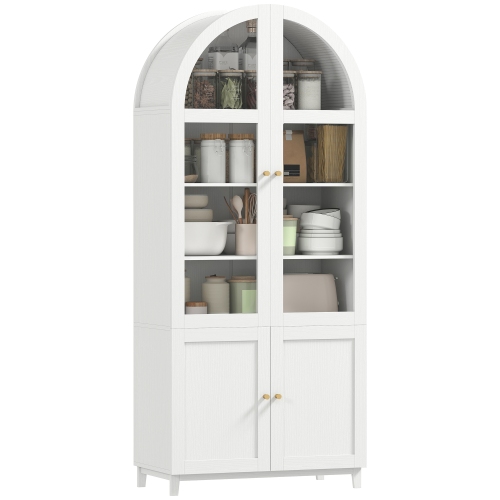
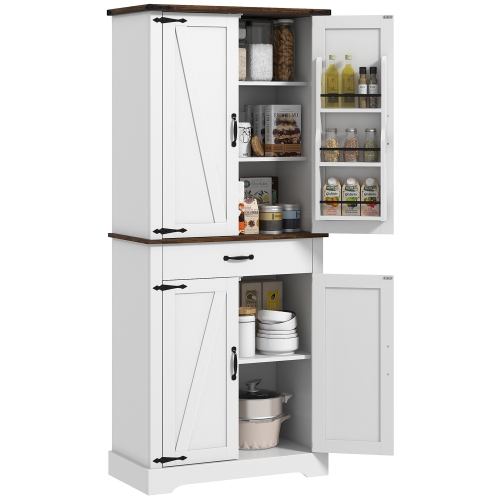
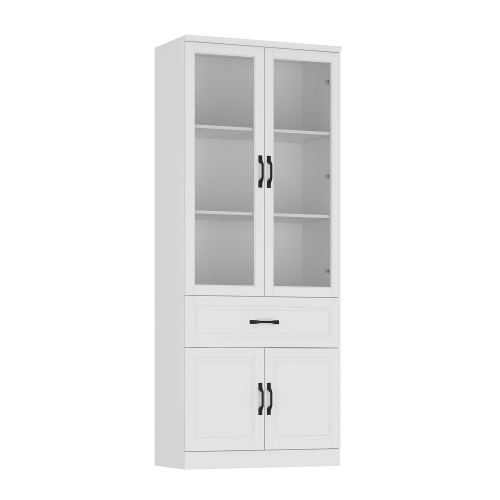


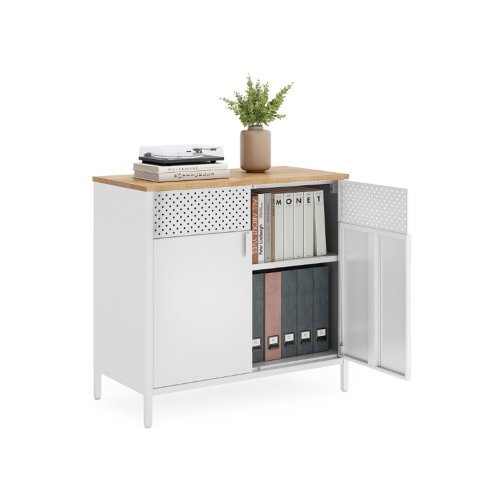
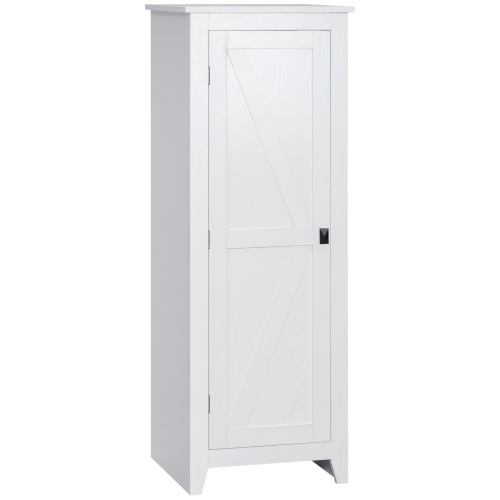
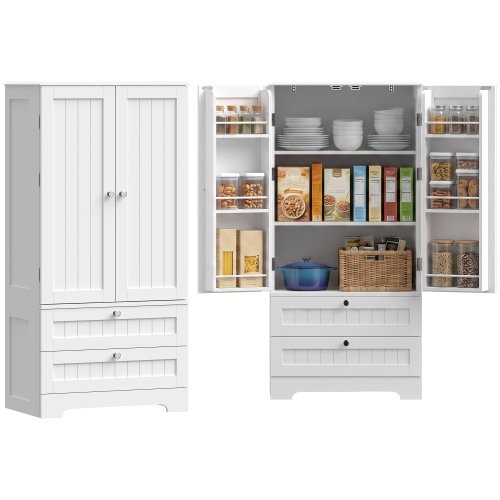
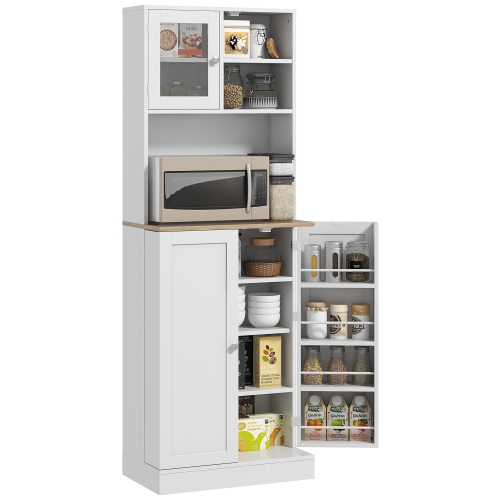
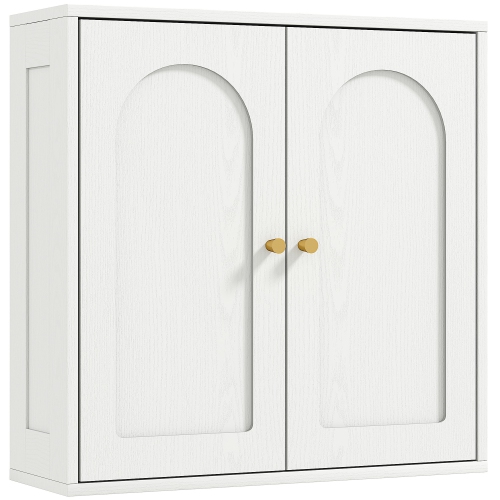
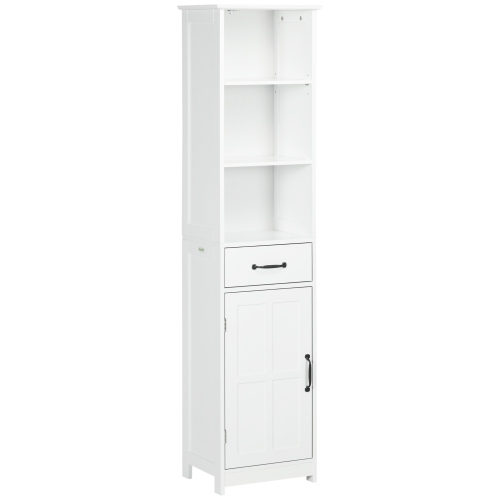
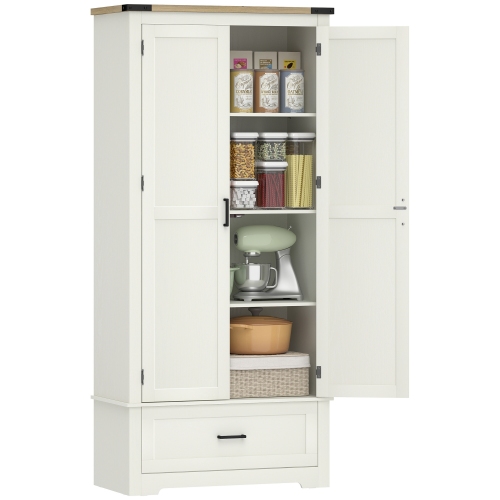
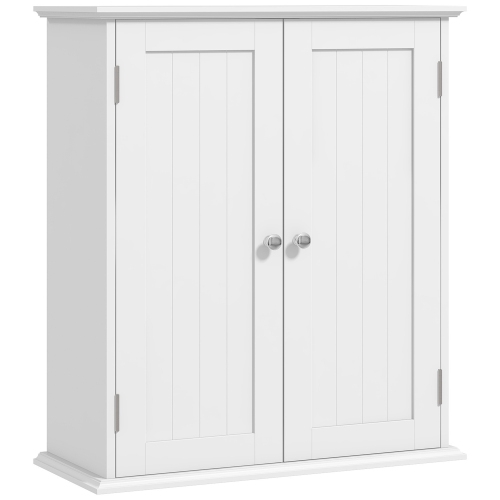
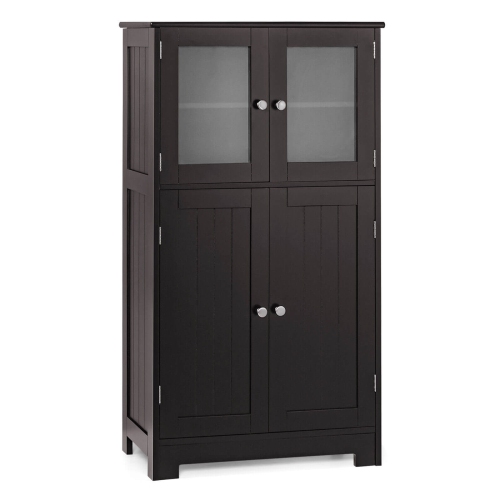
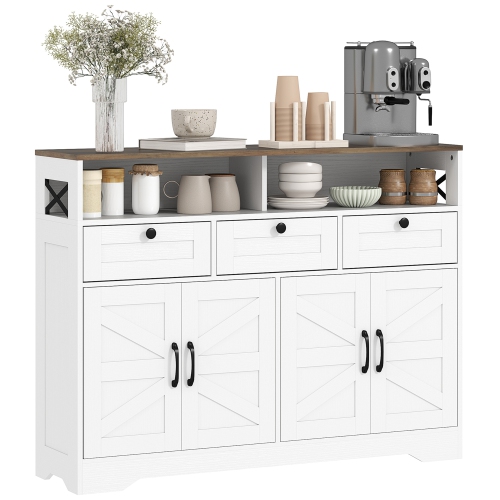
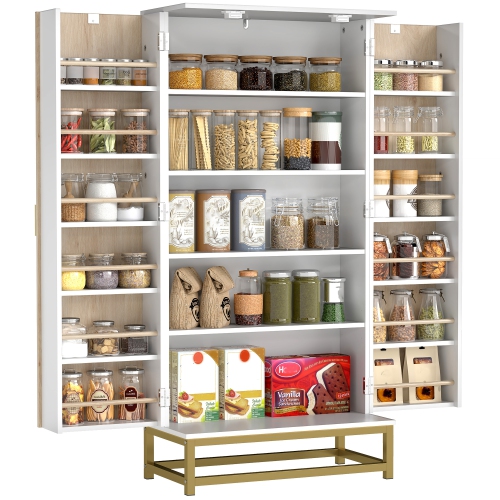
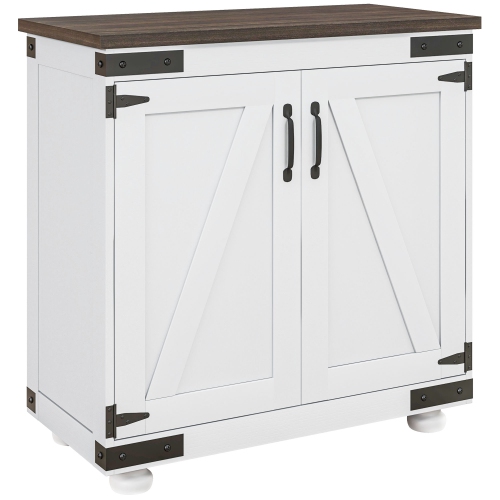

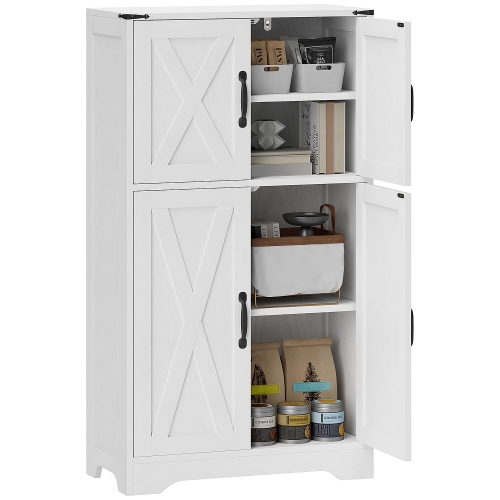
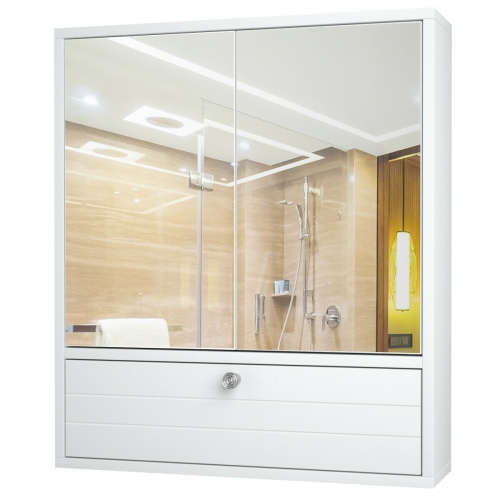
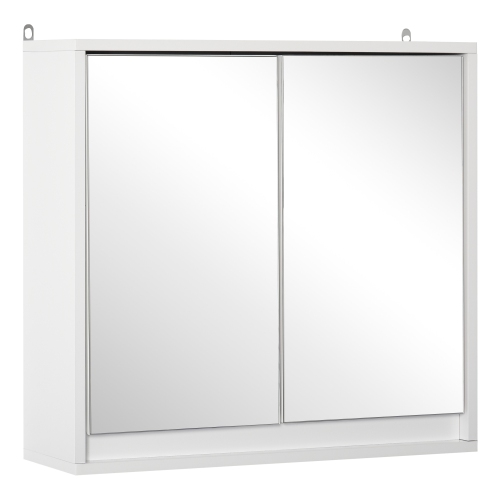
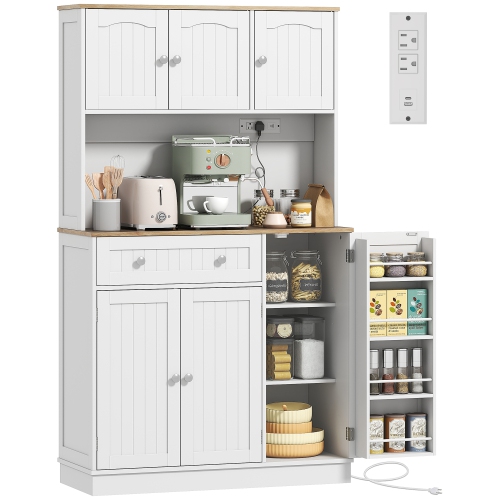

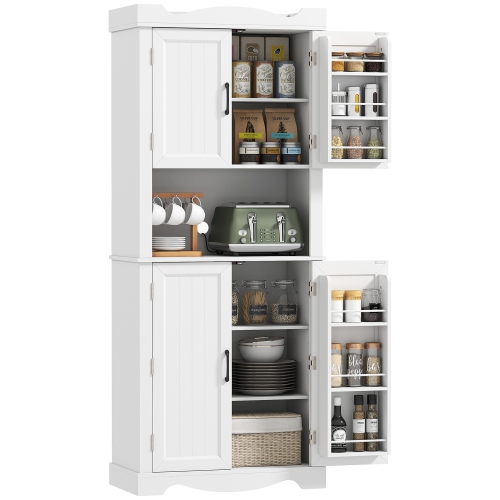
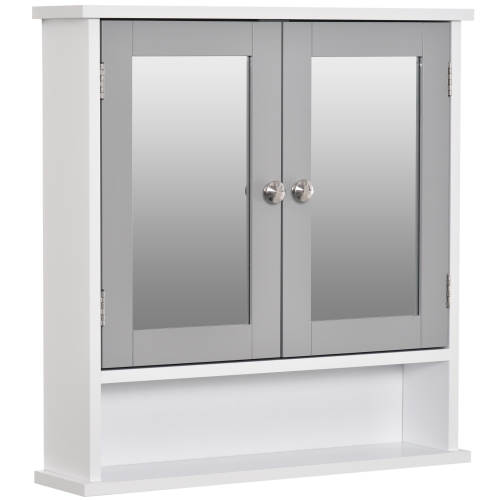
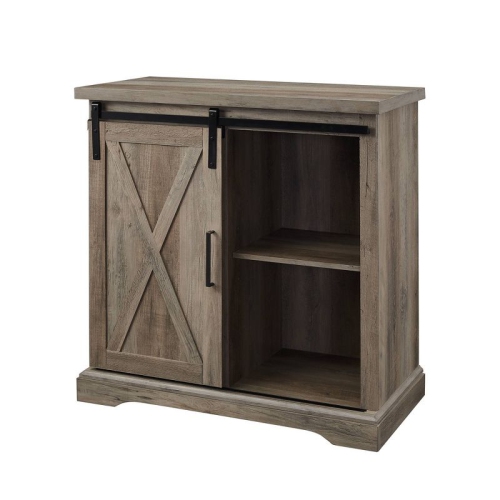
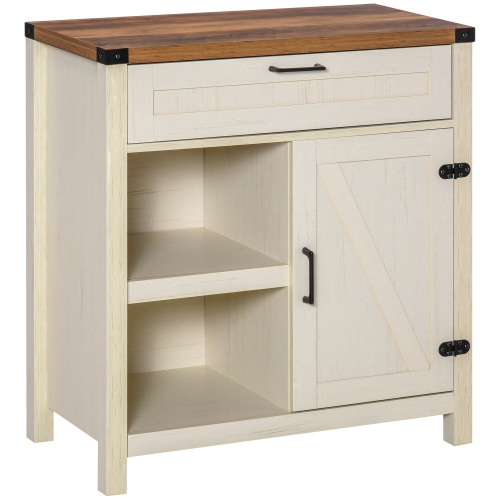
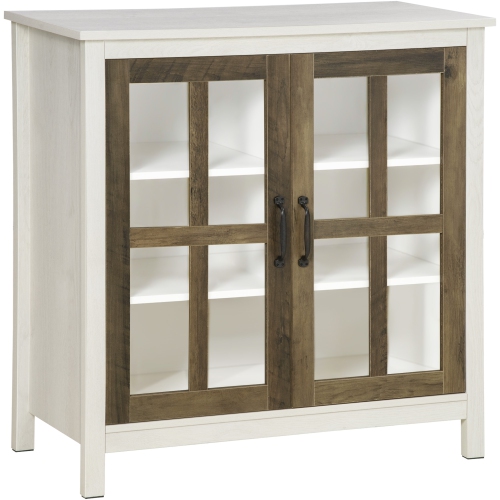
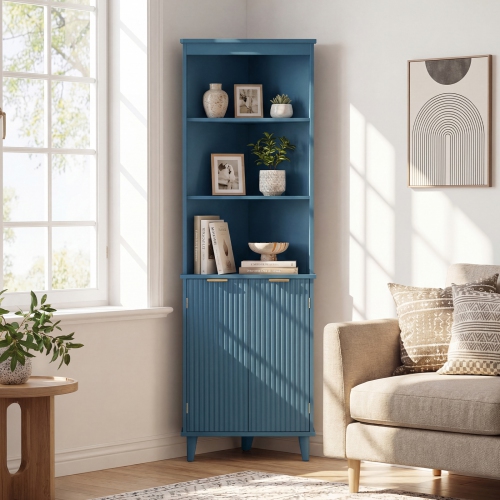
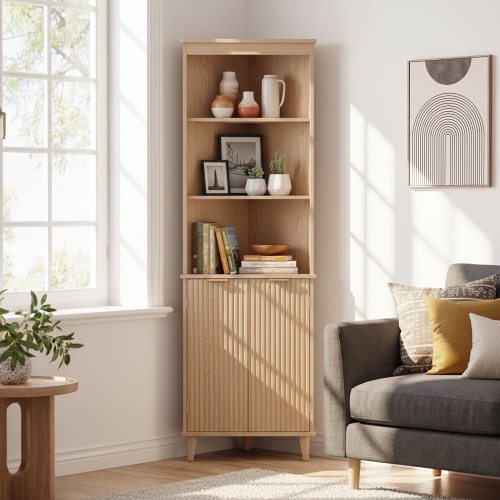
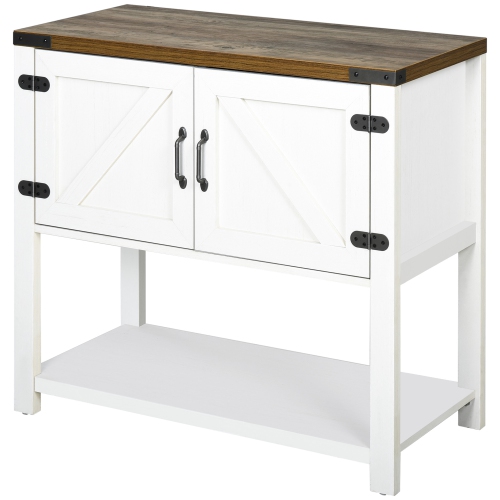
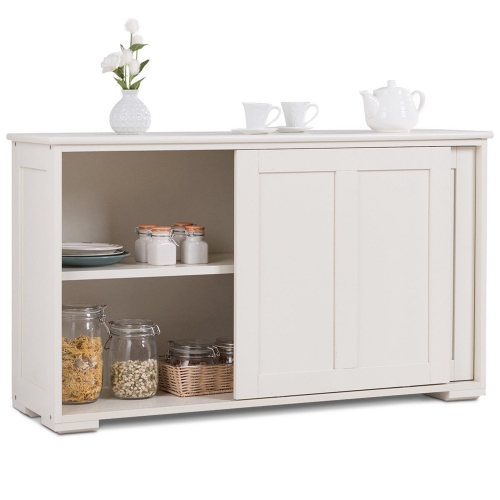
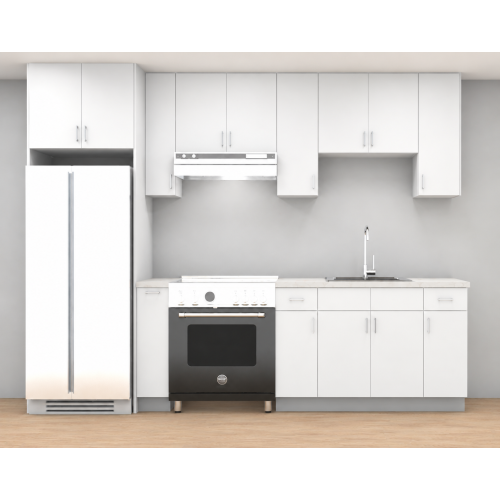
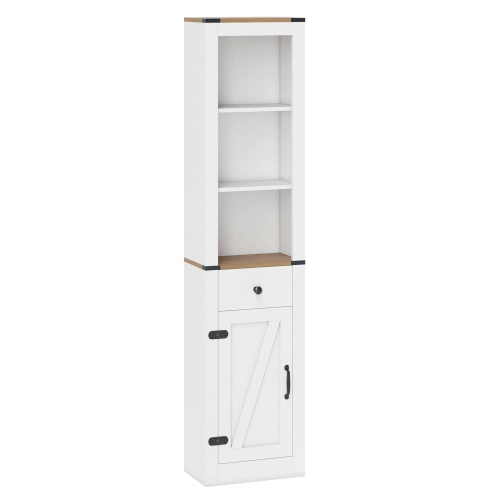
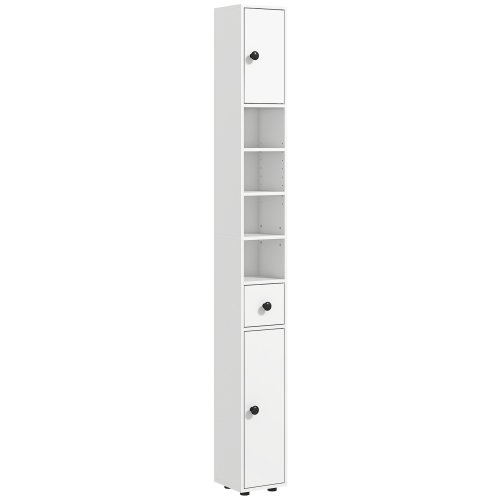
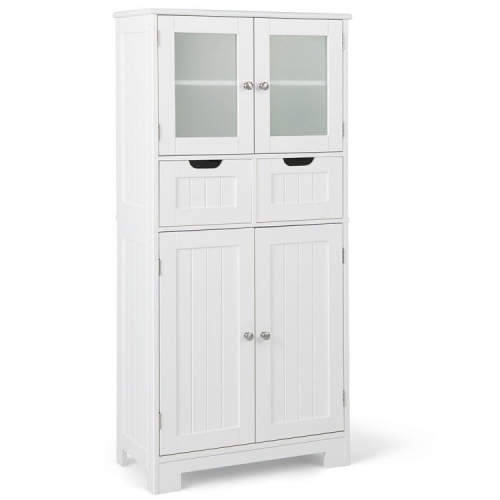

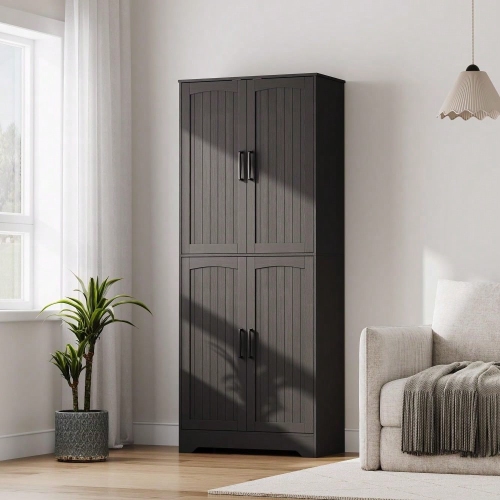
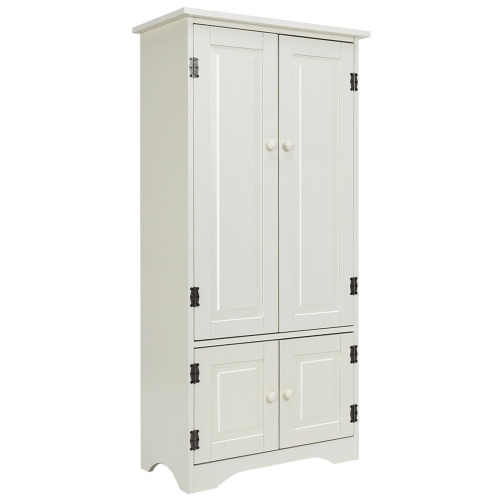
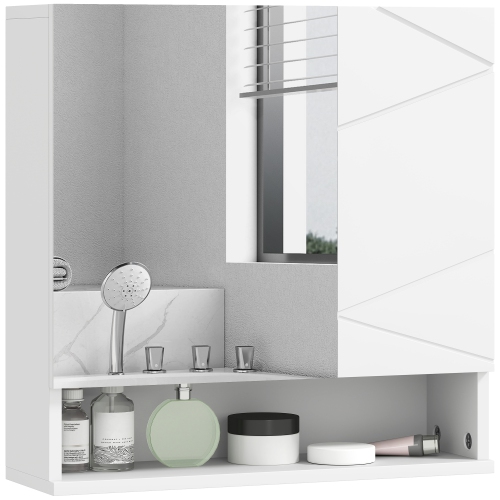
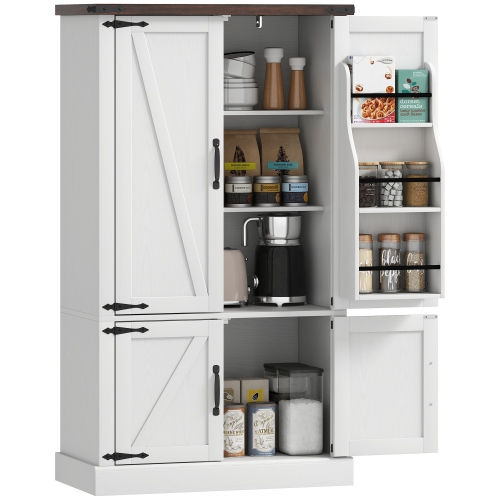

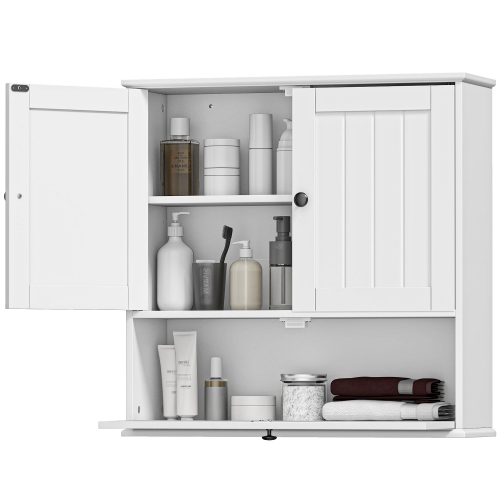
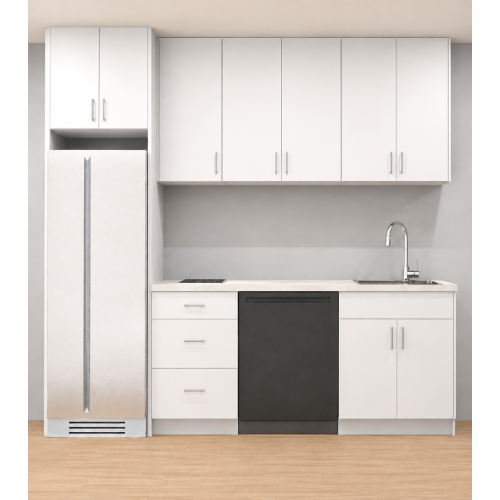
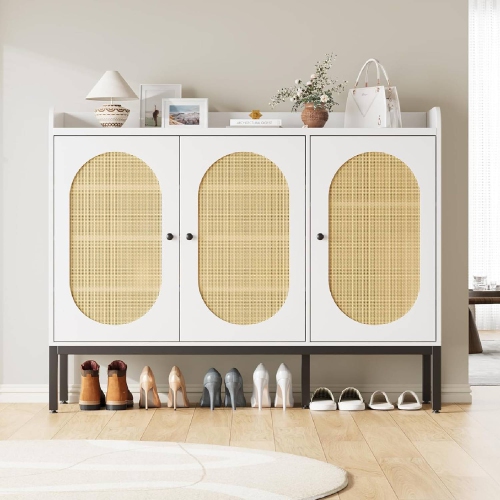

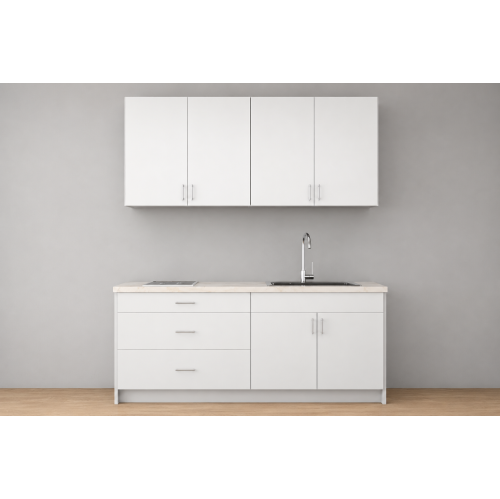


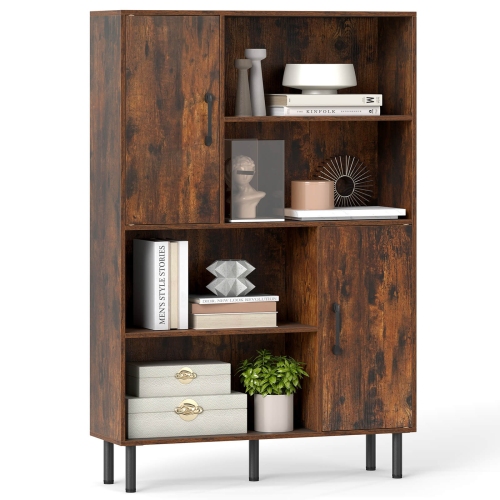

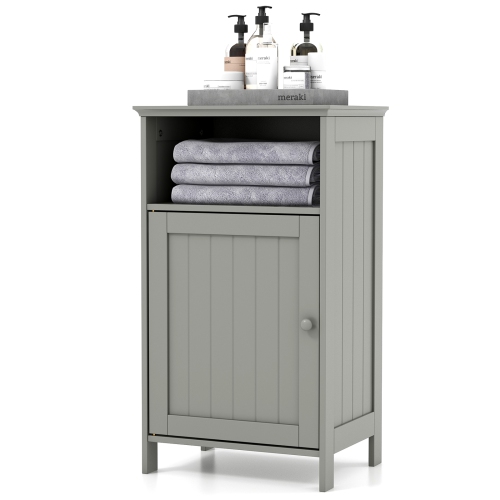
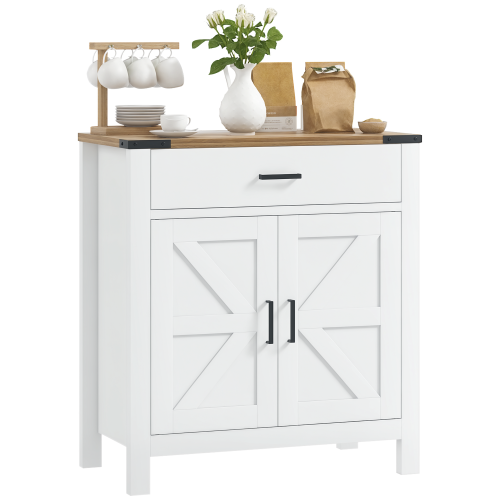
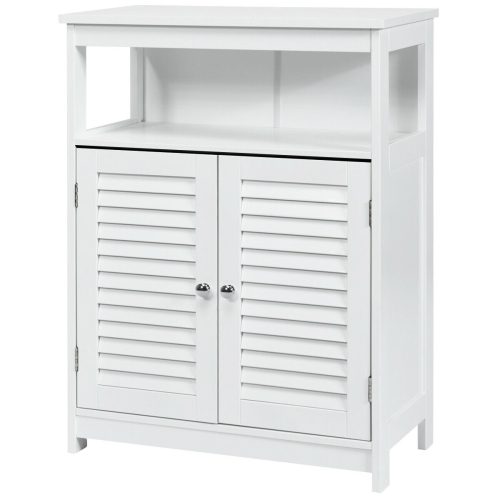
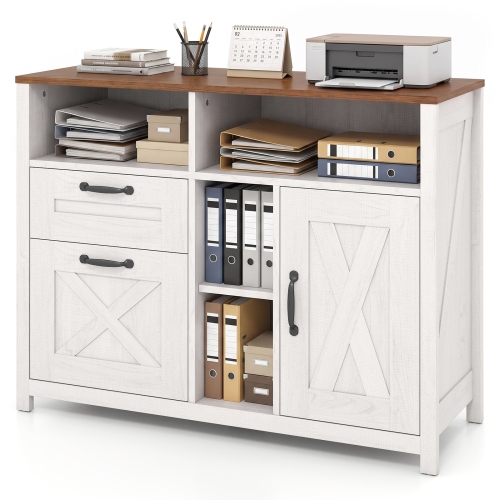
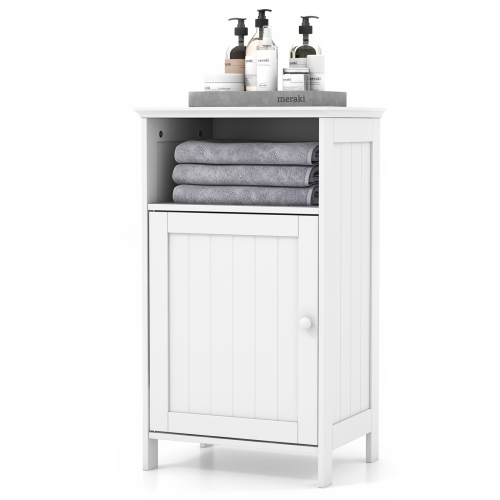
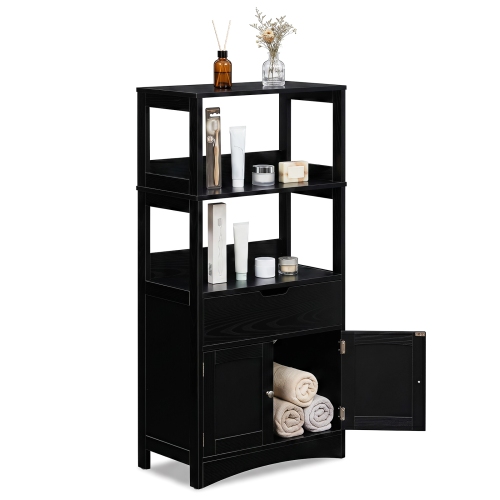
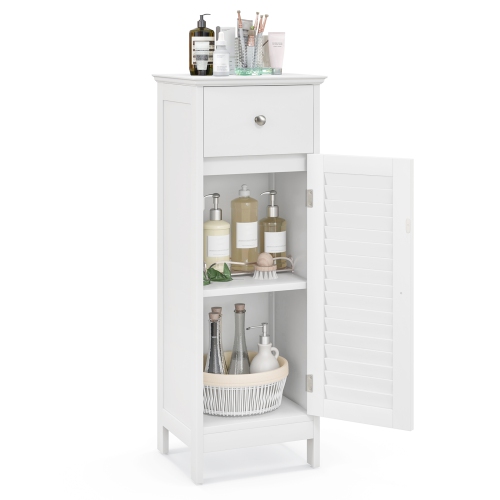
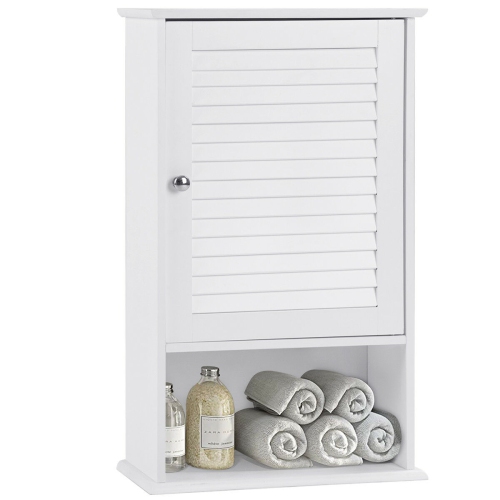
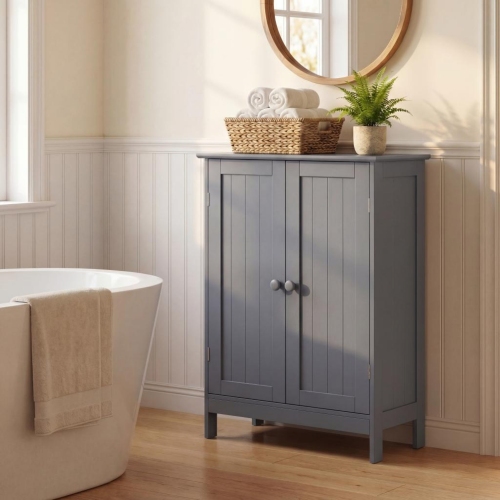
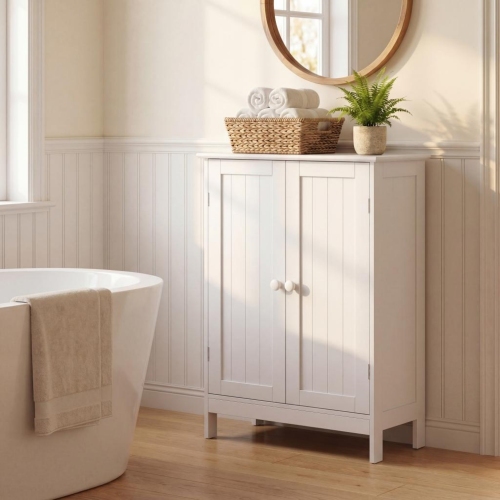
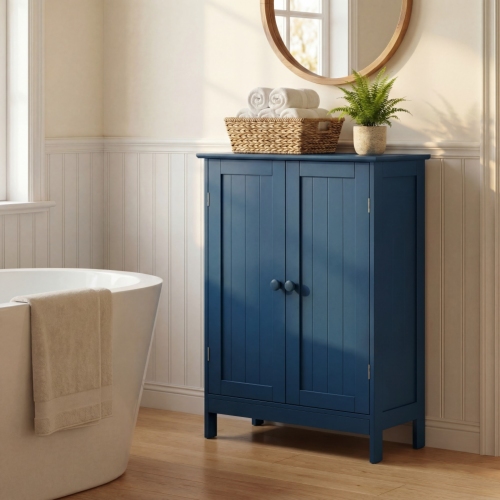
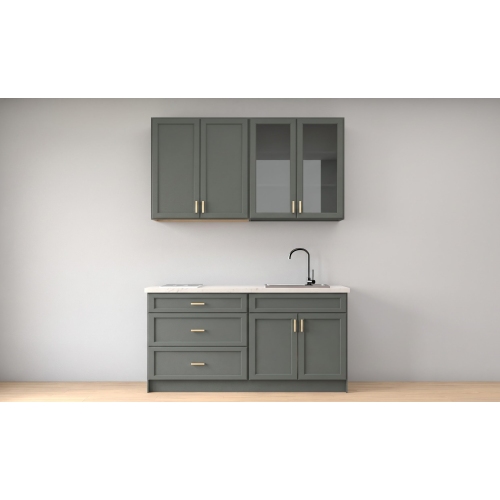
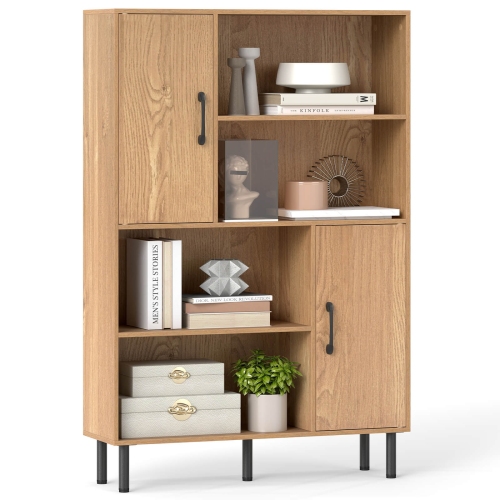
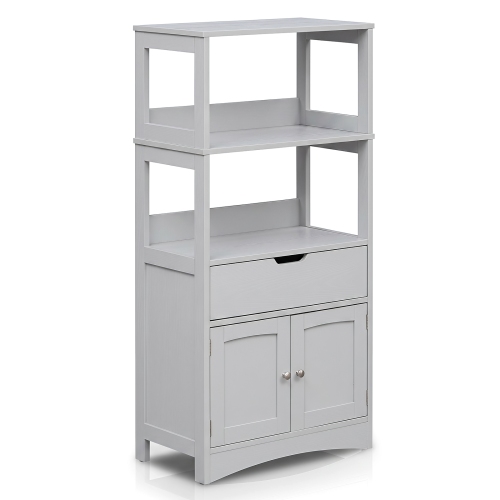
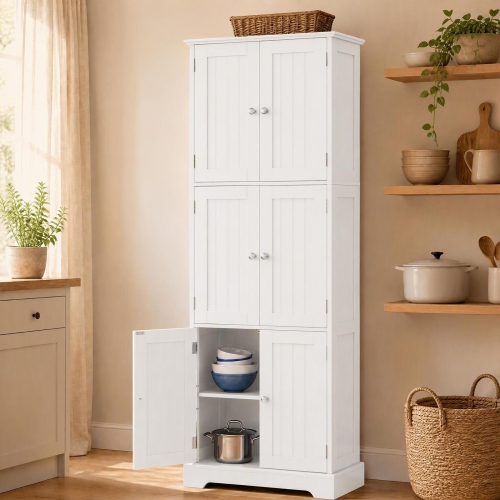
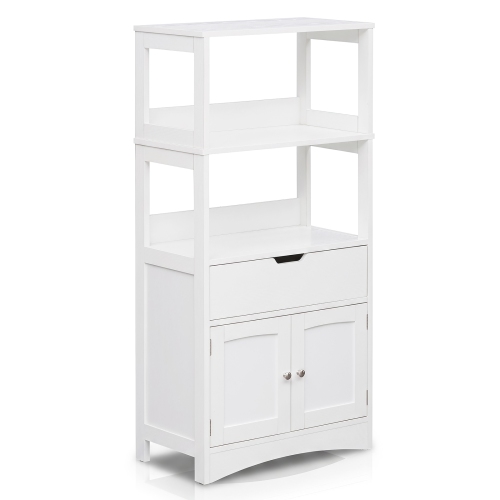
Enclosed storage for calmer rooms and easier routines
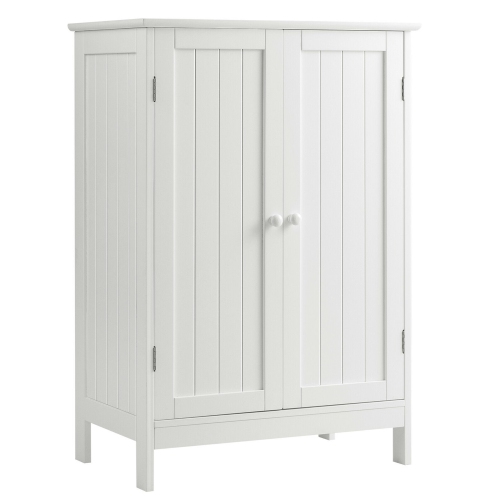
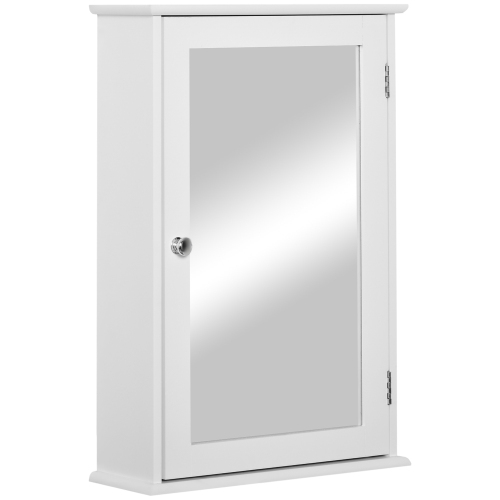
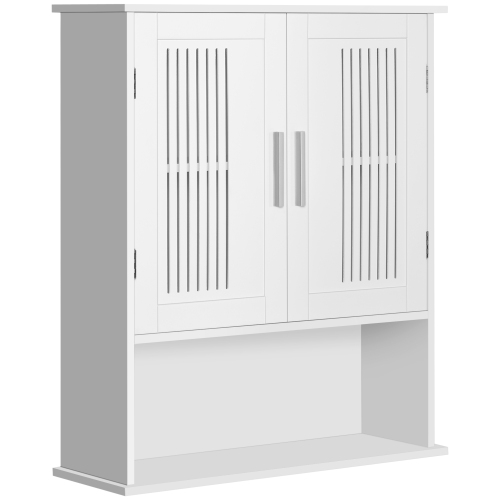
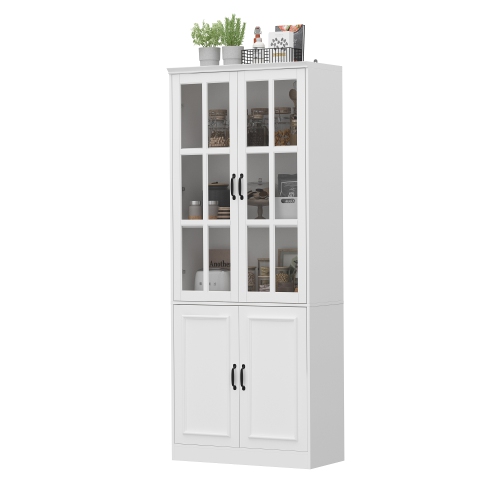
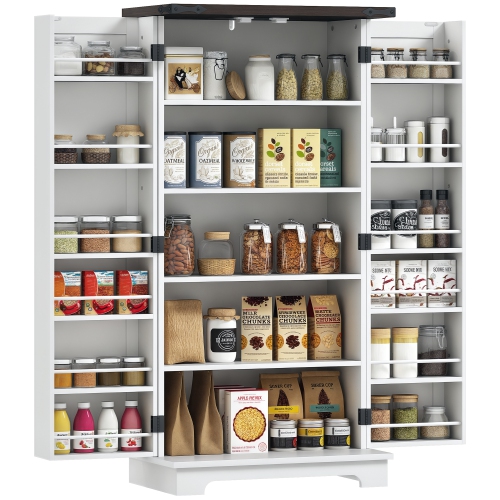
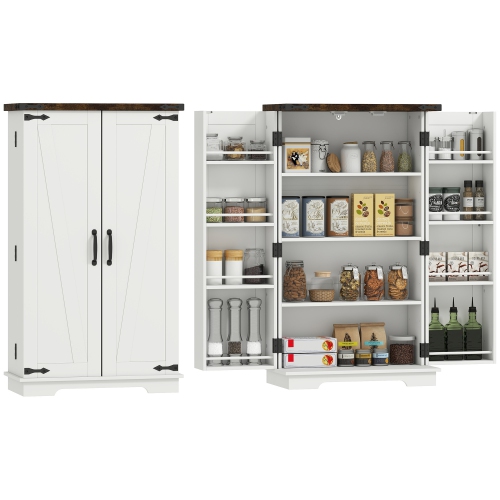
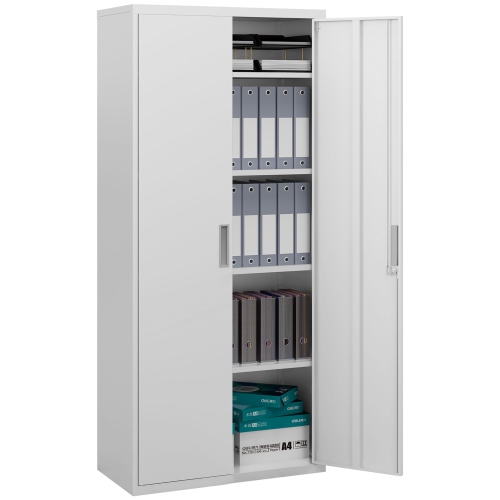
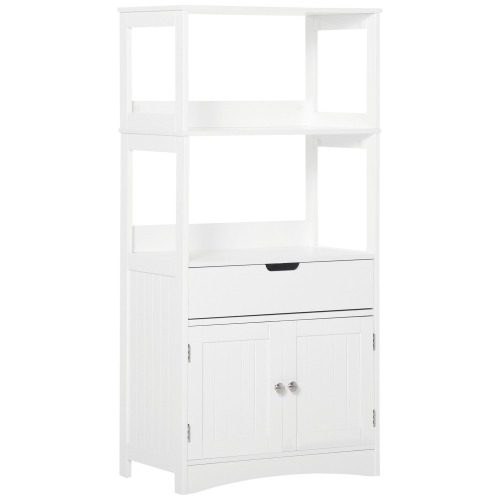
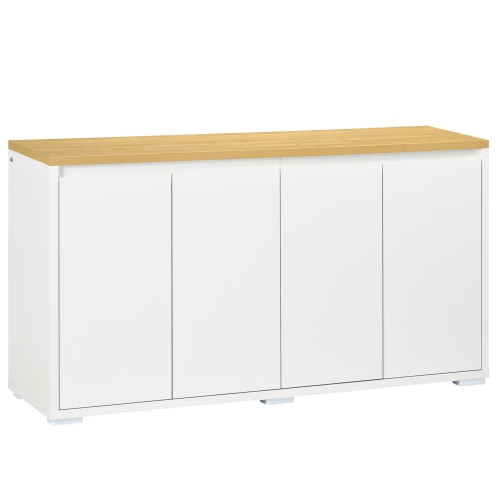
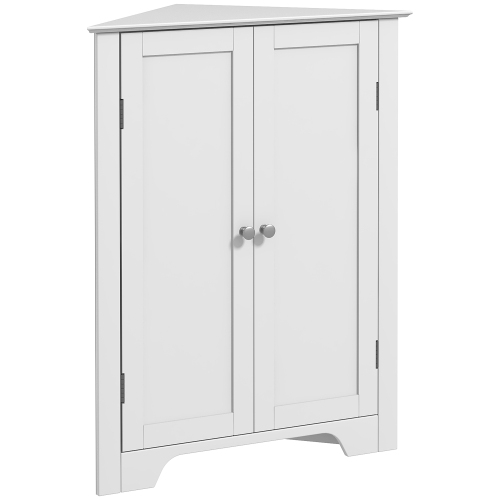
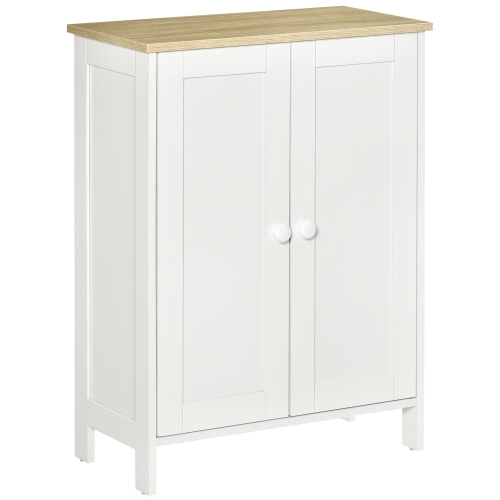
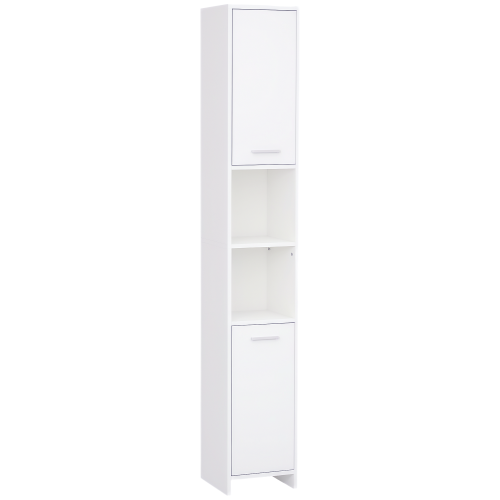
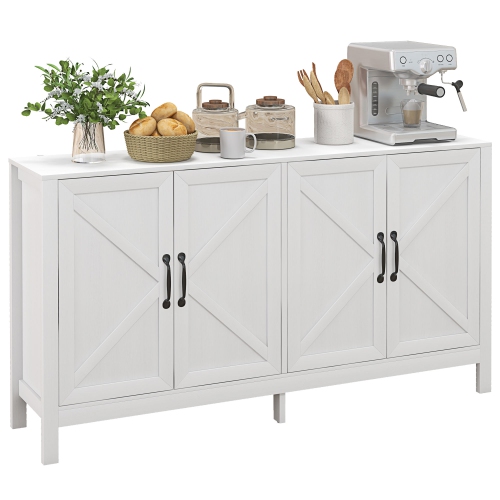
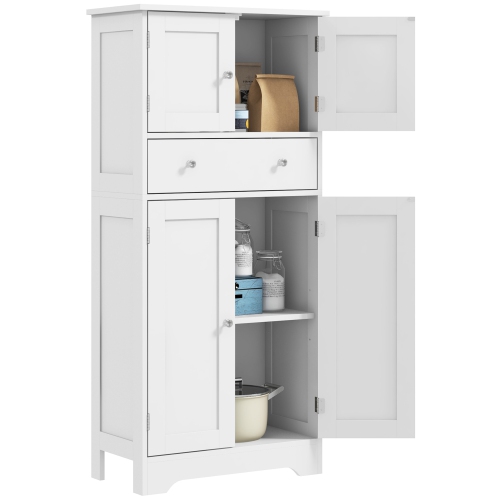
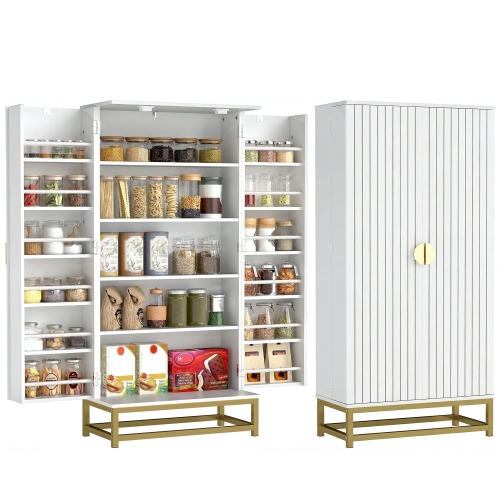
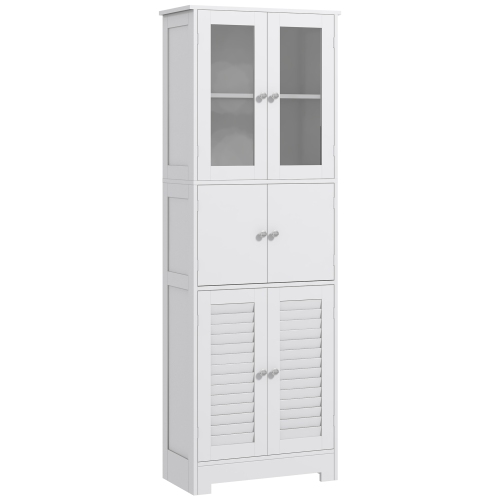
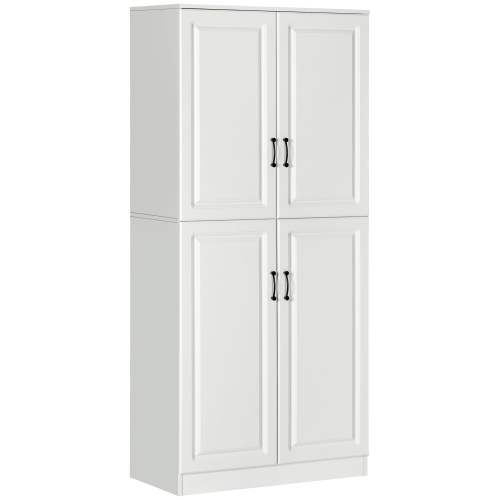
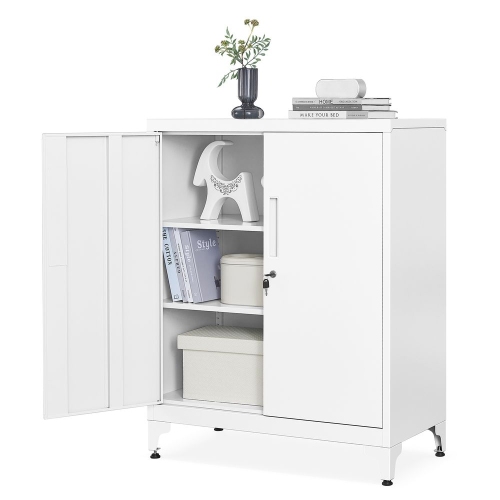
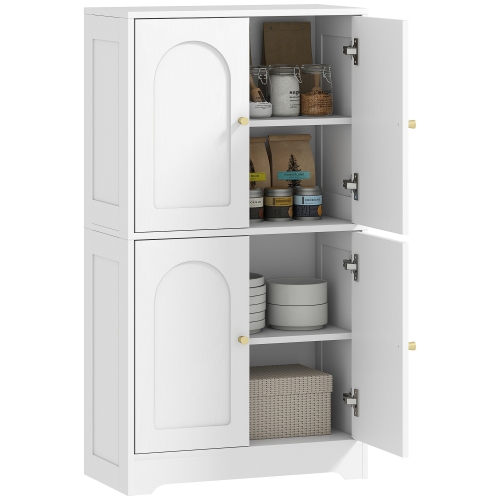
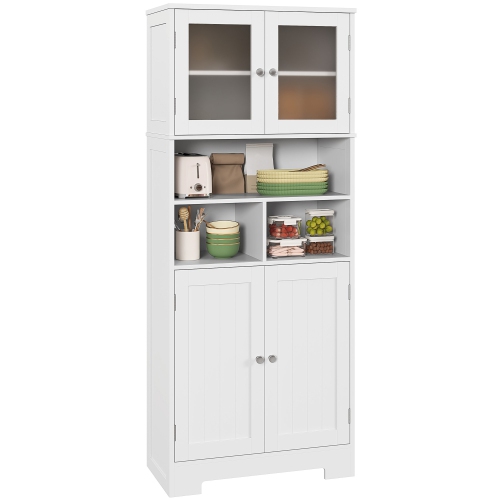
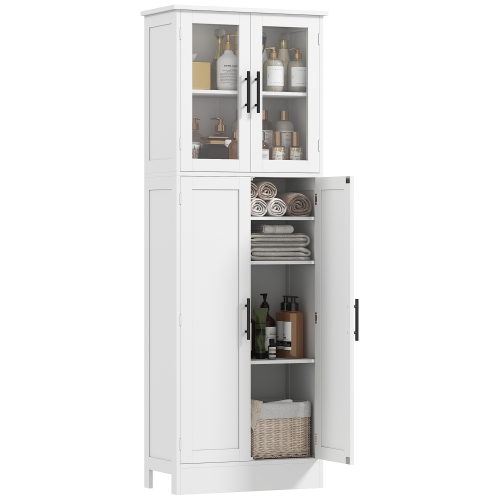
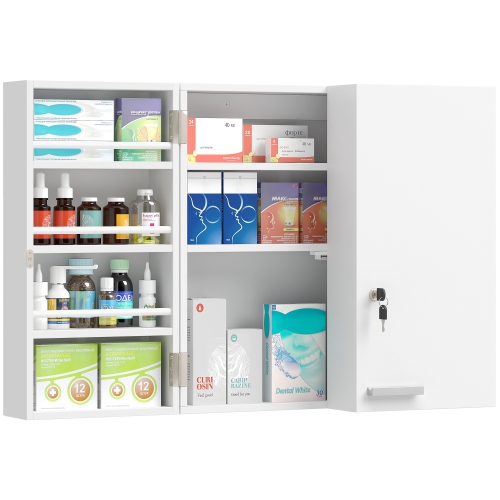
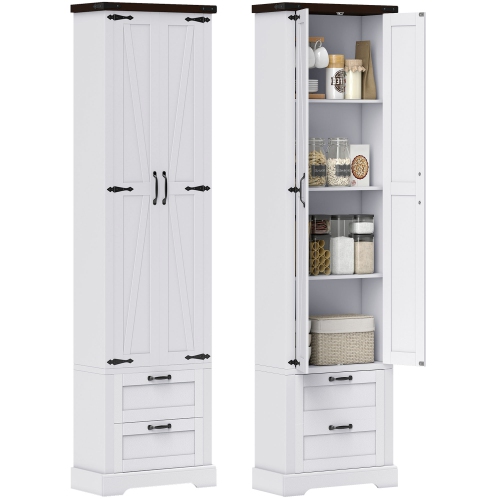
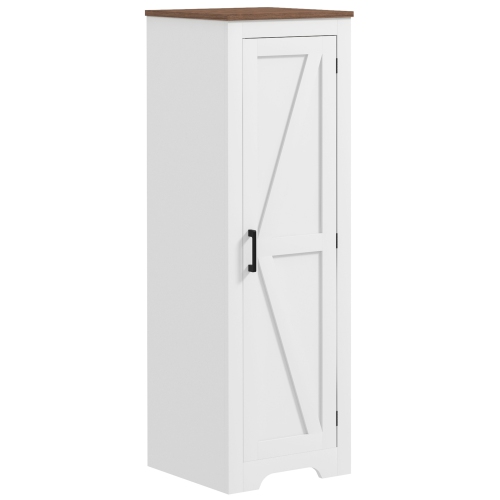
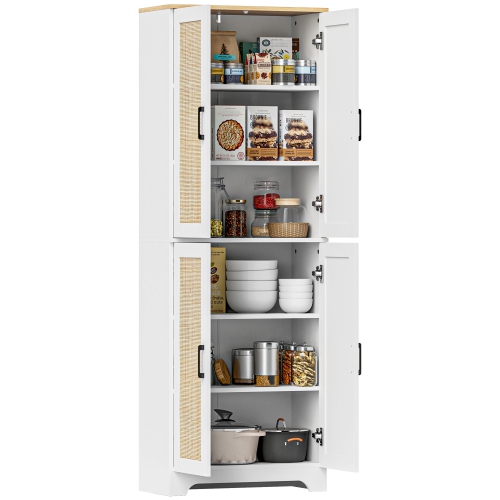
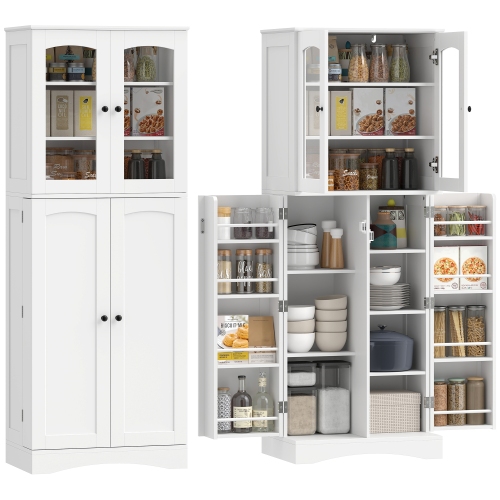
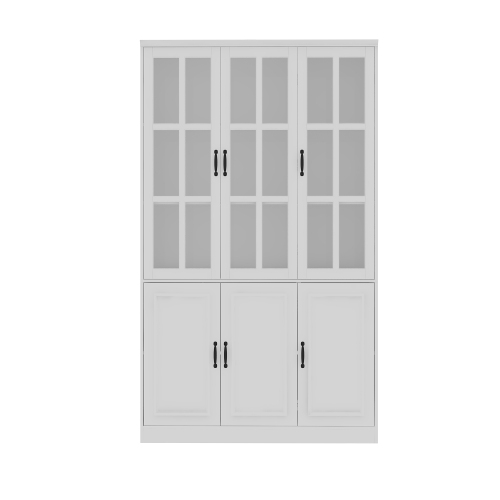
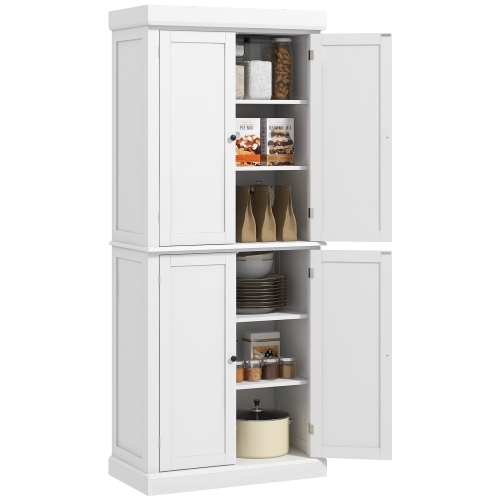
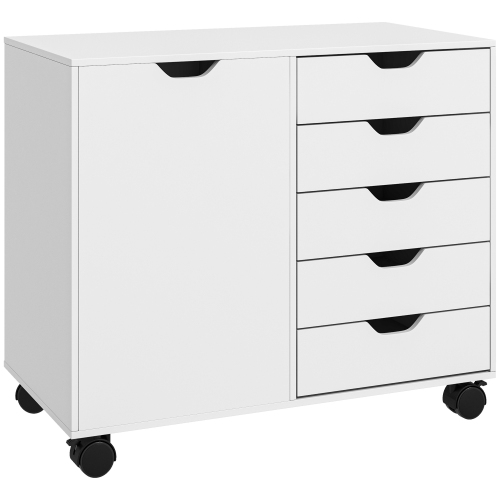
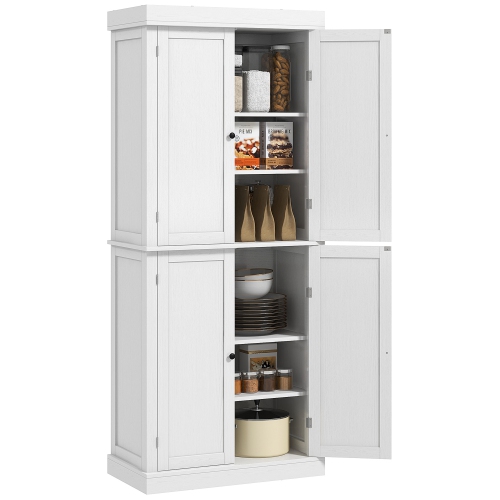
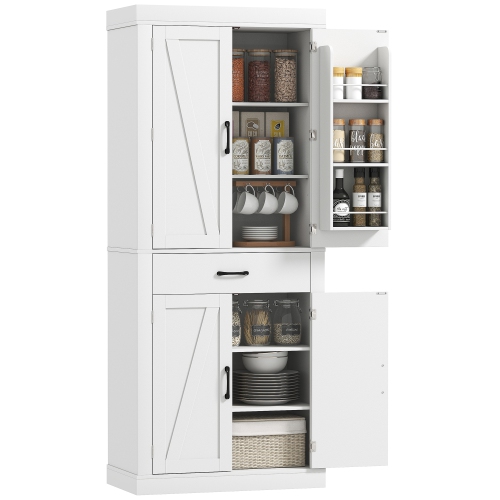
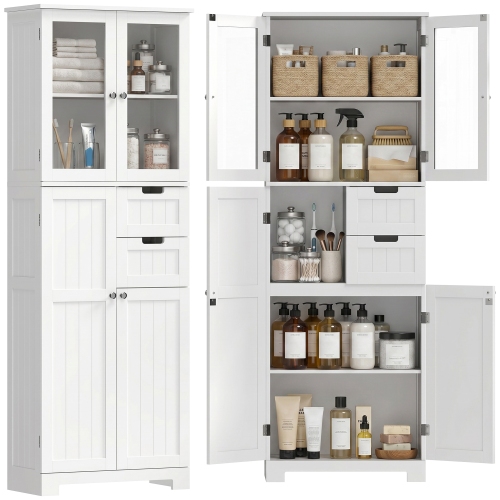
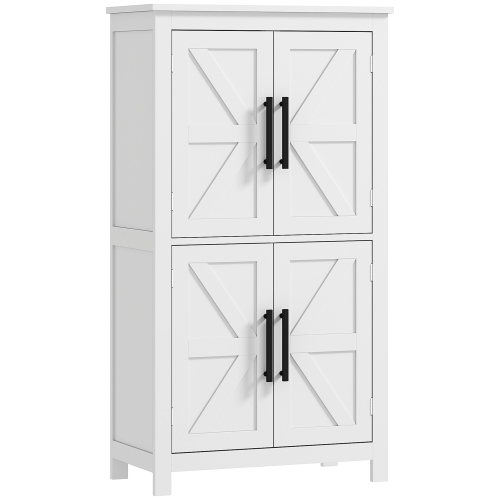
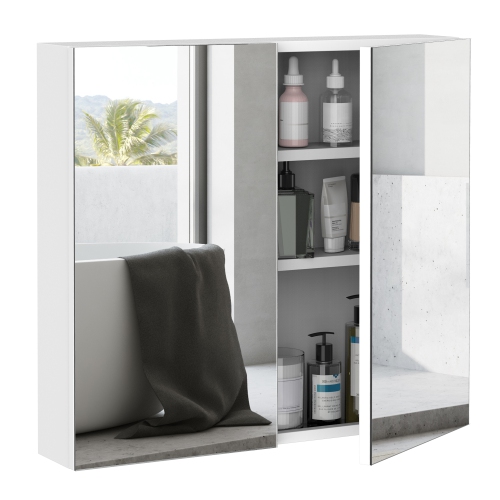
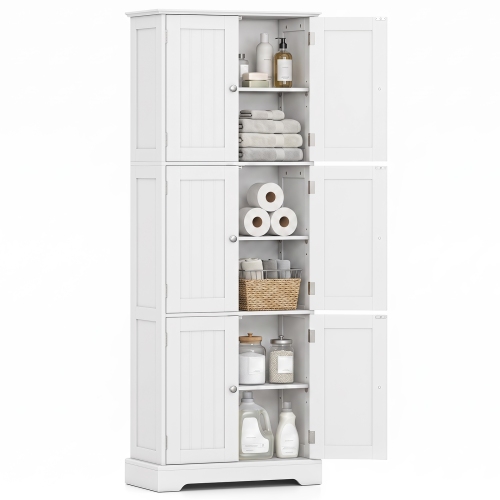
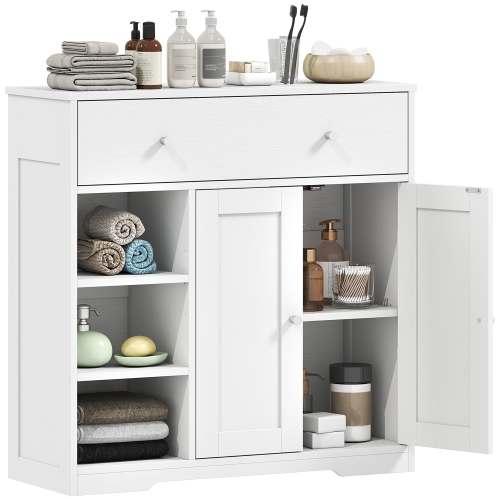
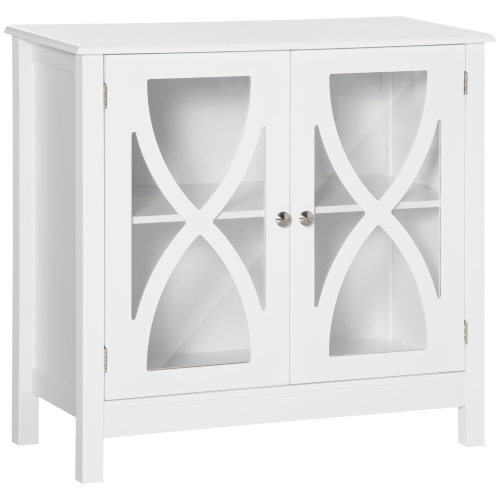
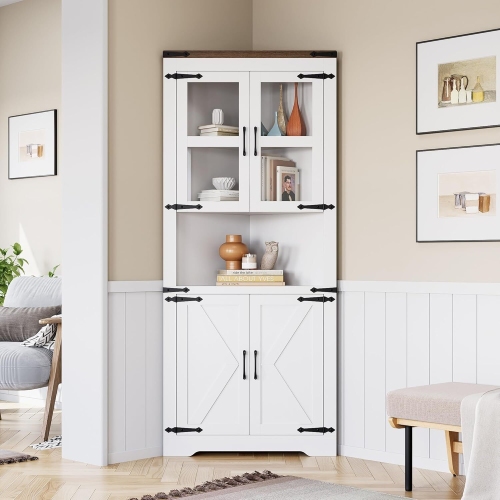
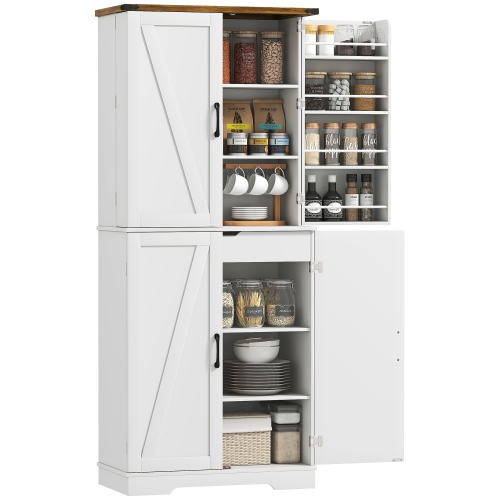
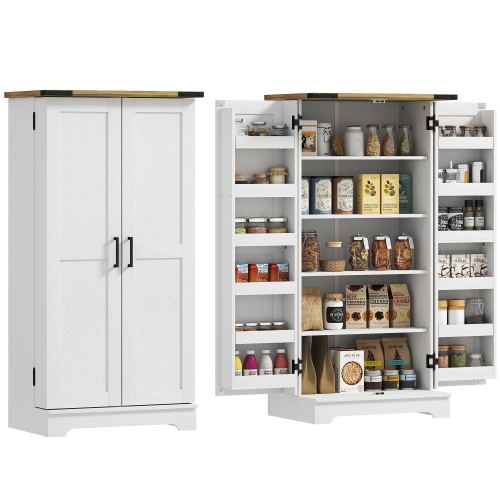
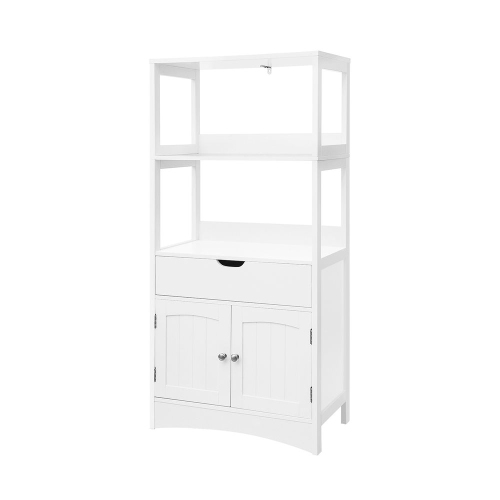
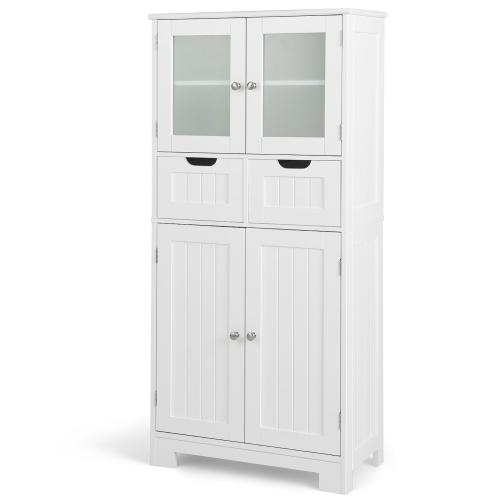
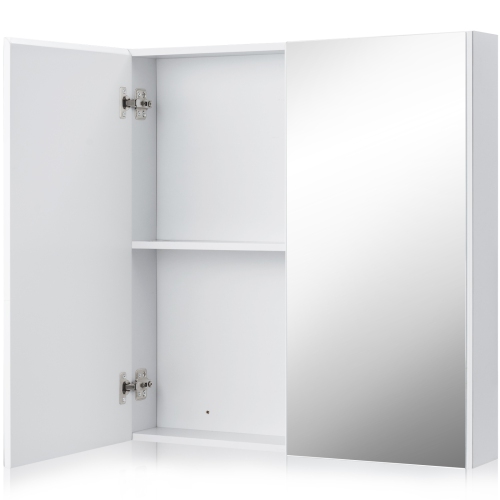
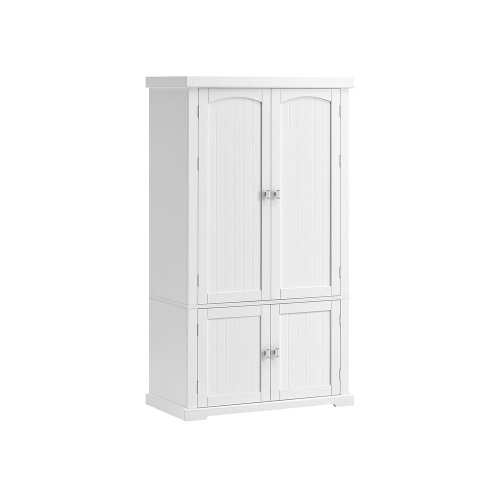
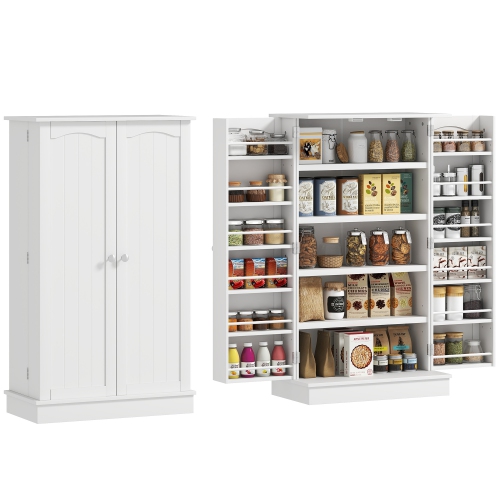
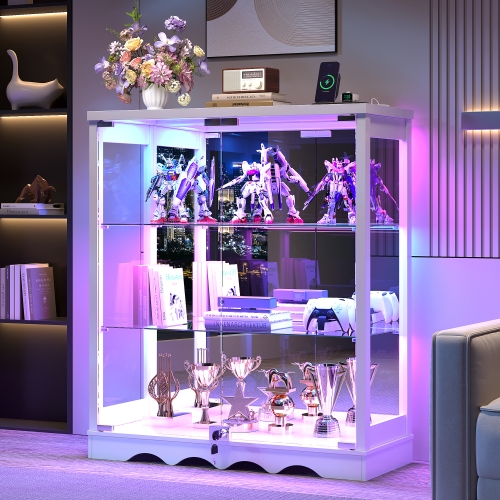
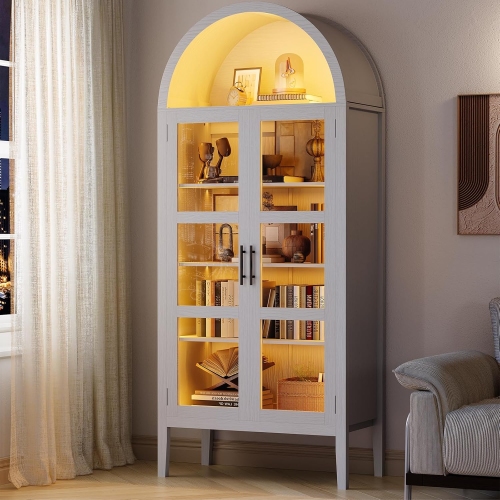
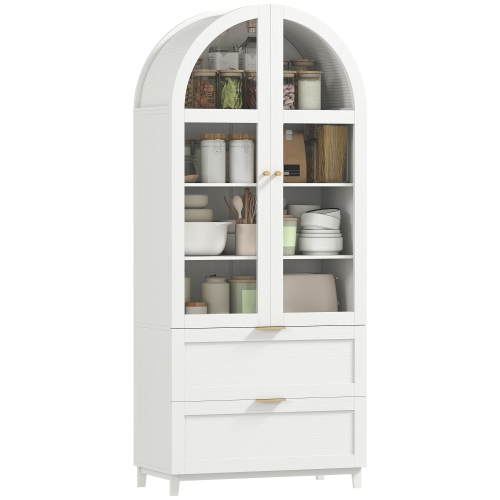
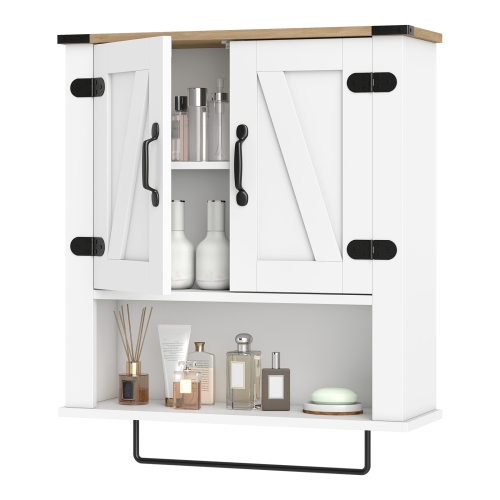
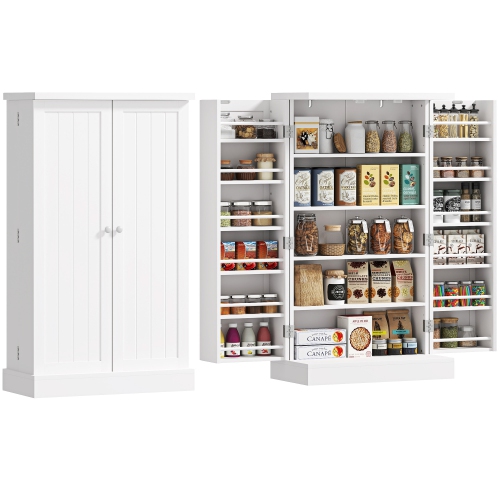
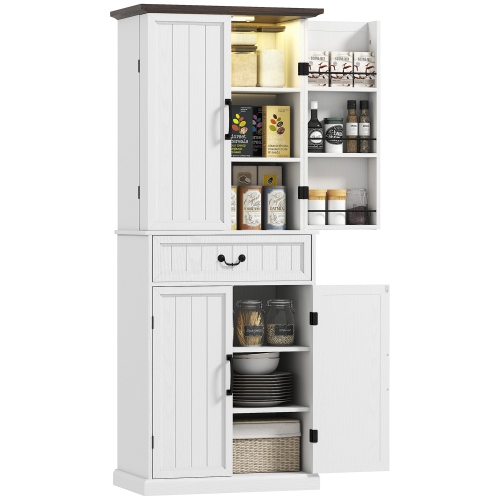
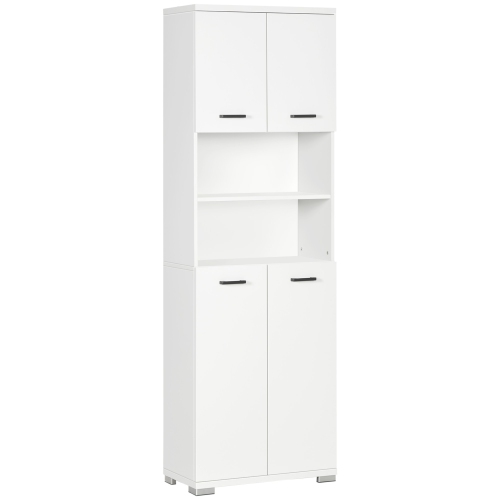
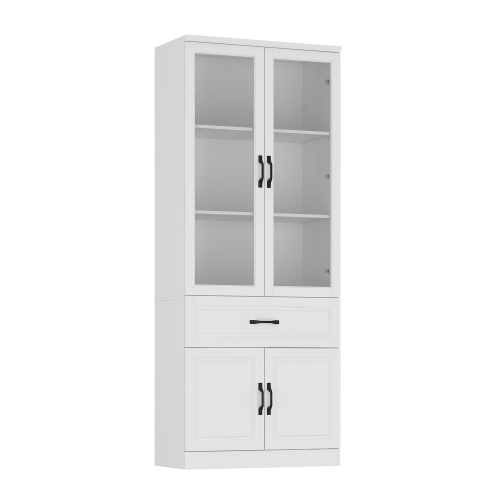
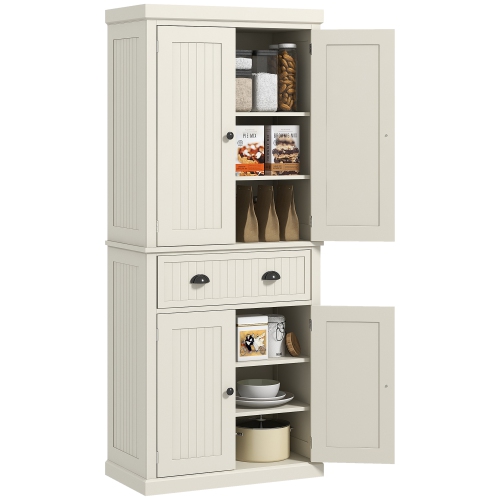
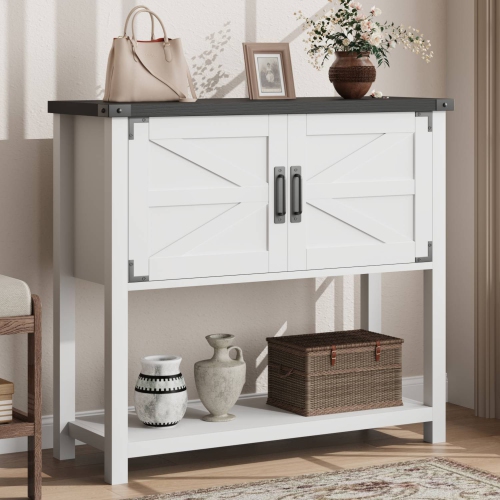
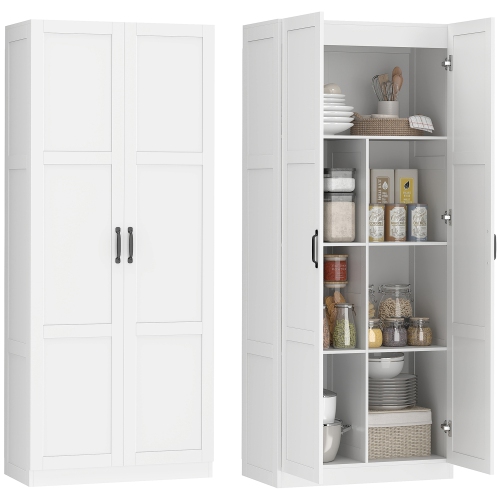
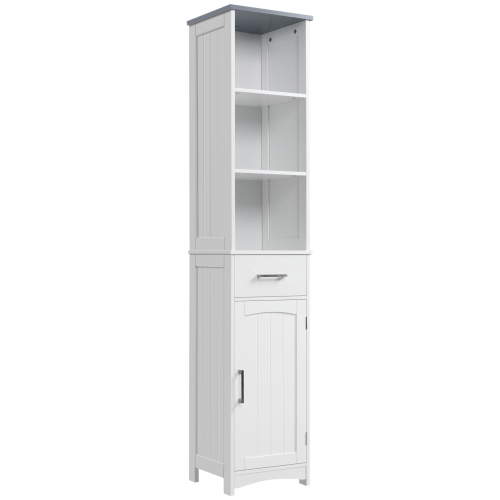
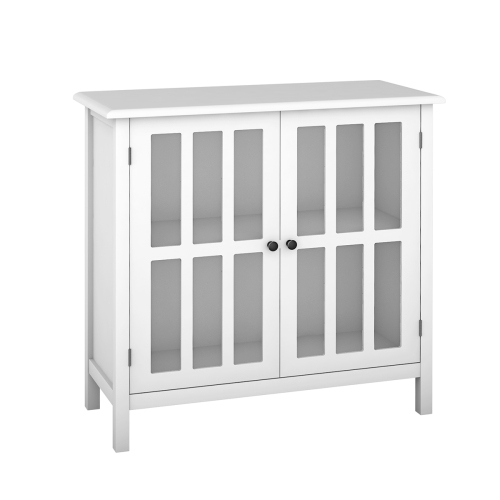
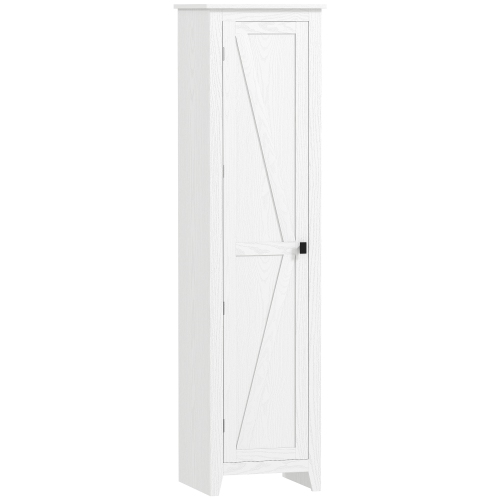
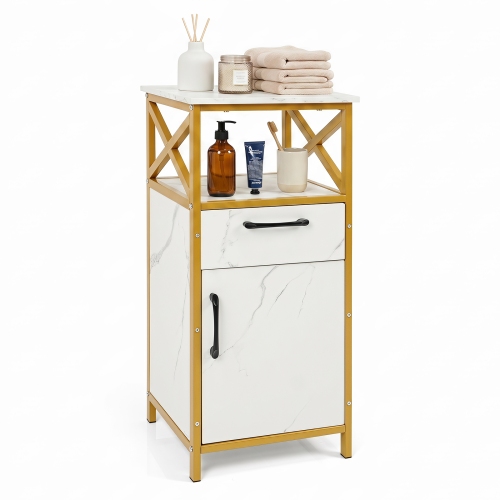
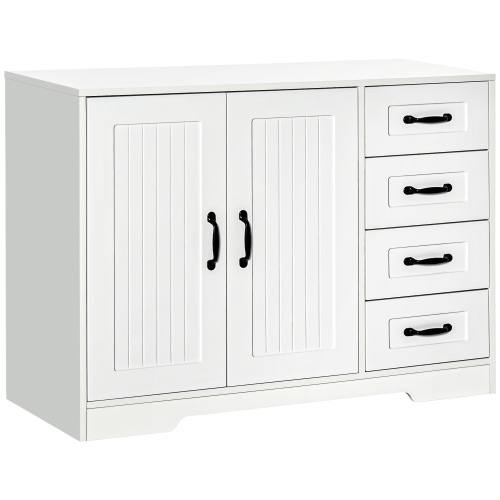
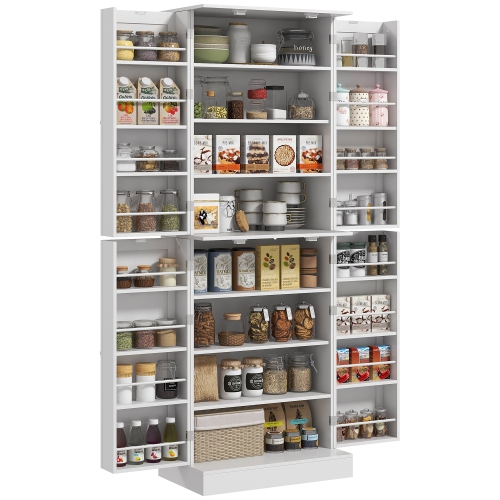
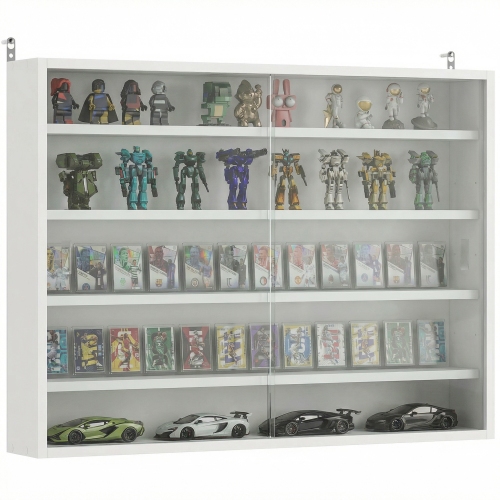
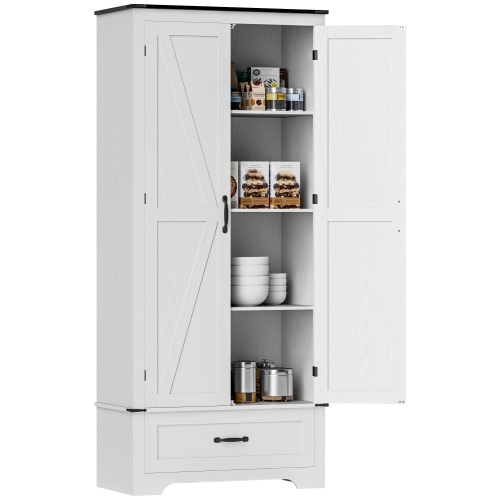
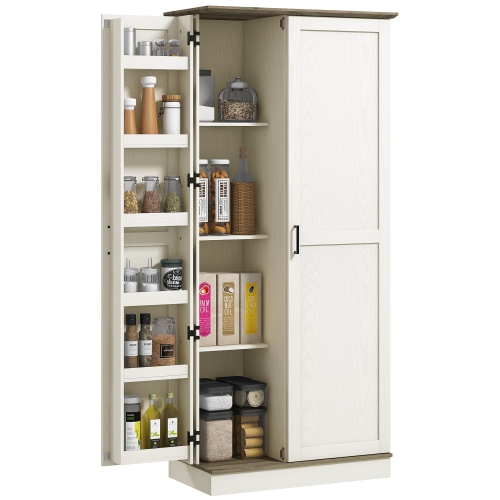
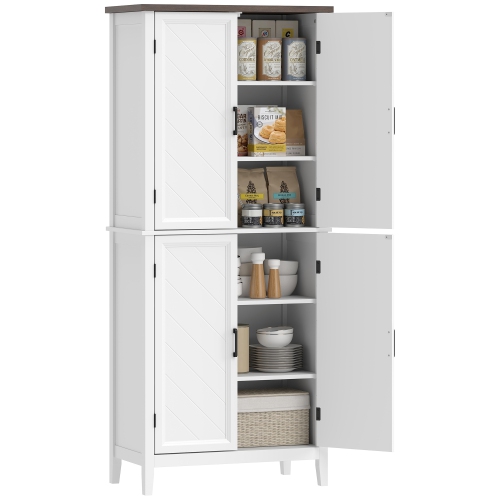
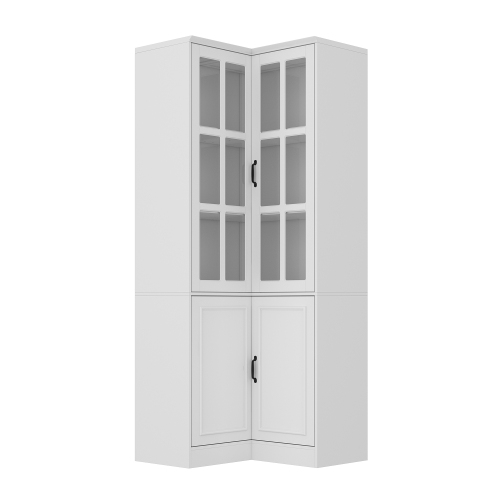
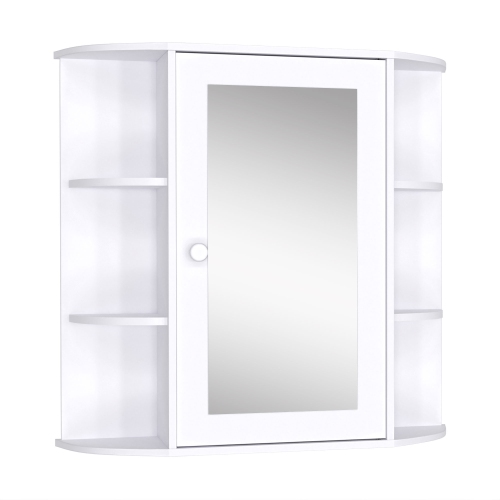
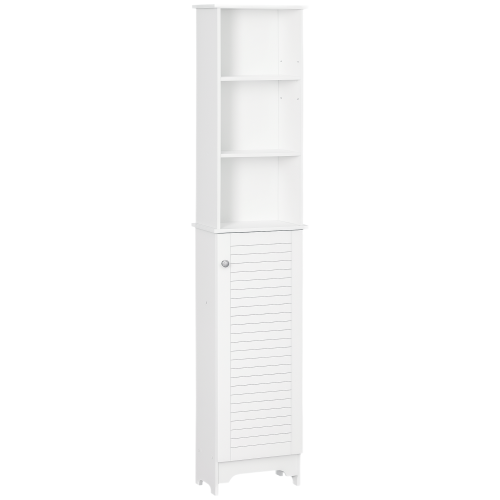
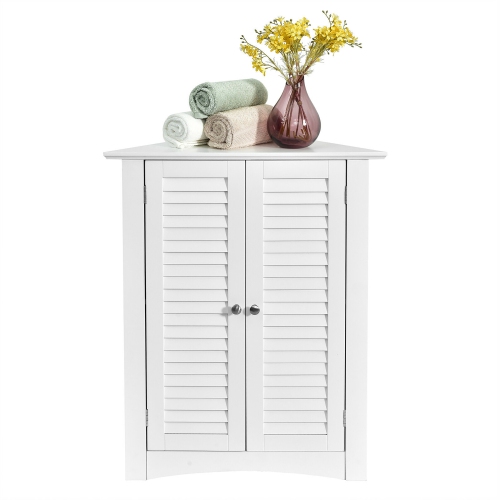
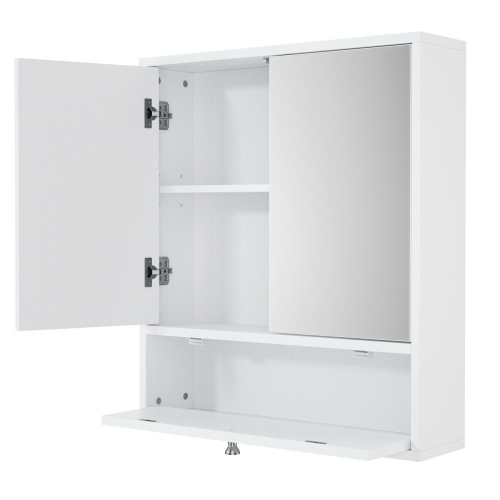
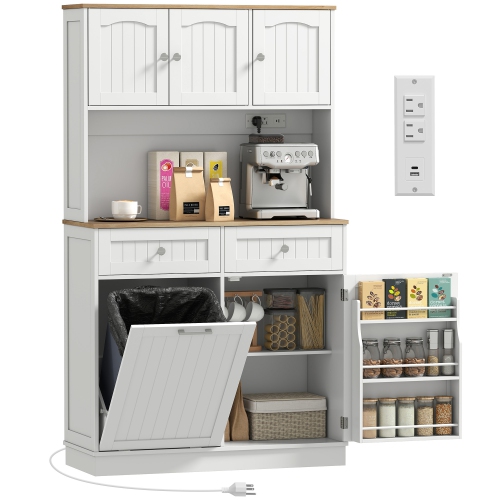
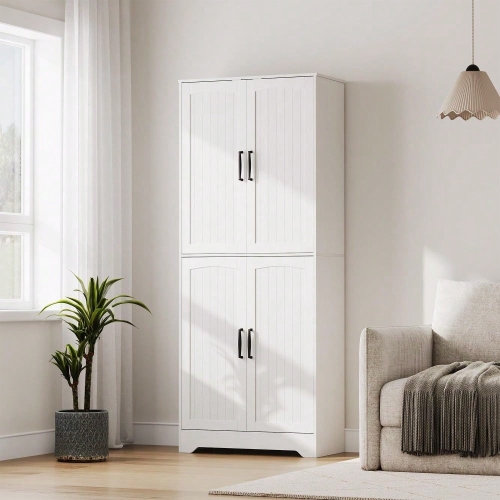
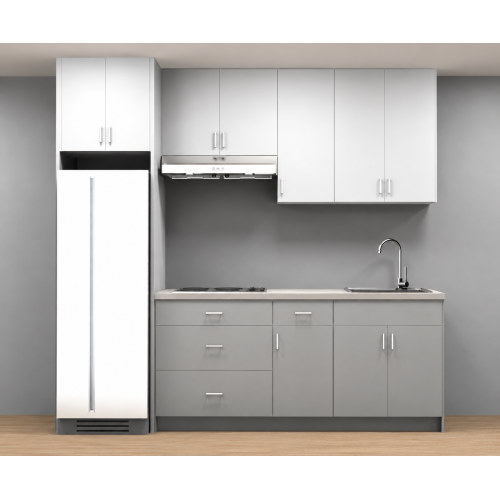
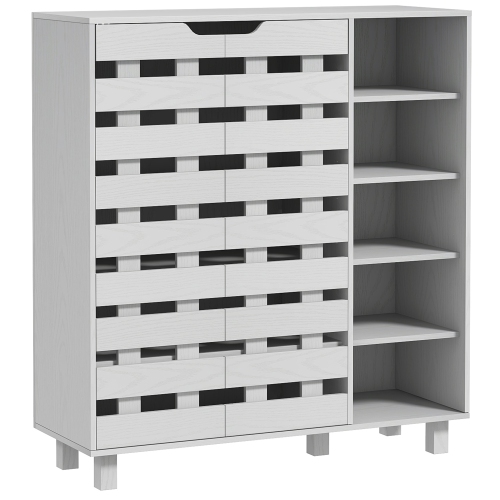
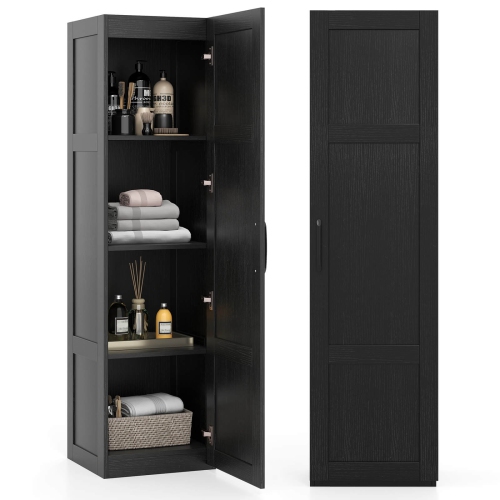
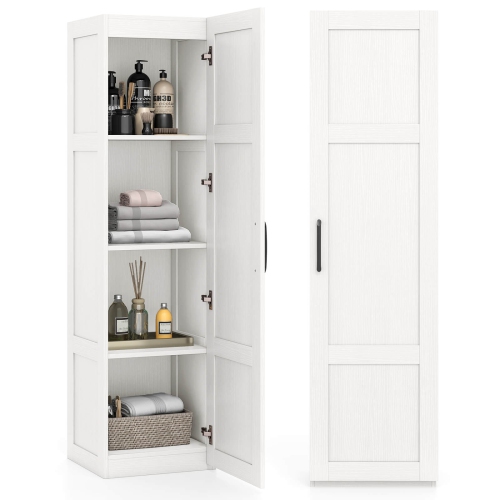
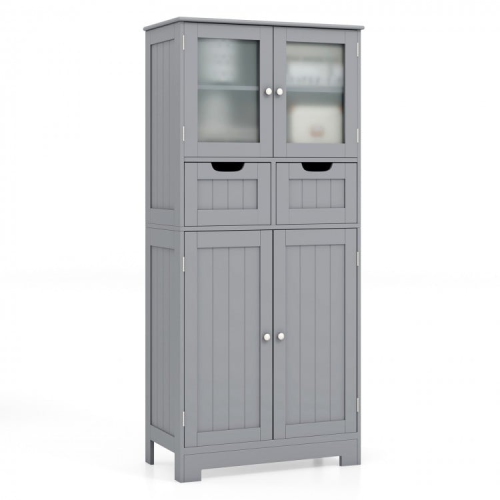
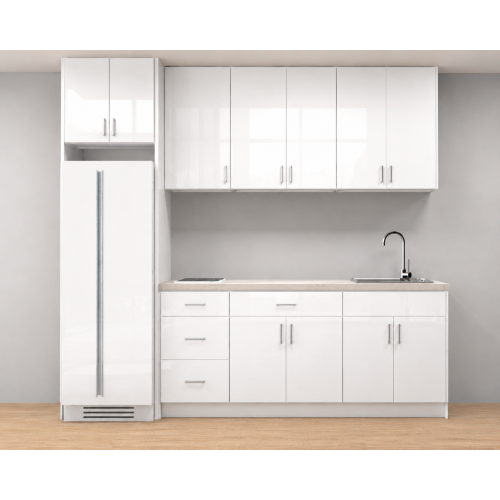
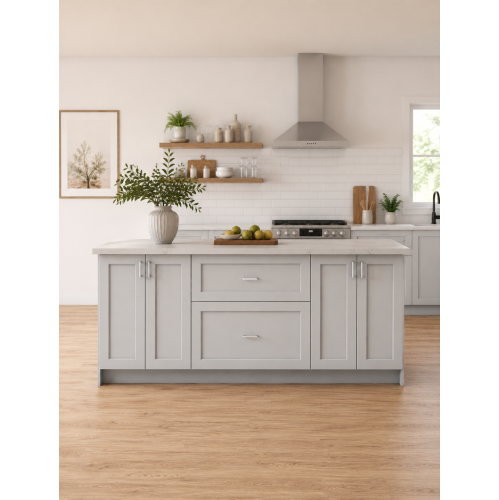
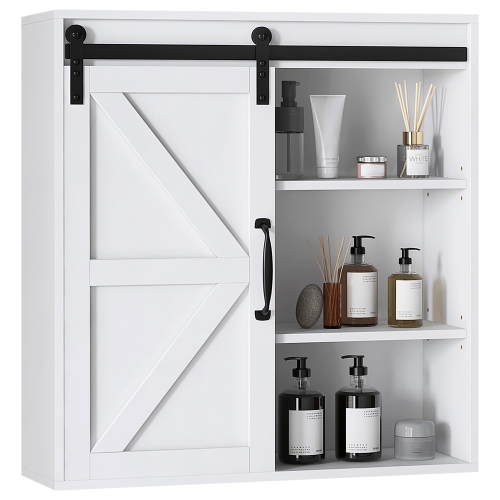
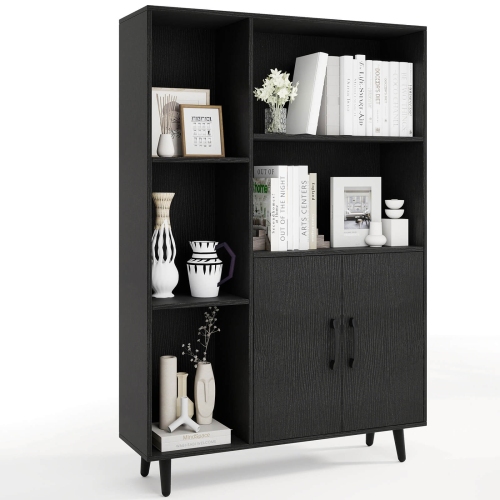
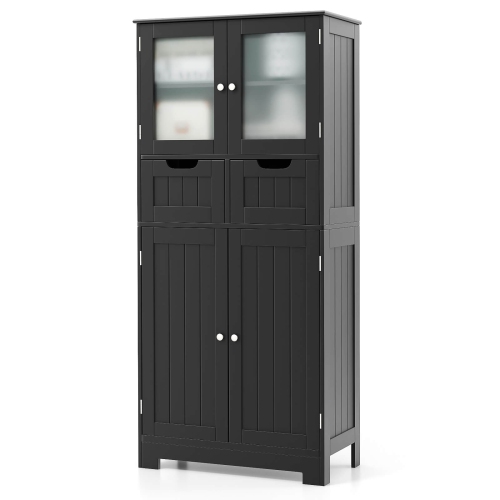
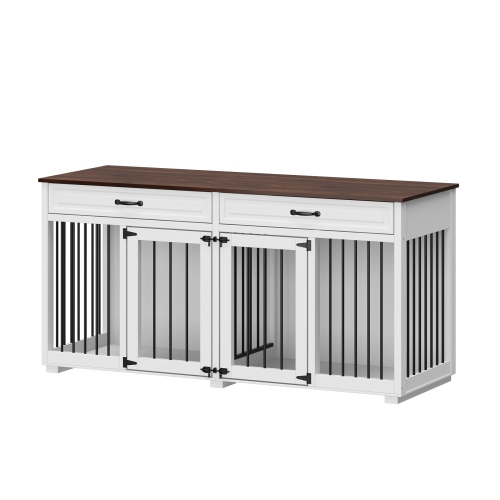
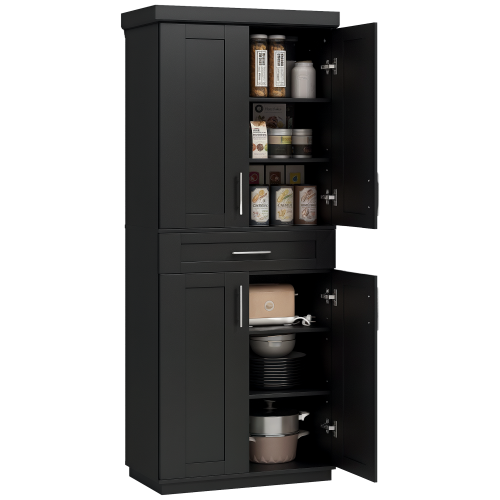
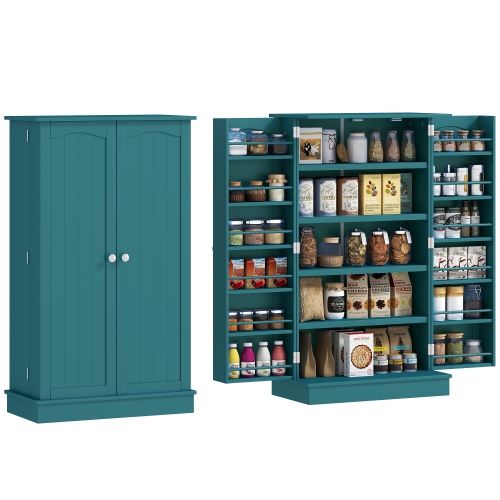
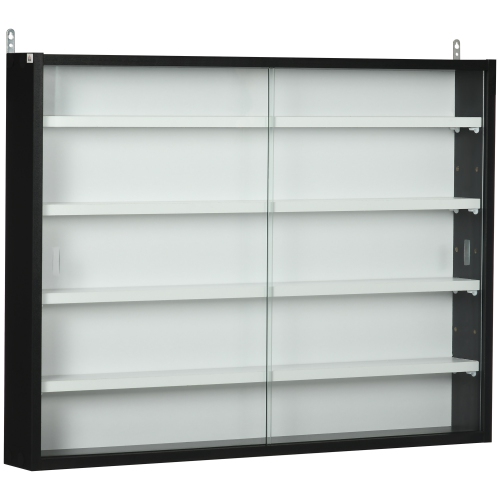
White cabinets with doors are enclosed storage units that keep household essentials organized while giving a room a clean, coordinated appearance. The category includes freestanding cupboards, tall pantry cabinets, low sideboards, and wall-mounted units, with proportions suited to different rooms and storage needs. Doors conceal everyday clutter, protect contents from some dust, and create a calmer visual backdrop than fully open shelving. In a dining area, a low cabinet can hold serving dishes, table linens, and glassware within easy reach of the table. A taller cupboard can bring order to packaged food and small kitchen accessories, while a compact cabinet can keep towels and toiletries together in a bathroom where its materials and finish are suitable for that location. In a home office, enclosed shelves give paperwork, stationery, and charging accessories a place away from the desktop. White finishes work with a broad range of interiors: flat doors and understated handles suit a simple, contemporary room, while framed doors, panel details, and shaped feet can complement more traditional furniture. The shade of white matters, too. A warm white may sit comfortably beside cream upholstery and natural wood, whereas a cooler white can coordinate with grey flooring and metal accents. Comparing finishes in the room’s lighting helps avoid an unexpected contrast with existing trim or cabinetry. Solid doors are useful when the goal is to hide mixed storage, such as paperwork beside spare cables. Glass-fronted doors offer a different balance, keeping contents visible while adding a barrier between shelves and the room. For displaying neatly stacked dishes or favourite decorative pieces, White Cabinets With Glass Doors offer a more open-looking alternative to fully concealed storage. Neither approach needs to dominate a room; a cabinet with the right proportions can sit quietly beside a desk, under artwork, or along a dining-room wall while making everyday routines easier.
Materials and construction influence how a white cabinet feels, how much maintenance it needs, and where it belongs. Painted solid wood can show subtle grain and has natural variation, while medium-density fibreboard, often called MDF, provides a smooth surface well suited to painted doors and decorative profiles. Particleboard and other engineered wood panels are commonly finished with laminate, melamine, or foil coverings. Their durability depends on factors such as panel quality, edge sealing, hardware, and the way the cabinet is assembled and used. A smooth white finish can be convenient to wipe down, but exposed edges and damaged seams may be vulnerable to moisture. A moisture-resistant surface is not the same as waterproof construction, so bathroom placement requires attention to the manufacturer’s stated use, ventilation, and distance from splashes. Metal cabinets offer another construction option, with care needs that depend on their coating and intended location. Fit is just as important as material. Measure the available width, height, and depth, including baseboards, nearby trim, and any projecting handles. A cabinet that fits neatly against a wall may still interfere with a doorway or leave too little room to pull out a dining chair. Door clearance deserves its own check: hinged doors need space to swing open, and a door beside a wall must open far enough to make the shelves accessible. Internal measurements can also differ substantially from exterior dimensions because of panel thickness, hinges, and centre dividers. For narrow hallways or small rooms, a shallow cabinet may preserve a comfortable walking route better than a deep unit. Tall cabinets make use of vertical space, but their upper shelves are better suited to lighter, less frequently used belongings. Wall-mounted cabinets require a suitable mounting surface, appropriate fasteners, and installation that follows the supplied directions. Freestanding units may also require an anti-tip restraint, particularly in homes with children or pets. Checking the delivery route, including stair turns and door openings, helps ensure the cabinet can reach its intended room.
Inside the cabinet, shelf spacing and load limits determine whether the storage will work as well as its appearance suggests. Adjustable shelves are useful when the contents vary in height, allowing space for a tall jug above a shorter stack of plates or for upright folders beside small storage bins. Fixed shelves can contribute to the cabinet’s structure, so they should not be removed or altered unless the design allows it. Shelf weight limits matter especially for dense contents such as dishes, books, or filled containers; distribute weight evenly and keep heavier belongings low. Hinges and handles affect everyday use as well. Adjustable hinges can help align doors during assembly, while soft-close hardware, where included, reduces abrupt closing. Handle shape is worth considering for anyone who finds small knobs difficult to grip, and doors should be easy to open without blocking neighbouring furniture. A cabinet used by several people benefits from a straightforward layout, with frequently used contents at a comfortable height and occasional-use belongings above or below. Closed doors make storage less visually busy, but they do not replace child-resistant storage measures for medicines, cleaning supplies, or other hazardous household materials. Ongoing care is usually simple when it follows the finish manufacturer’s directions. A soft cloth and an approved mild cleaner can remove fingerprints from door fronts, while prompt drying helps prevent moisture from lingering around edges and hardware. Abrasive pads and harsh cleaners may dull, scratch, or damage painted and coated surfaces. Spills should be wiped up rather than left beneath containers, and hinges or handles may need occasional tightening after repeated use. Direct sunlight can affect some finishes over time, so placement near a bright window may also deserve consideration. With suitable construction, sensible loading, and regular care, white cabinets with doors can provide useful enclosed storage in a first apartment, a busy family dining area, or an established home office without requiring every belonging to be display-ready.
Top selling and popular products
-
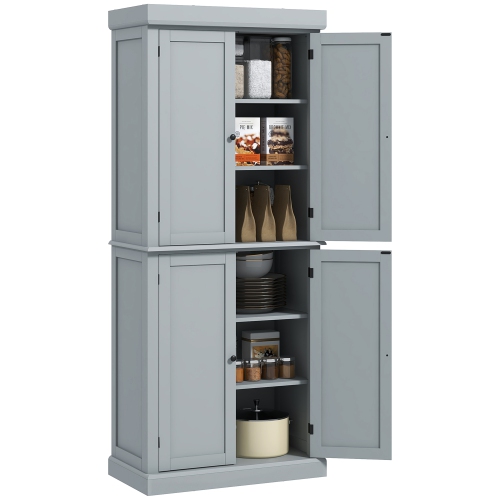 Your price for this item is $285
-
 Your price for this item is $155.99
-
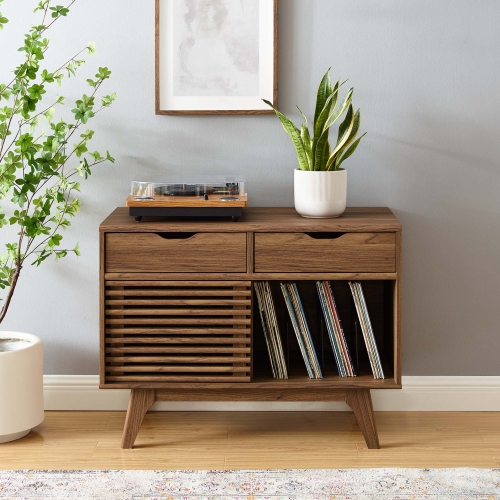 Your price for this item is $452.93
-
 Your price for this item is $269.99
-
 Your price for this item is $12.97
-
 Your price for this item is $155.99
-
 Your price for this item is $885.06
-
 Your price for this item is $134.99
Discover more categories related to White Cabinets With Doors
Top Collections:
Best Black Friday Deals This Year, Best Black Friday Deals On Electronics, Kindle Devices, Pokemon Centers, Best Black Friday Deals On Apple Products, Best Cameras for Sports Photography, Dyson Airwrap, Pokémon 30th Celebration Cards, Apple iPhone 17 Pro, Canon G7X Cameras
Some products may be subject to Environmental Handling Fees
(EHF) depending on your province.
Learn more about EHFs.