Media Room Wall Panels
Transform your entertainment space with Media Room Wall Panels designed to enhance the look and feel of any home theater or media room. These panels offer a stylish addition to your setup, helping you create a more immersive atmosphere for movies, music, and gaming. Whether you're updating an existing space or building a new media room from scratch, explore a variety of designs and finishes to find the perfect match for your décor. Discover how Media Room Wall Panels can elevate your viewing experience and add a touch of sophistication to your home.
Sort
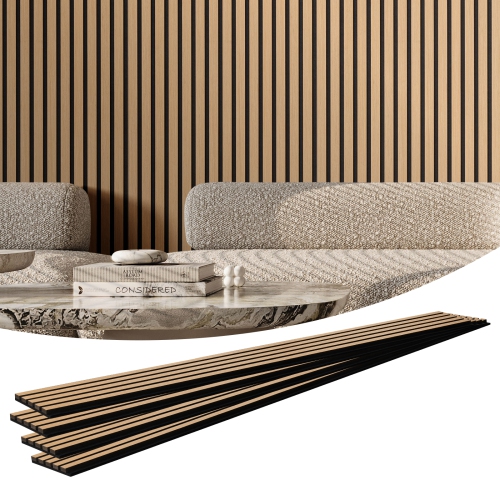
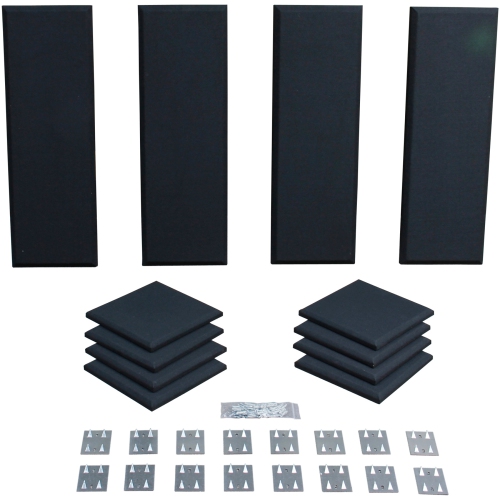
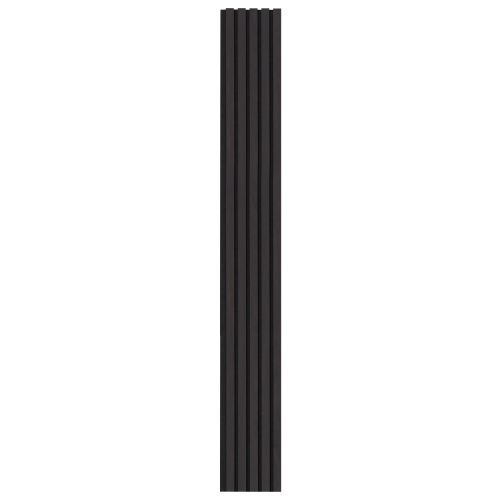
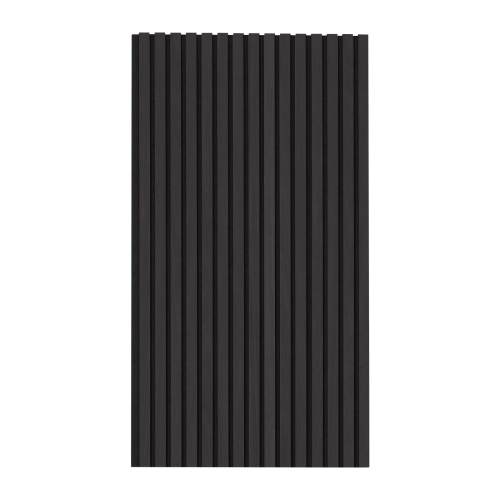
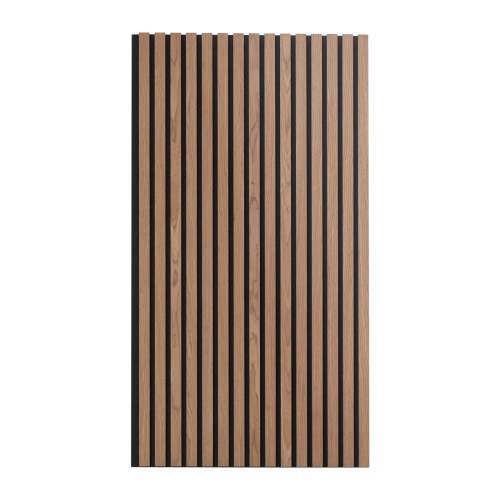
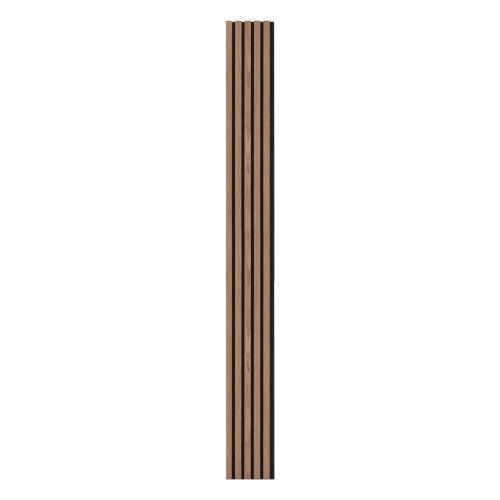
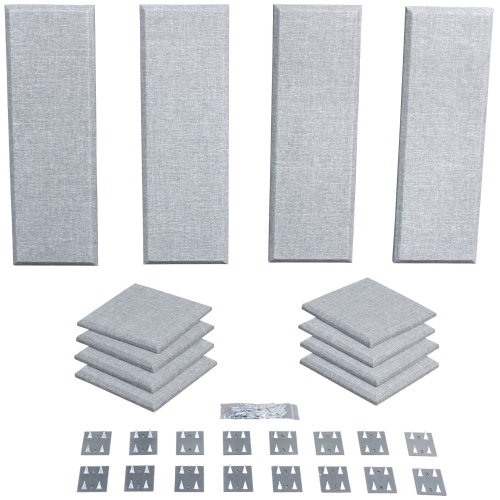
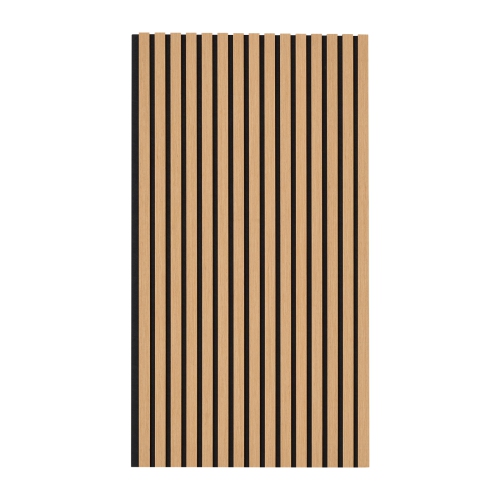
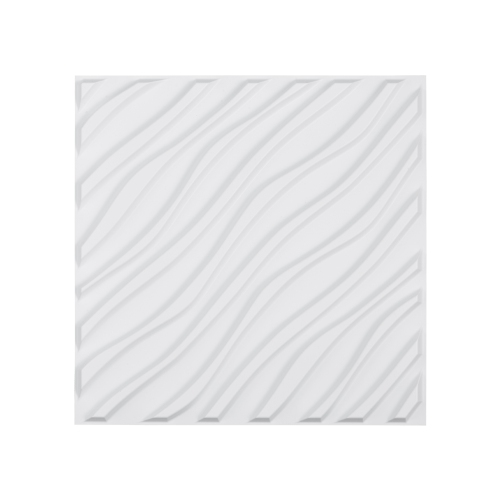
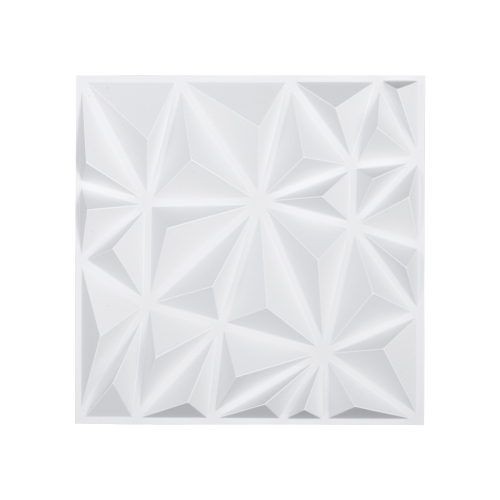
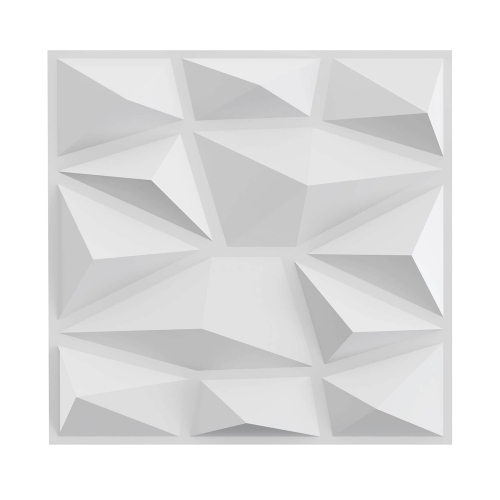
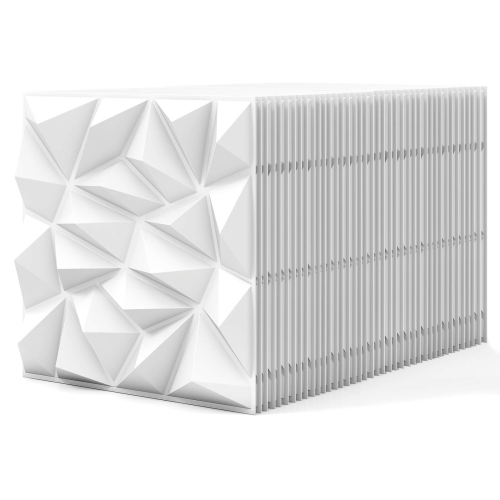
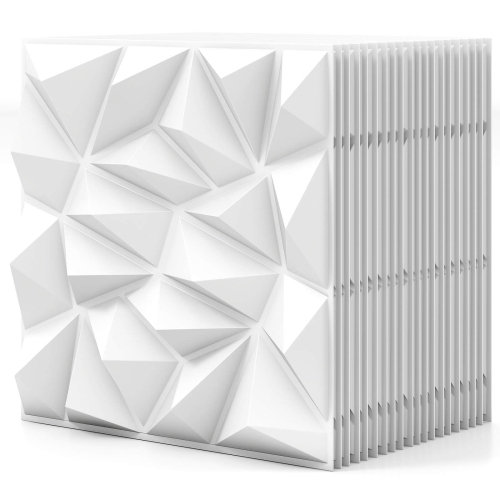
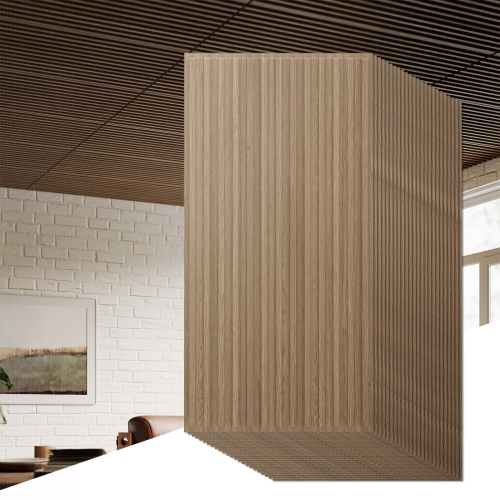
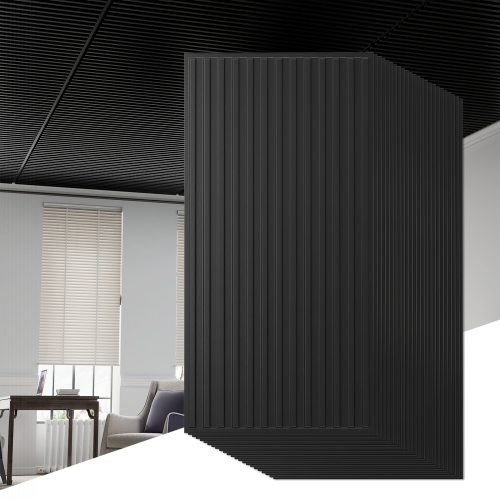

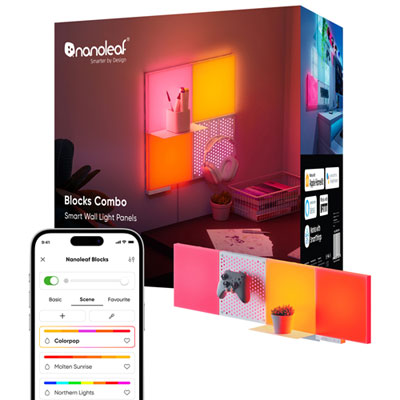

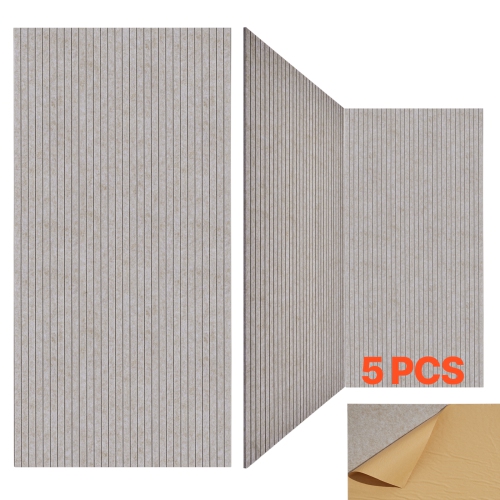
Texture and finish shape the wall behind your screen
Media room wall panels give the space around a screen a more finished look, whether that space is a dedicated home theatre, a basement lounge, or one end of a shared living room. They can frame a wall-mounted television, bring texture to a plain backdrop, or help distinguish the viewing area from nearby seating and storage. The effect depends on both the surface and the pattern: narrow vertical slats create a sense of height, broad panels keep the wall visually quiet, and upholstered surfaces introduce a softer finish alongside glass screens and metal equipment. Dark charcoal, deep brown, and muted wood tones can make a screen surround feel less prominent during a film, while lighter finishes suit rooms where watching television is only one of several daily activities. A matte surface generally catches less distracting light than a glossy one, which can matter when a reading lamp or window sits opposite the screen. Texture also changes under lighting. A shallow ribbed finish might look subtle in daylight but cast distinct shadows beneath wall lights, so the relationship between the panels and the room’s lighting is worth considering. For households that enjoy movie nights, live sports, or console gaming, wall panels can provide a consistent backdrop without making the room feel like a commercial theatre. In a multipurpose space, a panelled section behind the television can define the media area while leaving the remaining walls simple. The proportions should suit the furniture as well as the screen: a narrow strip may look disconnected above a long media console, while a wider arrangement can visually connect the television, speakers, and storage below. Panels with a pronounced grain or repeating profile also benefit from thoughtful alignment, particularly where the pattern meets a doorway, turns a corner, or ends beside open shelving. These details help the wall feel integrated with the room rather than added as an afterthought.
Materials influence how media room wall panels look, how they wear, and what they can contribute to the listening experience. Solid wood brings natural variation in grain and tone, while wood veneer offers a real wood surface over a supporting core. Medium-density fibreboard, often called MDF, can provide a smooth painted finish or a consistent base for a patterned surface, although exposed edges need protection from moisture. Felt, fabric, and foam panels have a different character, with softer textures that can complement upholstered seating and rugs. Some slatted designs combine rigid strips with a felt backing, but a slatted appearance alone does not establish acoustic performance. Panels designed and tested for sound absorption can reduce some reflected sound within a room, helping speech feel less blurred by echoes in spaces with hard floors and bare walls. Their effectiveness depends on factors such as material, thickness, coverage, mounting method, and the frequencies they are designed to absorb. Thin surface treatments should not be expected to control deep bass or prevent sound from travelling into an adjoining room. Sound absorption and sound isolation serve different purposes, and wall panels are not a substitute for the construction measures needed to substantially limit sound transmission. For a family watching dialogue-heavy dramas or a gamer listening for subtle audio cues, suitable acoustic treatment may make the room more comfortable to listen in without simply turning up the volume. Placement matters, too: covering only the wall behind the screen may leave strong reflections from side walls untreated. Where appearance is the main priority, a textured wall finish can still bring depth and cohesion without any acoustic claim. Fabric colour, weave, wood grain, and edge finish deserve attention at close range, especially beside frequently used seating. In a shared lounge, a balance of textured surfaces and plain wall space often feels more relaxed than wrapping every surface in the same strong pattern.
Fit and installation are just as important as the visible finish, particularly on a wall that already supports a television, speakers, outlets, and cable connections. Panel dimensions, thickness, weight, and edge profiles affect how sections join and how neatly they finish around those features. A layout that works across an uninterrupted wall may require careful cutting around an outlet or leave an awkwardly narrow piece beside a door frame. Measuring the full area, including baseboards and any uneven corners, helps establish whether the pattern can remain balanced. Television brackets need secure attachment to suitable wall structure or an appropriately rated mounting system; a surface panel should not be assumed to support the screen’s weight. Added panel thickness can also change the clearance around a bracket, and electrical boxes must remain properly accessible and finished. Cable routes deserve similar attention, with access retained for connections that may need changing when equipment is replaced. Any concealed wiring should be suitable for its intended installation and meet applicable electrical requirements. Around receivers, consoles, and other equipment, panels should not obstruct ventilation openings or reduce the clearances specified by the equipment manufacturer. Adhesive, screw-mounted, and clip-mounted systems place different demands on the existing wall, and removable-looking panels do not necessarily come away without affecting paint or drywall. For renters, permitted installation methods may be a deciding factor. Day-to-day care usually centres on removing dust from grooves and protecting surfaces from spills, but the correct method depends on the finish. A soft brush attachment may suit some fabric or felt surfaces, while certain sealed finishes can be wiped with a lightly damp cloth; the panel manufacturer’s care directions take precedence. Abrasive cleaners, excessive moisture, and snagging brush heads can damage finishes or fibres. Durable edges are especially useful near toy storage, busy walkways, or seating that gets moved regularly. For a consistent look beyond the media area, Bedroom Accent Wall Panels offer a related direction for carrying texture or a complementary colour palette into another room. A finish that suits the household’s routines, the wall’s dimensions, and the room’s actual use will remain easier to live with than one chosen for appearance alone.
Materials influence how media room wall panels look, how they wear, and what they can contribute to the listening experience. Solid wood brings natural variation in grain and tone, while wood veneer offers a real wood surface over a supporting core. Medium-density fibreboard, often called MDF, can provide a smooth painted finish or a consistent base for a patterned surface, although exposed edges need protection from moisture. Felt, fabric, and foam panels have a different character, with softer textures that can complement upholstered seating and rugs. Some slatted designs combine rigid strips with a felt backing, but a slatted appearance alone does not establish acoustic performance. Panels designed and tested for sound absorption can reduce some reflected sound within a room, helping speech feel less blurred by echoes in spaces with hard floors and bare walls. Their effectiveness depends on factors such as material, thickness, coverage, mounting method, and the frequencies they are designed to absorb. Thin surface treatments should not be expected to control deep bass or prevent sound from travelling into an adjoining room. Sound absorption and sound isolation serve different purposes, and wall panels are not a substitute for the construction measures needed to substantially limit sound transmission. For a family watching dialogue-heavy dramas or a gamer listening for subtle audio cues, suitable acoustic treatment may make the room more comfortable to listen in without simply turning up the volume. Placement matters, too: covering only the wall behind the screen may leave strong reflections from side walls untreated. Where appearance is the main priority, a textured wall finish can still bring depth and cohesion without any acoustic claim. Fabric colour, weave, wood grain, and edge finish deserve attention at close range, especially beside frequently used seating. In a shared lounge, a balance of textured surfaces and plain wall space often feels more relaxed than wrapping every surface in the same strong pattern.
Fit and installation are just as important as the visible finish, particularly on a wall that already supports a television, speakers, outlets, and cable connections. Panel dimensions, thickness, weight, and edge profiles affect how sections join and how neatly they finish around those features. A layout that works across an uninterrupted wall may require careful cutting around an outlet or leave an awkwardly narrow piece beside a door frame. Measuring the full area, including baseboards and any uneven corners, helps establish whether the pattern can remain balanced. Television brackets need secure attachment to suitable wall structure or an appropriately rated mounting system; a surface panel should not be assumed to support the screen’s weight. Added panel thickness can also change the clearance around a bracket, and electrical boxes must remain properly accessible and finished. Cable routes deserve similar attention, with access retained for connections that may need changing when equipment is replaced. Any concealed wiring should be suitable for its intended installation and meet applicable electrical requirements. Around receivers, consoles, and other equipment, panels should not obstruct ventilation openings or reduce the clearances specified by the equipment manufacturer. Adhesive, screw-mounted, and clip-mounted systems place different demands on the existing wall, and removable-looking panels do not necessarily come away without affecting paint or drywall. For renters, permitted installation methods may be a deciding factor. Day-to-day care usually centres on removing dust from grooves and protecting surfaces from spills, but the correct method depends on the finish. A soft brush attachment may suit some fabric or felt surfaces, while certain sealed finishes can be wiped with a lightly damp cloth; the panel manufacturer’s care directions take precedence. Abrasive cleaners, excessive moisture, and snagging brush heads can damage finishes or fibres. Durable edges are especially useful near toy storage, busy walkways, or seating that gets moved regularly. For a consistent look beyond the media area, Bedroom Accent Wall Panels offer a related direction for carrying texture or a complementary colour palette into another room. A finish that suits the household’s routines, the wall’s dimensions, and the room’s actual use will remain easier to live with than one chosen for appearance alone.
Top selling and popular products
-
 Your price for this item is $29.95
 -
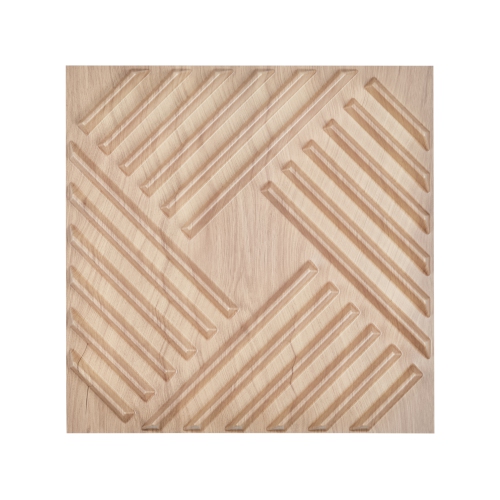 Your price for this item is $49.89
 -
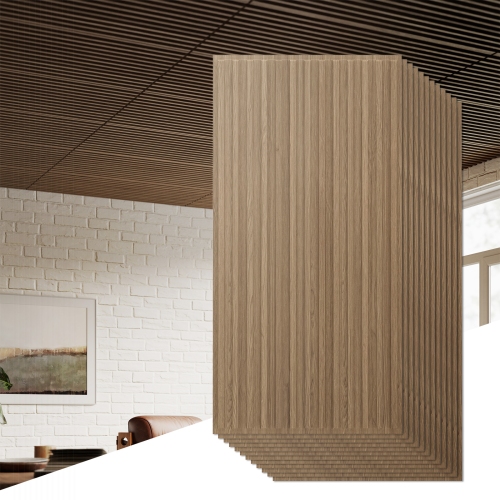 Your price for this item is $159.99
 -
 Your price for this item is $32.61
 -
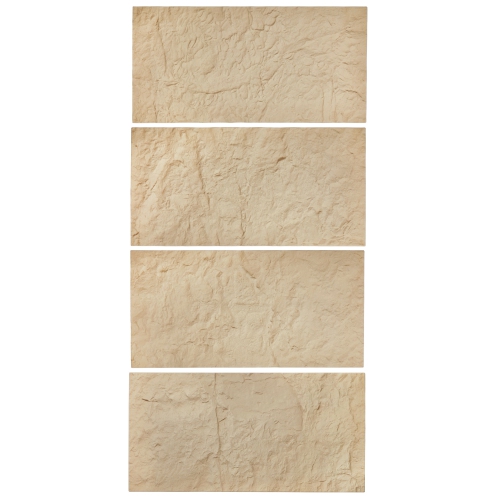 Your price for this item is $184.9
 -
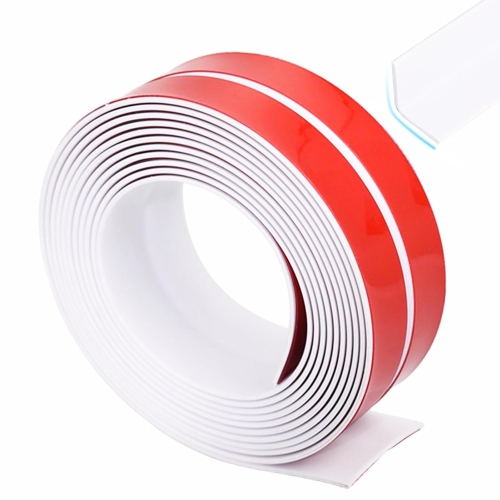 Your price for this item is $28.85
 -
 Your price for this item is $22.67
 -
 Your price for this item is $78.99
Discover more categories related to Media Room Wall Panels
Top Collections:
Pokemon Centers, Kindle Devices, Best Budget Office Chairs, Apple iPhones 16, Canon G7X Cameras, iPhone 15 Apple, Alarm Clock, Refurbished Apple Laptops, Flip Phones, Best Laptops for Writers
Some products may be subject to Environmental Handling Fees
(EHF) depending on your province.
Learn more about EHFs.