Medicine Cabinet Canada
Elevate your bathroom organization with a stylish and functional medicine cabinet, perfect for Canadian homes. Whether you're looking to maximize space or add a touch of elegance to your decor, a well-chosen medicine cabinet can transform your bathroom into a clutter-free oasis. With options ranging from sleek, modern designs to classic, timeless pieces, there's something to suit every taste and need. Discover the ideal balance of form and function, ensuring all your essentials are neatly stored and easily accessible. Explore our collection and find the perfect addition to enhance your bathroom’s aesthetic and practicality.
Sort


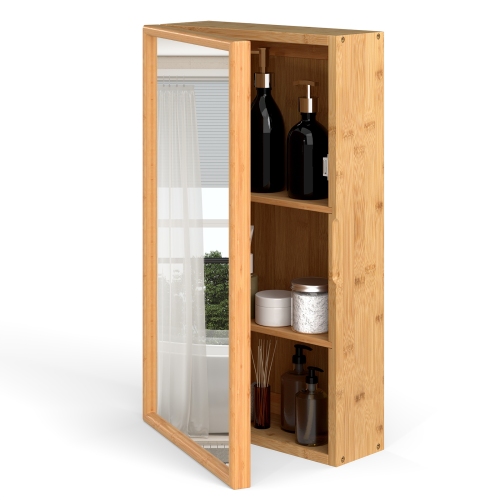
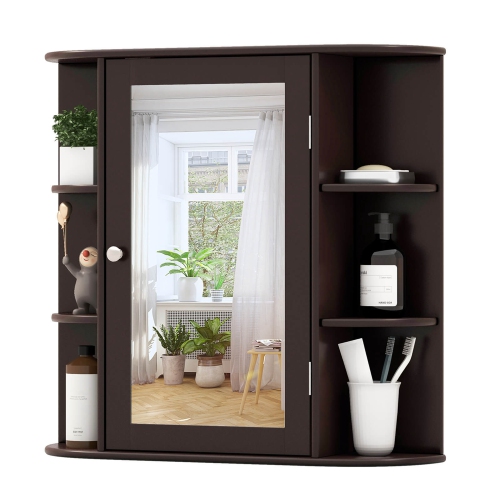

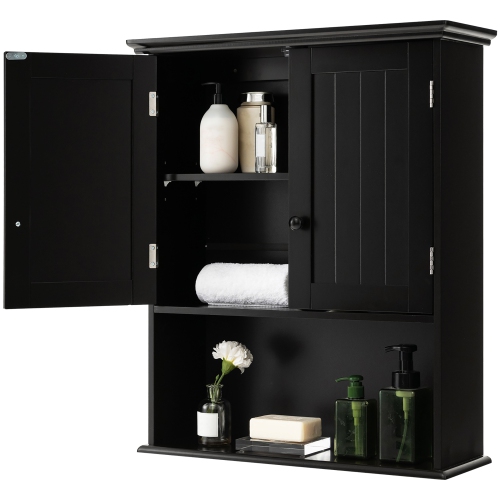
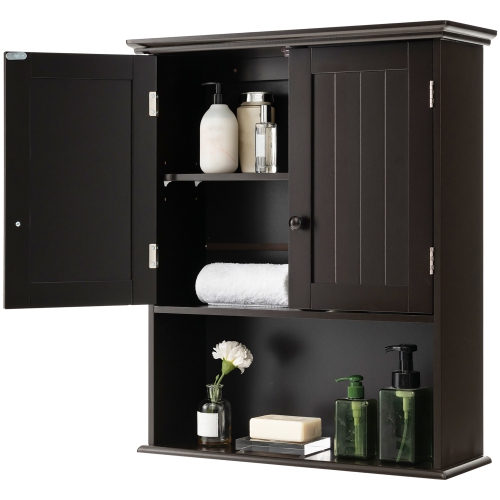
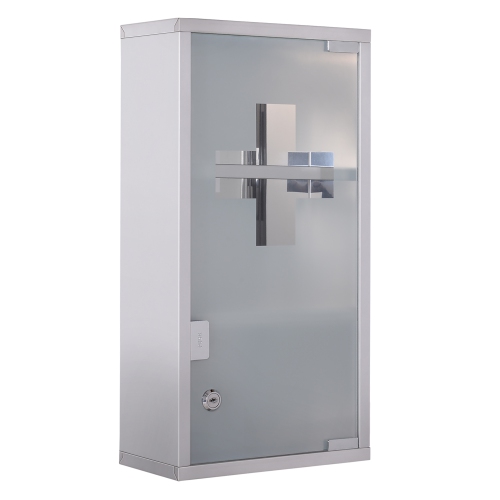
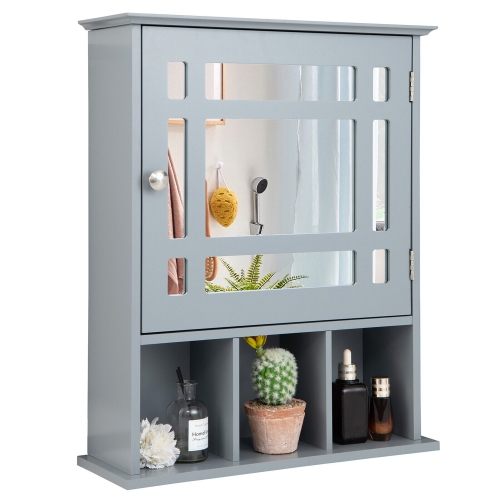
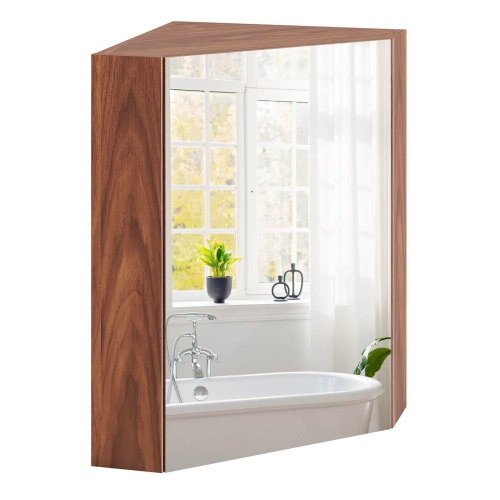
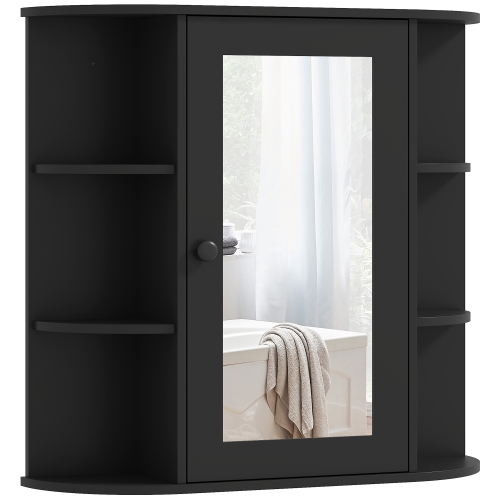
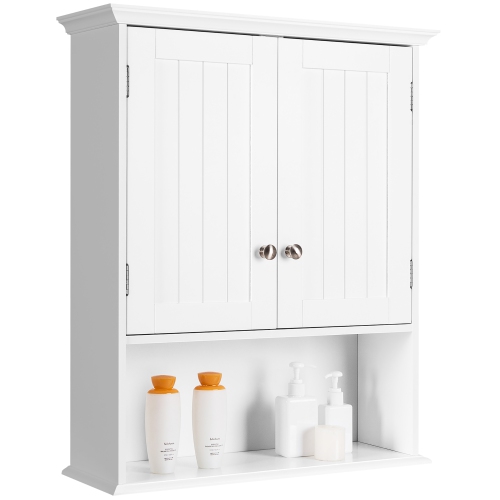
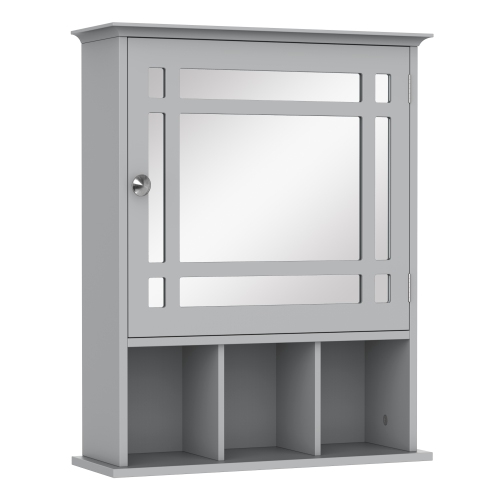
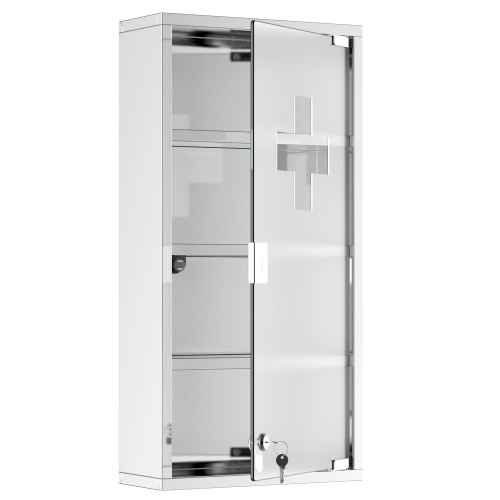
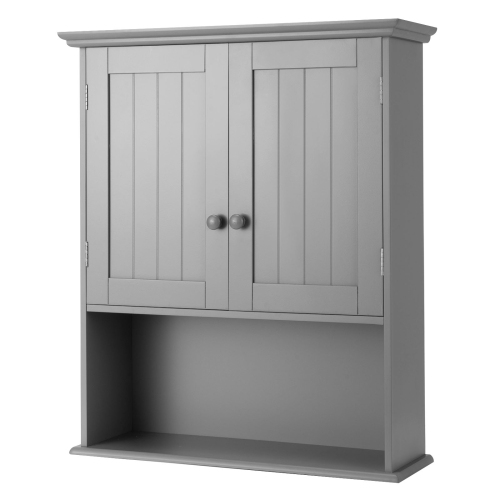

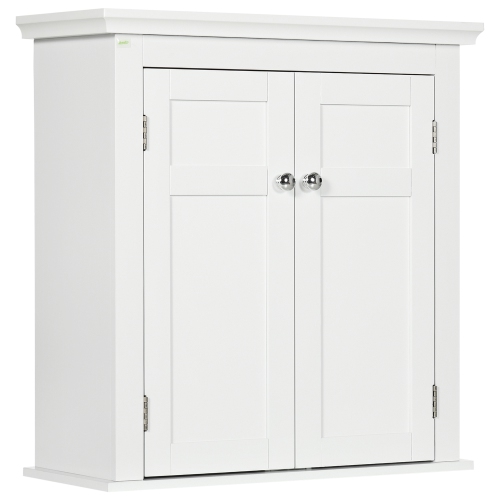
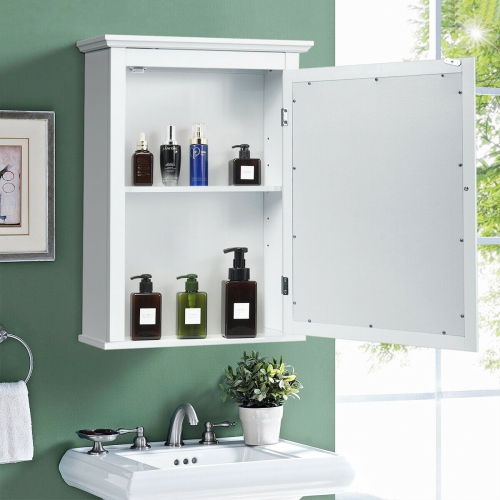
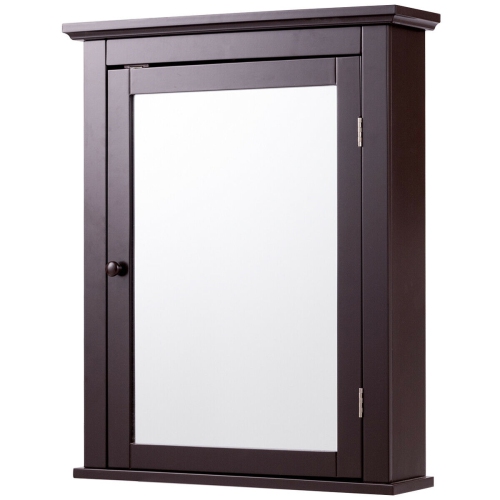
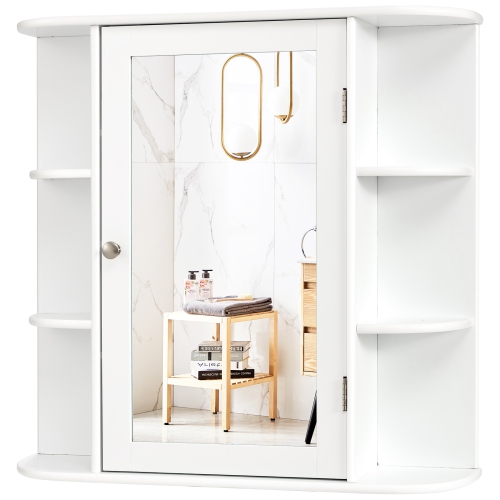
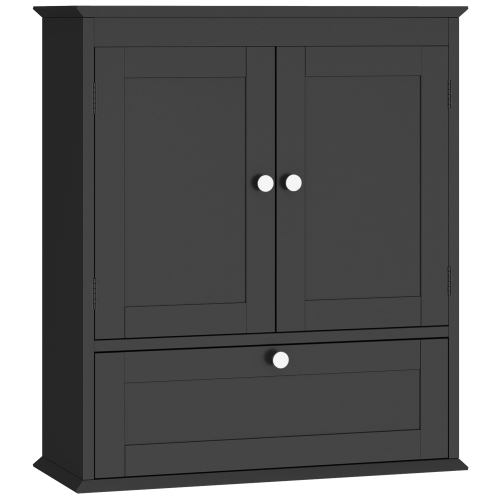
More room for daily essentials behind the mirror
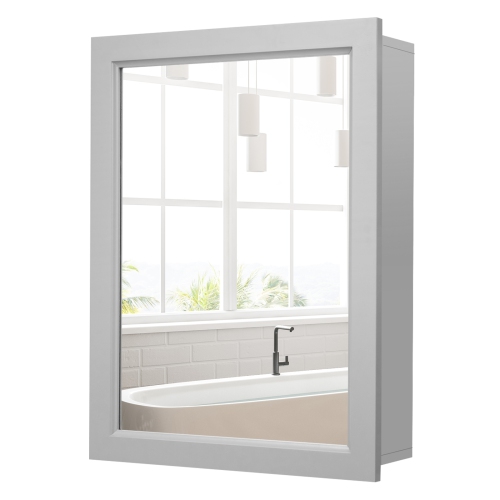
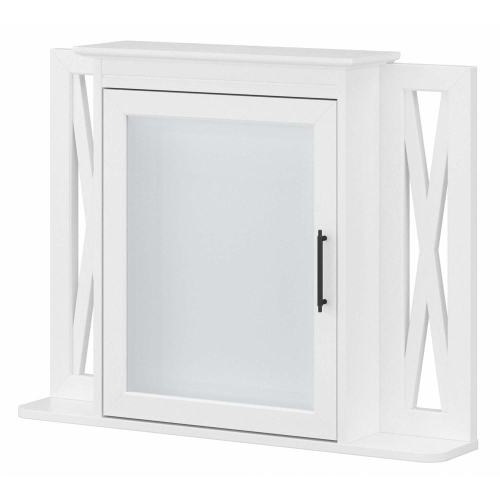
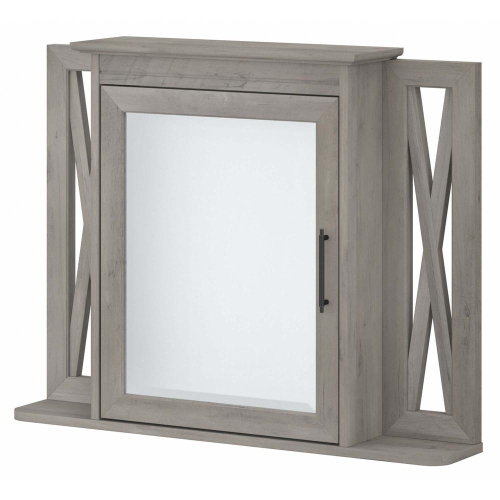
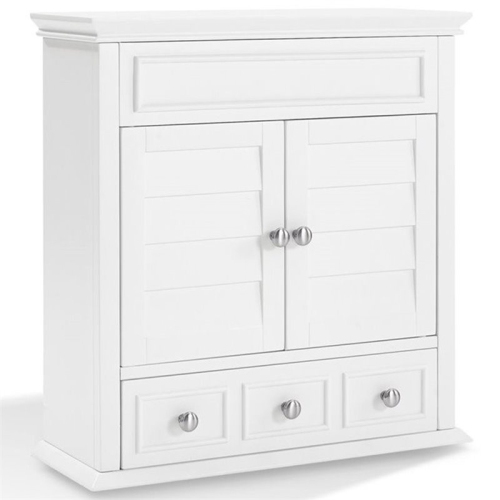
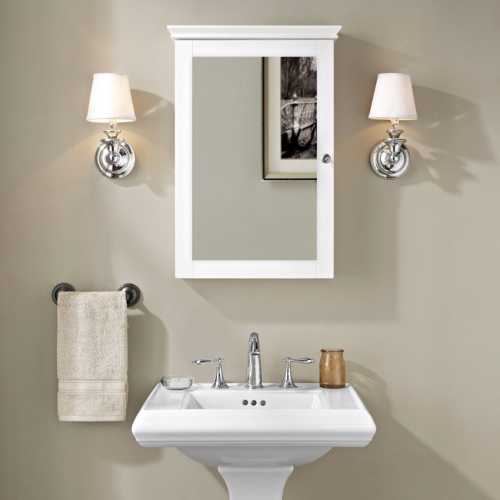
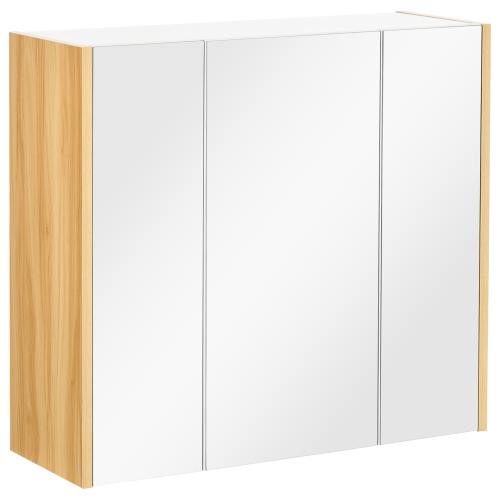
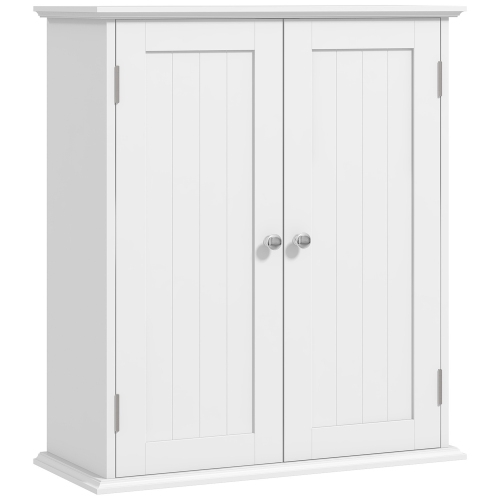
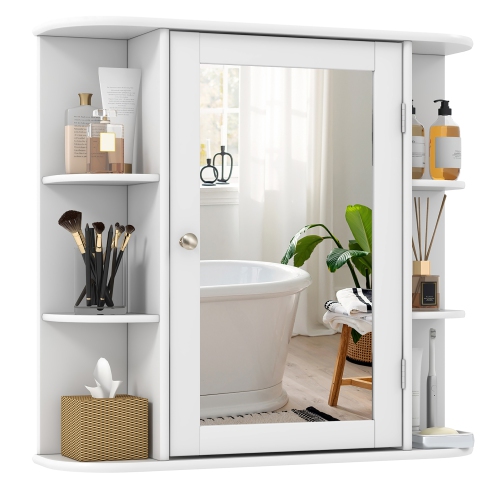
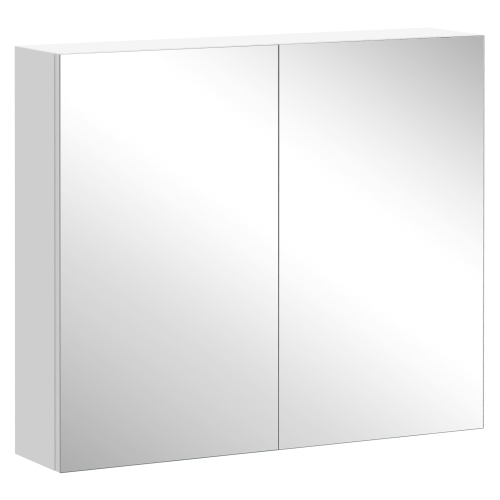
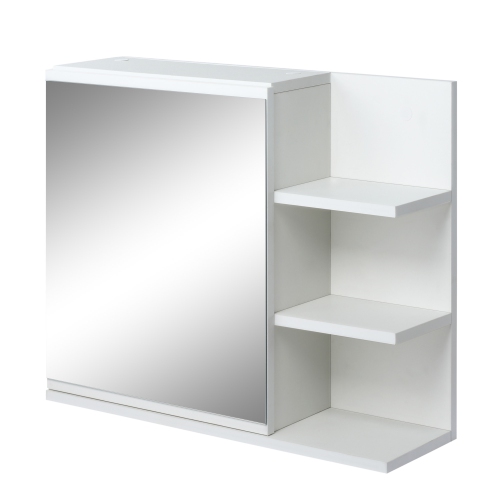
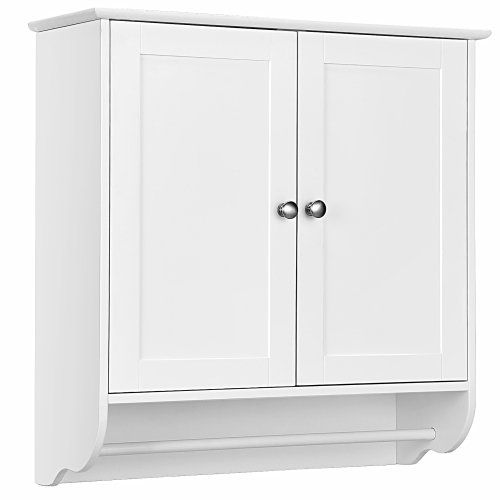
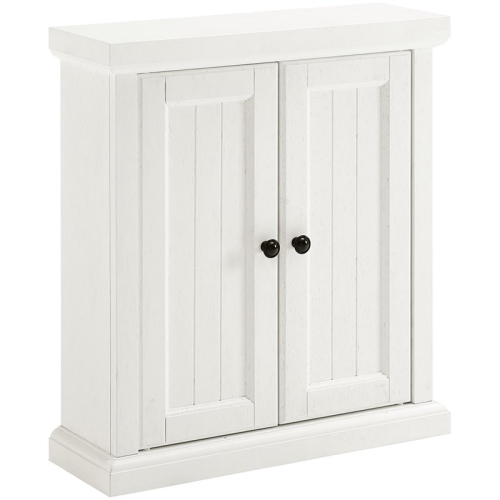
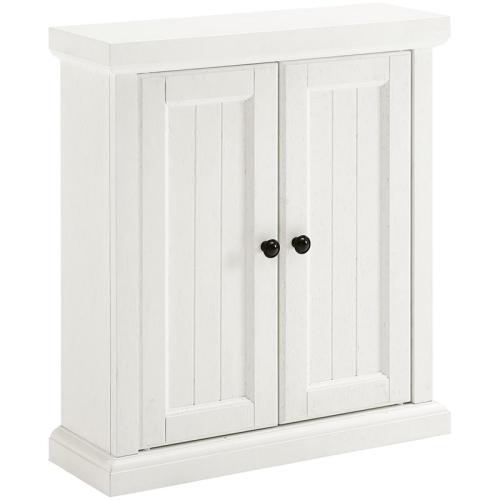
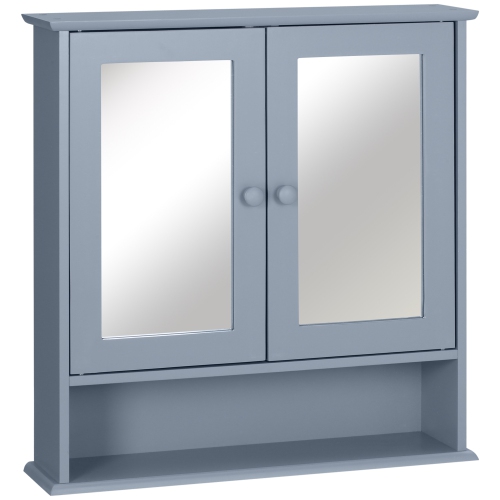
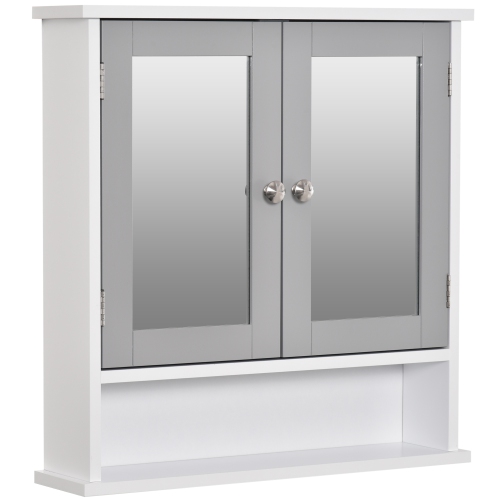
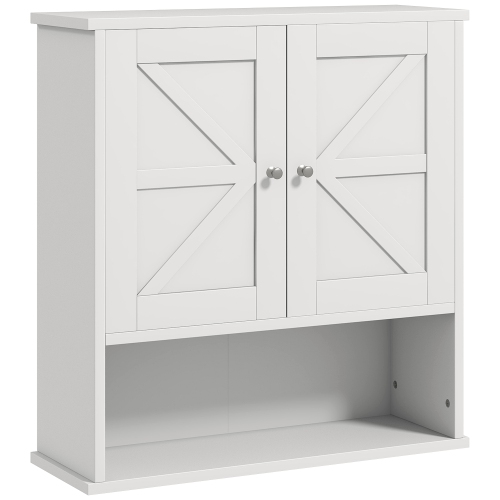
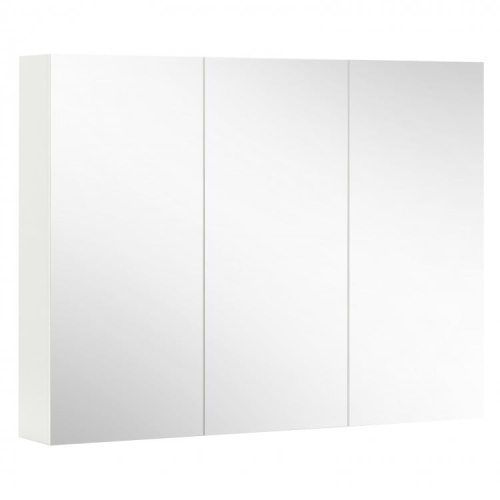
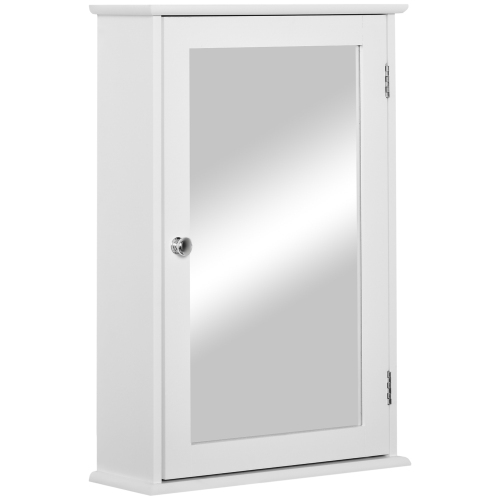
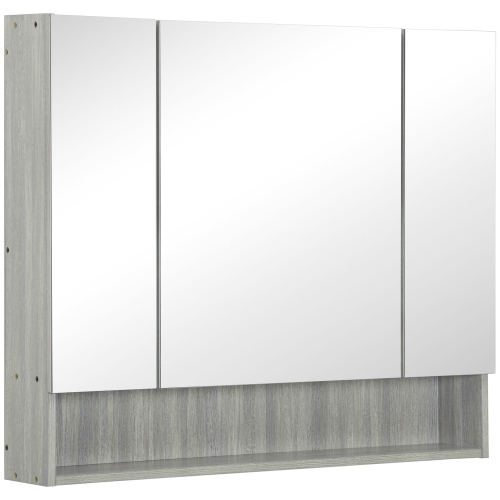
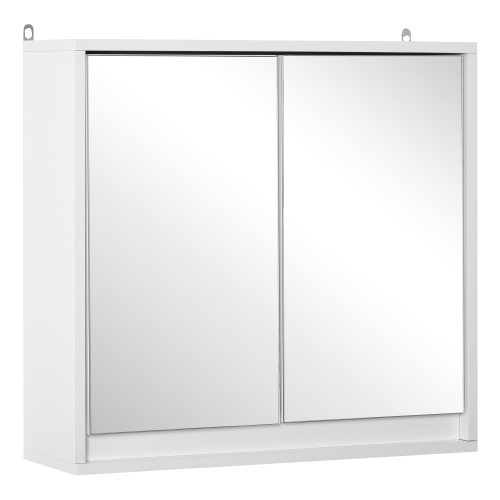
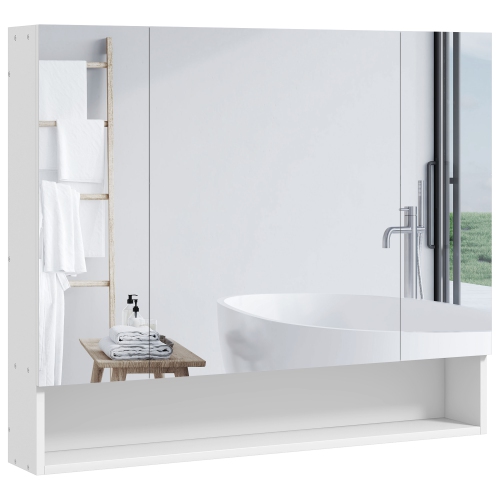
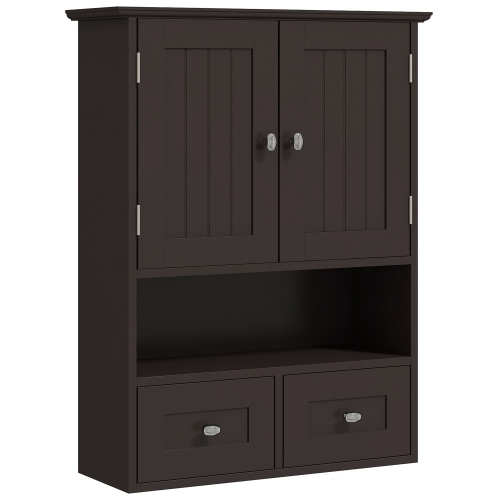
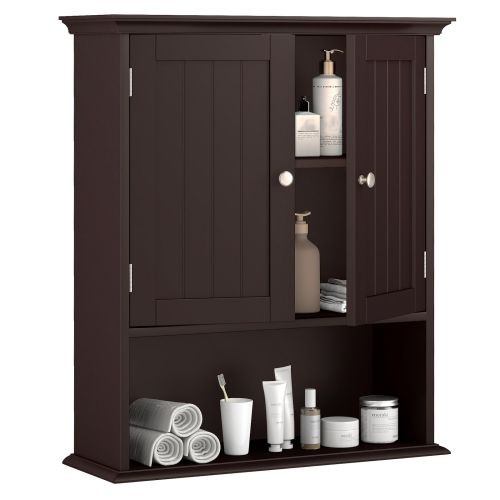
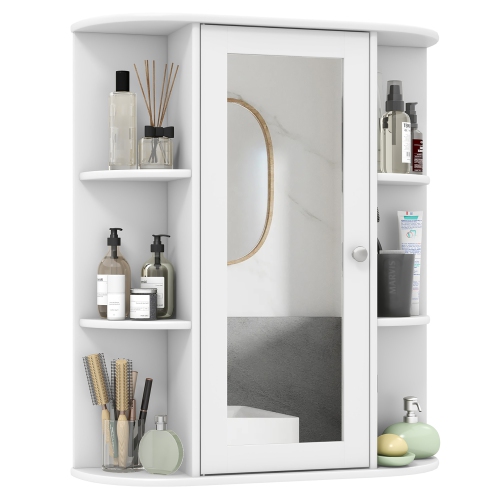
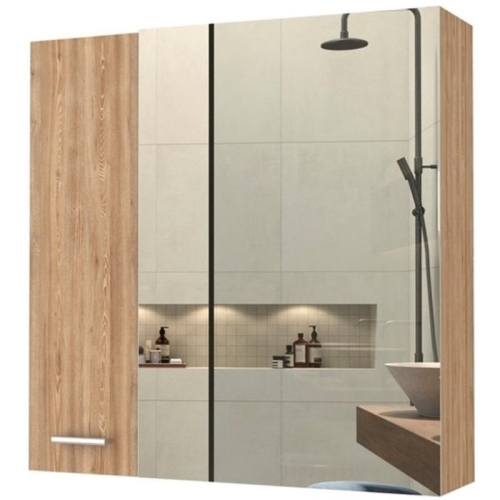
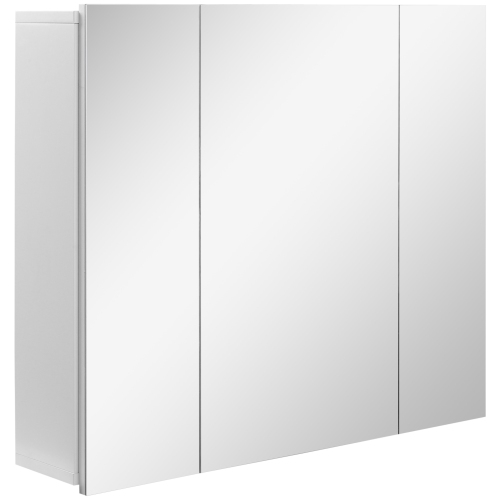
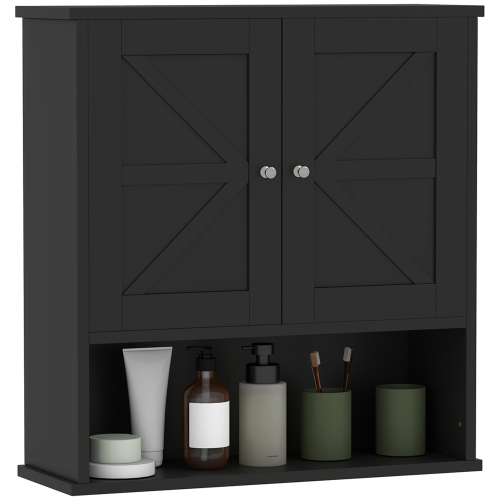
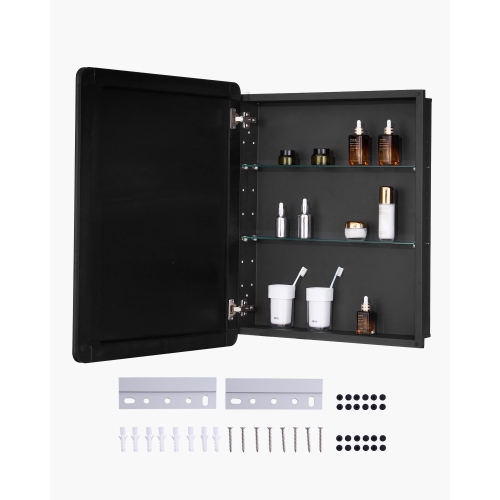
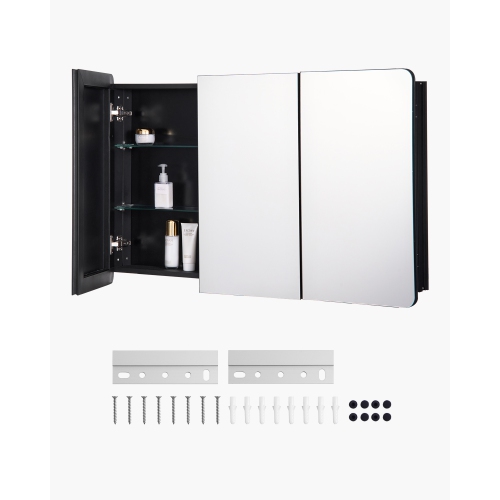
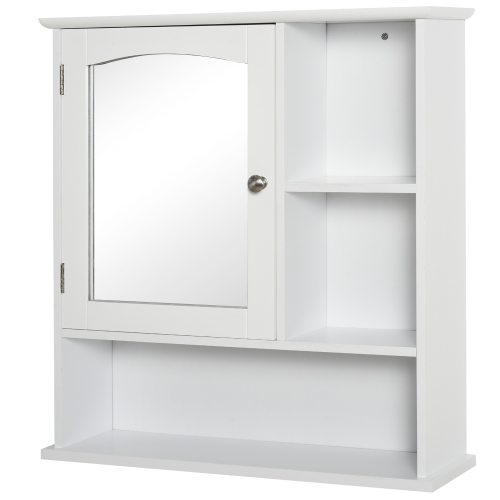
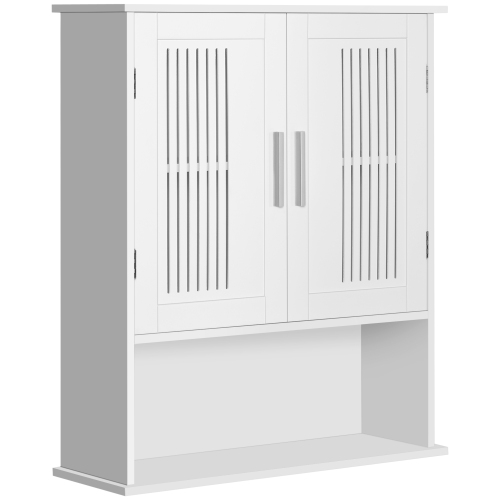
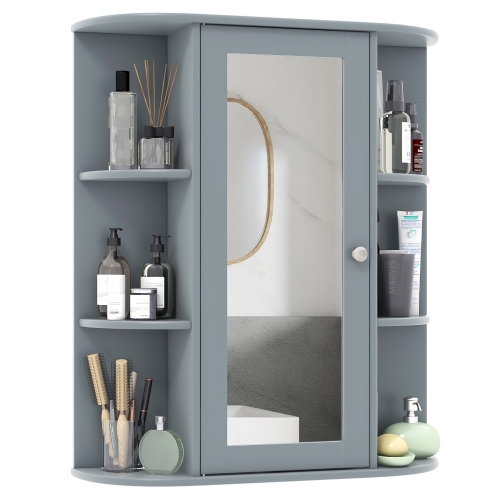
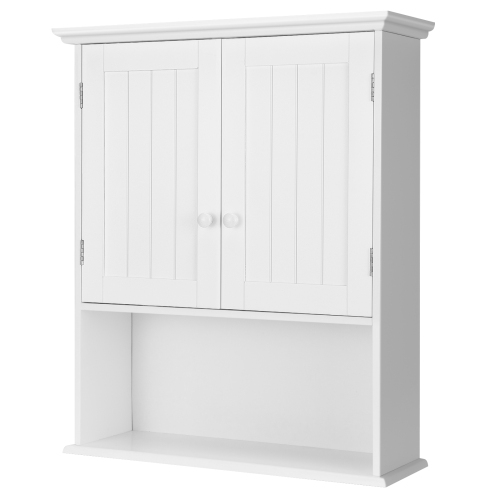
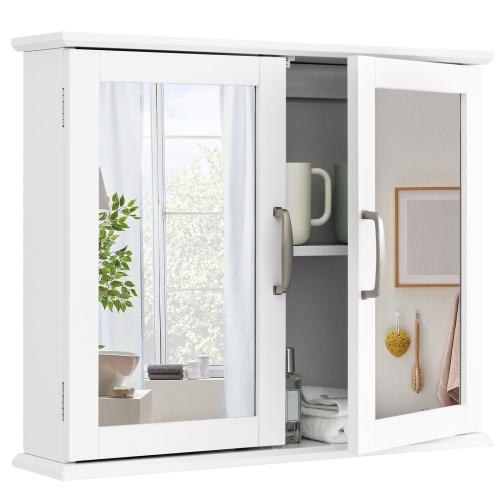
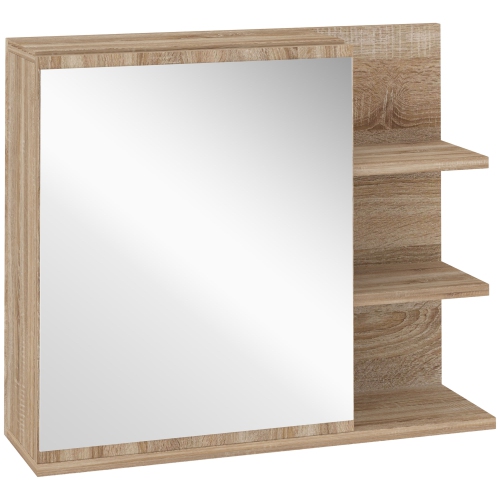
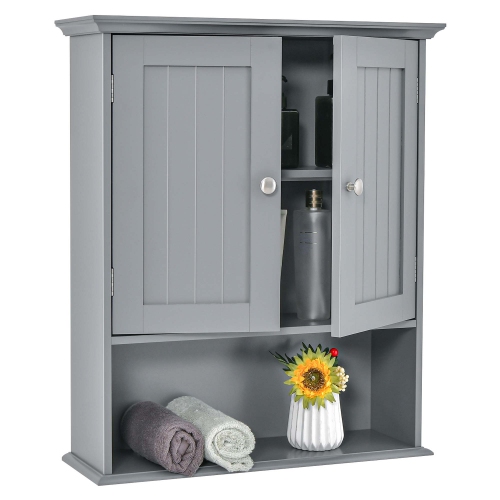
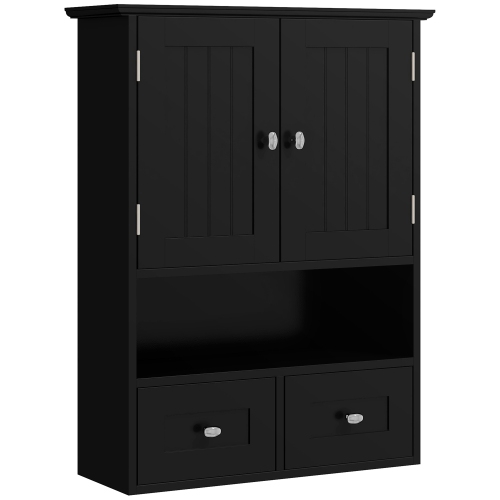
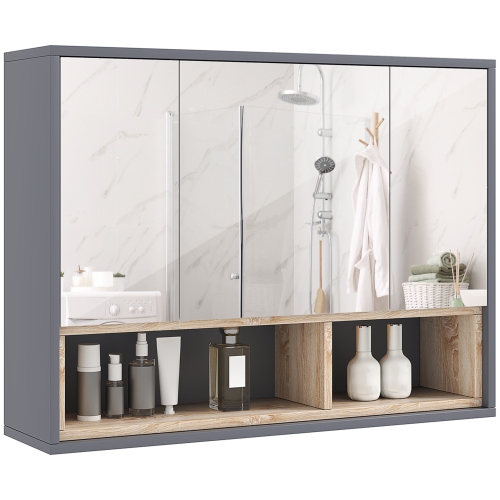
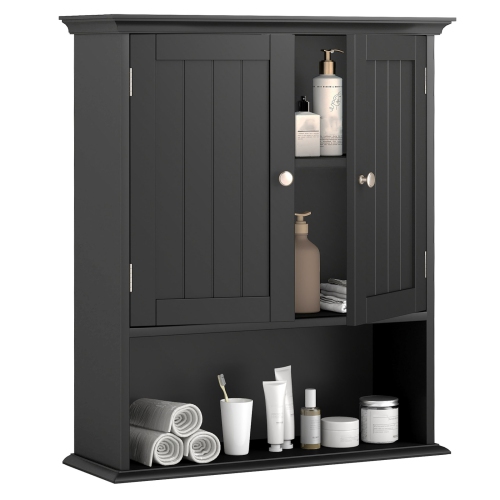
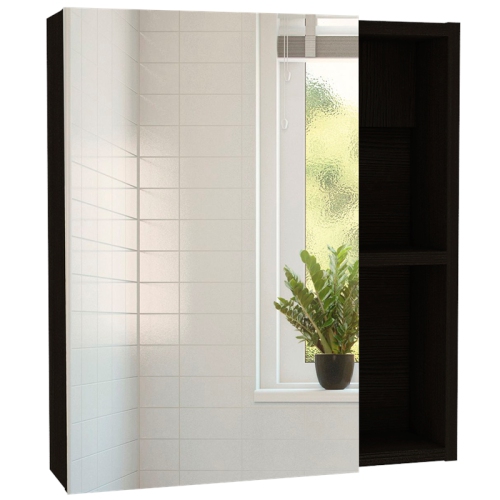
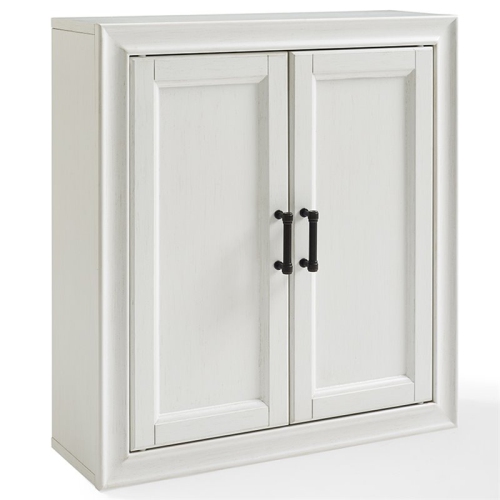
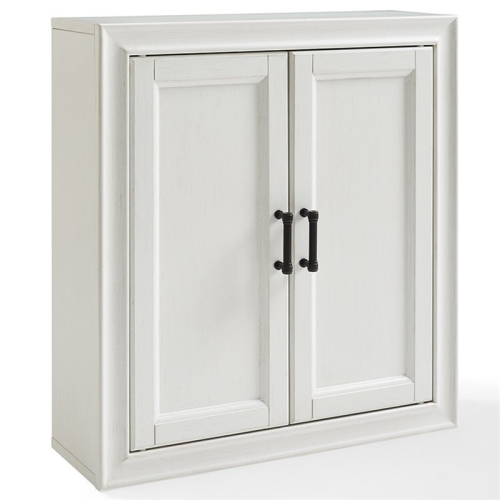
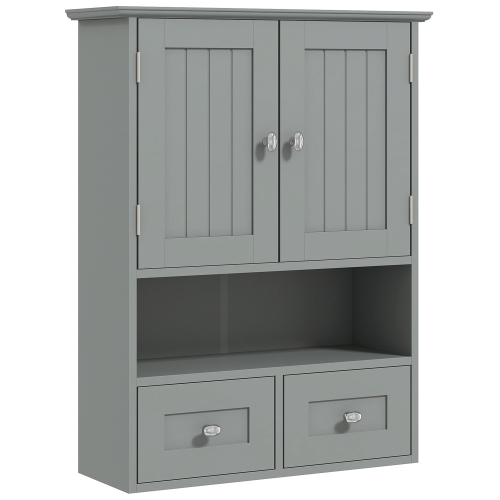
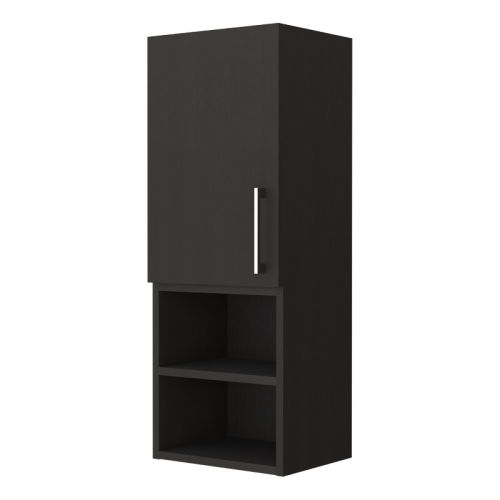
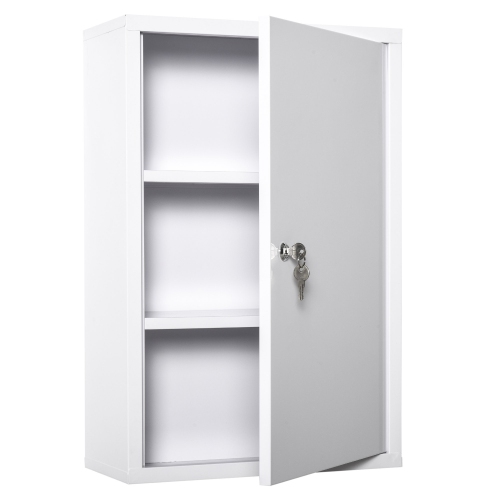
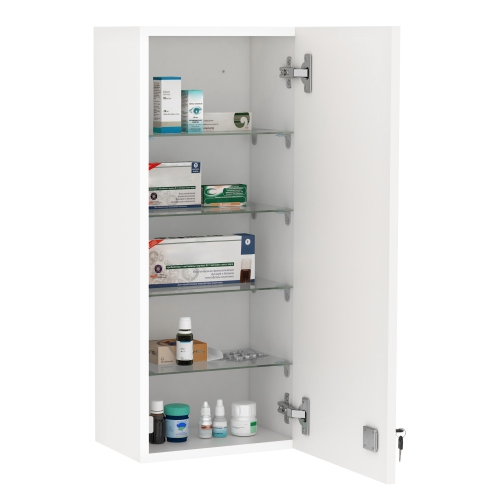
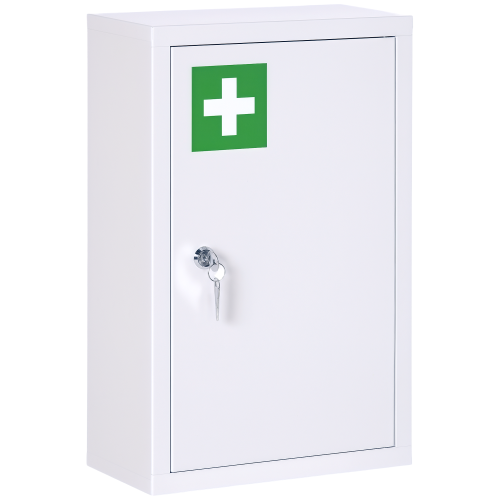
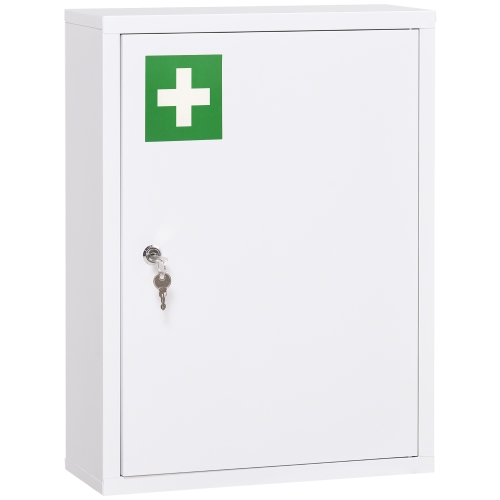
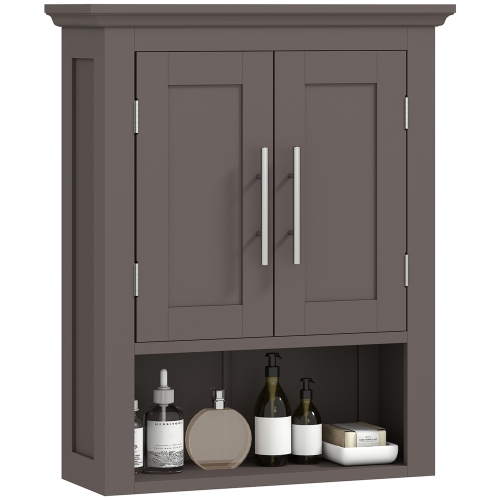
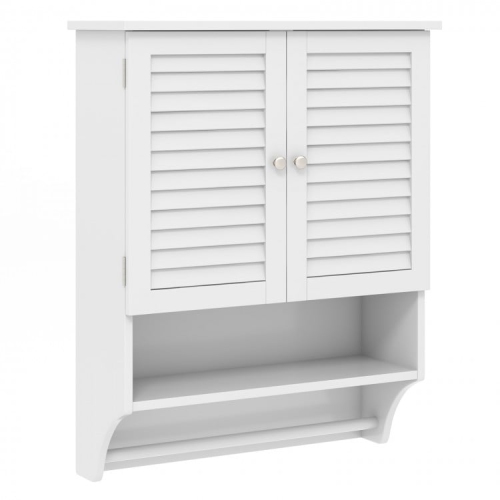
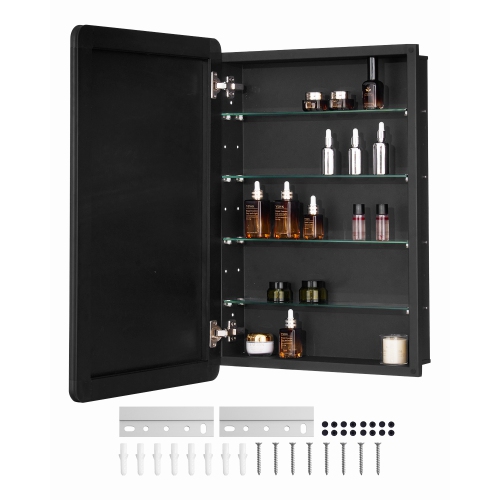
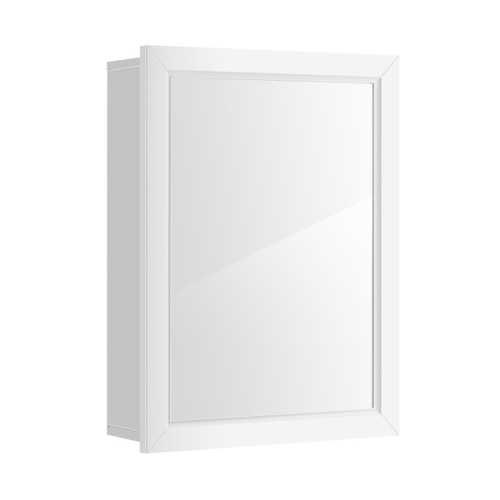
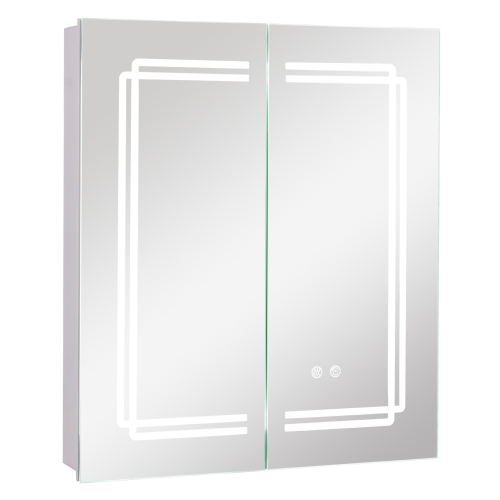
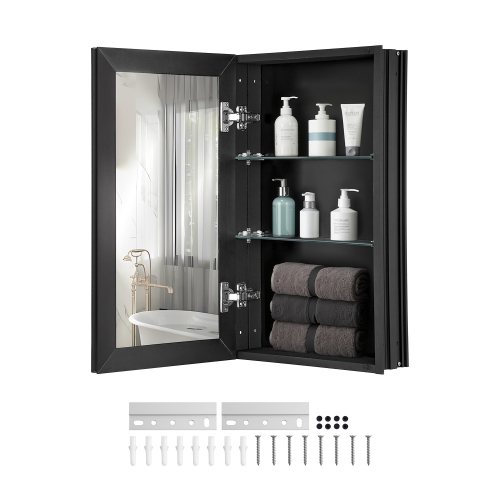
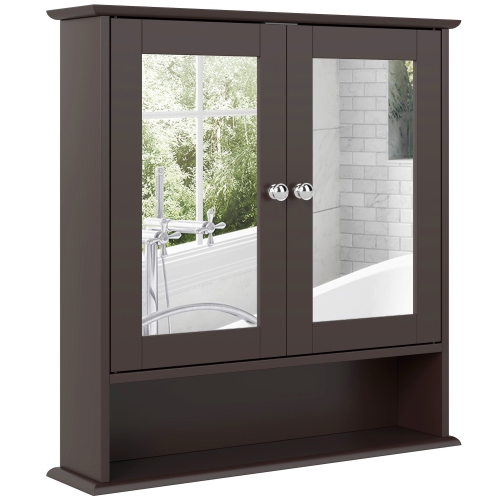
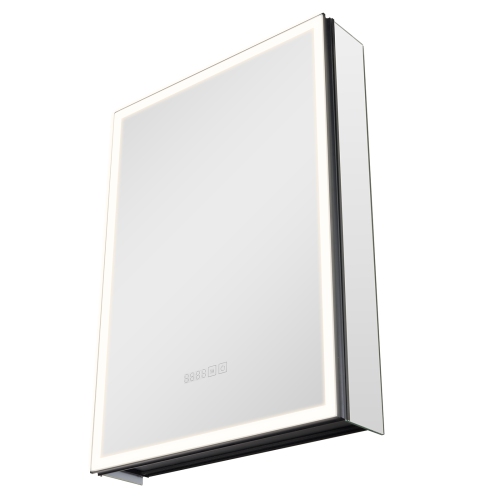
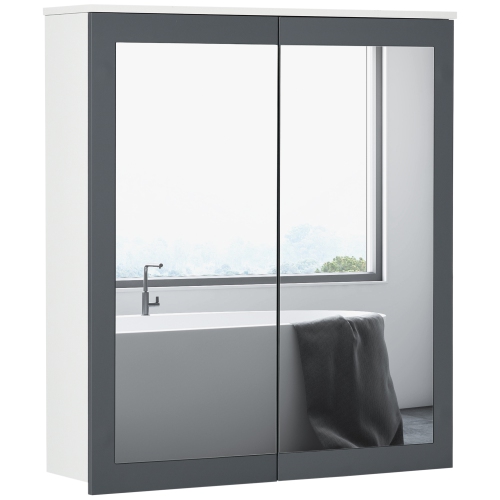
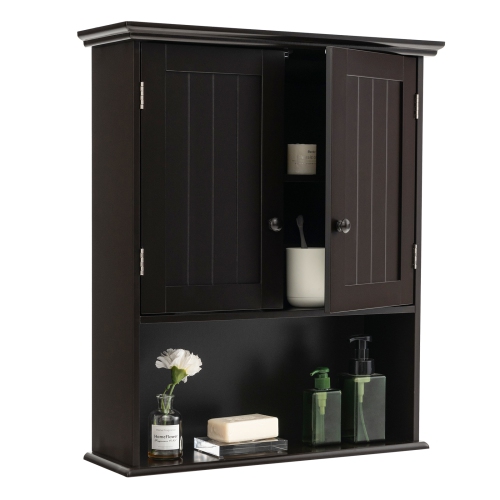
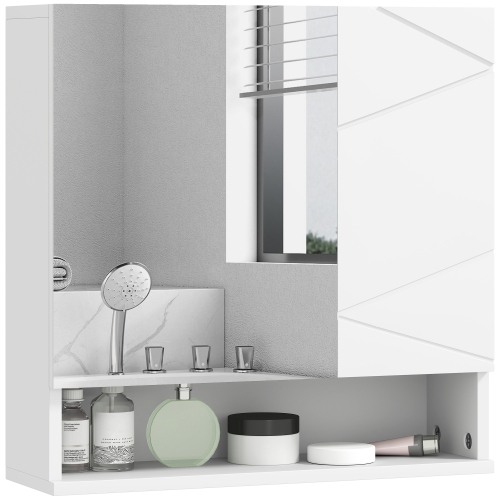
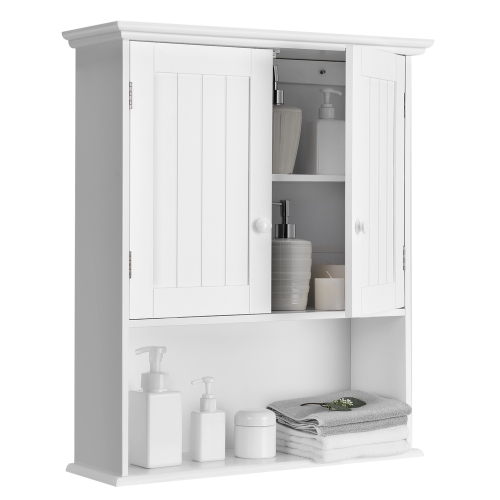
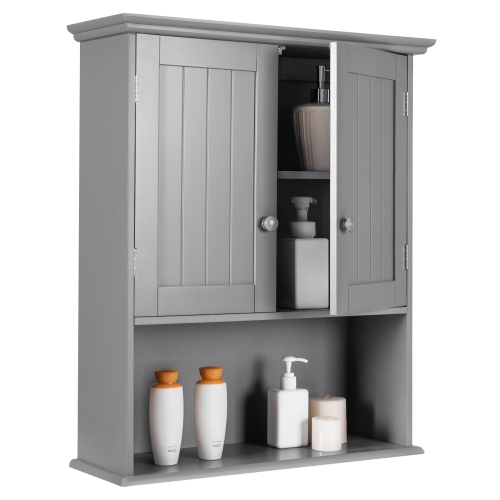
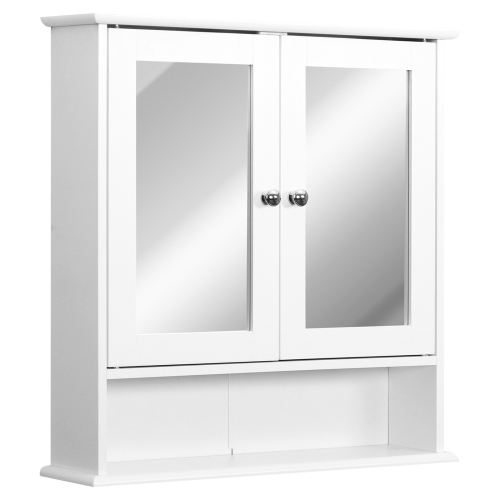
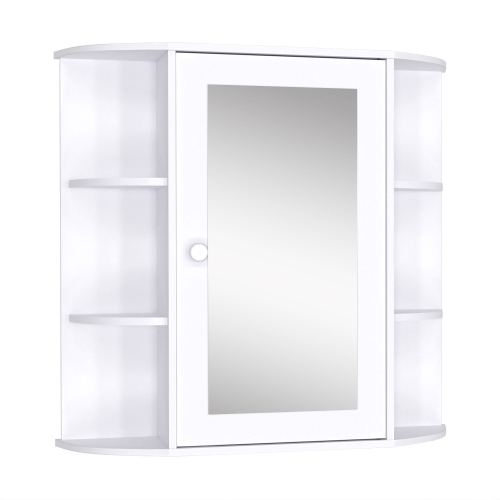
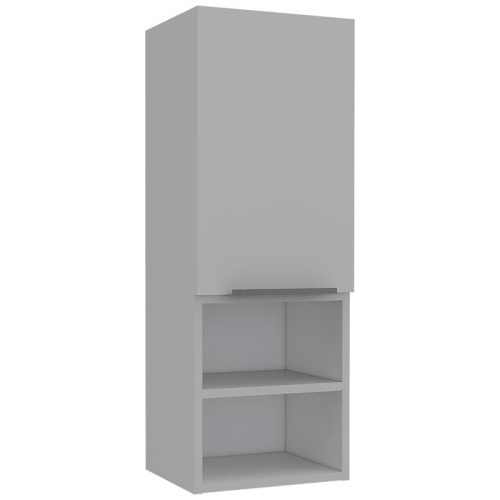
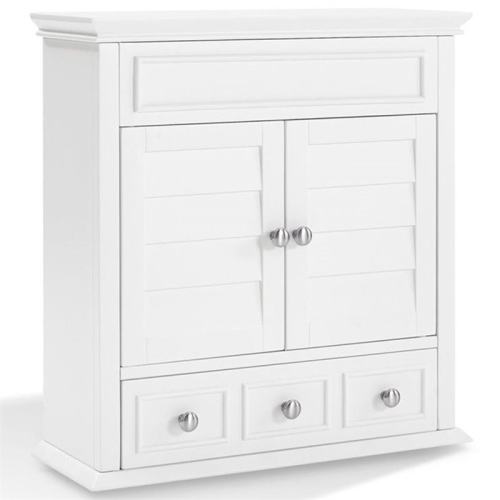
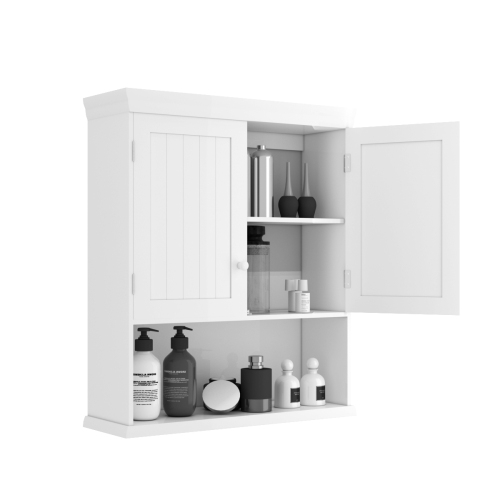
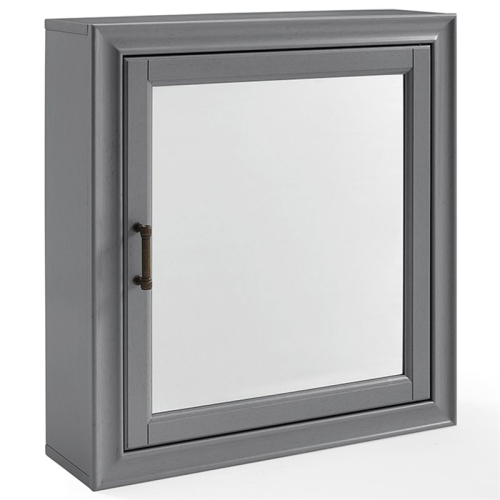
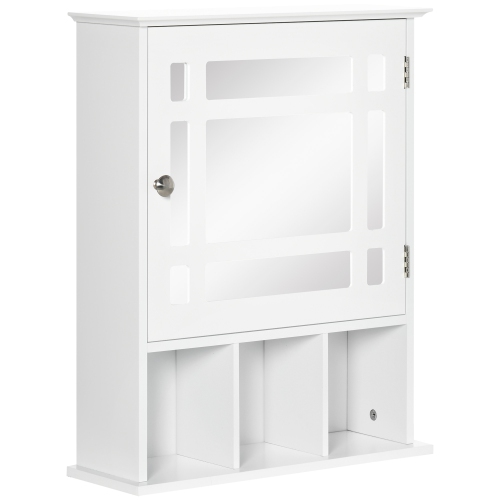
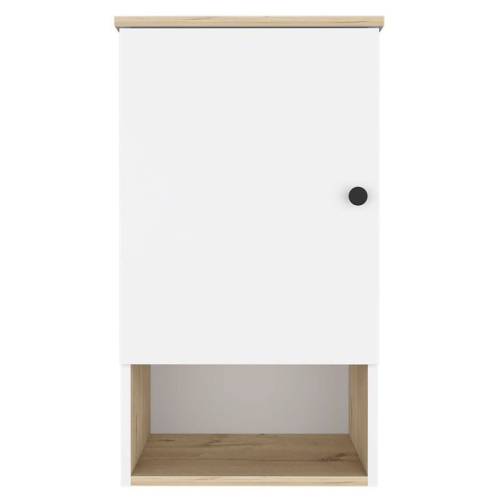
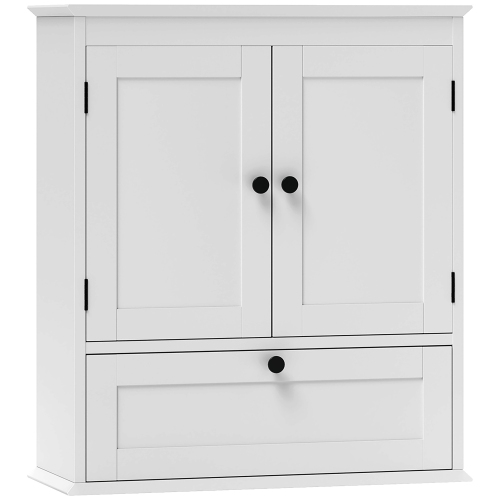
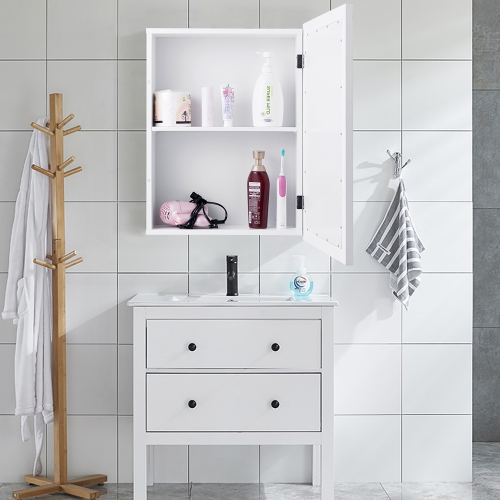
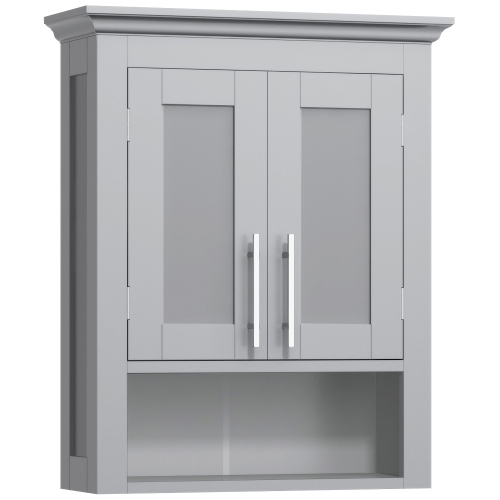
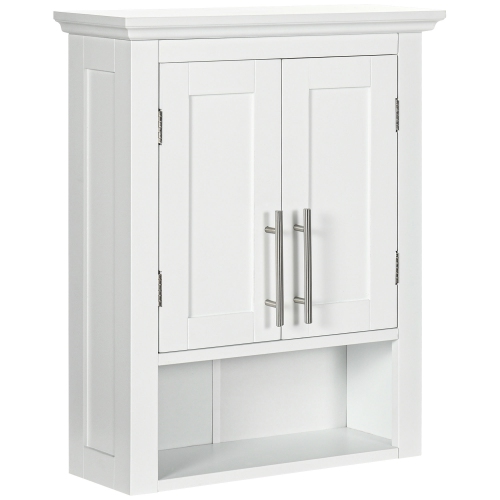
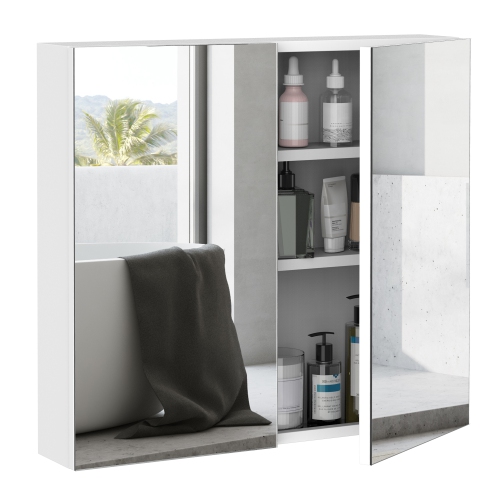
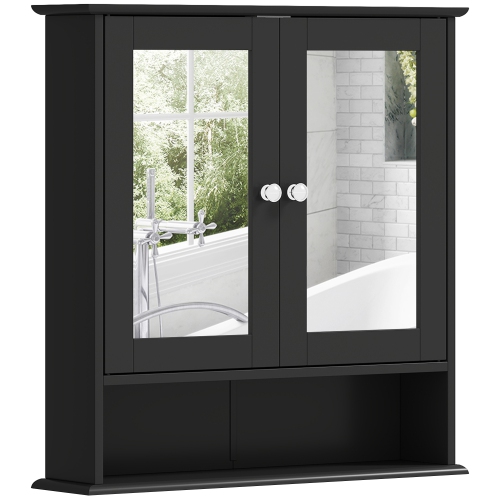
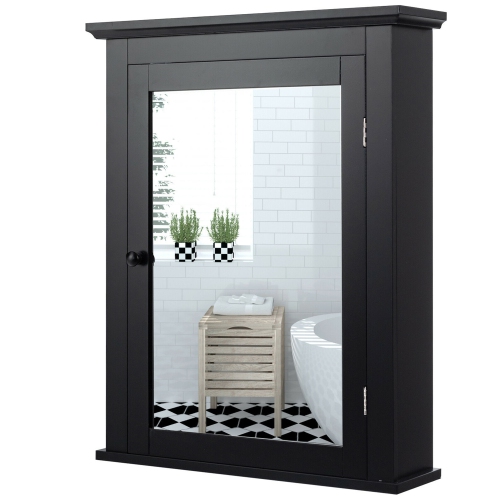
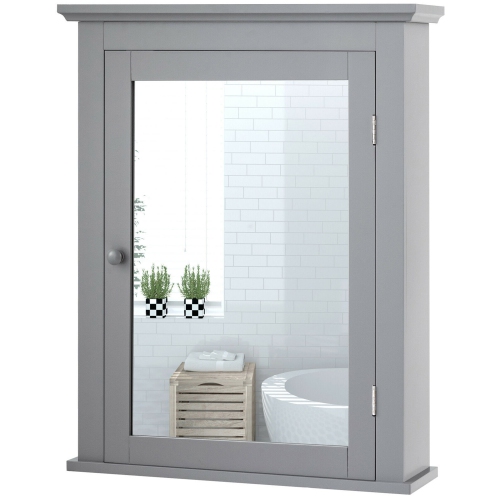
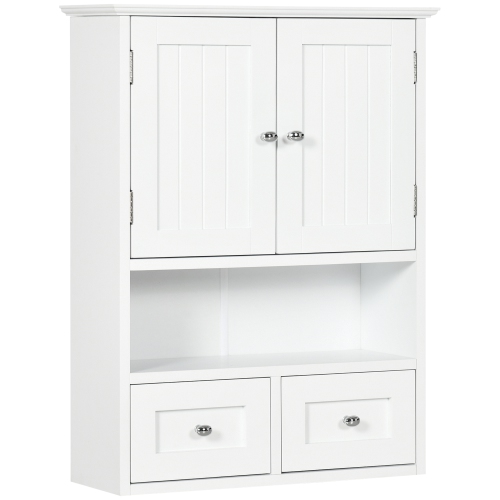
Medicine cabinets bring concealed storage and an everyday bathroom essential together in one compact footprint. Often positioned above a vanity, a mirrored cabinet keeps toiletries within reach while leaving the countertop clear for the things you actually need out. In a small condo bathroom, that can mean gaining useful shelf space without adding another piece of floor-standing furniture. In a busy family home, it can mean giving everyone a place for their daily essentials rather than letting bottles gather around the sink. Medicine cabinets in Canada range from compact single-door designs to wide, multi-door units, with surface-mounted and recessed installations serving different spaces. A surface-mounted cabinet sits on the face of the wall, making it a practical option when opening the wall is not suitable, although it still needs secure anchoring. A recessed cabinet fits into a prepared wall opening for a lower-profile appearance, with the door and trim sitting closer to the wall surface. Neither style is automatically the better choice: the right fit depends on the wall construction, available depth, and how much storage the bathroom needs. Approximate Canadian price ranges can provide a useful starting point, with basic compact cabinets often around $80–$140, mid-range recessed designs around $250–$360, and larger multi-door cabinets around $475–$690. Premium designs with features such as integrated lighting, mirrored interiors, or electrical components can range from about $500 to more than $1,500. These are broad shopping ranges rather than fixed prices, and installation costs can add to the total. Beyond size and finish, much of the value lies in the details used every day: a door that opens comfortably beside a nearby wall, shelves that accommodate taller containers, and hinges that feel steady rather than loose. A well-chosen cabinet makes the familiar morning shuffle feel a little less crowded, whether one person is getting ready quietly or several people are sharing the same sink.
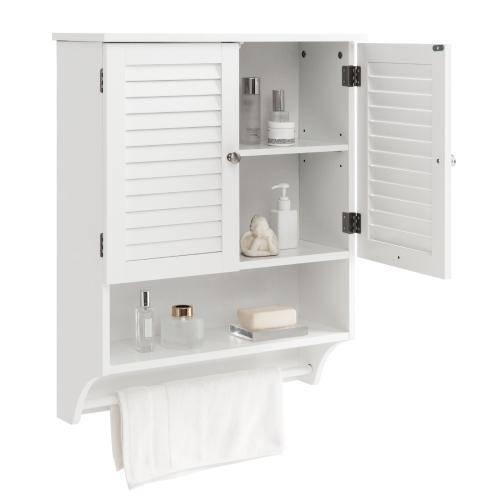
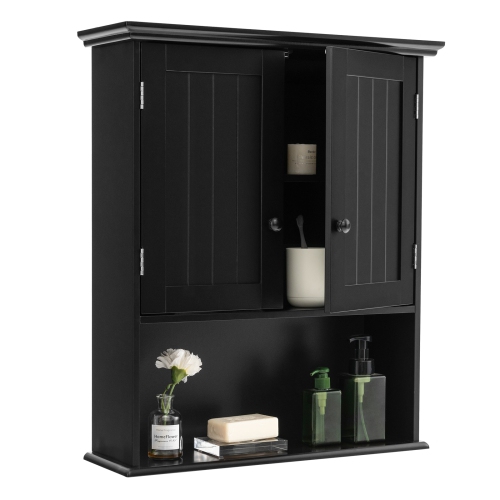
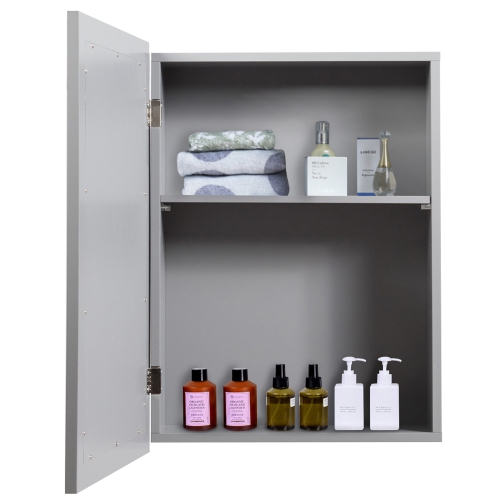
The proportions of a medicine cabinet matter just as much as its storage capacity. Width helps establish its relationship to the vanity, while height affects both the mirror’s usefulness and the amount of shelving inside. Depth deserves particular attention in a narrow bathroom: a cabinet that projects too far can feel intrusive above a shallow basin, even when its width looks right. Listed exterior dimensions do not always reflect usable interior space, especially when framing, hinges, or built-in features occupy part of the cabinet. Adjustable shelves offer flexibility for containers of different heights, while additional fixed shelves can make smaller essentials easier to separate. For a shared bathroom, multiple doors can divide storage into distinct areas without exposing the entire contents every time someone reaches inside. Door swing is another small detail with an outsized effect on daily use. A nearby towel bar, side wall, light fixture, or tap can limit how far a door opens, and reversible hinges are available only on certain designs. Mirrored interiors and double-sided mirrored doors can provide additional viewing angles, but their usefulness depends on the placement of the cabinet and surrounding lighting. Recessed installation involves more than cutting an opening in drywall: studs, plumbing, wiring, and other concealed components may affect where a cabinet can go. Exterior walls can present additional complications because of insulation and vapour barriers, making professional assessment worthwhile before committing to an installation style. Surface-mounted cabinets avoid the need for a full wall cavity, but the wall and fasteners must still support the cabinet and its contents. Renters may also need permission before drilling or making alterations. For households that need room beyond the vanity, Storage Cabinets Canada offers a broader starting point for finding storage suited to towels, spare toiletries, and household supplies. Keeping bulkier belongings elsewhere lets a medicine cabinet do what it does best: hold the smaller things that are used frequently, in a place where they are easy to see and reach.
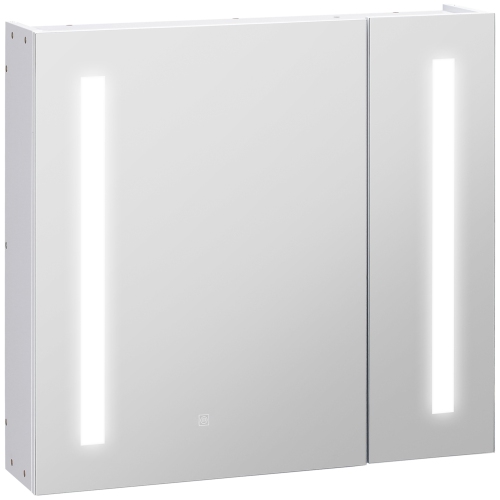
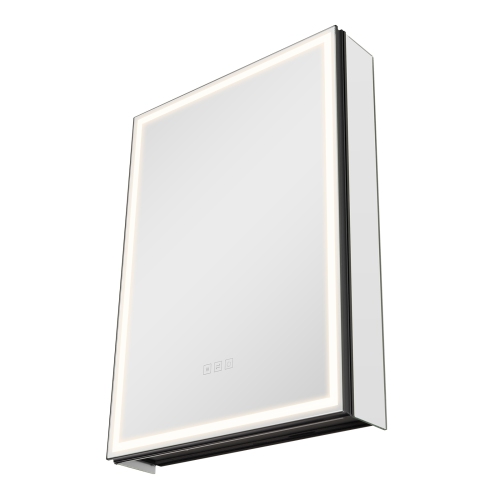
Materials, lighting, and ease of cleaning help determine how comfortably a medicine cabinet fits into everyday life. Bathrooms experience regular changes in humidity, so construction intended for bathroom use is more relevant than appearance alone. Metal bodies, sealed edges, suitable finishes, and well-supported shelves are details worth comparing alongside the overall style. Material names by themselves do not tell the whole story; the quality of the finish and the manufacturer’s care instructions also matter. Frameless mirrored doors create a visually simple look, while framed designs can coordinate with taps, drawer pulls, and other bathroom hardware. Fingerprints and water splashes are part of life around a sink, and smooth, accessible surfaces are generally easier to wipe clean than intricate edges and narrow grooves. Integrated LED lighting can add useful illumination near the mirror, particularly during darker mornings, but brightness, light colour, and electrical requirements vary between designs. An anti-fog feature may help keep part of the mirror clearer after a shower, though it does not replace proper bathroom ventilation. Cabinets with powered features may require professional electrical installation and must be suitable for their intended location. For older adults or anyone with limited reach or dexterity, comfortable mounting height, easy-to-grip edges or handles, and manageable door movement can be more valuable than extra features. Families with young children should also distinguish ordinary concealed storage from genuinely secured storage: a high shelf or closed mirrored door is not a substitute for an appropriate lock. Despite the familiar name, a medicine cabinet is not necessarily the best place for medication. Many medicines need a cool, dry location away from bathroom heat and moisture, so label directions and a pharmacist’s advice should determine where they are stored. For everyday grooming supplies, however, a thoughtfully arranged cabinet can be a quietly useful addition to a main bathroom, guest bathroom, or compact powder room. The best match is not always the largest or most elaborate design, but the one that fits the wall, suits the people using it, and leaves enough breathing room that finding a daily essential does not involve moving everything else first.
The proportions of a medicine cabinet matter just as much as its storage capacity. Width helps establish its relationship to the vanity, while height affects both the mirror’s usefulness and the amount of shelving inside. Depth deserves particular attention in a narrow bathroom: a cabinet that projects too far can feel intrusive above a shallow basin, even when its width looks right. Listed exterior dimensions do not always reflect usable interior space, especially when framing, hinges, or built-in features occupy part of the cabinet. Adjustable shelves offer flexibility for containers of different heights, while additional fixed shelves can make smaller essentials easier to separate. For a shared bathroom, multiple doors can divide storage into distinct areas without exposing the entire contents every time someone reaches inside. Door swing is another small detail with an outsized effect on daily use. A nearby towel bar, side wall, light fixture, or tap can limit how far a door opens, and reversible hinges are available only on certain designs. Mirrored interiors and double-sided mirrored doors can provide additional viewing angles, but their usefulness depends on the placement of the cabinet and surrounding lighting. Recessed installation involves more than cutting an opening in drywall: studs, plumbing, wiring, and other concealed components may affect where a cabinet can go. Exterior walls can present additional complications because of insulation and vapour barriers, making professional assessment worthwhile before committing to an installation style. Surface-mounted cabinets avoid the need for a full wall cavity, but the wall and fasteners must still support the cabinet and its contents. Renters may also need permission before drilling or making alterations. For households that need room beyond the vanity, Storage Cabinets Canada offers a broader starting point for finding storage suited to towels, spare toiletries, and household supplies. Keeping bulkier belongings elsewhere lets a medicine cabinet do what it does best: hold the smaller things that are used frequently, in a place where they are easy to see and reach.
Materials, lighting, and ease of cleaning help determine how comfortably a medicine cabinet fits into everyday life. Bathrooms experience regular changes in humidity, so construction intended for bathroom use is more relevant than appearance alone. Metal bodies, sealed edges, suitable finishes, and well-supported shelves are details worth comparing alongside the overall style. Material names by themselves do not tell the whole story; the quality of the finish and the manufacturer’s care instructions also matter. Frameless mirrored doors create a visually simple look, while framed designs can coordinate with taps, drawer pulls, and other bathroom hardware. Fingerprints and water splashes are part of life around a sink, and smooth, accessible surfaces are generally easier to wipe clean than intricate edges and narrow grooves. Integrated LED lighting can add useful illumination near the mirror, particularly during darker mornings, but brightness, light colour, and electrical requirements vary between designs. An anti-fog feature may help keep part of the mirror clearer after a shower, though it does not replace proper bathroom ventilation. Cabinets with powered features may require professional electrical installation and must be suitable for their intended location. For older adults or anyone with limited reach or dexterity, comfortable mounting height, easy-to-grip edges or handles, and manageable door movement can be more valuable than extra features. Families with young children should also distinguish ordinary concealed storage from genuinely secured storage: a high shelf or closed mirrored door is not a substitute for an appropriate lock. Despite the familiar name, a medicine cabinet is not necessarily the best place for medication. Many medicines need a cool, dry location away from bathroom heat and moisture, so label directions and a pharmacist’s advice should determine where they are stored. For everyday grooming supplies, however, a thoughtfully arranged cabinet can be a quietly useful addition to a main bathroom, guest bathroom, or compact powder room. The best match is not always the largest or most elaborate design, but the one that fits the wall, suits the people using it, and leaves enough breathing room that finding a daily essential does not involve moving everything else first.
Top selling and popular products
-
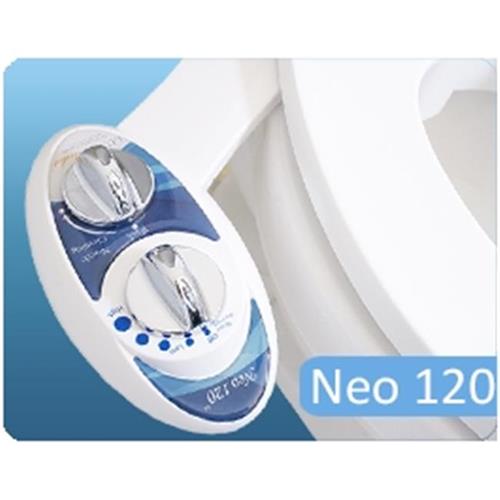 Your price for this item is $109.31
 -
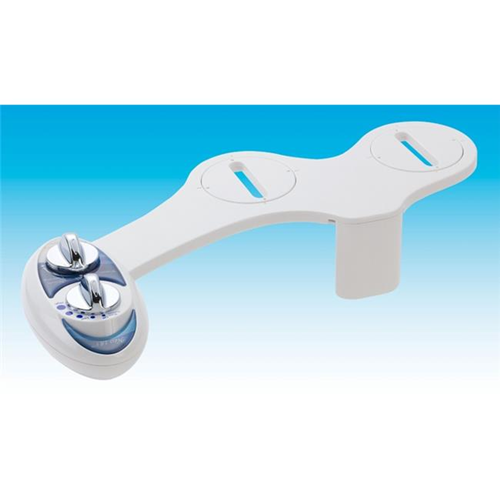 Your price for this item is $200.83
 -
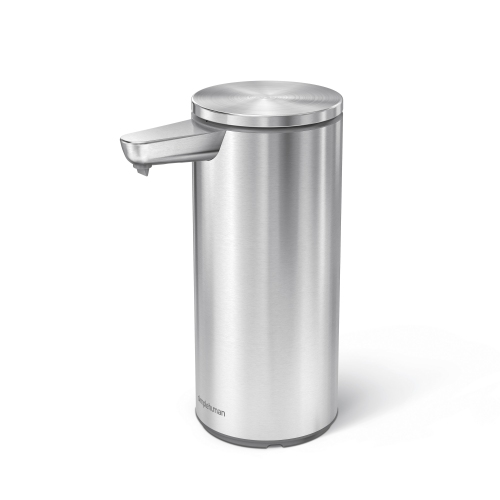 Your price for this item is $90
 -
 Your price for this item is $100
 -
 Your price for this item is $100
 -
 Your price for this item is $426.55
 -
 Your price for this item is $300
 -
 Your price for this item is $120
Discover more categories related to Medicine Cabinet Canada
Top Collections:
Pokemon Centers, Kindle Devices, Best Budget Office Chairs, Apple iPhones 16, Canon G7X Cameras, iPhone 15 Apple, Alarm Clock, Refurbished Apple Laptops, Flip Phones, Best Laptops for Writers
Some products may be subject to Environmental Handling Fees
(EHF) depending on your province.
Learn more about EHFs.