Men's Bedding
Transform your bedroom into a haven of comfort and style with our diverse selection of men's bedding. Whether you're looking to refresh your space or achieve the ultimate in relaxation, our collection offers a variety of options to suit every taste and preference. From sleek and modern designs to cozy and classic textures, find the perfect bedding that complements your personal aesthetic. Discover quality materials that promise durability and comfort, ensuring a restful night's sleep. Elevate your bedroom decor with bedding that combines functionality with fashion, making it easy to create an inviting atmosphere tailored just for you.
Sort
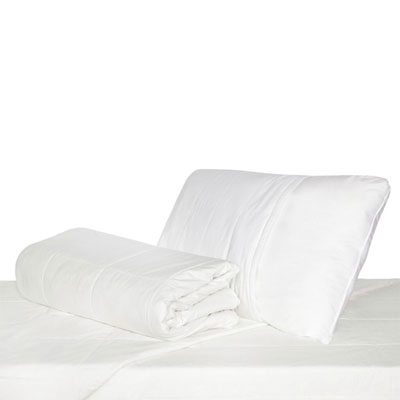
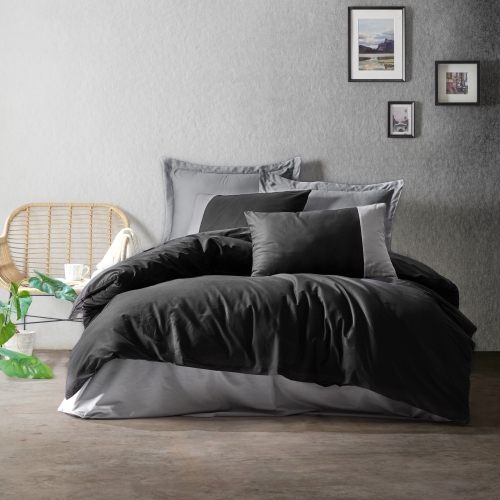
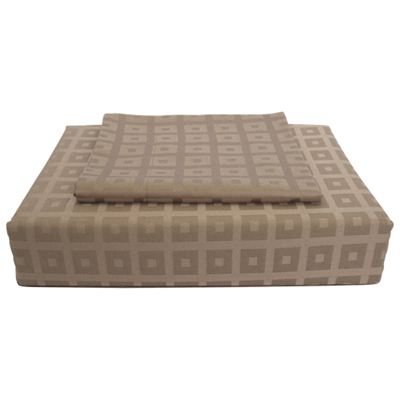
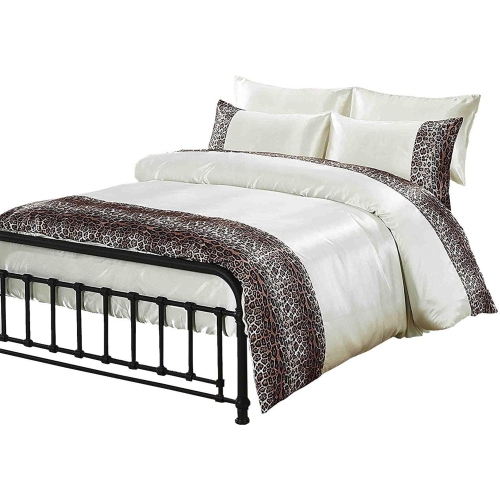



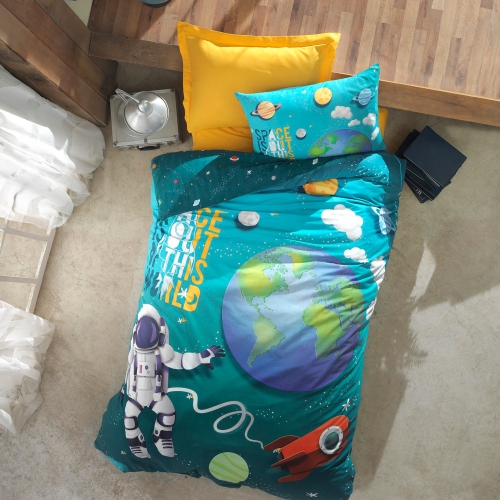

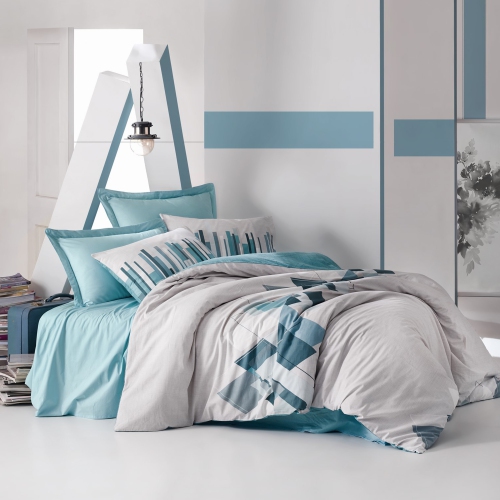
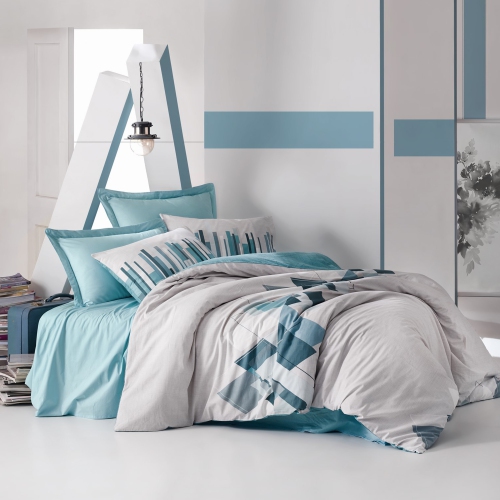

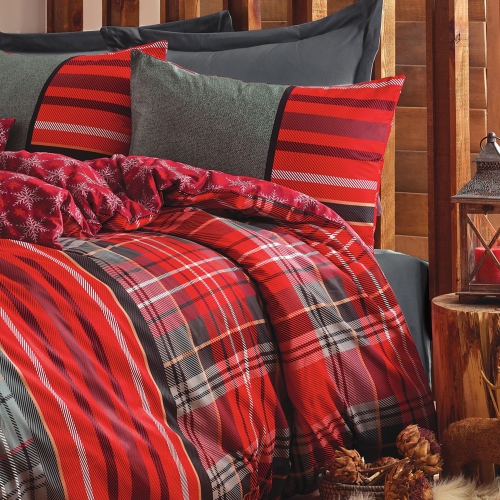




How colour and texture shape a more personal bed
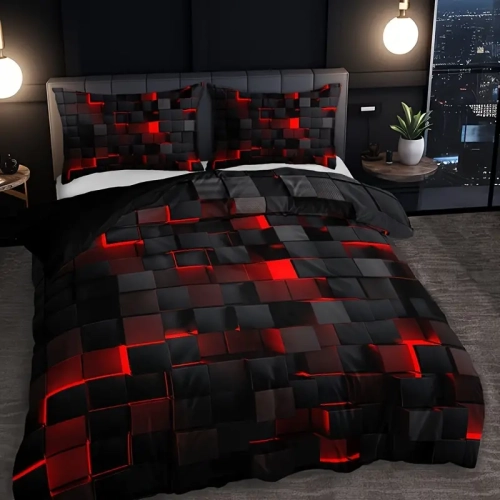
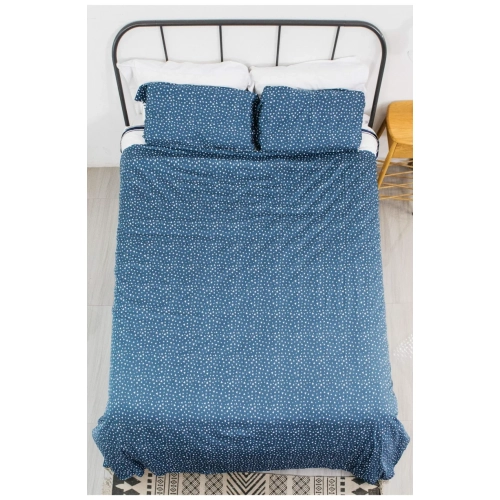
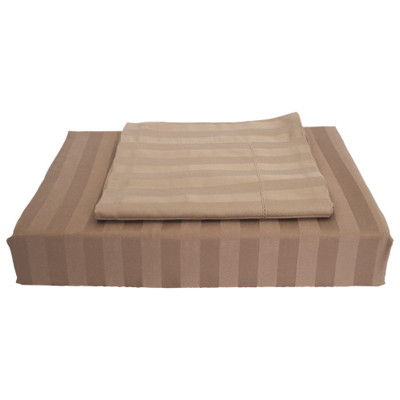
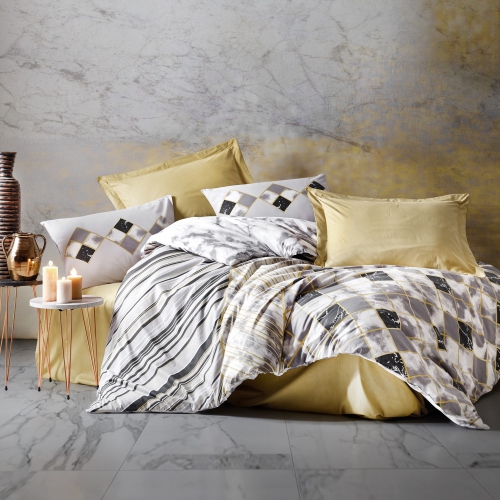
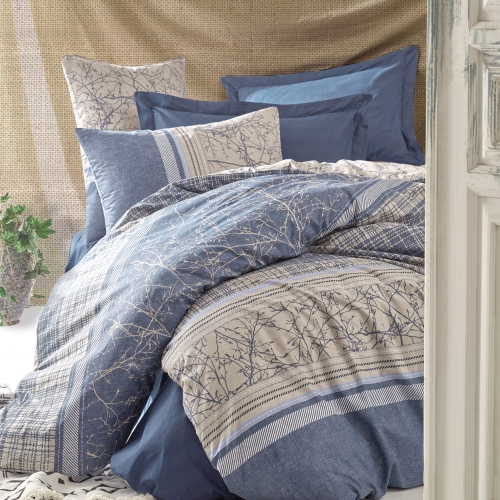
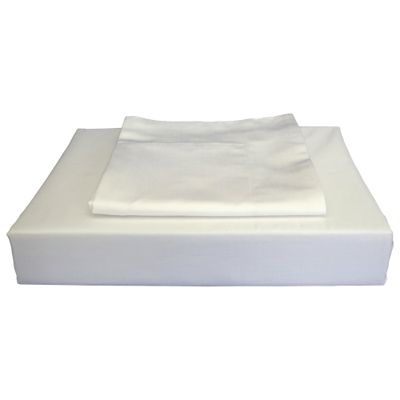
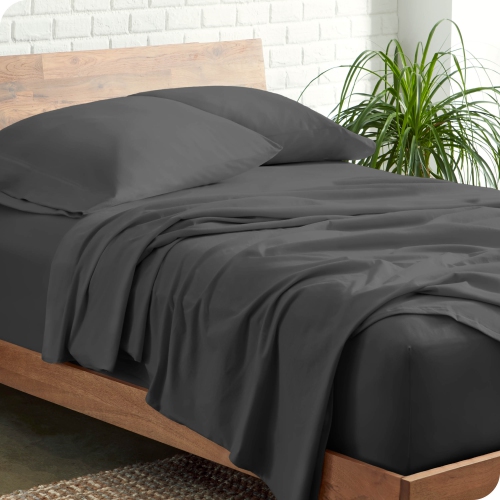
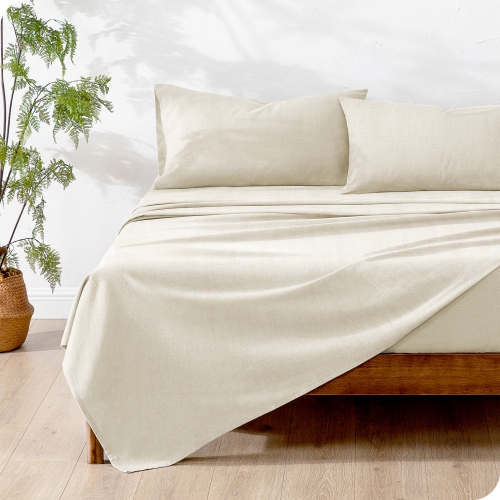
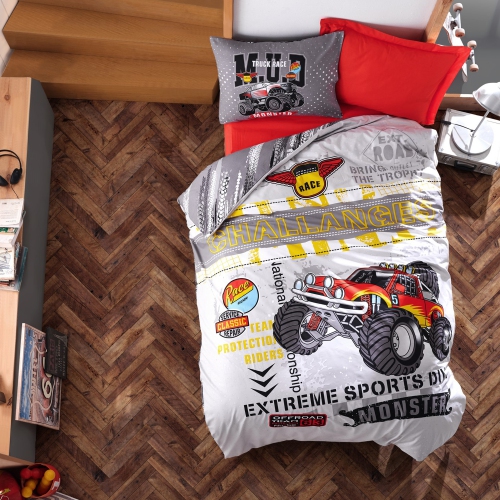
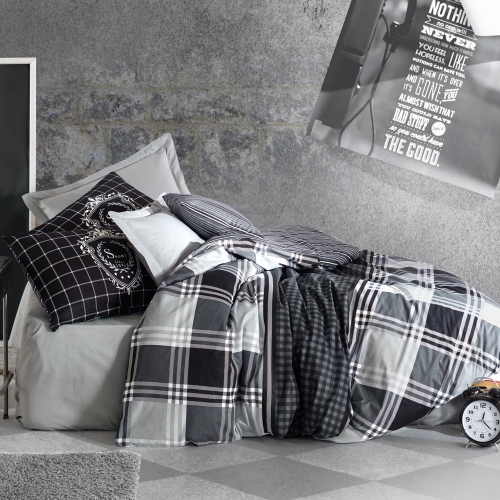
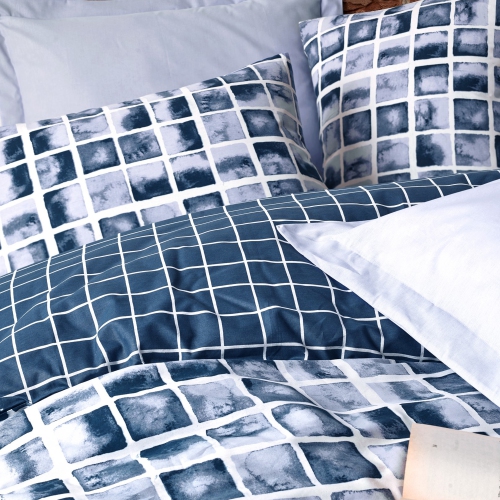
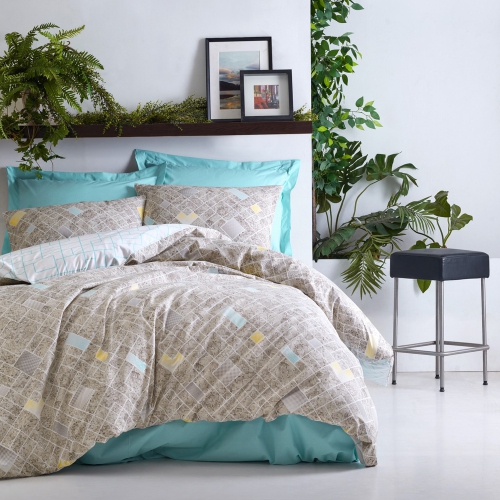
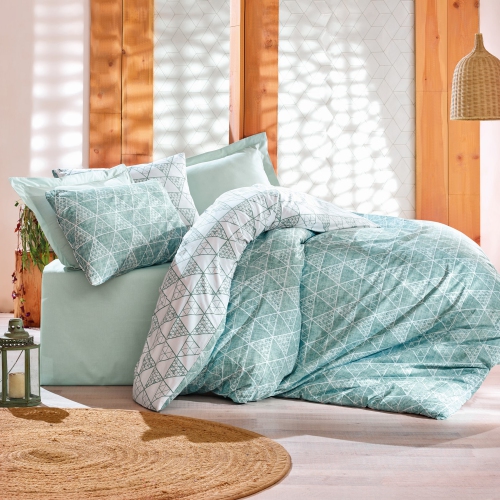
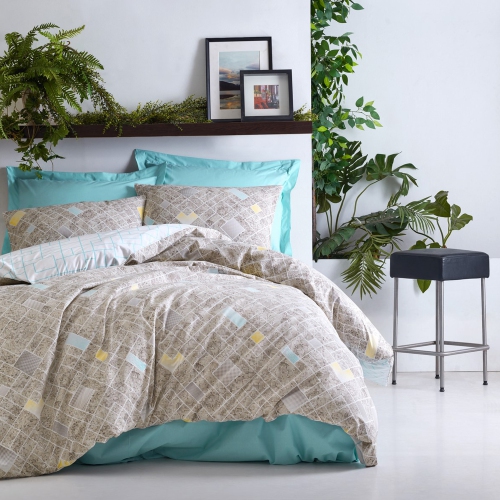
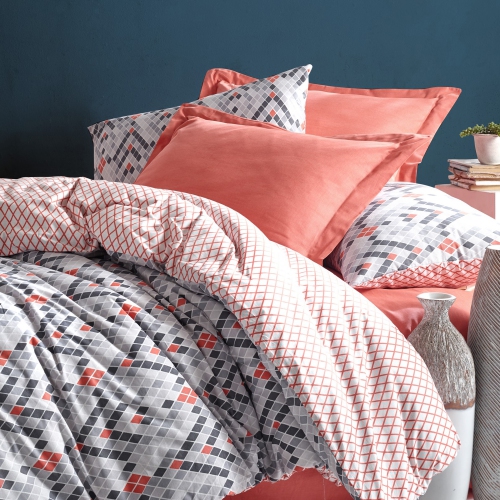
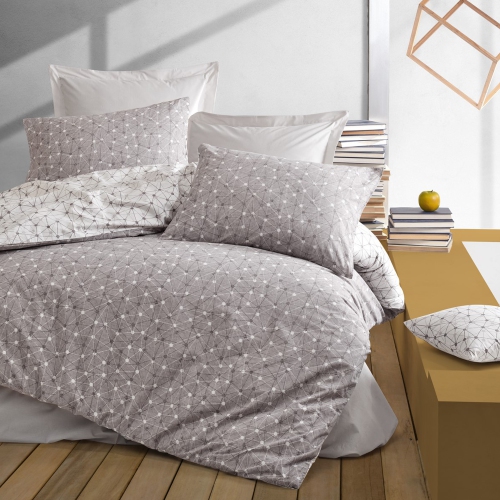
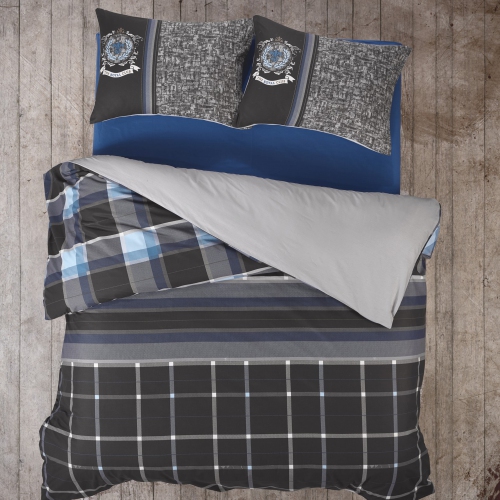
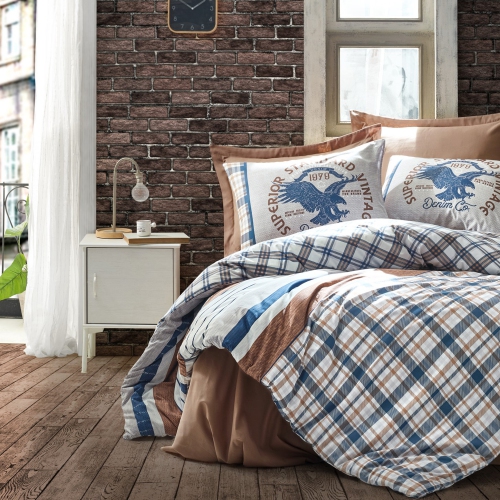
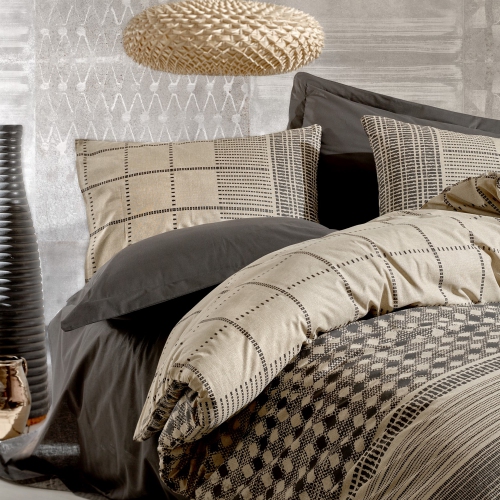
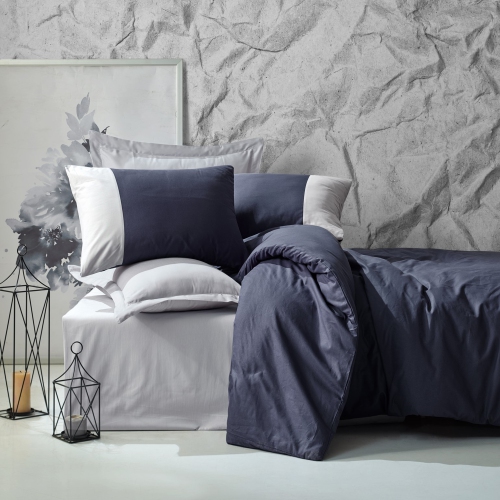
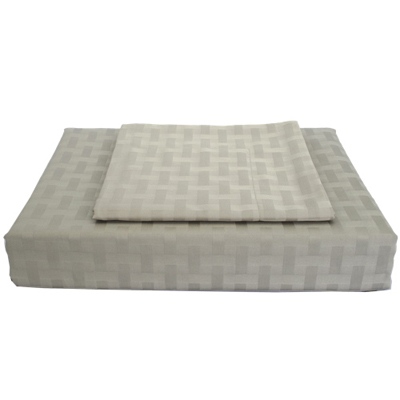
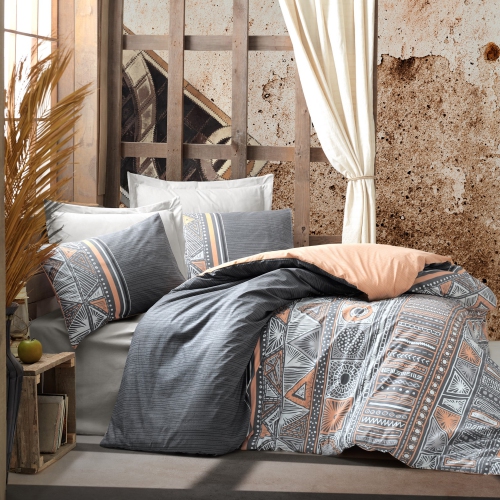
Men’s bedding brings together sheets, duvet covers, comforters, quilts, and pillowcases in colours, patterns, and textures that suit a personal space. The term describes a style preference rather than a separate bedding size or construction: a well-fitting queen sheet works the same way regardless of who uses it. Charcoal, navy, olive, taupe, and brown are common starting points, with white or cream adding contrast. Solid colours create a clean backdrop, while stripes, checks, plaids, and geometric prints give the bed more visual definition. A broad plaid can suit a room with wood furniture and leather accents; a fine stripe or subtle grid feels equally at home beside a simple upholstered headboard. Texture helps a neutral palette feel considered rather than flat. A waffle-weave cover, a smooth sheet, and a quilted layer can introduce variety without competing patterns. Dark bedding makes a strong focal point, although lint and pet hair may be more noticeable against it. Mid-tone shades and small patterns can be more forgiving of everyday marks, depending on the fabric. For a coordinated look, repeating one colour from the bedding in a rug, curtain, or bedside accessory usually feels more relaxed than matching every surface. Reversible covers provide another way to change the look, pairing a patterned face with a quieter reverse without adding another full set to the linen cupboard. These styles can work in a first apartment, a shared bedroom, a student residence, or a guest room, and they are not limited to any particular age or gender. In a compact room, a restrained palette can keep the bed from visually overwhelming the space, while a larger room can carry broader patterns and more pronounced texture. The most useful combination is one that reflects the sleeper’s taste while fitting into daily life, whether that means a neatly tucked bed with crisp stripes or a loosely arranged duvet with a washed, lived-in finish.
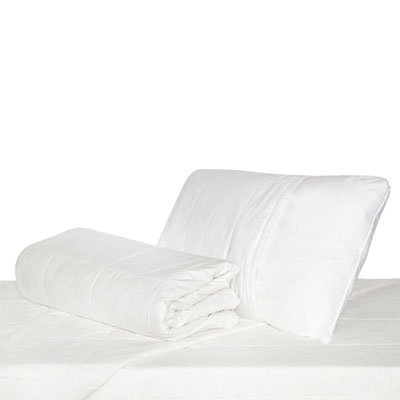
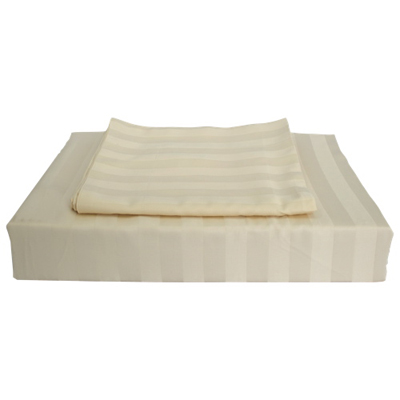
Fabric and construction shape how men’s bedding feels, drapes, and stands up to repeated use. Cotton is a familiar choice for sheets and covers because it absorbs moisture and comes in a wide range of weaves and finishes. Cotton percale typically has a matte surface and a crisp, light feel, while cotton sateen is generally smoother, with a subtle sheen and a softer drape. Jersey knit has a gentle stretch and a T-shirt-like feel that suits a more casual bed. Linen has a visibly textured surface and natural creasing, with a feel that often softens through use and laundering. Polyester microfibre tends to feel smooth and resist wrinkling, although its feel and moisture handling differ from cotton. Blended fabrics combine characteristics of their fibres, so the composition label gives a clearer picture than a broad description such as “soft touch.” Thread count is useful context for some woven cotton fabrics, but it does not establish quality on its own; fibre quality, yarn construction, weave, and finishing also matter. For the layers closest to the body, Home Bed Sheets can form the foundation of a coordinated bed, with pillowcases and top layers adding contrast or continuity. A duvet cover is a removable outer layer for a separate duvet insert, while a comforter has its fill enclosed within its outer fabric and is generally used without a separate cover. A quilt or coverlet provides a flatter profile and can serve as the main top layer or an additional finishing layer. Fill type, fill weight, and quilting affect loft and the sense of weight across the body; a lofty appearance does not necessarily mean a heavier feel. Down and feather fills differ from synthetic fills in texture and care requirements, and personal sensitivities may influence the choice. Closures and small construction details matter, too. Interior corner ties help keep a compatible duvet insert positioned inside its cover, secure seams support repeated washing, and well-finished edges are less likely to fray with ordinary use.
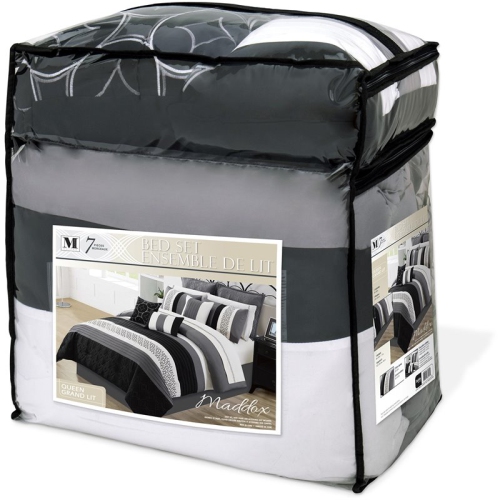
Correct sizing makes bedding easier to use and helps it look settled rather than strained or oversized. Mattress size is the starting point, but labelled sizes alone do not tell the whole story. Twin and twin XL mattresses differ in length, and king and California king have different proportions, so checking the actual measurements is especially important for a residence room or an unfamiliar guest bed. A fitted sheet also needs enough pocket depth to accommodate the mattress and any topper. Too shallow a pocket can pull free at the corners; an excessively loose fit can leave folds beneath the sleeper. Duvet covers should be close to the dimensions of their inserts, and comforter or quilt measurements should provide the desired drop at the sides of the bed. A thick mattress or raised bed frame can make a standard top layer appear shorter than expected. Pillowcase and sham dimensions deserve the same attention, particularly when moving between standard and king pillows. Set contents vary: some include sheets, while others contain only a top layer and coordinating shams. Care requirements are just as practical as fit. Machine-washable bedding can simplify a regular laundry routine, but the care label should determine washing, drying, and ironing methods. Bulky filled bedding needs enough room to move through the wash and dry thoroughly; forcing it into a small drum can make cleaning and drying less effective. Washing similar colours together, avoiding overloading, and addressing marks promptly can help preserve the fabric’s appearance. Removing bedding promptly after drying can also reduce deep creases. Rotating between two sheet sets spreads out wear and leaves a clean set ready on laundry day. In homes with pets, closely woven surfaces may be easier to maintain than loose textures that can catch on claws. Bedding can also make a thoughtful housewarming, graduation, or moving-out gift when the recipient’s mattress size, colour preferences, and laundry setup are known. A coordinated, manageable set is often more useful than an elaborate arrangement that needs frequent special care, especially for someone furnishing a first home.
Fabric and construction shape how men’s bedding feels, drapes, and stands up to repeated use. Cotton is a familiar choice for sheets and covers because it absorbs moisture and comes in a wide range of weaves and finishes. Cotton percale typically has a matte surface and a crisp, light feel, while cotton sateen is generally smoother, with a subtle sheen and a softer drape. Jersey knit has a gentle stretch and a T-shirt-like feel that suits a more casual bed. Linen has a visibly textured surface and natural creasing, with a feel that often softens through use and laundering. Polyester microfibre tends to feel smooth and resist wrinkling, although its feel and moisture handling differ from cotton. Blended fabrics combine characteristics of their fibres, so the composition label gives a clearer picture than a broad description such as “soft touch.” Thread count is useful context for some woven cotton fabrics, but it does not establish quality on its own; fibre quality, yarn construction, weave, and finishing also matter. For the layers closest to the body, Home Bed Sheets can form the foundation of a coordinated bed, with pillowcases and top layers adding contrast or continuity. A duvet cover is a removable outer layer for a separate duvet insert, while a comforter has its fill enclosed within its outer fabric and is generally used without a separate cover. A quilt or coverlet provides a flatter profile and can serve as the main top layer or an additional finishing layer. Fill type, fill weight, and quilting affect loft and the sense of weight across the body; a lofty appearance does not necessarily mean a heavier feel. Down and feather fills differ from synthetic fills in texture and care requirements, and personal sensitivities may influence the choice. Closures and small construction details matter, too. Interior corner ties help keep a compatible duvet insert positioned inside its cover, secure seams support repeated washing, and well-finished edges are less likely to fray with ordinary use.
Correct sizing makes bedding easier to use and helps it look settled rather than strained or oversized. Mattress size is the starting point, but labelled sizes alone do not tell the whole story. Twin and twin XL mattresses differ in length, and king and California king have different proportions, so checking the actual measurements is especially important for a residence room or an unfamiliar guest bed. A fitted sheet also needs enough pocket depth to accommodate the mattress and any topper. Too shallow a pocket can pull free at the corners; an excessively loose fit can leave folds beneath the sleeper. Duvet covers should be close to the dimensions of their inserts, and comforter or quilt measurements should provide the desired drop at the sides of the bed. A thick mattress or raised bed frame can make a standard top layer appear shorter than expected. Pillowcase and sham dimensions deserve the same attention, particularly when moving between standard and king pillows. Set contents vary: some include sheets, while others contain only a top layer and coordinating shams. Care requirements are just as practical as fit. Machine-washable bedding can simplify a regular laundry routine, but the care label should determine washing, drying, and ironing methods. Bulky filled bedding needs enough room to move through the wash and dry thoroughly; forcing it into a small drum can make cleaning and drying less effective. Washing similar colours together, avoiding overloading, and addressing marks promptly can help preserve the fabric’s appearance. Removing bedding promptly after drying can also reduce deep creases. Rotating between two sheet sets spreads out wear and leaves a clean set ready on laundry day. In homes with pets, closely woven surfaces may be easier to maintain than loose textures that can catch on claws. Bedding can also make a thoughtful housewarming, graduation, or moving-out gift when the recipient’s mattress size, colour preferences, and laundry setup are known. A coordinated, manageable set is often more useful than an elaborate arrangement that needs frequent special care, especially for someone furnishing a first home.
Top selling and popular products
-
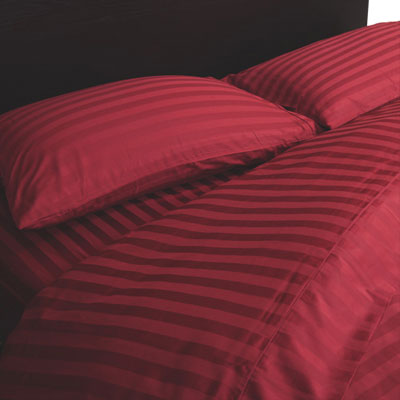 Your price for this item is $134.99
 -
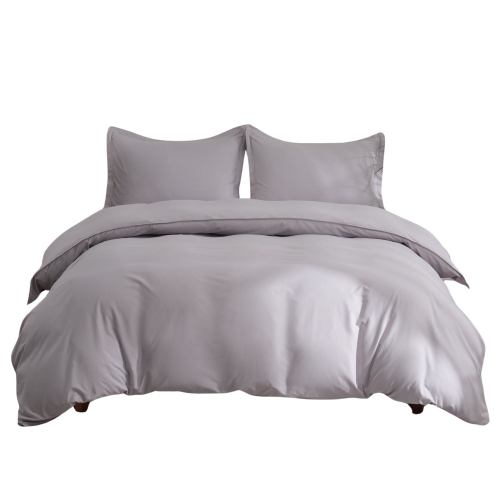 Your price for this item is $270
 -
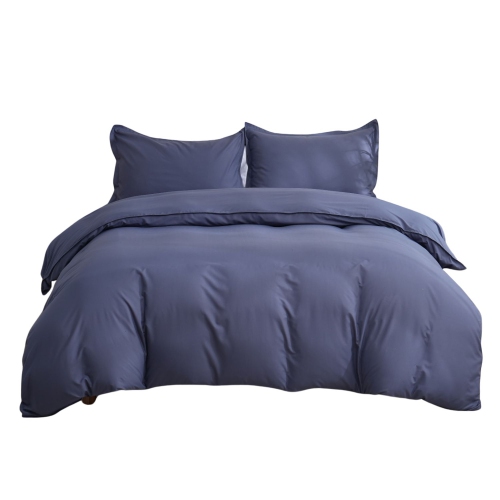 Your price for this item is $240
 -
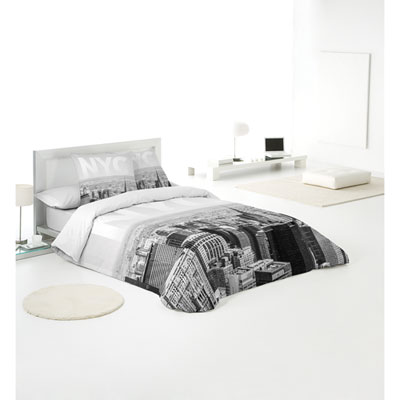 Your price for this item is $135.98
 -
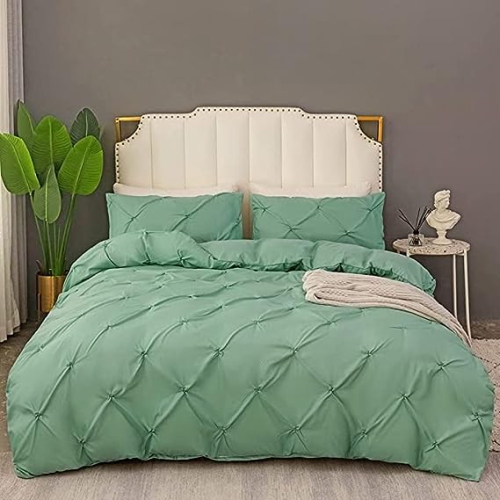 Your price for this item is $39.99
 -
 Your price for this item is $189.99
 -
 Your price for this item is $149.99
 -
 Your price for this item is $139.99
Discover more categories related to Men's Bedding


Top Collections:
Pokemon Centers, Kindle Devices, Best Budget Office Chairs, Apple iPhones 16, Best Laptops for Writers, iPhone 15 Apple, Canon G7X Cameras, Refurbished Apple Laptops, Alarm Clock, Motorola Razr Phones
Some products may be subject to Environmental Handling Fees
(EHF) depending on your province.
Learn more about EHFs.