Metal Dog Playpens
If you're looking for a secure and convenient way to keep your furry friend contained and entertained, look no further than our collection of metal dog playpens. These versatile enclosures are designed to provide a safe space for your beloved pet, whether you're at home or on the go. Made from durable materials, these playpens offer both stability and durability, ensuring that your pup stays secure while still having plenty of room to play and explore. With various sizes and configurations available, you'll find the perfect fit for your dog's needs.
Sort
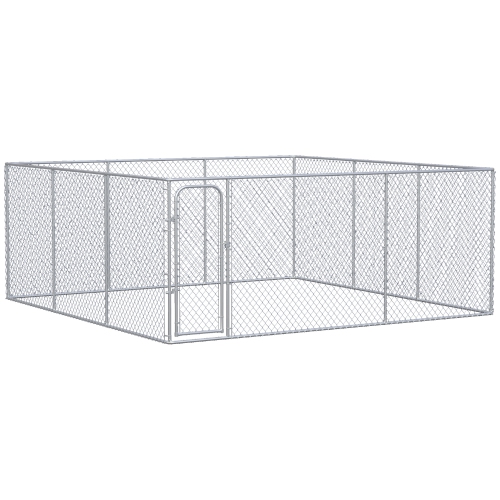
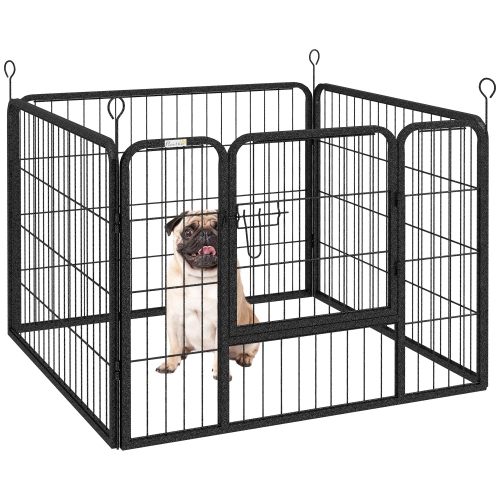
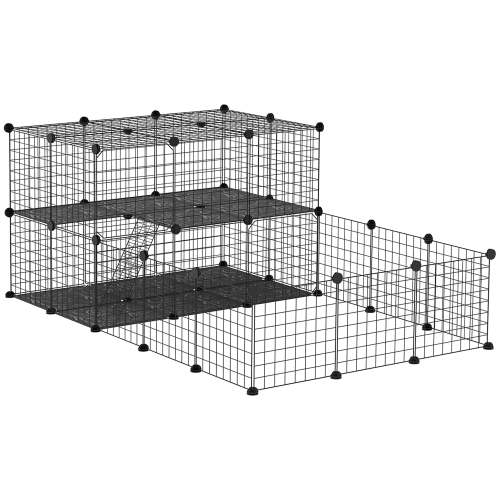
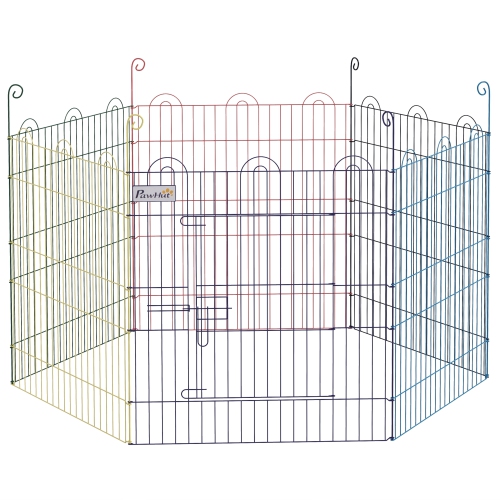


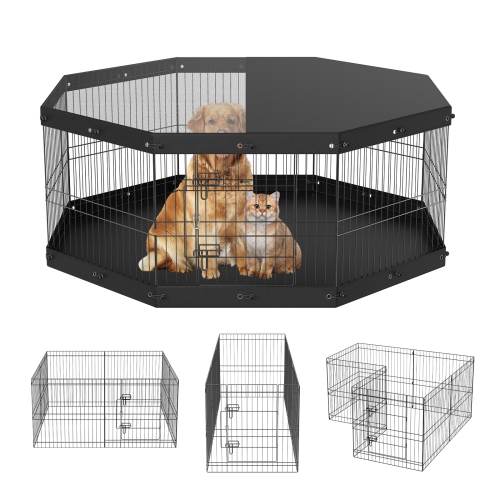
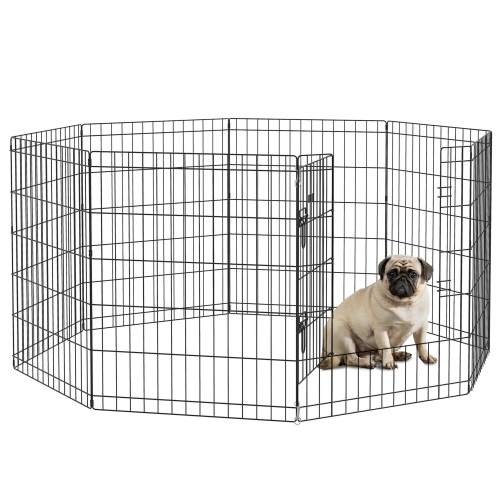
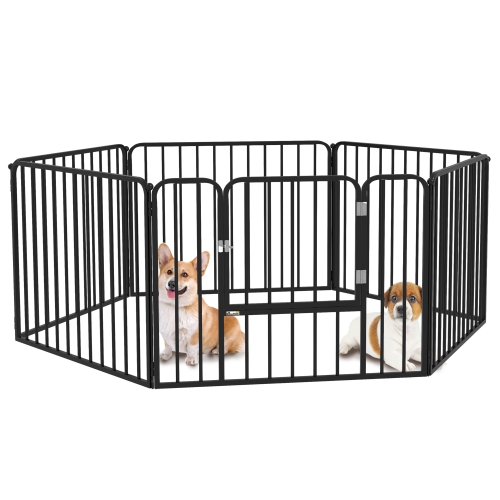
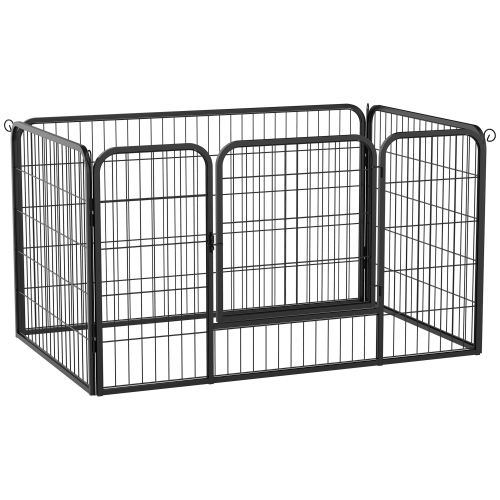
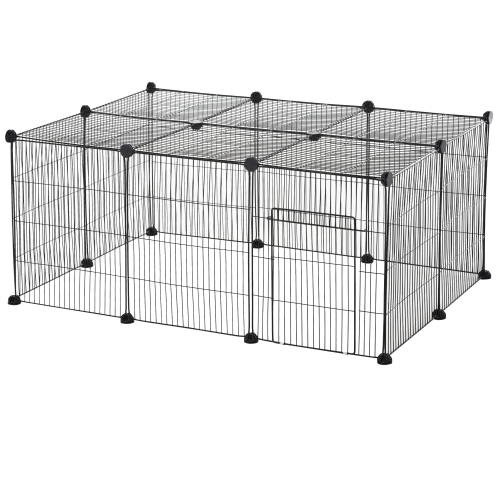
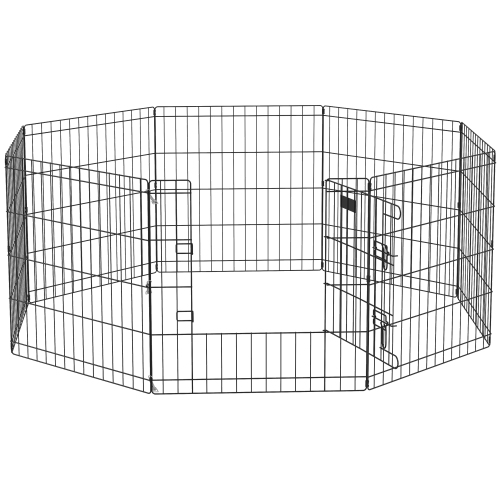
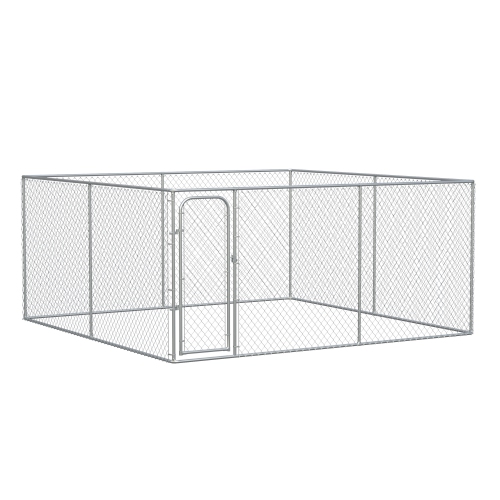
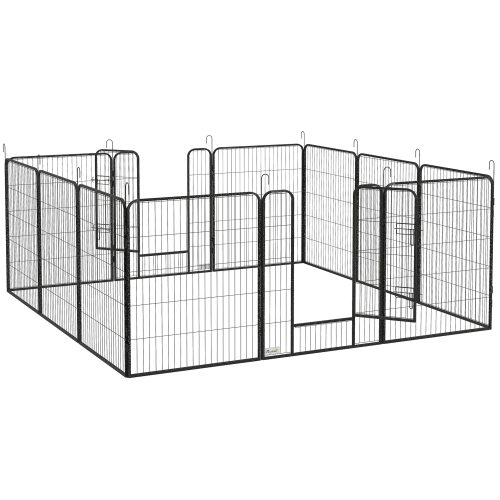
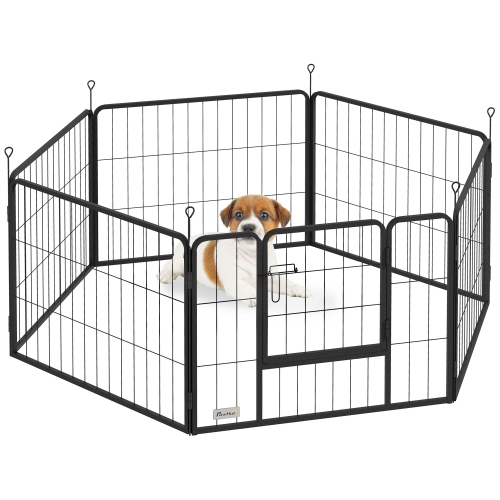
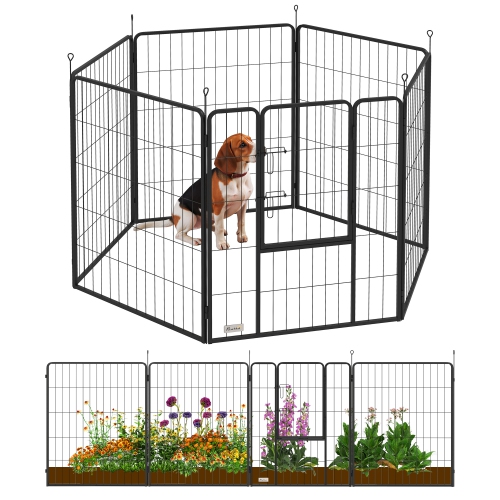
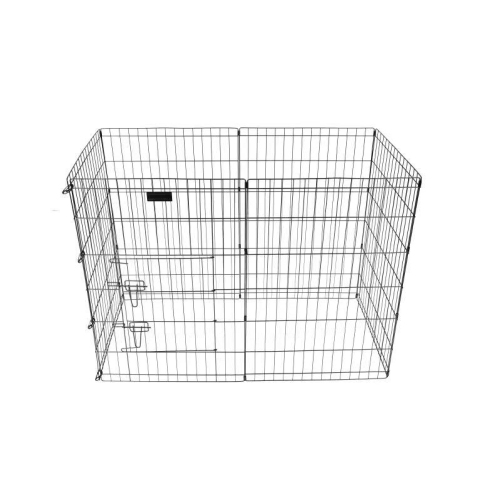
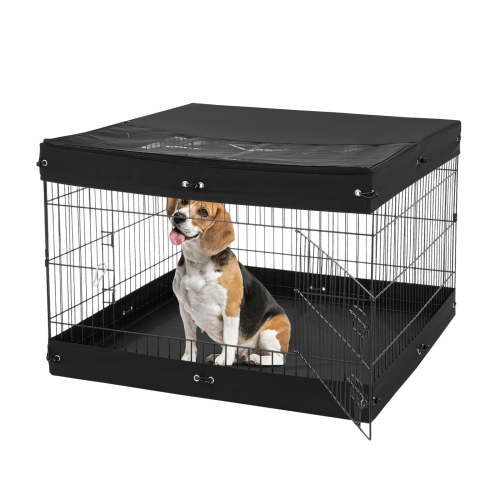
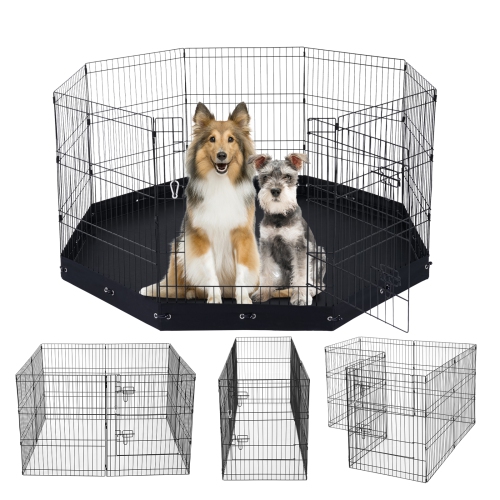
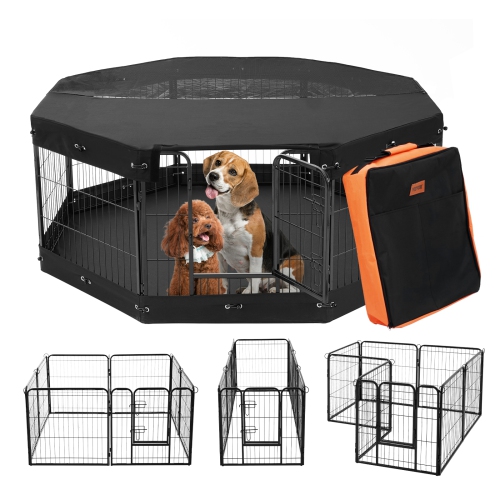
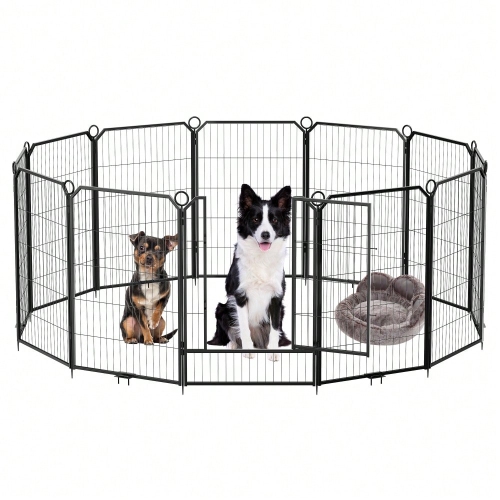
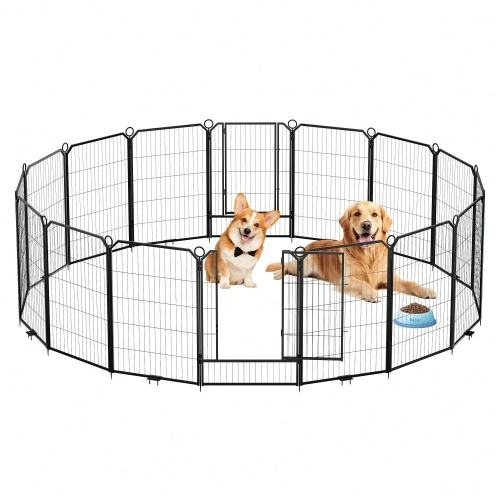
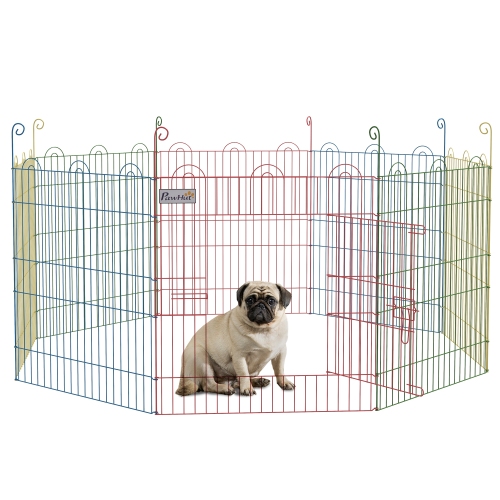
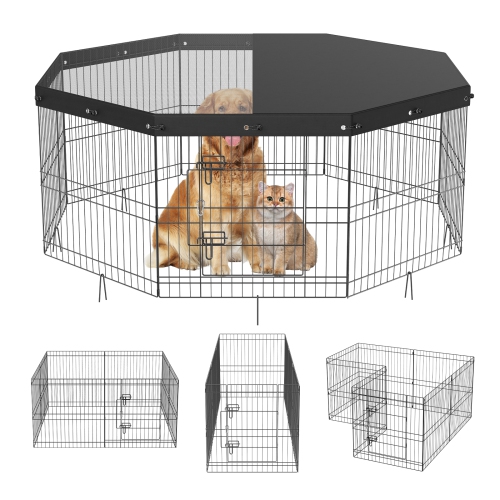
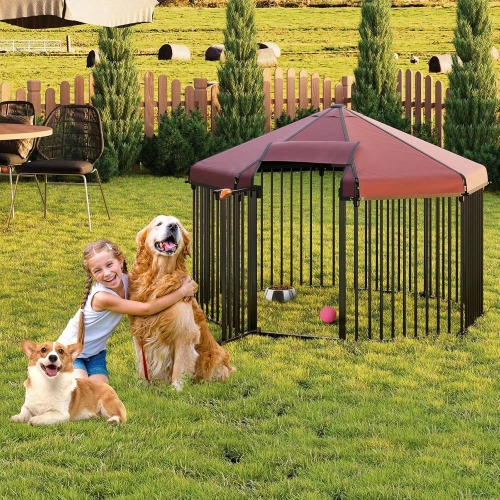
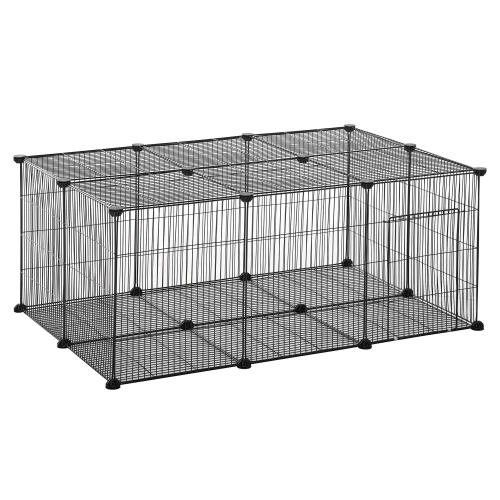
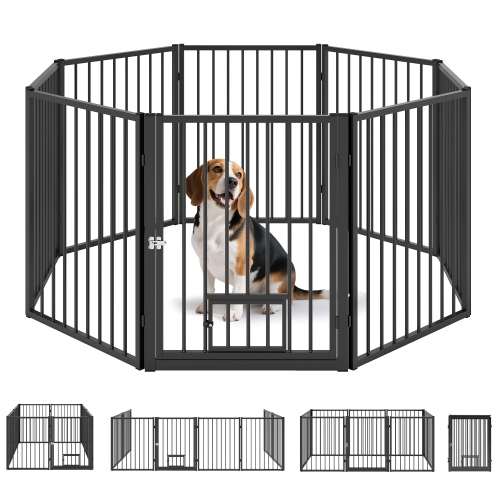
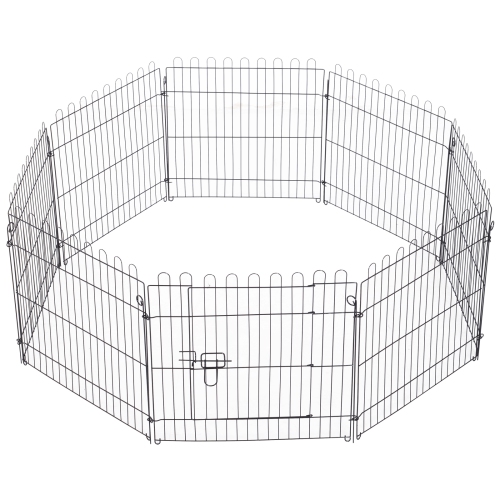
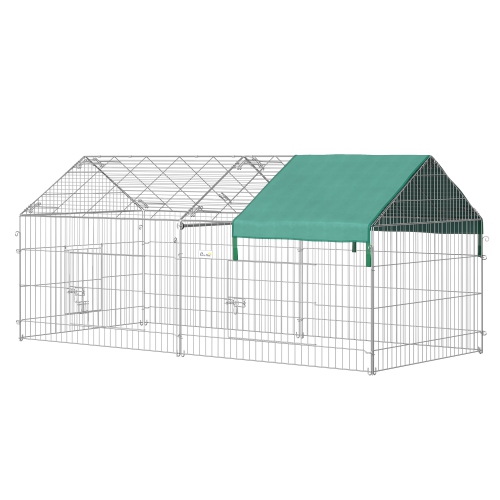
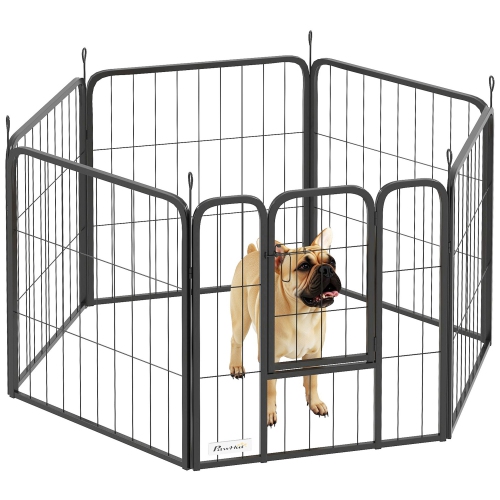
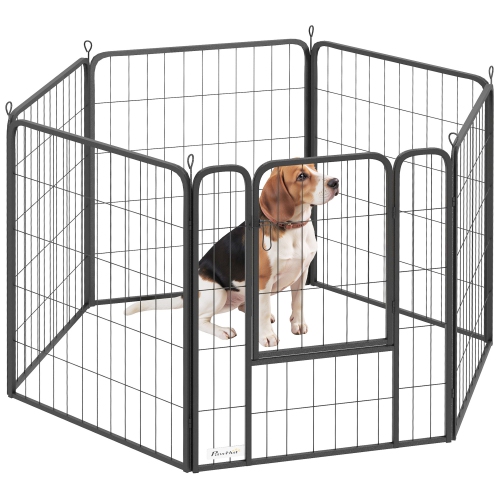
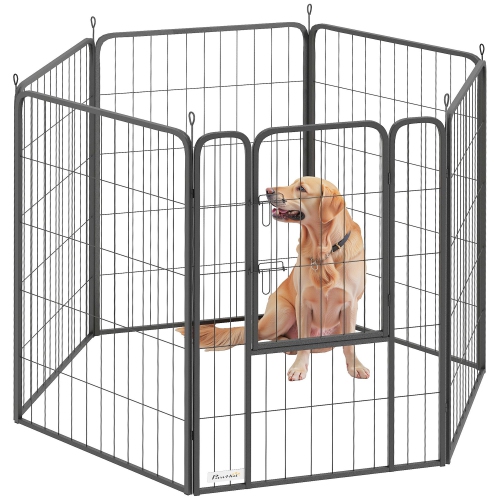
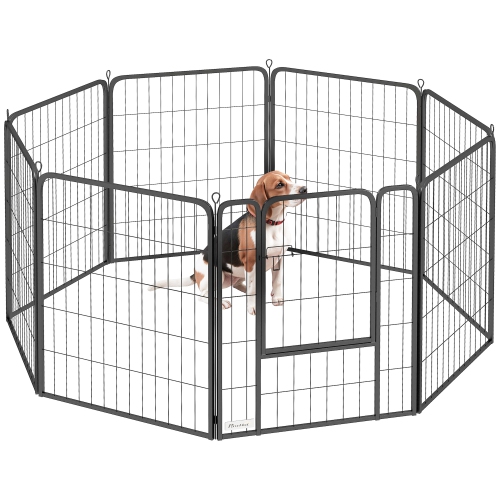
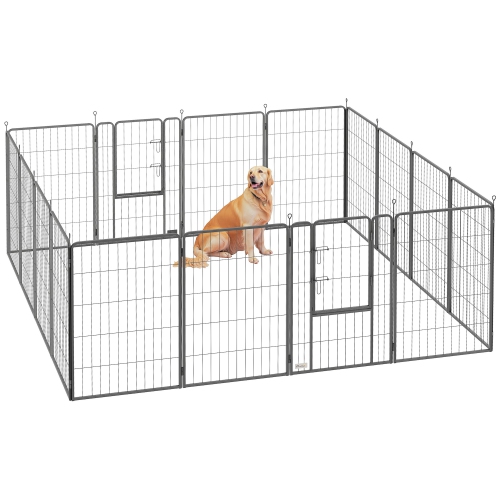
Room to stretch out while staying within sight
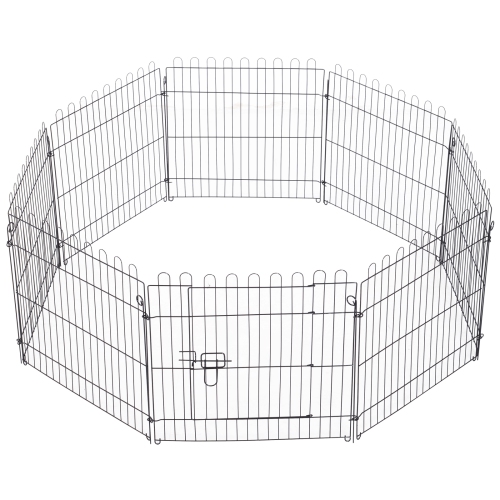
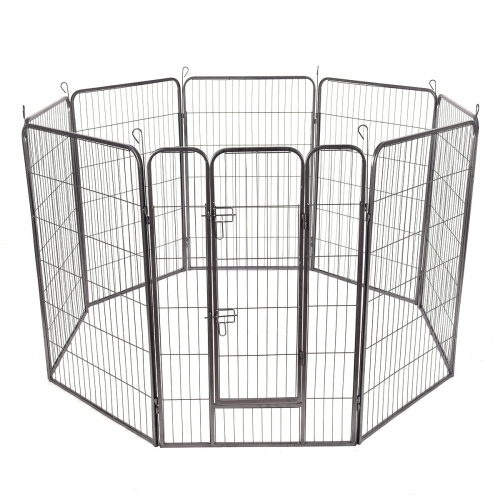
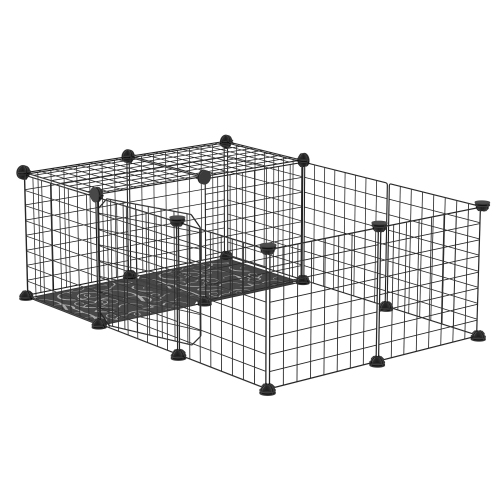
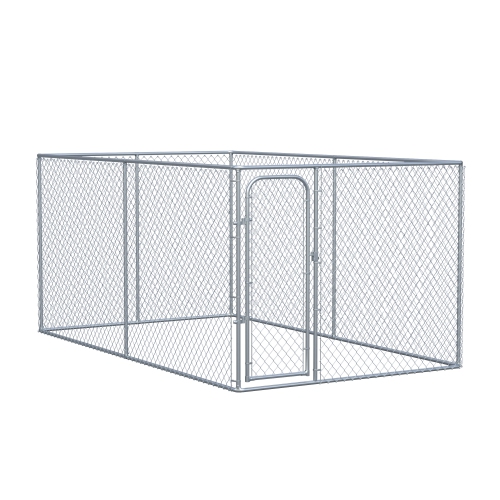
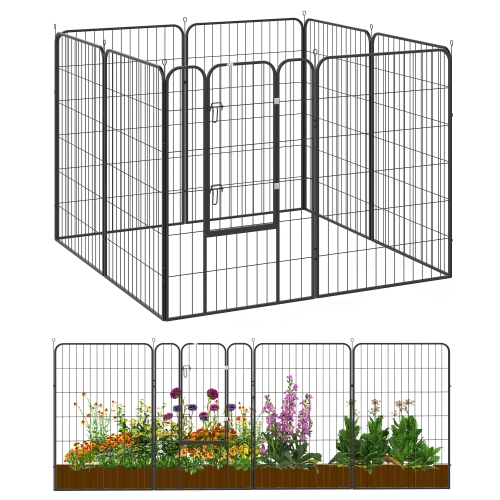
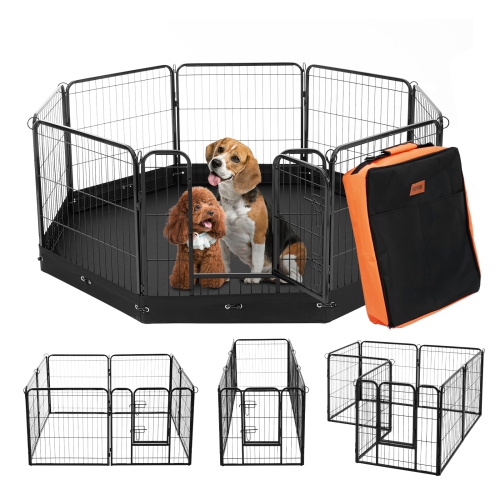
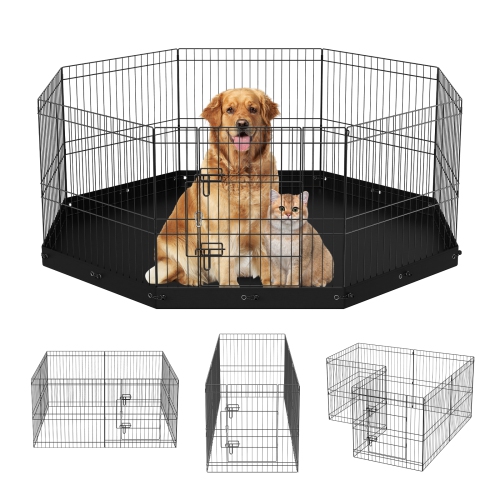
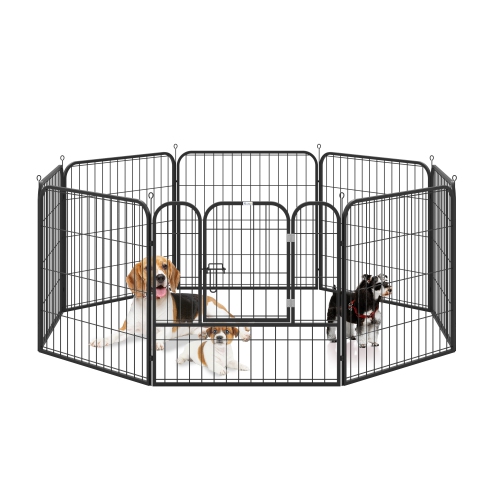
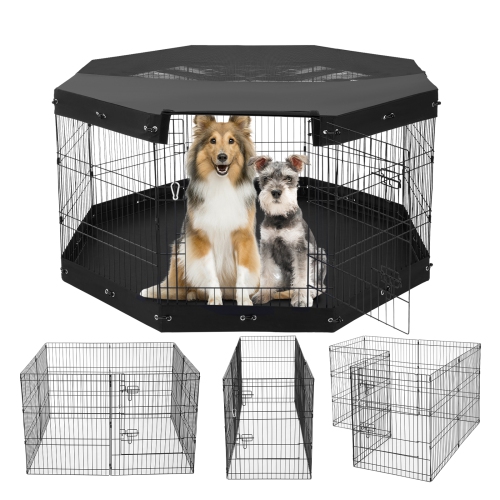
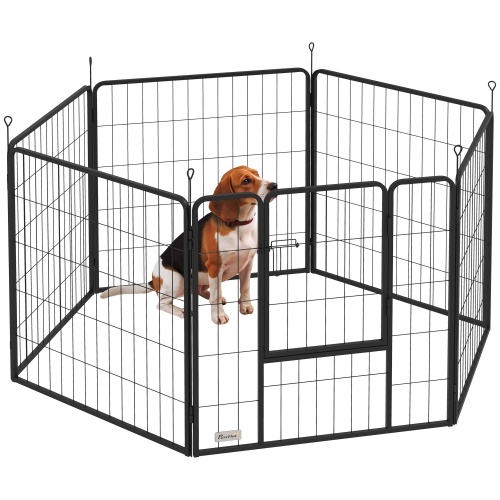
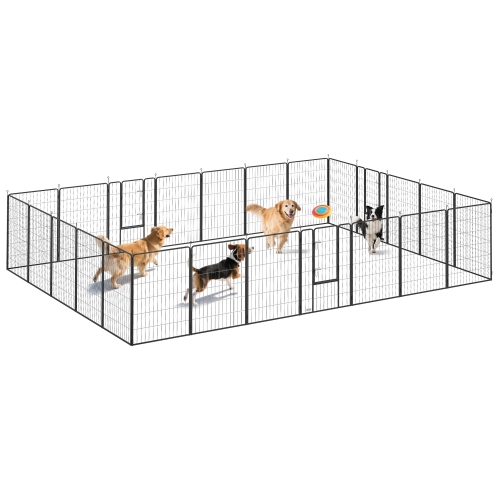
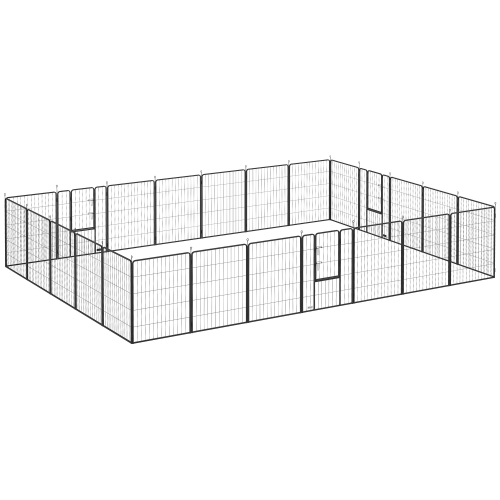
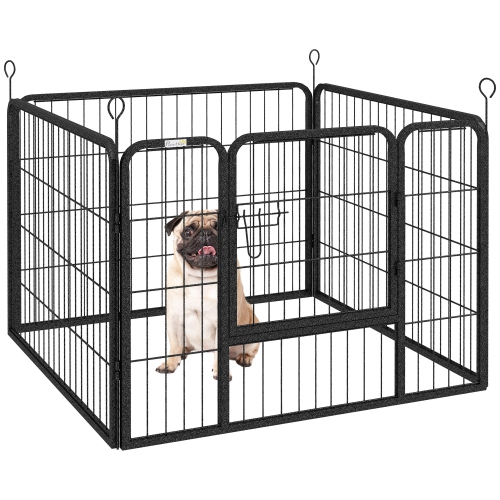
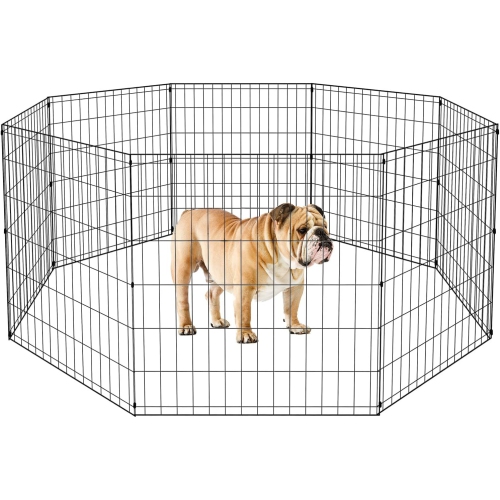
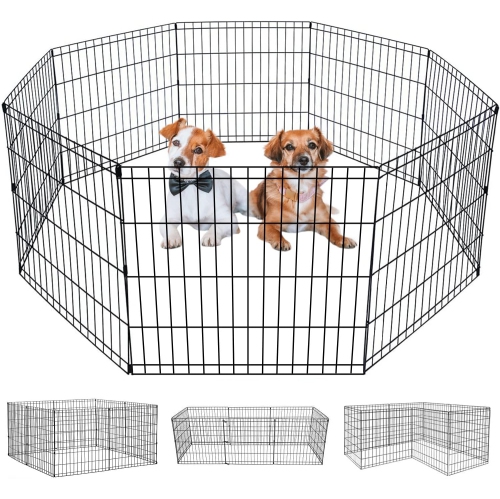
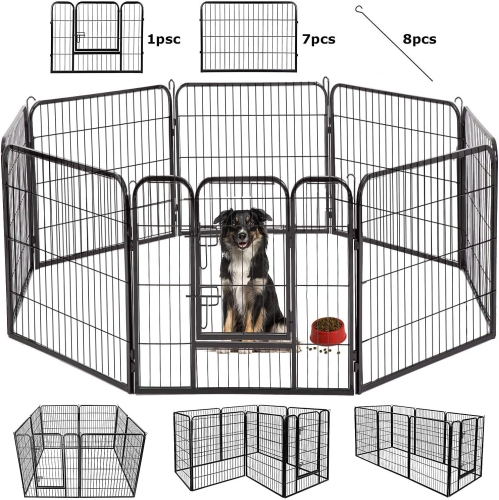
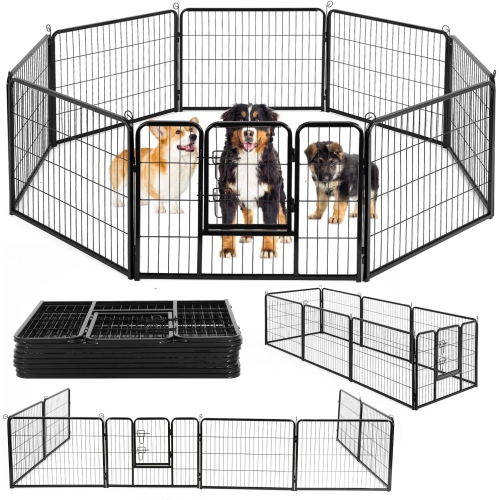
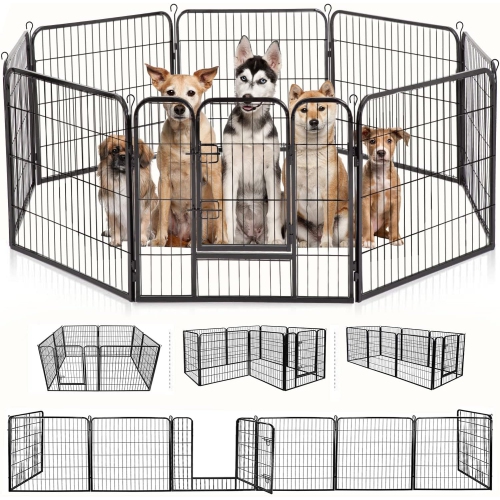
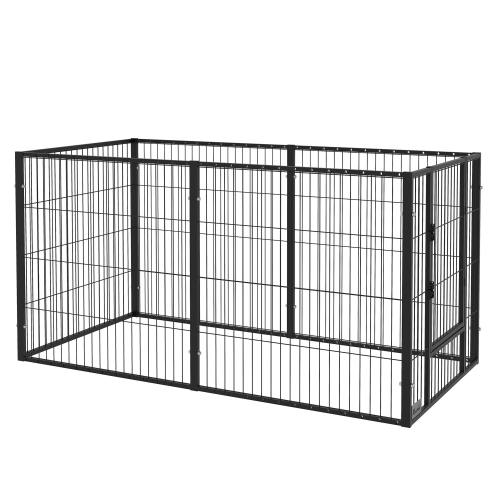
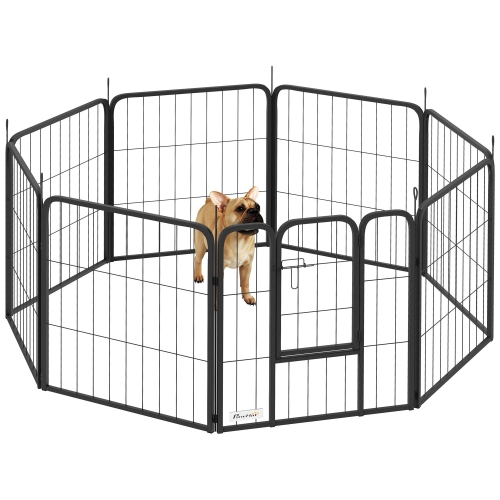
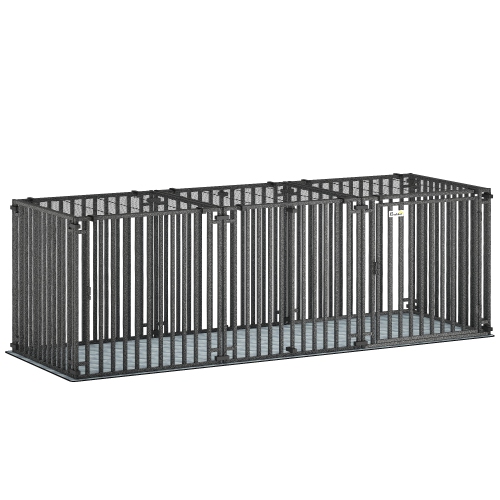
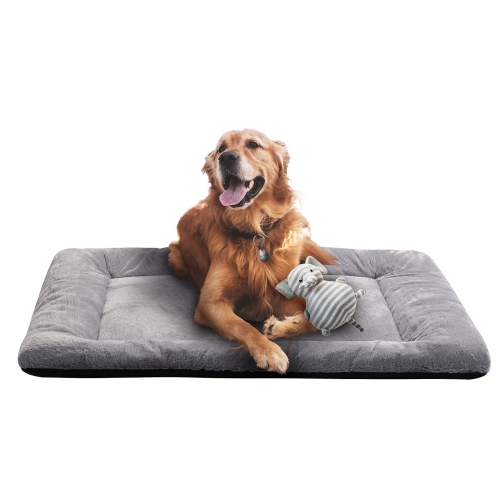
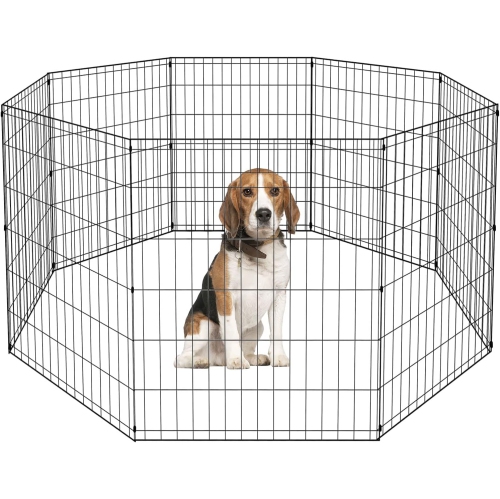
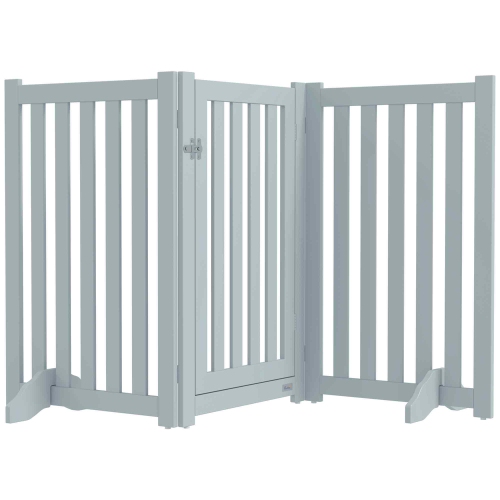
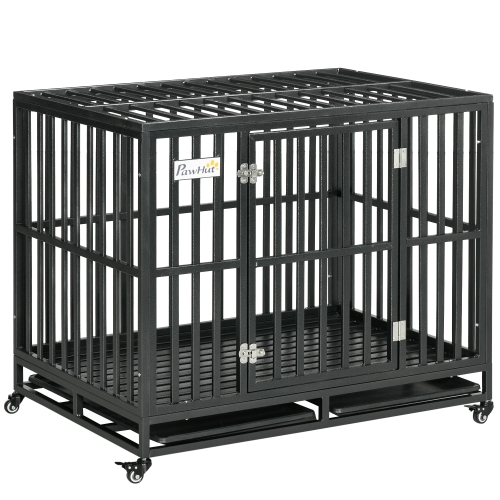
Metal dog playpens create a defined space where a dog can stretch out, play with a suitable toy, or settle nearby without having access to an entire room. Unlike a crate, which usually provides a compact resting space, a playpen can offer room for a bed, a water bowl, and some movement between them. That makes these enclosures useful for puppy households, people introducing a dog to a new home, and anyone who needs a practical boundary while staying close enough to supervise. A pen beside a home office, for example, can let a puppy rest within sight while keeping chair wheels and electrical cords out of reach. In a shared living area, it can help separate a dog’s resting spot from busy foot traffic, though children and other pets still need supervision around the enclosure. Metal construction commonly uses wire panels or bars connected by hinges, pins, or other joining hardware. Open sides allow a clear view in both directions and let people check on their dog without leaning over a solid wall. Panel layouts vary: some form a fixed shape, while others can be arranged into a rectangle, square, or wider polygon where the design permits. The useful space inside matters more than the shape alone. A dog should be able to stand naturally, turn comfortably, lie fully stretched out, and move without continually bumping into bowls or bedding. For households comparing enclosure styles, the broader dog playpen collection provides context beyond metal designs. Metal may suit people who value a rigid frame and surfaces that can be wiped clean, but the right match still depends on the dog’s size, behaviour, and daily routine. A calm adult dog and a climbing puppy can need very different boundaries, even when they weigh about the same. A playpen works best as a familiar place for short, positive periods of supervised use, not as a substitute for walks, interaction, training, or regular toilet breaks.
Fit involves panel height, bar spacing, door access, and the footprint the enclosure takes up once assembled. Height should be considered alongside a dog’s reach, jumping ability, and tendency to climb; a taller panel is not automatically secure if the dog can use horizontal wires as footholds. Bar spacing also deserves close attention, especially for puppies and small breeds, whose heads or paws may fit into gaps that look narrow at first glance. Growing puppies need their fit reassessed rather than assumed to remain suitable. For a larger or more energetic dog, the strength of the frame, the rigidity of the connections, and resistance to tipping or sliding become particularly important. No portable pen should be treated as escape-proof, and a dog that repeatedly climbs, pushes, or becomes distressed may need a different arrangement. Entry design affects everyday comfort for people as well as pets. A walk-through gate can make it easier to refresh water, change bedding, or invite a dog out without repeatedly lifting them over the side. Check the opening width and the height of any bottom rail, particularly for an older dog, a short-legged breed, or a person who finds stepping over barriers difficult. Latches should close securely and sit where the dog cannot readily manipulate them. Indoors, measure the actual floor area with the intended panel arrangement in mind, leaving room for nearby doors, drawers, and household walkways. A pen that fits an empty corner may feel cramped once a bed and bowl are inside. Non-slip floor protection can help limit movement and protect flooring, provided it lies flat and is safe for the dog’s chewing habits. Keep the enclosure away from stairs, dangling cords, furniture that could become a climbing platform, and objects a dog could pull through the bars. For outdoor use, choose a design expressly intended for that setting and follow its anchoring instructions; an indoor pen does not become suitable for a yard simply because it can be carried outside.
Materials and finish influence how a metal dog playpen feels to handle, how easily it cleans, and how well it stands up to repeated assembly. Steel is common because it can provide a firm structure, while the thickness of the wire or tubing and the quality of the joints affect sturdiness. A heavier frame may resist shifting better, but it can also be less convenient to move between rooms or pack for a visit. Lighter folding designs can be practical for households that regularly put the enclosure away, as long as their construction suits the dog using them. Powder-coated or other protective finishes can make surfaces smoother and easier to maintain, although no finish should be assumed to withstand persistent chewing or scratching. Inspect edges, welds, hinges, and connection points for roughness, damage, or gaps that could catch a paw. Regular checks are especially worthwhile after moving the pen or changing its layout. Cleaning is usually simplest when bedding and bowls can be removed and the panels are accessible from both sides. Follow the manufacturer’s care directions, remove dirt with an appropriate pet-safe cleaner, and dry metal surfaces and joints thoroughly before adding bedding again. Avoid abrasive tools that could damage the finish, and address chipped coatings or loose hardware before further use. Fold-flat storage, manageable panel sections, and clearly secured connecting pins can make a difference in smaller homes, where the pen may share space with everyday activities. For travel or visits, confirm that the folded dimensions fit the vehicle and that the destination has enough clear floor space for safe assembly. Comfort comes from the setup as much as the frame: familiar bedding, access to water, and gradual introductions with calm rewards can help a dog settle. Keep chewable accessories and anything that could snag on the bars out of the enclosure, and watch how the dog responds before extending time inside. For a dog whose movement needs to be restricted after an injury or procedure, the veterinarian’s directions should determine whether a playpen is appropriate and how much space it should provide.
Fit involves panel height, bar spacing, door access, and the footprint the enclosure takes up once assembled. Height should be considered alongside a dog’s reach, jumping ability, and tendency to climb; a taller panel is not automatically secure if the dog can use horizontal wires as footholds. Bar spacing also deserves close attention, especially for puppies and small breeds, whose heads or paws may fit into gaps that look narrow at first glance. Growing puppies need their fit reassessed rather than assumed to remain suitable. For a larger or more energetic dog, the strength of the frame, the rigidity of the connections, and resistance to tipping or sliding become particularly important. No portable pen should be treated as escape-proof, and a dog that repeatedly climbs, pushes, or becomes distressed may need a different arrangement. Entry design affects everyday comfort for people as well as pets. A walk-through gate can make it easier to refresh water, change bedding, or invite a dog out without repeatedly lifting them over the side. Check the opening width and the height of any bottom rail, particularly for an older dog, a short-legged breed, or a person who finds stepping over barriers difficult. Latches should close securely and sit where the dog cannot readily manipulate them. Indoors, measure the actual floor area with the intended panel arrangement in mind, leaving room for nearby doors, drawers, and household walkways. A pen that fits an empty corner may feel cramped once a bed and bowl are inside. Non-slip floor protection can help limit movement and protect flooring, provided it lies flat and is safe for the dog’s chewing habits. Keep the enclosure away from stairs, dangling cords, furniture that could become a climbing platform, and objects a dog could pull through the bars. For outdoor use, choose a design expressly intended for that setting and follow its anchoring instructions; an indoor pen does not become suitable for a yard simply because it can be carried outside.
Materials and finish influence how a metal dog playpen feels to handle, how easily it cleans, and how well it stands up to repeated assembly. Steel is common because it can provide a firm structure, while the thickness of the wire or tubing and the quality of the joints affect sturdiness. A heavier frame may resist shifting better, but it can also be less convenient to move between rooms or pack for a visit. Lighter folding designs can be practical for households that regularly put the enclosure away, as long as their construction suits the dog using them. Powder-coated or other protective finishes can make surfaces smoother and easier to maintain, although no finish should be assumed to withstand persistent chewing or scratching. Inspect edges, welds, hinges, and connection points for roughness, damage, or gaps that could catch a paw. Regular checks are especially worthwhile after moving the pen or changing its layout. Cleaning is usually simplest when bedding and bowls can be removed and the panels are accessible from both sides. Follow the manufacturer’s care directions, remove dirt with an appropriate pet-safe cleaner, and dry metal surfaces and joints thoroughly before adding bedding again. Avoid abrasive tools that could damage the finish, and address chipped coatings or loose hardware before further use. Fold-flat storage, manageable panel sections, and clearly secured connecting pins can make a difference in smaller homes, where the pen may share space with everyday activities. For travel or visits, confirm that the folded dimensions fit the vehicle and that the destination has enough clear floor space for safe assembly. Comfort comes from the setup as much as the frame: familiar bedding, access to water, and gradual introductions with calm rewards can help a dog settle. Keep chewable accessories and anything that could snag on the bars out of the enclosure, and watch how the dog responds before extending time inside. For a dog whose movement needs to be restricted after an injury or procedure, the veterinarian’s directions should determine whether a playpen is appropriate and how much space it should provide.
Top selling and popular products
-
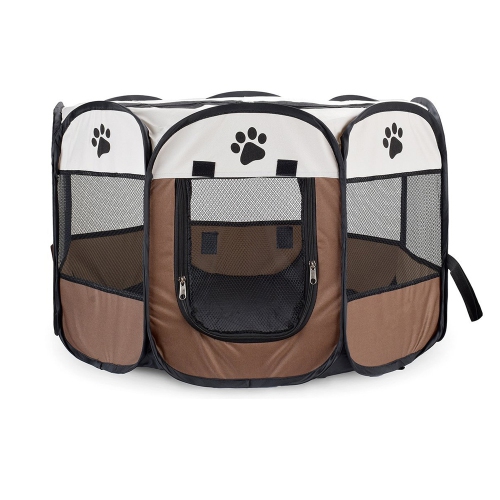 Your price for this item is $25.99
 -
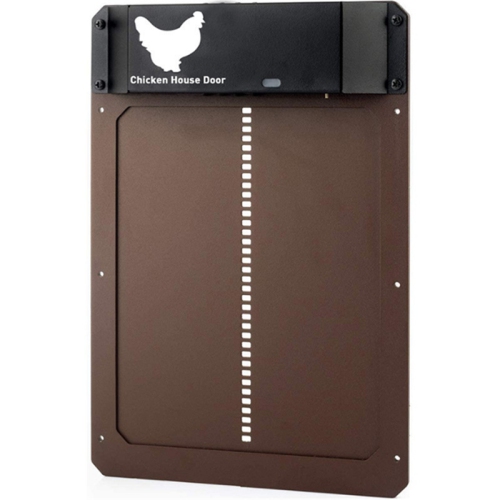 Your price for this item is $75.99
 -
 Your price for this item is $139.99
 -
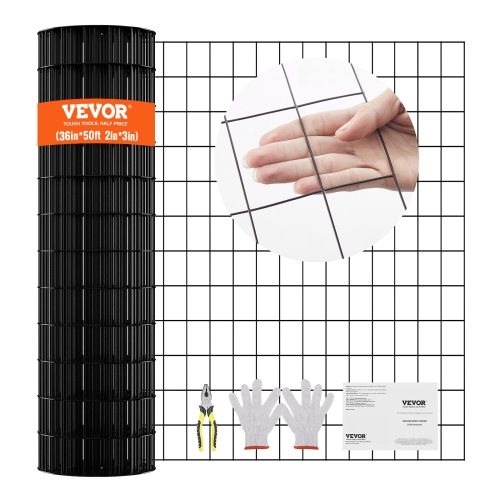 Your price for this item is $65.9
 -
 Your price for this item is $40.99
 -
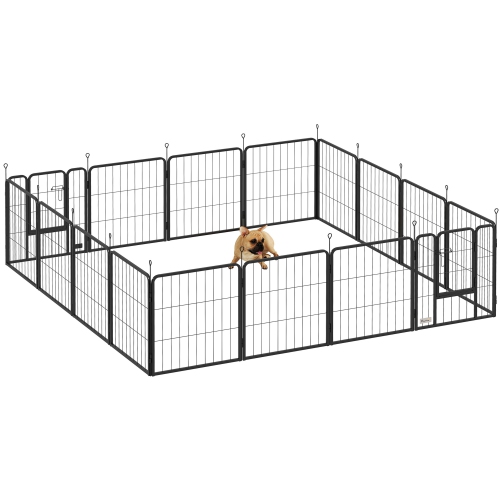 Your price for this item is $156.99
 -
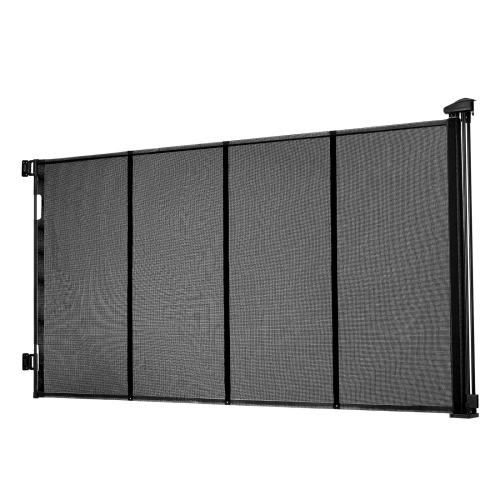 Your price for this item is $69.9
 -
 Your price for this item is $87.99
Discover more categories related to Metal Dog Playpens
Top Collections:
Pokemon Centers, Kindle Devices, Best Budget Office Chairs, Apple iPhones 16, Best Laptops for Writers, iPhone 15 Apple, Canon G7X Cameras, Refurbished Apple Laptops, Alarm Clock, Motorola Razr Phones
Some products may be subject to Environmental Handling Fees
(EHF) depending on your province.
Learn more about EHFs.