Metal Ladles
Metal ladles are essential kitchen tools that offer durability and versatility for everyday cooking tasks. Whether you're stirring soups, serving sauces, or portioning out stews, a reliable metal ladle can make meal preparation a breeze. With various sizes and styles available, these utensils are designed to withstand high temperatures and provide long-lasting performance in the kitchen. Upgrade your culinary arsenal with a selection of metal ladles that combine functionality with sleek design, perfect for any home chef looking to elevate their cooking experience.
Sort
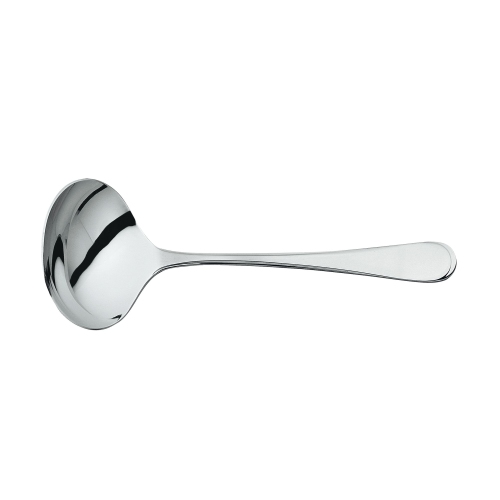
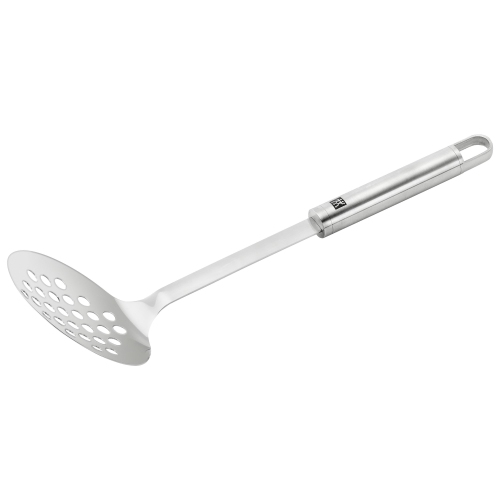
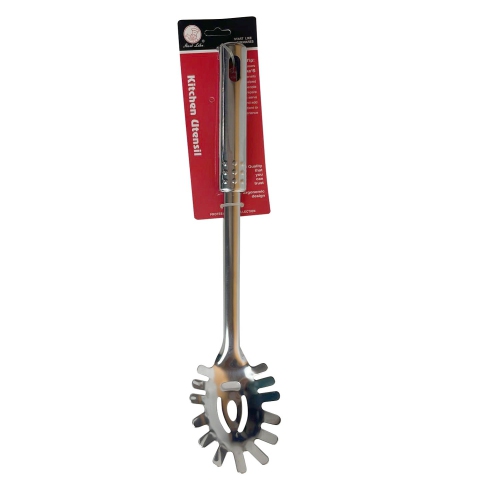
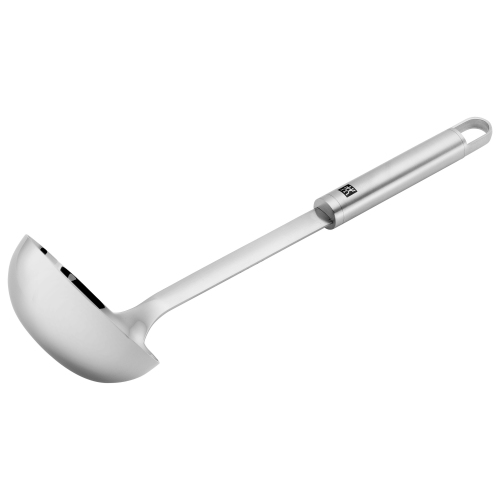
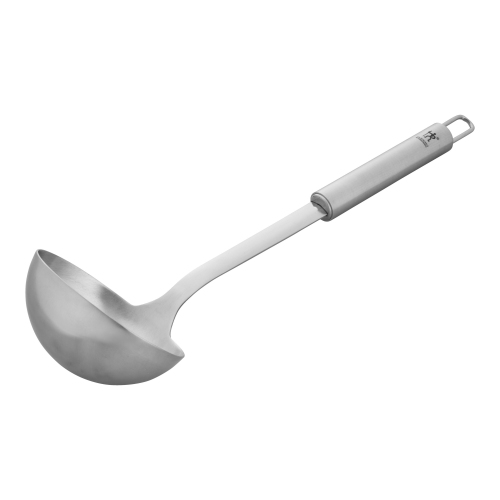
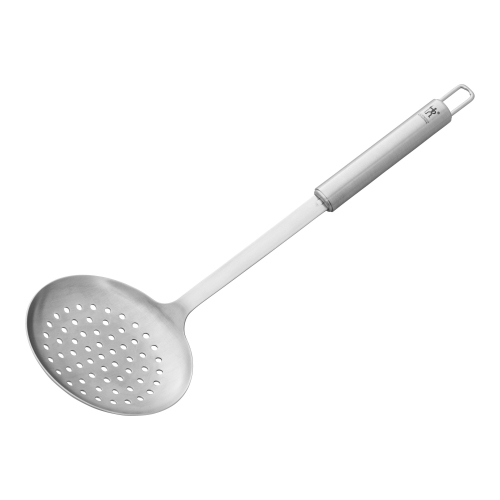
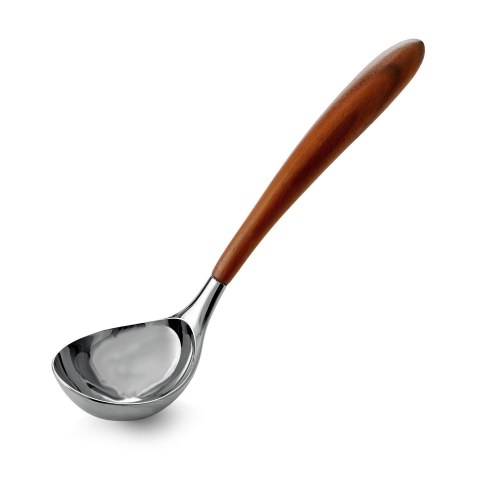
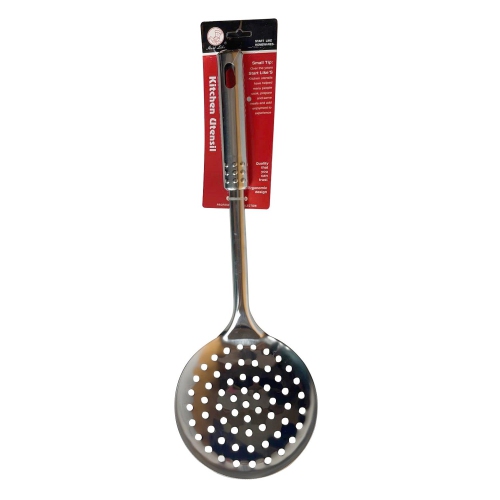
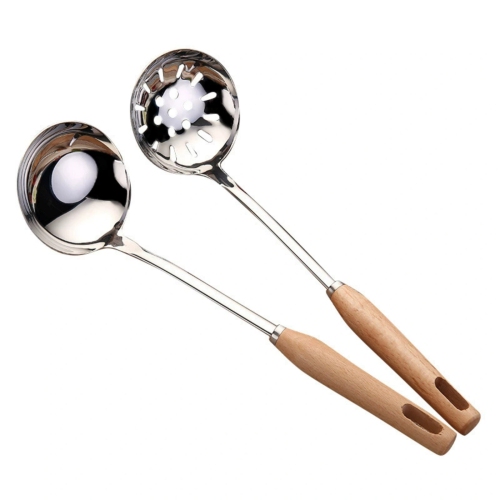

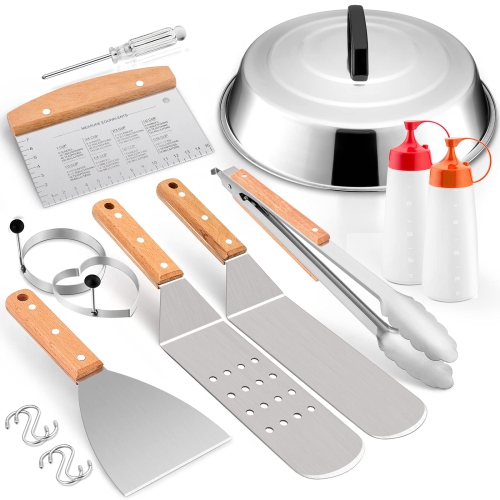
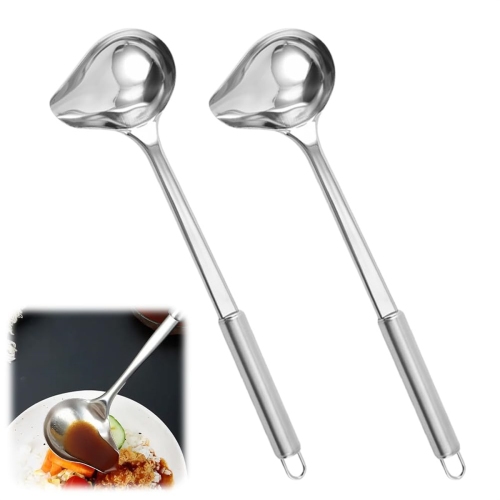
Reliable serving control for soups, sauces and hearty stews
Metal ladles are dependable kitchen tools for serving, portioning and transferring liquid foods with control. They are especially useful for soups, stews, broths, gravies, sauces and other dishes that are difficult to serve neatly with a standard spoon. A sturdy metal bowl can move a generous amount of food from a deep pot to a serving bowl, while the long handle helps keep your hands away from hot steam and splashes. Stainless steel is a popular choice because it is strong, heat-resistant and easy to clean, making it well suited to everyday cooking as well as larger gatherings. Unlike some lightweight utensils that can flex under the weight of a full bowl, a well-made metal ladle offers a reassuring sense of balance as you portion a thick stew or reach into a stockpot. It can also stand up to frequent use during the cooler months, when simmering soups, chilli and hearty sauces often become regular parts of the meal rotation. For cooks who prepare food in batches, a metal ladle makes it easier to portion servings consistently, whether you are filling bowls for a family dinner, dividing soup into storage containers or setting out a buffet. Smaller capacities can be useful for sauces, dressings and measured portions, while larger bowls are practical for broths, chowders and chunky stews. The capacity is usually listed in ounces or millilitres, so checking the dimensions before choosing can help you find a size that suits the cookware and recipes you use most often. A compact ladle may be easier to control in a saucepan, while a larger model can reduce the number of scoops needed from a stockpot. Handle length matters as well: a shorter handle may feel comfortable for countertop serving, whereas a longer handle can provide better reach into tall pots and deep Dutch ovens.
When comparing metal ladles, look for construction details that match the way you cook. One-piece stainless steel designs have a smooth, seamless structure with fewer joints where food can collect, which can make washing and drying simpler. Some are dishwasher safe, although care instructions should always be checked before placing a utensil in the dishwasher. A polished finish can coordinate neatly with other serving pieces, while a brushed finish may have a more understated appearance and can be comfortable in a busy kitchen. The shape of the bowl affects both serving and pouring. A deeper, rounded bowl is useful for lifting liquid and solids together, while a shaped edge or angled head can help direct food into a bowl with fewer drips. Some designs include pour spouts on one or both sides, which may be helpful for left- or right-handed users and for transferring sauces into narrow containers. A well-balanced handle should feel secure without being awkwardly heavy, particularly when the ladle is full. If you often prepare large batches, consider a heavier-duty construction designed for repeated use; for occasional home cooking, a lighter option may be easier to handle and store. Commercial kitchens, catering teams and hosts who serve food buffet-style may value durable handles, generous capacities and surfaces that can be cleaned quickly between uses. At home, metal ladles can be kept in a utensil crock, hung from a rail or stored in a drawer, depending on the handle design. They are also useful beyond the main meal: use one to portion pancake batter, spoon punch into cups, serve warm cider during a gathering or transfer homemade jam and gravy with less mess. For a more focused selection intended for broth, chowder and other spoonable dishes, explore Soup Ladles.
A metal ladle can be a practical addition to a first kitchen, a housewarming gift or a thoughtful choice for someone who enjoys preparing meals from scratch. It is the sort of utensil that may appear simple, yet quickly becomes part of a familiar cooking routine: resting beside a simmering pot, circling through a rich sauce or serving the first steaming bowl at the table. When selecting one as a gift, consider the recipient’s cookware and habits. Someone who makes soup in a small saucepan may prefer a compact bowl and a shorter handle, while an enthusiastic home cook may appreciate a larger capacity for stockpots and batch cooking. A person who entertains may favour an elegant finish that looks at home beside serving spoons and buffet dishes. Those who cook frequently may benefit from a robust, easy-care option with a comfortable grip and a seamless interior. For anyone working with induction-compatible stainless steel cookware or other high-temperature cooking surfaces, metal is often a sensible choice because it tolerates heat well; however, it is important to use care around non-stick or delicate finishes, where a metal utensil may cause scratches. Keeping the ladle moving smoothly and avoiding forceful contact with the bottom or sides of coated cookware can help protect those surfaces. Before purchasing, review bowl capacity, overall length, handle shape, material, finish and cleaning instructions. Also consider whether the ladle needs to fit inside a particular pot, utensil holder or kitchen drawer. With the right size and shape, a metal ladle can make serving feel more controlled and less hurried, whether you are ladling a weekday soup into bowls, portioning gravy for a special dinner or preparing warm, comforting food to share during the cooler months.
When comparing metal ladles, look for construction details that match the way you cook. One-piece stainless steel designs have a smooth, seamless structure with fewer joints where food can collect, which can make washing and drying simpler. Some are dishwasher safe, although care instructions should always be checked before placing a utensil in the dishwasher. A polished finish can coordinate neatly with other serving pieces, while a brushed finish may have a more understated appearance and can be comfortable in a busy kitchen. The shape of the bowl affects both serving and pouring. A deeper, rounded bowl is useful for lifting liquid and solids together, while a shaped edge or angled head can help direct food into a bowl with fewer drips. Some designs include pour spouts on one or both sides, which may be helpful for left- or right-handed users and for transferring sauces into narrow containers. A well-balanced handle should feel secure without being awkwardly heavy, particularly when the ladle is full. If you often prepare large batches, consider a heavier-duty construction designed for repeated use; for occasional home cooking, a lighter option may be easier to handle and store. Commercial kitchens, catering teams and hosts who serve food buffet-style may value durable handles, generous capacities and surfaces that can be cleaned quickly between uses. At home, metal ladles can be kept in a utensil crock, hung from a rail or stored in a drawer, depending on the handle design. They are also useful beyond the main meal: use one to portion pancake batter, spoon punch into cups, serve warm cider during a gathering or transfer homemade jam and gravy with less mess. For a more focused selection intended for broth, chowder and other spoonable dishes, explore Soup Ladles.
A metal ladle can be a practical addition to a first kitchen, a housewarming gift or a thoughtful choice for someone who enjoys preparing meals from scratch. It is the sort of utensil that may appear simple, yet quickly becomes part of a familiar cooking routine: resting beside a simmering pot, circling through a rich sauce or serving the first steaming bowl at the table. When selecting one as a gift, consider the recipient’s cookware and habits. Someone who makes soup in a small saucepan may prefer a compact bowl and a shorter handle, while an enthusiastic home cook may appreciate a larger capacity for stockpots and batch cooking. A person who entertains may favour an elegant finish that looks at home beside serving spoons and buffet dishes. Those who cook frequently may benefit from a robust, easy-care option with a comfortable grip and a seamless interior. For anyone working with induction-compatible stainless steel cookware or other high-temperature cooking surfaces, metal is often a sensible choice because it tolerates heat well; however, it is important to use care around non-stick or delicate finishes, where a metal utensil may cause scratches. Keeping the ladle moving smoothly and avoiding forceful contact with the bottom or sides of coated cookware can help protect those surfaces. Before purchasing, review bowl capacity, overall length, handle shape, material, finish and cleaning instructions. Also consider whether the ladle needs to fit inside a particular pot, utensil holder or kitchen drawer. With the right size and shape, a metal ladle can make serving feel more controlled and less hurried, whether you are ladling a weekday soup into bowls, portioning gravy for a special dinner or preparing warm, comforting food to share during the cooler months.
Top selling and popular products
-
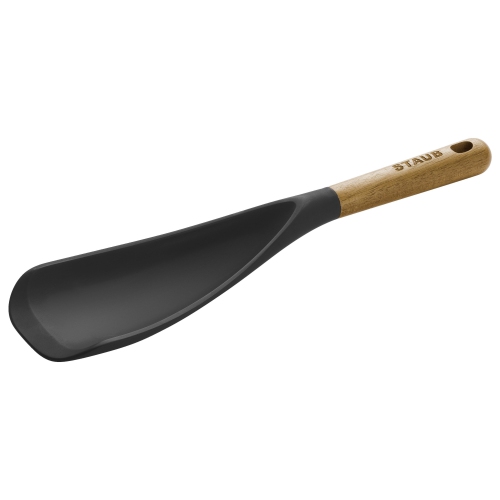 Your price for this item is $24.99
 -
 Your price for this item is $159.99
 -
 Your price for this item is $29.97
 -
 Your price for this item is $14.7
 -
 Your price for this item is $456.7
 -
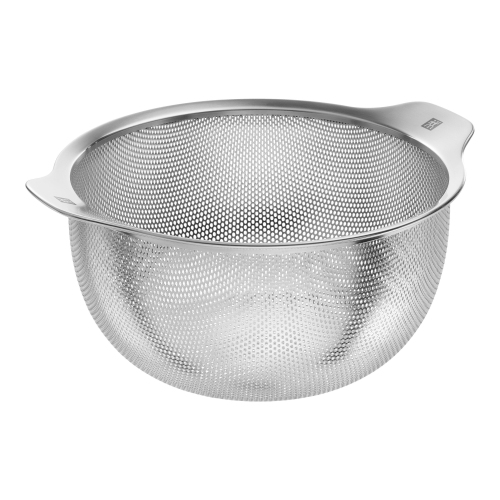 Your price for this item is $34.99
 -
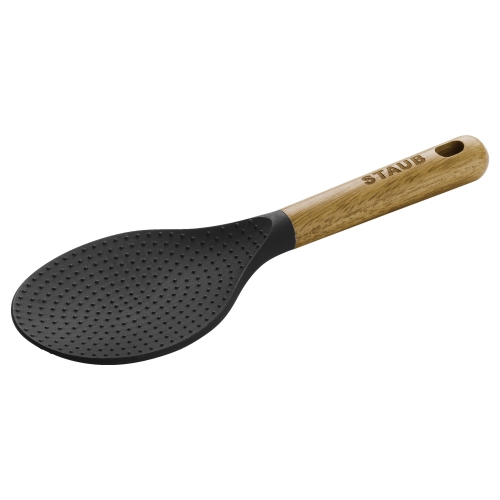 Your price for this item is $24.99
 -
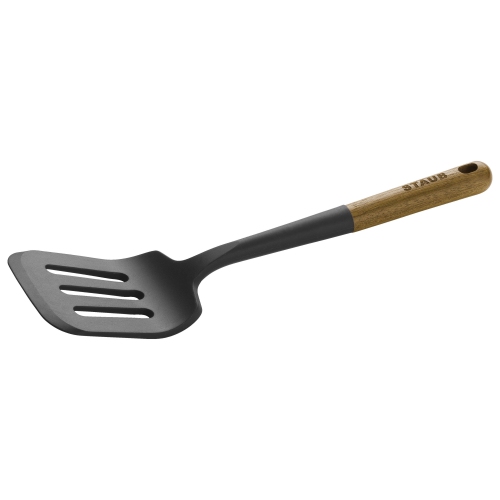 Your price for this item is $24.99
Discover more categories related to Metal Ladles
Top Collections:
Pokemon Centers, Kindle Devices, Best Budget Office Chairs, Apple iPhones 16, Canon G7X Cameras, iPhone 15 Apple, Alarm Clock, Refurbished Apple Laptops, Flip Phones, Best Laptops for Writers
Some products may be subject to Environmental Handling Fees
(EHF) depending on your province.
Learn more about EHFs.