Metal Shelving Units
Looking for a sturdy and versatile storage solution for your home or office? Look no further than our metal shelving units. These sleek and durable shelves are designed to provide you with ample space to organize and display your belongings. Whether you need extra storage in your garage, pantry, or living room, our metal shelving units are the perfect choice. With their strong construction and adjustable shelves, you can easily customize the unit to fit your specific needs. Say goodbye to clutter and hello to an organized space with our metal shelving units.
Sort
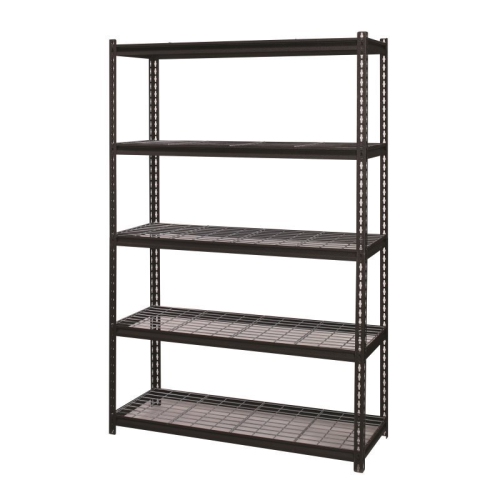
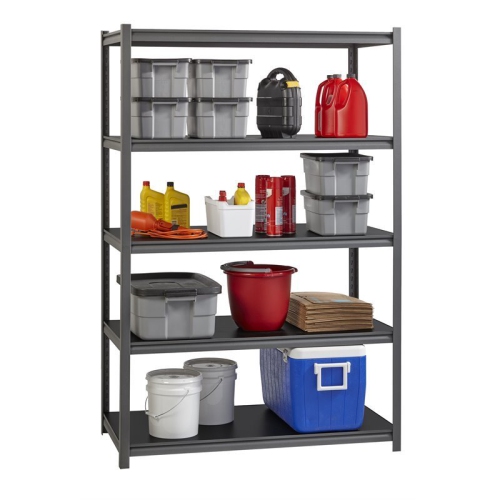
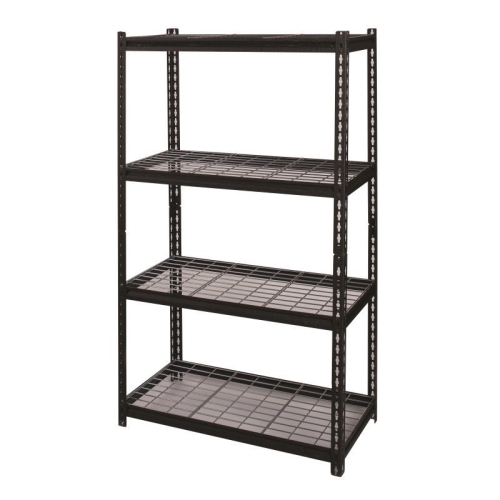
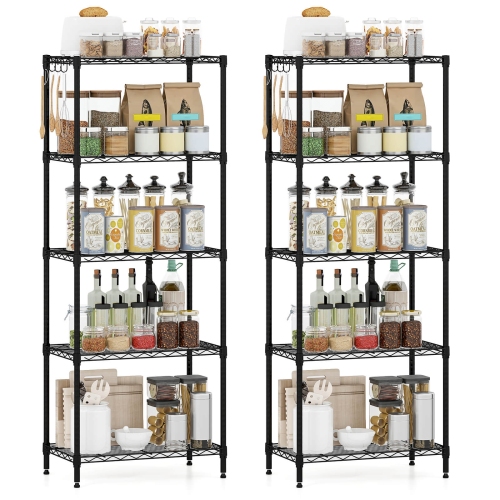
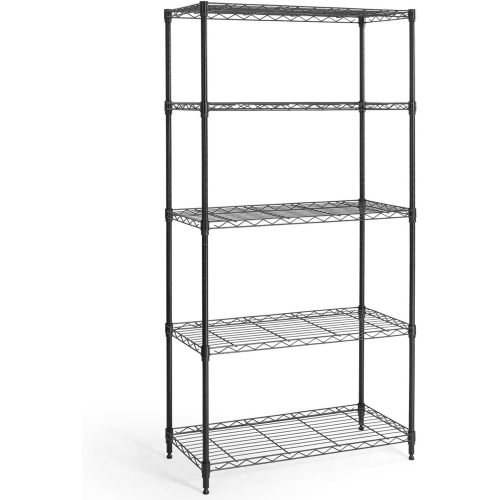
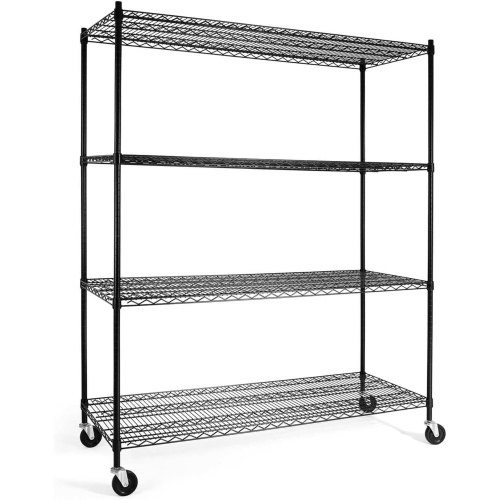
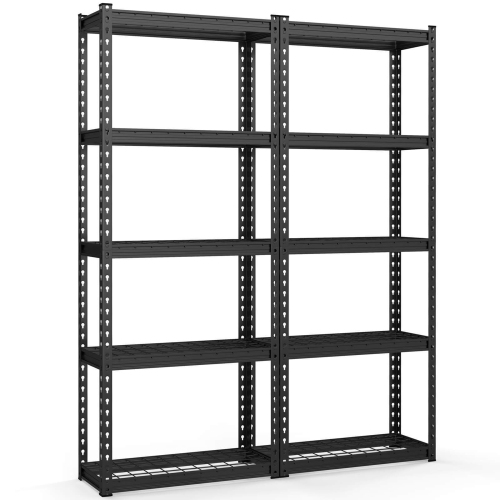
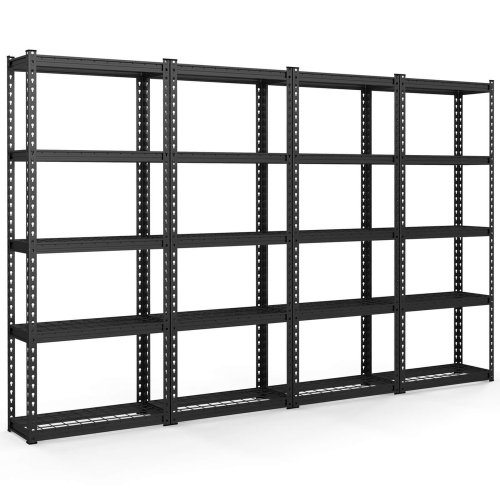
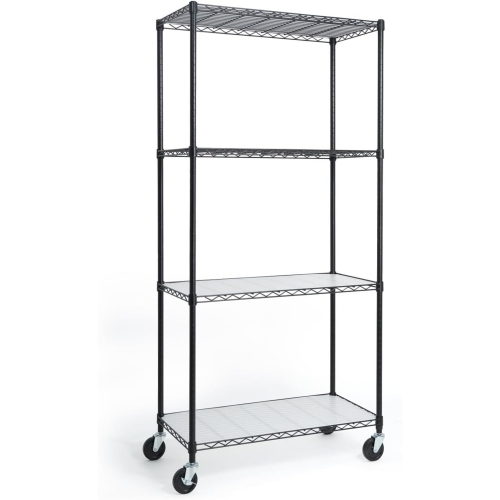
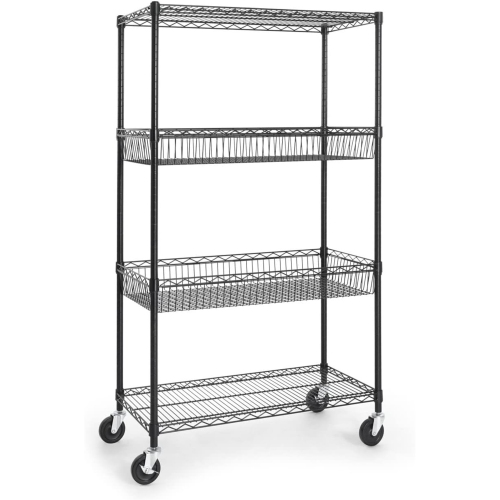
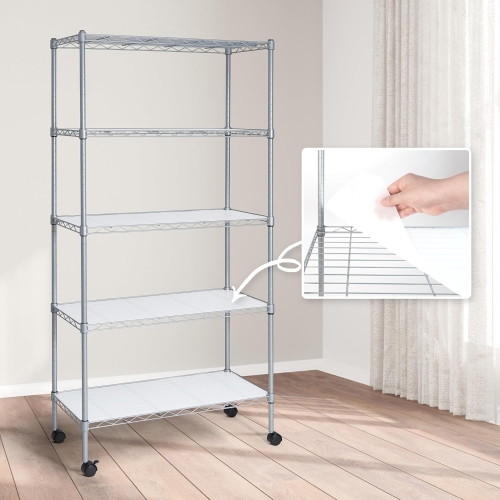
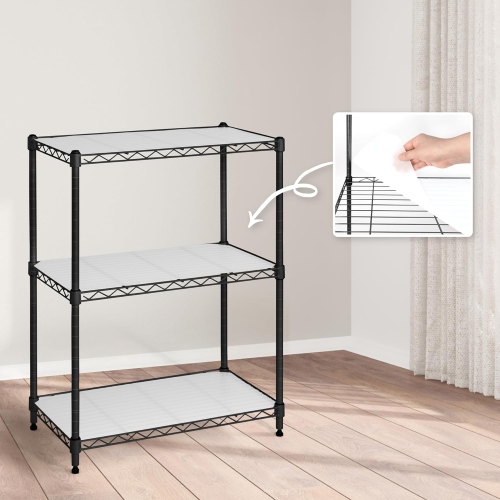
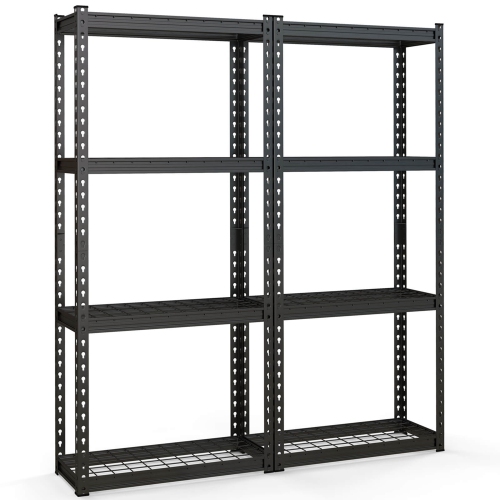
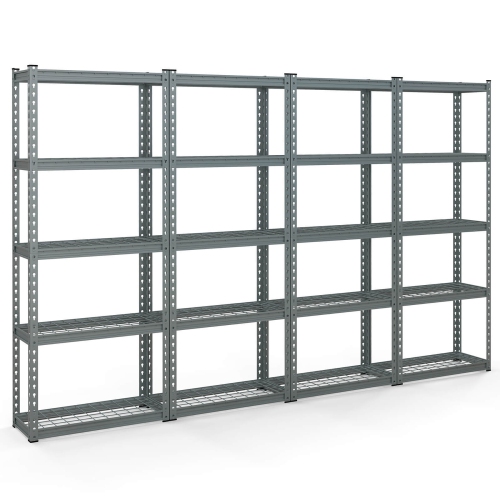

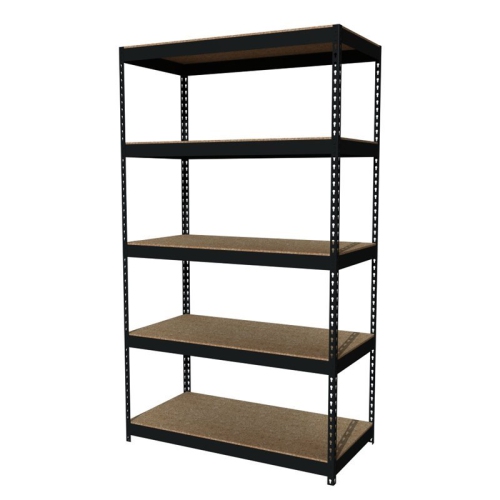
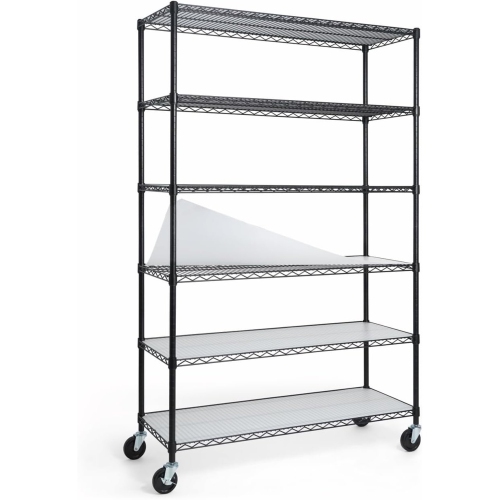
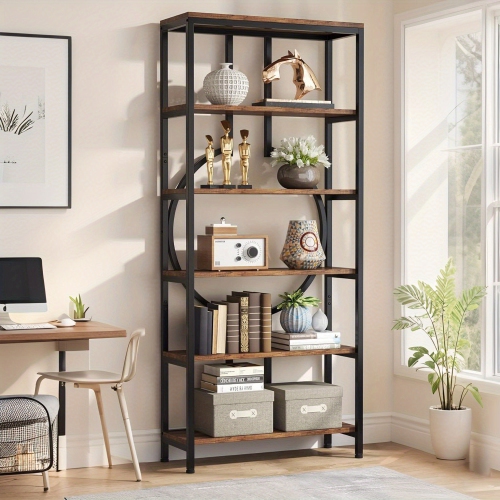

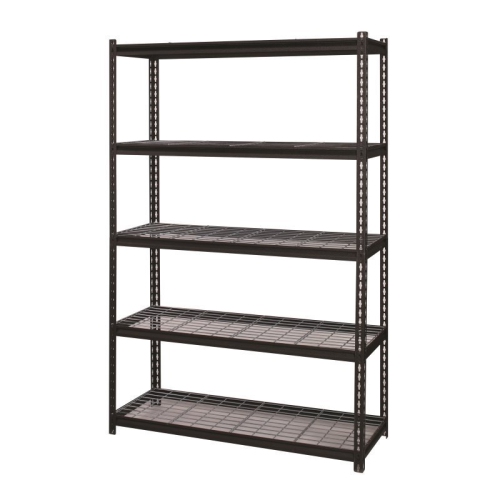
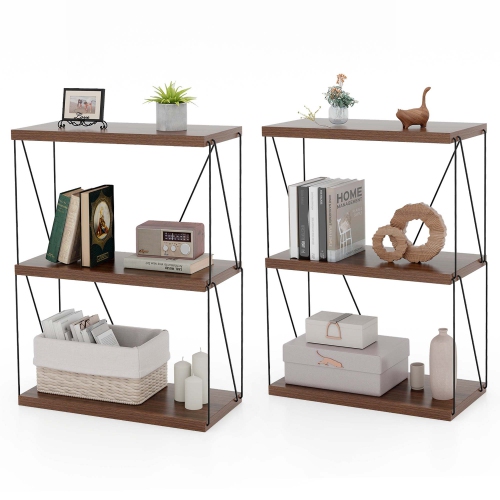
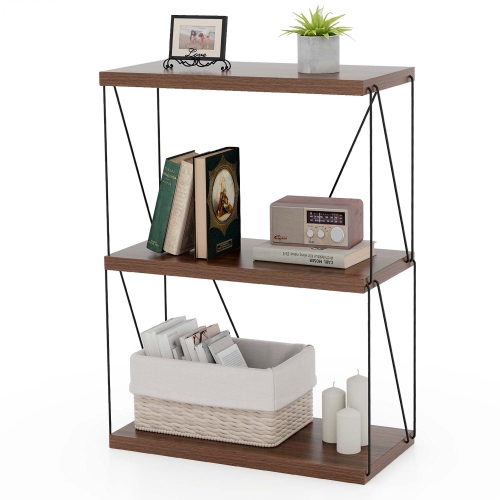
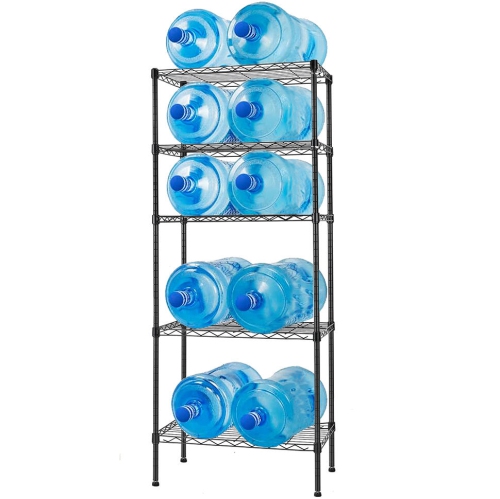
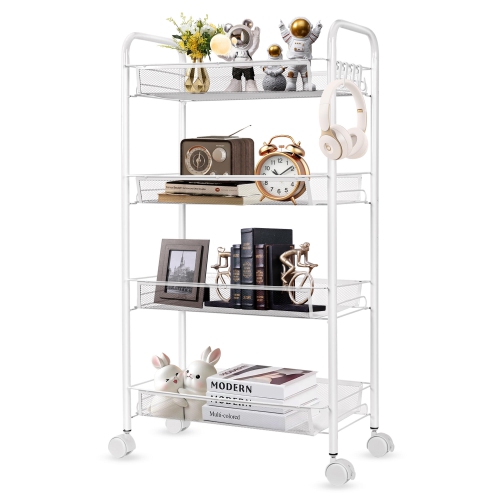
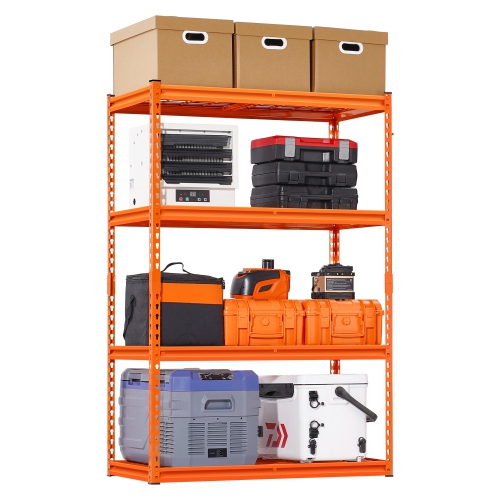
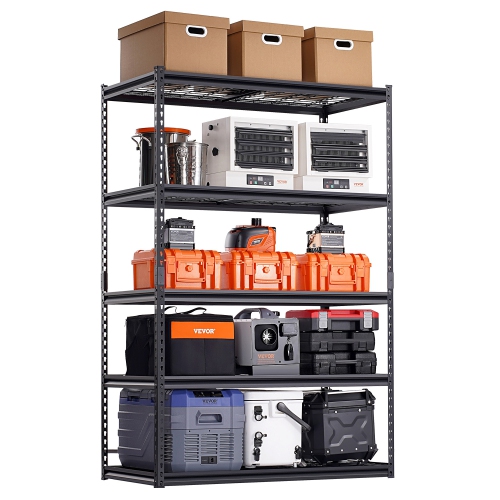
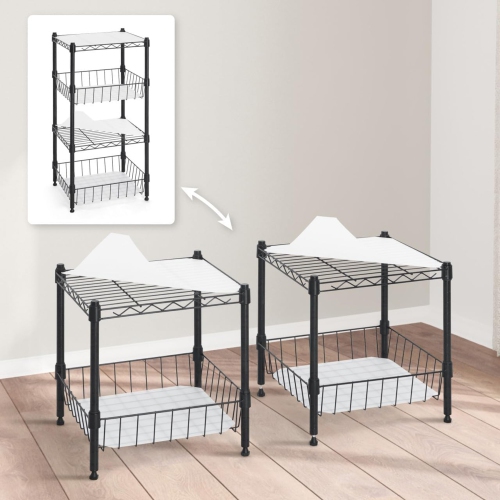
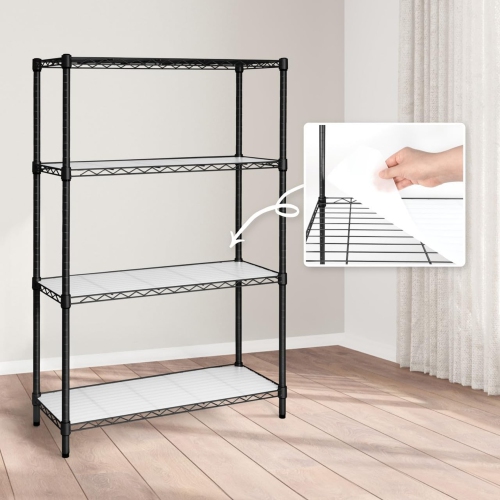
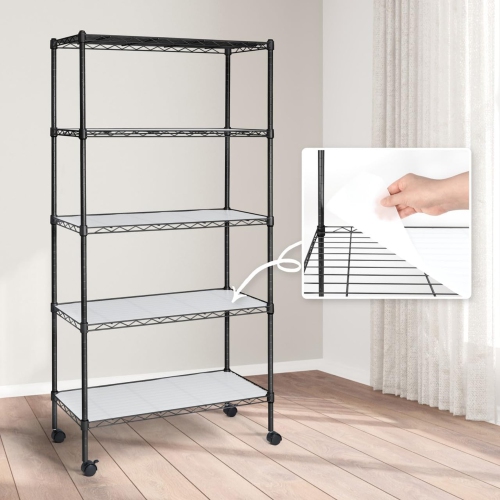
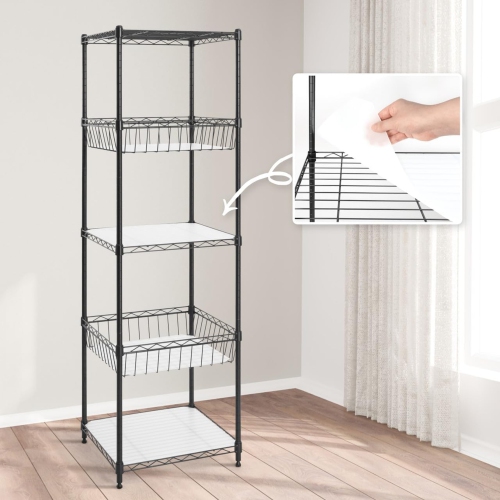
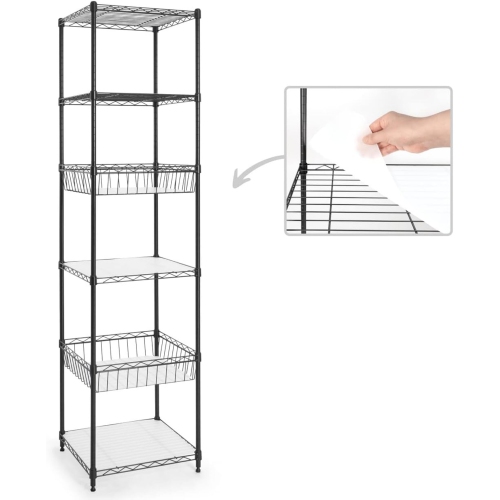
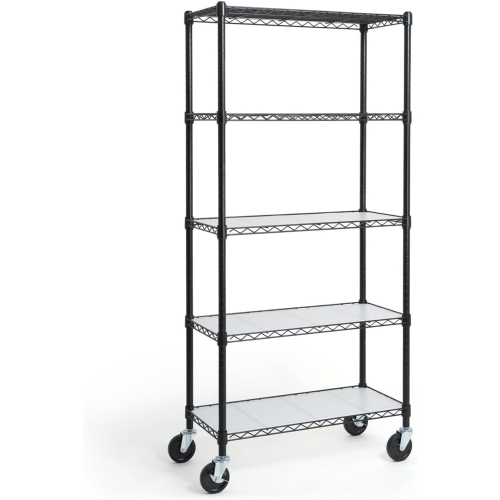
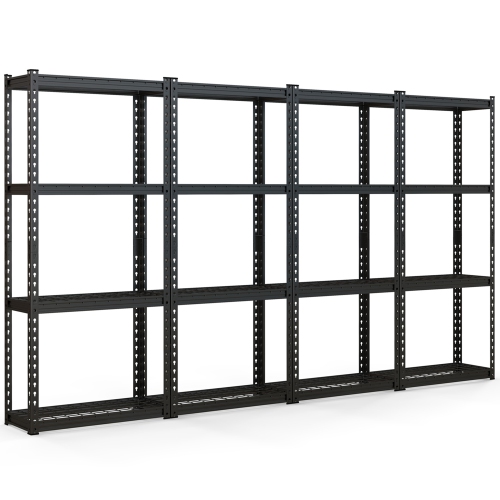
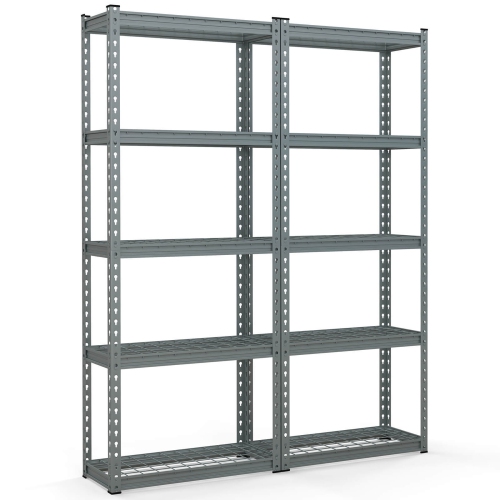


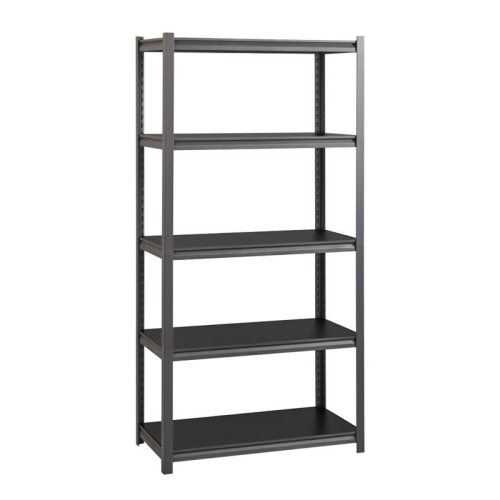
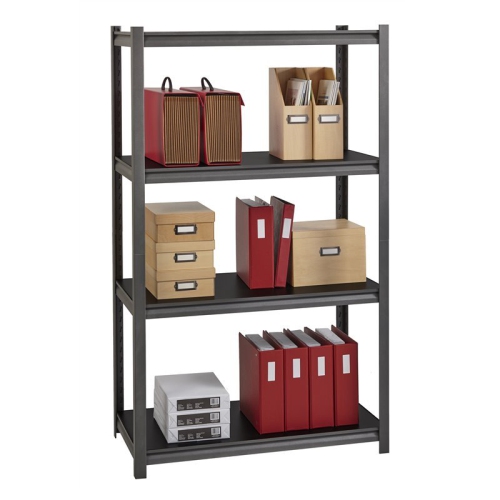
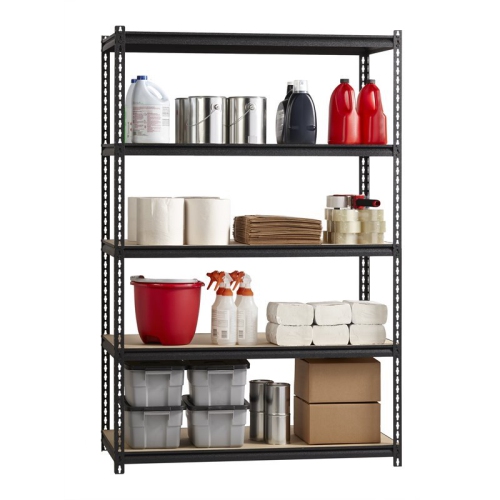
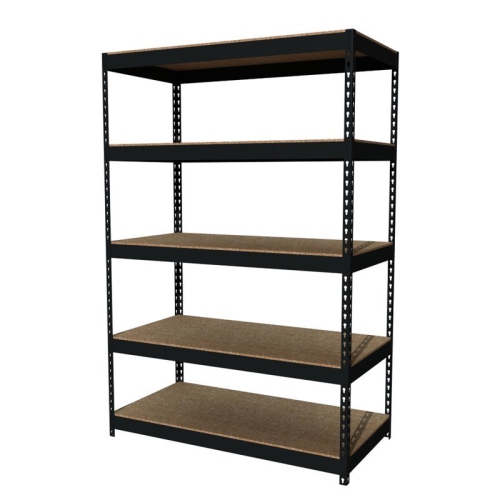
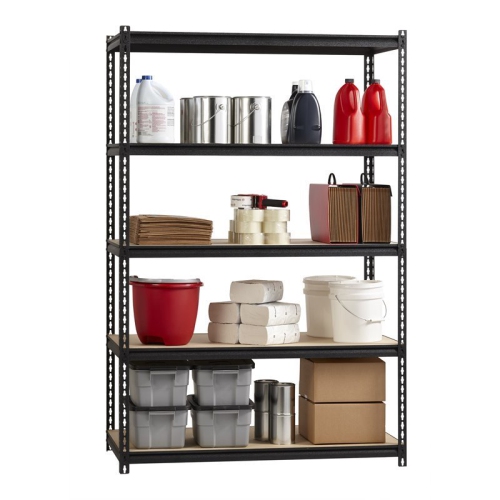
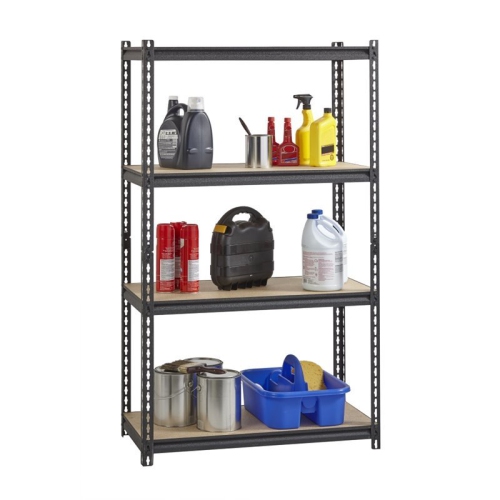
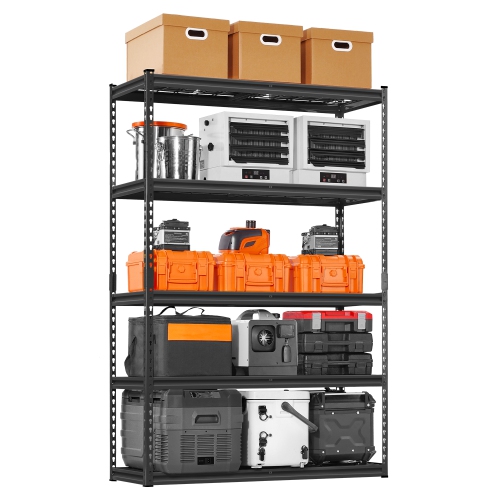
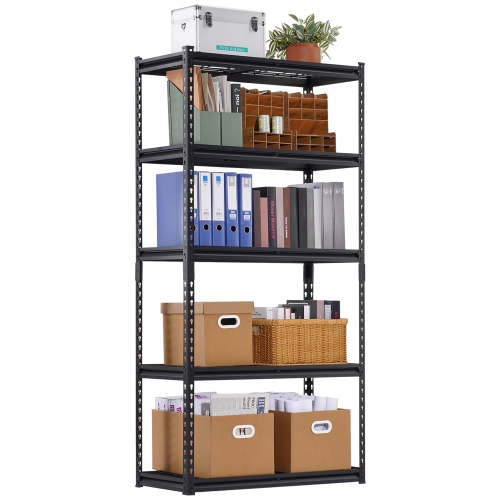
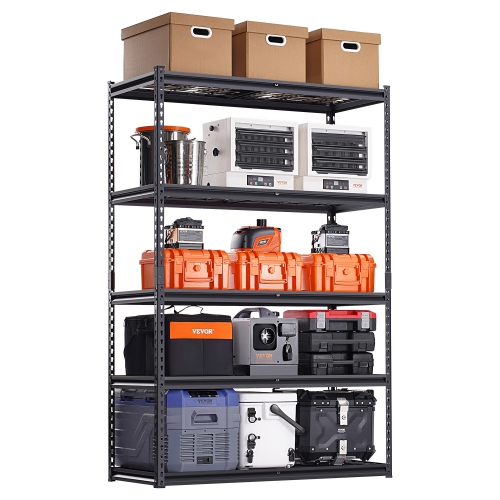
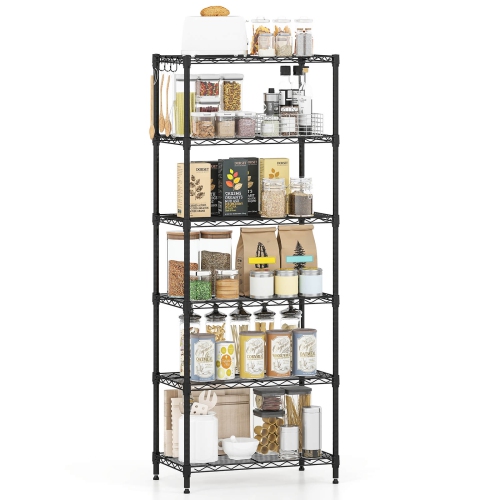
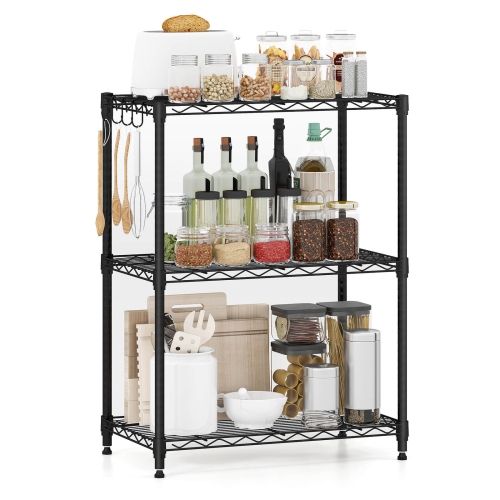
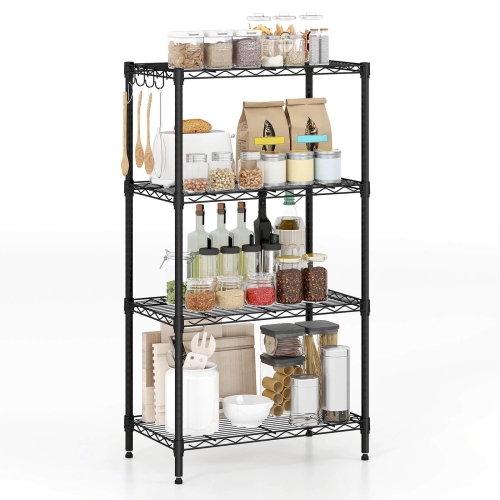
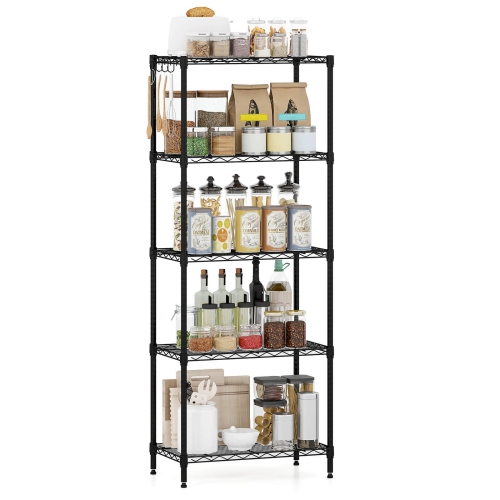
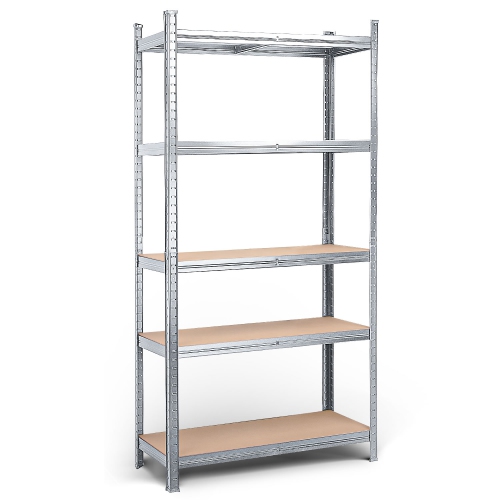
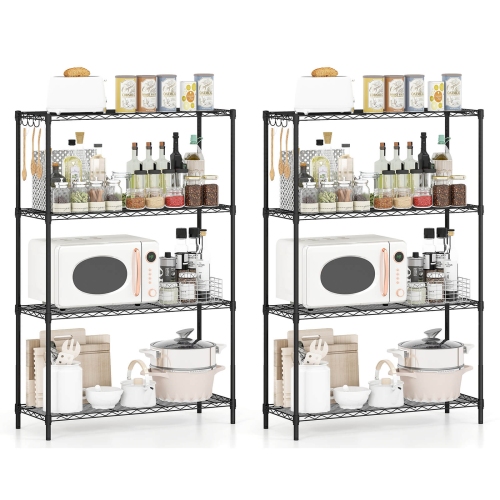
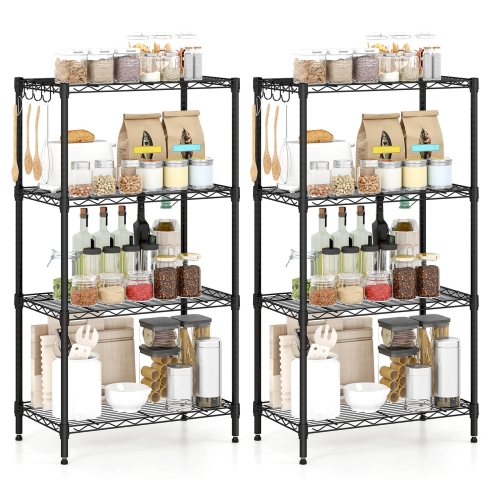
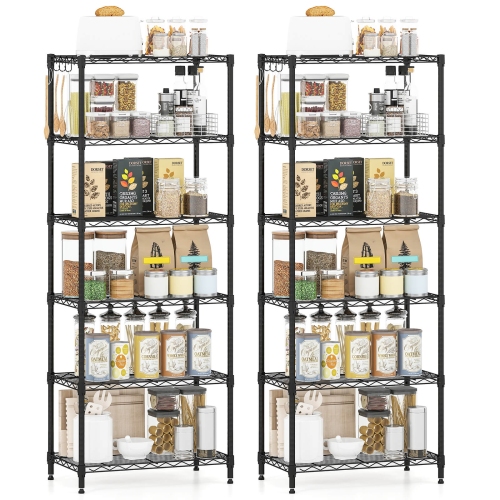
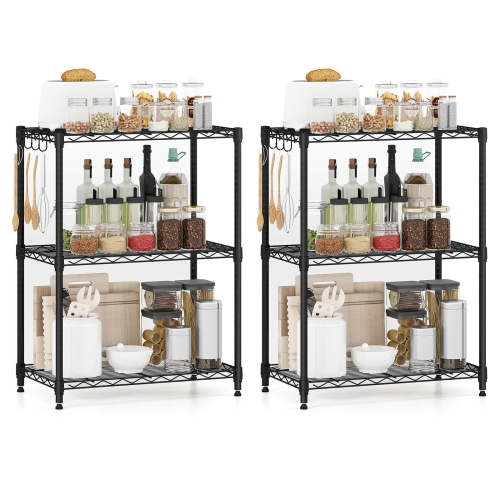
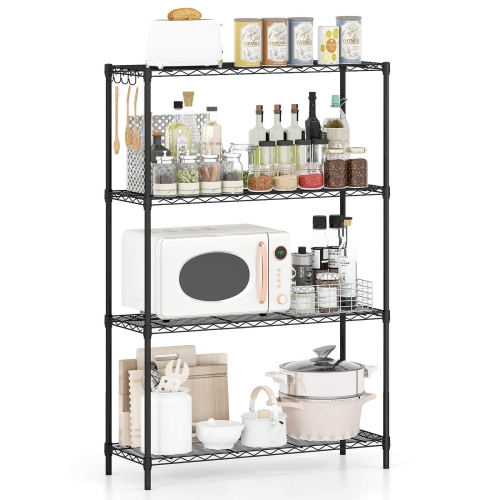
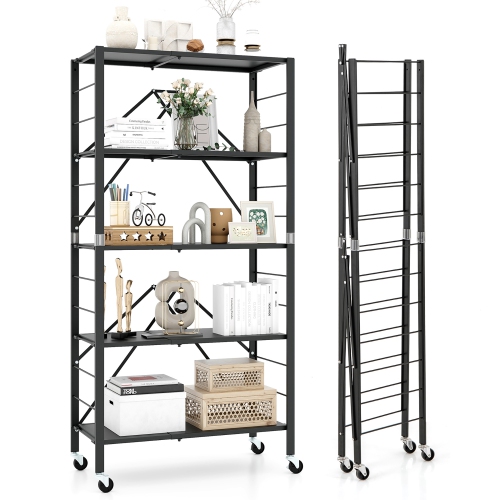
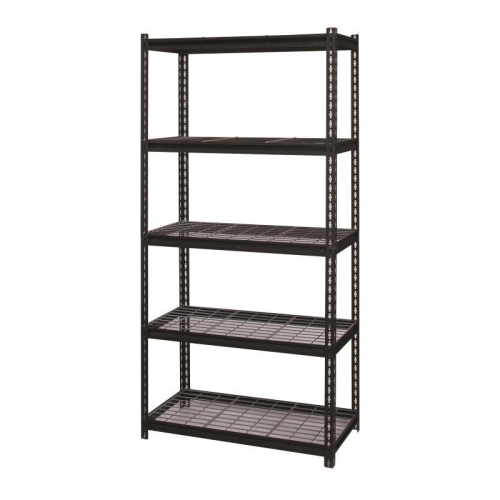
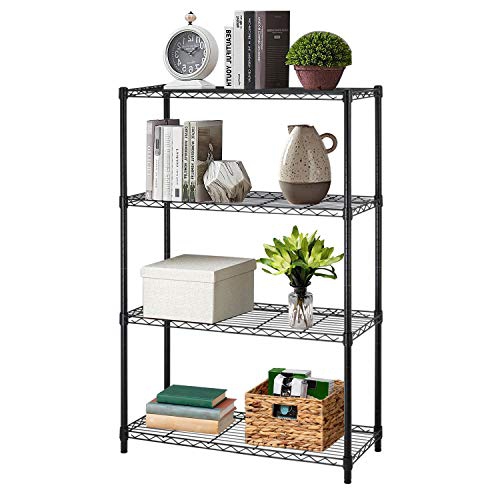
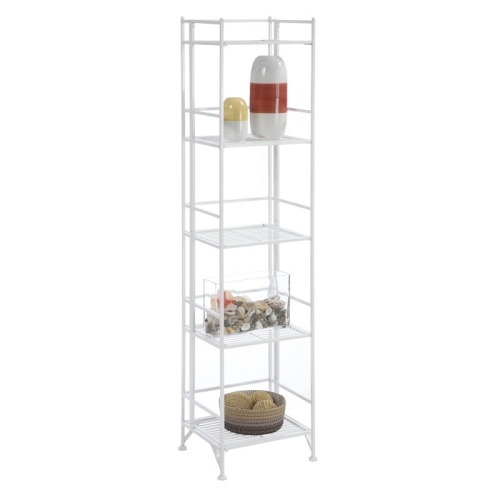
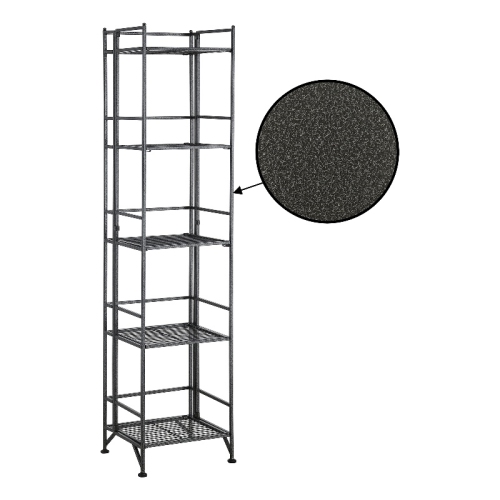
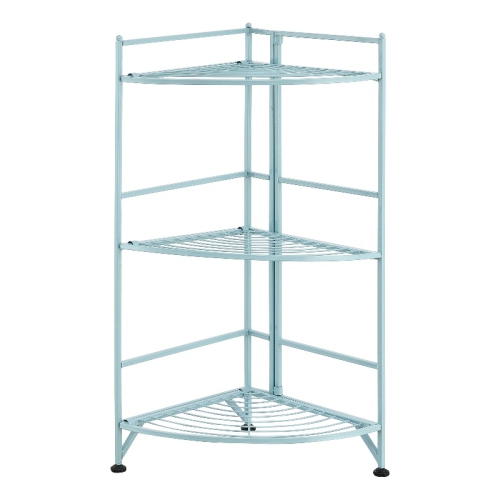
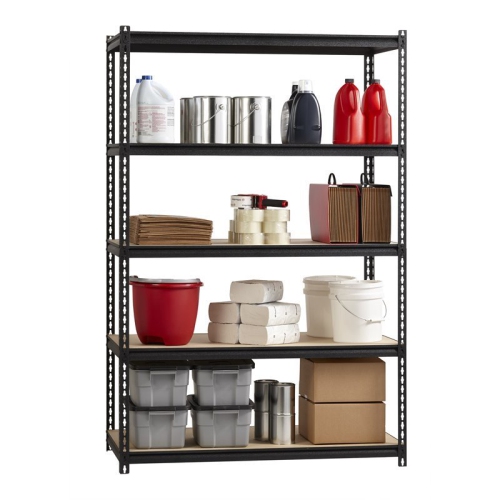
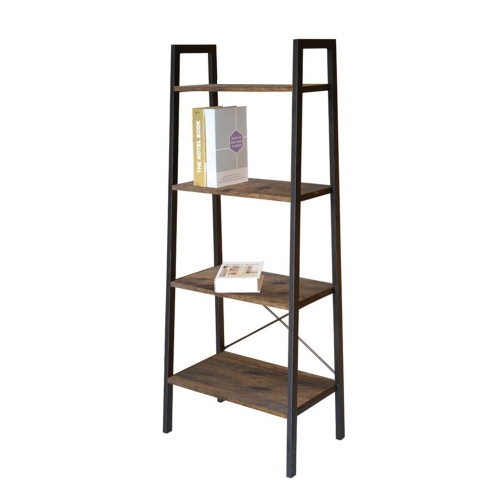
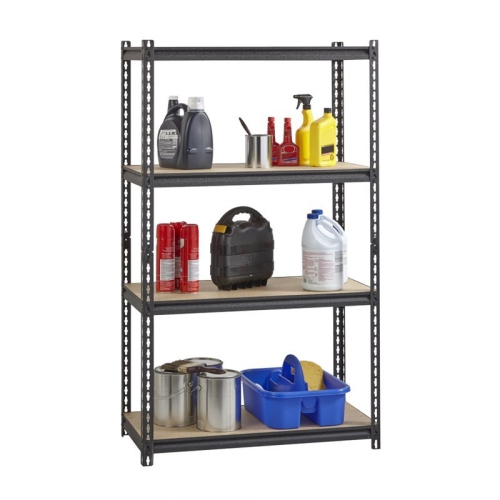

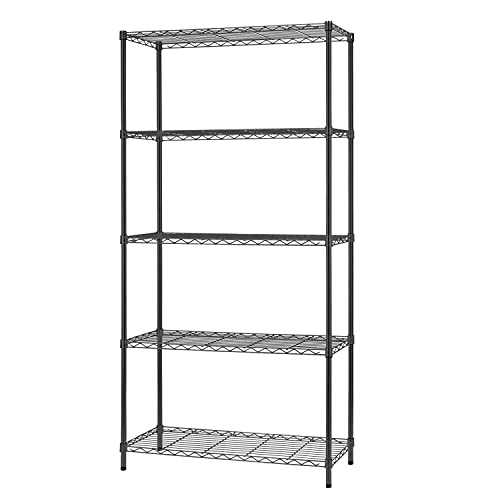
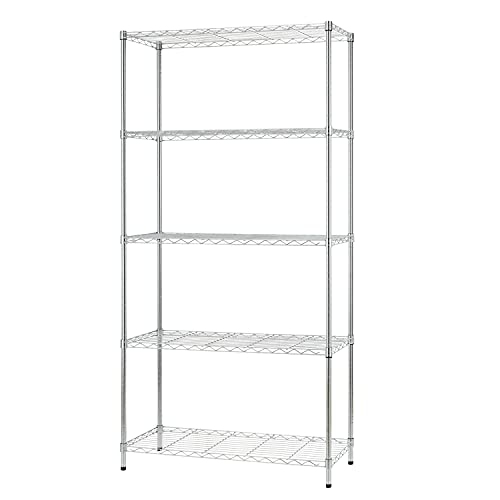
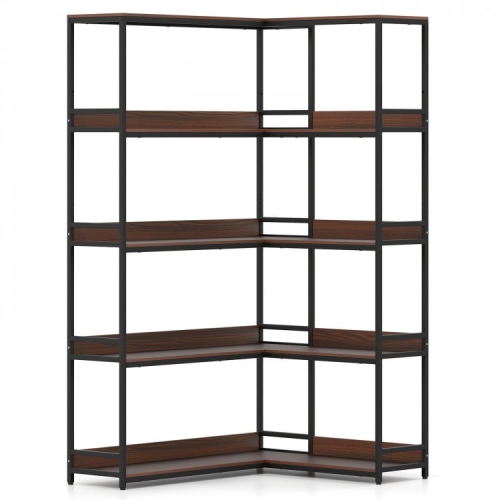
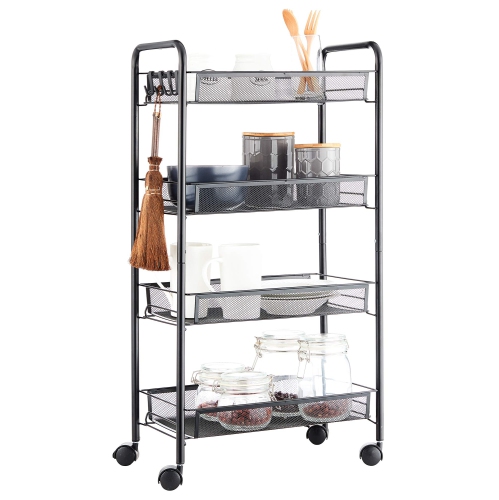
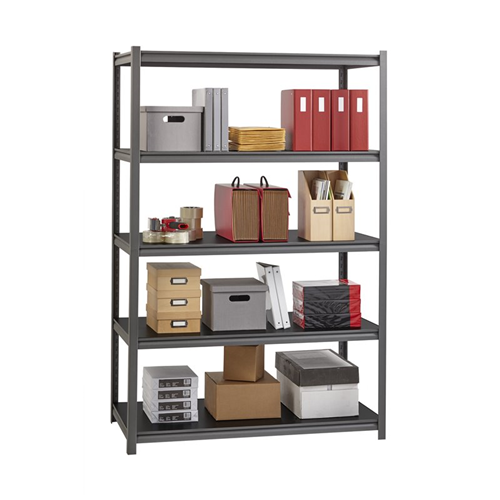
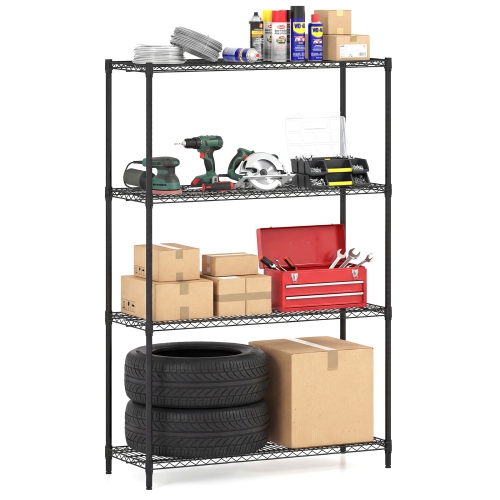
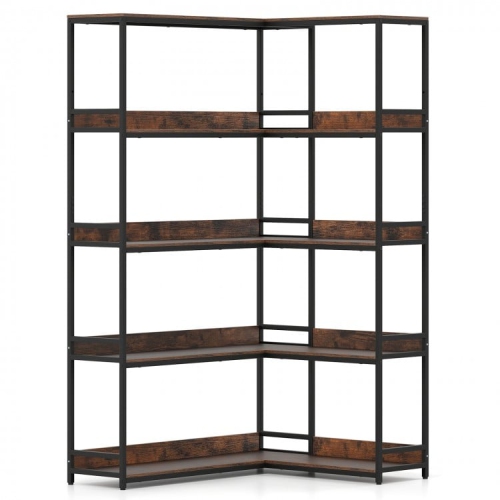
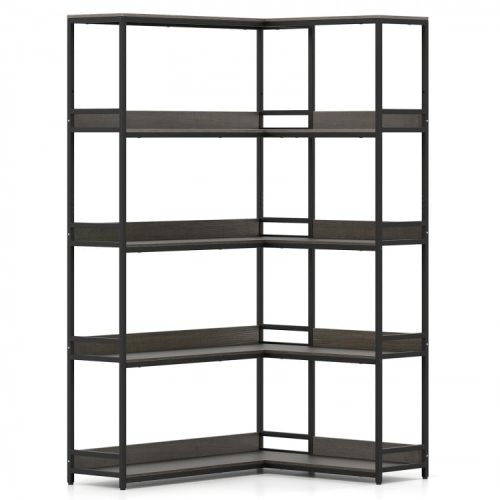
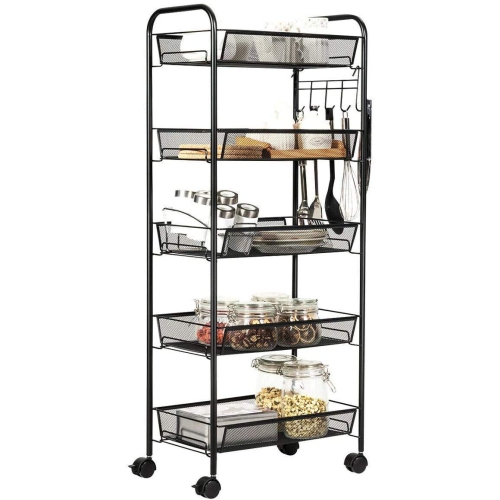
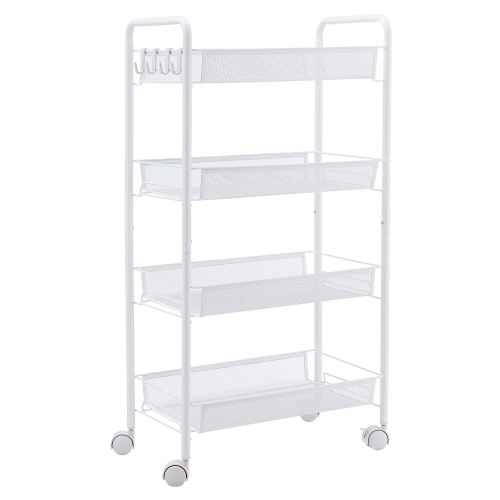
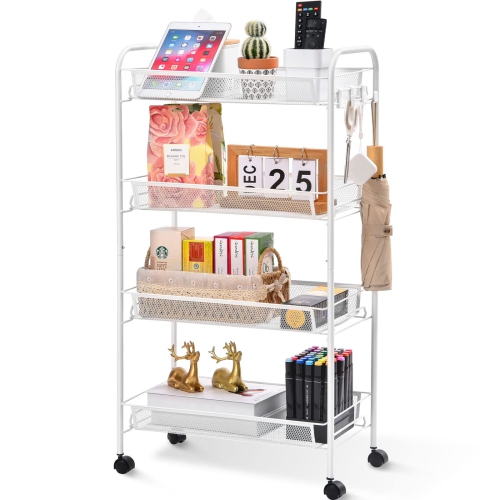
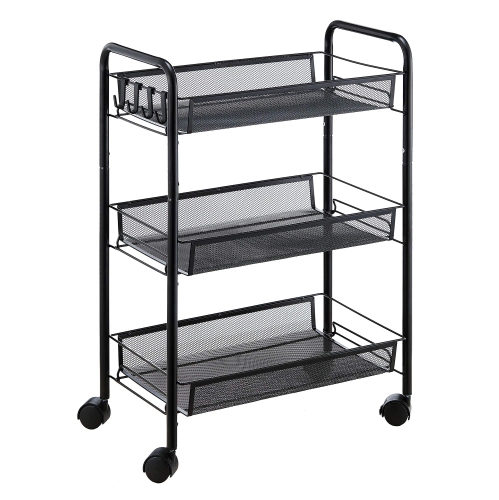
Open shelving puts vertical space to practical use
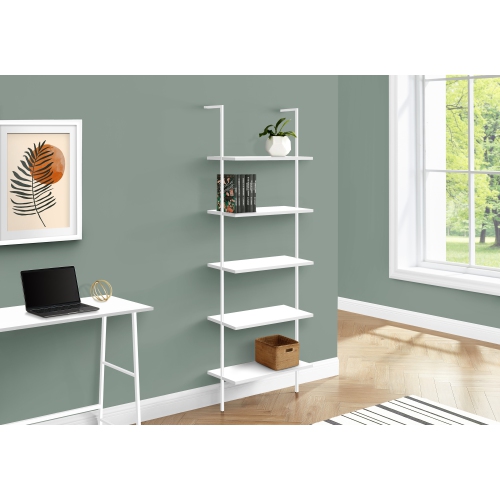
Metal shelving units bring order to spaces that need more than a spare cupboard or a stack of boxes. Their open frames keep everyday supplies visible, while multiple shelf levels make practical use of vertical space in a garage, pantry, laundry room, home office, or workshop. A narrow unit can turn an unused recess into a place for folded linens and cleaning supplies; a wider rack can give tool cases, storage bins, and hobby materials a proper home. The appeal is straightforward: belongings stay easier to find, and clear floors leave more room to move, work, and clean. Different shelf surfaces suit different routines. Wire shelves allow air to circulate and make it easy to see contents from several angles, which can be useful for household supplies and frequently handled containers. Solid metal shelves provide a continuous surface for smaller objects that might tilt or slip between wires. Some units combine metal frames with wood-based shelf panels, offering a different appearance and surface feel, though those panels may need more protection from moisture. Steel is common where strength and rigidity matter, while aluminium can offer a lighter structure that is easier to reposition. Chrome-look finishes lend a crisp, functional appearance, and painted or powder-coated frames can blend into a utility space or provide a more finished look in a living area. The right style depends as much on what surrounds it as on what it holds. A shelving unit beside a desk may need to accommodate paper files without overwhelming the room, while one in a craft space might hold broad containers of fabric and supplies. For renters, homeowners, students, and people setting up a shared workspace, metal shelving offers a way to organize belongings without committing to built-in cabinetry. Open sides also leave room for taller or awkwardly shaped contents, provided everything stays within the shelf footprint and the unit’s stated limits.
Fit involves more than finding a frame that matches the width of an empty wall. Shelf depth affects both storage capacity and access: deeper shelves can accommodate large bins, but they can also make small objects harder to reach at the back. Shallower units often work better along a passageway or beside a work surface where walking space matters. Overall height determines how much storage is within comfortable reach, especially when the upper shelves hold containers that require two hands to lift. Door swings, baseboards, electrical outlets, and nearby appliances can all affect placement, so the usable space may be smaller than it first appears. Adjustable shelves offer flexibility as needs change, making it possible to leave extra clearance for a tall appliance or reduce gaps between rows of shorter containers. Fixed shelves can suit a consistent setup where the contents and spacing are unlikely to change. Weight ratings deserve particular attention because shelf capacity and total unit capacity are not always the same. Manufacturer ratings may assume an evenly distributed load, which differs from placing a single heavy object in the centre of a shelf. Dense belongings generally belong lower down, where they are easier to handle and help keep the arrangement stable. Levelling feet can help a freestanding unit sit properly on a slightly uneven floor, while castors make sense where supplies need to move between work areas. A rolling unit may have different load limits from a stationary one, and locking castors help hold it in place during use. Wall anchoring, where specified by the manufacturer, is an important part of installation rather than an optional finishing touch. That matters especially in homes with children or pets, where shelves must never become climbing structures. For spaces with a mix of storage needs, the broader range of Storage Shelving Units can help put metal designs in context alongside other materials and configurations. A useful layout leaves enough clearance to lift a container straight off its shelf without catching it on the frame above.
Durability comes from the whole construction, not simply the fact that a unit is made from metal. Shelf thickness, frame design, bracing, connections, and surface finish all influence how the structure handles regular use. Bolted frames, interlocking components, and clip-supported shelves each have their own assembly requirements; a properly seated connection helps prevent movement that can become more noticeable under load. Powder-coated and plated finishes can help protect the underlying metal, but scratches, chipped edges, and prolonged contact with moisture may affect that protection. Stainless steel offers corrosion resistance, although its grade and the manufacturer’s care directions still matter. Shelving intended for an indoor utility room should not be assumed suitable for outdoor use or places with persistent dampness. Routine care is usually uncomplicated: dust collects along shelf edges and wire intersections, while spills are easier to address before they dry around joints. A soft cloth and a cleaner approved for the finish help maintain the surface without unnecessary abrasion, and drying after cleaning reduces lingering moisture. Shelf liners can make wire surfaces more practical for narrow containers or small accessories, provided they are compatible with the shelf and do not interfere with its intended use. In busy households, grouping belongings by task often makes open shelving feel calmer: laundry supplies together, craft materials in labelled containers, and frequently used tools close to the workbench. Matching bins can create a tidy appearance, while clear containers make sense where seeing the contents saves repeated searching. In a home office, a metal unit can separate reference materials from equipment; in a pantry, it can keep packaged goods visible without hiding them behind cupboard doors. The most useful arrangement leaves some breathing room rather than filling every gap. Metal shelving units work best when their dimensions, surfaces, and capacity match the everyday habits of the people using them, turning an overlooked wall or crowded corner into dependable, accessible storage.
Fit involves more than finding a frame that matches the width of an empty wall. Shelf depth affects both storage capacity and access: deeper shelves can accommodate large bins, but they can also make small objects harder to reach at the back. Shallower units often work better along a passageway or beside a work surface where walking space matters. Overall height determines how much storage is within comfortable reach, especially when the upper shelves hold containers that require two hands to lift. Door swings, baseboards, electrical outlets, and nearby appliances can all affect placement, so the usable space may be smaller than it first appears. Adjustable shelves offer flexibility as needs change, making it possible to leave extra clearance for a tall appliance or reduce gaps between rows of shorter containers. Fixed shelves can suit a consistent setup where the contents and spacing are unlikely to change. Weight ratings deserve particular attention because shelf capacity and total unit capacity are not always the same. Manufacturer ratings may assume an evenly distributed load, which differs from placing a single heavy object in the centre of a shelf. Dense belongings generally belong lower down, where they are easier to handle and help keep the arrangement stable. Levelling feet can help a freestanding unit sit properly on a slightly uneven floor, while castors make sense where supplies need to move between work areas. A rolling unit may have different load limits from a stationary one, and locking castors help hold it in place during use. Wall anchoring, where specified by the manufacturer, is an important part of installation rather than an optional finishing touch. That matters especially in homes with children or pets, where shelves must never become climbing structures. For spaces with a mix of storage needs, the broader range of Storage Shelving Units can help put metal designs in context alongside other materials and configurations. A useful layout leaves enough clearance to lift a container straight off its shelf without catching it on the frame above.
Durability comes from the whole construction, not simply the fact that a unit is made from metal. Shelf thickness, frame design, bracing, connections, and surface finish all influence how the structure handles regular use. Bolted frames, interlocking components, and clip-supported shelves each have their own assembly requirements; a properly seated connection helps prevent movement that can become more noticeable under load. Powder-coated and plated finishes can help protect the underlying metal, but scratches, chipped edges, and prolonged contact with moisture may affect that protection. Stainless steel offers corrosion resistance, although its grade and the manufacturer’s care directions still matter. Shelving intended for an indoor utility room should not be assumed suitable for outdoor use or places with persistent dampness. Routine care is usually uncomplicated: dust collects along shelf edges and wire intersections, while spills are easier to address before they dry around joints. A soft cloth and a cleaner approved for the finish help maintain the surface without unnecessary abrasion, and drying after cleaning reduces lingering moisture. Shelf liners can make wire surfaces more practical for narrow containers or small accessories, provided they are compatible with the shelf and do not interfere with its intended use. In busy households, grouping belongings by task often makes open shelving feel calmer: laundry supplies together, craft materials in labelled containers, and frequently used tools close to the workbench. Matching bins can create a tidy appearance, while clear containers make sense where seeing the contents saves repeated searching. In a home office, a metal unit can separate reference materials from equipment; in a pantry, it can keep packaged goods visible without hiding them behind cupboard doors. The most useful arrangement leaves some breathing room rather than filling every gap. Metal shelving units work best when their dimensions, surfaces, and capacity match the everyday habits of the people using them, turning an overlooked wall or crowded corner into dependable, accessible storage.
Top selling and popular products
-
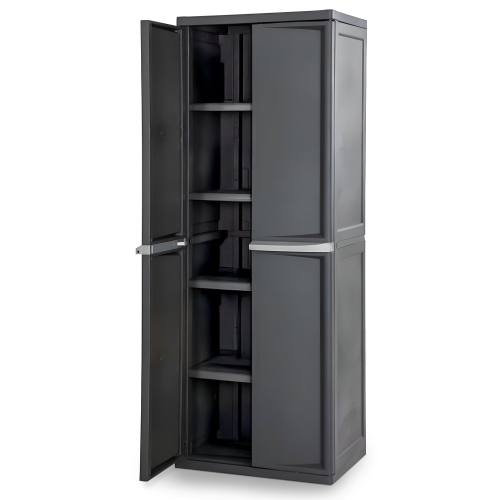 Your price for this item is $772.99
 -
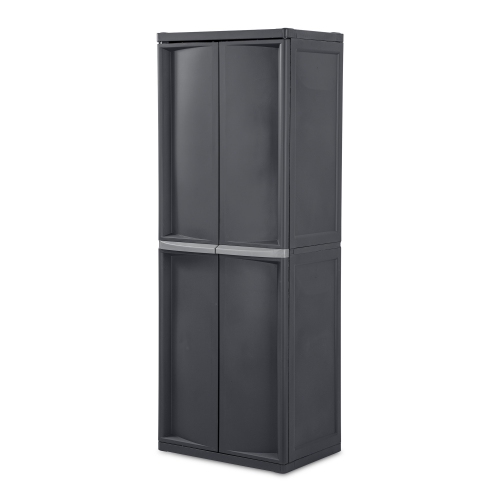 Your price for this item is $1522.99
 -
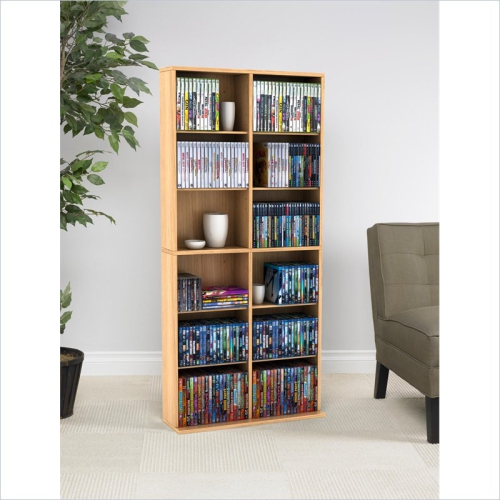 Your price for this item is $234.68
 -
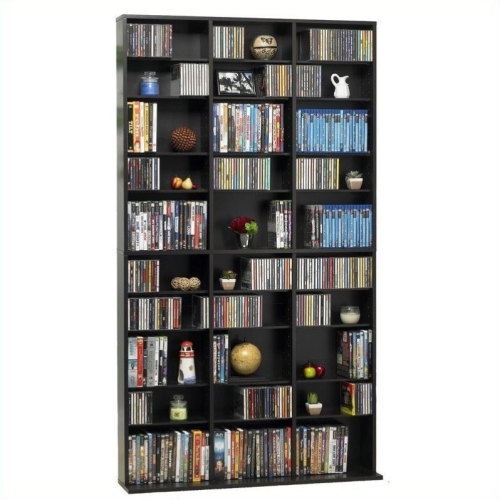 Your price for this item is $365.38
 -
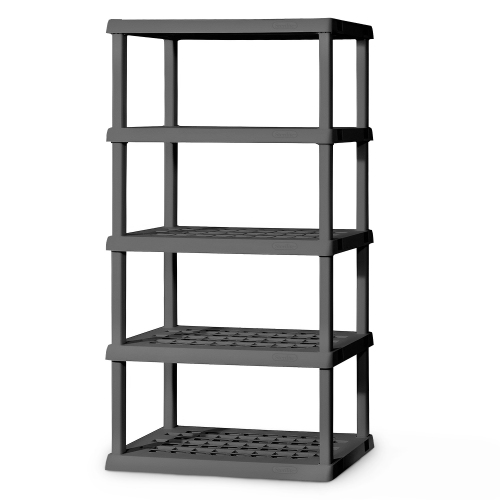 Your price for this item is $468.99
 -
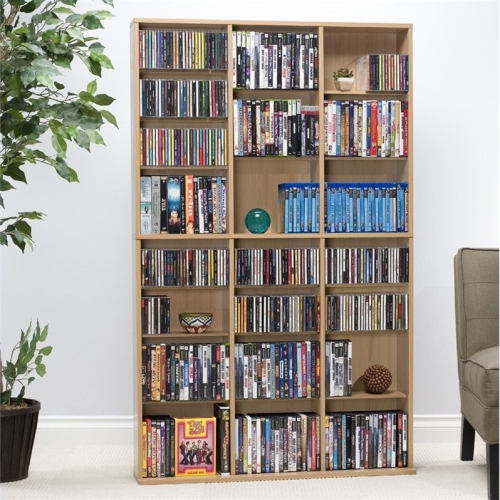 Your price for this item is $295.84
 -
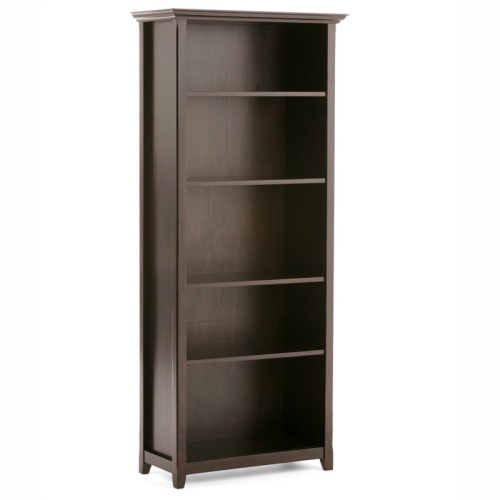 Your price for this item is $999.77
 -
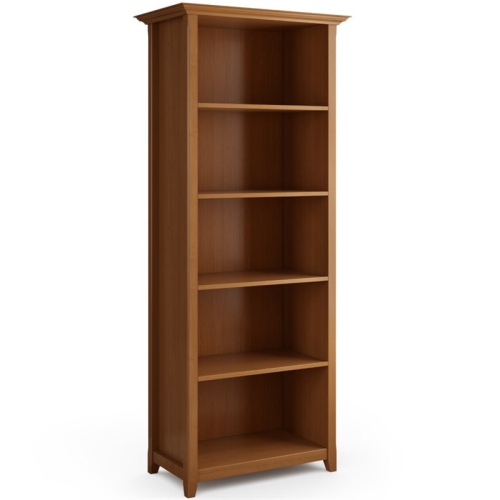 Your price for this item is $998.43
Discover more categories related to Metal Shelving Units
Top Collections:
Pokemon Centers, Kindle Devices, Best Budget Office Chairs, Apple iPhones 16, Best Laptops for Writers, iPhone 15 Apple, Canon G7X Cameras, Refurbished Apple Laptops, Alarm Clock, Motorola Razr Phones
Some products may be subject to Environmental Handling Fees
(EHF) depending on your province.
Learn more about EHFs.