Metal Signs
Add a touch of personality and style to any space with metal signs. Perfect for homes, offices, garages, or commercial settings, these eye-catching accents offer a unique way to express your interests and enhance your décor. Explore a variety of designs and sizes to find the ideal metal signs that suit your taste and complement your environment.
Sort
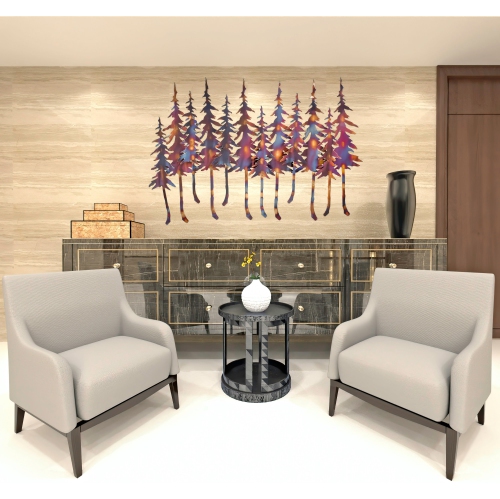
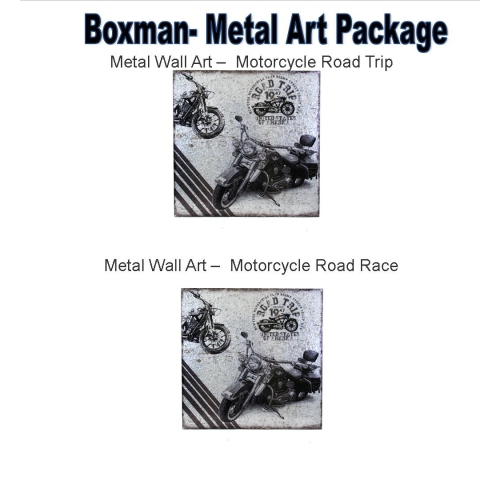
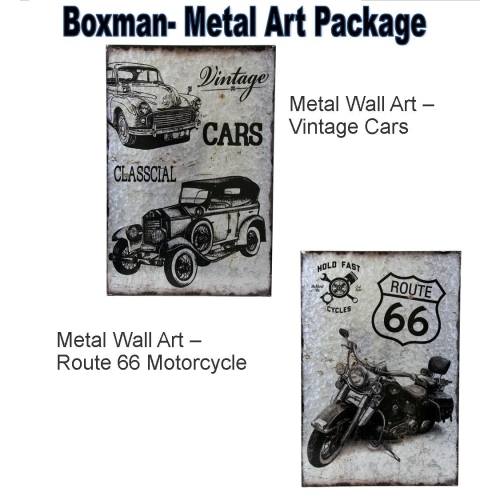
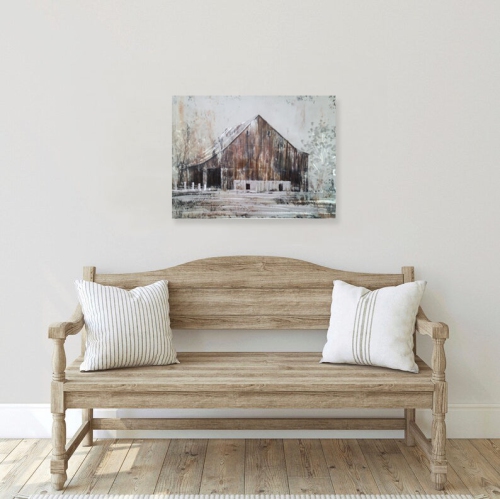
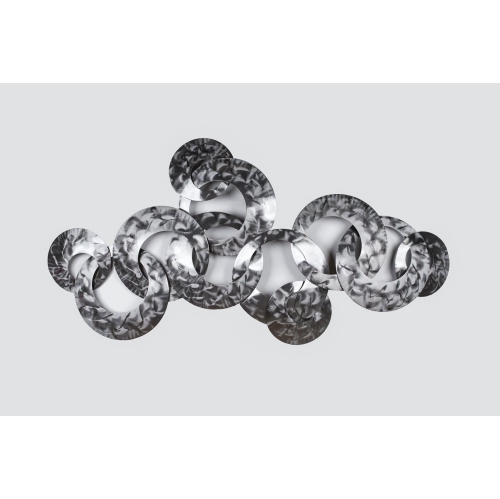
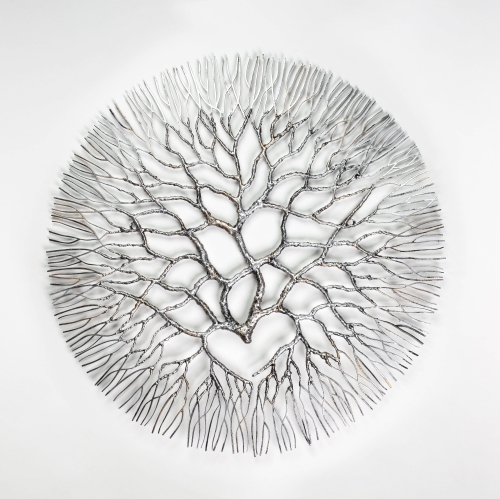

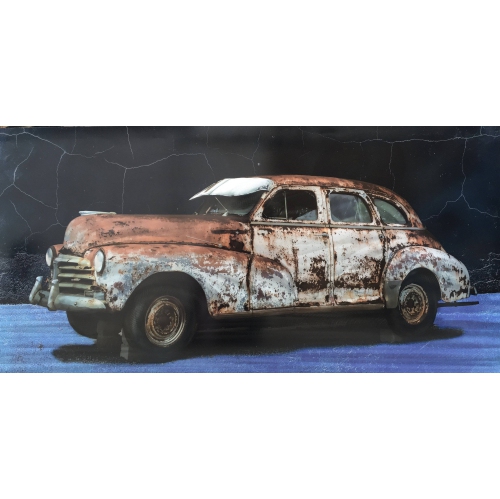
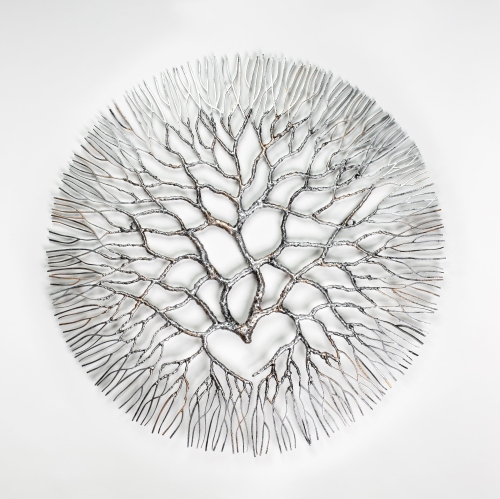
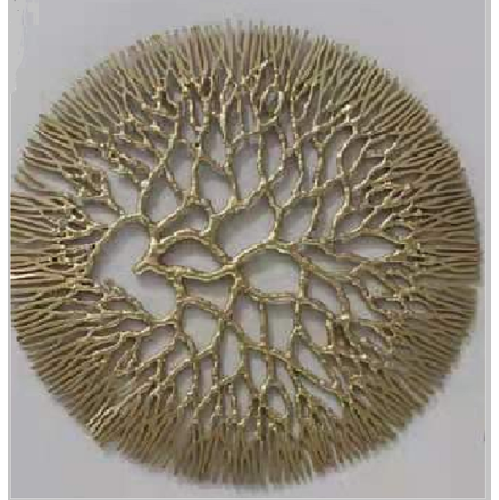
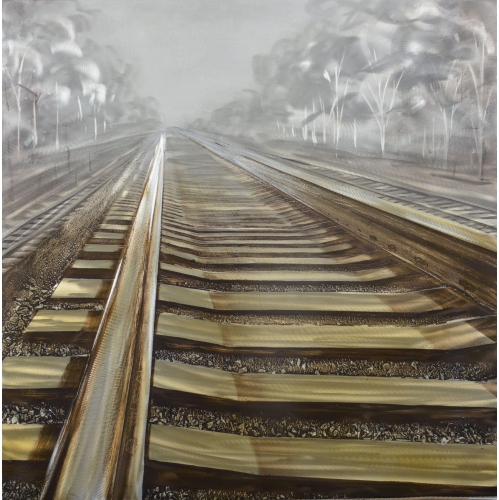
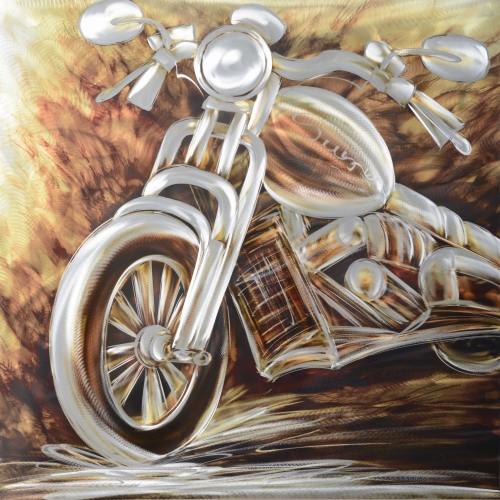
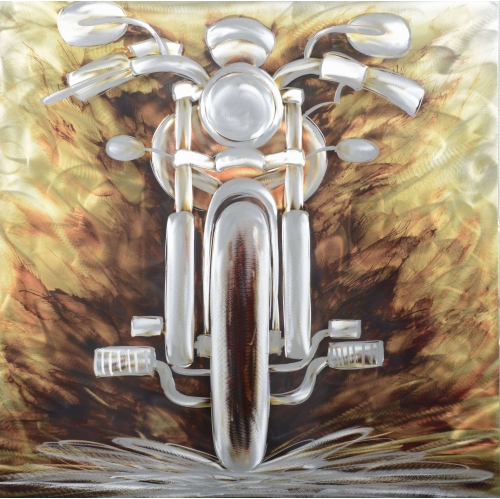
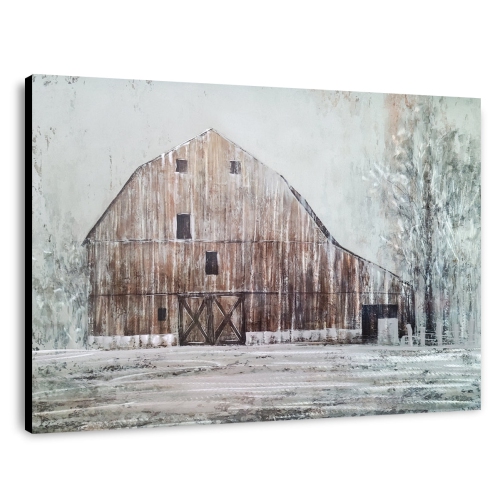


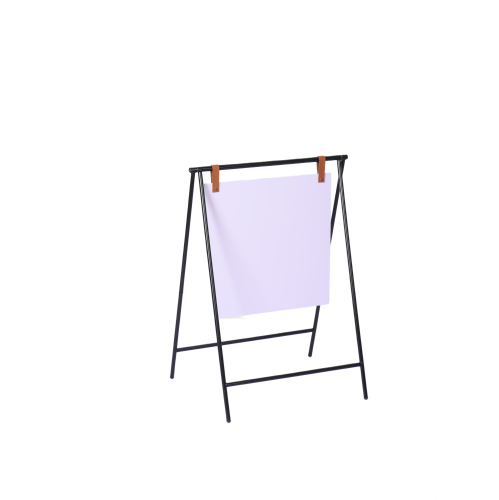
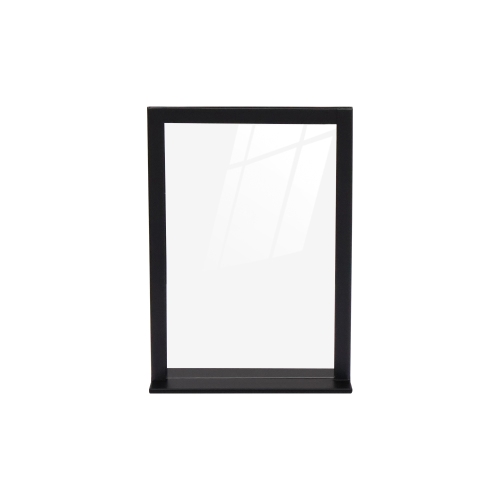
Raised lettering and weathered finishes give walls character
Metal signs bring colour, character, and a sense of permanence to walls that might otherwise feel unfinished. A vintage-inspired design can give a kitchen the warmth of a familiar roadside café, while crisp lettering and a simple silhouette can suit a tidy home office or entryway. Their appeal comes partly from the contrast between the material and the artwork: a firm metal surface can carry anything from playful illustrations and weathered-looking graphics to clean typography and understated patterns. Unlike a framed print, a metal sign may have exposed edges, raised lettering, or a shaped outline that becomes part of the overall look. Embossed details catch the light, while a flat printed surface keeps the focus on the image or message. Some finishes have an intentionally aged appearance, with faded colours or simulated wear that suggests years of use without necessarily indicating actual damage. These details work particularly well alongside wood shelving, brick, leather seating, and other surfaces with visible texture. Smoother finishes can sit comfortably among painted walls, glass, and modern furniture. Metal signs are useful in spaces with a clear personality, whether that means a reading corner, a games room, a workshop, or a kitchen where people tend to gather. A design connected to a favourite pastime can make a shared room feel more personal without requiring a major change to the furniture. For a quieter effect, a small sign can add interest above a side table or within a group of photographs. For a stronger focal point, a larger design needs enough open wall around it for the lettering and shape to remain clear. When comparing different forms of wall art, Signs for Walls offers a broader way to consider how words, images, and materials can work together in a room. The most convincing arrangement usually has something in common with its surroundings, such as a repeated colour, a familiar theme, or a finish that complements nearby hardware.
The type of metal and the way it is finished influence a sign’s weight, appearance, and suitability for different locations. Aluminium is generally lightweight and does not develop the reddish rust associated with iron, though its surface and printed artwork can still deteriorate under unsuitable conditions. Steel can provide a firmer feel and may be heavier, but exposed areas can rust when moisture reaches the metal. Signs described as tin may use tin-plated steel rather than solid tin, so the material description matters more than the style name alone. Painted, powder-coated, and enamelled finishes also have different characteristics; none should be assumed to make a sign suitable for outdoor use unless that use is stated. A sheltered porch still exposes wall art to humidity, temperature changes, and wind-driven rain or snow. In Canadian conditions, repeated freezing and thawing can be particularly demanding on finishes, attachment points, and any backing materials. For a covered entrance, balcony, or garden structure, an outdoor-rated sign and suitable mounting hardware are more important than a rugged-looking design. Indoors, kitchens and bathrooms also introduce moisture, so placement away from splashes, steam, and direct heat helps protect the surface. Size deserves similar attention. Check both the overall dimensions and the amount of space occupied by the actual lettering; a wide border can make a sign look substantial while leaving its message difficult to read across a room. A narrow piece may fit neatly above a doorway but feel lost over a broad sofa. Measuring the wall and marking the intended outline with removable painter’s tape can make the proportions easier to judge before installation, provided the tape is safe for the wall finish. Consider the viewing angle as well. Glossy metal can reflect a nearby window or ceiling light, obscuring the artwork at certain times of day. A matte finish usually produces less glare, while embossed or cut-out designs benefit from light that reveals their depth without casting distracting shadows over the lettering.
Mounting and everyday care help a metal sign remain an attractive part of a room rather than a source of loose fixings, scratched walls, or awkward edges. Pre-drilled holes, hanging loops, brackets, and attached cords each call for a different approach, and the hardware should suit both the sign’s weight and the wall material. Drywall, masonry, tile, and wood do not accept the same fasteners. Adhesive hanging solutions are only appropriate when their stated weight limits, surface requirements, and compatibility with the sign all line up; a textured back or an uneven wall can prevent reliable contact. Where supplied, mounting instructions take precedence over assumptions based on appearance. A sign hung near a doorway should stay clear of the door’s swing, while one beside a coat rack needs enough separation to avoid repeated bumps from bags and hangers. Thin metal edges and projecting corners also deserve attention in children’s rooms, narrow hallways, and other places where people may brush against the wall. For routine cleaning, a soft, dry cloth is often enough to remove dust. If the finish permits damp cleaning, use a lightly moistened cloth and dry the surface promptly, taking care around seams, raised details, and exposed edges. Abrasive pads, strong cleaners, and solvents can scratch coatings or lift printed artwork, so the care information is worth keeping. Signs with an intentionally distressed finish should not be scrubbed in an attempt to remove marks that are part of the design. As gifts, metal signs work best when they reflect the recipient’s taste and have an obvious place to belong. A reference to a favourite hobby, a welcoming message for a new home, or artwork that suits a familiar gathering space can feel thoughtful without being overly formal. Humour is more personal, especially in shared rooms or workplaces, where everyone sees the message daily. Matching the tone, dimensions, and mounting needs to the recipient’s space helps turn a thoughtful gesture into something that can be enjoyed for years.
The type of metal and the way it is finished influence a sign’s weight, appearance, and suitability for different locations. Aluminium is generally lightweight and does not develop the reddish rust associated with iron, though its surface and printed artwork can still deteriorate under unsuitable conditions. Steel can provide a firmer feel and may be heavier, but exposed areas can rust when moisture reaches the metal. Signs described as tin may use tin-plated steel rather than solid tin, so the material description matters more than the style name alone. Painted, powder-coated, and enamelled finishes also have different characteristics; none should be assumed to make a sign suitable for outdoor use unless that use is stated. A sheltered porch still exposes wall art to humidity, temperature changes, and wind-driven rain or snow. In Canadian conditions, repeated freezing and thawing can be particularly demanding on finishes, attachment points, and any backing materials. For a covered entrance, balcony, or garden structure, an outdoor-rated sign and suitable mounting hardware are more important than a rugged-looking design. Indoors, kitchens and bathrooms also introduce moisture, so placement away from splashes, steam, and direct heat helps protect the surface. Size deserves similar attention. Check both the overall dimensions and the amount of space occupied by the actual lettering; a wide border can make a sign look substantial while leaving its message difficult to read across a room. A narrow piece may fit neatly above a doorway but feel lost over a broad sofa. Measuring the wall and marking the intended outline with removable painter’s tape can make the proportions easier to judge before installation, provided the tape is safe for the wall finish. Consider the viewing angle as well. Glossy metal can reflect a nearby window or ceiling light, obscuring the artwork at certain times of day. A matte finish usually produces less glare, while embossed or cut-out designs benefit from light that reveals their depth without casting distracting shadows over the lettering.
Mounting and everyday care help a metal sign remain an attractive part of a room rather than a source of loose fixings, scratched walls, or awkward edges. Pre-drilled holes, hanging loops, brackets, and attached cords each call for a different approach, and the hardware should suit both the sign’s weight and the wall material. Drywall, masonry, tile, and wood do not accept the same fasteners. Adhesive hanging solutions are only appropriate when their stated weight limits, surface requirements, and compatibility with the sign all line up; a textured back or an uneven wall can prevent reliable contact. Where supplied, mounting instructions take precedence over assumptions based on appearance. A sign hung near a doorway should stay clear of the door’s swing, while one beside a coat rack needs enough separation to avoid repeated bumps from bags and hangers. Thin metal edges and projecting corners also deserve attention in children’s rooms, narrow hallways, and other places where people may brush against the wall. For routine cleaning, a soft, dry cloth is often enough to remove dust. If the finish permits damp cleaning, use a lightly moistened cloth and dry the surface promptly, taking care around seams, raised details, and exposed edges. Abrasive pads, strong cleaners, and solvents can scratch coatings or lift printed artwork, so the care information is worth keeping. Signs with an intentionally distressed finish should not be scrubbed in an attempt to remove marks that are part of the design. As gifts, metal signs work best when they reflect the recipient’s taste and have an obvious place to belong. A reference to a favourite hobby, a welcoming message for a new home, or artwork that suits a familiar gathering space can feel thoughtful without being overly formal. Humour is more personal, especially in shared rooms or workplaces, where everyone sees the message daily. Matching the tone, dimensions, and mounting needs to the recipient’s space helps turn a thoughtful gesture into something that can be enjoyed for years.
Top selling and popular products
-
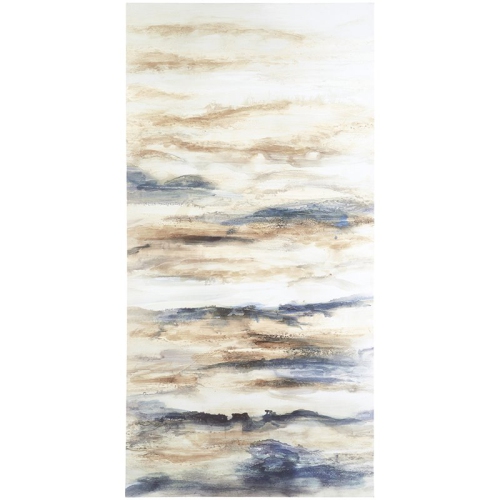 Your price for this item is $606.46
 -
 Your price for this item is $399
 -
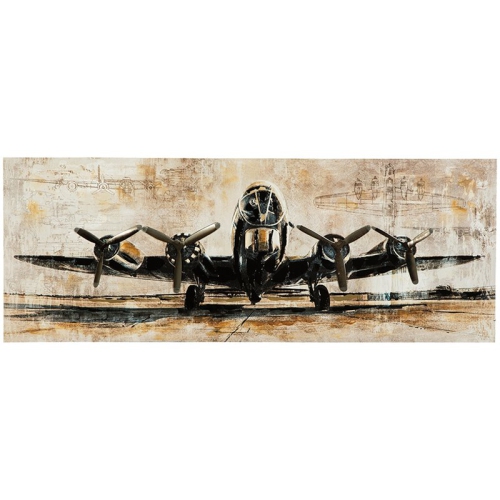 Your price for this item is $355.16
 -
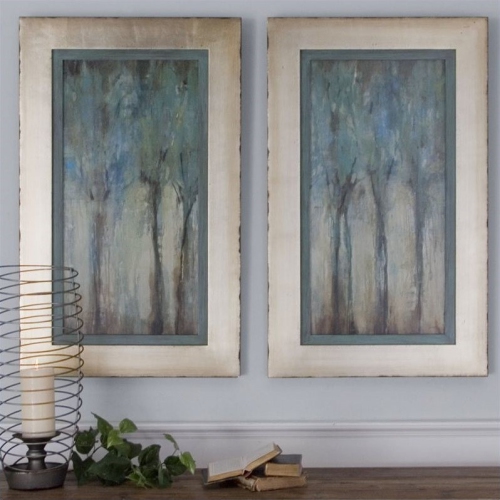 Your price for this item is $680.91
 -
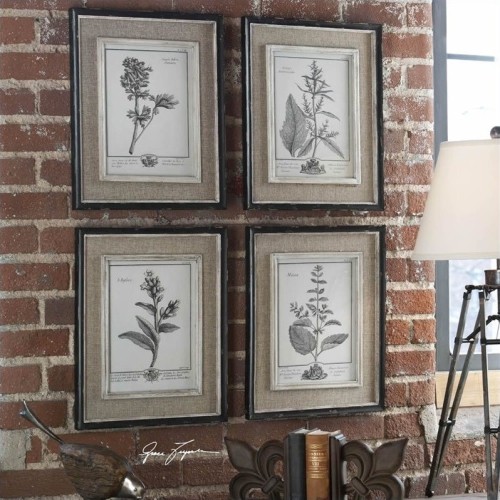 Your price for this item is $483.39
 -
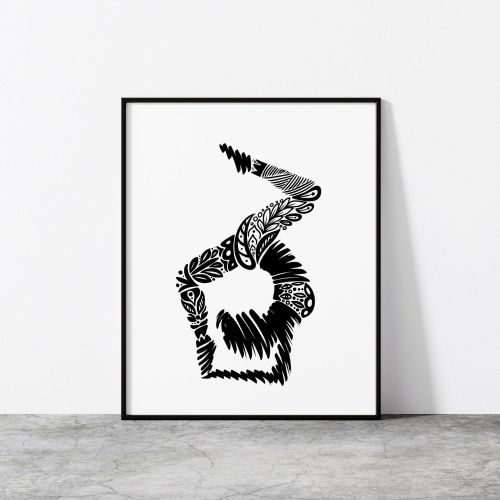 Your price for this item is $37.5
 -
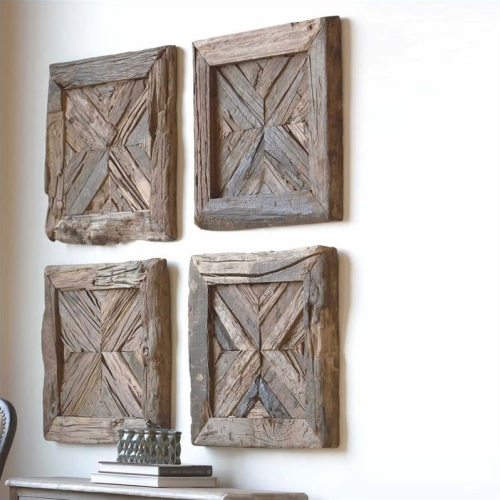 Your price for this item is $415.53
 -
 Your price for this item is $40
Discover more categories related to Metal Signs
Top Collections:
Pokemon Centers, Kindle Devices, Best Budget Office Chairs, Apple iPhones 16, Best Laptops for Writers, iPhone 15 Apple, Canon G7X Cameras, Refurbished Apple Laptops, Alarm Clock, Motorola Razr Phones
Some products may be subject to Environmental Handling Fees
(EHF) depending on your province.
Learn more about EHFs.