Metal Utility Carts
Metal utility carts are versatile and practical storage solutions for various spaces in your home or office. These durable carts are designed to provide organization and mobility, making them ideal for storing and transporting items with ease. Whether you need a cart for organizing supplies in your garage, creating extra storage in your kitchen, or enhancing efficiency in your workspace, metal utility carts offer a sleek and sturdy solution. Explore our range of metal utility carts to find the perfect addition to streamline your daily tasks and keep your essentials within reach.
Sort
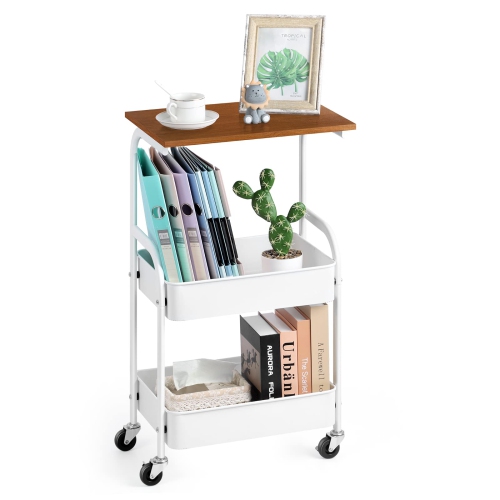
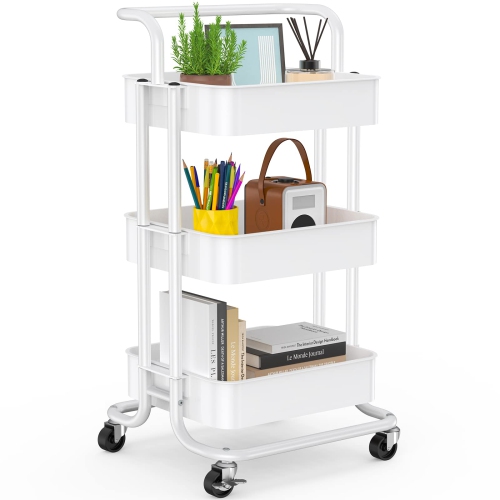
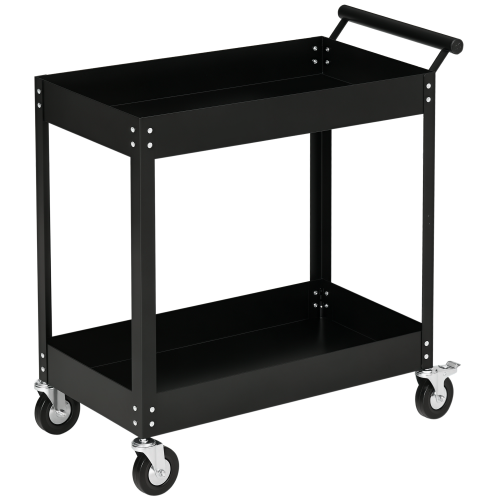
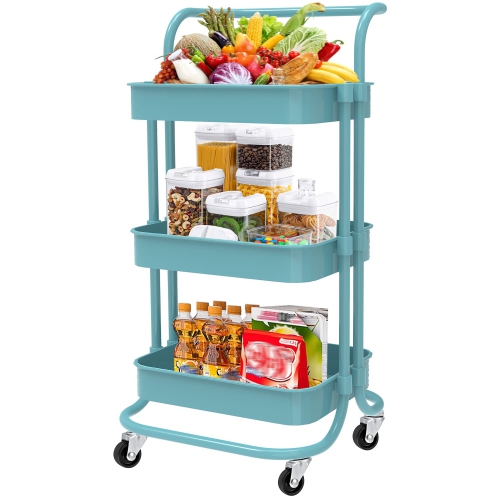




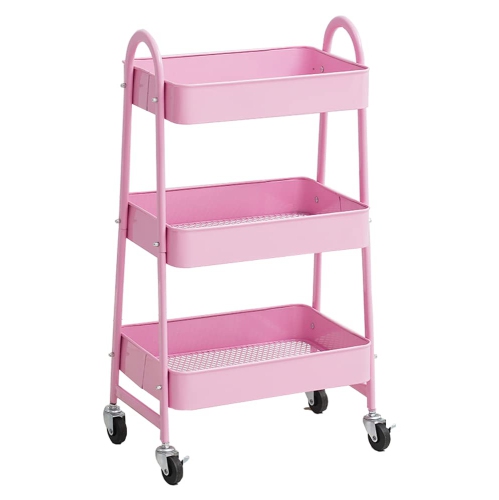
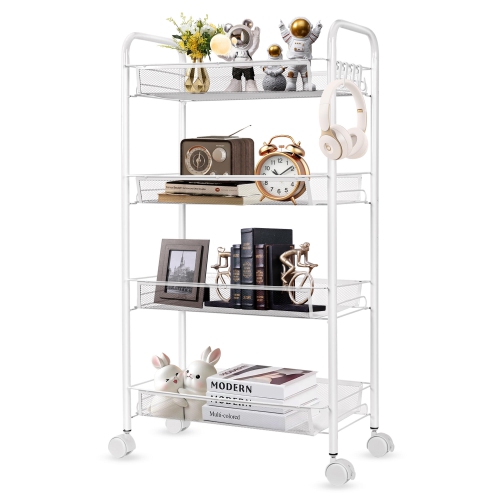
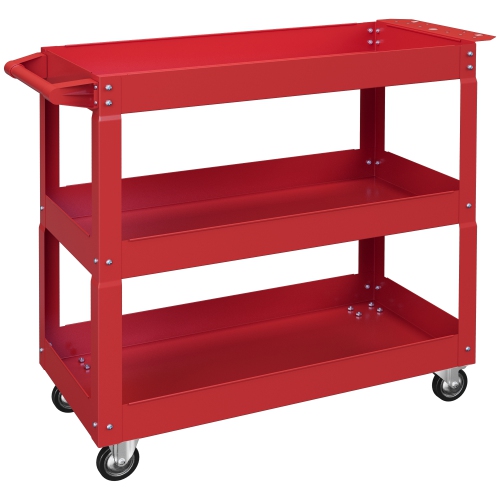
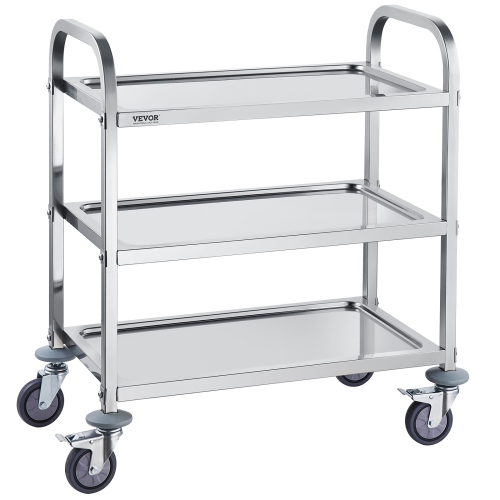
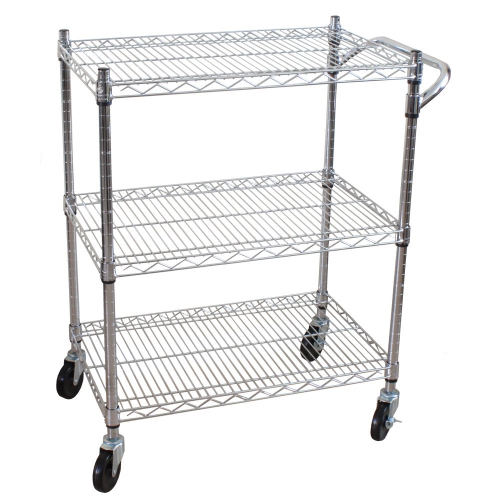
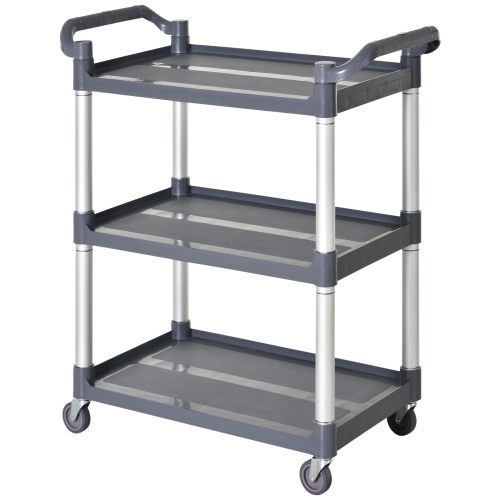
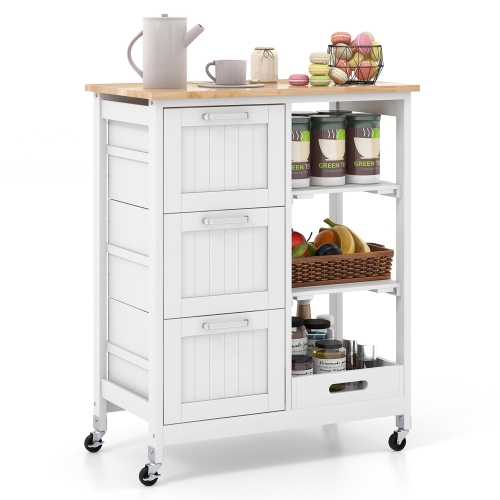
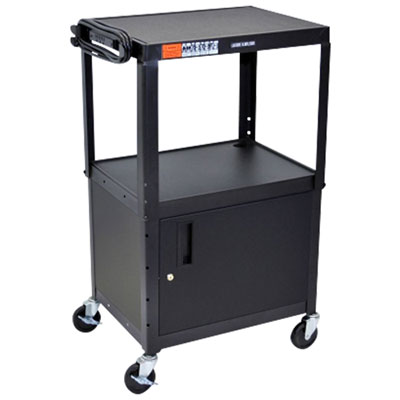
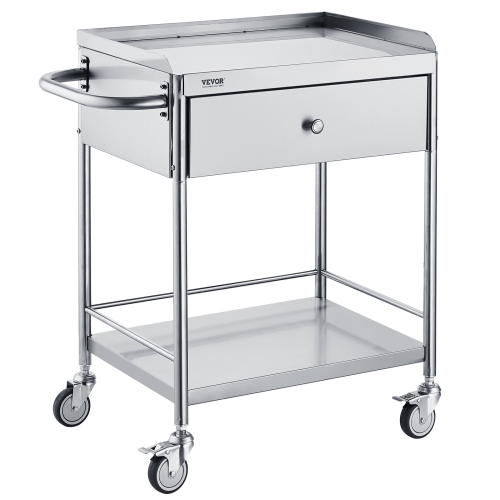
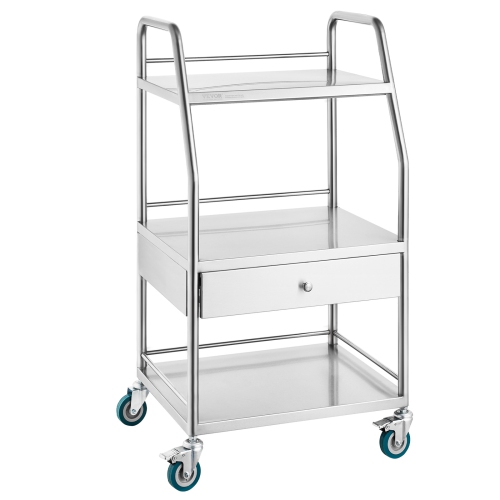
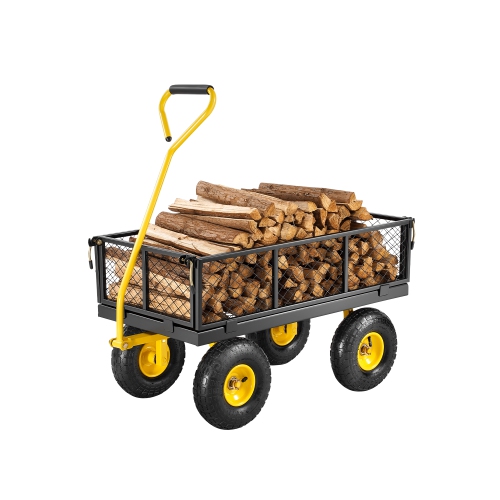
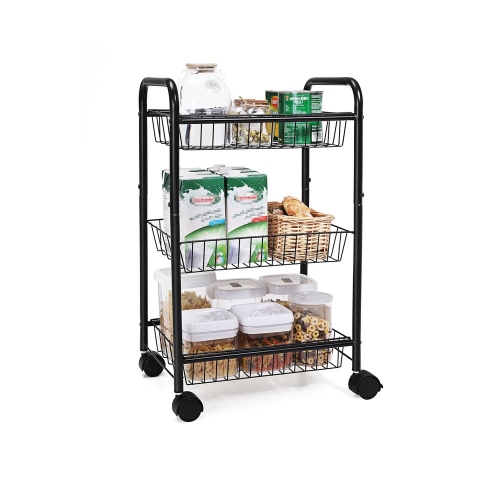
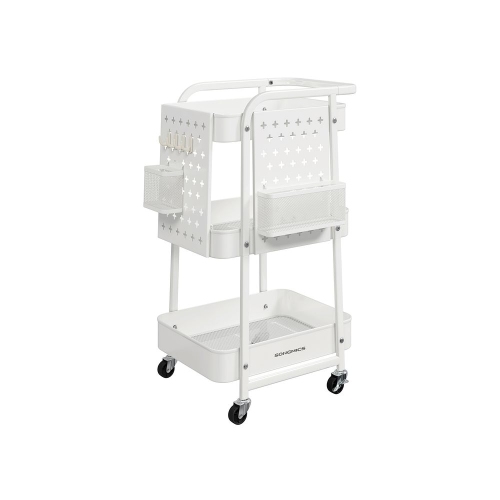
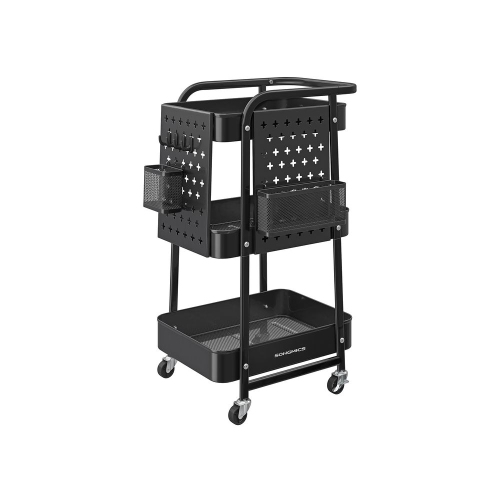
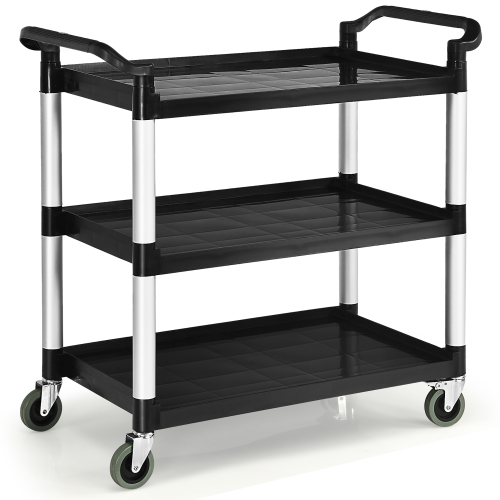
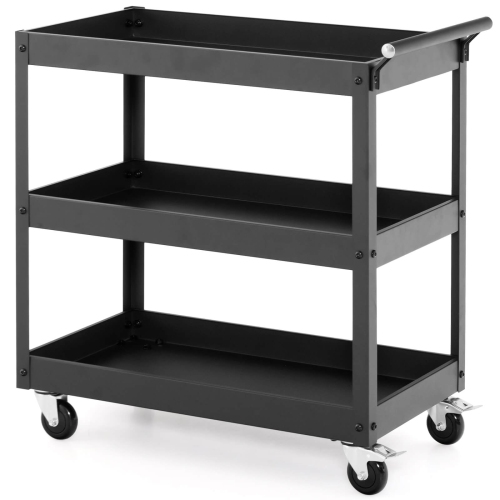
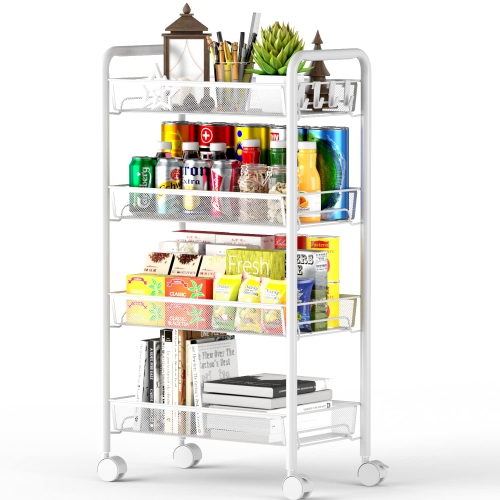
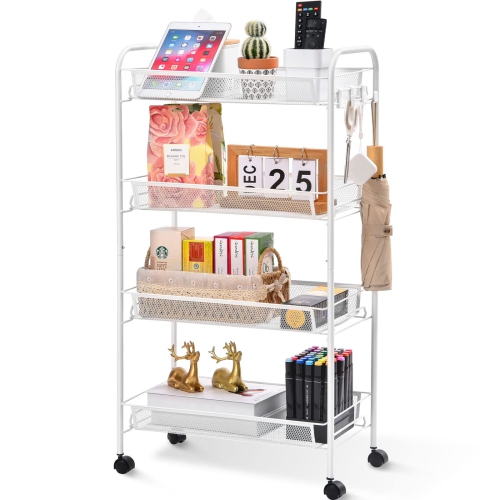
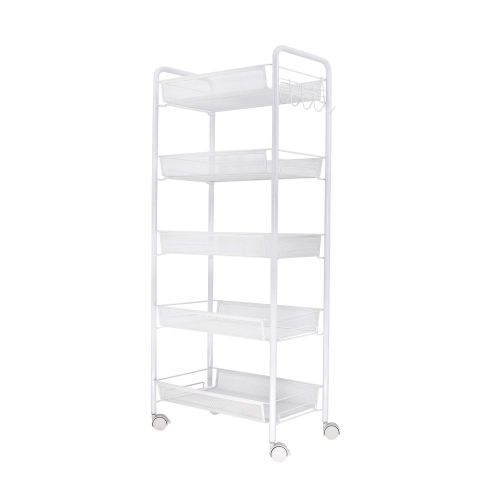
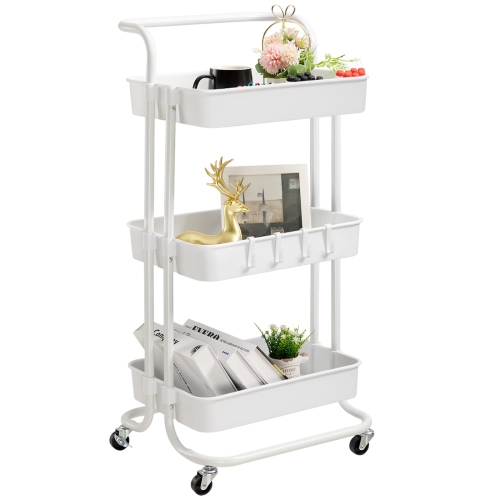
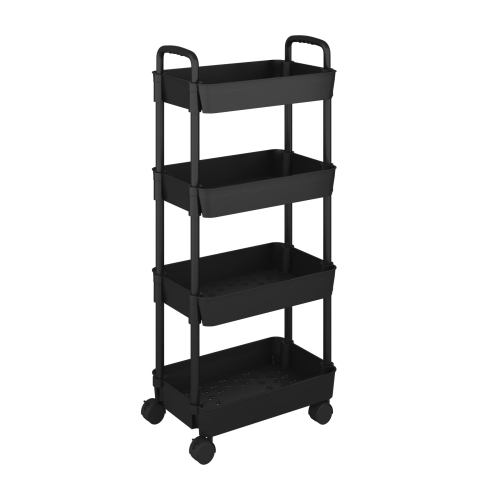
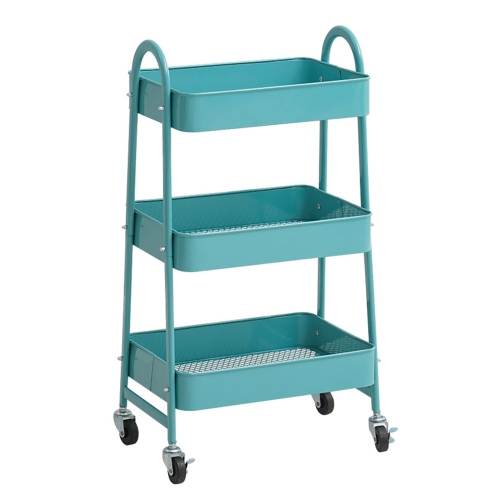
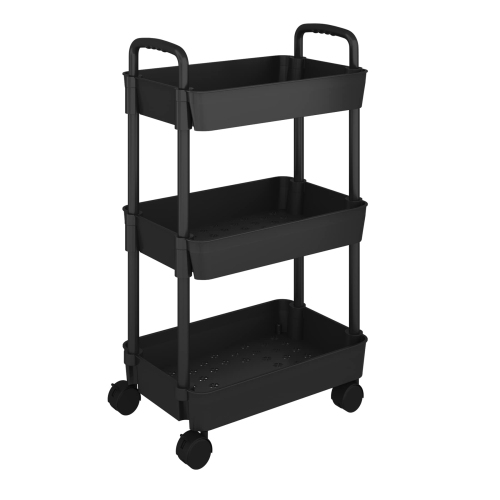
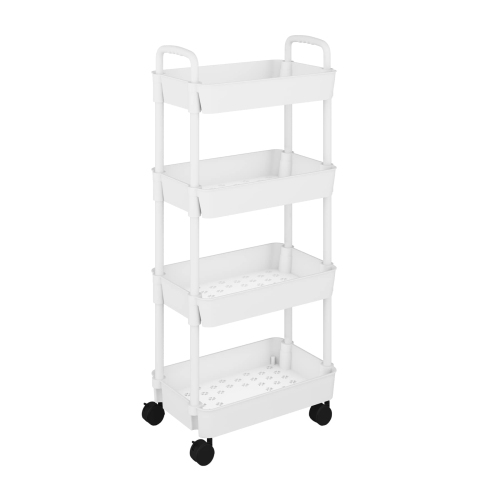
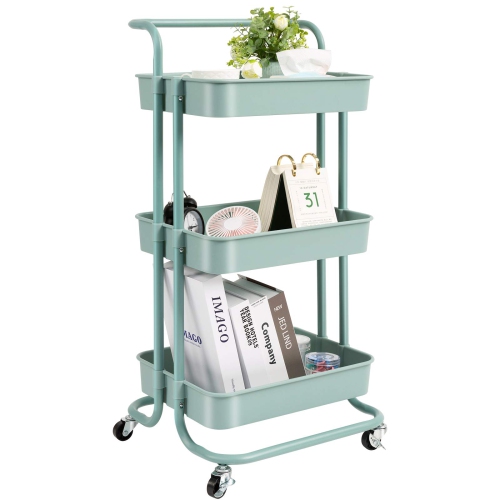
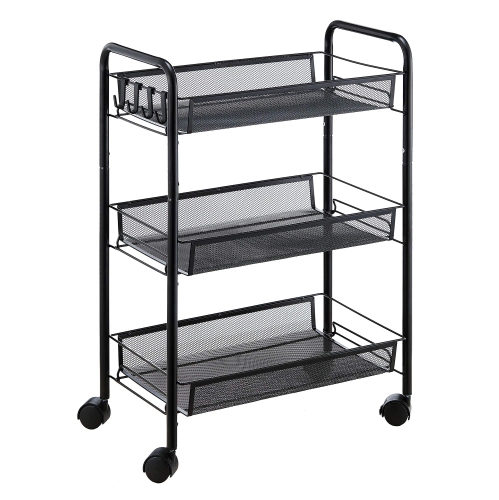

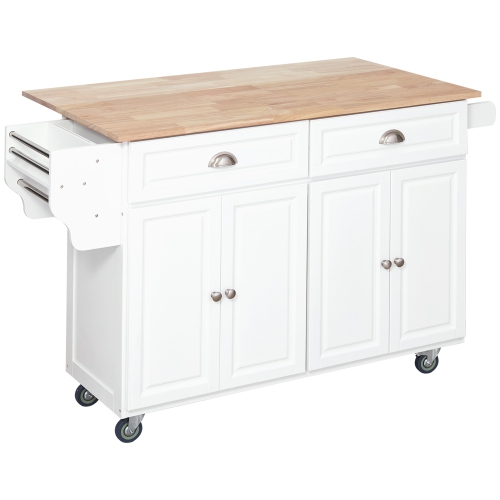
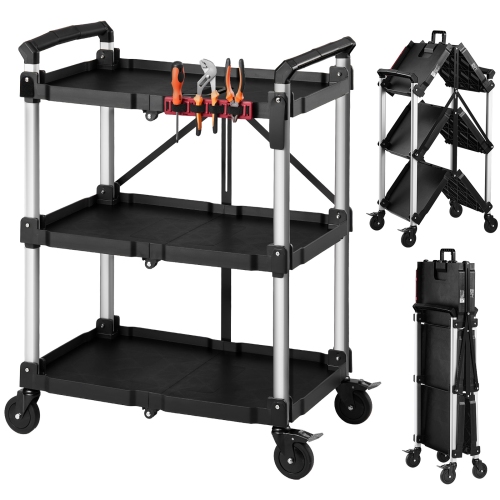


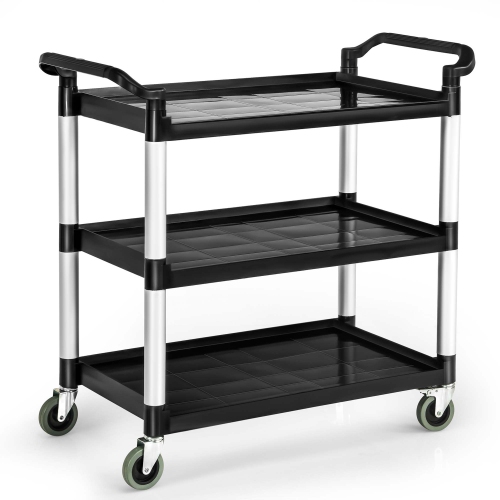
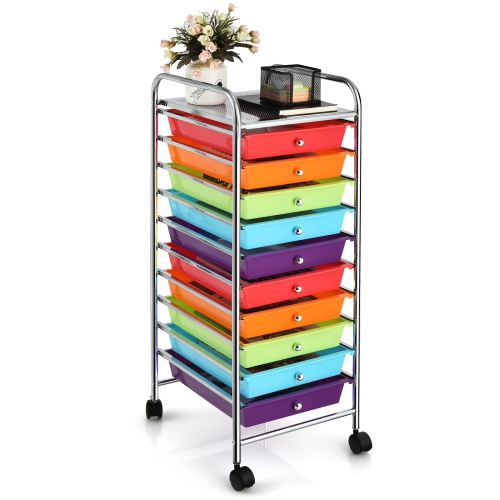
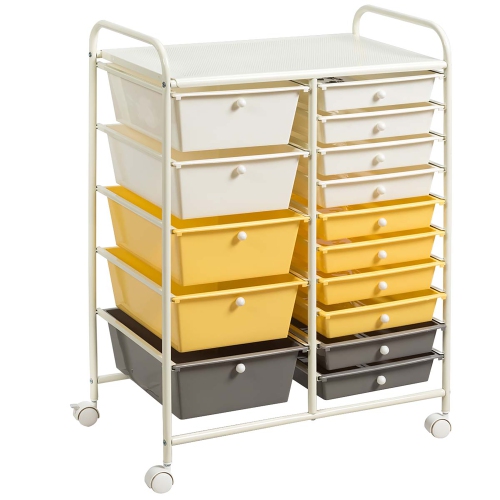
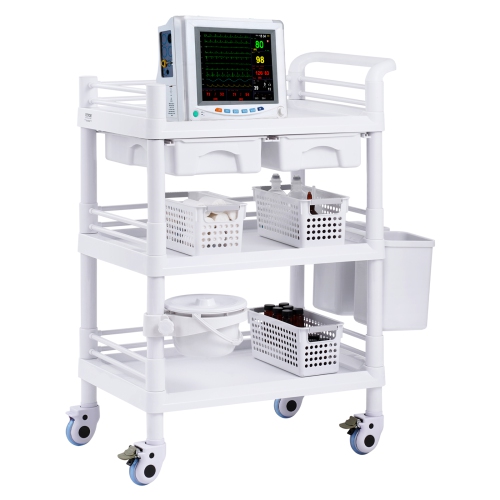
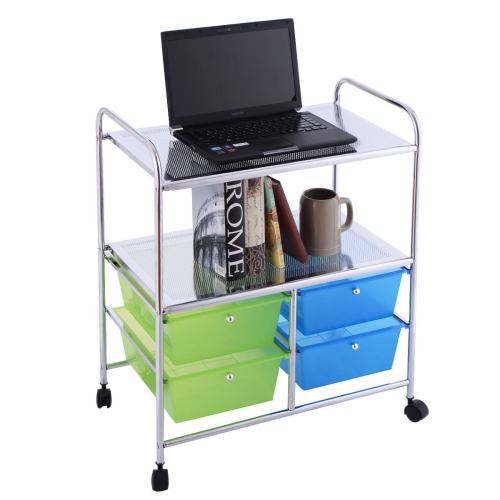
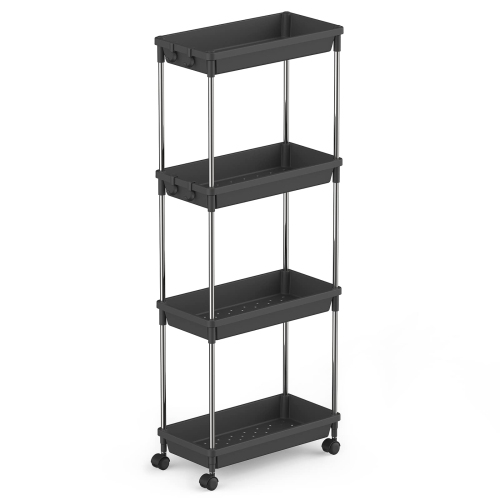
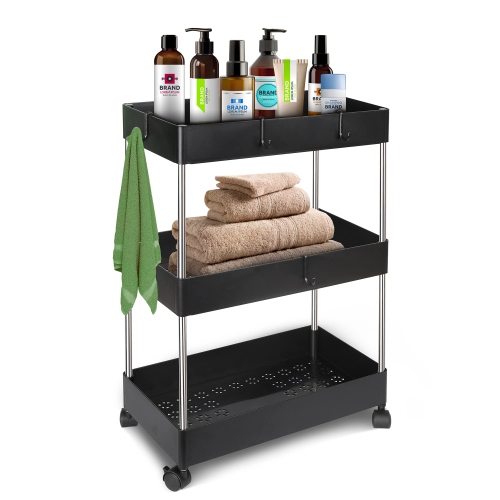
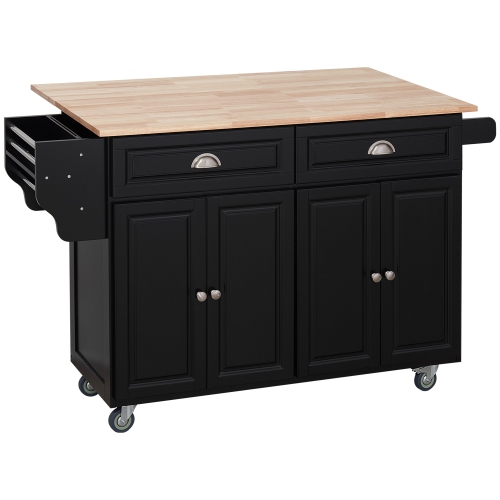
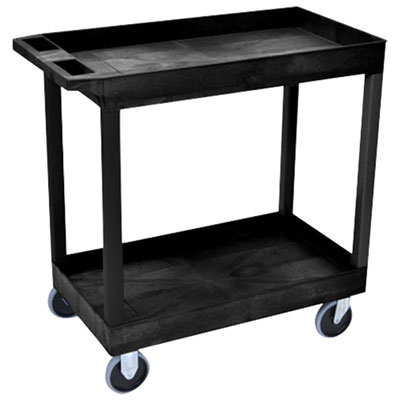
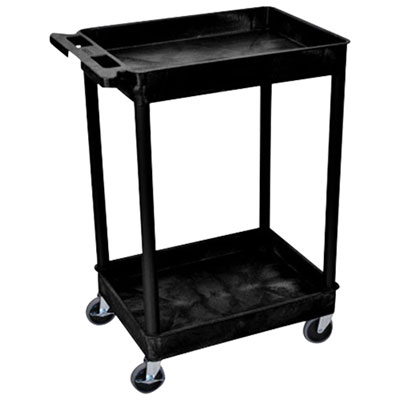
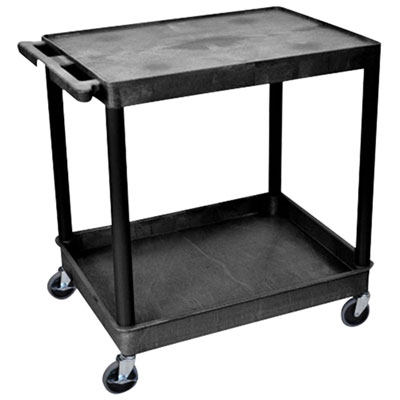
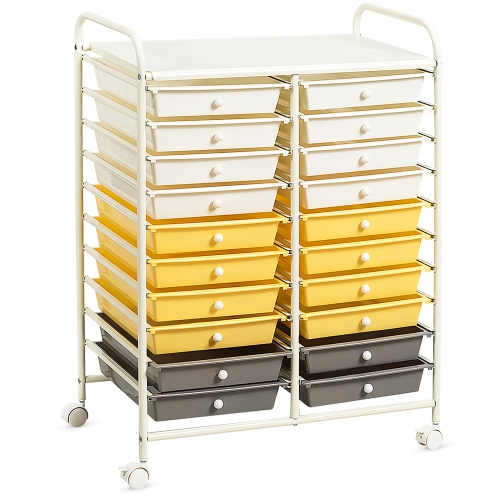
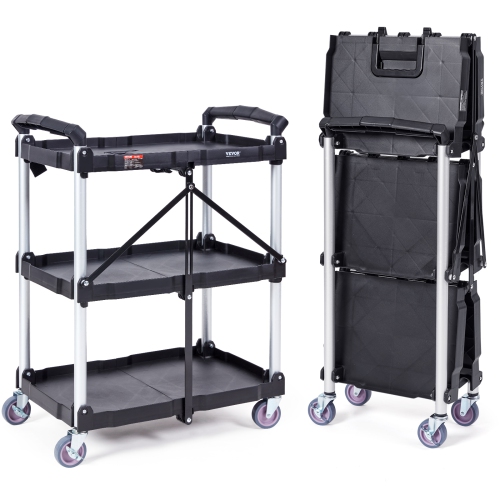

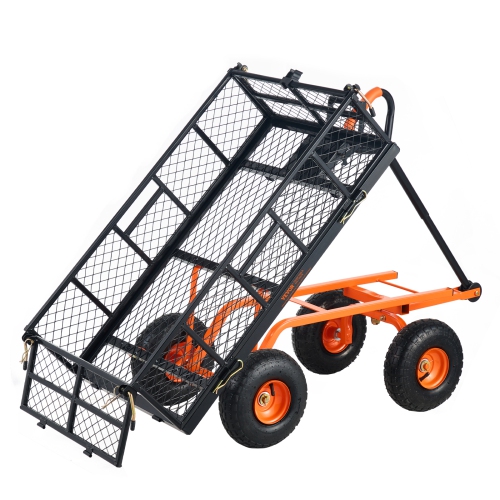
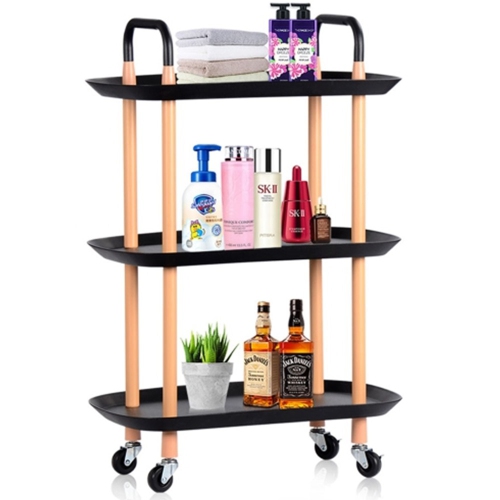
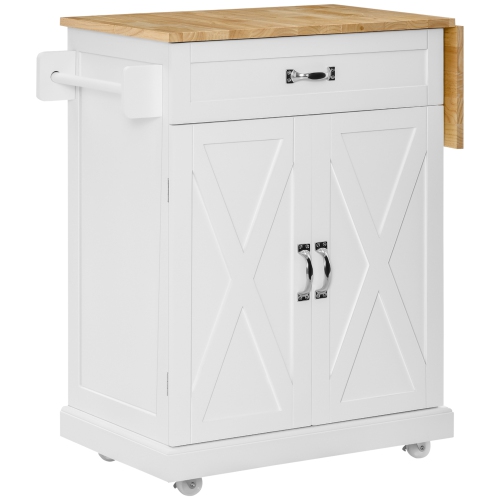
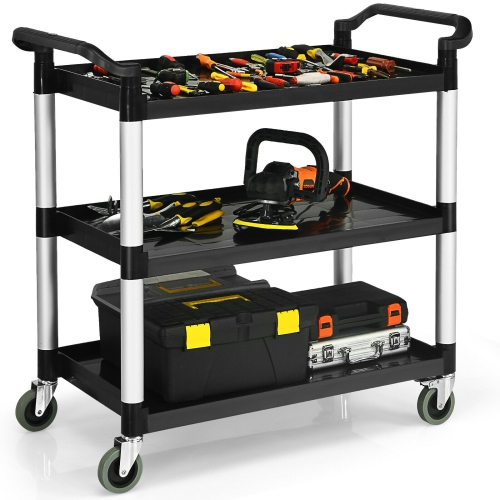
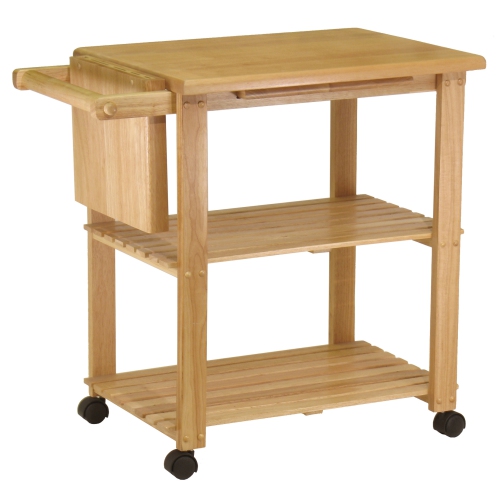
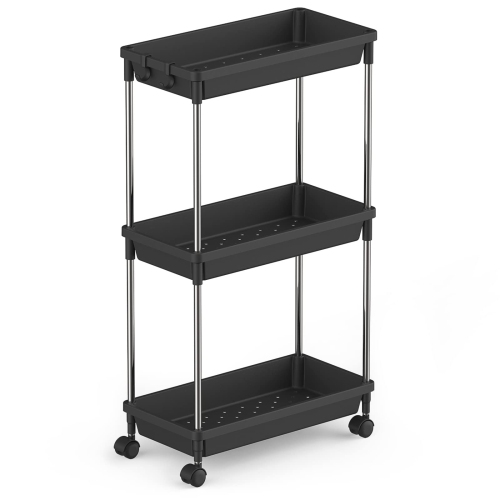
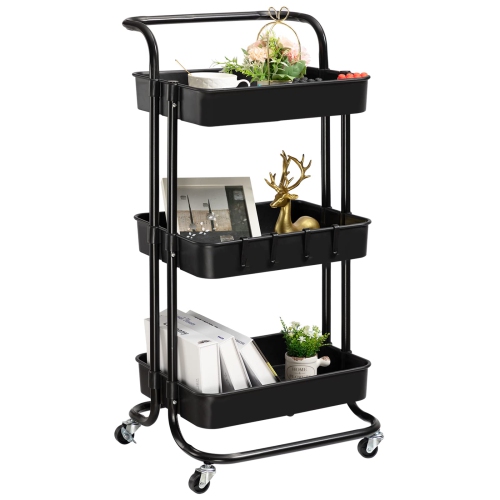
Practical mobile storage for home and workspaces
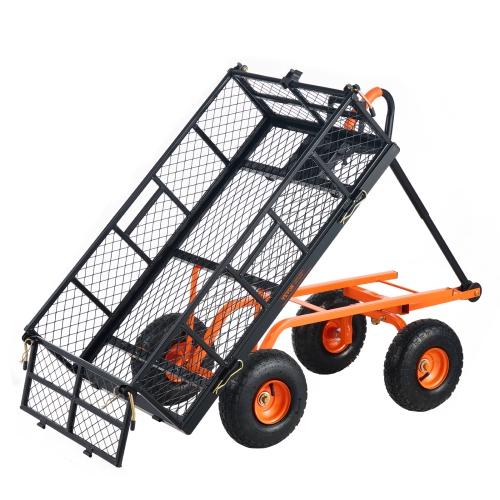
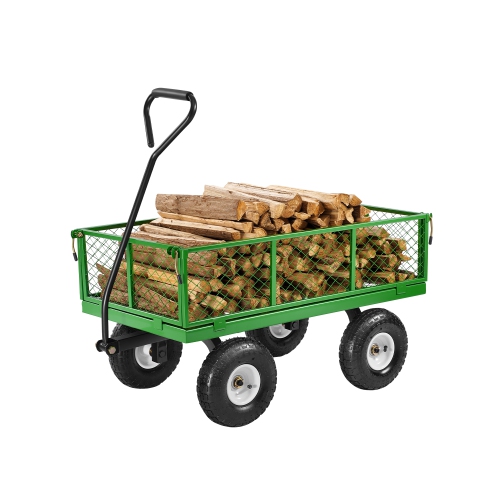
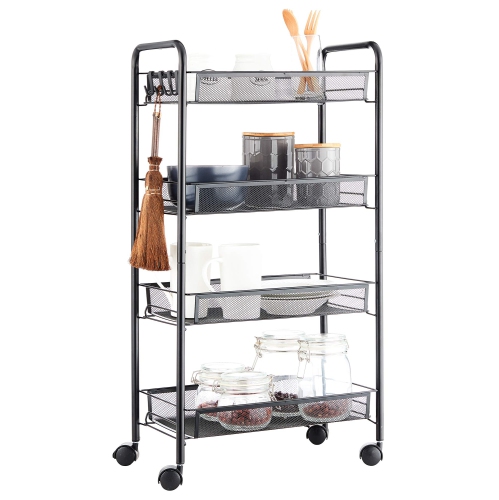
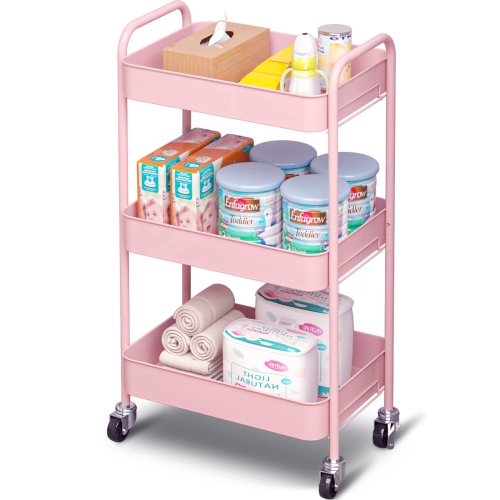
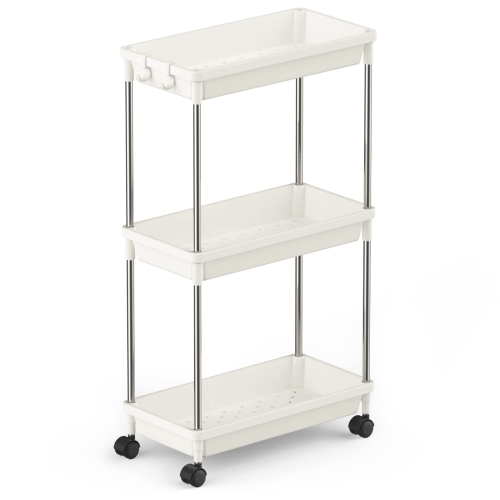
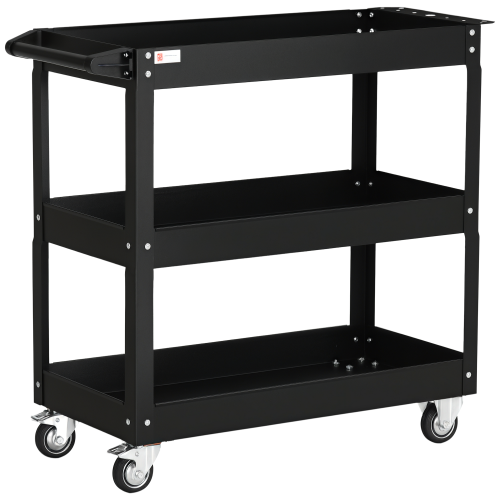
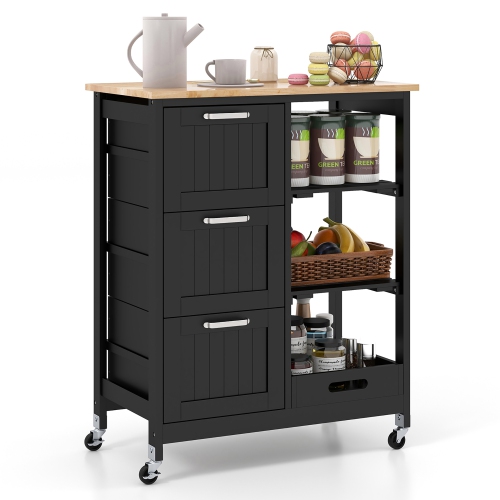
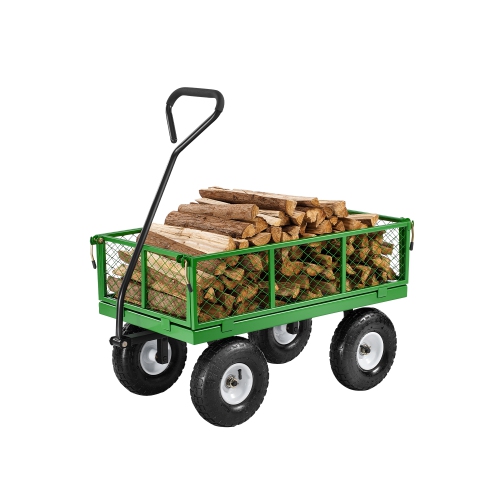
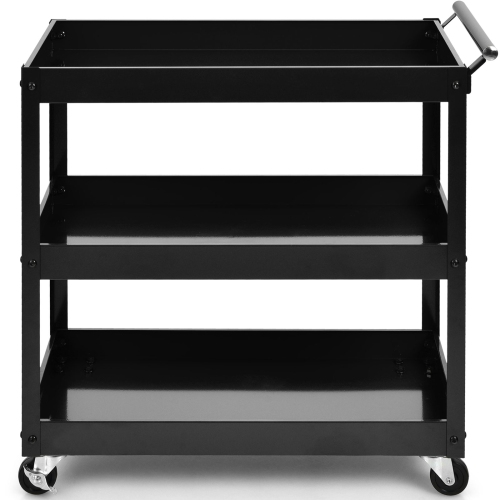
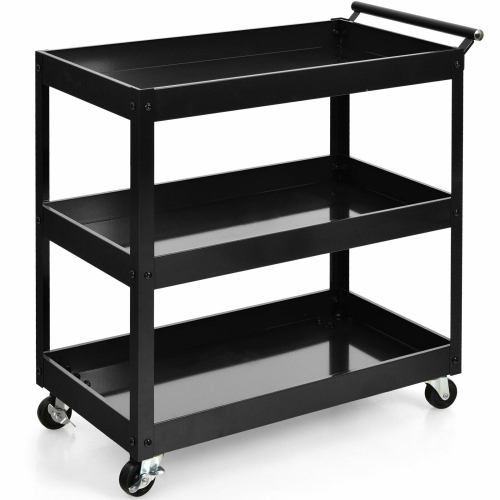
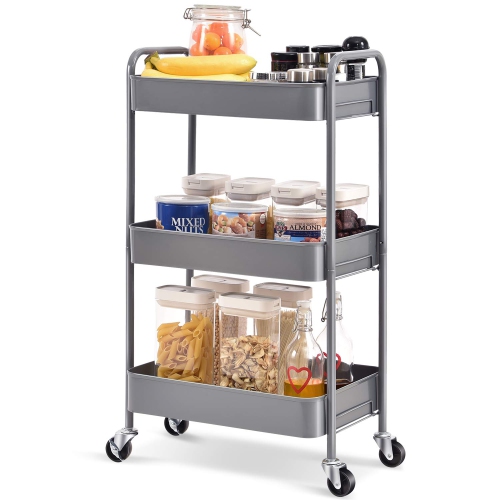
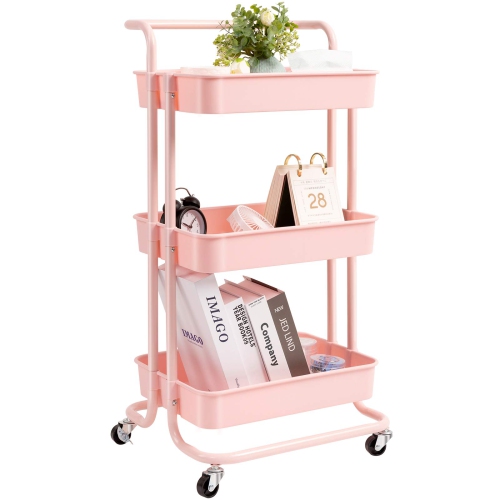
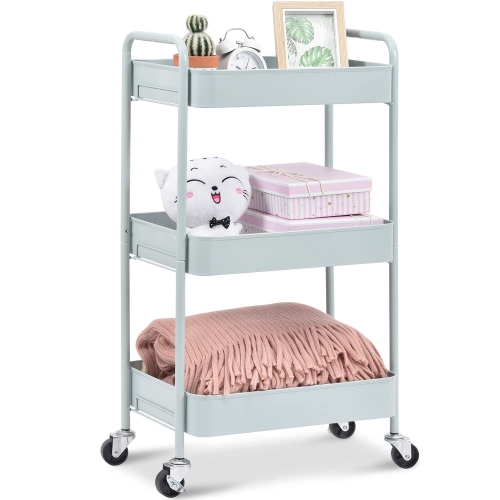
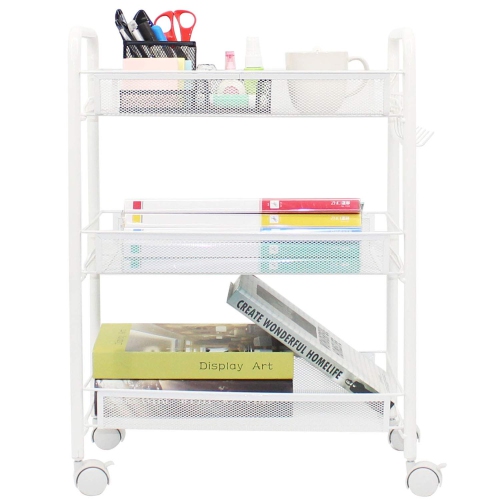
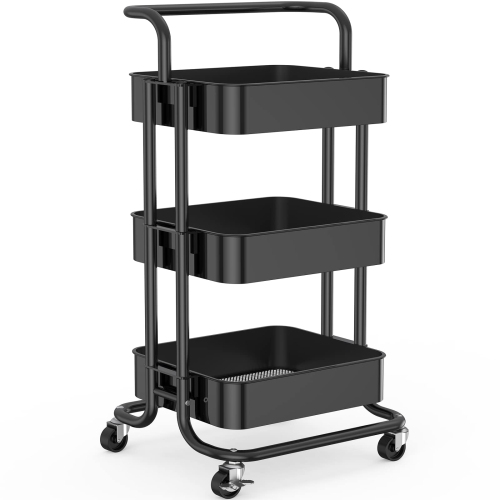
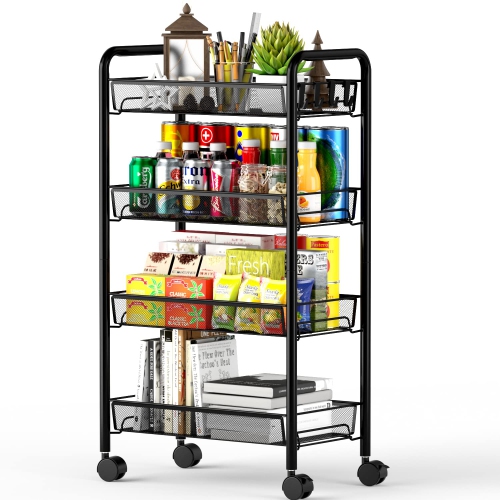
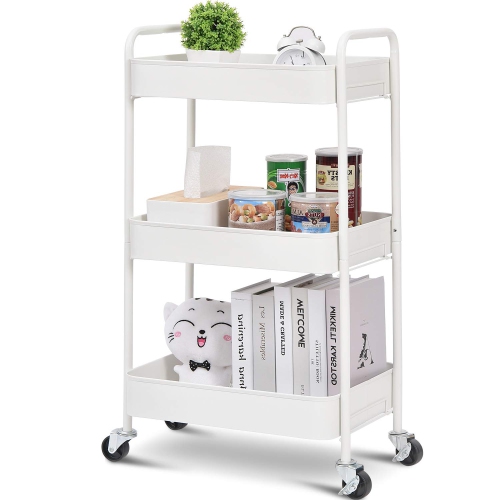
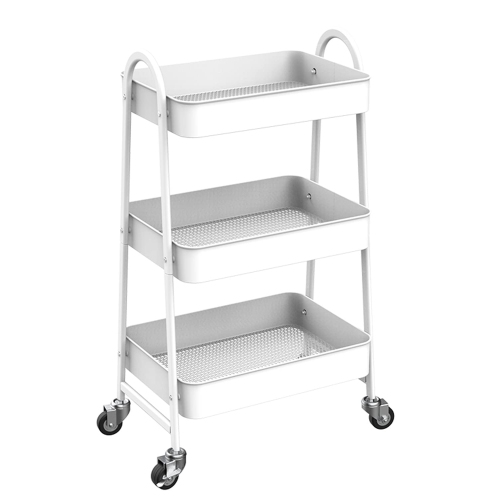
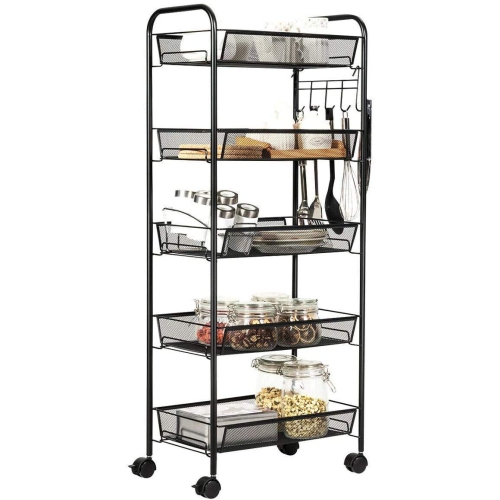
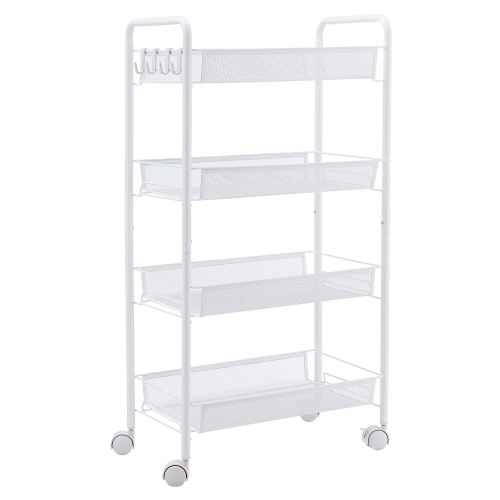
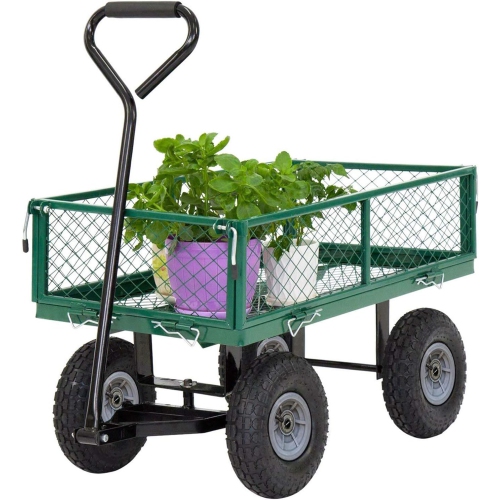
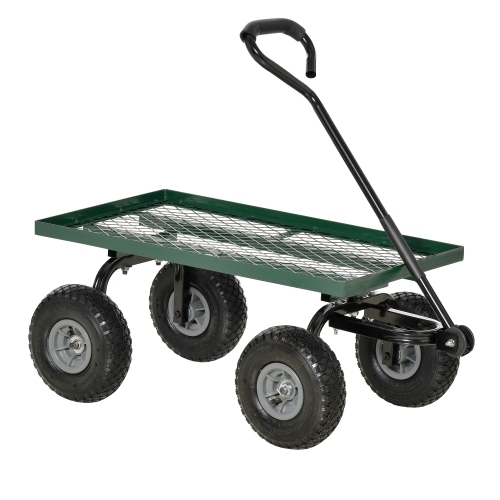
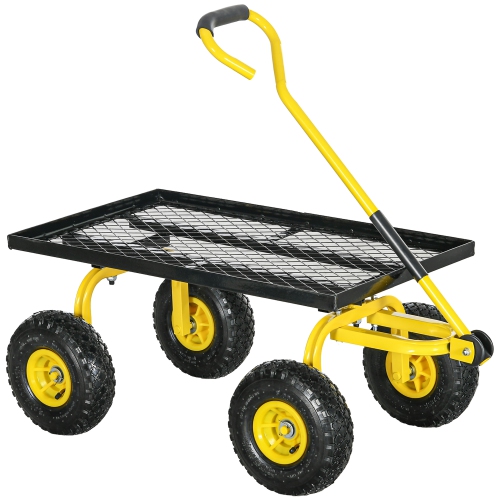
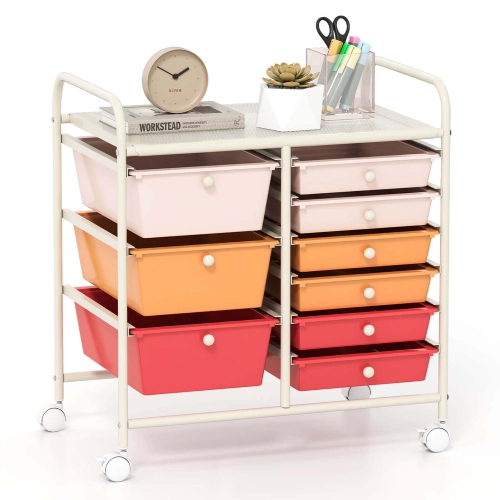
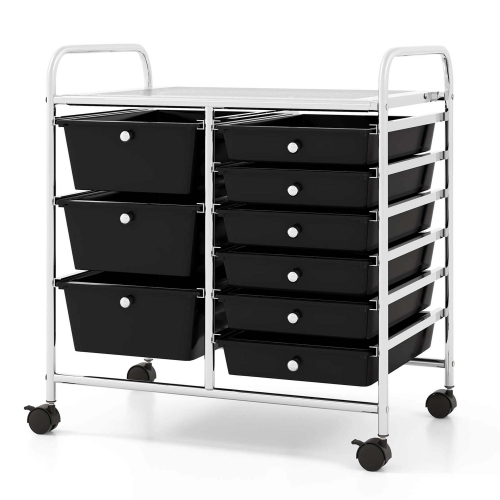
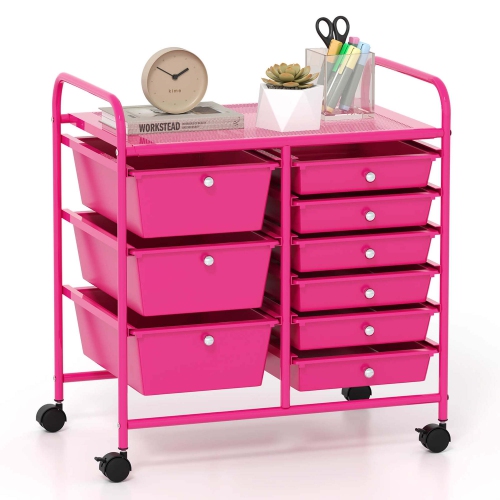
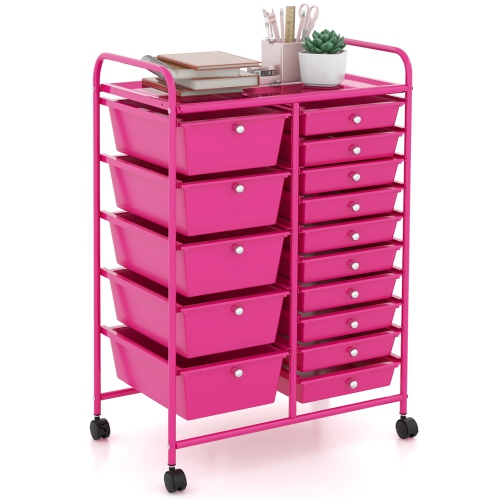
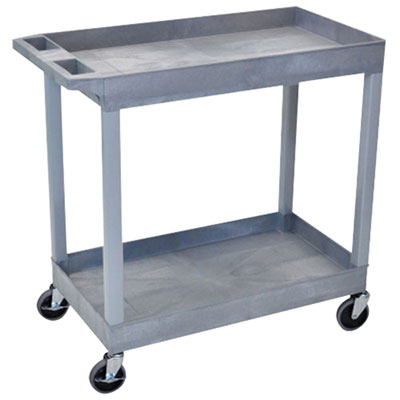
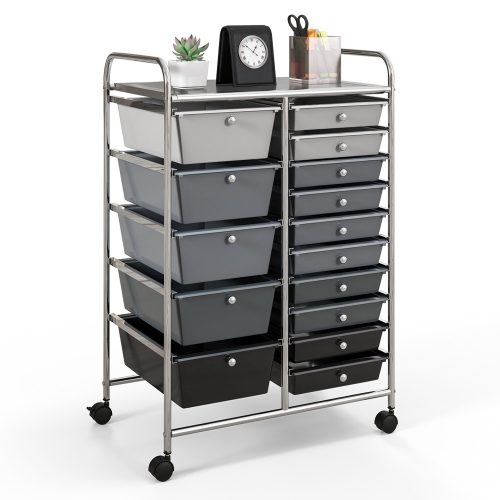
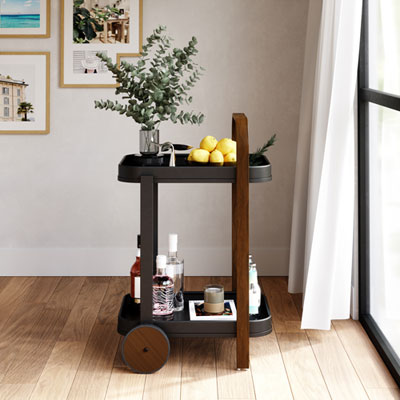
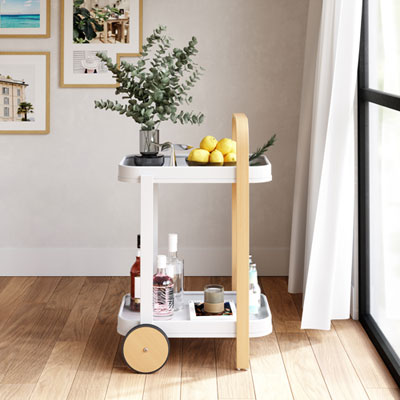
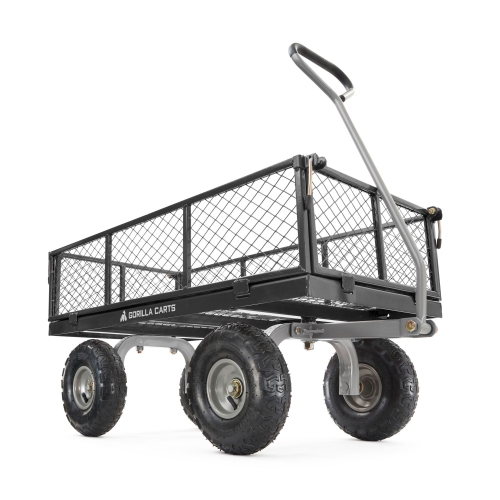
Metal utility carts bring practical, mobile storage to spaces where shelves, cupboards, and workbenches are not quite enough. Built from materials such as steel, alloy, or stainless steel, these carts are designed to hold supplies while making it easier to move them from one area to another. A compact three-tier cart can organize frequently used items in a kitchen, home office, craft room, laundry area, or bathroom, while a larger service cart can help transport tools, inventory, equipment, or boxed supplies through a garage, workshop, warehouse, or back room. Their open construction keeps contents visible and within reach, which can make a busy workspace feel more orderly without adding a permanent fixture. Some carts have solid shelves with raised tray edges to help contain bottles, containers, and small parts; others use mesh or perforated shelving to promote airflow and reduce the amount of dust that settles on stored items. A metal frame also provides a firm, stable foundation for heavier loads than many lightweight plastic organizers. For everyday home use, a cart may hold pantry staples, coffee-making supplies, art materials, folded towels, or cleaning products. In a work setting, it can serve as a mobile supply station for paperwork, tools, packing materials, or replacement parts. The best choice depends on the environment, the items being moved, and how often the cart will be repositioned. Browsing a broader selection of Utility Carts can help compare sizes, layouts, materials, and features before choosing a cart suited to a particular room or workload.
Capacity is one of the most important details to check before buying a metal utility cart. Light-duty household models may support approximately 40 to 50 pounds in total, making them suitable for toiletries, office supplies, snacks, small appliances, or craft materials. Heavy-duty steel carts can be rated for several hundred pounds, and some industrial designs support 1,000 pounds or more when the load is distributed correctly across the shelves. Always review the manufacturer’s stated capacity and consider whether it applies to the entire cart or to each individual shelf. A cart carrying a collection of dense items, such as power tools, paint cans, kitchen equipment, or boxed inventory, needs more than a sturdy-looking frame; its shelves, posts, wheel mounts, and overall balance must all be rated for the job. Shelf spacing matters as well. Taller openings accommodate bottles, containers, and equipment, while closer-set shelves are useful for smaller supplies that might otherwise become difficult to find. Raised lips can help stop objects from sliding off when the cart crosses a threshold, while flat shelves make it easier to load large boxes and broad equipment. For kitchens, food-preparation areas, or places where the cart may encounter splashes, stainless steel offers a smooth, easy-to-wipe surface and strong resistance to corrosion. Painted or powder-coated steel can be a practical option for offices, garages, workshops, and storage rooms, particularly when a more substantial frame is preferred. Consider the cart’s overall dimensions, including its handle and wheels, so it can pass through doorways, around furniture, and into the intended storage spot without constant rearranging.
Mobility and control have a direct effect on how useful a metal utility cart feels in daily life. Four swivel casters allow the cart to turn within a tight space, while larger wheels can move more smoothly over uneven flooring, door thresholds, and transitions between surfaces. Rubber or polyurethane casters can help provide a quieter roll than hard wheels, which is helpful in offices, libraries, clinics, kitchens, and other shared areas. At least two locking casters are a valuable safety feature because they can keep the cart in place while items are being loaded, unloaded, or used from the shelf. A push handle gives better control, especially when the cart is carrying a full load, and a balanced design helps reduce tipping when it is moved around corners. For industrial or workshop use, look for reinforced construction, welded joints, protective edges, and wheels suited to the floor surface. For home use, a narrower footprint may be more important than maximum capacity, particularly in a compact kitchen, apartment, laundry room, or home office. Metal utility carts can also make thoughtful gifts for someone setting up a craft station, organizing a new workspace, preparing a garage, or improving storage in a busy household. A parent may use one for changing supplies, books, or activity materials; a host may keep serving pieces and beverages close at hand; and a hobbyist may arrange tools, components, paints, or sewing supplies across multiple levels. During the warmer and cooler parts of the year alike, a rolling cart can help move gardening supplies, seasonal decorations, entertaining essentials, or household equipment without repeated trips. Choose a model that matches the expected load, available floor space, working environment, and preferred level of mobility so it remains a dependable part of the space rather than another item that needs to be worked around.
Capacity is one of the most important details to check before buying a metal utility cart. Light-duty household models may support approximately 40 to 50 pounds in total, making them suitable for toiletries, office supplies, snacks, small appliances, or craft materials. Heavy-duty steel carts can be rated for several hundred pounds, and some industrial designs support 1,000 pounds or more when the load is distributed correctly across the shelves. Always review the manufacturer’s stated capacity and consider whether it applies to the entire cart or to each individual shelf. A cart carrying a collection of dense items, such as power tools, paint cans, kitchen equipment, or boxed inventory, needs more than a sturdy-looking frame; its shelves, posts, wheel mounts, and overall balance must all be rated for the job. Shelf spacing matters as well. Taller openings accommodate bottles, containers, and equipment, while closer-set shelves are useful for smaller supplies that might otherwise become difficult to find. Raised lips can help stop objects from sliding off when the cart crosses a threshold, while flat shelves make it easier to load large boxes and broad equipment. For kitchens, food-preparation areas, or places where the cart may encounter splashes, stainless steel offers a smooth, easy-to-wipe surface and strong resistance to corrosion. Painted or powder-coated steel can be a practical option for offices, garages, workshops, and storage rooms, particularly when a more substantial frame is preferred. Consider the cart’s overall dimensions, including its handle and wheels, so it can pass through doorways, around furniture, and into the intended storage spot without constant rearranging.
Mobility and control have a direct effect on how useful a metal utility cart feels in daily life. Four swivel casters allow the cart to turn within a tight space, while larger wheels can move more smoothly over uneven flooring, door thresholds, and transitions between surfaces. Rubber or polyurethane casters can help provide a quieter roll than hard wheels, which is helpful in offices, libraries, clinics, kitchens, and other shared areas. At least two locking casters are a valuable safety feature because they can keep the cart in place while items are being loaded, unloaded, or used from the shelf. A push handle gives better control, especially when the cart is carrying a full load, and a balanced design helps reduce tipping when it is moved around corners. For industrial or workshop use, look for reinforced construction, welded joints, protective edges, and wheels suited to the floor surface. For home use, a narrower footprint may be more important than maximum capacity, particularly in a compact kitchen, apartment, laundry room, or home office. Metal utility carts can also make thoughtful gifts for someone setting up a craft station, organizing a new workspace, preparing a garage, or improving storage in a busy household. A parent may use one for changing supplies, books, or activity materials; a host may keep serving pieces and beverages close at hand; and a hobbyist may arrange tools, components, paints, or sewing supplies across multiple levels. During the warmer and cooler parts of the year alike, a rolling cart can help move gardening supplies, seasonal decorations, entertaining essentials, or household equipment without repeated trips. Choose a model that matches the expected load, available floor space, working environment, and preferred level of mobility so it remains a dependable part of the space rather than another item that needs to be worked around.
Top selling and popular products
-
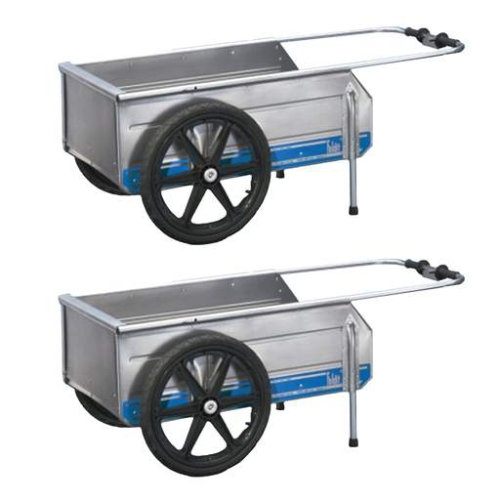 Your price for this item is $1405.99
 -
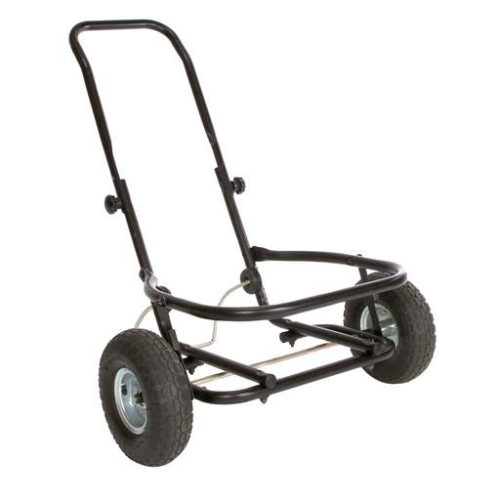 Your price for this item is $228.99
 -
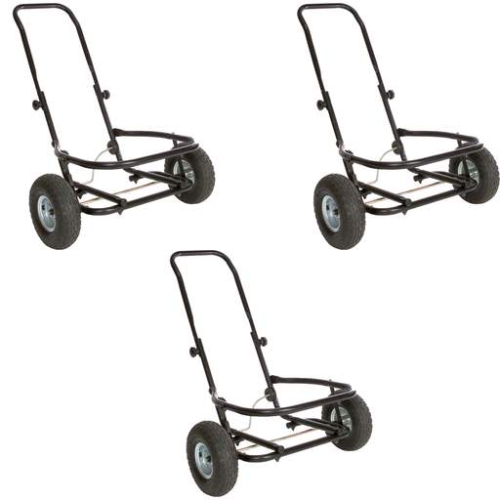 Your price for this item is $691.99
 -
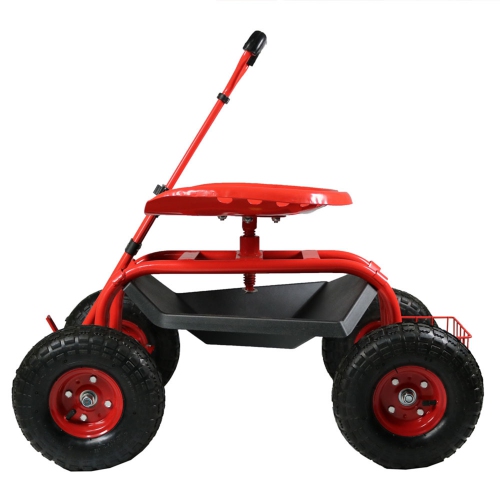 Your price for this item is $247.35
 -
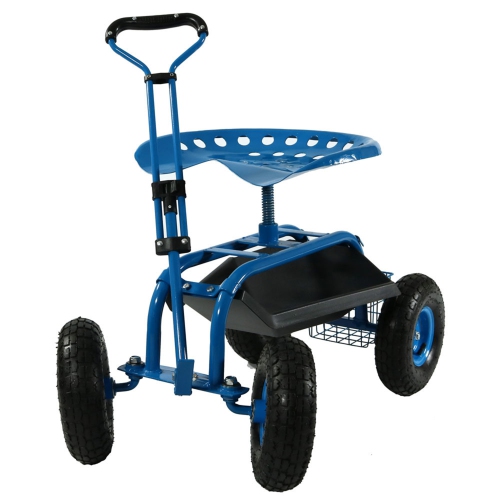 Your price for this item is $247.35
 -
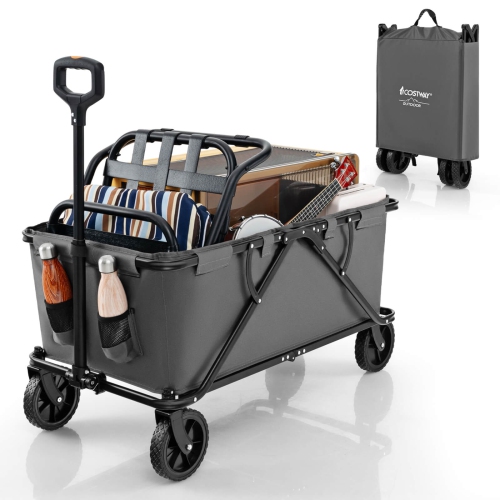 Your price for this item is $177.99
 -
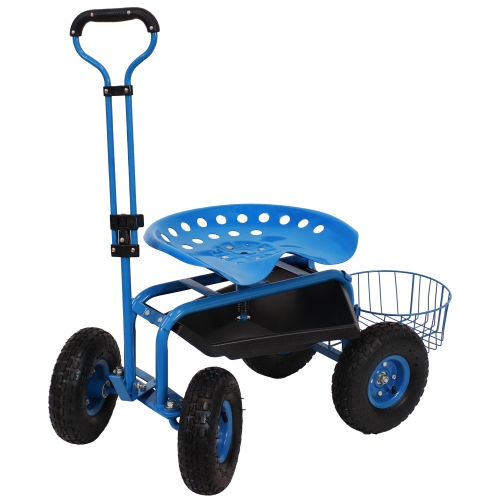 Your price for this item is $261.95
 -
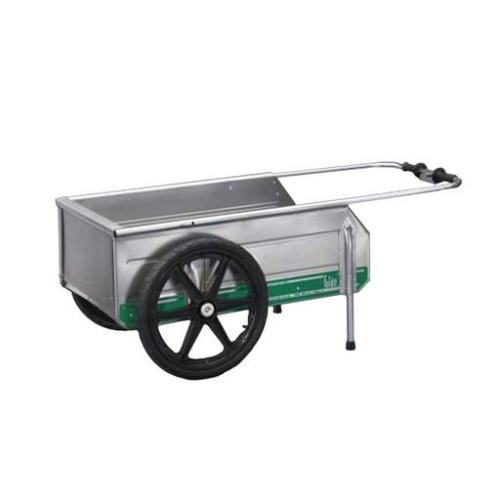 Your price for this item is $700.99
Discover more categories related to Metal Utility Carts
Top Collections:
Pokemon Centers, Kindle Devices, Best Budget Office Chairs, Apple iPhones 16, Best Laptops for Writers, iPhone 15 Apple, Canon G7X Cameras, Refurbished Apple Laptops, Alarm Clock, Motorola Razr Phones
Some products may be subject to Environmental Handling Fees
(EHF) depending on your province.
Learn more about EHFs.