Microfiber Comforters
Transform your bedroom into a cozy haven with our luxurious microfiber comforters. Designed for ultimate comfort and style, these comforters offer a perfect blend of softness and durability. Whether you're looking to refresh your bedding collection or searching for the ideal gift, microfiber comforters are a versatile choice that suits any décor. Explore our wide selection and find the perfect addition to your sleep sanctuary today.
Sort
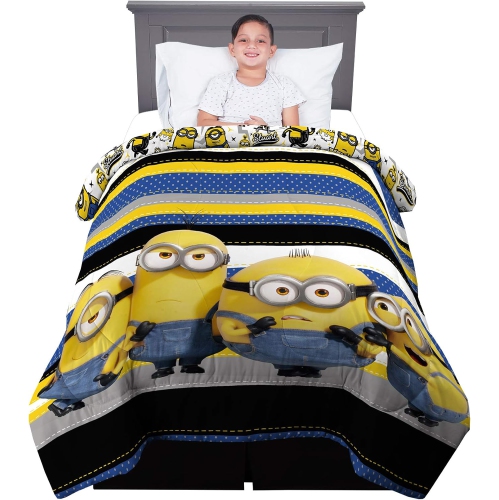
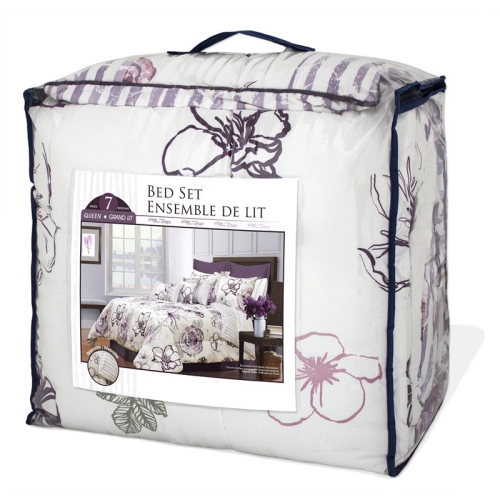
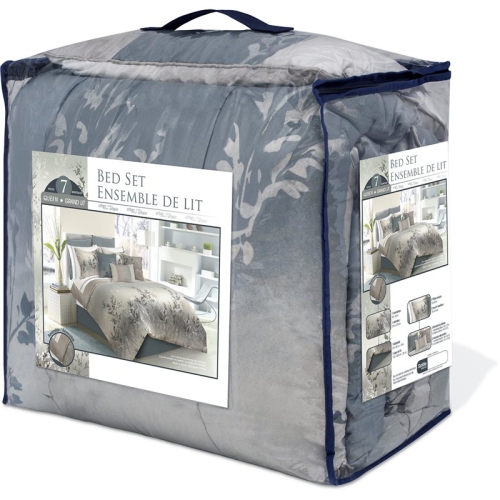
Why comfort depends on more than a soft shell
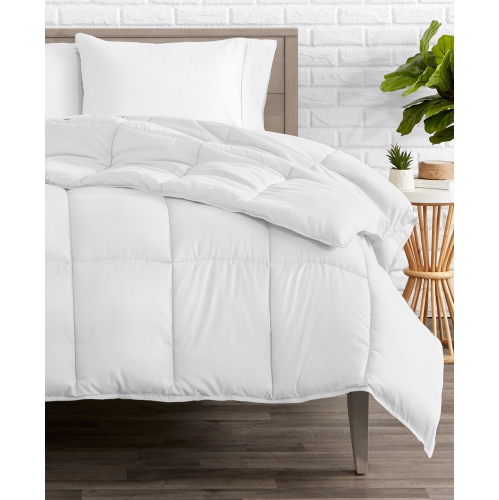
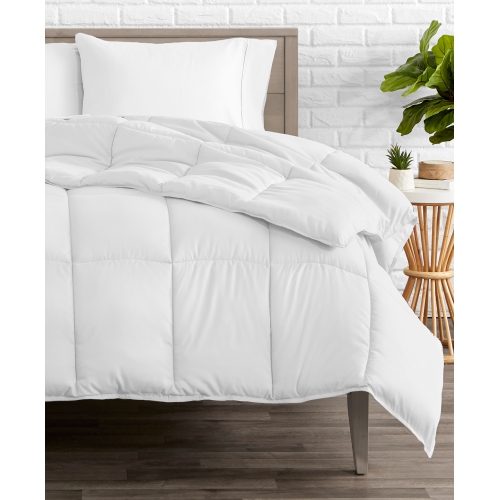
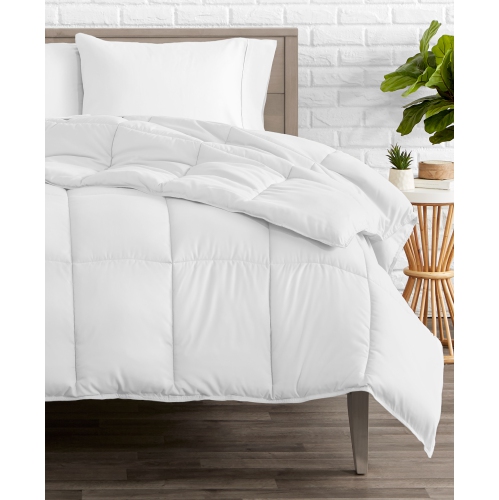
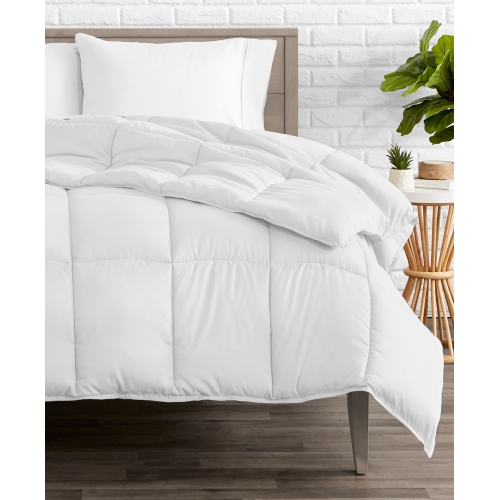
Microfibre comforters are filled bedding layers with outer fabric made from very fine synthetic fibres, most commonly polyester. Their appeal comes from a soft surface, a relatively light feel, and care requirements that often suit everyday household routines. The word microfibre describes the fabric’s fibres rather than the comforter’s filling, so the shell and fill should be considered separately. A microfibre shell may surround polyester fill or another material, and that combination influences the comforter’s loft, weight, and feel against the body. Brushed microfibre usually has a soft, peach-like finish, while other finishes feel smoother and more slippery. Neither texture tells the whole story: fabric construction, fill quantity, and stitching all contribute to how a comforter performs on the bed. A lightly filled design can drape close to the body, whereas a loftier version creates a fuller, more cushioned appearance. Lightweight does not necessarily mean less insulating, and polyester fabrics can retain more body heat than some sleepers prefer. For someone who tends to feel warm in bed, shell breathability and fill weight deserve as much attention as softness. Someone who likes a tucked-in, enveloping feel may place more value on loft and generous coverage. Microfibre should not automatically be treated as moisture-wicking, hypoallergenic, or suitable for sensitive skin; those qualities require support from the individual product’s specifications. Likewise, down-alternative fill describes a substitute for down, not a guarantee about allergy performance. For shoppers browsing soft comforters, microfibre offers a distinctive combination of fine-textured fabric and varied fill constructions. It works well as a finished top layer over sheets, and some designs can also be used inside a duvet cover when their dimensions and construction allow. The most comfortable choice depends on how the shell, filling, and overall weight work together, rather than on any single material claim.
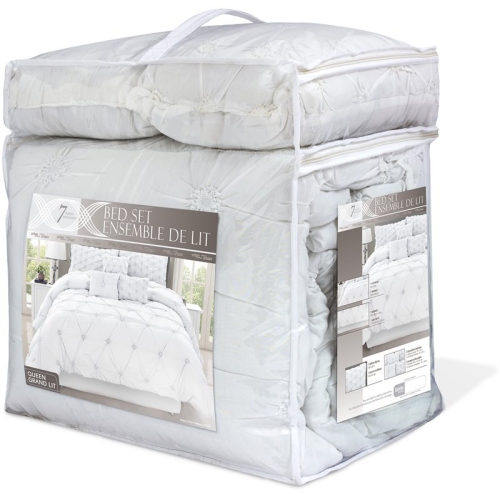
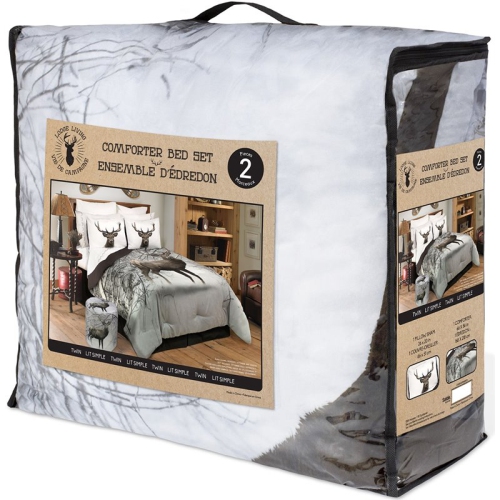
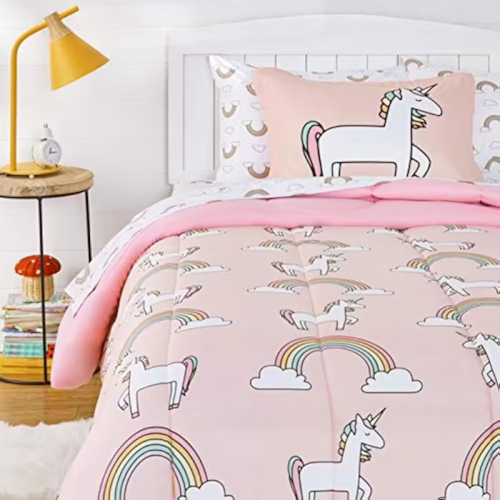
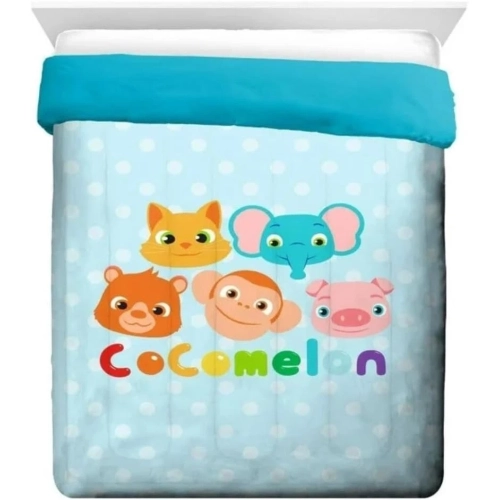
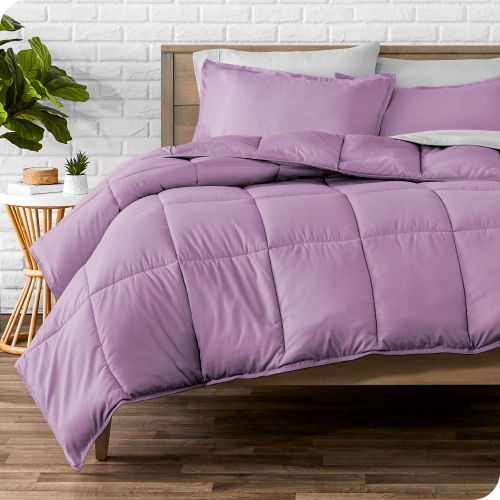
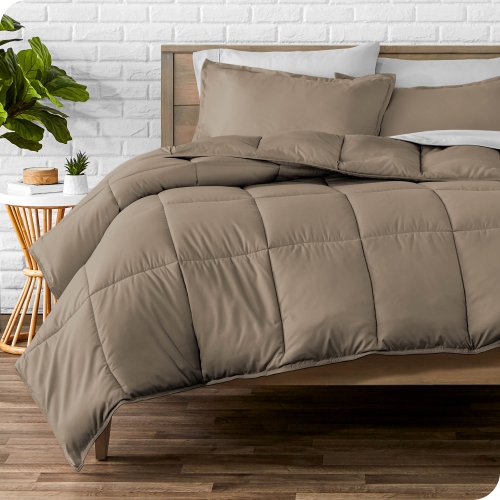
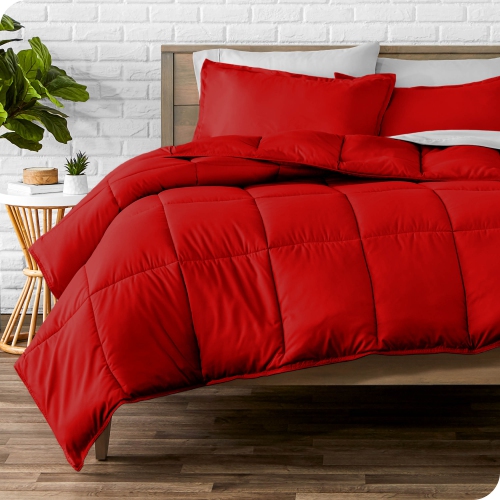
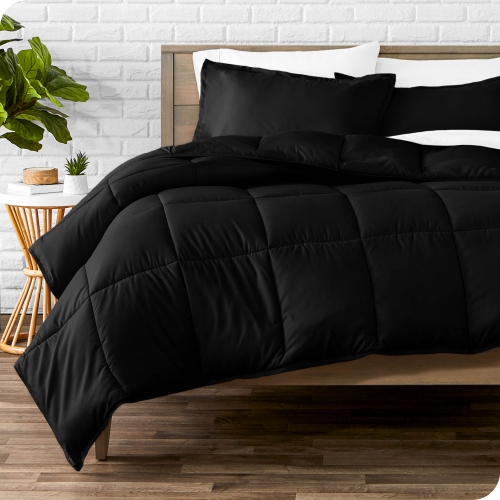
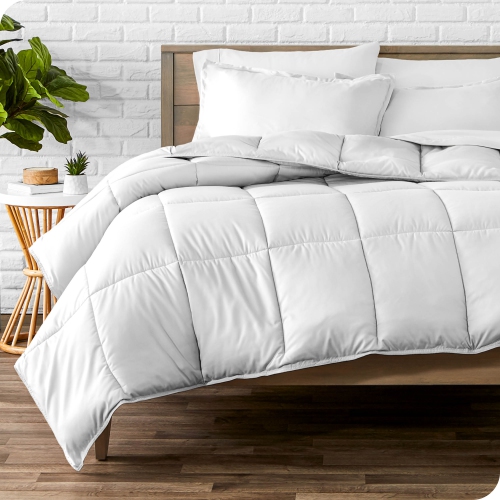
Fit makes a noticeable difference to both comfort and the way a bed looks. Twin, twin XL, double, queen, and king labels provide a starting point, but the actual width and length matter more than the size name alone. Dimensions can vary between manufacturers, and a deep mattress or an added mattress topper takes up some of the fabric that would otherwise hang over the sides. Measuring from the top of the mattress to the desired drop helps establish whether a comforter will skim the bed frame, cover the mattress fully, or hang lower for a more relaxed look. On a shared bed, extra width can also reduce the nightly tug over the middle, provided the comforter is not so large that it drags on the floor. A twin XL mattress needs particular attention to length, especially when furnishing a student residence room. Construction details are equally useful when comparing designs. Box stitching creates a grid of stitched sections, while channel stitching forms longer rows; both help keep filling distributed, although their effectiveness depends on the fill and workmanship. Evenly spaced stitching and neatly finished edges support a tidy appearance through regular use. Reversible comforters can offer two looks without requiring a separate decorative layer, while textured surfaces introduce visual depth to a room with plain sheets and simple furniture. Smooth finishes may be more practical where pet hair needs frequent removal, though no fabric should be assumed to repel fur or resist claws. Colour and pattern can make bedding feel either understated or expressive: a solid shade leaves room for patterned cushions, while a larger print can become the focal point of the bedroom. For comforter sets, the contents deserve a close look because matching pillow shams are not the same as sleeping pillowcases, and sheets are not necessarily included. A comforter with corner loops may be easier to secure inside a compatible duvet cover, helping keep its edges aligned instead of bunching near the foot of the bed.
Care requirements help determine whether a microfibre comforter fits comfortably into daily life. Many can be machine washed, but the care label remains the authority for water settings, detergent, drying methods, and any restrictions on bleach or other laundry products. Machine capacity matters just as much as washability. A comforter needs enough room to move through the wash and rinse properly; compressing a large one into a small drum can leave detergent behind and make cleaning less effective. A larger-capacity machine may be necessary even when the bedding is labelled machine washable. Where tumble drying is permitted, follow the specified heat setting, since excessive heat can damage synthetic fabric or affect the filling. The comforter should be dry throughout before returning to the bed or going into storage, including thicker areas along stitched sections and corners. Following the label’s directions for spot cleaning can help manage a small spill without washing the entire comforter unnecessarily. A top sheet or compatible removable cover can also limit direct contact with body oils and simplify regular bedding changes. Microfibre often resists wrinkling, but it is not immune to pilling, snagging, or flattening with use. The quality of the shell, the stability of the fill, and habits such as keeping rough fasteners away from the fabric all influence its appearance over time. Loose threads, opening seams, and uneven filling are useful signs to notice during laundering. Gentle fluffing, when appropriate for the construction, can help redistribute fill, but it cannot reverse damaged fibres or repair stitching. For a guest bedroom, straightforward care and a versatile design can make preparing the bed less involved. For a first apartment or a housewarming gift, a microfibre comforter can be a useful addition when the recipient’s mattress dimensions, preferred colours, and laundry access are known. Matching those practical details to the sleeper’s preferred weight and texture makes the comforter more likely to become part of an easy, familiar bedtime routine.
Fit makes a noticeable difference to both comfort and the way a bed looks. Twin, twin XL, double, queen, and king labels provide a starting point, but the actual width and length matter more than the size name alone. Dimensions can vary between manufacturers, and a deep mattress or an added mattress topper takes up some of the fabric that would otherwise hang over the sides. Measuring from the top of the mattress to the desired drop helps establish whether a comforter will skim the bed frame, cover the mattress fully, or hang lower for a more relaxed look. On a shared bed, extra width can also reduce the nightly tug over the middle, provided the comforter is not so large that it drags on the floor. A twin XL mattress needs particular attention to length, especially when furnishing a student residence room. Construction details are equally useful when comparing designs. Box stitching creates a grid of stitched sections, while channel stitching forms longer rows; both help keep filling distributed, although their effectiveness depends on the fill and workmanship. Evenly spaced stitching and neatly finished edges support a tidy appearance through regular use. Reversible comforters can offer two looks without requiring a separate decorative layer, while textured surfaces introduce visual depth to a room with plain sheets and simple furniture. Smooth finishes may be more practical where pet hair needs frequent removal, though no fabric should be assumed to repel fur or resist claws. Colour and pattern can make bedding feel either understated or expressive: a solid shade leaves room for patterned cushions, while a larger print can become the focal point of the bedroom. For comforter sets, the contents deserve a close look because matching pillow shams are not the same as sleeping pillowcases, and sheets are not necessarily included. A comforter with corner loops may be easier to secure inside a compatible duvet cover, helping keep its edges aligned instead of bunching near the foot of the bed.
Care requirements help determine whether a microfibre comforter fits comfortably into daily life. Many can be machine washed, but the care label remains the authority for water settings, detergent, drying methods, and any restrictions on bleach or other laundry products. Machine capacity matters just as much as washability. A comforter needs enough room to move through the wash and rinse properly; compressing a large one into a small drum can leave detergent behind and make cleaning less effective. A larger-capacity machine may be necessary even when the bedding is labelled machine washable. Where tumble drying is permitted, follow the specified heat setting, since excessive heat can damage synthetic fabric or affect the filling. The comforter should be dry throughout before returning to the bed or going into storage, including thicker areas along stitched sections and corners. Following the label’s directions for spot cleaning can help manage a small spill without washing the entire comforter unnecessarily. A top sheet or compatible removable cover can also limit direct contact with body oils and simplify regular bedding changes. Microfibre often resists wrinkling, but it is not immune to pilling, snagging, or flattening with use. The quality of the shell, the stability of the fill, and habits such as keeping rough fasteners away from the fabric all influence its appearance over time. Loose threads, opening seams, and uneven filling are useful signs to notice during laundering. Gentle fluffing, when appropriate for the construction, can help redistribute fill, but it cannot reverse damaged fibres or repair stitching. For a guest bedroom, straightforward care and a versatile design can make preparing the bed less involved. For a first apartment or a housewarming gift, a microfibre comforter can be a useful addition when the recipient’s mattress dimensions, preferred colours, and laundry access are known. Matching those practical details to the sleeper’s preferred weight and texture makes the comforter more likely to become part of an easy, familiar bedtime routine.
Top selling and popular products
-
 Your price for this item is $114.99
 -
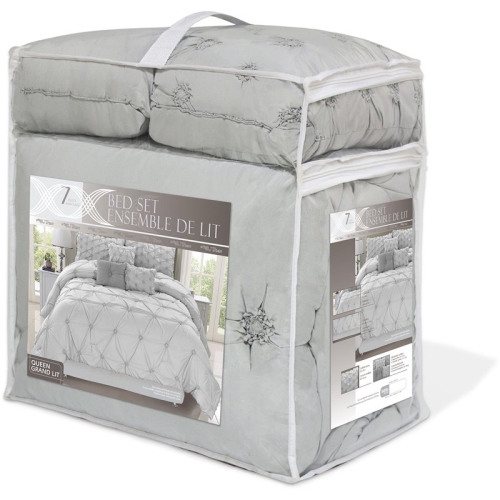 Your price for this item is $128.2
 -
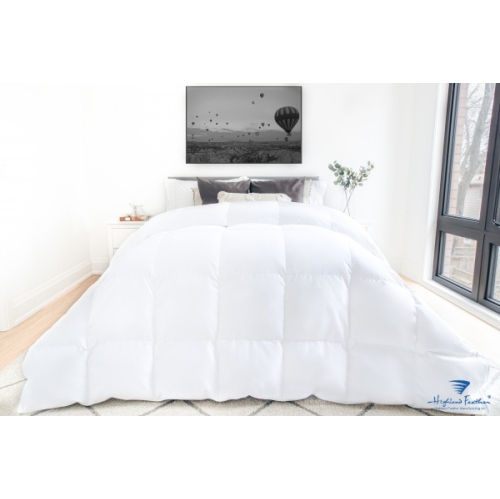 Your price for this item is $492.99
 -
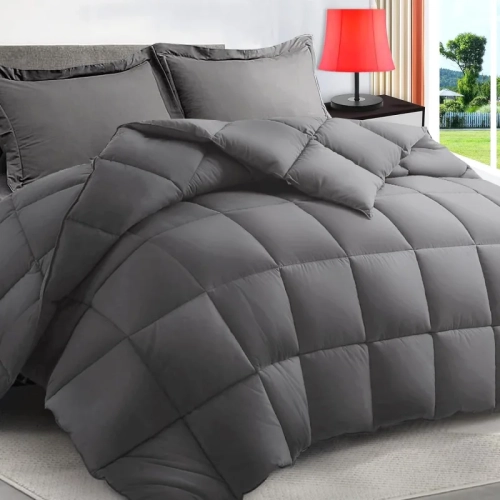 Your price for this item is $69.99
 -
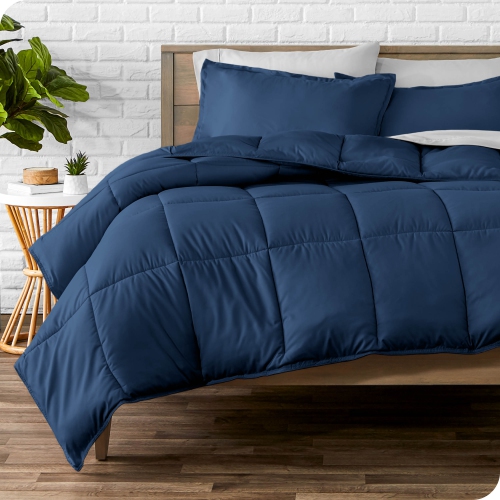 Your price for this item is $114.99
 -
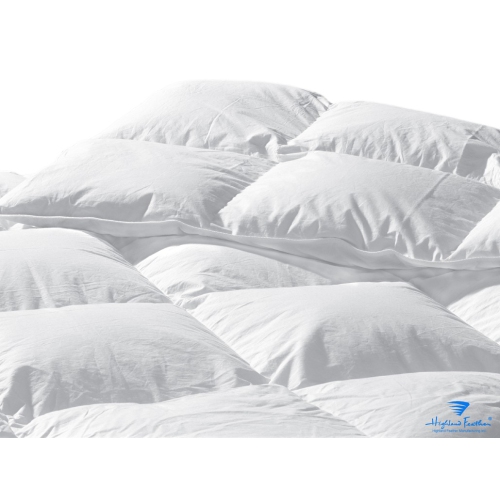 Your price for this item is $342.99
 -
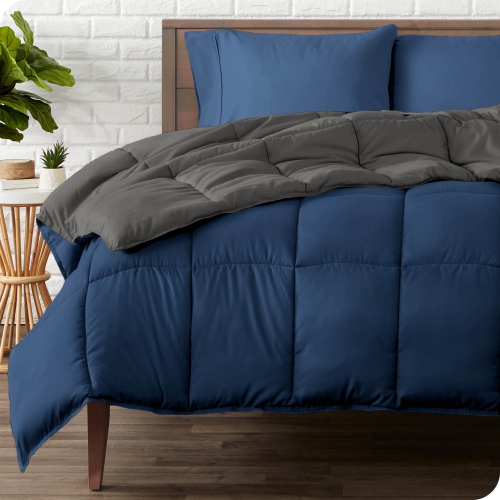 Your price for this item is $122.99
 -
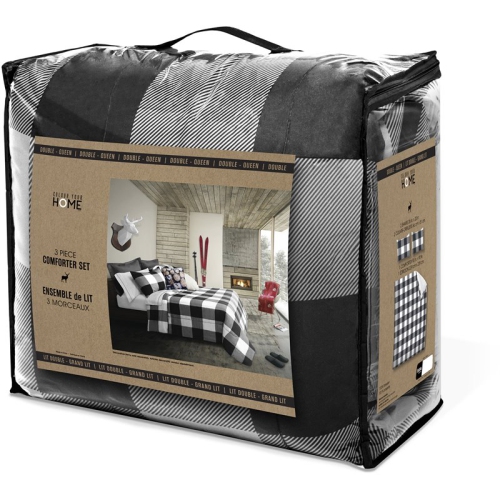 Your price for this item is $69.99
Discover more categories related to Microfiber Comforters
Top Collections:
Pokemon Centers, Kindle Devices, Best Budget Office Chairs, Apple iPhones 16, Best Laptops for Writers, iPhone 15 Apple, Canon G7X Cameras, Refurbished Apple Laptops, Alarm Clock, Motorola Razr Phones
Some products may be subject to Environmental Handling Fees
(EHF) depending on your province.
Learn more about EHFs.