Mini Battery Operated LED Lights for Crafts
Mini Battery Operated LED Lights For Crafts are the perfect addition to any creative project, offering a simple way to add a touch of brilliance and charm. Whether you're decorating for special occasions, personalizing DIY art, or enhancing home décor, these compact lights provide endless possibilities to illuminate your ideas. Explore a variety of options designed to help you achieve stunning results with ease and flexibility for every craft project.
Sort
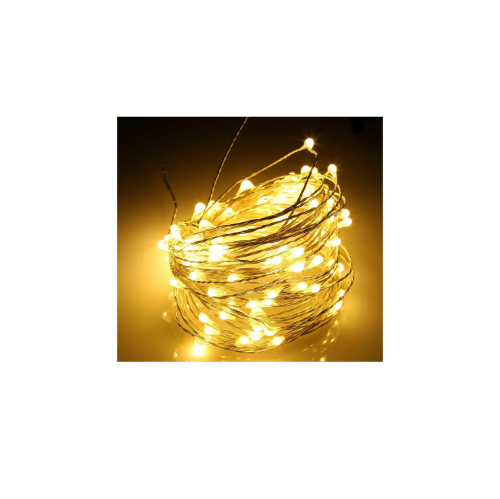
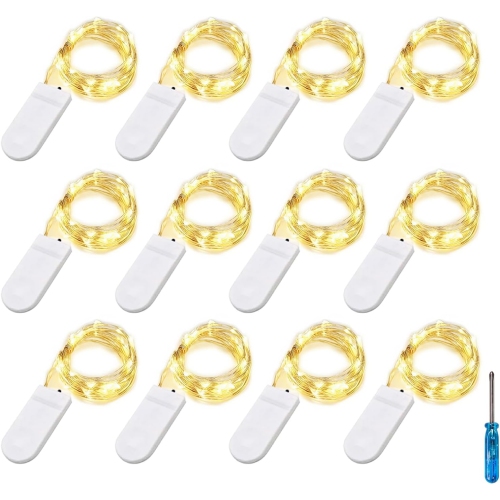

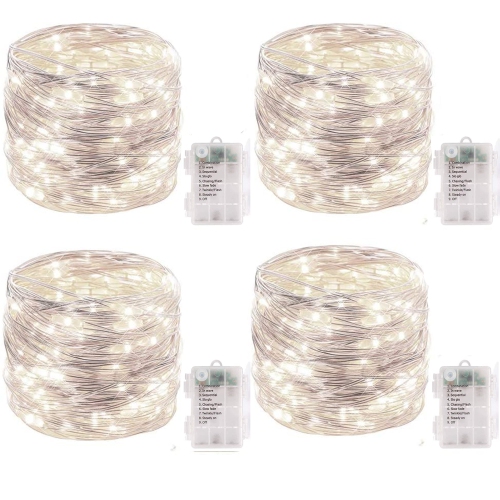
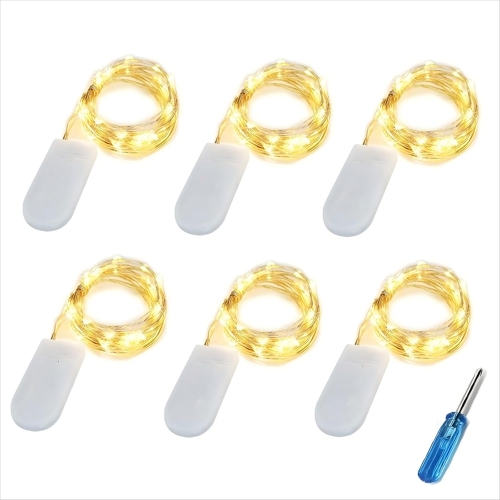
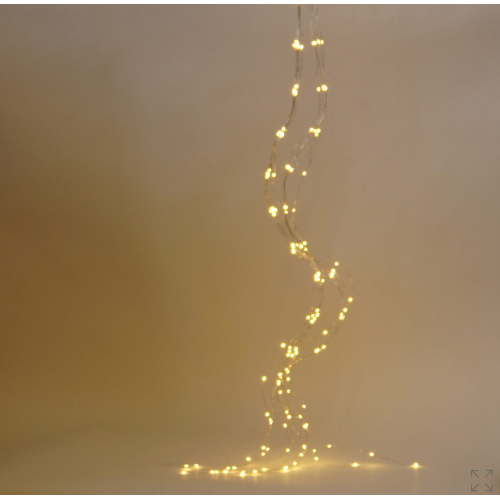
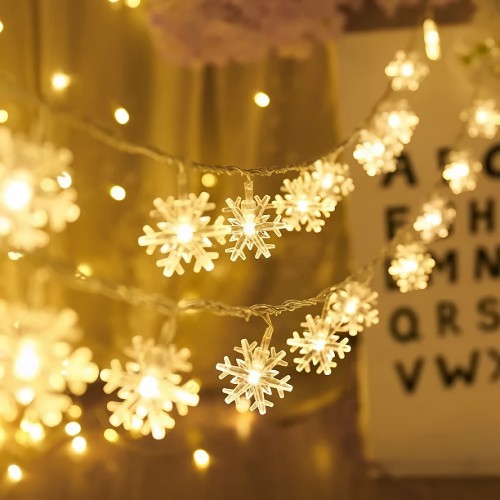
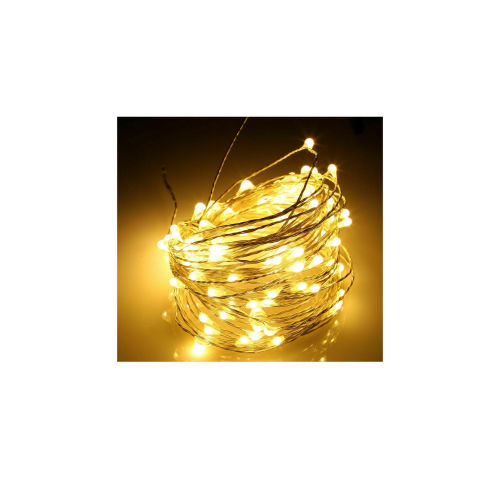
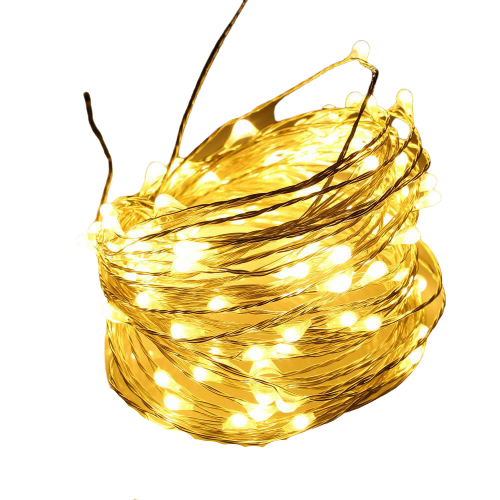
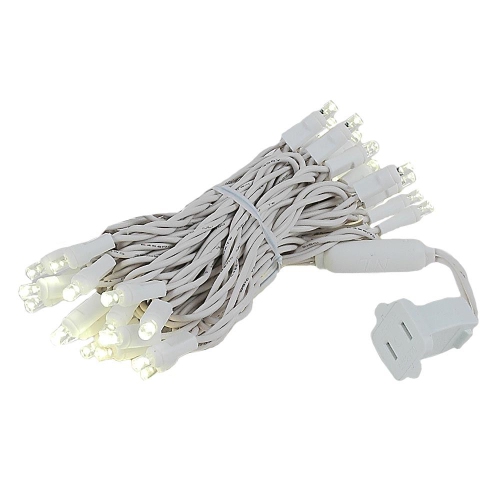
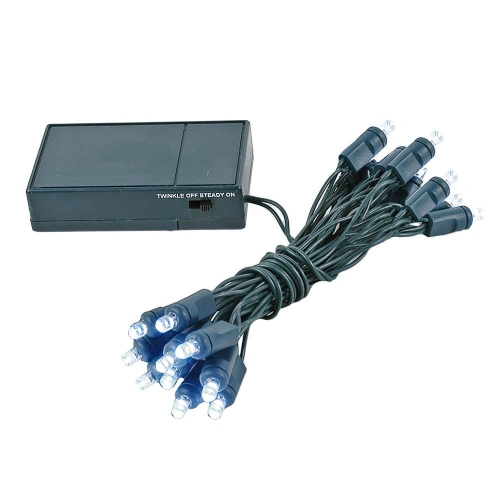
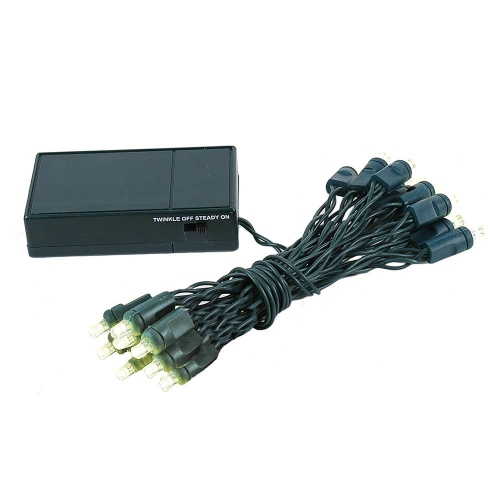
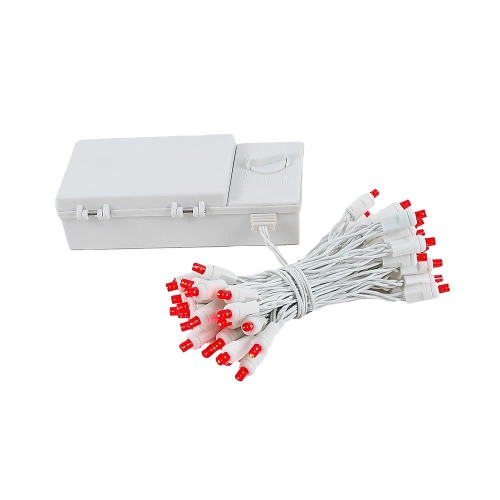

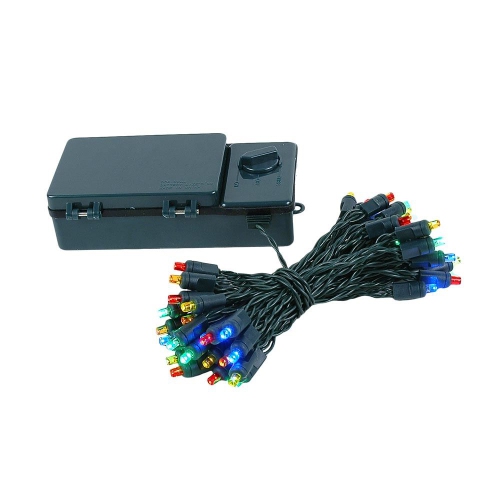
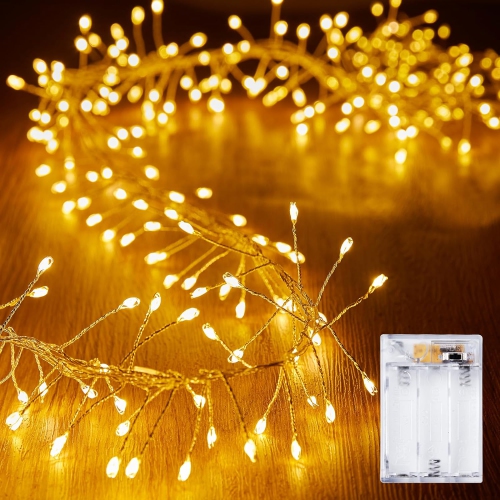
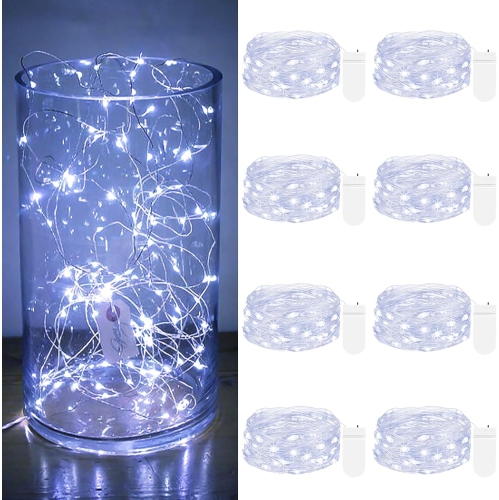
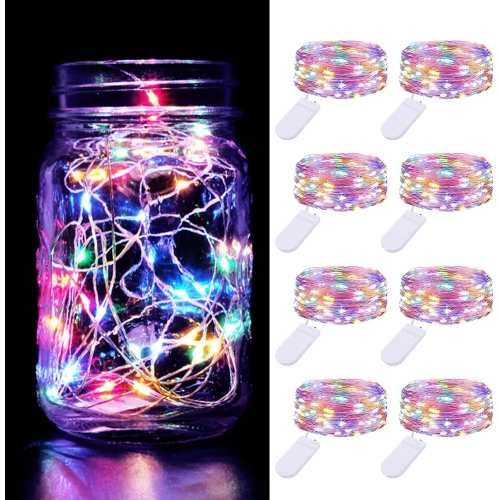

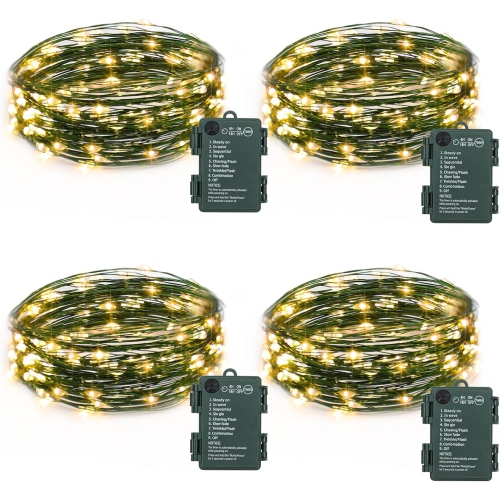
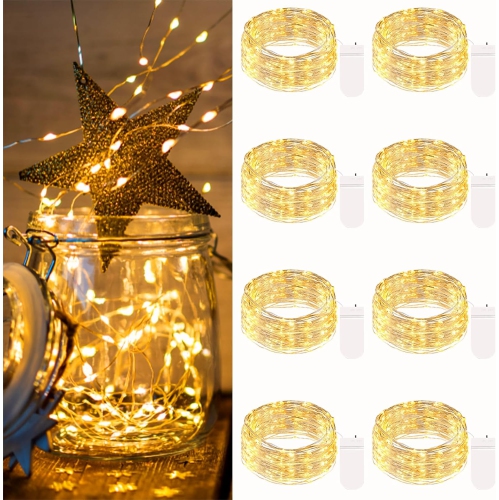
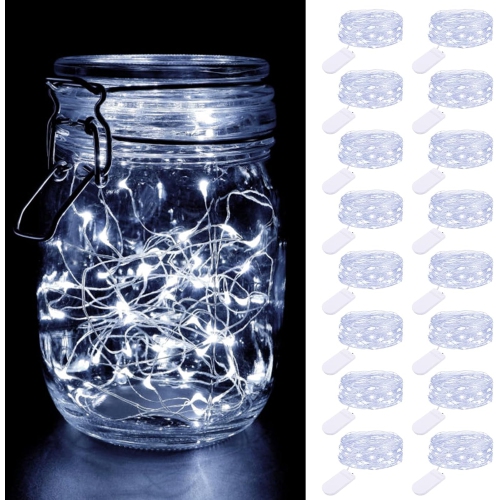
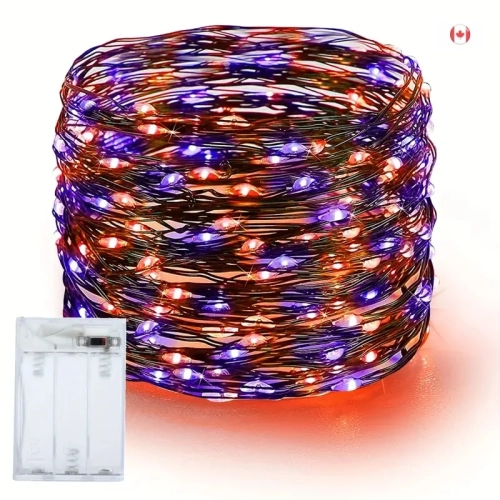
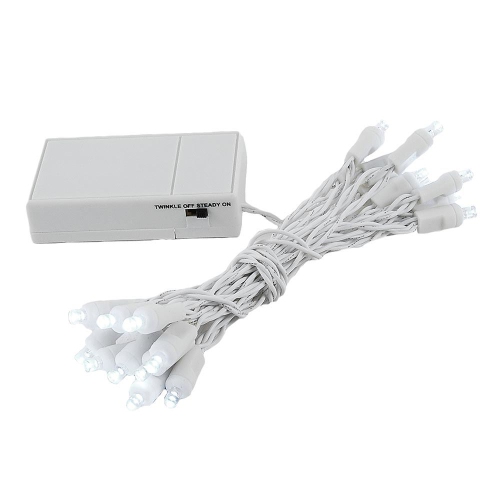
A soft glow for handmade displays without an outlet
Mini battery-operated LED lights for crafts are small, portable light sources that add illumination to handmade displays without a nearby wall outlet. Common formats include flexible fairy light strands, individual light pods, and tiny wired LEDs for detailed miniature work. Each suits a different kind of project: a strand can trace the curve of a wreath, a small pod can create a single point of light inside a suitable ornament, and a wired micro LED can light a window in a model building. Their compact size makes them useful for glass jar arrangements, shadow boxes, table centrepieces, handmade signs, and miniature scenes where a full-sized light would overwhelm the design. Warm white light gives wood, kraft paper, and cream-coloured fabric a soft, golden appearance, while cool white can bring sharper definition to clear glass, silver accents, and snowy miniature landscapes. Coloured lighting adds another layer of expression, particularly when the light itself is part of the design rather than simply a way to make details visible. Brightness matters as much as colour: a subtle glow can highlight translucent paper, whereas a brighter point may create an obvious hotspot behind a thin surface. Clear materials reveal individual LEDs and wire, while frosted glass and other translucent finishes can soften their appearance. For projects that need several points of light along one continuous length, Battery Operated Mini LED String Lights offer a related format suited to wrapping, weaving, and outlining. Light spacing helps determine the finished effect. Closely spaced LEDs create a fuller cluster in a jar or around a small frame; wider spacing leaves more room between highlights along a branch or garland. A strand’s total length is only part of the fit, since the illuminated section and the unlit lead between the first LED and battery pack serve different purposes. That extra lead can make it easier to keep the battery pack out of sight without losing light where it matters.
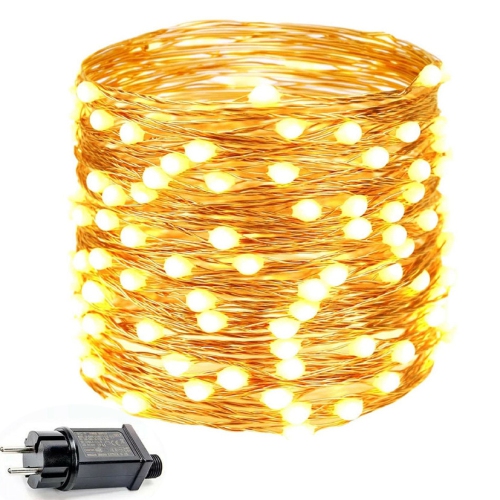
Materials and construction influence how neatly mini LED craft lights fit into a project and how well they hold up to handling. Fine wire strands are often chosen for their discreet appearance and ability to follow gentle curves. Copper-coloured wire can blend with warm-toned wood and dried floral arrangements, while silver-coloured wire may be less noticeable against pale backgrounds or metal frames. The visible finish does not establish the wire’s composition or protective rating, so the listed specifications remain important. Thin wire is useful for delicate work, but repeated sharp bending, pulling, or pinching can damage the strand or its connections. A light tucked into a permanent shadow box has different durability needs from one woven into a wreath that will be packed away and brought out again. Battery pack dimensions also deserve attention, especially in small vessels and shallow frames. A strand may fit comfortably through a narrow opening even when its power pack does not. In a tabletop arrangement, the pack might sit behind the base; in a miniature room, it may need a separate compartment with an accessible cover. Coin-cell batteries allow some designs to stay compact, while AA- or AAA-powered designs usually need more space. Runtime depends on battery capacity, the number of LEDs, brightness, and the selected lighting mode, so a small pack should not be assumed to last through a long gathering. An accessible on/off switch makes everyday use simpler, and a built-in timer, where specified, can be useful for displays used regularly during the cooler months. Remote controls and lighting modes vary by design rather than being standard features. For miniature hobby work, it is also important to distinguish a complete battery-powered light from a bare wired LED. Individual diodes may require a compatible power supply, resistor, or connector, and their voltage requirements must match the intended setup. Ready-to-use lights generally suit straightforward craft projects, while component lighting calls for more attention to electrical compatibility and wiring.
The intended setting helps narrow the choice between a delicate accent light and something suited to more frequent handling. Indoor craft lights can bring depth to a bookshelf display, add a gentle glow behind a cut-paper scene, or make a handmade centrepiece feel more finished without a visible cord crossing the table. A covered porch arrangement presents different demands: protection from direct rain does not remove exposure to moisture, and outdoor suitability must apply to both the lights and their battery compartment. Water resistance should never be taken to mean that a light or power pack can be submerged. For glass vessels holding flowers, the lighting needs to remain separate from water unless the complete assembly is specifically rated for that use. Secure positioning matters, too. A loose battery pack can pull a lightweight arrangement off balance, and a strand stretched tightly across an edge is more vulnerable to damage. Clips or suitable craft fasteners can hold lighting in place without crushing the wire; battery doors and switches should remain reachable rather than being permanently glued inside the display. LEDs generally produce less heat than incandescent lights, but they are not a reason to disregard clearance or material restrictions. Paper, fabric, adhesives, and enclosed spaces should be used only in ways permitted by the lighting manufacturer. Small lights and loose batteries also need careful placement around children and pets, particularly coin and button cells, which can cause severe injury if swallowed. In family crafting, adults should handle batteries and secure the completed lighting, keeping removable components out of reach. Care is usually straightforward: switch the lights off before handling, keep the battery compartment dry, and clean only as directed. Removing batteries before extended storage and loosely coiling strands can help prevent leakage damage and unnecessary stress on fine wires. For someone who enjoys model making, floral arranging, or handmade home accents, compact craft lighting can be a thoughtful addition to a gift of creative supplies. The most useful choice is one that fits the recipient’s usual projects, with manageable controls, appropriate brightness, and a battery pack that is easy to conceal and maintain.
Materials and construction influence how neatly mini LED craft lights fit into a project and how well they hold up to handling. Fine wire strands are often chosen for their discreet appearance and ability to follow gentle curves. Copper-coloured wire can blend with warm-toned wood and dried floral arrangements, while silver-coloured wire may be less noticeable against pale backgrounds or metal frames. The visible finish does not establish the wire’s composition or protective rating, so the listed specifications remain important. Thin wire is useful for delicate work, but repeated sharp bending, pulling, or pinching can damage the strand or its connections. A light tucked into a permanent shadow box has different durability needs from one woven into a wreath that will be packed away and brought out again. Battery pack dimensions also deserve attention, especially in small vessels and shallow frames. A strand may fit comfortably through a narrow opening even when its power pack does not. In a tabletop arrangement, the pack might sit behind the base; in a miniature room, it may need a separate compartment with an accessible cover. Coin-cell batteries allow some designs to stay compact, while AA- or AAA-powered designs usually need more space. Runtime depends on battery capacity, the number of LEDs, brightness, and the selected lighting mode, so a small pack should not be assumed to last through a long gathering. An accessible on/off switch makes everyday use simpler, and a built-in timer, where specified, can be useful for displays used regularly during the cooler months. Remote controls and lighting modes vary by design rather than being standard features. For miniature hobby work, it is also important to distinguish a complete battery-powered light from a bare wired LED. Individual diodes may require a compatible power supply, resistor, or connector, and their voltage requirements must match the intended setup. Ready-to-use lights generally suit straightforward craft projects, while component lighting calls for more attention to electrical compatibility and wiring.
The intended setting helps narrow the choice between a delicate accent light and something suited to more frequent handling. Indoor craft lights can bring depth to a bookshelf display, add a gentle glow behind a cut-paper scene, or make a handmade centrepiece feel more finished without a visible cord crossing the table. A covered porch arrangement presents different demands: protection from direct rain does not remove exposure to moisture, and outdoor suitability must apply to both the lights and their battery compartment. Water resistance should never be taken to mean that a light or power pack can be submerged. For glass vessels holding flowers, the lighting needs to remain separate from water unless the complete assembly is specifically rated for that use. Secure positioning matters, too. A loose battery pack can pull a lightweight arrangement off balance, and a strand stretched tightly across an edge is more vulnerable to damage. Clips or suitable craft fasteners can hold lighting in place without crushing the wire; battery doors and switches should remain reachable rather than being permanently glued inside the display. LEDs generally produce less heat than incandescent lights, but they are not a reason to disregard clearance or material restrictions. Paper, fabric, adhesives, and enclosed spaces should be used only in ways permitted by the lighting manufacturer. Small lights and loose batteries also need careful placement around children and pets, particularly coin and button cells, which can cause severe injury if swallowed. In family crafting, adults should handle batteries and secure the completed lighting, keeping removable components out of reach. Care is usually straightforward: switch the lights off before handling, keep the battery compartment dry, and clean only as directed. Removing batteries before extended storage and loosely coiling strands can help prevent leakage damage and unnecessary stress on fine wires. For someone who enjoys model making, floral arranging, or handmade home accents, compact craft lighting can be a thoughtful addition to a gift of creative supplies. The most useful choice is one that fits the recipient’s usual projects, with manageable controls, appropriate brightness, and a battery pack that is easy to conceal and maintain.
Top selling and popular products
-
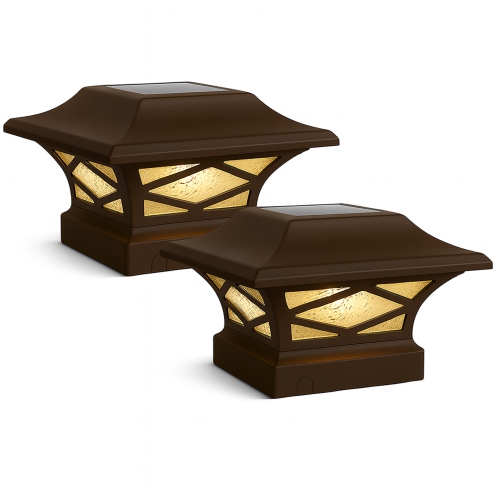 Your price for this item is $99.99
 -
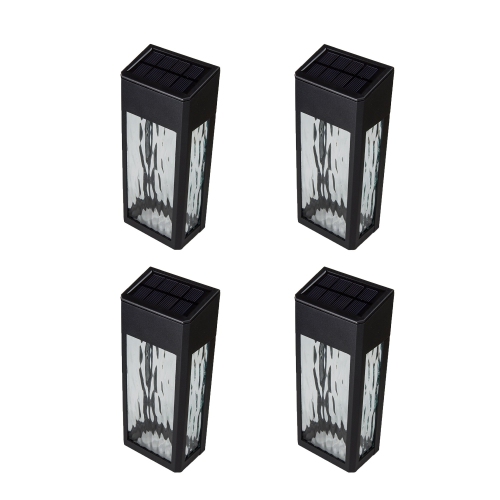 Your price for this item is $73.99
 -
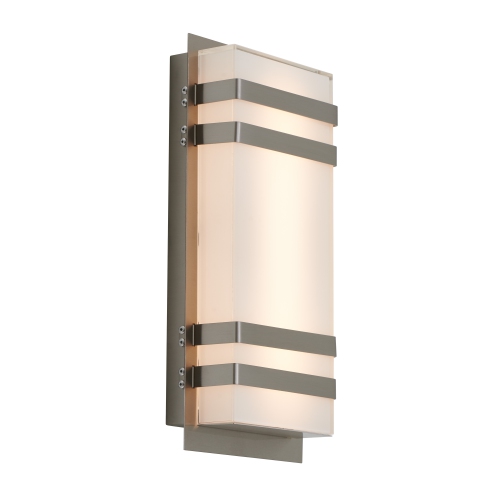 Your price for this item is $69.99
 -
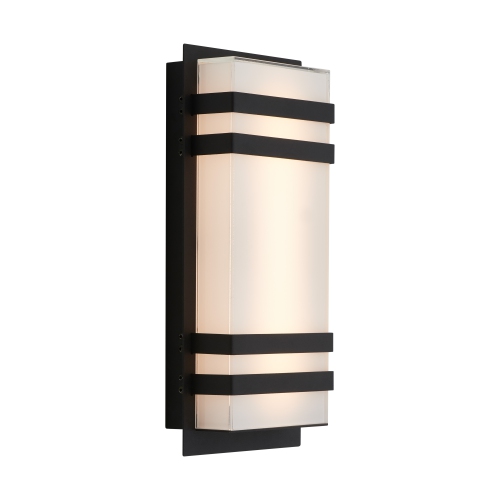 Your price for this item is $59.99
 -
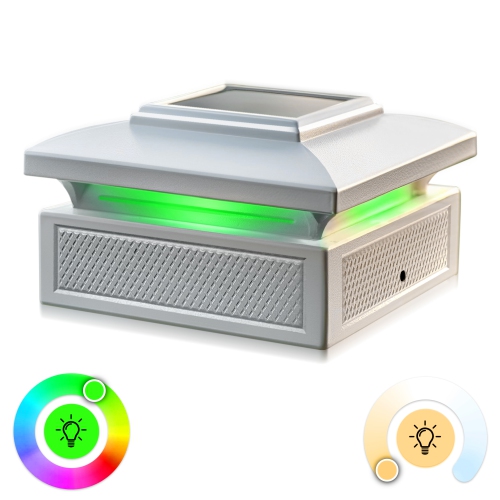 Your price for this item is $99.99
 -
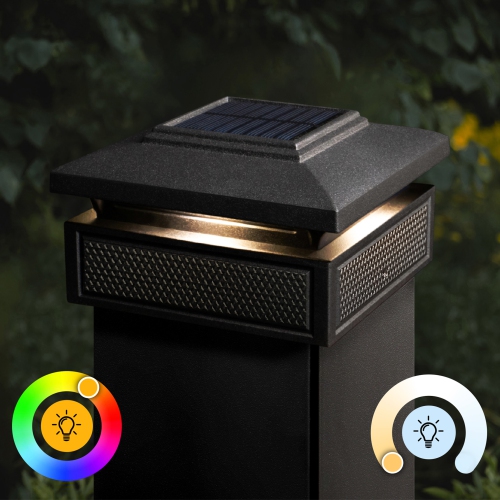 Your price for this item is $99.99
 -
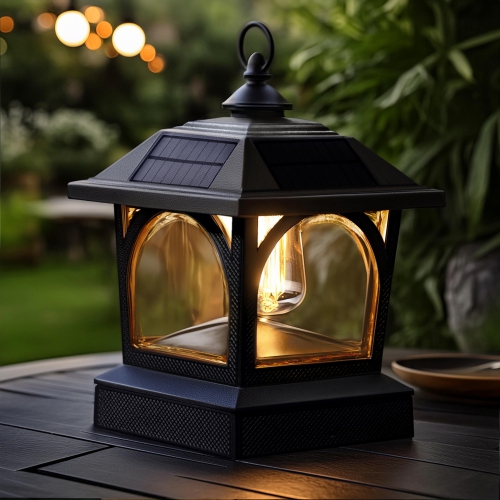 Your price for this item is $99.99
 -
 Your price for this item is $99
Discover more categories related to Mini Battery Operated LED Lights for Crafts
Top Collections:
Pokemon Centers, Kindle Devices, Best Budget Office Chairs, Apple iPhones 16, Best Laptops for Writers, iPhone 15 Apple, Canon G7X Cameras, Refurbished Apple Laptops, Alarm Clock, Motorola Razr Phones
Some products may be subject to Environmental Handling Fees
(EHF) depending on your province.
Learn more about EHFs.