Minimalist Chairs
Elevate your living space with the sleek elegance of minimalist chairs, where simplicity meets style in perfect harmony. These chairs are designed to seamlessly blend into any room, offering a modern aesthetic that complements both contemporary and traditional decor. Whether you're looking to furnish your dining area, office, or cozy reading nook, minimalist chairs provide a versatile seating solution that emphasizes clean lines and understated beauty. Discover how these chairs can transform your environment into a serene sanctuary with their timeless appeal and functional design.
Sort

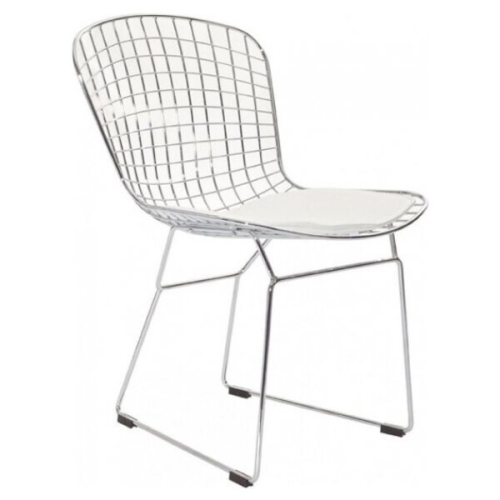
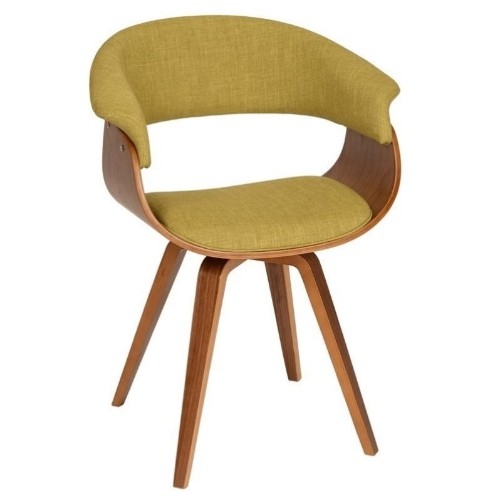
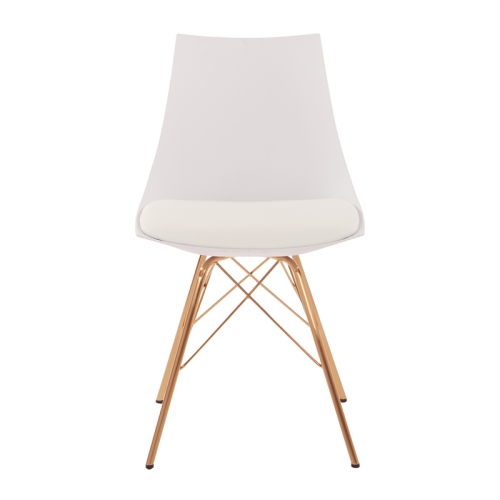
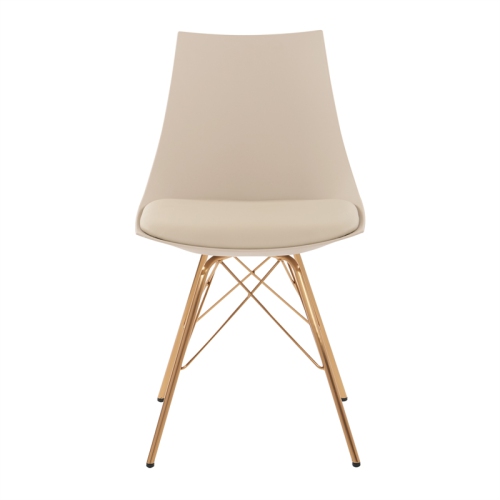
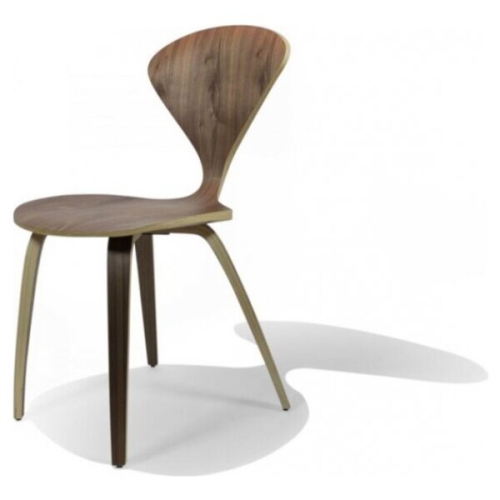

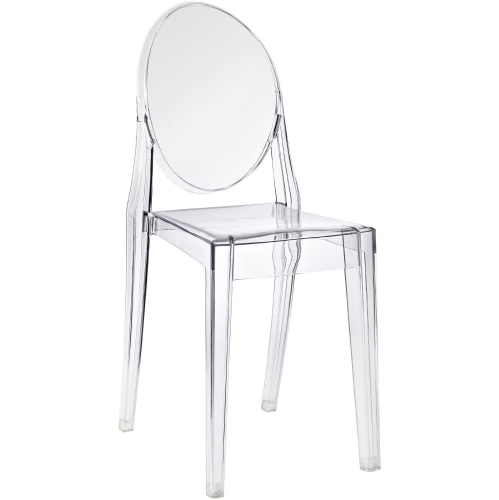
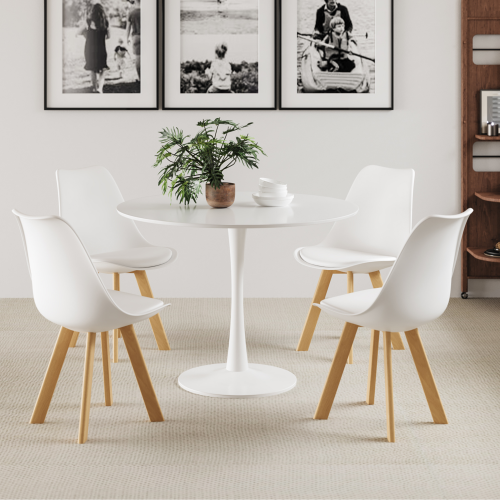
Simple seating can feel warm without adding visual weight
Minimalist chairs bring a sense of order to a room through simple shapes, restrained detailing, and proportions that leave space around the furniture. The look can be warm and relaxed rather than stark: a gently curved timber back, a softly upholstered seat, or slim metal legs can give a chair character without elaborate ornament. These chairs suit dining rooms, living areas, bedrooms, and multipurpose spaces where seating needs to feel useful without dominating the room. In a compact condo, an open-backed chair can preserve sightlines between the dining table and living area. In a larger space, a pair of generously proportioned lounge chairs can define a conversation area without the visual weight of another sofa. Minimalism does not mean every chair must share the same shape or finish. A common thread, such as rounded edges, pale wood, or black frames, can make different seats feel connected while allowing each to serve its purpose. Pairing chairs with complementary minimalist furniture helps maintain that continuity across tables, shelving, and storage. Colour also changes the effect. Cream, grey, and natural wood tones tend to sit quietly alongside other furnishings, while a deep blue or earthy brown chair can become a focal point without relying on decorative trim. Texture keeps a restrained palette from feeling flat, whether that comes from visible wood grain, a woven seat, or a fabric with a subtle tactile finish. For shared homes, this flexibility makes minimalist seating easy to work into rooms shaped by different tastes. The most convincing arrangements leave enough room for everyday movement and give each chair a clear role, whether that is a place to linger over dinner, put on shoes near an entryway, or sit with a book beside a lamp. A chair can look light and unobtrusive while still offering a comfortable, substantial seat; the distinction comes down to its construction and dimensions, not just its appearance.
Fit deserves as much attention as the silhouette, especially when a chair will be used every day. At a dining table, seat height needs to work with the underside of the tabletop and any apron beneath it, leaving comfortable space for legs. Armrests introduce another measurement: they may prevent a chair from sliding underneath the table even when the seat itself is at a suitable height. Upholstered seats can compress under body weight, so their feel and working height may differ from a firm timber or moulded seat. Overall width matters too. Several narrow-looking chairs can still crowd a table if their legs flare outward or their armrests extend beyond the seat. Allowing space to pull chairs back without blocking a doorway or walkway makes meals and gatherings easier to manage. Seat depth and back angle influence how a chair supports different activities. A more upright position often suits dining, conversation, or a short session of paperwork, while a deeper seat and reclined back can feel more natural for reading or relaxing. Someone with a shorter reach may find an overly deep lounge chair leaves their feet unsupported, while a taller person may prefer more room through the seat and back. For people who find standing up from low seating difficult, a firmer cushion, supportive arms, and a suitable seat height can be useful features. A dining or accent chair may work for occasional laptop use, but extended desk work generally calls for task seating with adjustments suited to the user. In a room that serves several purposes, the chair’s weight also becomes practical: seating moved between a dining table and a conversation area should be manageable to lift safely. Stackable designs can help where extra seating is brought out for guests, provided the chairs are intended to stack. These everyday details matter more than a photograph can show, making dimensions, intended use, and stated weight limits important points of comparison.
Materials and construction shape both the feel of minimalist chairs and the attention they need over time. Solid wood brings natural variation in grain and colour, while bent plywood can form smooth curves that support the body with relatively little bulk. Metal frames can create crisp, slender outlines, though their long-term performance depends on the quality of the joints, finish, and overall design rather than appearance alone. Moulded plastic seats often have fewer seams to catch crumbs, making them practical around a frequently used dining table. Upholstery adds softness and can make a chair more inviting for longer periods of sitting, but fabric texture, cushion density, and cleaning requirements deserve a close look. In a household with children or pets, tightly woven fabric and removable covers may be useful, although a removable cover is not necessarily machine washable. Leather and leather-look coverings also need care appropriate to their particular finish; the same cleaner will not suit every surface. Routine upkeep is usually straightforward when it follows the manufacturer’s directions. Dusting frames with a soft cloth, vacuuming upholstery with a suitable attachment, and blotting spills promptly can help preserve the chair’s appearance. Wood generally benefits from avoiding prolonged moisture contact, while abrasive cleaning tools can damage painted or coated surfaces. Floor contact deserves attention as well: compatible protective pads can reduce marking on hard floors, and worn pads should be replaced before exposed hardware reaches the surface. Durability also depends on stable assembly, secure fasteners, and using a chair as intended rather than standing on it or tipping it onto two legs. Where assembly is required, periodic checks for loosened connections can help keep seating steady. For a first apartment, a shared dining space, or a quiet reading corner, the appeal of a minimalist chair lies in that balance of simplicity and everyday usefulness. Clean lines establish the look, but comfortable proportions, appropriate materials, and manageable care are what make the chair a lasting part of the room.
Fit deserves as much attention as the silhouette, especially when a chair will be used every day. At a dining table, seat height needs to work with the underside of the tabletop and any apron beneath it, leaving comfortable space for legs. Armrests introduce another measurement: they may prevent a chair from sliding underneath the table even when the seat itself is at a suitable height. Upholstered seats can compress under body weight, so their feel and working height may differ from a firm timber or moulded seat. Overall width matters too. Several narrow-looking chairs can still crowd a table if their legs flare outward or their armrests extend beyond the seat. Allowing space to pull chairs back without blocking a doorway or walkway makes meals and gatherings easier to manage. Seat depth and back angle influence how a chair supports different activities. A more upright position often suits dining, conversation, or a short session of paperwork, while a deeper seat and reclined back can feel more natural for reading or relaxing. Someone with a shorter reach may find an overly deep lounge chair leaves their feet unsupported, while a taller person may prefer more room through the seat and back. For people who find standing up from low seating difficult, a firmer cushion, supportive arms, and a suitable seat height can be useful features. A dining or accent chair may work for occasional laptop use, but extended desk work generally calls for task seating with adjustments suited to the user. In a room that serves several purposes, the chair’s weight also becomes practical: seating moved between a dining table and a conversation area should be manageable to lift safely. Stackable designs can help where extra seating is brought out for guests, provided the chairs are intended to stack. These everyday details matter more than a photograph can show, making dimensions, intended use, and stated weight limits important points of comparison.
Materials and construction shape both the feel of minimalist chairs and the attention they need over time. Solid wood brings natural variation in grain and colour, while bent plywood can form smooth curves that support the body with relatively little bulk. Metal frames can create crisp, slender outlines, though their long-term performance depends on the quality of the joints, finish, and overall design rather than appearance alone. Moulded plastic seats often have fewer seams to catch crumbs, making them practical around a frequently used dining table. Upholstery adds softness and can make a chair more inviting for longer periods of sitting, but fabric texture, cushion density, and cleaning requirements deserve a close look. In a household with children or pets, tightly woven fabric and removable covers may be useful, although a removable cover is not necessarily machine washable. Leather and leather-look coverings also need care appropriate to their particular finish; the same cleaner will not suit every surface. Routine upkeep is usually straightforward when it follows the manufacturer’s directions. Dusting frames with a soft cloth, vacuuming upholstery with a suitable attachment, and blotting spills promptly can help preserve the chair’s appearance. Wood generally benefits from avoiding prolonged moisture contact, while abrasive cleaning tools can damage painted or coated surfaces. Floor contact deserves attention as well: compatible protective pads can reduce marking on hard floors, and worn pads should be replaced before exposed hardware reaches the surface. Durability also depends on stable assembly, secure fasteners, and using a chair as intended rather than standing on it or tipping it onto two legs. Where assembly is required, periodic checks for loosened connections can help keep seating steady. For a first apartment, a shared dining space, or a quiet reading corner, the appeal of a minimalist chair lies in that balance of simplicity and everyday usefulness. Clean lines establish the look, but comfortable proportions, appropriate materials, and manageable care are what make the chair a lasting part of the room.
Top selling and popular products
-
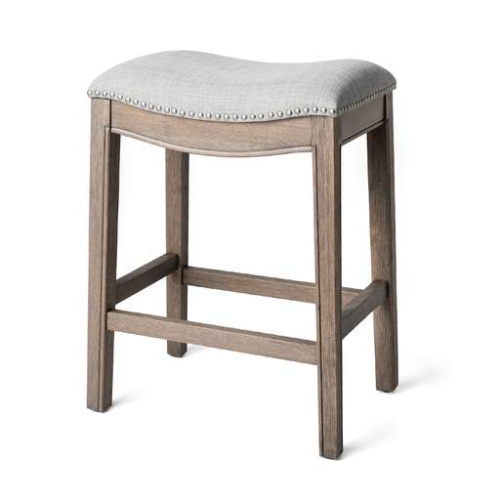 Your price for this item is $210.99
 -
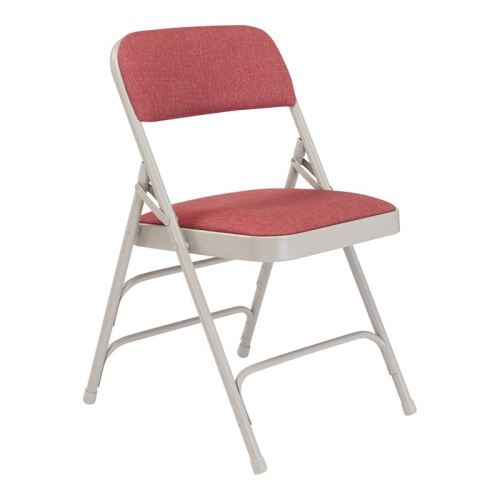 Your price for this item is $399.16
 -
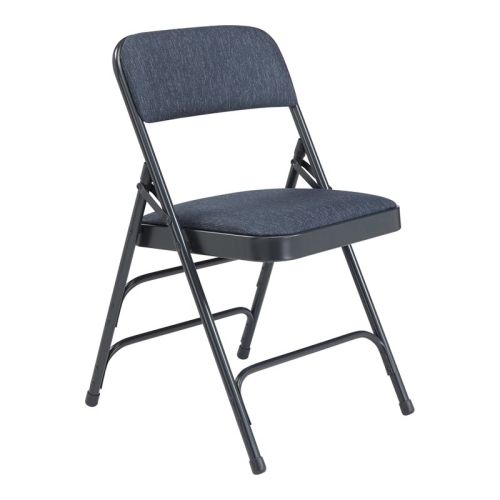 Your price for this item is $413.92
 -
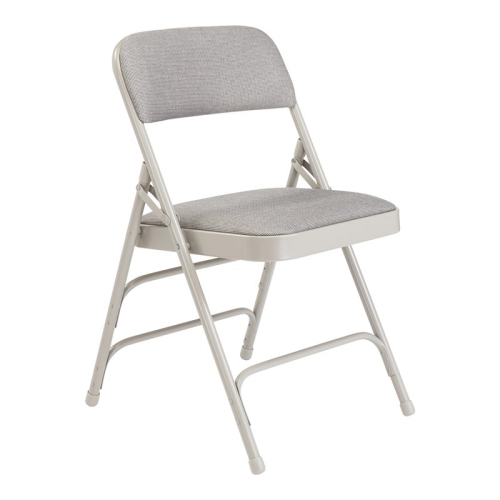 Your price for this item is $395.27
 -
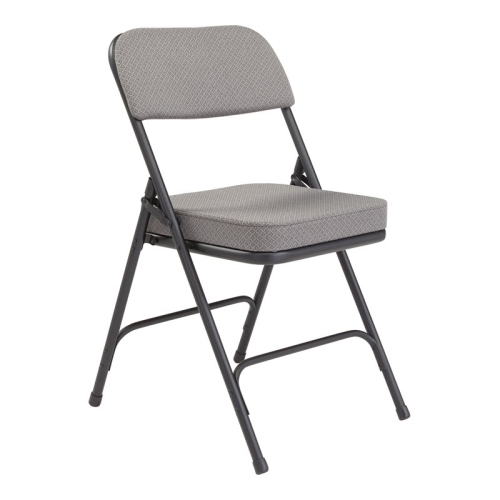 Your price for this item is $282.44
 -
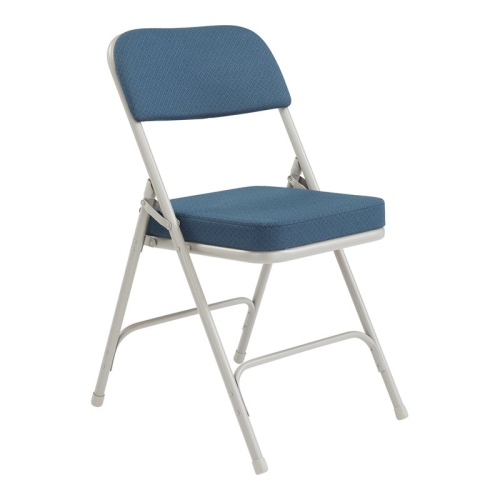 Your price for this item is $279.98
 -
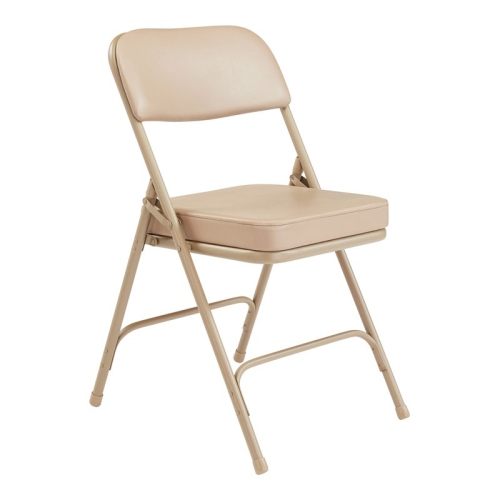 Your price for this item is $278.44
 -
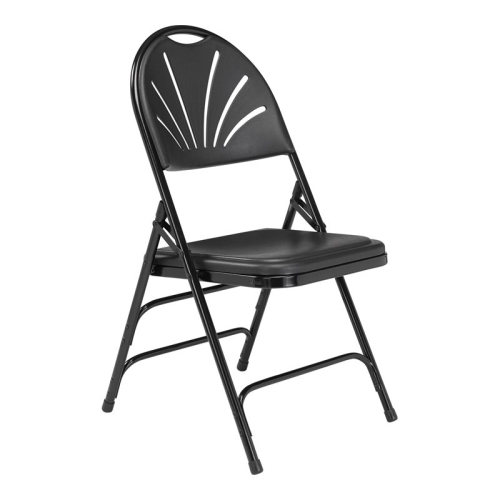 Your price for this item is $409.5
Discover more categories related to Minimalist Chairs
Top Collections:
Pokemon Centers, Kindle Devices, Best Budget Office Chairs, Apple iPhones 16, Best Laptops for Writers, iPhone 15 Apple, Canon G7X Cameras, Refurbished Apple Laptops, Alarm Clock, Motorola Razr Phones
Some products may be subject to Environmental Handling Fees
(EHF) depending on your province.
Learn more about EHFs.