Modern Corner Shelves
Add a touch of contemporary style to your living space with our selection of modern corner shelves. Whether you're looking for a small shelf to display your favorite decor items or a larger unit to organize books and media, our modern corner shelves offer both functionality and aesthetic appeal. Explore our collection today and elevate the look of your home.
Sort
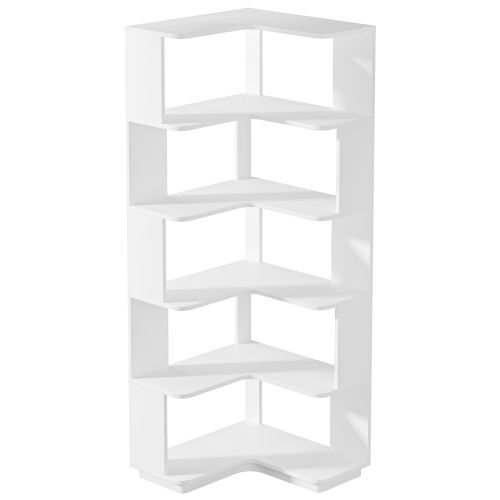
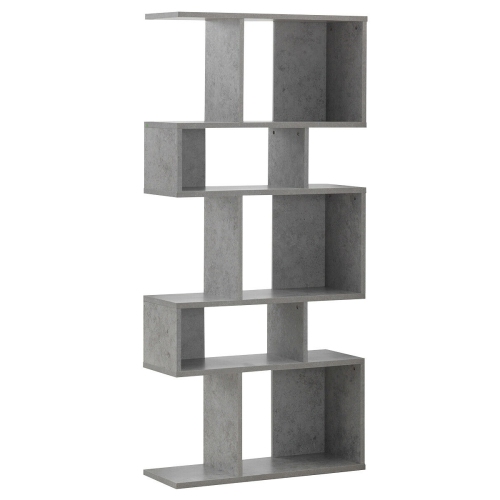
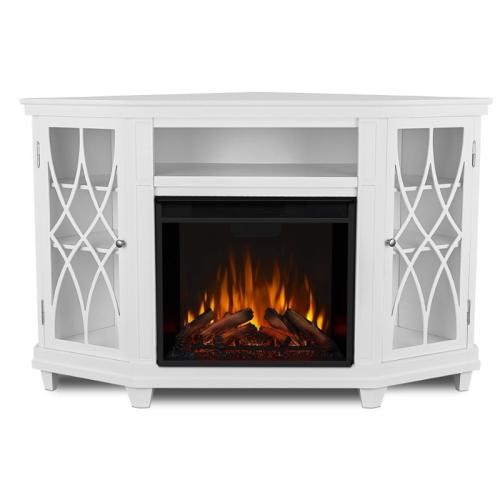
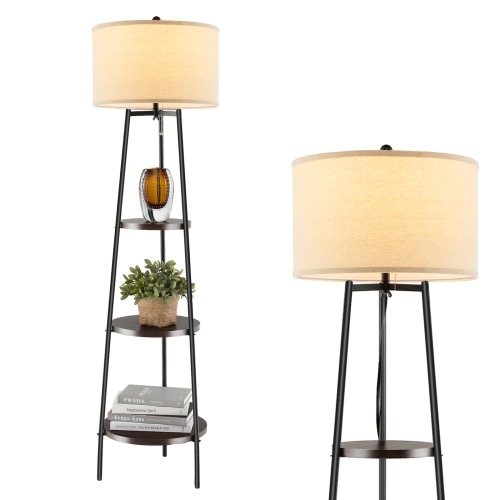
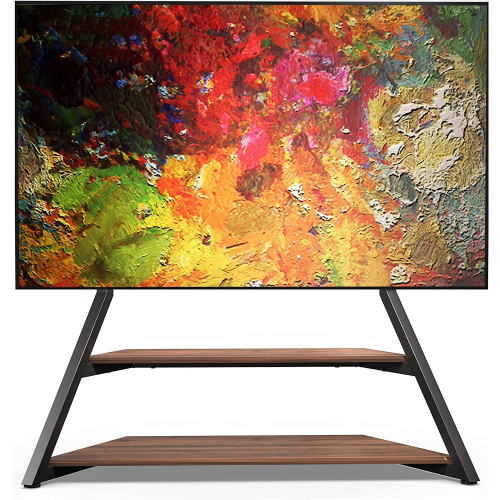
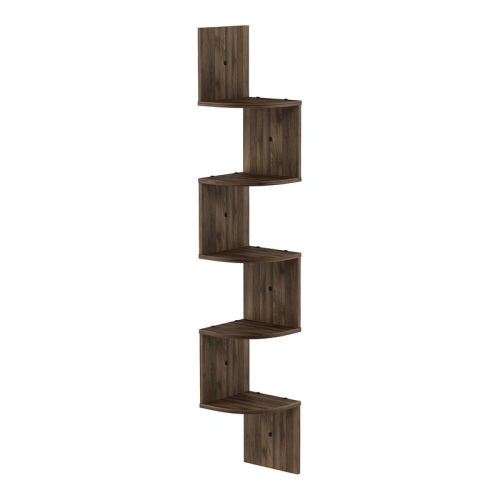
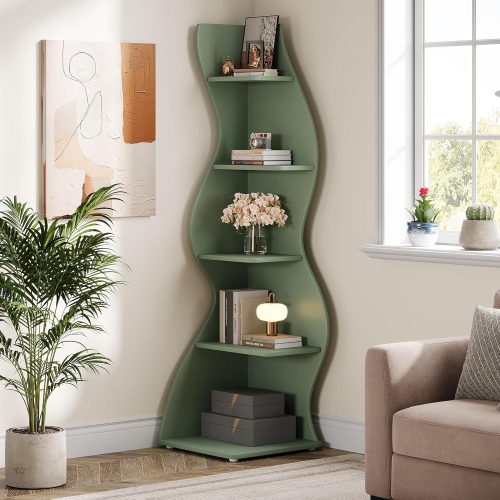
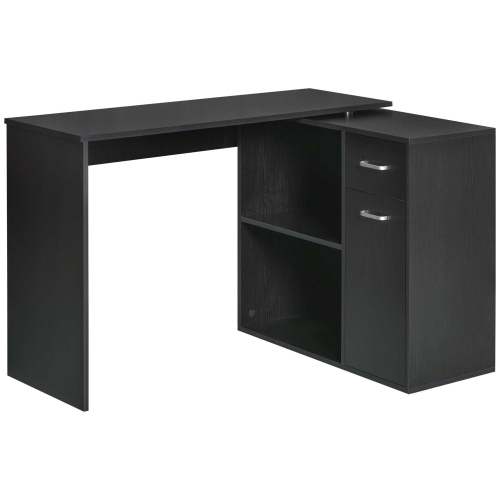
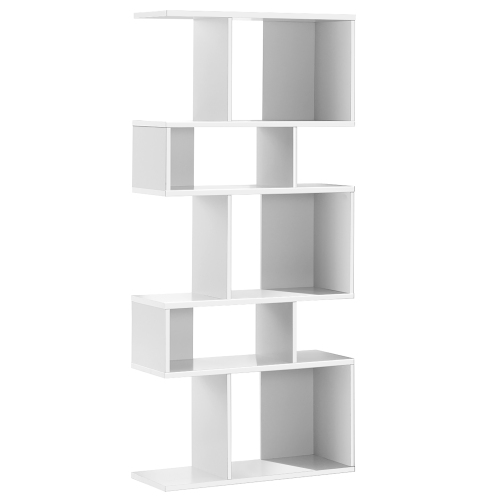
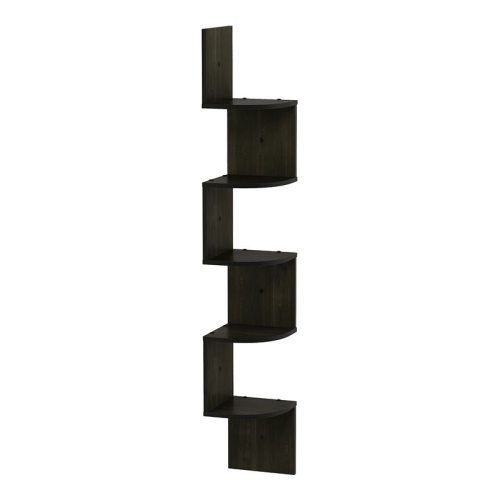
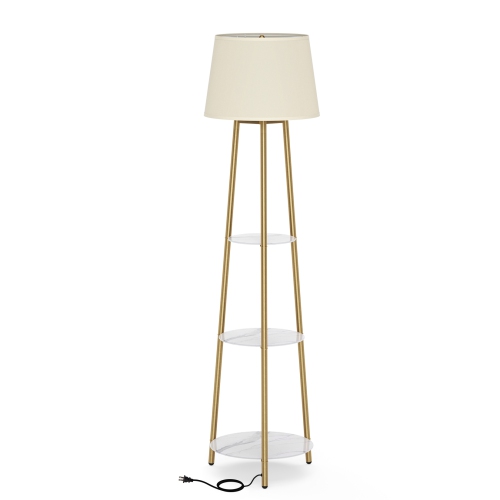
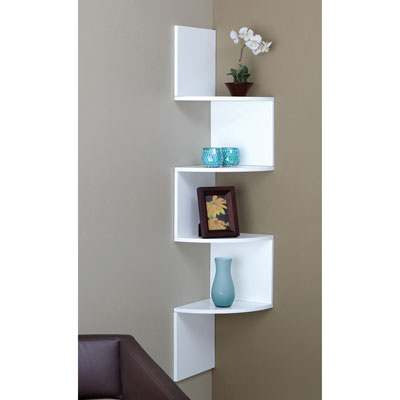
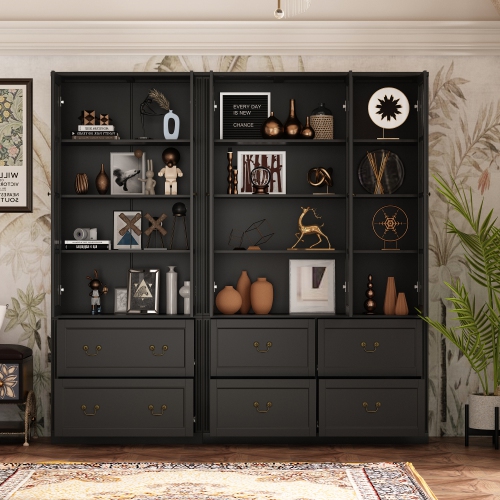
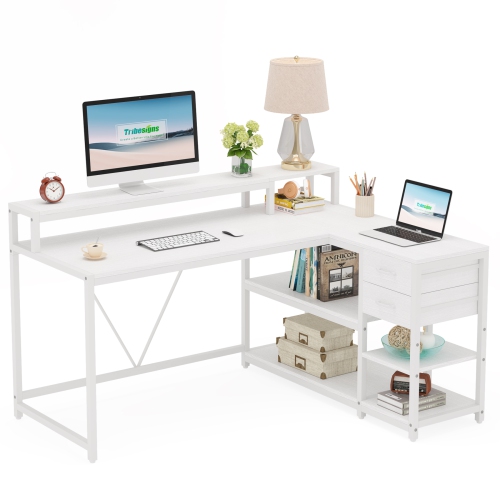
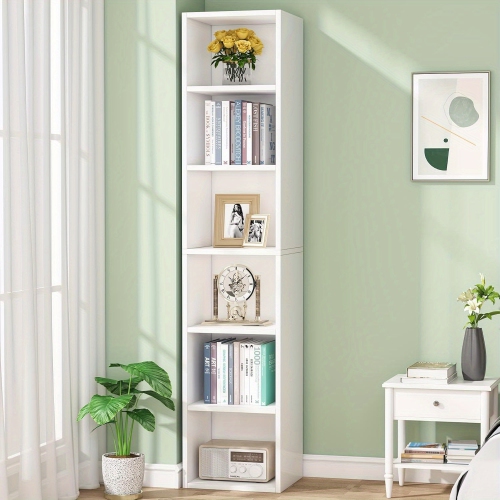
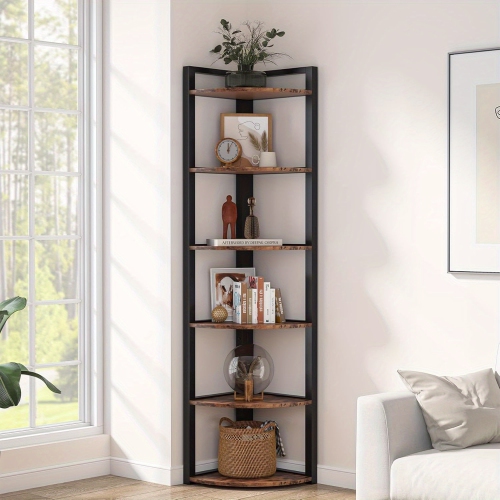
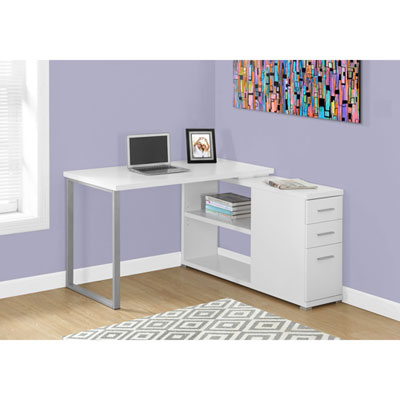
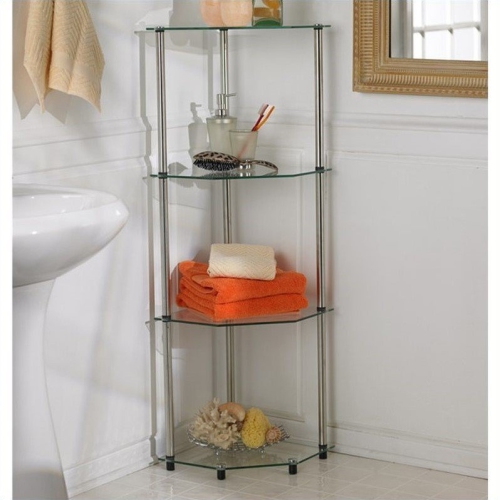
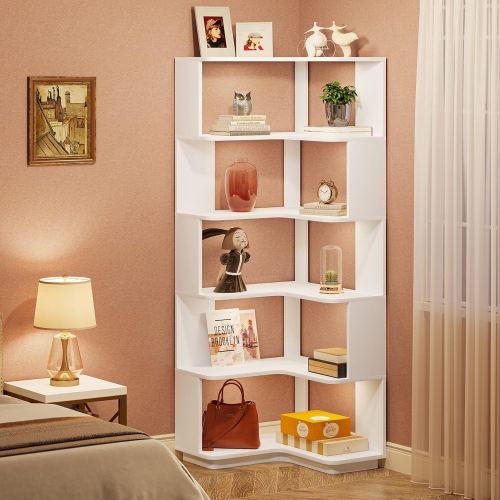
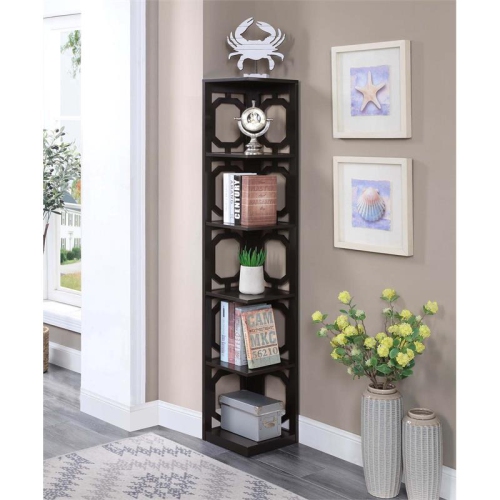
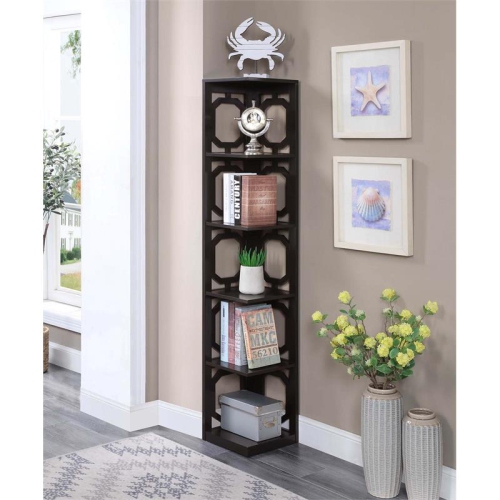
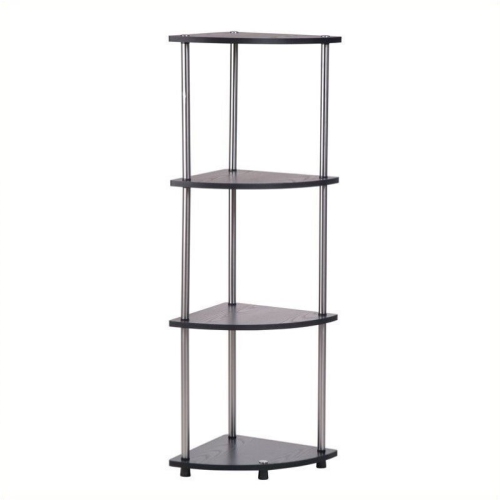
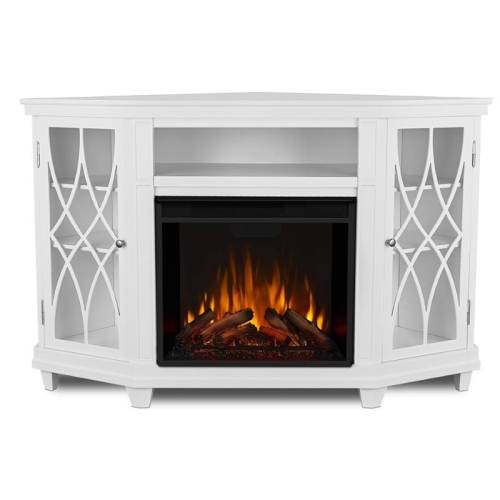
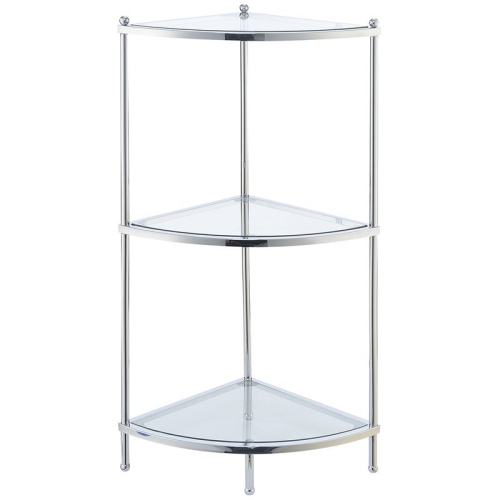
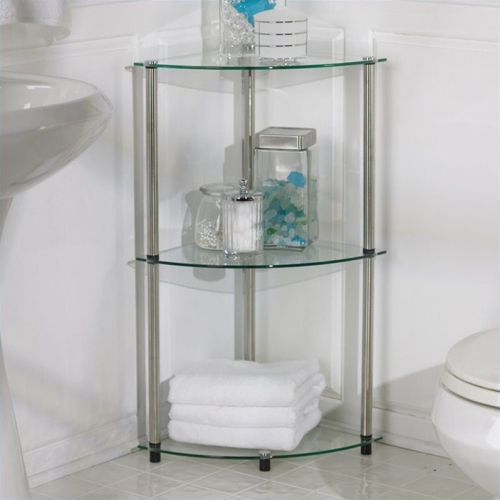
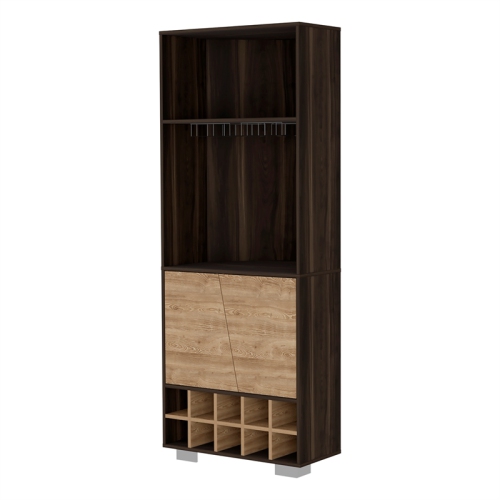
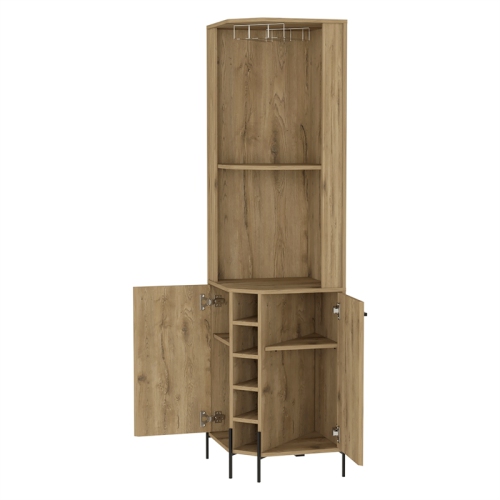
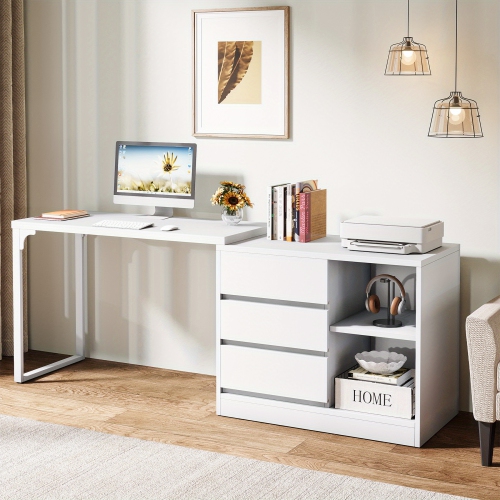
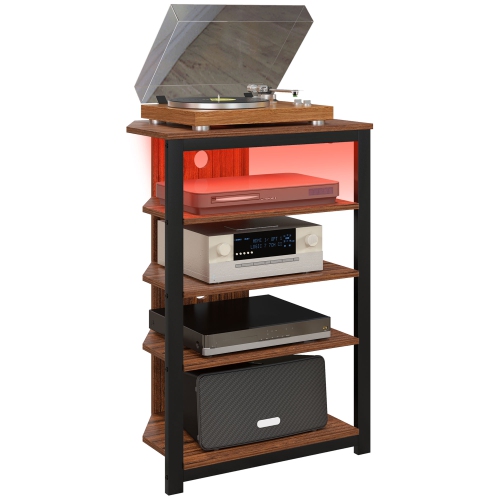
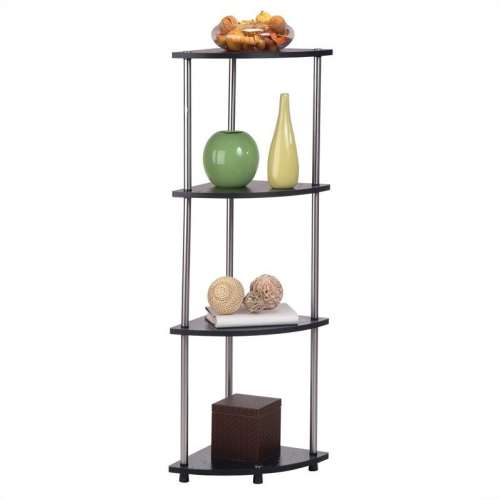
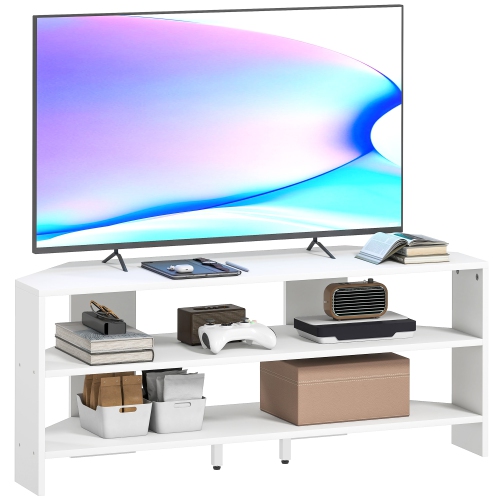
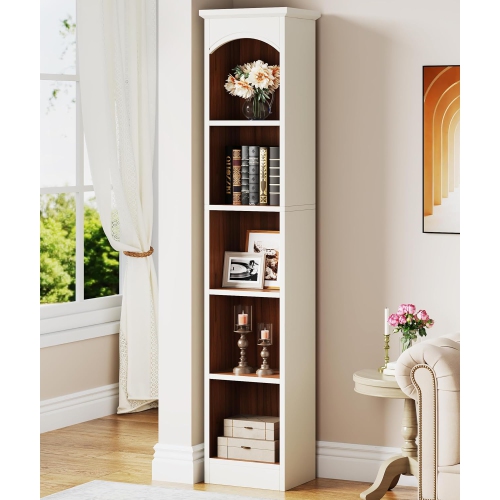
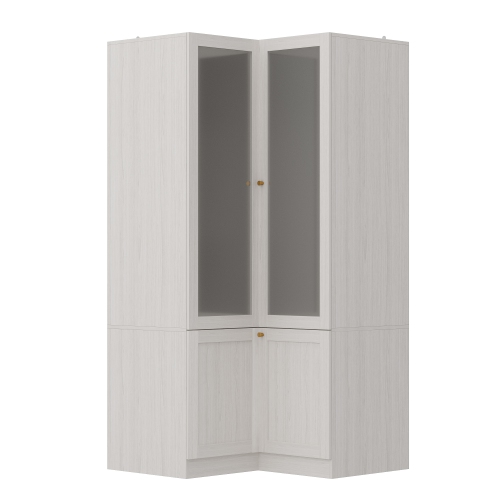
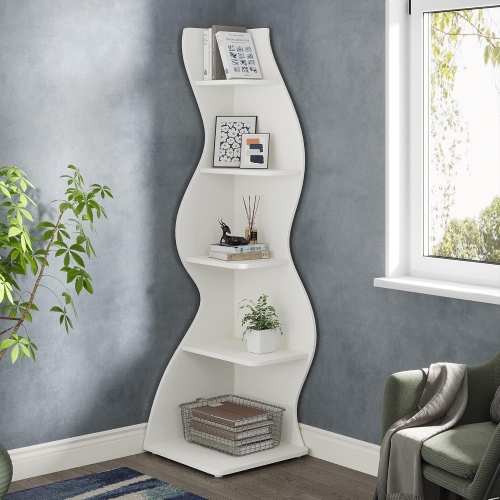
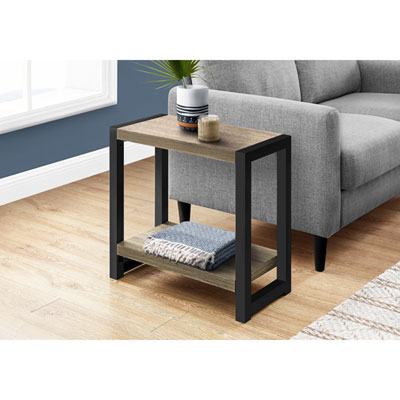
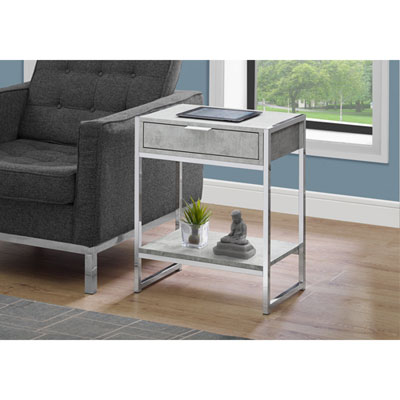
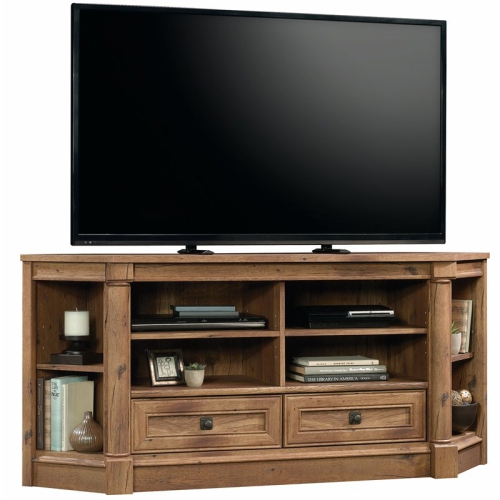
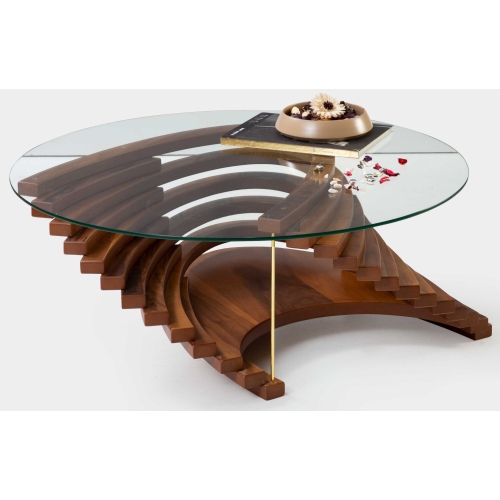
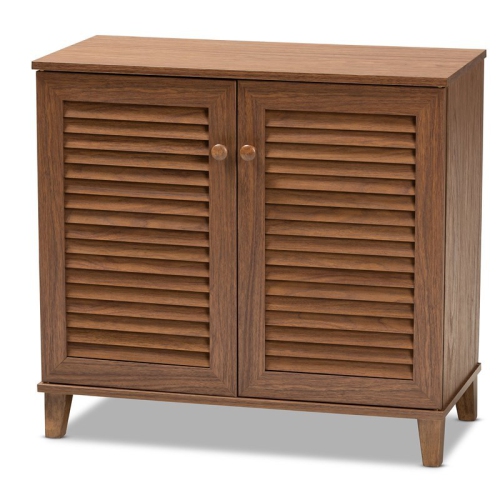
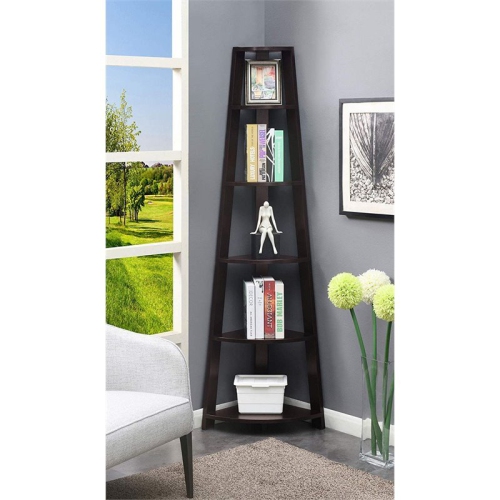
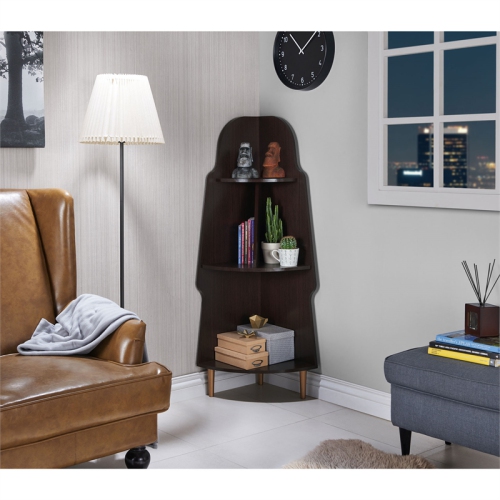
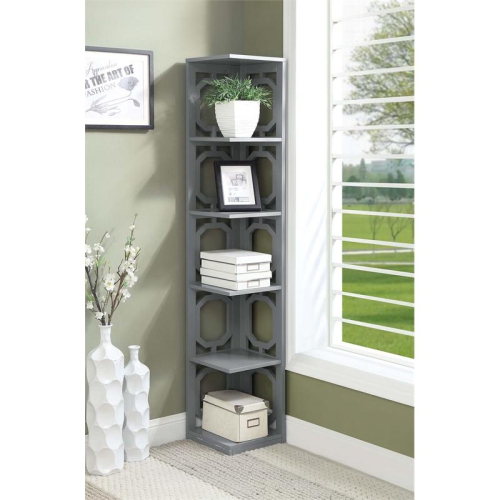
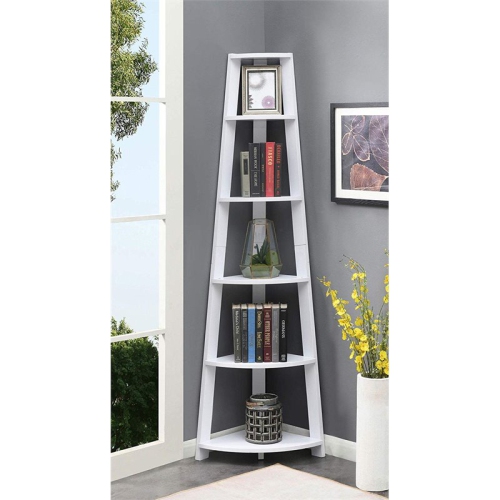
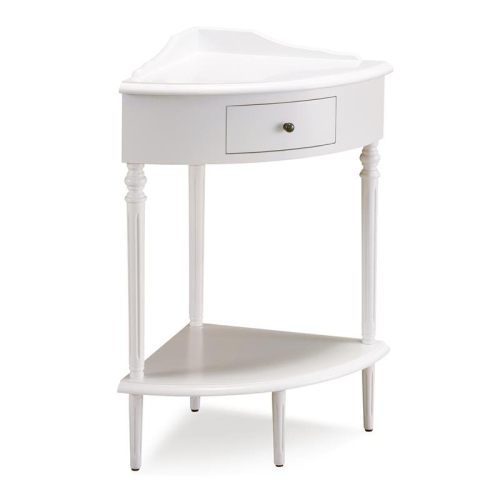
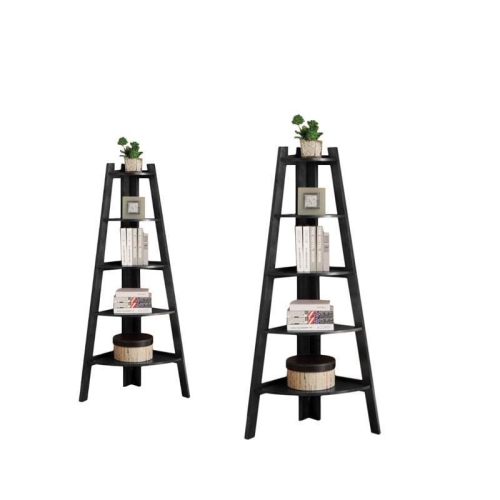

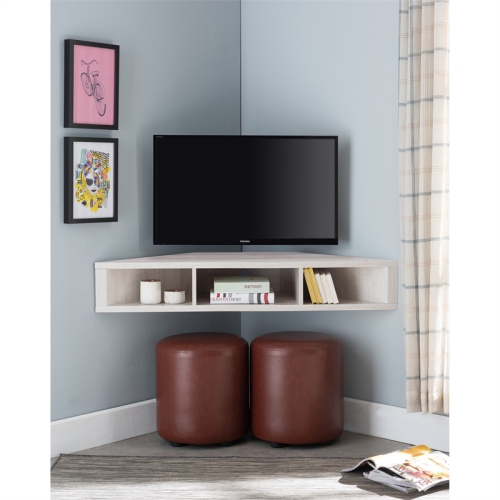
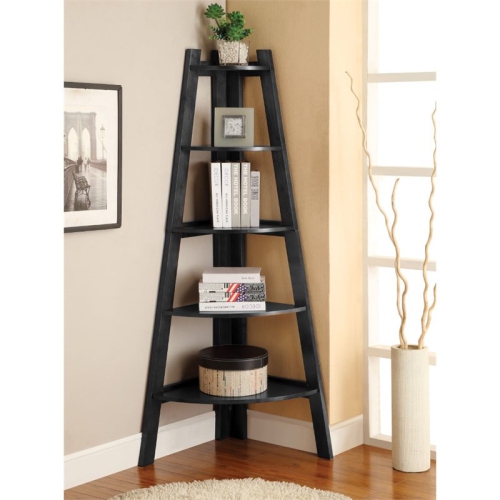
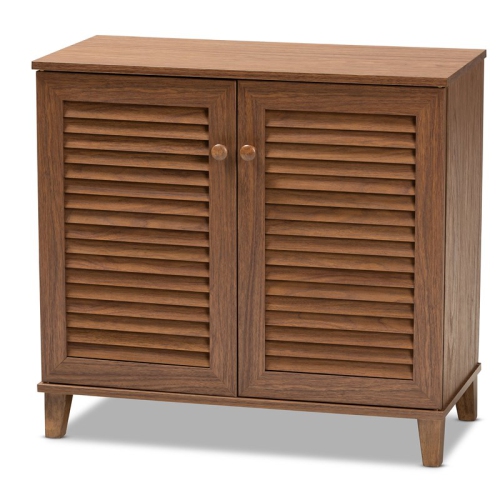
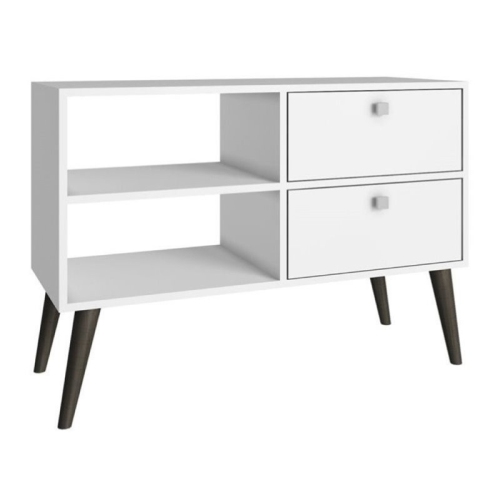
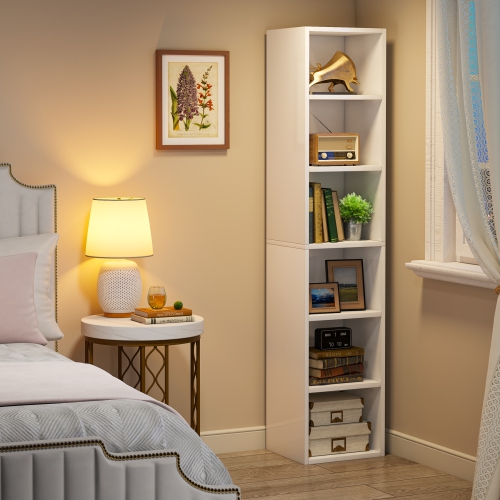
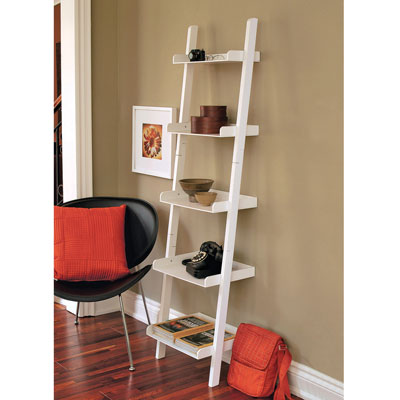
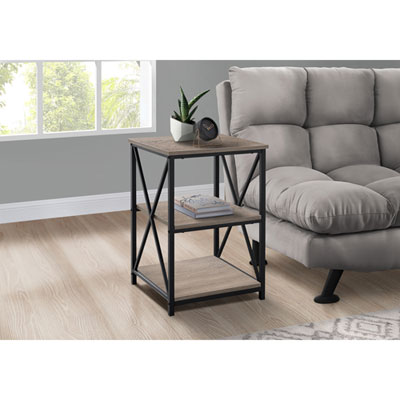
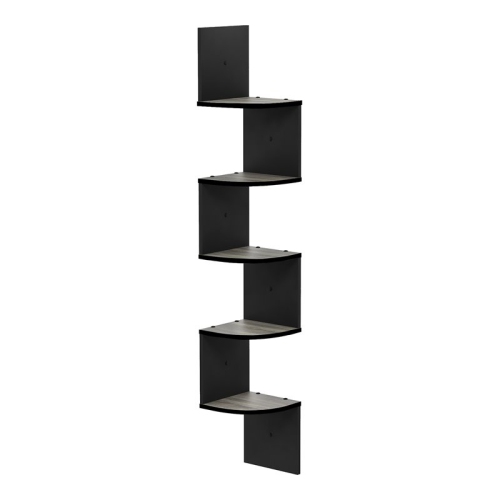
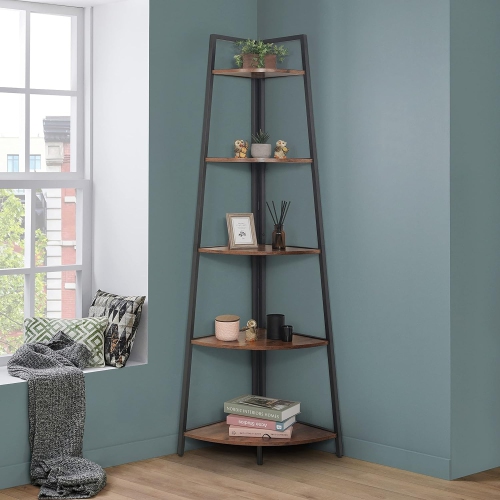
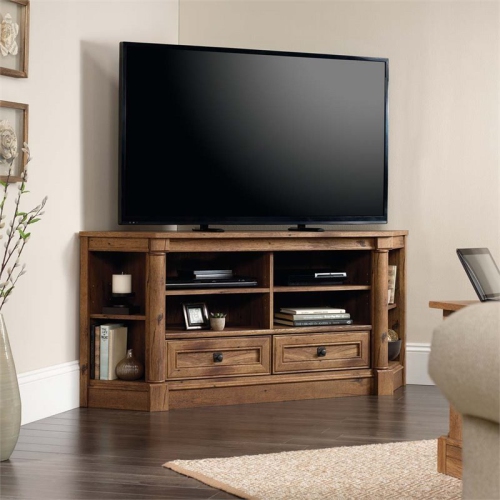
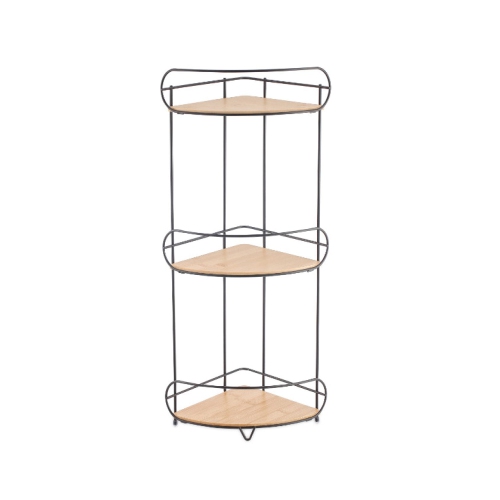
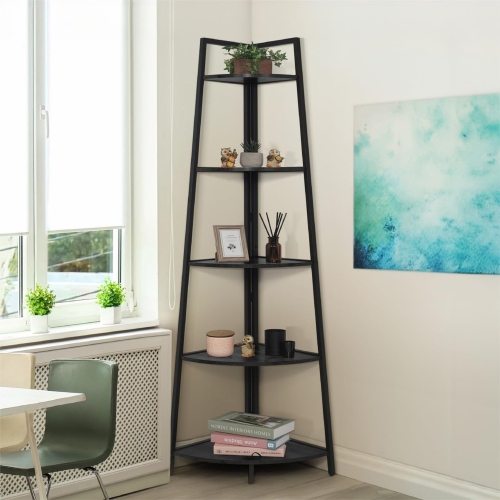

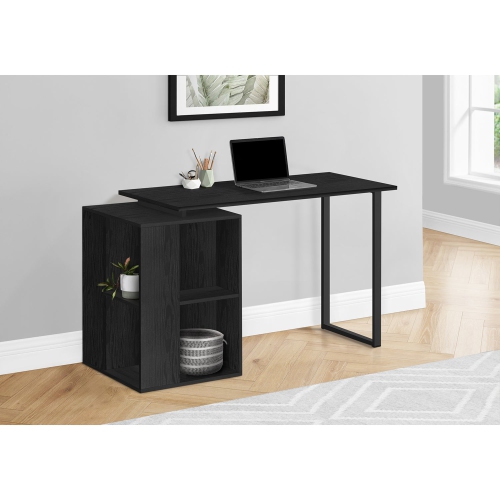
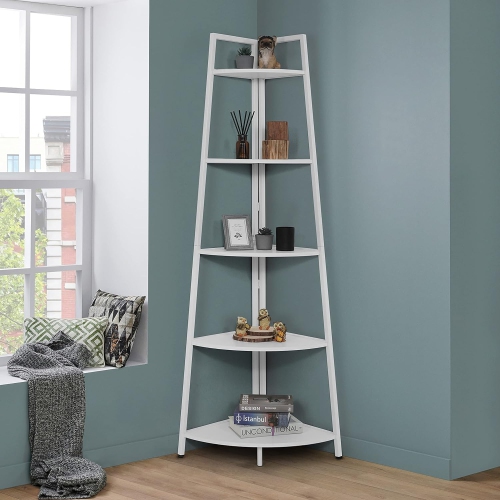
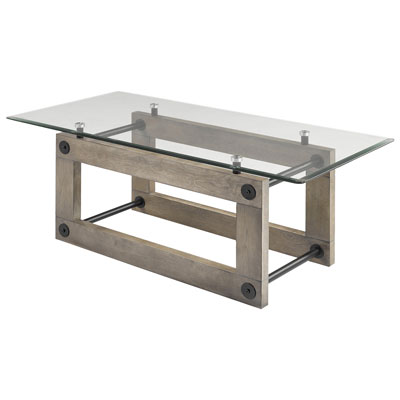
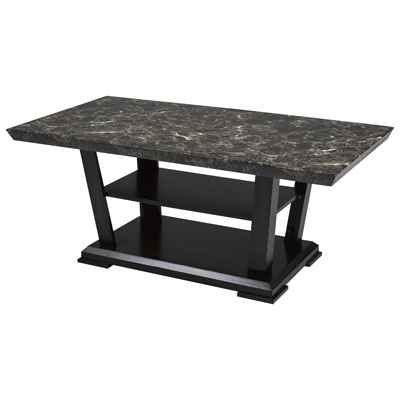
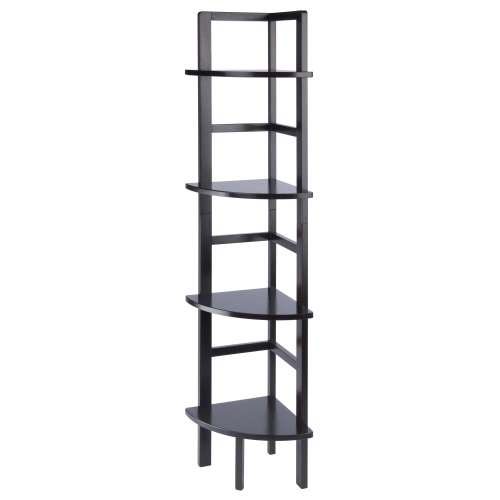
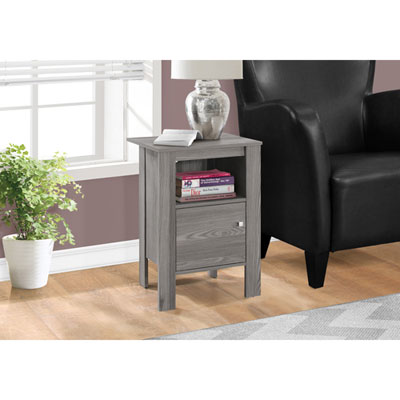
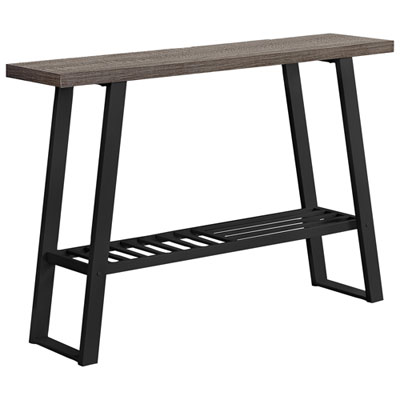
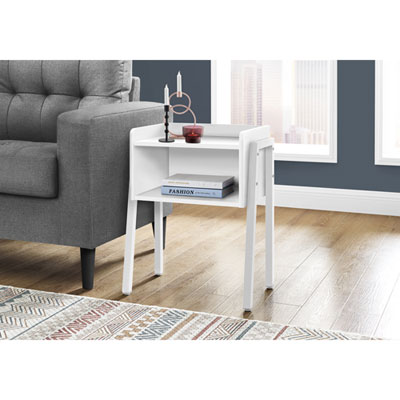
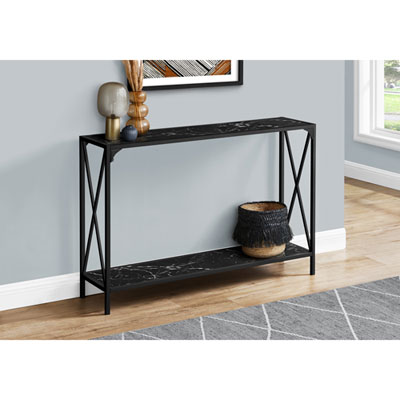
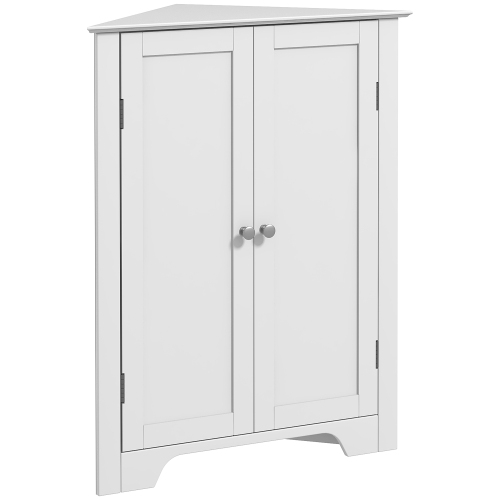
Overlooked corners have room for storage and style
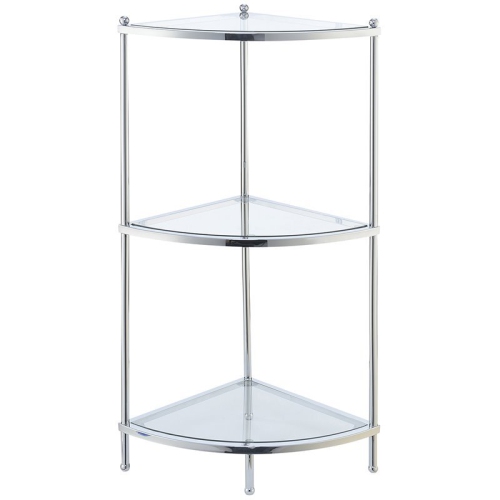
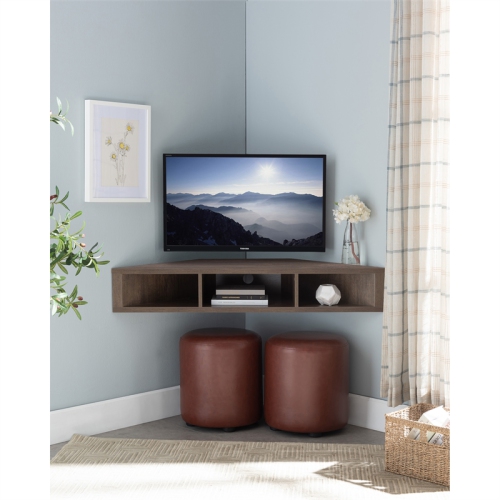
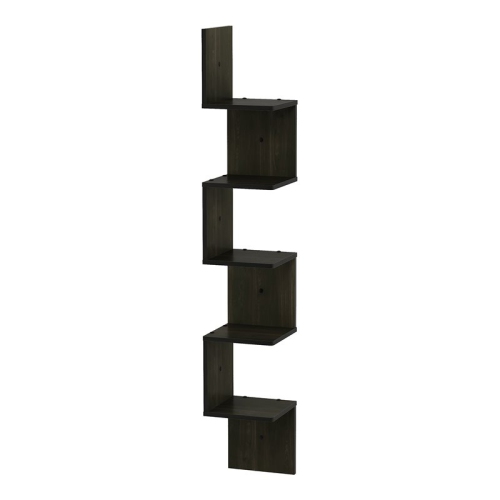
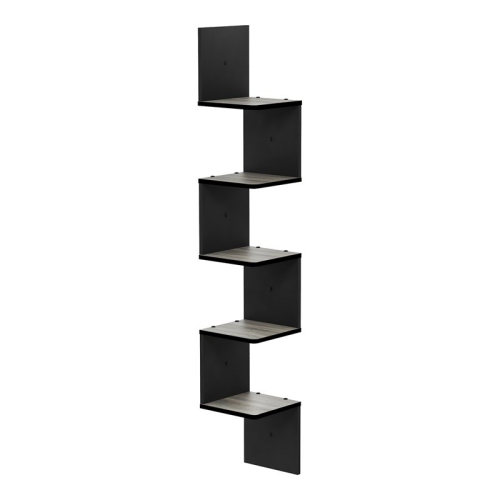
Modern corner shelves are storage and display furniture designed to make use of the space where two walls meet, combining a compact footprint with clean lines and open shelving. Their shape helps turn an overlooked corner into a useful part of a room without extending as far along either wall as a conventional bookcase. Common configurations include freestanding towers, wall-mounted shelves, floating designs with concealed supports, and staggered arrangements that alternate from one wall to the other. Each creates a different visual effect: a slim metal frame keeps a corner looking open, while a wood-finish unit brings more texture and a stronger furniture presence. Floating corner shelves can give a small grouping of pottery or framed photographs a defined place without adding furniture at floor level. In a living room, a taller unit can hold books below and lighter display pieces above, drawing the eye upward beside a sofa or reading chair. In a bedroom, a compact shelf near an armchair can keep reading material within reach without the footprint of another side table. Home offices benefit from vertical storage for reference books and small supplies, particularly when a desk already occupies most of the usable wall space. The modern look comes less from any single material than from balanced proportions, uncluttered shapes, and finishes that work comfortably with nearby furniture. White and pale wood tones can blend into light walls, while dark finishes give the shelf a more defined outline. For a stronger contrast against neutral paint or a connection to dark furniture legs and hardware, Black Corner Shelves offer a closely related style direction. Open backs allow wall colour to remain visible, while solid-backed designs create a more enclosed backdrop for displayed objects. The most useful arrangement leaves enough empty space to make everyday belongings easy to see and retrieve rather than filling every level to its edges.
Materials and construction affect both the appearance of modern corner shelving and the way it stands up to everyday use. Solid wood brings natural grain and variation, although its finish still needs protection from spills, scratches, and prolonged direct sunlight. Engineered wood with a laminate or veneer surface can provide a consistent look; the surface covering, edge treatment, and quality of the joints all influence how well it wears. Veneer has a real wood surface, whereas laminate offers a manufactured outer layer, so their care requirements may differ. Metal frames suit slim profiles and open layouts, but a slender appearance alone does not establish strength: the shelf supports, connections, and stated load limits matter more. Glass shelves create a lighter visual effect and allow more light through a display, though fingerprints and dust can be more noticeable. Any glass component should be used according to its specified purpose and weight capacity, with particular care around exposed edges. Fit involves more than checking overall height. The distance the shelf extends along each wall, its front-to-back depth, and the clear space between levels determine whether it will accommodate a tall vase, upright books, or storage baskets. A curved or triangular shelf may have less usable space at the back than its widest measurement suggests. Baseboards can also prevent a freestanding frame from sitting flush against the walls, and older rooms may have corners that are not perfectly square. Nearby doors, drawers, curtains, and electrical outlets need room to function without obstruction. Wall-mounted corner shelves depend on suitable mounting points and fasteners for the wall construction, whether that involves studs, drywall, or masonry. Manufacturer instructions should govern installation and loading, and tall freestanding units should be anchored when directed. Stated weight limits may apply to each shelf, the whole unit, or both. A row of hardcovers puts a different demand on a shelf than a few photographs, making intended use an important part of choosing the right structure.
Everyday practicality becomes clearer once a corner shelf has a specific role. For someone furnishing a small apartment, it can add storage beside a dining area without taking over the walkway. For a reader, it can create a compact home for favourite books near a comfortable chair, provided the shelves are deep and strong enough to support them. Collectors may prefer generous spacing between levels so each piece has a clear outline, while a shared household may find baskets more useful for keeping small belongings together. In a child's room, secure installation and placement deserve particular attention: shelving should not invite climbing, and heavy or fragile objects should not sit where they could easily fall. Bathrooms and kitchens introduce another set of requirements. A shelf intended for a dry living space is not automatically suitable beside a shower or sink; moisture resistance, corrosion resistance, and the manufacturer's stated use should guide placement. Plant displays also need protection beneath pots to keep water from reaching shelf surfaces, joints, or the floor. Routine care is usually straightforward when it follows the material's needs. A soft cloth removes dust from most finished surfaces, spills should be wiped up promptly, and abrasive cleaners can damage coatings or leave visible marks. Glass may require a suitable cleaner, while wood and veneered surfaces generally benefit from avoiding excess moisture. Periodic checks of fittings and mounting hardware help keep the structure stable, especially after moving or rearranging it. Shelves used for display can feel personal without becoming crowded: a small stack of books, a ceramic bowl, and a framed print create varied heights while leaving useful space between them. Keeping heavier belongings on lower levels can also improve the balance of a freestanding arrangement without replacing required anchoring. As a housewarming gift, a corner shelf is most thoughtful when the recipient's room measurements, preferred finish, and ability to mount or assemble it are already known. A well-matched design adds a lasting place for the objects that make a room feel lived in, while keeping their storage neatly within the corner.
Materials and construction affect both the appearance of modern corner shelving and the way it stands up to everyday use. Solid wood brings natural grain and variation, although its finish still needs protection from spills, scratches, and prolonged direct sunlight. Engineered wood with a laminate or veneer surface can provide a consistent look; the surface covering, edge treatment, and quality of the joints all influence how well it wears. Veneer has a real wood surface, whereas laminate offers a manufactured outer layer, so their care requirements may differ. Metal frames suit slim profiles and open layouts, but a slender appearance alone does not establish strength: the shelf supports, connections, and stated load limits matter more. Glass shelves create a lighter visual effect and allow more light through a display, though fingerprints and dust can be more noticeable. Any glass component should be used according to its specified purpose and weight capacity, with particular care around exposed edges. Fit involves more than checking overall height. The distance the shelf extends along each wall, its front-to-back depth, and the clear space between levels determine whether it will accommodate a tall vase, upright books, or storage baskets. A curved or triangular shelf may have less usable space at the back than its widest measurement suggests. Baseboards can also prevent a freestanding frame from sitting flush against the walls, and older rooms may have corners that are not perfectly square. Nearby doors, drawers, curtains, and electrical outlets need room to function without obstruction. Wall-mounted corner shelves depend on suitable mounting points and fasteners for the wall construction, whether that involves studs, drywall, or masonry. Manufacturer instructions should govern installation and loading, and tall freestanding units should be anchored when directed. Stated weight limits may apply to each shelf, the whole unit, or both. A row of hardcovers puts a different demand on a shelf than a few photographs, making intended use an important part of choosing the right structure.
Everyday practicality becomes clearer once a corner shelf has a specific role. For someone furnishing a small apartment, it can add storage beside a dining area without taking over the walkway. For a reader, it can create a compact home for favourite books near a comfortable chair, provided the shelves are deep and strong enough to support them. Collectors may prefer generous spacing between levels so each piece has a clear outline, while a shared household may find baskets more useful for keeping small belongings together. In a child's room, secure installation and placement deserve particular attention: shelving should not invite climbing, and heavy or fragile objects should not sit where they could easily fall. Bathrooms and kitchens introduce another set of requirements. A shelf intended for a dry living space is not automatically suitable beside a shower or sink; moisture resistance, corrosion resistance, and the manufacturer's stated use should guide placement. Plant displays also need protection beneath pots to keep water from reaching shelf surfaces, joints, or the floor. Routine care is usually straightforward when it follows the material's needs. A soft cloth removes dust from most finished surfaces, spills should be wiped up promptly, and abrasive cleaners can damage coatings or leave visible marks. Glass may require a suitable cleaner, while wood and veneered surfaces generally benefit from avoiding excess moisture. Periodic checks of fittings and mounting hardware help keep the structure stable, especially after moving or rearranging it. Shelves used for display can feel personal without becoming crowded: a small stack of books, a ceramic bowl, and a framed print create varied heights while leaving useful space between them. Keeping heavier belongings on lower levels can also improve the balance of a freestanding arrangement without replacing required anchoring. As a housewarming gift, a corner shelf is most thoughtful when the recipient's room measurements, preferred finish, and ability to mount or assemble it are already known. A well-matched design adds a lasting place for the objects that make a room feel lived in, while keeping their storage neatly within the corner.
Top selling and popular products
-
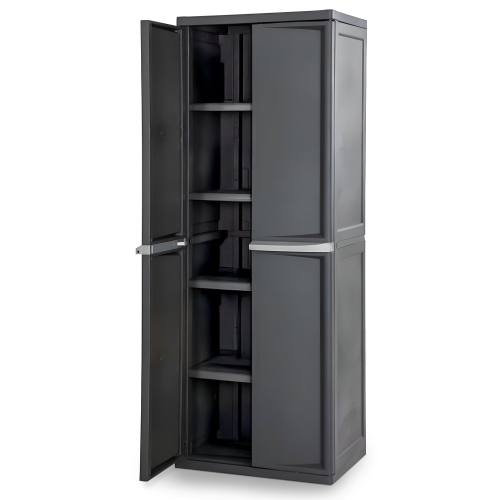 Your price for this item is $772.99
 -
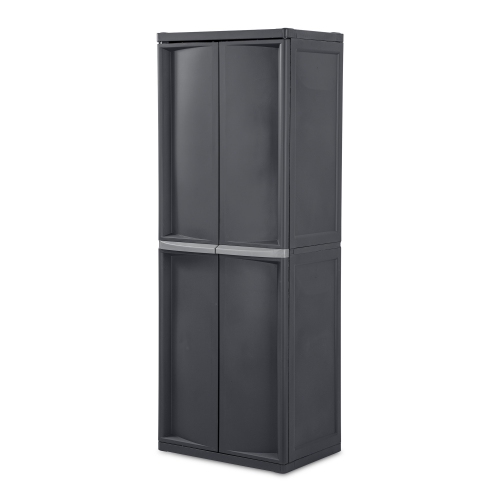 Your price for this item is $1522.99
 -
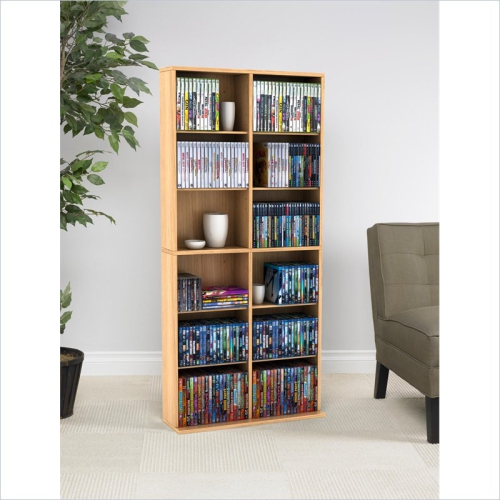 Your price for this item is $234.68
 -
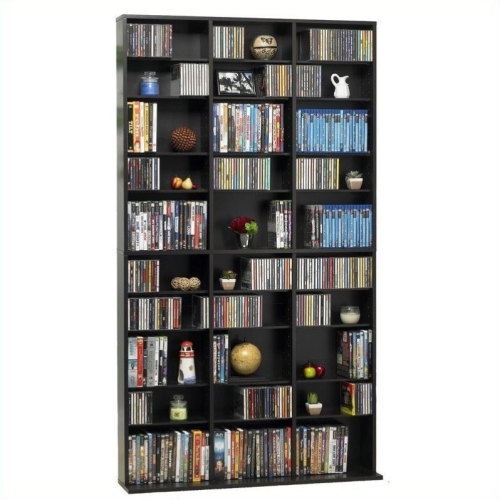 Your price for this item is $365.38
 -
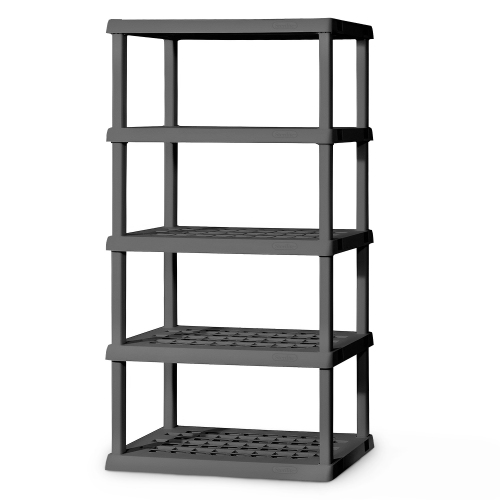 Your price for this item is $468.99
 -
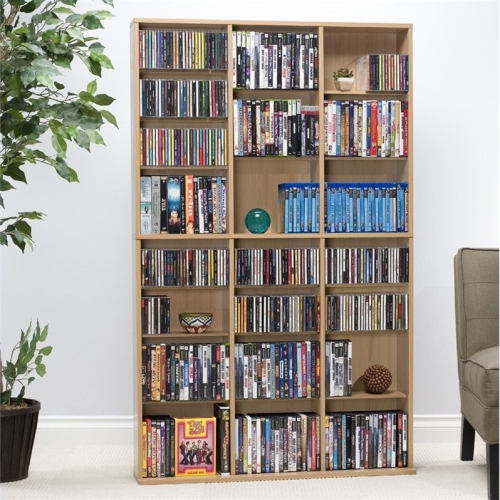 Your price for this item is $295.84
 -
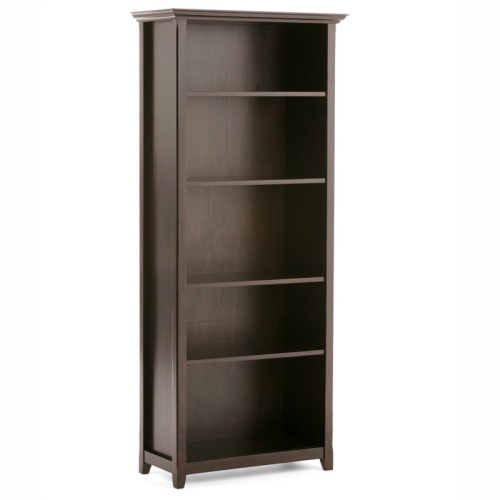 Your price for this item is $999.77
 -
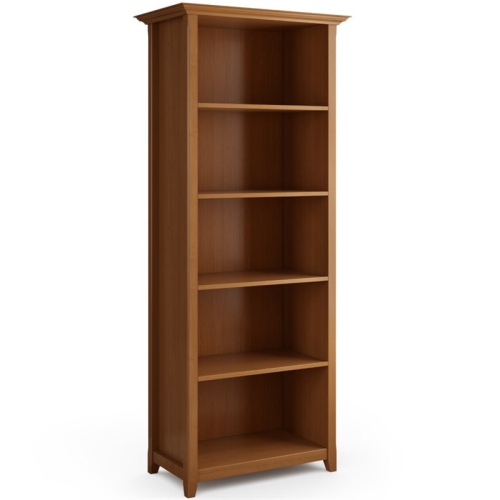 Your price for this item is $998.43
Discover more categories related to Modern Corner Shelves
Top Collections:
Pokemon Centers, Kindle Devices, Best Budget Office Chairs, Apple iPhones 16, Best Laptops for Writers, iPhone 15 Apple, Canon G7X Cameras, Refurbished Apple Laptops, Alarm Clock, Motorola Razr Phones
Some products may be subject to Environmental Handling Fees
(EHF) depending on your province.
Learn more about EHFs.