Modern Design Bookcases
Create a stylish and organized space in your home with these modern-design bookcases. Whether you're a bookworm looking to showcase your collection or simply in need of additional storage, this range of sleek and contemporary bookcases is the perfect solution. With their clean lines, innovative designs, and durable construction, these bookcases not only provide functionality but also elevate the aesthetic of any room.
Sort
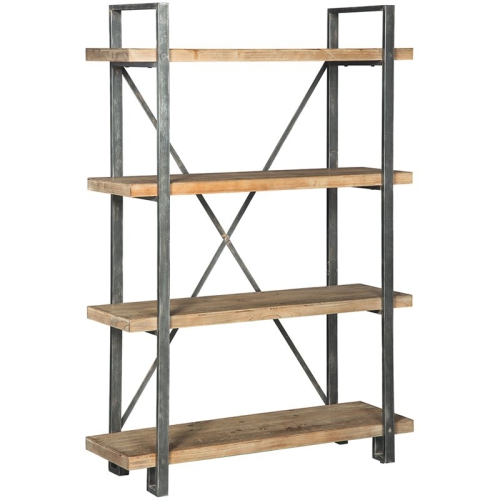

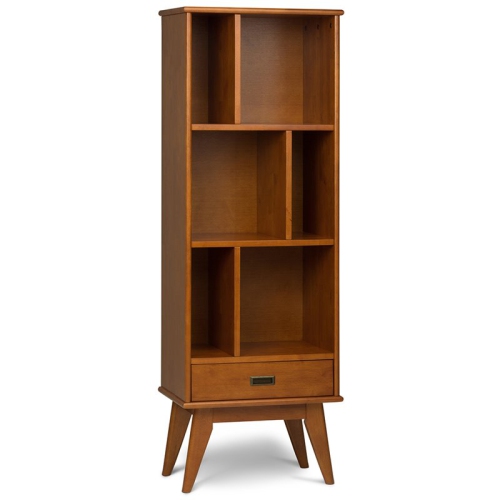
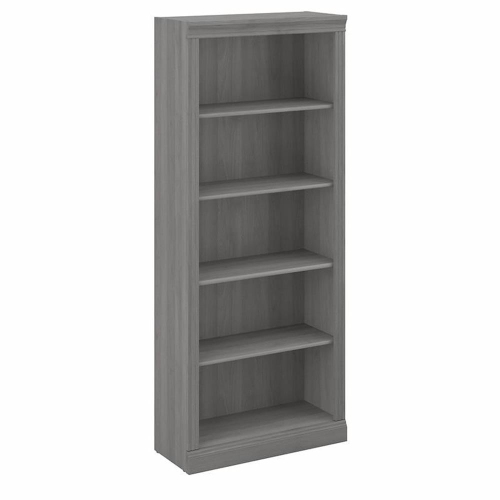
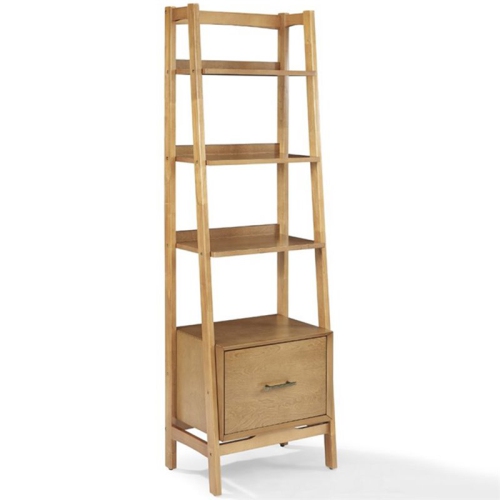
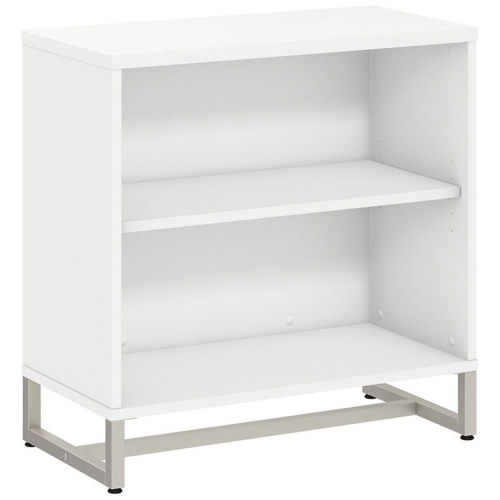
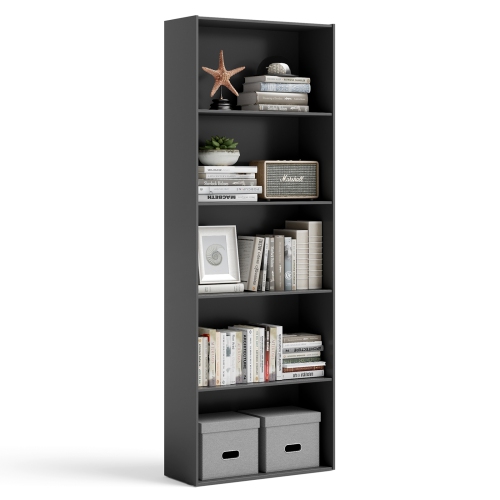
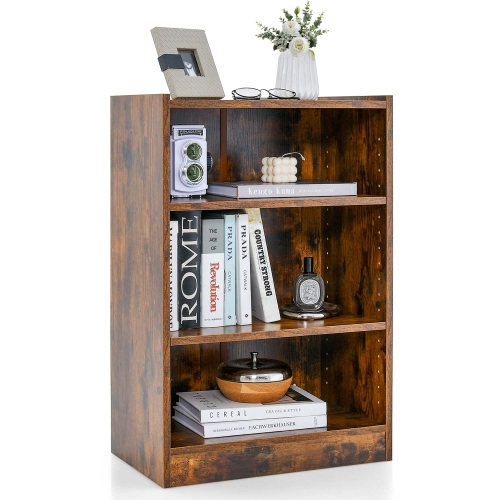
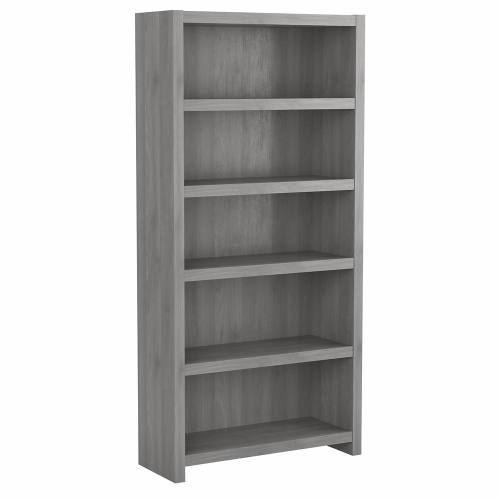
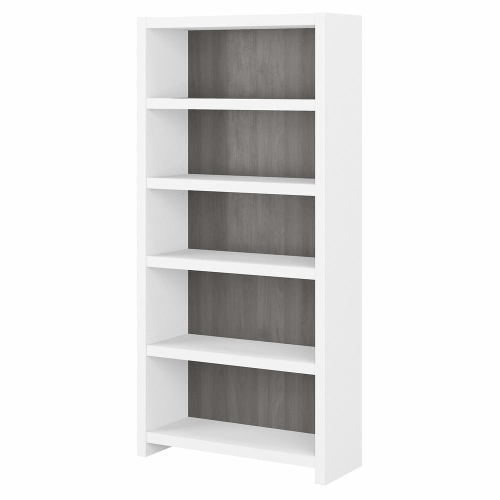


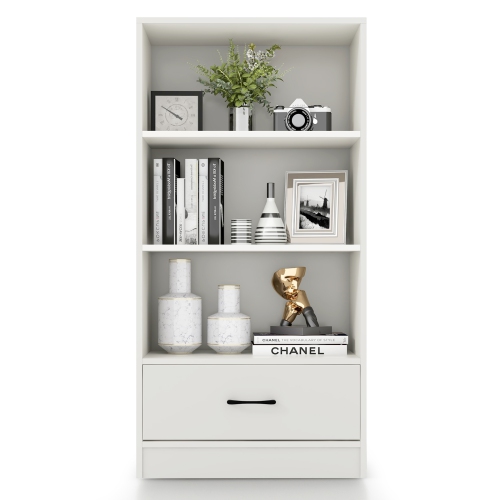
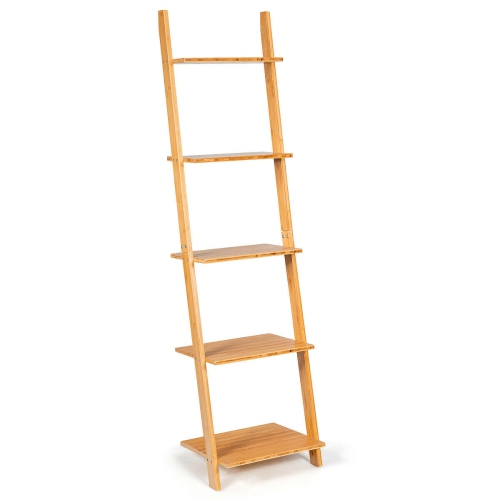
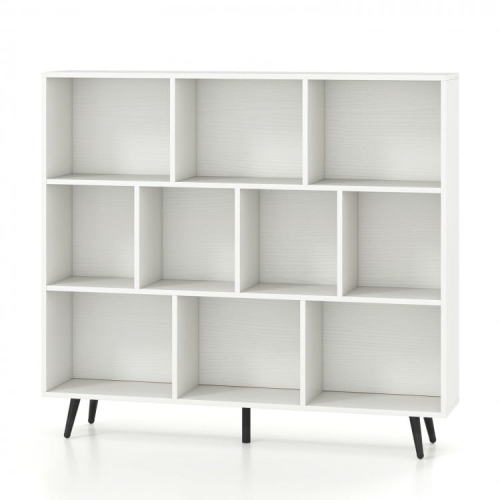
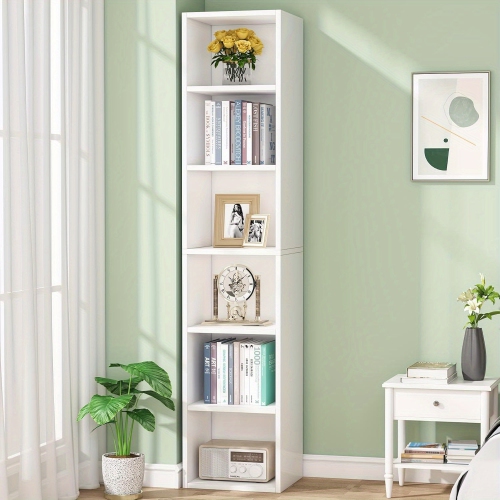
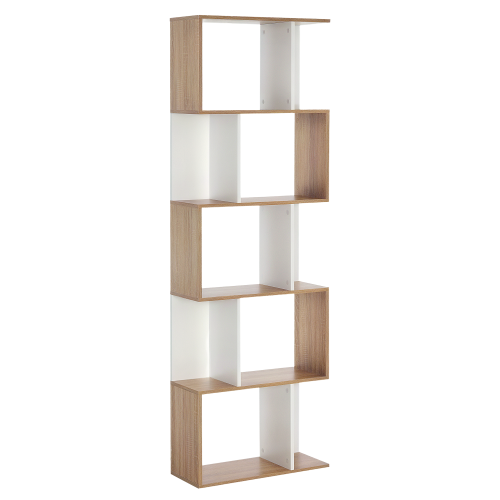
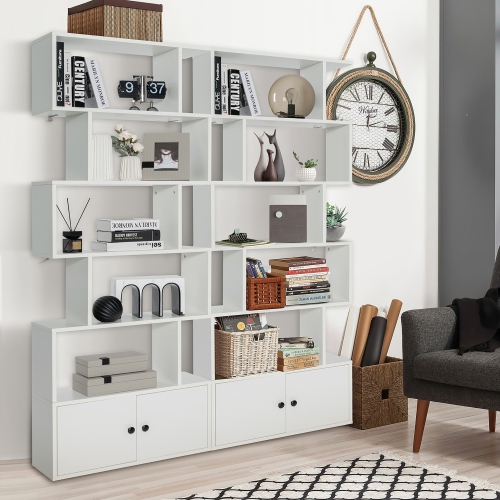
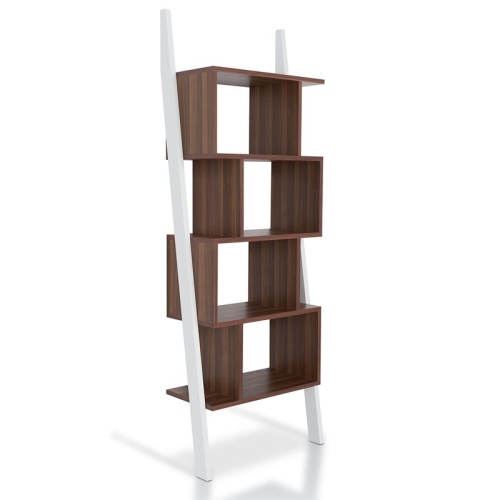
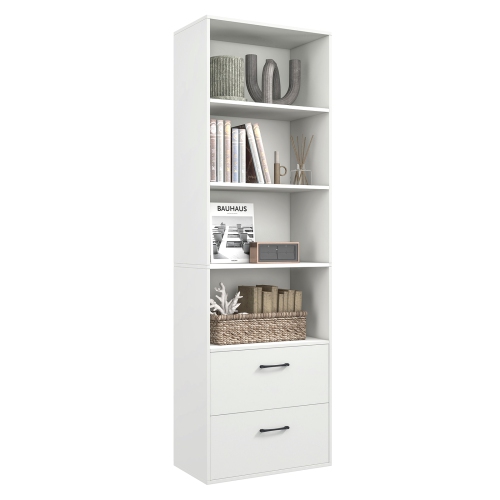
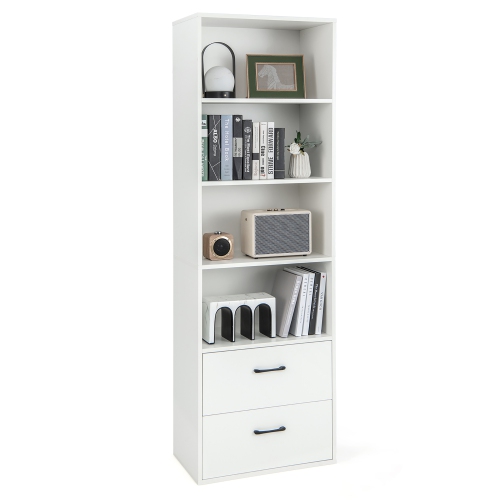
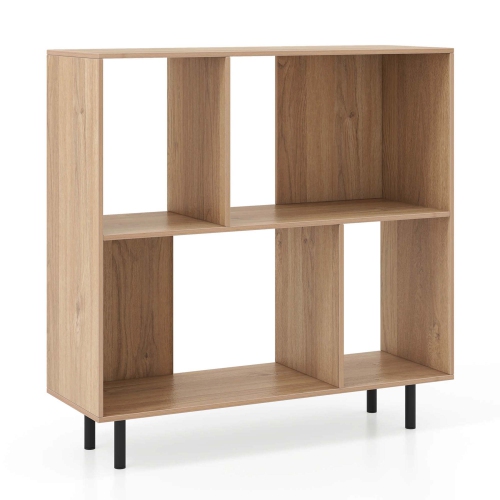
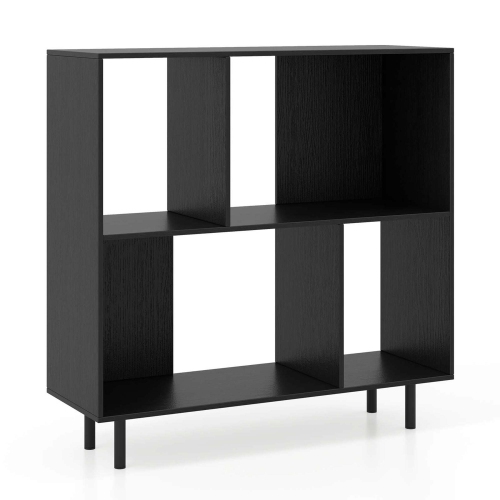
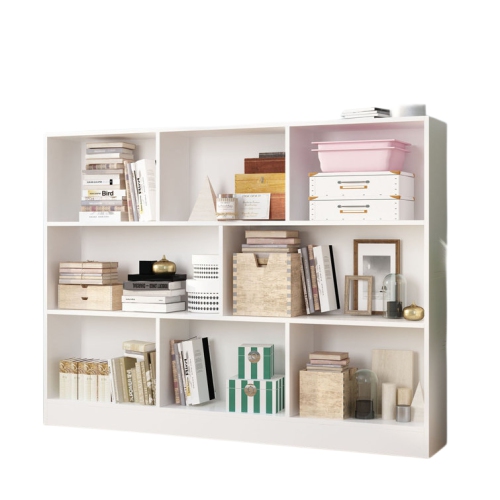
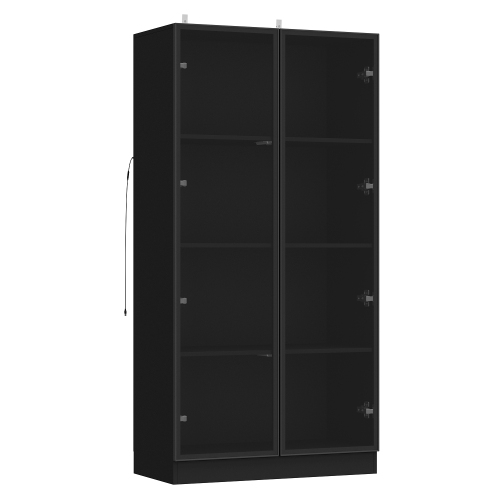
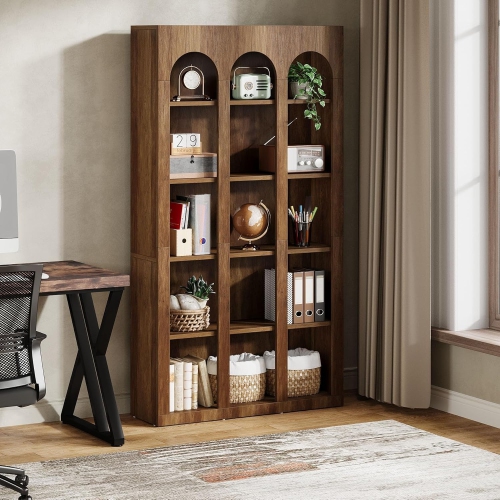
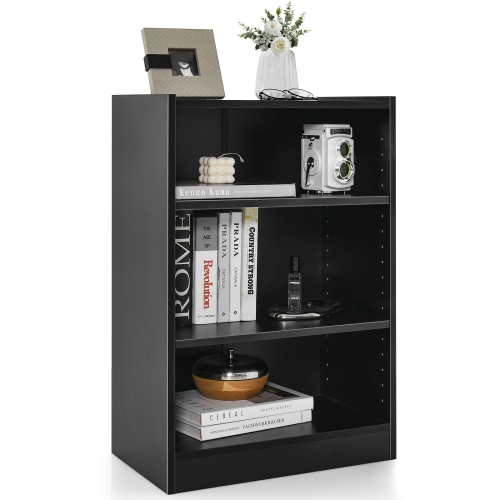
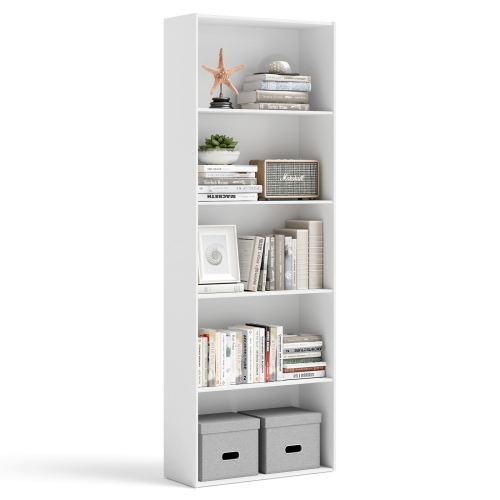
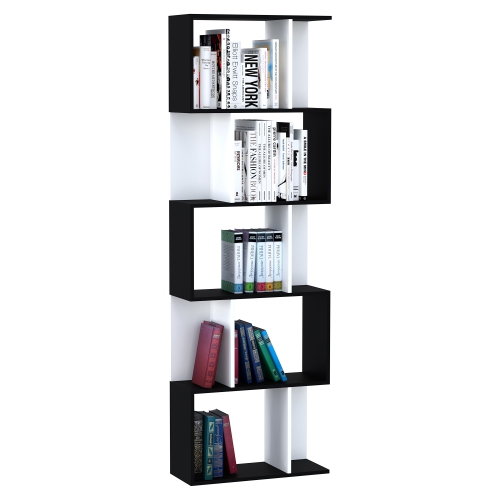
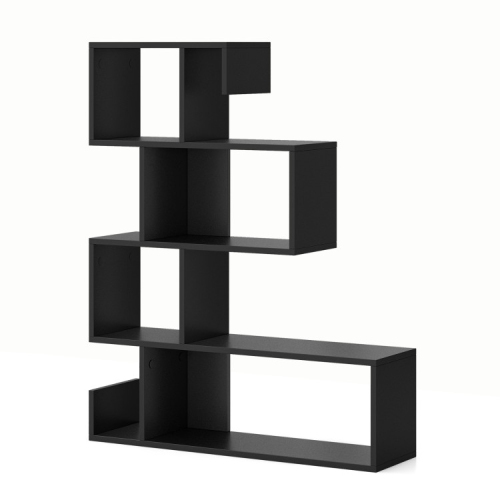
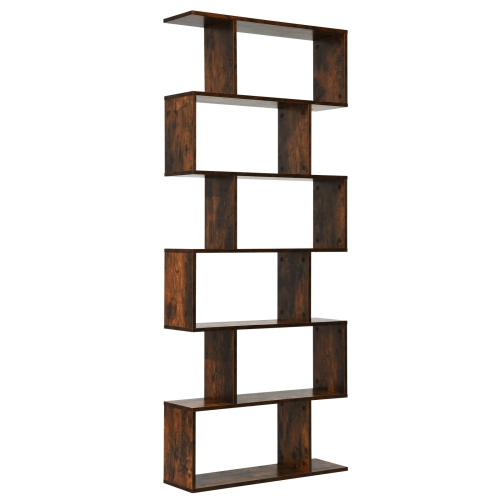
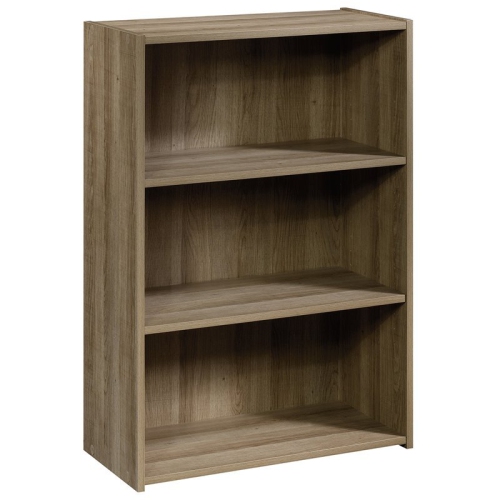

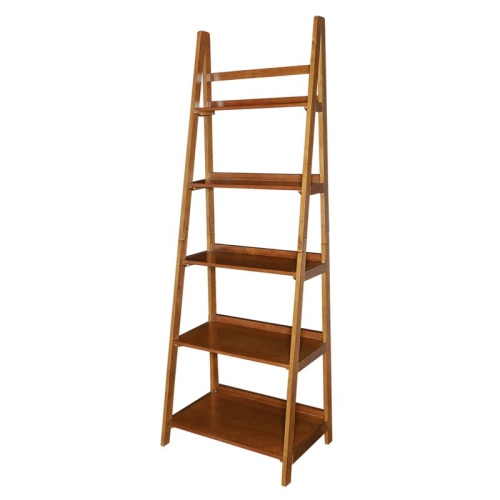
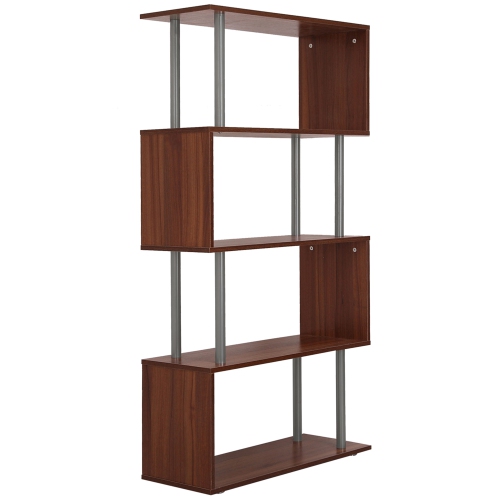
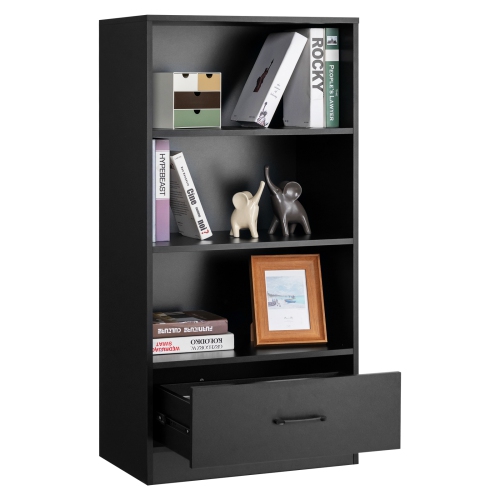
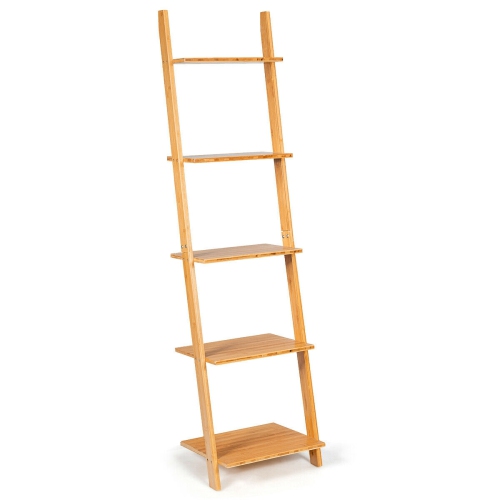

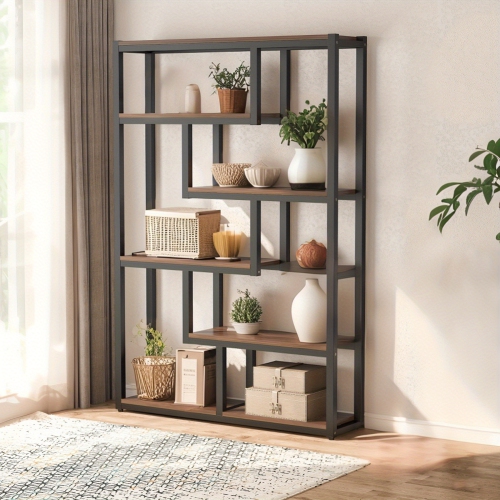
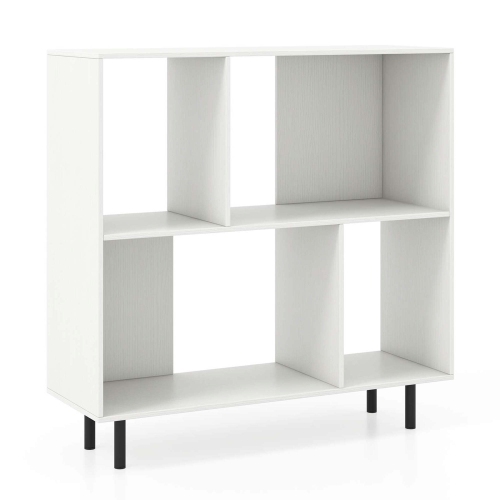
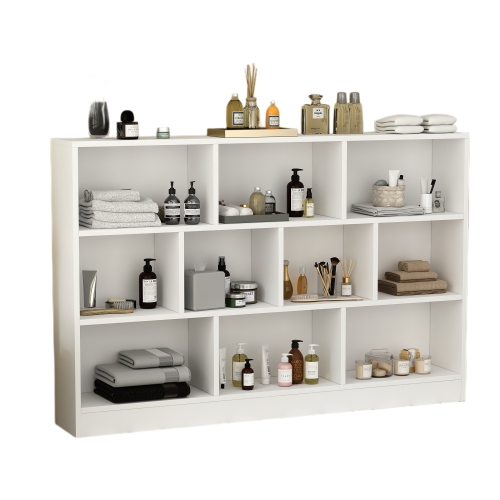
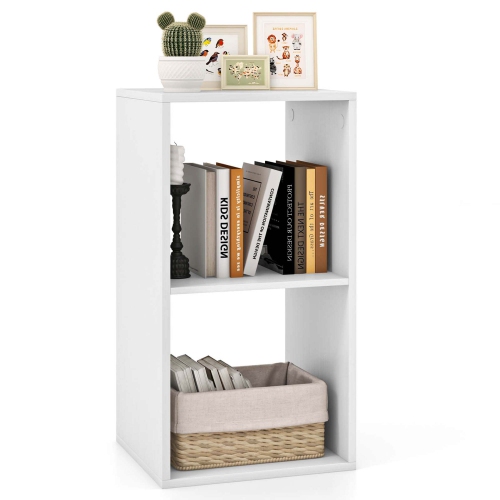
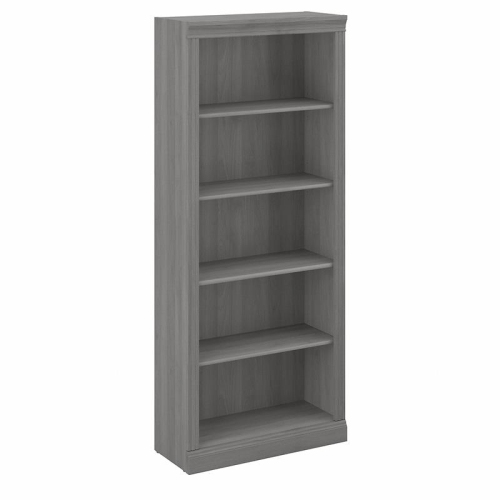

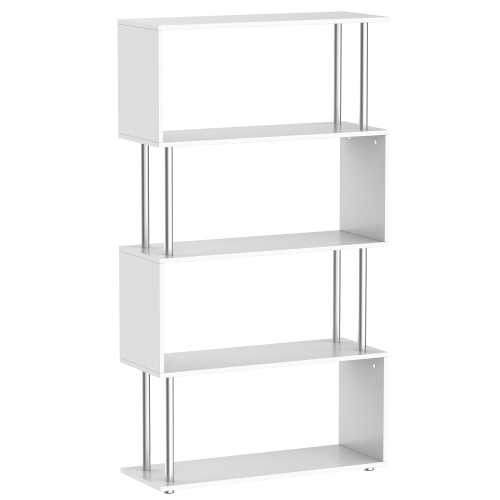
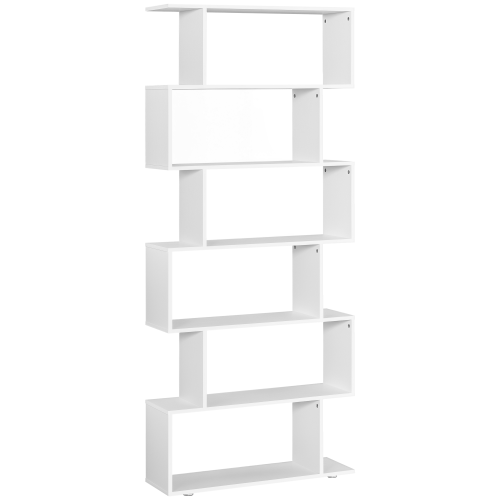
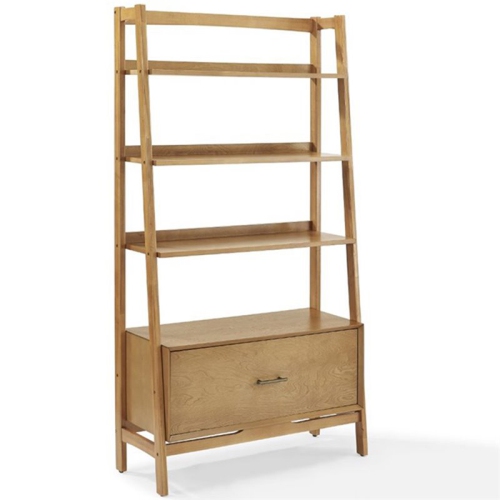

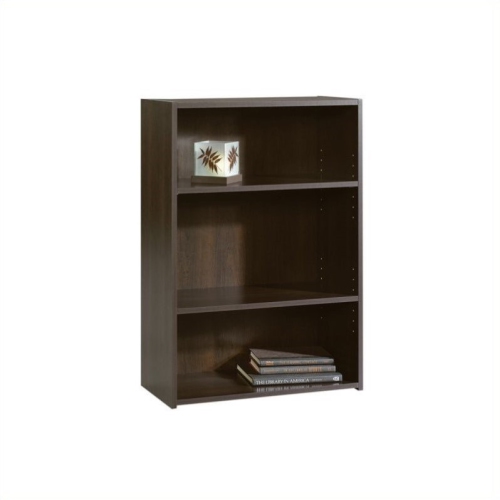
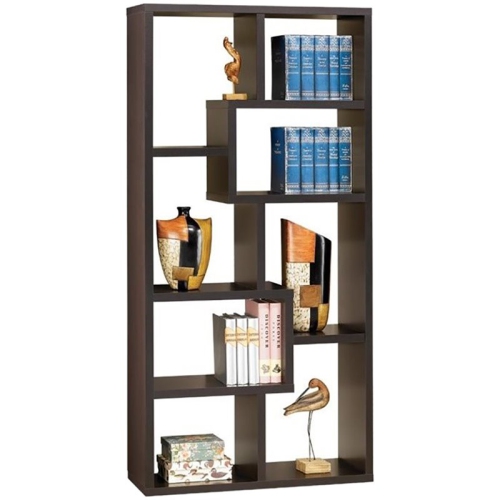
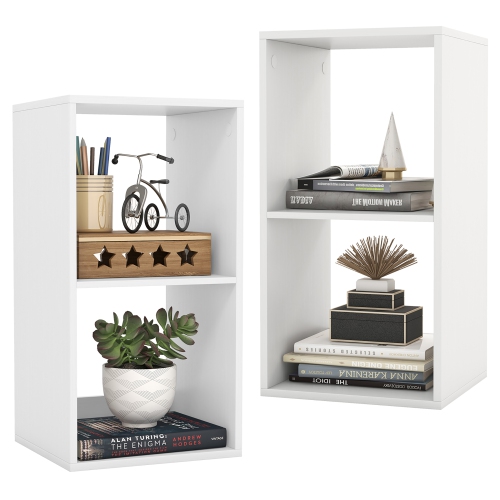
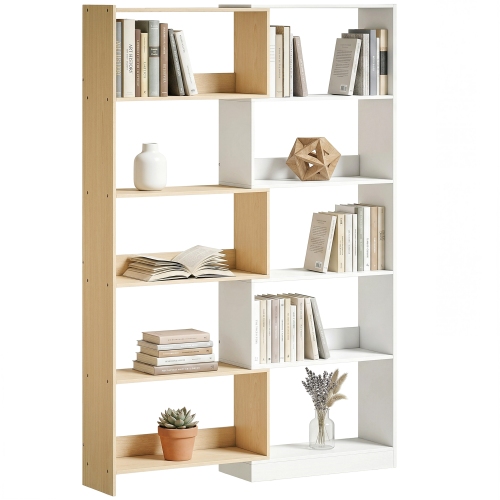
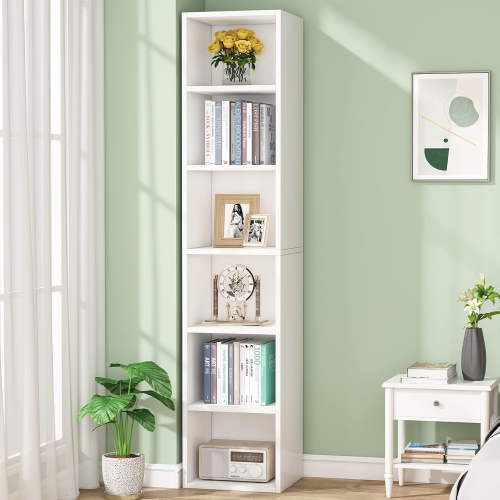
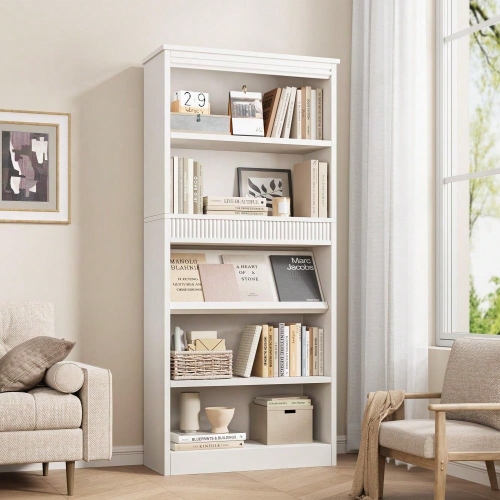
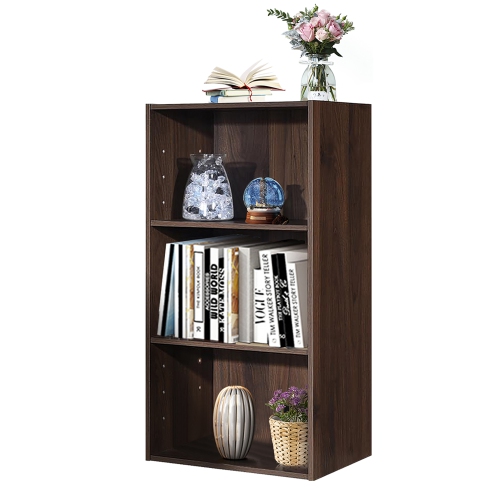
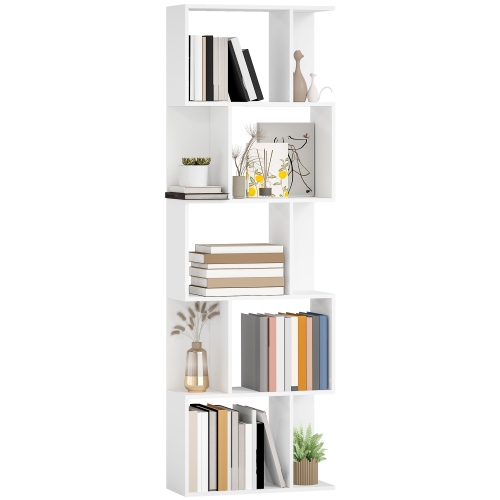
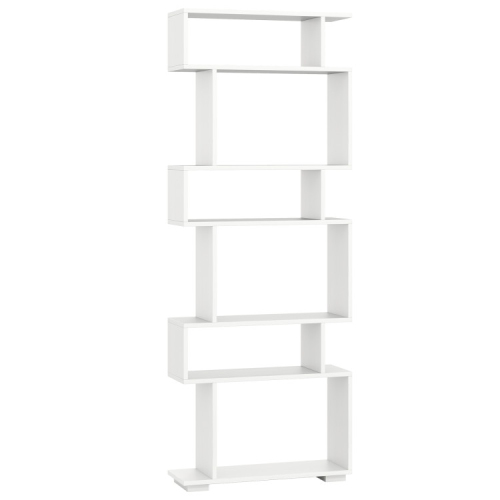
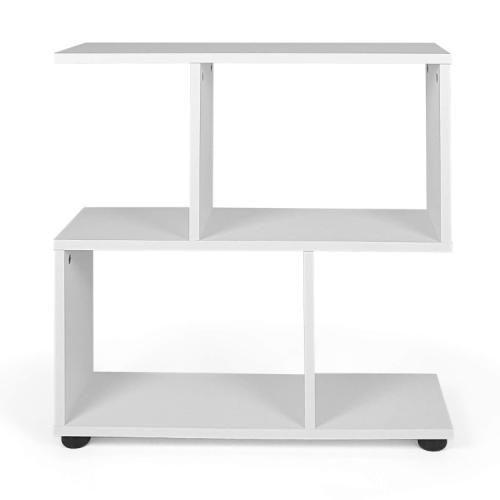
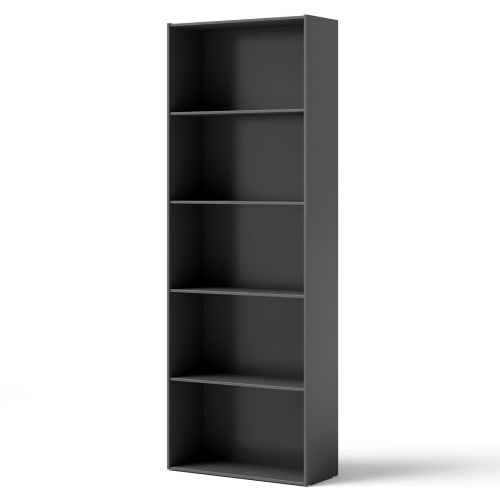
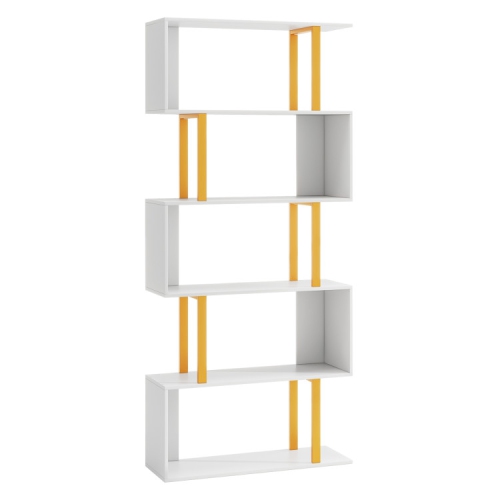
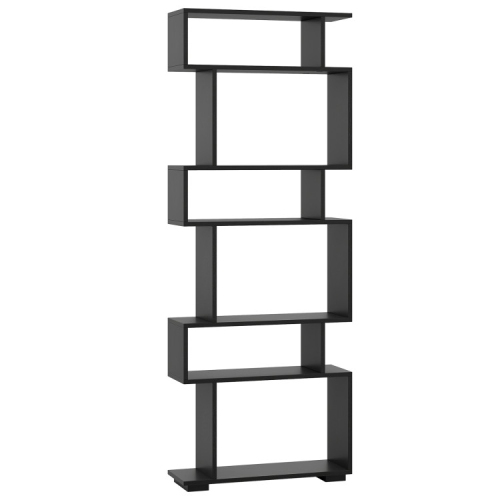
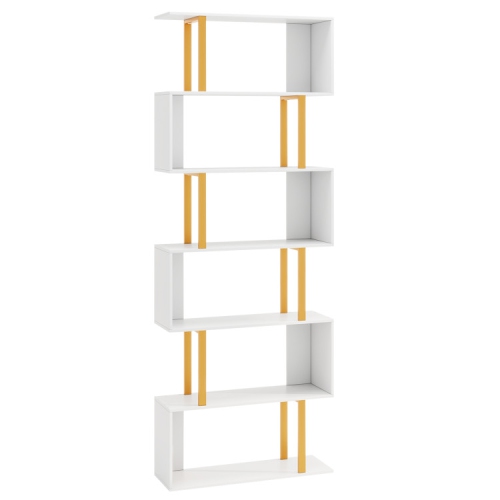
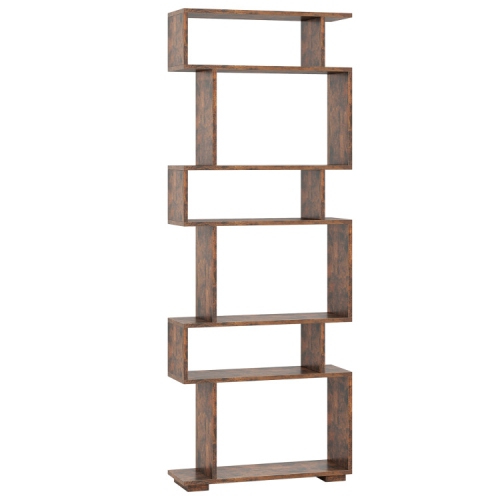
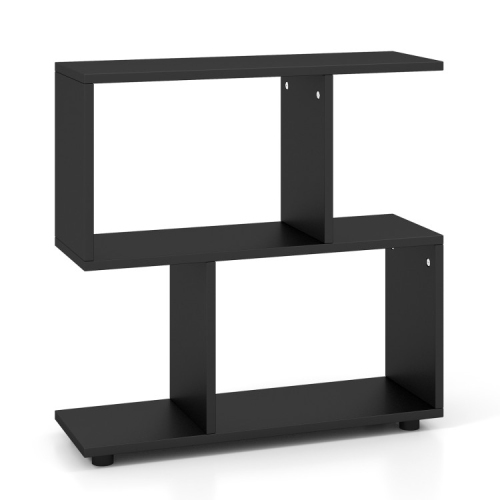
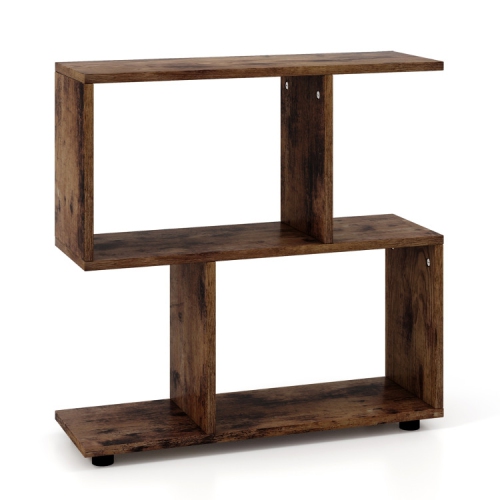

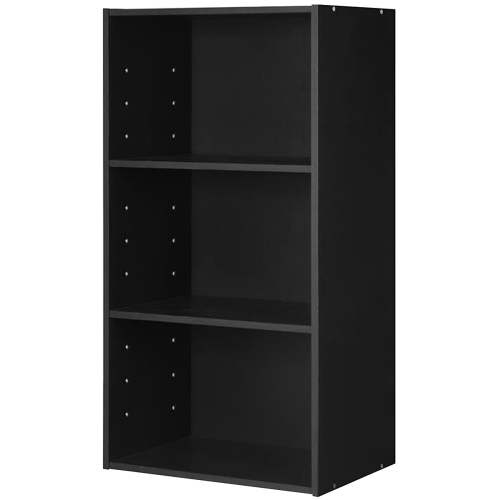
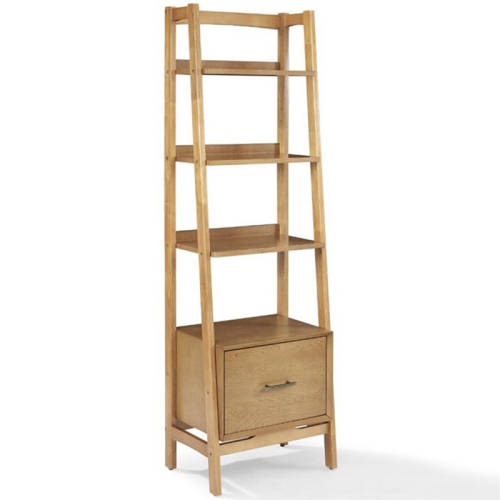
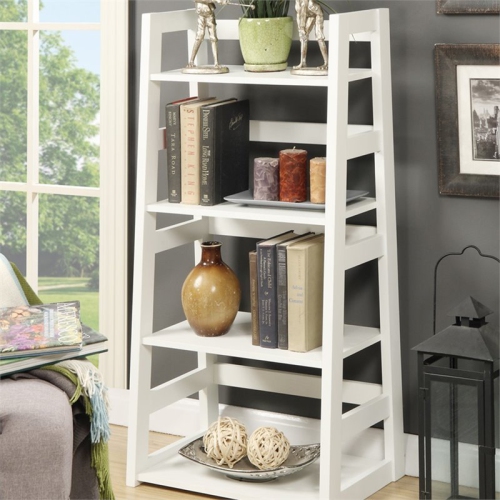
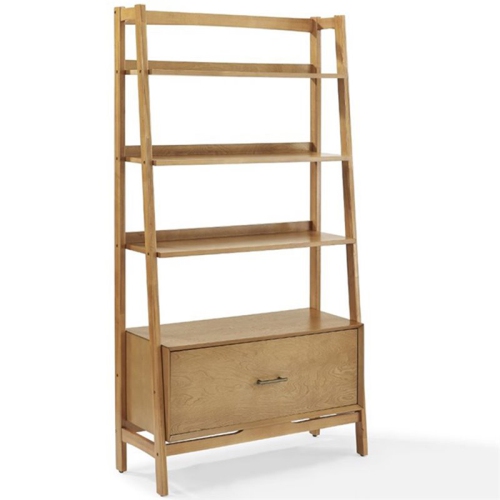
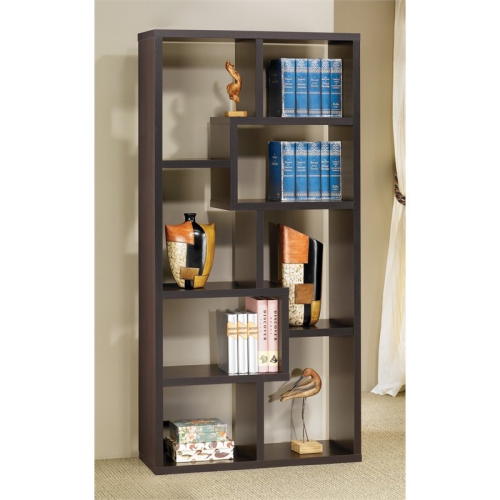
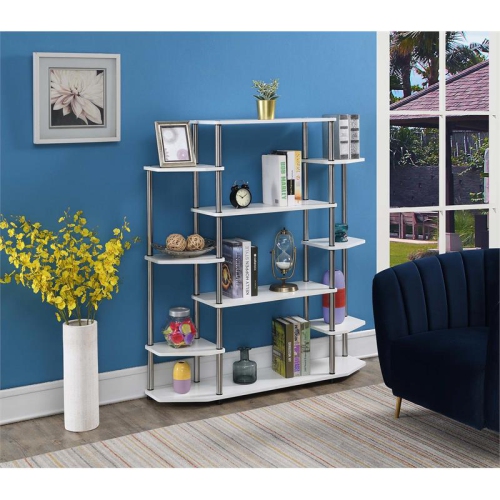
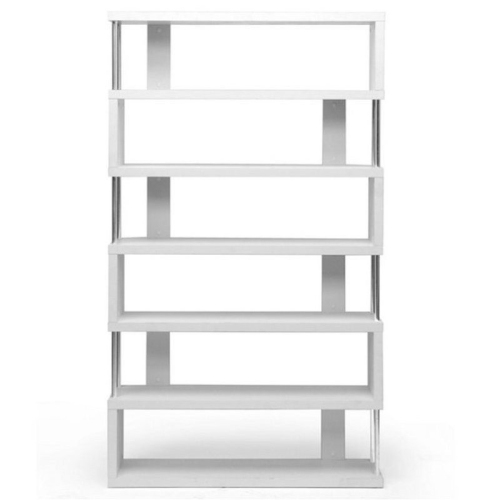
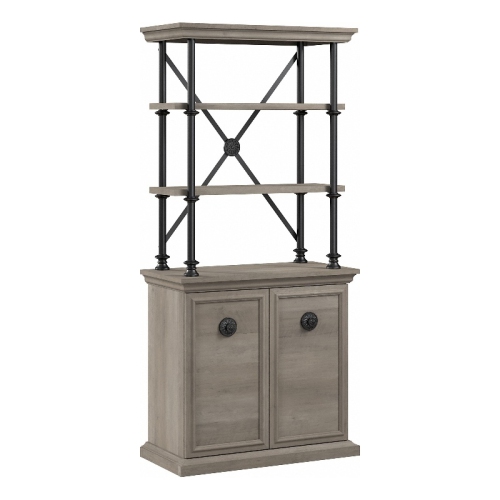

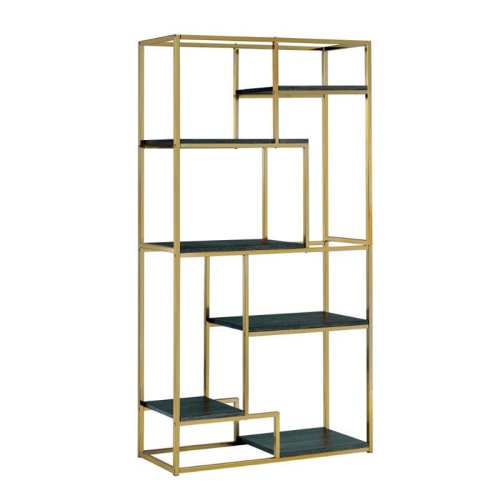
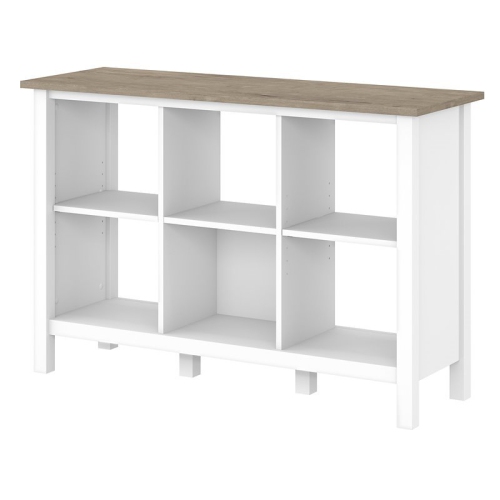
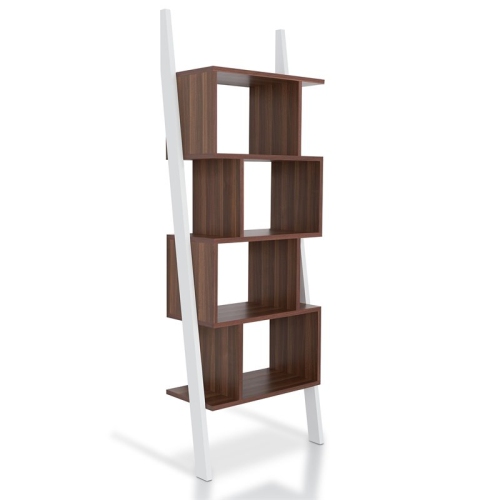
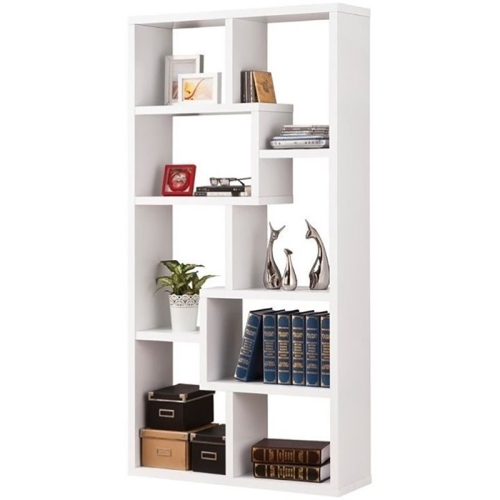
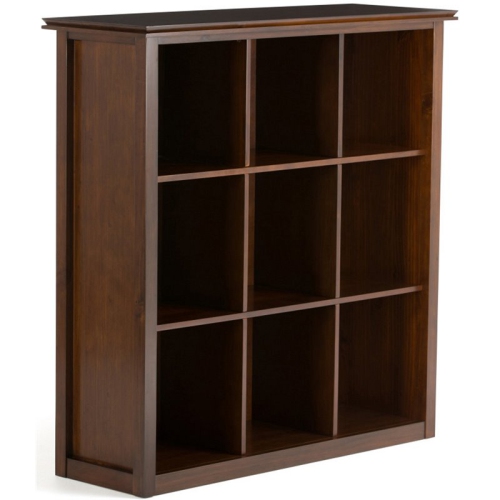
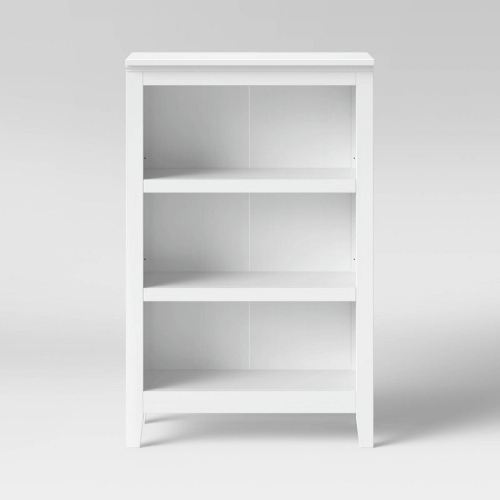
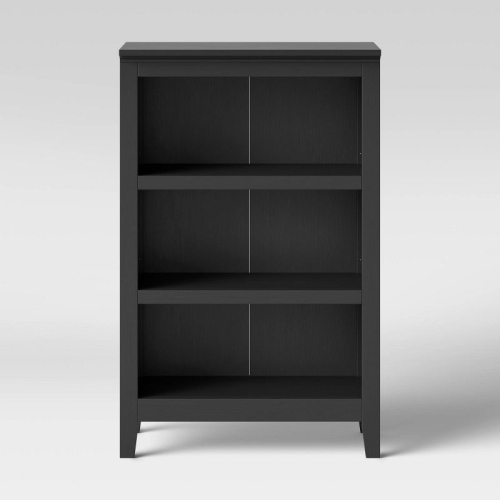
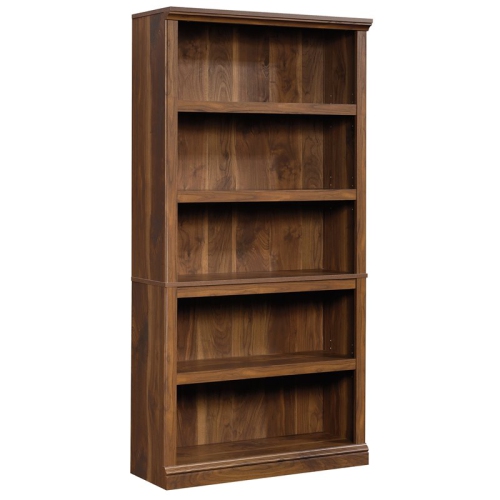
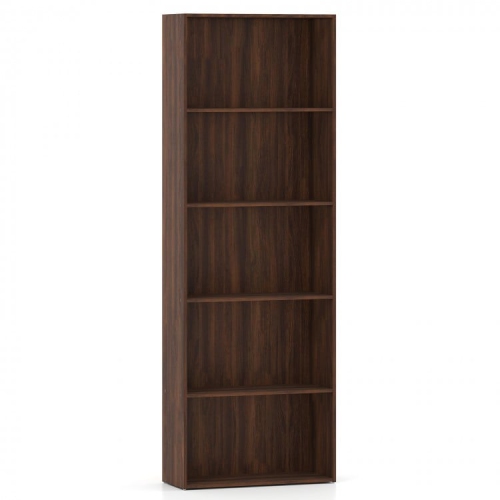
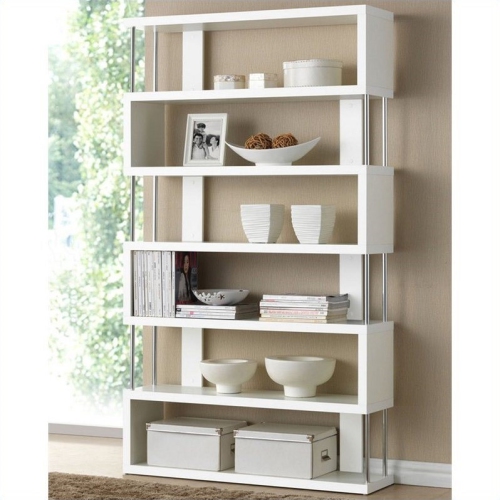
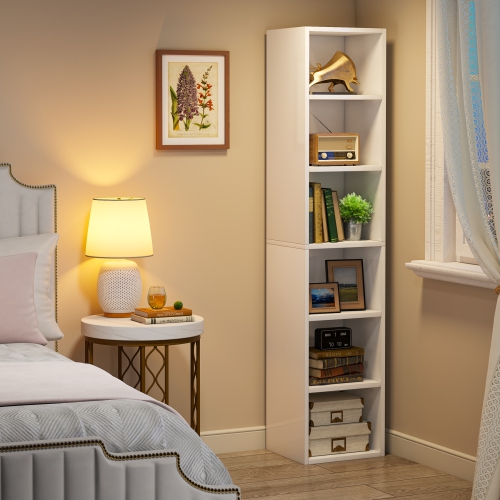
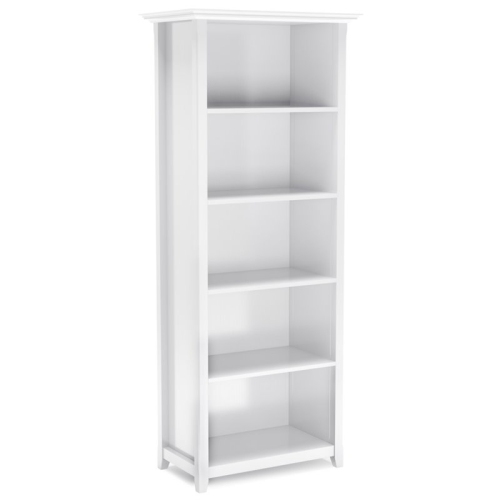
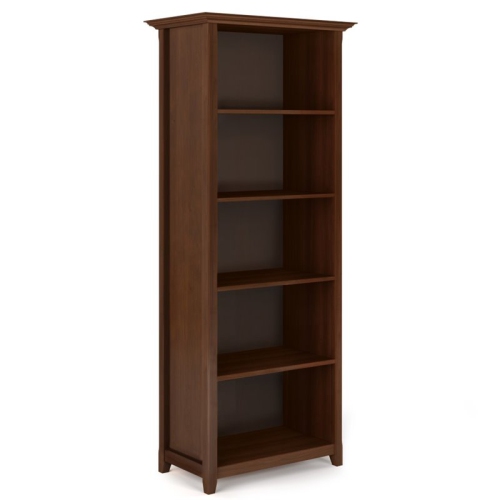
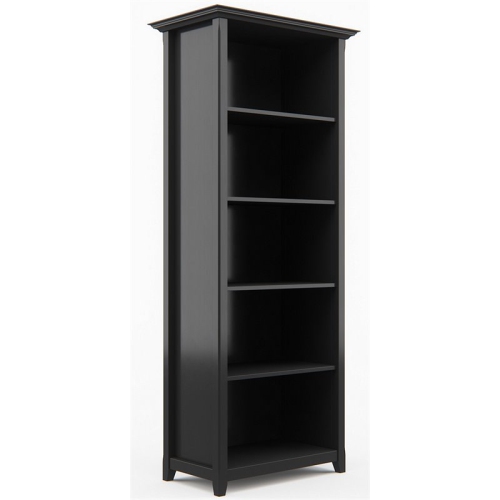
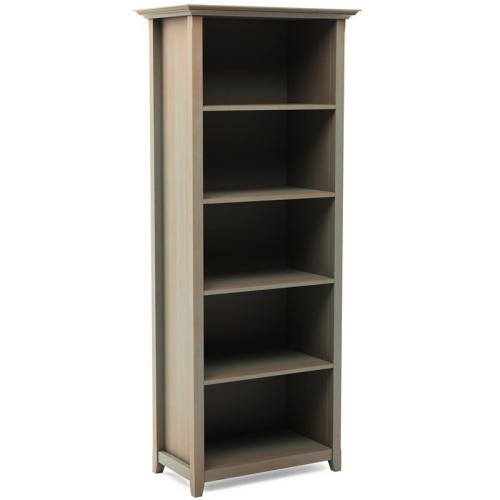
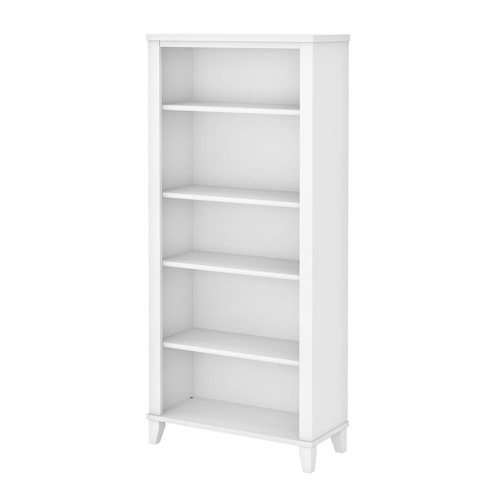
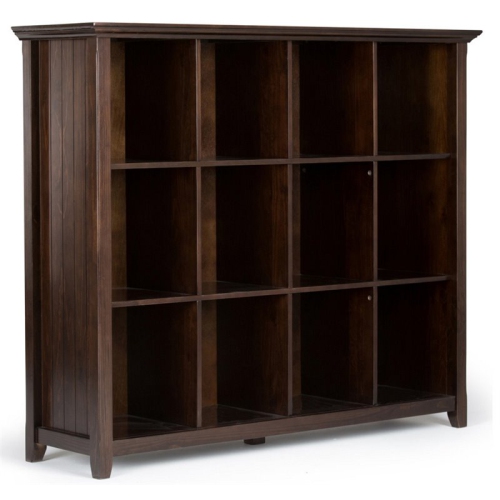
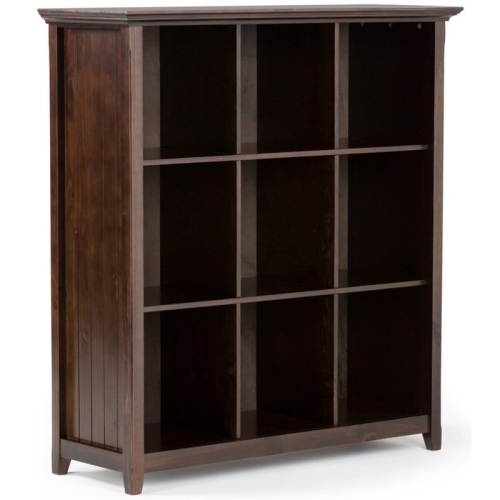
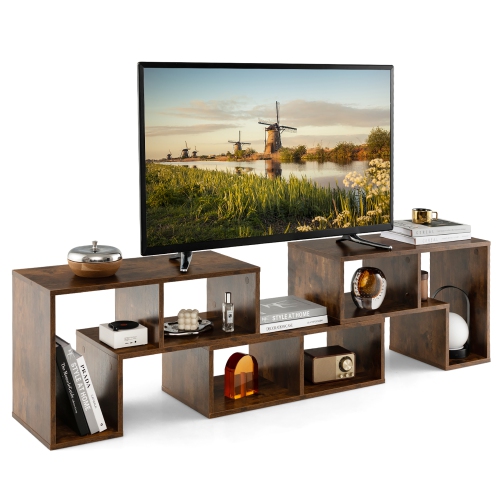
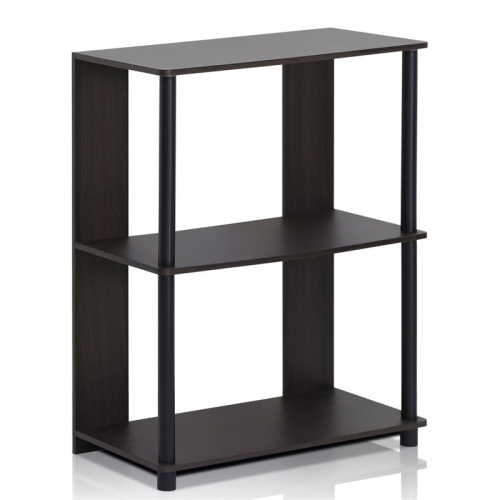
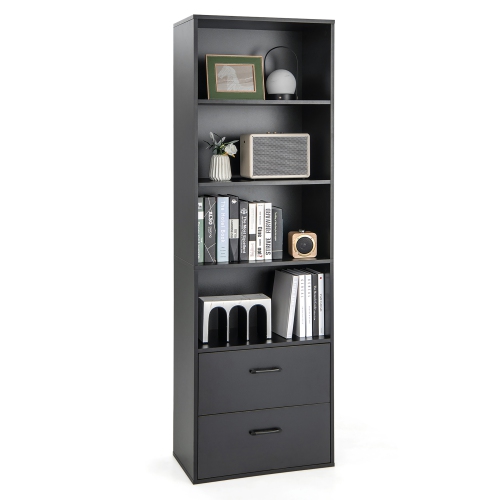
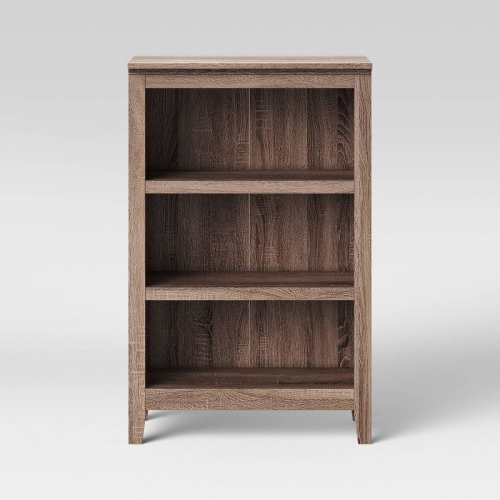
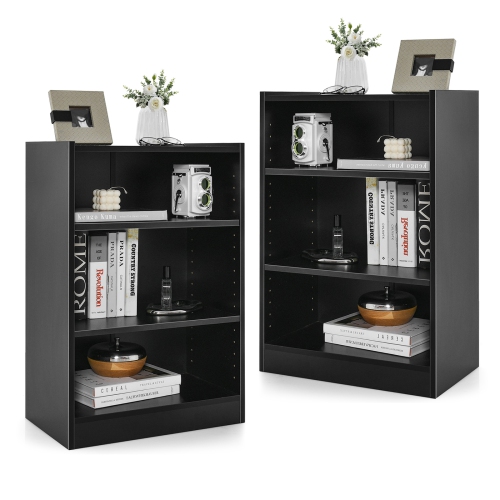
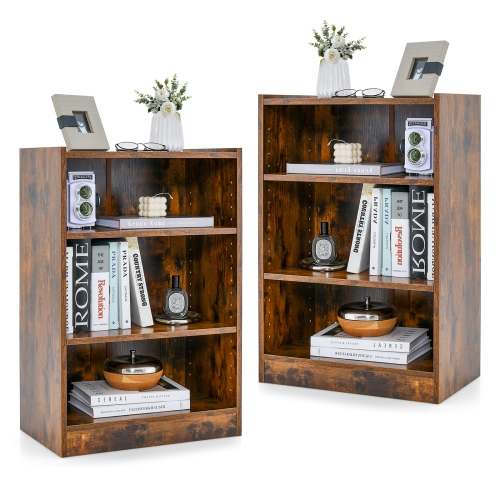
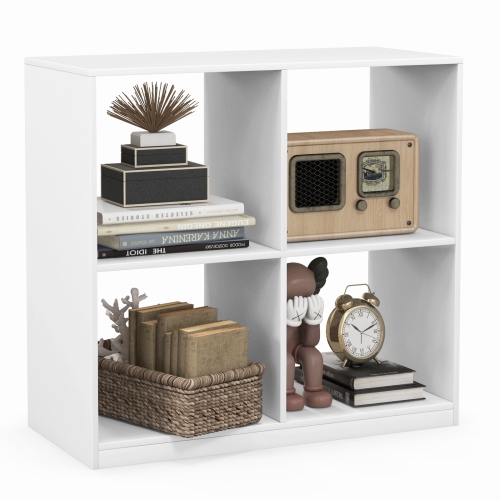
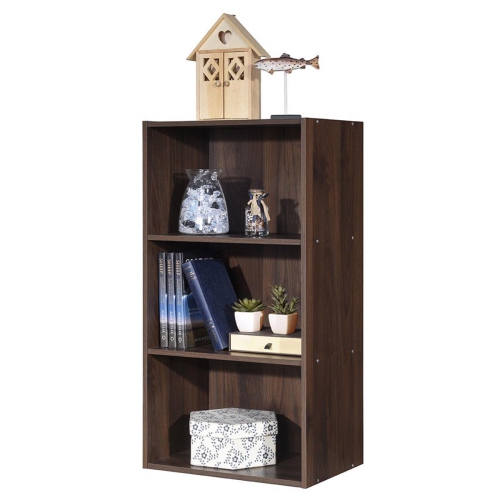
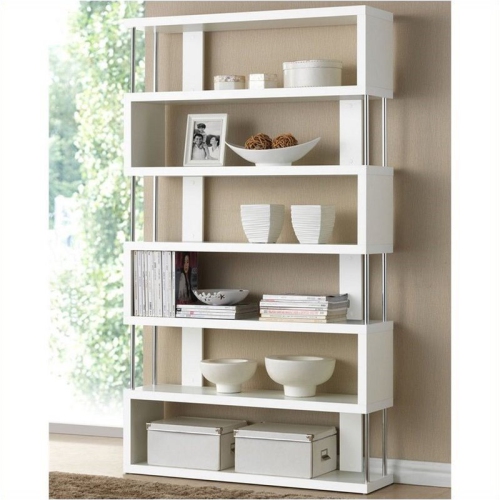
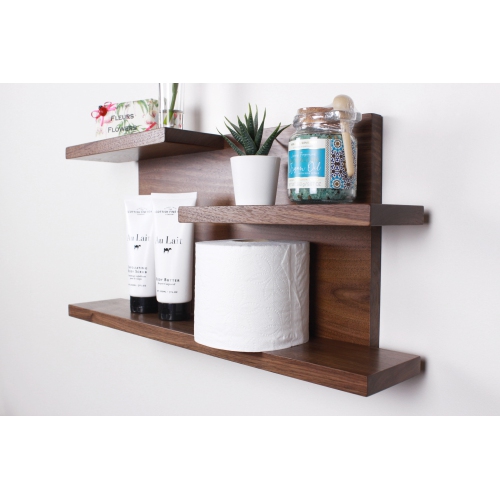
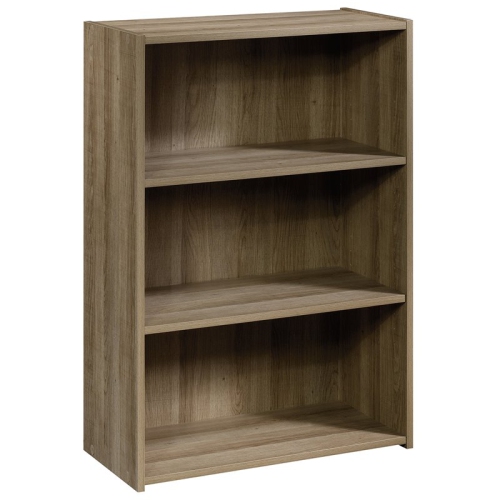
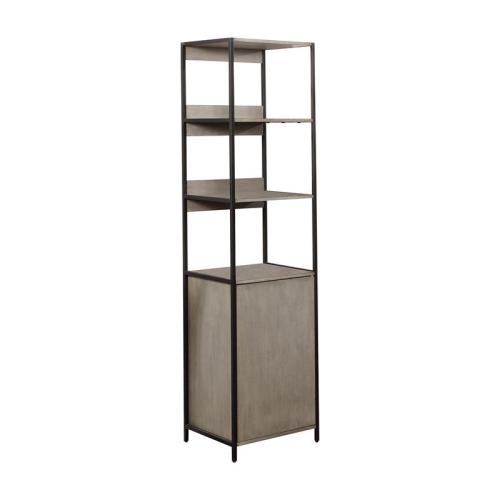
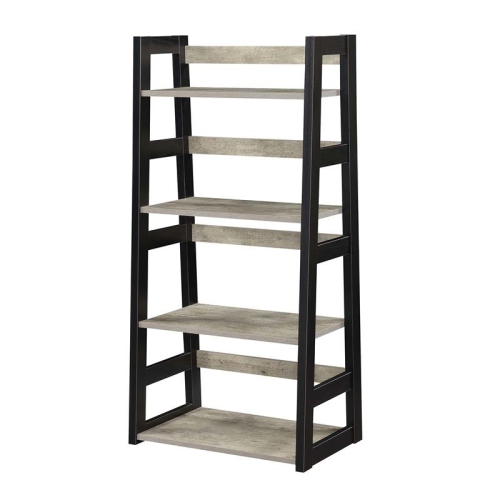
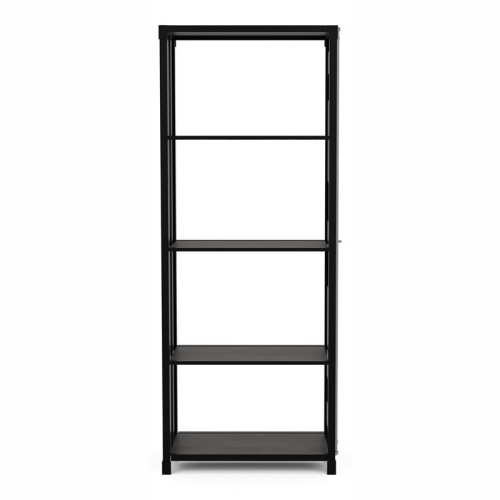
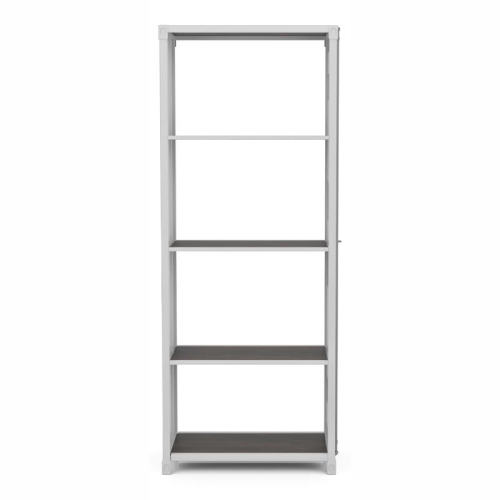
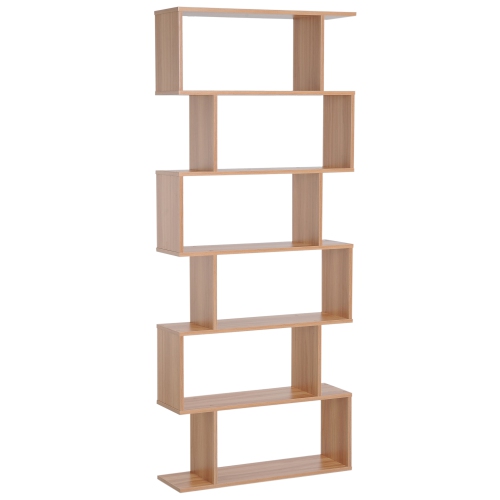
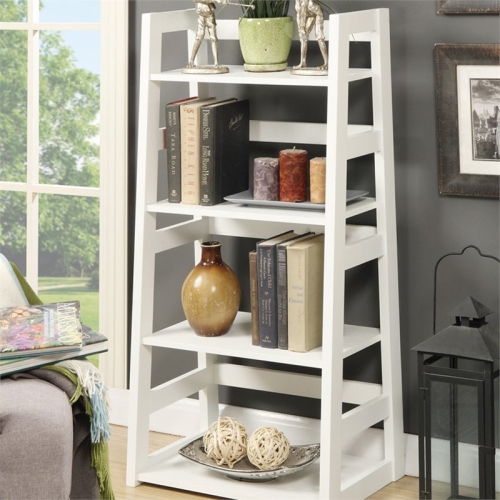
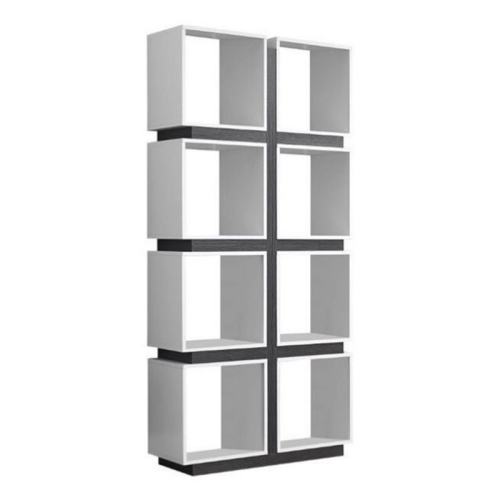
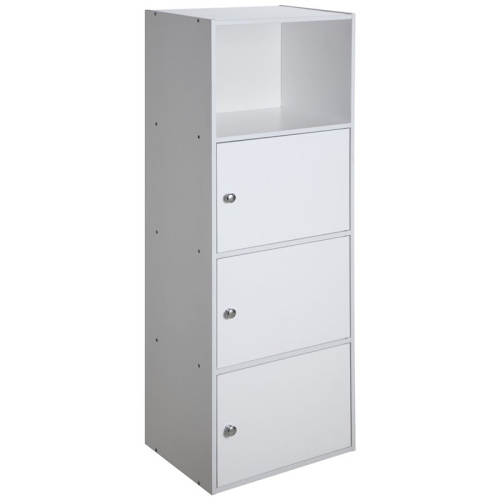
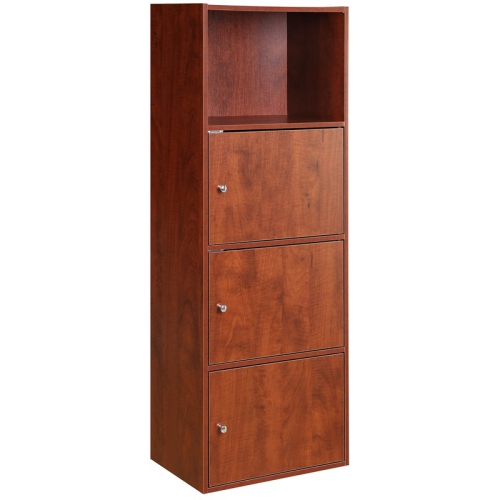
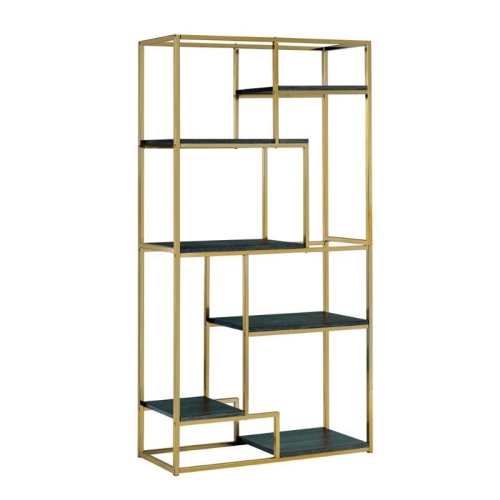
Clean-lined shelving with room for books and personality
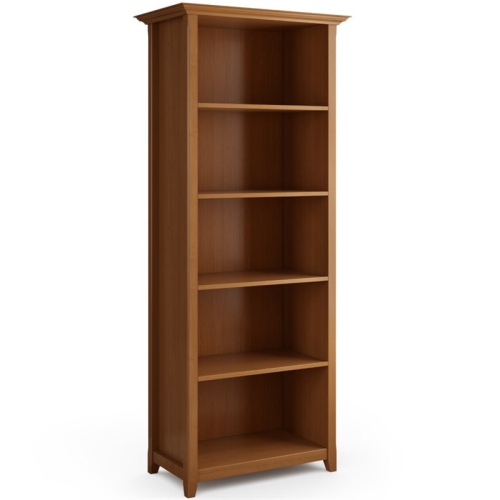
Modern design bookcases combine clean lines, practical shelving, and carefully balanced proportions to provide storage without making a room feel crowded. Their character often comes from the structure itself: a slim metal frame, broad wood shelves, an offset arrangement of compartments, or a mix of open shelves and closed cabinets. Unlike more ornate furniture, these bookcases tend to use simple profiles and restrained detailing, allowing the books and objects on display to supply much of the colour and personality. Open étagère designs have a light, airy appearance, with exposed sides that let a wall colour or architectural feature remain visible behind the shelves. Geometric and S-shaped bookcases introduce a stronger visual rhythm through staggered compartments and alternating lines. These layouts can suit a display of paperbacks, framed photographs, and ceramics, although compartment dimensions matter when storing larger books. Modular designs offer a different kind of flexibility, with components that may be arranged or expanded according to the system’s specifications. Wall-mounted shelving keeps the floor clear, while hybrid bookcases with lower cupboards create a place for less display-worthy belongings, such as spare cables, stationery, and household paperwork. Across these styles, Modern Bookcases can complement living rooms, home offices, bedrooms, and shared spaces where furniture needs to look composed while handling everyday use. A low, wide silhouette can sit comfortably beside a lounge chair and provide a surface for a reading lamp, provided the top is designed to support it. A tall, narrow design makes use of vertical space in a compact room, while a broader arrangement can give a substantial book collection a clear home. The most useful distinction is not simply between bold and understated styling, but between furniture intended mainly for display and shelving built to carry rows of books. A visually delicate frame may have ample capacity, but appearance alone cannot establish how much weight a shelf will safely hold.
Materials influence both the appearance of a modern bookcase and how it stands up to daily handling. Solid wood brings natural grain variation and can develop small marks with use that become part of its character; its care requirements depend on the finish. Wood veneer provides a real wood surface over a supporting core, giving broad panels a consistent appearance while retaining visible grain. Engineered wood with a laminate or melamine surface offers a uniform finish that is often straightforward to wipe clean, though exposed edges and joints still need protection from moisture. Powder-coated metal frames contribute crisp outlines and can work well alongside wood tones, while glass shelves create a lighter visual effect and require attention to both load limits and surface care. No single material guarantees durability. Shelf span, panel thickness, joint construction, back panels, and the quality of the hardware all affect how a bookcase performs. Closely packed hardcovers place a different demand on shelving than a few photographs and small ornaments, so the stated capacity for each shelf matters as much as the unit’s overall capacity. Long shelves carrying heavy books may be more prone to sagging if they lack adequate support. Fit also involves more than finding an empty section of wall. Overall width, height, and depth determine the footprint, but internal shelf measurements establish whether art books, binders, storage baskets, or vinyl records will fit without projecting beyond the front edge. Adjustable shelves make mixed collections easier to accommodate, while fixed compartments create a deliberate pattern with less flexibility. Baseboards can prevent a frame from sitting flush against the wall, and cupboard doors or drawers need clearance to open fully. Nearby outlets, light switches, and walking routes deserve space as well. A bookcase beside a desk should leave room to move the chair comfortably; one near a doorway should not narrow the passage or obstruct access. Wall-mounted designs also require a suitable wall structure and correctly rated mounting hardware.
The intended use helps shape how a bookcase feels once it becomes part of a room. For a frequent reader, accessible shelves with enough height for varied formats can turn a loose collection into an organized home library. For someone working from home, a combination of open shelving and closed storage keeps reference books close by while concealing office supplies. In a shared living area, separate compartments can give different household members a place for their belongings without requiring a large storage wall. Open-backed bookcases sometimes serve as room dividers, creating a visual boundary between a sitting area and a workspace while allowing light through. That use is appropriate only when the design, finished surfaces, and installation requirements support the placement; a unit that requires wall anchoring should not be treated as freely movable dividing furniture. Manufacturer-specified anti-tip restraints are an important part of installation, particularly in homes with children or pets, and heavy contents belong on lower shelves within the stated load limits. Bookcases are not climbing furniture, even when the layout resembles steps. Styling can remain practical rather than elaborate: upright books are easy to retrieve, a short horizontal stack accommodates a few larger volumes, and a little unfilled space keeps individual objects visible. Closed compartments are useful for belongings that otherwise interrupt a calm arrangement, while baskets can group smaller accessories when their size and weight suit the shelves. Routine care generally starts with a soft cloth and cleaning methods approved for the material and finish. Spills should be removed promptly, abrasive cleaners avoided unless expressly permitted, and hardware checked periodically for loosening. Moving a loaded bookcase can strain its joints, so emptying it before repositioning helps protect both the furniture and its contents. As a gift for a reader, student, or someone setting up a home, a bookcase is most thoughtful when room dimensions, storage needs, and finish preferences are already known. With those practical details settled, modern shelving becomes more than a backdrop: it gives well-used books, personal collections, and daily essentials a purposeful place.
Materials influence both the appearance of a modern bookcase and how it stands up to daily handling. Solid wood brings natural grain variation and can develop small marks with use that become part of its character; its care requirements depend on the finish. Wood veneer provides a real wood surface over a supporting core, giving broad panels a consistent appearance while retaining visible grain. Engineered wood with a laminate or melamine surface offers a uniform finish that is often straightforward to wipe clean, though exposed edges and joints still need protection from moisture. Powder-coated metal frames contribute crisp outlines and can work well alongside wood tones, while glass shelves create a lighter visual effect and require attention to both load limits and surface care. No single material guarantees durability. Shelf span, panel thickness, joint construction, back panels, and the quality of the hardware all affect how a bookcase performs. Closely packed hardcovers place a different demand on shelving than a few photographs and small ornaments, so the stated capacity for each shelf matters as much as the unit’s overall capacity. Long shelves carrying heavy books may be more prone to sagging if they lack adequate support. Fit also involves more than finding an empty section of wall. Overall width, height, and depth determine the footprint, but internal shelf measurements establish whether art books, binders, storage baskets, or vinyl records will fit without projecting beyond the front edge. Adjustable shelves make mixed collections easier to accommodate, while fixed compartments create a deliberate pattern with less flexibility. Baseboards can prevent a frame from sitting flush against the wall, and cupboard doors or drawers need clearance to open fully. Nearby outlets, light switches, and walking routes deserve space as well. A bookcase beside a desk should leave room to move the chair comfortably; one near a doorway should not narrow the passage or obstruct access. Wall-mounted designs also require a suitable wall structure and correctly rated mounting hardware.
The intended use helps shape how a bookcase feels once it becomes part of a room. For a frequent reader, accessible shelves with enough height for varied formats can turn a loose collection into an organized home library. For someone working from home, a combination of open shelving and closed storage keeps reference books close by while concealing office supplies. In a shared living area, separate compartments can give different household members a place for their belongings without requiring a large storage wall. Open-backed bookcases sometimes serve as room dividers, creating a visual boundary between a sitting area and a workspace while allowing light through. That use is appropriate only when the design, finished surfaces, and installation requirements support the placement; a unit that requires wall anchoring should not be treated as freely movable dividing furniture. Manufacturer-specified anti-tip restraints are an important part of installation, particularly in homes with children or pets, and heavy contents belong on lower shelves within the stated load limits. Bookcases are not climbing furniture, even when the layout resembles steps. Styling can remain practical rather than elaborate: upright books are easy to retrieve, a short horizontal stack accommodates a few larger volumes, and a little unfilled space keeps individual objects visible. Closed compartments are useful for belongings that otherwise interrupt a calm arrangement, while baskets can group smaller accessories when their size and weight suit the shelves. Routine care generally starts with a soft cloth and cleaning methods approved for the material and finish. Spills should be removed promptly, abrasive cleaners avoided unless expressly permitted, and hardware checked periodically for loosening. Moving a loaded bookcase can strain its joints, so emptying it before repositioning helps protect both the furniture and its contents. As a gift for a reader, student, or someone setting up a home, a bookcase is most thoughtful when room dimensions, storage needs, and finish preferences are already known. With those practical details settled, modern shelving becomes more than a backdrop: it gives well-used books, personal collections, and daily essentials a purposeful place.
Top selling and popular products
-
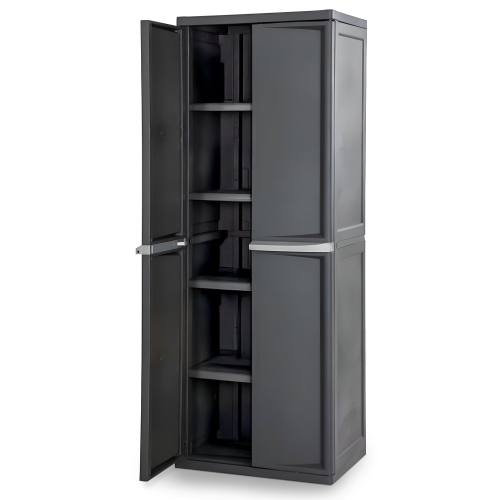 Your price for this item is $772.99
 -
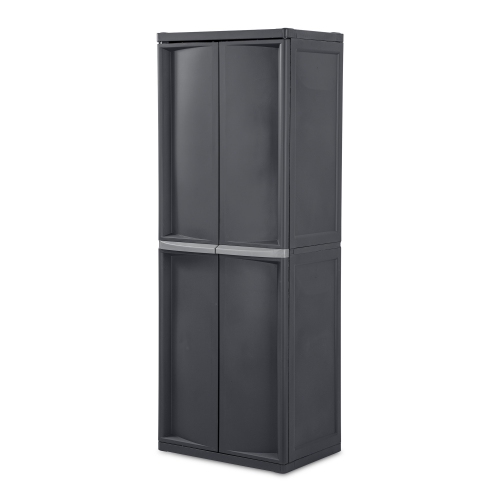 Your price for this item is $1522.99
 -
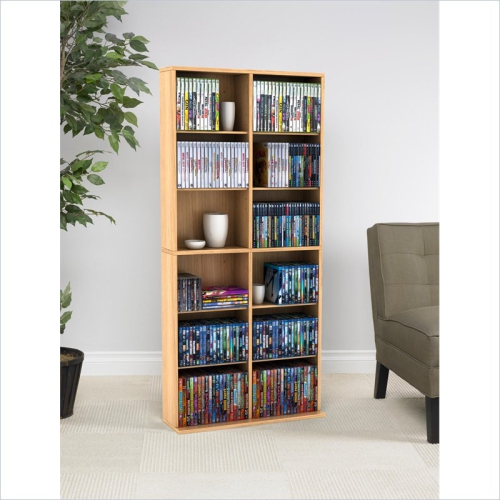 Your price for this item is $234.68
 -
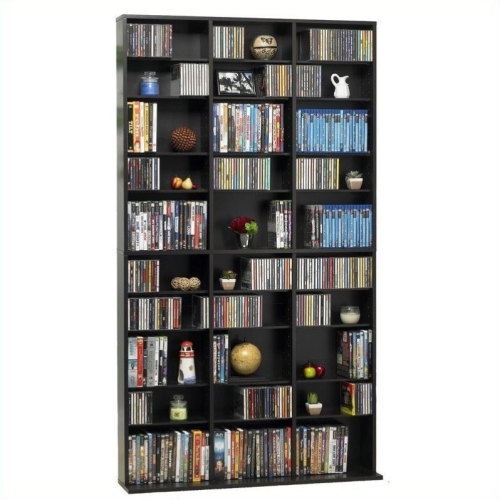 Your price for this item is $365.38
 -
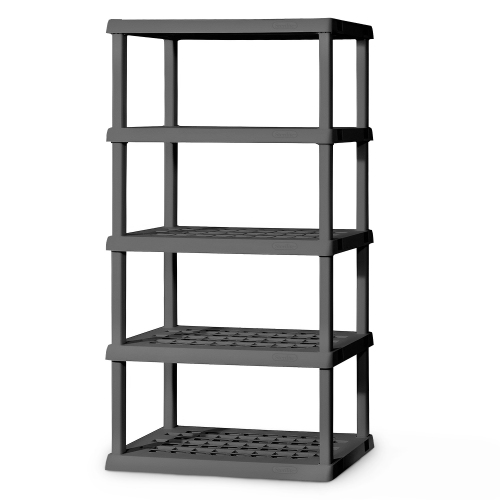 Your price for this item is $468.99
 -
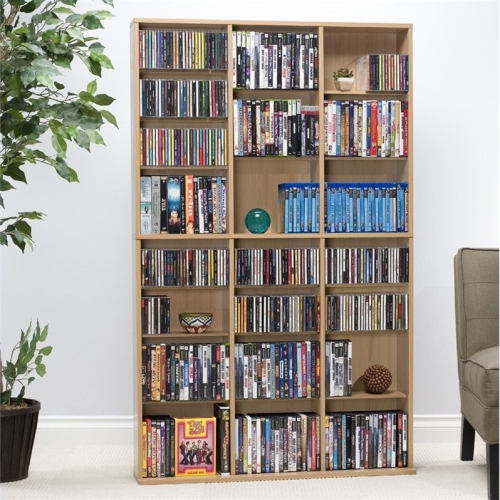 Your price for this item is $295.84
 -
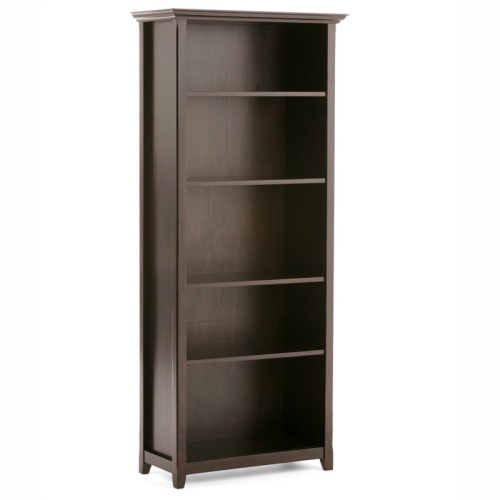 Your price for this item is $999.77
 -
 Your price for this item is $998.43
Discover more categories related to Modern Design Bookcases
Top Collections:
Pokemon Centers, Kindle Devices, Best Budget Office Chairs, Apple iPhones 16, Best Laptops for Writers, iPhone 15 Apple, Canon G7X Cameras, Refurbished Apple Laptops, Alarm Clock, Motorola Razr Phones
Some products may be subject to Environmental Handling Fees
(EHF) depending on your province.
Learn more about EHFs.