Modern Leather Lounge Chairs
Enhance your living space with the sleek and sophisticated allure of modern leather lounge chairs. Whether you're looking to create a cozy reading nook or add a touch of elegance to your home office, these chairs provide the perfect combination of chic design and relaxation. Explore our extensive range today and discover the perfect addition to elevate your living space.
Sort


![NICER INTERIOR Hans Wegner Contemporary Arm Chair - [ Set Of 1 ]](https://multimedia.bbycastatic.ca/multimedia/products/500x500/105/10528/10528965.jpg)

How leather and shape influence your favourite seat
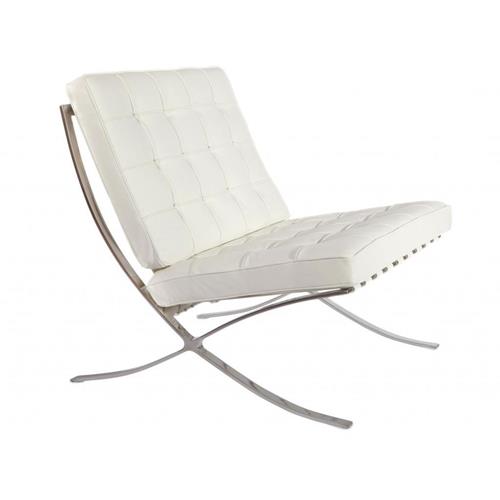
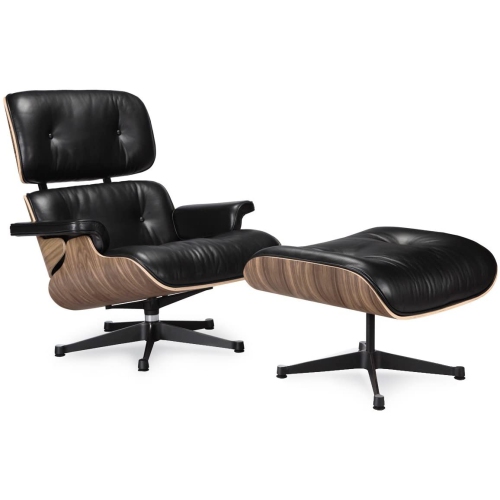
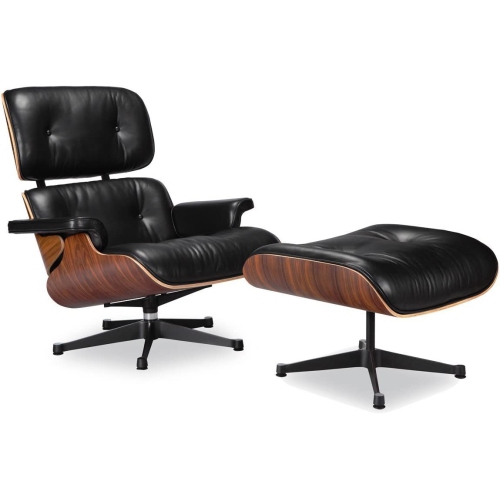
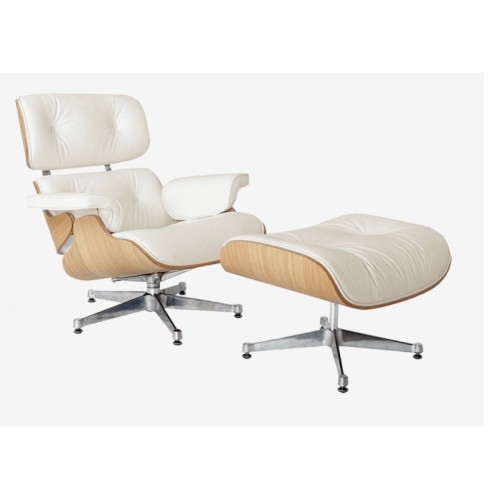
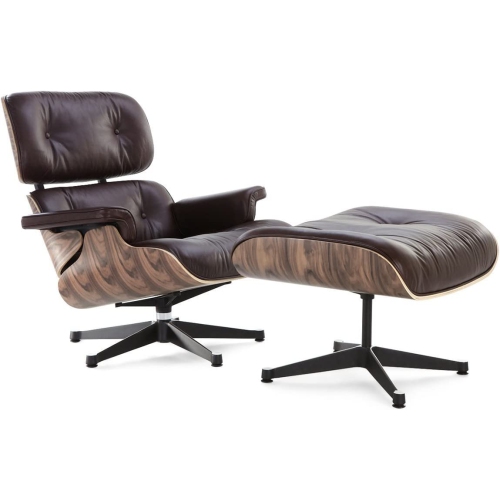
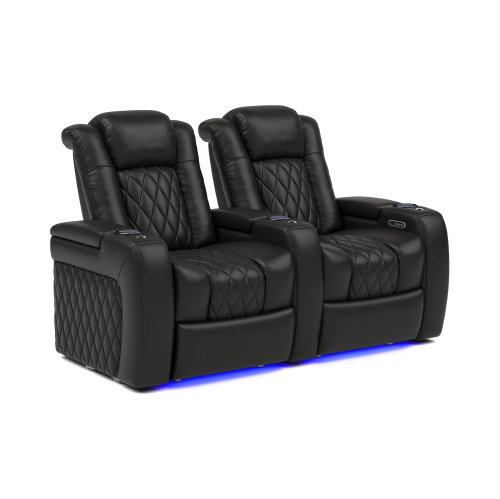
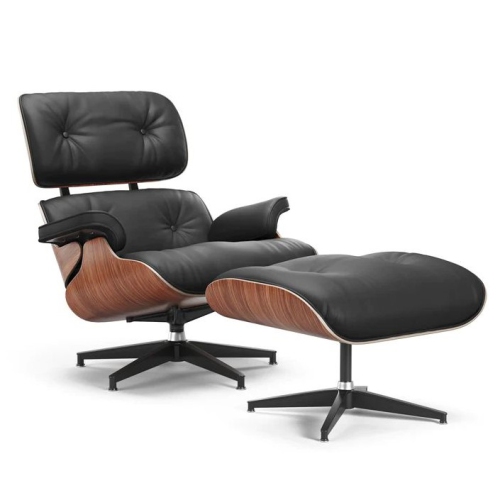
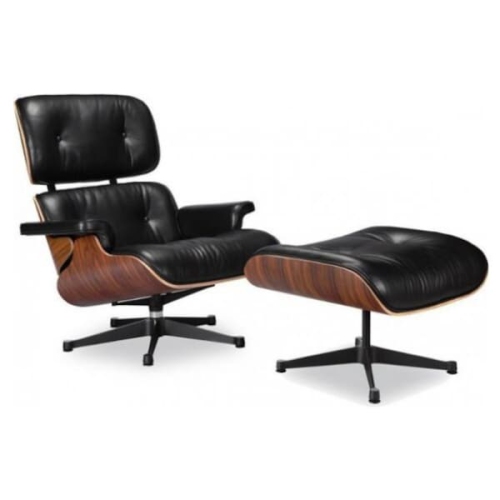
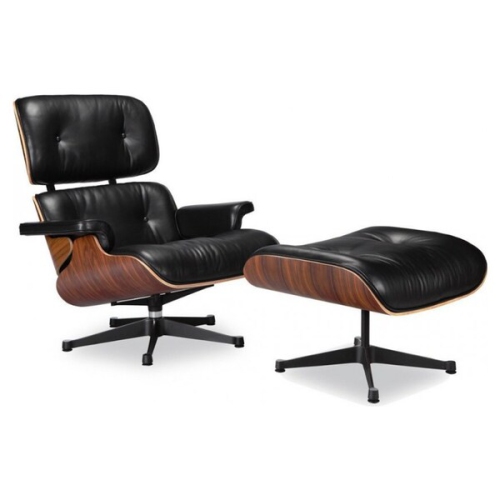
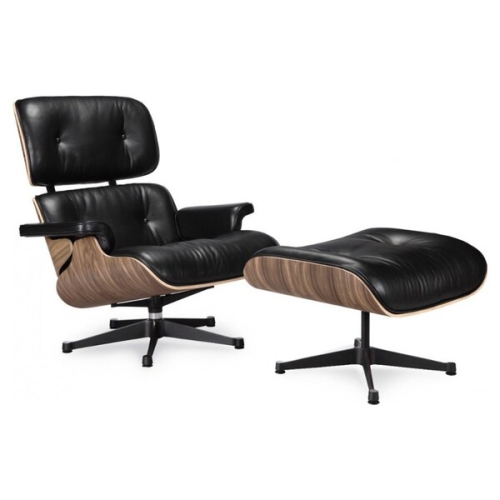
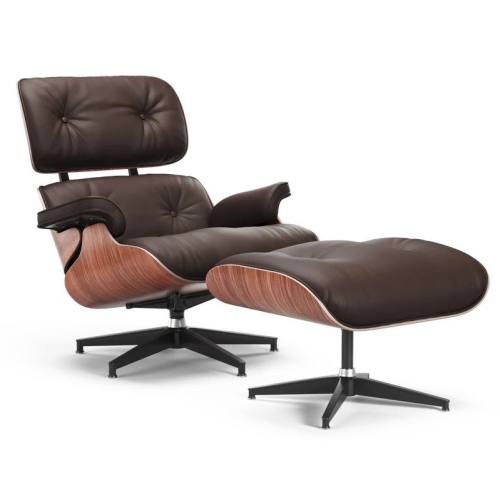
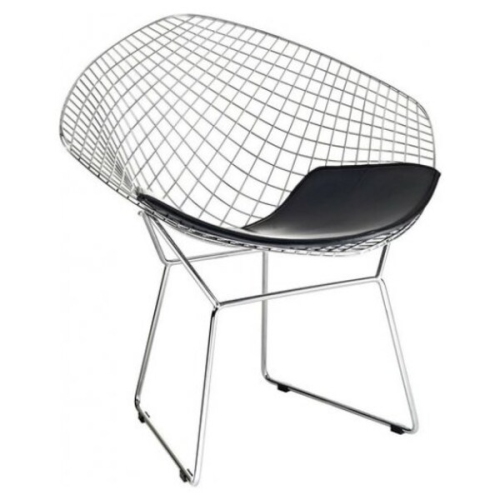
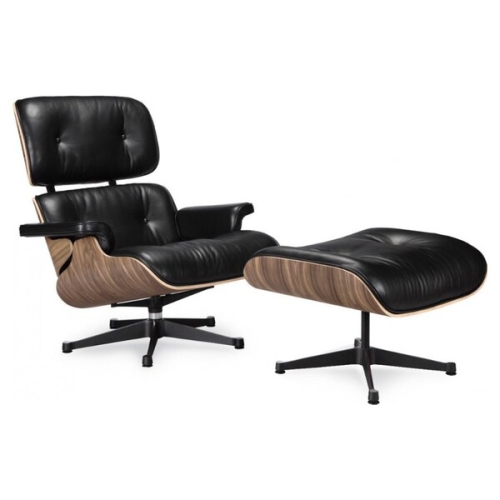
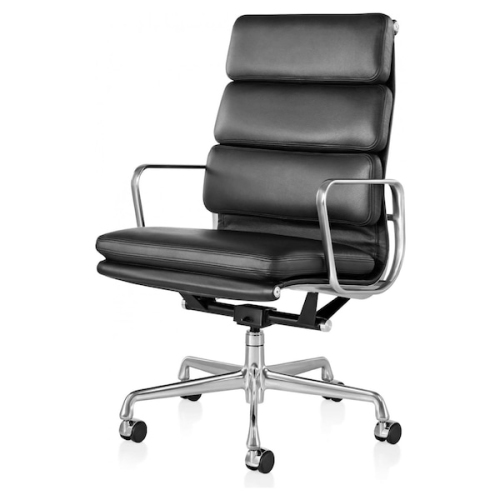
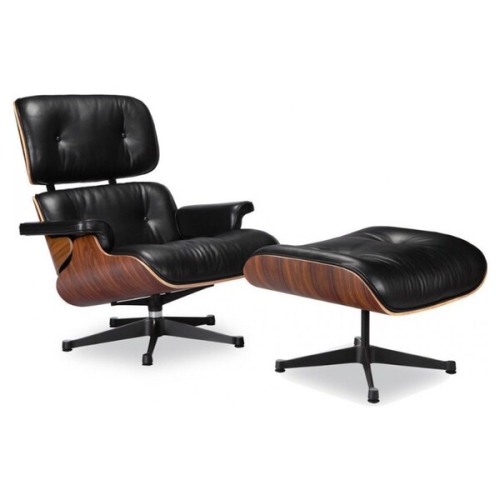
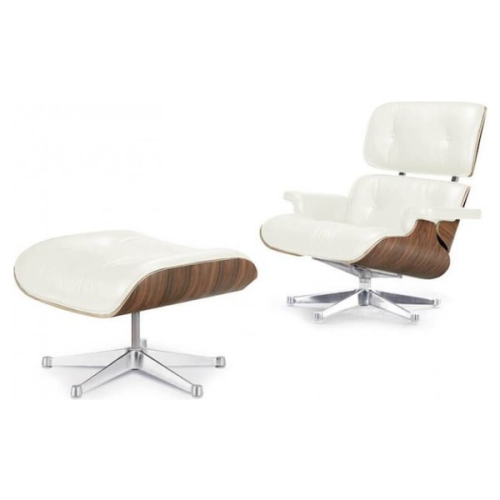
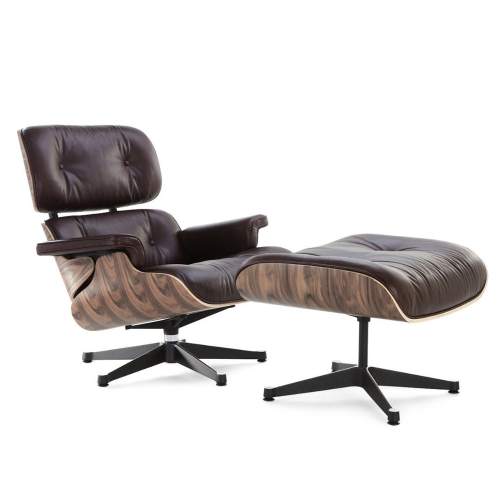
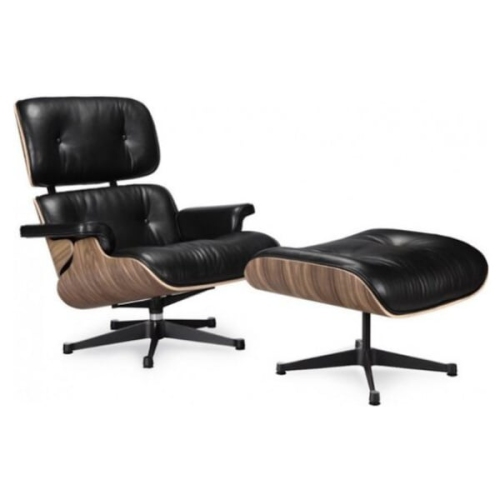
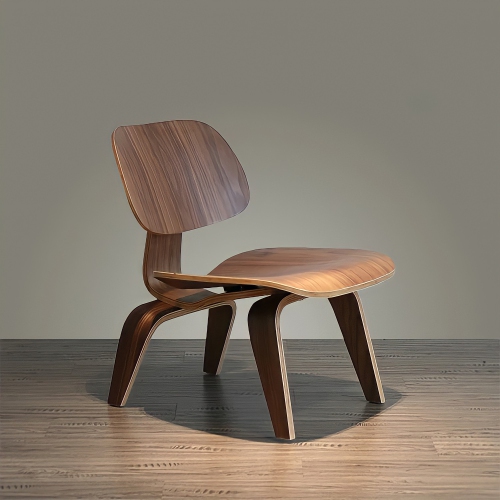
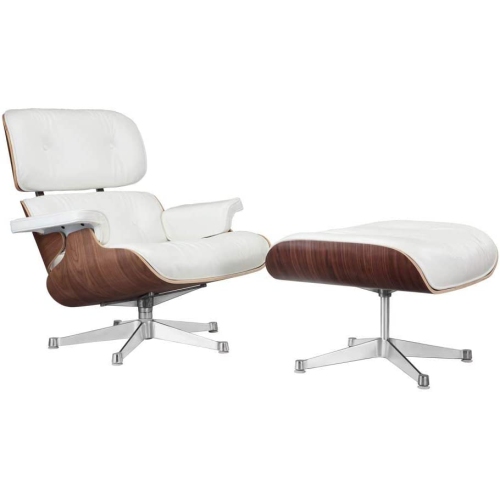
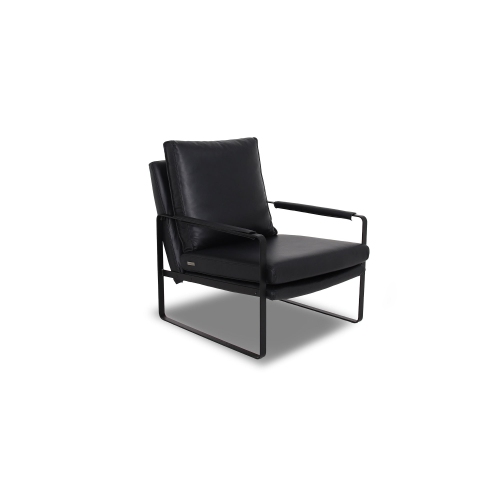
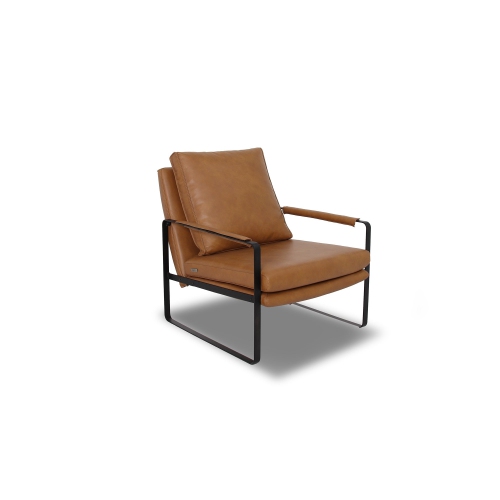
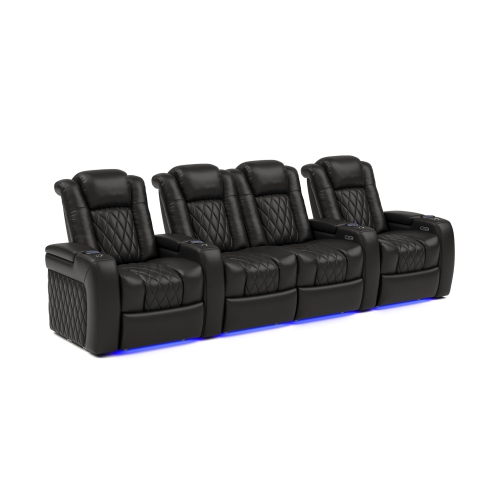
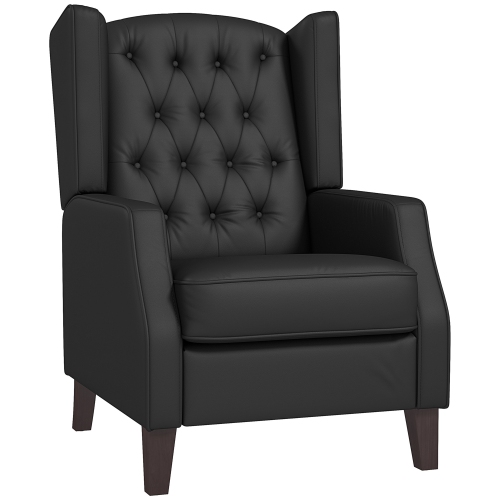
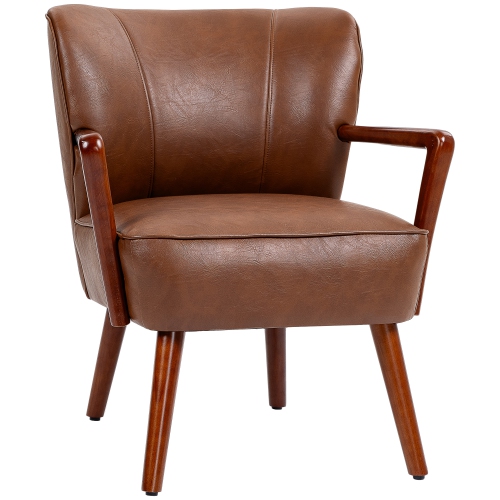
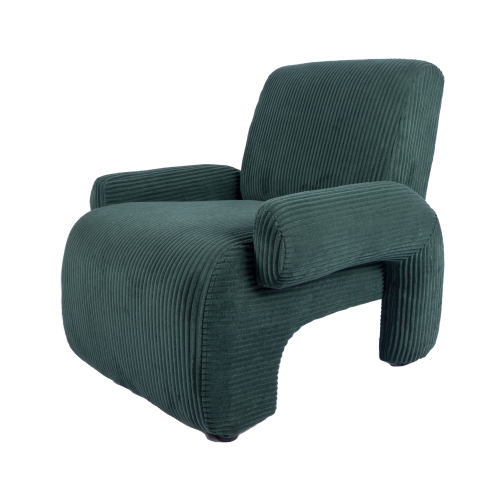
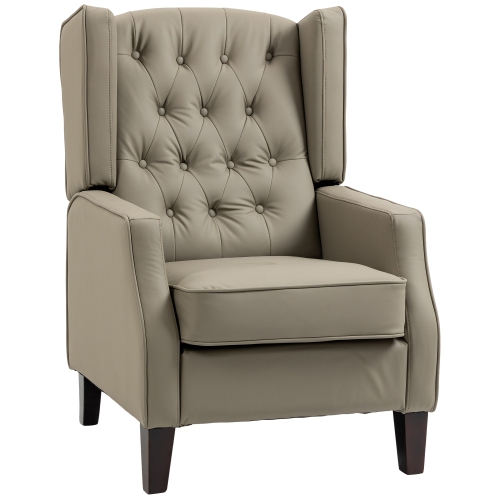
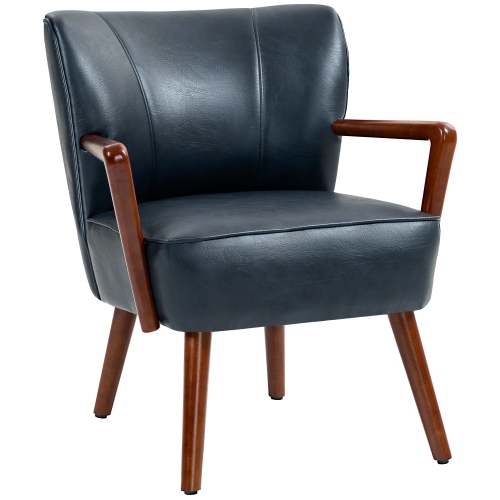
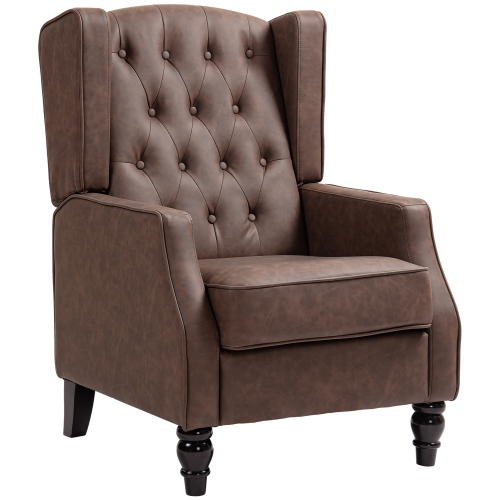
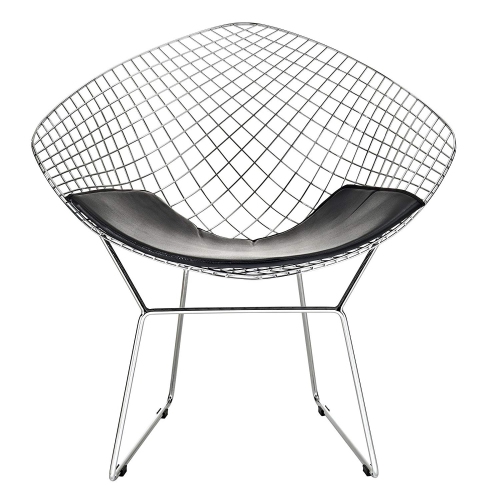
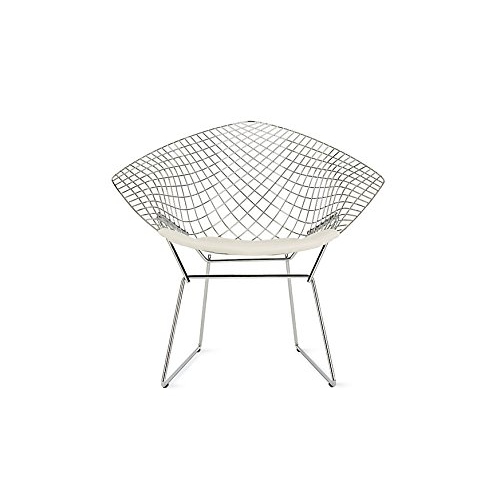
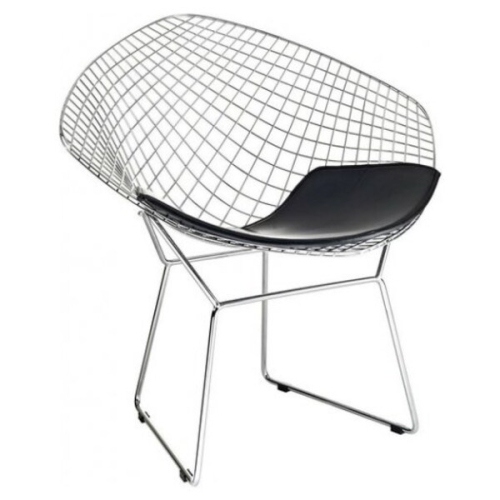
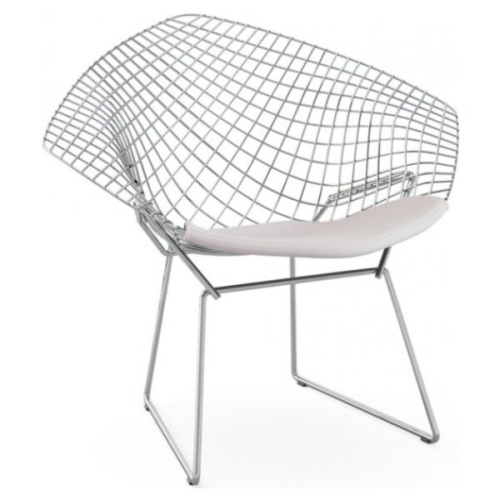
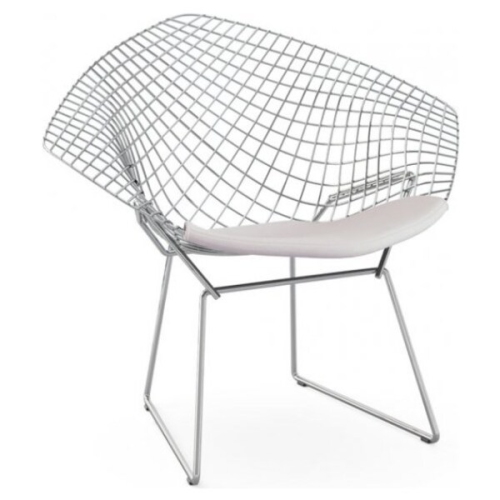
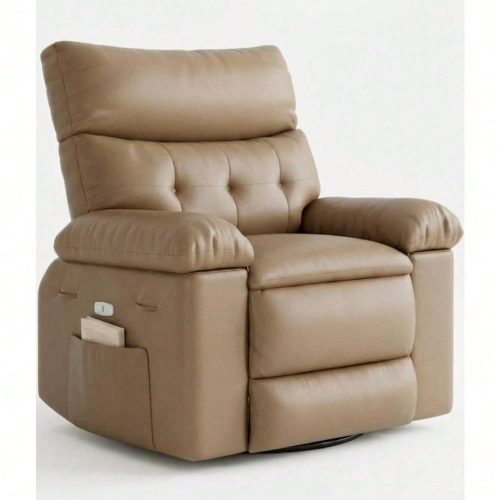
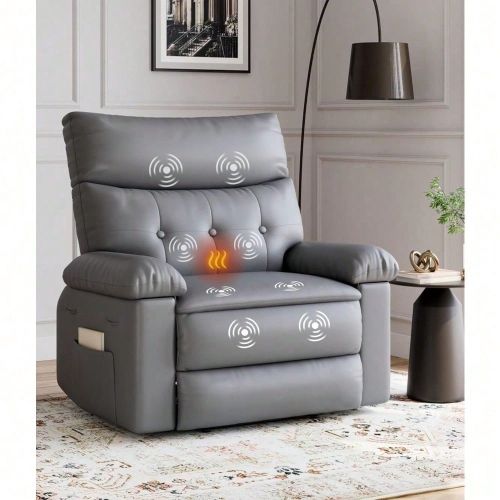
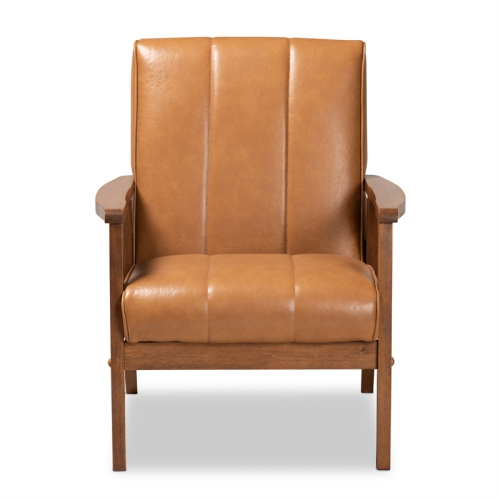
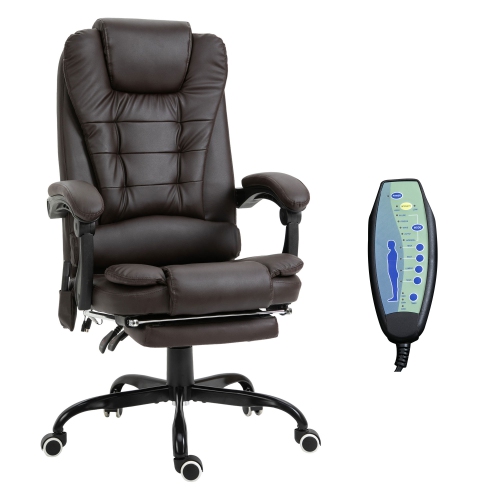
Modern leather lounge chairs combine relaxed seating with clean-lined shapes, bringing a distinct focal point to living rooms, reading corners, bedrooms, and home offices. Unlike an upright dining chair or a task chair designed for desk work, a lounge chair generally encourages a more settled posture through a reclined back, a generous seat, or supportive cushioning. The category spans slim, open-frame designs with exposed wood arms, sculpted seats resting in curved shells, and fully upholstered chairs with a substantial, cushioned presence. Mid-century influences often appear in tapered legs, walnut finishes, and gently angled backs, while contemporary designs may use broad proportions, polished metal, or a low pedestal base. Leather adds texture without relying on a pattern, making it easy to pair with a woven sofa, a wool rug, or a smooth stone side table. Tan and cognac tones bring warmth to neutral rooms, black creates a crisp outline against lighter walls, and deeper brown or green shades can give a quiet corner more visual weight. Colour is only part of the effect: a matte finish feels different from a glossy surface, and visible grain gives even a simple silhouette character. A chair with an exposed frame leaves more of the floor visible, which can help a small room feel less crowded; a fully upholstered design makes a stronger statement and offers a more enclosed seat. In an open living area, a pair of lounge chairs can define a conversation space without the bulk of another sofa. Beside a bookcase, a single chair with a reading lamp and a reachable surface for a mug creates a practical place to pause. The most suitable shape depends on how that space will be used, whether for reading a few chapters, listening to music, watching a film, or talking with guests. A low, deeply reclined chair suits stretching out, while a slightly more upright design can make conversation and sitting down or standing up more comfortable.
Leather type, upholstery coverage, and construction all influence how a modern leather lounge chair feels and ages. Full-grain leather retains the hide’s natural surface, including variations in grain and markings, while top-grain leather has been sanded or otherwise refined for a more uniform appearance. These terms describe aspects of the hide rather than the complete finish, so they do not tell the whole story about softness, stain resistance, or care. Aniline leather has little surface protection and displays natural character clearly, but it can be more susceptible to spills and marks. Semi-aniline leather typically includes a light protective finish that balances visible grain with some added protection. Pigmented leather has a more substantial surface coating, often giving it more consistent colour and making everyday cleaning more straightforward when the manufacturer’s directions are followed. Some genuine leathers develop a noticeable patina with use, while heavily finished surfaces tend to change less visibly. Upholstery descriptions also matter because a chair may use genuine leather on the seat, backrest, and arms with a different material on the outer sides or rear. Bonded leather contains leather fibres combined with binders and should not be confused with full-grain or top-grain leather. For a similar visual style in a non-hide material, Leatherette Lounge Chairs offer another upholstery category with its own feel and care requirements. Beneath the covering, a well-built frame, secure joints, and suitable seat support contribute to lasting comfort. Solid wood frames showcase grain and joinery, moulded plywood shells create curved profiles, and metal frames can provide a slender architectural outline. None of these materials alone guarantees durability; the way the chair is assembled matters just as much. Cushion construction also changes the experience. Resilient foam can provide a more defined seat, while softer layered fills may feel more yielding and require occasional reshaping. Even stitching, neatly finished edges, and securely attached cushions help a chair withstand regular use while maintaining its appearance.
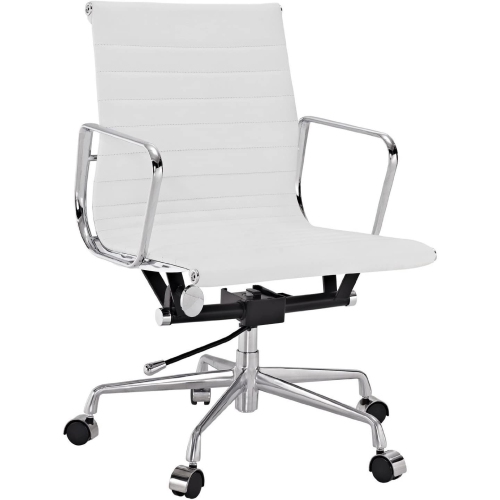
Fit is the difference between a chair that looks inviting and one that becomes a favourite seat. Overall width and depth show how much floor space a lounge chair occupies, but seat height, usable seat depth, back angle, and arm position reveal more about how it may feel. A deep seat can be comfortable for someone with longer legs yet leave a shorter sitter needing a back cushion to rest their feet on the floor. A very low seat can also be harder to rise from, particularly when the cushions are soft. For longer reading sessions, back support and armrests that allow the shoulders to relax may matter more than a dramatic silhouette. A tall back may support the upper body or head, depending on its height and the sitter’s proportions, whereas a low back keeps sightlines open across the room. Stationary lounge chairs provide a fixed seating position; swivel designs make it easier to turn between a conversation area, a window, and a television without shifting the base. Reclining designs need enough clearance for the back and footrest to move, and a separate ottoman adds another footprint even when the chair itself is compact. Doorways, stair turns, and lift dimensions are worth measuring alongside the intended seating area, especially for chairs with wide arms or a fixed shell. Everyday care helps preserve both the upholstery and the structure. Gentle dusting with a soft cloth removes surface debris, while spills should be blotted promptly rather than rubbed into seams. Cleaning products and conditioners should be approved for the particular leather finish; a treatment suited to one type can darken or damage another. Direct sunlight, nearby heat sources, abrasive cleaners, and sharp objects can affect the surface, so placement and household habits deserve consideration. Floor protectors appropriate to the base can help reduce marks when a chair is moved. In homes with children or pets, protected finishes and accessible seams may simplify routine upkeep, although no leather is scratch-proof. With proportions that suit the sitter and materials matched to daily use, a modern leather lounge chair can serve as both an expressive accent and a comfortable place to spend unhurried time.
Leather type, upholstery coverage, and construction all influence how a modern leather lounge chair feels and ages. Full-grain leather retains the hide’s natural surface, including variations in grain and markings, while top-grain leather has been sanded or otherwise refined for a more uniform appearance. These terms describe aspects of the hide rather than the complete finish, so they do not tell the whole story about softness, stain resistance, or care. Aniline leather has little surface protection and displays natural character clearly, but it can be more susceptible to spills and marks. Semi-aniline leather typically includes a light protective finish that balances visible grain with some added protection. Pigmented leather has a more substantial surface coating, often giving it more consistent colour and making everyday cleaning more straightforward when the manufacturer’s directions are followed. Some genuine leathers develop a noticeable patina with use, while heavily finished surfaces tend to change less visibly. Upholstery descriptions also matter because a chair may use genuine leather on the seat, backrest, and arms with a different material on the outer sides or rear. Bonded leather contains leather fibres combined with binders and should not be confused with full-grain or top-grain leather. For a similar visual style in a non-hide material, Leatherette Lounge Chairs offer another upholstery category with its own feel and care requirements. Beneath the covering, a well-built frame, secure joints, and suitable seat support contribute to lasting comfort. Solid wood frames showcase grain and joinery, moulded plywood shells create curved profiles, and metal frames can provide a slender architectural outline. None of these materials alone guarantees durability; the way the chair is assembled matters just as much. Cushion construction also changes the experience. Resilient foam can provide a more defined seat, while softer layered fills may feel more yielding and require occasional reshaping. Even stitching, neatly finished edges, and securely attached cushions help a chair withstand regular use while maintaining its appearance.
Fit is the difference between a chair that looks inviting and one that becomes a favourite seat. Overall width and depth show how much floor space a lounge chair occupies, but seat height, usable seat depth, back angle, and arm position reveal more about how it may feel. A deep seat can be comfortable for someone with longer legs yet leave a shorter sitter needing a back cushion to rest their feet on the floor. A very low seat can also be harder to rise from, particularly when the cushions are soft. For longer reading sessions, back support and armrests that allow the shoulders to relax may matter more than a dramatic silhouette. A tall back may support the upper body or head, depending on its height and the sitter’s proportions, whereas a low back keeps sightlines open across the room. Stationary lounge chairs provide a fixed seating position; swivel designs make it easier to turn between a conversation area, a window, and a television without shifting the base. Reclining designs need enough clearance for the back and footrest to move, and a separate ottoman adds another footprint even when the chair itself is compact. Doorways, stair turns, and lift dimensions are worth measuring alongside the intended seating area, especially for chairs with wide arms or a fixed shell. Everyday care helps preserve both the upholstery and the structure. Gentle dusting with a soft cloth removes surface debris, while spills should be blotted promptly rather than rubbed into seams. Cleaning products and conditioners should be approved for the particular leather finish; a treatment suited to one type can darken or damage another. Direct sunlight, nearby heat sources, abrasive cleaners, and sharp objects can affect the surface, so placement and household habits deserve consideration. Floor protectors appropriate to the base can help reduce marks when a chair is moved. In homes with children or pets, protected finishes and accessible seams may simplify routine upkeep, although no leather is scratch-proof. With proportions that suit the sitter and materials matched to daily use, a modern leather lounge chair can serve as both an expressive accent and a comfortable place to spend unhurried time.
Top selling and popular products
-
 Your price for this item is $13.3
 -
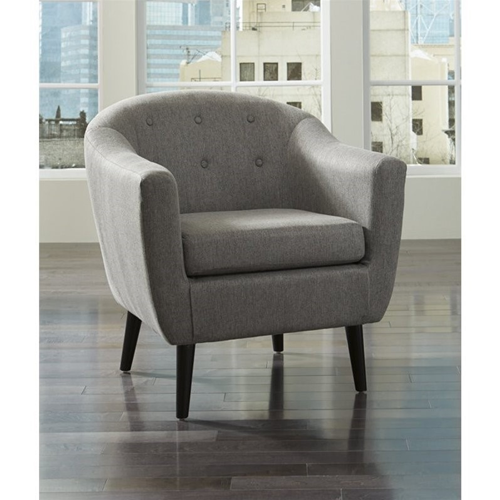 Your price for this item is $544.85
 -
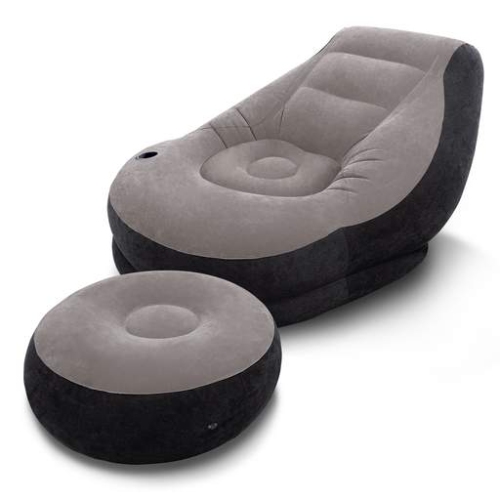 Your price for this item is $276.99
 -
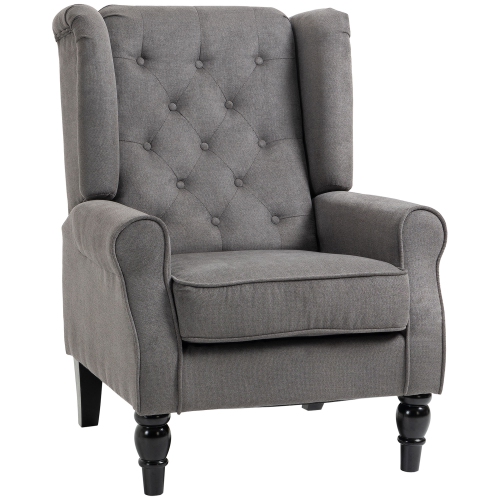 Your price for this item is $259.99
 -
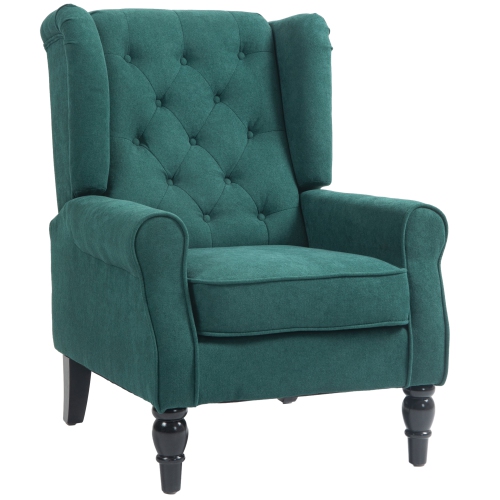 Your price for this item is $219.99
 -
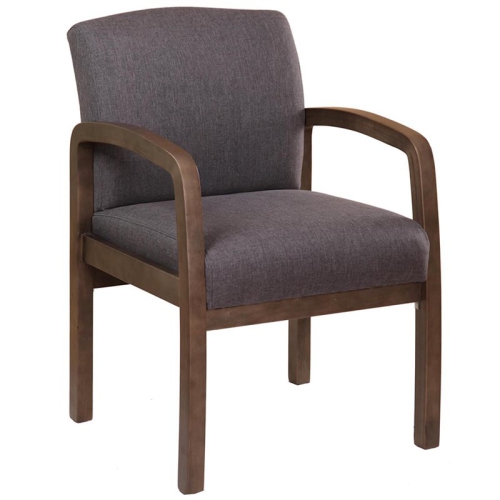 Your price for this item is $626.48
 -
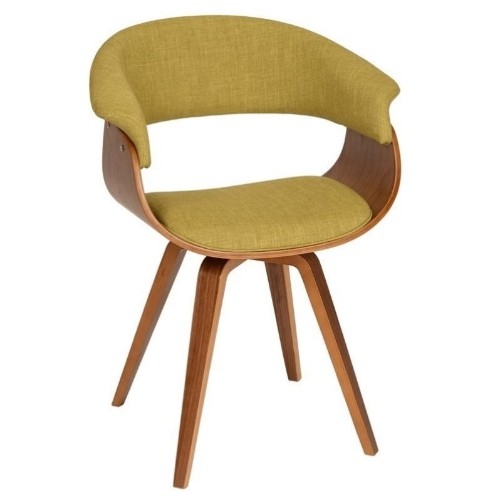 Your price for this item is $492.5
 -
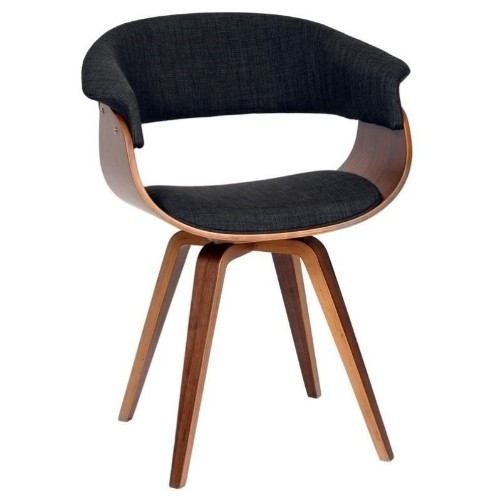 Your price for this item is $515.4
Discover more categories related to Modern Leather Lounge Chairs

Top Collections:
Pokemon Centers, Kindle Devices, Best Budget Office Chairs, Apple iPhones 16, Best Laptops for Writers, iPhone 15 Apple, Canon G7X Cameras, Refurbished Apple Laptops, Alarm Clock, Motorola Razr Phones
Some products may be subject to Environmental Handling Fees
(EHF) depending on your province.
Learn more about EHFs.