Modern Picture Frames
Create a captivating display for your cherished memories with our collection of modern picture frames. Designed to seamlessly blend with any decor style, these frames offer a sleek and contemporary aesthetic that will elevate the beauty of your photographs. Whether you're looking to showcase a single snapshot or create a stunning gallery wall, our range of modern picture frames provides the perfect solution to transform your space into a personal art exhibition. Explore our selection today and find the ideal frame to complement your photographs and add a touch of sophistication to your home.
Sort
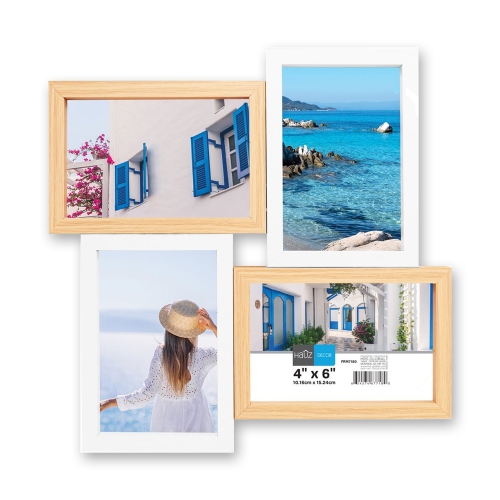
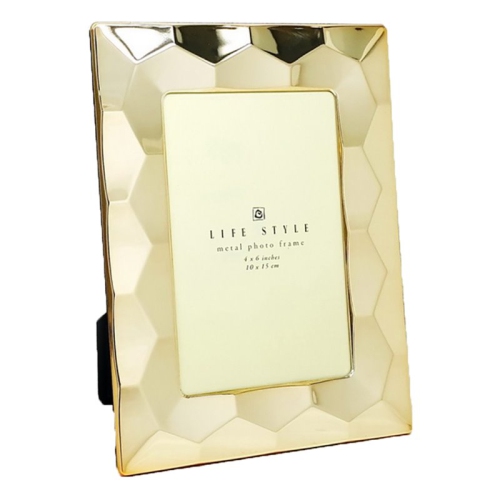
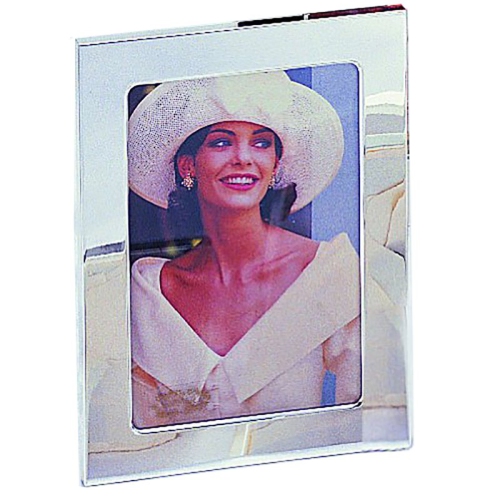
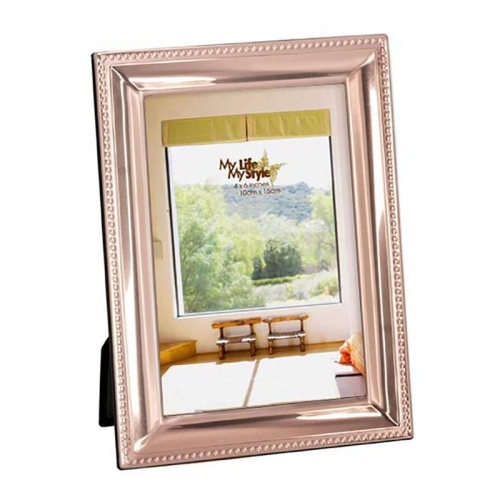
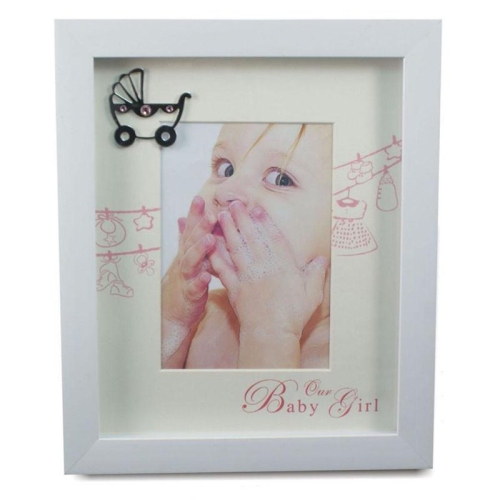
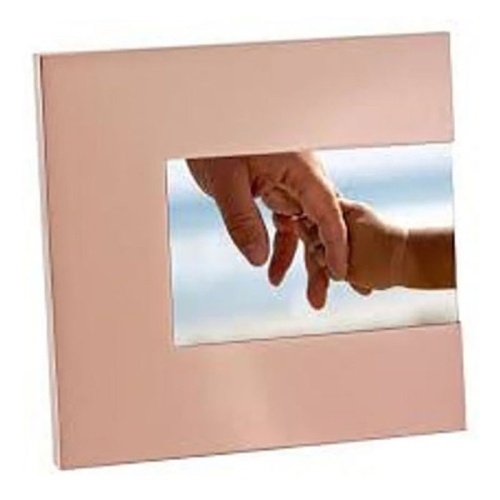
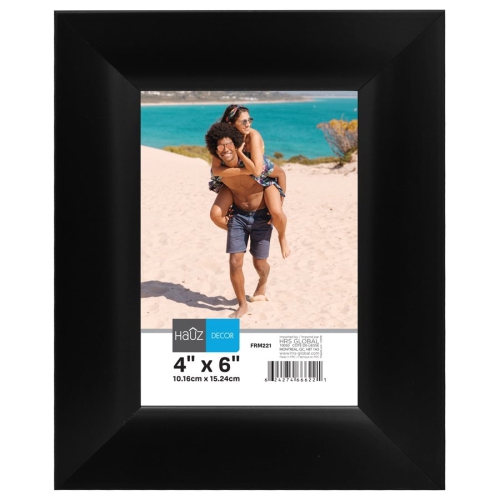
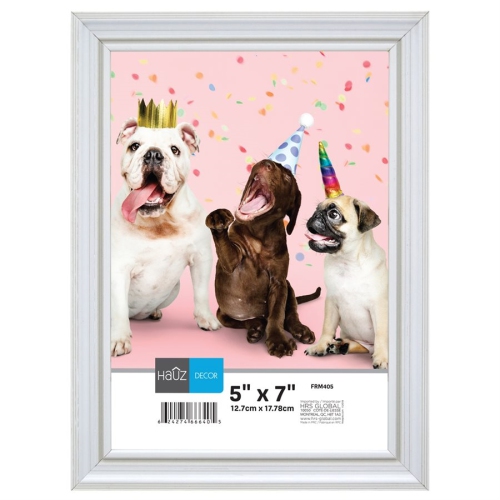
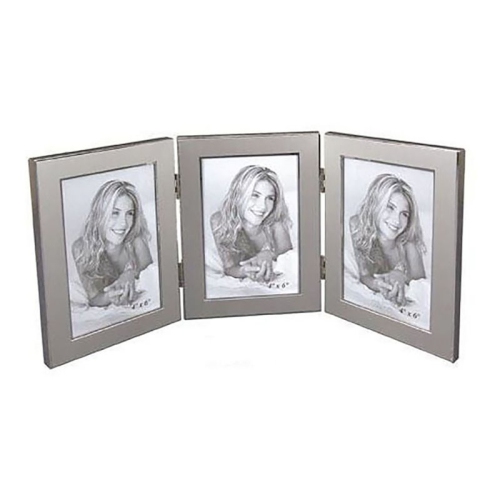
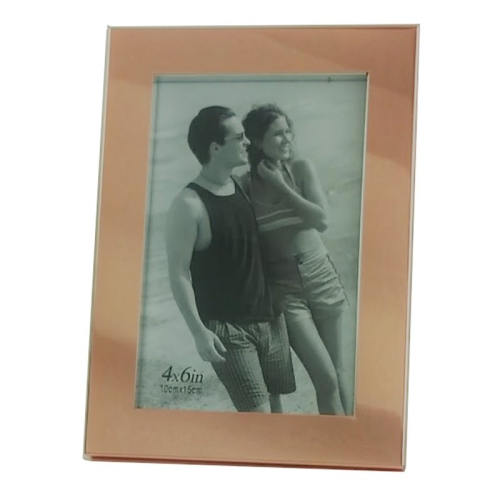
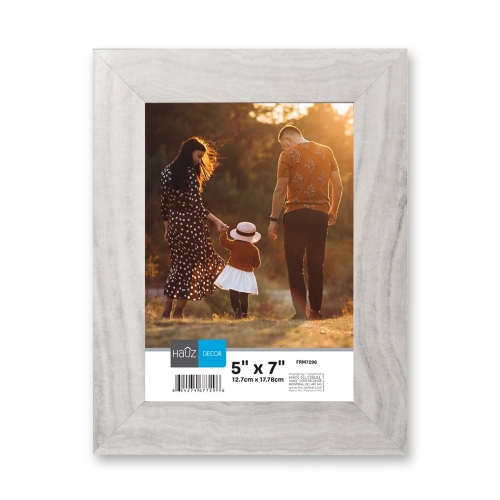
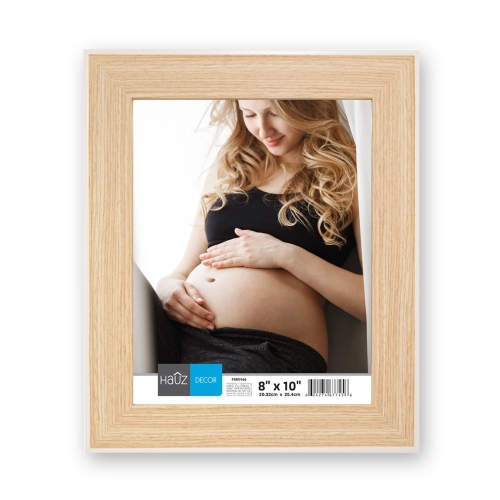
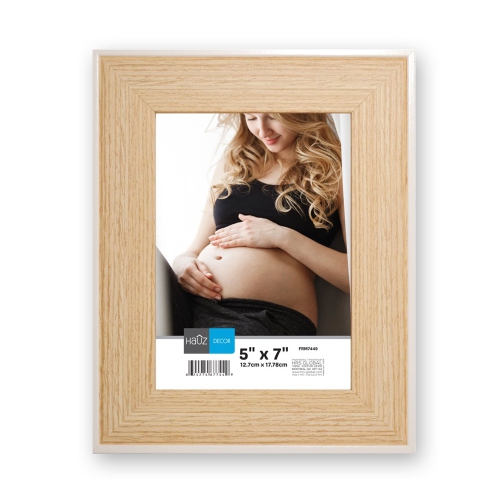
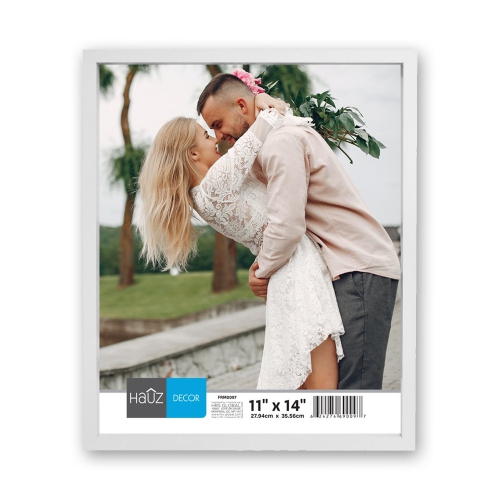
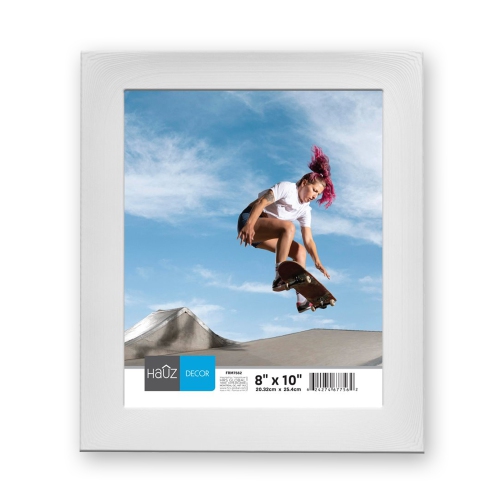

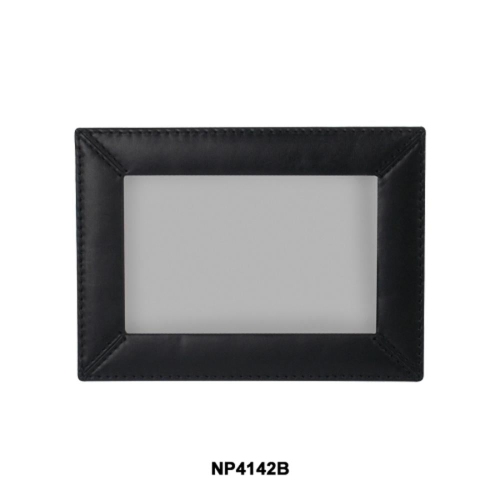



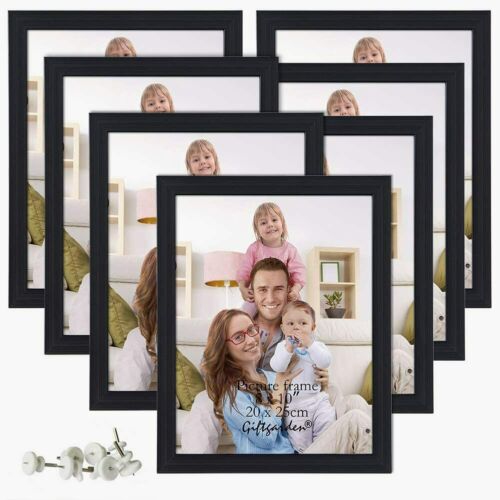
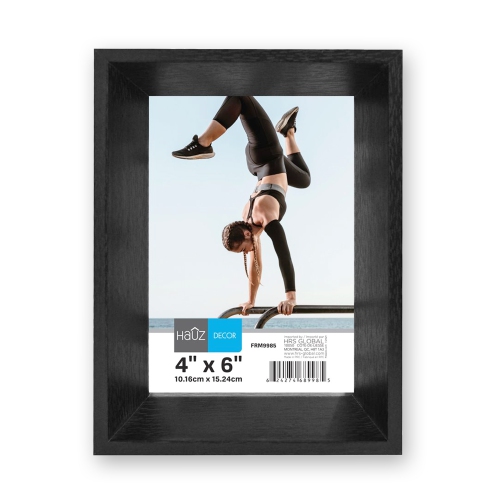
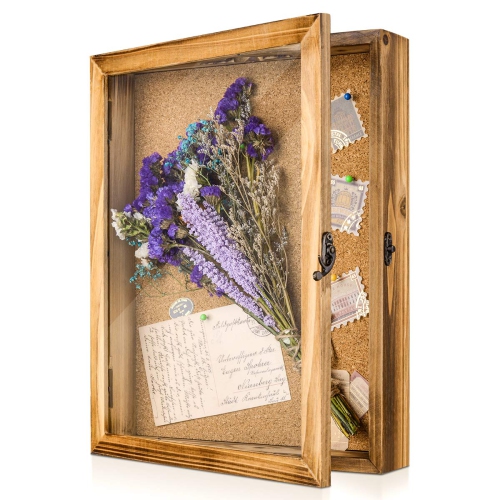
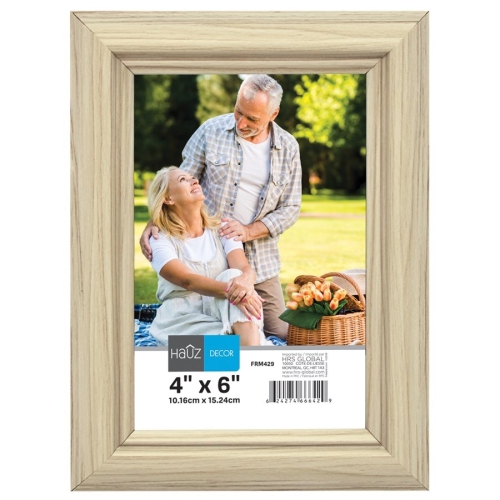
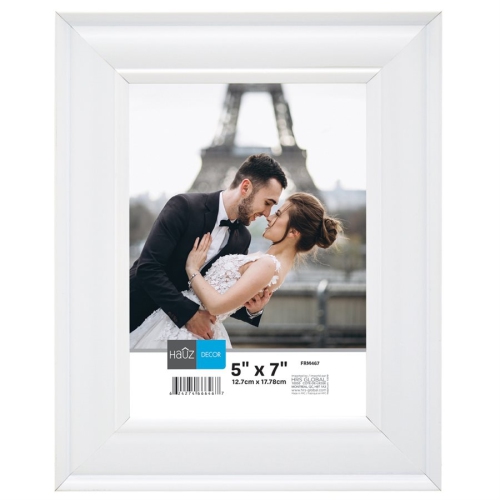
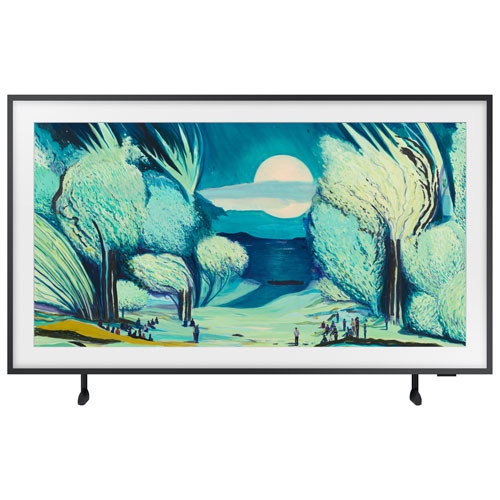
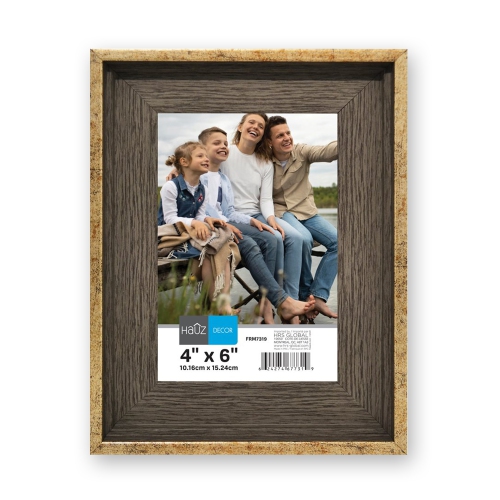
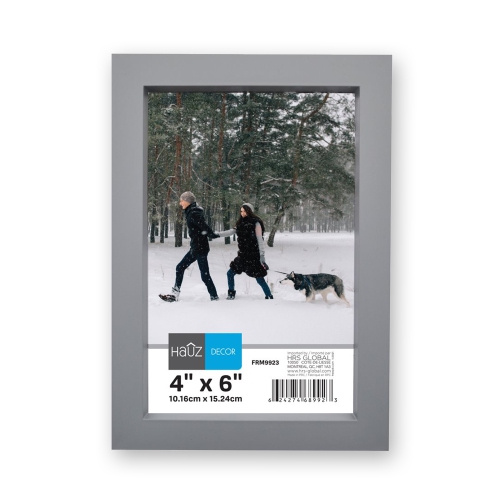
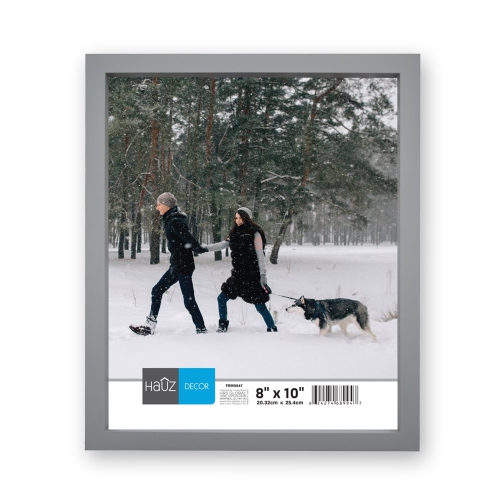
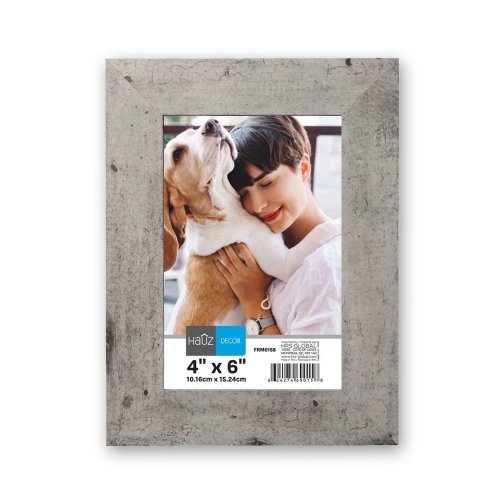
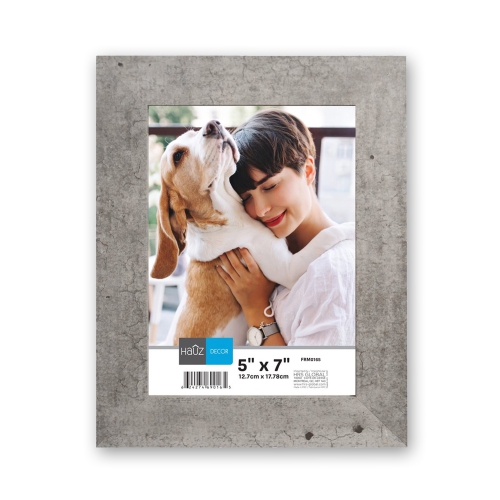
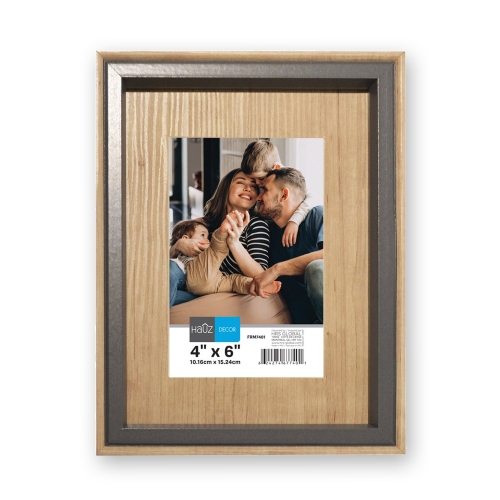

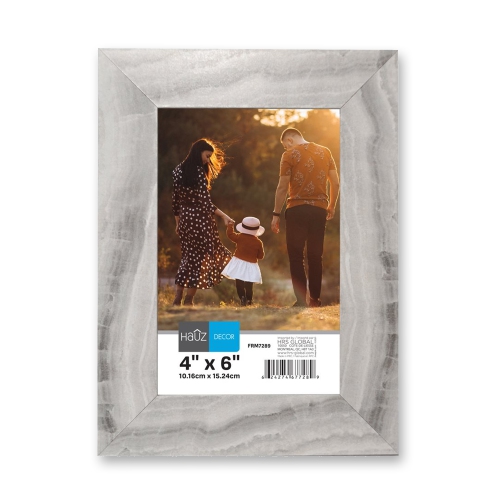
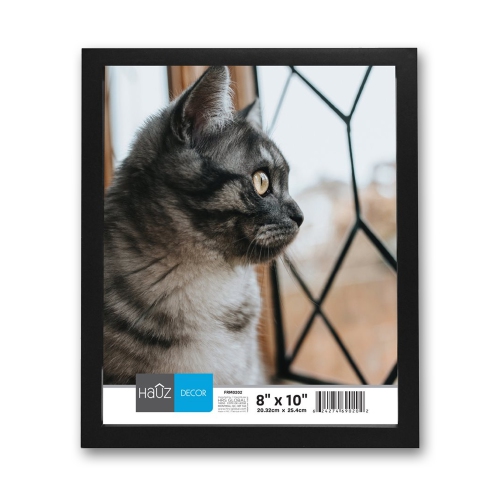
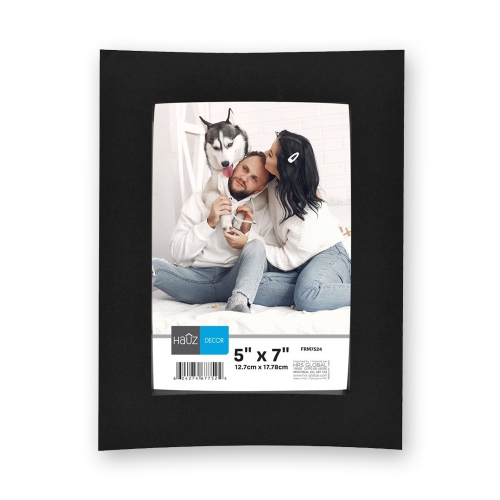
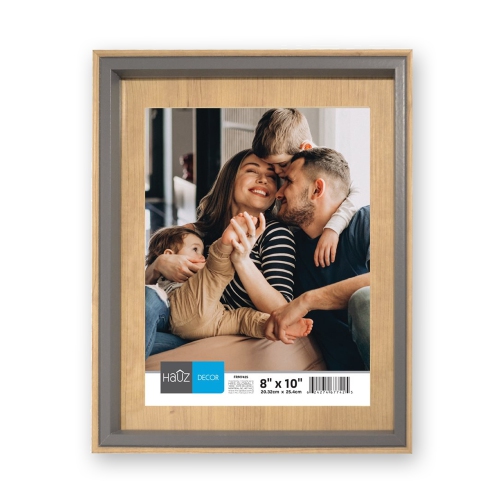
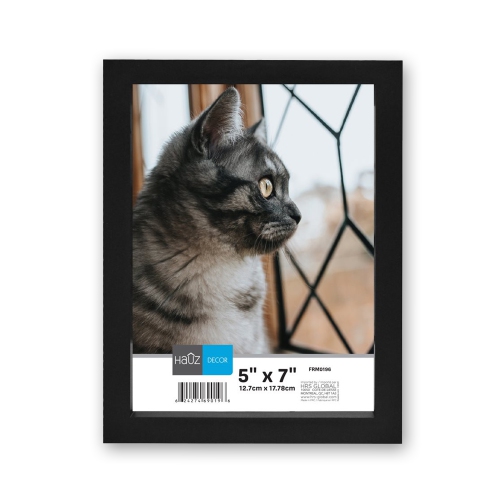

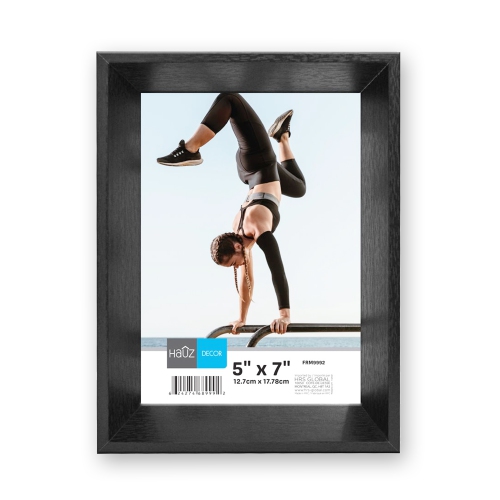

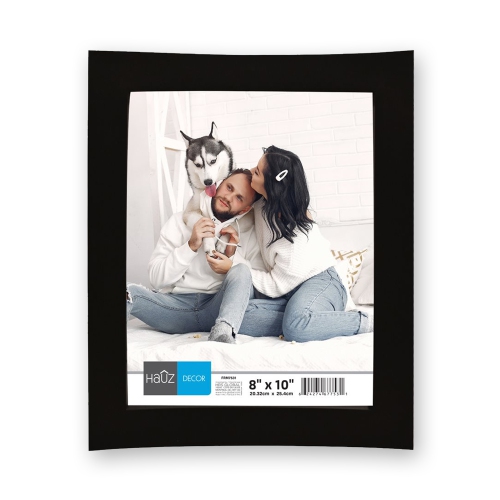

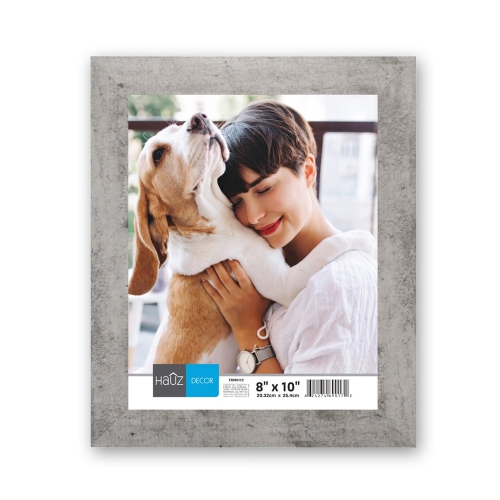


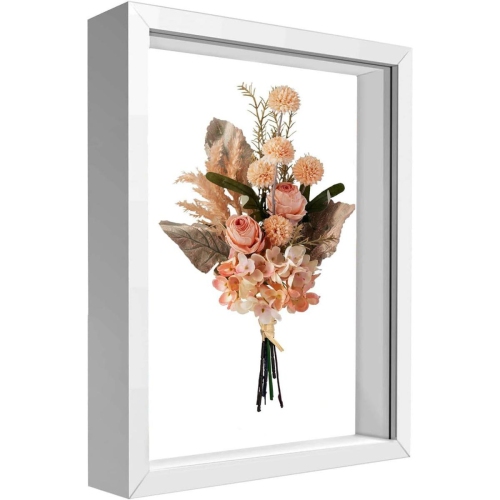
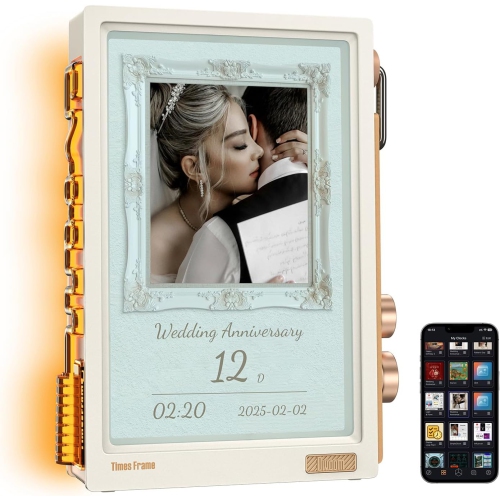

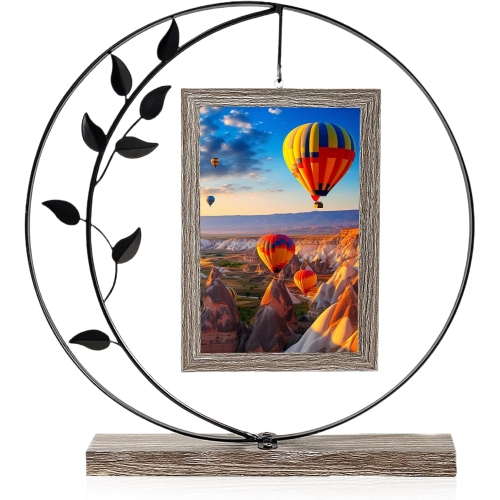
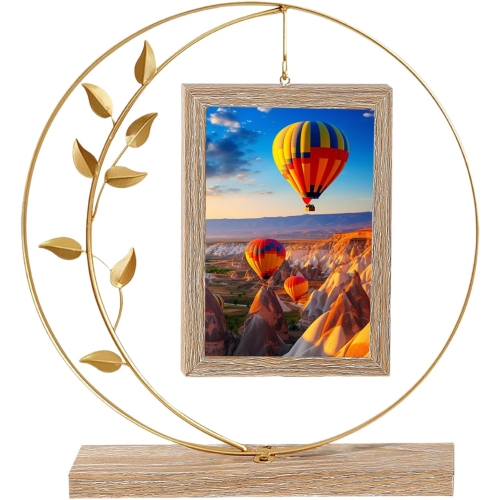
How borders and mats shape your photograph’s presence
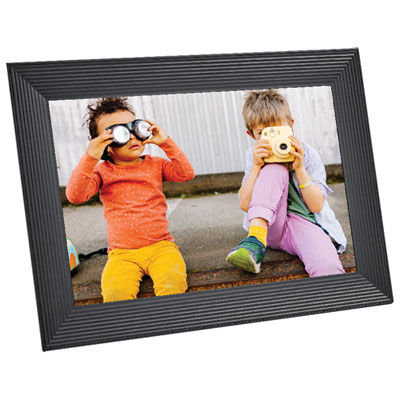
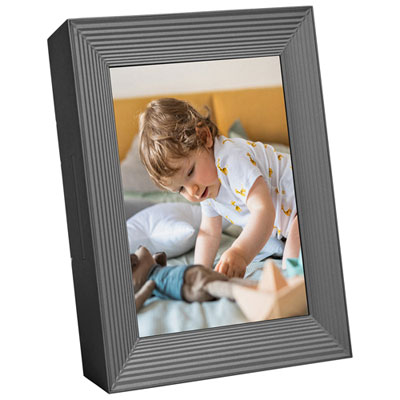
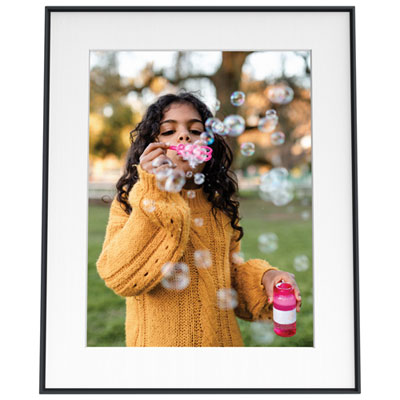
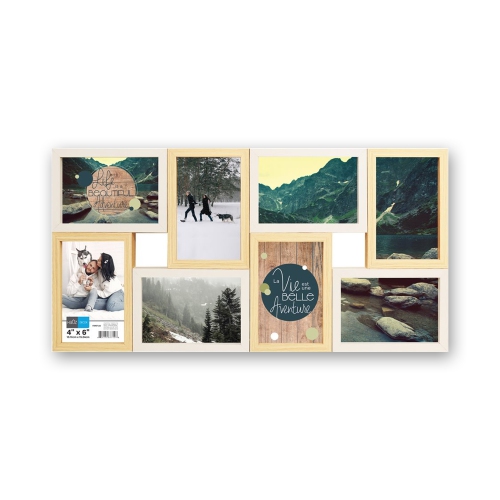
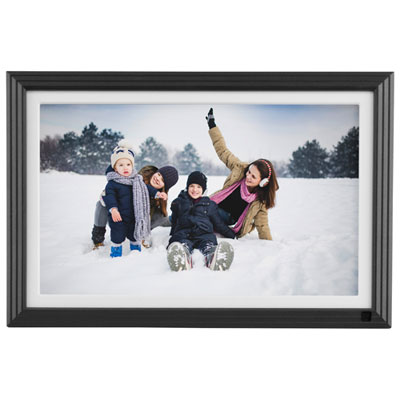
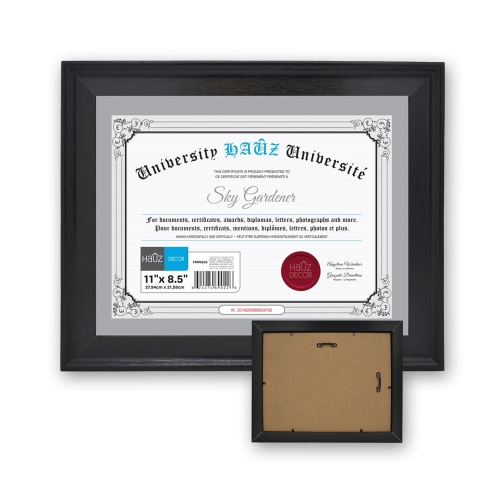
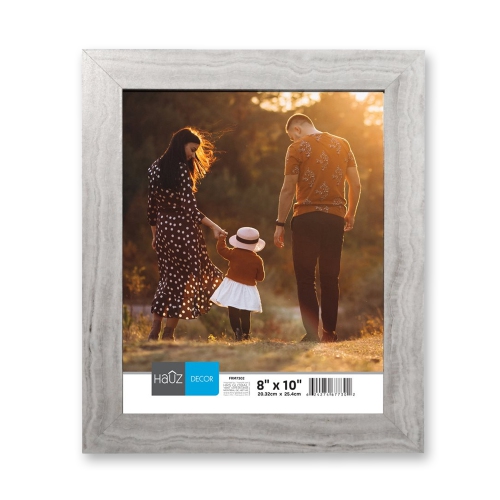
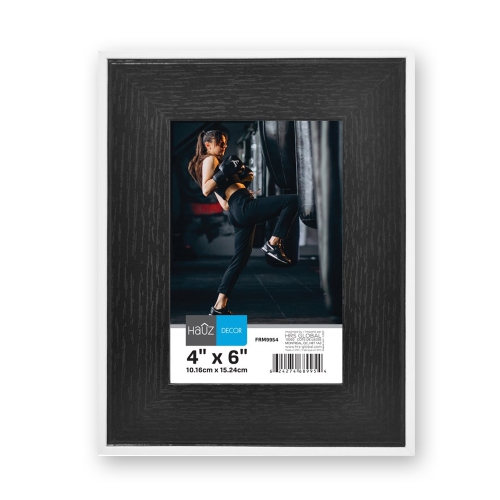
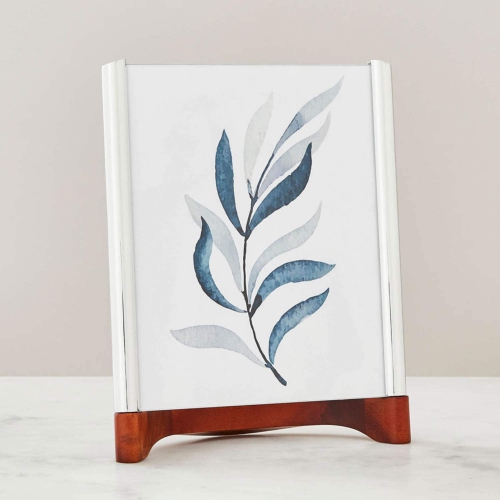
Modern picture frames give photographs, prints, and personal keepsakes a finished place in a room without drawing attention away from what they hold. Their appeal often comes from simple proportions: a narrow border around a black-and-white portrait, a broad white mat surrounding a small landscape, or a slim wood profile that adds warmth to a clean-lined shelf. Modern styling is not limited to one colour or material. Matte metal, pale wood, clear acrylic, and softly textured finishes can all suit contemporary spaces, with different effects depending on the artwork and nearby furnishings. A brushed metal frame can pick up the finish of a desk lamp, while a wood frame can connect a family photograph to an oak sideboard or a bedside table. For a crisp outline that works with both colourful artwork and monochrome photography, black picture frames offer a strong visual anchor without needing elaborate detailing. The width of that outline matters as much as its colour. A thin edge tends to feel understated, whereas a wider profile gives a small image more presence, particularly on an otherwise open wall. Mats also change the balance of a display, adding breathing room between the image and the frame. A generous mat can make a postcard-sized print feel intentional above a writing desk, while an unmatted photograph creates a closer, more immersive view. In shared living spaces, matching frame finishes can bring together photographs taken years apart, even when their colours and subjects differ. A more relaxed arrangement might repeat only one feature, such as pale mats or similarly slim edges, leaving room for a mix of portrait and landscape orientations. Whether holding a graduation photograph, a travel print, or a child’s drawing, the frame helps connect a personal image to the room around it. That versatility makes modern frames useful in apartments, family homes, student rooms, and offices, where wall art often needs to sit comfortably alongside practical furniture and everyday belongings.
The right fit begins with the piece being displayed and the surface where the frame will sit or hang. Frame dimensions commonly refer to the image size the frame accepts, rather than its outside measurements, so the overall footprint may be noticeably larger once the border and mat are included. A matted frame also has two relevant sizes: the space inside the frame and the smaller opening through which the image is visible. That opening usually overlaps the edges slightly to hold the picture in place, which matters when a signature, date, or face sits close to the edge. Square photographs, panoramic prints, and standard rectangular images each need proportions that preserve the intended composition. For thicker paper, layered artwork, or a small textile piece, interior depth and backing clearance deserve attention as well; a shallow photo frame may not close properly around anything more substantial than a print. Materials influence both appearance and everyday handling. Solid wood brings natural variation in grain, while engineered wood can provide a uniform finish and a substantial-looking profile. Metal suits precise, narrow edges, although corners and painted surfaces still benefit from careful handling. Glass offers clarity and a familiar weight, but it can break if dropped. Acrylic glazing is generally lighter and less prone to shattering, making it worth considering for larger displays, though its surface can scratch more easily. Neither material should be assumed to provide protection from ultraviolet light unless that feature is specified. Mounting details are equally practical: a tabletop frame needs a stable stand with enough clearance behind it, while a wall frame needs suitable hanging hardware for its weight and the wall construction. Portrait and landscape placement may require different attachment points. On a narrow hallway ledge, a compact frame with a modest stand can leave more usable space; above a sofa, a larger frame or a balanced group of smaller ones can relate more comfortably to the furniture below. Measuring the available area, including room around the display, helps keep the finished arrangement from feeling cramped.
Living with picture frames involves small decisions that help both the frame and its contents stay in good condition. Direct sunlight can fade photographs and artwork over time, while moisture and frequent temperature changes can affect paper, backing materials, and some frame finishes. A sheltered interior wall is often a better home for a meaningful print than a spot beside a steamy shower or directly above a heat source. For valued photographs, certificates, or original artwork, acid-free mats and backing materials can help reduce damage from contact with unsuitable paper products. A mat or appropriate spacer also keeps the image from resting directly against the glazing, which is especially useful when preserving a print for years rather than simply displaying it for a season. Routine care can remain straightforward: dust the frame with a soft cloth, handle glazing by its edges when possible, and use a cleaning method suited to the material. Spraying cleaner onto a cloth rather than directly onto the frame helps keep liquid from seeping into corners or reaching the artwork. Acrylic needs particular care with abrasive cloths and unsuitable cleaners, while wood and coated metal finishes may have their own care requirements. Secure backing clips and sound hanging fittings matter whenever a display is moved, especially in busy rooms where a shelf might be bumped. Frames also make thoughtful gifts because they can hold something specific to the recipient without dictating the style of an entire room. A favourite family photograph can mark a milestone birthday, a framed print can help someone settle into a new home, and a child’s artwork can become a personal gift for a grandparent. Neutral finishes and familiar image sizes leave flexibility for future changes. During the cooler months, when more time may be spent indoors, these small displays can make a reading corner, entryway, or home office feel more personal. The most useful modern picture frames balance that emotional role with practical construction, allowing an image to remain the focus while fitting naturally into daily life.
The right fit begins with the piece being displayed and the surface where the frame will sit or hang. Frame dimensions commonly refer to the image size the frame accepts, rather than its outside measurements, so the overall footprint may be noticeably larger once the border and mat are included. A matted frame also has two relevant sizes: the space inside the frame and the smaller opening through which the image is visible. That opening usually overlaps the edges slightly to hold the picture in place, which matters when a signature, date, or face sits close to the edge. Square photographs, panoramic prints, and standard rectangular images each need proportions that preserve the intended composition. For thicker paper, layered artwork, or a small textile piece, interior depth and backing clearance deserve attention as well; a shallow photo frame may not close properly around anything more substantial than a print. Materials influence both appearance and everyday handling. Solid wood brings natural variation in grain, while engineered wood can provide a uniform finish and a substantial-looking profile. Metal suits precise, narrow edges, although corners and painted surfaces still benefit from careful handling. Glass offers clarity and a familiar weight, but it can break if dropped. Acrylic glazing is generally lighter and less prone to shattering, making it worth considering for larger displays, though its surface can scratch more easily. Neither material should be assumed to provide protection from ultraviolet light unless that feature is specified. Mounting details are equally practical: a tabletop frame needs a stable stand with enough clearance behind it, while a wall frame needs suitable hanging hardware for its weight and the wall construction. Portrait and landscape placement may require different attachment points. On a narrow hallway ledge, a compact frame with a modest stand can leave more usable space; above a sofa, a larger frame or a balanced group of smaller ones can relate more comfortably to the furniture below. Measuring the available area, including room around the display, helps keep the finished arrangement from feeling cramped.
Living with picture frames involves small decisions that help both the frame and its contents stay in good condition. Direct sunlight can fade photographs and artwork over time, while moisture and frequent temperature changes can affect paper, backing materials, and some frame finishes. A sheltered interior wall is often a better home for a meaningful print than a spot beside a steamy shower or directly above a heat source. For valued photographs, certificates, or original artwork, acid-free mats and backing materials can help reduce damage from contact with unsuitable paper products. A mat or appropriate spacer also keeps the image from resting directly against the glazing, which is especially useful when preserving a print for years rather than simply displaying it for a season. Routine care can remain straightforward: dust the frame with a soft cloth, handle glazing by its edges when possible, and use a cleaning method suited to the material. Spraying cleaner onto a cloth rather than directly onto the frame helps keep liquid from seeping into corners or reaching the artwork. Acrylic needs particular care with abrasive cloths and unsuitable cleaners, while wood and coated metal finishes may have their own care requirements. Secure backing clips and sound hanging fittings matter whenever a display is moved, especially in busy rooms where a shelf might be bumped. Frames also make thoughtful gifts because they can hold something specific to the recipient without dictating the style of an entire room. A favourite family photograph can mark a milestone birthday, a framed print can help someone settle into a new home, and a child’s artwork can become a personal gift for a grandparent. Neutral finishes and familiar image sizes leave flexibility for future changes. During the cooler months, when more time may be spent indoors, these small displays can make a reading corner, entryway, or home office feel more personal. The most useful modern picture frames balance that emotional role with practical construction, allowing an image to remain the focus while fitting naturally into daily life.
Top selling and popular products
-
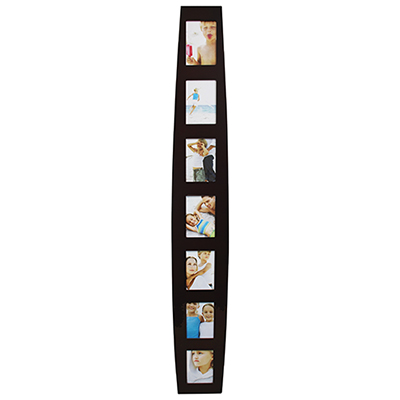 Your price for this item is $99.98
 -
 Your price for this item is $89.99
 -
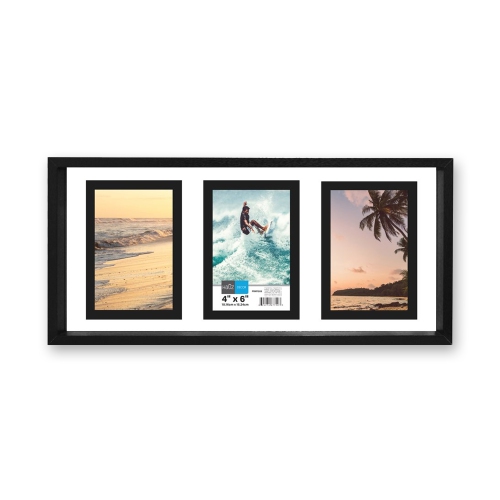 Your price for this item is $16.97
 -
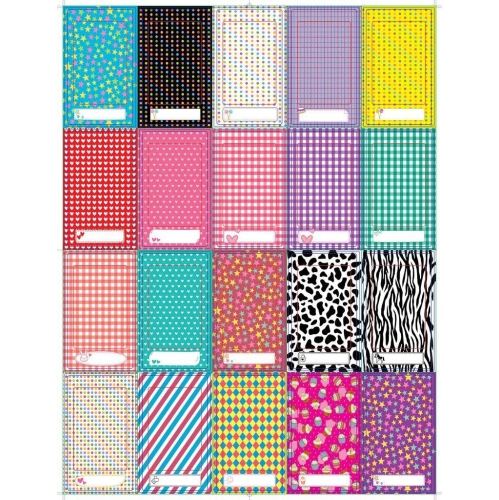 Your price for this item is $14.99
 -
 Your price for this item is $8.97
 -
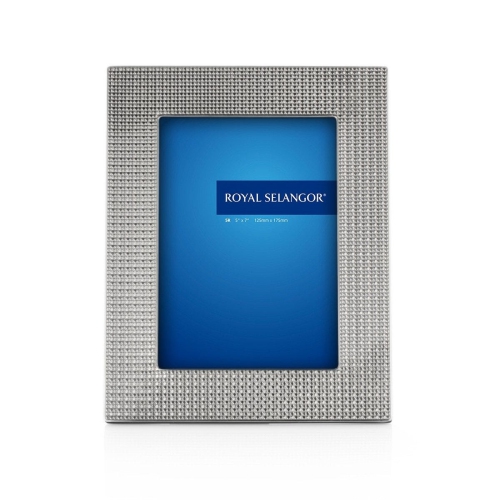 Your price for this item is $225
 -
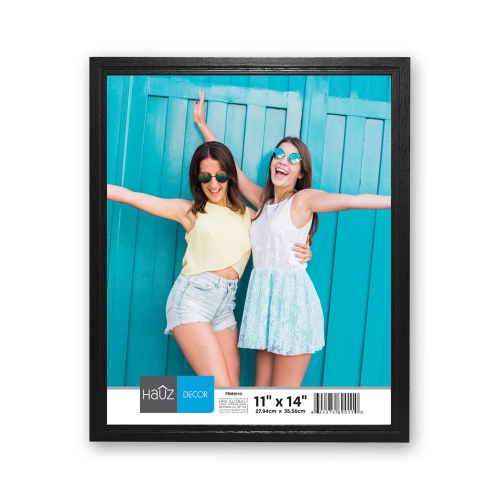 Your price for this item is $14.97
 -
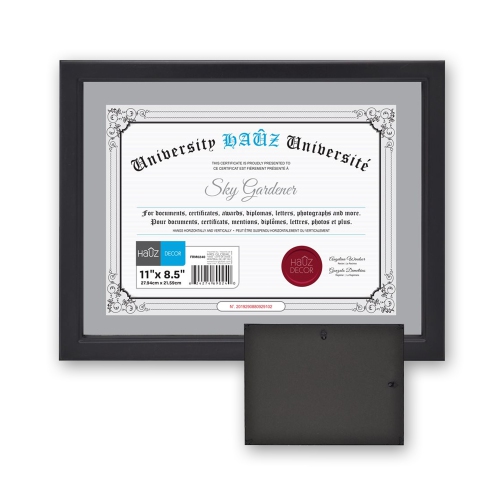 Your price for this item is $6.97
Discover more categories related to Modern Picture Frames
Top Collections:
Pokemon Centers, Kindle Devices, Best Budget Office Chairs, Apple iPhones 16, Best Laptops for Writers, iPhone 15 Apple, Canon G7X Cameras, Refurbished Apple Laptops, Alarm Clock, Motorola Razr Phones
Some products may be subject to Environmental Handling Fees
(EHF) depending on your province.
Learn more about EHFs.