Modern Upholstered Headboards
Upholstered headboards are a great way to add a touch of modern style to your bedroom. They're also a great way to make a statement about what you want your bedroom to feel like. If you're looking for a modern upholstered headboard, here are some great options.
Sort

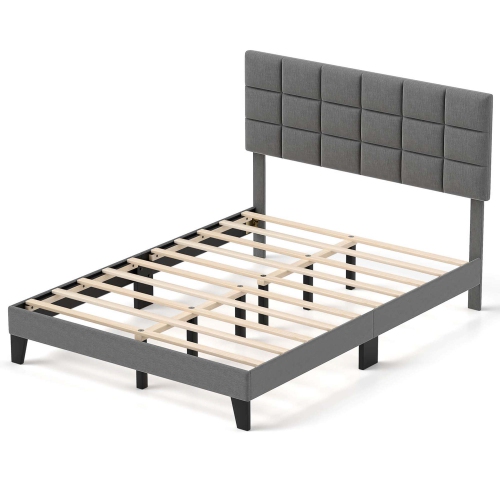
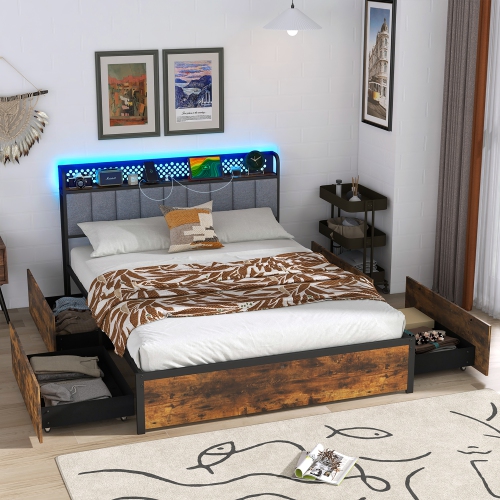
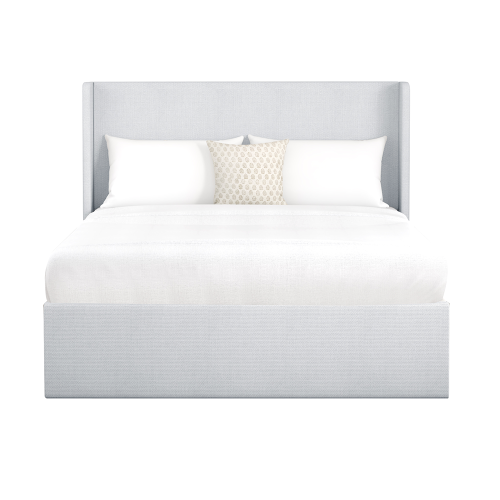
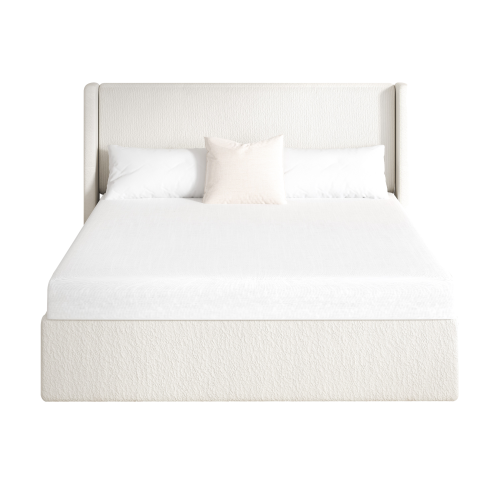
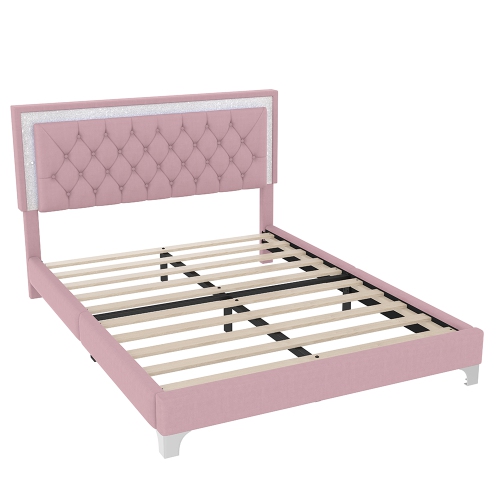
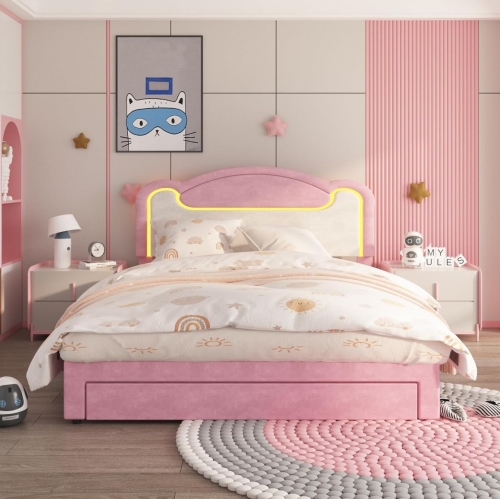
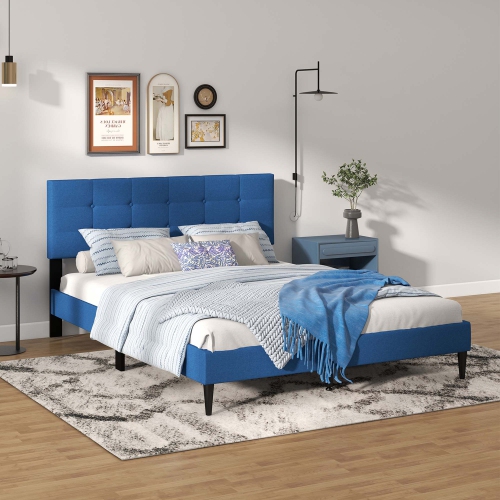
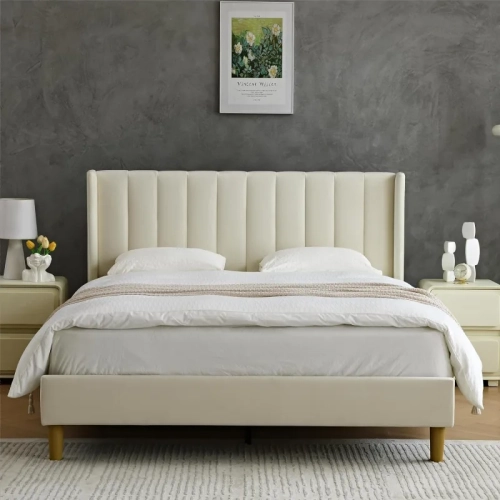


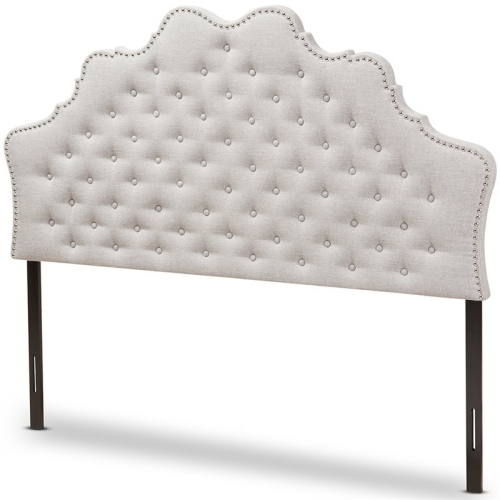
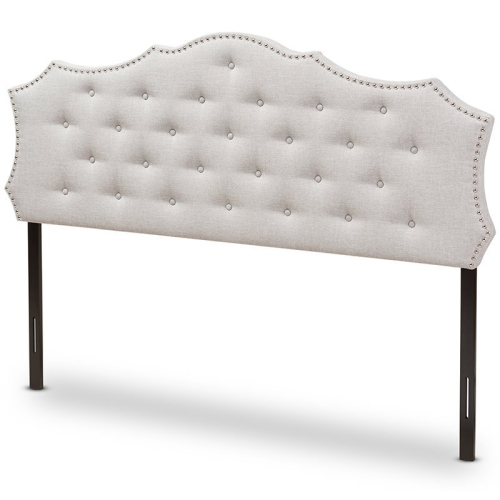
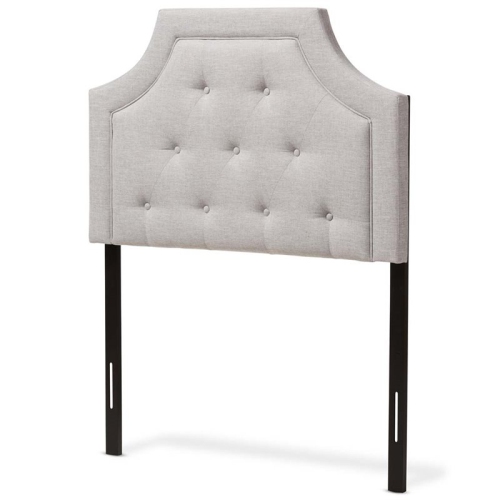
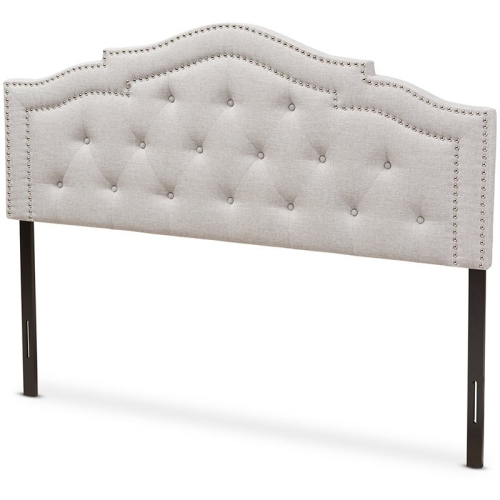
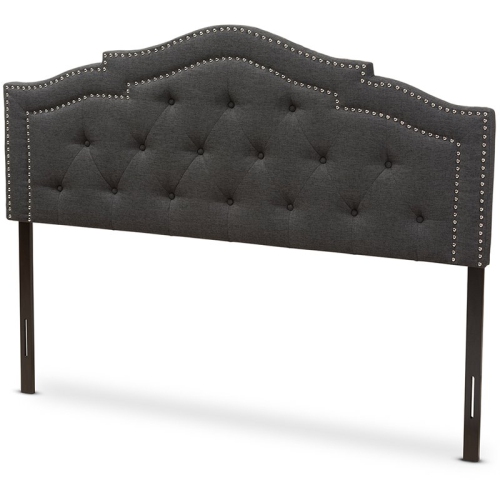
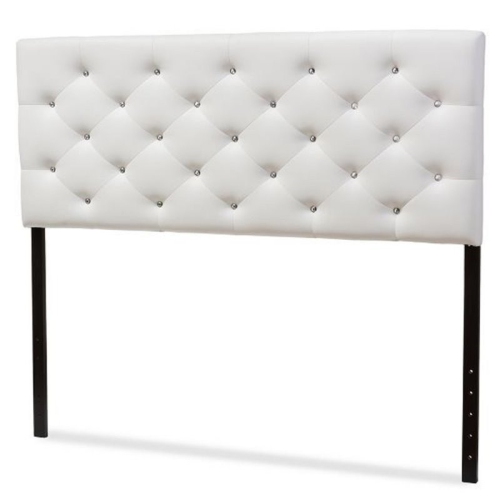
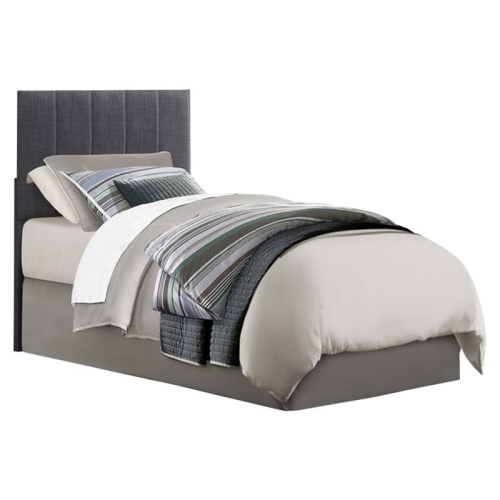
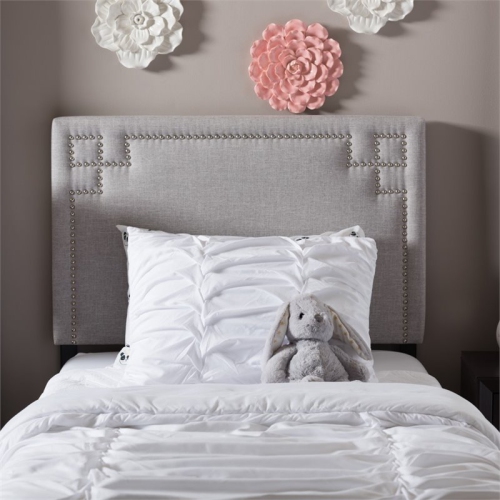
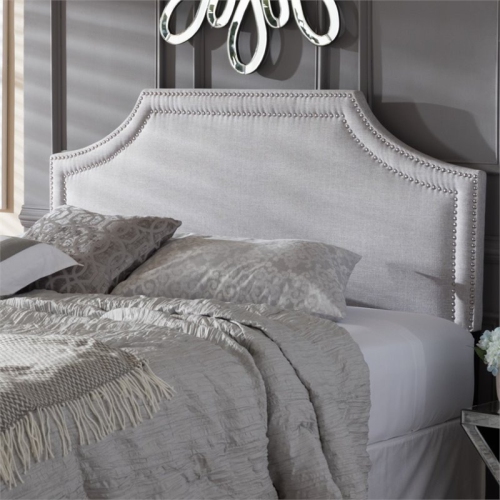
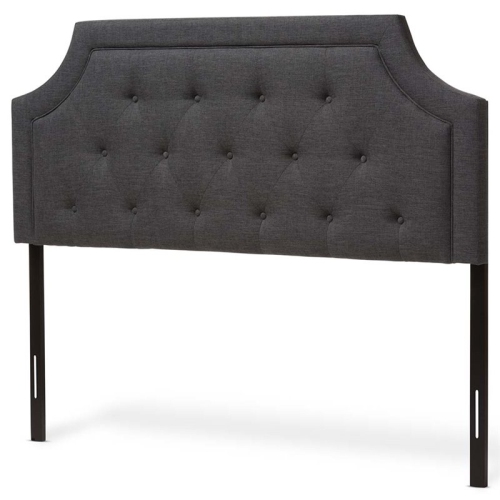
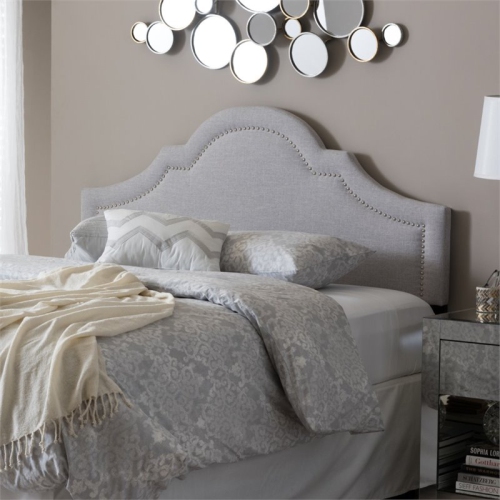
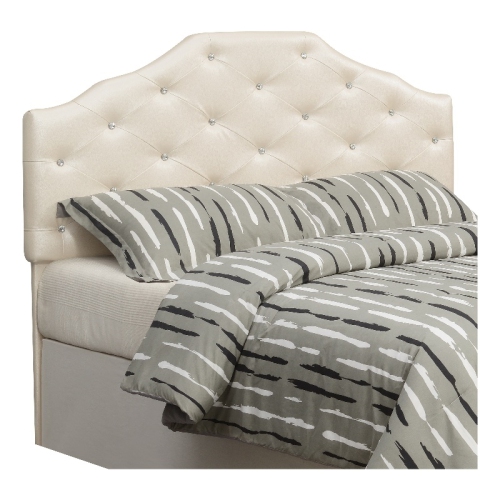
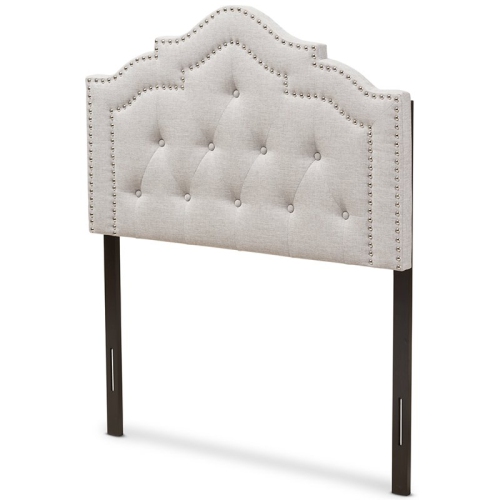
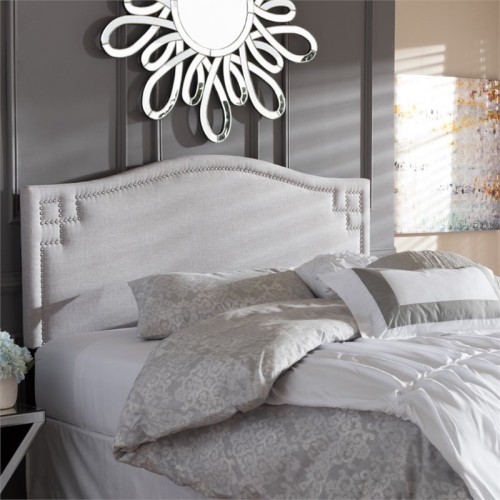
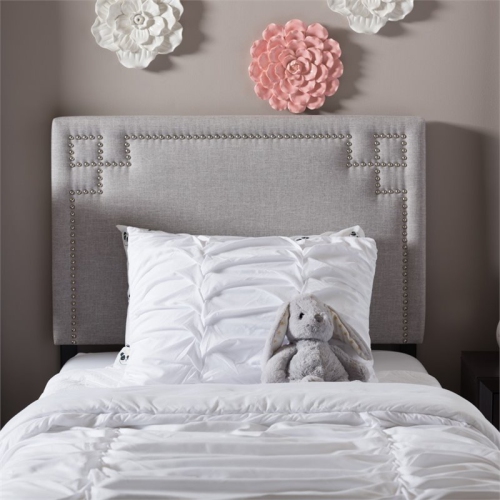
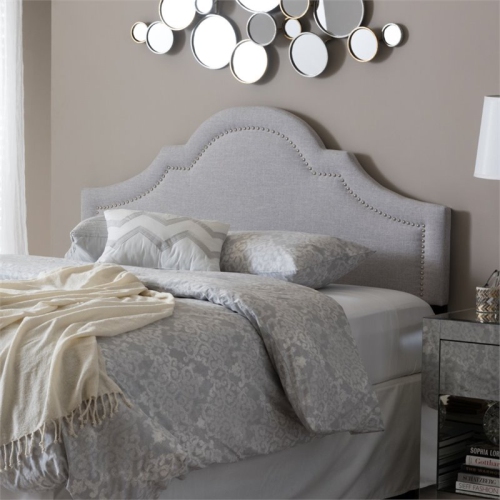
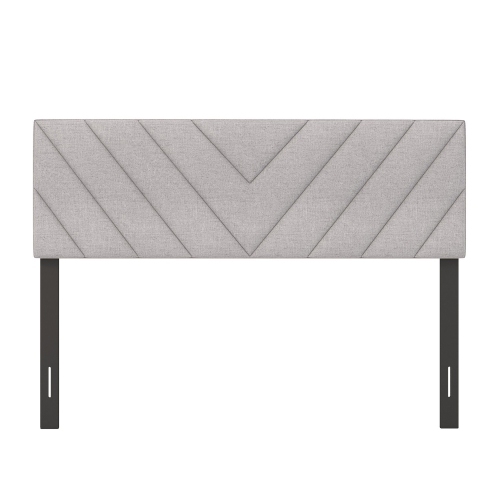
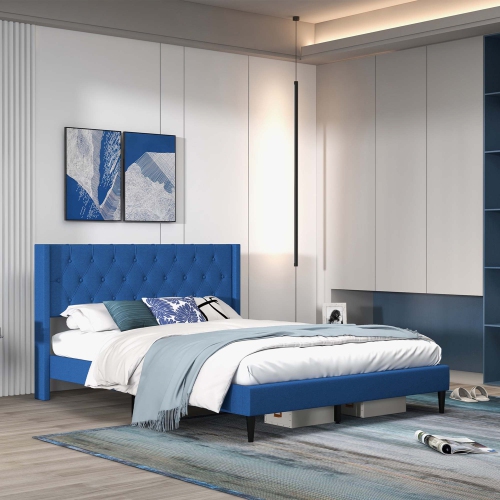
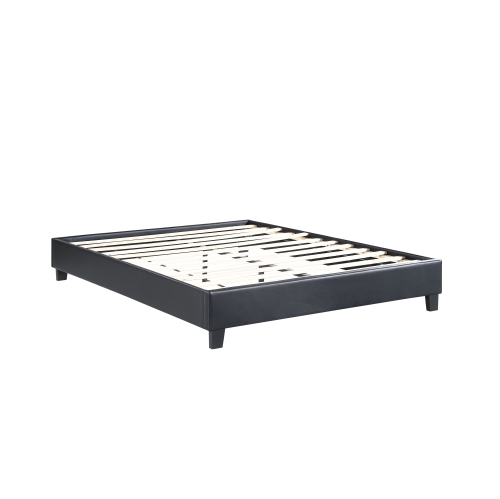
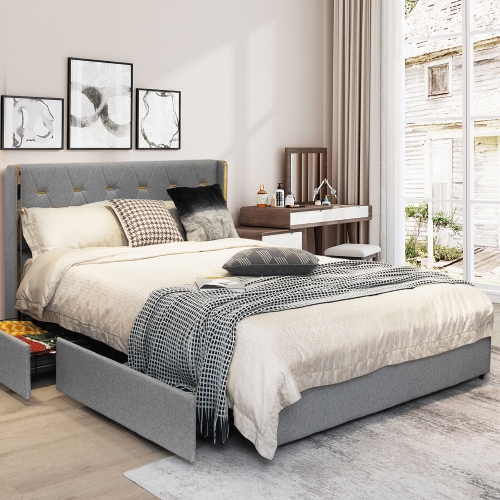
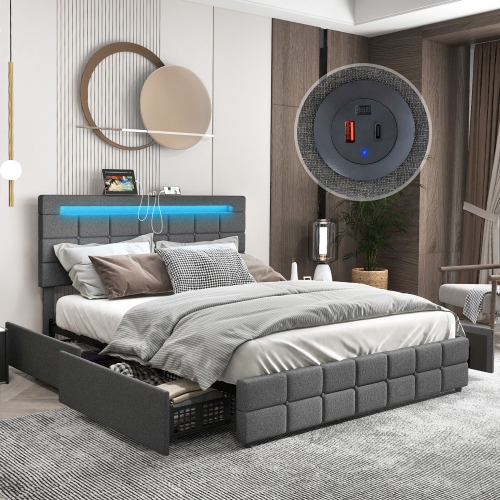
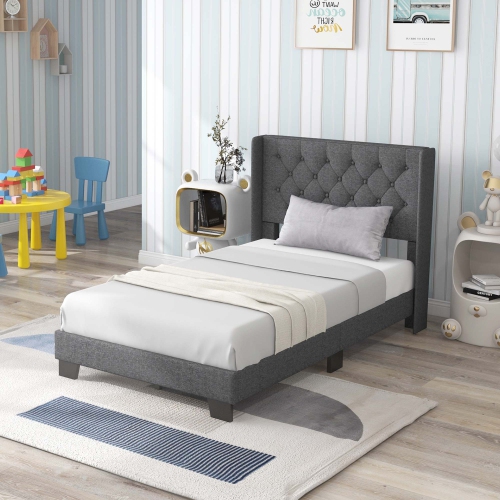
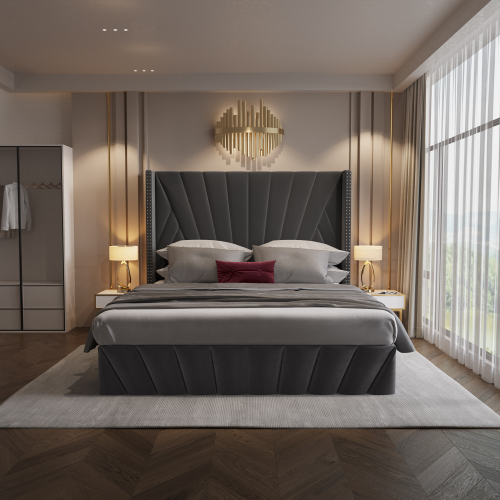
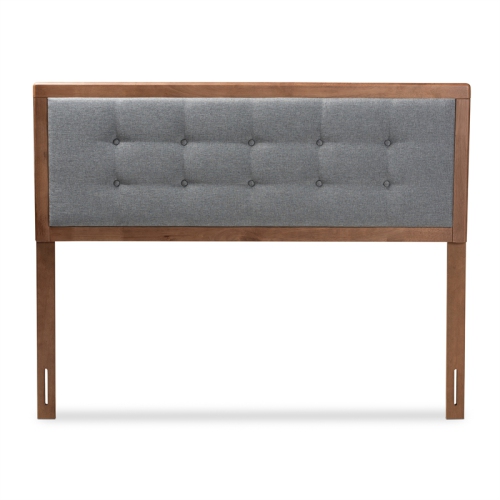

A softer backdrop for the bed you already have
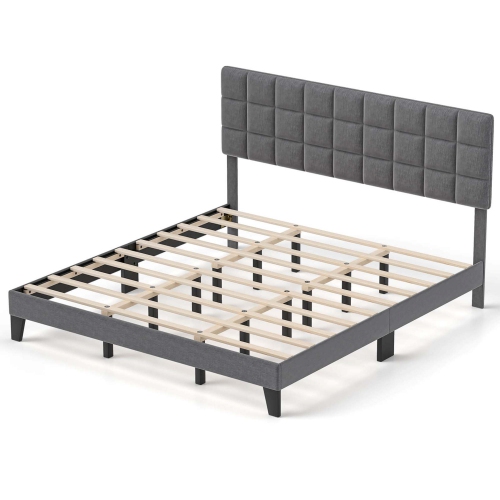
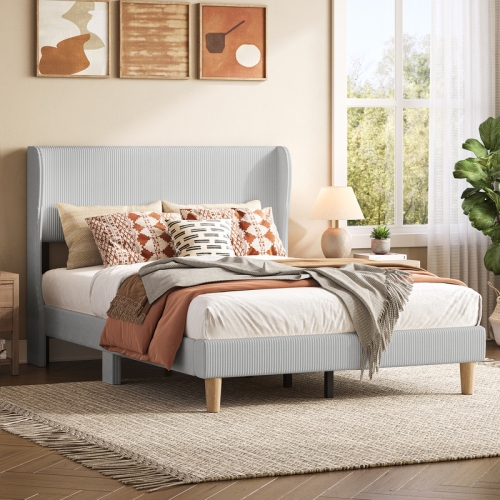
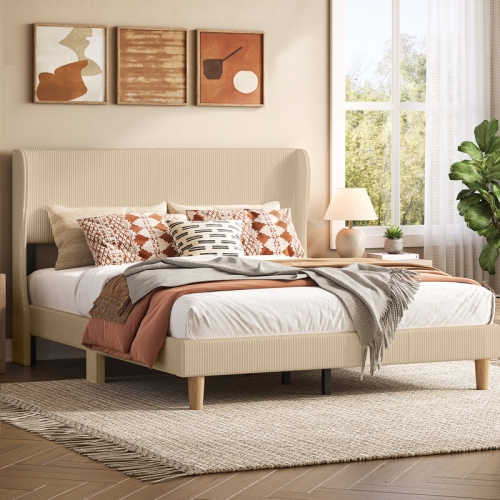
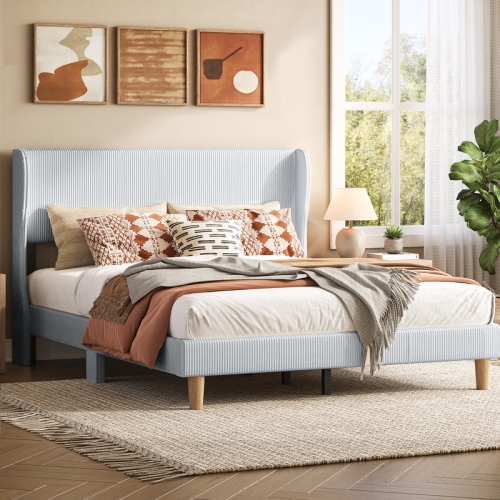
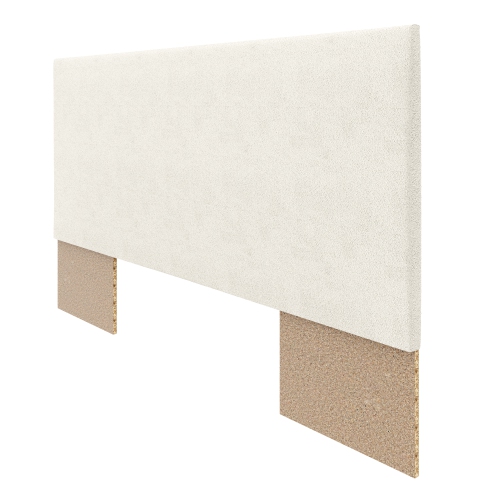
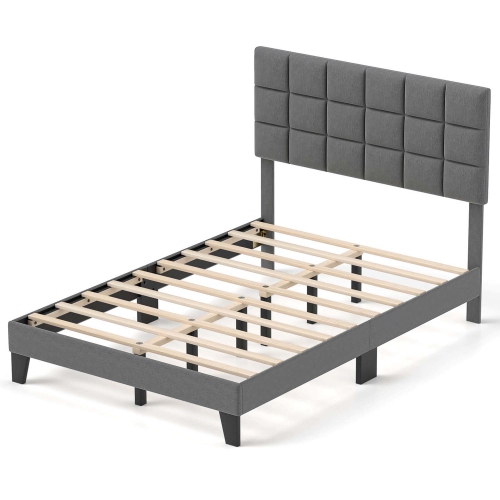
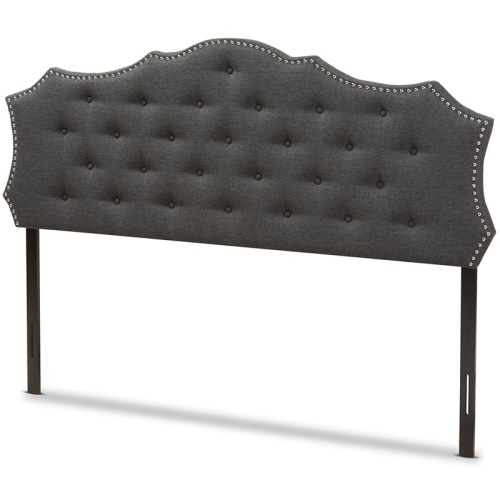
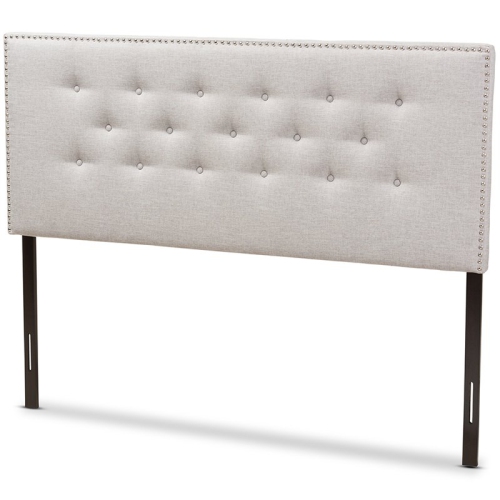
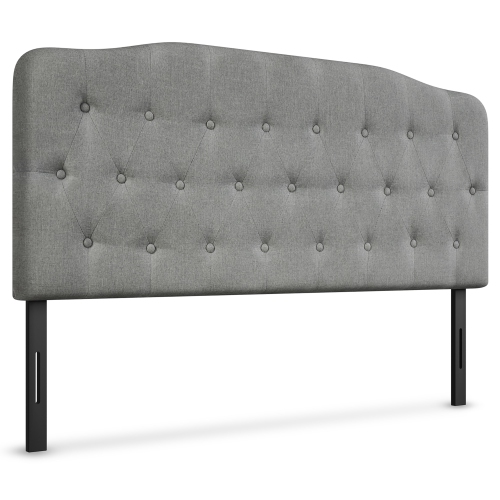
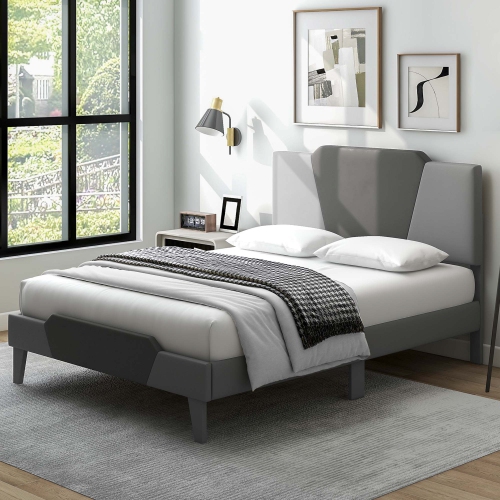
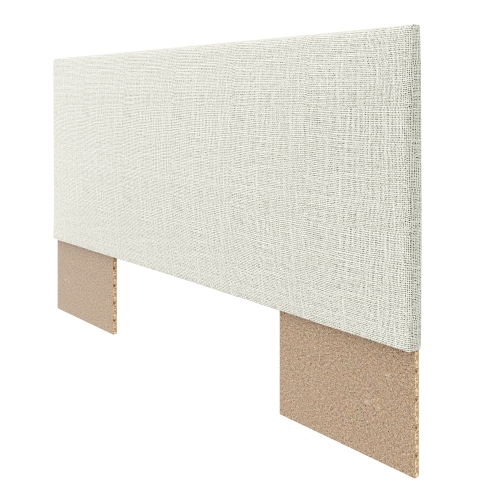
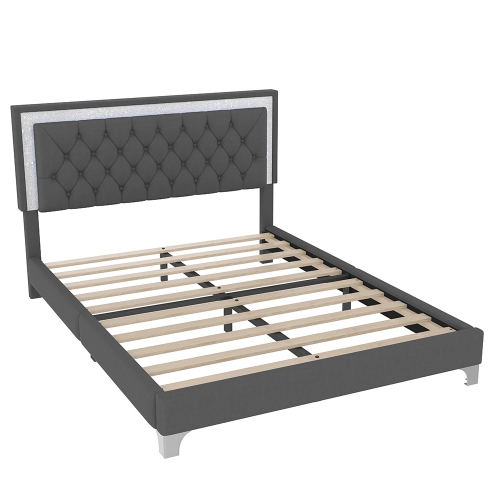
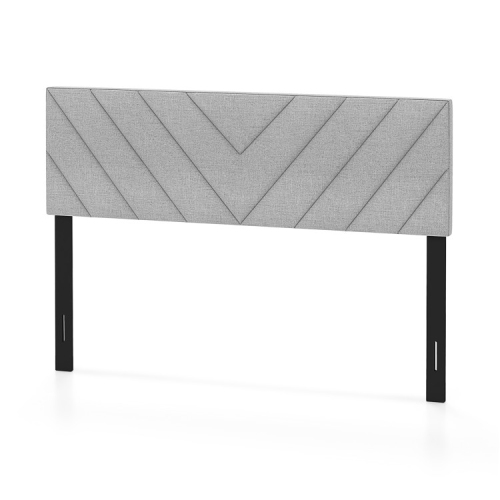
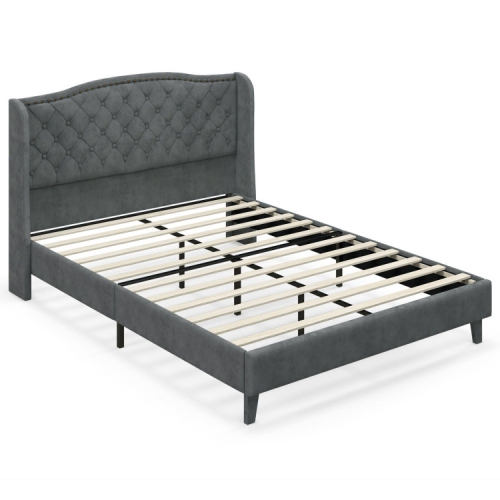
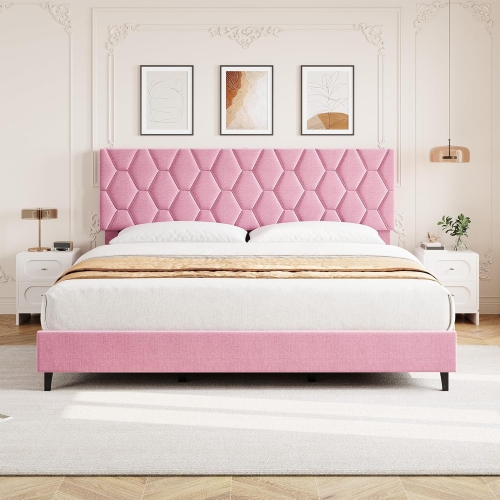
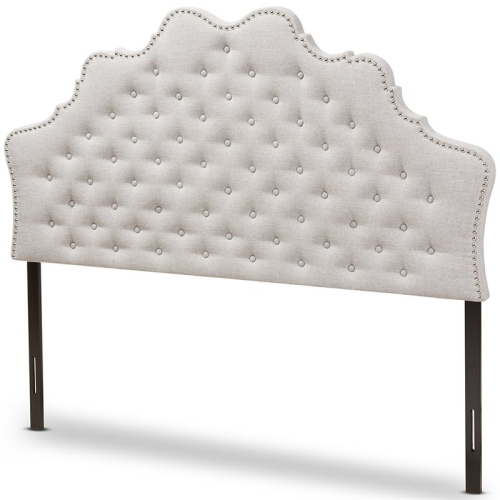
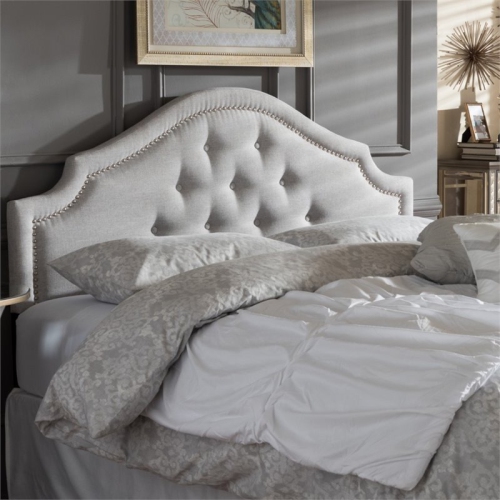
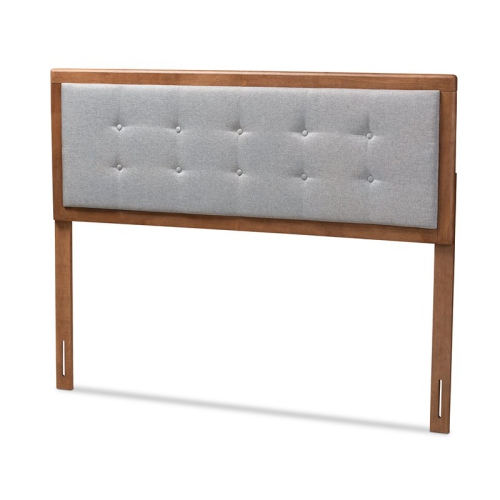
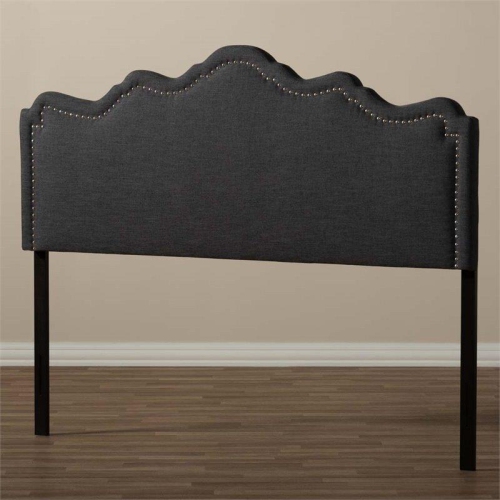
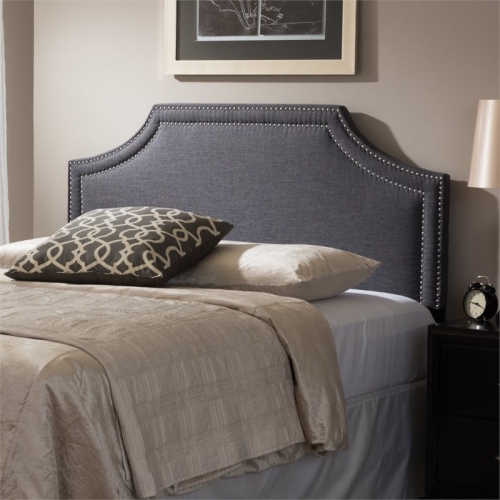
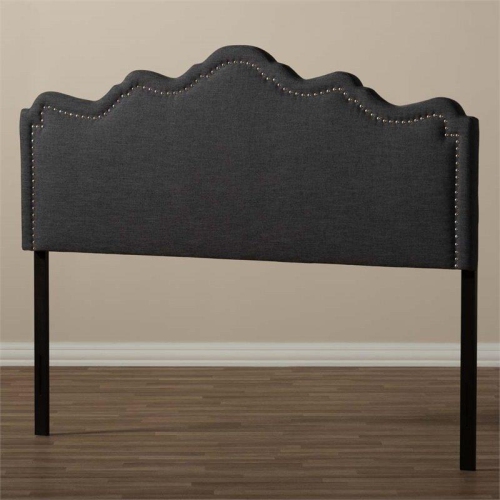
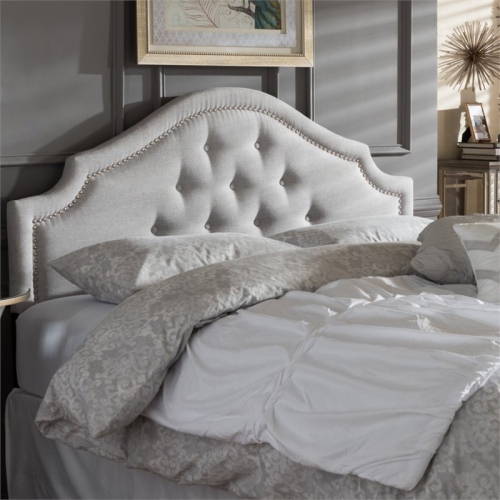
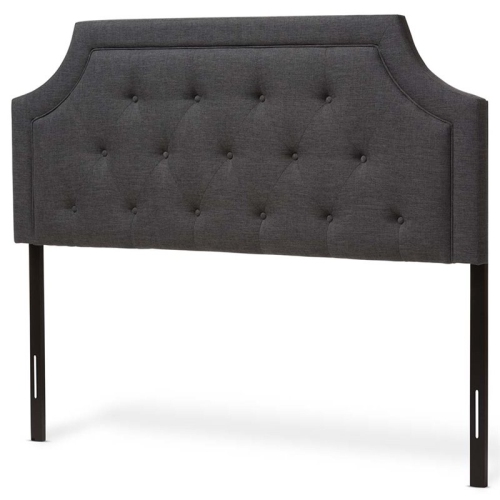
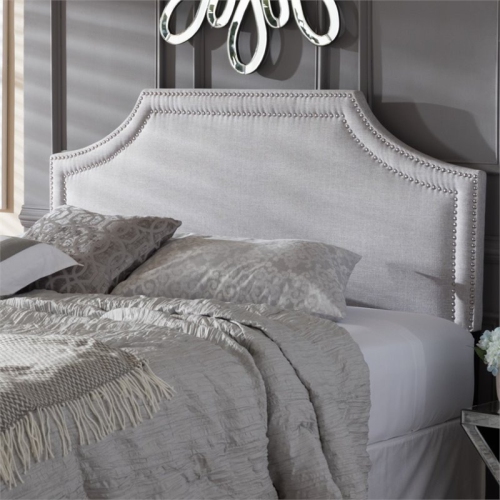
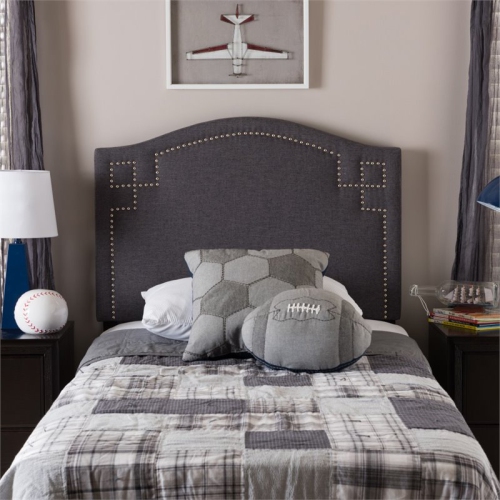
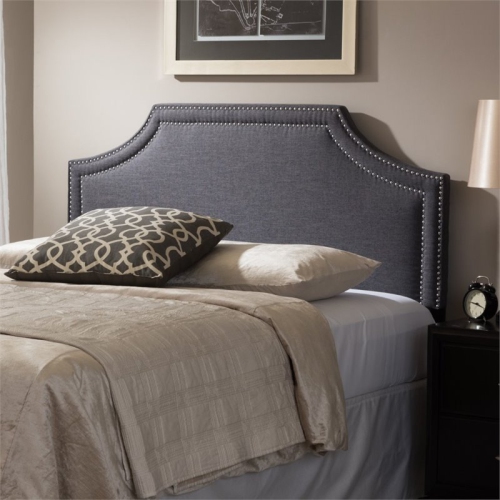
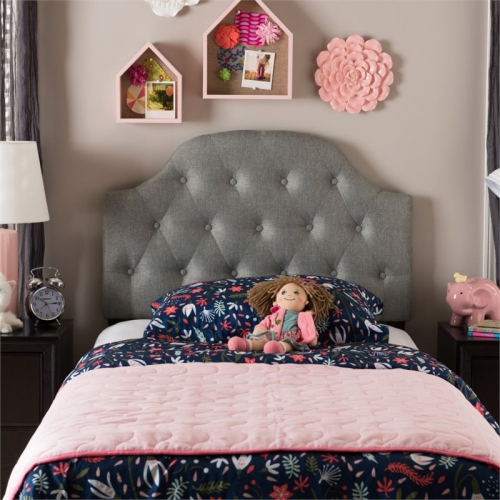
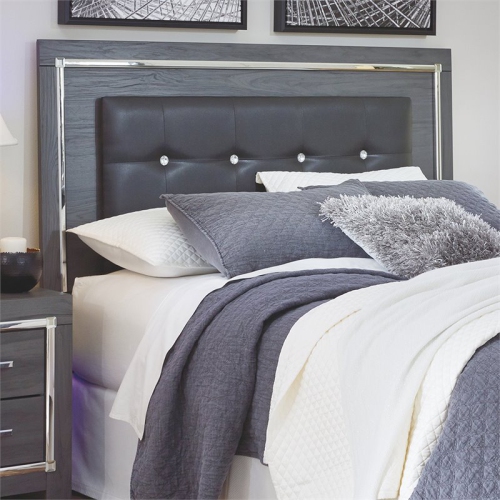
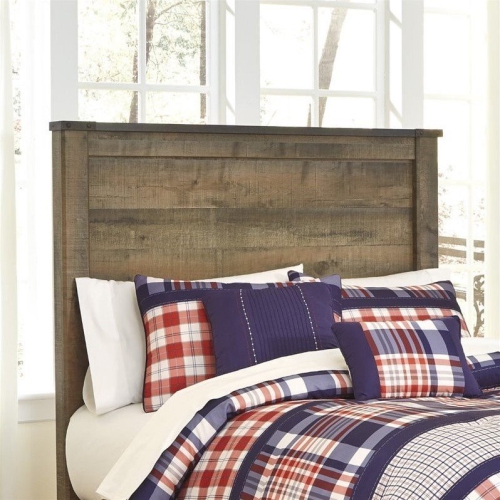
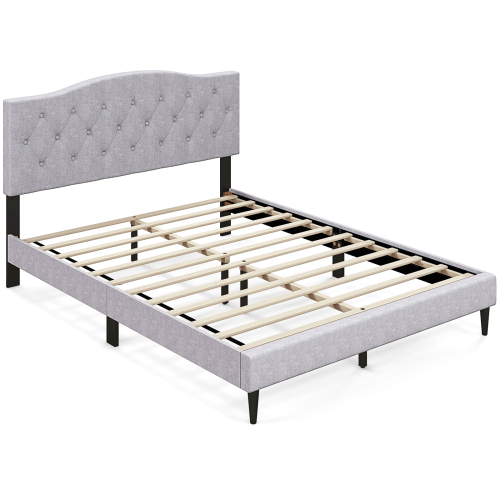
Modern upholstered headboards combine a padded surface with a fabric or leather-look covering to give the bed a finished appearance and a softer place to lean. Their defining features often include clean outlines, restrained detailing, and upholstery that adds texture without making the room feel busy. Vertical channel stitching creates a rhythmic, architectural look, while broad horizontal panels emphasize the width of the bed. A smooth rectangular headboard suits a simple, tailored bedroom; an arched or gently curved profile softens the straight lines of nightstands, dressers, and window frames. Tufting can also feel contemporary when it uses widely spaced stitching or subtle indentations rather than elaborate ornamentation. The overall effect depends as much on proportion and fabric as on shape. A tall upholstered headboard makes the bed a stronger focal point, particularly against an otherwise plain wall, while a lower profile leaves more room for artwork and can sit comfortably beneath a sloped ceiling. Neutral colours such as oatmeal, warm grey, cream, and charcoal work with a wide range of bedding, whereas a deep blue or muted green can provide contrast without requiring patterned accessories. Texture offers another way to bring depth to a quiet colour palette: bouclé has a looped, tactile surface, velvet catches light differently across its pile, and woven upholstery can have the relaxed appearance of linen. These headboards suit primary bedrooms, guest rooms, and smaller bedrooms where a few well-chosen furnishings need to carry the design. They can refresh the appearance of an existing bed without replacing the entire frame, provided the attachment system is compatible. For someone who reads a few chapters before sleep or sits up to watch a film, padding can make the space behind the pillows more comfortable than an exposed hard surface. The headboard still needs secure installation, and its padding is best treated as a complement to supportive pillows rather than a substitute for them.
Fit involves more than matching a twin, double, queen, or king label. The headboard’s overall width, height, depth, and mounting arrangement all affect how it works with the bed and the surrounding furniture. Some designs closely follow the width of the mattress, while others extend beyond it to create a broader backdrop. That extra width can look intentional behind a pair of nightstands, but it may crowd a narrow wall or overlap an electrical outlet. In a compact room, a thick, deeply padded profile also takes up space between the bed and wall, potentially reducing clearance at the foot of the mattress. The most useful height is the portion that remains visible above the assembled bed, including the frame, foundation if required, mattress, and bedding. A thick mattress and several large pillows can hide much of a short headboard; a taller design may leave its channels or curved outline visible once the bed is made. Adjustable-height legs can help with positioning where the design allows, but the stated adjustment range and attachment points still matter. Frame-mounted headboards connect to compatible brackets on the bed frame, so bolt spacing, bracket shape, and any required hardware should be checked rather than assumed from the bed size alone. Wall-mounted designs attach independently of the frame and can offer more flexibility in placement, although the wall construction, appropriate anchors, and installation instructions determine how they must be secured. Modular upholstered panels can create a wider or taller arrangement, with careful alignment helping the seams look deliberate. For adjustable beds, clearance through the base’s full range of movement is important, and compatibility should be confirmed with the relevant manufacturers. A headboard is generally a finishing component, not a replacement for the structural support a mattress requires. Shoppers furnishing a room from scratch may also consider Modern Upholstered Beds for a coordinated frame and headboard design. A separate upholstered headboard is especially useful when an existing frame already provides the right support and the main goal is to change the look and feel at the head of the bed.
Upholstery choice influences both everyday comfort and the amount of upkeep a headboard needs. Woven polyester and blended fabrics can offer a neat, versatile finish, but durability depends on the particular weave, backing, and construction rather than the fibre name alone. Linen and linen-look coverings bring visible texture, with colour variation and small irregularities sometimes forming part of their appearance. Velvet provides a smoother, plush surface, although its pile can show pressure marks or changes in shading where pillows rest against it. Bouclé adds pronounced texture, but its loops may be more vulnerable to snagging from jewellery or a pet’s claws. Faux leather offers a different feel and may allow straightforward surface cleaning when the care instructions permit it; abrasive cleaners and unsuitable conditioning products can damage the finish. Performance upholstery may have specific stain-resistance or cleaning features, but the label does not mean every spill can be removed or that all cleaning methods are safe. A firmly padded surface tends to hold a crisp silhouette, while softer cushioning may feel more yielding when leaned against. Beneath the covering, a stable frame, securely attached legs or brackets, and evenly finished seams help the headboard stand up to regular use. Care is usually simplest when it is routine: gently removing dust with an upholstery attachment, addressing marks promptly according to the fabric instructions, and keeping sharp objects away from the covering. Removable upholstery should only be washed if the manufacturer explicitly allows it. Pale fabrics may show marks from hair products or frequent contact more readily, while darker solid colours can make lint noticeable. A subtly textured mid-tone can be a practical choice for a frequently used bedroom. Direct sunlight may gradually alter some fabrics, so placement near a bright window deserves consideration. For a guest room, an uncomplicated profile with accessible surfaces can make cleaning between visits easier. In a primary bedroom, the best match balances the look of the upholstery with the way the bed is used each day, leaving enough room for pillows, bedside lighting, and comfortable movement around the furniture.
Fit involves more than matching a twin, double, queen, or king label. The headboard’s overall width, height, depth, and mounting arrangement all affect how it works with the bed and the surrounding furniture. Some designs closely follow the width of the mattress, while others extend beyond it to create a broader backdrop. That extra width can look intentional behind a pair of nightstands, but it may crowd a narrow wall or overlap an electrical outlet. In a compact room, a thick, deeply padded profile also takes up space between the bed and wall, potentially reducing clearance at the foot of the mattress. The most useful height is the portion that remains visible above the assembled bed, including the frame, foundation if required, mattress, and bedding. A thick mattress and several large pillows can hide much of a short headboard; a taller design may leave its channels or curved outline visible once the bed is made. Adjustable-height legs can help with positioning where the design allows, but the stated adjustment range and attachment points still matter. Frame-mounted headboards connect to compatible brackets on the bed frame, so bolt spacing, bracket shape, and any required hardware should be checked rather than assumed from the bed size alone. Wall-mounted designs attach independently of the frame and can offer more flexibility in placement, although the wall construction, appropriate anchors, and installation instructions determine how they must be secured. Modular upholstered panels can create a wider or taller arrangement, with careful alignment helping the seams look deliberate. For adjustable beds, clearance through the base’s full range of movement is important, and compatibility should be confirmed with the relevant manufacturers. A headboard is generally a finishing component, not a replacement for the structural support a mattress requires. Shoppers furnishing a room from scratch may also consider Modern Upholstered Beds for a coordinated frame and headboard design. A separate upholstered headboard is especially useful when an existing frame already provides the right support and the main goal is to change the look and feel at the head of the bed.
Upholstery choice influences both everyday comfort and the amount of upkeep a headboard needs. Woven polyester and blended fabrics can offer a neat, versatile finish, but durability depends on the particular weave, backing, and construction rather than the fibre name alone. Linen and linen-look coverings bring visible texture, with colour variation and small irregularities sometimes forming part of their appearance. Velvet provides a smoother, plush surface, although its pile can show pressure marks or changes in shading where pillows rest against it. Bouclé adds pronounced texture, but its loops may be more vulnerable to snagging from jewellery or a pet’s claws. Faux leather offers a different feel and may allow straightforward surface cleaning when the care instructions permit it; abrasive cleaners and unsuitable conditioning products can damage the finish. Performance upholstery may have specific stain-resistance or cleaning features, but the label does not mean every spill can be removed or that all cleaning methods are safe. A firmly padded surface tends to hold a crisp silhouette, while softer cushioning may feel more yielding when leaned against. Beneath the covering, a stable frame, securely attached legs or brackets, and evenly finished seams help the headboard stand up to regular use. Care is usually simplest when it is routine: gently removing dust with an upholstery attachment, addressing marks promptly according to the fabric instructions, and keeping sharp objects away from the covering. Removable upholstery should only be washed if the manufacturer explicitly allows it. Pale fabrics may show marks from hair products or frequent contact more readily, while darker solid colours can make lint noticeable. A subtly textured mid-tone can be a practical choice for a frequently used bedroom. Direct sunlight may gradually alter some fabrics, so placement near a bright window deserves consideration. For a guest room, an uncomplicated profile with accessible surfaces can make cleaning between visits easier. In a primary bedroom, the best match balances the look of the upholstery with the way the bed is used each day, leaving enough room for pillows, bedside lighting, and comfortable movement around the furniture.
Top selling and popular products
-
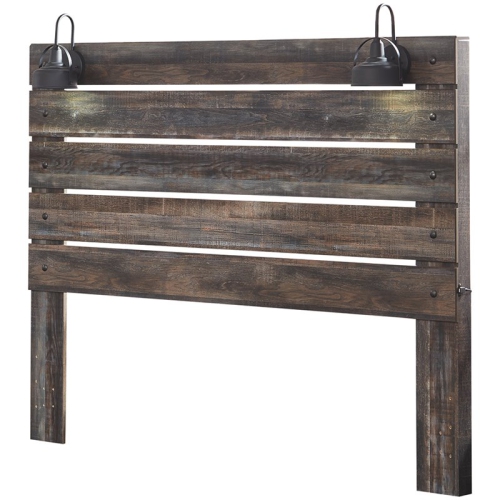 Your price for this item is $890.59
 -
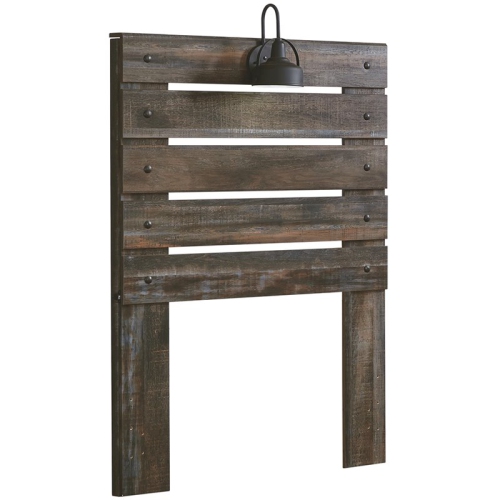 Your price for this item is $463.12
 -
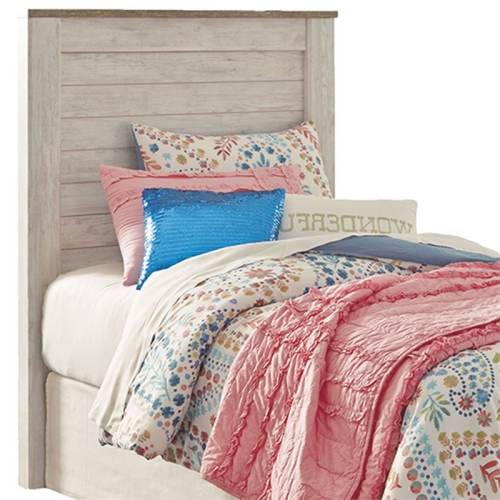 Your price for this item is $629.22
 -
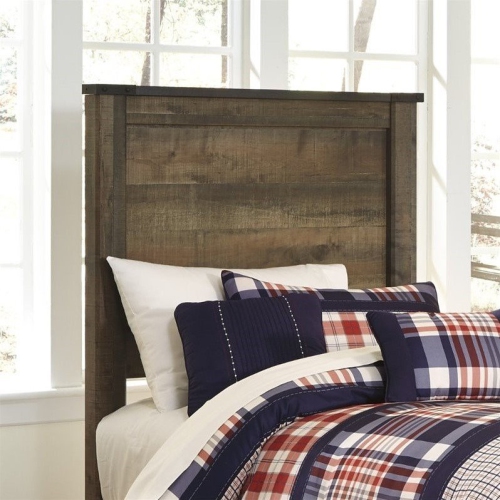 Your price for this item is $782.71
 -
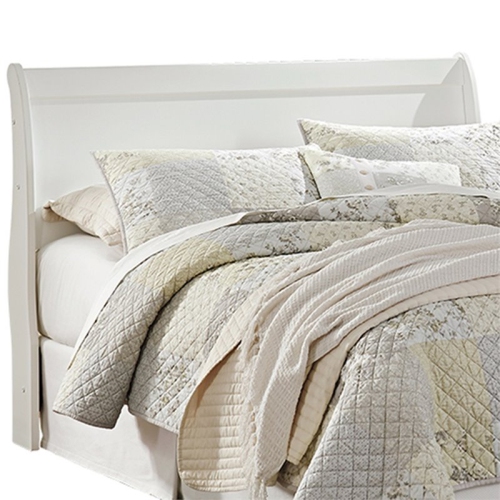 Your price for this item is $409.76
 -
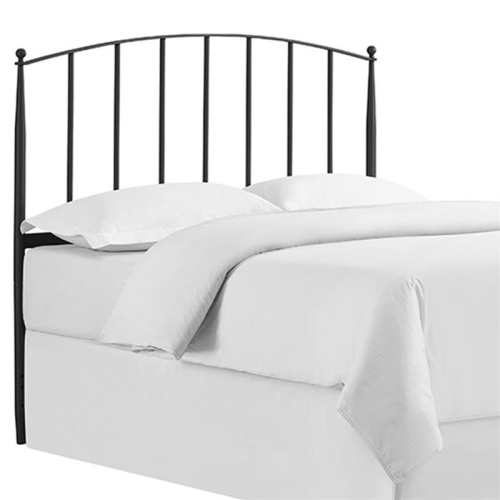 Your price for this item is $837.35
 -
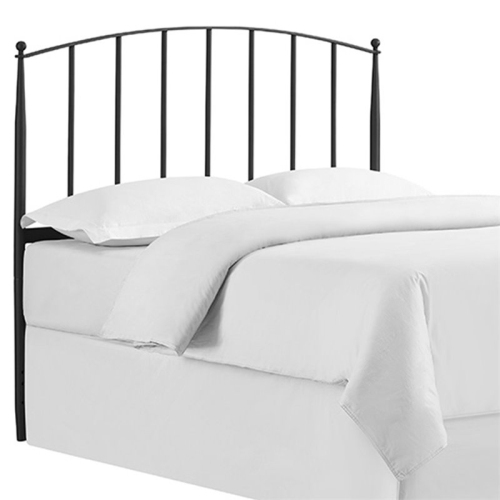 Your price for this item is $614.79
 -
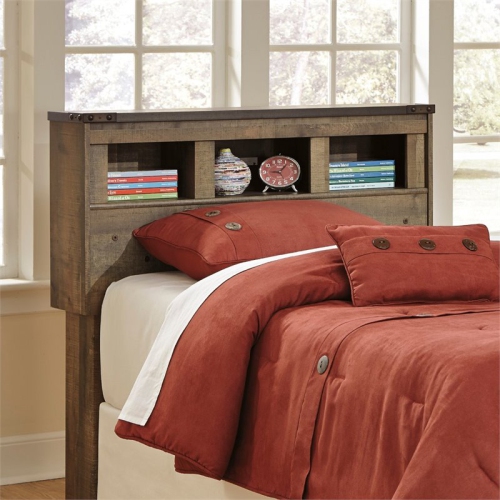 Your price for this item is $994.13
Discover more categories related to Modern Upholstered Headboards
Top Collections:
Pokemon Centers, Kindle Devices, Best Budget Office Chairs, Apple iPhones 16, Best Laptops for Writers, iPhone 15 Apple, Canon G7X Cameras, Refurbished Apple Laptops, Alarm Clock, Motorola Razr Phones
Some products may be subject to Environmental Handling Fees
(EHF) depending on your province.
Learn more about EHFs.