Modern White Floating Shelves
If you're looking for a way to add storage to your home, but don't want to fill it with bulky cabinets or drawers, modern white floating shelves can be the solution. These shelves are designed to fit in between walls and ceiling, so they take up very little space while providing plenty of storage. Here are some of the best modern white floating shelves for you.
Sort
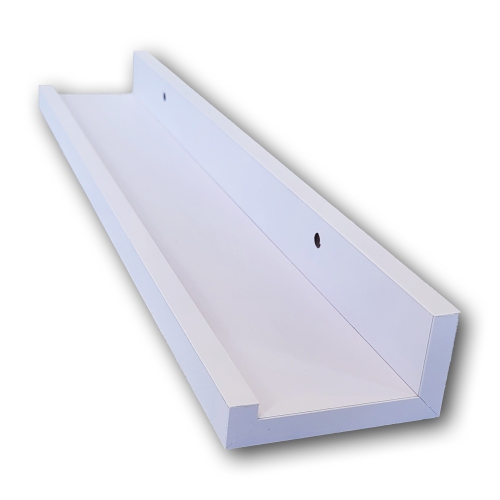
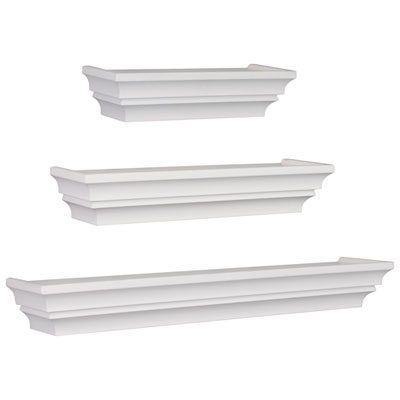
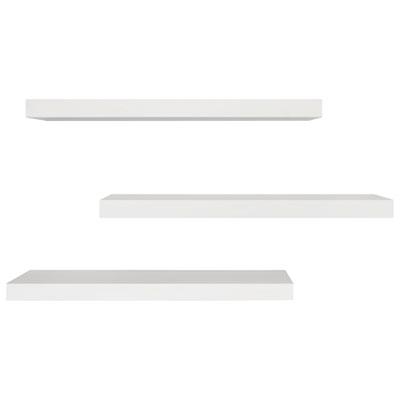

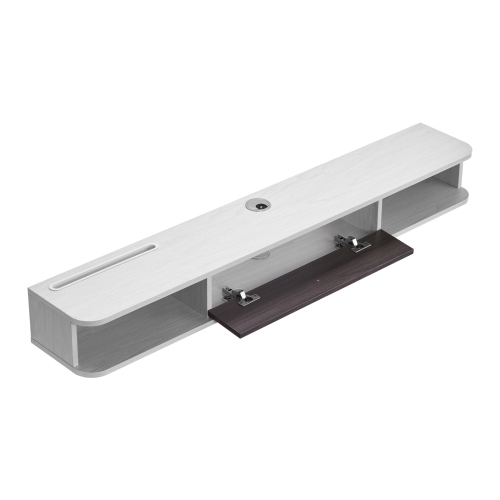

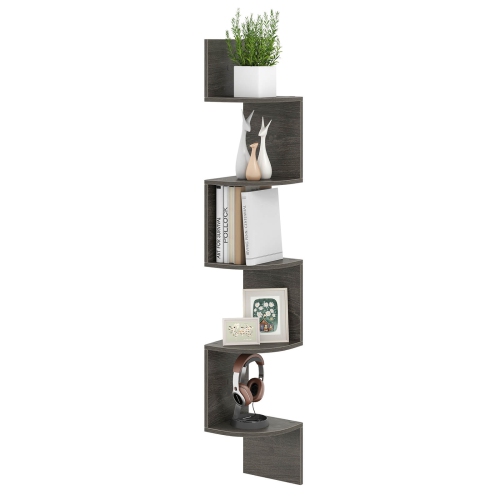
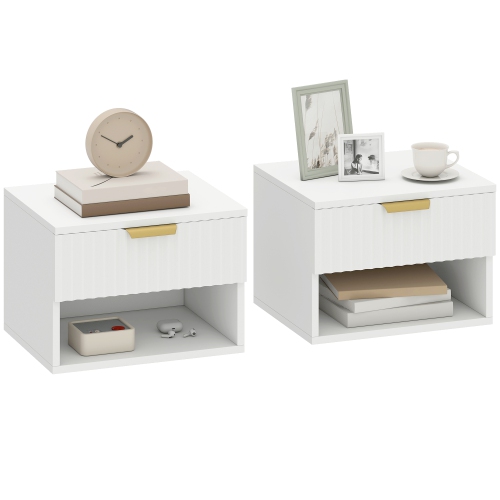
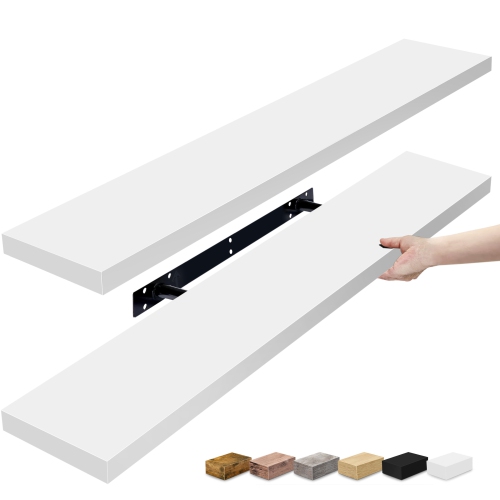
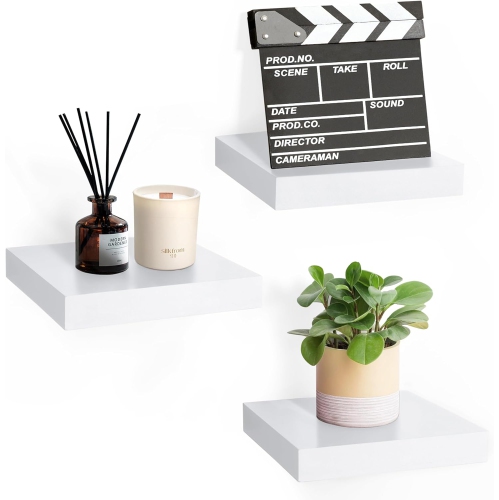
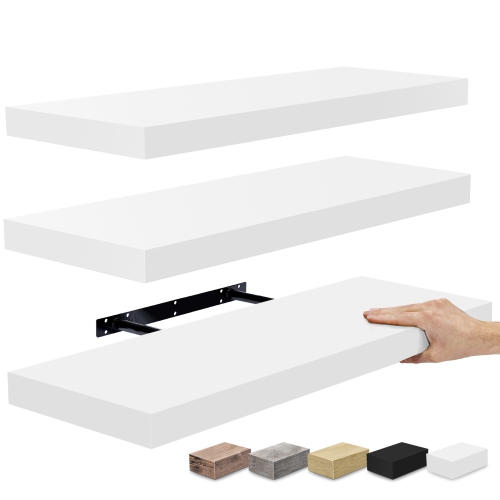
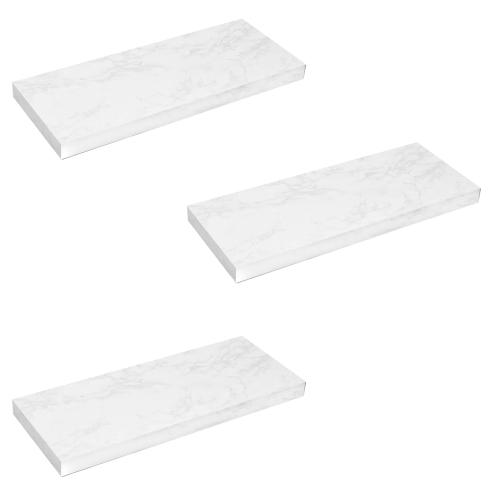
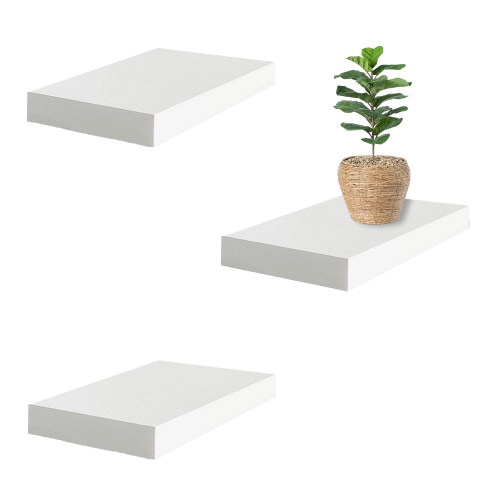
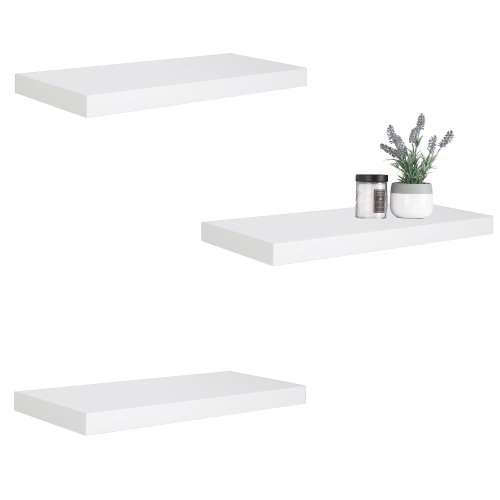
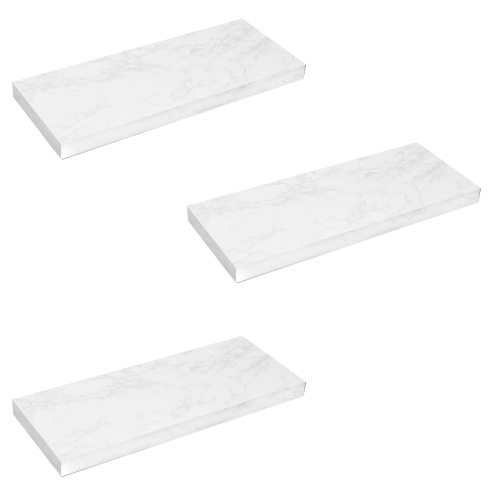
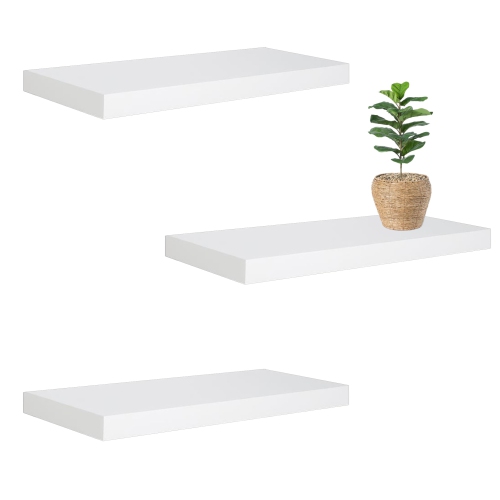
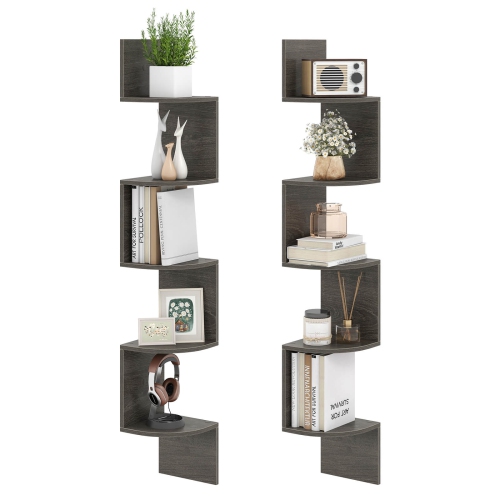
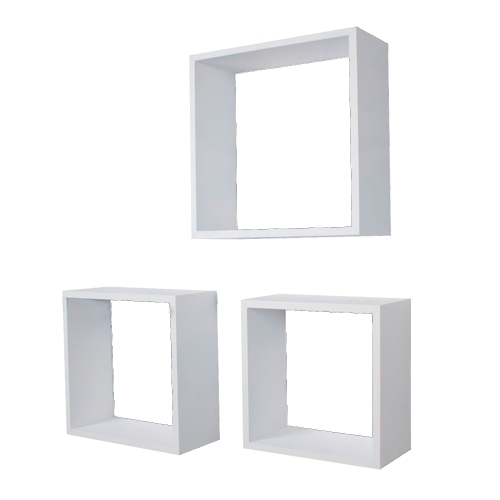
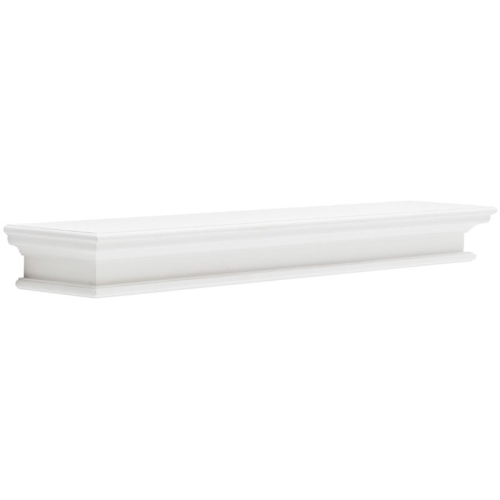
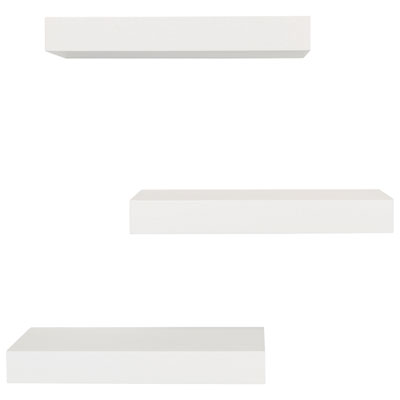
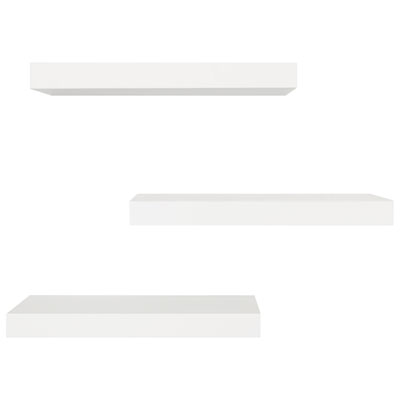
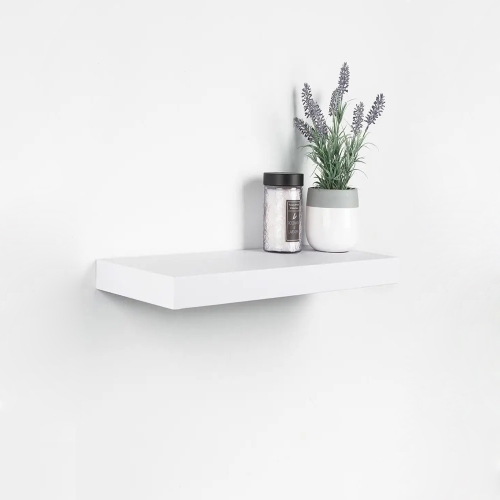
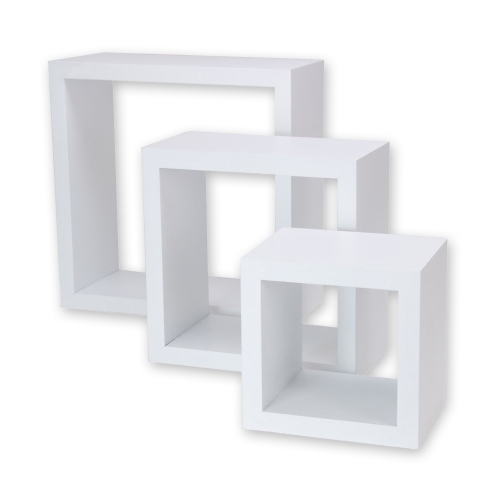
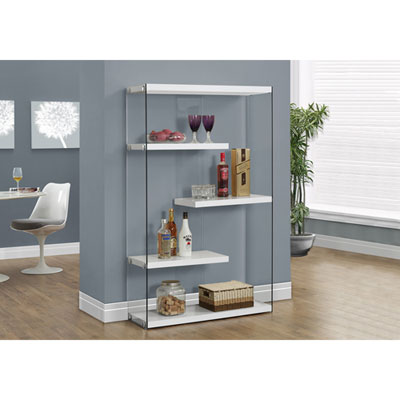
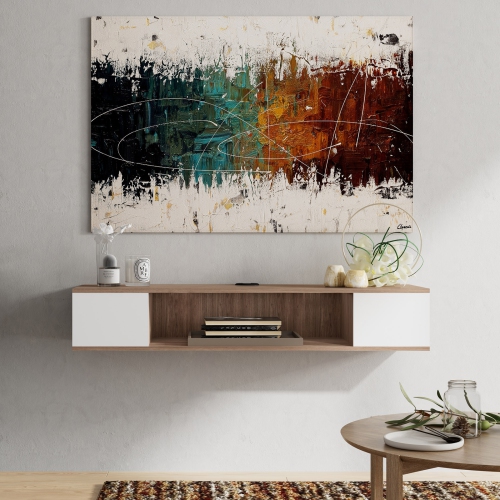
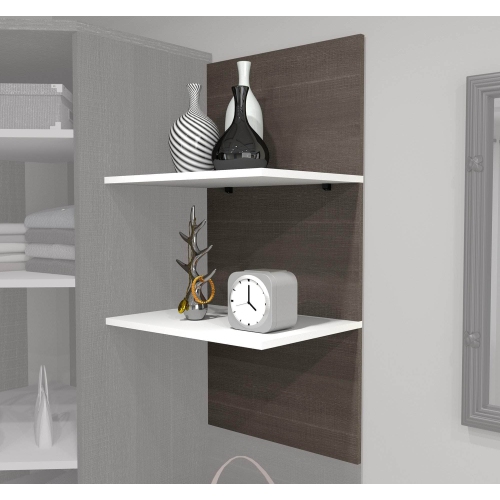
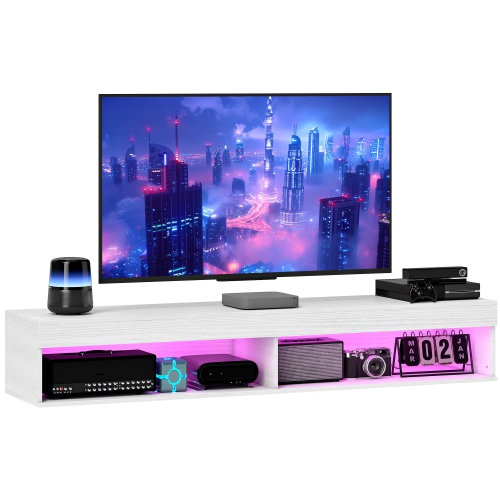
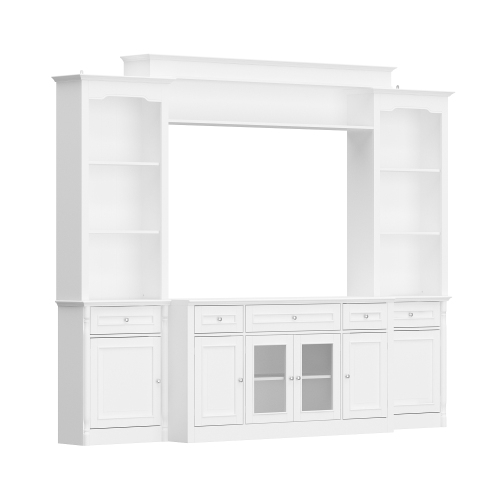
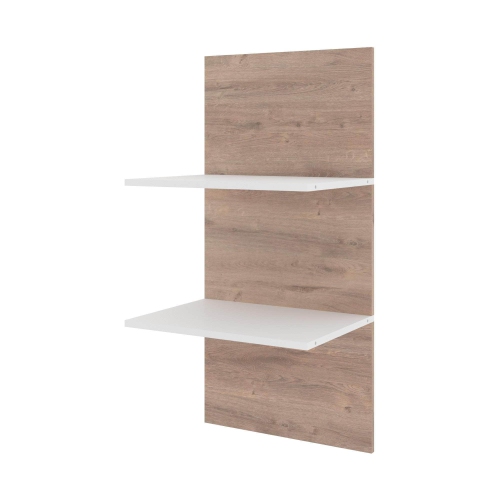
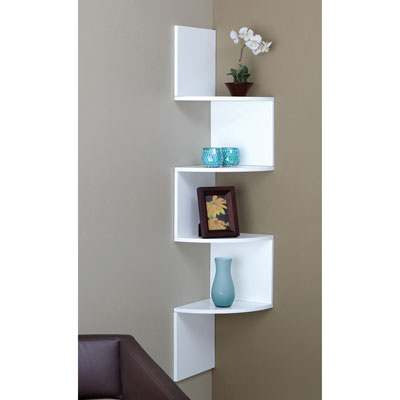
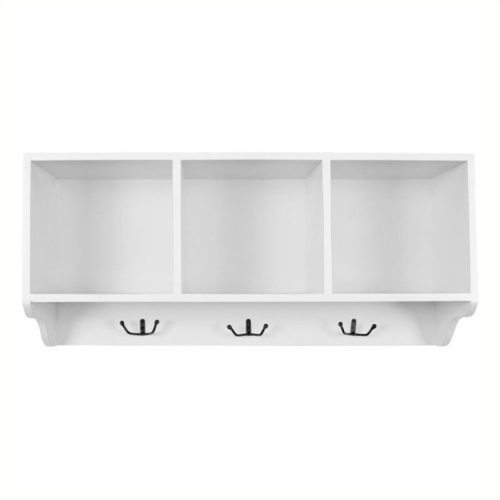

Modern shelving combines airy displays with practical storage
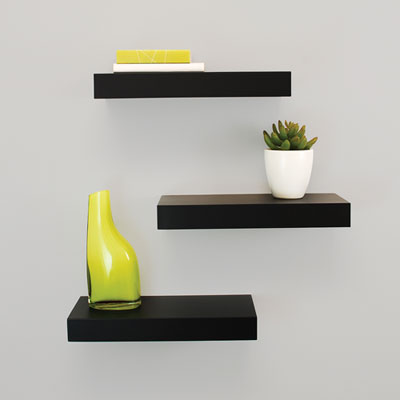
Modern white floating shelves bring a clean, architectural look to walls while keeping valuable floor space open. Their hidden or minimally visible mounting hardware creates the impression that each shelf is extending directly from the wall, which suits modern, Scandinavian-inspired, contemporary, and minimalist rooms. The white finish reflects light and works easily with many colour palettes, from warm wood and neutral fabrics to deeper paint shades and patterned wallpaper. In a living room, a floating shelf can frame a sofa with a small collection of books, framed photographs, ceramics, or greenery. In a bedroom, it can provide a neat surface for a clock, candle, jewellery tray, or a few meaningful keepsakes without taking up room beside the bed. A narrow shelf near an entryway can hold keys, a wallet, sunglasses, and a small dish, while a longer style above a desk can display stationery, artwork, and objects that make a workspace feel more personal. For more options in a similar colour family, browse White Shelves. The most suitable choice depends on the wall, the items you plan to display, and the visual proportion of the room. Measure the available width before shopping, and consider the space around doors, windows, light switches, artwork, and furniture. A shelf that is too short can look disconnected from the wall arrangement, while one that is too long may make a compact room feel crowded. For a balanced display, shelves are often installed in a straight horizontal line for a tailored appearance or staggered at different heights for a more relaxed gallery effect. White shelves can also be grouped in pairs or sets to create a practical display wall without the visual weight of a large bookcase.
Planning the arrangement before installation makes a noticeable difference. Mark the intended shelf positions with painter’s tape, cardboard cut-outs, or a measuring line so you can assess the proportions from across the room. When stacking shelves, leave approximately 8 to 12 inches between levels for small decor, framed photos, and compact containers. Increase the spacing to about 12 to 15 inches when you want to store books, taller ornaments, serving pieces, or other larger objects. The exact distance should also account for the shelf depth and the height of the items beneath it; a display that looks airy in an empty room may feel tight once books and accessories are added. Consider how the shelves will be viewed from standing and seated positions, particularly in a living room or dining area. Items used frequently should be positioned within comfortable reach, while delicate decor can be placed higher as a visual focal point. A practical styling approach is to begin with the largest pieces, such as a few books or a framed print, then add medium-sized objects and finish with smaller accents. Varying height, texture, and shape prevents a white shelf from appearing flat, even when the overall arrangement is simple. Leave some open space rather than filling every inch; the negative space helps individual items stand out and preserves the light, uncluttered character associated with modern design. If the shelves are intended for a child’s room, playroom, or family area, keep heavier objects low and secure the furniture and wall-mounted components according to the manufacturer’s instructions. Shelves near a cooking area should be checked for the depth and height needed to hold jars, mugs, recipe books, or serving items without interfering with nearby work surfaces.
Mounting is one of the most important purchase considerations for floating shelves. Always check the listed weight capacity, shelf dimensions, bracket design, and recommended installation method before loading a shelf. Engineered wood and hollow-core styles may be suitable for lightweight decor, small frames, and a few paperbacks, while sturdier shelves with reinforced construction or metal support may be better for heavier books, dishes, or collections. Weight limits can vary considerably, and the total load includes the shelf itself as well as everything placed on it. Whenever possible, fasten the mounting hardware directly into wall studs. If the desired position does not align with a stud, use drywall anchors that are rated for the intended load and compatible with the wall type; standard hardware may not be adequate for heavier displays. A level, drill, stud finder, pencil, measuring tape, and the correct screwdriver or drill bit can help achieve a secure, even installation, and a second person can make it easier to hold a longer shelf in position while marking the holes. Recheck the shelf after installation for movement, sagging, or loose hardware, especially after adding books or dishes. Modern white floating shelves are useful for renters who want a compact display solution where permitted, first-time homeowners furnishing a new space, and anyone refreshing a room without adding bulky storage. They can also make a thoughtful housewarming, graduation, wedding, or birthday gift when the recipient enjoys decorating, organizing, or creating a personalised home. A carefully chosen shelf offers a place for everyday essentials as well as treasured objects, helping a hallway, bedroom, office, dining area, or living room feel orderly and distinctly lived in through the warmer and cooler seasons.
Planning the arrangement before installation makes a noticeable difference. Mark the intended shelf positions with painter’s tape, cardboard cut-outs, or a measuring line so you can assess the proportions from across the room. When stacking shelves, leave approximately 8 to 12 inches between levels for small decor, framed photos, and compact containers. Increase the spacing to about 12 to 15 inches when you want to store books, taller ornaments, serving pieces, or other larger objects. The exact distance should also account for the shelf depth and the height of the items beneath it; a display that looks airy in an empty room may feel tight once books and accessories are added. Consider how the shelves will be viewed from standing and seated positions, particularly in a living room or dining area. Items used frequently should be positioned within comfortable reach, while delicate decor can be placed higher as a visual focal point. A practical styling approach is to begin with the largest pieces, such as a few books or a framed print, then add medium-sized objects and finish with smaller accents. Varying height, texture, and shape prevents a white shelf from appearing flat, even when the overall arrangement is simple. Leave some open space rather than filling every inch; the negative space helps individual items stand out and preserves the light, uncluttered character associated with modern design. If the shelves are intended for a child’s room, playroom, or family area, keep heavier objects low and secure the furniture and wall-mounted components according to the manufacturer’s instructions. Shelves near a cooking area should be checked for the depth and height needed to hold jars, mugs, recipe books, or serving items without interfering with nearby work surfaces.
Mounting is one of the most important purchase considerations for floating shelves. Always check the listed weight capacity, shelf dimensions, bracket design, and recommended installation method before loading a shelf. Engineered wood and hollow-core styles may be suitable for lightweight decor, small frames, and a few paperbacks, while sturdier shelves with reinforced construction or metal support may be better for heavier books, dishes, or collections. Weight limits can vary considerably, and the total load includes the shelf itself as well as everything placed on it. Whenever possible, fasten the mounting hardware directly into wall studs. If the desired position does not align with a stud, use drywall anchors that are rated for the intended load and compatible with the wall type; standard hardware may not be adequate for heavier displays. A level, drill, stud finder, pencil, measuring tape, and the correct screwdriver or drill bit can help achieve a secure, even installation, and a second person can make it easier to hold a longer shelf in position while marking the holes. Recheck the shelf after installation for movement, sagging, or loose hardware, especially after adding books or dishes. Modern white floating shelves are useful for renters who want a compact display solution where permitted, first-time homeowners furnishing a new space, and anyone refreshing a room without adding bulky storage. They can also make a thoughtful housewarming, graduation, wedding, or birthday gift when the recipient enjoys decorating, organizing, or creating a personalised home. A carefully chosen shelf offers a place for everyday essentials as well as treasured objects, helping a hallway, bedroom, office, dining area, or living room feel orderly and distinctly lived in through the warmer and cooler seasons.
Top selling and popular products
-
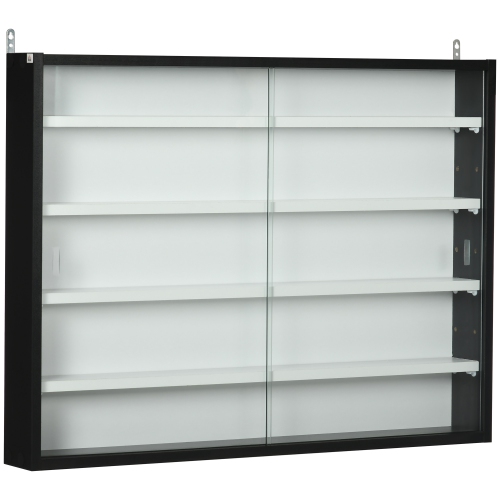 Your price for this item is $86.99
 -
 Your price for this item is $651.99
 -
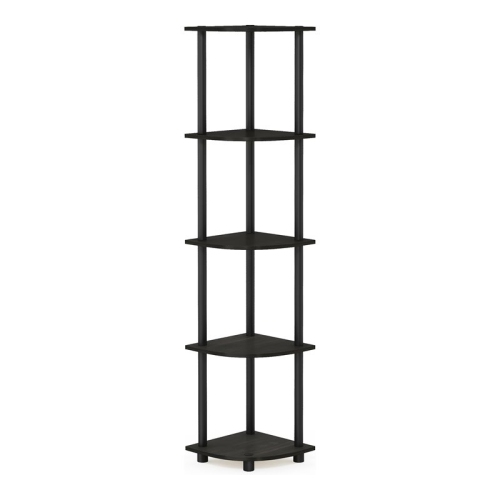 Your price for this item is $136.3
 -
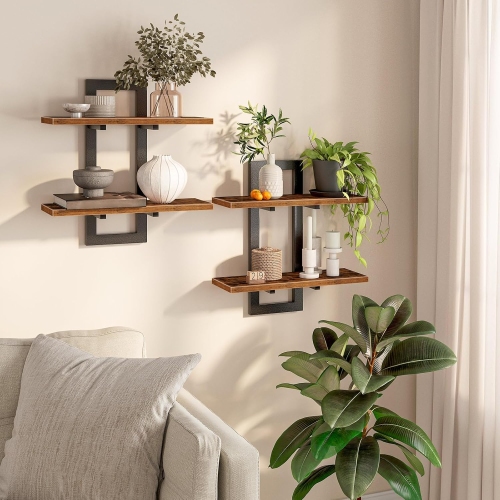 Your price for this item is $78.99
 -
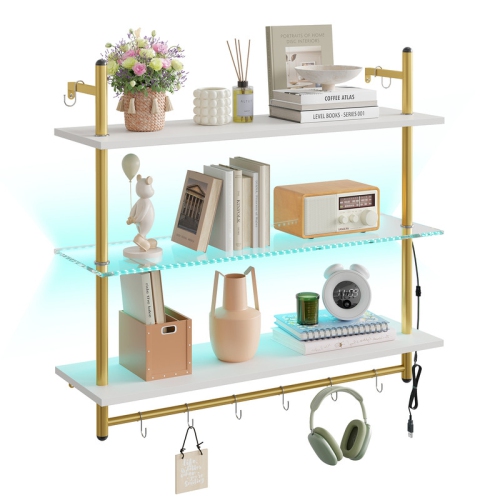 Your price for this item is $69.99
 -
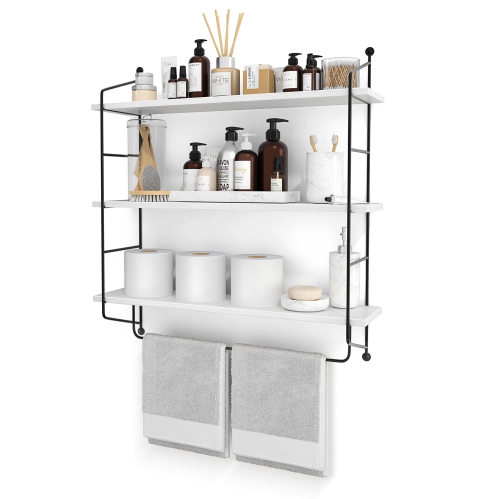 Your price for this item is $69.99
 -
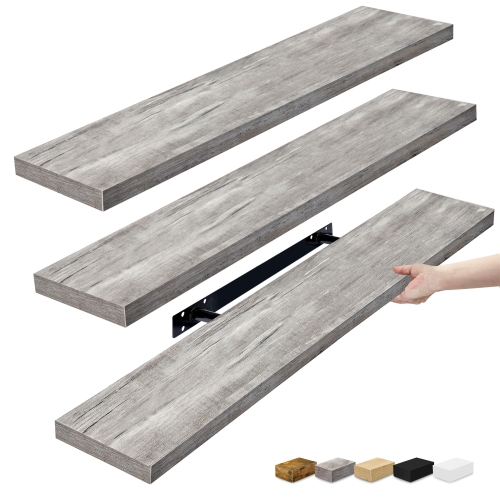 Your price for this item is $93.99
 -
 Your price for this item is $118.99
Discover more categories related to Modern White Floating Shelves

Top Collections:
Best Laptops for Video Editing, Pokemon Centers, Samsung Z Fold, Kindle Devices, Best Cell Phones Under $300, Best Laptops for Writers, Best Budget Office Chairs, Best Cell Phones Under $500, Best Laptop Computers for Students, iPhone 15 Apple
Some products may be subject to Environmental Handling Fees
(EHF) depending on your province.
Learn more about EHFs.