Modern Wood Bookcases
A modern wood bookcase is a great way to add storage and style to almost any home. These modern wood bookcases are designed to provide ample storage for books, magazines, and other items. Here are some great options for modern wood bookcases available today.
Sort

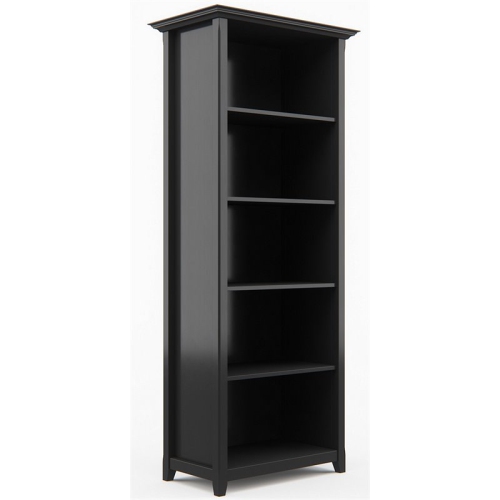
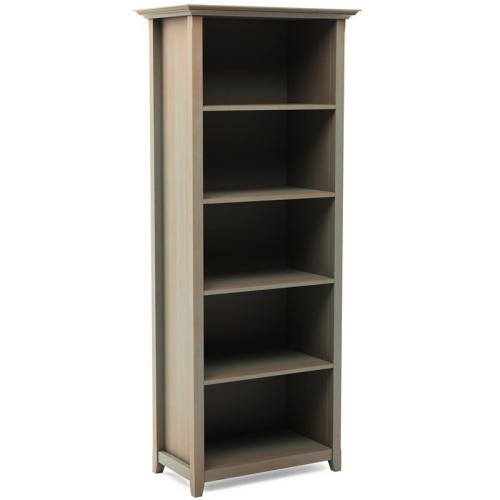
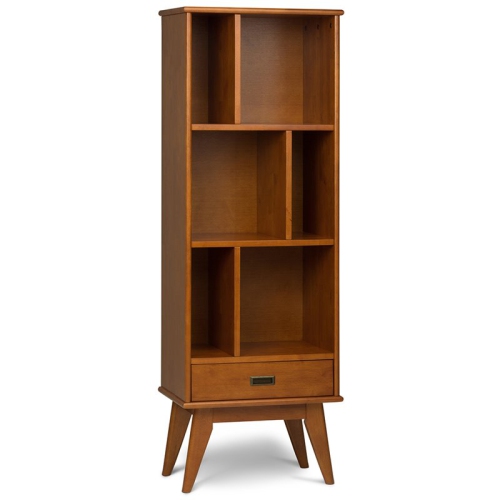
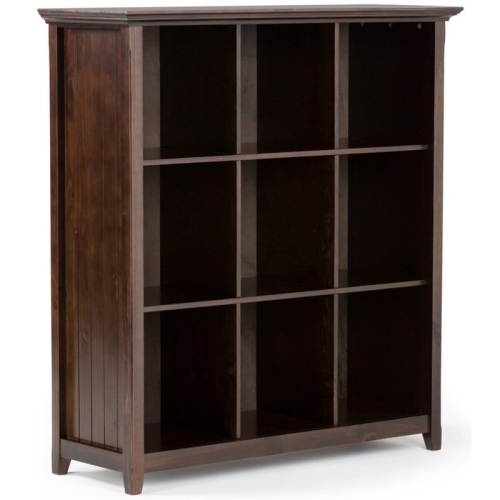

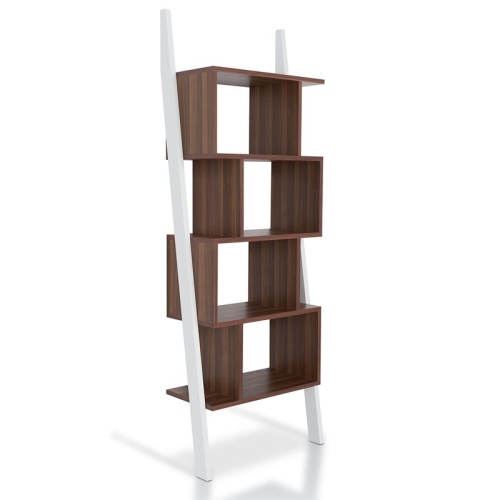
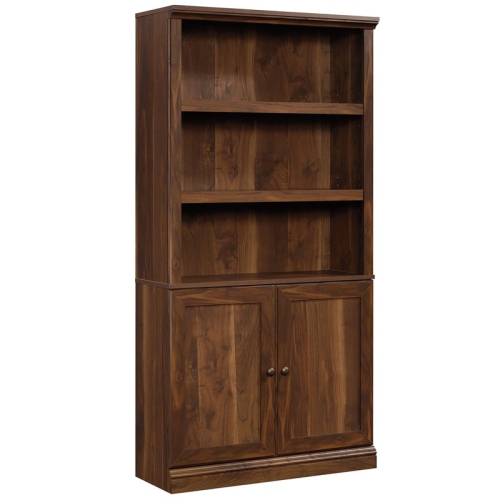
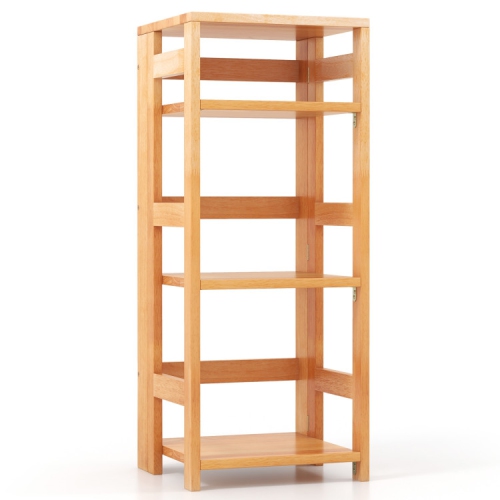
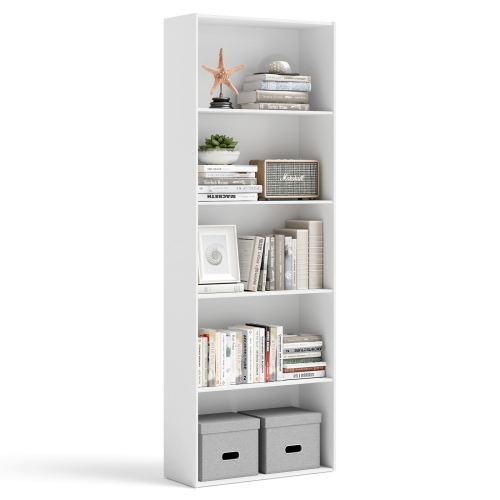
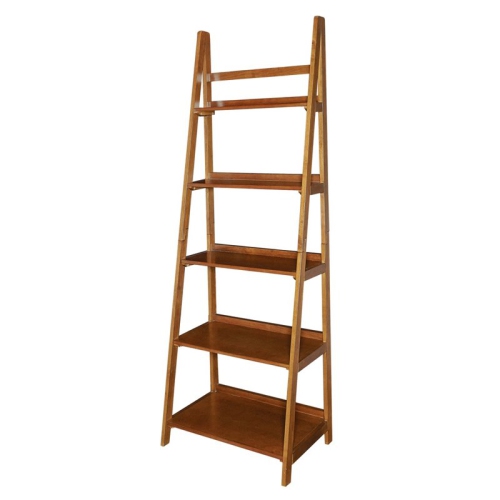

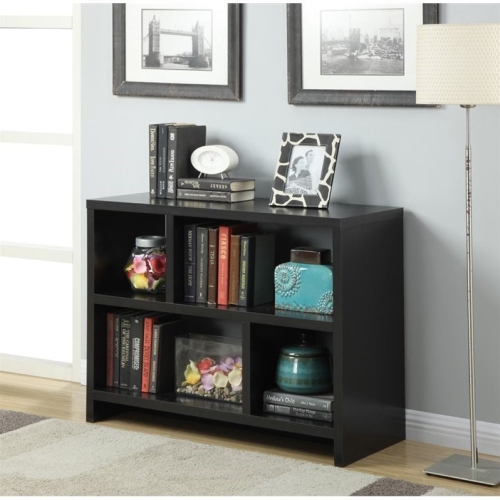
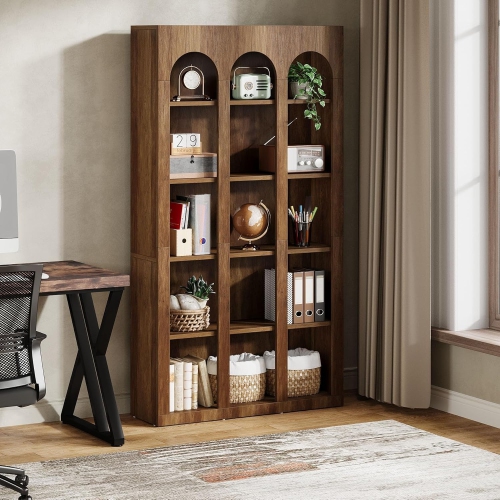
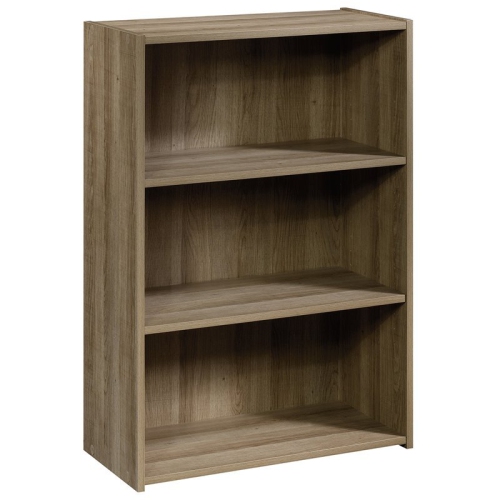
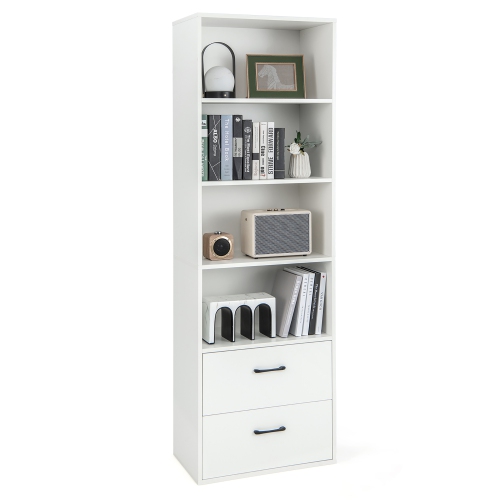
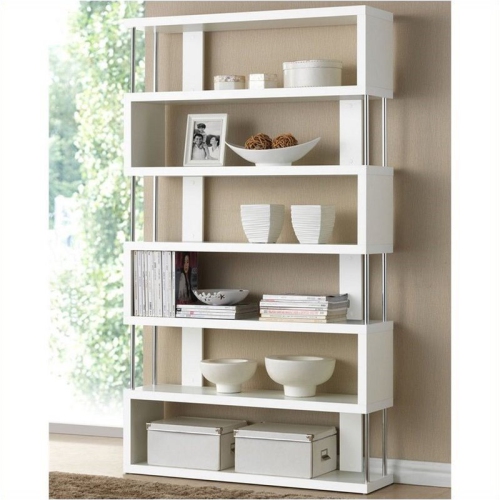

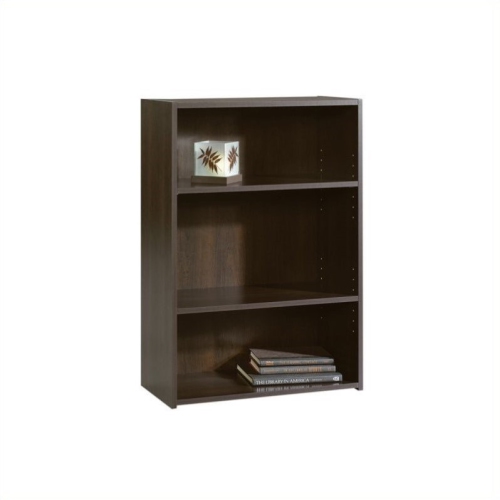
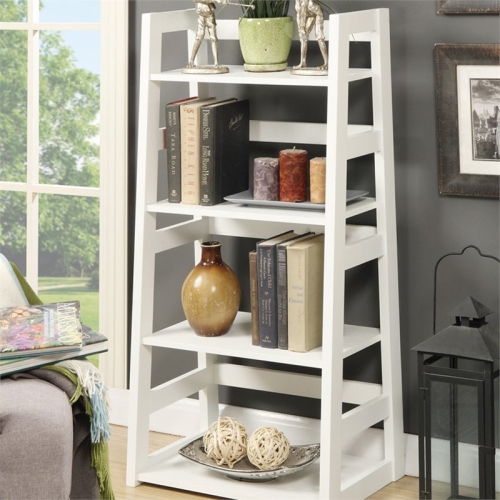
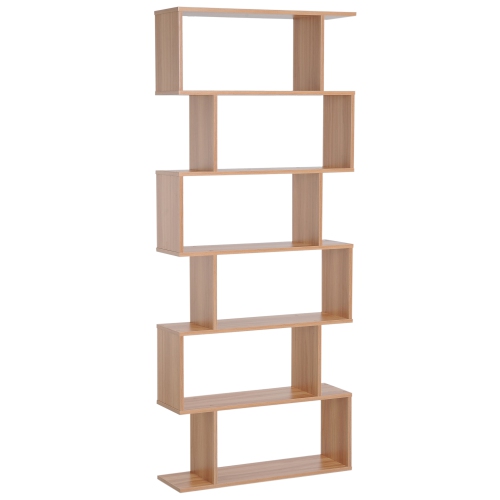
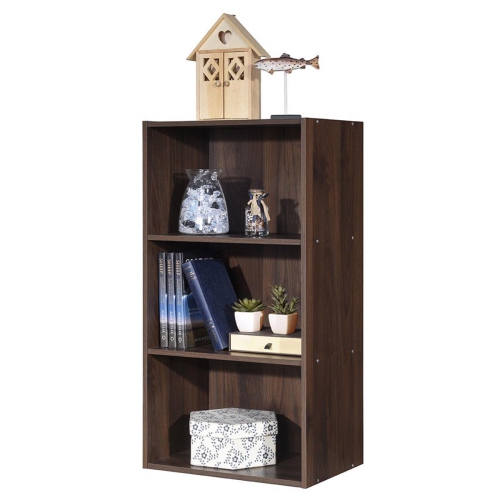
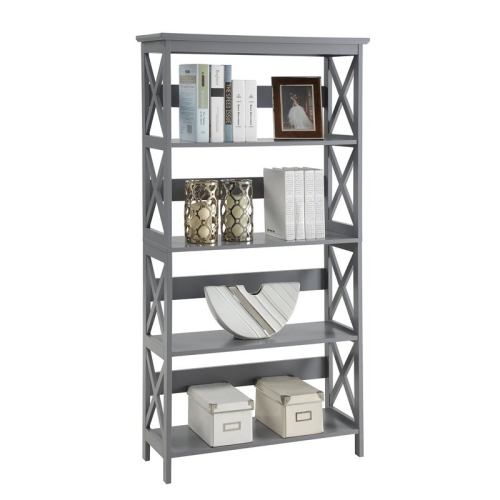
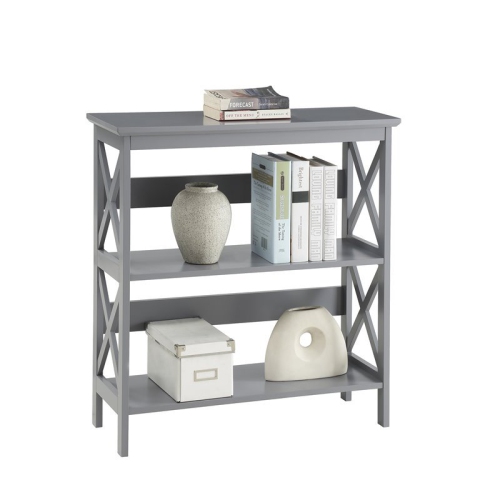
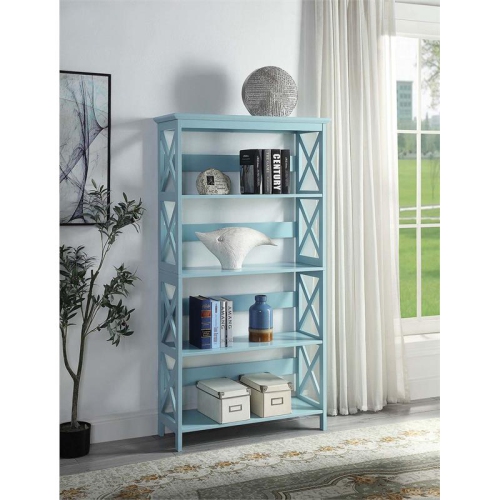
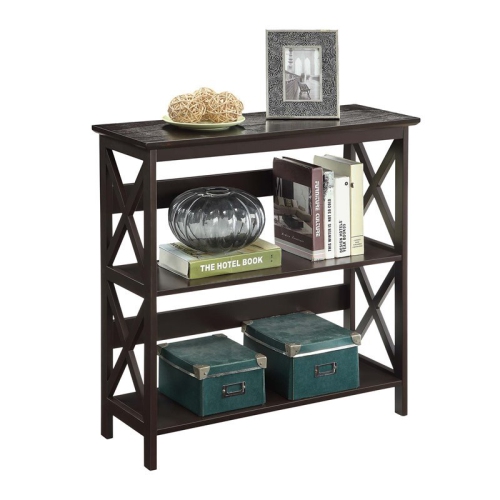
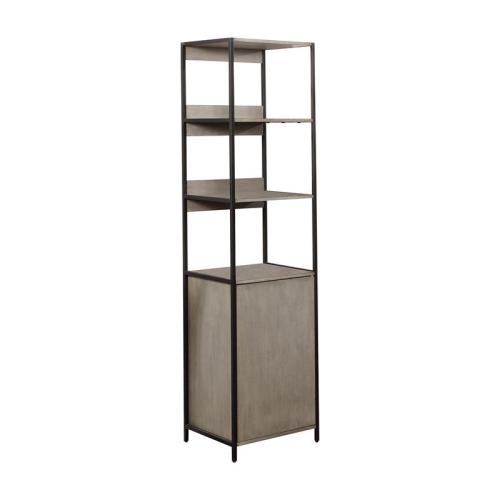
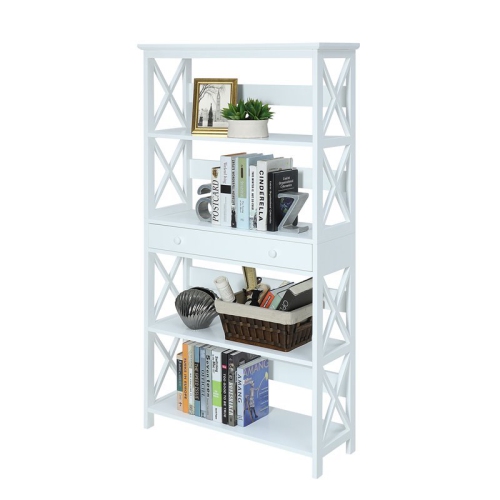
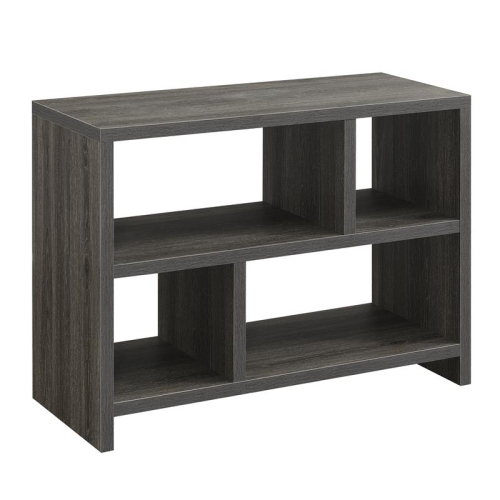
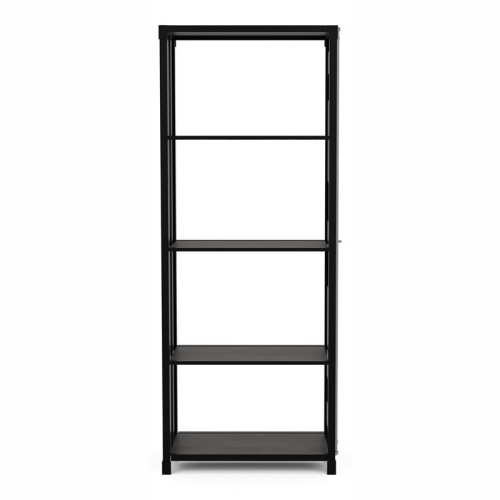
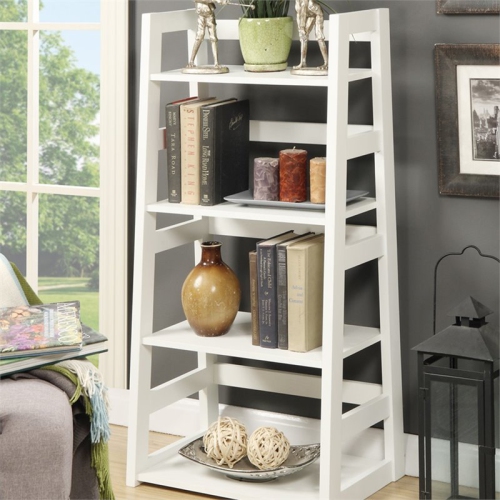
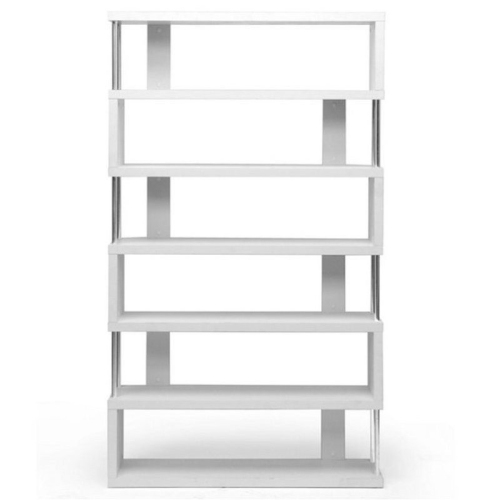
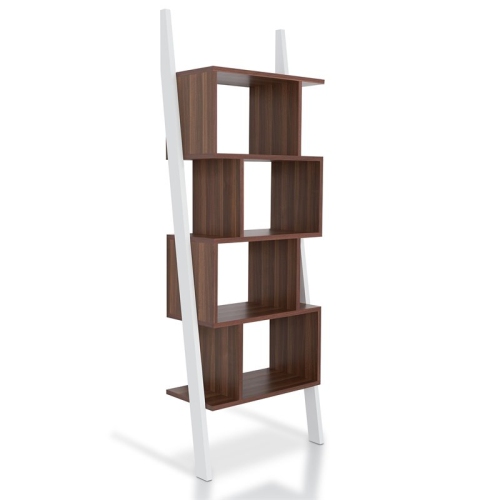
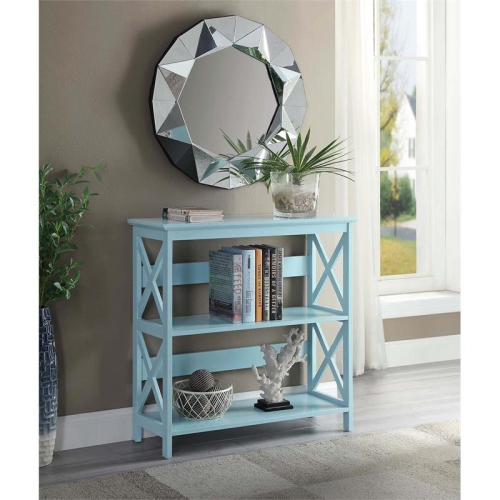

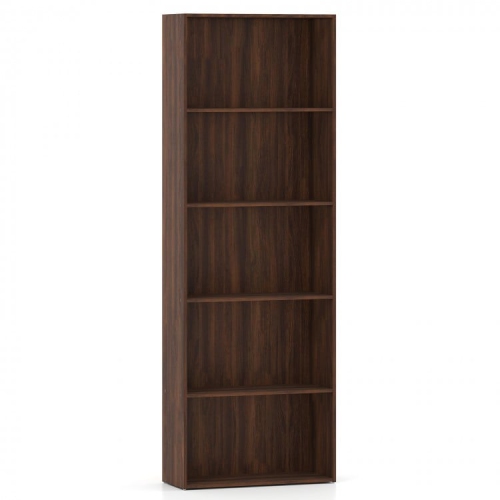
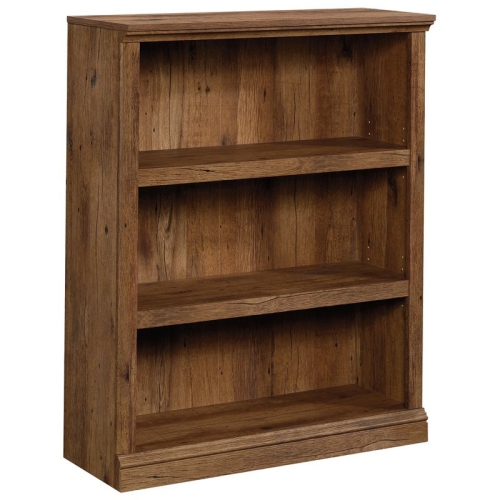
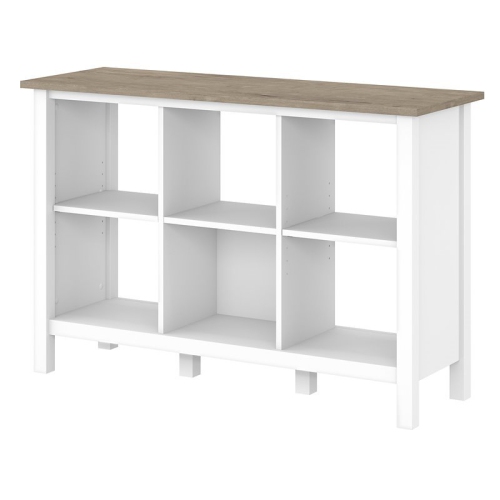
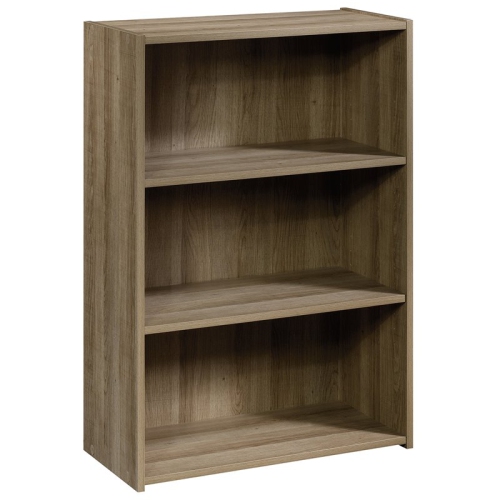
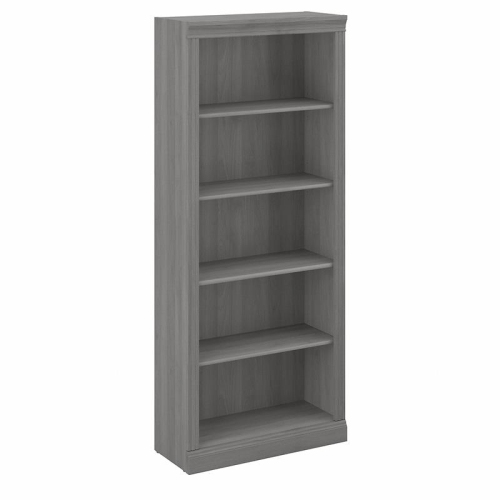
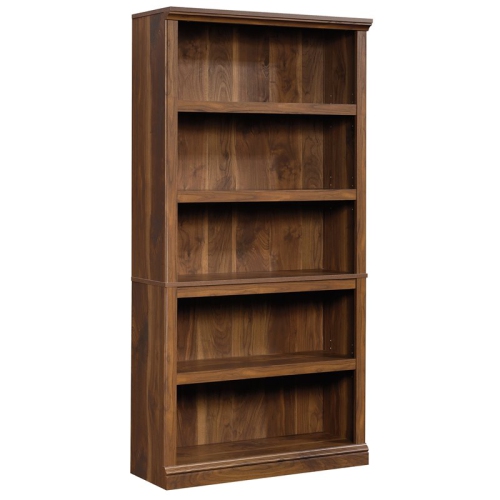
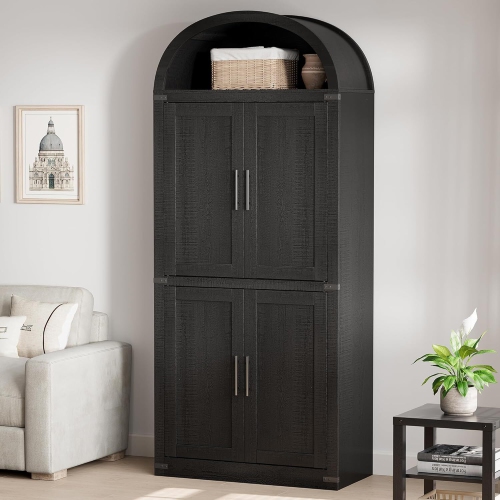
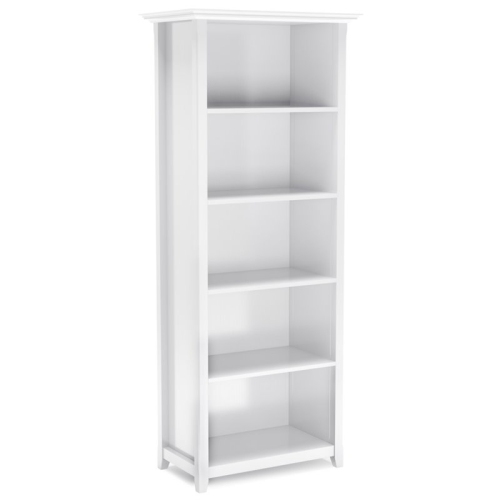
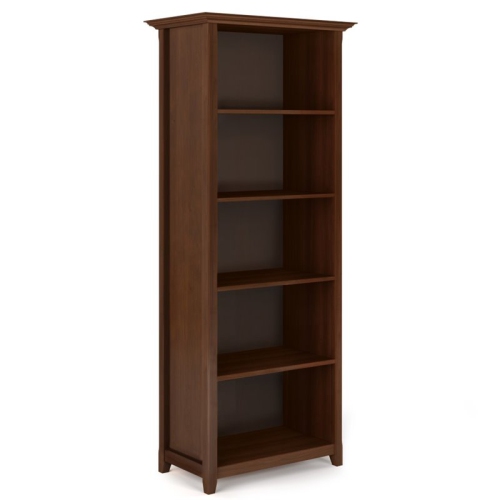
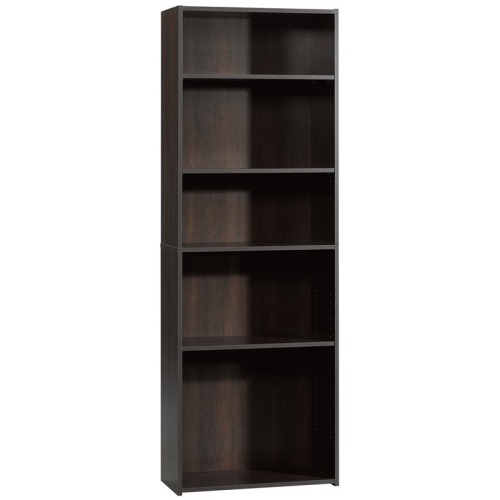


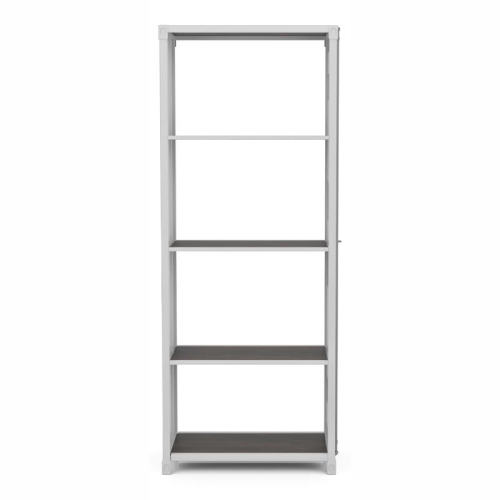
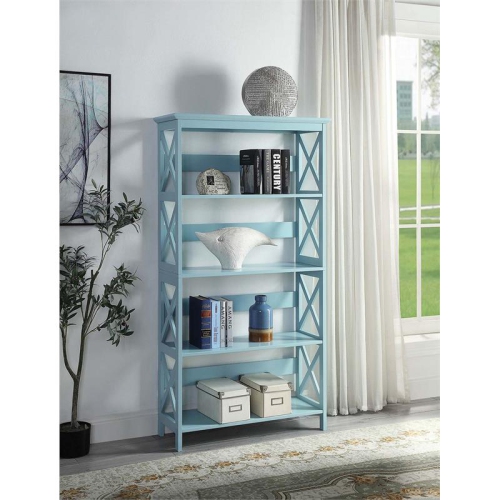
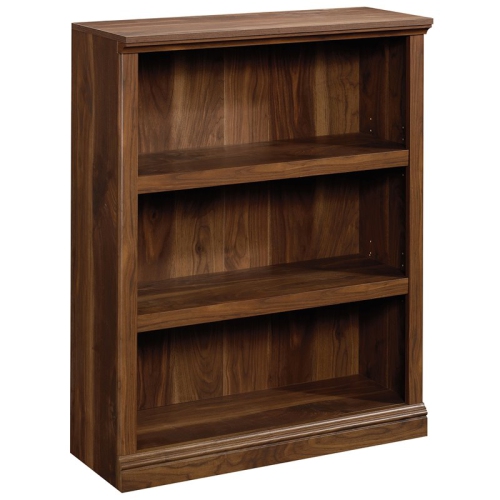
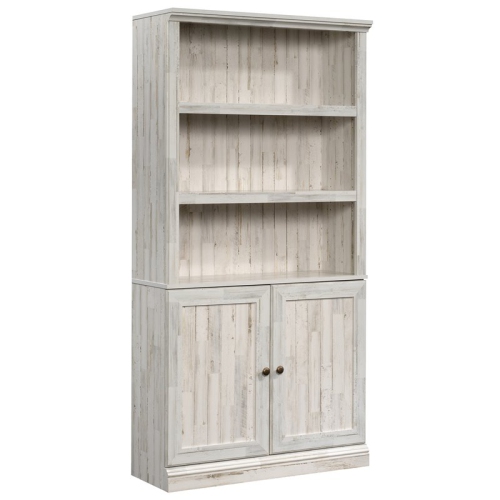
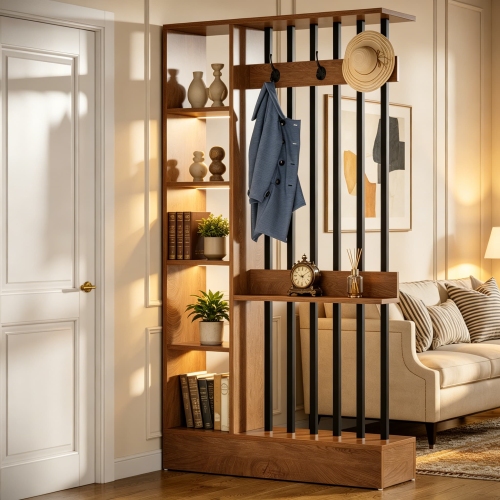
Shelves that add warmth without crowding your room
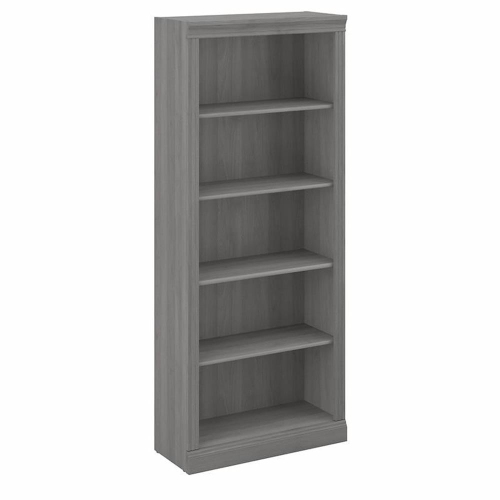
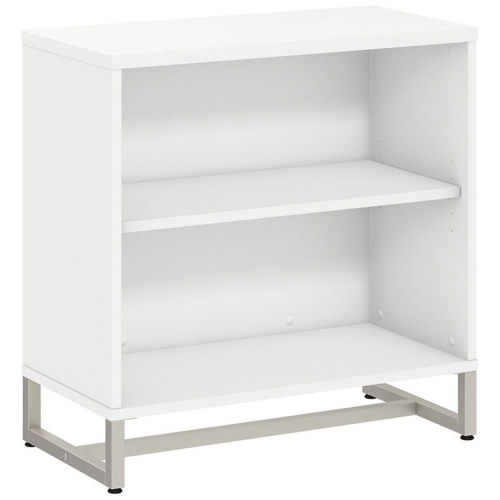
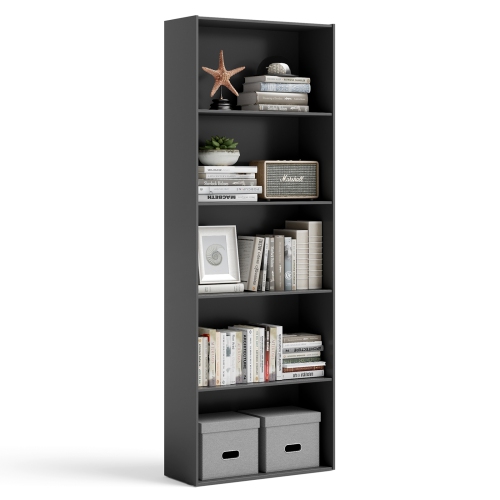
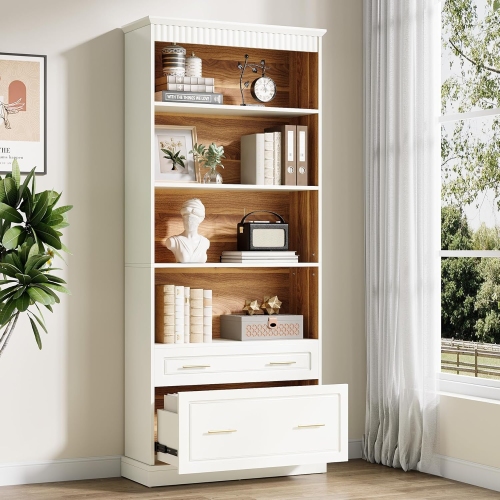
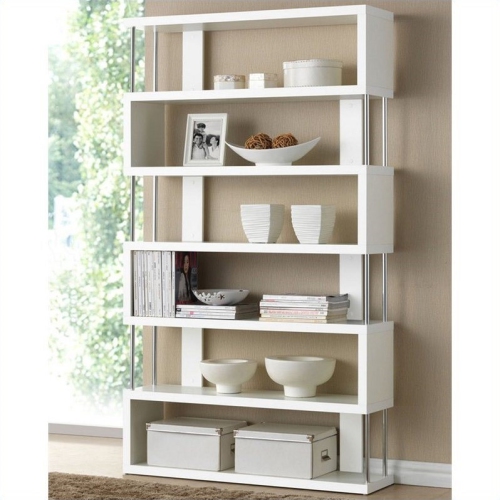
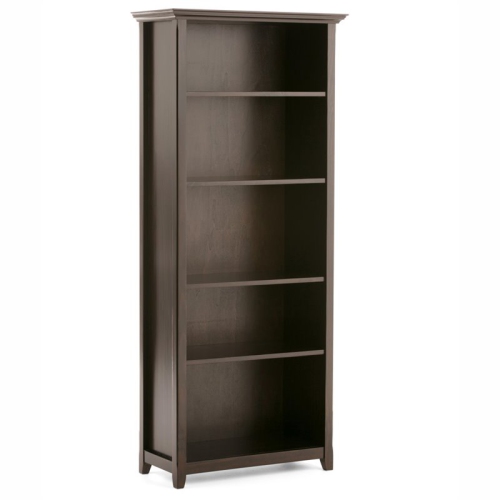
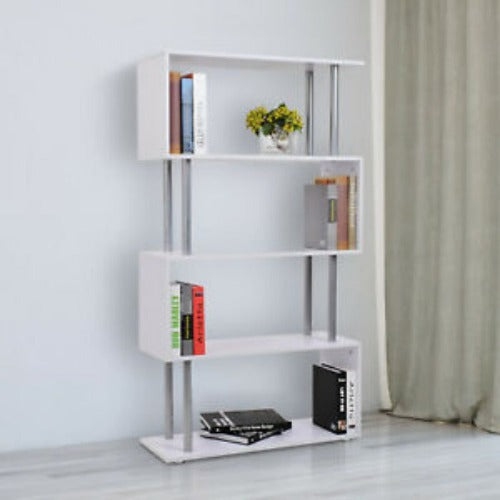
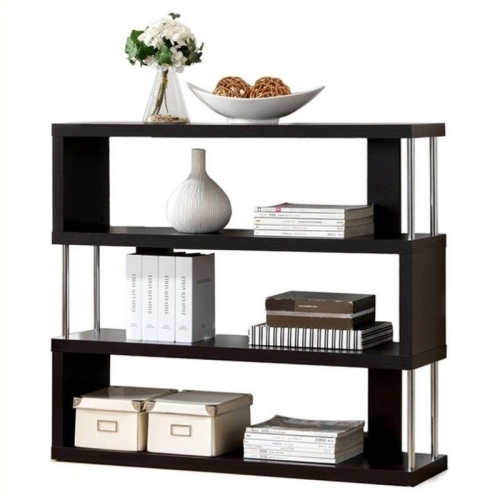
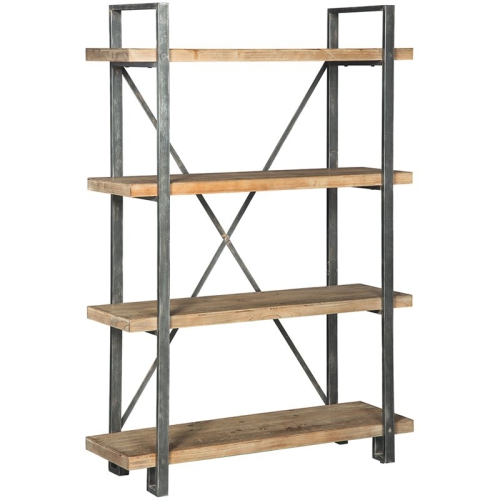
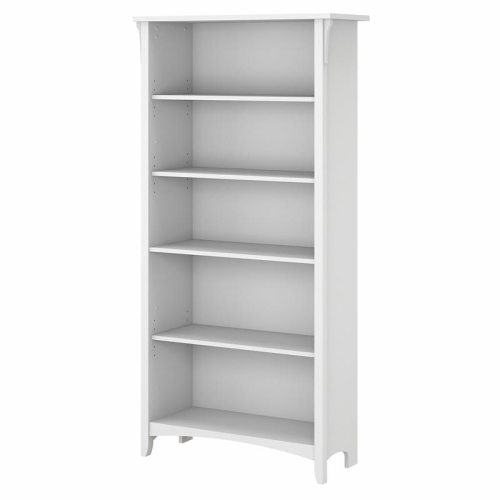
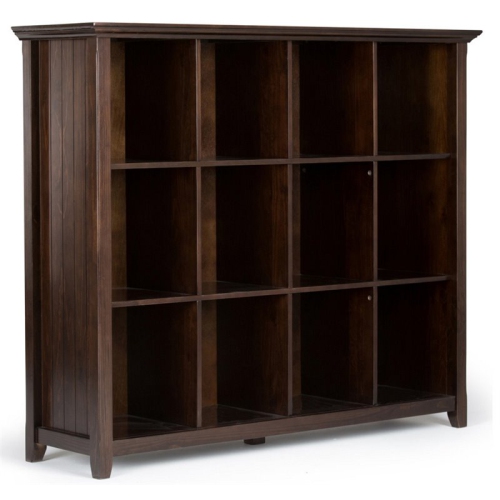
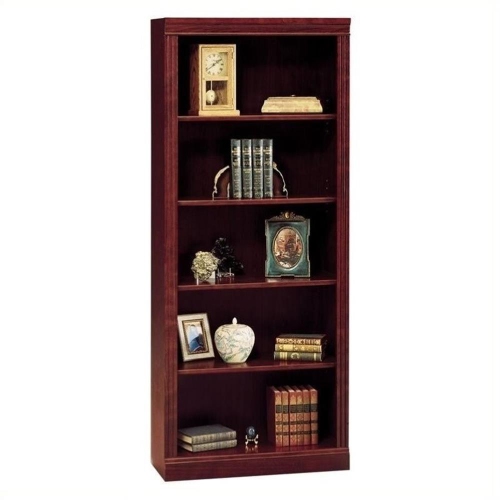
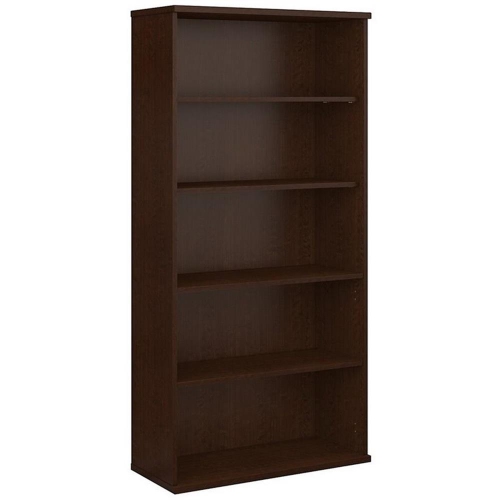
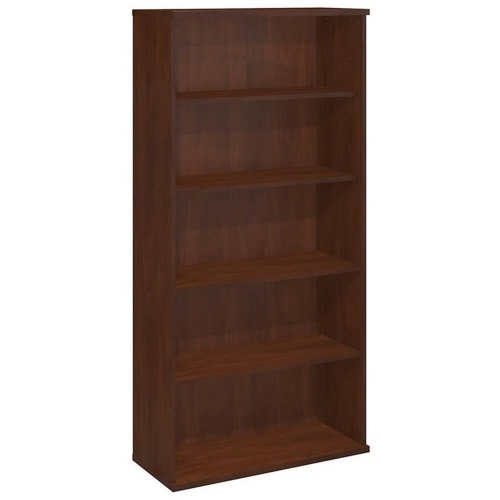
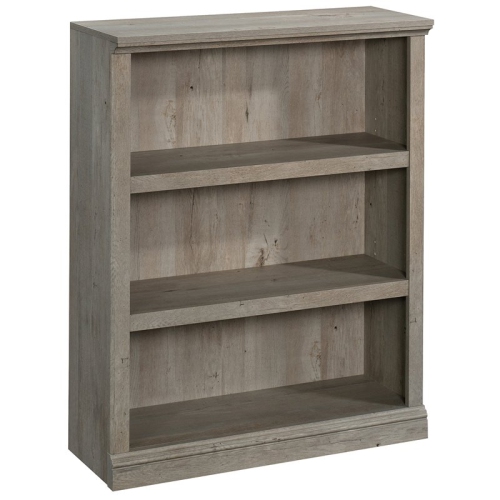
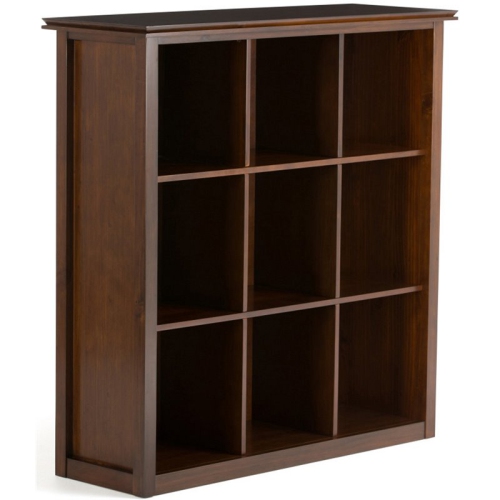
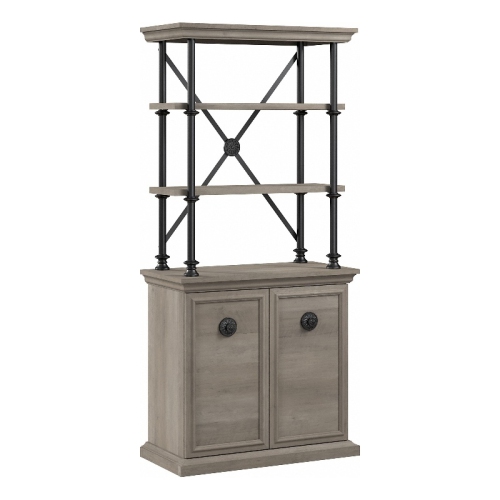
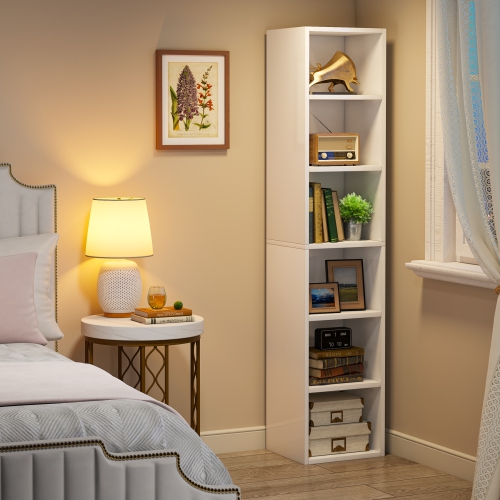
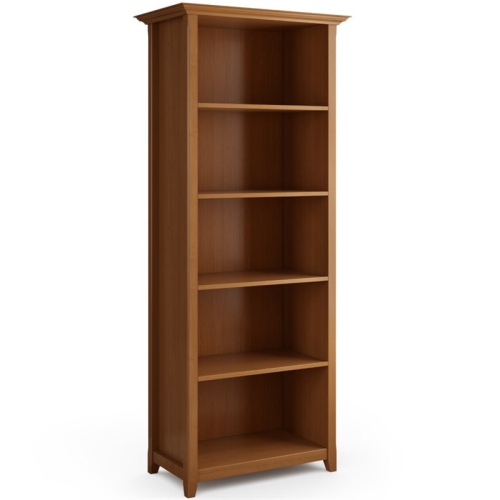
Modern wood bookcases combine practical shelving with clean lines, balanced proportions, and the warmth of visible wood grain. Their appeal lies in how easily they hold everyday belongings without making a room feel crowded: a row of novels, a few ceramics, and a framed photograph can look equally at home in a living room or a home office. Contemporary designs often feature slim uprights, simple rectangular frames, recessed bases, or open sides, while mid-century-inspired styles may have tapered legs and softly rounded edges. Light oak, ash, and maple tones create a bright, understated look that works well with pale walls and textured fabrics. Walnut tones and darker stained finishes bring depth to spaces with leather seating, brushed metal accents, or richer upholstery. The colour name alone does not establish the material, however; a walnut finish may describe the appearance rather than solid walnut construction. Solid wood has natural variations in grain and can develop small marks with regular use, with refinishing possibilities depending on the finish and construction. Wood veneer places a thin layer of real wood over a supporting core, offering natural grain with a different construction from solid timber. Engineered wood with a laminate or printed finish provides a wood-look surface, and its resistance to scratches and moisture depends on the surface treatment and edge sealing. Mixed-material bookcases pair wood shelves with metal frames for a more architectural appearance, though strength still depends on the complete structure rather than the frame material alone. Within the broader range of Wooden Bookcases, modern styles are distinguished as much by their restrained details as by their wood tone. A coordinated finish can connect a bookcase to a desk or media console, while a contrasting finish can give a reading corner its own character. Similar undertones often matter more than an exact colour match, especially when several wood pieces share the same room.
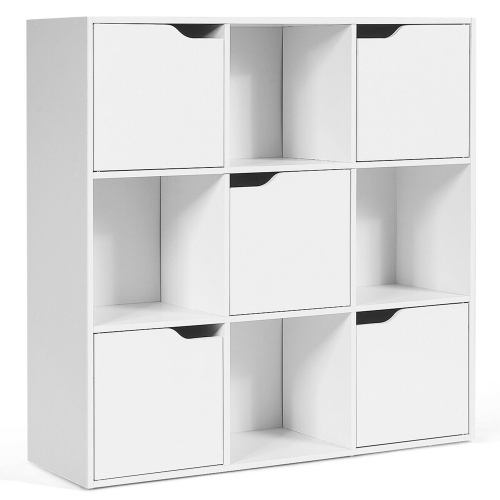
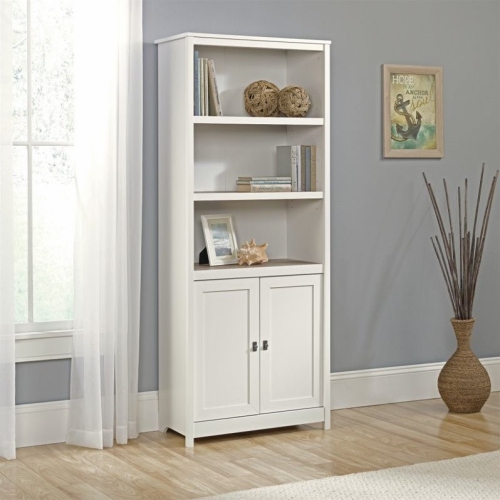
The most useful modern wood bookcase is one whose dimensions and shelf layout suit both the room and the belongings it will hold. Tall, narrow designs make use of vertical wall space beside a desk or in a compact living area, while low, wide designs can sit beneath wall art and keep frequently used books within easy reach. Overall width, height, and depth tell only part of the story. Interior shelf dimensions determine whether oversized art books, upright binders, or storage baskets will fit, and adjustable shelves allow the spacing to change as a collection grows. Fixed shelves can contribute to the rigidity of a frame, while adjustable designs rely on correctly seated supports and the structure around them. For a household with a substantial book collection, the stated weight capacity of each shelf matters more than how sturdy the piece looks in a photograph. Long spans may be more susceptible to sagging under concentrated loads, so shelf thickness, support points, and the manufacturer's loading limits are useful details to compare. Heavy books belong on lower shelves, with weight distributed evenly rather than concentrated in one spot. Open-backed designs let the wall colour show through and can feel visually lighter, although they need thoughtful placement to keep smaller objects from slipping behind them. A backed bookcase creates a more defined display and may help keep contents contained. Designs with lower doors or drawers balance visible shelving with concealed storage for paperwork, games, and charging accessories. In tighter rooms, clearance for cabinet doors, nearby drawers, and walking paths is just as important as the footprint. Baseboards can also prevent a frame from sitting flush against a wall. A freestanding bookcase should not be assumed suitable as a room divider unless its construction and installation requirements support that use. Following the supplied anchoring instructions is essential, particularly where children or pets are present; a low profile or a heavy base does not remove the need for proper installation.
Everyday use gives a bookcase its character, and a practical arrangement usually feels more inviting than shelves filled edge to edge. In a living room, upright books mixed with a few horizontal stacks create varied heights, while a bowl or small sculpture gives the eye a place to pause. Leaving some open space makes individual objects easier to see and reduces the visual weight of a large unit. A home office may need a more structured arrangement, with reference books grouped near the desk and matching baskets holding loose supplies. In a shared family room, lower shelves can hold frequently used reading material, while fragile objects sit higher, provided the unit is properly secured and nothing invites climbing. Students, avid readers, collectors, and people furnishing a first home can all make use of modern wood shelving, though a bookcase given as a housewarming gift is best chosen with the recipient's measurements and storage needs in mind. Durability depends on daily habits as well as materials. Books pushed roughly across a shelf can leave marks, damp plant pots can damage finishes, and overloaded baskets can put more strain on a shelf than their size suggests. Protective pads beneath hard objects and a waterproof tray beneath plants help limit direct contact, but spills still need prompt attention. Routine care generally starts with a soft, dry cloth, with any cleaning method checked against the manufacturer's directions. Excess moisture, abrasive cleaners, and furniture treatments unsuitable for the finish can cause lasting damage. Direct sunlight may change wood colour over time, while placement beside a radiator or heating vent can expose the structure to heat and dryness. During the cooler months, indoor humidity changes can affect real wood components, making a reasonably consistent room setting helpful. Keeping hardware secure, checking shelf supports after rearranging contents, and lifting rather than dragging the assembled unit can help preserve its stability. With suitable dimensions and considerate care, a modern wood bookcase can remain a useful part of the room as reading habits, displays, and storage needs change.
The most useful modern wood bookcase is one whose dimensions and shelf layout suit both the room and the belongings it will hold. Tall, narrow designs make use of vertical wall space beside a desk or in a compact living area, while low, wide designs can sit beneath wall art and keep frequently used books within easy reach. Overall width, height, and depth tell only part of the story. Interior shelf dimensions determine whether oversized art books, upright binders, or storage baskets will fit, and adjustable shelves allow the spacing to change as a collection grows. Fixed shelves can contribute to the rigidity of a frame, while adjustable designs rely on correctly seated supports and the structure around them. For a household with a substantial book collection, the stated weight capacity of each shelf matters more than how sturdy the piece looks in a photograph. Long spans may be more susceptible to sagging under concentrated loads, so shelf thickness, support points, and the manufacturer's loading limits are useful details to compare. Heavy books belong on lower shelves, with weight distributed evenly rather than concentrated in one spot. Open-backed designs let the wall colour show through and can feel visually lighter, although they need thoughtful placement to keep smaller objects from slipping behind them. A backed bookcase creates a more defined display and may help keep contents contained. Designs with lower doors or drawers balance visible shelving with concealed storage for paperwork, games, and charging accessories. In tighter rooms, clearance for cabinet doors, nearby drawers, and walking paths is just as important as the footprint. Baseboards can also prevent a frame from sitting flush against a wall. A freestanding bookcase should not be assumed suitable as a room divider unless its construction and installation requirements support that use. Following the supplied anchoring instructions is essential, particularly where children or pets are present; a low profile or a heavy base does not remove the need for proper installation.
Everyday use gives a bookcase its character, and a practical arrangement usually feels more inviting than shelves filled edge to edge. In a living room, upright books mixed with a few horizontal stacks create varied heights, while a bowl or small sculpture gives the eye a place to pause. Leaving some open space makes individual objects easier to see and reduces the visual weight of a large unit. A home office may need a more structured arrangement, with reference books grouped near the desk and matching baskets holding loose supplies. In a shared family room, lower shelves can hold frequently used reading material, while fragile objects sit higher, provided the unit is properly secured and nothing invites climbing. Students, avid readers, collectors, and people furnishing a first home can all make use of modern wood shelving, though a bookcase given as a housewarming gift is best chosen with the recipient's measurements and storage needs in mind. Durability depends on daily habits as well as materials. Books pushed roughly across a shelf can leave marks, damp plant pots can damage finishes, and overloaded baskets can put more strain on a shelf than their size suggests. Protective pads beneath hard objects and a waterproof tray beneath plants help limit direct contact, but spills still need prompt attention. Routine care generally starts with a soft, dry cloth, with any cleaning method checked against the manufacturer's directions. Excess moisture, abrasive cleaners, and furniture treatments unsuitable for the finish can cause lasting damage. Direct sunlight may change wood colour over time, while placement beside a radiator or heating vent can expose the structure to heat and dryness. During the cooler months, indoor humidity changes can affect real wood components, making a reasonably consistent room setting helpful. Keeping hardware secure, checking shelf supports after rearranging contents, and lifting rather than dragging the assembled unit can help preserve its stability. With suitable dimensions and considerate care, a modern wood bookcase can remain a useful part of the room as reading habits, displays, and storage needs change.
Top selling and popular products
-
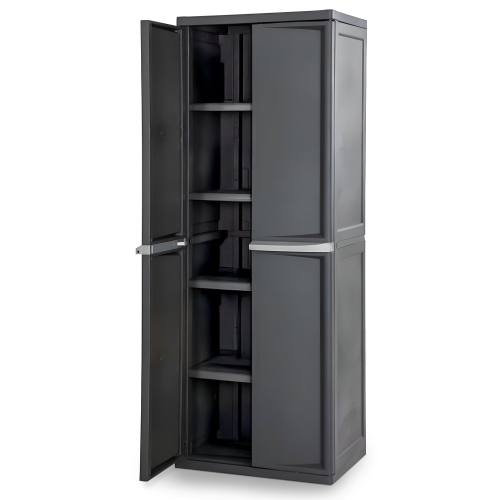 Your price for this item is $772.99
 -
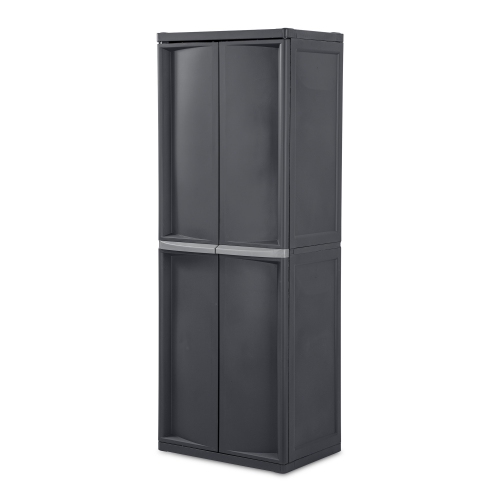 Your price for this item is $1522.99
 -
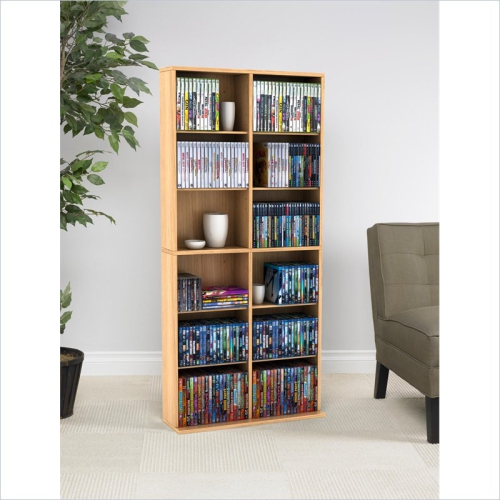 Your price for this item is $234.68
 -
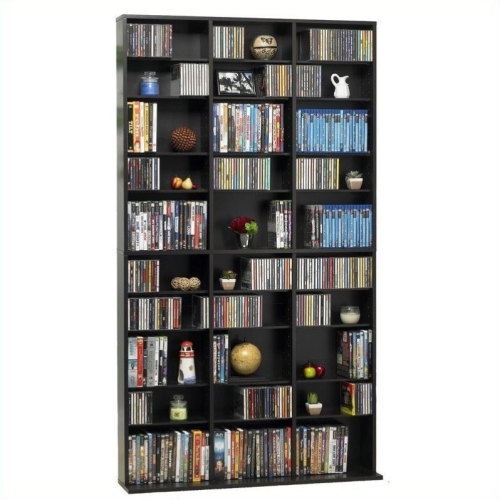 Your price for this item is $365.38
 -
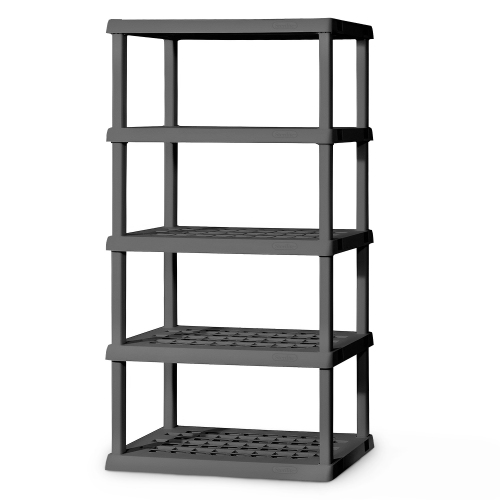 Your price for this item is $468.99
 -
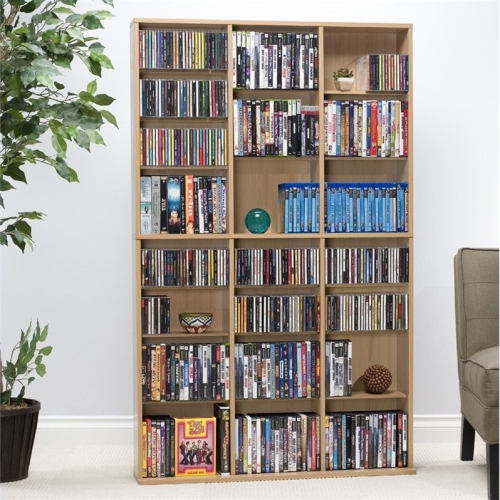 Your price for this item is $295.84
 -
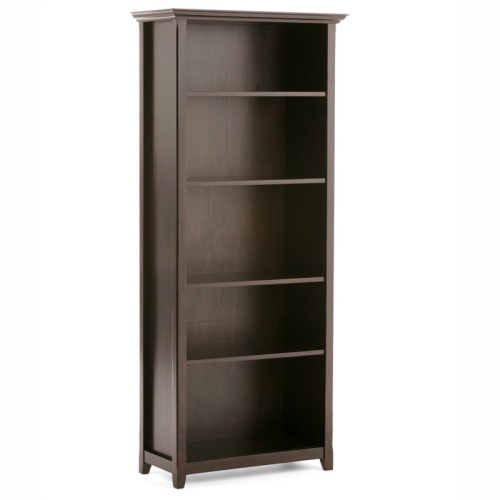 Your price for this item is $999.77
 -
 Your price for this item is $998.43
Discover more categories related to Modern Wood Bookcases
Top Collections:
Pokemon Centers, Kindle Devices, Best Budget Office Chairs, Apple iPhones 16, Best Laptops for Writers, iPhone 15 Apple, Canon G7X Cameras, Refurbished Apple Laptops, Alarm Clock, Motorola Razr Phones
Some products may be subject to Environmental Handling Fees
(EHF) depending on your province.
Learn more about EHFs.