Multi-Position Chairs
Find your perfect seating solution with our collection of multi-position chairs. Designed for ultimate comfort and versatility, these chairs offer adjustable features that cater to your specific needs. Whether you're looking for a chair that reclines, rocks, swivels, or all of the above, we have a variety of options to suit your preferences. Upgrade your relaxation experience with our multi-position chairs that combine functionality with style, making them a must-have addition to any living space or home office.
Sort
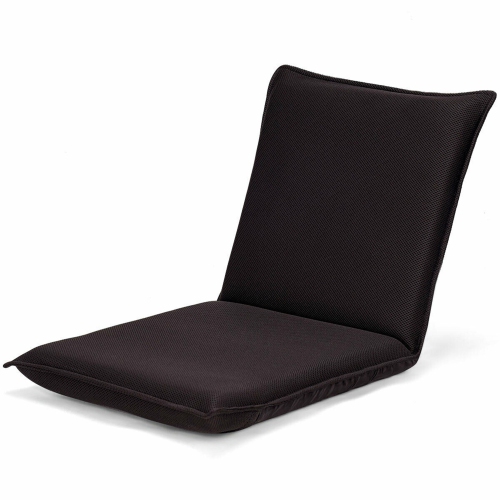
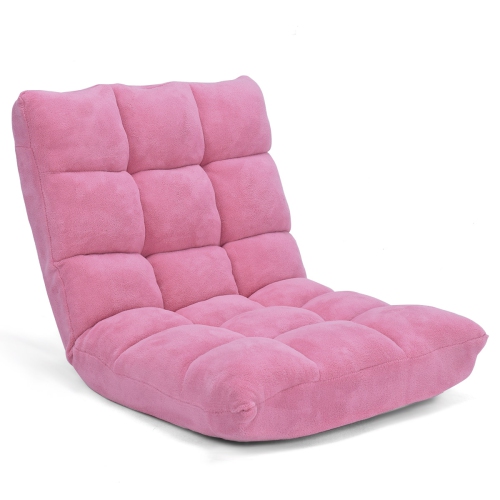
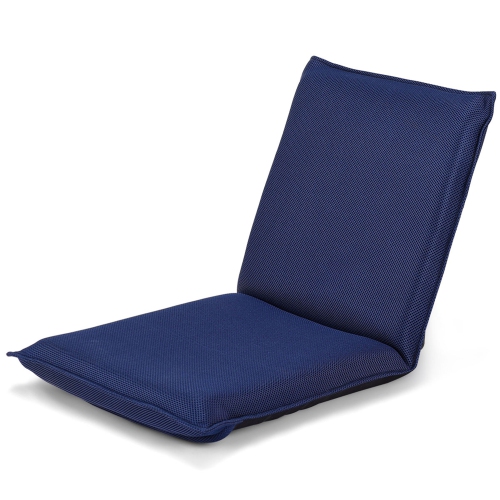
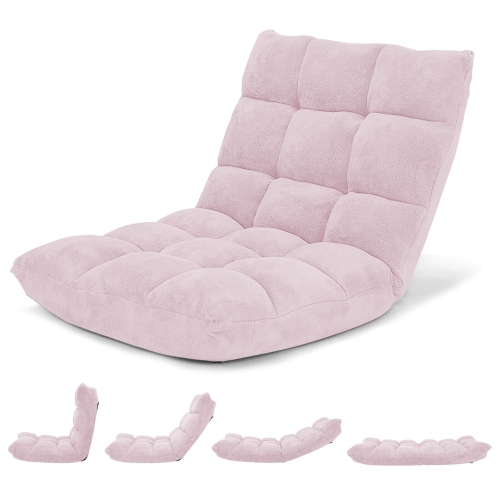
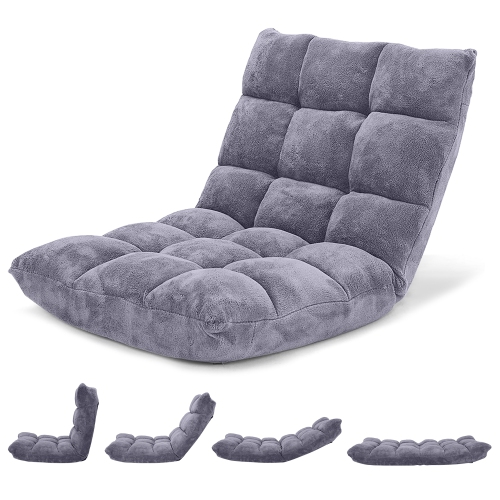
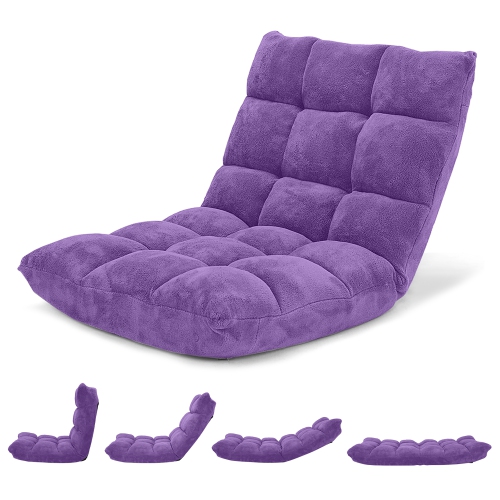
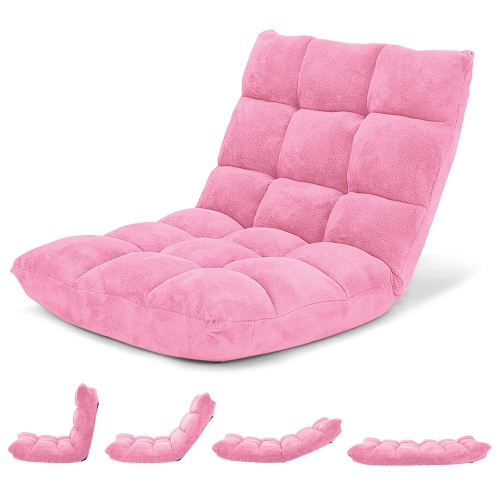

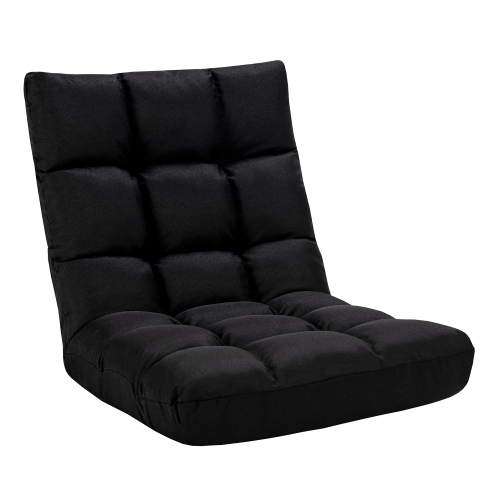

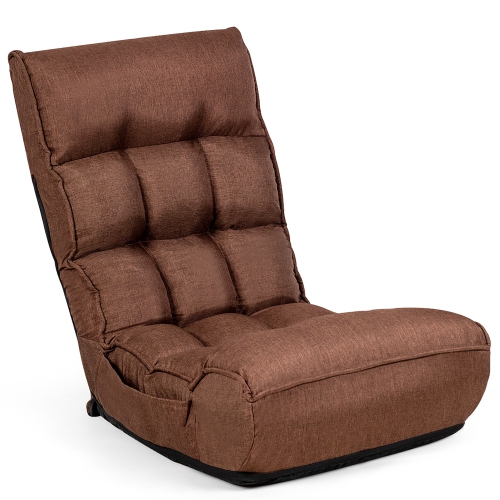
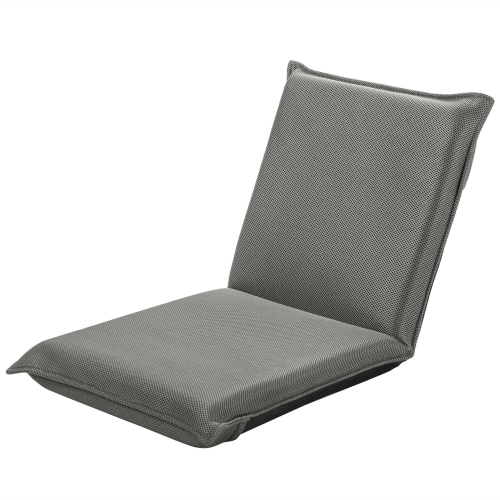
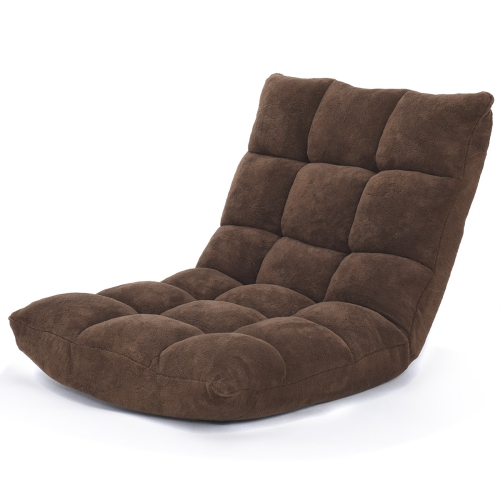
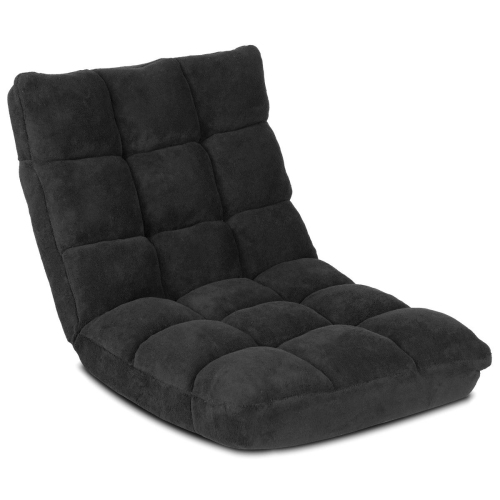
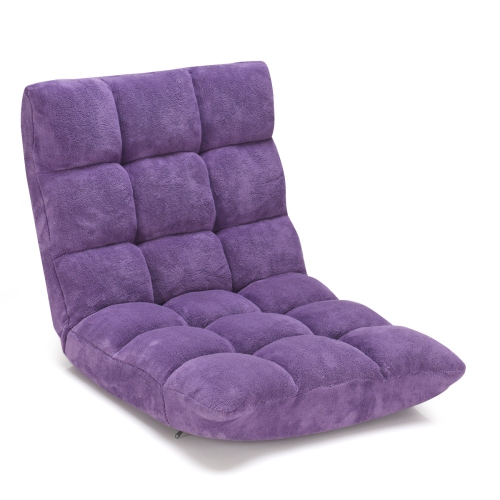
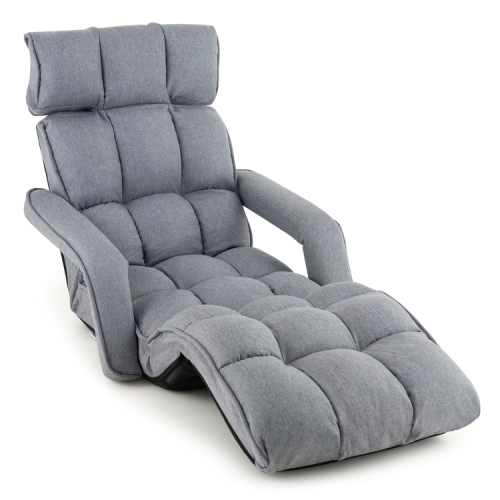
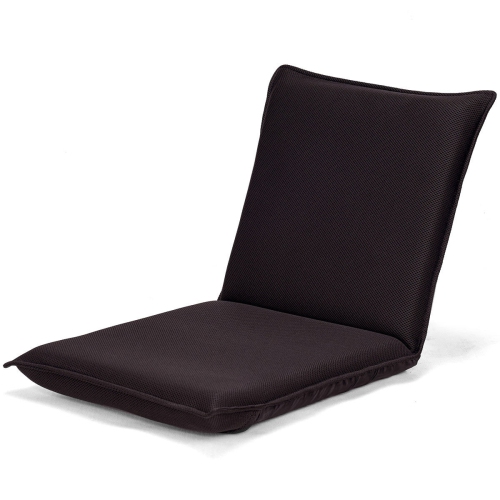
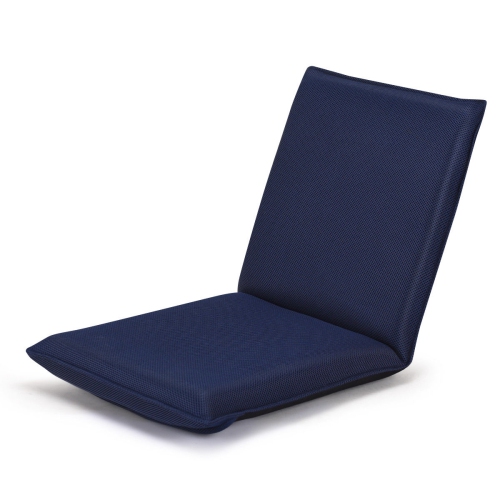


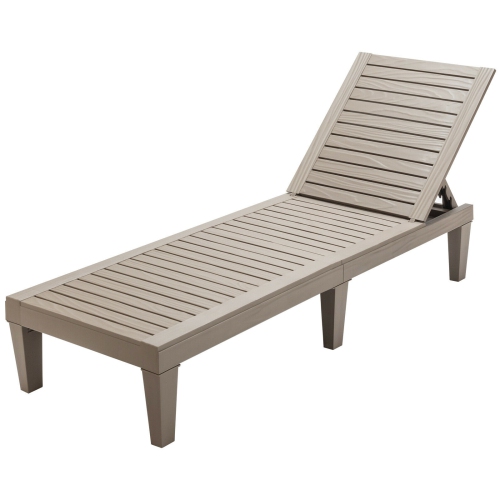
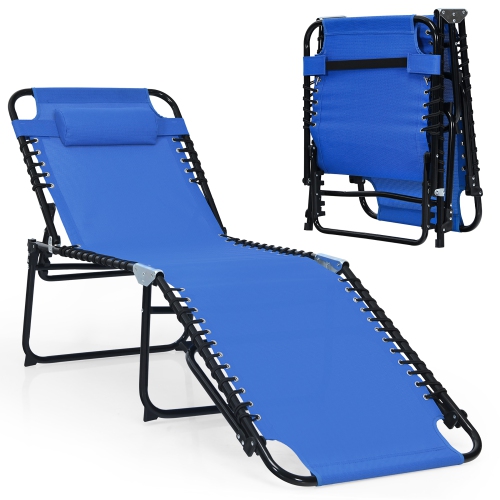
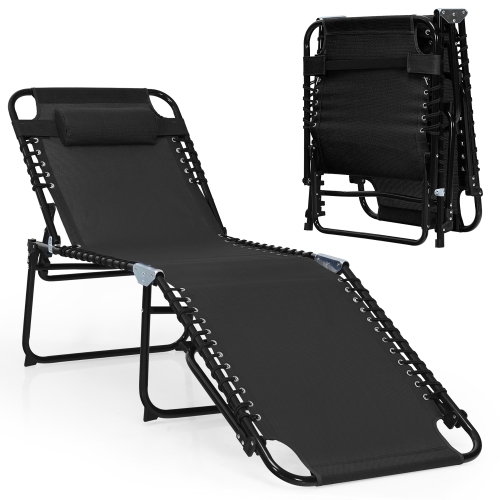
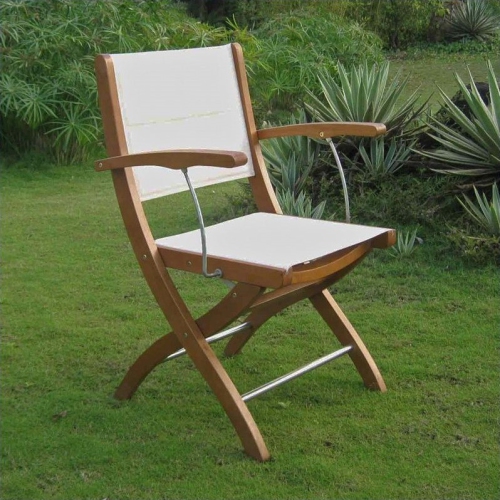
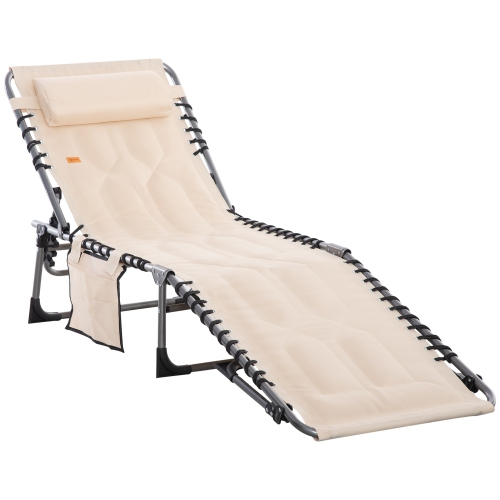
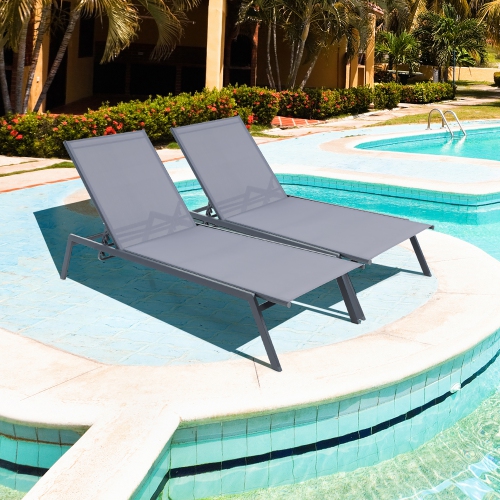
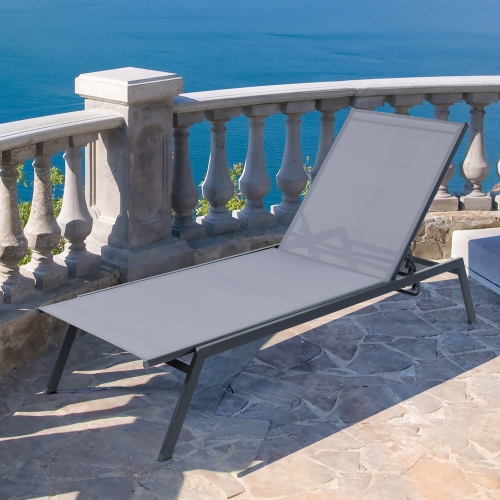
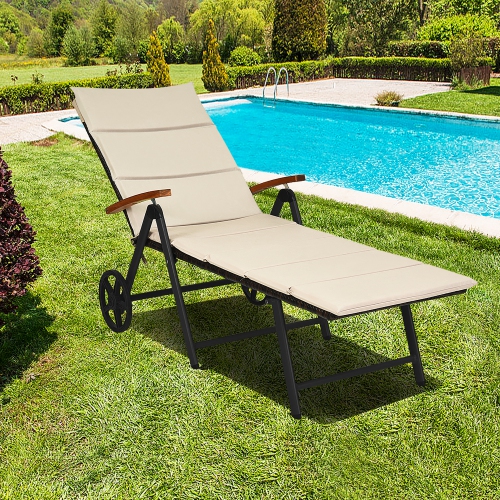








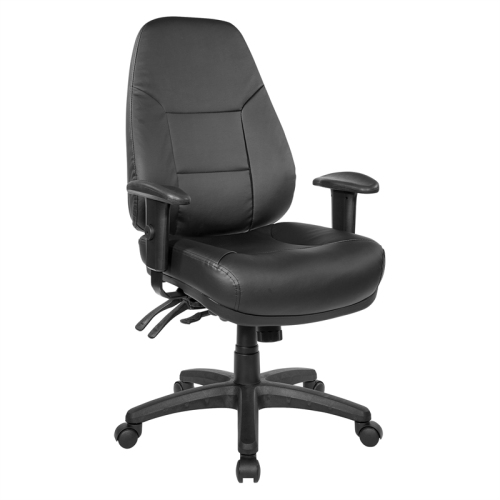
Comfort depends on more than the reclining angle
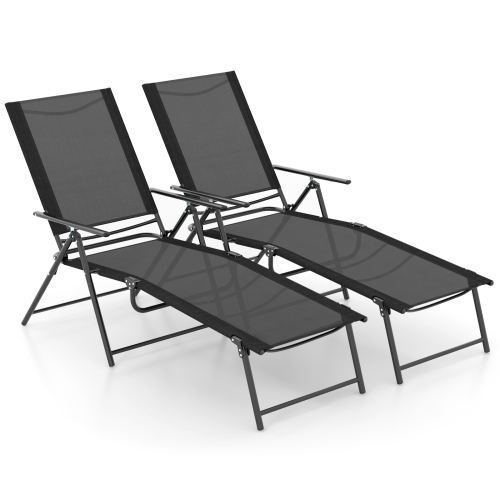
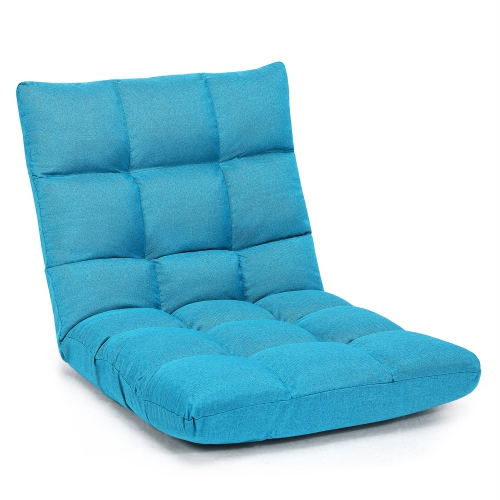
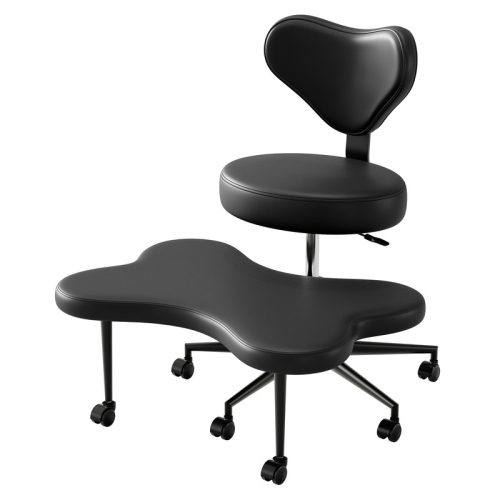
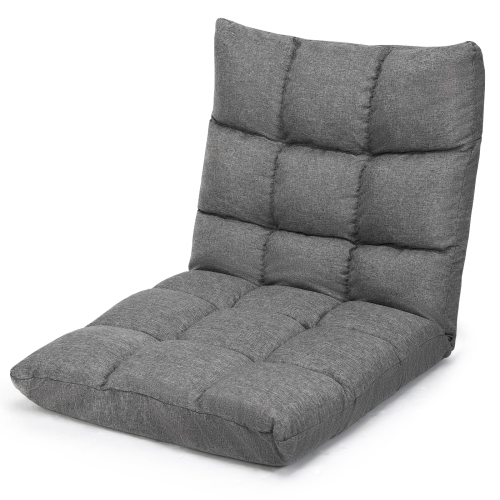
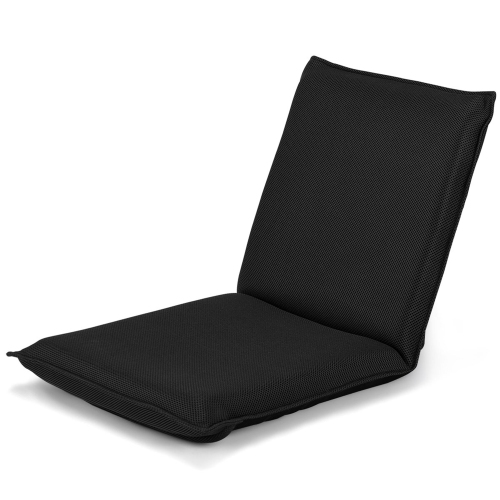
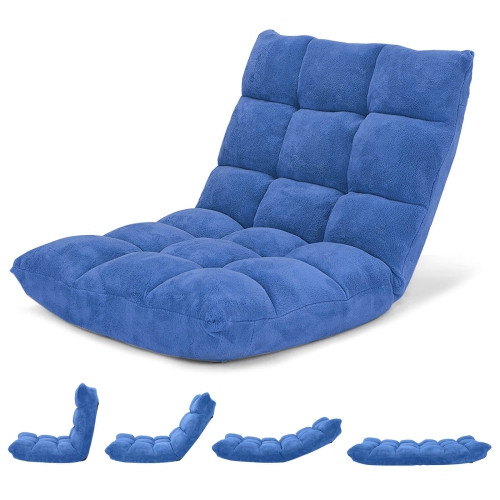
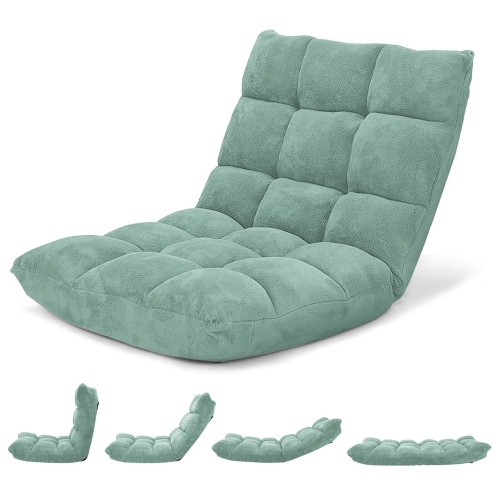
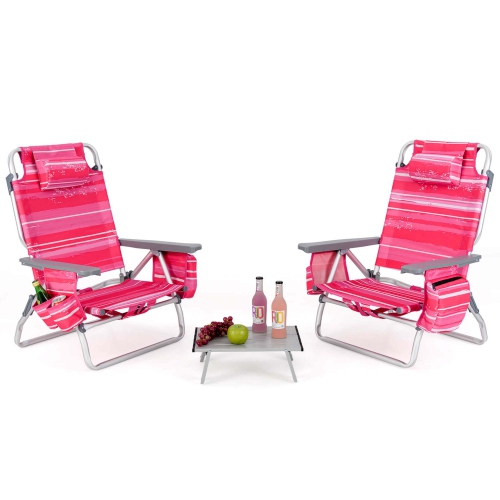
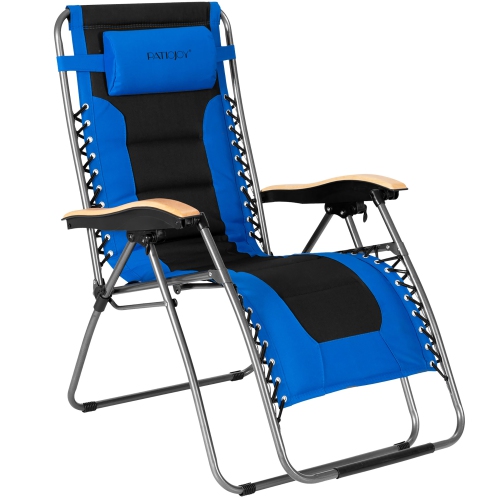
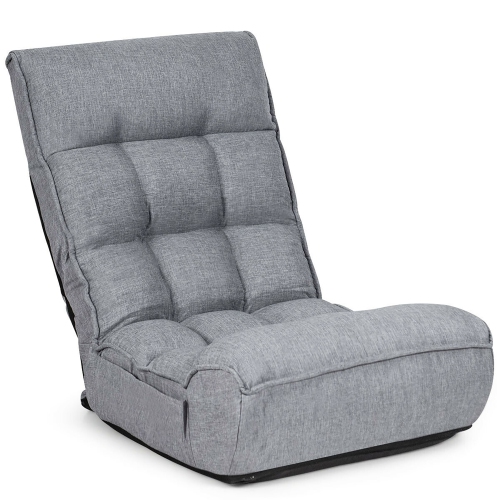
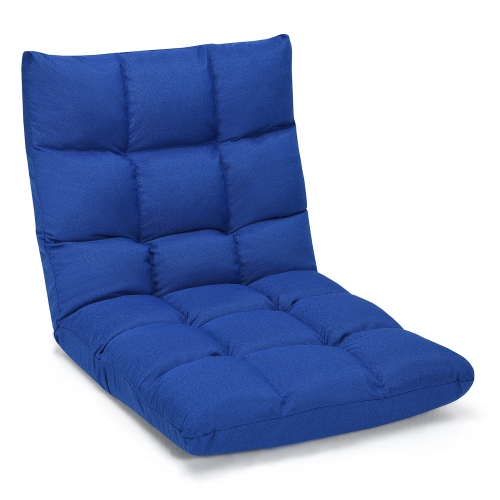
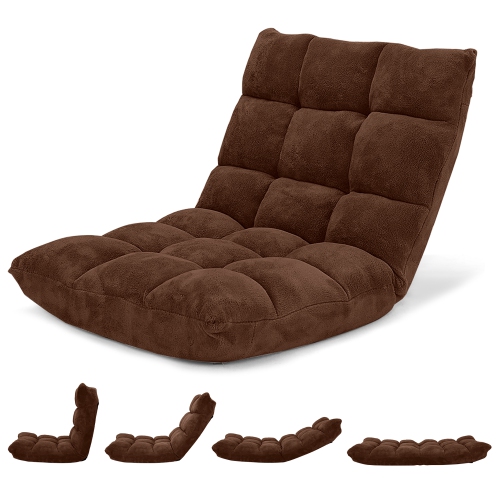
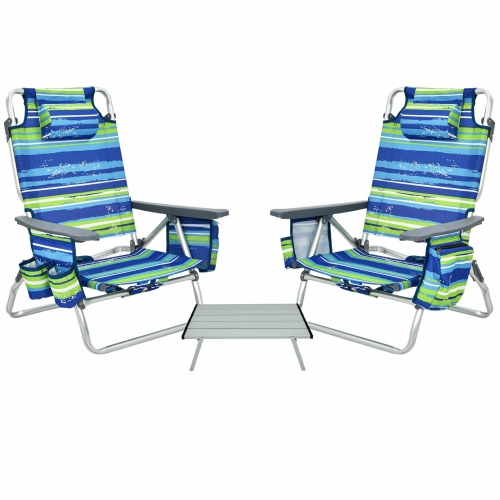
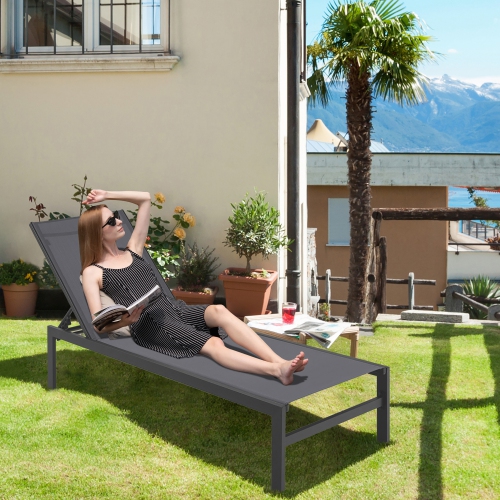
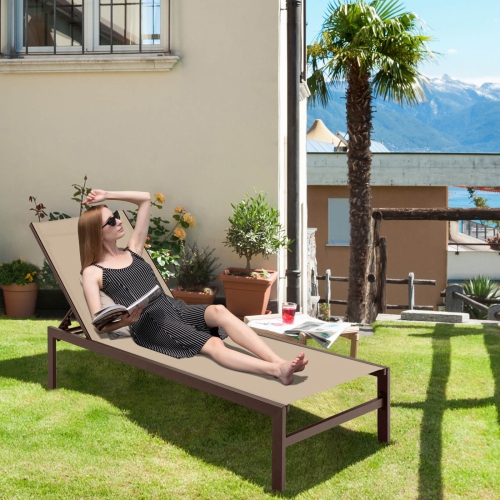
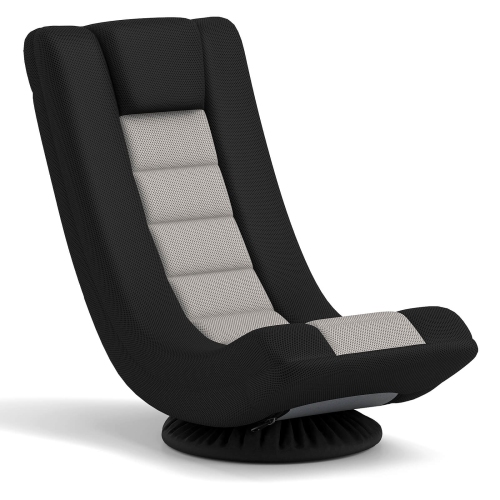
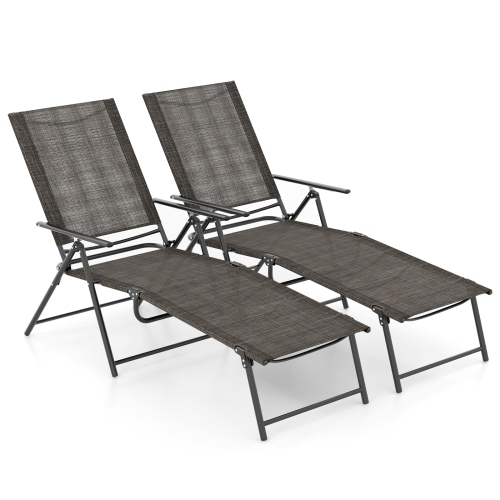
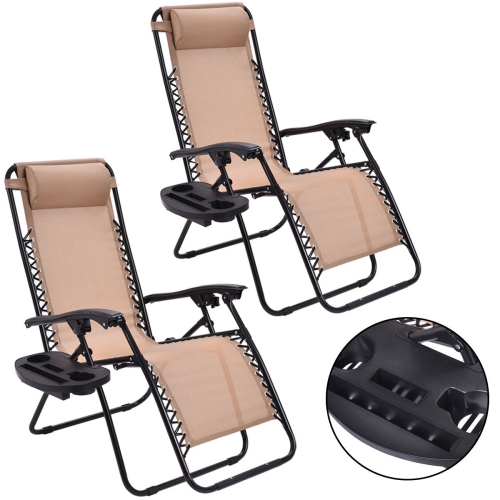
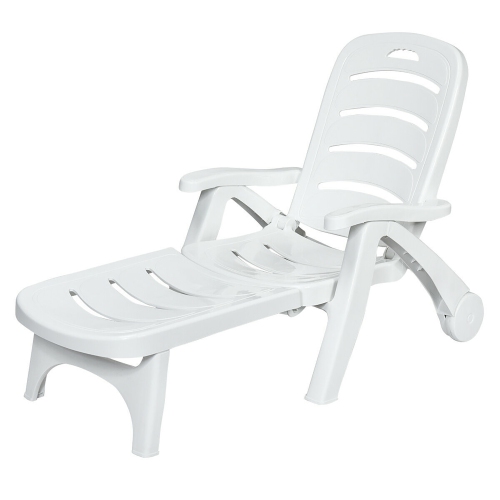
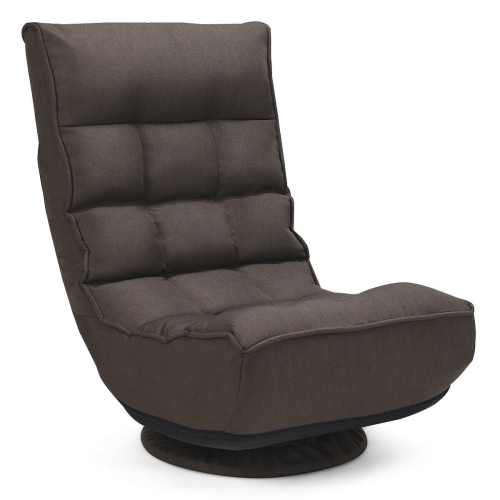
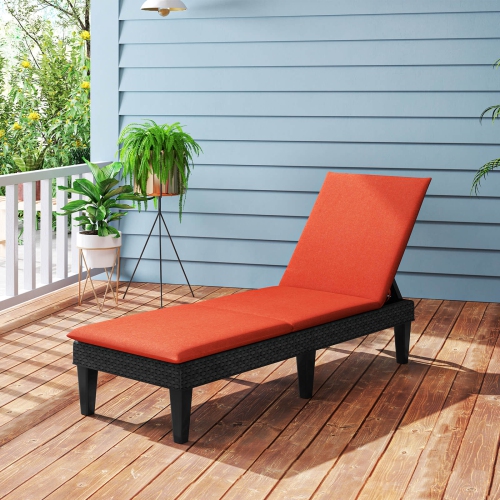
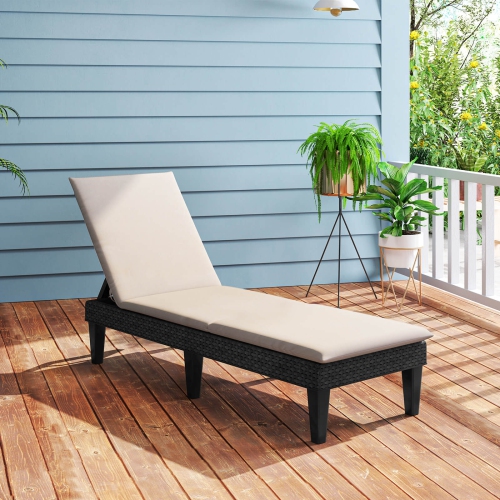
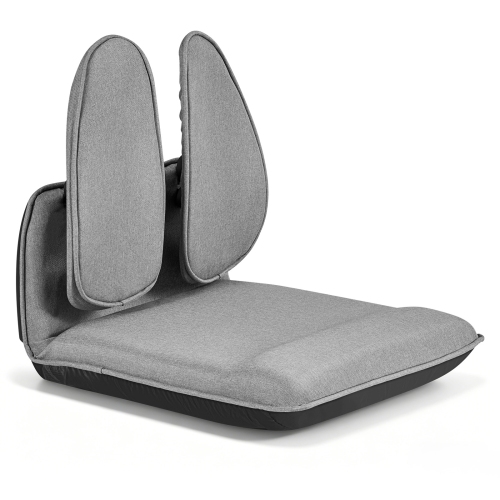
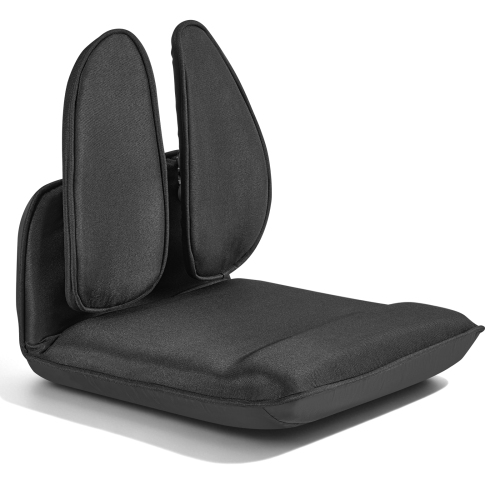
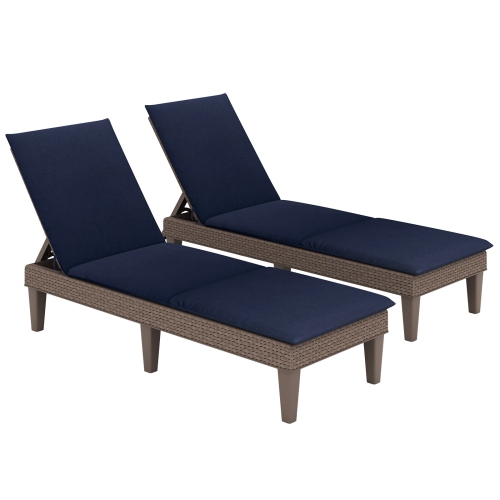
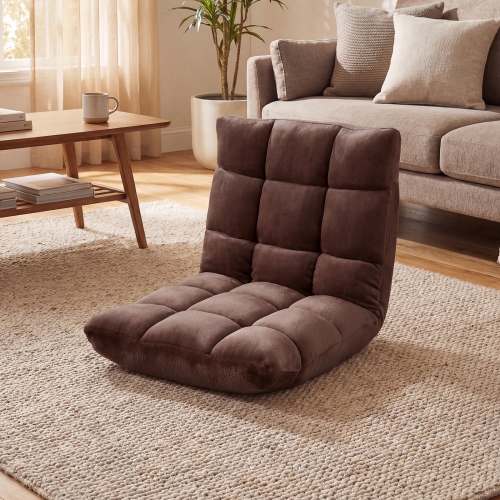
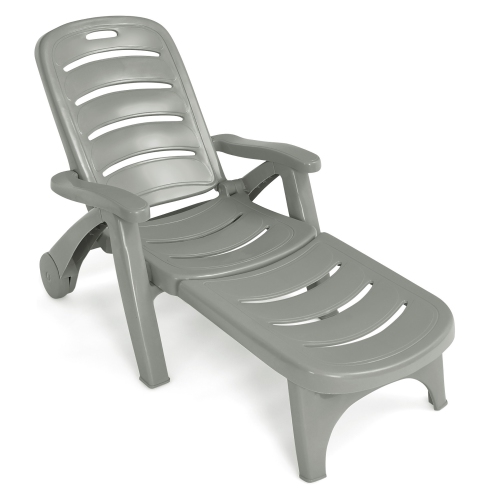
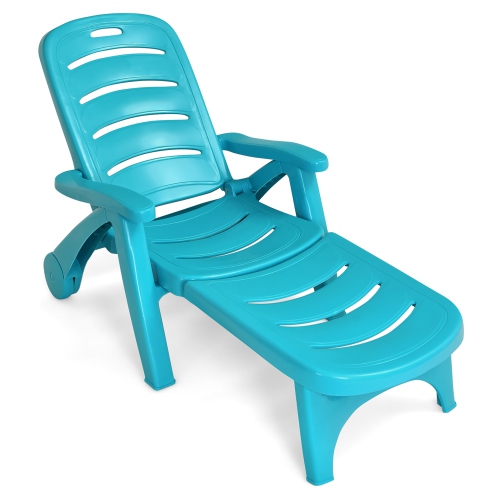
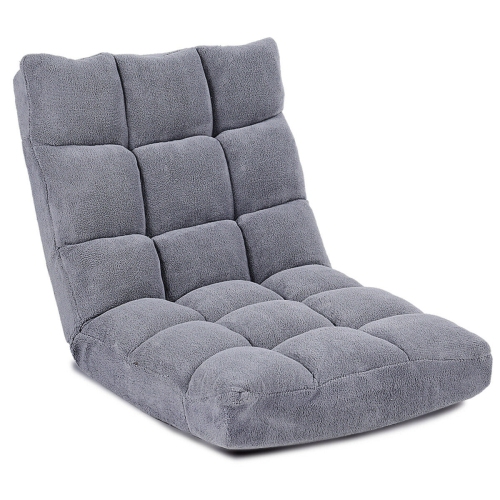
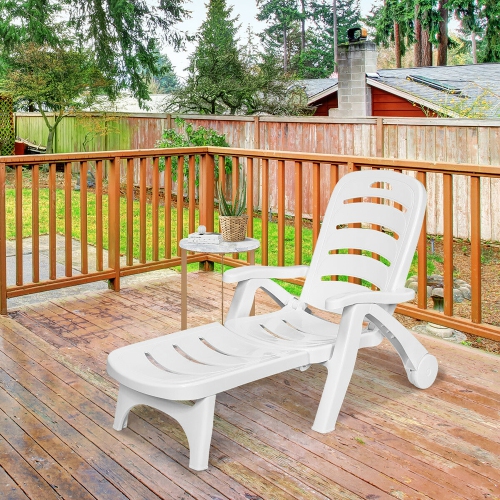
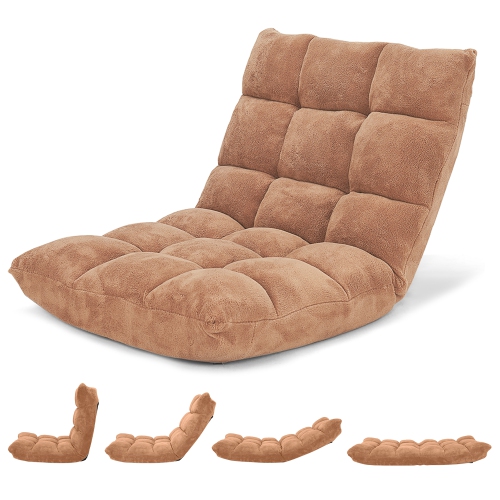
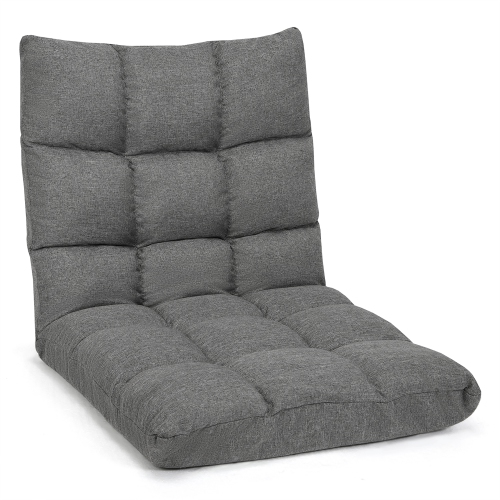
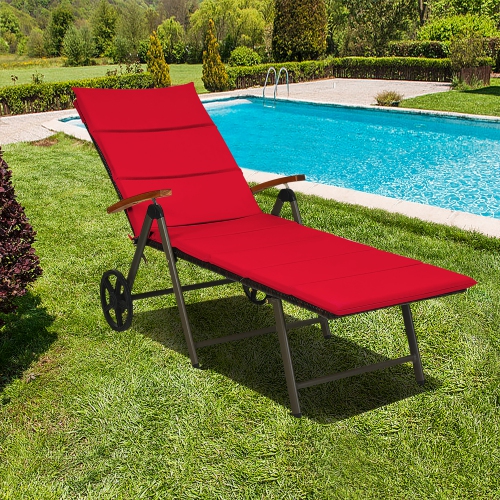
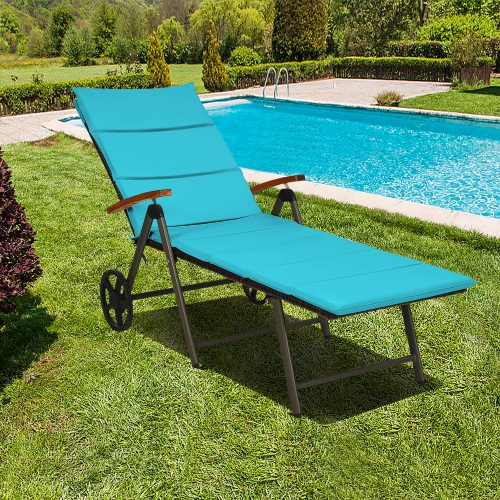
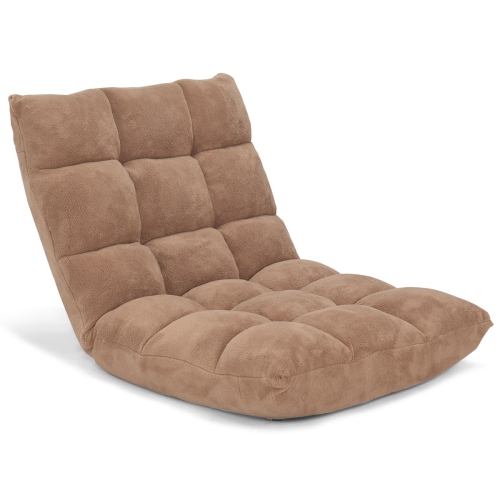
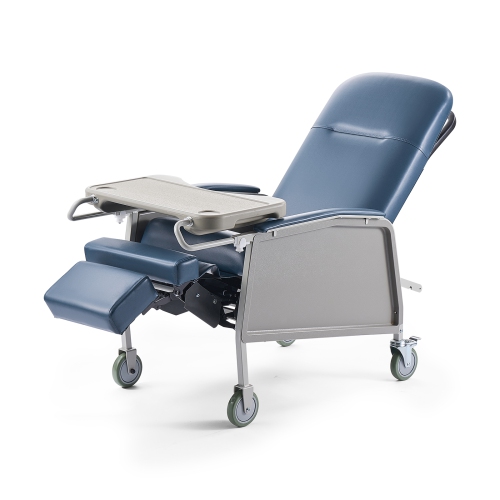
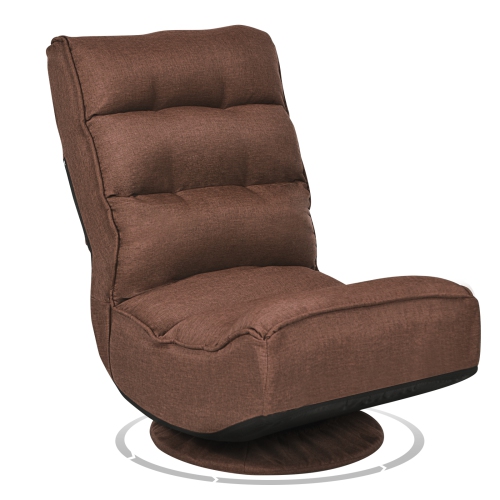
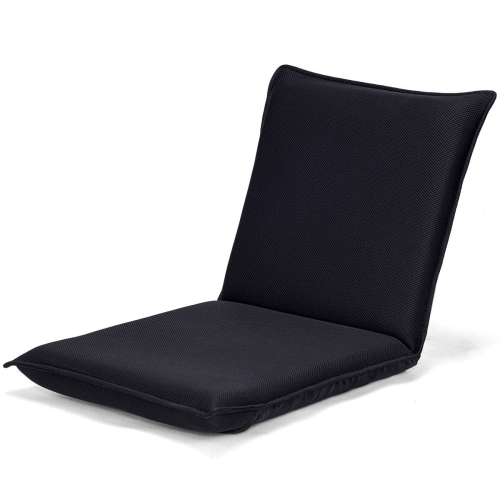
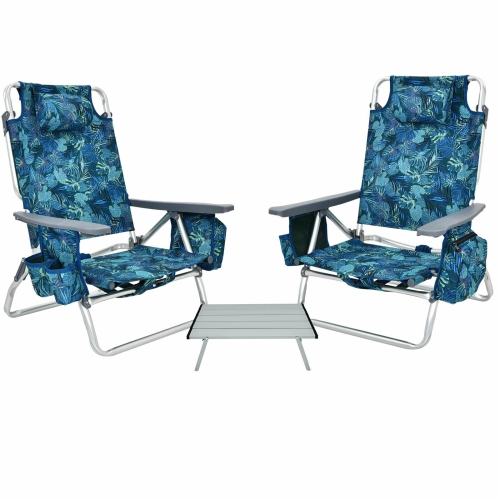
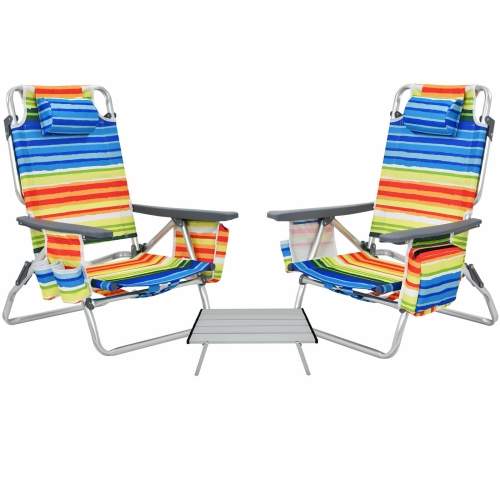
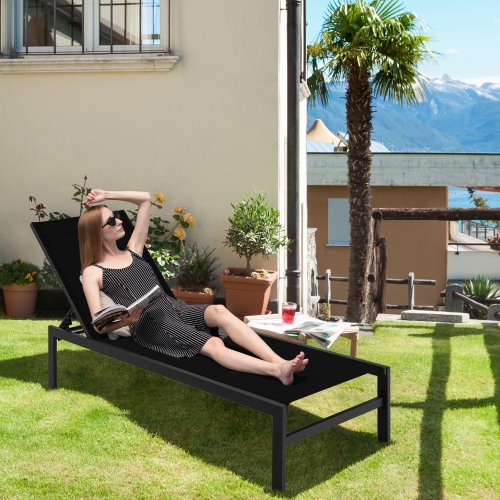
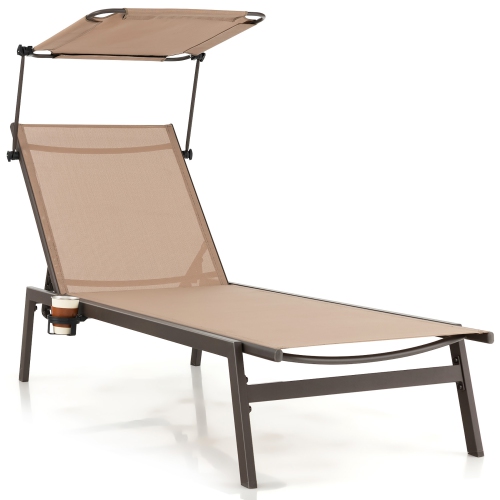
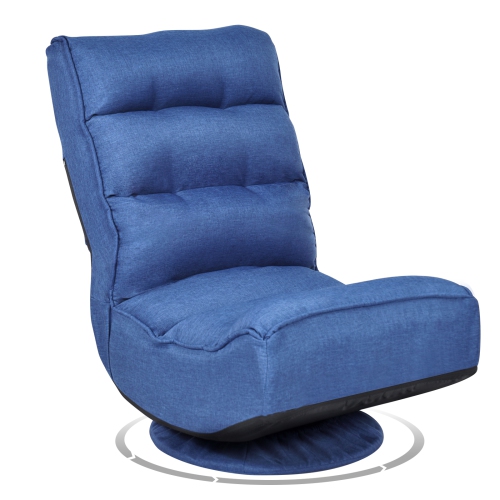
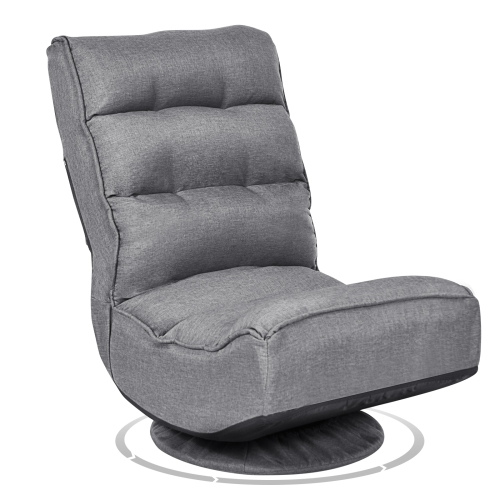
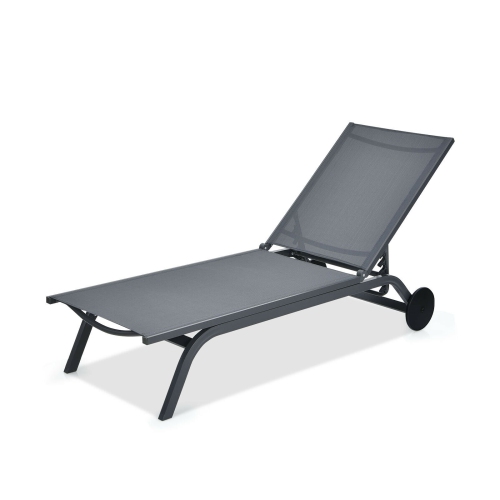
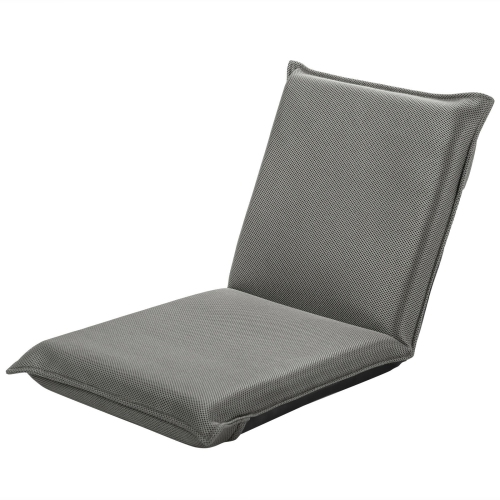
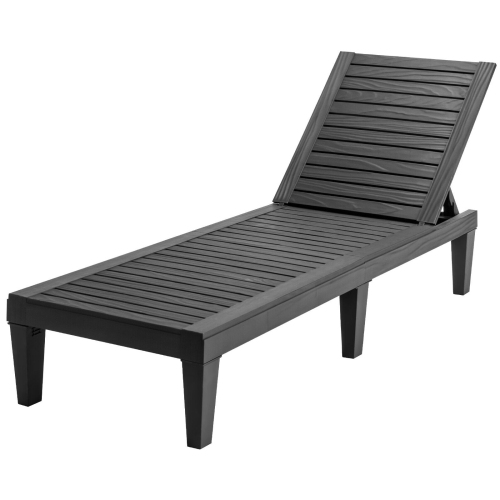
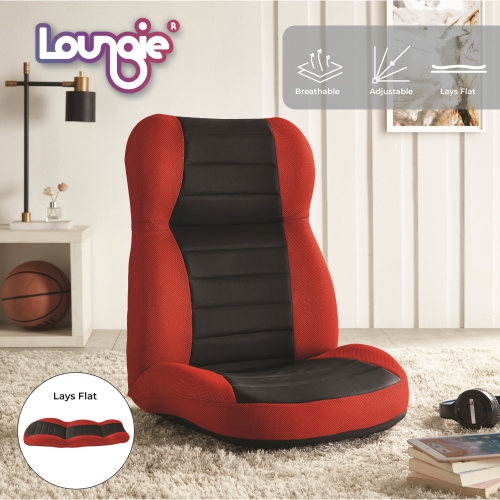
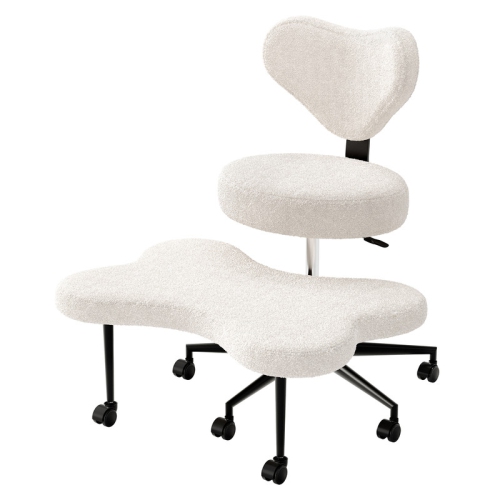
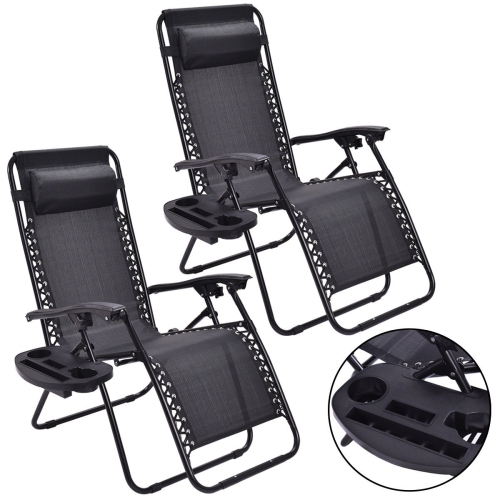
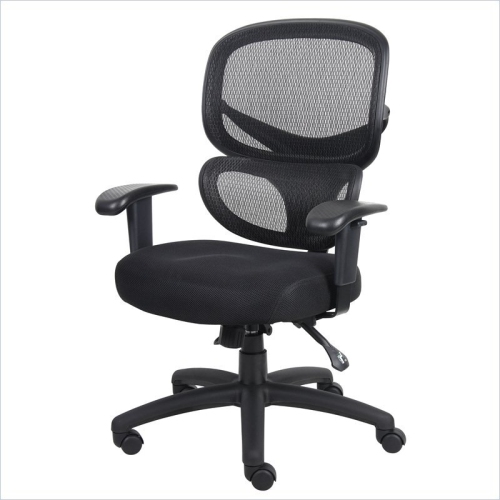
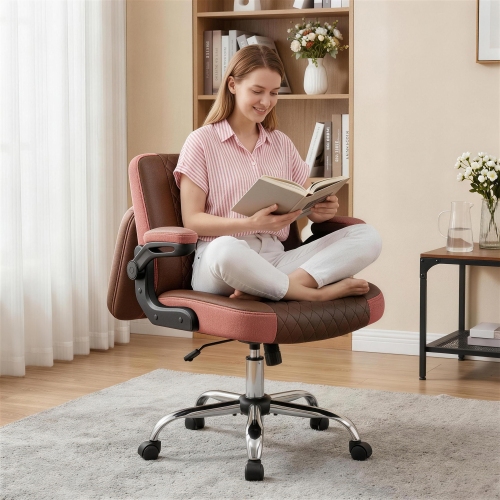
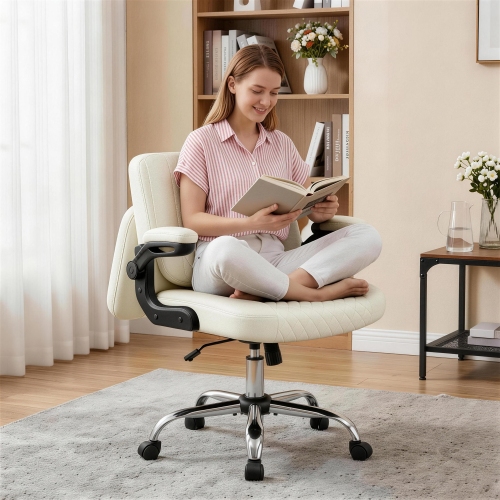
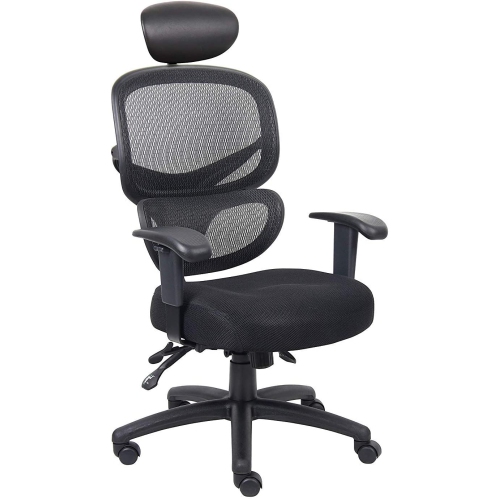
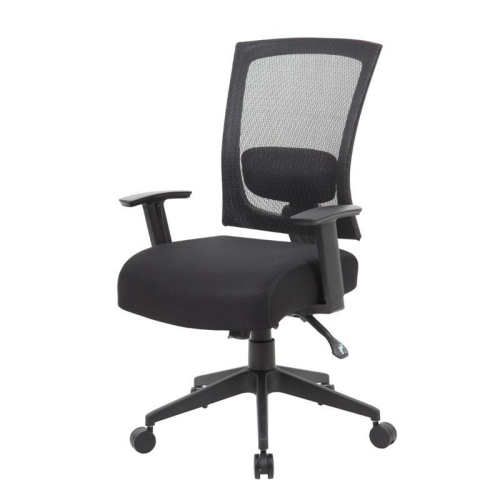
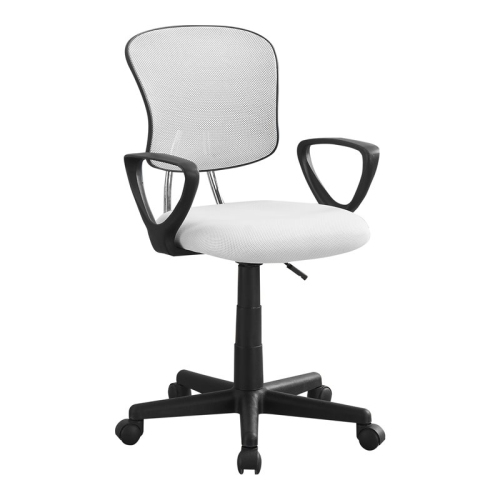
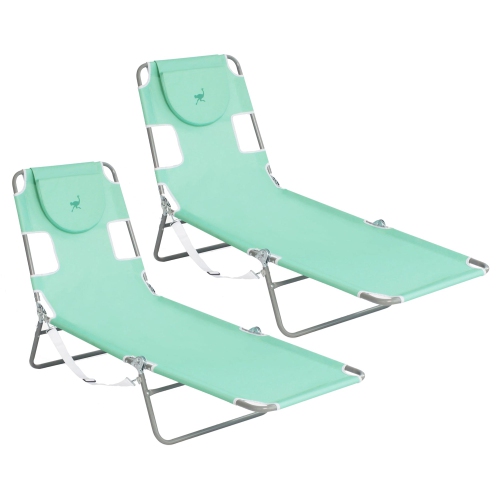
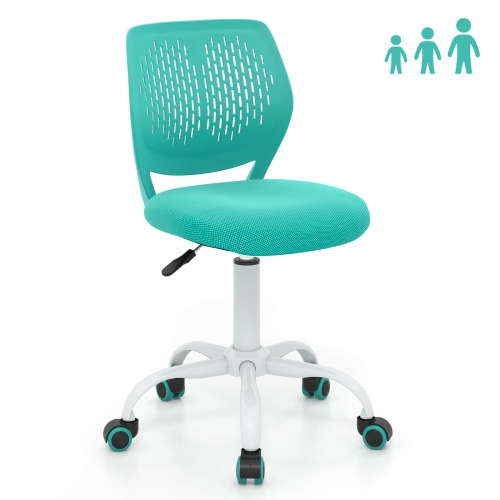
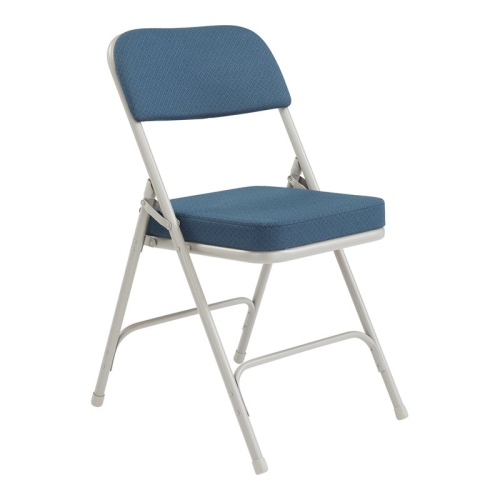
Multi-position chairs are adjustable seats that offer more than one sitting or reclining position, allowing the backrest, seat, leg support, or a combination of these parts to move. The category includes adjustable desk chairs, padded floor chairs, indoor recliners, and folding patio chairs, with each style suited to different activities. Some use fixed reclining stops, while others have a lever or tension mechanism that allows finer adjustments within a set range. An upright setting can suit conversation or reading at a table; a more relaxed angle can make sense for listening to music or stretching out with a book. The key distinction is how the chair changes position and what support it provides along the way. A reclining backrest does not necessarily include a footrest, and a folding frame may be intended for storage rather than posture adjustment. For a home office, seat-height adjustment, usable armrests, and a backrest that supports the lower back matter more than a deep lounging angle. A wider seat can offer room to shift position or sit cross-legged, though that posture will not suit every person or desk arrangement. For a reading corner or shared living room, cushioning, head support, and accessible reclining controls may take priority. Floor-level designs create a casual place for gaming, reading, or sitting near a low table, but their low height can make getting up more demanding. On a patio or balcony, a multi-position chair can move between upright seating for a chat and a reclined position for resting. These differences make intended use a more useful starting point than the number of settings alone. A chair with a few well-spaced positions may feel more practical than one with many adjustments that are awkward to reach. Comfort comes from a useful range of movement paired with support that suits the person sitting in it.
Fit involves both the person and the space around the chair. Seat width should leave comfortable room at the hips, while seat depth should support the thighs without pressing into the backs of the knees. In an upright desk position, feet should rest on the floor or a suitable footrest, with the work surface within easy reach. Backrest height also changes the experience: a shorter back can allow freer shoulder movement, while a taller one may support the upper back and head when reclining. A headrest needs to meet the user at a comfortable height rather than push the chin forward. Armrests can provide a place to rest the forearms or assist with sitting down and standing up, but tall or widely spaced arms may prevent a chair from sliding under a desk. For shared seating, adjustments that are clearly marked and easy to operate make it simpler for different people to find a comfortable setting. The chair’s stated weight capacity and dimensions remain important, even when its seat looks generous. Room measurements should account for the chair fully extended, not just upright, including clearance behind the backrest and in front of an opened footrest. In a compact living room, that extra reach can affect access to a doorway or coffee table. Swivel bases need space to turn, and wheeled bases should suit the floor surface beneath them. Folding chairs introduce another useful measurement: their size when folded and whether they can be carried comfortably to a cupboard or storage area. Where a room needs seating that changes into a different layout rather than simply reclines, Flip Chairs offer a related category to explore. For students, people furnishing a first apartment, or anyone creating a dedicated reading spot, adaptable seating can be a thoughtful gift when room dimensions and personal preferences are known. Seat height, firmness, and ease of movement are especially personal, so those details matter more than appearance alone.
Materials and construction influence how a multi-position chair feels day to day and how much attention it needs over time. Upholstered fabric offers a soft contact surface, but weave, texture, and cleaning requirements vary; tightly woven covers may be easier to keep free of crumbs than deeply textured upholstery. Removable covers can make routine care more manageable, although a removable cover is not automatically machine washable. Leather and synthetic upholstery have different care needs, and neither should be treated with a cleaner unless it is suitable for that finish. Cushioning also deserves attention beyond its initial softness. A deeply padded seat can feel inviting for short periods, while a firmer, supportive cushion may make changing position easier. Foam density, cushion thickness, and the support underneath all contribute to how well the seat holds its shape. Mesh and sling-style seating provide a less padded feel, with comfort depending on fabric tension, edge placement, and the shape of the frame. Metal, wood, and moulded resin frames each have their own weight and maintenance considerations; joints, hinges, and fastening points are just as important as the main frame material. For chairs intended for outdoor use, the stated suitability of the frame, fabric, and hardware matters, and outdoor construction does not mean a chair can be left without care indefinitely. Routine upkeep generally includes removing loose debris, addressing spills promptly, and following the care directions for each material. Folding or adjustable sections should move smoothly and engage securely, with fingers kept away from hinges and pinch points. Loose fasteners, damaged fabric, or a reclining mechanism that no longer holds its position need attention before further use. Moving a chair by its frame rather than dragging it by an armrest can help avoid unnecessary strain on its joints. With the right fit, suitable materials, and manageable upkeep, a multi-position chair can earn its place through ordinary daily use: sitting upright to finish a chapter, adjusting the back for a longer conversation, or folding the seat away when the room needs more open space.
Fit involves both the person and the space around the chair. Seat width should leave comfortable room at the hips, while seat depth should support the thighs without pressing into the backs of the knees. In an upright desk position, feet should rest on the floor or a suitable footrest, with the work surface within easy reach. Backrest height also changes the experience: a shorter back can allow freer shoulder movement, while a taller one may support the upper back and head when reclining. A headrest needs to meet the user at a comfortable height rather than push the chin forward. Armrests can provide a place to rest the forearms or assist with sitting down and standing up, but tall or widely spaced arms may prevent a chair from sliding under a desk. For shared seating, adjustments that are clearly marked and easy to operate make it simpler for different people to find a comfortable setting. The chair’s stated weight capacity and dimensions remain important, even when its seat looks generous. Room measurements should account for the chair fully extended, not just upright, including clearance behind the backrest and in front of an opened footrest. In a compact living room, that extra reach can affect access to a doorway or coffee table. Swivel bases need space to turn, and wheeled bases should suit the floor surface beneath them. Folding chairs introduce another useful measurement: their size when folded and whether they can be carried comfortably to a cupboard or storage area. Where a room needs seating that changes into a different layout rather than simply reclines, Flip Chairs offer a related category to explore. For students, people furnishing a first apartment, or anyone creating a dedicated reading spot, adaptable seating can be a thoughtful gift when room dimensions and personal preferences are known. Seat height, firmness, and ease of movement are especially personal, so those details matter more than appearance alone.
Materials and construction influence how a multi-position chair feels day to day and how much attention it needs over time. Upholstered fabric offers a soft contact surface, but weave, texture, and cleaning requirements vary; tightly woven covers may be easier to keep free of crumbs than deeply textured upholstery. Removable covers can make routine care more manageable, although a removable cover is not automatically machine washable. Leather and synthetic upholstery have different care needs, and neither should be treated with a cleaner unless it is suitable for that finish. Cushioning also deserves attention beyond its initial softness. A deeply padded seat can feel inviting for short periods, while a firmer, supportive cushion may make changing position easier. Foam density, cushion thickness, and the support underneath all contribute to how well the seat holds its shape. Mesh and sling-style seating provide a less padded feel, with comfort depending on fabric tension, edge placement, and the shape of the frame. Metal, wood, and moulded resin frames each have their own weight and maintenance considerations; joints, hinges, and fastening points are just as important as the main frame material. For chairs intended for outdoor use, the stated suitability of the frame, fabric, and hardware matters, and outdoor construction does not mean a chair can be left without care indefinitely. Routine upkeep generally includes removing loose debris, addressing spills promptly, and following the care directions for each material. Folding or adjustable sections should move smoothly and engage securely, with fingers kept away from hinges and pinch points. Loose fasteners, damaged fabric, or a reclining mechanism that no longer holds its position need attention before further use. Moving a chair by its frame rather than dragging it by an armrest can help avoid unnecessary strain on its joints. With the right fit, suitable materials, and manageable upkeep, a multi-position chair can earn its place through ordinary daily use: sitting upright to finish a chapter, adjusting the back for a longer conversation, or folding the seat away when the room needs more open space.
Top selling and popular products
-
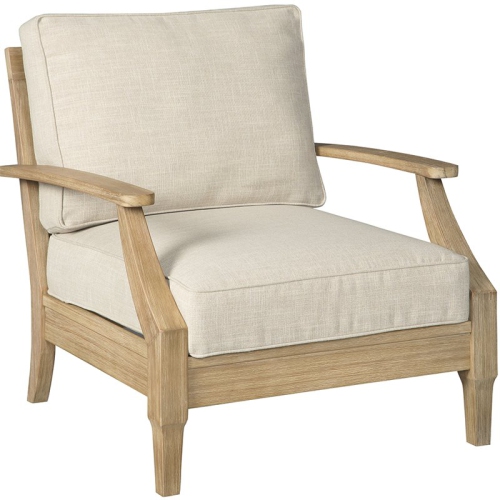 Your price for this item is $1227.67
 -
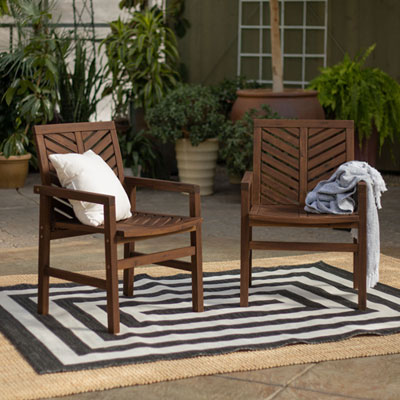 Your price for this item is $604.99
 -
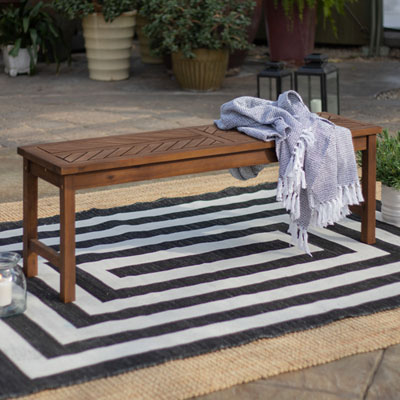 Your price for this item is $371.99
 -
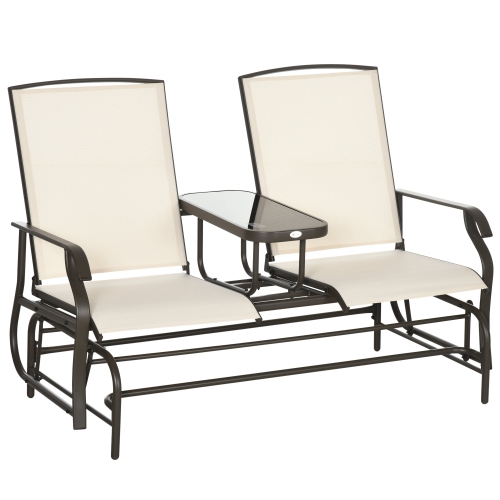 Your price for this item is $189.99
 -
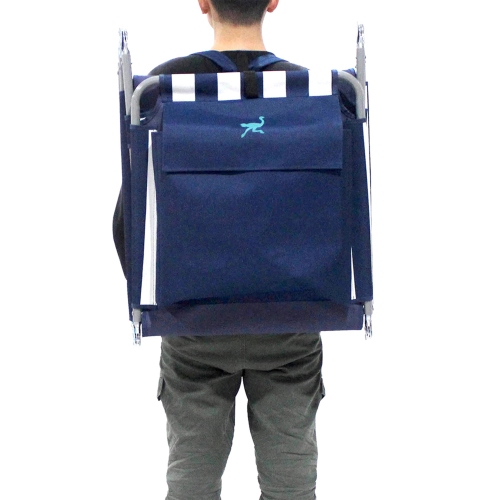 Your price for this item is $204.99
 -
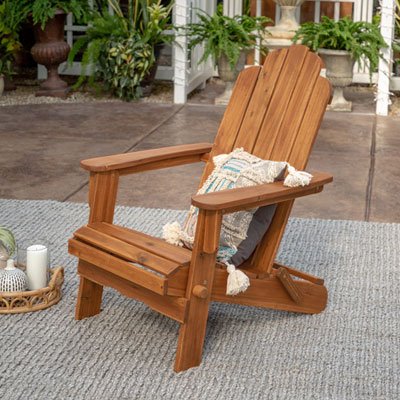 Your price for this item is $461.99
 -
 Your price for this item is $170.99
 -
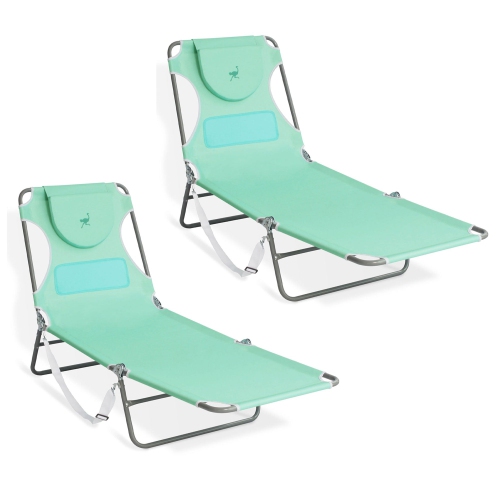 Your price for this item is $392.99
Discover more categories related to Multi-Position Chairs
Top Collections:
Pokemon Centers, Kindle Devices, Best Budget Office Chairs, Apple iPhones 16, Best Laptops for Writers, iPhone 15 Apple, Canon G7X Cameras, Refurbished Apple Laptops, Alarm Clock, Motorola Razr Phones
Some products may be subject to Environmental Handling Fees
(EHF) depending on your province.
Learn more about EHFs.