Must Have Electrician Tools
Must have electrician tools are essential for tackling electrical projects with confidence and efficiency. Whether you're a professional electrician or a dedicated DIY enthusiast, having the right equipment on hand can make all the difference in completing tasks safely and accurately. From basic repairs to complex installations, choosing the proper tools ensures you’re prepared for any challenge that comes your way. Explore our selection to find the must have electrician tools that help you get the job done right every time.
Sort
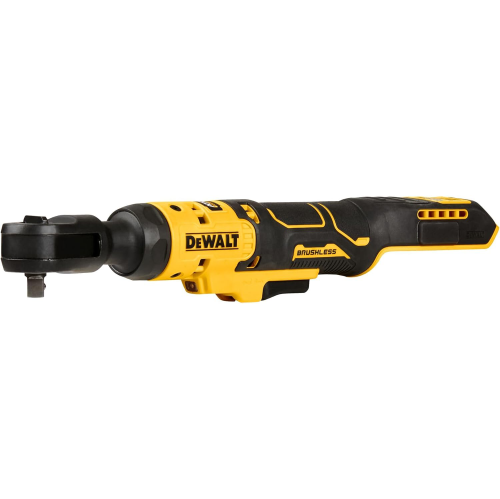
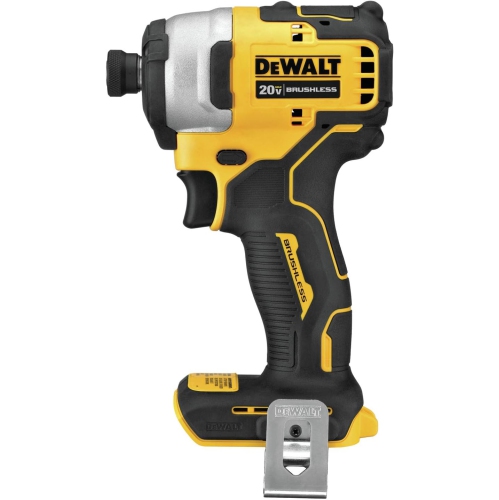
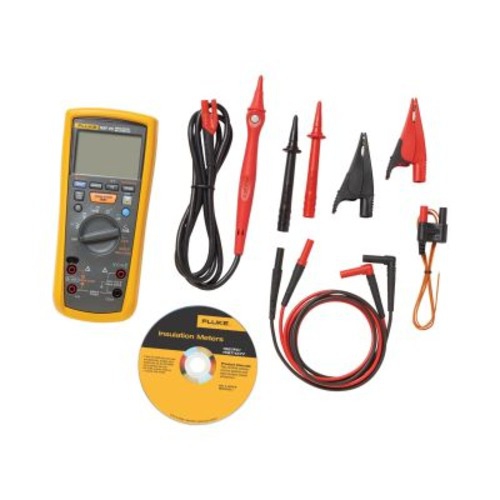
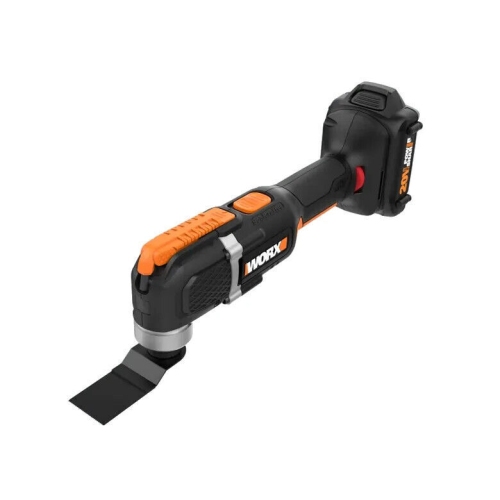

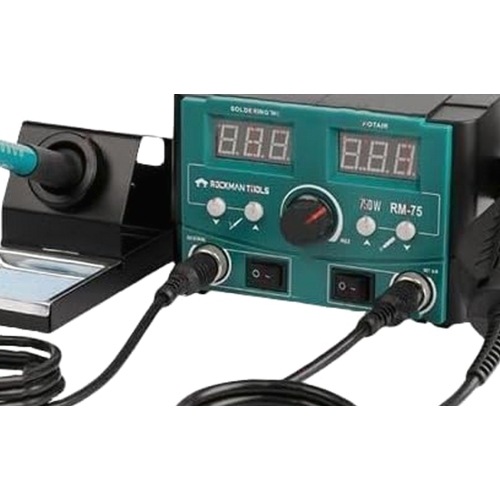
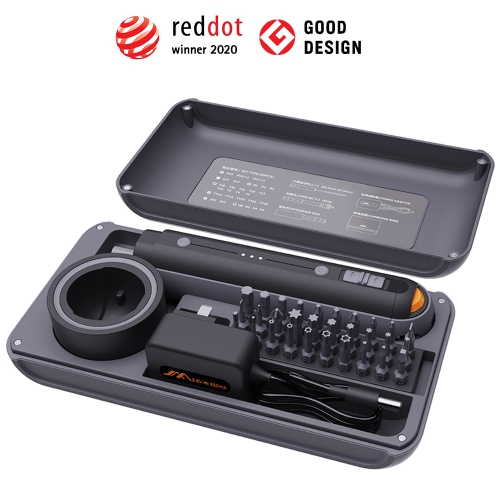
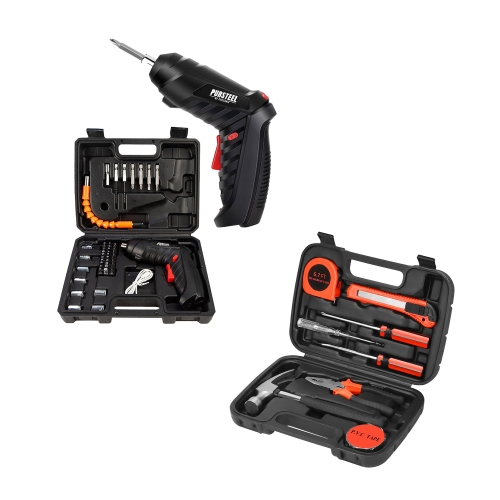
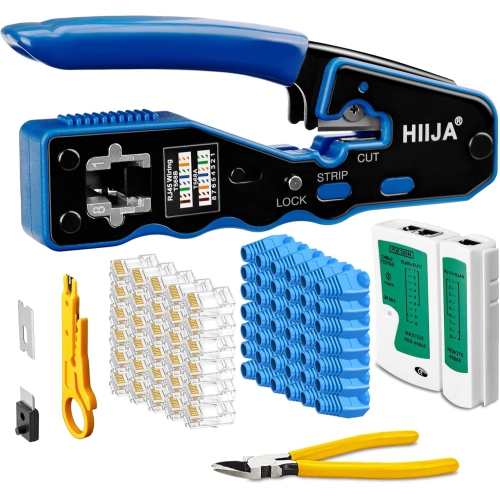
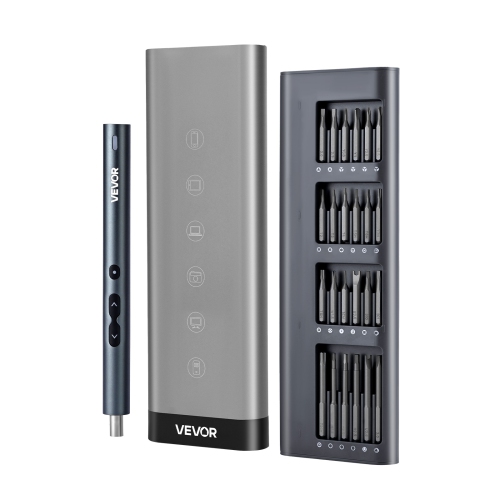
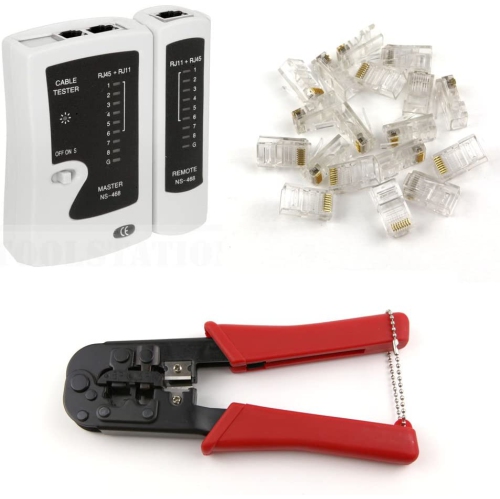
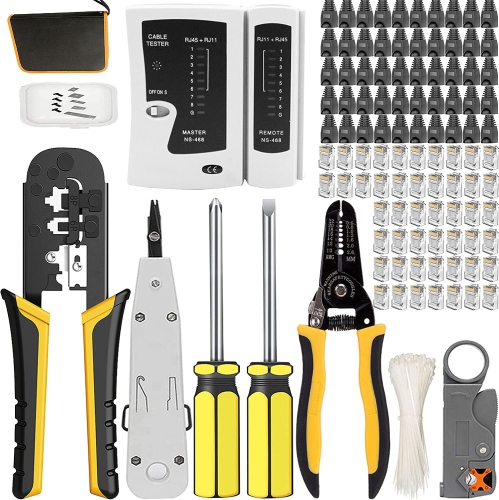
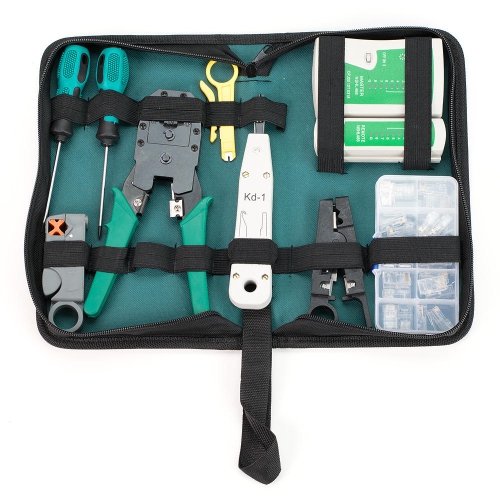
Five everyday tasks shape a well-matched electrician’s toolkit
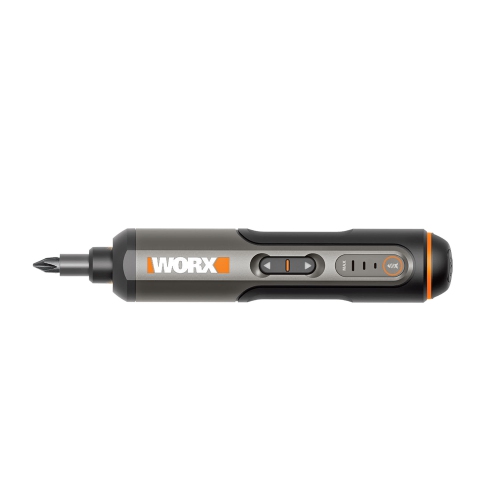
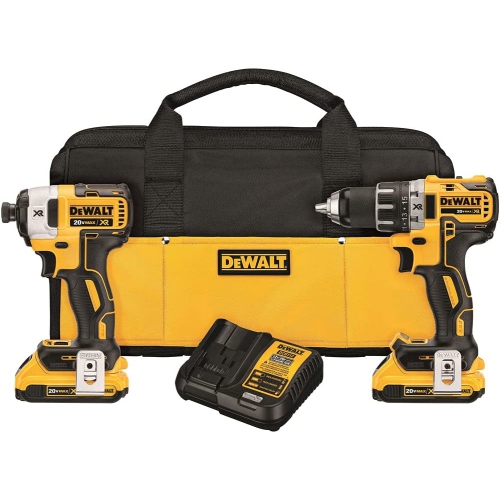
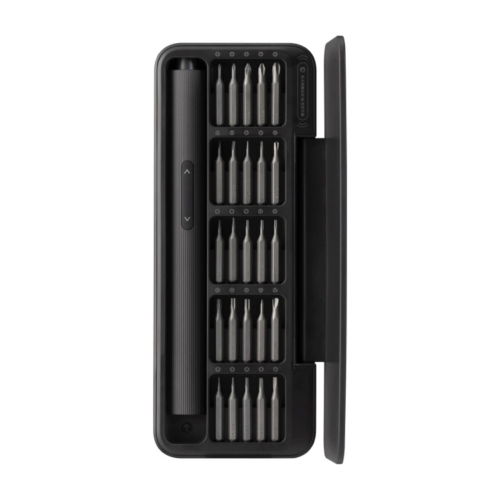
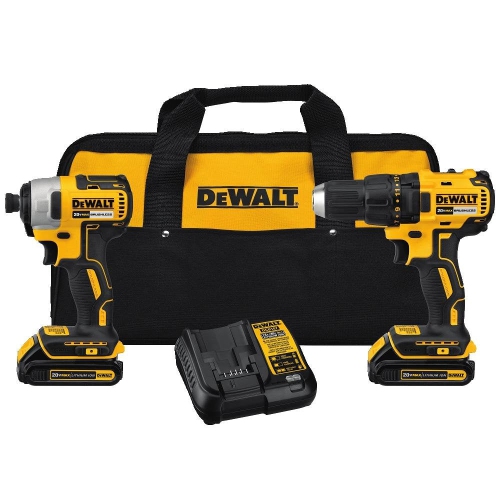
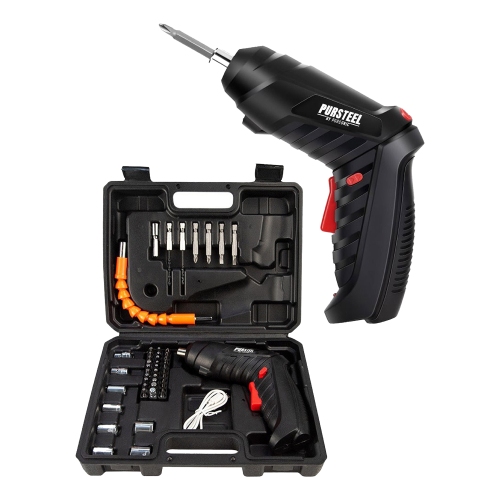
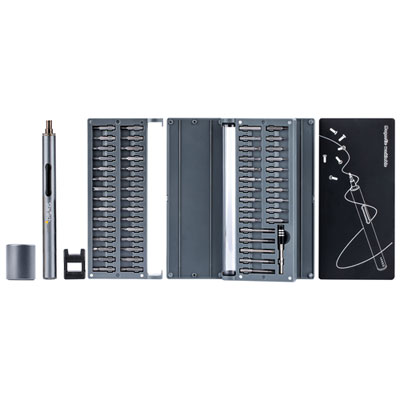
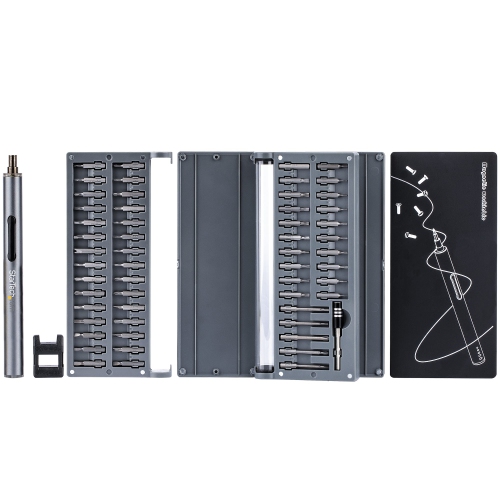
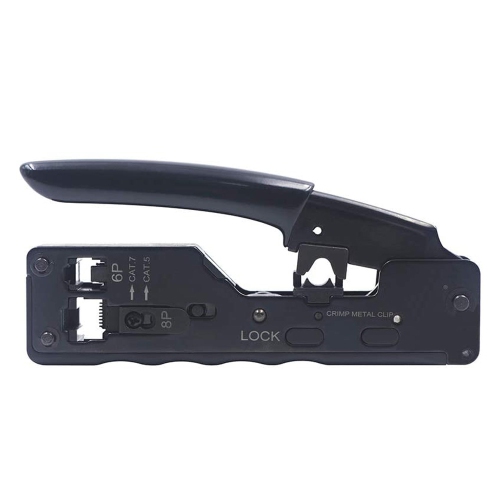
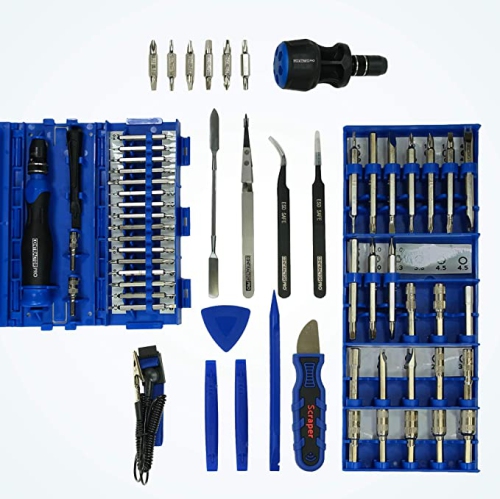
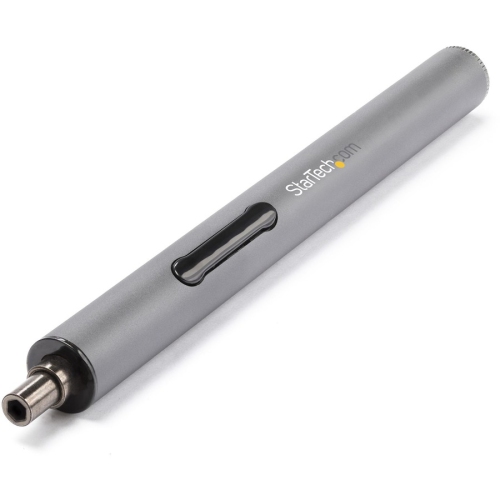
Must-have electrician tools cover five everyday needs: gripping, cutting, stripping, fastening, and testing. For many electricians, the core kit includes lineman’s pliers, wire strippers, insulated screwdrivers, diagonal cutters, a digital multimeter, and a non-contact voltage tester, with carrying gear to keep everything organized. Each tool serves a different purpose, so a useful assortment is less about having the largest collection and more about matching tools to the work. Lineman’s pliers provide leverage for gripping, bending, and twisting conductors, while diagonal cutters reach into crowded spaces to trim wire within their stated cutting capacity. Long-nose pliers offer a narrower profile for shaping conductors and retrieving small parts inside boxes. Wire strippers have openings sized for particular wire gauges and conductor types, helping remove insulation without nicking the metal beneath it. Compatibility with solid or stranded wire matters, especially when moving between building wiring and flexible leads. Screwdrivers need tip profiles that fit terminal screws securely; a poor fit can damage the fastener and make controlled tightening difficult. Where connections specify a tightening value, an appropriate torque screwdriver supports accurate fastening rather than relying on feel alone. Handle shape, balance, and grip texture also influence how comfortable tools are through repeated tasks. A broad handle may suit forceful cutting, while a slimmer profile can provide better access around closely spaced terminals. Purpose-built insulated hand tools carry markings for their tested rating and applicable standards; ordinary plastic or rubber-covered handles do not provide equivalent protection. Insulation is an added safeguard, not permission to work on energized circuits. Electrical work requires suitable training, safe isolation practices, and compliance with provincial or territorial requirements. Apprentices, experienced tradespeople, and maintenance staff may share many of the same tool categories, but the right sizes and features depend on their tasks. For household owners, tools should suit permitted work and personal competence, with electrical installation and repairs left to qualified professionals where required.
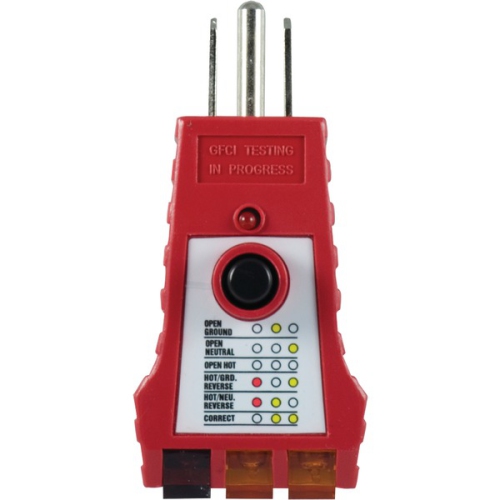
Electrical testing tools provide information that hand tools cannot, but their functions and limitations differ. A digital multimeter can measure voltage and resistance, and many models also measure current, continuity, and other electrical values. Its measurement category, voltage rating, input protection, and compatible test leads must suit the circuit and location where it will be used. Clear displays, accessible controls, and durable lead connections are practical considerations when readings need to be taken in a cramped service area. A clamp meter can measure current around a single conductor without inserting the meter in series, provided the instrument supports the type and range of current involved. A non-contact voltage tester offers a preliminary indication of an electric field near wiring or equipment, but it cannot establish that a circuit is safe to touch. Shielding, positioning, and other factors can affect its response. Confirming the absence of voltage requires appropriate test equipment and established verification procedures performed by someone qualified for the work. Plug-in receptacle testers can identify certain common wiring faults at compatible outlets, while versions with a GFCI test function can help check the response of compatible ground-fault protection. They do not identify every wiring problem or prove that an installation is safe. Beyond measurement, electrician tools also support access, layout, and cable routing. A tape measure and compact level help with consistent placement, while a work light or headlamp makes markings and wire colours easier to distinguish inside a cabinet. Fish tape and cable-pulling rods help route wiring through suitable pathways, with material, stiffness, reach, and bend characteristics affecting their intended use. Steel tape offers strength, while non-conductive alternatives serve different applications without making contact with energized wiring safe. Drilling and fastening tools need suitable bits, accessories, and control for the material being worked on. Clean access holes, protected cable routes, and clearly labelled circuits all contribute to work that is easier to inspect and service later.
Durability becomes noticeable in the small details: plier jaws that meet evenly, cutters that close cleanly, screwdriver tips that retain their shape, and bag seams that hold under a full load. Hardened cutting edges and well-fitted pivots support consistent performance, while corrosion-resistant finishes help protect exposed metal during ordinary handling and storage. No finish replaces proper care. Tools last better when they are kept clean and dry, used within their stated capacities, and checked for loose components, damaged edges, or cracked insulation. Cutting hardened fasteners with a tool intended only for softer wire can damage the blades, just as using a screwdriver as a pry bar can compromise its tip and shaft. Testing instruments need their own attention, including checks of lead insulation, probe condition, batteries, and any inspection or calibration requirements specified by the manufacturer or workplace. Storage should protect precision surfaces and make missing tools easy to spot. A structured backpack can distribute a mixed load across both shoulders, while a belt pouch keeps frequently used hand tools close during suitable tasks. Reinforced bases, secure pockets, comfortable straps, and compartments that separate sharp edges from test leads are useful features. The best fit depends on whether the tools travel between service calls, remain at a maintenance station, or move around a larger job site. For shoppers building a coordinated assortment, Electrical Tool Kits bring related tool categories together, though the included sizes, ratings, and functions still need to match the intended work. A starter assortment may suit an apprentice entering the trade, while an established electrician may value tools that address a particular access problem or replace heavily used equipment. Tools can also make practical gifts for someone beginning formal training, particularly when their course or employer has supplied a requirements list. Matching that list avoids unnecessary duplication and helps ensure that each addition earns its place in the bag. Across different experience levels, well-chosen electrician tools combine dependable construction, suitable ratings, comfortable handling, and a clear purpose.
Electrical testing tools provide information that hand tools cannot, but their functions and limitations differ. A digital multimeter can measure voltage and resistance, and many models also measure current, continuity, and other electrical values. Its measurement category, voltage rating, input protection, and compatible test leads must suit the circuit and location where it will be used. Clear displays, accessible controls, and durable lead connections are practical considerations when readings need to be taken in a cramped service area. A clamp meter can measure current around a single conductor without inserting the meter in series, provided the instrument supports the type and range of current involved. A non-contact voltage tester offers a preliminary indication of an electric field near wiring or equipment, but it cannot establish that a circuit is safe to touch. Shielding, positioning, and other factors can affect its response. Confirming the absence of voltage requires appropriate test equipment and established verification procedures performed by someone qualified for the work. Plug-in receptacle testers can identify certain common wiring faults at compatible outlets, while versions with a GFCI test function can help check the response of compatible ground-fault protection. They do not identify every wiring problem or prove that an installation is safe. Beyond measurement, electrician tools also support access, layout, and cable routing. A tape measure and compact level help with consistent placement, while a work light or headlamp makes markings and wire colours easier to distinguish inside a cabinet. Fish tape and cable-pulling rods help route wiring through suitable pathways, with material, stiffness, reach, and bend characteristics affecting their intended use. Steel tape offers strength, while non-conductive alternatives serve different applications without making contact with energized wiring safe. Drilling and fastening tools need suitable bits, accessories, and control for the material being worked on. Clean access holes, protected cable routes, and clearly labelled circuits all contribute to work that is easier to inspect and service later.
Durability becomes noticeable in the small details: plier jaws that meet evenly, cutters that close cleanly, screwdriver tips that retain their shape, and bag seams that hold under a full load. Hardened cutting edges and well-fitted pivots support consistent performance, while corrosion-resistant finishes help protect exposed metal during ordinary handling and storage. No finish replaces proper care. Tools last better when they are kept clean and dry, used within their stated capacities, and checked for loose components, damaged edges, or cracked insulation. Cutting hardened fasteners with a tool intended only for softer wire can damage the blades, just as using a screwdriver as a pry bar can compromise its tip and shaft. Testing instruments need their own attention, including checks of lead insulation, probe condition, batteries, and any inspection or calibration requirements specified by the manufacturer or workplace. Storage should protect precision surfaces and make missing tools easy to spot. A structured backpack can distribute a mixed load across both shoulders, while a belt pouch keeps frequently used hand tools close during suitable tasks. Reinforced bases, secure pockets, comfortable straps, and compartments that separate sharp edges from test leads are useful features. The best fit depends on whether the tools travel between service calls, remain at a maintenance station, or move around a larger job site. For shoppers building a coordinated assortment, Electrical Tool Kits bring related tool categories together, though the included sizes, ratings, and functions still need to match the intended work. A starter assortment may suit an apprentice entering the trade, while an established electrician may value tools that address a particular access problem or replace heavily used equipment. Tools can also make practical gifts for someone beginning formal training, particularly when their course or employer has supplied a requirements list. Matching that list avoids unnecessary duplication and helps ensure that each addition earns its place in the bag. Across different experience levels, well-chosen electrician tools combine dependable construction, suitable ratings, comfortable handling, and a clear purpose.
Top selling and popular products
-
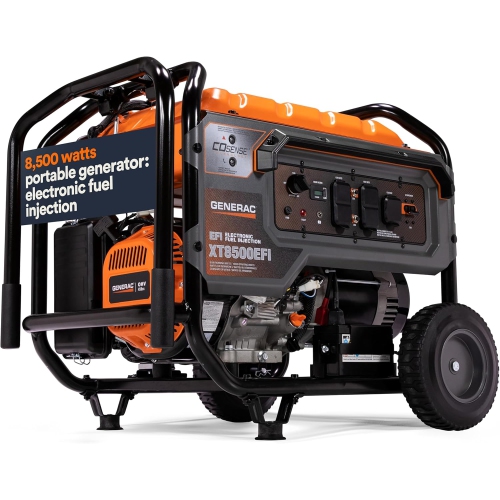 Your price for this item is $3000
 -
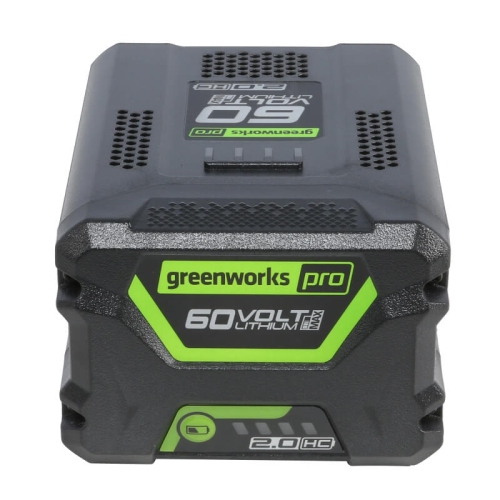 Your price for this item is $124.45
 -
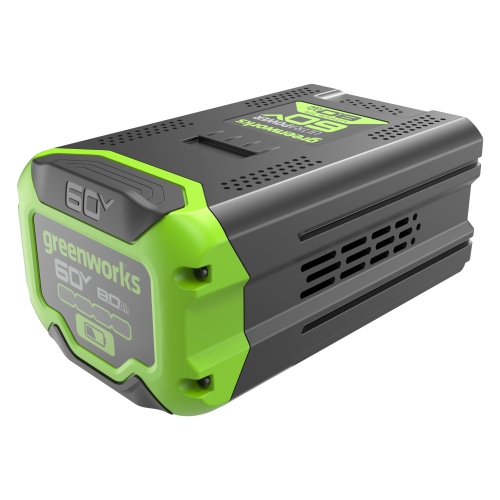 Your price for this item is $329.99
 -
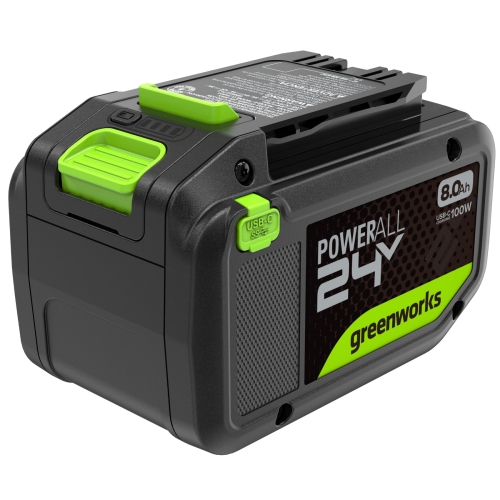 Your price for this item is $139.99
 -
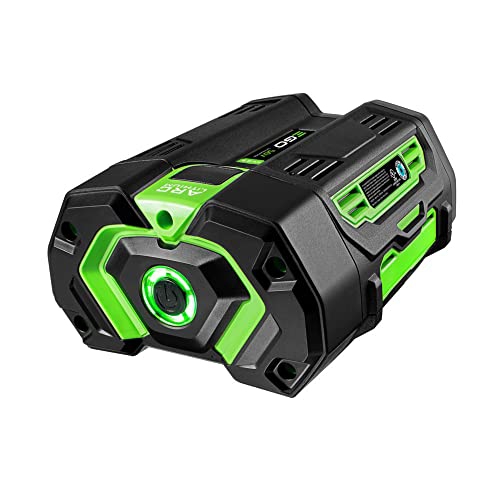 Your price for this item is $264
 -
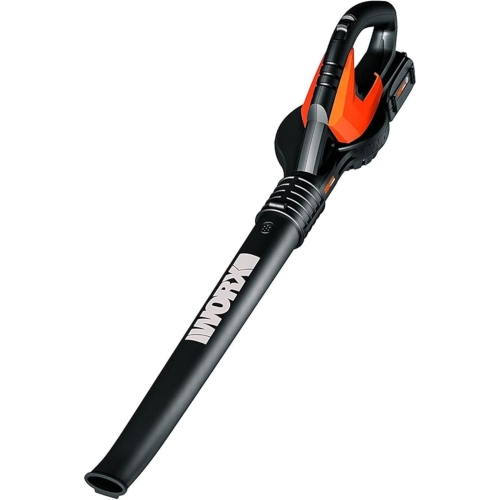 Your price for this item is $217.55
 -
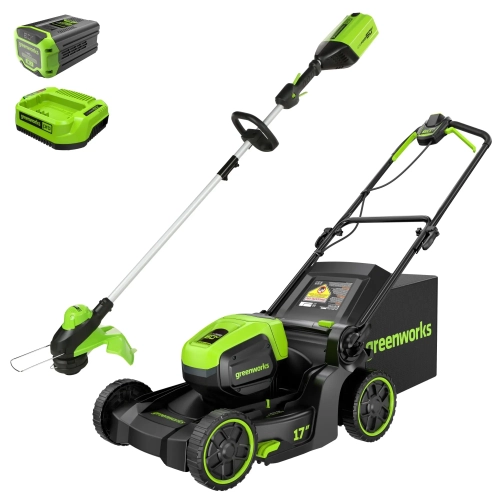 Your price for this item is $739.99
 -
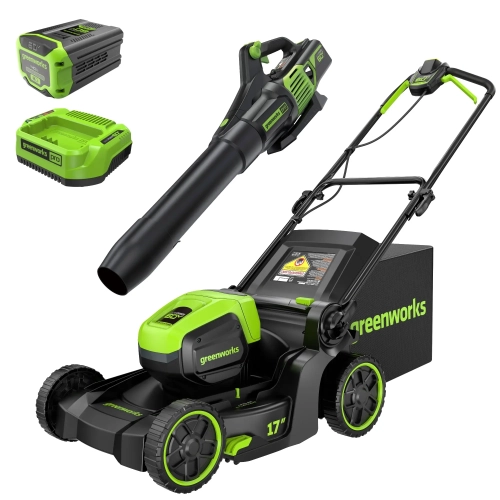 Your price for this item is $599.99
Discover more categories related to Must Have Electrician Tools
Top Collections:
Pokemon Centers, Kindle Devices, Best Budget Office Chairs, Apple iPhones 16, Best Laptops for Writers, iPhone 15 Apple, Canon G7X Cameras, Refurbished Apple Laptops, Alarm Clock, Motorola Razr Phones
Some products may be subject to Environmental Handling Fees
(EHF) depending on your province.
Learn more about EHFs.