Office Space Organization
Sort




![NAVOR Expanding File Folder With 24 Pockets, Portable A4 Paper Size File Organizer, Suitable for Home/office/study/travel With Colored Labels [Black]](https://multimedia.bbycastatic.ca/multimedia/products/500x500/171/17163/17163062.jpeg)




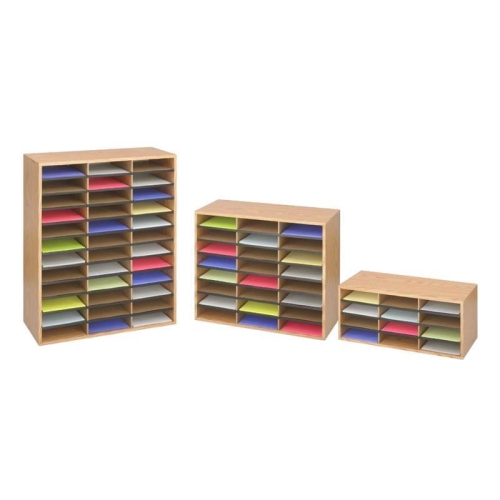
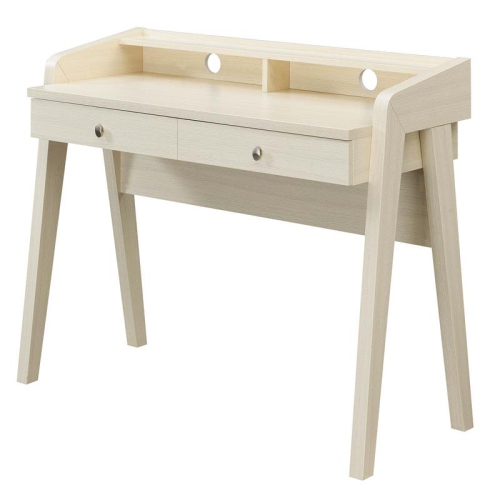
Practical ways to simplify desks, storage, and cables
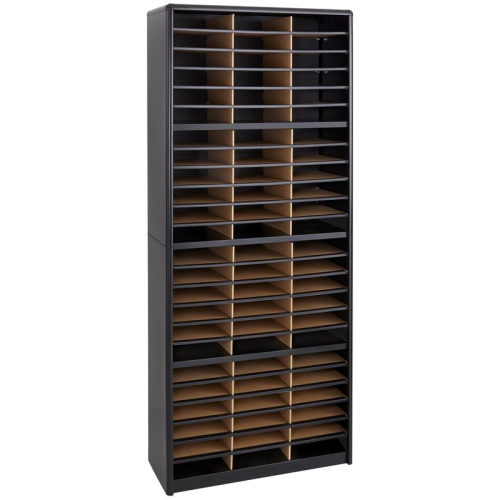
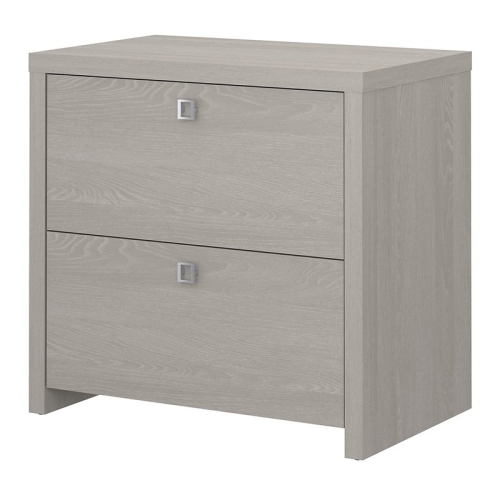
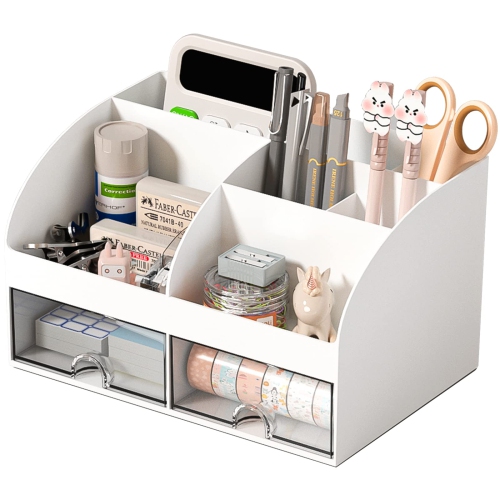
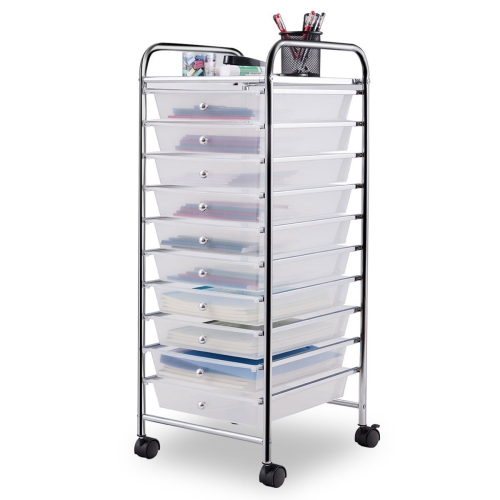
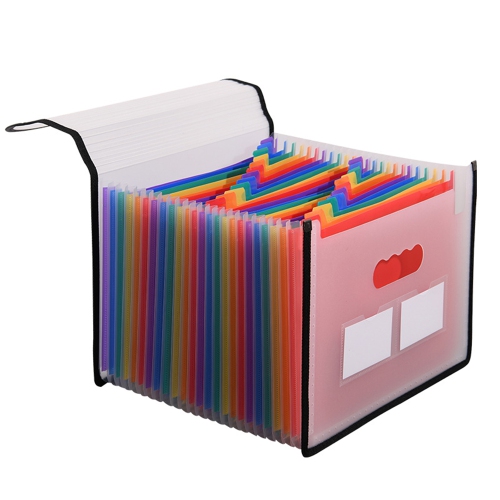
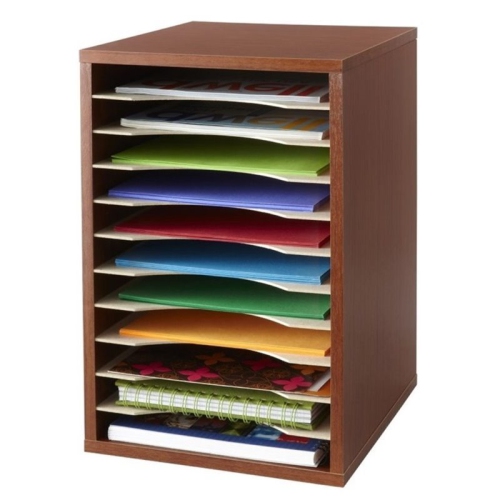
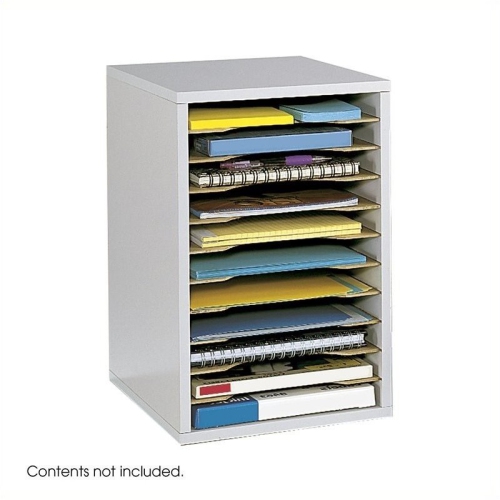
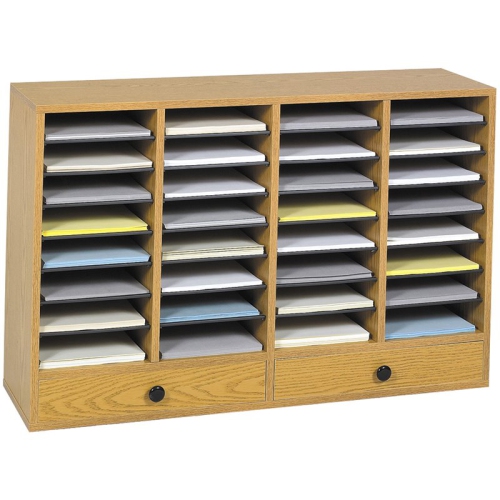
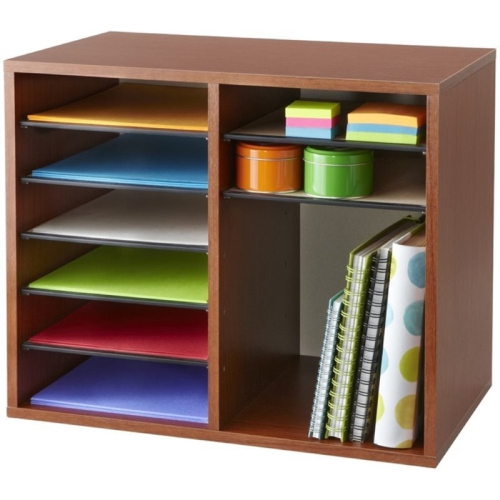
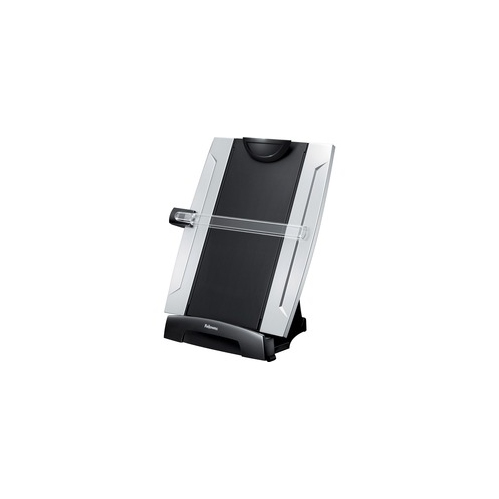
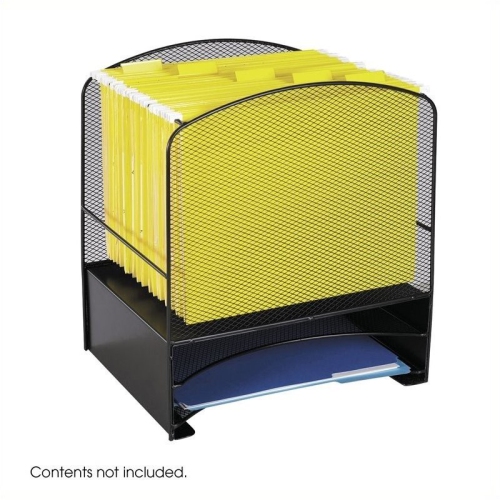
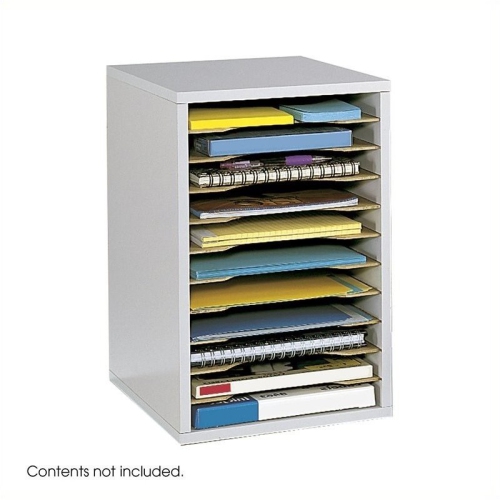
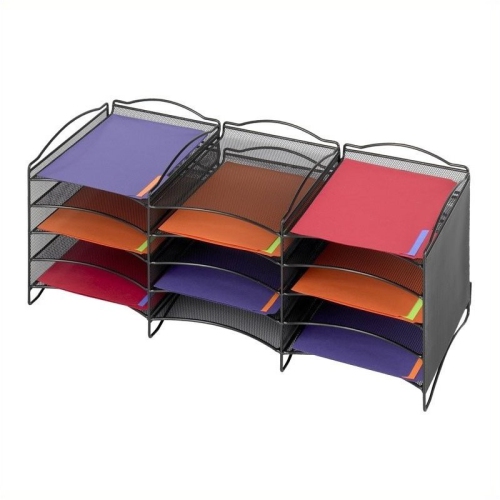
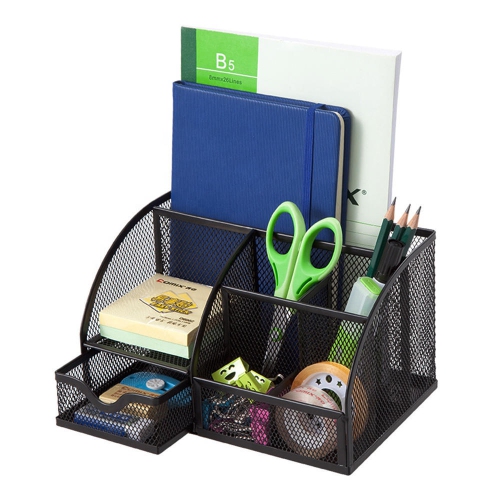
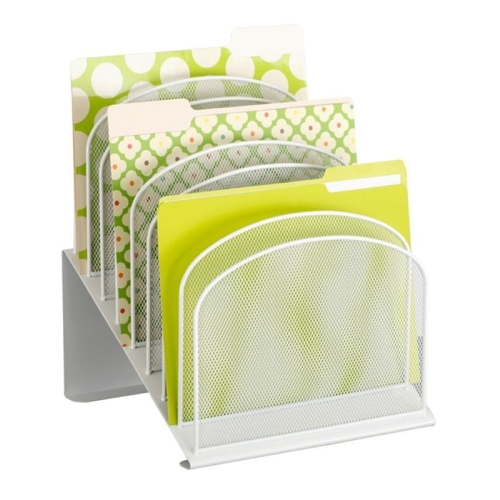
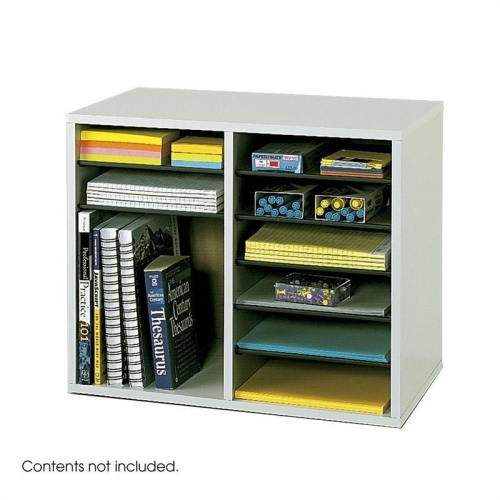
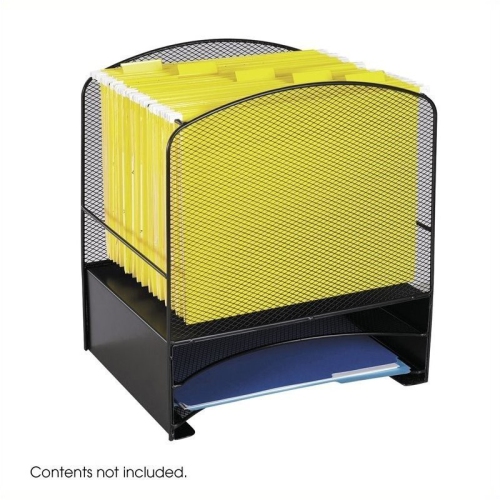
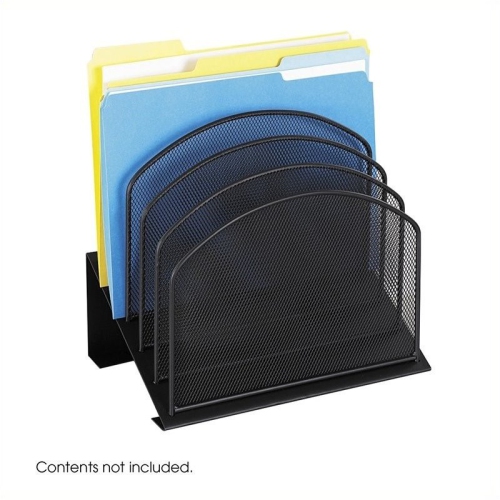
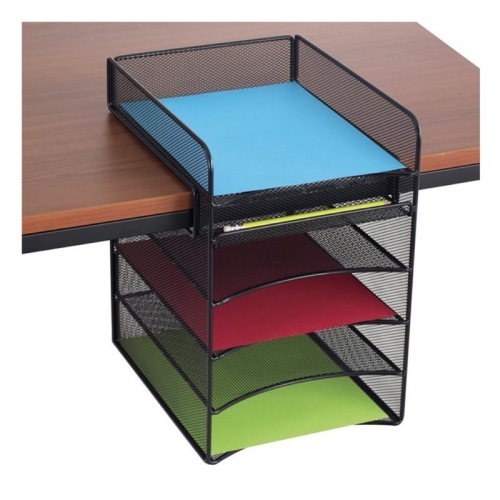
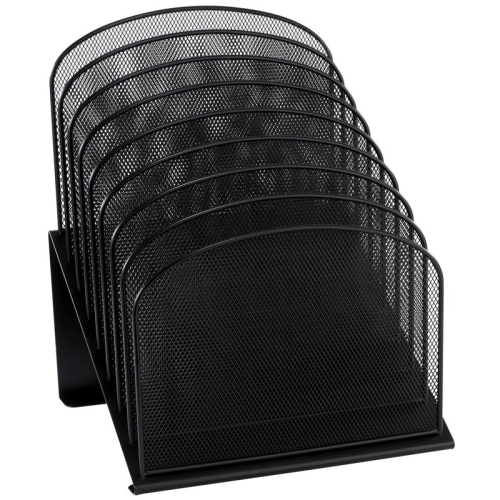
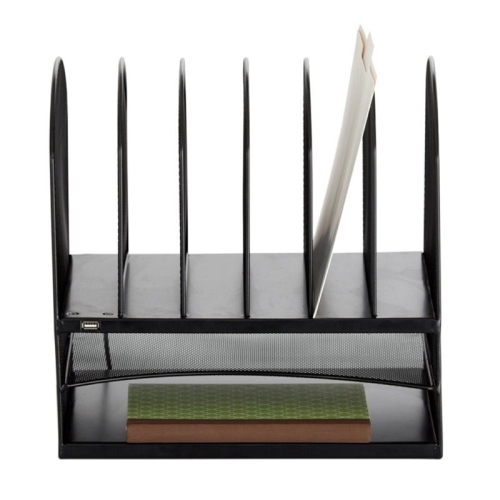
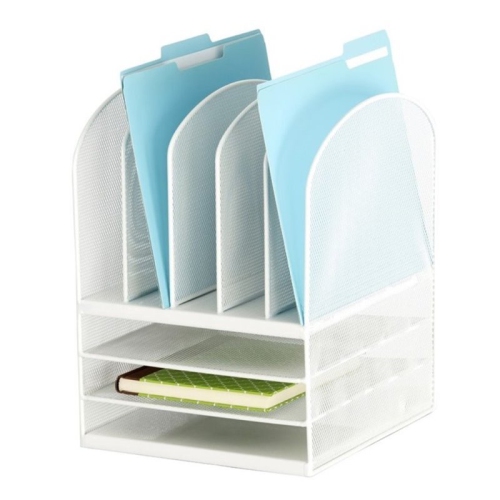
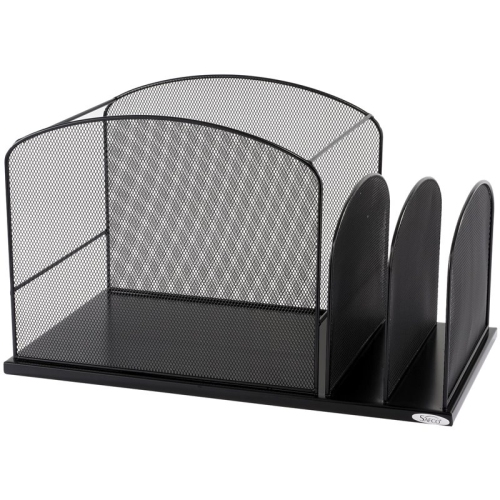
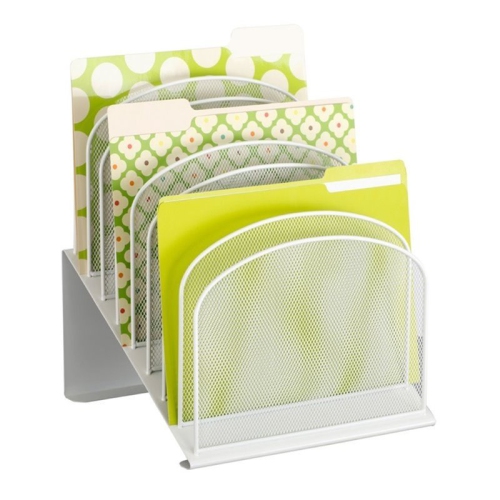
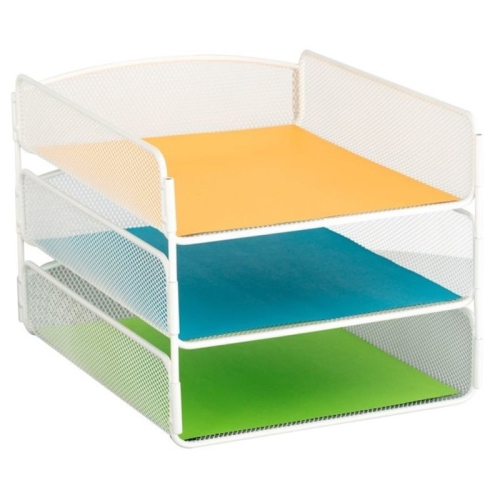
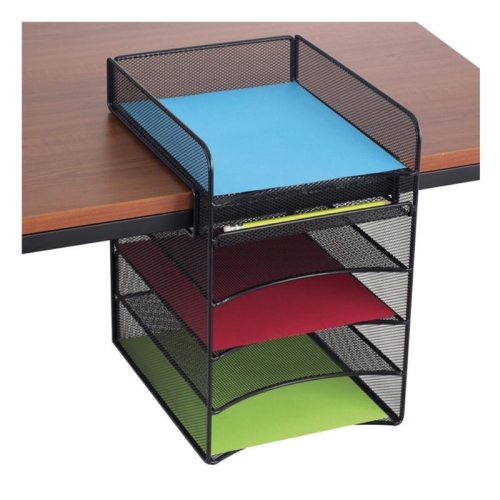
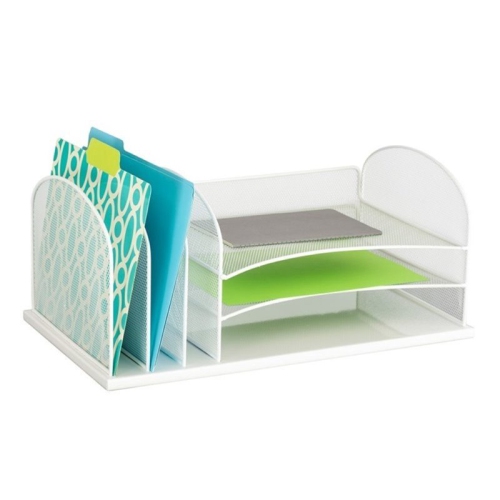
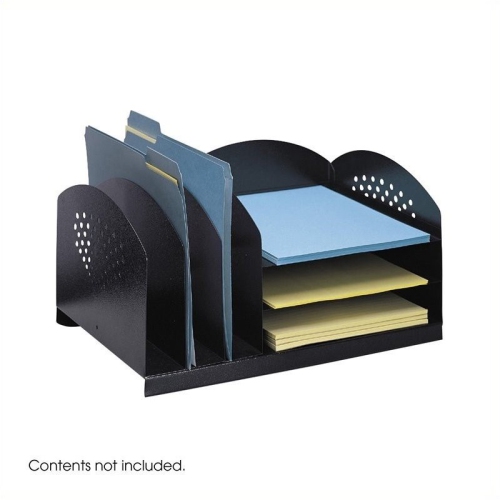
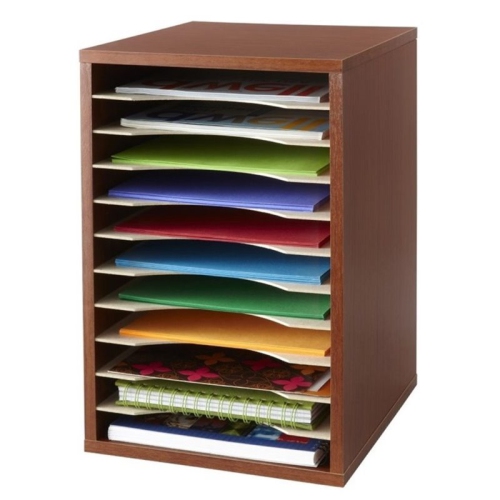
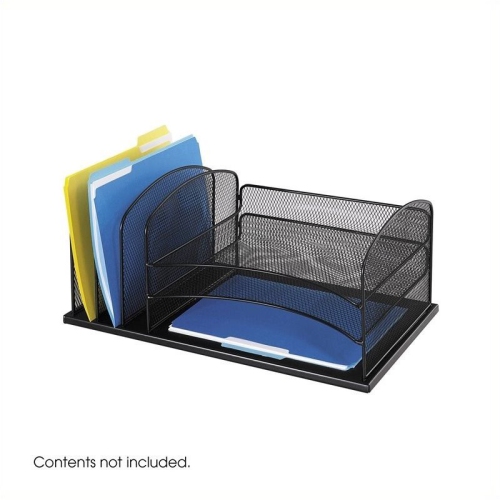
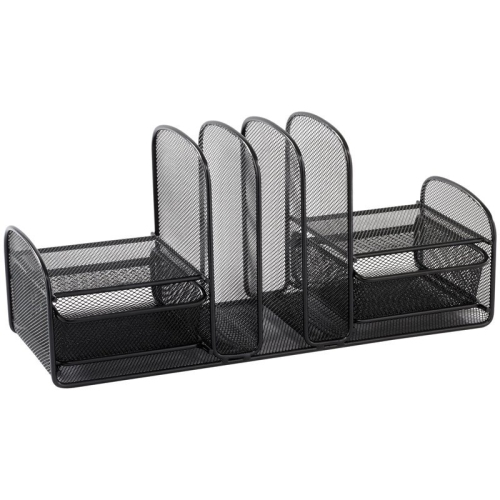
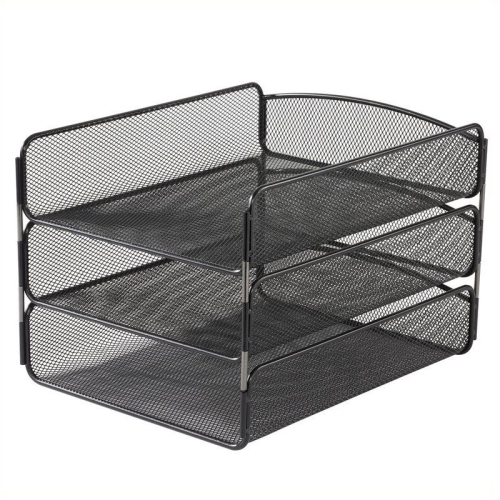
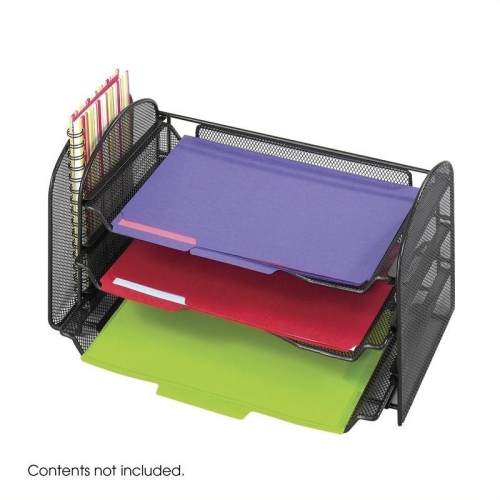
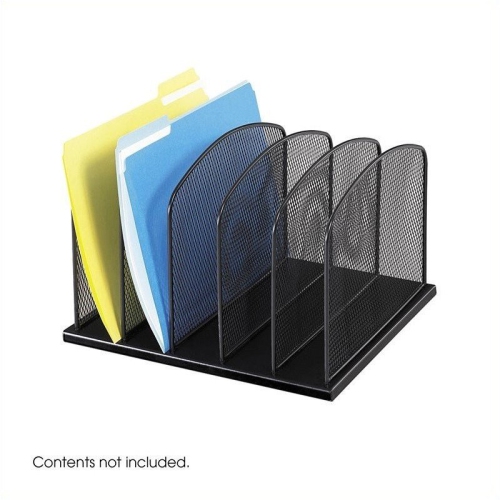
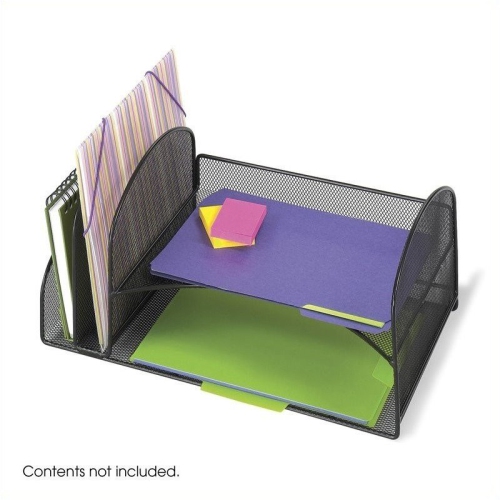
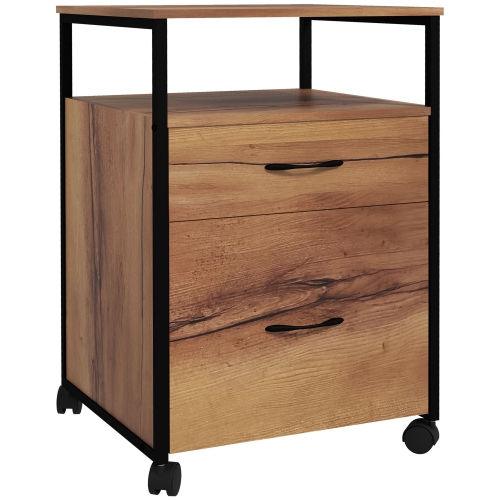
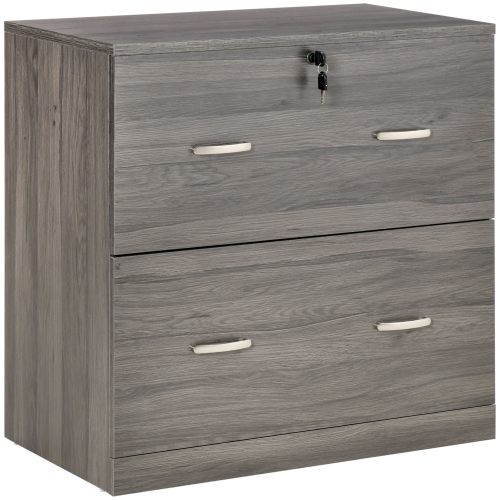
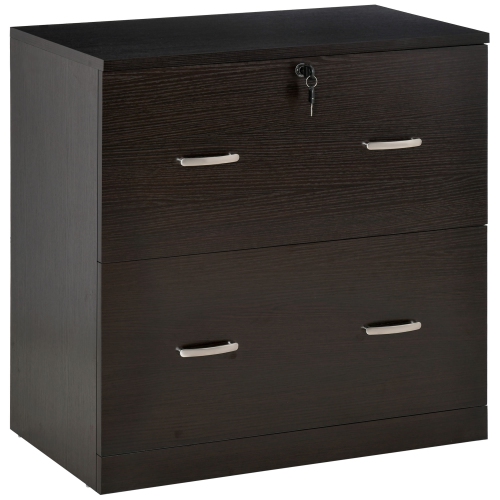
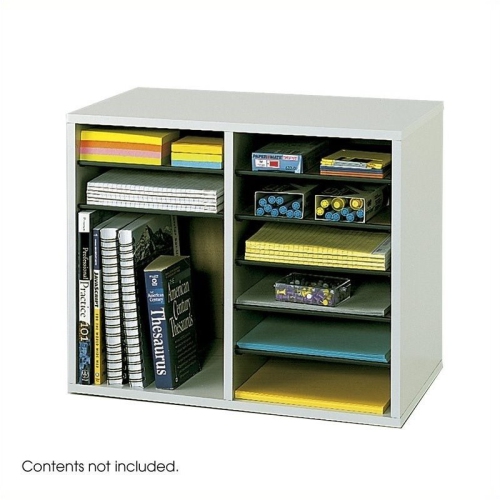
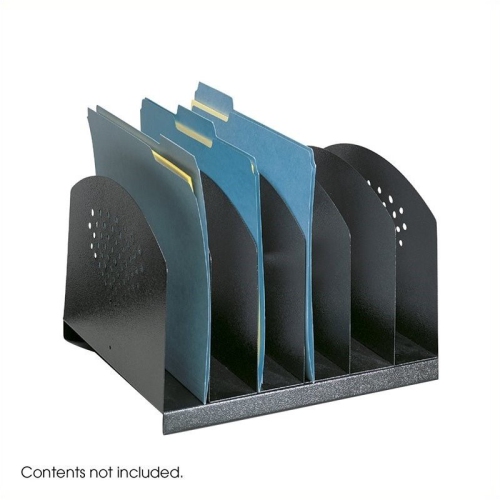
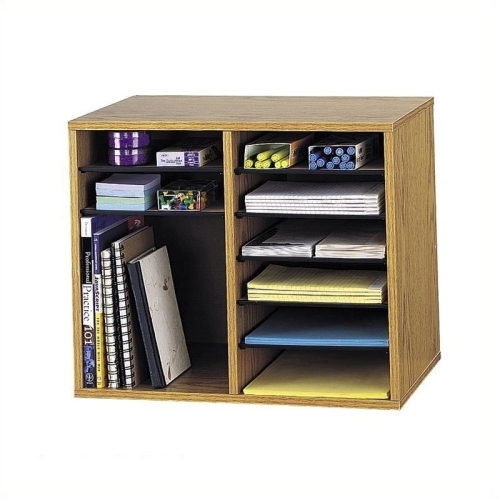
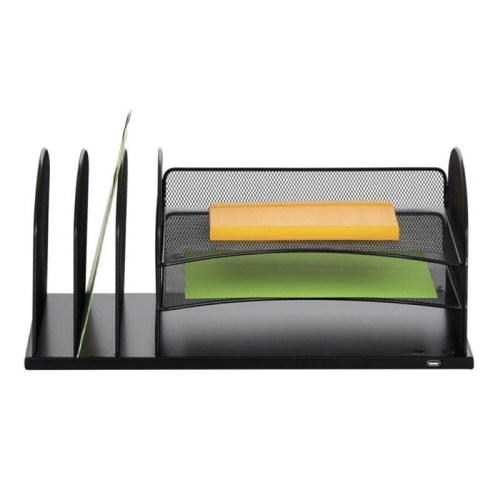
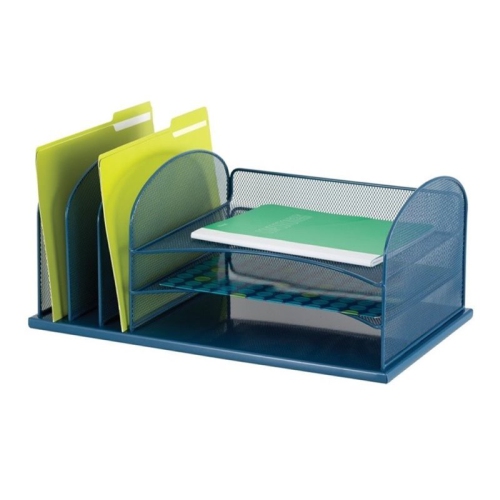
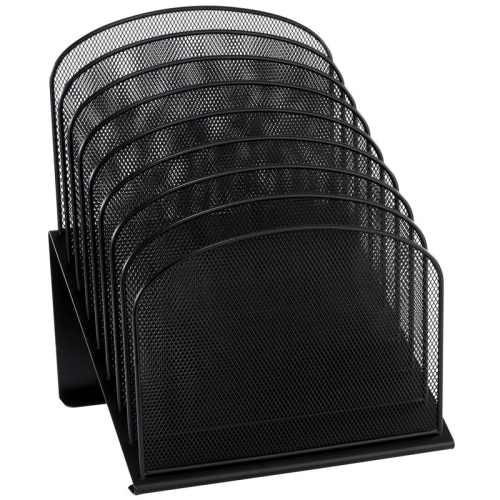
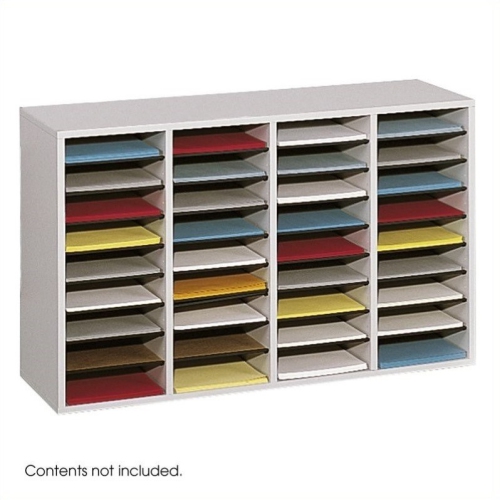
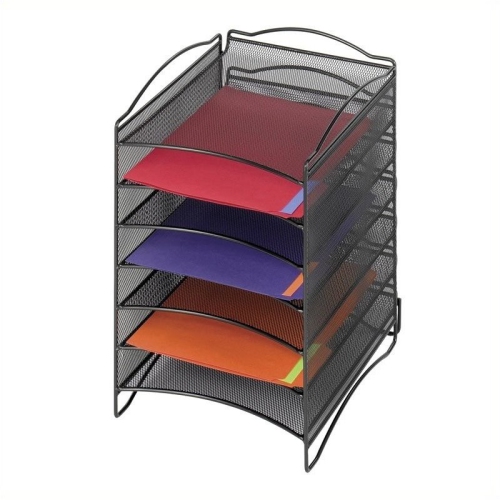
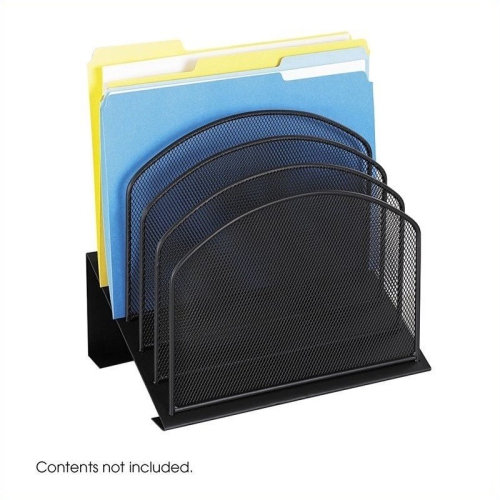
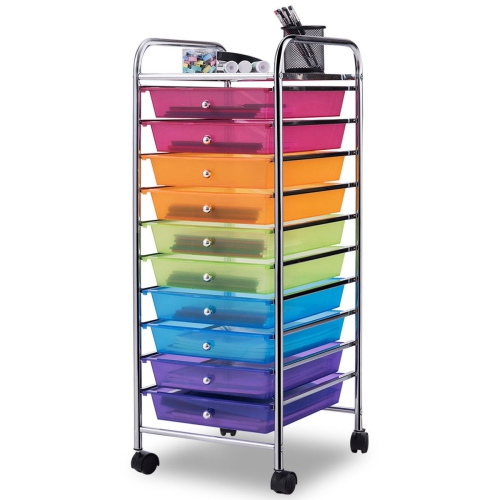
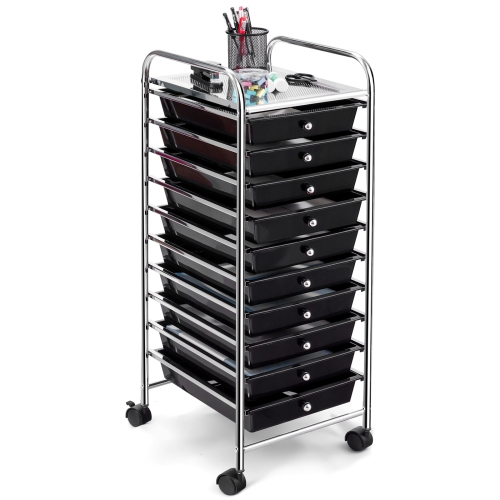
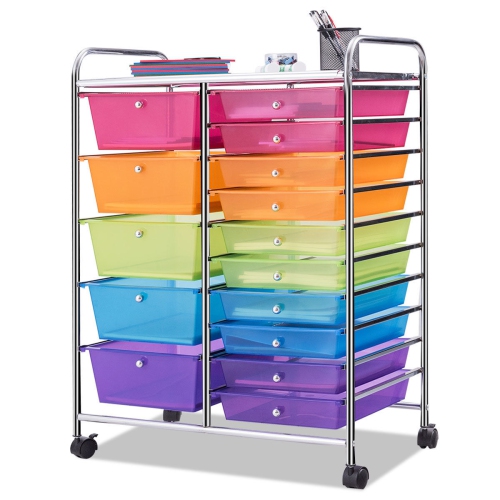
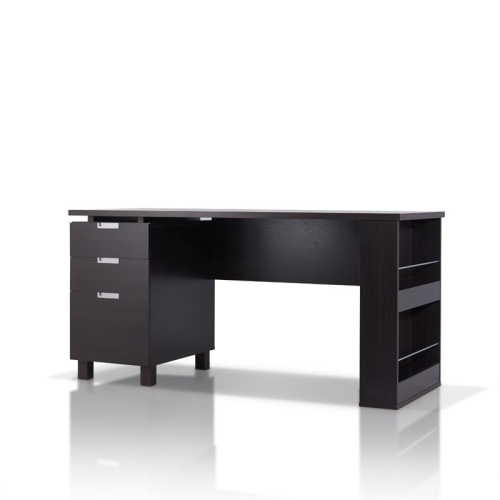
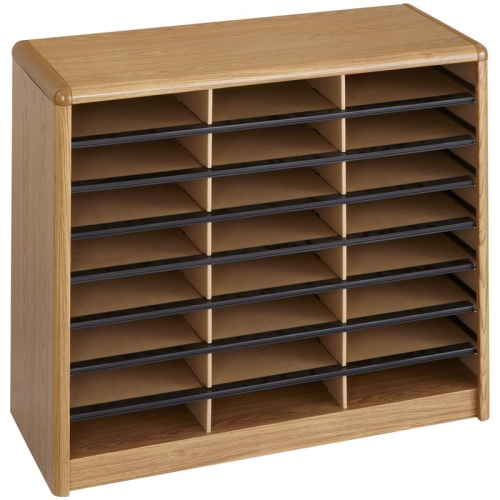
An organized office space can make everyday work feel more manageable, whether it is a dedicated home office, a compact study corner, a shared workspace, or a professional office. Start by clearing the desk completely and separating items into practical groups: keep, relocate, recycle, digitize, and discard. Papers that require action can be placed in a simple inbox system, while reference documents and completed files can be sorted into labelled folders or stored digitally. Keep the tools used throughout the day within easy reach, such as writing supplies, notebooks, charging accessories, and frequently consulted documents, while moving rarely used items into drawers, cabinets, shelves, or storage bins. Drawer dividers and small compartments help prevent paper clips, sticky notes, cables, and other small essentials from becoming a tangled collection at the back of a drawer. A desktop tray or step file organizer can separate paperwork by status, with sections for items to read, file, sign, or follow up on. This small change creates a visible workflow without allowing loose papers to spread across the work surface. For anyone working through a busy season, studying from home, or managing household administration from a desk, these organization products can help establish a clear place for each item and make it easier to return the space to order at the end of the day.
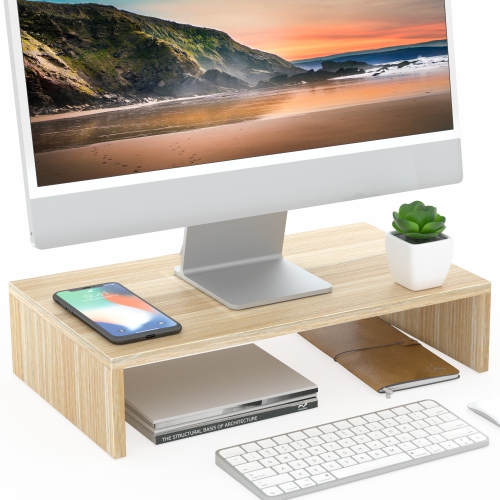
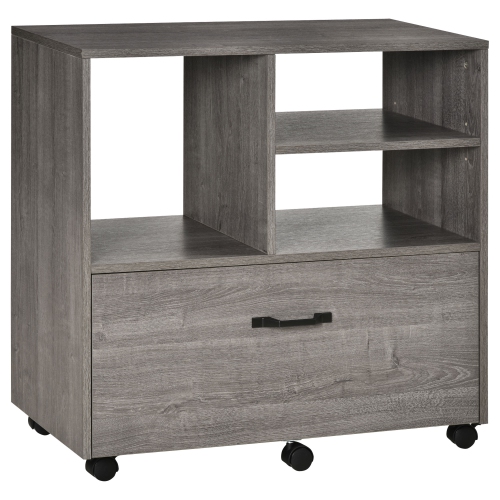
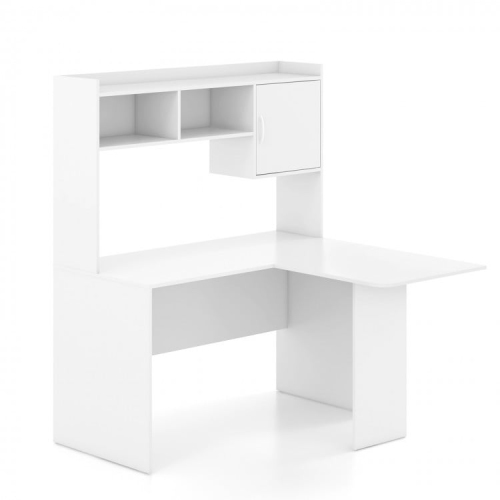
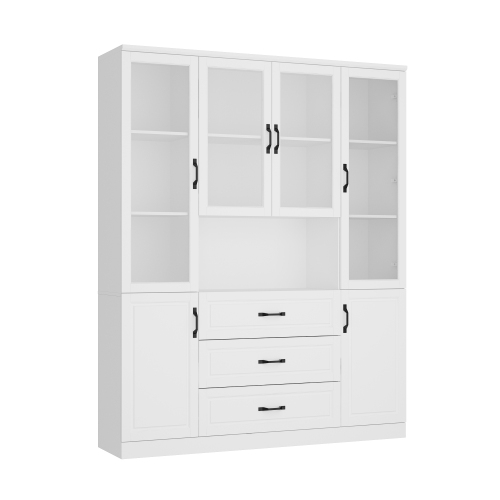
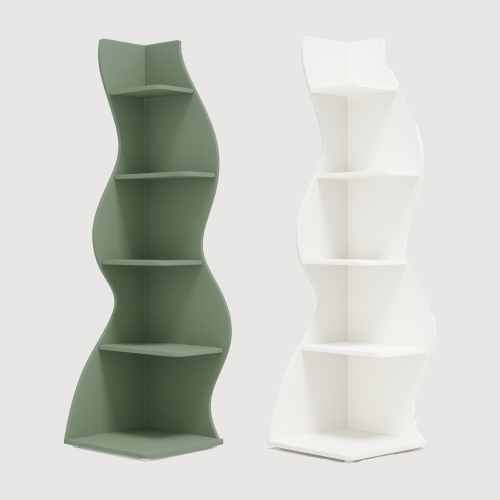
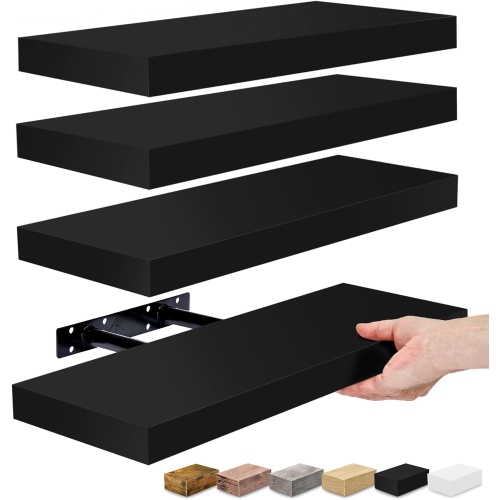
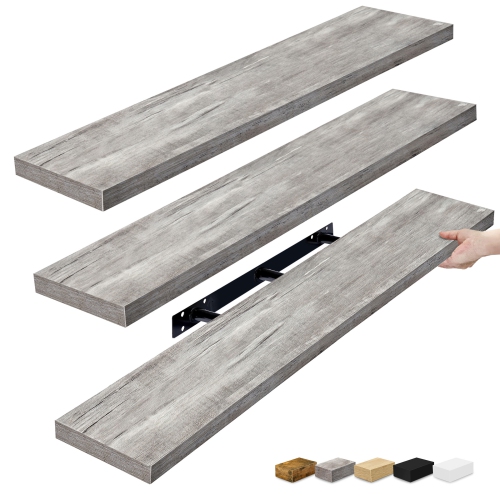
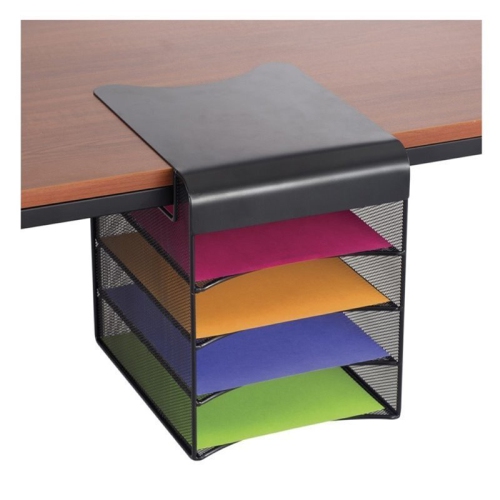
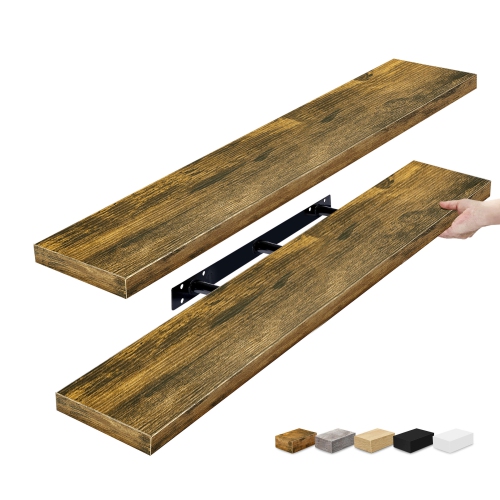
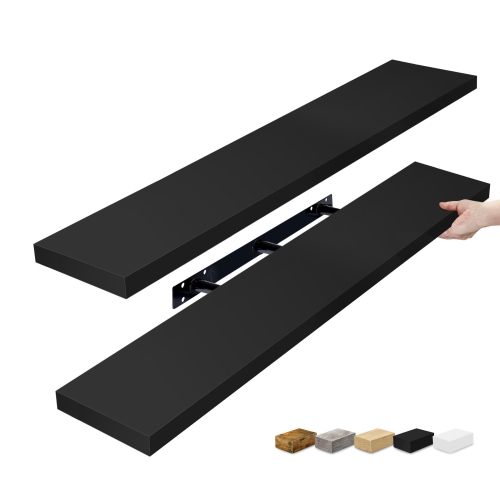
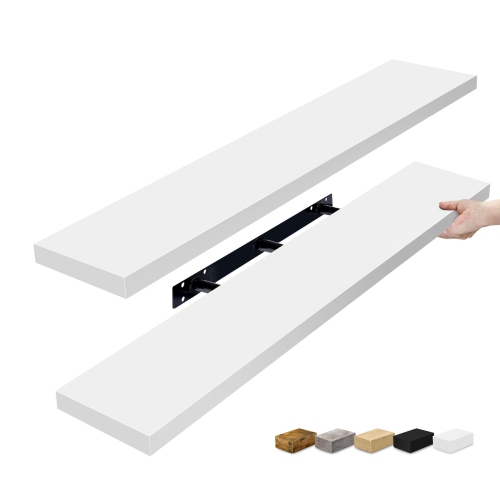
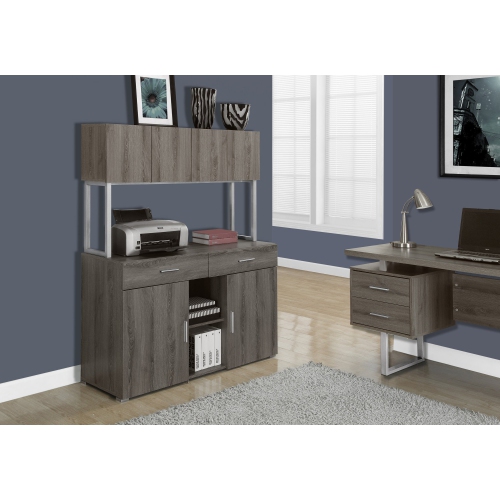
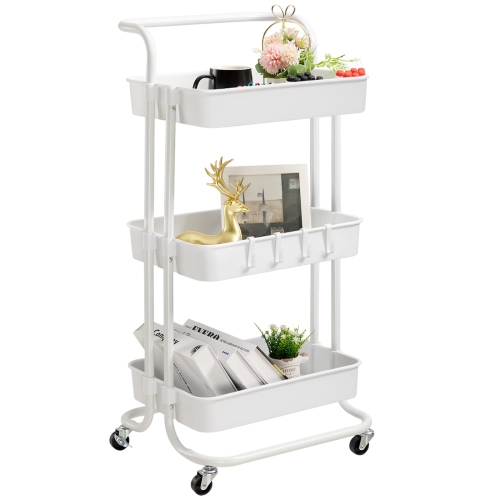
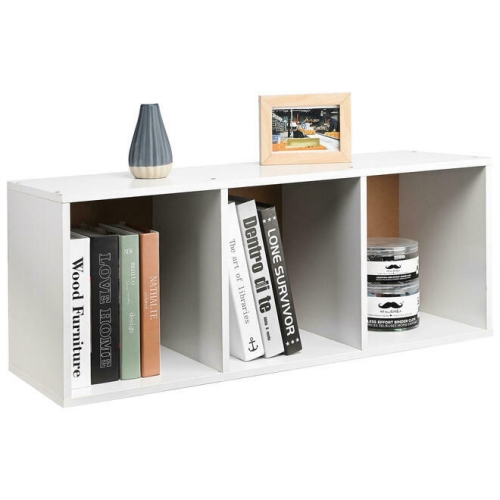
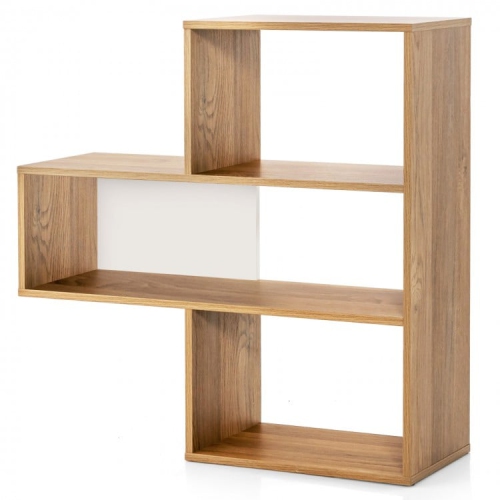
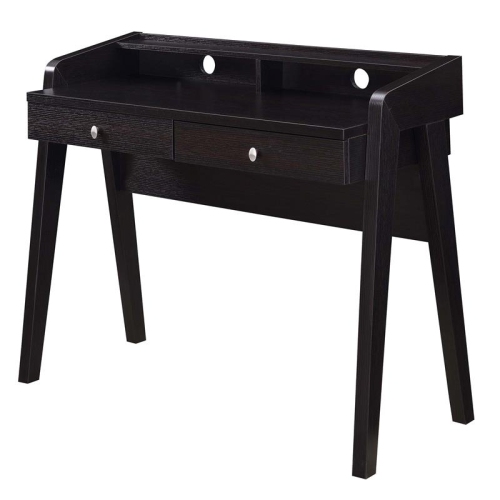
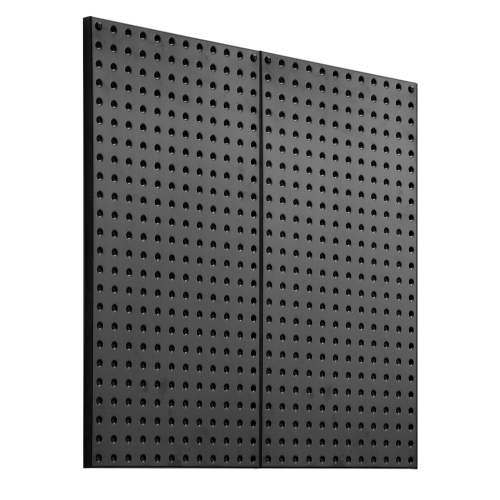
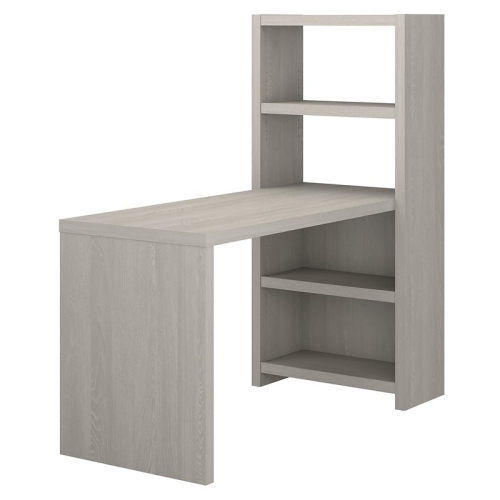
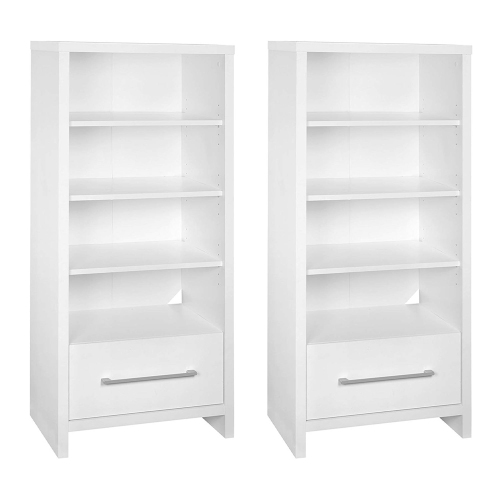
Making use of vertical and hidden space is another effective way to improve office space organization. Wall-mounted shelves, pegboards, pinboards, and wall files can hold supplies, documents, calendars, and notes without taking over the main desk surface. A narrow shelving unit can provide storage in a small room, while stackable organizers make use of the space above a printer, filing area, or side table. Cable management is equally important: separate power cords from charging cables, bundle matching cables together, and guide them along the back or underside of the desk so they do not trail across the floor. Clips, sleeves, ties, and cable boxes can keep connections easier to identify while reducing the chance of snagging a foot or pulling equipment from the desk. It is also helpful to place power accessories where they are convenient but not visually distracting. Before choosing organizers, consider the size of the workspace, the number of people using it, and whether the setup needs to be moved or reconfigured. Renters and students may prefer freestanding storage and removable mounting solutions, while a permanent office may benefit from larger shelving or filing systems. Adjustable organizers are especially useful for growing collections of stationery, changing projects, and shared work areas. Explore Desk Organization Solutions to find practical ways to keep everyday office essentials arranged and accessible.
The best office organization system is one that matches real routines rather than creating extra work. A person who handles paperwork every morning may benefit from clearly labelled trays and a dedicated filing area, while someone who spends most of the day on a computer may place greater emphasis on cable control, headset storage, device stands, and a clear area for notes. Families can use shared organizers to keep school forms, appointment reminders, and household documents from getting mixed together. Students may appreciate compact storage that fits on a dorm desk or bedroom shelf, and a well-chosen office organization item can be a thoughtful gift for a new graduate, remote worker, teacher, freelancer, or anyone setting up a first workspace. During the warmer months and into the cooler months, an orderly desk can also make it easier to transition between work, study, and other activities when more time is spent indoors. Build the setup gradually: clear the surface, assign a home to daily essentials, relocate occasional-use items, and review the arrangement after a few days of regular use. Leave some open space for active projects, keep labels easy to read, and schedule a brief reset so papers, accessories, and devices return to their designated places. With a combination of desktop storage, drawer organization, vertical shelving, and tidy cable management, an office can feel calmer, function more smoothly, and support the way each person actually works.
Making use of vertical and hidden space is another effective way to improve office space organization. Wall-mounted shelves, pegboards, pinboards, and wall files can hold supplies, documents, calendars, and notes without taking over the main desk surface. A narrow shelving unit can provide storage in a small room, while stackable organizers make use of the space above a printer, filing area, or side table. Cable management is equally important: separate power cords from charging cables, bundle matching cables together, and guide them along the back or underside of the desk so they do not trail across the floor. Clips, sleeves, ties, and cable boxes can keep connections easier to identify while reducing the chance of snagging a foot or pulling equipment from the desk. It is also helpful to place power accessories where they are convenient but not visually distracting. Before choosing organizers, consider the size of the workspace, the number of people using it, and whether the setup needs to be moved or reconfigured. Renters and students may prefer freestanding storage and removable mounting solutions, while a permanent office may benefit from larger shelving or filing systems. Adjustable organizers are especially useful for growing collections of stationery, changing projects, and shared work areas. Explore Desk Organization Solutions to find practical ways to keep everyday office essentials arranged and accessible.
The best office organization system is one that matches real routines rather than creating extra work. A person who handles paperwork every morning may benefit from clearly labelled trays and a dedicated filing area, while someone who spends most of the day on a computer may place greater emphasis on cable control, headset storage, device stands, and a clear area for notes. Families can use shared organizers to keep school forms, appointment reminders, and household documents from getting mixed together. Students may appreciate compact storage that fits on a dorm desk or bedroom shelf, and a well-chosen office organization item can be a thoughtful gift for a new graduate, remote worker, teacher, freelancer, or anyone setting up a first workspace. During the warmer months and into the cooler months, an orderly desk can also make it easier to transition between work, study, and other activities when more time is spent indoors. Build the setup gradually: clear the surface, assign a home to daily essentials, relocate occasional-use items, and review the arrangement after a few days of regular use. Leave some open space for active projects, keep labels easy to read, and schedule a brief reset so papers, accessories, and devices return to their designated places. With a combination of desktop storage, drawer organization, vertical shelving, and tidy cable management, an office can feel calmer, function more smoothly, and support the way each person actually works.
Top selling and popular products
-
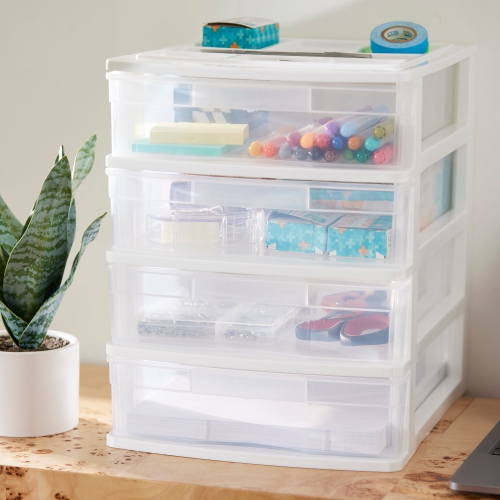 Your price for this item is $162.99
 -
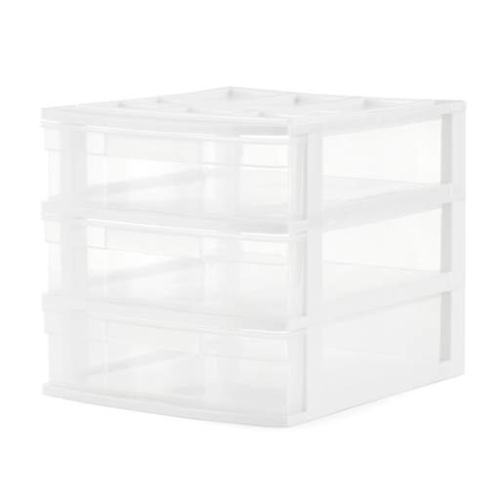 Your price for this item is $71.99
 -
 Your price for this item is $65.99
 -
 Your price for this item is $299.99
 -
 Your price for this item is $249.99
 -
 Your price for this item is $19.99
 -
 Your price for this item is $745
 -
 Your price for this item is $129.99
Discover more categories related to Office Space Organization
Top Collections:
Pokemon Centers, Kindle Devices, Best Budget Office Chairs, Apple iPhones 16, Best Laptops for Writers, iPhone 15 Apple, Canon G7X Cameras, Refurbished Apple Laptops, Alarm Clock, Motorola Razr Phones
Some products may be subject to Environmental Handling Fees
(EHF) depending on your province.
Learn more about EHFs.