Office Tables
Looking to upgrade your workspace with a functional and stylish office table? Explore our collection of office tables designed to enhance productivity and elevate the aesthetics of your office. Whether you're looking for a sleek modern design, a spacious traditional desk, or a compact solution for a small home office, we have a variety of options to suit your needs. From adjustable height desks to ergonomic designs, our office tables are crafted with quality materials to provide you with a durable and comfortable workspace. Discover the perfect office table that combines form and function for your work environment.
Sort




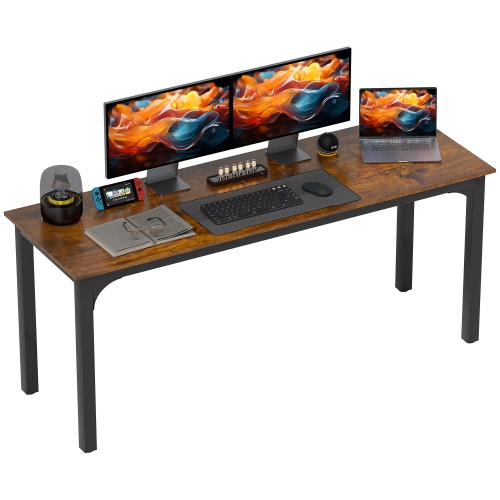
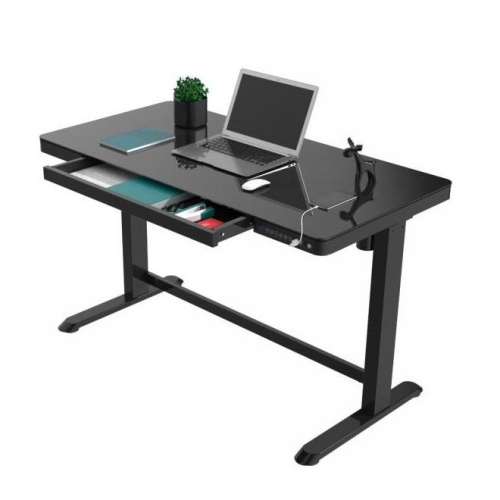
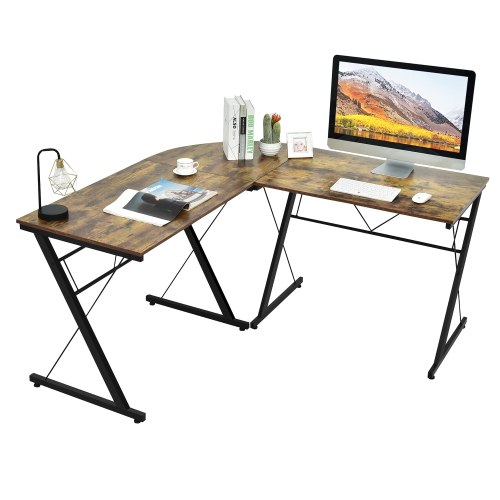
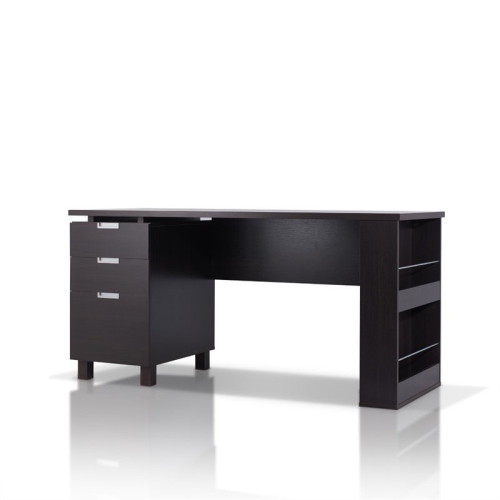
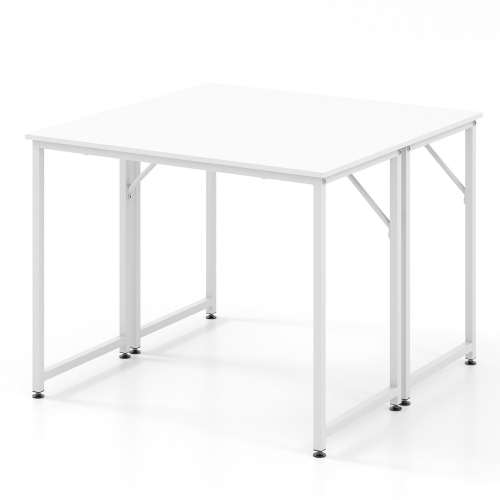
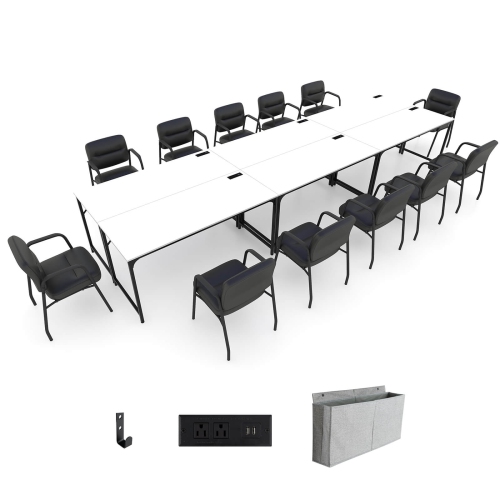
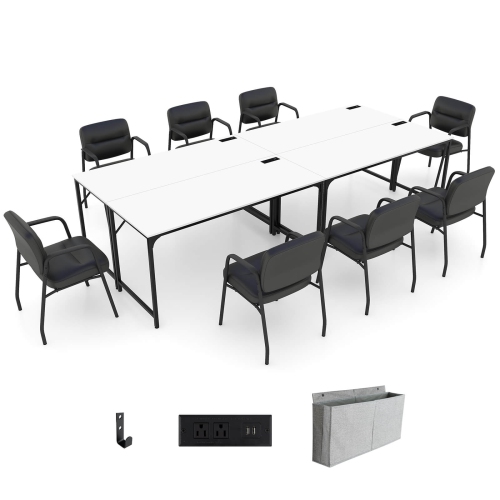
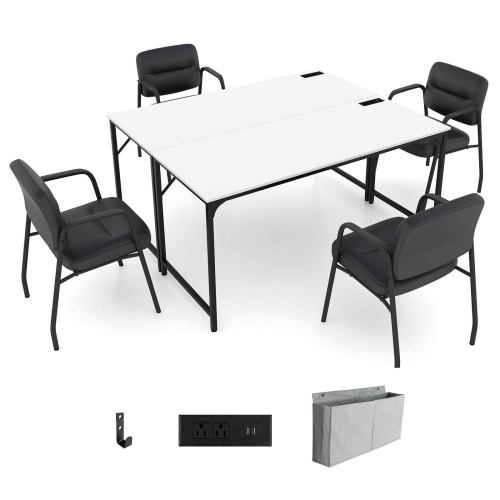
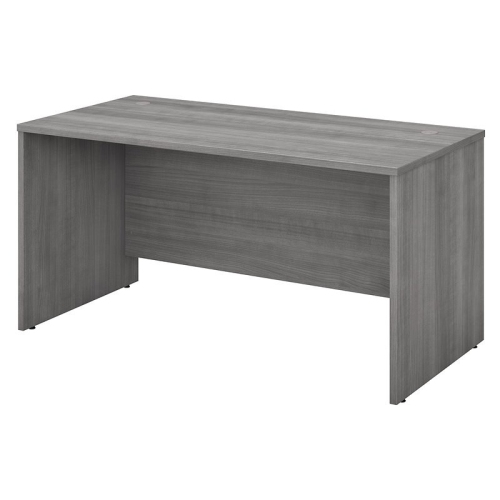
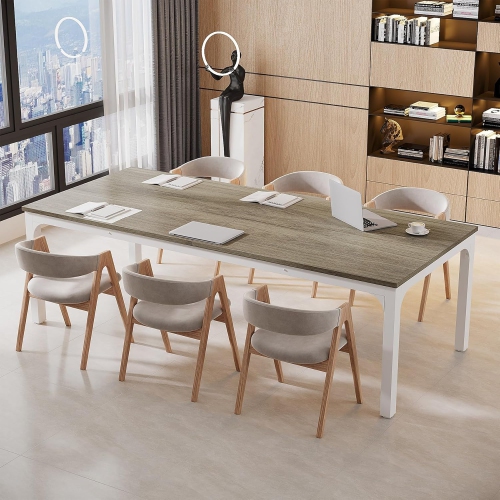
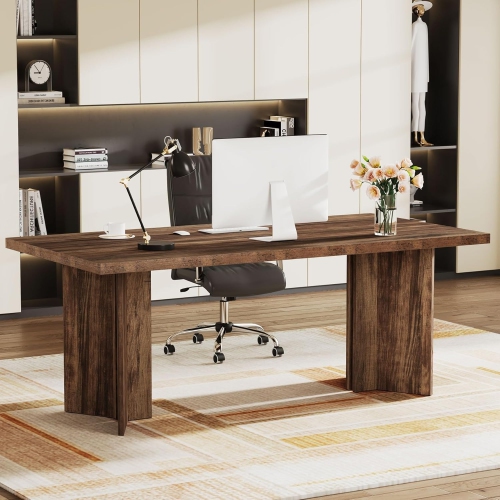
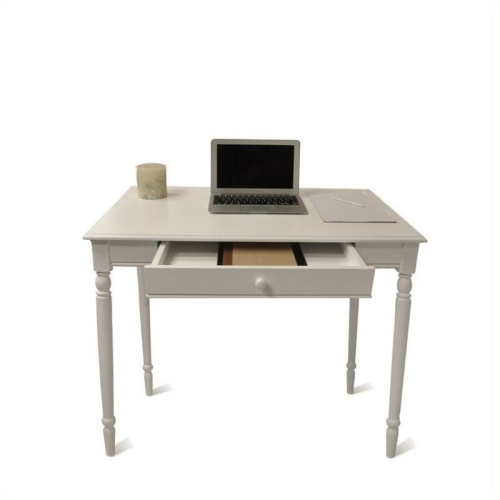

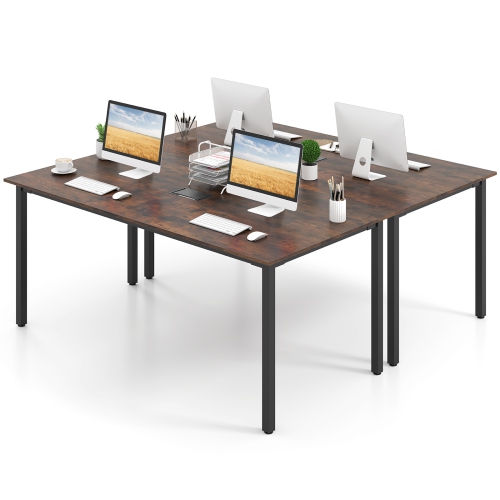
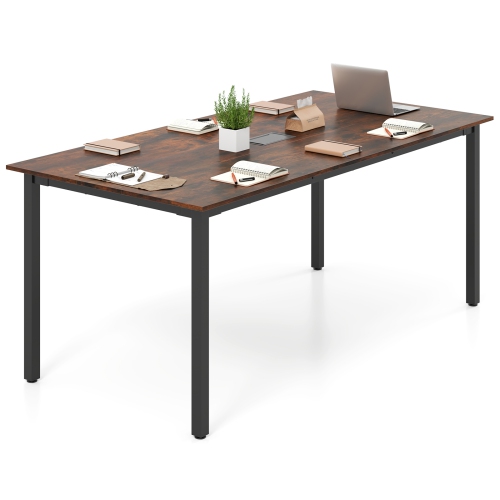
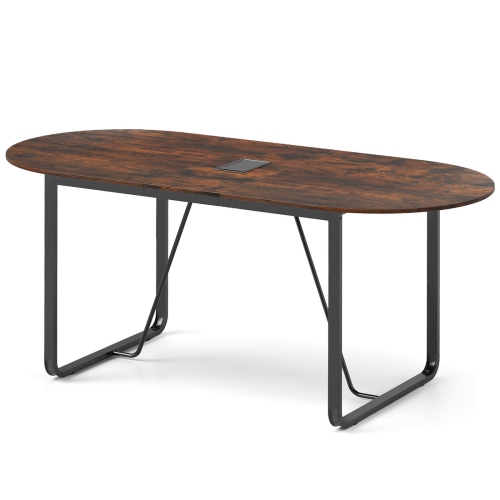
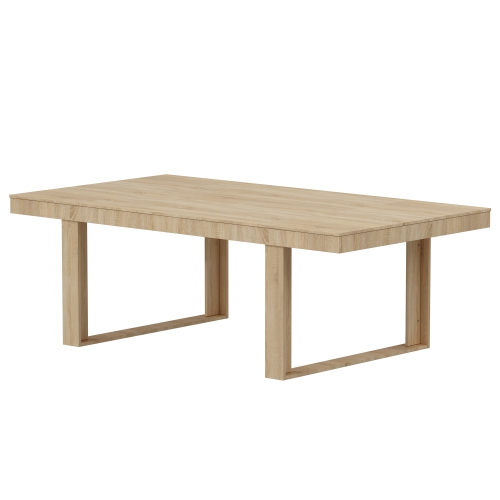


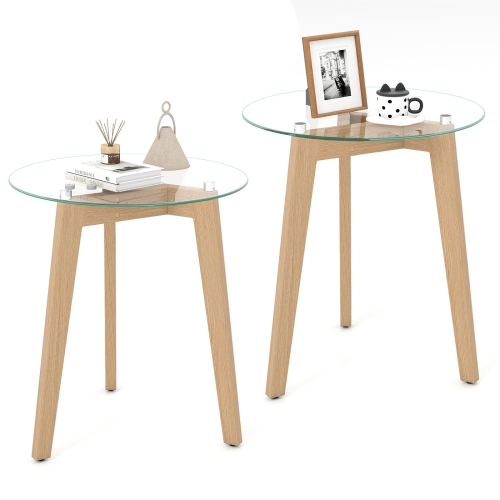
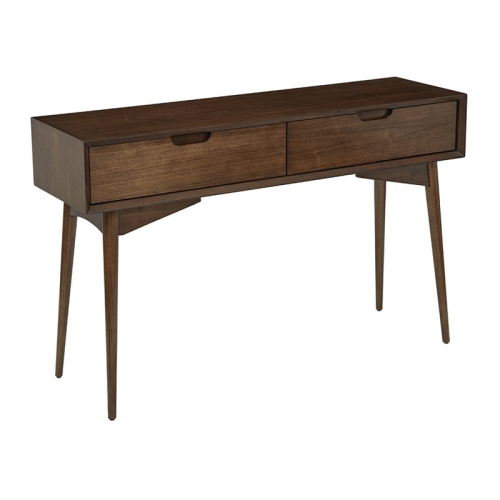
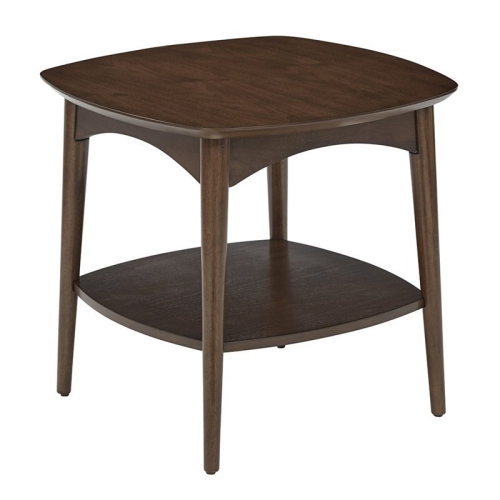
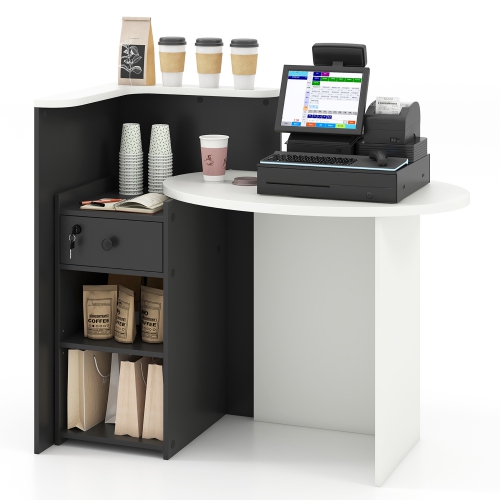
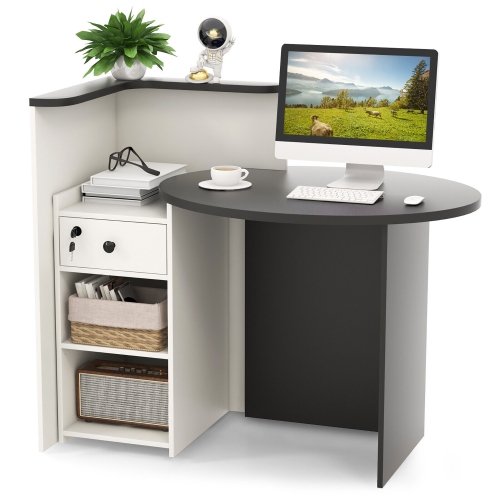
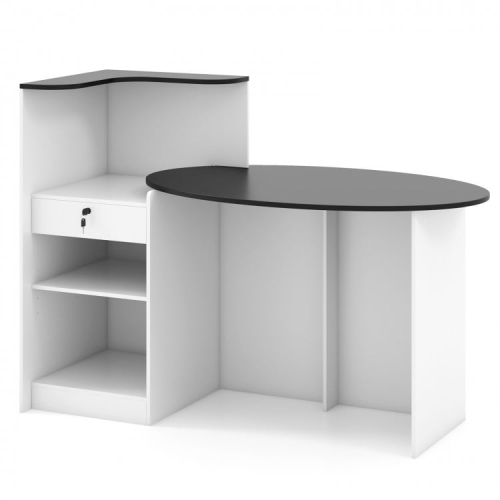
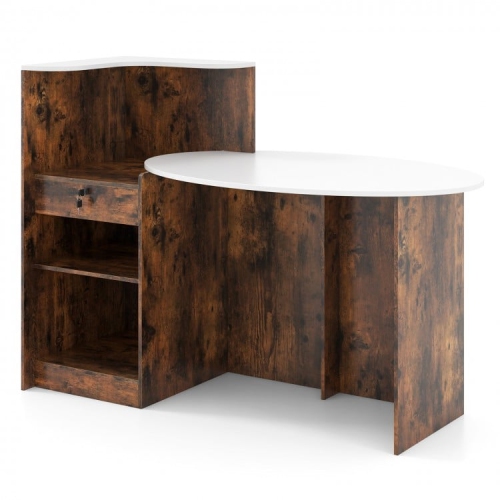
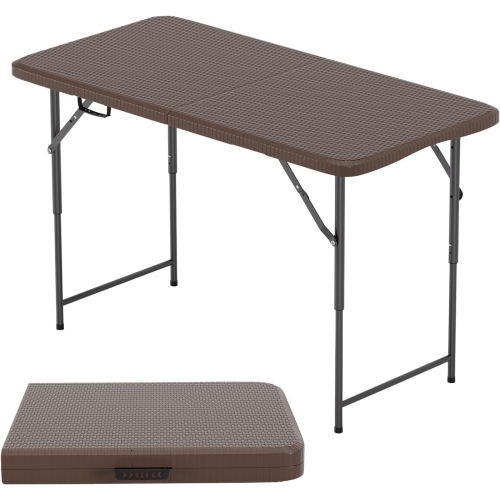
The right work surface fits more than your laptop
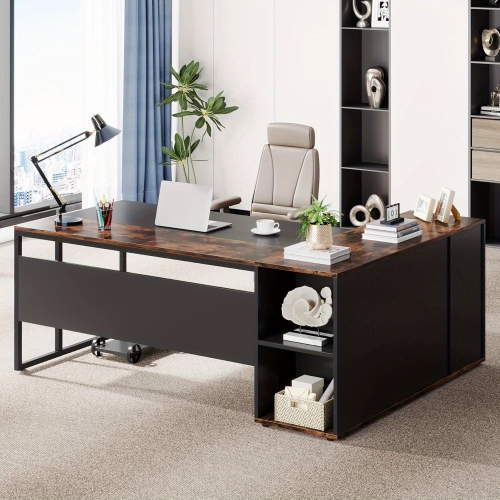
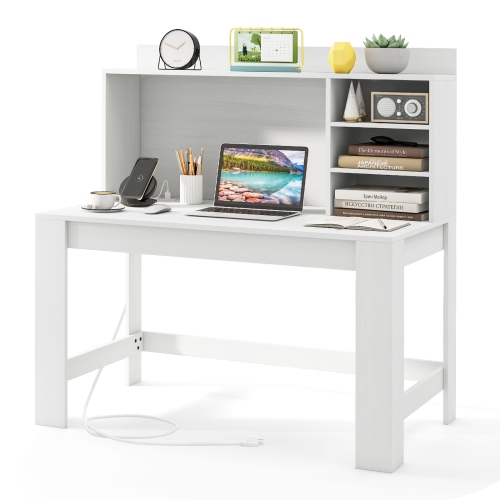
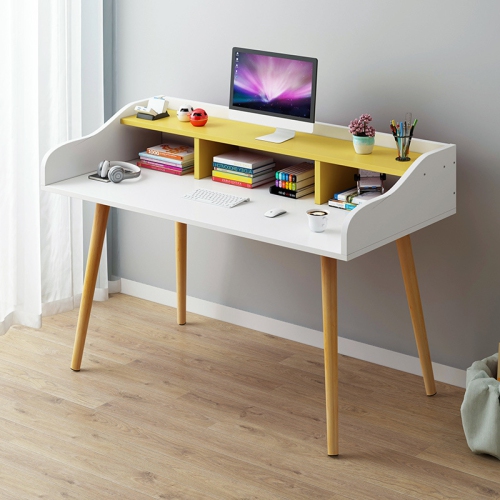
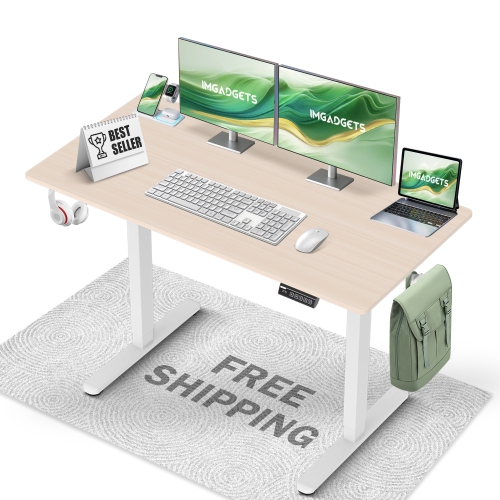
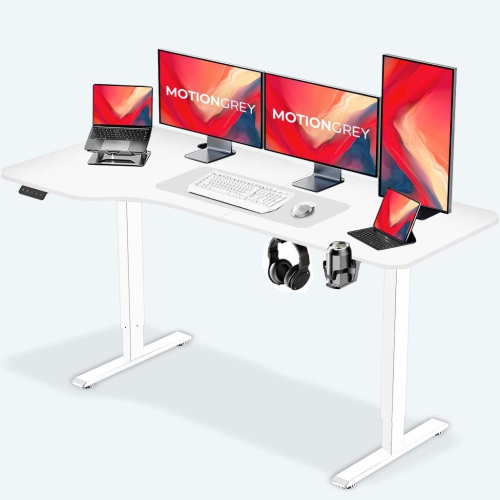
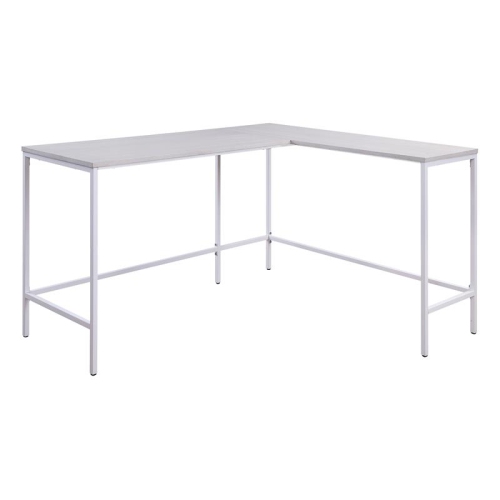
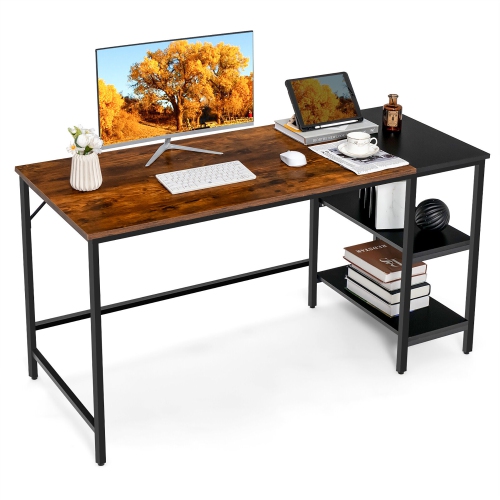
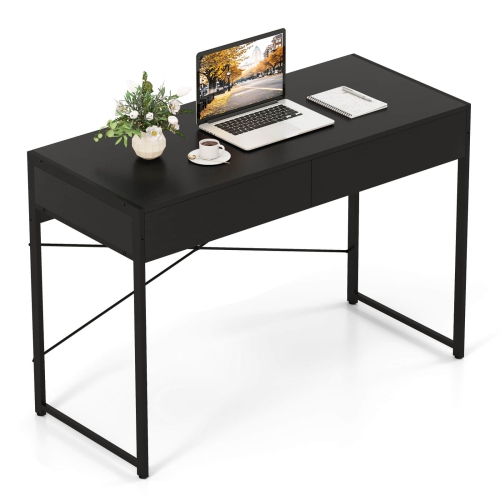
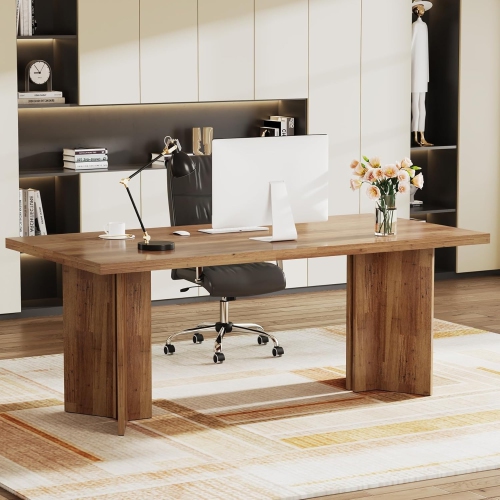
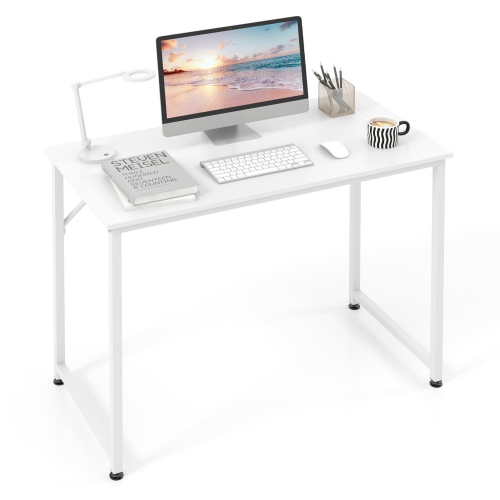
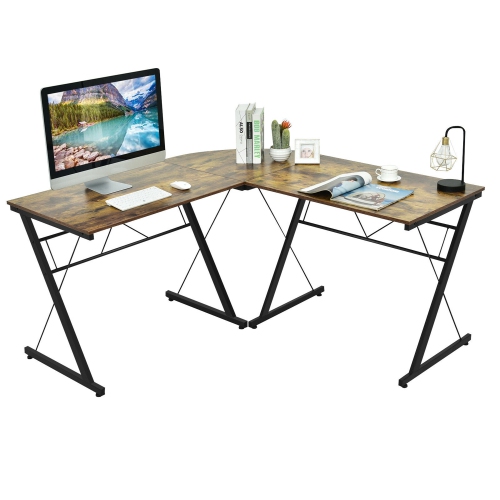
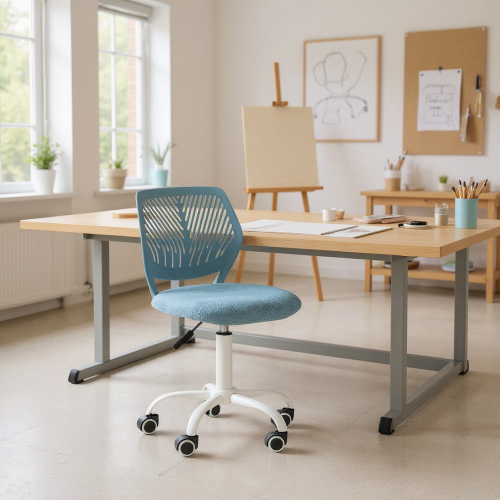
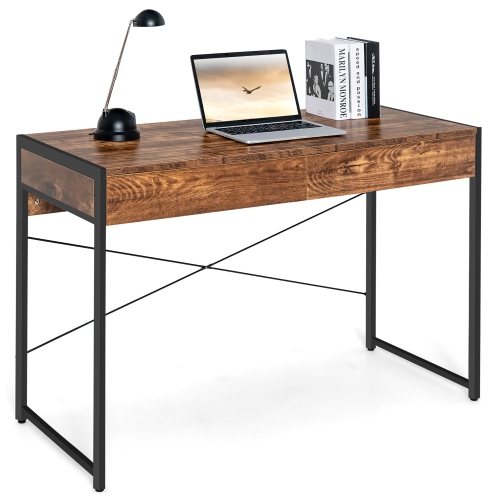
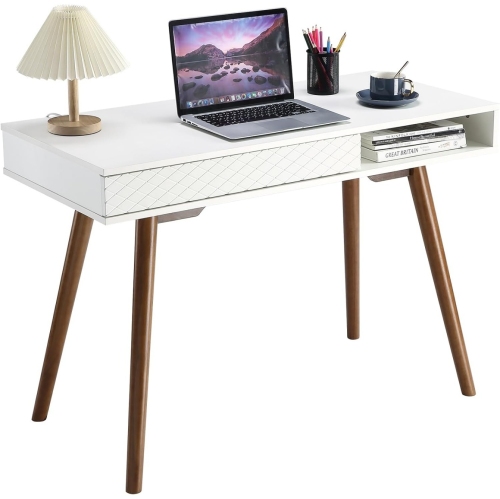
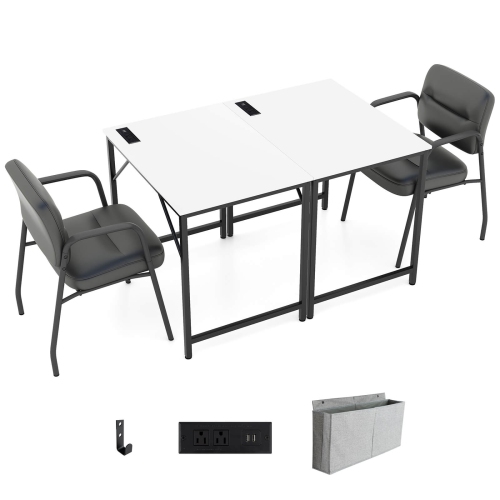
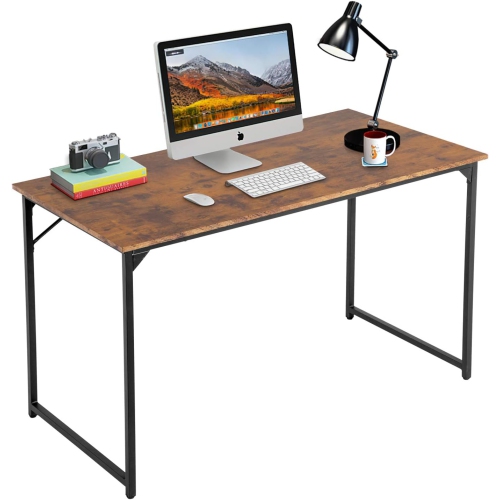
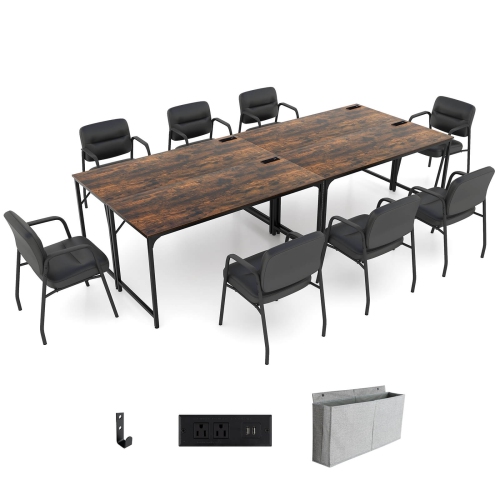
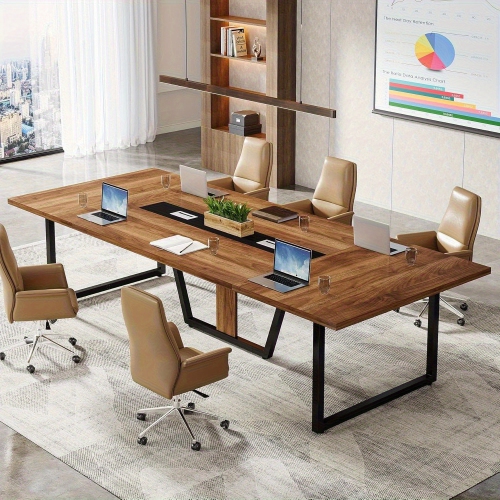
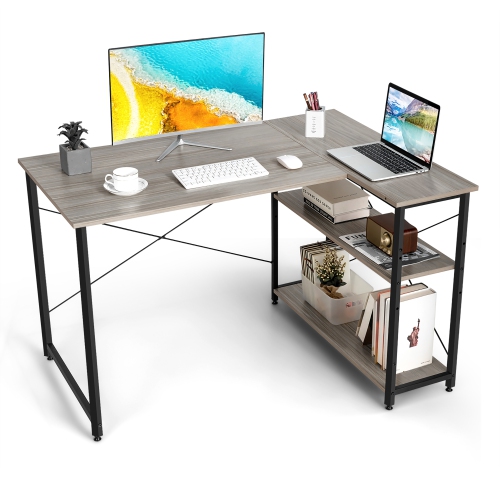
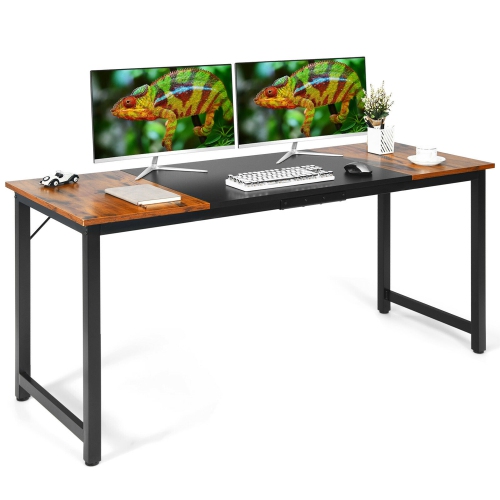
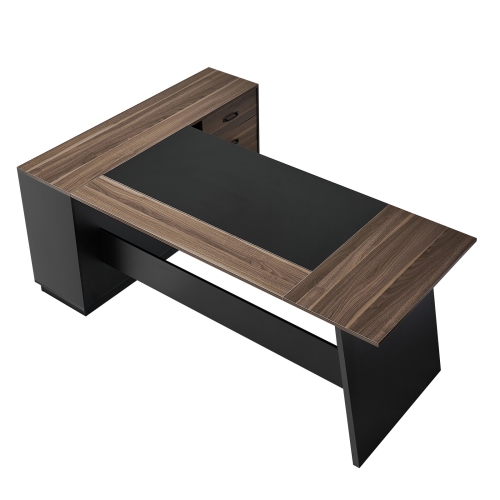
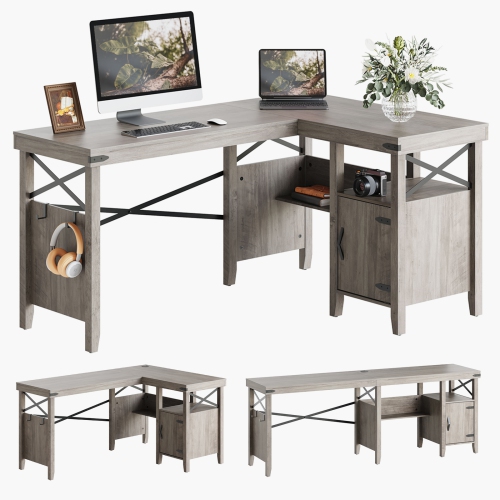
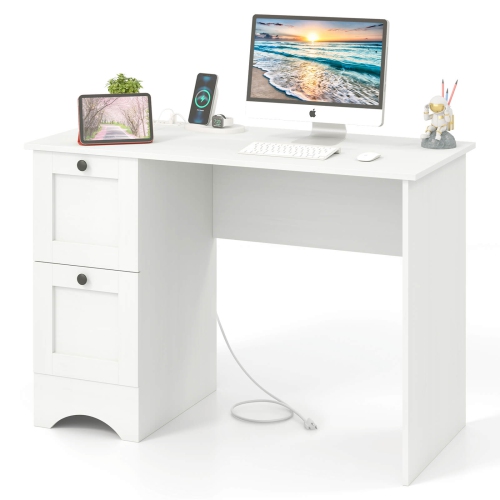
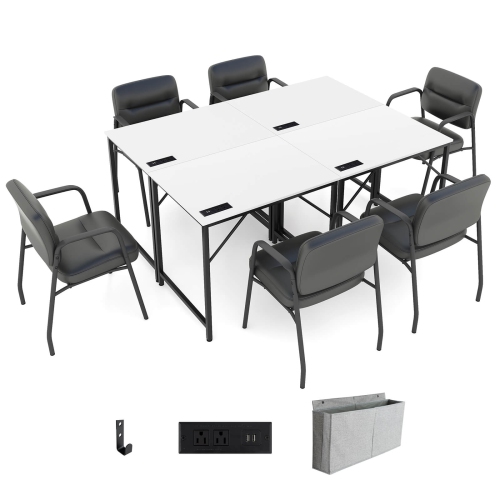
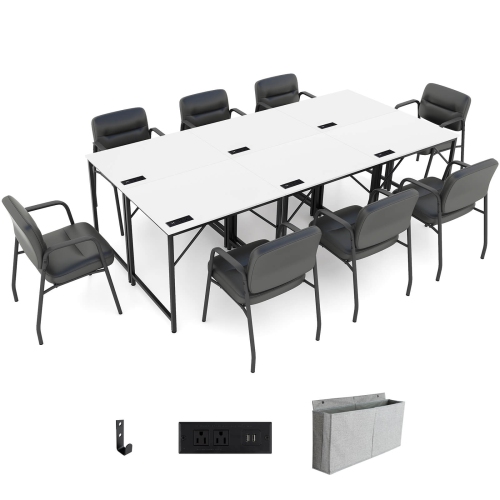
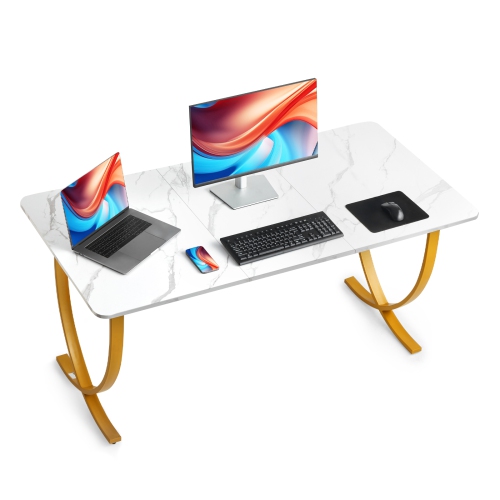
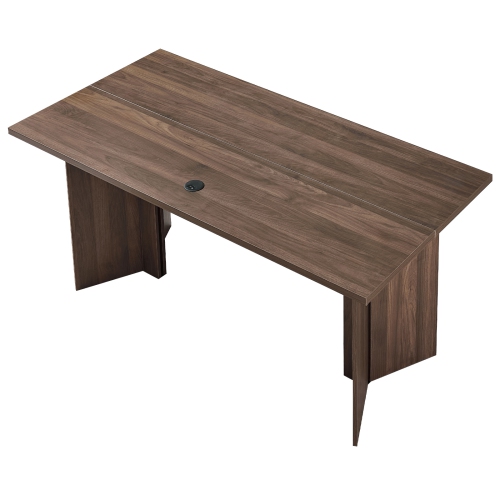
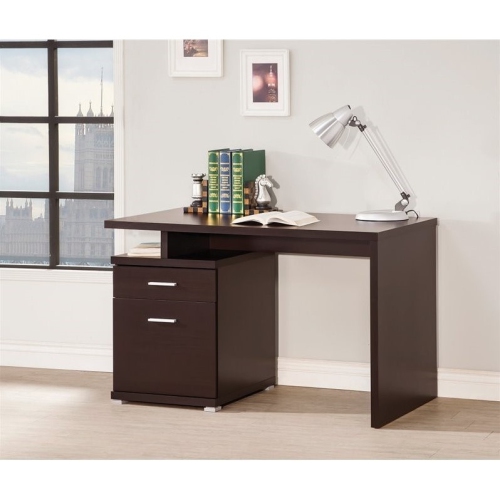
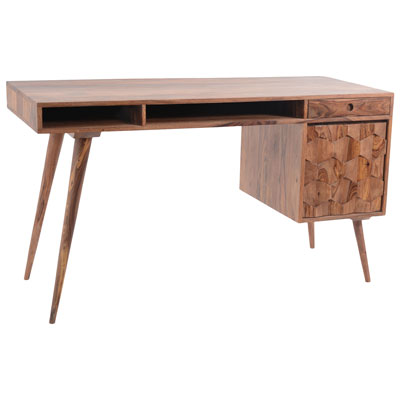
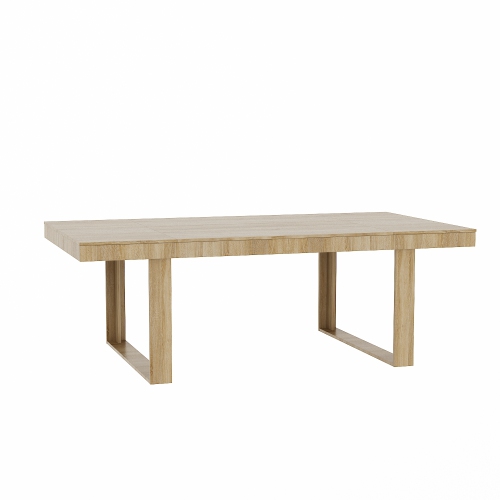
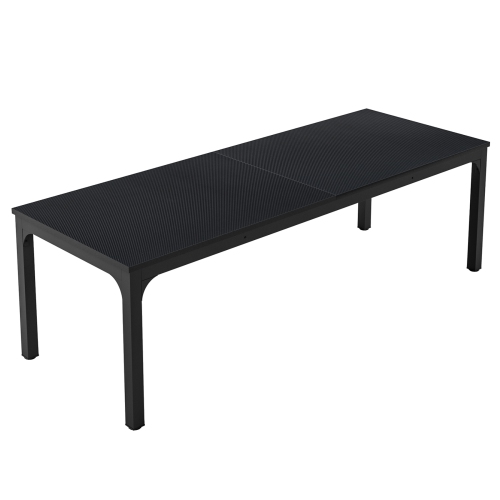
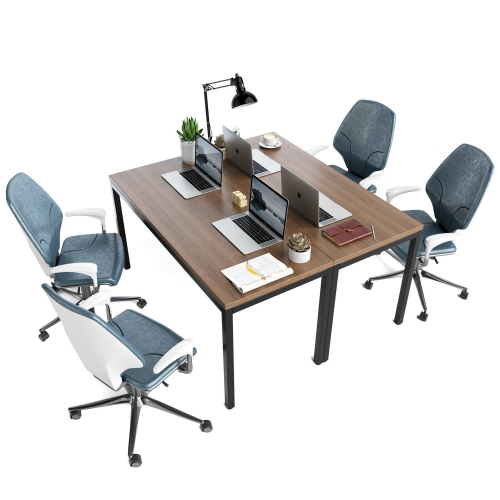
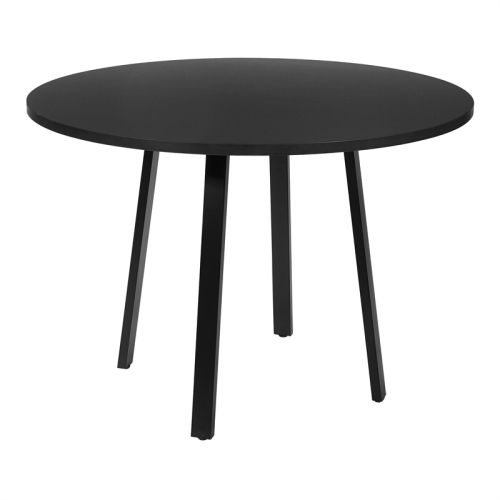
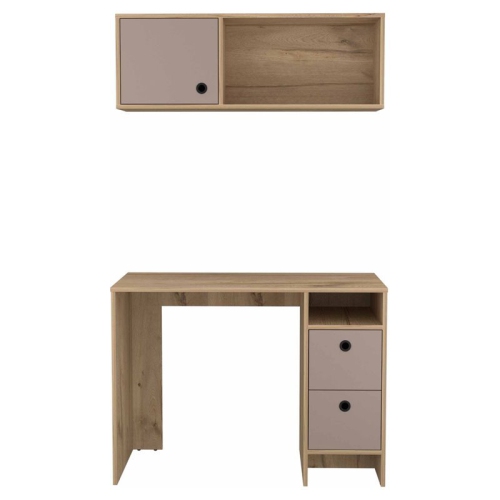
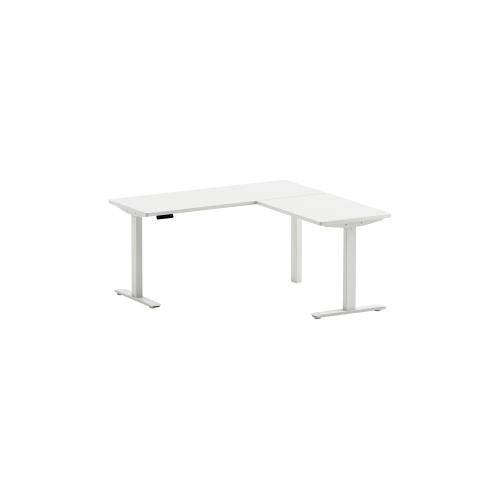
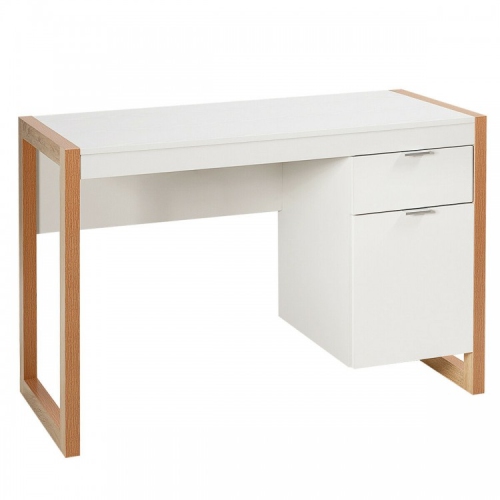
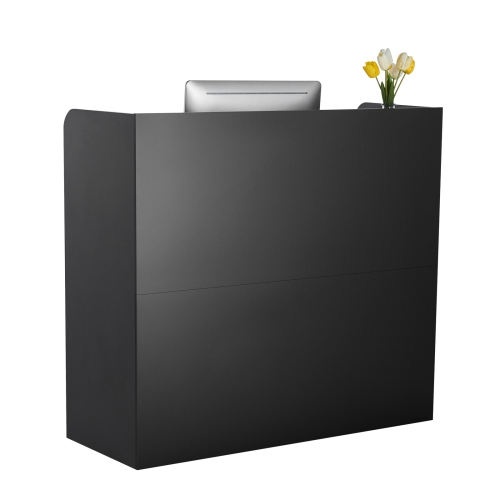
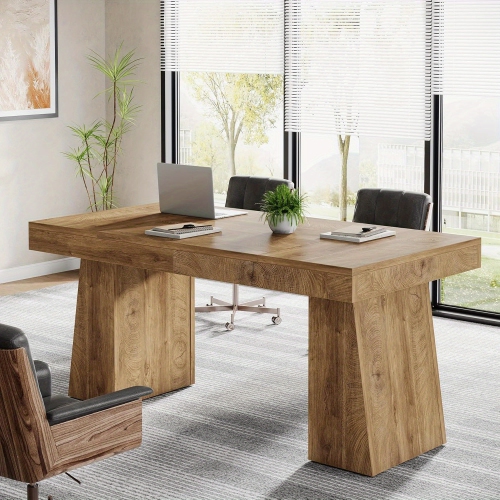
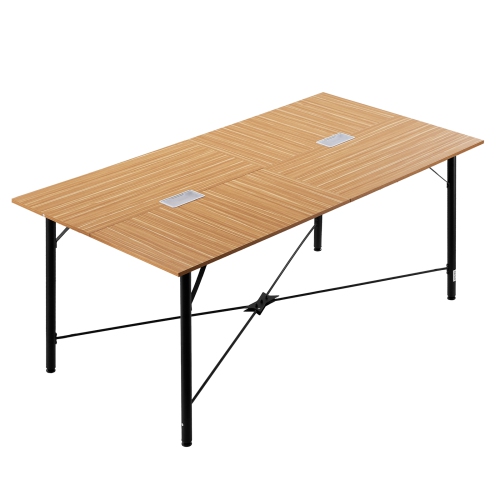
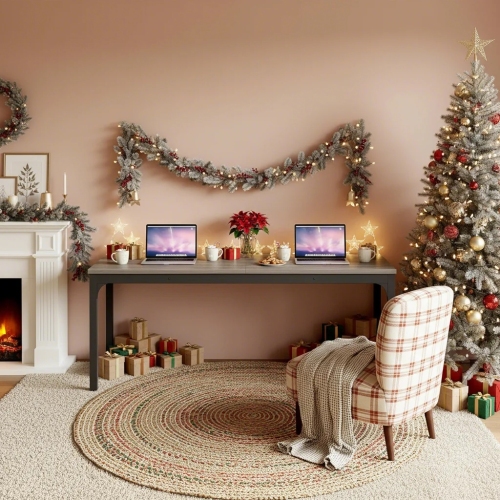
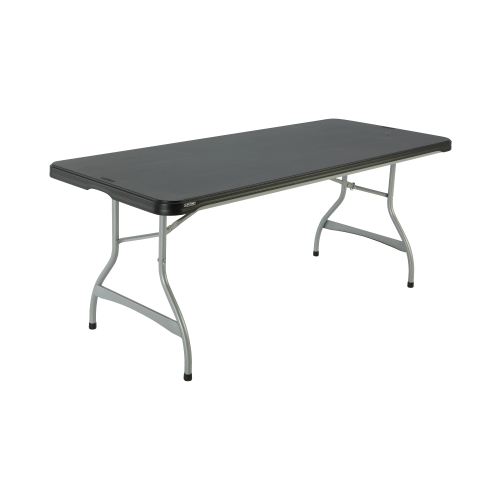
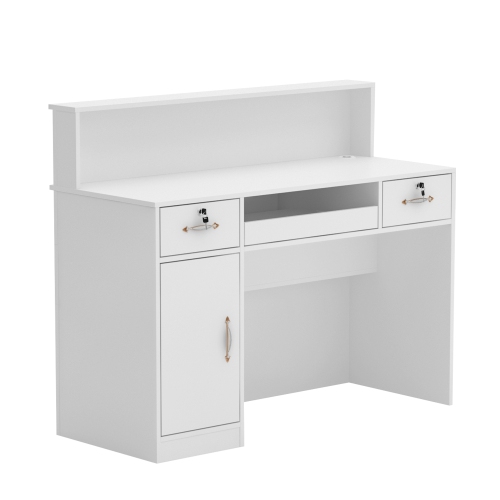
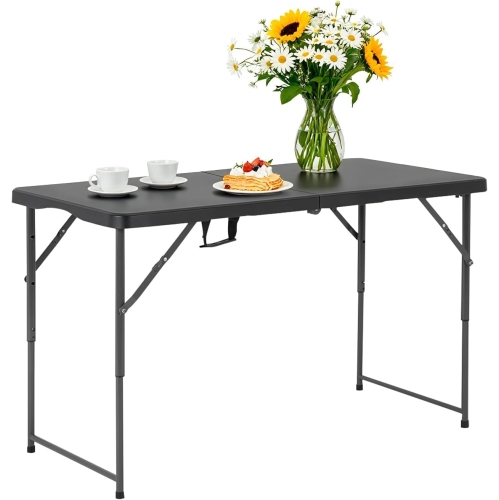
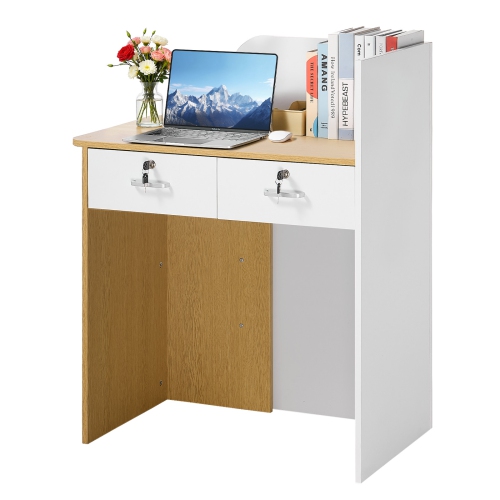
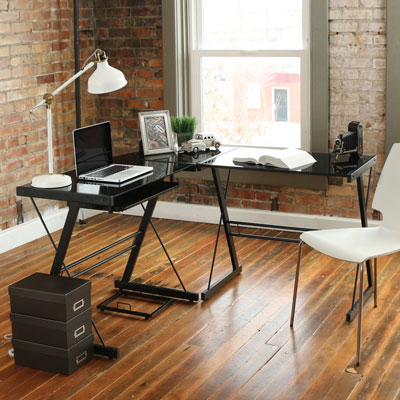
Office tables provide a practical foundation for focused work, shared projects, meetings, and everyday administration. The category includes compact writing tables, computer desks, larger executive work surfaces, meeting tables, and adjustable-height designs, each suited to a different rhythm of use. A home office used for occasional paperwork has different needs from a workstation that holds two monitors, a keyboard, reference books, and a full day’s worth of notes. For a laptop-based setup, a relatively shallow tabletop can leave more floor space open, while a deeper surface provides room to position a monitor farther from the seating edge and keep documents within reach. Width matters just as much: spreading out drawings or reviewing several files calls for more uninterrupted surface area than answering emails. Rectangular office tables fit naturally against a wall or in a row of workstations, while L-shaped designs make use of corners and separate computer work from writing or sorting. Round meeting tables encourage face-to-face conversation, and longer rectangular tables accommodate group discussions, training sessions, or shared equipment. In a spare bedroom or multipurpose room, an open-base table can feel less imposing than a desk with substantial built-in cabinetry. In a dedicated office, drawers and cabinets may be useful for keeping supplies close without covering the work surface. The most suitable fit accounts for the whole room, not just the tabletop’s footprint. Chairs need space to pull back, drawers need room to open, and walkways should remain clear when someone is seated. Doorways, stair turns, and lift dimensions can also affect whether a table can reach its intended location, particularly when the top arrives as one large piece. For students, remote workers, small-business owners, and households managing schedules and paperwork, a well-proportioned office table helps give daily tasks a defined place without taking over the surrounding living space.
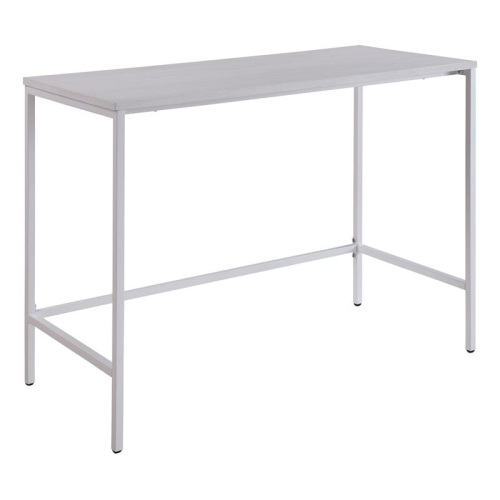
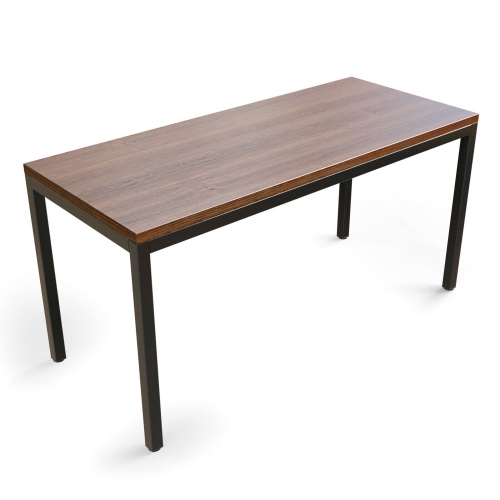
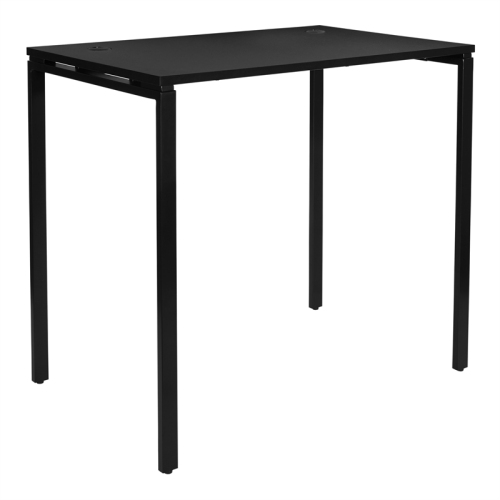
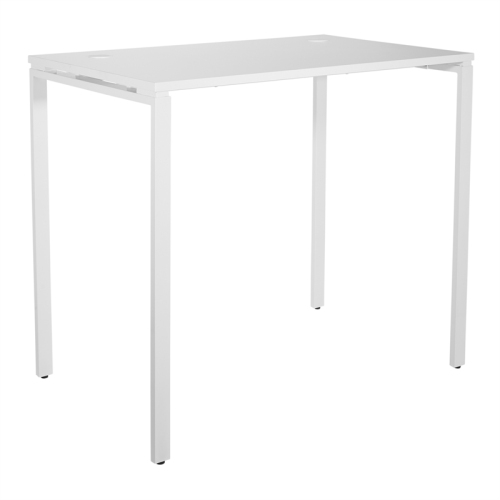
Materials and construction influence how an office table looks, feels, and stands up to regular use. Solid wood offers distinctive grain and a substantial appearance, with natural variation that makes each surface slightly different. It can develop marks with use and may react to changes in indoor humidity, so care instructions matter. Veneer provides a real wood surface over a supporting core, though the thin outer layer needs protection from deep scratches and standing moisture. Laminate and melamine finishes are common on work tables because they offer a consistent appearance and generally straightforward cleaning; edge quality and properly sealed joins are particularly important where spills might collect. Engineered wood can provide a smooth, stable surface, but durability depends on the construction, finish, thickness, and support beneath the top. Metal frames often suit busy workspaces, especially when crossbars or other bracing help limit movement. Glass tops create a lighter visual effect and can suit smaller rooms, although fingerprints tend to show, and only glass designed for furniture use should be used as a work surface. A desk mat can soften the sound of a keyboard or pen on a hard tabletop while protecting the finish from routine wear. Stability becomes especially noticeable during typing, handwriting, or a video call when even a small wobble can be distracting. Frame connections, levelling feet, and the span between supports all contribute to how steady a table feels. Weight capacity should cover the intended equipment, including monitor arms, desktop computers, and anything stored on the surface; a heavy load concentrated at one edge may require particular attention to the manufacturer’s limits. Monitor clamps also need a compatible tabletop thickness and enough clear space underneath to attach securely. Everyday care is usually simplest when spills are wiped promptly with a soft cloth and cleaning products are matched to the finish. Coasters, protective pads beneath equipment, and lifting rather than dragging accessories can help preserve the surface. For assembled furniture, checking fittings periodically according to the care instructions can help maintain a firm, reliable structure.
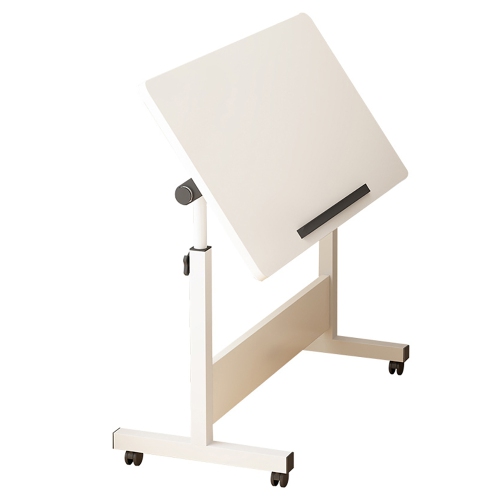
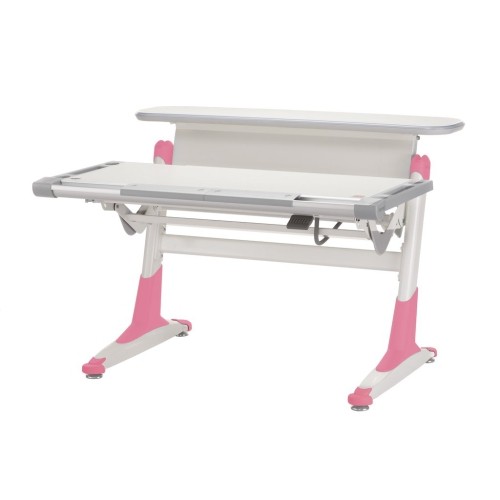
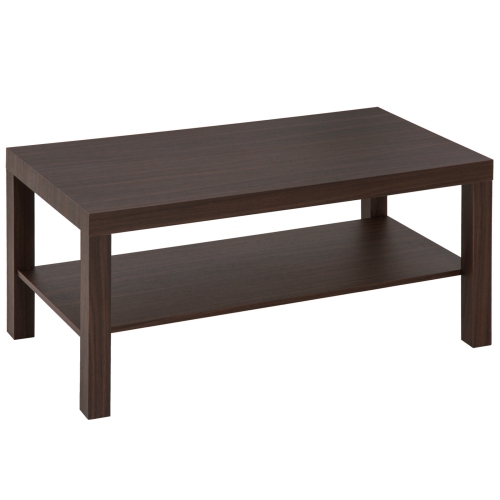
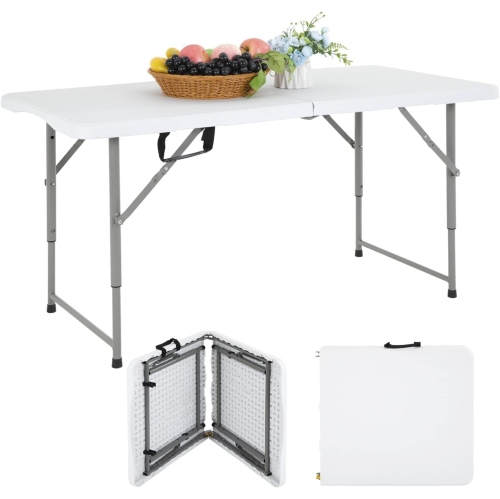
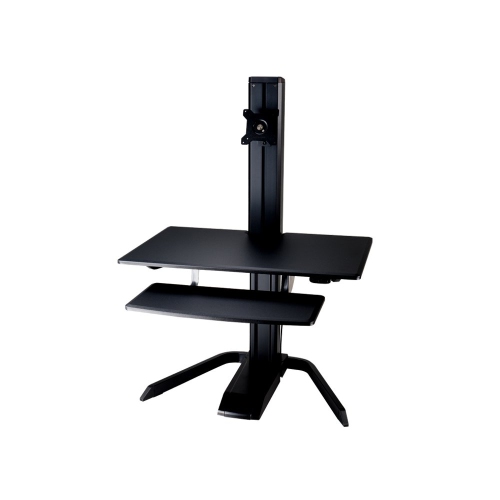
Comfort and organisation shape how useful office tables remain throughout the working day. Table height should work with the chair and the person using it, allowing relaxed shoulders, supported feet, and space for the knees without pressure from an apron, drawer, or crossbar. A fixed-height table can suit a consistent setup, while a height-adjustable model offers more flexibility for alternating between seated and standing tasks or sharing a workstation among different users. Its adjustment range, controls, lifting capacity, and clearance around nearby furniture all deserve attention. Standing height is not a substitute for movement, but changing position can make a long stretch of desk work feel less static. Cable routing is another small detail with a large effect on daily use. Grommets, trays, and discreet channels can keep charging cords and monitor cables away from writing space and reduce loose loops near feet. With an adjustable table, cables need enough slack for the full movement of the top without pulling on plugs. Storage works best when it matches what actually needs to be put away: shallow drawers suit pens and small accessories, file drawers need to accommodate the intended paper format, and open shelves keep frequently used materials visible. Shared offices may benefit from lockable storage for documents, while a home workspace may need a clear surface that is easy to reset at the end of the day. For reception areas and informal meeting spaces, office coffee tables provide a lower surface for reading material and refreshments beside lounge seating, rather than replacing a desk intended for sustained computer work. Across these settings, colour, finish, and proportions help connect the table with existing furniture. Light finishes can keep a compact room feeling open, darker tones can add visual weight, and simple frames pair easily with varied seating. Whether the space supports quiet study, client conversations, or collaborative planning, an office table earns its place through a useful balance of working room, dependable support, accessible storage, and a shape that fits comfortably into everyday routines.
Materials and construction influence how an office table looks, feels, and stands up to regular use. Solid wood offers distinctive grain and a substantial appearance, with natural variation that makes each surface slightly different. It can develop marks with use and may react to changes in indoor humidity, so care instructions matter. Veneer provides a real wood surface over a supporting core, though the thin outer layer needs protection from deep scratches and standing moisture. Laminate and melamine finishes are common on work tables because they offer a consistent appearance and generally straightforward cleaning; edge quality and properly sealed joins are particularly important where spills might collect. Engineered wood can provide a smooth, stable surface, but durability depends on the construction, finish, thickness, and support beneath the top. Metal frames often suit busy workspaces, especially when crossbars or other bracing help limit movement. Glass tops create a lighter visual effect and can suit smaller rooms, although fingerprints tend to show, and only glass designed for furniture use should be used as a work surface. A desk mat can soften the sound of a keyboard or pen on a hard tabletop while protecting the finish from routine wear. Stability becomes especially noticeable during typing, handwriting, or a video call when even a small wobble can be distracting. Frame connections, levelling feet, and the span between supports all contribute to how steady a table feels. Weight capacity should cover the intended equipment, including monitor arms, desktop computers, and anything stored on the surface; a heavy load concentrated at one edge may require particular attention to the manufacturer’s limits. Monitor clamps also need a compatible tabletop thickness and enough clear space underneath to attach securely. Everyday care is usually simplest when spills are wiped promptly with a soft cloth and cleaning products are matched to the finish. Coasters, protective pads beneath equipment, and lifting rather than dragging accessories can help preserve the surface. For assembled furniture, checking fittings periodically according to the care instructions can help maintain a firm, reliable structure.
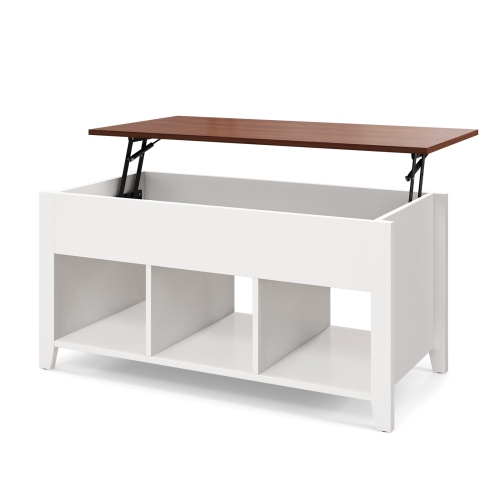
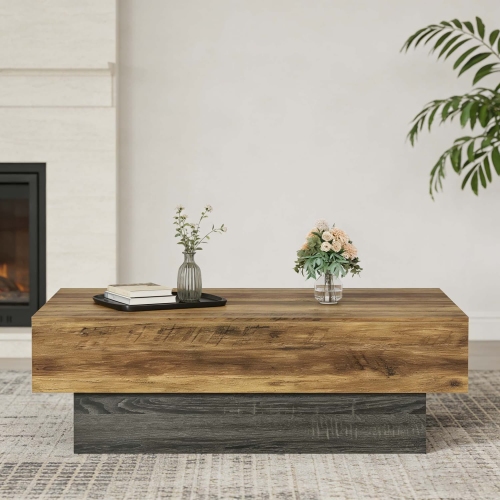
Comfort and organisation shape how useful office tables remain throughout the working day. Table height should work with the chair and the person using it, allowing relaxed shoulders, supported feet, and space for the knees without pressure from an apron, drawer, or crossbar. A fixed-height table can suit a consistent setup, while a height-adjustable model offers more flexibility for alternating between seated and standing tasks or sharing a workstation among different users. Its adjustment range, controls, lifting capacity, and clearance around nearby furniture all deserve attention. Standing height is not a substitute for movement, but changing position can make a long stretch of desk work feel less static. Cable routing is another small detail with a large effect on daily use. Grommets, trays, and discreet channels can keep charging cords and monitor cables away from writing space and reduce loose loops near feet. With an adjustable table, cables need enough slack for the full movement of the top without pulling on plugs. Storage works best when it matches what actually needs to be put away: shallow drawers suit pens and small accessories, file drawers need to accommodate the intended paper format, and open shelves keep frequently used materials visible. Shared offices may benefit from lockable storage for documents, while a home workspace may need a clear surface that is easy to reset at the end of the day. For reception areas and informal meeting spaces, office coffee tables provide a lower surface for reading material and refreshments beside lounge seating, rather than replacing a desk intended for sustained computer work. Across these settings, colour, finish, and proportions help connect the table with existing furniture. Light finishes can keep a compact room feeling open, darker tones can add visual weight, and simple frames pair easily with varied seating. Whether the space supports quiet study, client conversations, or collaborative planning, an office table earns its place through a useful balance of working room, dependable support, accessible storage, and a shape that fits comfortably into everyday routines.
Top selling and popular products
-
 Your price for this item is $304.99
 -
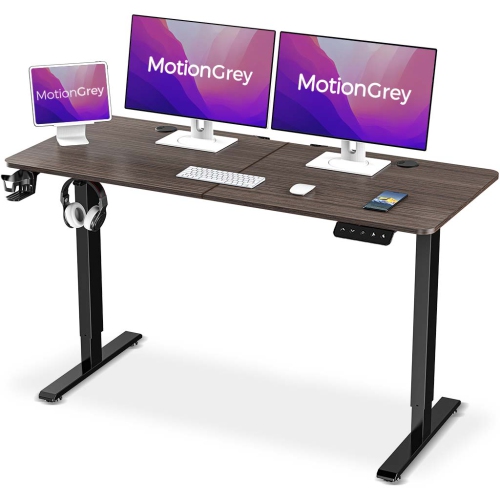 Your price for this item is $93.99
 -
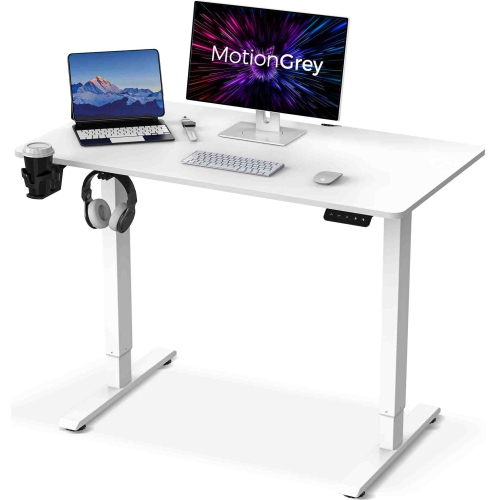 Your price for this item is $83.99
 -
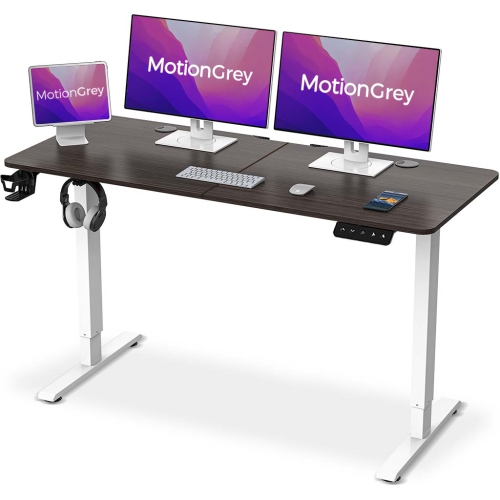 Your price for this item is $108.99
 -
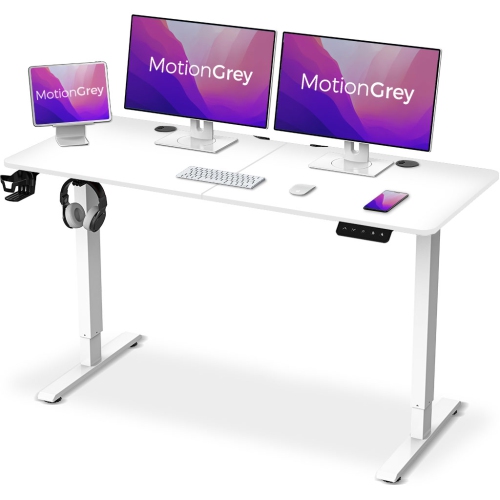 Your price for this item is $94.99
 -
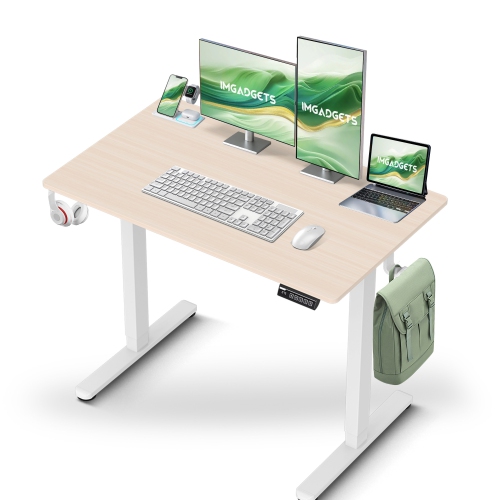 Your price for this item is $74.97
 -
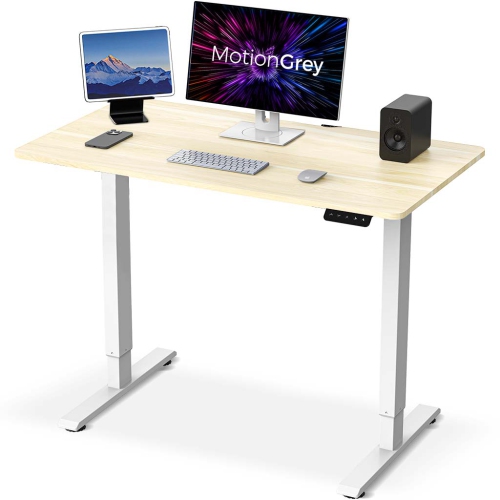 Your price for this item is $83.95
 -
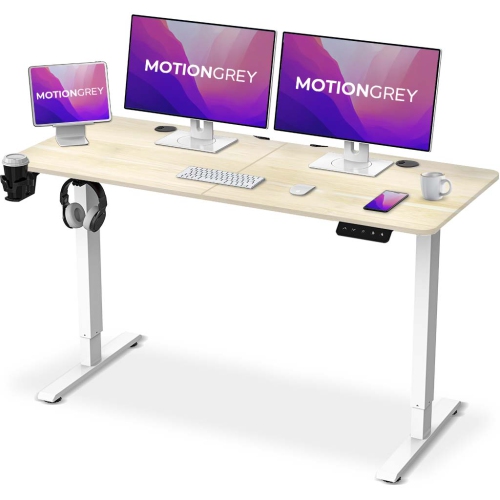 Your price for this item is $93.99
Discover more categories related to Office Tables
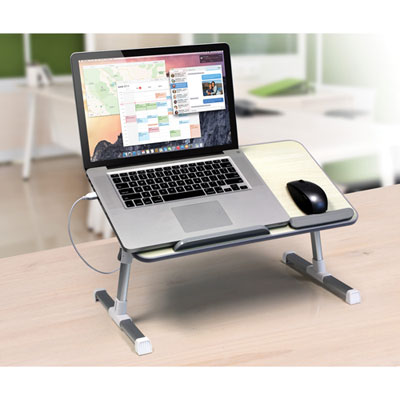
Top Collections:
Pokemon Centers, Kindle Devices, Best Budget Office Chairs, Apple iPhones 16, Canon G7X Cameras, iPhone 15 Apple, Alarm Clock, Refurbished Apple Laptops, Flip Phones, Best Laptops for Writers
Some products may be subject to Environmental Handling Fees
(EHF) depending on your province.
Learn more about EHFs.