On Ground Pool
Transform your backyard into a refreshing retreat with an On Ground Pool. Ideal for families, gatherings, or solo relaxation, these pools offer a convenient way to enjoy swimming and leisure time at home. Explore a wide selection of On Ground Pool options designed to fit various spaces and styles, making it easy to create your own personal oasis. Dive into summer fun and make lasting memories with an On Ground Pool that suits your needs and lifestyle.
Sort

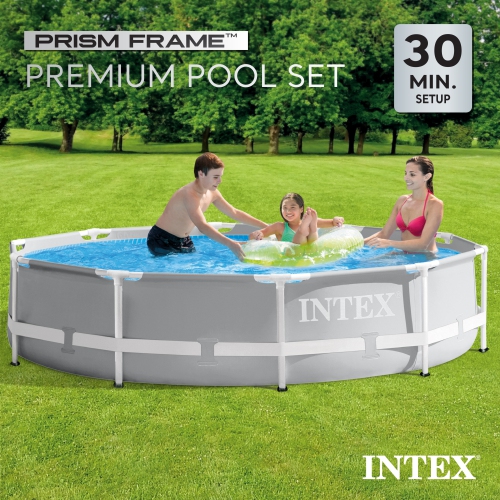
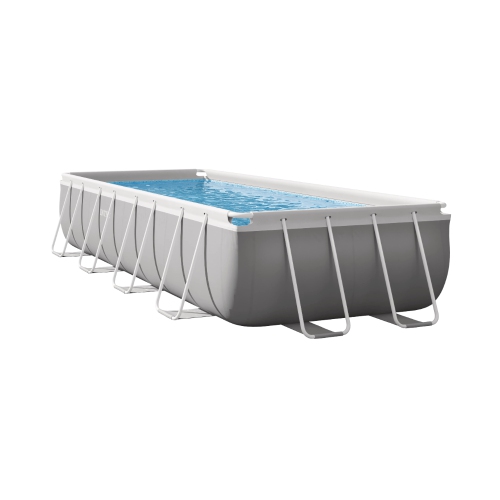
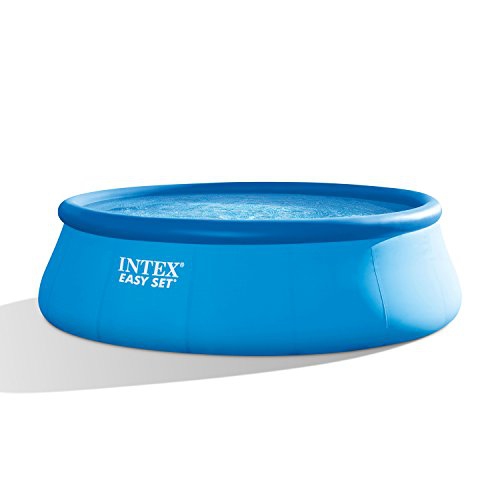
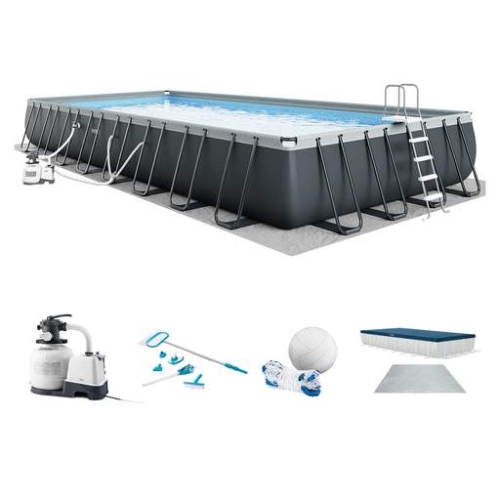
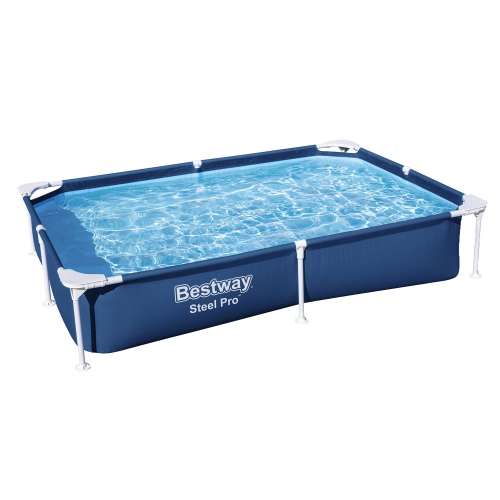
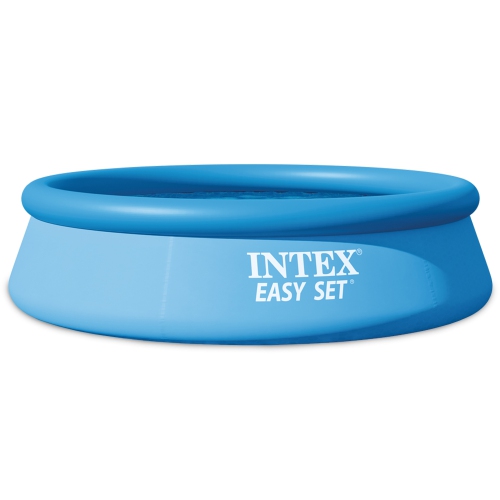
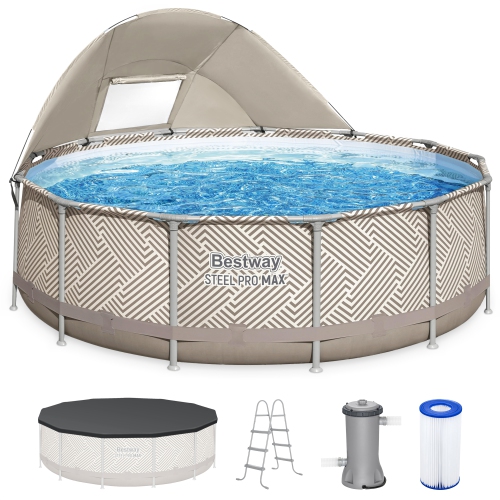
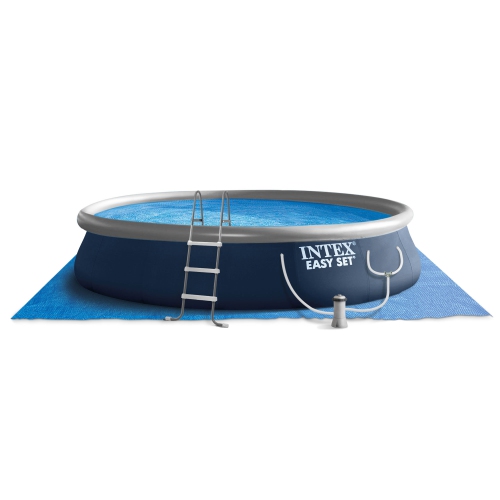
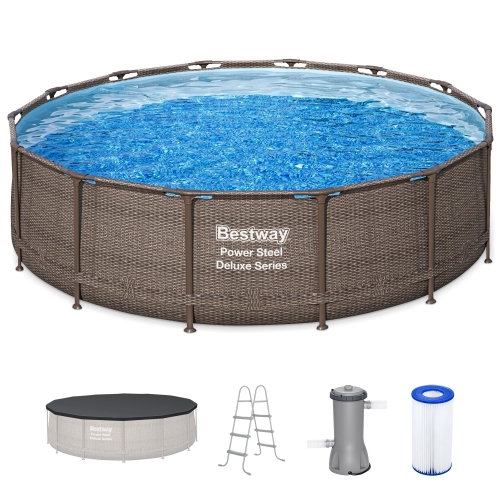
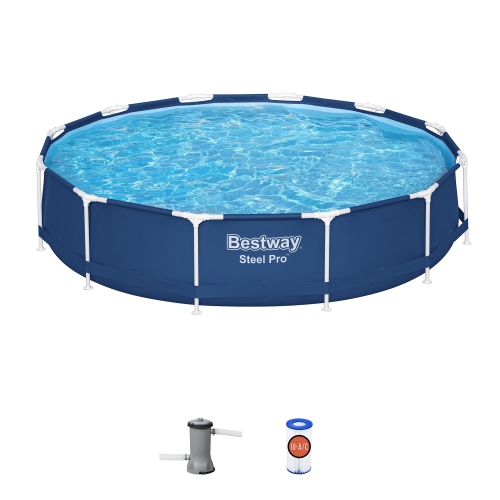
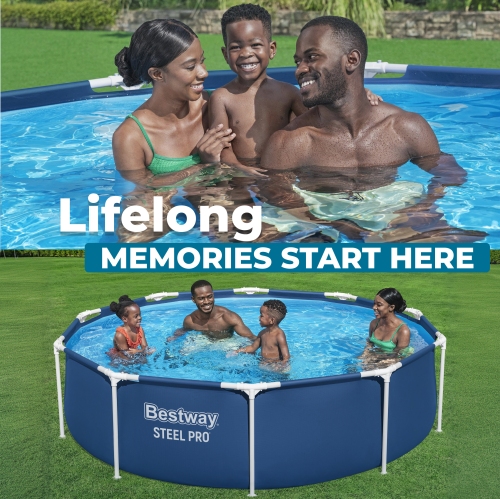
Partially recessed pools need more than backyard space
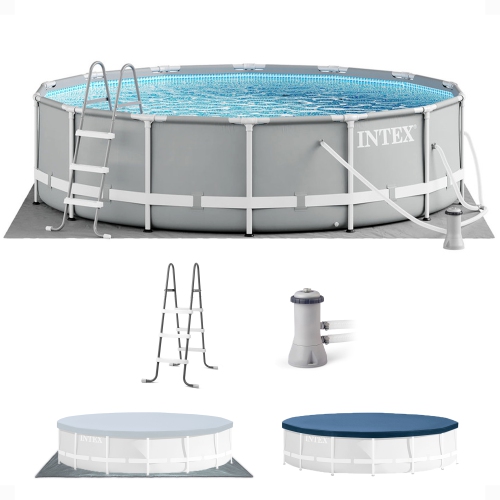
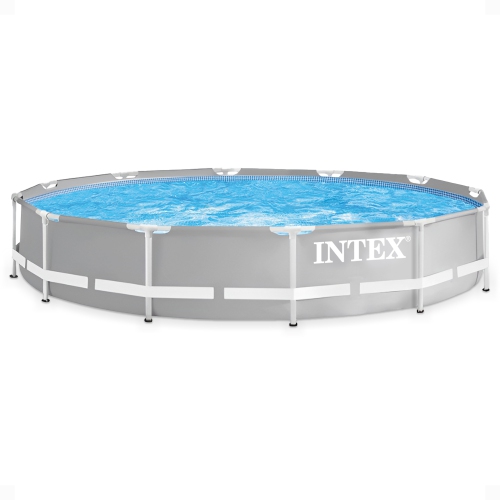
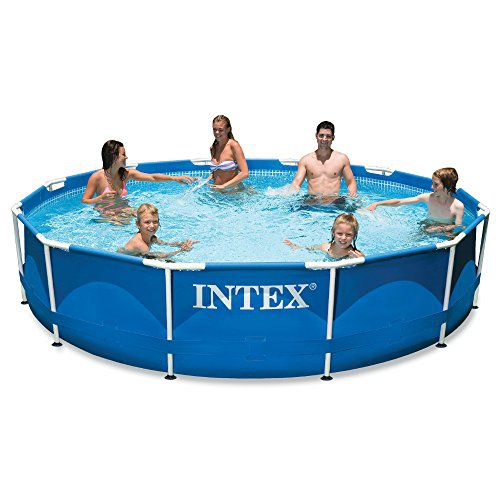
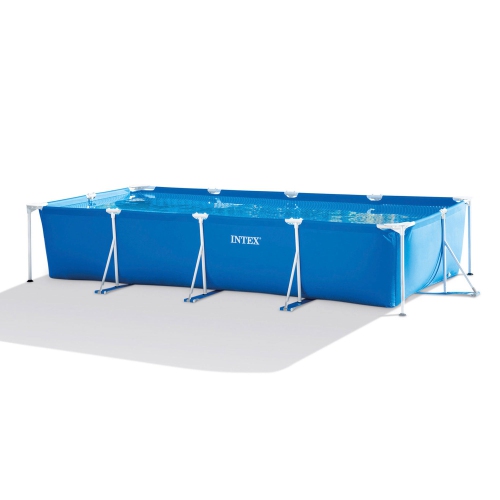
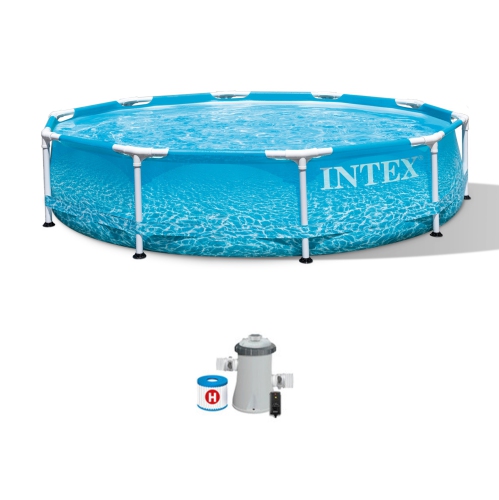
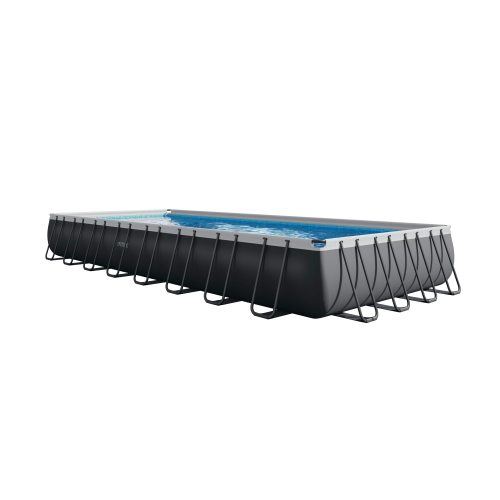
An on-ground pool is a swimming pool designed to sit partly above the surrounding ground level, often with a portion of its structure recessed into the yard. The term commonly overlaps with semi-inground pool, although permitted installation depths and configurations depend on the pool’s construction and the manufacturer’s specifications. This distinction matters: a pool engineered for partial burial is not interchangeable with a standard above-ground pool or a portable frame pool. Purpose-built on-ground pools can create a more integrated backyard setting while keeping part of the pool wall visible, with surrounding steps, decking, or landscaping helping connect the swimming area to the rest of the property. In a sloped yard, that arrangement may allow one side to sit closer to ground level while the opposite side remains exposed. It does not eliminate the need for a level, properly prepared base, suitable drainage, or professional assessment of soil and structural conditions. For households comparing backyard pool styles, Above Ground Swimming Pools offer a related category, with designs intended to stand above grade unless their documentation expressly permits another installation method. The appeal of an on-ground swimming pool is its balance of swimming space and backyard integration. A rectangular footprint can suit gentle laps or water exercise, while round and oval shapes can provide room for casual swimming and shared family time. Actual suitability depends on dimensions, depth, entry arrangements, and the amount of unobstructed water space. A pool used by adults for low-impact movement has different needs from one intended for supervised play, and neither use should be judged by the pool’s outside dimensions alone. Interior measurements, the waterline, and the placement of ladders or steps give a clearer picture of how the pool will feel when several people are using it together. The surrounding area matters just as much, particularly where swimmers need space to dry off without blocking a walkway or entry gate.
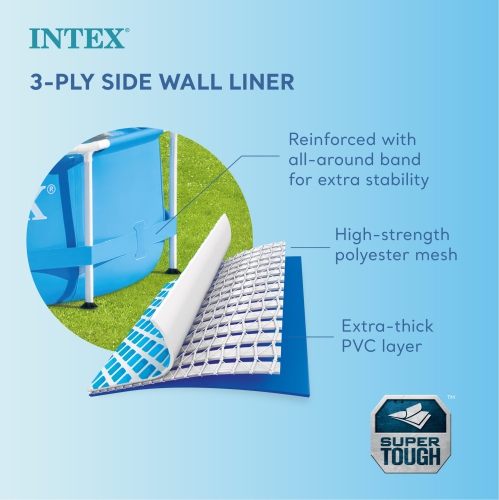
Materials and structural design determine how an on-ground pool handles water pressure, exposure to moisture, and any ground contact allowed by its installation specifications. Depending on the system, the structure may use steel panels, aluminum components, resin elements, or other engineered materials, often paired with a fitted liner. Steel relies on protective finishes and appropriate care to help resist corrosion; aluminum and resin have different maintenance needs and structural characteristics. No single material description confirms that a pool can be buried or backfilled. That permission must come from the manufacturer, along with requirements for supports, drainage, and the materials placed around the walls. A liner provides a smooth water-contact surface in many pool designs, but its fit is specific to the pool’s shape, wall height, and attachment system. Accurate compatibility is especially important at corners, steps, fittings, and transitions across the pool floor, where an unsuitable liner can wrinkle or sit under excessive tension. Some on-ground pool systems incorporate insulated wall assemblies, but insulation is not a universal feature and should not be assumed from the category name. Durability also depends on the less visible parts of the installation: a stable base, correctly assembled connections, protected plumbing, and access to components that may need servicing. In practical terms, a finished deck should not make the pump impossible to reach or conceal a fitting that needs inspection. Fit within the yard includes more than the pool footprint. Space for circulation equipment, safe entry, required barriers, and maintenance access can influence which size and shape makes sense. Overhead wires, underground services, property setbacks, and municipal permit requirements can also affect placement. A narrow side yard or a steep grade may call for a different layout rather than simply a smaller pool. For a partially recessed installation, soil movement and water collecting outside the walls deserve particular attention because the pool must perform within the conditions it was designed to withstand. A tidy-looking installation depends on that underlying preparation as much as on the visible finish.
Everyday ownership centres on clean water, dependable circulation, safe access, and care that matches the pool’s materials. Pump and filter compatibility depends on water volume, plumbing, and the system’s operating requirements, rather than pool shape alone. Water testing and properly balanced pool chemistry help protect swimmers and reduce avoidable wear on liners, fittings, and equipment. Leaves and grit still need to be removed, even when the water looks clear, and cleaning tools should suit the surface they contact. A soft brush appropriate for a vinyl liner, for example, serves a different purpose from an abrasive tool intended for a harder pool finish. Covers also have distinct roles. A cover intended to limit debris or heat loss is not automatically a safety cover, and no cover replaces active adult supervision or compliant barriers. For families with children, a useful layout keeps the swimming area easy to observe and separates pool access from everyday backyard play. Gates, fencing, ladders, and steps must meet applicable requirements, with entry arrangements suited to the people using the pool. Swimmers who find ladder rungs difficult may benefit from a compatible step system, but the stability, handholds, and space needed for that system are part of the fit. Pool depth should never be taken as permission to dive; diving is only appropriate where the pool is expressly designed and approved for it. Canadian pool ownership also includes planning for freezing conditions where applicable. Seasonal closing requirements vary by structure and equipment, and a permanent on-ground pool may need to retain a specified water level for support rather than being emptied. Plumbing, filtration equipment, covers, and exposed fittings each have their own winter care requirements. Following the manufacturer’s directions helps avoid damage caused by trapped water, unsuitable draining, or unsupported walls. For households that enjoy swimming, an on-ground pool can become a dedicated space for relaxed movement, supervised games, and unhurried time together, with its long-term usefulness shaped by thoughtful sizing, sound construction, and manageable care.
Materials and structural design determine how an on-ground pool handles water pressure, exposure to moisture, and any ground contact allowed by its installation specifications. Depending on the system, the structure may use steel panels, aluminum components, resin elements, or other engineered materials, often paired with a fitted liner. Steel relies on protective finishes and appropriate care to help resist corrosion; aluminum and resin have different maintenance needs and structural characteristics. No single material description confirms that a pool can be buried or backfilled. That permission must come from the manufacturer, along with requirements for supports, drainage, and the materials placed around the walls. A liner provides a smooth water-contact surface in many pool designs, but its fit is specific to the pool’s shape, wall height, and attachment system. Accurate compatibility is especially important at corners, steps, fittings, and transitions across the pool floor, where an unsuitable liner can wrinkle or sit under excessive tension. Some on-ground pool systems incorporate insulated wall assemblies, but insulation is not a universal feature and should not be assumed from the category name. Durability also depends on the less visible parts of the installation: a stable base, correctly assembled connections, protected plumbing, and access to components that may need servicing. In practical terms, a finished deck should not make the pump impossible to reach or conceal a fitting that needs inspection. Fit within the yard includes more than the pool footprint. Space for circulation equipment, safe entry, required barriers, and maintenance access can influence which size and shape makes sense. Overhead wires, underground services, property setbacks, and municipal permit requirements can also affect placement. A narrow side yard or a steep grade may call for a different layout rather than simply a smaller pool. For a partially recessed installation, soil movement and water collecting outside the walls deserve particular attention because the pool must perform within the conditions it was designed to withstand. A tidy-looking installation depends on that underlying preparation as much as on the visible finish.
Everyday ownership centres on clean water, dependable circulation, safe access, and care that matches the pool’s materials. Pump and filter compatibility depends on water volume, plumbing, and the system’s operating requirements, rather than pool shape alone. Water testing and properly balanced pool chemistry help protect swimmers and reduce avoidable wear on liners, fittings, and equipment. Leaves and grit still need to be removed, even when the water looks clear, and cleaning tools should suit the surface they contact. A soft brush appropriate for a vinyl liner, for example, serves a different purpose from an abrasive tool intended for a harder pool finish. Covers also have distinct roles. A cover intended to limit debris or heat loss is not automatically a safety cover, and no cover replaces active adult supervision or compliant barriers. For families with children, a useful layout keeps the swimming area easy to observe and separates pool access from everyday backyard play. Gates, fencing, ladders, and steps must meet applicable requirements, with entry arrangements suited to the people using the pool. Swimmers who find ladder rungs difficult may benefit from a compatible step system, but the stability, handholds, and space needed for that system are part of the fit. Pool depth should never be taken as permission to dive; diving is only appropriate where the pool is expressly designed and approved for it. Canadian pool ownership also includes planning for freezing conditions where applicable. Seasonal closing requirements vary by structure and equipment, and a permanent on-ground pool may need to retain a specified water level for support rather than being emptied. Plumbing, filtration equipment, covers, and exposed fittings each have their own winter care requirements. Following the manufacturer’s directions helps avoid damage caused by trapped water, unsuitable draining, or unsupported walls. For households that enjoy swimming, an on-ground pool can become a dedicated space for relaxed movement, supervised games, and unhurried time together, with its long-term usefulness shaped by thoughtful sizing, sound construction, and manageable care.
Top selling and popular products
-
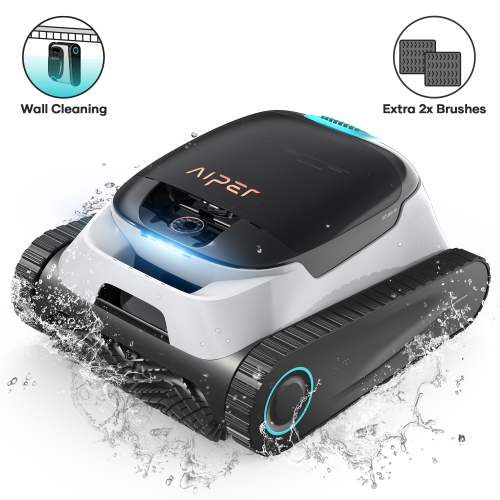 Your price for this item is $679.99
 -
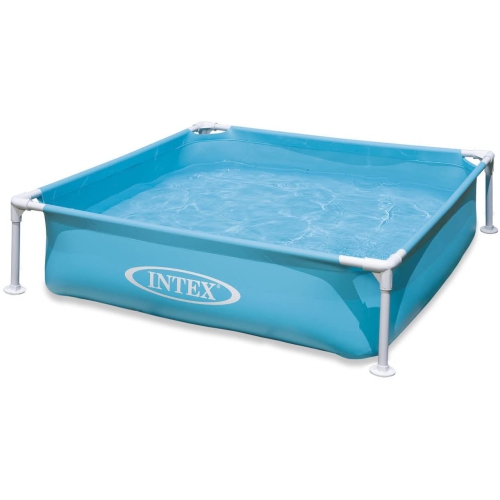 Your price for this item is $75.99
 -
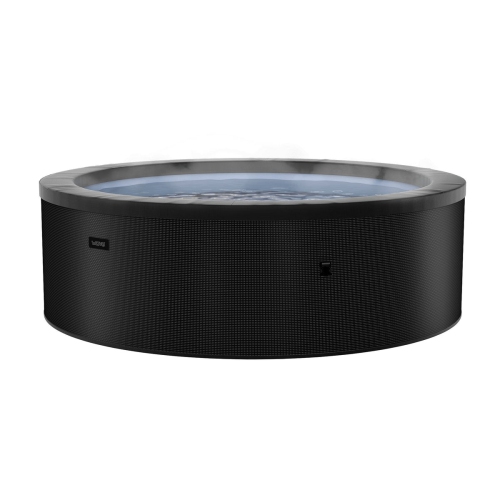 Your price for this item is $3489
 -
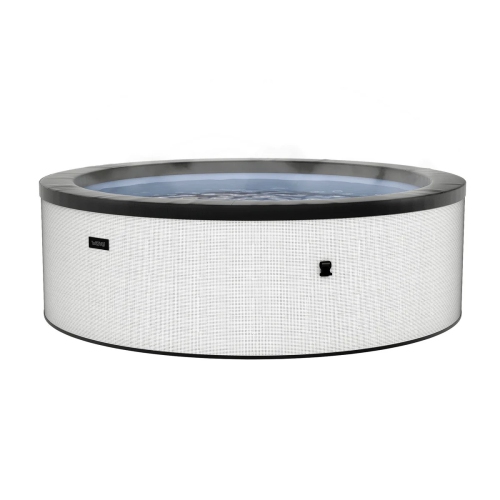 Your price for this item is $3489
 -
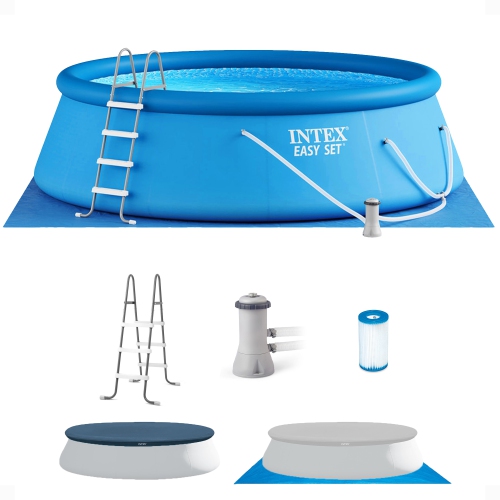 Your price for this item is $542.99
 -
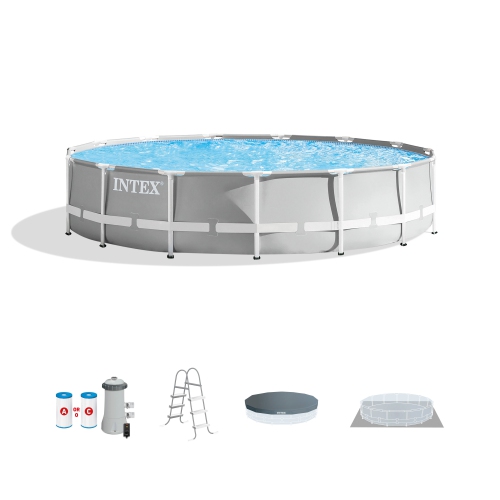 Your price for this item is $1098.99
 -
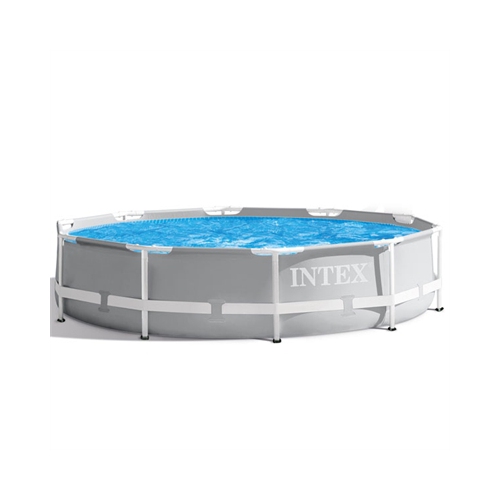 Your price for this item is $285.99
 -
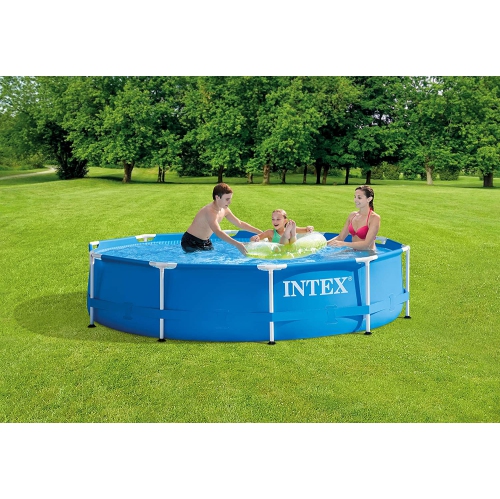 Your price for this item is $257.99
Discover more categories related to On Ground Pool
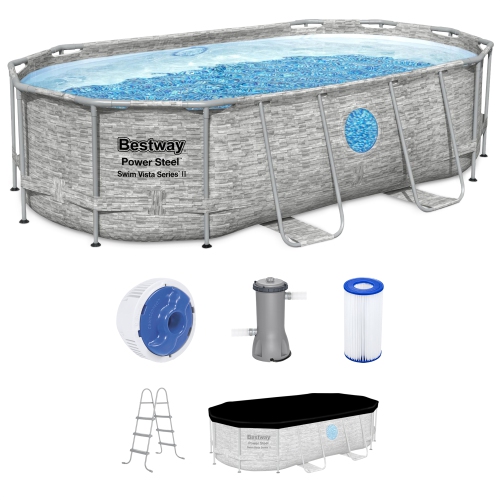
Top Collections:
Pokemon Centers, Kindle Devices, Best Budget Office Chairs, Apple iPhones 16, Canon G7X Cameras, iPhone 15 Apple, Alarm Clock, Refurbished Apple Laptops, Flip Phones, Best Laptops for Writers
Some products may be subject to Environmental Handling Fees
(EHF) depending on your province.
Learn more about EHFs.