Orange Armchairs
Add a pop of vibrant color to your living space with an orange armchair. Whether you're looking to create a bold statement or simply add a touch of warmth, an orange armchair can instantly elevate the style and ambiance of almost any room. With their eye-catching hue and comfortable design, these versatile pieces of furniture are not only visually appealing but also provide a cozy spot to relax and unwind. Here are some great options available.
Sort
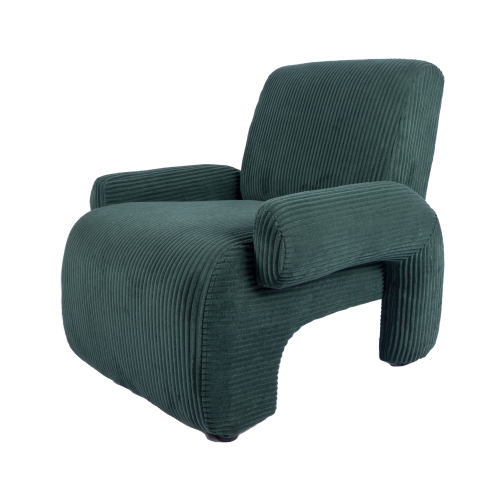
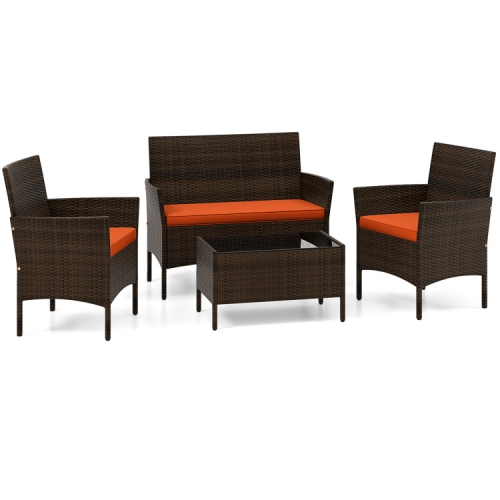
How orange shades shape a room’s warmth and character
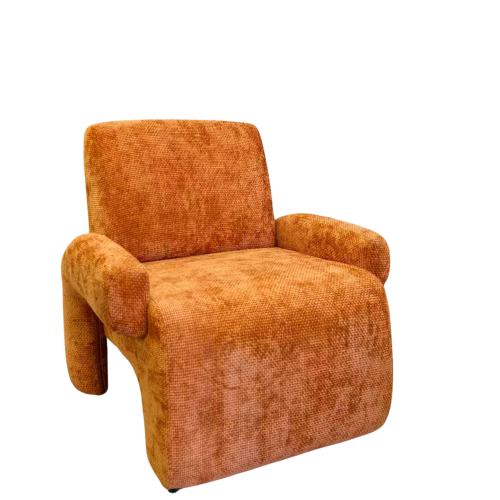
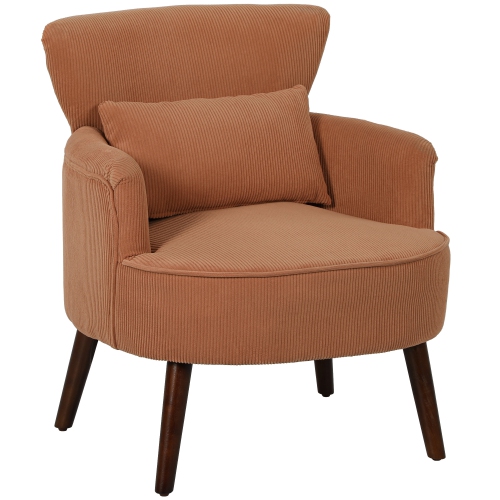
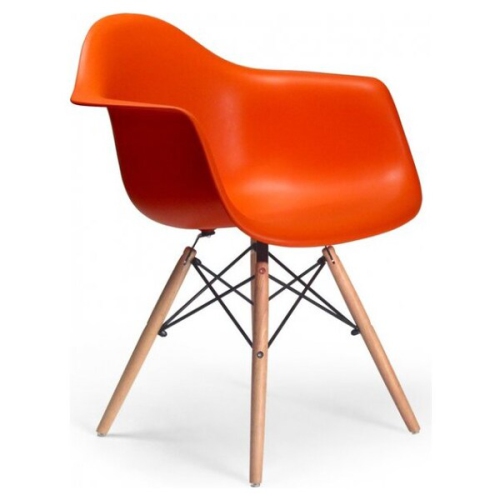
Orange armchairs bring warmth, colour, and comfortable seating to living rooms, bedrooms, home offices, and reading corners. Their effect depends as much on the shade and upholstery as on the shape: burnt orange feels grounded and mellow, terracotta has a softer, clay-like character, and a clear tangerine makes a more vivid focal point. Rust and copper tones sit naturally alongside walnut finishes, cream upholstery, and woven rugs, while brighter orange creates a striking contrast with navy blue or charcoal. Olive and sage green offer another appealing pairing, especially when the surrounding walls and larger furniture stay neutral. In a room with an off-white sofa, an orange accent chair can supply enough colour on its own; a small patterned cushion or artwork with a similar tone helps connect it to the rest of the space without making everything match. For a softer colour contrast, pink armchairs can sit alongside orange seating, with blush and muted rose creating a gentler combination than two equally bright shades. The chair’s outline also shapes the room. A low, wide armchair with tapered wooden legs suits a mid-century-inspired setting, while a rounded barrel shape brings curved lines to a space filled with straight-edged shelving and tables. A tall back can give a quiet reading corner a more enclosed feel, and slim arms leave more visual breathing room in a compact apartment. Orange does not have to dominate a room to be effective. A muted chair beside a bookcase can feel settled and understated, while a brighter chair positioned opposite a neutral sofa becomes an obvious gathering spot. Daylight and lamplight can change how orange upholstery appears, so fabric images, colour descriptions, and swatches, where provided, are useful for distinguishing a reddish rust from a golden pumpkin tone. Nearby flooring matters too: warm wood can draw out the golden notes, whereas grey flooring often makes the same upholstery look more saturated.
Comfort and fit matter just as much as colour, particularly when an orange armchair will be used every day rather than mainly as occasional seating. Seat width, usable depth, seat height, and back angle all influence how a chair feels. A deep seat can suit someone who likes to curl up with a novel, but a shorter person may need a back cushion to sit with feet resting comfortably on the floor. A shallower seat and a more upright back often work better for conversation or a short coffee break. Higher, firmer seating and supportive arms may make sitting down and standing up easier for some people, although individual comfort needs vary. Broad padded arms offer a relaxed place to rest an elbow, while narrow wooden or upholstered arms can help keep the overall footprint smaller. Cushion construction also deserves attention. Foam generally provides a more defined sitting surface, while fibre-filled cushions tend to feel softer and may need regular reshaping; the actual feel depends on the full construction, not just the filling name. In a living room, the chair should leave enough space for people to pass without turning sideways or stepping around a footstool. In a bedroom, it needs to sit clear of wardrobe doors and drawers. Measuring the intended spot, the delivery route, and any narrow doorways helps avoid a chair that fits the room on paper but is awkward to bring inside. A swivel base can be useful where seating faces both a conversation area and a window, provided there is clearance for the chair to turn. Reclining designs need room for the back and footrest to move through their full range. For a reading nook, a nearby lamp and a stable side table within easy reach make the seating more practical. An armchair in a home office works well for reading or taking a break, but lounge seating is not a substitute for a properly fitted task chair during extended desk work.
Upholstery and construction determine how well an orange armchair handles everyday use and how much attention it needs over time. Velvet gives orange shades a rich, shifting appearance because its pile catches the light differently across the seat and back. That texture can also show pressure marks or changes in pile direction, which are not necessarily signs of damage. Woven fabrics offer a different character: a fine weave looks relatively smooth, while tweed-like textures add visible depth and can soften the appearance of a strong colour. Linen and linen blends have a relaxed surface but may crease, while polyester blends vary widely in softness, weave, and cleaning requirements. Leather can develop creases and character with use; coated alternatives have different wear patterns and should not be assumed to need the same care. For a busy household, tightly woven upholstery, secure seams, and cushions that hold their shape are useful considerations. Homes with cats or dogs may benefit from avoiding loose, looped textures that claws can catch, although no upholstery is completely resistant to scratching. A sturdy frame, well-supported seat, firmly attached legs, and the stated weight capacity are more meaningful indicators of suitability than appearance alone. Removable cushion covers can make access easier, but removable does not automatically mean machine washable. The care label should determine whether cleaning calls for a water-based method, a specialist solvent, or professional attention. Regular gentle vacuuming with an appropriate upholstery attachment helps lift dust and crumbs before they settle into the fabric. Spills are best blotted promptly rather than rubbed, with any permitted cleaning solution tested first on a hidden area. Keeping the chair away from prolonged direct sunlight and strong heat sources can help limit fading and material deterioration. Rotating or turning cushions, where the design allows, can spread wear across the sitting surface. These practical details are especially worthwhile for a chair used for evening reading, family visits, or a quiet pause during the cooler months. The right orange armchair balances a shade that belongs in the room with proportions, support, and upkeep that suit the people sitting in it.
Comfort and fit matter just as much as colour, particularly when an orange armchair will be used every day rather than mainly as occasional seating. Seat width, usable depth, seat height, and back angle all influence how a chair feels. A deep seat can suit someone who likes to curl up with a novel, but a shorter person may need a back cushion to sit with feet resting comfortably on the floor. A shallower seat and a more upright back often work better for conversation or a short coffee break. Higher, firmer seating and supportive arms may make sitting down and standing up easier for some people, although individual comfort needs vary. Broad padded arms offer a relaxed place to rest an elbow, while narrow wooden or upholstered arms can help keep the overall footprint smaller. Cushion construction also deserves attention. Foam generally provides a more defined sitting surface, while fibre-filled cushions tend to feel softer and may need regular reshaping; the actual feel depends on the full construction, not just the filling name. In a living room, the chair should leave enough space for people to pass without turning sideways or stepping around a footstool. In a bedroom, it needs to sit clear of wardrobe doors and drawers. Measuring the intended spot, the delivery route, and any narrow doorways helps avoid a chair that fits the room on paper but is awkward to bring inside. A swivel base can be useful where seating faces both a conversation area and a window, provided there is clearance for the chair to turn. Reclining designs need room for the back and footrest to move through their full range. For a reading nook, a nearby lamp and a stable side table within easy reach make the seating more practical. An armchair in a home office works well for reading or taking a break, but lounge seating is not a substitute for a properly fitted task chair during extended desk work.
Upholstery and construction determine how well an orange armchair handles everyday use and how much attention it needs over time. Velvet gives orange shades a rich, shifting appearance because its pile catches the light differently across the seat and back. That texture can also show pressure marks or changes in pile direction, which are not necessarily signs of damage. Woven fabrics offer a different character: a fine weave looks relatively smooth, while tweed-like textures add visible depth and can soften the appearance of a strong colour. Linen and linen blends have a relaxed surface but may crease, while polyester blends vary widely in softness, weave, and cleaning requirements. Leather can develop creases and character with use; coated alternatives have different wear patterns and should not be assumed to need the same care. For a busy household, tightly woven upholstery, secure seams, and cushions that hold their shape are useful considerations. Homes with cats or dogs may benefit from avoiding loose, looped textures that claws can catch, although no upholstery is completely resistant to scratching. A sturdy frame, well-supported seat, firmly attached legs, and the stated weight capacity are more meaningful indicators of suitability than appearance alone. Removable cushion covers can make access easier, but removable does not automatically mean machine washable. The care label should determine whether cleaning calls for a water-based method, a specialist solvent, or professional attention. Regular gentle vacuuming with an appropriate upholstery attachment helps lift dust and crumbs before they settle into the fabric. Spills are best blotted promptly rather than rubbed, with any permitted cleaning solution tested first on a hidden area. Keeping the chair away from prolonged direct sunlight and strong heat sources can help limit fading and material deterioration. Rotating or turning cushions, where the design allows, can spread wear across the sitting surface. These practical details are especially worthwhile for a chair used for evening reading, family visits, or a quiet pause during the cooler months. The right orange armchair balances a shade that belongs in the room with proportions, support, and upkeep that suit the people sitting in it.
Top selling and popular products
-
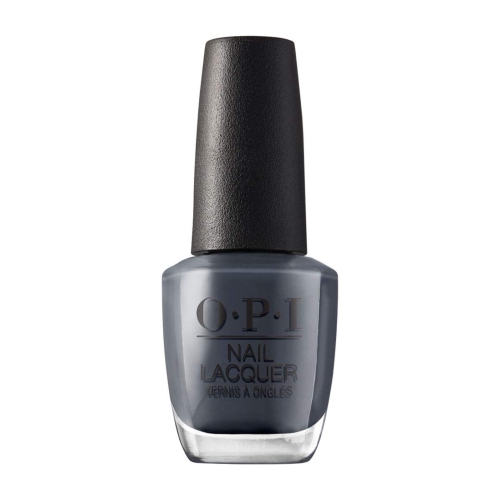 Your price for this item is $13.3
 -
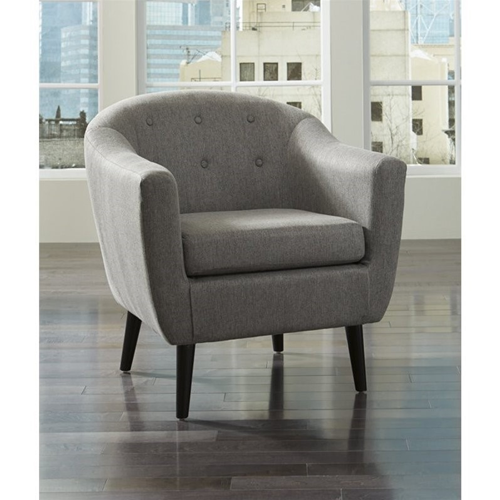 Your price for this item is $544.85
 -
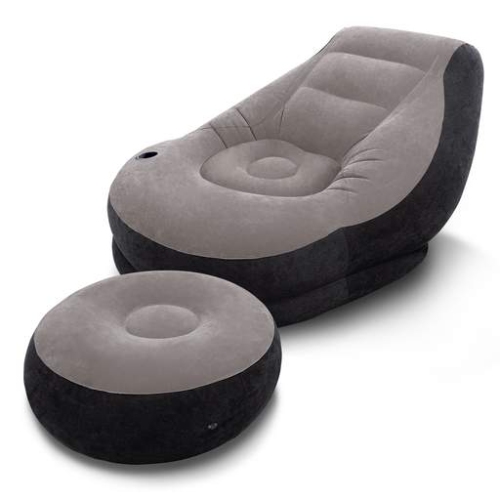 Your price for this item is $276.99
 -
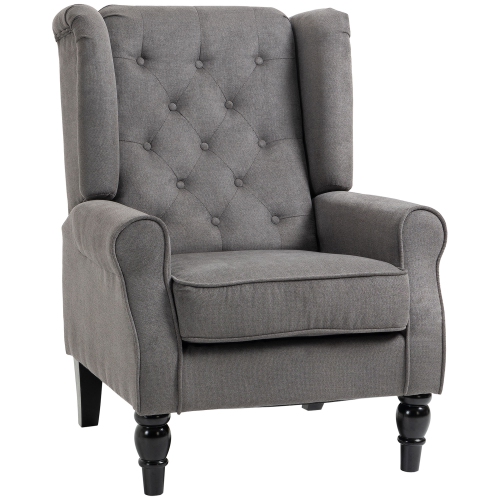 Your price for this item is $259.99
 -
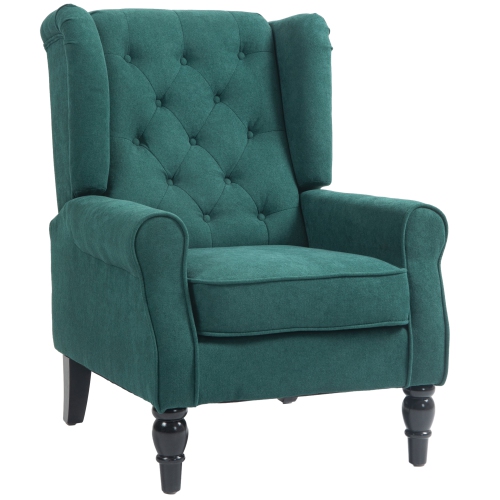 Your price for this item is $219.99
 -
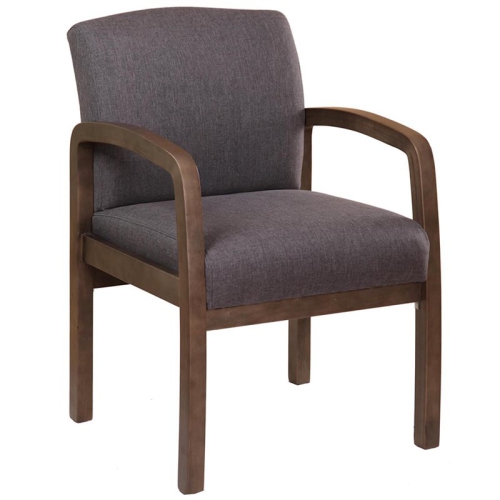 Your price for this item is $626.48
 -
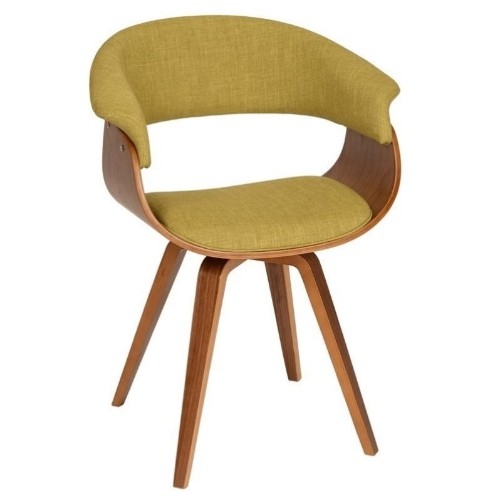 Your price for this item is $492.5
 -
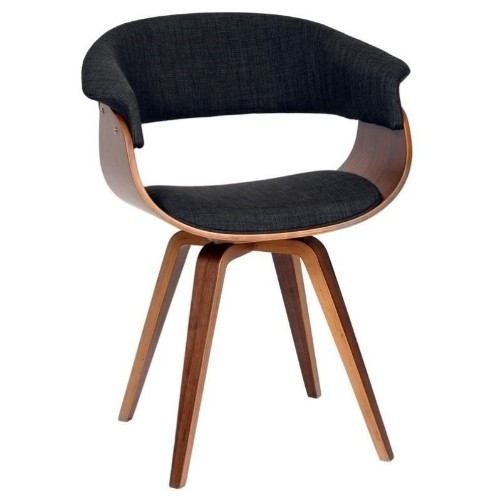 Your price for this item is $515.4
Discover more categories related to Orange Armchairs

Top Collections:
Pokemon Centers, Kindle Devices, Best Budget Office Chairs, Apple iPhones 16, Best Laptops for Writers, iPhone 15 Apple, Canon G7X Cameras, Refurbished Apple Laptops, Alarm Clock, Motorola Razr Phones
Some products may be subject to Environmental Handling Fees
(EHF) depending on your province.
Learn more about EHFs.