Orange Lights
Brighten up your space with the vibrant and cheerful glow of orange lights, perfect for setting a warm and inviting ambiance. Whether you're decorating for a festive occasion, enhancing your home decor, or adding a splash of color to your outdoor spaces, orange lights offer a versatile and eye-catching solution. With various styles and designs available, from string lights to lanterns, you can effortlessly create the perfect atmosphere that complements any event or everyday setting. Explore the radiant charm of orange lights and transform your environment into a captivating haven of light and color.
Sort


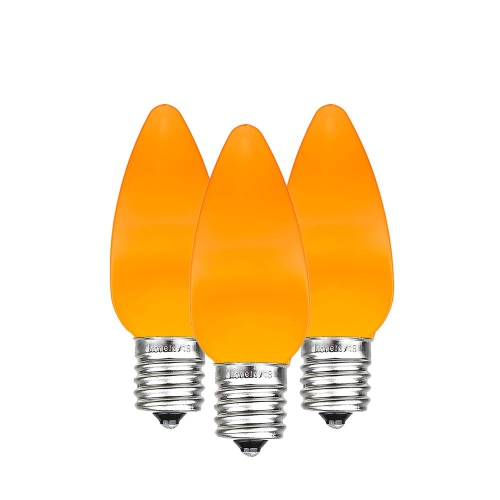
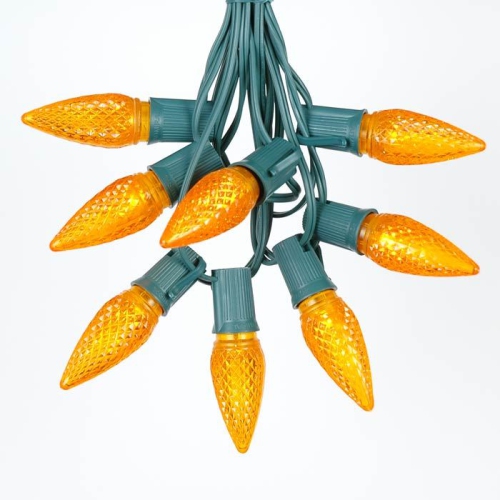


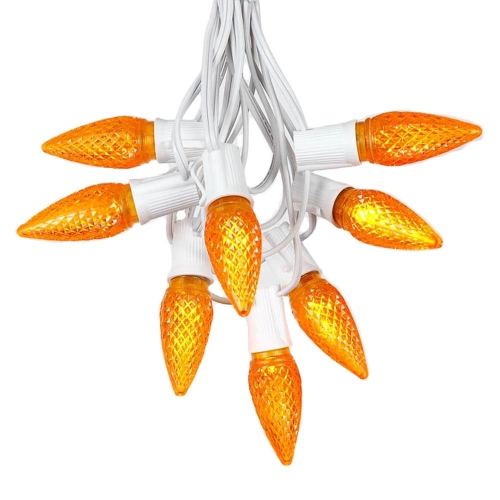
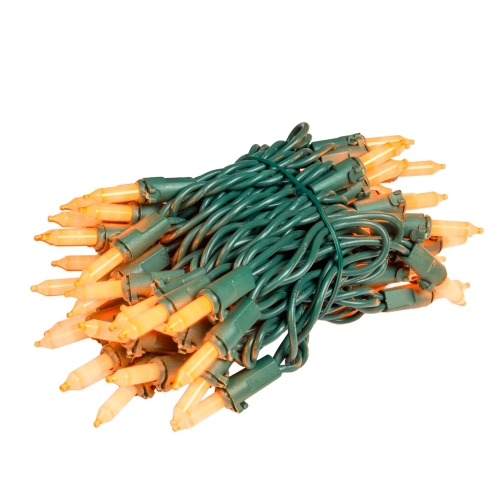

















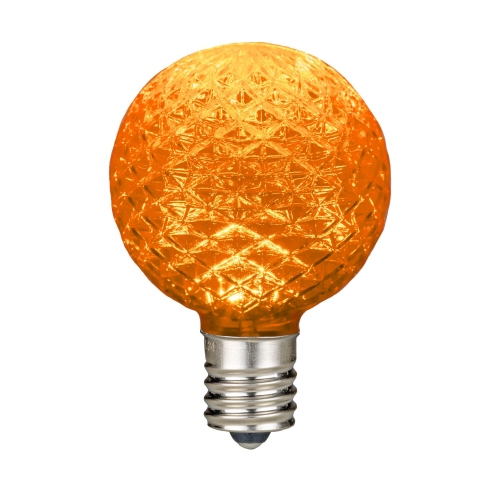


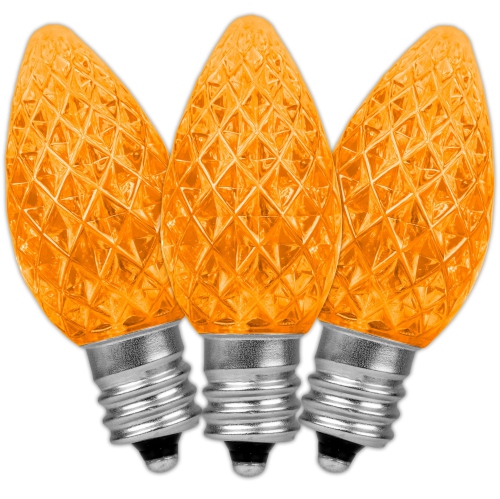

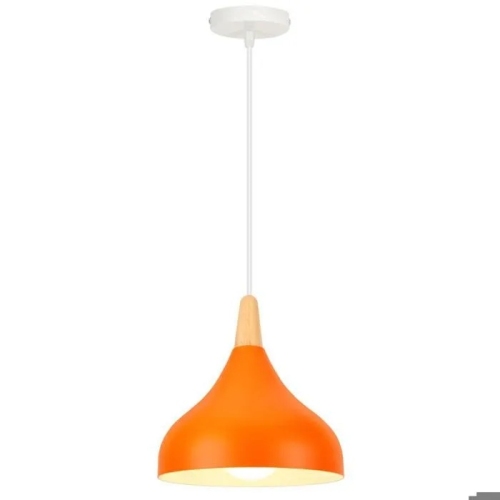
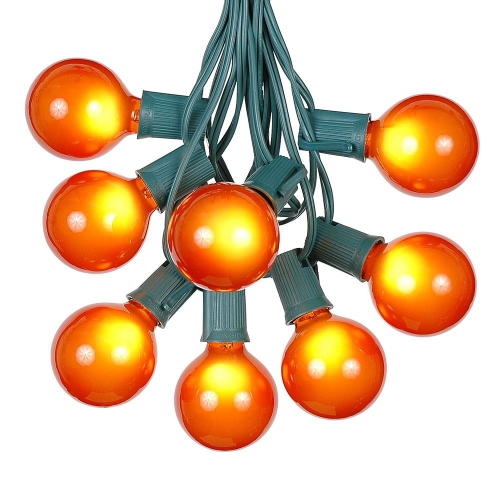
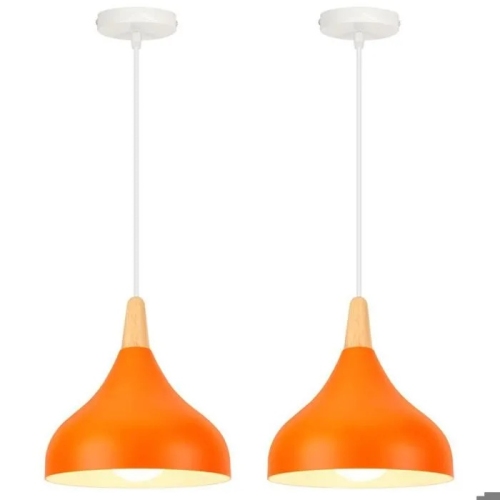

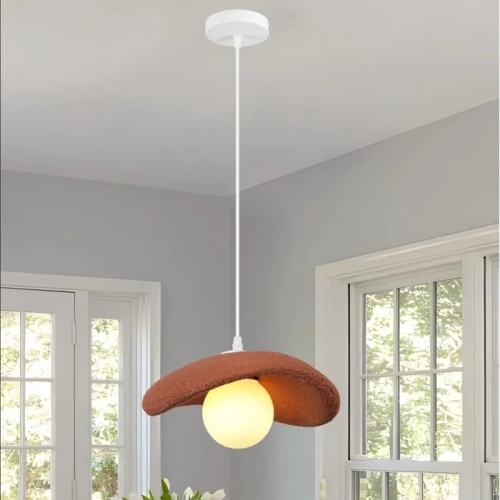
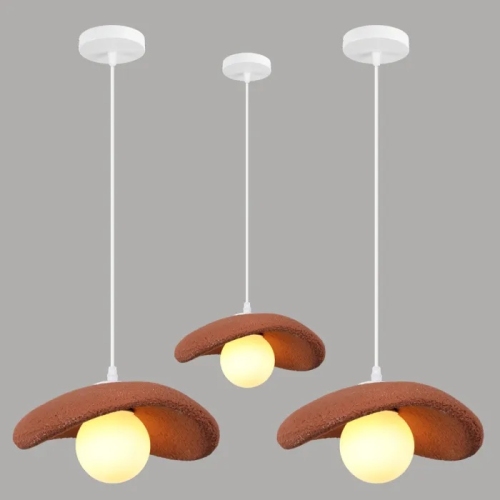


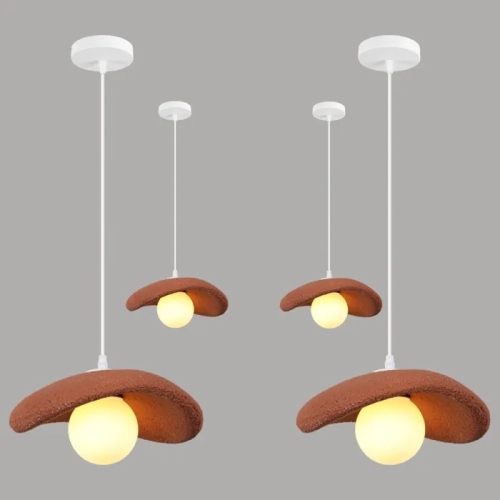





















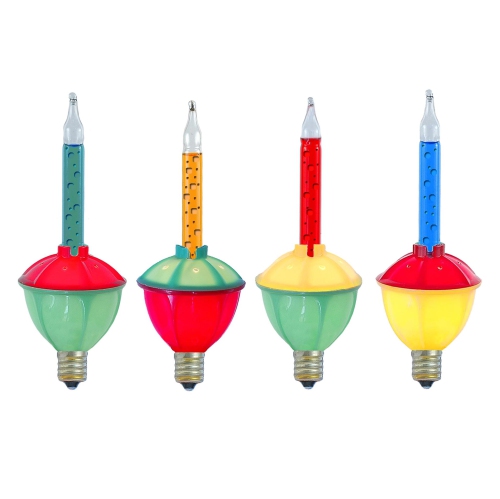
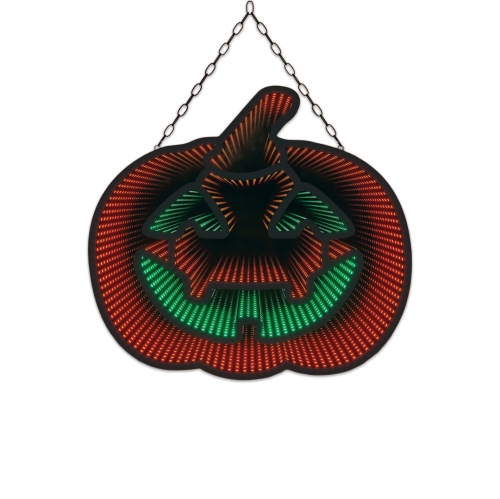


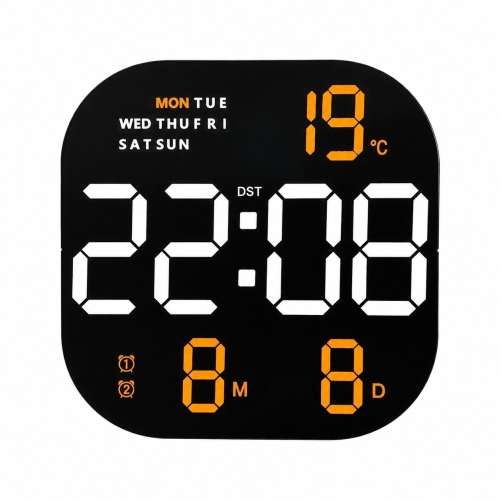

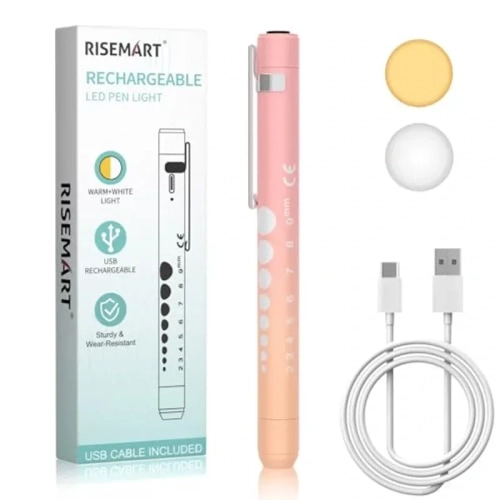
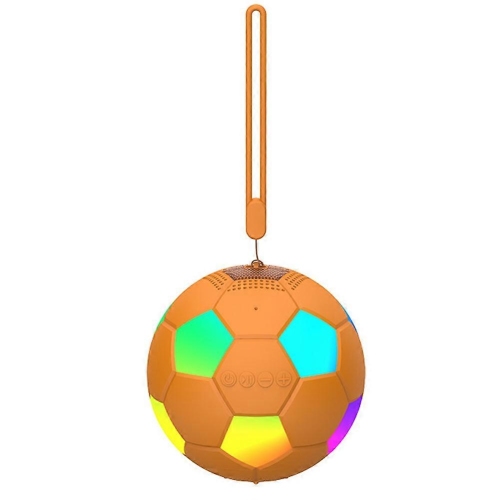


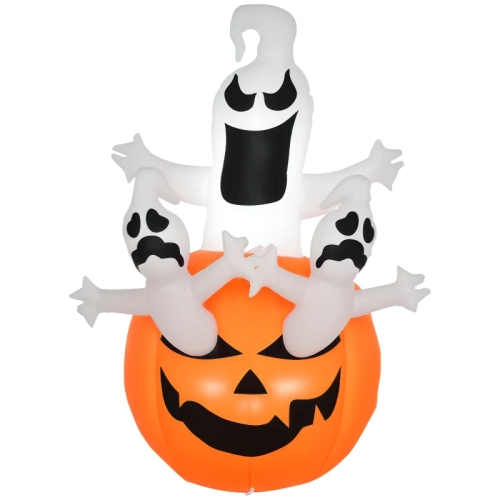
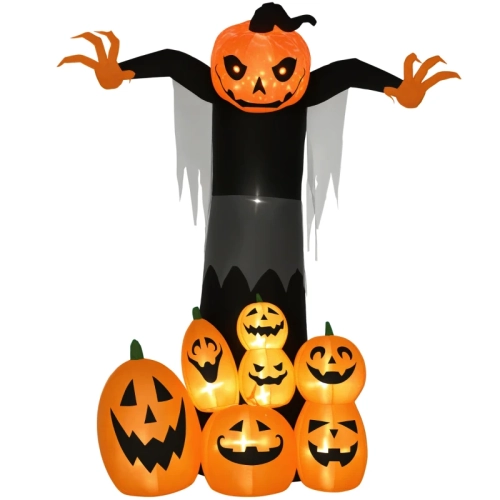
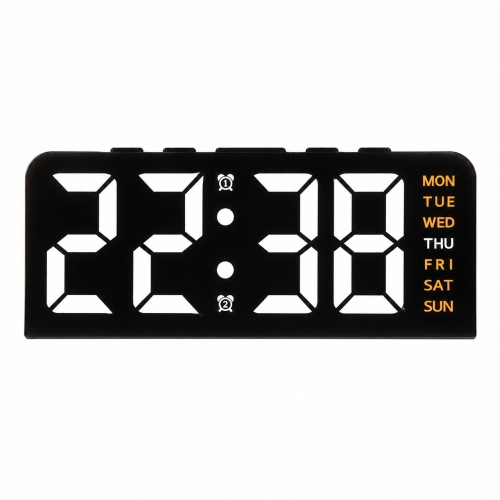

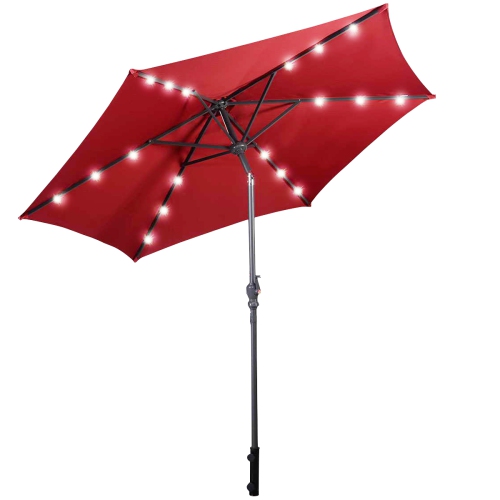

How amber and tangerine tones shape your space
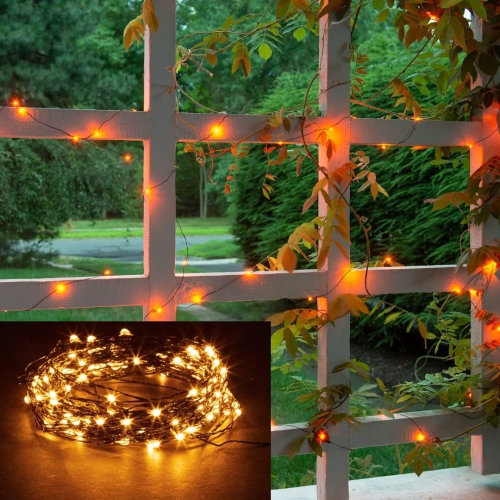
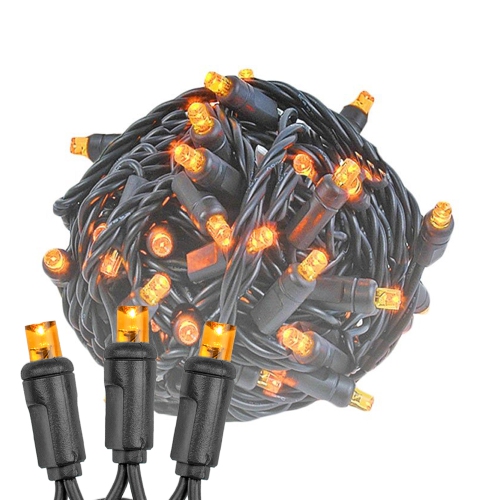
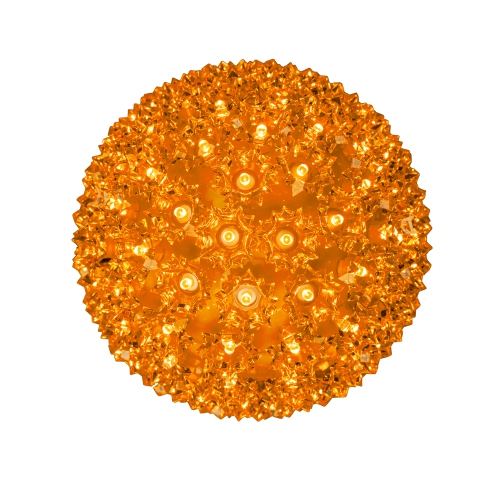
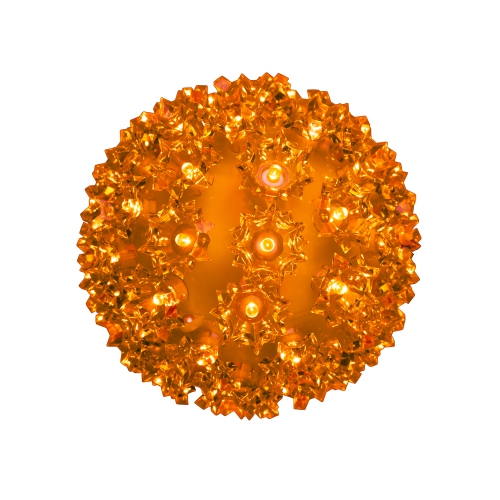
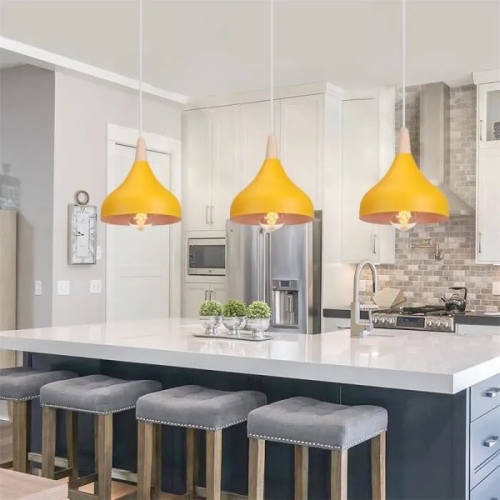
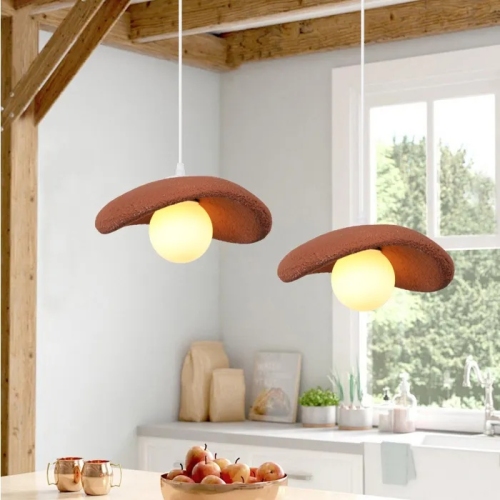
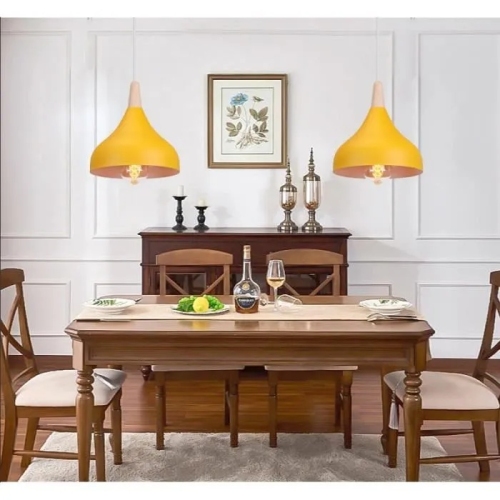
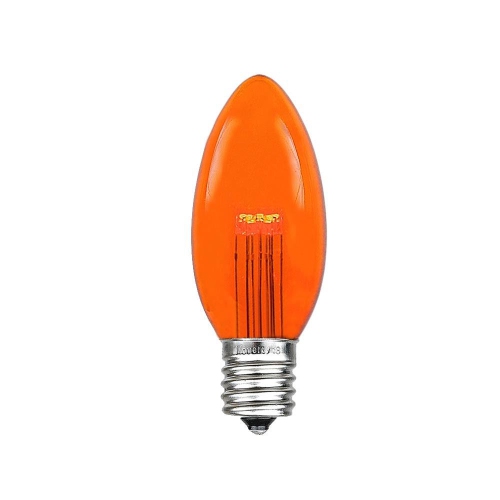
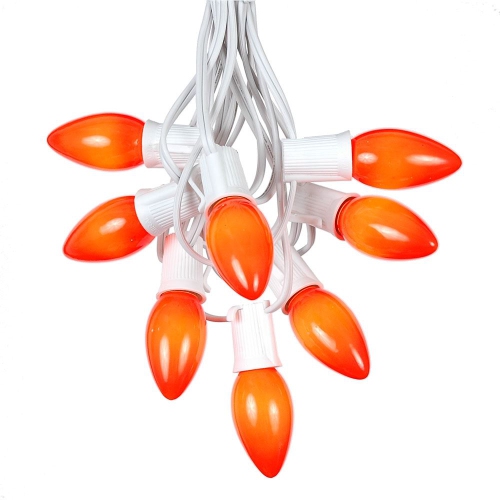
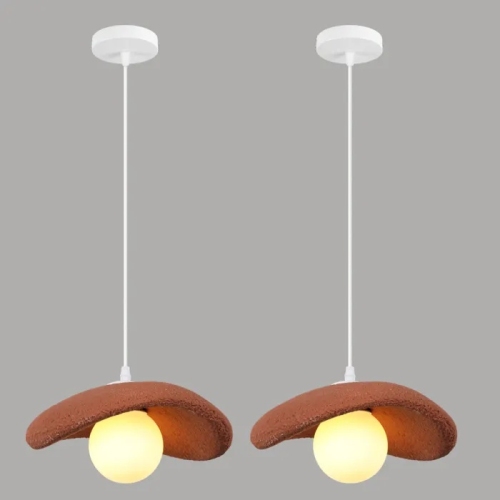
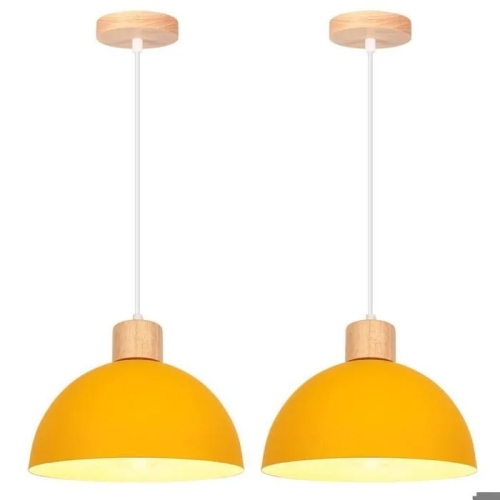
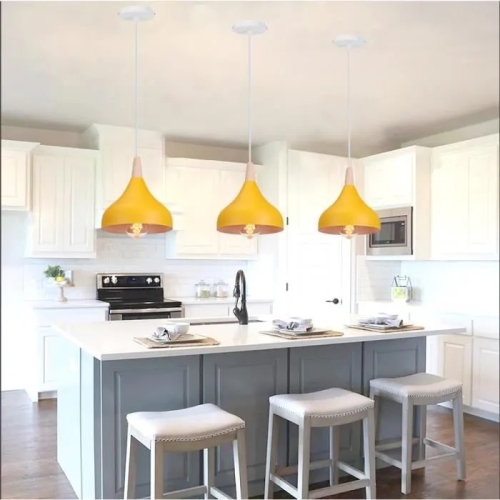
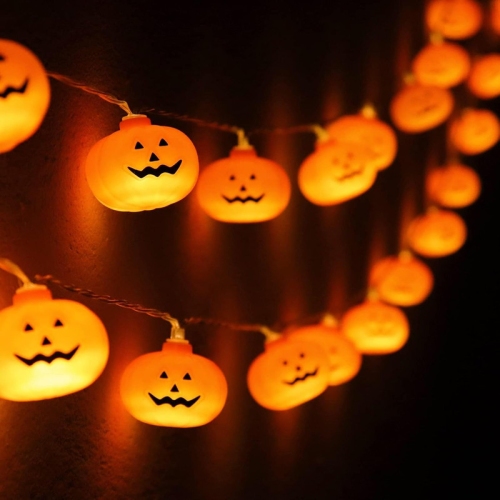
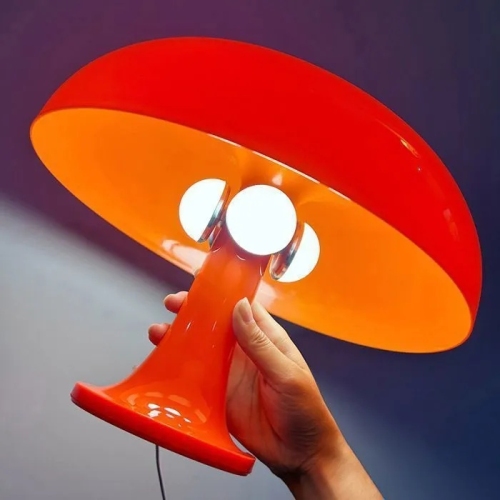
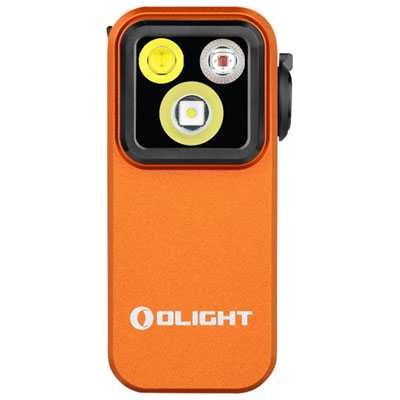
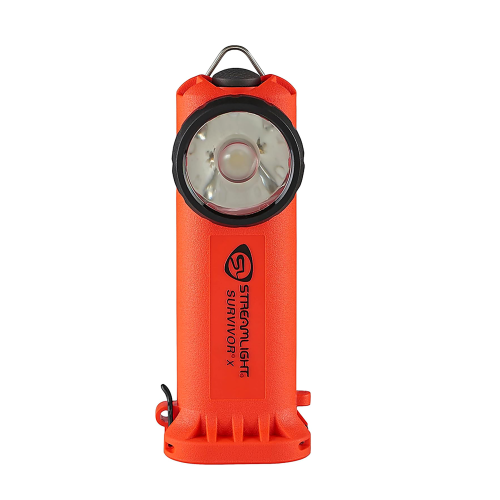
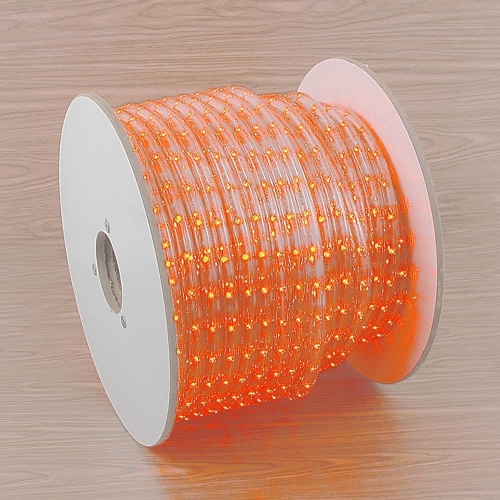
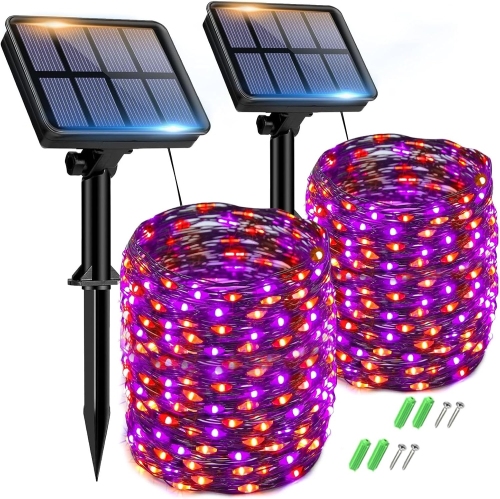
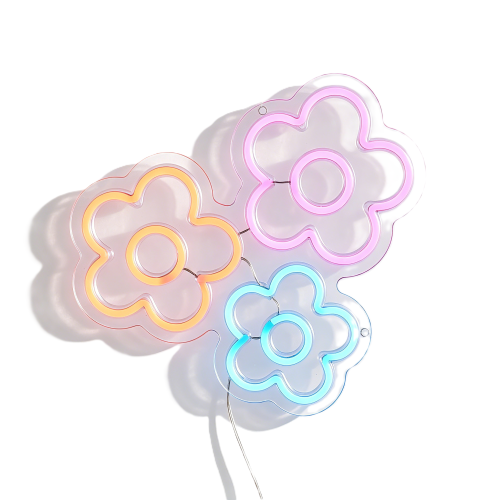
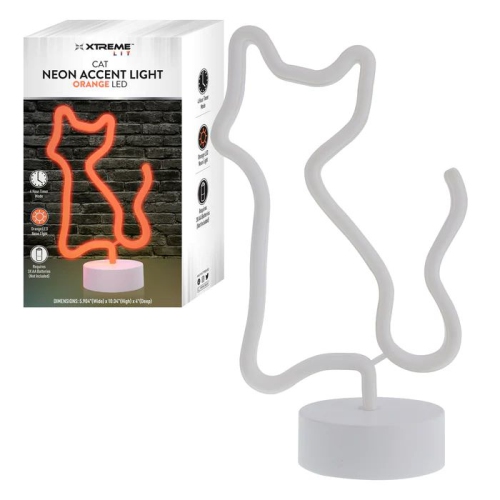
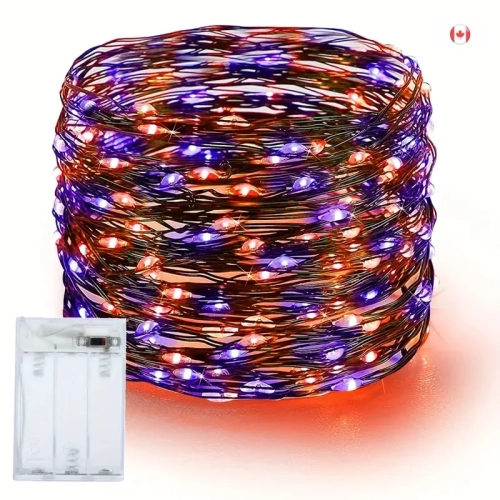
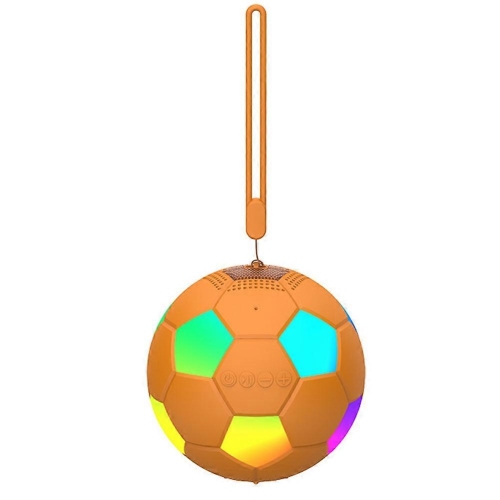
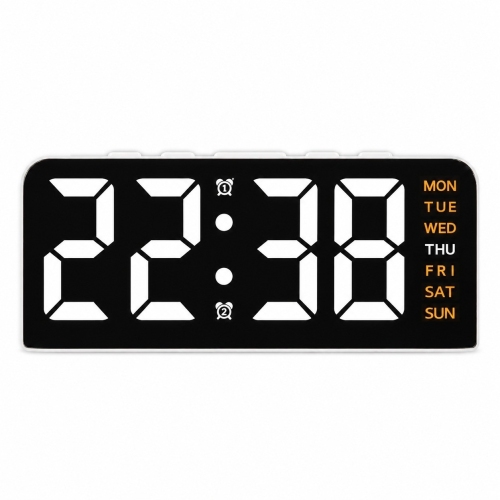
Orange lights add a distinctive amber-to-tangerine glow to home accents, party displays, patios, and Halloween decorations. Their appeal comes from the colour of the light itself: a soft amber shade can make a reading corner feel inviting, while a more saturated orange creates a bold outline around a window, shelving unit, or doorway. The effect varies with the light source, lens, and surrounding surfaces. Orange light against a white wall tends to show its hue clearly; against brick, wood, or dark paint, it can appear deeper and more subdued. Within this theme, common lighting formats include string lights, coloured bulbs, flexible light strips, and accent lamps, each suited to a different kind of placement. Small points of light bring definition to a display without filling the whole room, while diffused globes create broader pools of colour. Light strips can provide a continuous wash behind furniture or along an architectural edge, particularly when the individual LEDs are concealed from direct view. An orange shade or orange lamp base does not necessarily mean a lamp emits orange light, so the distinction between the fixture’s finish and its light output matters. Likewise, a warm white bulb may look golden without producing the unmistakable orange associated with a pumpkin display or a colourful party backdrop. For adjustable lighting, a stated orange colour setting or compatible colour controls can offer more flexibility than a fixed white light source. Orange also pairs naturally with neighbouring yellow tones; Yellow Lamps offer another colour direction for coordinated accents, though the shade, bulb, and finish determine the final effect. For everyday rooms, orange lighting usually works best as an accent alongside practical general or task lighting. It can give a film night, gaming setup, or dining nook a distinctive atmosphere without needing to illuminate every surface. A restrained line of light behind a console often feels quite different from a fully outlined wall, even when both use the same colour.
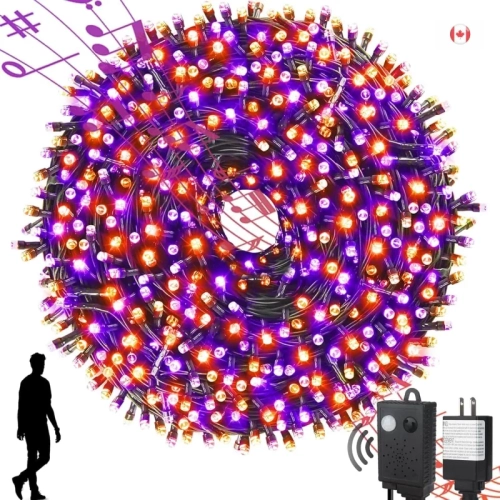
The right fit depends as much on dimensions and placement as on shade. For string lights, illuminated length describes the section with bulbs, while total length may also include an unlit lead between the first bulb and the power connection. That difference matters when an outlet sits well below a window or away from the edge of a display. Bulb spacing changes the look, too: closely spaced lights make a dense ribbon of colour, while wider spacing leaves each point more visually distinct. A strand draped in curves needs more length than the straight-line distance between its attachment points, and the power lead should reach its outlet without stretching or crossing a walkway. For coloured bulbs, the base type, bulb dimensions, fixture requirements, and compatibility with enclosed fittings all affect suitability. Dimming should only be used when both the light and its controls support it. Brightness deserves separate attention from colour, since a vivid orange appearance does not automatically mean enough useful light for reading, food preparation, or stairs. Strongly coloured illumination can also alter how fabrics, artwork, and food appear, making a separate white light useful where accurate colour matters. Materials influence both appearance and day-to-day practicality. Glass globes can have a crisp, polished finish but need careful handling, while plastic covers may weigh less and resist breakage without necessarily being suitable outdoors. Frosted lenses soften visible points of light; clear covers tend to produce sharper highlights. Flexible strips need a suitable mounting surface, and adhesive backing may not bond reliably to dusty, textured, or peeling finishes. Clip-mounted options can suit situations where secure attachment matters more than a concealed installation. Plug-in lighting suits longer sessions near an outlet, while battery-operated formats allow more freedom on a table or shelf, with running time affected by brightness and battery type. Some connected lights also offer schedules, dimming, or adjustable colours, but app, Wi-Fi, hub, and voice-control requirements differ. These details are especially relevant when lighting will be operated from behind furniture or above easy reach.
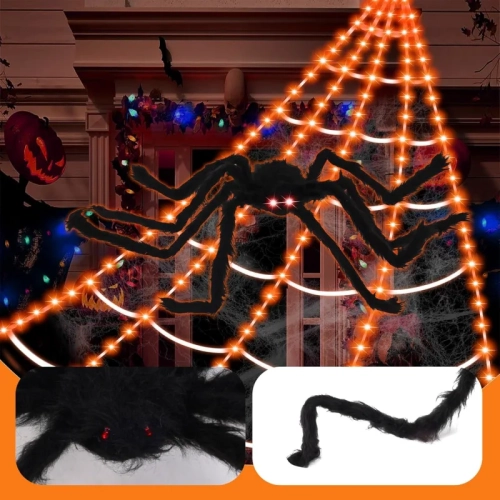
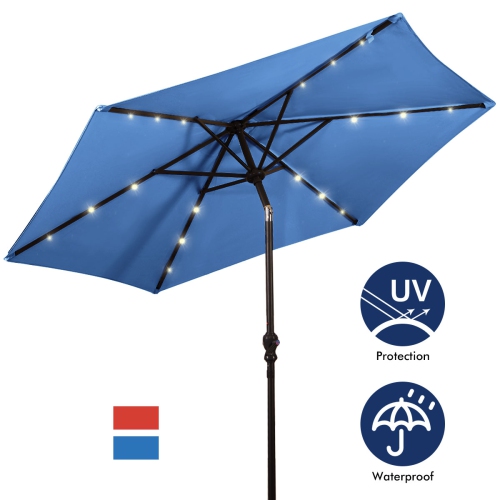
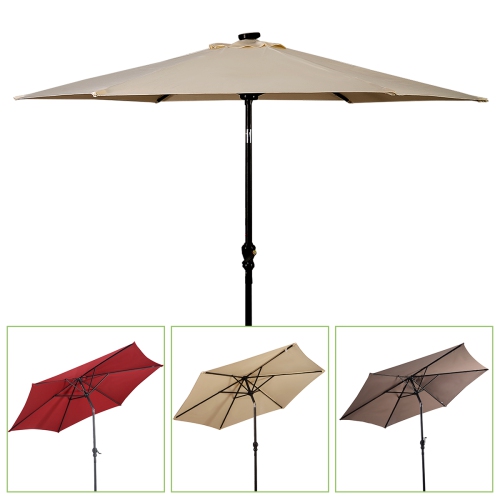
Intended use becomes particularly important when orange lights move beyond a living room or bedroom. For a Halloween porch, orange points of light can trace a railing, frame a pumpkin arrangement, or add depth behind a window display. On a patio, a gentler amber-orange glow can define a seating area without turning the entire space into a themed installation. Neither setting should rely on accent lighting alone to make steps, entrances, or changes in level clearly visible. Outdoor placement requires lighting and accessories rated for that use, with any restrictions on exposure followed carefully. A covered porch can still experience wind-driven moisture, and an outdoor-rated light strand does not automatically make its power adapter, controller, or extension connection suitable for the same conditions. Electrical ratings, manufacturer instructions, and stated connection limits matter more than a strand’s appearance. Strings should only be joined when designed for connection, and no more than the specified number should be linked. Mounting hardware should support the lights without piercing wires, pinching insulation, or placing tension on sockets. Indoors, the same attention to placement keeps cords away from door hinges, moving furniture, and areas where children or pets could pull them down. Lights intended as room accents are not toys, and small batteries require secure compartments and careful storage. Routine care is usually straightforward: disconnect the power before cleaning, follow the manufacturer’s cleaning directions, and inspect cords, covers, and connections for damage before reuse. Gentle coiling helps prevent tangles and unnecessary strain, while protective storage keeps delicate globes from knocking together. If lights have been used outside, they should be clean and dry before being put away. For gifting, orange lighting can suit someone who enjoys colourful interiors, hosts themed gatherings, builds gaming spaces, or takes pride in a detailed Halloween display. Practical compatibility makes the gift easier to enjoy: an accessible power source, a manageable length, and controls that suit the recipient’s setup are more useful than an elaborate format that is difficult to install. Whether the goal is a subtle wash behind a bookshelf or a lively entrance display, colour, scale, and placement shape the result together.
Top selling and popular products
-
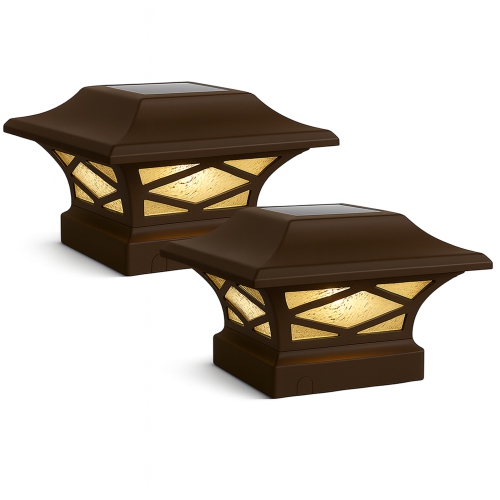 Your price for this item is $99.99
-
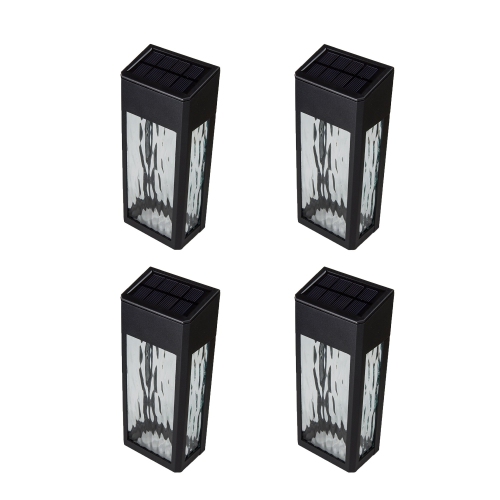 Your price for this item is $73.99
-
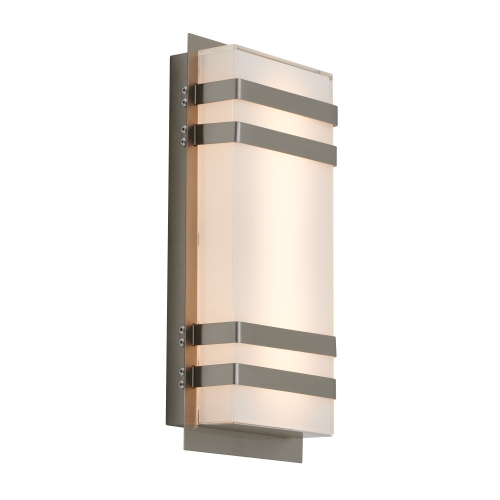 Your price for this item is $69.99
-
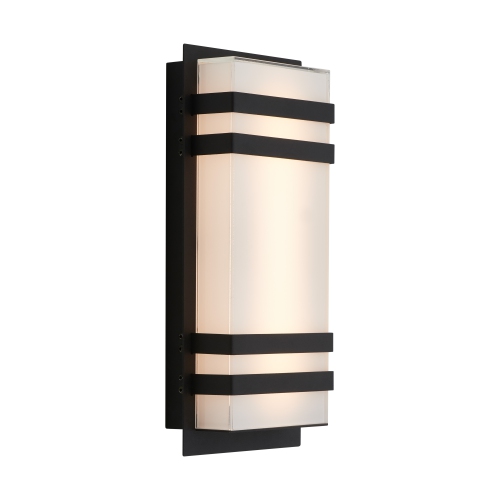 Your price for this item is $59.99
-
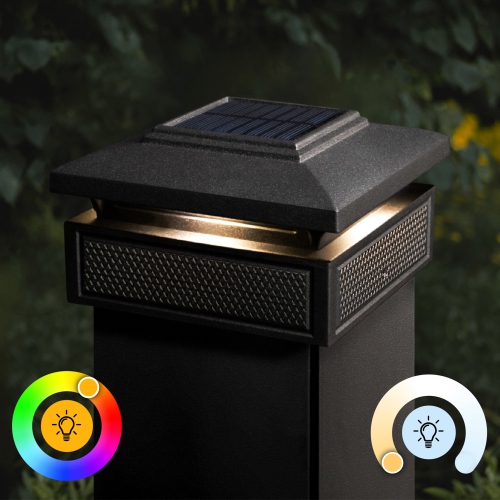 Your price for this item is $99.99
-
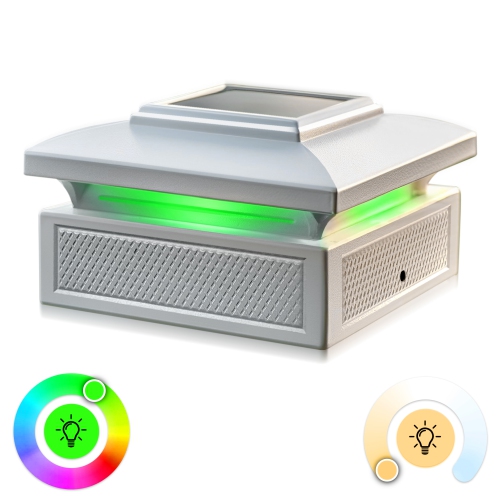 Your price for this item is $99.99
-
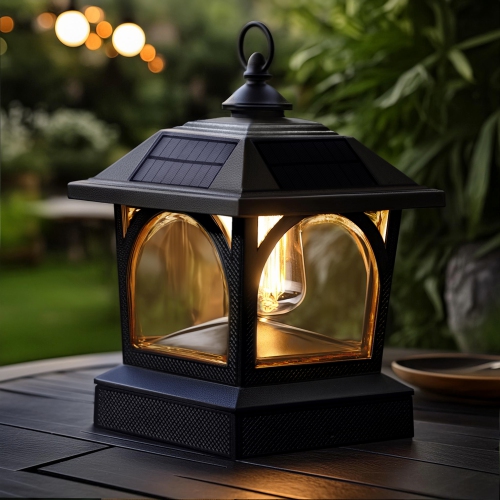 Your price for this item is $99.99
-
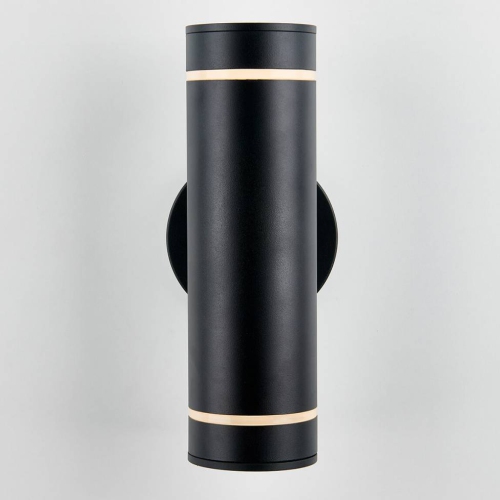 Your price for this item is $99
Discover more categories related to Orange Lights
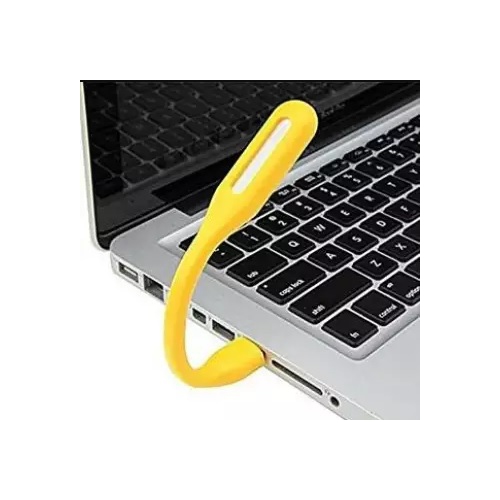


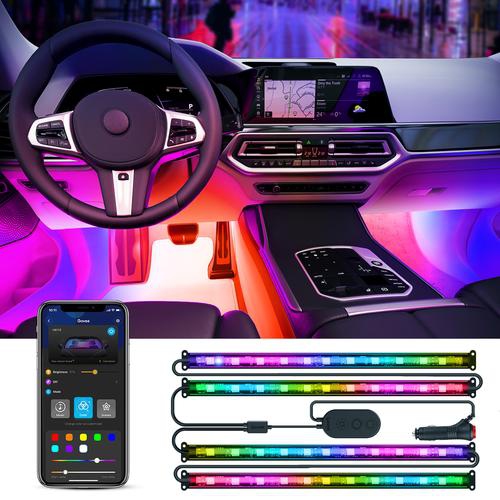
Top Collections:
Pokemon Centers, Kindle Devices, Best Budget Office Chairs, Canon G7X Cameras, Apple iPhones 16, Samsung Galaxy Phones, Refurbished Apple Laptops, Laptops for Students, iPhone 15 Apple, Budget Smartphones
Some products may be subject to Environmental Handling Fees
(EHF) depending on your province.
Learn more about EHFs.