Outdoor Backyard Fencing
Create a stylish and secure outdoor space with our range of backyard fencing solutions. Whether you're looking to add privacy, enhance the aesthetic appeal of your garden, or keep your pets safe, our selection of high-quality fences offers durability and style in equal measure. From classic wooden designs to modern metal options, we have the perfect fencing solution to suit your outdoor needs. Explore our collection today and transform your backyard into a functional and beautiful oasis.
Sort
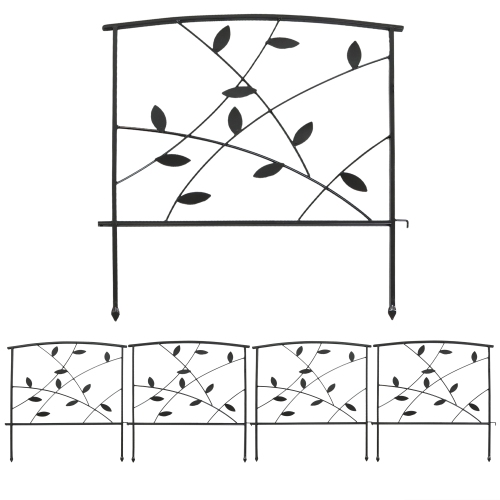
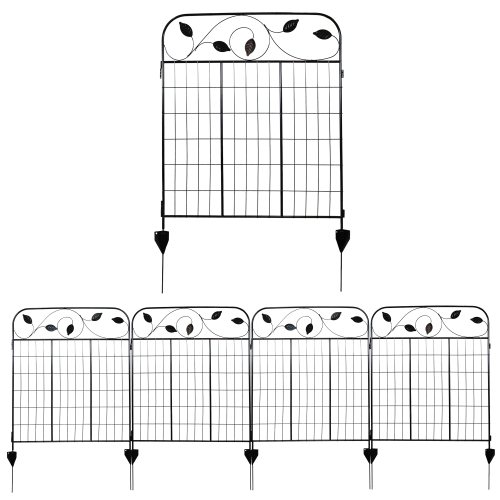
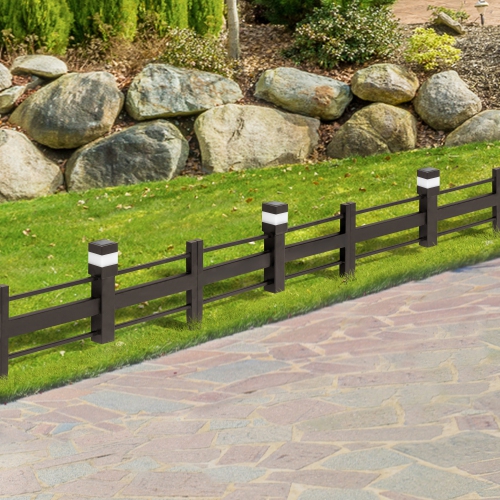
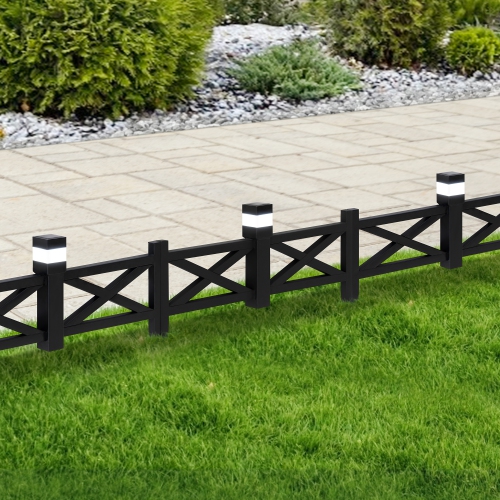


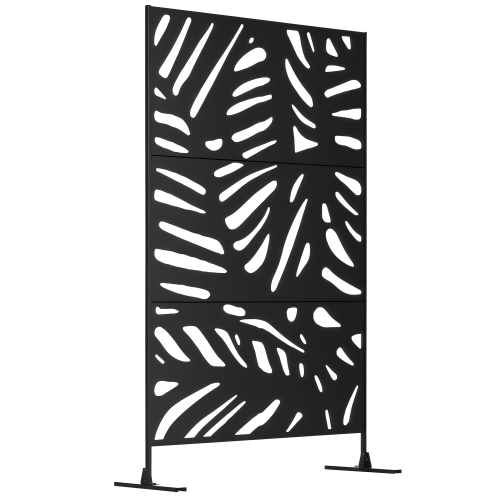
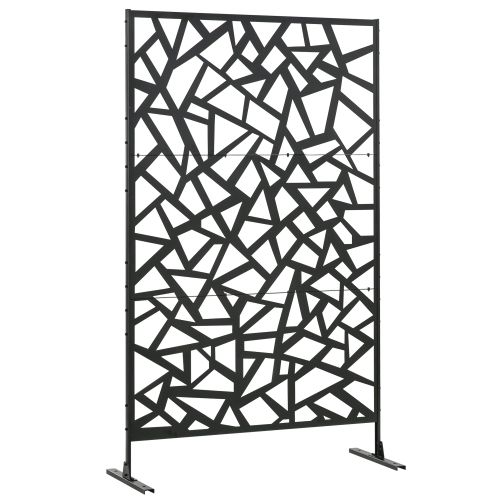
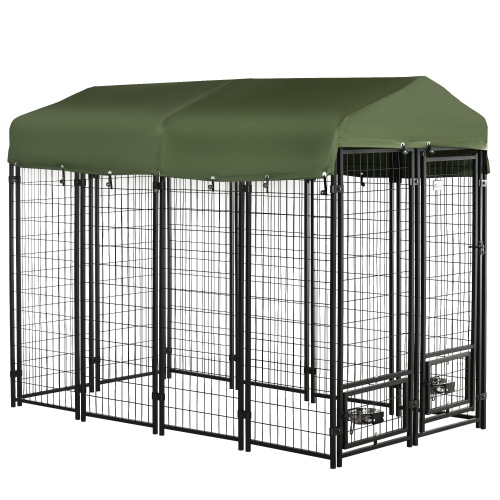
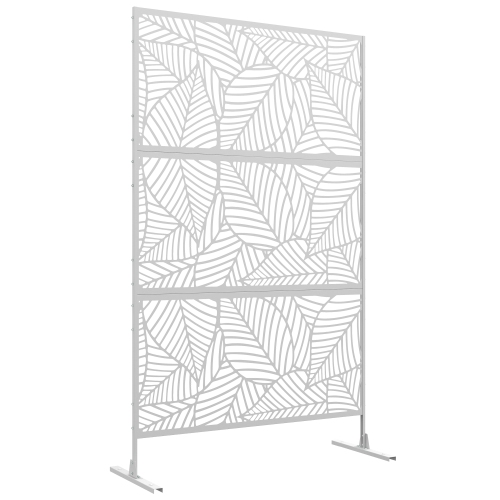
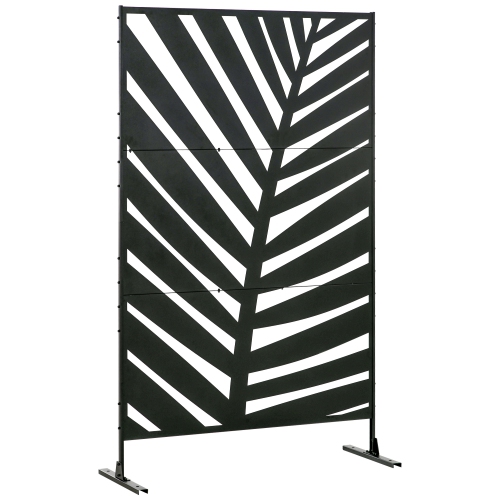
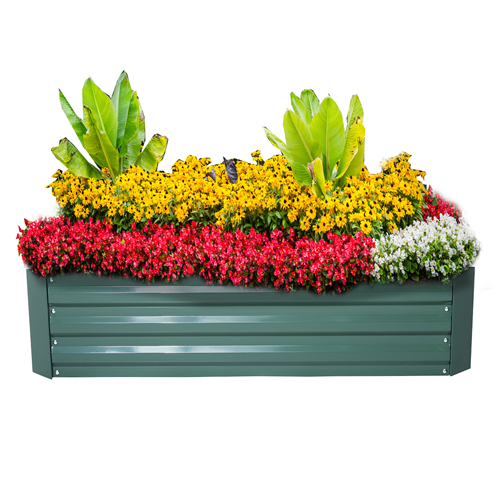
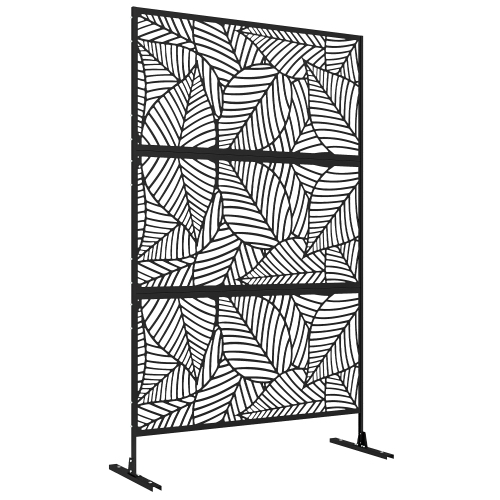
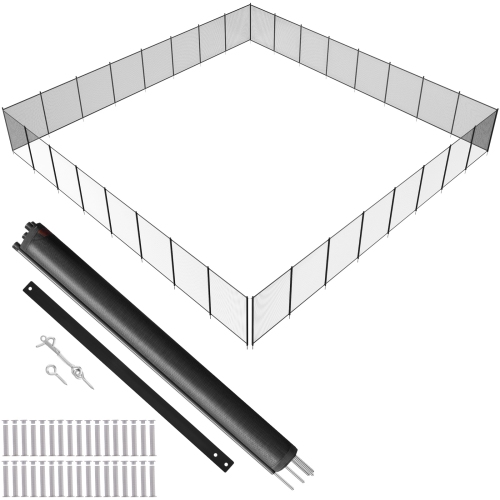
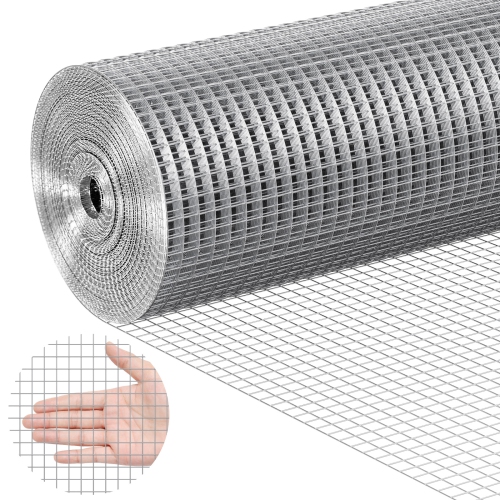
Backyard privacy without closing off every view
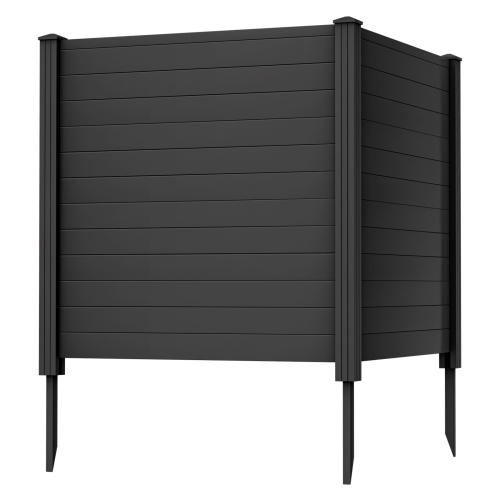
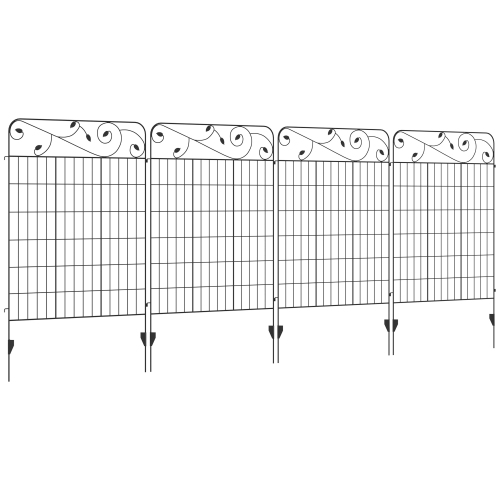
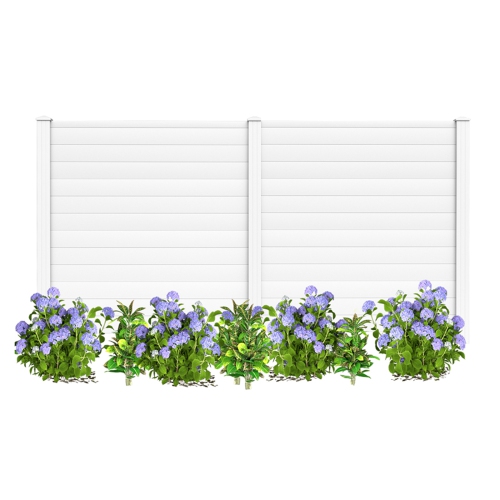
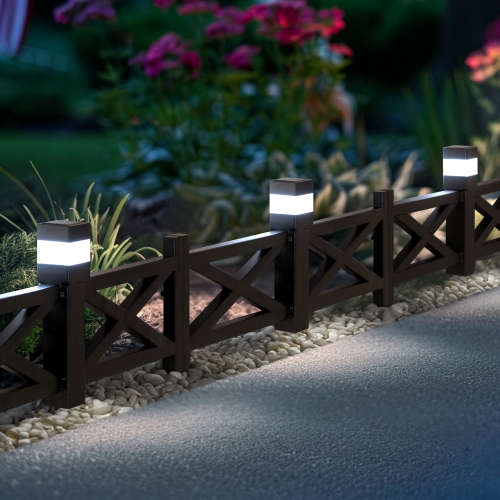
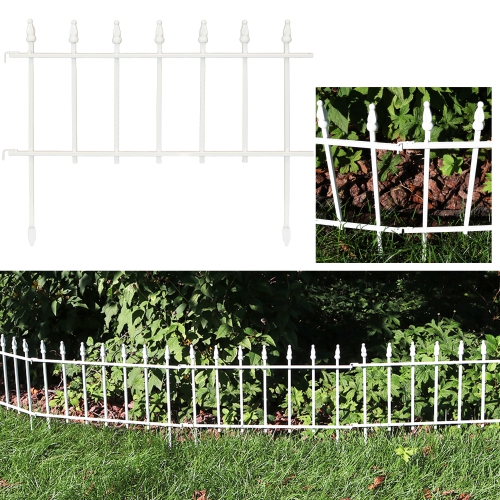
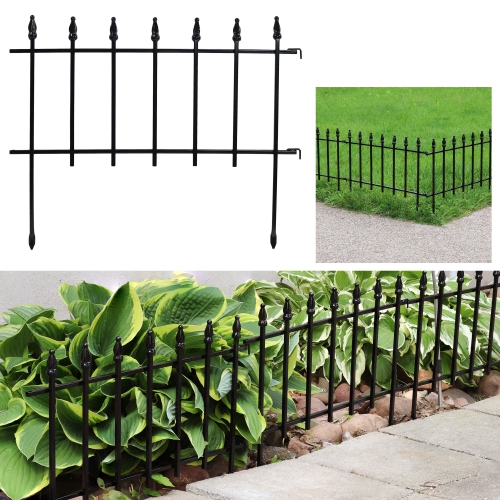
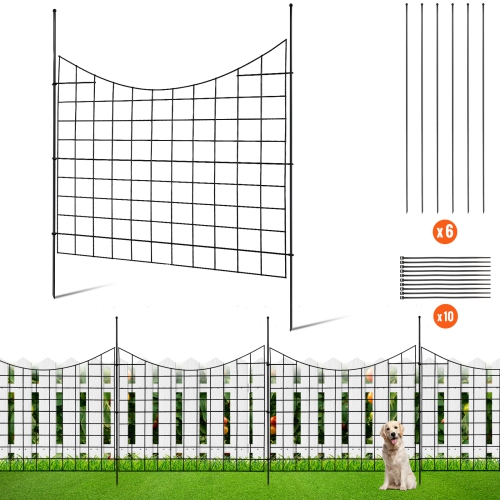
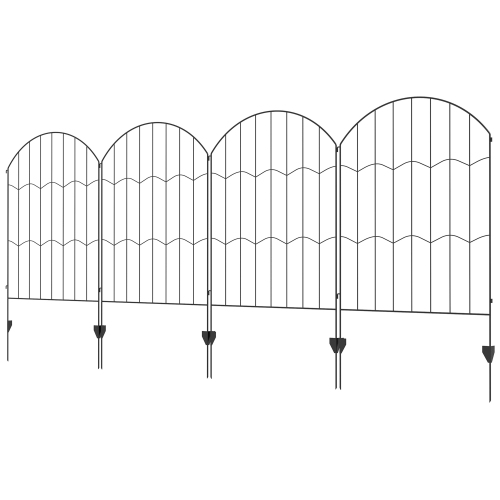
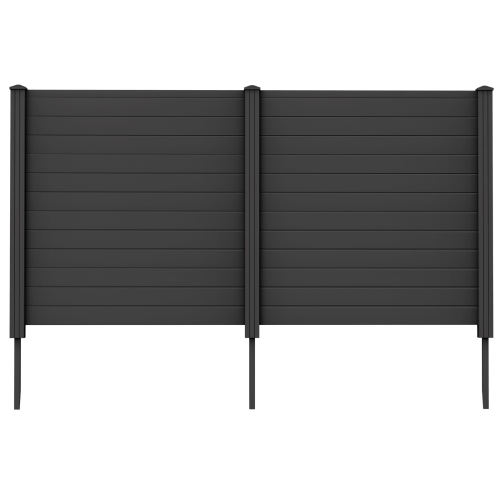
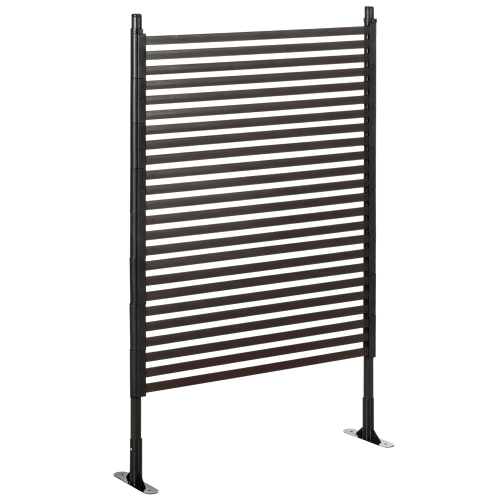
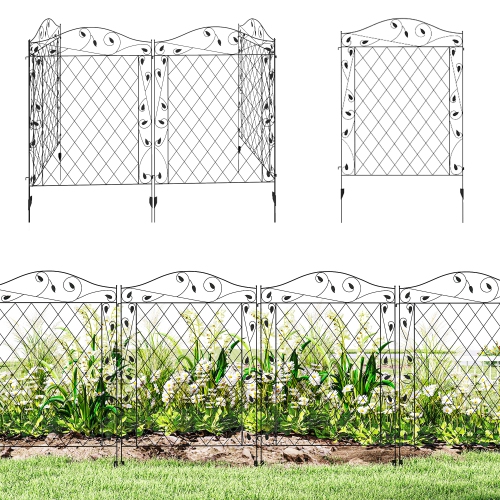
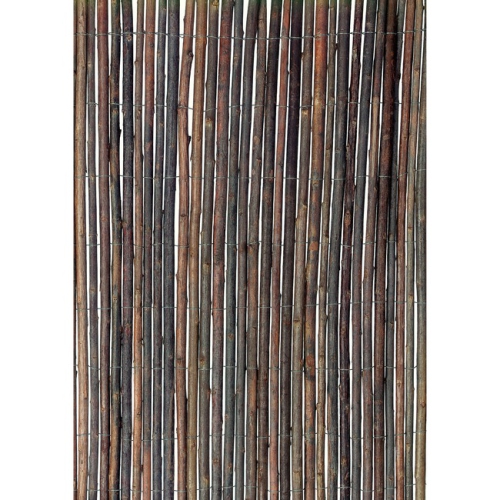
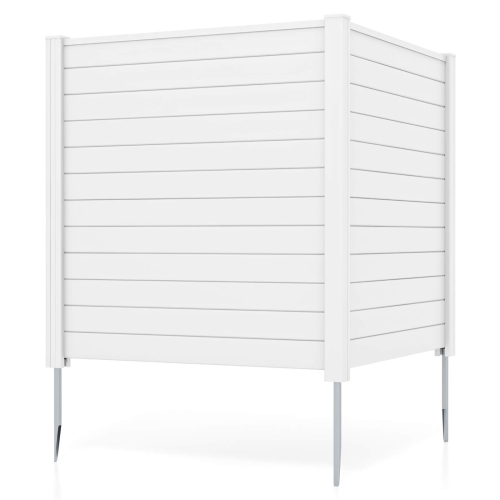
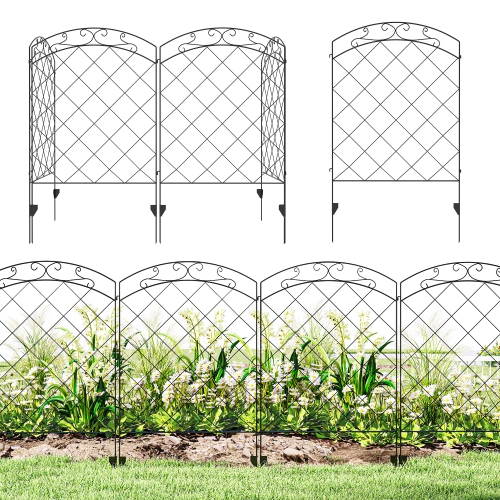
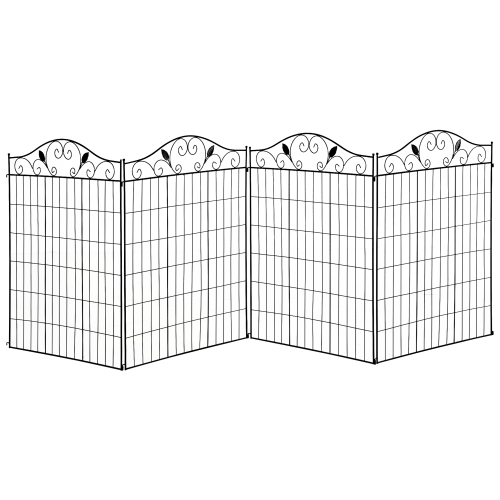
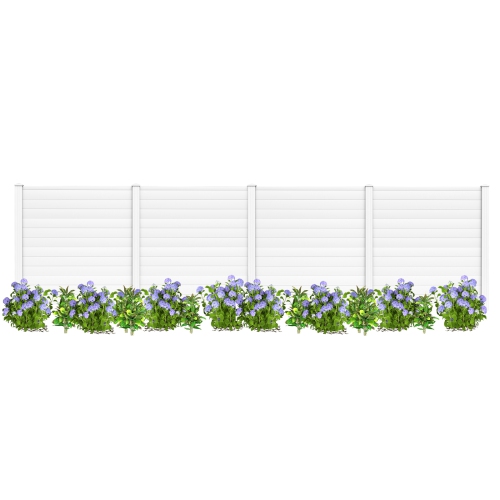
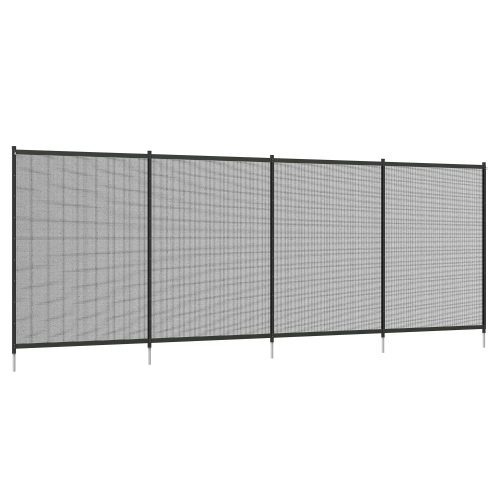
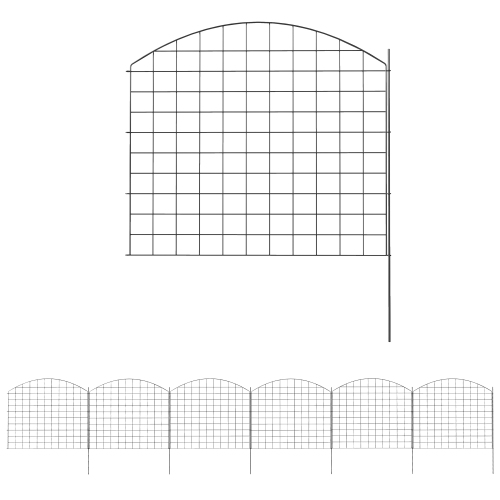
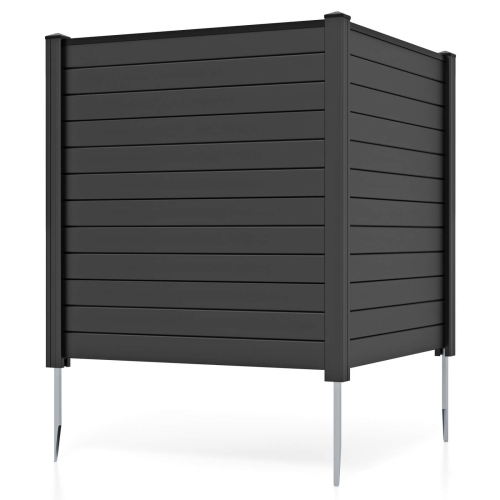
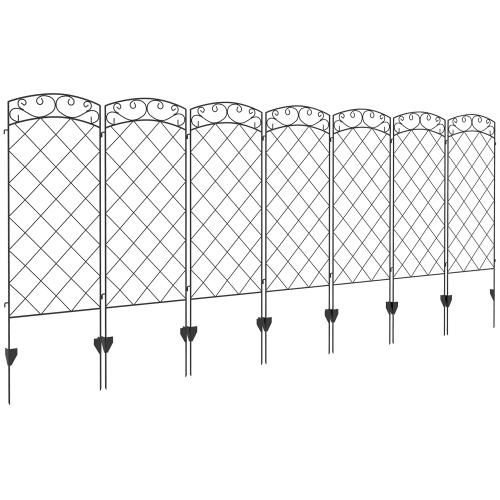
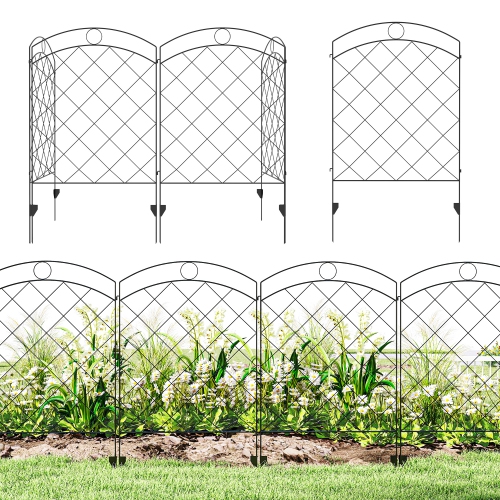
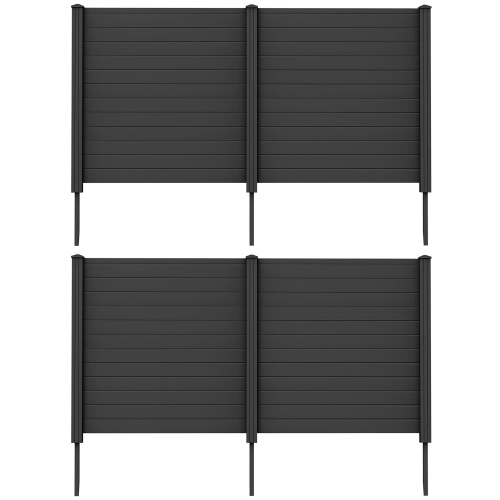
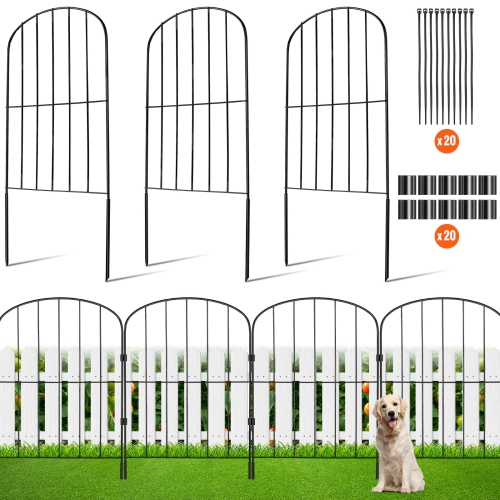
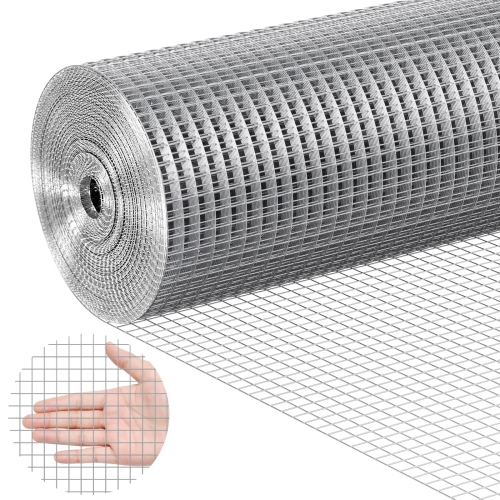
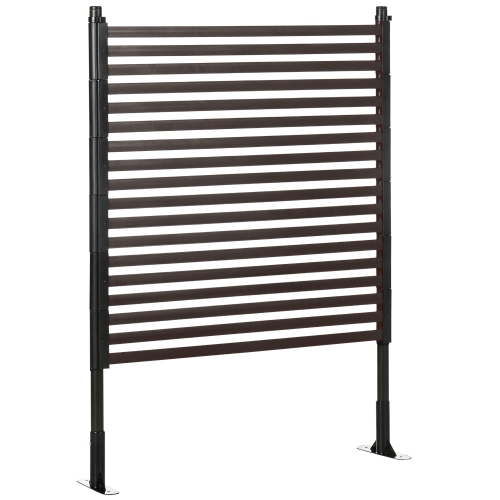
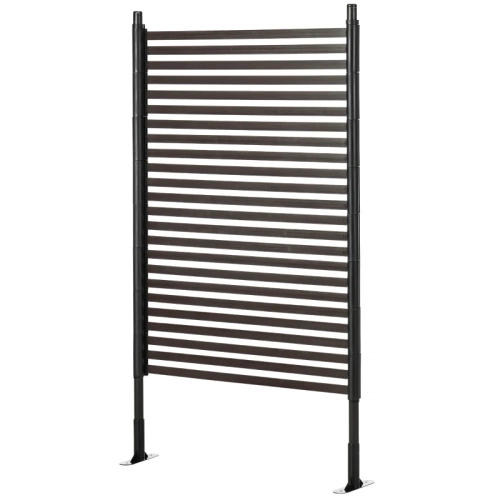
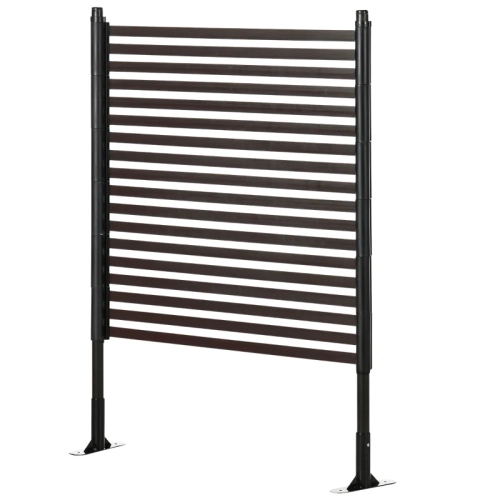
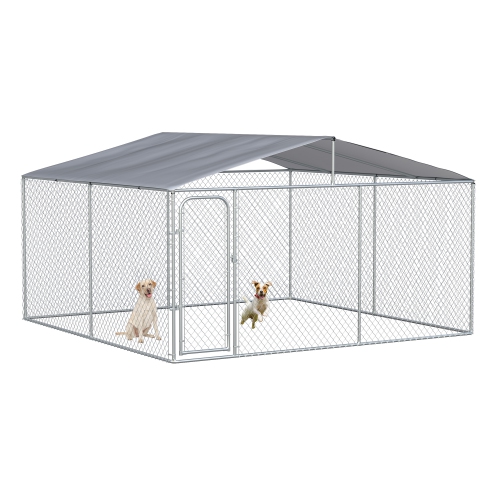
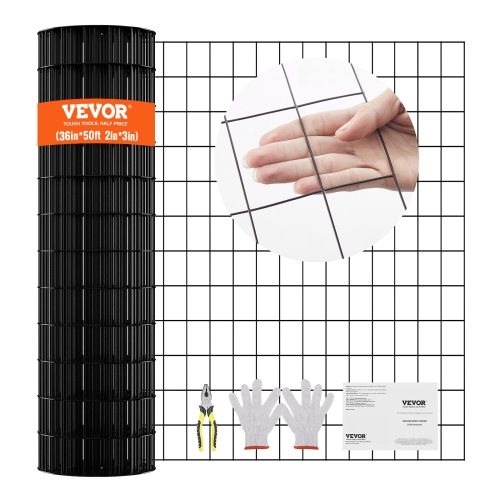
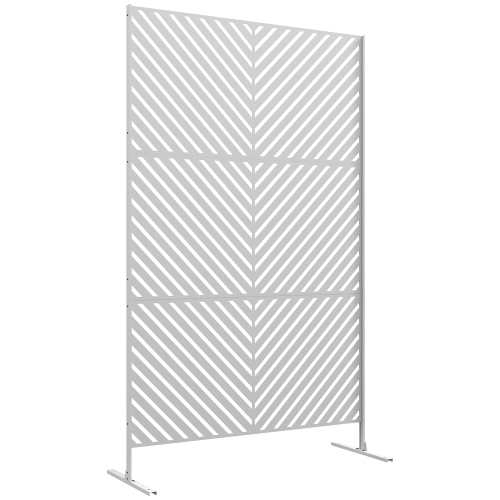
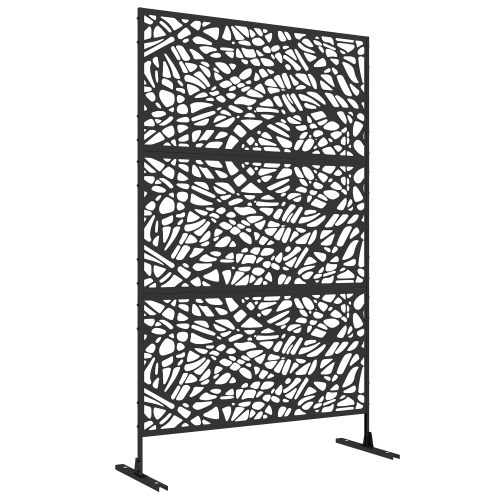
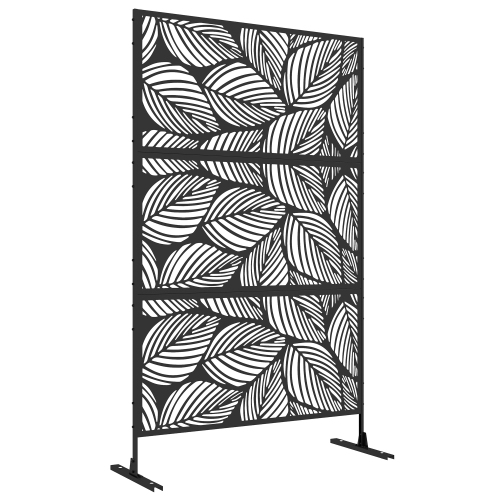
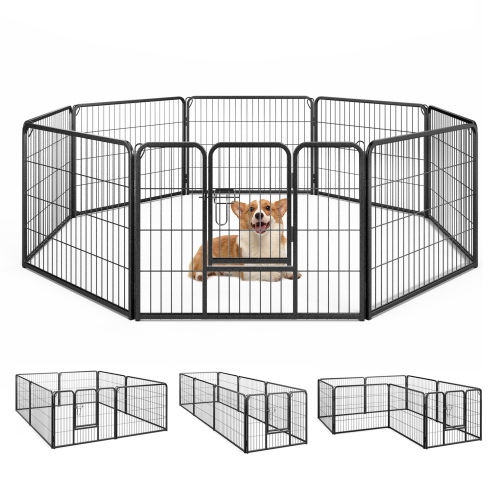
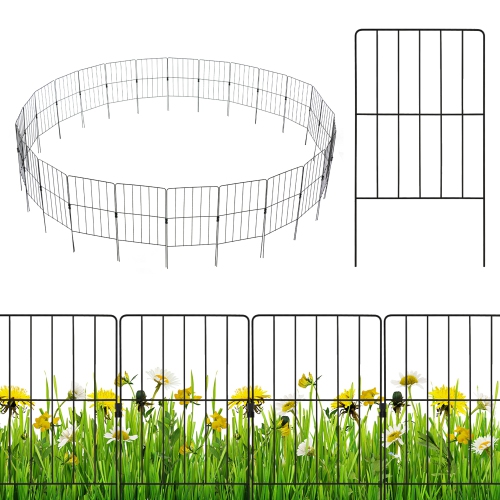
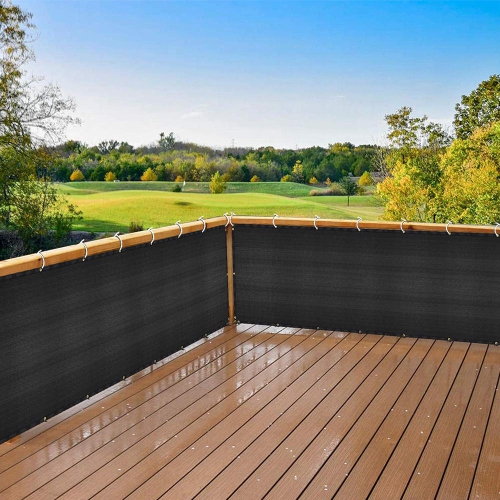
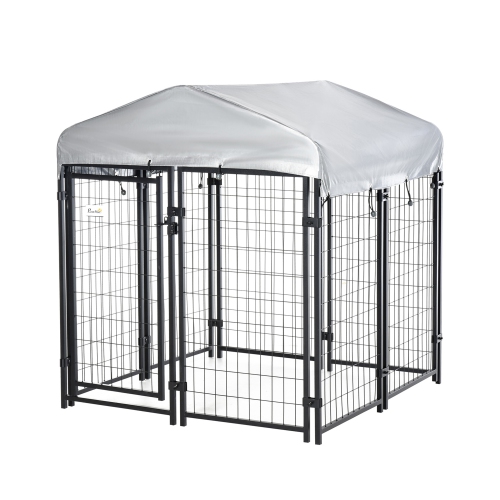
Outdoor backyard fencing defines the edges of a property, adds privacy to gathering spaces, and separates areas with different uses. A fence around a dining patio serves a different purpose from a low border beside a flower bed or a perimeter enclosing a dog’s exercise area. For privacy, taller panels with closely fitted boards or solid infill help limit views from neighbouring properties and ground-level windows. Open pickets, wire mesh, and widely spaced metal rails establish a boundary while preserving sightlines across the yard. Semi-private designs fall between those options, using narrow gaps or lattice sections to soften the view without fully closing off the space. The best fit depends on the purpose of the enclosure, the layout of the property, and how people move through it. A compact backyard can feel more open with a combination of solid screening near seating and lighter-looking sections elsewhere, while a larger property may benefit from distinct areas for play, gardening, and storage. Families with children often value clear sightlines and secure access points, although fencing does not replace supervision. For households with pets, overall height, the space beneath each panel, and the distance between pickets all matter; a small dog may slip through an opening that would contain a larger animal. Dogs that dig, climb, or jump may need additional containment measures suited to their behaviour. Short garden borders generally define planting areas rather than provide secure containment. Appearance matters, too: straight horizontal lines create a crisp backdrop for patio furniture, while vertical pickets offer a familiar look beside lawns and garden paths. Colour, panel proportions, and post details can connect the fence visually to a deck, shed, or exterior trim. Across the broader range of Outdoor Fences, backyard fencing can serve as a prominent feature or a quiet background that lets planting and outdoor living areas take centre stage.
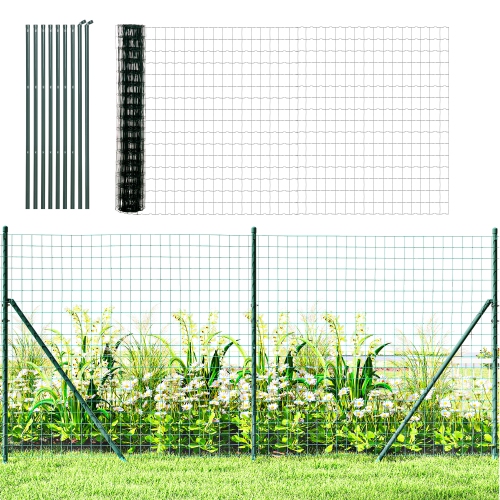
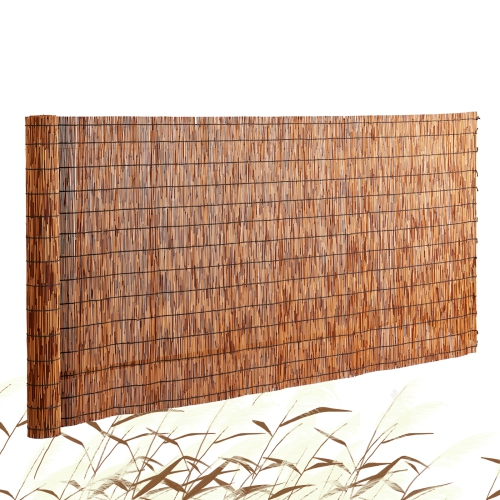
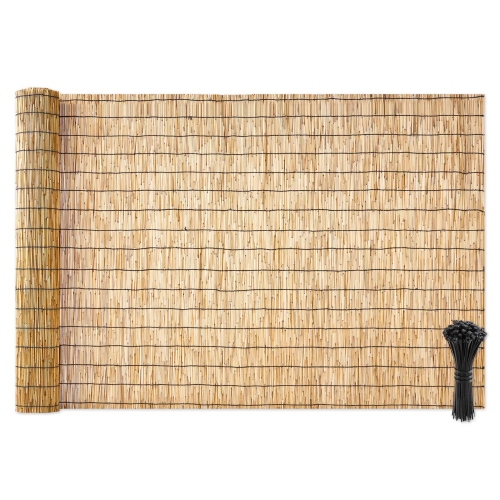
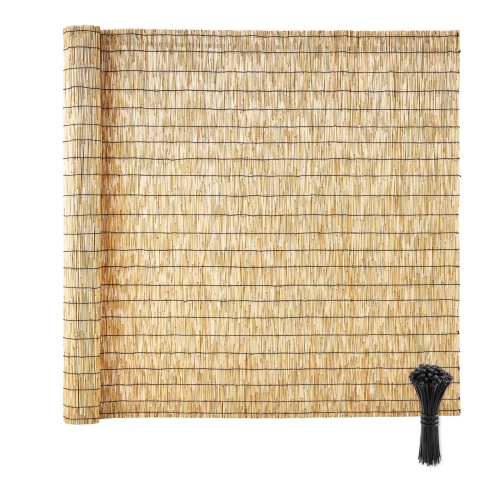
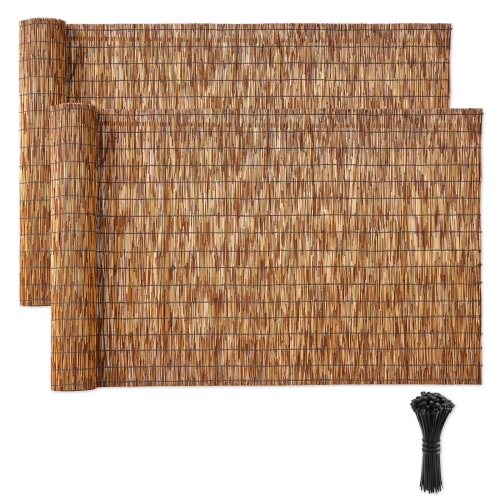
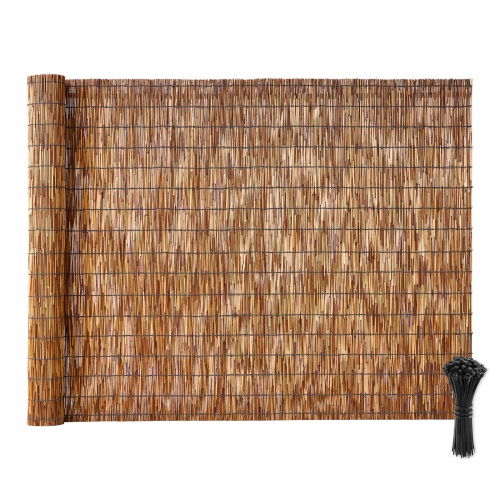
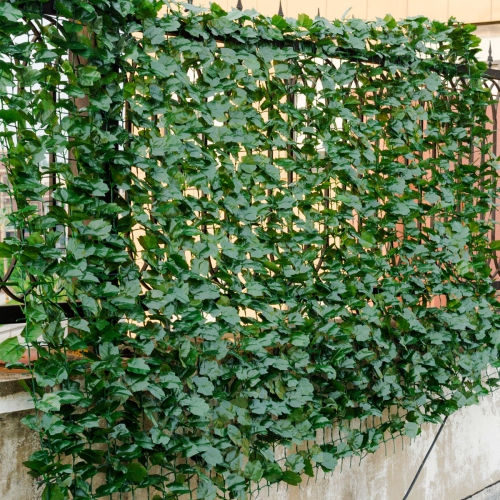
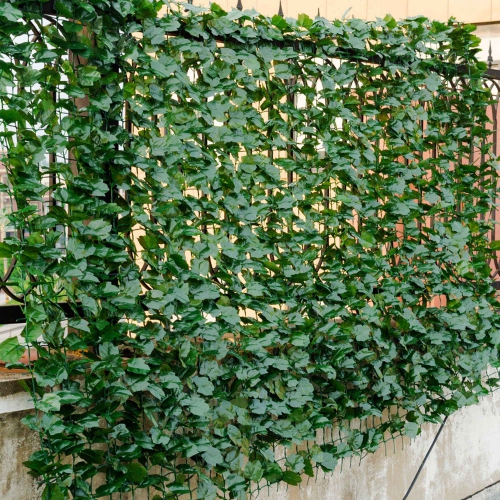
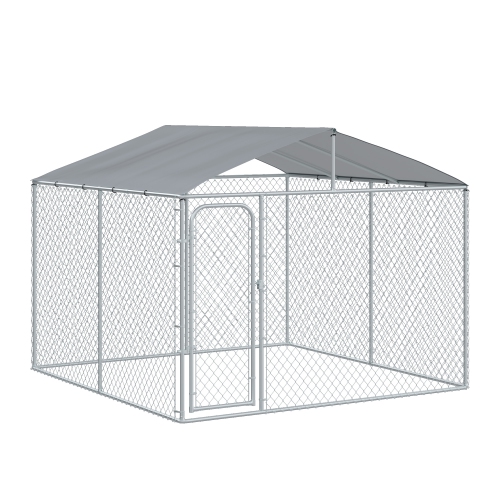
Material choice shapes the appearance, care requirements, and long-term performance of a backyard fence. Wood offers natural grain and a surface that can often be stained or painted to complement nearby structures. Closely spaced wood boards can create substantial visual privacy, although some designs develop small gaps as the boards dry and move. Wood needs periodic inspection for splitting, loose fasteners, and deterioration near ground contact, along with cleaning and refinishing appropriate to the species and finish. Cedar is often chosen for its natural character, while pressure-treated lumber is commonly used where added resistance to decay is important; neither removes the need for suitable installation and care. Vinyl, also called PVC, offers a uniform appearance without the same routine painting or staining needs. It does not rot or splinter like wood, and ordinary surface dirt can often be removed with mild soap and water, following the manufacturer’s directions. Panel thickness, reinforcement, and connection quality still influence how sturdy a vinyl fence feels. Composite fencing combines wood fibres and plastic in formulations that vary by manufacturer, often providing a wood-like appearance with less routine refinishing. Its weight, support requirements, and allowance for expansion deserve attention, particularly across longer runs. Metal fencing offers another set of trade-offs. Aluminum is relatively lightweight and resists rust, while steel can provide a substantial structure but needs an intact protective finish to help limit corrosion. Open metal designs are useful where visibility is welcome, rather than where full screening is the priority. Chain-link fencing provides a clear boundary with an open view, and compatible privacy slats can reduce visibility through the mesh. Those additions can also change the load on the fence, so the supporting system must be suitable. Bamboo and other roll-style screens can add texture and screening to an existing support, but they should not be assumed to function as structural fencing on their own. Across materials, durability depends on the complete assembly, including posts, brackets, fasteners, and gates, not just the surface of the panel.
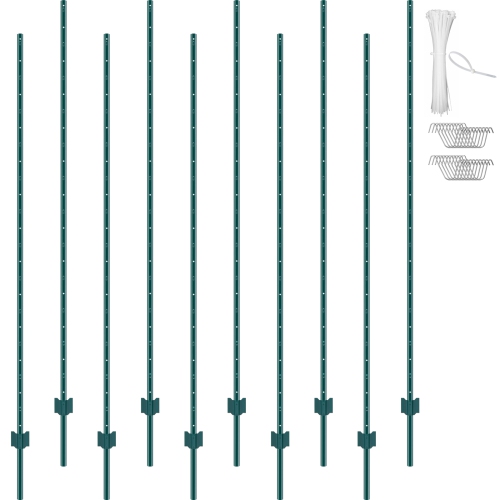
A well-fitting backyard fence accounts for the full run of the boundary, including corners, changes in level, and access points. Panel width and height alone do not describe the finished installation: posts, mounting brackets, and gate clearances also occupy space. A narrow side yard may need enough opening for a mower or garden cart, while a gate beside a patio should swing without striking chairs, planters, or steps. On sloping ground, some fencing systems follow the grade, while others form stepped sections; either approach affects the appearance and the gap beneath the fence. Traditional installations may use posts set into the ground with concrete or another specified support method. No-dig systems typically use driven stakes or anchors, which can reduce excavation for suitable applications, but their suitability depends on soil conditions, fence height, and the intended use. Hard, rocky, or loosely filled ground can present different installation challenges, and tall privacy panels need support designed for the loads they place on posts. Surface-mounted fencing also requires a suitable structural base rather than an assumption that any patio slab or deck board will hold it securely. Property boundaries, municipal height limits, easements, and underground utilities are relevant before any ground is disturbed. Pool enclosures have specific safety requirements and should not be treated as interchangeable with ordinary backyard fencing. For everyday use, a gate that aligns properly and latches reliably is as important as a straight panel run. Hinges, latch placement, and any self-closing features should suit the intended users and applicable requirements. Ongoing care can be straightforward when access is planned from the outset: leaving room to reach both sides makes cleaning, inspection, and repairs easier. Soil piled against unsuitable materials, vegetation pressing into panels, and loose connections can shorten service life or interfere with operation. Gentle cleaning methods and compatible finishes help preserve surfaces without unnecessary abrasion. With the right balance of privacy, visibility, secure access, and manageable upkeep, backyard fencing supports the practical routines of outdoor living while giving the space a more defined, finished appearance.
Material choice shapes the appearance, care requirements, and long-term performance of a backyard fence. Wood offers natural grain and a surface that can often be stained or painted to complement nearby structures. Closely spaced wood boards can create substantial visual privacy, although some designs develop small gaps as the boards dry and move. Wood needs periodic inspection for splitting, loose fasteners, and deterioration near ground contact, along with cleaning and refinishing appropriate to the species and finish. Cedar is often chosen for its natural character, while pressure-treated lumber is commonly used where added resistance to decay is important; neither removes the need for suitable installation and care. Vinyl, also called PVC, offers a uniform appearance without the same routine painting or staining needs. It does not rot or splinter like wood, and ordinary surface dirt can often be removed with mild soap and water, following the manufacturer’s directions. Panel thickness, reinforcement, and connection quality still influence how sturdy a vinyl fence feels. Composite fencing combines wood fibres and plastic in formulations that vary by manufacturer, often providing a wood-like appearance with less routine refinishing. Its weight, support requirements, and allowance for expansion deserve attention, particularly across longer runs. Metal fencing offers another set of trade-offs. Aluminum is relatively lightweight and resists rust, while steel can provide a substantial structure but needs an intact protective finish to help limit corrosion. Open metal designs are useful where visibility is welcome, rather than where full screening is the priority. Chain-link fencing provides a clear boundary with an open view, and compatible privacy slats can reduce visibility through the mesh. Those additions can also change the load on the fence, so the supporting system must be suitable. Bamboo and other roll-style screens can add texture and screening to an existing support, but they should not be assumed to function as structural fencing on their own. Across materials, durability depends on the complete assembly, including posts, brackets, fasteners, and gates, not just the surface of the panel.
A well-fitting backyard fence accounts for the full run of the boundary, including corners, changes in level, and access points. Panel width and height alone do not describe the finished installation: posts, mounting brackets, and gate clearances also occupy space. A narrow side yard may need enough opening for a mower or garden cart, while a gate beside a patio should swing without striking chairs, planters, or steps. On sloping ground, some fencing systems follow the grade, while others form stepped sections; either approach affects the appearance and the gap beneath the fence. Traditional installations may use posts set into the ground with concrete or another specified support method. No-dig systems typically use driven stakes or anchors, which can reduce excavation for suitable applications, but their suitability depends on soil conditions, fence height, and the intended use. Hard, rocky, or loosely filled ground can present different installation challenges, and tall privacy panels need support designed for the loads they place on posts. Surface-mounted fencing also requires a suitable structural base rather than an assumption that any patio slab or deck board will hold it securely. Property boundaries, municipal height limits, easements, and underground utilities are relevant before any ground is disturbed. Pool enclosures have specific safety requirements and should not be treated as interchangeable with ordinary backyard fencing. For everyday use, a gate that aligns properly and latches reliably is as important as a straight panel run. Hinges, latch placement, and any self-closing features should suit the intended users and applicable requirements. Ongoing care can be straightforward when access is planned from the outset: leaving room to reach both sides makes cleaning, inspection, and repairs easier. Soil piled against unsuitable materials, vegetation pressing into panels, and loose connections can shorten service life or interfere with operation. Gentle cleaning methods and compatible finishes help preserve surfaces without unnecessary abrasion. With the right balance of privacy, visibility, secure access, and manageable upkeep, backyard fencing supports the practical routines of outdoor living while giving the space a more defined, finished appearance.
Top selling and popular products
-
 Your price for this item is $199
 -
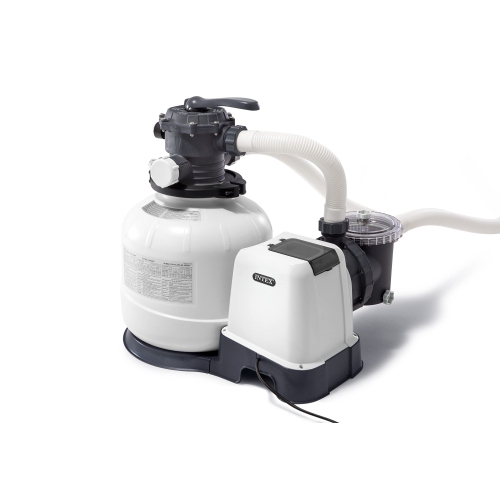 Your price for this item is $418.99
 -
 Your price for this item is $481.99
 -
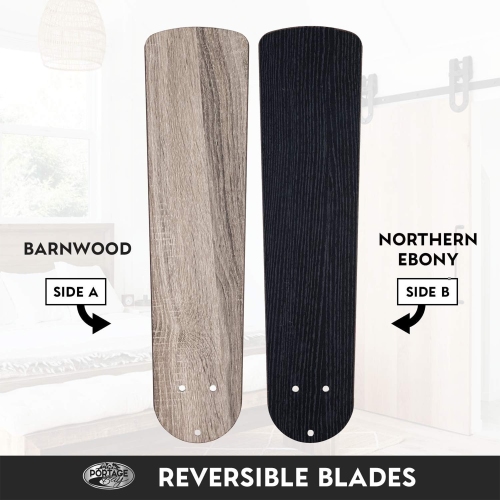 Your price for this item is $224.99
 -
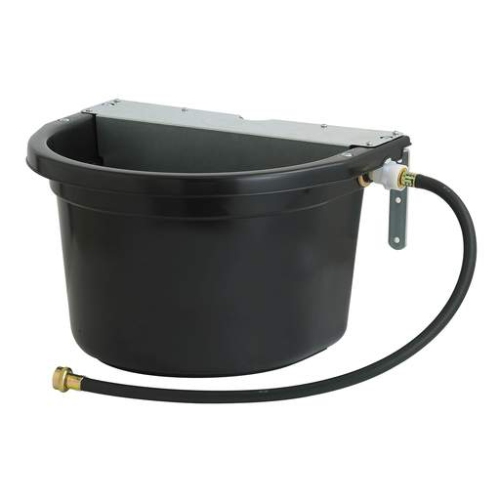 Your price for this item is $132.99
 -
 Your price for this item is $69.45
 -
 Your price for this item is $562.99
 -
 Your price for this item is $26.99
Discover more categories related to Outdoor Backyard Fencing
Top Collections:
Pokemon Centers, Kindle Devices, Best Budget Office Chairs, Apple iPhones 16, Canon G7X Cameras, iPhone 15 Apple, Alarm Clock, Refurbished Apple Laptops, Flip Phones, Best Laptops for Writers
Some products may be subject to Environmental Handling Fees
(EHF) depending on your province.
Learn more about EHFs.