Outdoor Chicken Cages
When it comes to keeping your feathered friends safe and secure while they enjoy the great outdoors, our selection of outdoor chicken cages has you covered. Whether you're a seasoned poultry enthusiast or a first-time chicken owner, these durable and spacious cages provide the perfect environment for your hens to roam, peck, and scratch to their heart's content. Designed with both functionality and aesthetics in mind, these outdoor chicken cages offer a safe haven for your flock while seamlessly blending into your outdoor space. Explore our range of options to find the ideal cage that meets your needs and keeps your chickens happy and healthy.
Sort
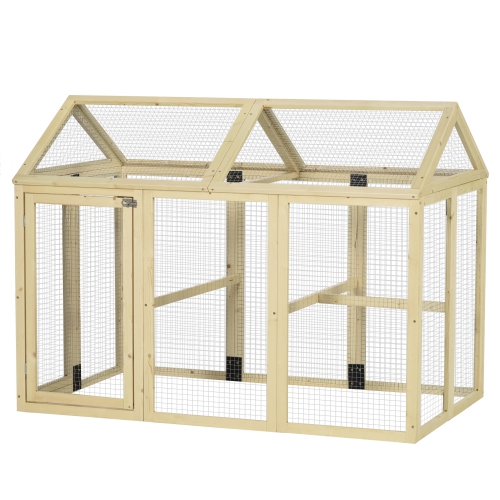
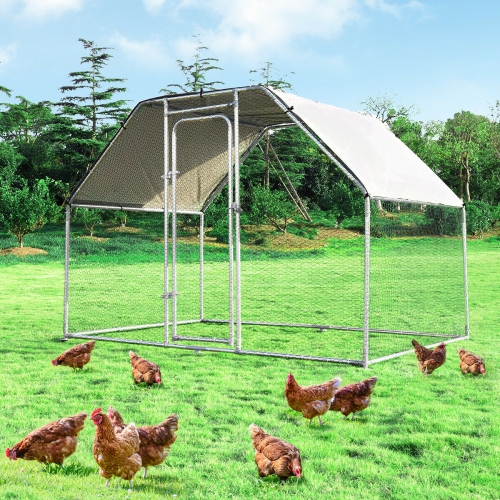
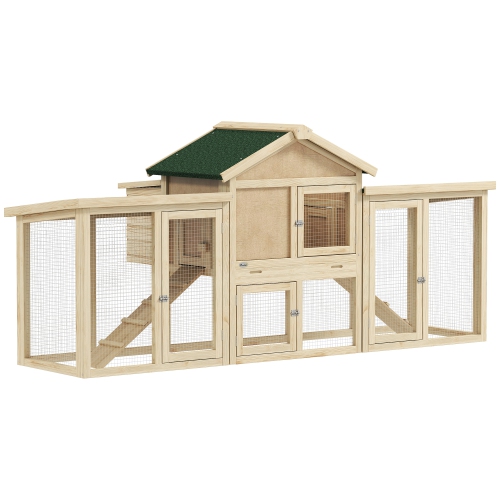
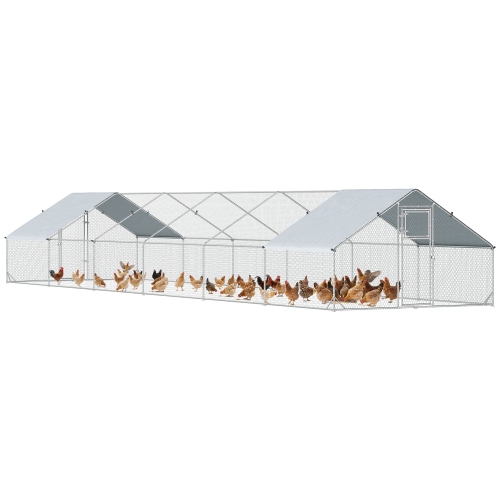
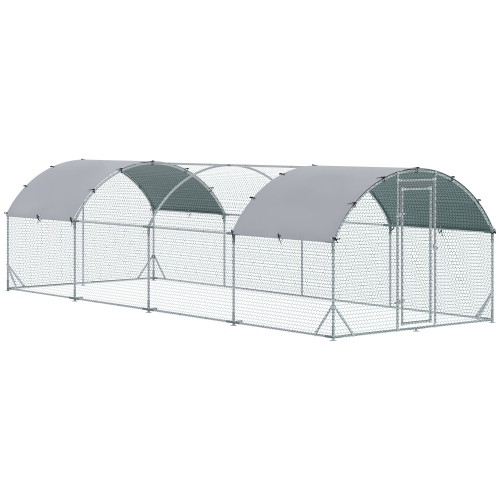
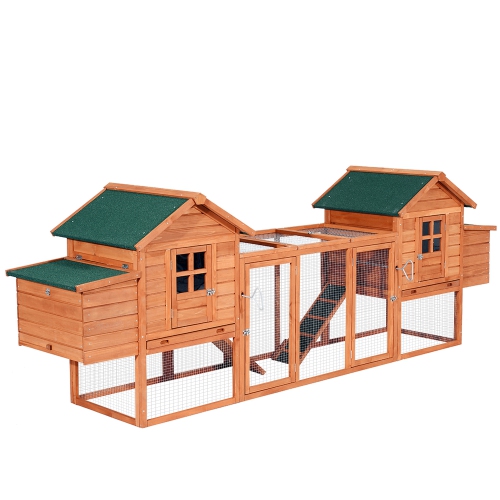
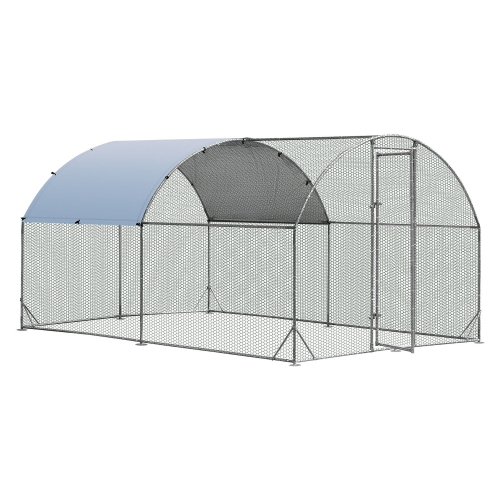
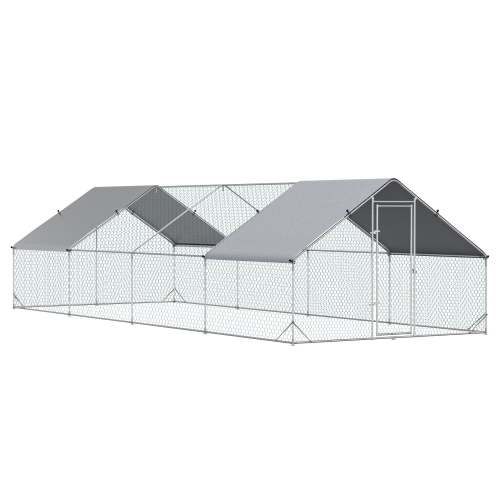
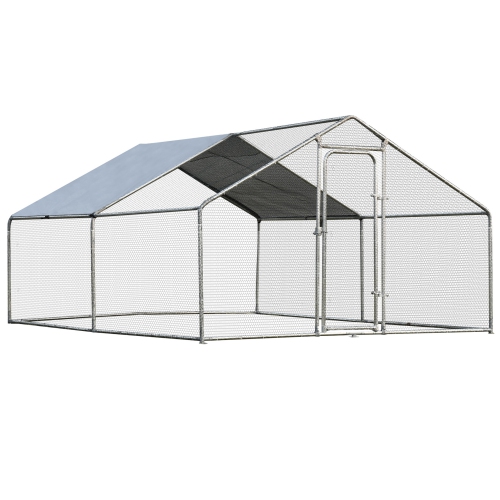
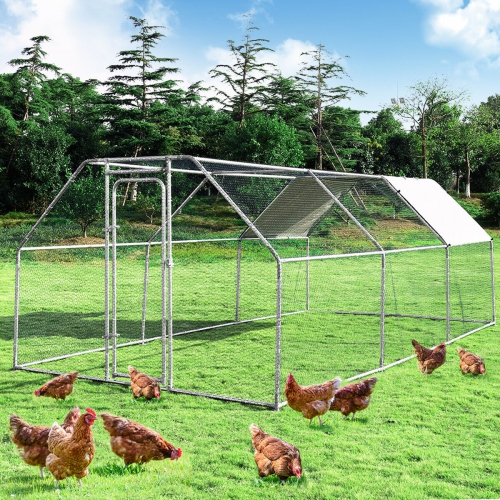
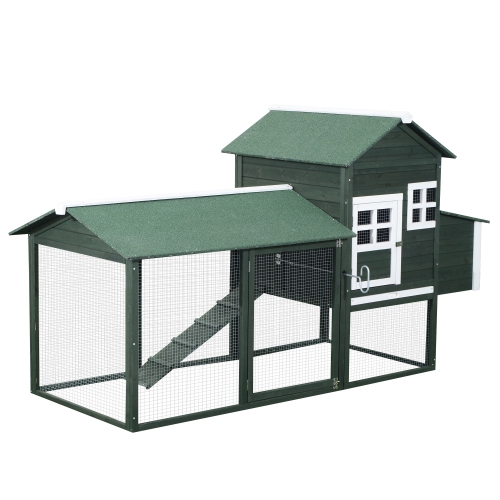
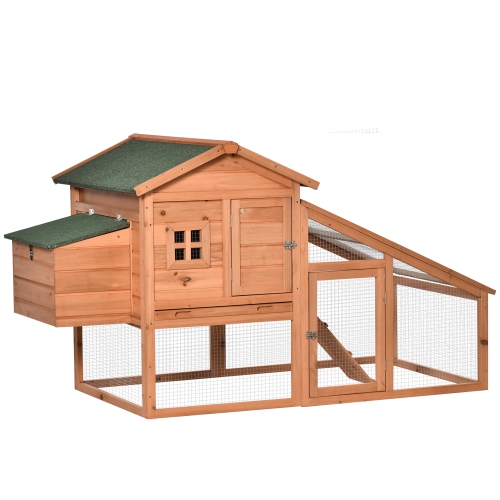
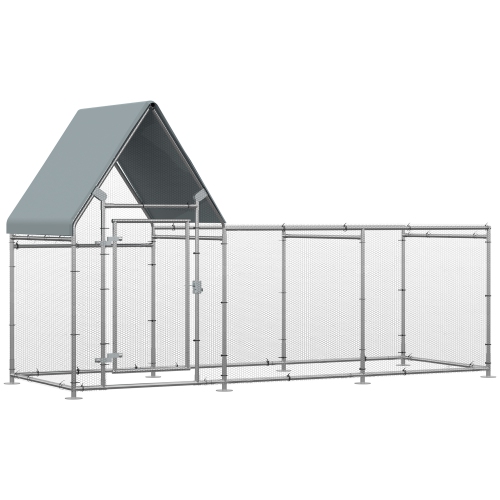
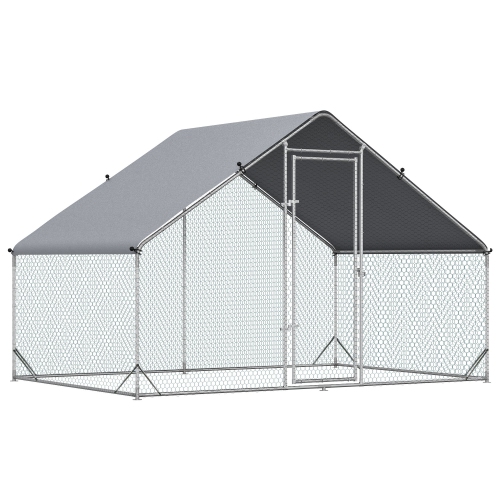
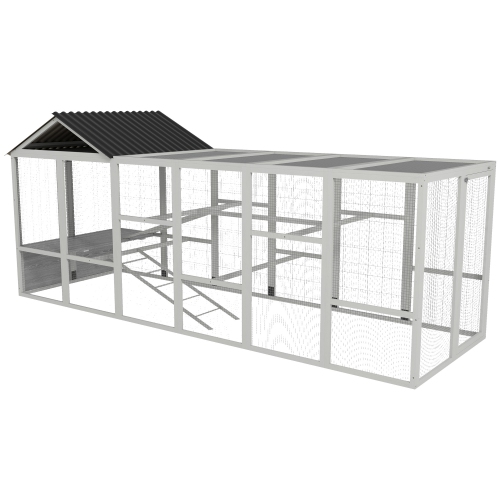
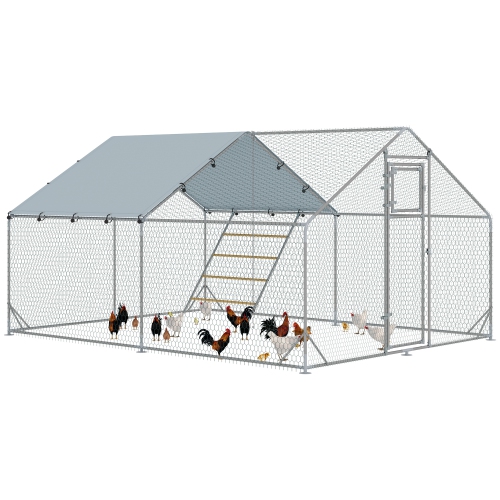
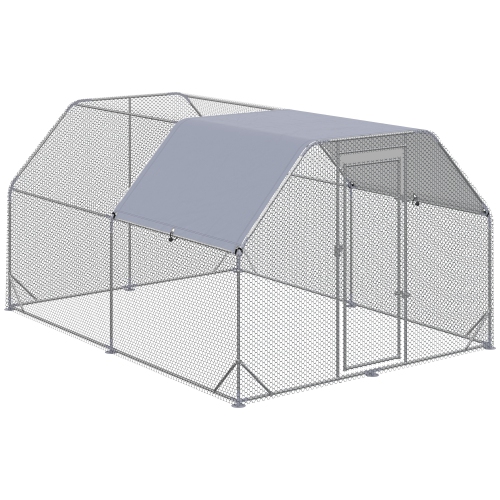
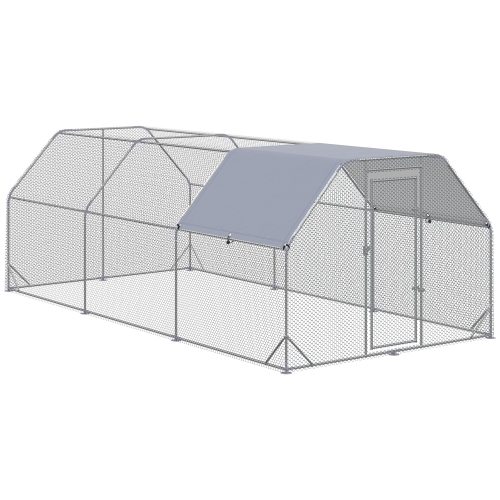
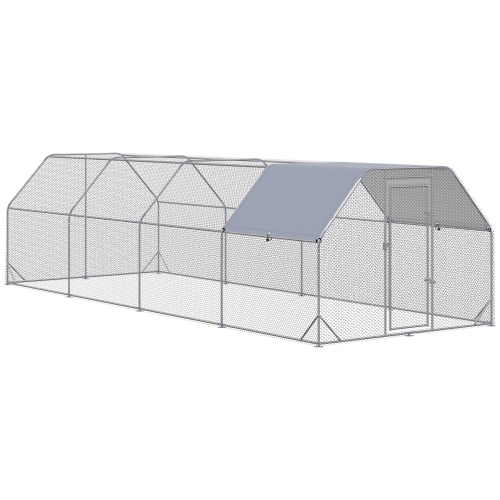
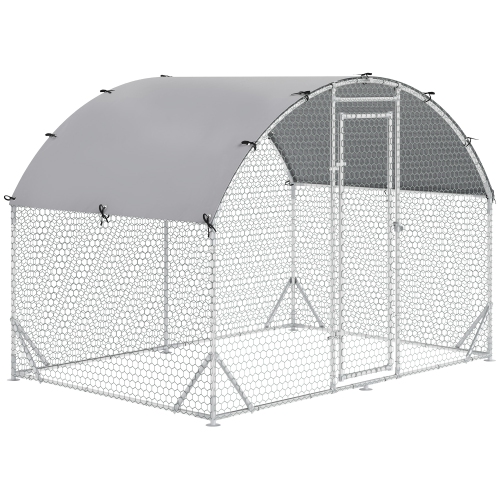


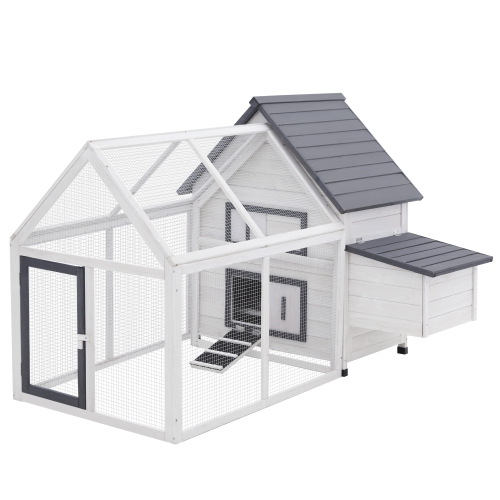
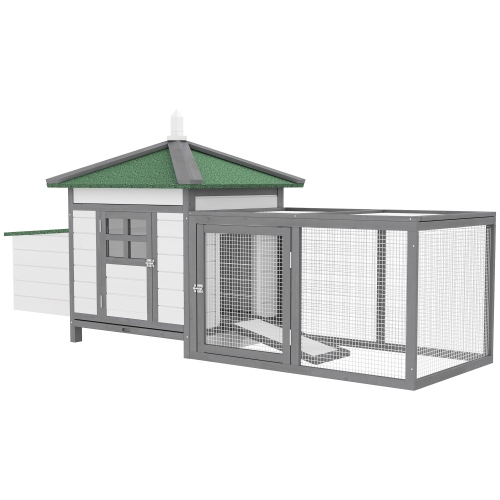
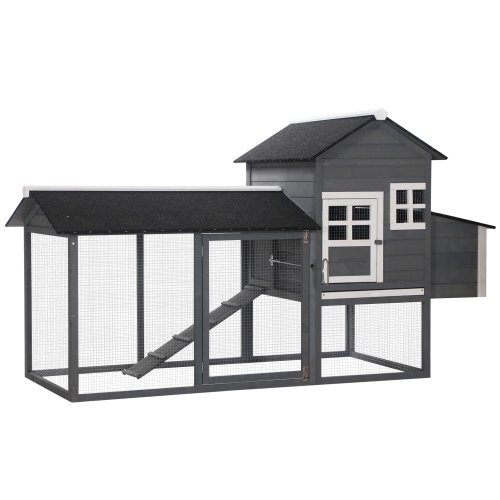
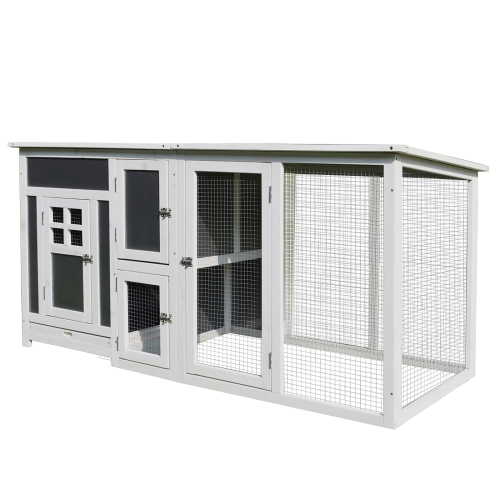
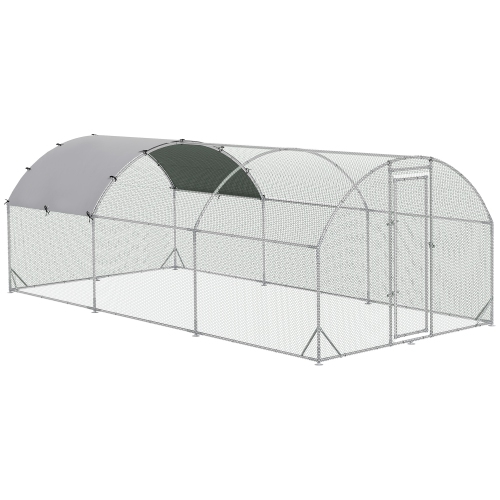
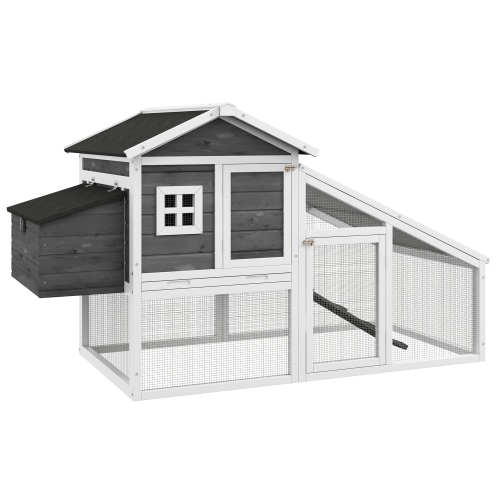
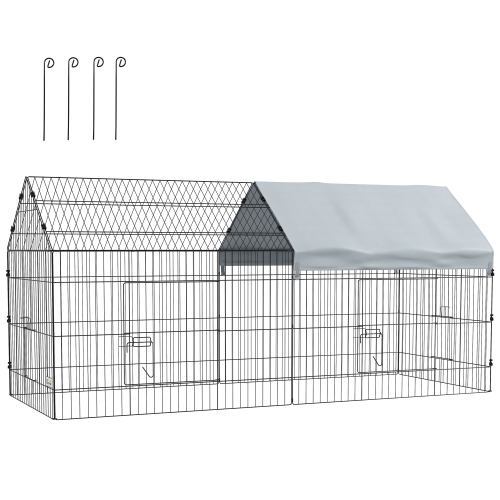

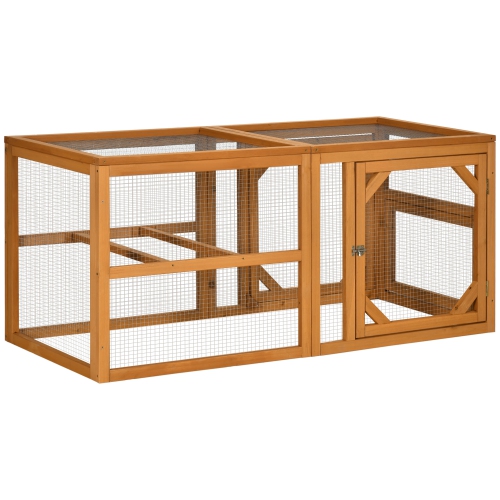
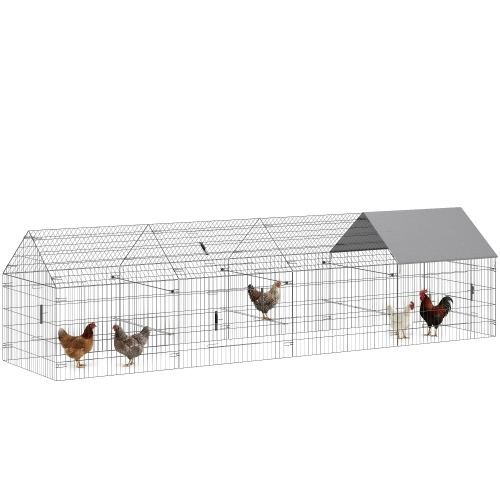
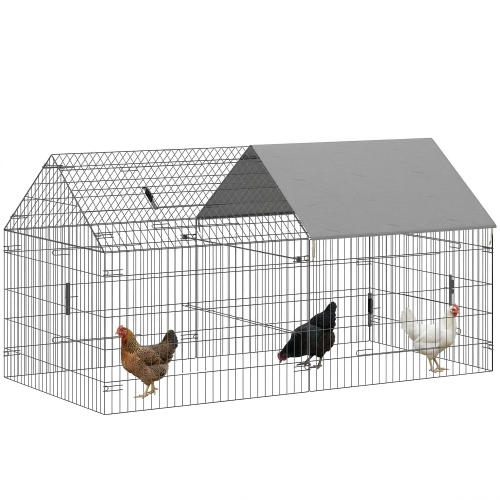
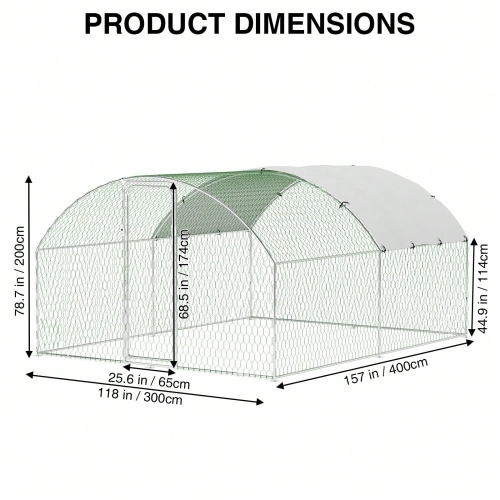
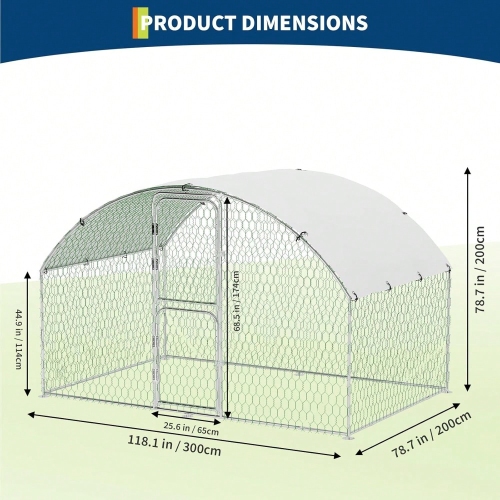
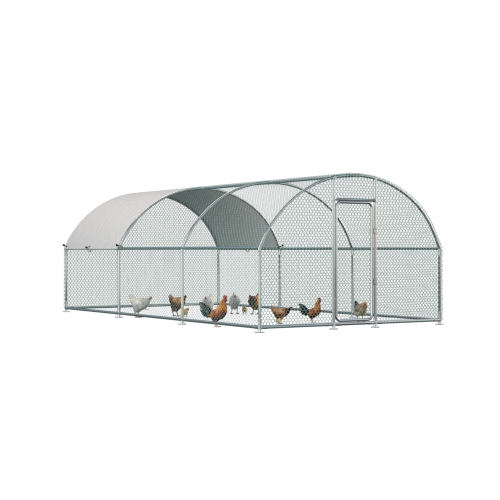
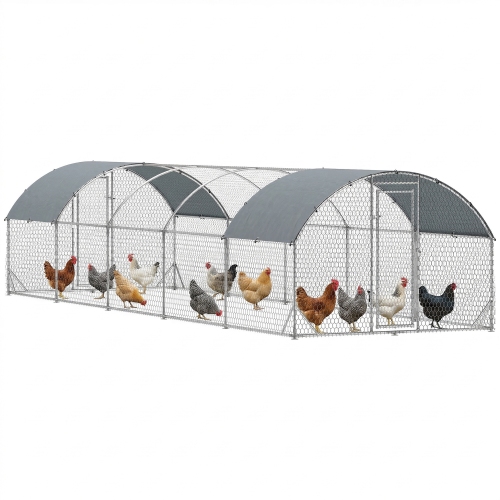
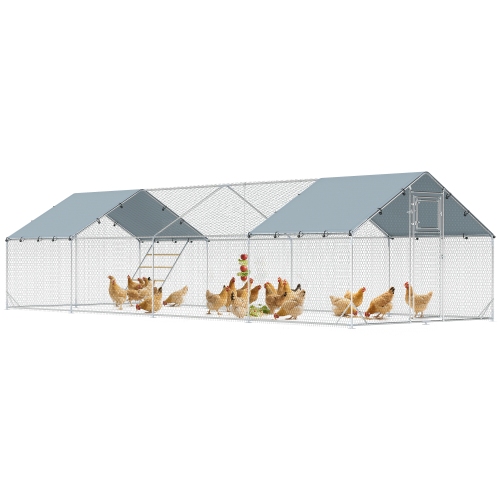
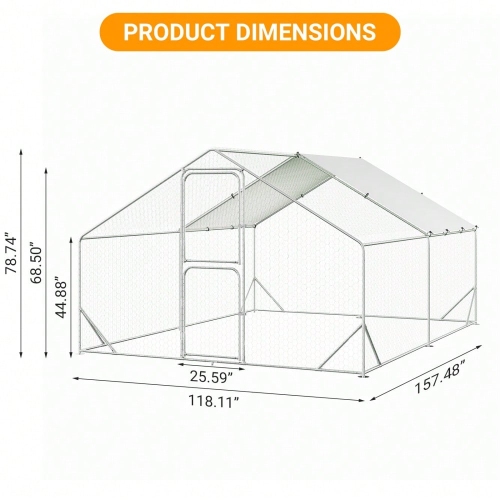
Key considerations for a safer, weather-ready flock enclosure
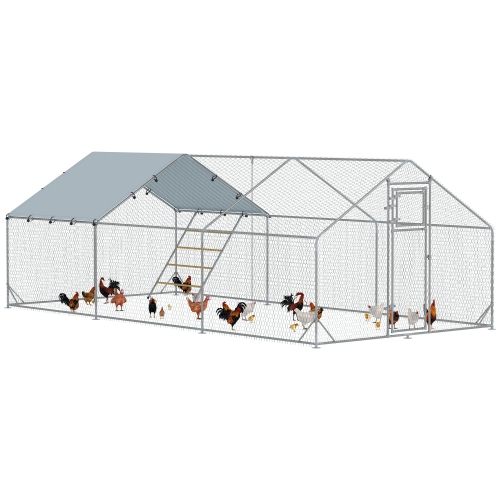
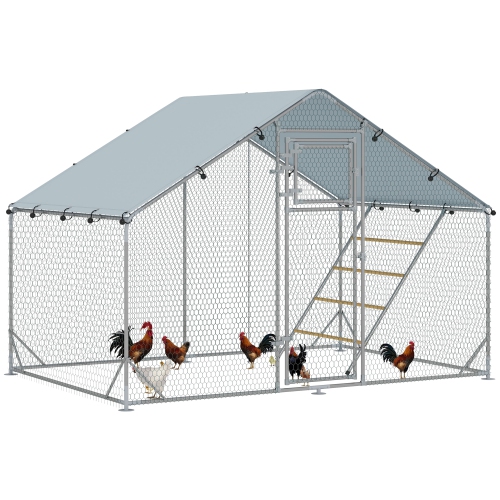
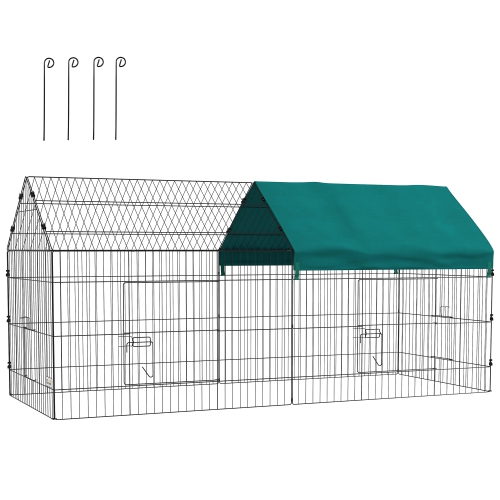
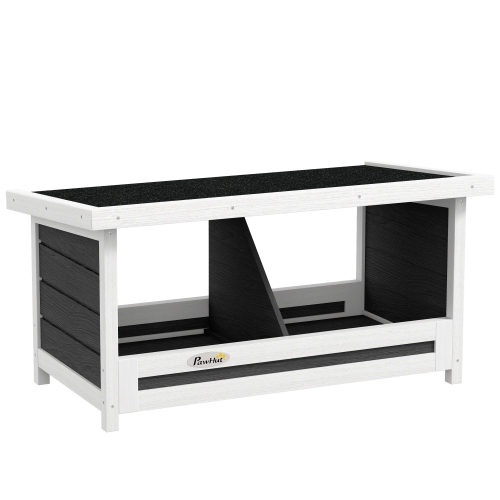
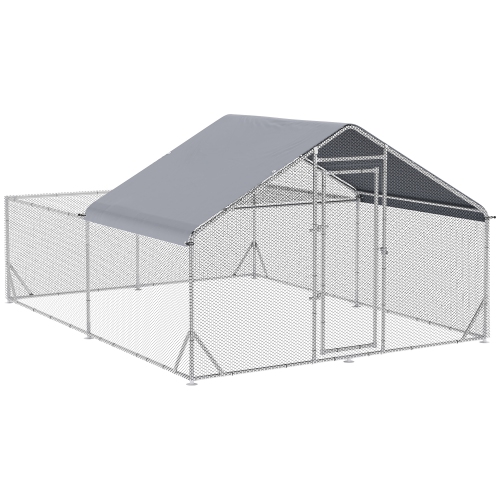
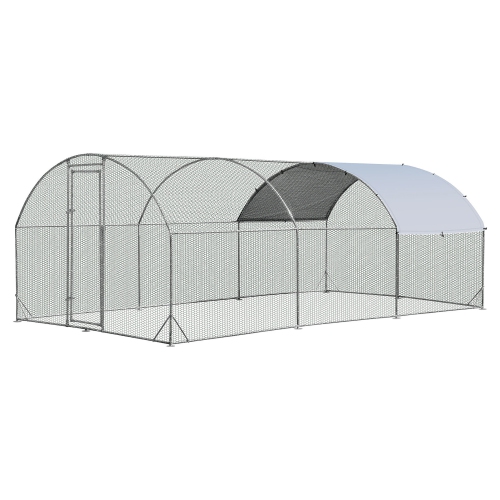
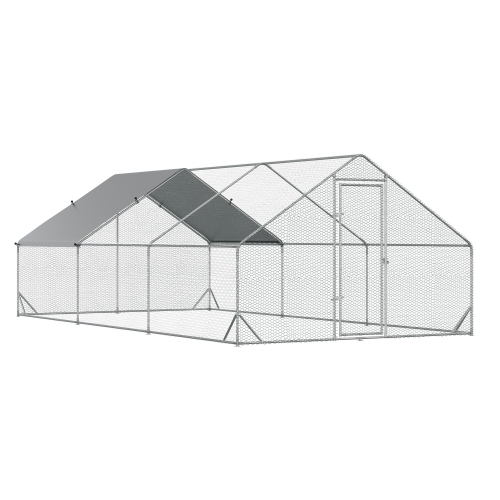
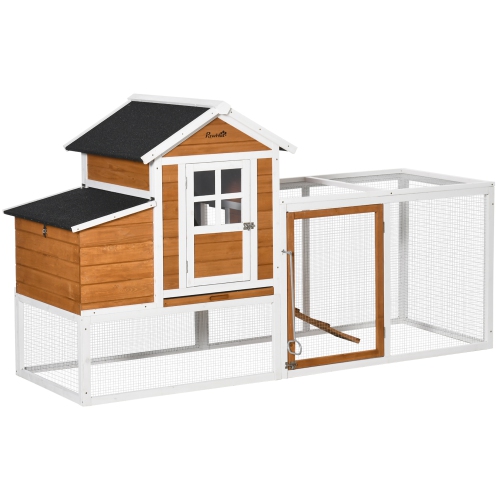
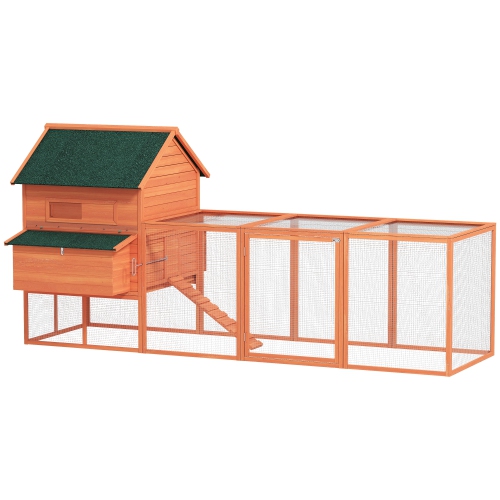
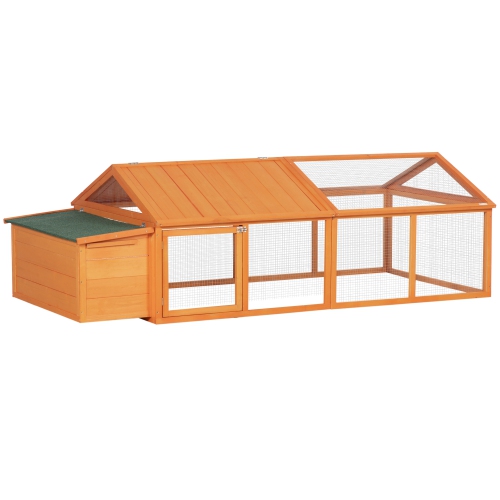
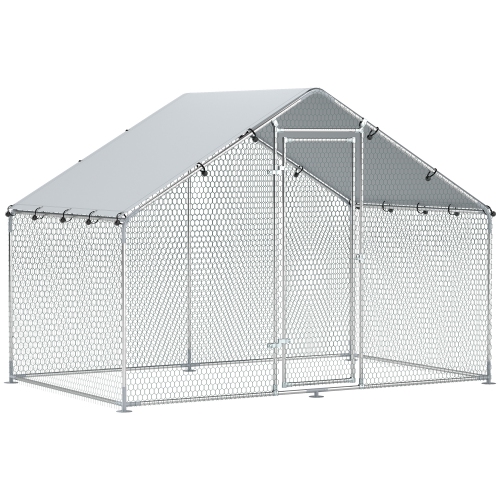
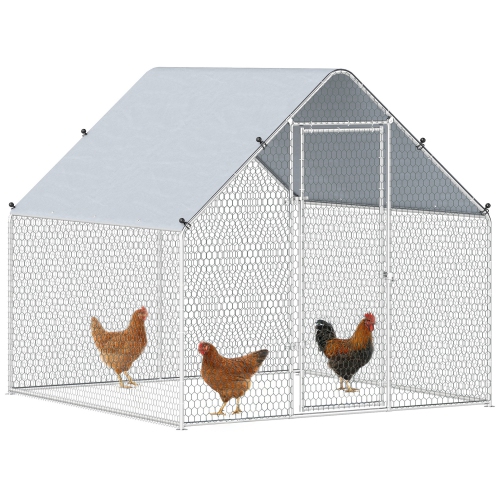
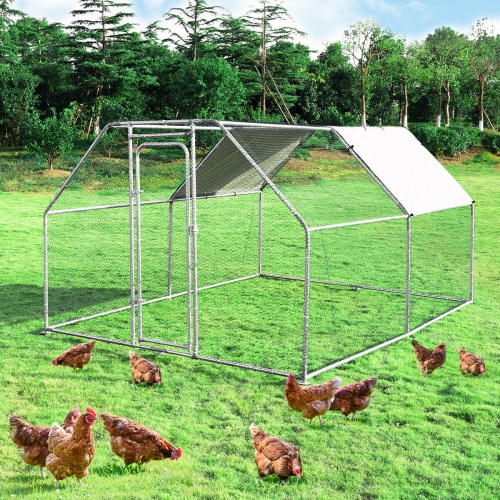
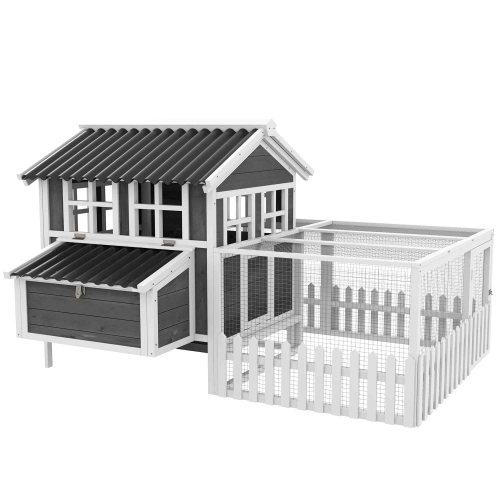
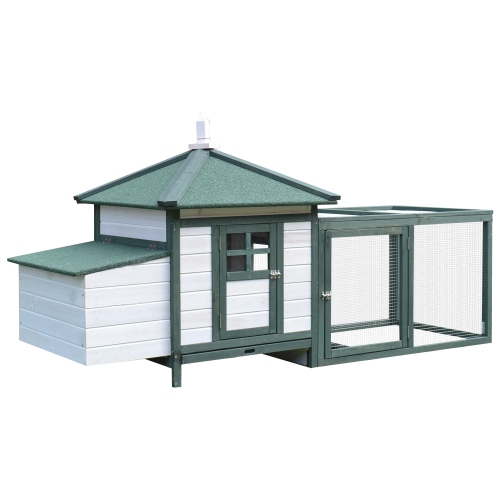
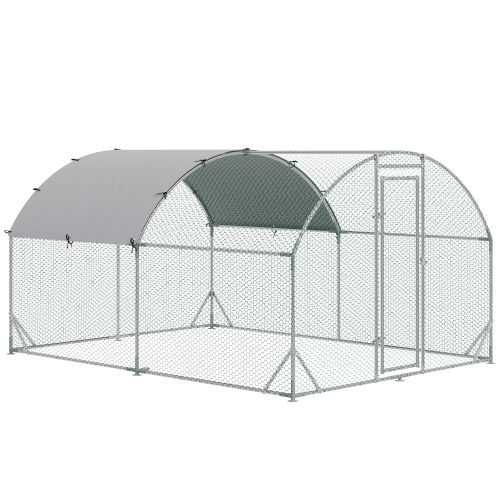
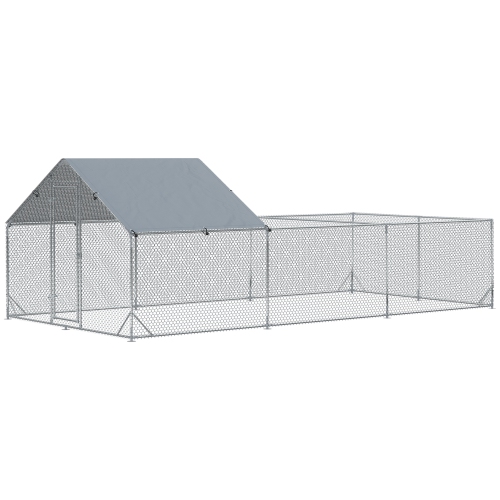
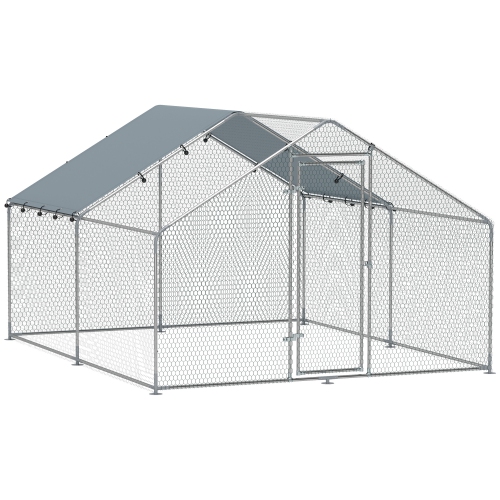
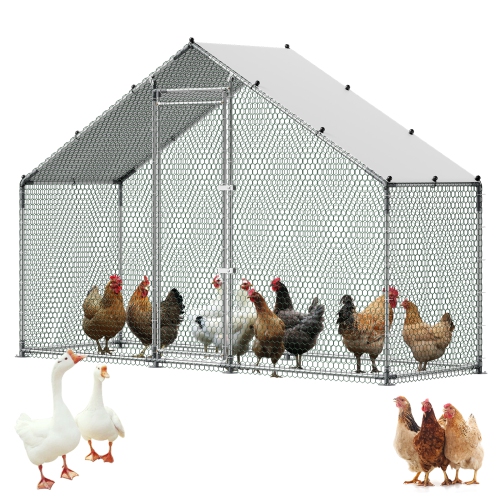
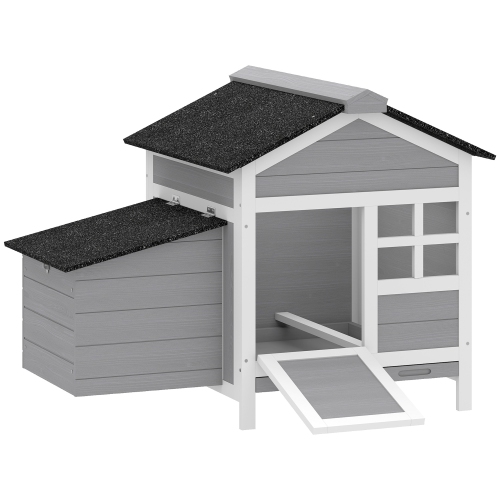
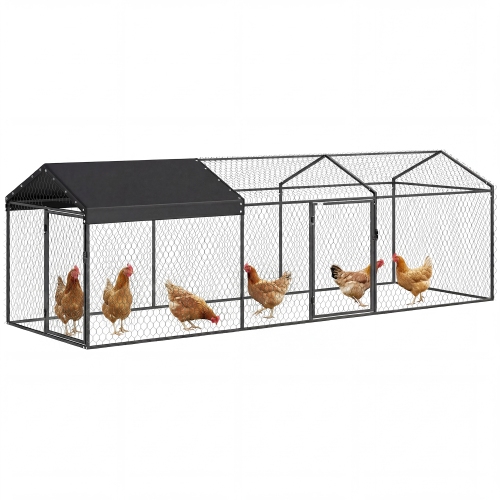
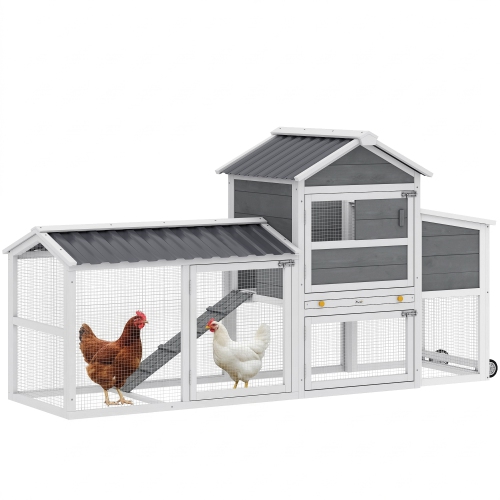
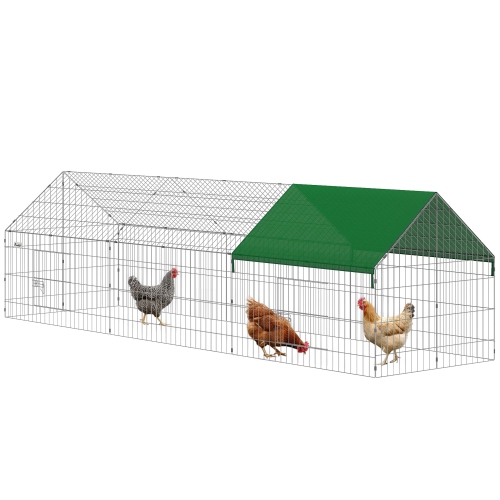
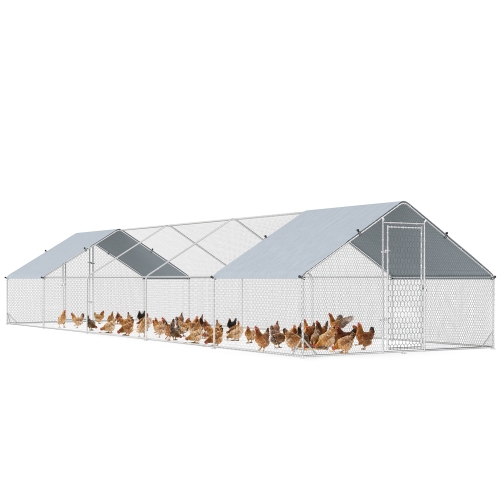
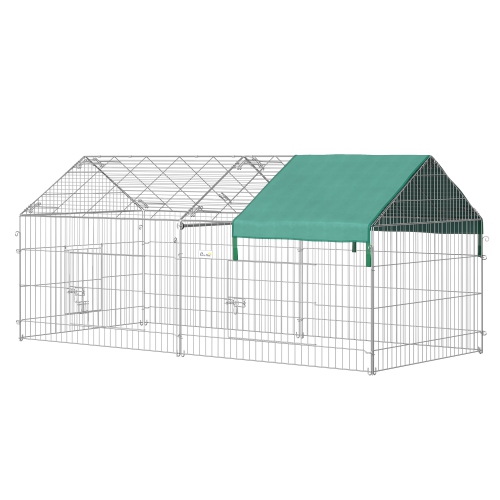
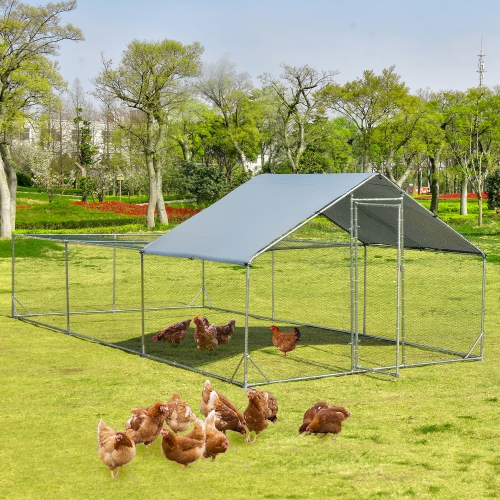
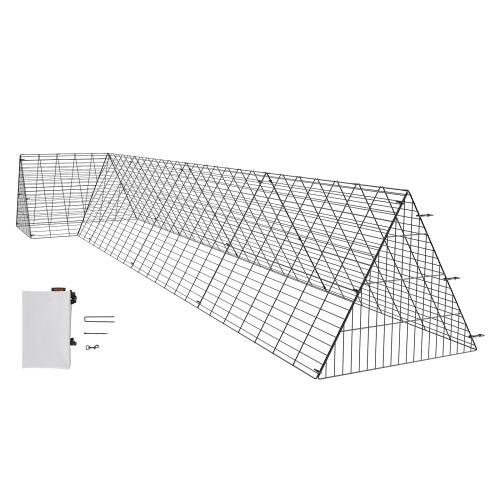
Outdoor chicken cages provide a practical way to give hens fresh air, room to move and a measure of protection while keeping the flock close to the home. They are useful for backyard chicken keepers, hobby farmers and families raising a small flock, whether the enclosure is used as a daily outdoor run, a temporary safe area or an extension of a more enclosed coop. Depending on the design, an outdoor chicken cage may include a roofed run, enclosed sleeping space, nesting areas, roosting bars or a raised hutch that helps keep birds away from damp ground. Some are compact enough for a few hens in a smaller yard, while walk-in designs offer more space for feeding, cleaning and checking on the flock without crouching or reaching through a narrow door. For shoppers comparing outdoor enclosures, it helps to picture how the space will be used from morning to evening: hens may scratch through bedding, gather beneath a shaded roof during bright afternoons, settle on a roost at dusk and need easy access to fresh water and feed. A well-planned enclosure can also be a thoughtful gift for someone beginning backyard poultry keeping, provided they have suitable outdoor space and are prepared for the everyday care that chickens require. Explore related shelter options with Outdoor Chicken Coops, including designs that can complement a separate outdoor run or form part of a complete chicken-keeping setup.
Size is one of the most important considerations when choosing an outdoor chicken cage. A flock needs enough room to walk, turn, scratch, forage and rest without crowding, and a larger enclosure can help reduce competition around food, water and preferred roosting spots. As a general planning guideline, allow at least 2 to 3 square feet per bird inside the coop and approximately 8 to 10 square feet per bird in the outdoor run, then consider adding more room when possible. These measurements are starting points rather than a substitute for the needs of the individual flock, since breed, activity level, time spent in the run and access to other safe areas can all affect the amount of space required. Height matters as well. A walk-in cage makes it easier to sweep out bedding, refill containers and inspect the mesh, while a lower hutch may suit a compact flock or a limited footprint. Look for doors that latch securely, openings that are large enough for comfortable access and removable or hinged panels that simplify routine cleaning. Mesh construction deserves close attention, especially in areas where raccoons, foxes, skunks, hawks or other predators may be present. Hardware cloth or heavy-gauge galvanized wire generally offers stronger protection than standard chicken wire, which is designed mainly to contain birds and may be vulnerable to tearing or bending. Check the size of the mesh openings, inspect seams and corners, and consider whether the base needs extra reinforcement or an apron that extends into or across the ground to discourage digging. A secure cage should protect the flock from unwanted entry while also preventing hens from squeezing through gaps or pushing at weak sections.
Weather readiness is equally important for outdoor chicken cages used through changing conditions. A sloped, waterproof roof helps direct rain away from the run and keeps bedding, feed and nesting areas drier, while a UV-resistant cover can provide shade and help the enclosure hold up under regular exposure to sunlight. During warmer periods, airflow is essential, so look for mesh sides and ventilation that reduce stale air without leaving large unprotected openings. As the weather cools, hens need a dry place away from draughts, with enough sheltered space to rest and retreat from wind or precipitation. In regions that receive snow, check the roof structure, frame materials and manufacturer guidance for load considerations, and clear accumulated snow when necessary rather than allowing weight to build up. The ground beneath the cage should drain well; placing the enclosure on a level surface helps doors close properly, reduces muddy patches and makes it easier to replace bedding or shift the run when the design allows. Inside, include sturdy feed and water containers that are difficult to tip, along with roosting bars and nesting areas suited to the flock. Secure all food at night when possible, keep the enclosure clean and inspect it regularly for rust, loose fasteners, bent mesh or weather damage. Whether it is being added to an established backyard setup or chosen as part of a first flock arrangement, an outdoor chicken cage should balance usable space, predator resistance, convenient access and protection from the elements so hens can spend time outdoors in a safer, more comfortable environment.
Size is one of the most important considerations when choosing an outdoor chicken cage. A flock needs enough room to walk, turn, scratch, forage and rest without crowding, and a larger enclosure can help reduce competition around food, water and preferred roosting spots. As a general planning guideline, allow at least 2 to 3 square feet per bird inside the coop and approximately 8 to 10 square feet per bird in the outdoor run, then consider adding more room when possible. These measurements are starting points rather than a substitute for the needs of the individual flock, since breed, activity level, time spent in the run and access to other safe areas can all affect the amount of space required. Height matters as well. A walk-in cage makes it easier to sweep out bedding, refill containers and inspect the mesh, while a lower hutch may suit a compact flock or a limited footprint. Look for doors that latch securely, openings that are large enough for comfortable access and removable or hinged panels that simplify routine cleaning. Mesh construction deserves close attention, especially in areas where raccoons, foxes, skunks, hawks or other predators may be present. Hardware cloth or heavy-gauge galvanized wire generally offers stronger protection than standard chicken wire, which is designed mainly to contain birds and may be vulnerable to tearing or bending. Check the size of the mesh openings, inspect seams and corners, and consider whether the base needs extra reinforcement or an apron that extends into or across the ground to discourage digging. A secure cage should protect the flock from unwanted entry while also preventing hens from squeezing through gaps or pushing at weak sections.
Weather readiness is equally important for outdoor chicken cages used through changing conditions. A sloped, waterproof roof helps direct rain away from the run and keeps bedding, feed and nesting areas drier, while a UV-resistant cover can provide shade and help the enclosure hold up under regular exposure to sunlight. During warmer periods, airflow is essential, so look for mesh sides and ventilation that reduce stale air without leaving large unprotected openings. As the weather cools, hens need a dry place away from draughts, with enough sheltered space to rest and retreat from wind or precipitation. In regions that receive snow, check the roof structure, frame materials and manufacturer guidance for load considerations, and clear accumulated snow when necessary rather than allowing weight to build up. The ground beneath the cage should drain well; placing the enclosure on a level surface helps doors close properly, reduces muddy patches and makes it easier to replace bedding or shift the run when the design allows. Inside, include sturdy feed and water containers that are difficult to tip, along with roosting bars and nesting areas suited to the flock. Secure all food at night when possible, keep the enclosure clean and inspect it regularly for rust, loose fasteners, bent mesh or weather damage. Whether it is being added to an established backyard setup or chosen as part of a first flock arrangement, an outdoor chicken cage should balance usable space, predator resistance, convenient access and protection from the elements so hens can spend time outdoors in a safer, more comfortable environment.
Top selling and popular products
-
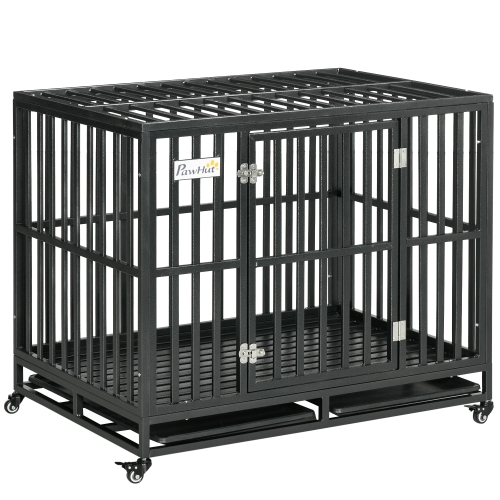 Your price for this item is $229.99
 -
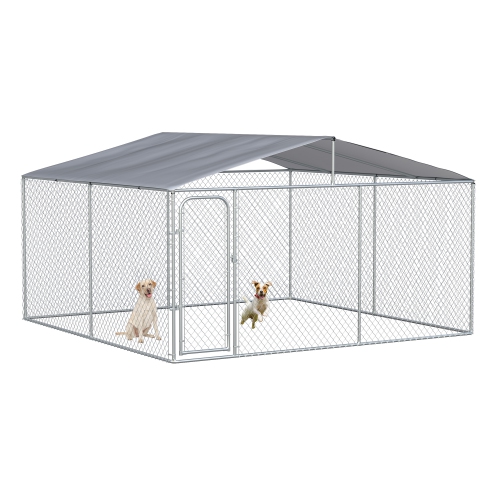 Your price for this item is $499.99
 -
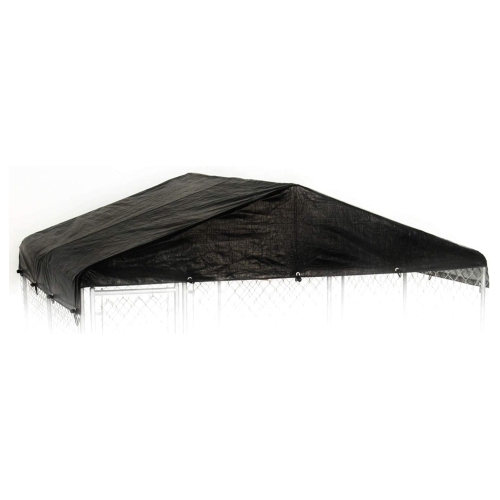 Your price for this item is $702.99
 -
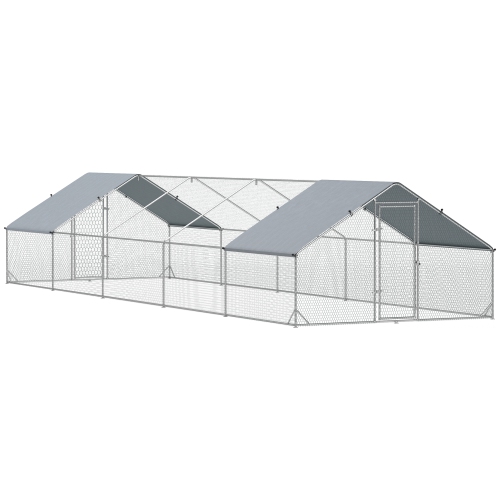 Your price for this item is $479.99
 -
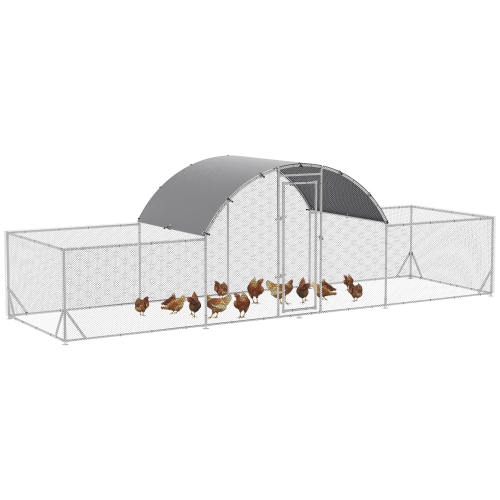 Your price for this item is $216.99
 -
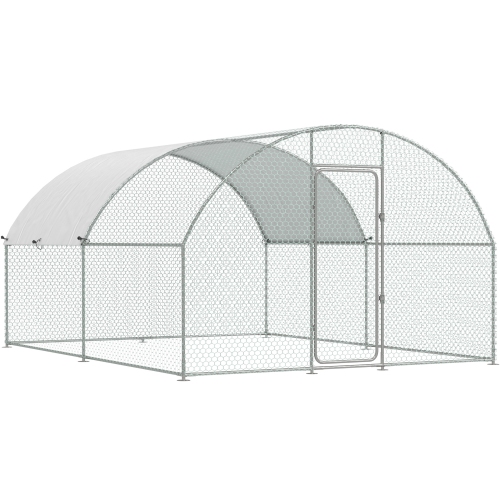 Your price for this item is $239.99
 -
 Your price for this item is $164.99
 -
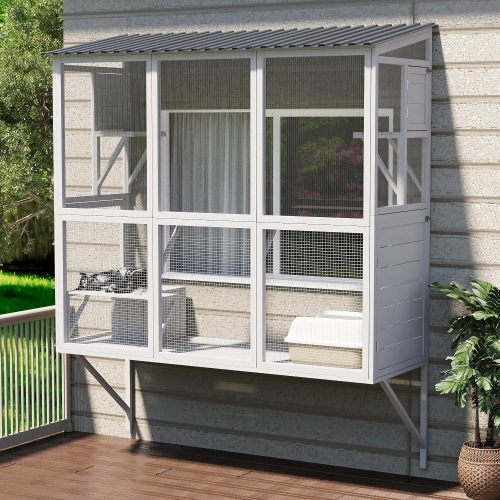 Your price for this item is $269.99
Discover more categories related to Outdoor Chicken Cages
Top Collections:
Pokemon Centers, Budget 4K TVs, Best Budget Office Chairs, Kindle Devices, Canon G7X Cameras, Apple iPhones 16, iPhone 15 Apple, Laptops for Business Work, Xiaomi Phones, Flip Phones
Some products may be subject to Environmental Handling Fees
(EHF) depending on your province.
Learn more about EHFs.