Outdoor Cooking Sets
Get ready to take your outdoor cooking skills to the next level with our selection of outdoor cooking sets. Whether you're a seasoned grill master or just starting out, these sets are designed to make your outdoor cooking experience effortless and enjoyable. From portable grills to complete cooking kits, we have everything you need to create delicious meals in the great outdoors. With durable construction and innovative features, our outdoor cooking sets are built to withstand the elements and provide exceptional performance. So fire up the grill, gather your friends and family, and get ready for unforgettable outdoor culinary adventures with our range of outdoor cooking sets.
Sort
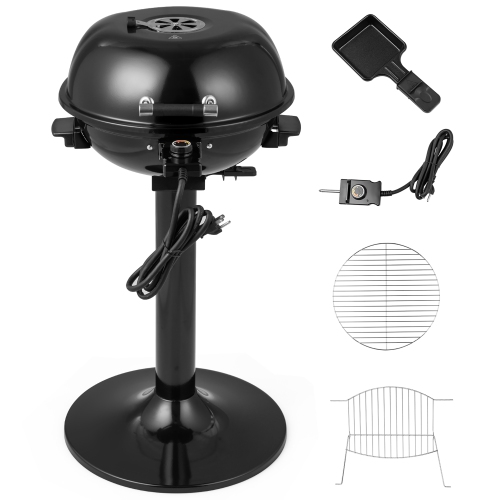
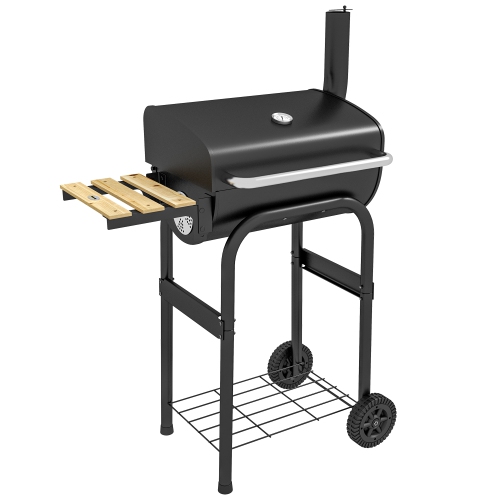
![COSTWAY Outdoor Grill 391 Sq.in. Cooking Area 2 Foldable Side Table Bbq Camping In Charcoal [Employee of bestbuy] This grill is a great size for the amount of food I slap on this baby and the inclusion](https://multimedia.bbycastatic.ca/multimedia/products/500x500/172/17299/17299661.jpeg)
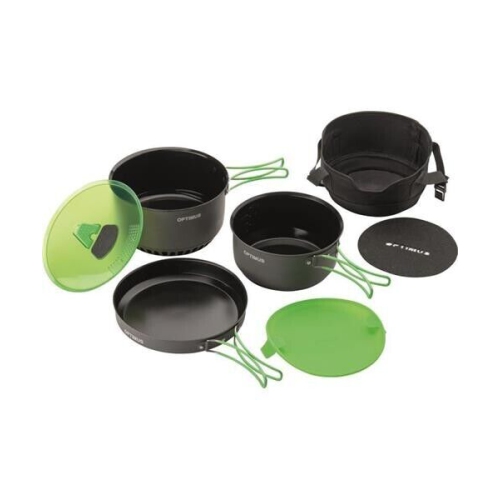
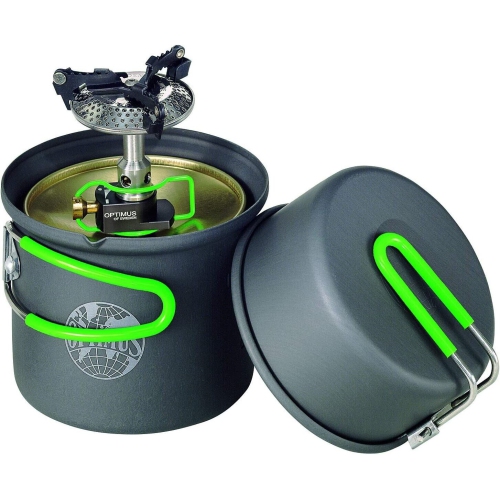
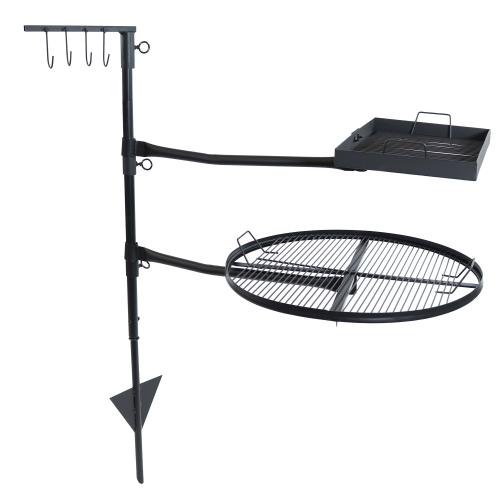
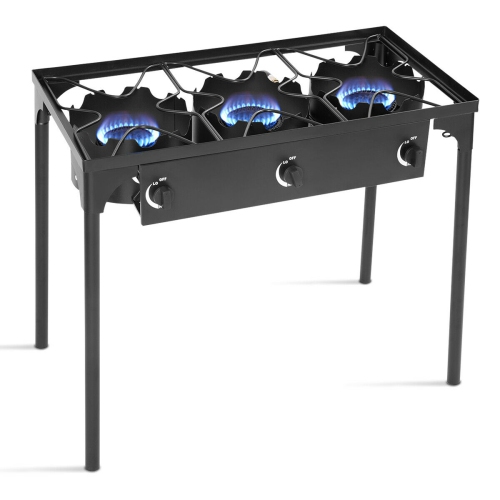
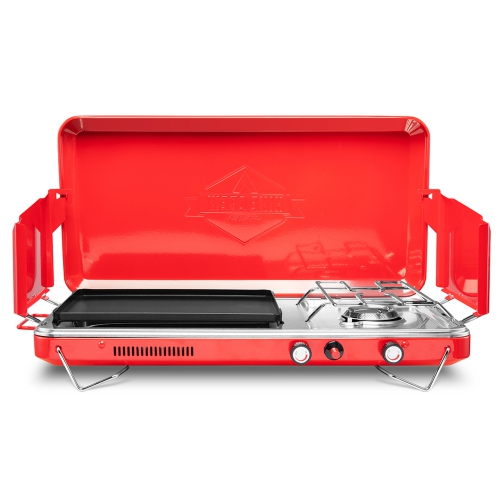
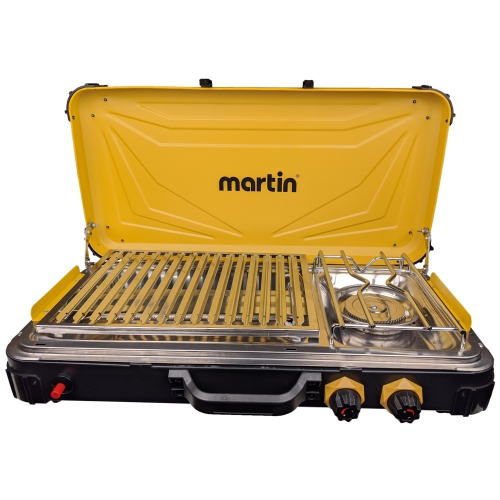
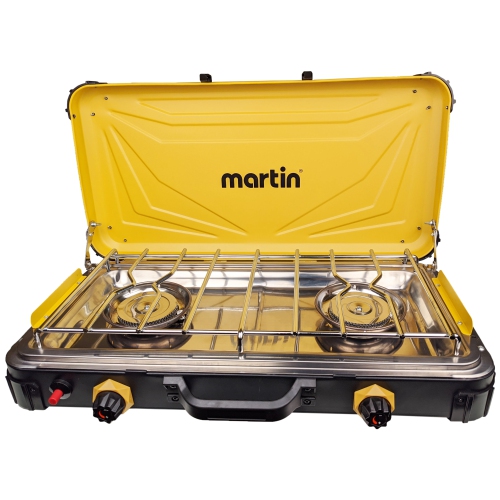
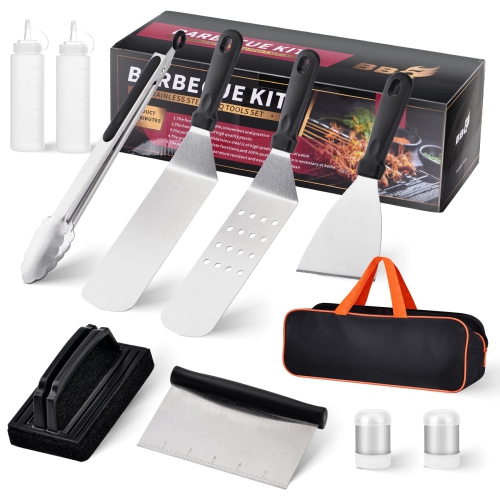

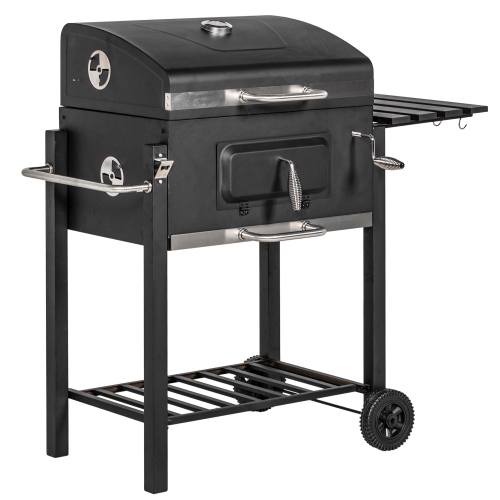
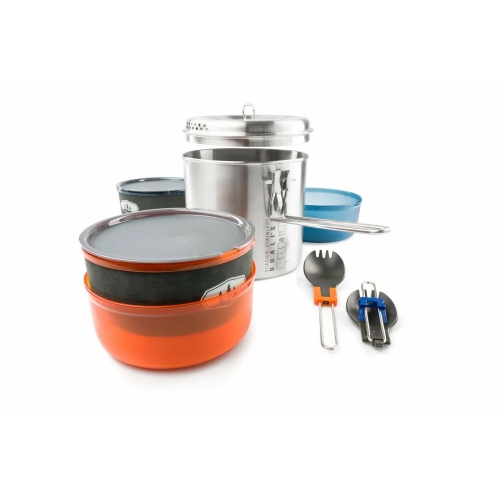
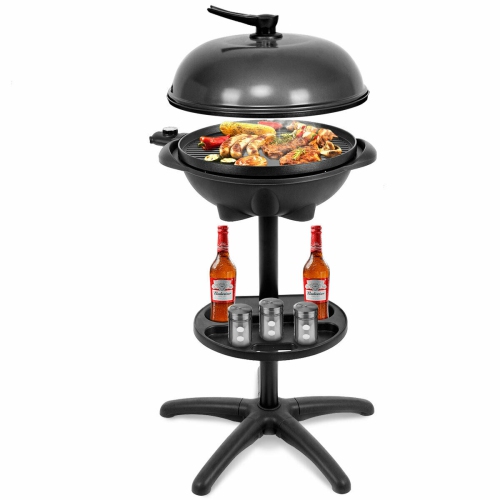
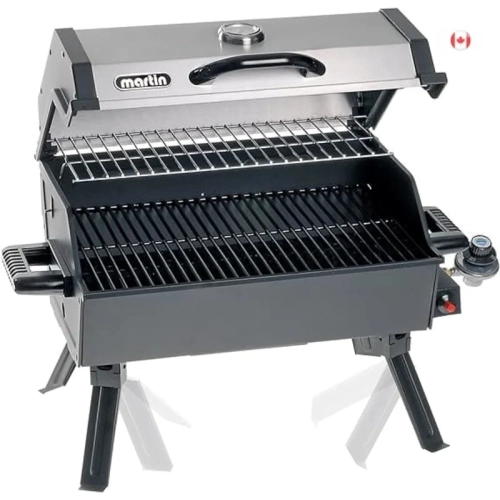
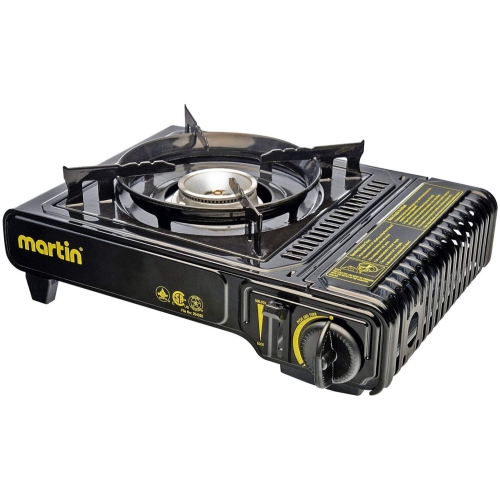
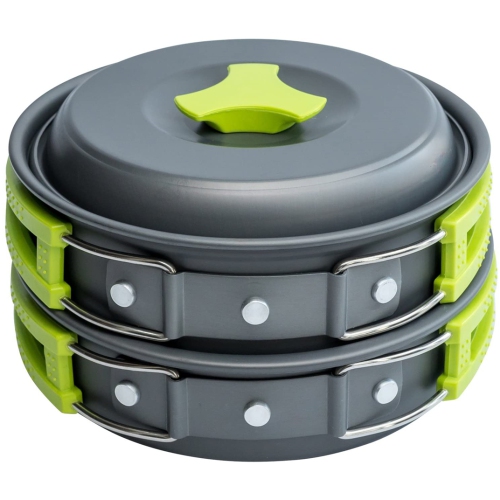
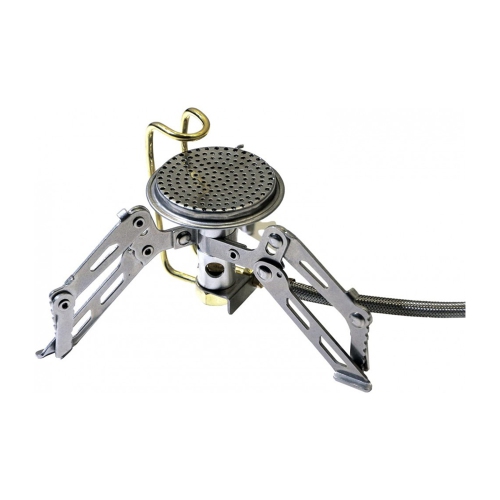
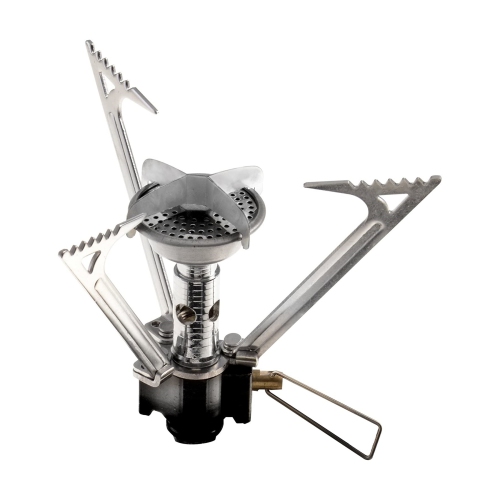
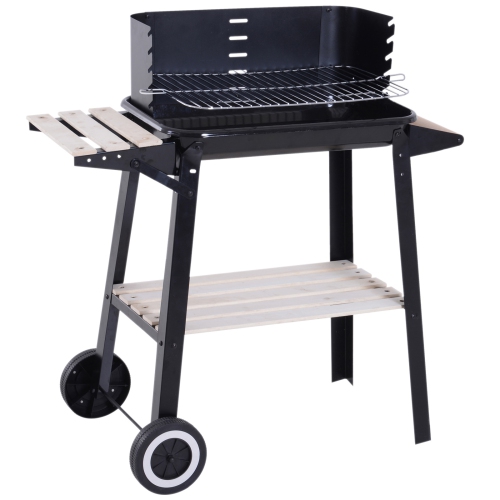
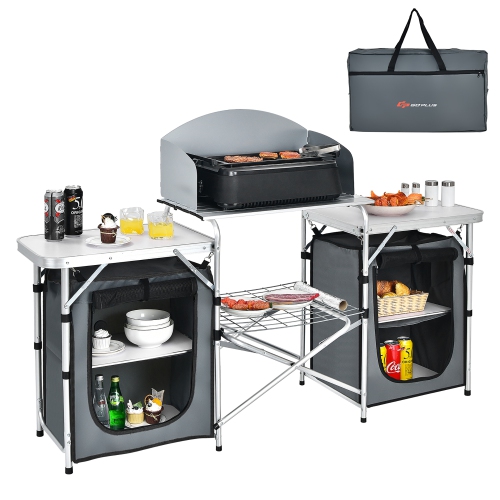
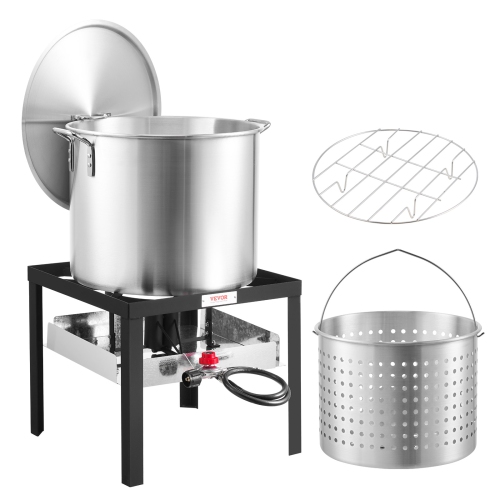
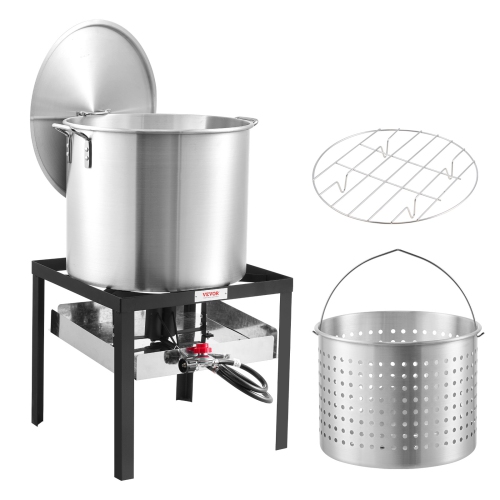
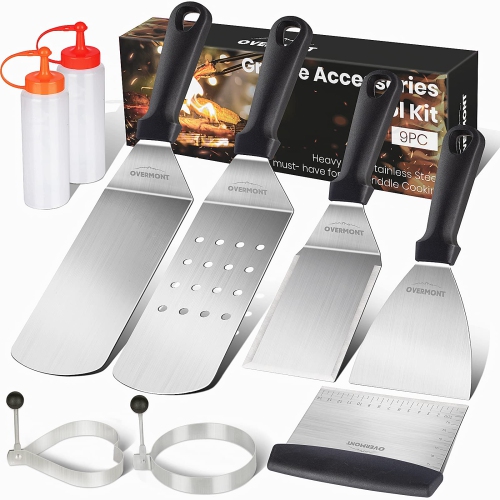
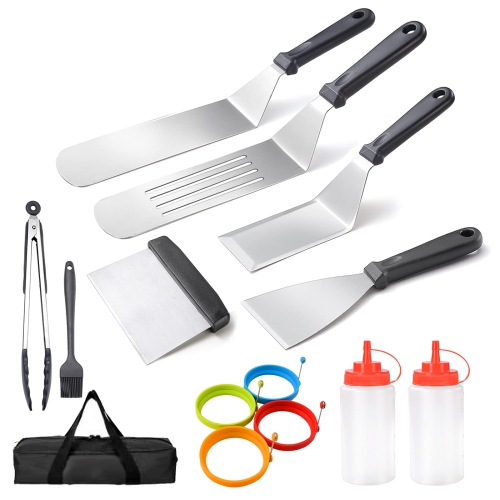
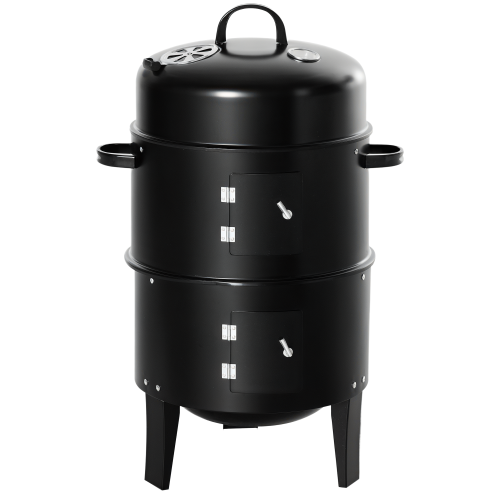
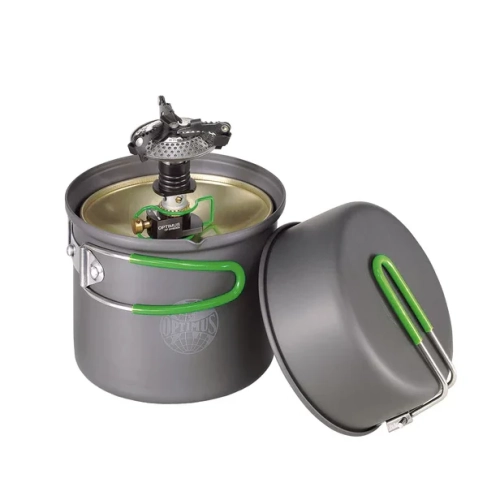

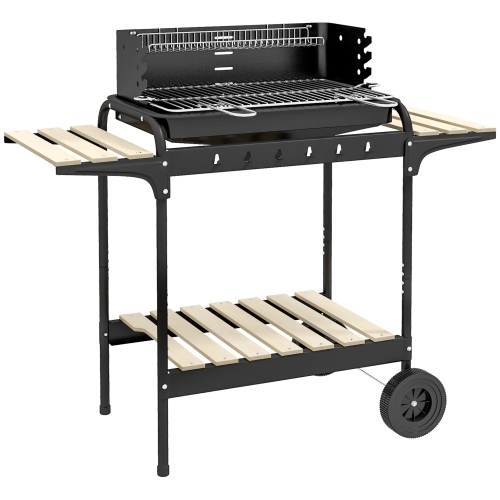
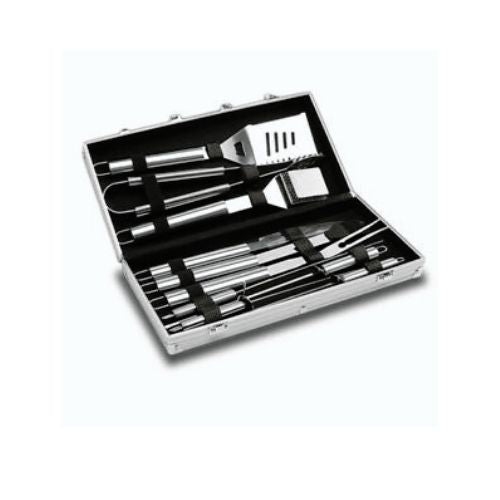
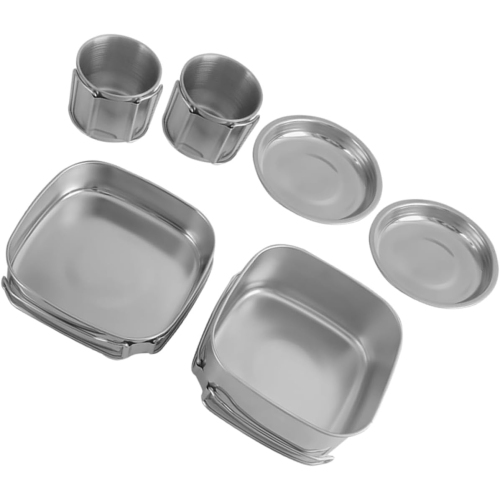
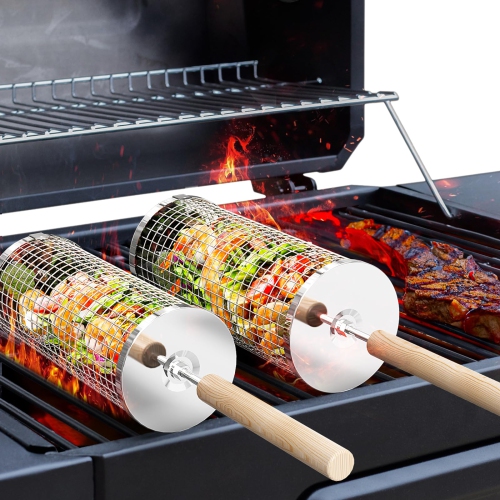
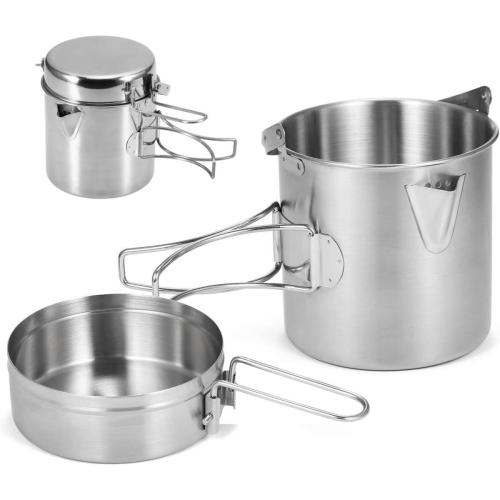
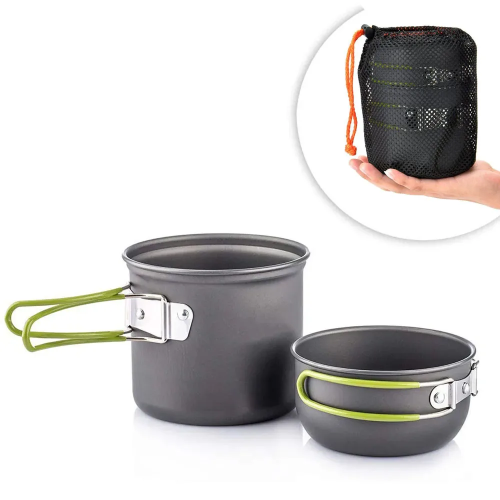
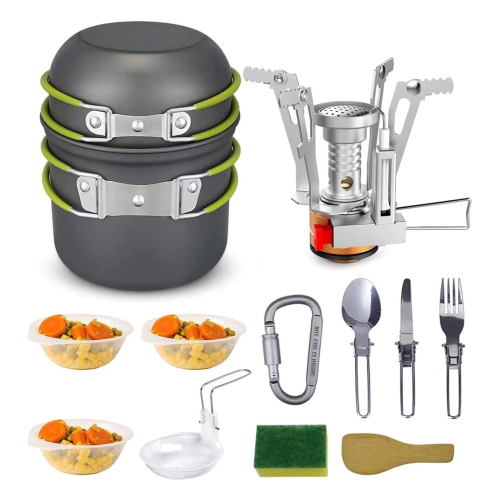
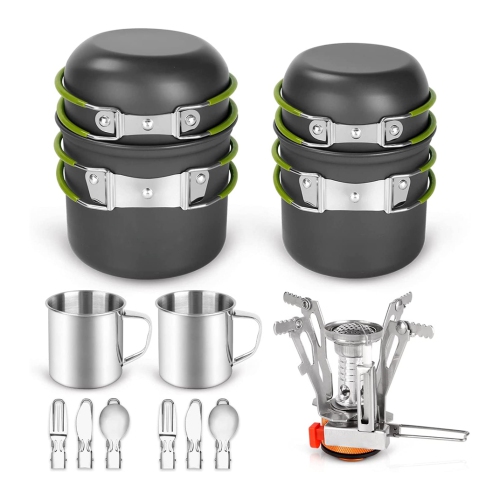
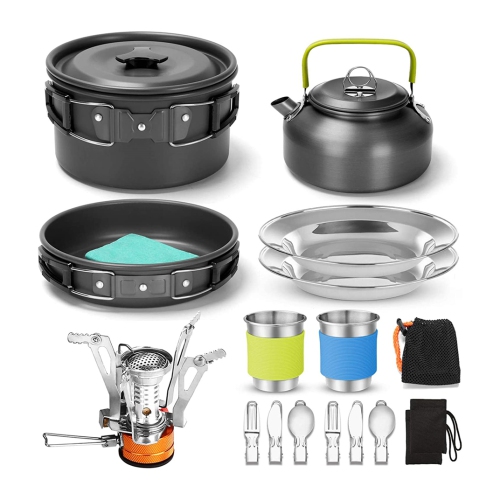
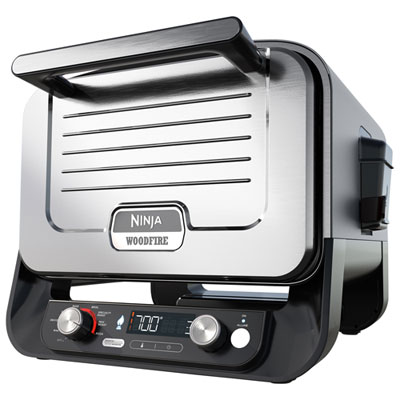
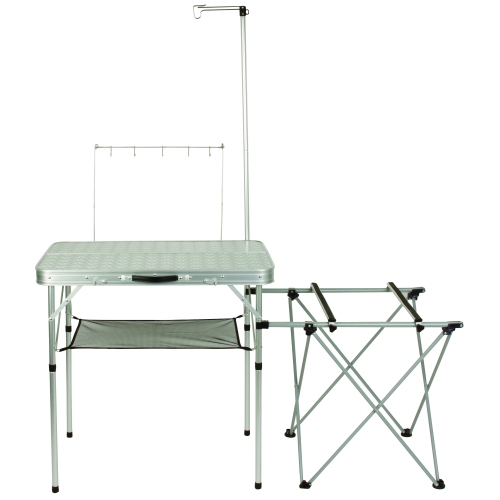
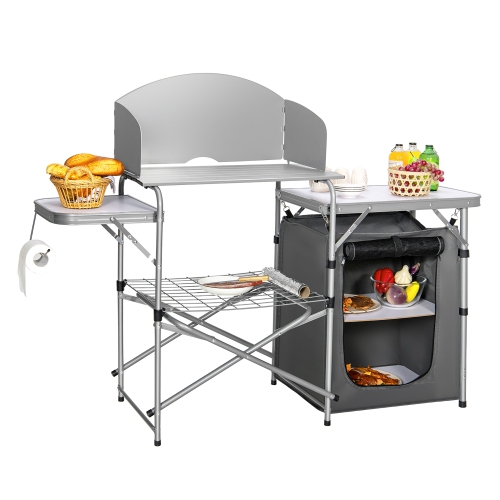
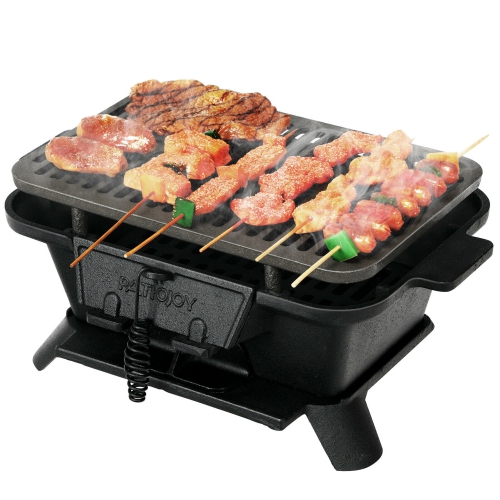
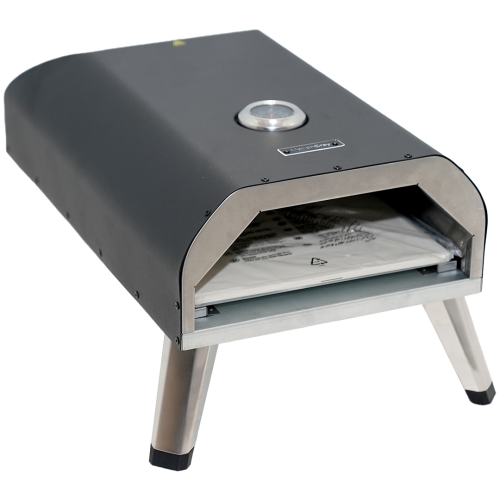
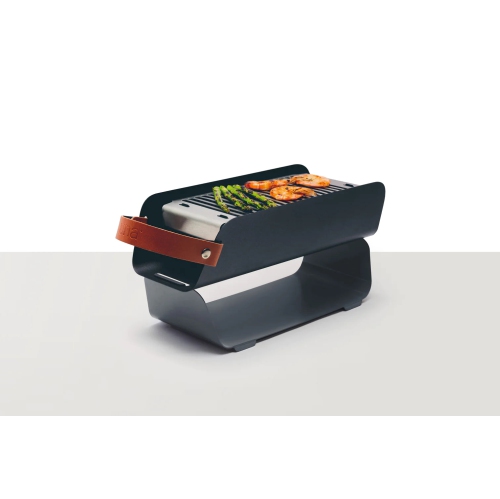
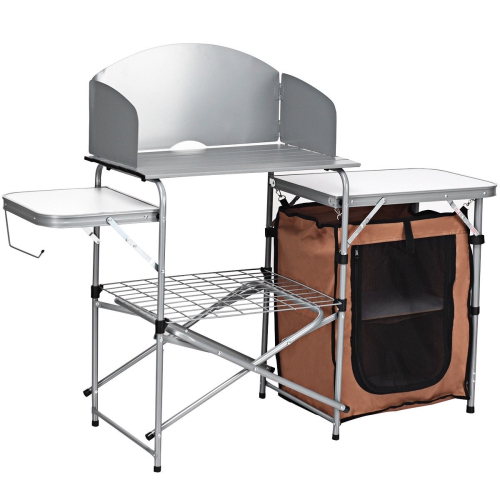
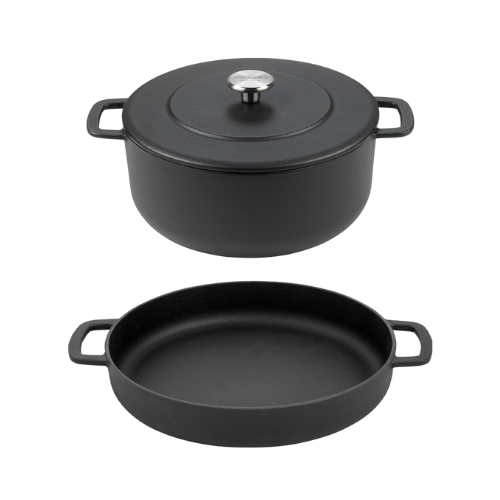
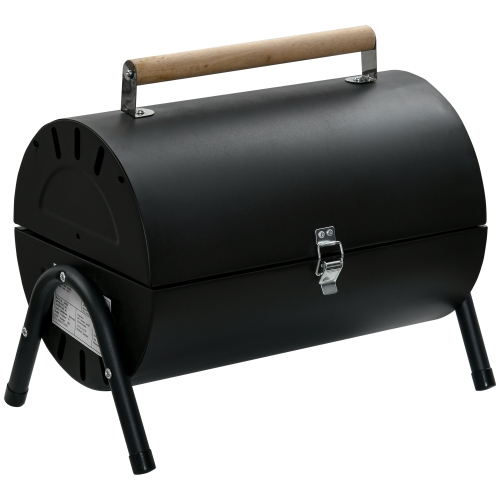
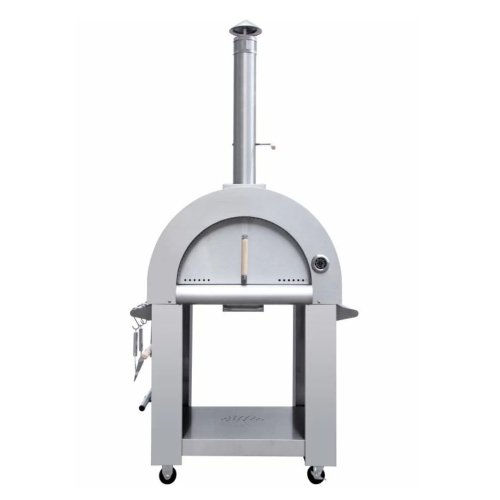
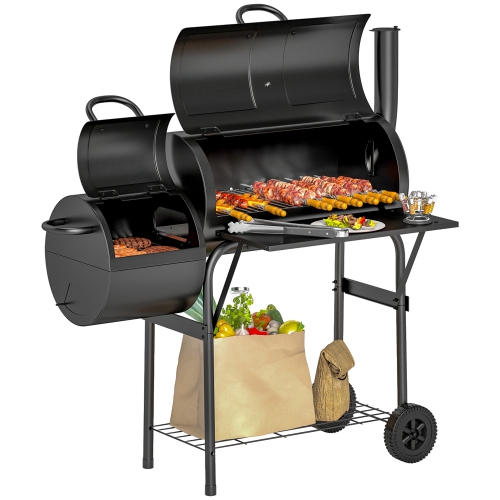
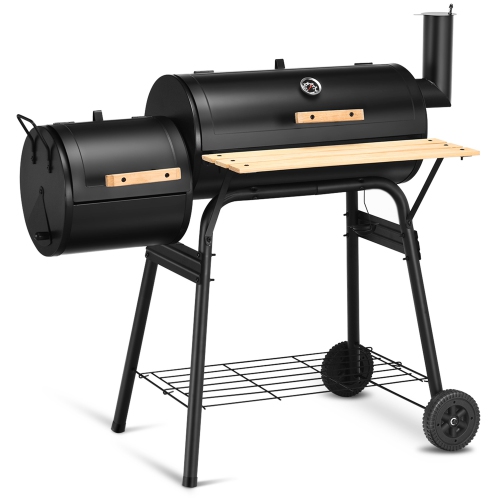
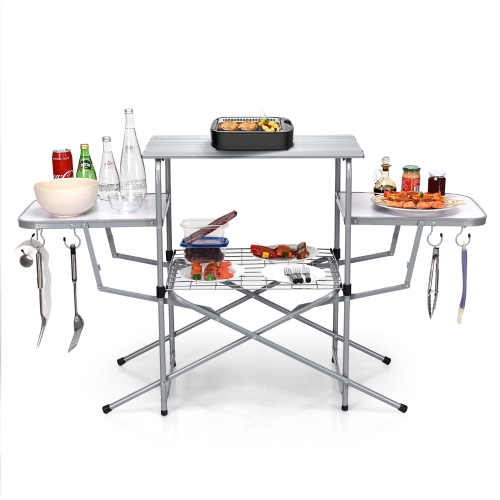
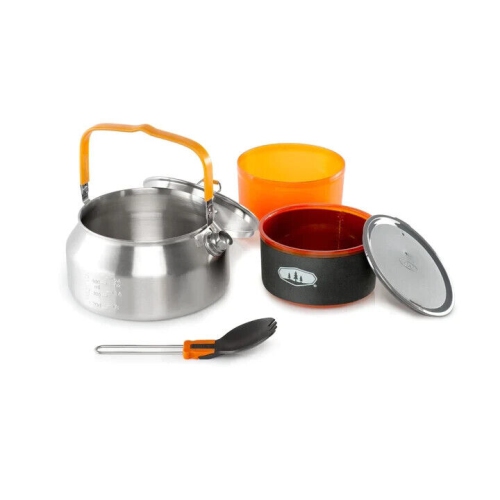
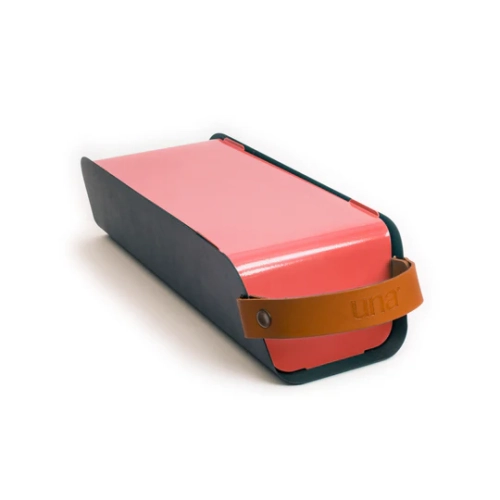
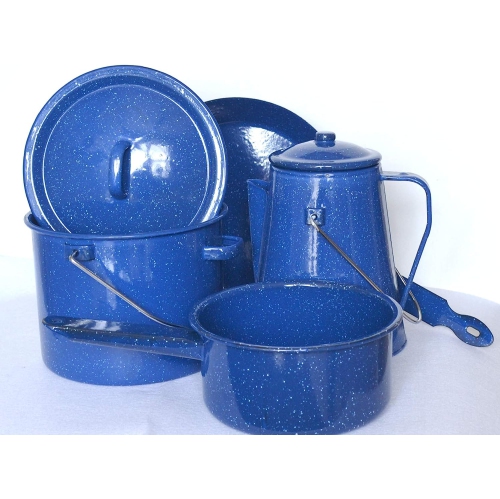
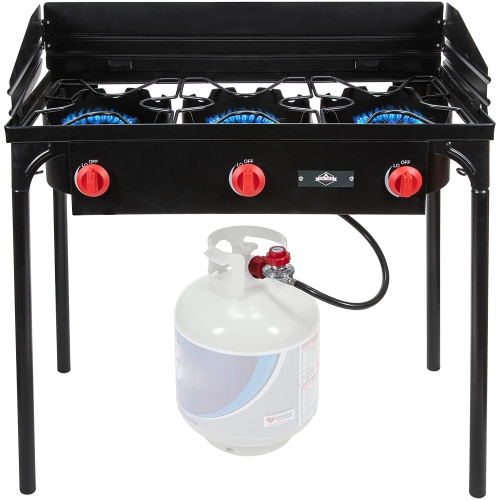
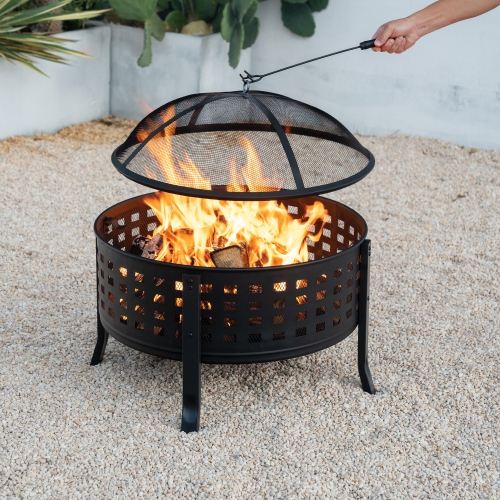
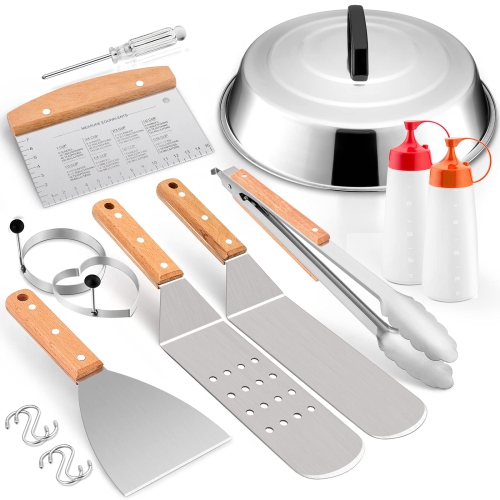
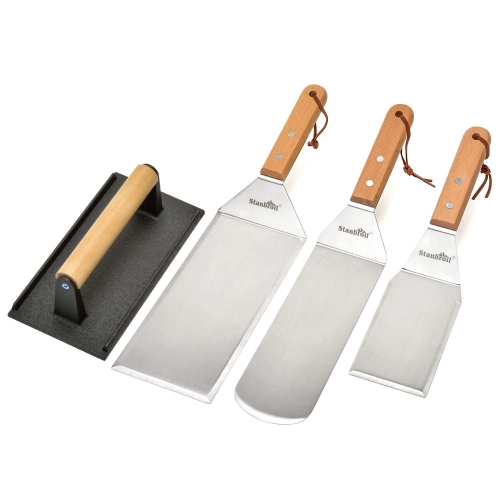
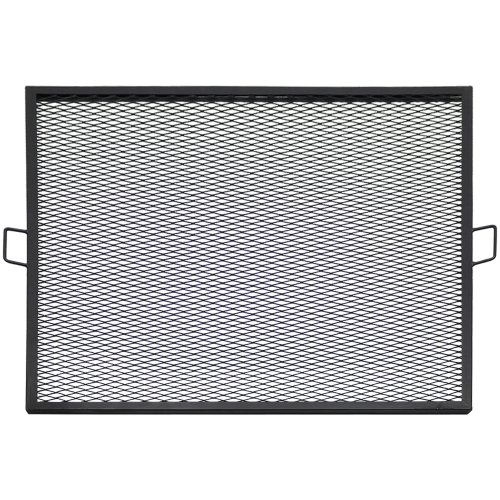
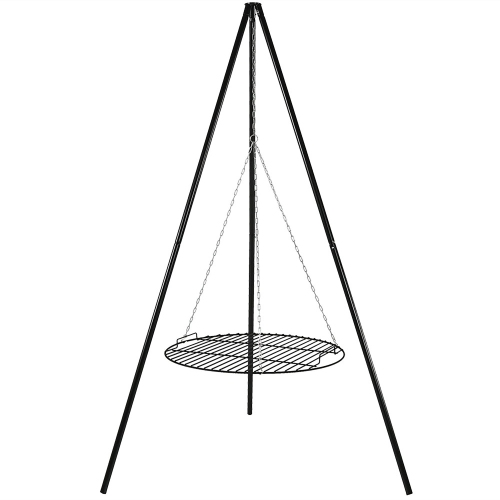
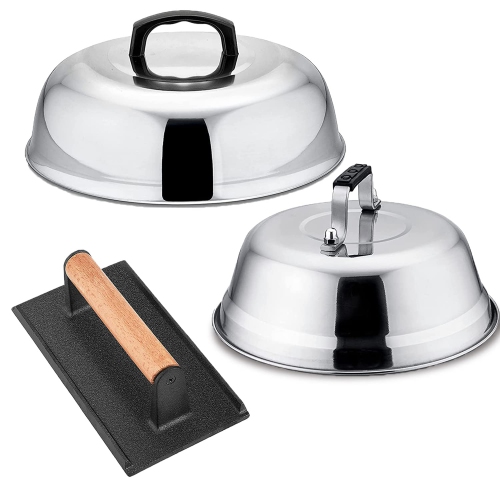

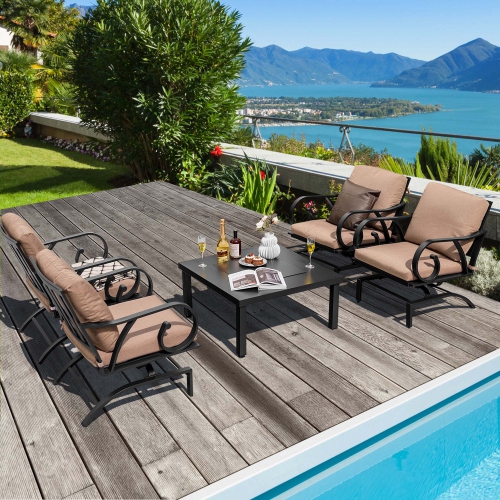
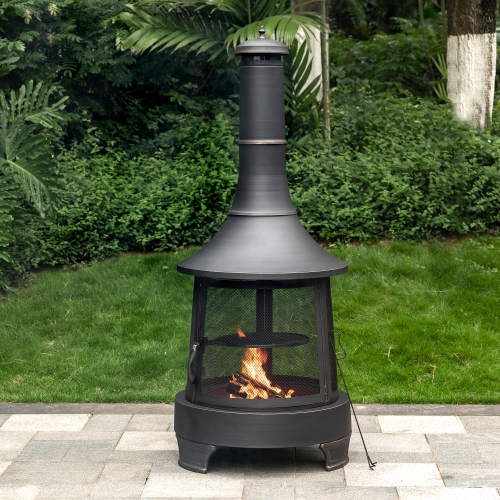
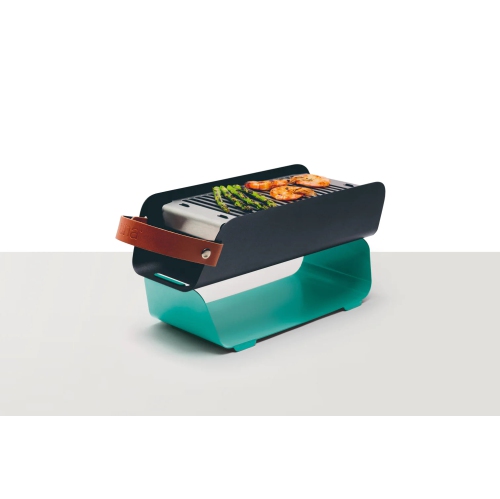
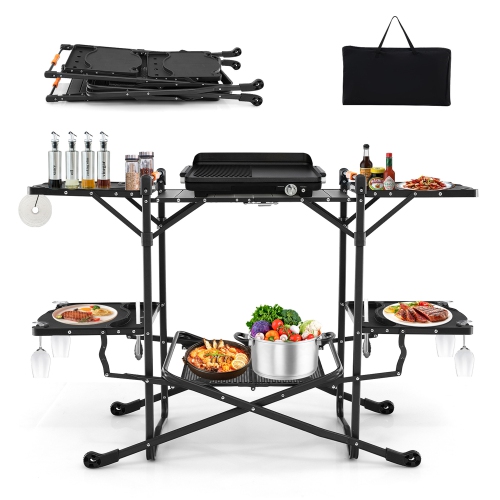
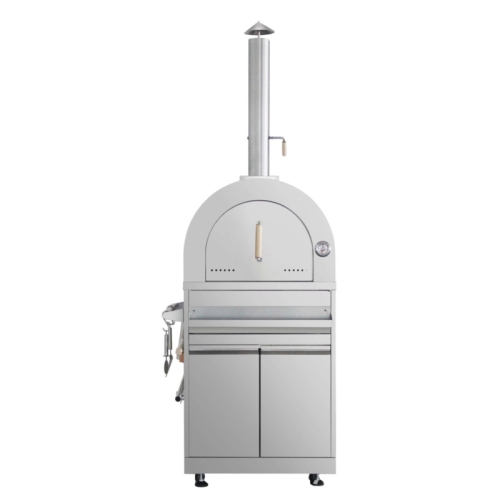
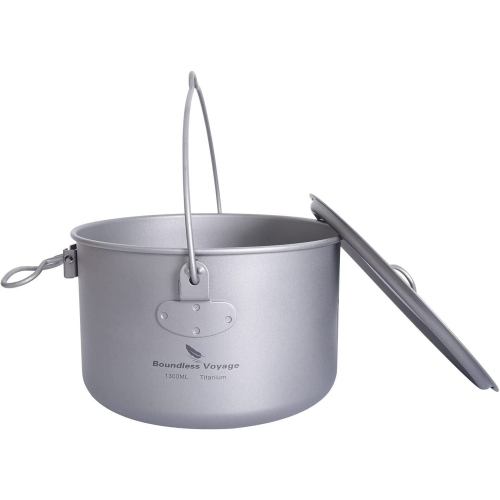
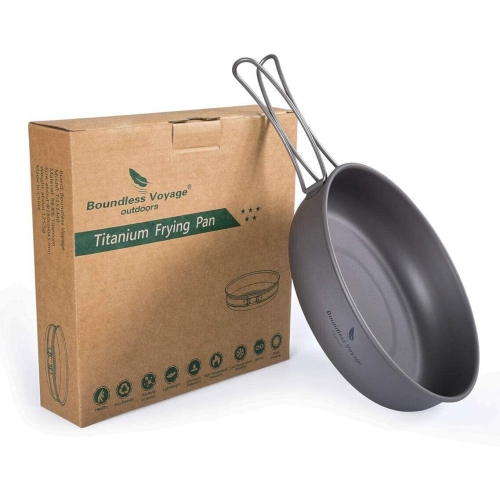
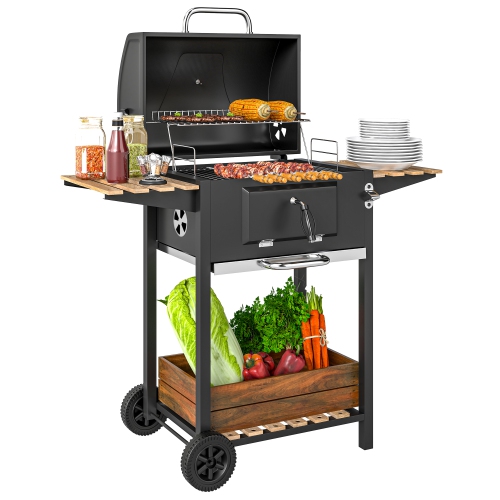
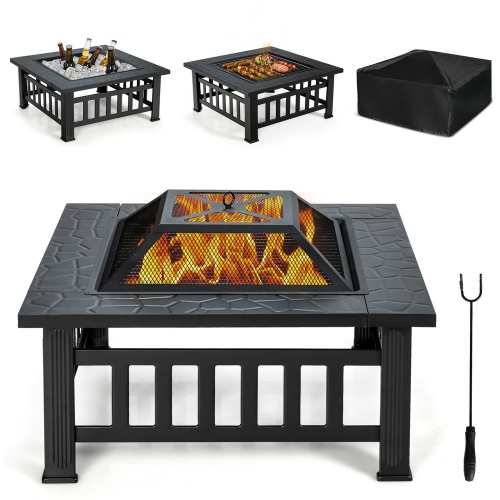
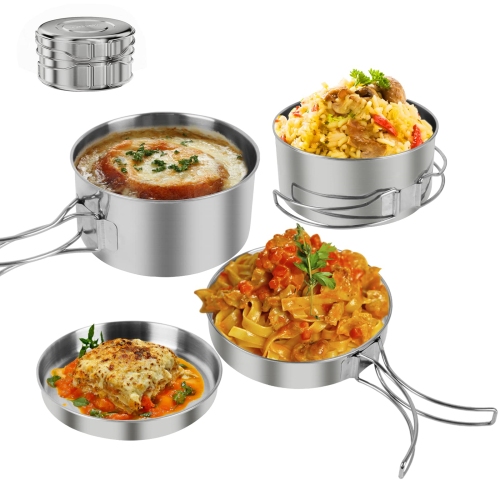
Camp cookware that balances meal size with pack space
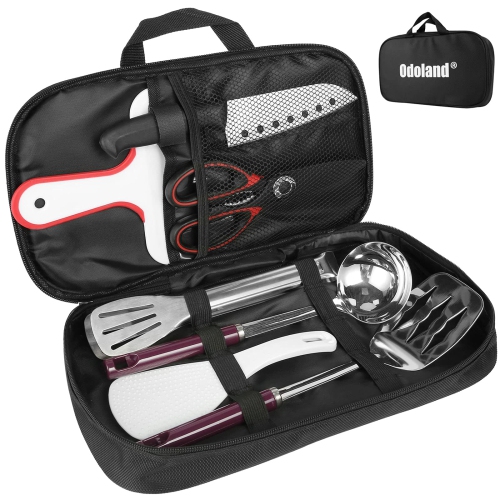
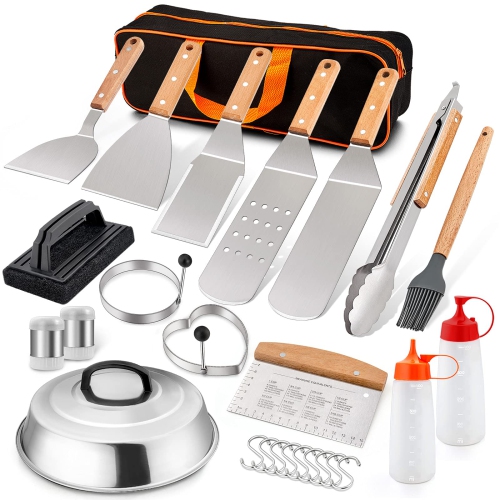
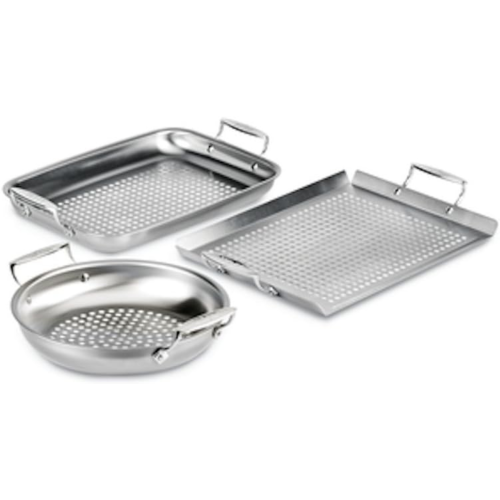
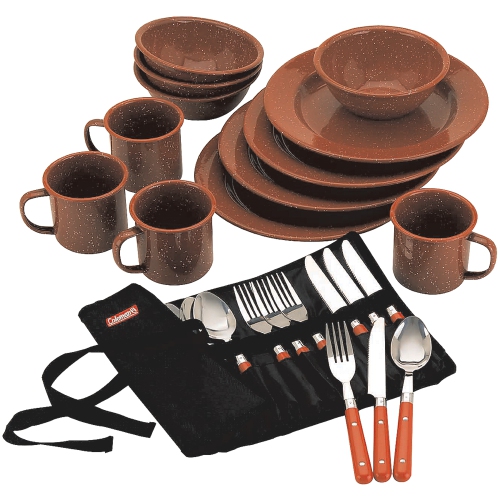
Outdoor cooking sets are portable collections of cookware and meal-preparation essentials designed for camping, hiking, picnics, and other meals away from a home kitchen. A set typically brings together pots, pans, lids, and utensils, with some configurations also including bowls, plates, or cups. Many use a nesting design, allowing smaller pieces to fit inside the largest pot so the packed kit takes up less space. That compact arrangement makes a difference when a backpack must also hold food and sleeping gear, or when a family’s camping supplies need to fit neatly into the boot of a car. The most useful combination depends on both the number of people eating and the kind of food being prepared. A solo backpacker heating water for oatmeal or a pouch meal has different needs from a group cooking pasta, vegetables, and a sauce at the same time. For simple meals, a compact pot with a well-fitting lid may handle most of the work; more involved cooking benefits from separate vessels and enough utensils to stir, turn, and serve without interruption. Stated serving counts offer a starting point, but actual pot capacity and usable frying-pan space give a clearer picture of how a set will suit an appetite or a menu. A pot needs room above the food for stirring and bubbling, while a crowded pan can make it difficult to brown ingredients evenly. Packed dimensions matter just as much as cooking capacity, particularly when the kit shares a storage bin with a stove and food containers. Total weight should include the lids, handles, tableware, and carrying bag, not just the main pot. For couples, families, paddlers, and hikers, a practical outdoor cooking set balances meal size with the effort of transporting, using, and cleaning it. The aim is a manageable kit that supports familiar meals without bringing an entire kitchen along.
Materials shape how outdoor cookware carries, cooks, and holds up to repeated use. Stainless steel is a durable choice for frequent campsite cooking, with a surface that tolerates regular scrubbing when cleaned according to the manufacturer’s directions. It generally weighs more than aluminium or titanium, and thin stainless steel cookware can develop hot spots over a concentrated burner flame. Aluminium is lighter and conducts heat well, making it useful when both pack weight and cooking performance matter. Hard-anodized aluminium has a treated surface that improves resistance to wear, although its care requirements still depend on the construction and any additional coating. Titanium is valued for low weight and corrosion resistance, particularly in compact backpacking cookware. Thin titanium pots suit boiling water well, but meals that need gentle, even heat can require closer attention to prevent scorching. Non-stick interiors can make eggs, pancakes, and sticky sauces easier to release and simplify washing up; compatible utensils and non-abrasive cleaning help protect the finish. Construction details are equally important. A broad, stable base should sit securely on the intended stove’s supports without exceeding the appliance’s cookware limits. Folding or removable handles save packing space, but they should attach firmly and provide a secure grip when the vessel is full. Handles and lids can become hot during cooking, even when they appear insulated, so suitable hand protection belongs with the kit. A lid that seats properly helps retain heat, and a pouring lip or straining feature can make draining pasta less awkward, provided the design allows safe handling. Compatibility should never be assumed: cookware suitable for a camping burner is not automatically approved for an open fire, barbecue, or induction surface. Plastic components, coatings, and removable grips may limit where a vessel can be used. For a separate look at equipment that supplies the cooking heat, Outdoor Cooking Appliances covers a related part of the outdoor meal setup. Matching the cookware to its intended heat source helps create a steadier, more practical cooking station.
Day-to-day usefulness often comes down to the small details noticed between preparing breakfast and packing up after dinner. Nesting pieces should fit together without forcing handles against coated surfaces, and a secure strap or carrying bag can keep the contents from shifting during transport. Where the manufacturer permits, a clean, dry cloth between stacked pieces can limit rubbing and rattling. Removable handles are convenient for compact storage, but they also need a consistent place in the packed kit so they are easy to find when a pot is ready to come off the burner. For family camping, separate eating bowls and cooking vessels allow one person to serve while another finishes the meal. For a hiking pair sharing one pot, clear volume markings and a lid that is easy to lift may be more useful than a large collection of accessories. Utensil length also matters: a short spoon that fits neatly inside a small pot can be awkward in a deeper vessel. Cleaning access deserves similar attention, since smooth interiors and accessible corners are easier to wash than tight seams where food can collect. Let cookware cool before washing, follow the specified cleaning method, and dry each piece thoroughly before nesting it for storage. Abrasive pads, harsh cleaners, and dishwashers are not suitable for every material or finish. Checking hinges, handle connections, and coatings between trips helps identify loose parts or damage before the next meal. During use, cookware belongs on a stable cooking surface, with handles positioned away from passing elbows and children’s reach; fuel-burning camping stoves must be operated outdoors as directed, never inside a tent or enclosed space. As a gift, an outdoor cooking set can suit a new camper, a keen backpacker, or a household that enjoys meals at a campsite, especially when its capacity and packed size match their usual outings. A thoughtfully matched set earns its place through straightforward tasks: heating enough water for breakfast, stirring a shared supper comfortably, and packing away cleanly when the meal is finished.
Materials shape how outdoor cookware carries, cooks, and holds up to repeated use. Stainless steel is a durable choice for frequent campsite cooking, with a surface that tolerates regular scrubbing when cleaned according to the manufacturer’s directions. It generally weighs more than aluminium or titanium, and thin stainless steel cookware can develop hot spots over a concentrated burner flame. Aluminium is lighter and conducts heat well, making it useful when both pack weight and cooking performance matter. Hard-anodized aluminium has a treated surface that improves resistance to wear, although its care requirements still depend on the construction and any additional coating. Titanium is valued for low weight and corrosion resistance, particularly in compact backpacking cookware. Thin titanium pots suit boiling water well, but meals that need gentle, even heat can require closer attention to prevent scorching. Non-stick interiors can make eggs, pancakes, and sticky sauces easier to release and simplify washing up; compatible utensils and non-abrasive cleaning help protect the finish. Construction details are equally important. A broad, stable base should sit securely on the intended stove’s supports without exceeding the appliance’s cookware limits. Folding or removable handles save packing space, but they should attach firmly and provide a secure grip when the vessel is full. Handles and lids can become hot during cooking, even when they appear insulated, so suitable hand protection belongs with the kit. A lid that seats properly helps retain heat, and a pouring lip or straining feature can make draining pasta less awkward, provided the design allows safe handling. Compatibility should never be assumed: cookware suitable for a camping burner is not automatically approved for an open fire, barbecue, or induction surface. Plastic components, coatings, and removable grips may limit where a vessel can be used. For a separate look at equipment that supplies the cooking heat, Outdoor Cooking Appliances covers a related part of the outdoor meal setup. Matching the cookware to its intended heat source helps create a steadier, more practical cooking station.
Day-to-day usefulness often comes down to the small details noticed between preparing breakfast and packing up after dinner. Nesting pieces should fit together without forcing handles against coated surfaces, and a secure strap or carrying bag can keep the contents from shifting during transport. Where the manufacturer permits, a clean, dry cloth between stacked pieces can limit rubbing and rattling. Removable handles are convenient for compact storage, but they also need a consistent place in the packed kit so they are easy to find when a pot is ready to come off the burner. For family camping, separate eating bowls and cooking vessels allow one person to serve while another finishes the meal. For a hiking pair sharing one pot, clear volume markings and a lid that is easy to lift may be more useful than a large collection of accessories. Utensil length also matters: a short spoon that fits neatly inside a small pot can be awkward in a deeper vessel. Cleaning access deserves similar attention, since smooth interiors and accessible corners are easier to wash than tight seams where food can collect. Let cookware cool before washing, follow the specified cleaning method, and dry each piece thoroughly before nesting it for storage. Abrasive pads, harsh cleaners, and dishwashers are not suitable for every material or finish. Checking hinges, handle connections, and coatings between trips helps identify loose parts or damage before the next meal. During use, cookware belongs on a stable cooking surface, with handles positioned away from passing elbows and children’s reach; fuel-burning camping stoves must be operated outdoors as directed, never inside a tent or enclosed space. As a gift, an outdoor cooking set can suit a new camper, a keen backpacker, or a household that enjoys meals at a campsite, especially when its capacity and packed size match their usual outings. A thoughtfully matched set earns its place through straightforward tasks: heating enough water for breakfast, stirring a shared supper comfortably, and packing away cleanly when the meal is finished.
Top selling and popular products
-
 Your price for this item is $99.99
 -
 Your price for this item is $513.99
 -
 Your price for this item is $349.98
 -
 Your price for this item is $209.95
 -
 Your price for this item is $143.99
 -
 Your price for this item is $299
 -
 Your price for this item is $209.95
 -
 Your price for this item is $111.99
Discover more categories related to Outdoor Cooking Sets
Top Collections:
Pokemon Centers, Kindle Devices, Best Budget Office Chairs, Apple iPhones 16, Canon G7X Cameras, iPhone 15 Apple, Alarm Clock, Refurbished Apple Laptops, Flip Phones, Best Laptops for Writers
Some products may be subject to Environmental Handling Fees
(EHF) depending on your province.
Learn more about EHFs.