Outdoor Dog House
Give your furry friend the ultimate outdoor retreat with our selection of durable and weather-resistant dog houses. Whether your pup loves lounging in the sun or staying cozy during a drizzle, these outdoor shelters provide a comfortable and secure space for them to relax and unwind. From classic designs to modern styles, find the perfect dog house to complement your outdoor space and keep your pet happy and protected year-round.
Sort

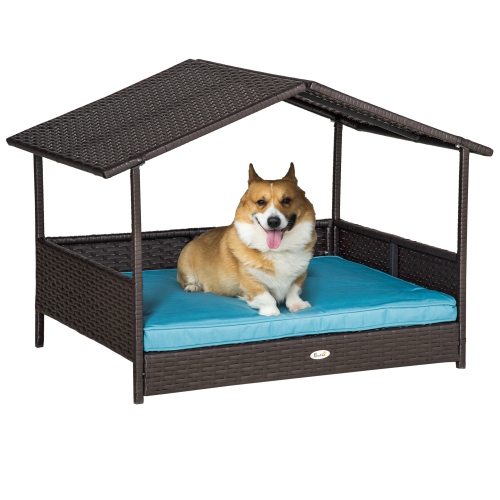
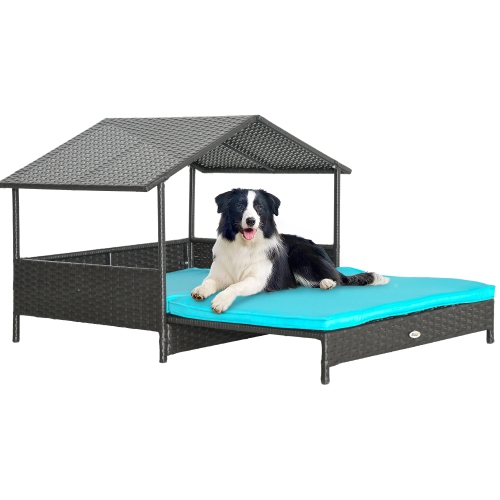
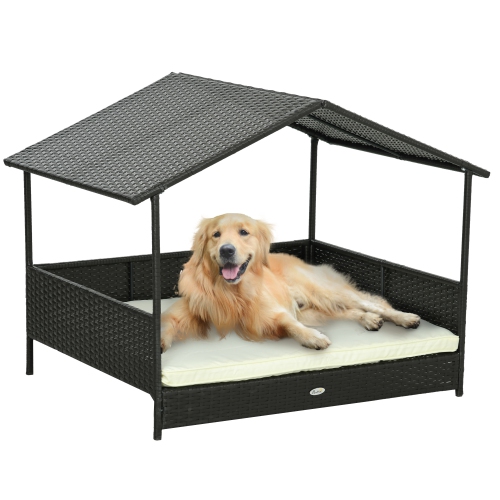
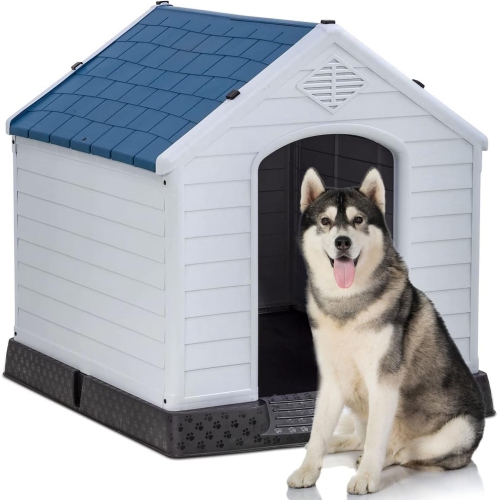
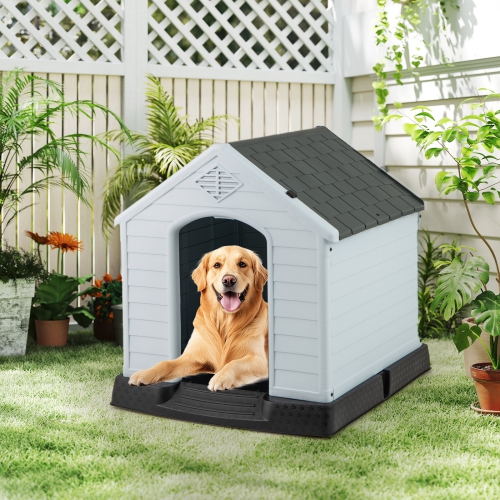
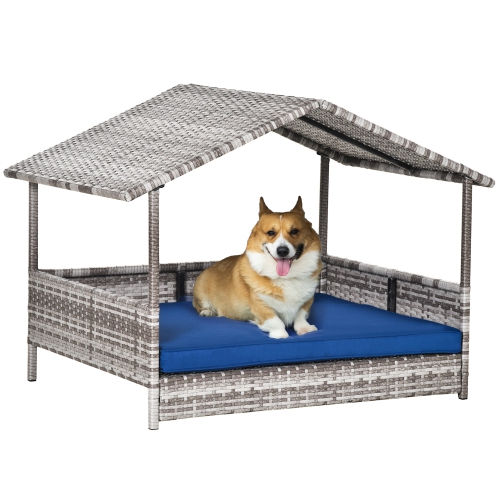
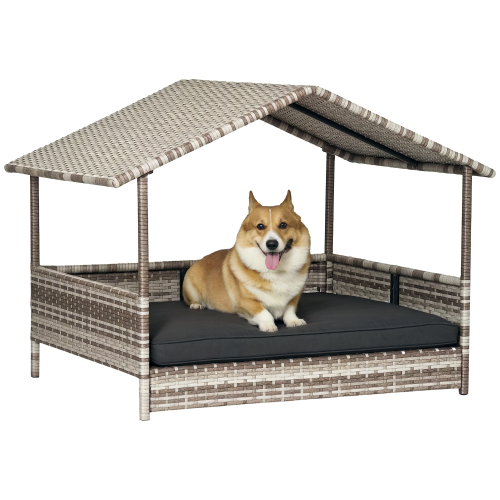
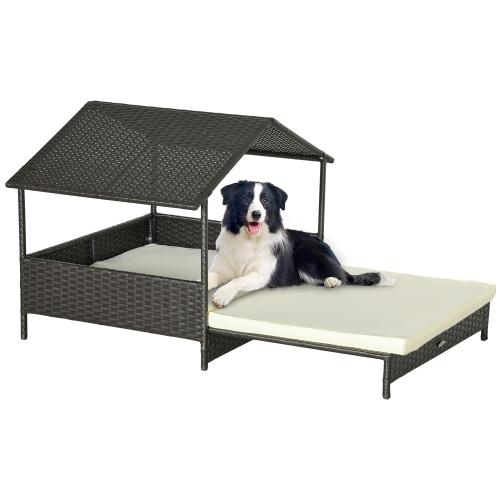
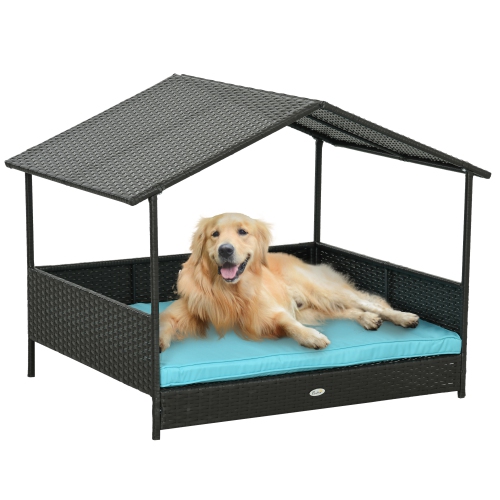
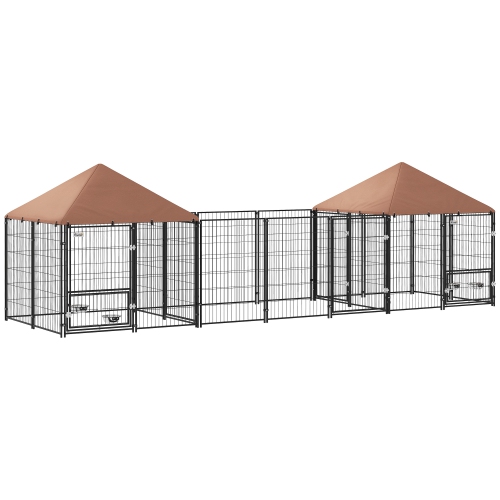
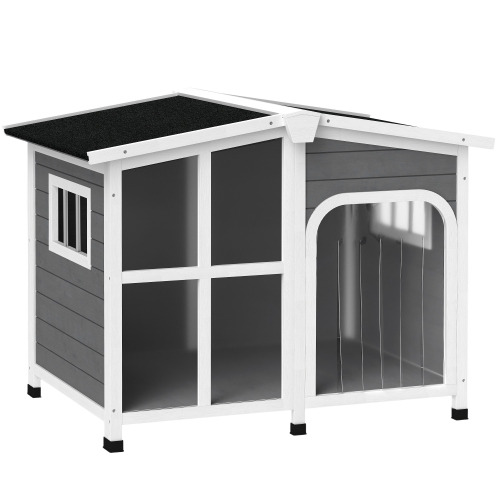
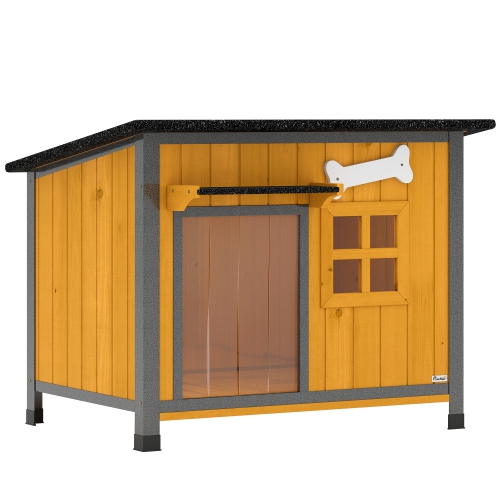
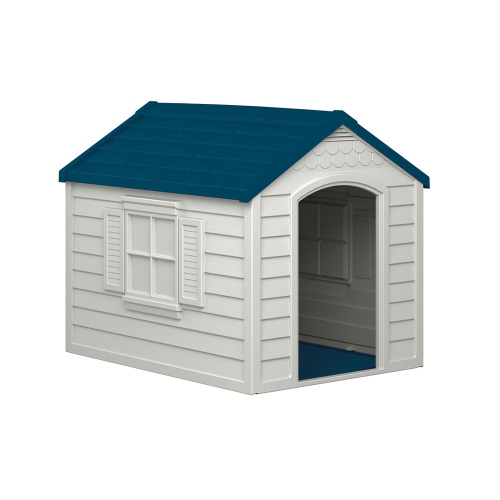
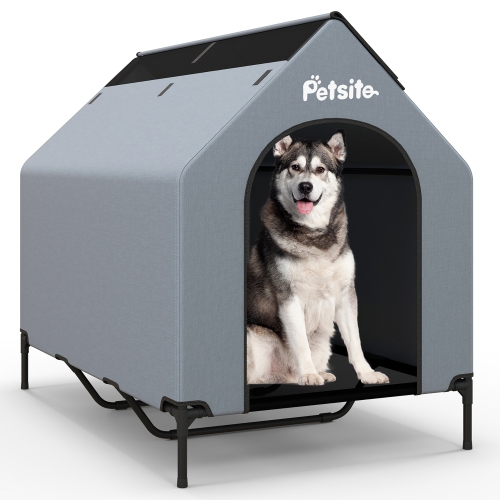
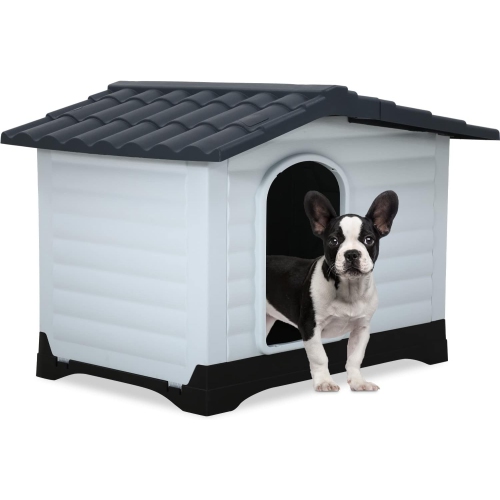
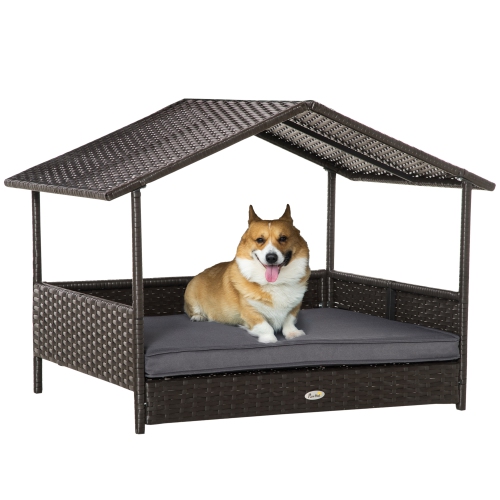
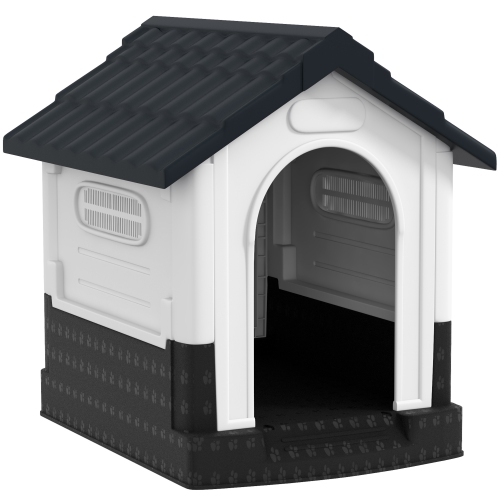
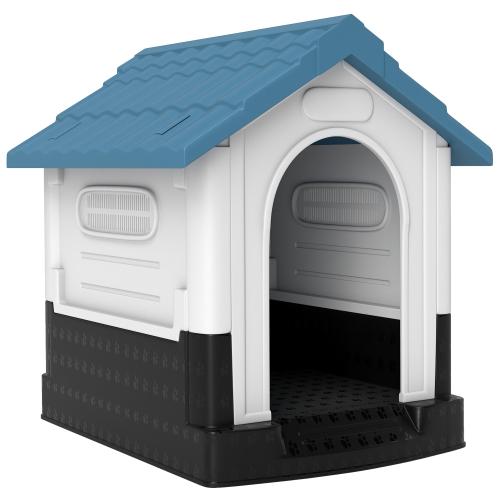
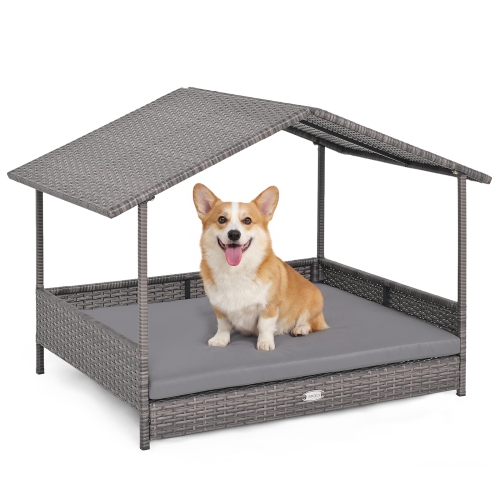
A sheltered backyard retreat starts with the right fit
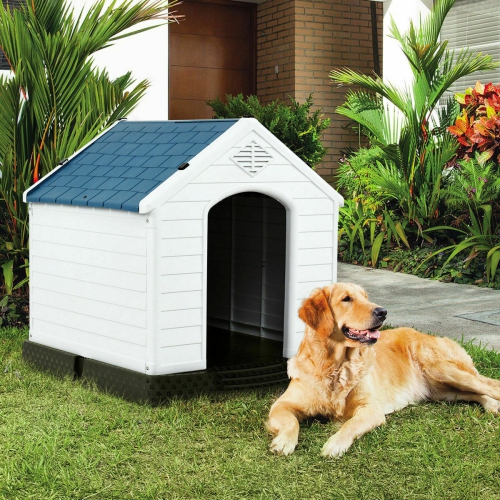
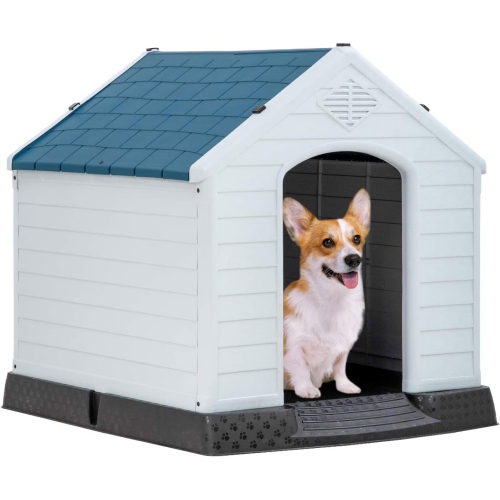
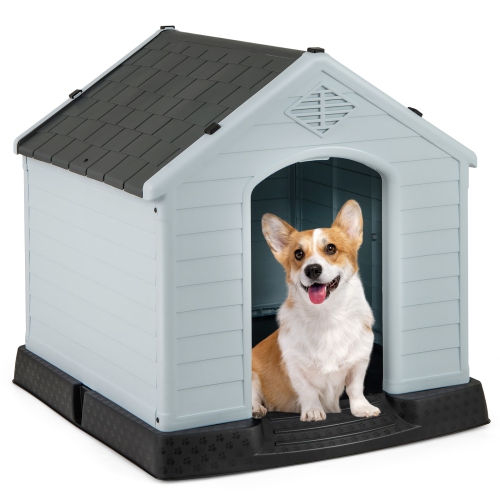
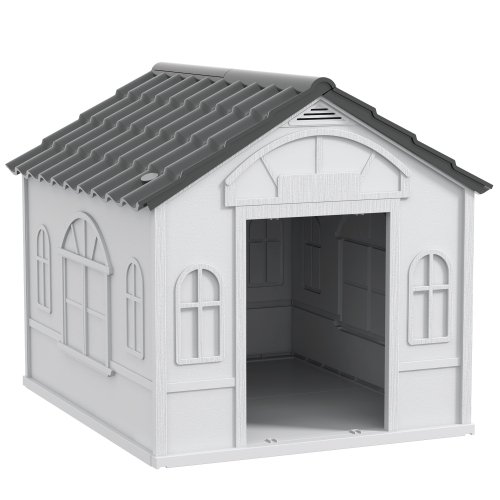
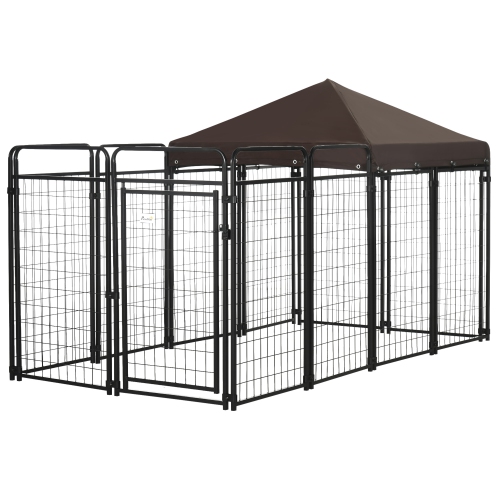
An outdoor dog house gives a dog a sheltered place to rest during time spent in the yard, with protection from direct sun, wind, and rain when its construction and placement suit the conditions. It can provide a quiet retreat beside a patio, a familiar resting spot near the back door, or a covered space where a dog can settle while family members spend time outside. Unlike a crate or fenced run, a dog house is primarily a shelter rather than a means of containment, and its doorway generally allows the dog to move freely in and out. The most useful size depends on the dog’s actual measurements, not just a breed label or weight range. Interior space should allow the dog to stand naturally, turn around without squeezing, and lie down comfortably in a normal resting position. Exterior dimensions can be misleading because thick walls, roof overhangs, and attached porches do not add usable sleeping space. Doorway height and width also matter, especially for broad-chested dogs or older pets that find crouching uncomfortable. A low entrance can make access easier for dogs with limited mobility, while a raised threshold may help limit windblown rain entering the sleeping area. For puppies, expected adult size is relevant, although an oversized interior is not necessarily more comfortable during cooler weather. Dogs that like to stretch out need a different floor shape from those that usually curl up, and room for suitable bedding should be part of the fit. A covered porch offers an additional lounging area, but it does not replace an enclosed, dry resting space. Outdoor dog houses are useful for households whose dogs enjoy supervised backyard time; they are not a substitute for companionship, exercise, or access to suitable indoor shelter. Cold tolerance varies with age, coat, health, and size, and no dog house should be assumed to make prolonged outdoor exposure safe in freezing temperatures, severe storms, or excessive heat.
Materials influence how an outdoor dog house handles moisture, daily wear, and routine cleaning. Wooden dog houses often have a cabin-like appearance that fits naturally beside a fence or garden, with solid panels that provide shade and a substantial feel. Their long-term condition depends on sound joints, protected edges, and an exterior finish suitable for the intended use around pets. Untreated edges and areas touching damp ground can deteriorate, so raised supports and periodic checks for splinters or softened boards are important. Plastic dog houses are generally lighter and have surfaces that can be wiped or washed more easily. Moulded panels resist moisture absorption, although overall performance still depends on the quality of the seams, fastening points, and ventilation. Lightweight construction can make repositioning simpler, but stability matters in an exposed yard. Metal components can add structural strength, particularly around frames and roof supports, while exposed metal surfaces may become very hot in direct sunlight or cold during lower temperatures. Corrosion resistance, smooth edges, and secure fasteners are therefore relevant details. Across materials, a sloped roof encourages water to drain rather than collect, and an overhang can help keep runoff away from the doorway. Roof shape alone does not establish how much snow a structure can support; load limits and maintenance requirements depend on its design. An elevated floor helps separate the resting area from damp soil and surface water, but it should feel firm under the dog’s weight and remain stable as the dog enters. Ventilation helps release trapped warmth and moisture, while openings positioned away from the sleeping level can reduce direct drafts. Insulation may slow heat transfer, but it does not generate warmth or guarantee comfort in extreme temperatures. Protected insulation, tight-fitting panels, and a well-fitted entrance work together more effectively than any single feature. Door flaps can limit some wind and rain, provided the dog can pass through comfortably and adequate airflow remains.
Placement and care have as much influence on everyday comfort as the shape of the shelter. A level, well-drained location helps keep the floor steady and reduces the chance of puddles forming around the entrance. A low corner of the yard may look sheltered but become wet after heavy rain or melting snow, while an open deck may expose the doorway to strong gusts. Positioning the entrance away from prevailing winds and beneath reliable shade can improve comfort, as long as air can circulate and the shelter remains easy to reach. Shade changes throughout the day, so a spot that feels cool in the morning may be hot by afternoon. Enough clearance around the walls makes it easier to inspect the structure and remove leaves, mud, or drifting snow. Inside, dry, pet-appropriate bedding adds comfort, but absorbent fabrics can hold moisture and need frequent checking, particularly during cooler months. A removable floor, accessible roof, or wide opening can make cleaning less awkward than reaching through a narrow doorway. Washable surfaces still need thorough drying before fresh bedding goes back in, and cleaning products should be suitable for pets and used according to their labels. Routine checks can reveal loose screws, damaged roof coverings, chewed edges, or gaps that allow water inside. Dogs that chew need particular attention around exposed trim, fasteners, and any accessible insulation. Fresh drinking water should remain accessible nearby, with checks to ensure it has not frozen during cold weather. Comfort also depends on the dog accepting the space: a familiar scent and relaxed, supervised introductions can make a new shelter feel less unfamiliar, without forcing the dog inside. Some pets prefer to stay close to people and may make better use of a sheltered resting place within the home; an Indoor Dog House offers a separate option for that setting. For outdoor use, the strongest match is a house that fits the dog, suits the yard, stays dry with regular care, and supports short, comfortable periods outside alongside an appropriate indoor resting space.
Materials influence how an outdoor dog house handles moisture, daily wear, and routine cleaning. Wooden dog houses often have a cabin-like appearance that fits naturally beside a fence or garden, with solid panels that provide shade and a substantial feel. Their long-term condition depends on sound joints, protected edges, and an exterior finish suitable for the intended use around pets. Untreated edges and areas touching damp ground can deteriorate, so raised supports and periodic checks for splinters or softened boards are important. Plastic dog houses are generally lighter and have surfaces that can be wiped or washed more easily. Moulded panels resist moisture absorption, although overall performance still depends on the quality of the seams, fastening points, and ventilation. Lightweight construction can make repositioning simpler, but stability matters in an exposed yard. Metal components can add structural strength, particularly around frames and roof supports, while exposed metal surfaces may become very hot in direct sunlight or cold during lower temperatures. Corrosion resistance, smooth edges, and secure fasteners are therefore relevant details. Across materials, a sloped roof encourages water to drain rather than collect, and an overhang can help keep runoff away from the doorway. Roof shape alone does not establish how much snow a structure can support; load limits and maintenance requirements depend on its design. An elevated floor helps separate the resting area from damp soil and surface water, but it should feel firm under the dog’s weight and remain stable as the dog enters. Ventilation helps release trapped warmth and moisture, while openings positioned away from the sleeping level can reduce direct drafts. Insulation may slow heat transfer, but it does not generate warmth or guarantee comfort in extreme temperatures. Protected insulation, tight-fitting panels, and a well-fitted entrance work together more effectively than any single feature. Door flaps can limit some wind and rain, provided the dog can pass through comfortably and adequate airflow remains.
Placement and care have as much influence on everyday comfort as the shape of the shelter. A level, well-drained location helps keep the floor steady and reduces the chance of puddles forming around the entrance. A low corner of the yard may look sheltered but become wet after heavy rain or melting snow, while an open deck may expose the doorway to strong gusts. Positioning the entrance away from prevailing winds and beneath reliable shade can improve comfort, as long as air can circulate and the shelter remains easy to reach. Shade changes throughout the day, so a spot that feels cool in the morning may be hot by afternoon. Enough clearance around the walls makes it easier to inspect the structure and remove leaves, mud, or drifting snow. Inside, dry, pet-appropriate bedding adds comfort, but absorbent fabrics can hold moisture and need frequent checking, particularly during cooler months. A removable floor, accessible roof, or wide opening can make cleaning less awkward than reaching through a narrow doorway. Washable surfaces still need thorough drying before fresh bedding goes back in, and cleaning products should be suitable for pets and used according to their labels. Routine checks can reveal loose screws, damaged roof coverings, chewed edges, or gaps that allow water inside. Dogs that chew need particular attention around exposed trim, fasteners, and any accessible insulation. Fresh drinking water should remain accessible nearby, with checks to ensure it has not frozen during cold weather. Comfort also depends on the dog accepting the space: a familiar scent and relaxed, supervised introductions can make a new shelter feel less unfamiliar, without forcing the dog inside. Some pets prefer to stay close to people and may make better use of a sheltered resting place within the home; an Indoor Dog House offers a separate option for that setting. For outdoor use, the strongest match is a house that fits the dog, suits the yard, stays dry with regular care, and supports short, comfortable periods outside alongside an appropriate indoor resting space.
Top selling and popular products
-
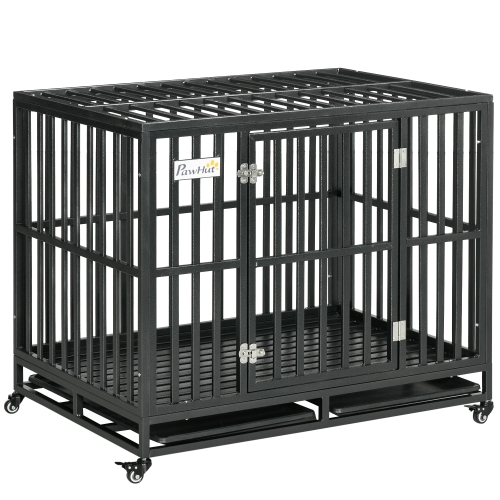 Your price for this item is $229.99
 -
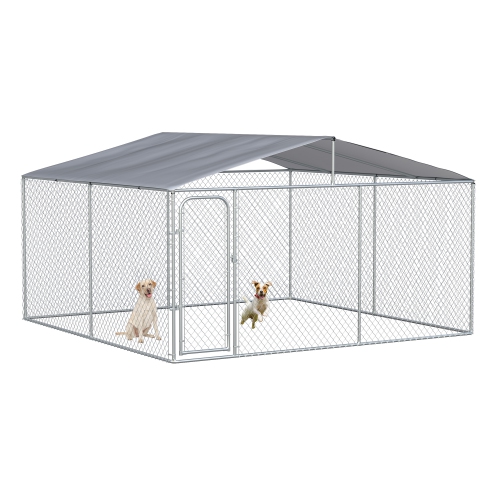 Your price for this item is $559.99
 -
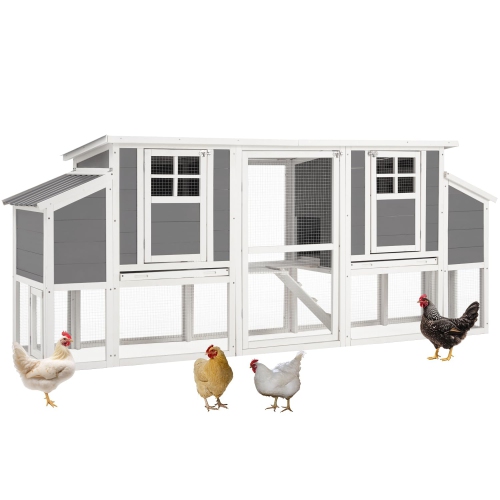 Your price for this item is $399.99
 -
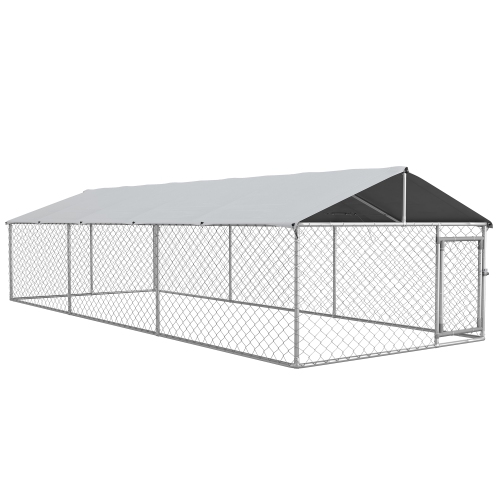 Your price for this item is $499.99
 -
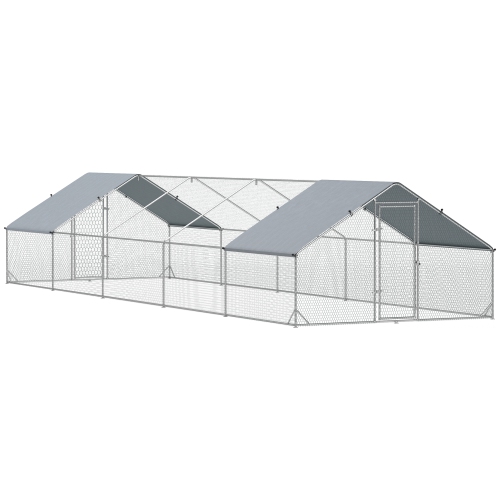 Your price for this item is $479.99
 -
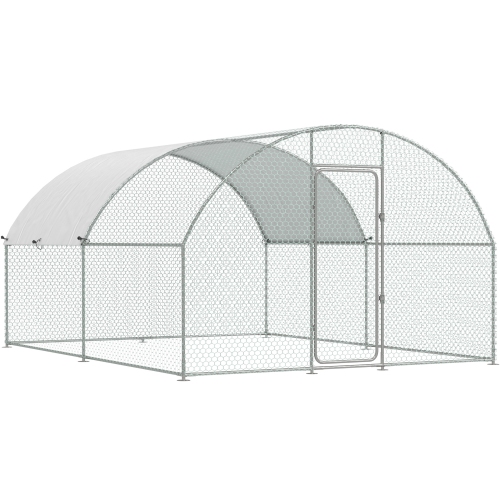 Your price for this item is $227.99
 -
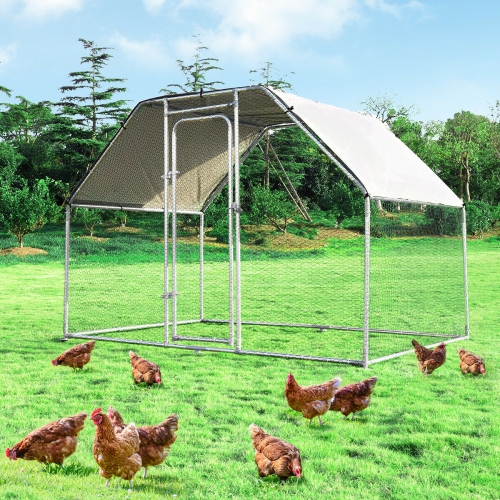 Your price for this item is $419.99
 -
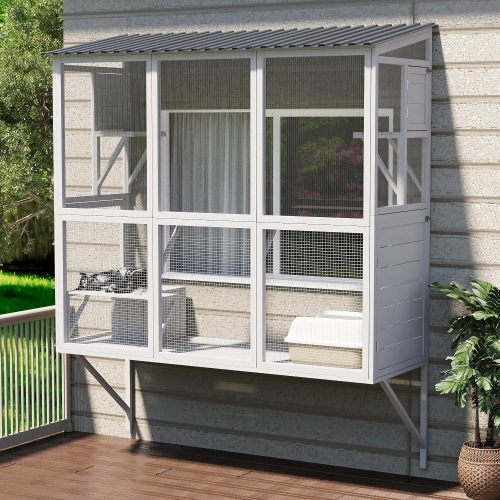 Your price for this item is $279.99
Discover more categories related to Outdoor Dog House
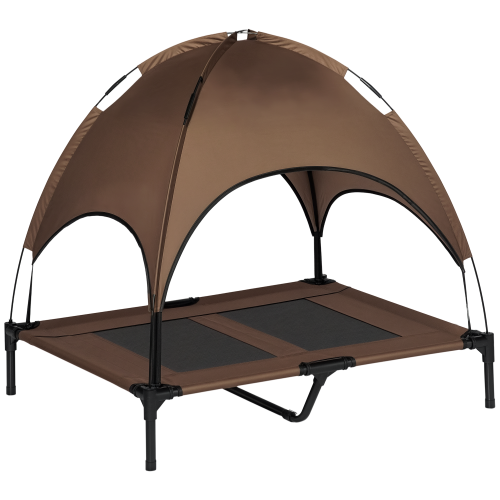
Top Collections:
Pokemon Centers, Kindle Devices, Best Budget Office Chairs, Apple iPhones 16, Canon G7X Cameras, iPhone 15 Apple, Alarm Clock, Refurbished Apple Laptops, Flip Phones, Best Laptops for Writers
Some products may be subject to Environmental Handling Fees
(EHF) depending on your province.
Learn more about EHFs.